

shutterstock

Top 5 Californian Desserts

Last updated on May 15, 2026

Best Californian Desserts

01

House of Silvanas

4.6 ·
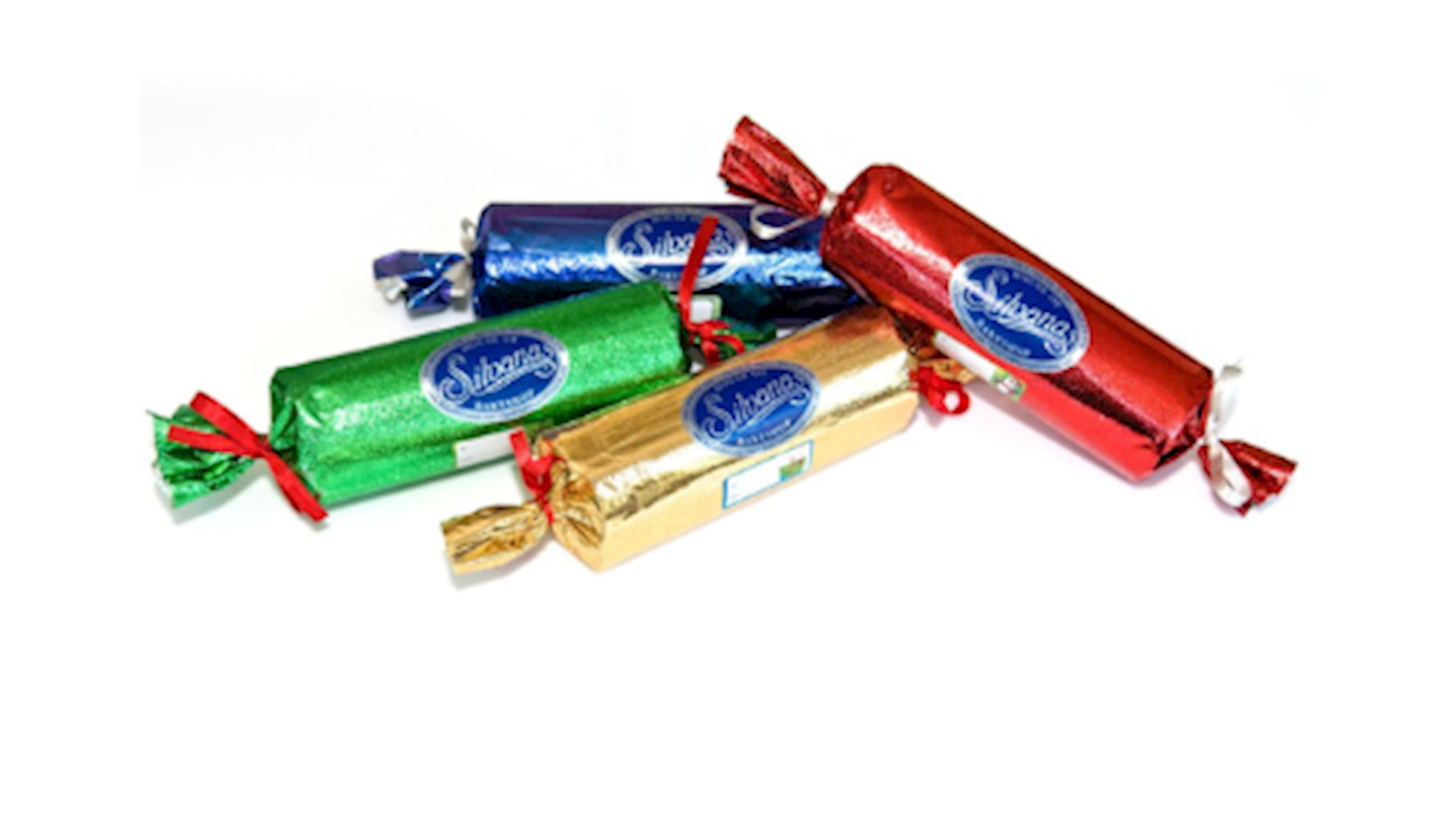
House of Silvanas is a specialty bakery centered on traditional Filipino confectionery, with a primary focus on silvanas - frozen sandwich cookies made from delicate cashew-meringue wafers layered with buttercream and finished with a coating of fine crumbs. The product is defined by its contrast in texture, combining a light, crisp exterior with a rich, creamy center, typically served chilled to preserve its structure. The brand offers multiple flavor variations, including ube, mango, chocolate, mocha, and pandan, each built on the same base while introducing subtle differences in aroma and sweetness. In addition to silvanas, the range includes other Filipino classics such as sans rival, a layered cashew-meringue cake, polvoron, a crumbly milk-based confection, and ensaimada, a soft, buttery brioche-style pastry. The concept is rooted in family recipes originating from the Philippines, adapted into a focused bakery model that prioritizes consistency and recognizable flavor profiles. Production emphasizes controlled preparation and proper storage conditions, particularly the need to keep silvanas frozen to maintain their characteristic texture. Rather than diversifying broadly, House of Silvanas maintains a narrow, product-driven identity, where its core offering functions as a representative example of Filipino dessert tradition in an international context.
02

Last Crumb

4.6 ·
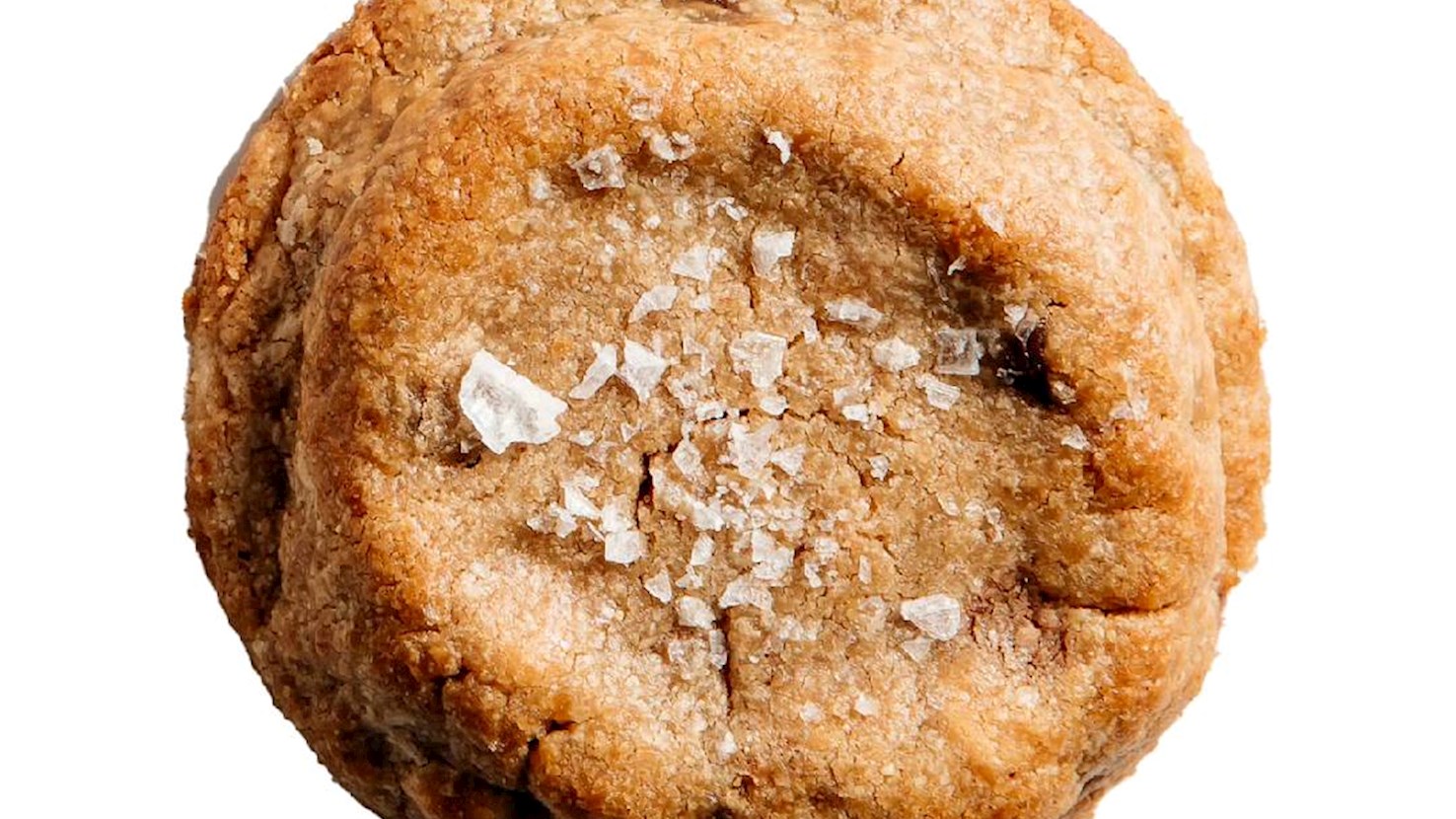
Last Crumb is a brand that transforms the cookie into a work of art—an experience crafted for those who expect more from a sweet. Each cookie is the result of a carefully orchestrated, multi-day process using only the finest ingredients: rich, golden butter, thoughtfully sourced chocolates, roasted nuts, and inventive mix-ins that come together in a symphony of flavor and texture. Rather than offering a standard product line, Last Crumb operates through exclusive, limited-edition drops. Each collection is thoughtfully curated, wrapped in sleek, luxurious packaging, and paired with bold, memorable names. From the moment the box arrives to the final bite, everything is designed to surprise, delight, and indulge. What sets Last Crumb apart is not just its impeccable quality, but the emotion it evokes—of joy, indulgence, and discovery. This isn’t just a cookie; it’s a moment to savor, an experience to share, and a gift that leaves a lasting impression.
03

Wooden Table Baking

4.2 ·
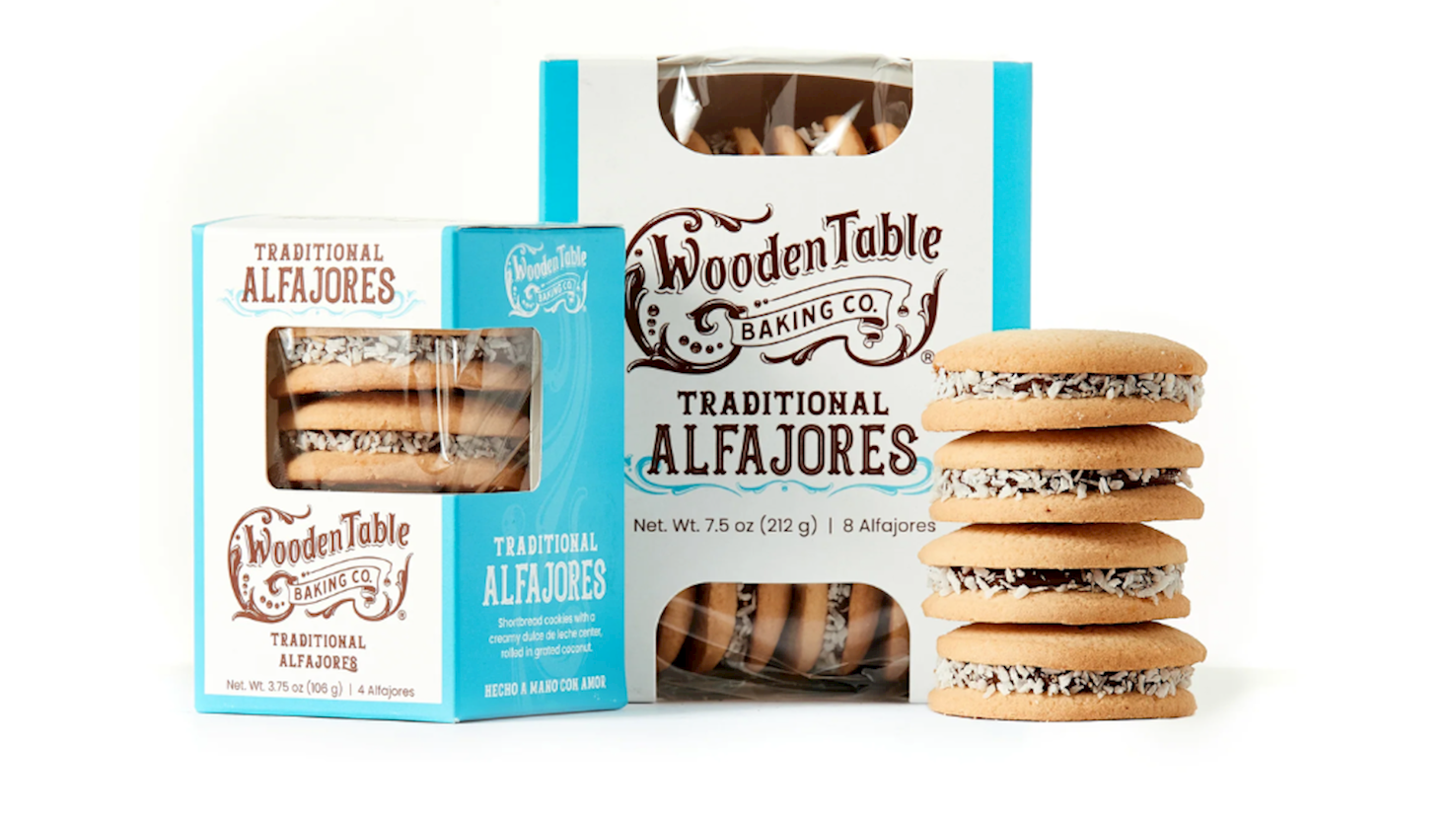
Wooden Table Baking Company is a family-owned confectionery based in Oakland, California, lovingly dedicated to crafting authentic Argentine sweets such as alfajores, chocolate truffles, and cookies. Founded in 2011, the company was born from the personal story of Andrés Ozzuna, who grew up in San Isidro, a suburb of Buenos Aires, and brought with him the rich flavors of Argentine cuisine. Their philosophy centers on using high-quality, natural ingredients and traditional, handcrafted methods. At the heart of their offerings is the traditional alfajor - two layers of delicate, crumbly cornflour cookies joined by a generous filling of dulce de leche, rolled in shredded coconut, and lightly dusted with powdered sugar. For those seeking something different, Wooden Table also offers modern interpretations of alfajores featuring flavors such as lavender, pistachio, matcha, and gluten-free options, catering to a wide range of contemporary tastes.

Best Californian Desserts

01

Hot Fudge Sundae

4 ·

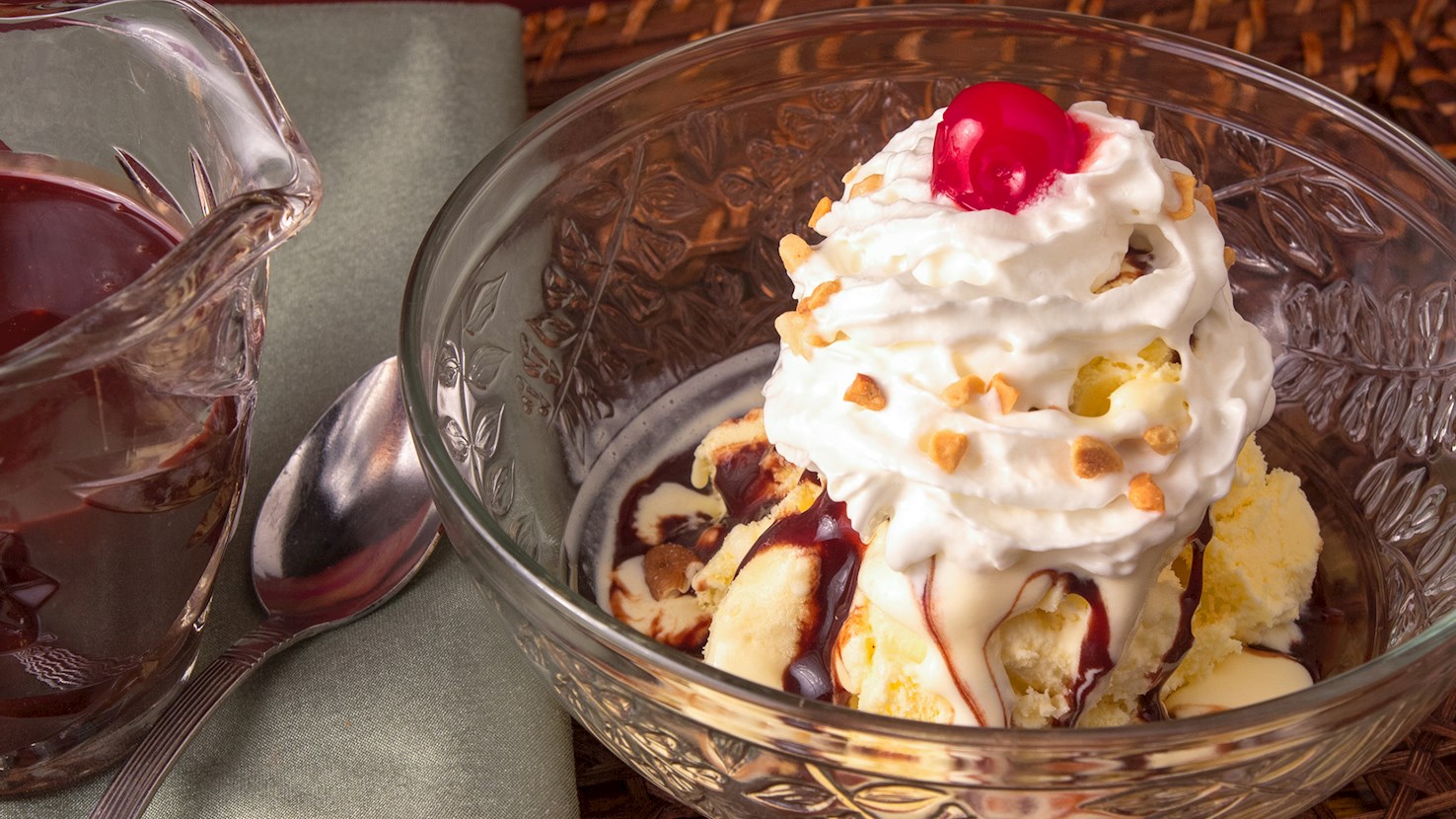
A take on the classic ice cream sundae, hot fudge sundae consists of ice cream, hot fudge, and whipped cream. In this sundae version, a helping of warm, gooey chocolate sauce is poured over scoops of cold ice cream (traditionally vanilla ice cream) - a step that creates a nice temperature contrast and elevates the sensory pleasure offered by the creamy dessert. A dollop or more of light and fluffy whipped cream goes on top of the ice cream drenched in chocolate sauce, and the whole thing is then garnished with sprinkles, toasted nuts, or a red maraschino cherry if desired. This simple yet rich dessert has been around since 1906 when it is believed to have been invented by Los Angeles-based candy maker, Clarence Clifton Brown, who, at that time, owned a store called C. C. Brown’s Ice Cream Shop on Hollywood Boulevard. Hot fudge sundae has since been among the favorite desserts of many generations, and it’s even got its own National Hot Fudge Sundae Day, celebrated on July 25th each year.

02

Maple Bar Doughnut

3.6 ·

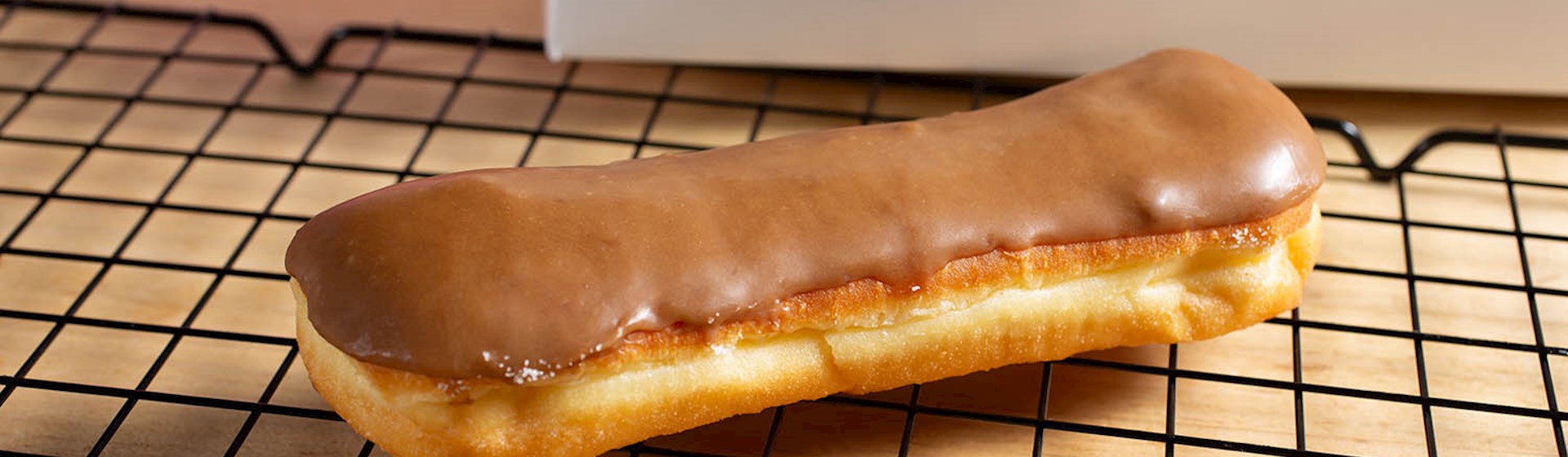
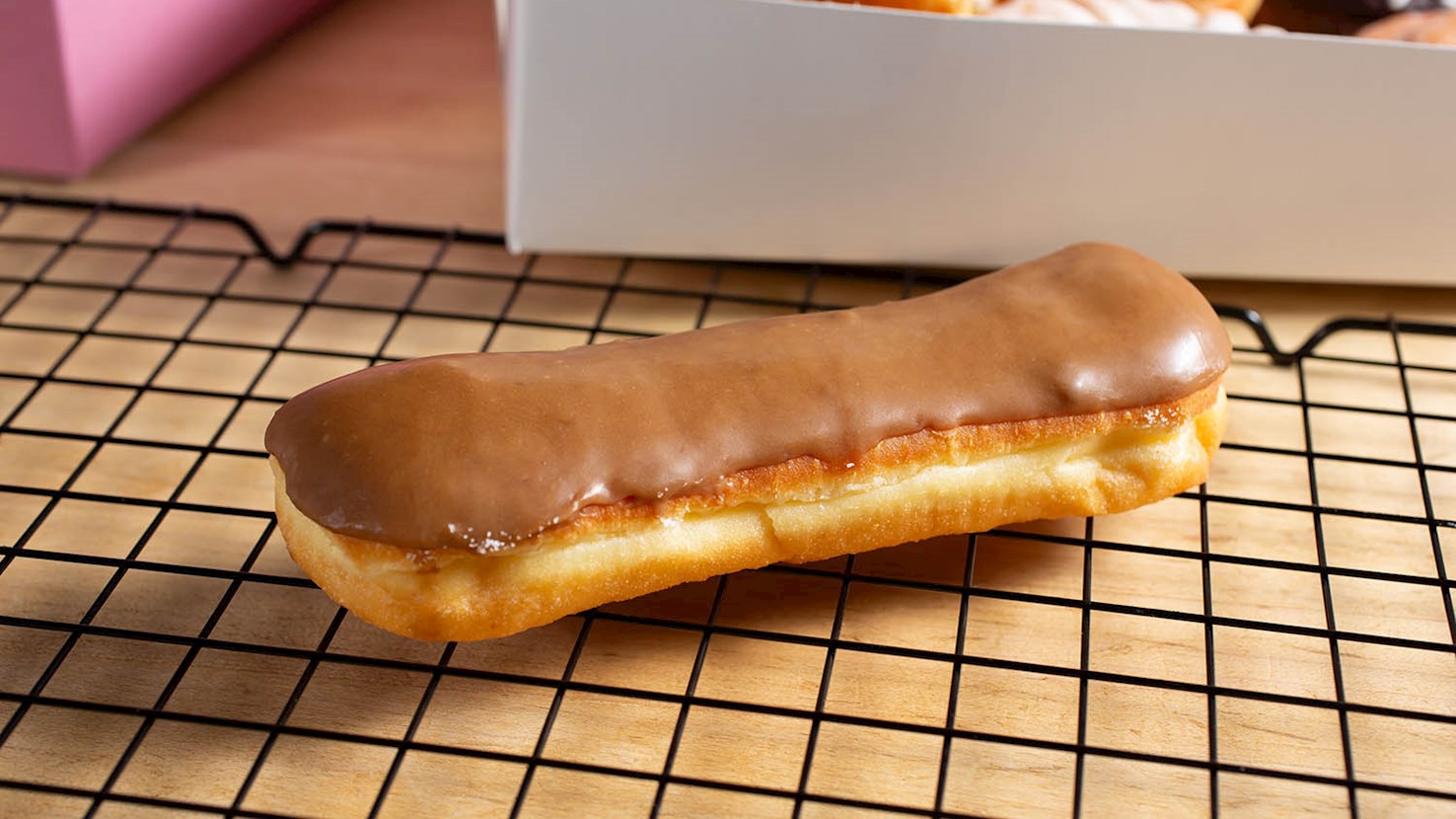
Maple bar is an unusual American doughnut originating from the West coast and usually associated with California. The doughnut is rectangular in shape and topped with a maple glaze. Inside, it can be left as it is or filled with cream or custard. The dough is often made with a mix of flour, egg yolks, vanilla, shortening, baking powder, salt, sugar, water, and yeast, while the maple icing contains powdered sugar, salt, vanilla, and maple extract. These doughnuts have many variations, so they're often topped with nuts or bits of bacon.

03

Chiffon Cake

3.6 ·

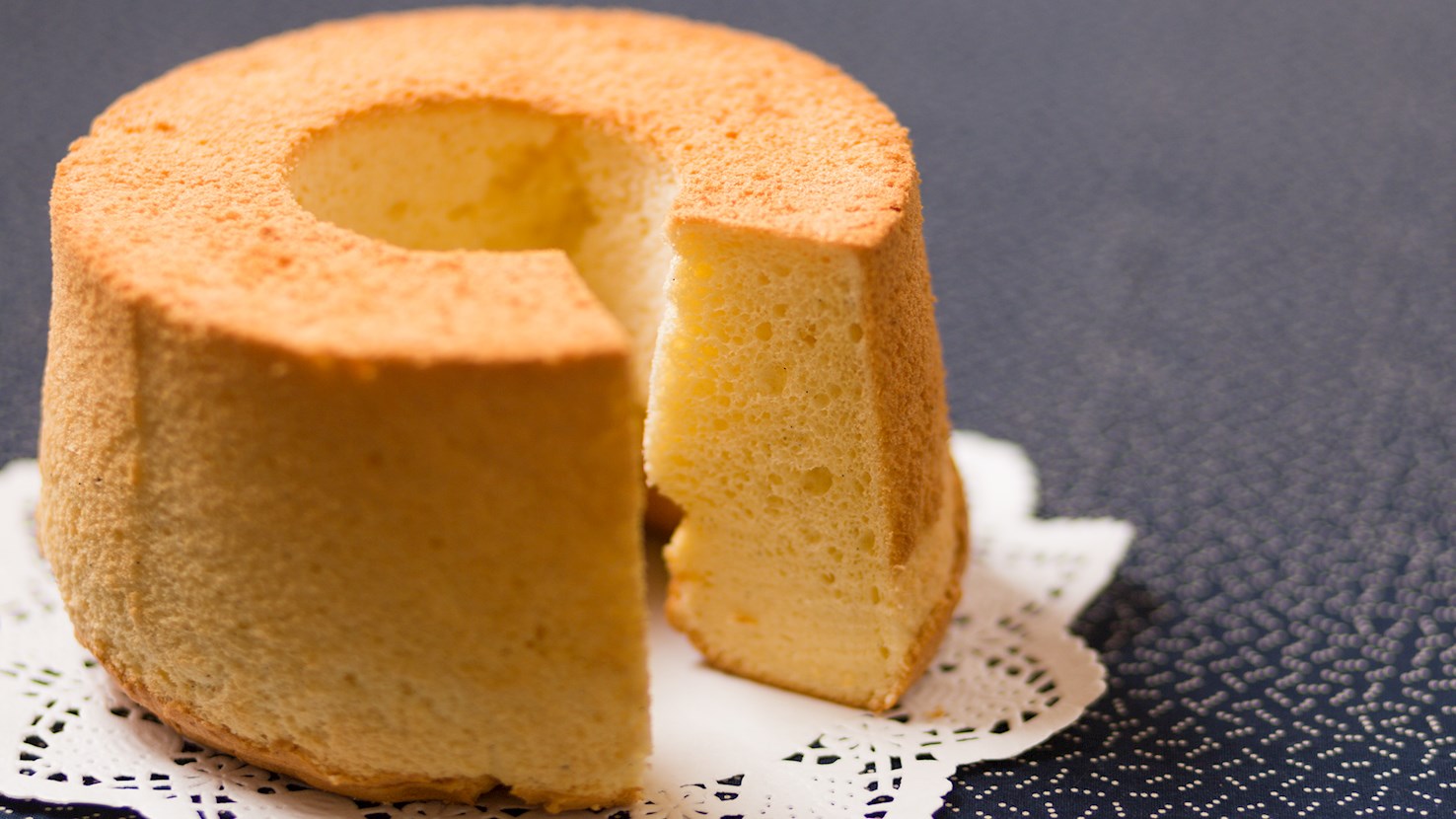
This airy sponge cake was invented in 1927 by Harry Baker, a California insurance salesman-turned-baker. He kept the recipe secret for 20 years until he sold it to the Washburn-Crosby Company, today General Mills, who introduced it in 1948 with a major Betty Crocker marketing blitz, publishing a set of 14 different recipe variations. Chiffon was advertised as "the first really new cake in a hundred years," thanks to its "secret ingredient"—the recipe used vegetable oil instead of conventional shortening which made chiffon cake light and fluffy like angel food cake, yet rich and moist like classic butter cakes. By the end of the 1950s, chiffon became a nationwide sensation. Apart from the basic recipe, variations included fruits like lemon, oranges, and pineapple, but also chocolate, walnut, maple nut, pumpkin, and allspice. Chiffon cake remains equally popular even today, and in the United States, March 29 is celebrated as the National Lemon Chiffon Cake Day.

04

Chiffon Pie

3.4 ·

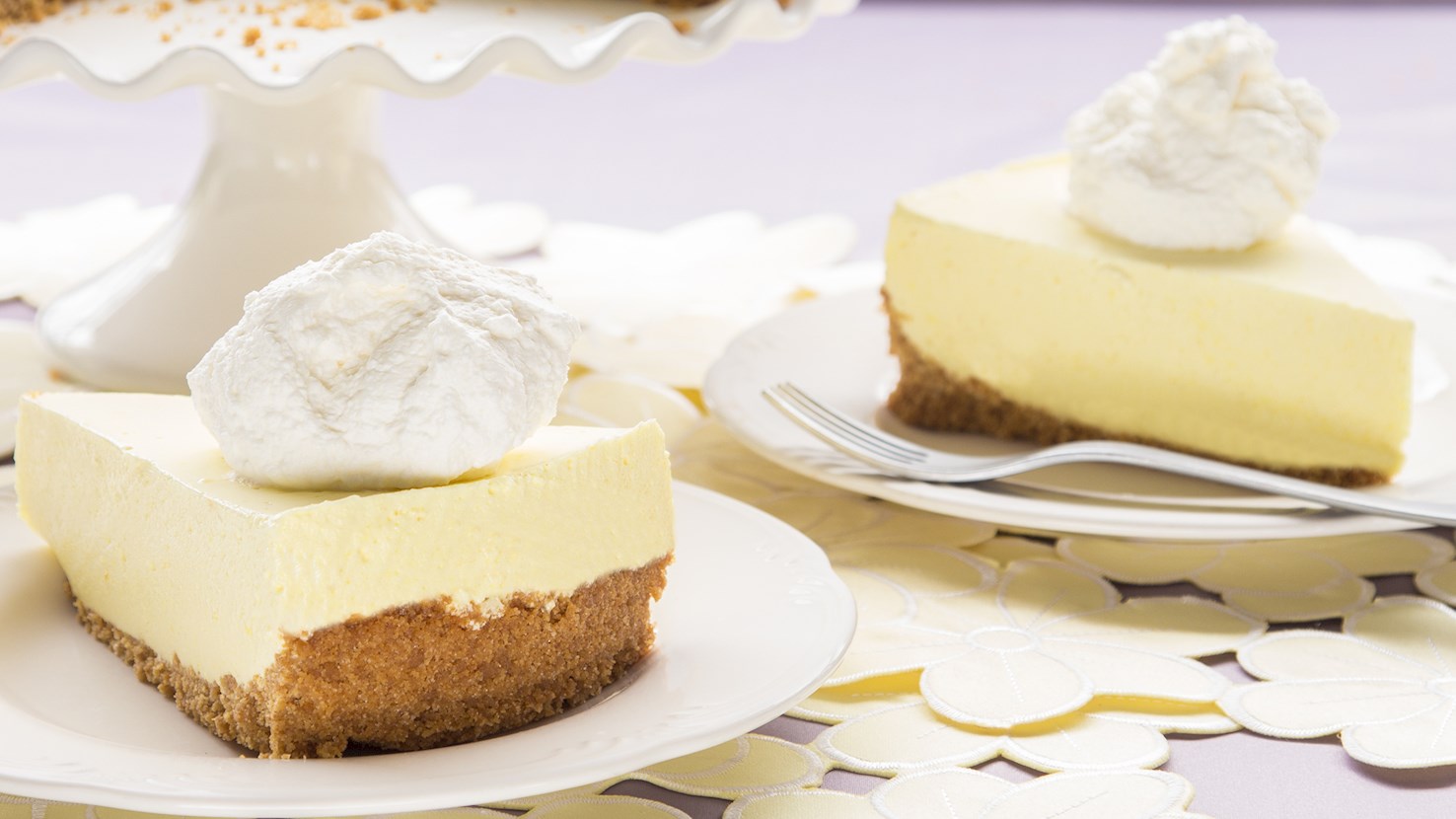
With meringue being its ultimate inspiration, chiffon pie was originally made with the incredibly light, mousse-like filling based on egg whites and a crisp shell of graham crackers acting as a base. This American classic is said to have been invented in Los Angeles in 1926 by a baker named Monroe Boston Strause. Within a couple of years of his invention, Strause boasted the largest pie business in the West, and became known as the nation's champion pie maker, or simply the Pie King. The delicate chiffon pie is still today one of country's favorite desserts and it most often comes with a zesty, lemon-flavored filling.

05

Fortune Cookie

2.7 ·

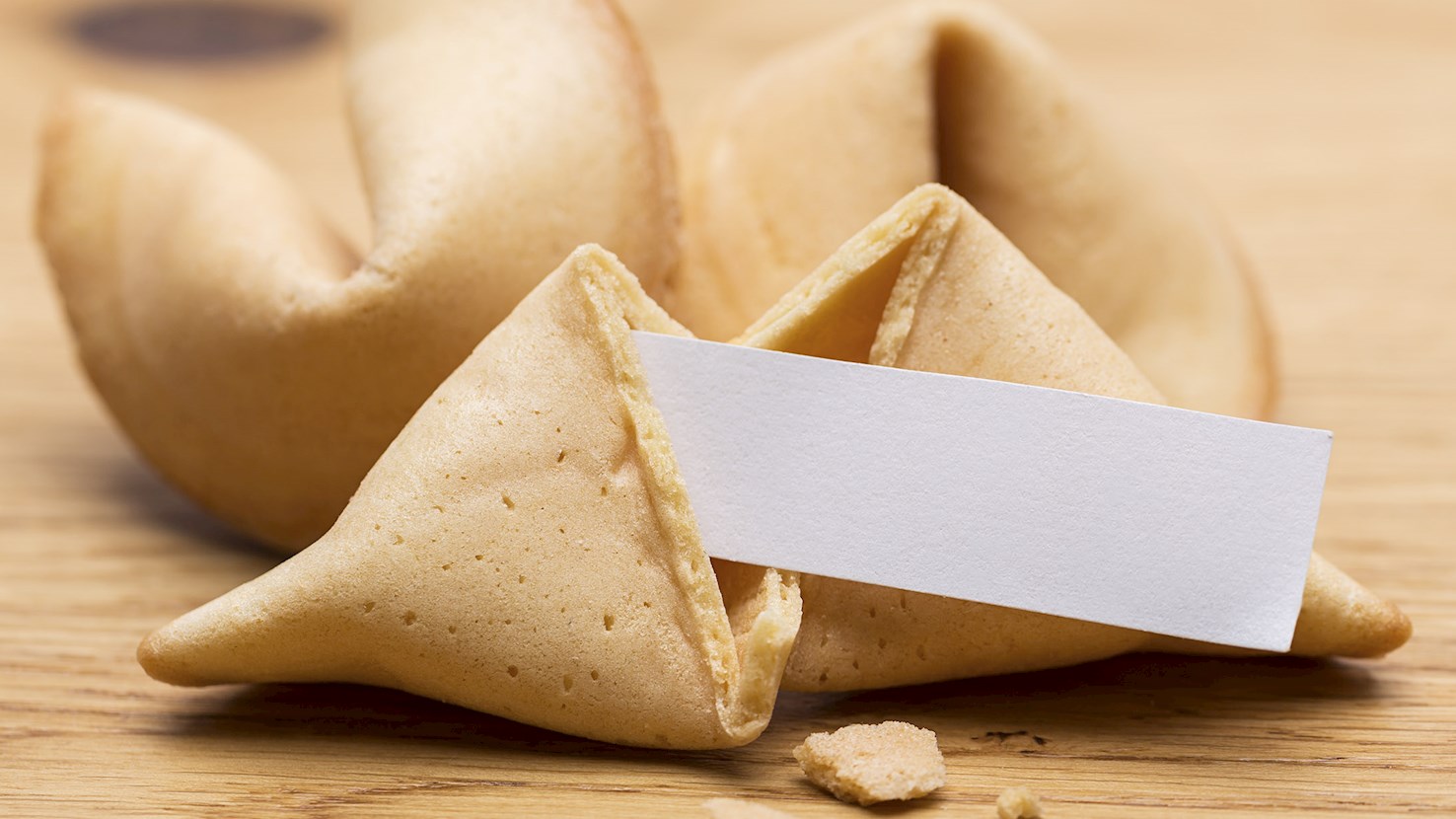
The intriguing fortune cookies are crispy folded wafers hiding an entertaining "fortune" inside. The "fortune" is a written note; a proverb or a universal prophecy believed to predict the person’s future. The cookies are made with egg whites, flour, sesame oil, and sugar, and have a slight vanilla flavor. They are rolled in flat, perfectly round shapes, then baked. Before they are folded, when they are still hot and pliable, the written fortune is nestled inside the cookie. As they cool, the fortune cookies harden and achieve their distinctively crunchy texture. Even though they are usually associated with Chinese restaurants, where they are served at the end of the meal, their origin is believed to be hidden in the Japanese culture. They are closely associated with o-mikuji, the Japanese tradition of placing fortunes at Buddhist and Shinto temples and are somewhat similar to Japanese cookies tsujiura senbei, which are slightly larger and darker in color. The origin of the westernized fortune cookie is vague, but it is believed it primarily appeared in California at the beginning of the 20th century. It is still disputed whether it was invented in Los Angeles by a Chinese immigrant David Jung, the founder of the Hong Kong Noodle Company, or in San Francisco by a native Japanese Makoto Hagiwara, a gardener who designed the Japanese Tea Garden. Today, most fortune cookies are produced in the United States, with the biggest factory located in Brooklyn. They constitute an important part of American culture and Chinese-American cuisine. Outside the United States, they can be found in numerous Chinese restaurants around the world, but are rarely found in China.

Read more
View all
View map
About this ranking

TasteAtlas food rankings are based on the ratings of the TasteAtlas audience, with a series of mechanisms that recognize real users and that ignore bot, nationalist or local patriotic ratings, and give additional value to the ratings of users that the system recognizes as knowledgeable. For the “Top 5 Californian Desserts” list until May 15, 2026, 654 ratings were recorded, of which 609 were recognized by the system as legitimate. TasteAtlas Rankings should not be seen as the final global conclusion about food. Their purpose is to promote excellent local foods, instill pride in traditional dishes, and arouse curiosity about dishes you haven’t tried.

The initial list of top producers was compiled based on available reviews, awards, local recommendations, media and blog coverage, and consumer reviews. The list will be updated with ratings from TasteAtlas local ambassadors and TasteAtlas users.

Similar lists