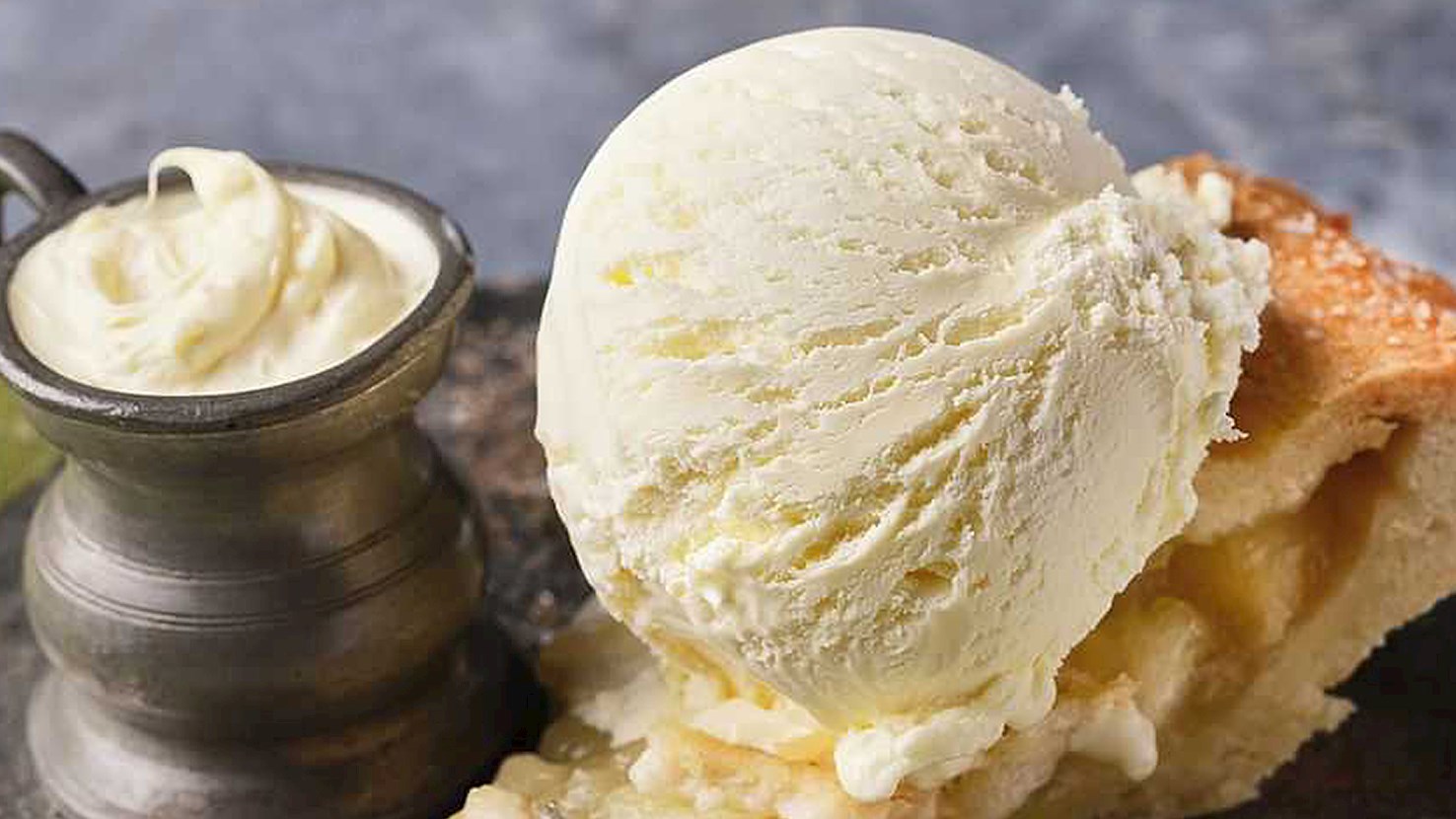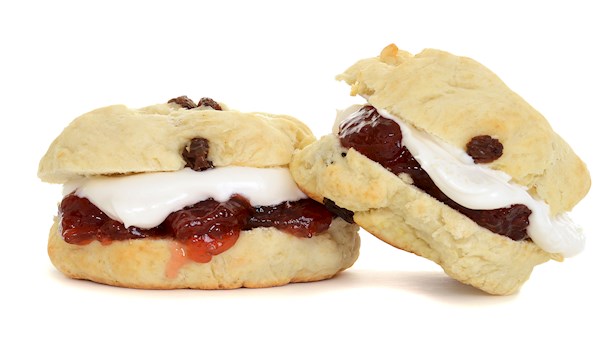
Clotted cream ice cream is a traditional ice cream that’s associated with Cornwall, although it’s sold in supermarkets throughout the United Kingdom. This ice cream is made with Cornish whole milk, eggs, and clotted cream. The use of Cornish clotted cream gives the ice cream a unique flavor and a velvety consistency. This decadent ice cream can be flavored with various additional ingredients such as vanilla, and it can be found in many bars and cafes across the region. It is also not uncustomary to add a dollop of clotted cream on top of the scoops of Cornish ice cream.
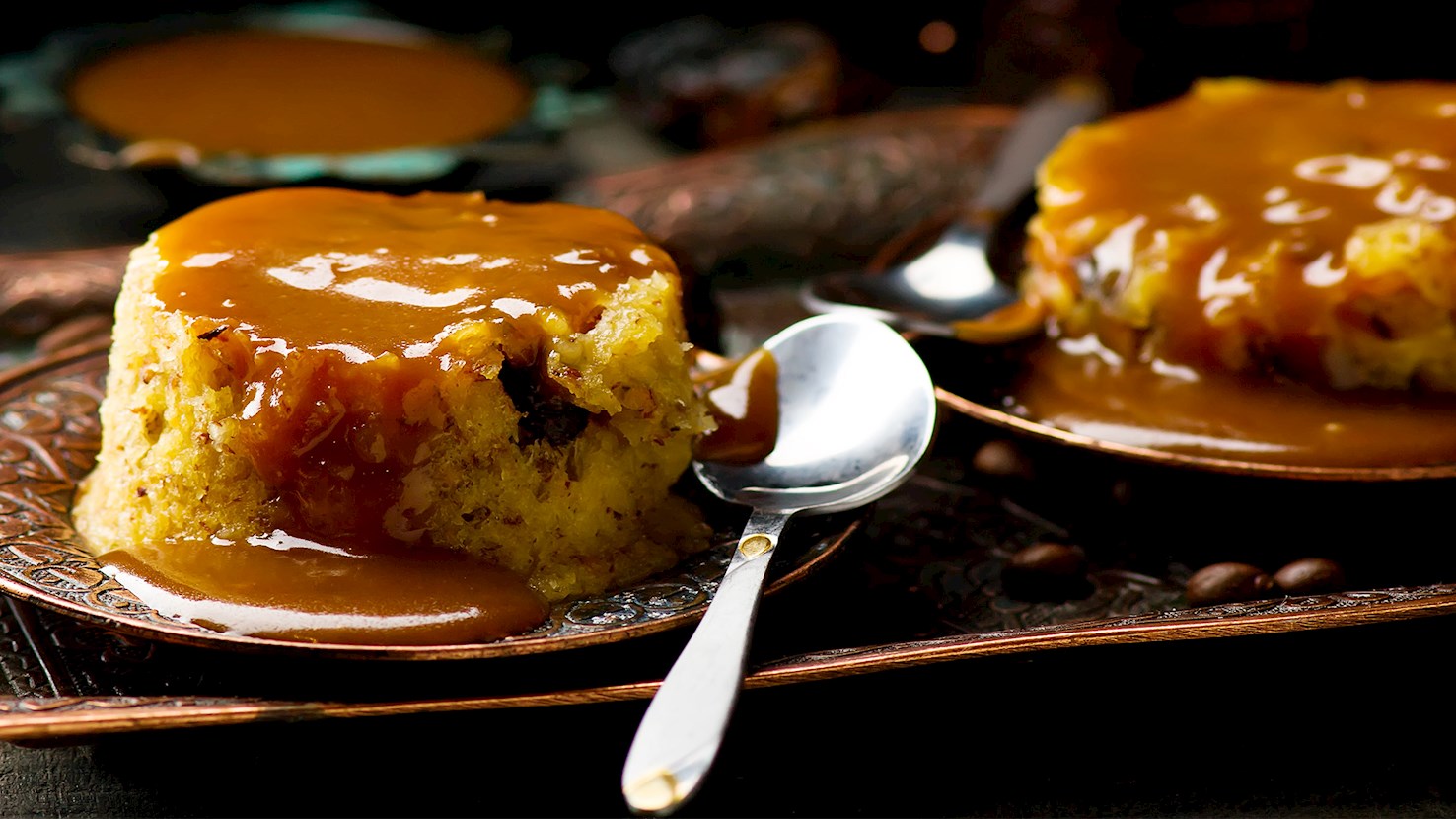
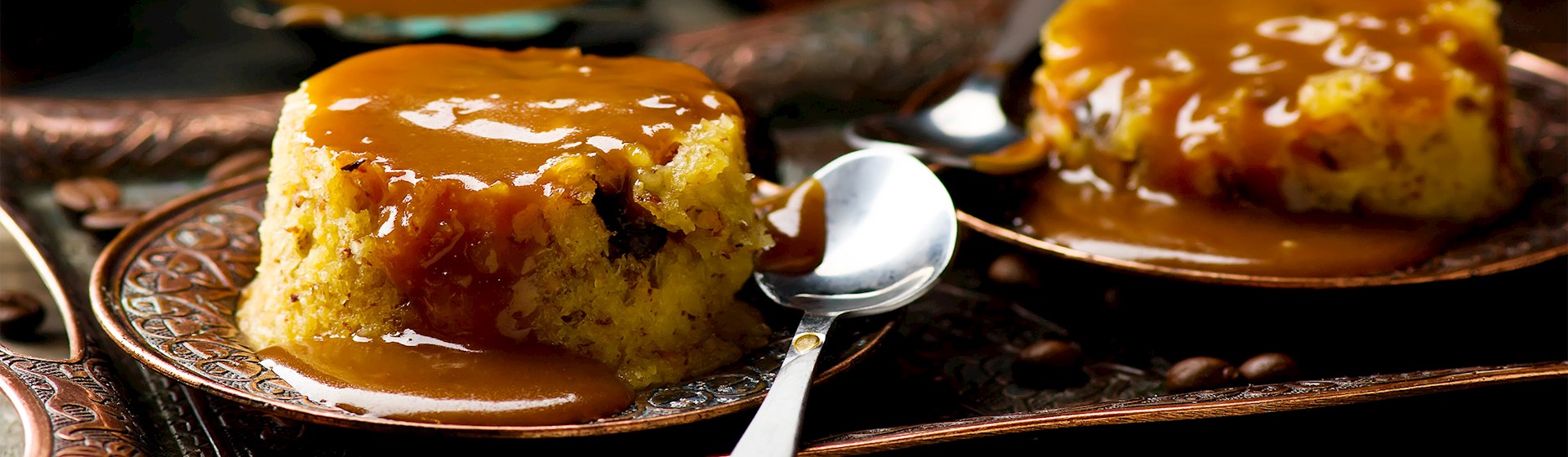
Sticky toffee pudding is a rich, moist sponge cake filled with dates, covered in a sticky toffee sauce. The dessert is traditionally served with custard or a scoop of vanilla ice cream on the side. Its origins are quite murky as some claim it originates from the Sharrow Bay Hotel in the Lake District, some report that it's especially popular in Cartmel, while others say that it was invented at the Udny Arms Hotel in Aberdeenshire. Today, the dessert is also popular in Australia, Ireland, and Scotland.
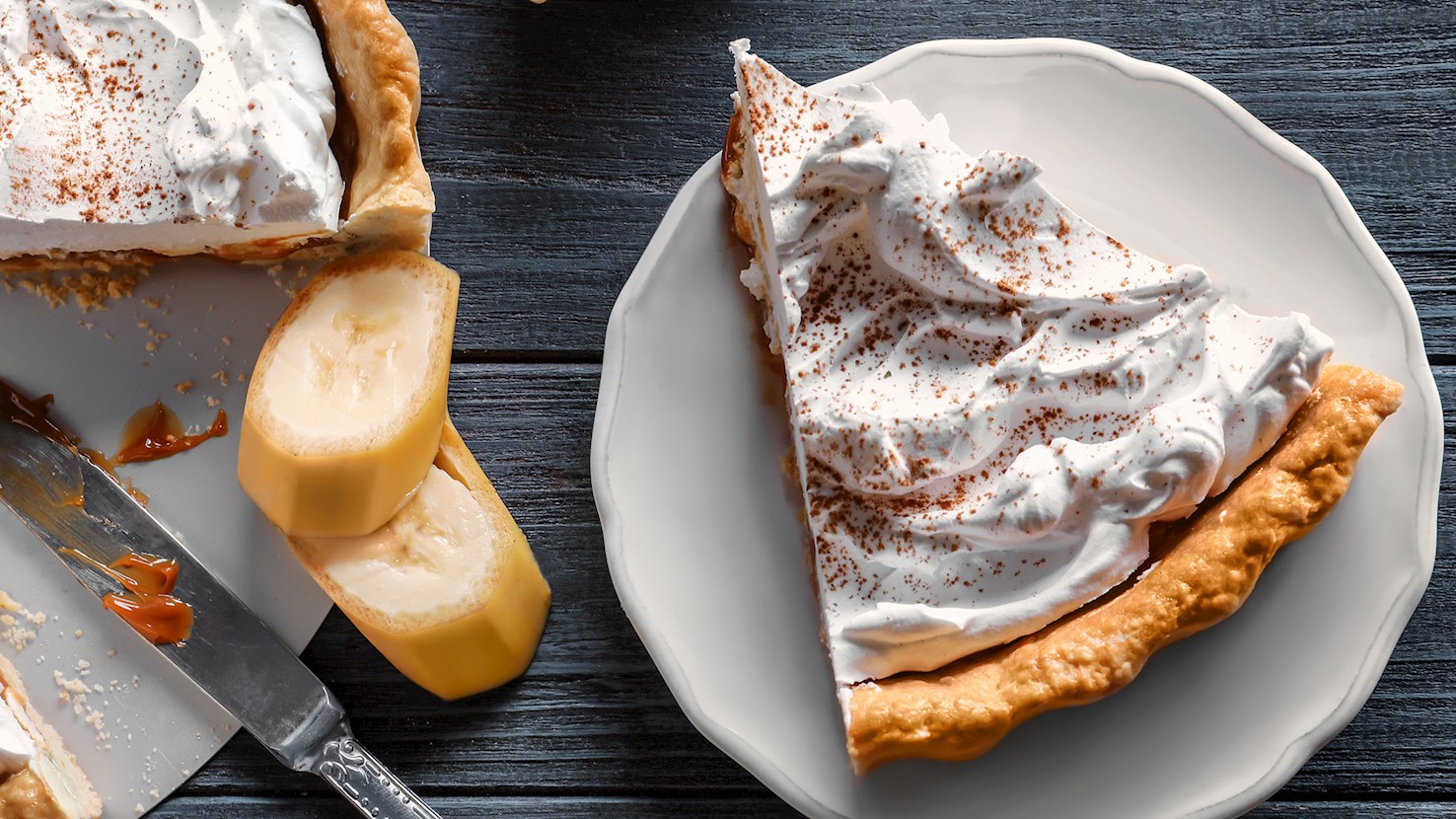
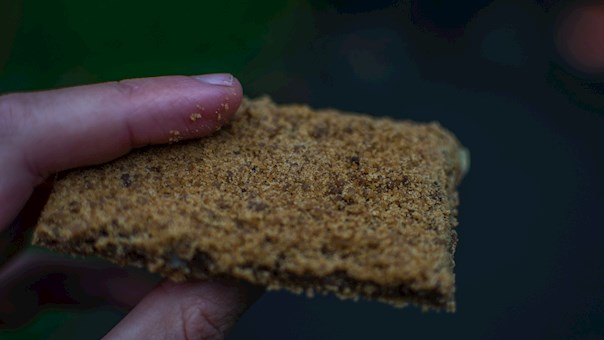
Banoffee pie is a rich, layered dessert pastry made with a crumbled biscuit base, thick toffee, sliced fresh bananas, and a generous mound of whipped cream, often paired with a strong cup of black coffee or unsweetened tea to balance the extreme sugar levels. It was created in 1971 at The Hungry Monk restaurant in East Sussex, England. The owner, Nigel Mackenzie, and his head chef, Ian Dowding, originally sought to modify an obscure recipe relying on coffee and caramel. After several failed attempts utilizing apples and mandarin oranges, Mackenzie suggested incorporating bananas instead. The resulting combination proved incredibly successful, prompting the invention of the word "Banoffee"—a simple portmanteau of banana and toffee—which eventually secured a spot in the Oxford English Dictionary. Assembling the pie begins by crushing digestive biscuits into fine crumbs and mixing them thoroughly with melted butter. This sandy mixture is firmly pressed into the bottom and up the sides of a fluted tart tin, then briefly baked or refrigerated until it forms a rigid shell. The critical toffee component relies on slowly boiling sealed cans of sweetened condensed milk for several hours until the sugars inside caramelize into a dark, thick paste. Once the biscuit shell has cooled completely, a thick blanket of this caramel is spread across the bottom, followed immediately by a dense layer of freshly cut, ripe bananas. Heavy cream is whisked until soft peaks form and spread high over the fruit. The final aesthetic touch is a light dusting of cocoa powder or finely grated dark chocolate over the white cream. Alterations to this baseline formula often replace the standard biscuit crust with crushed graham crackers or chocolate cookies to adjust the foundational flavor. Other variations mix a small splash of dark rum or instant coffee powder directly into the caramel to introduce a bitter contrast, while certain bakeries scatter toasted pecans or walnuts over the fruit layer for added crunch.
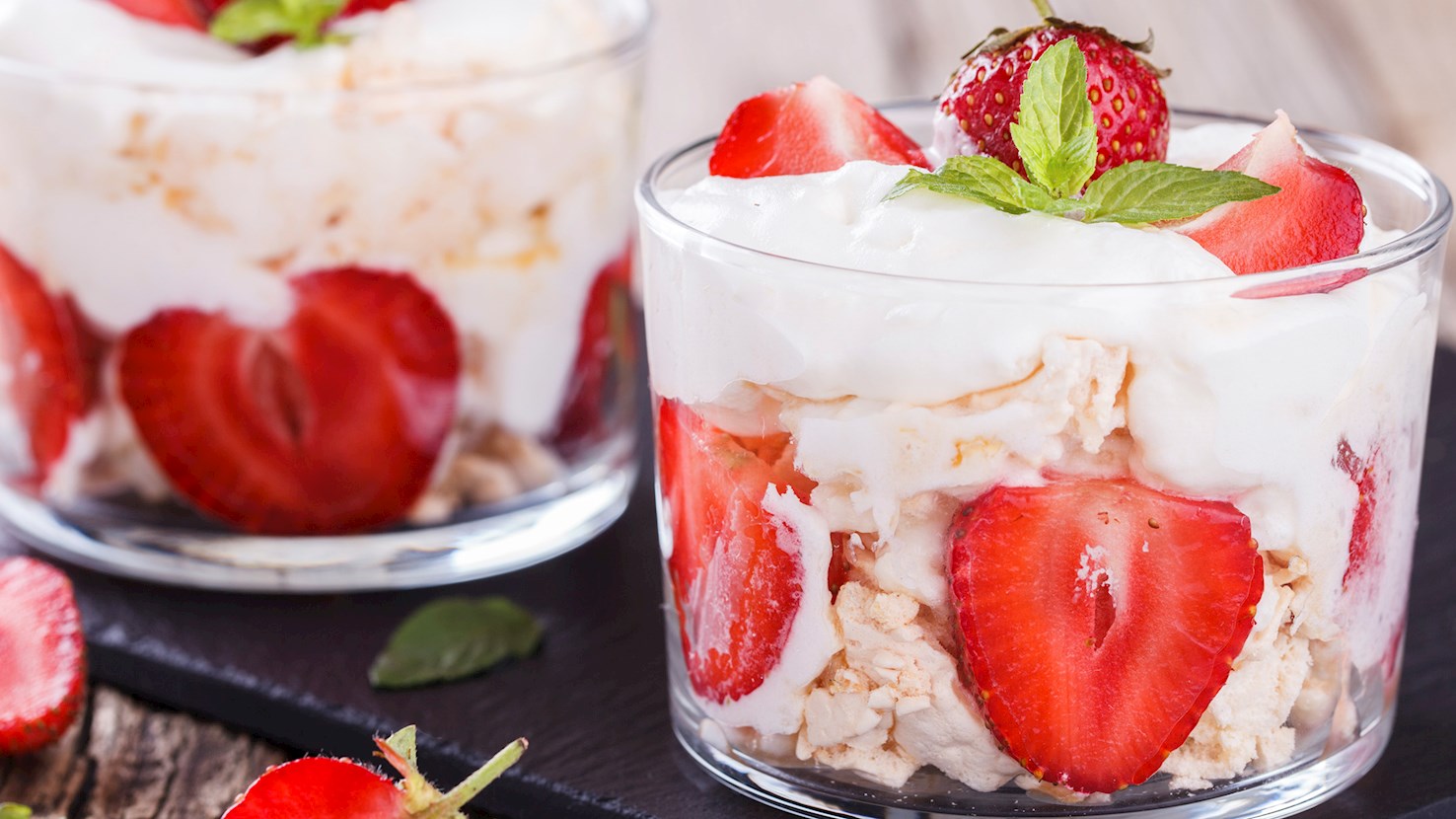
Eton mess is a popular English dessert made by combining fresh strawberries, meringue, and cream. The dessert was invented in the 1930s at the English Eton College, when it was traditionally served at the school's prize-giving celebration, held annually on June 4th. Originally, it was made with either strawberries or bananas that were mixed with ice cream because meringue is a recent addition to the dish. The word mess refers to the untidy visual appearance of the dish. Today, Eton mess can be made with other fruit, such as raspberries, redcurrants, or even blackberries, and because it is very easy to prepare and flavorful, it is popular throughout the country, especially in the summer.
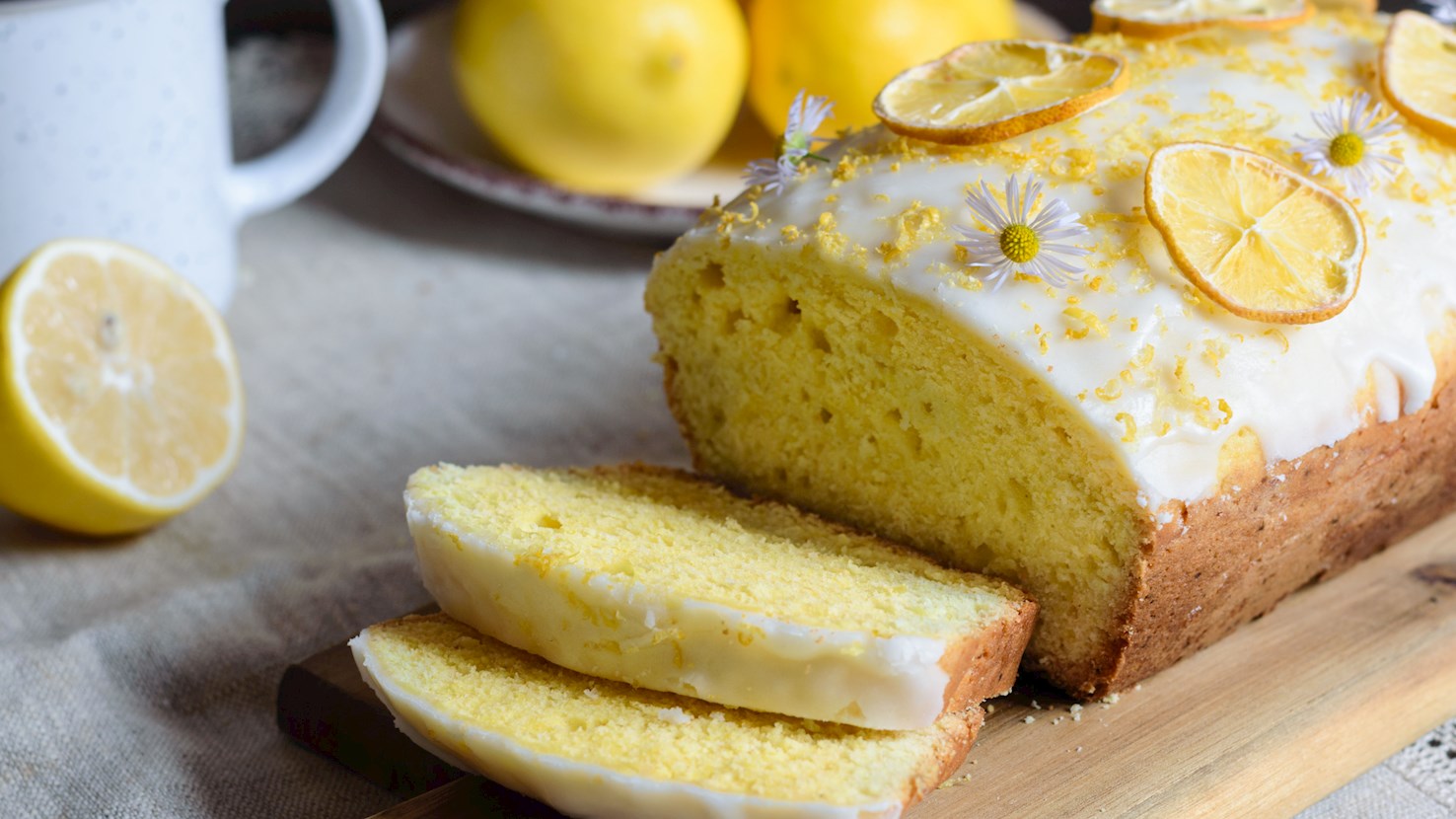
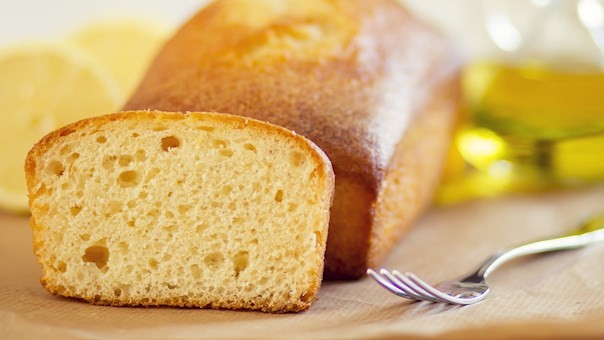
Lemon drizzle cake is a traditional cake and a staple of afternoon tea. Although not much is known about its origin, it is believed that the first lemon drizzle was made by a Jewish woman named Evelyn Rose in 1967. This simple sponge cake is usually made with a combination of flour, sugar, butter, eggs, milk, baking powder, lemon zest, and lemon juice. The ingredients are mixed in a bowl, then placed into a baking tray and baked in an oven. The lemon juice is mixed with icing sugar, and once the cake is done, the icing is drizzled over it in order to give the cake a refreshing, bright, lemony, and slightly sharp flavor. It's recommended to serve this cake with a cup of Early Grey tea on the side.
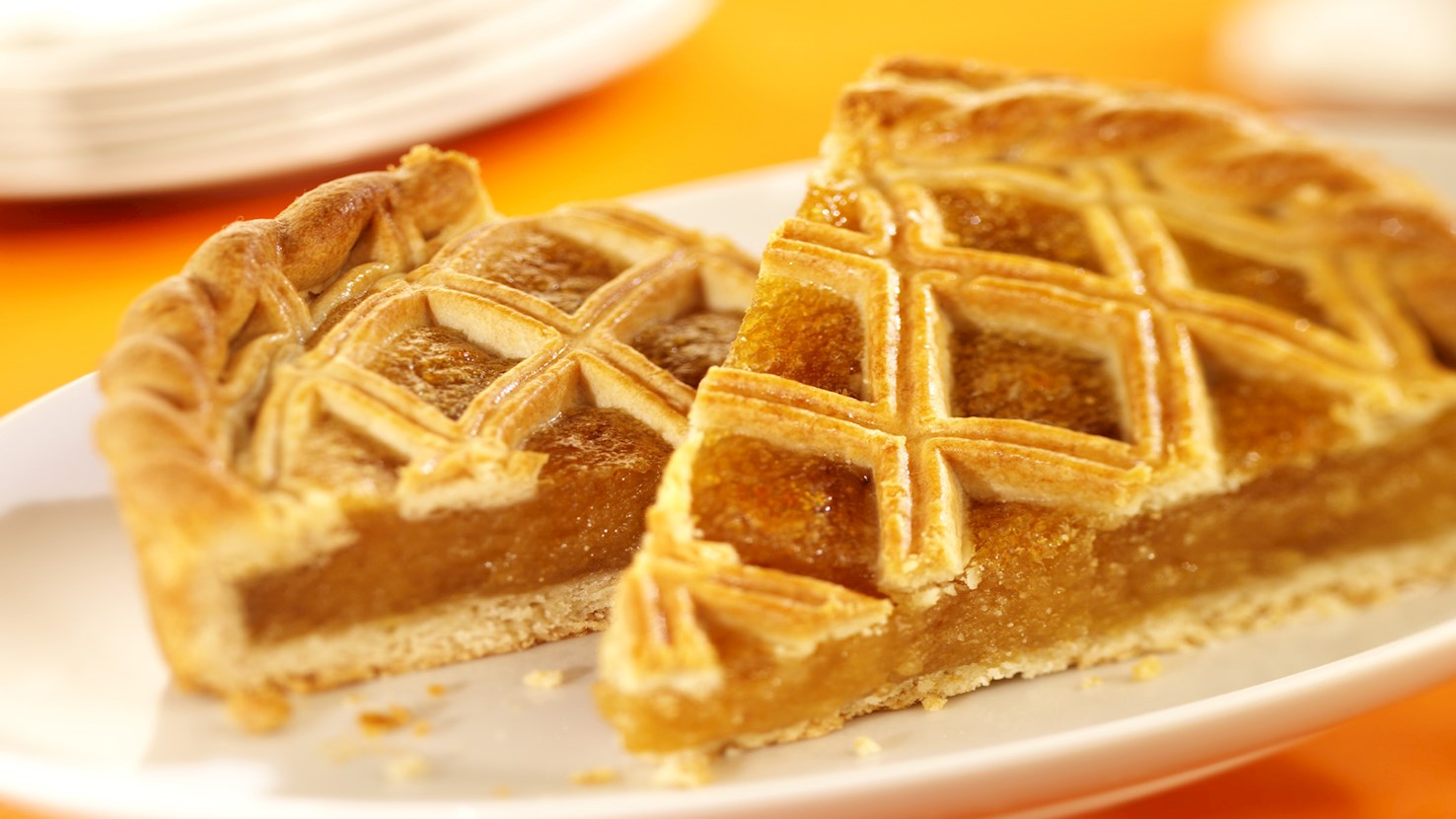
Treacle tart is a traditional dessert consisting of a shortcrust pastry filled with sugar syrup, breadcrumbs, lemon juice, and spices such as ginger, cinnamon, and cloves. Originally, treacle was the most inexpensive sweetener, so food historians believe that the dish was invented as a way for peasants to use up leftover bread. This classic dish is traditionally served warm, with a dollop of clotted cream, whipped cream, or a few scoops of ice cream on the side. Local variations include Yorkshire's treacle tart with added dried fruit and grated apple, and Suffolk's, which has eggs beaten into it for a custard-like result.
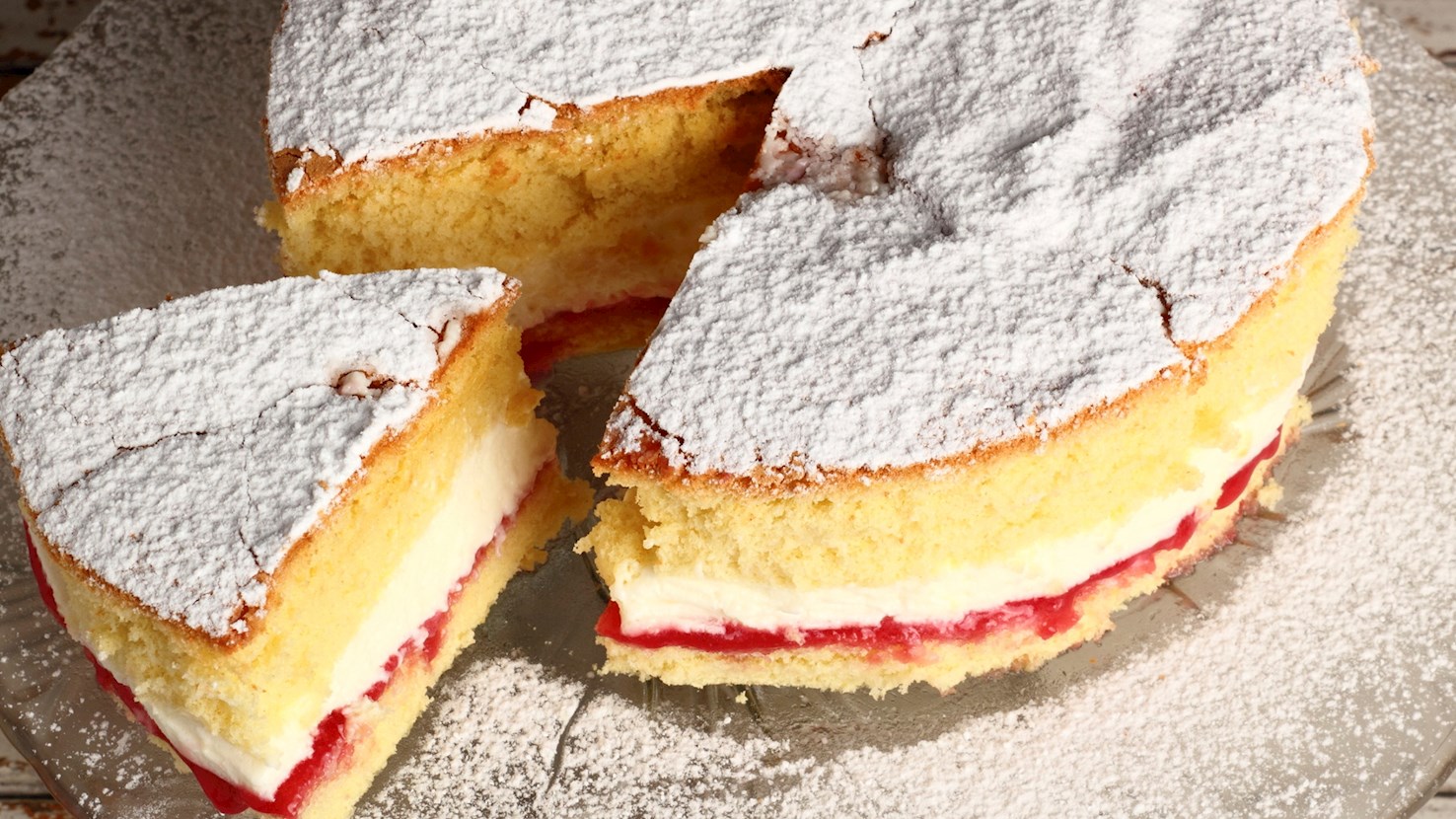
Victoria sponge is an English layer cake filled with fruit jam (and sometimes, whipped cream). It was invented by Queen Victoria's cooks in the 19th century, when it was one of the main stars at the Queen's tea parties, along with sandwiches and scones. The jam used in Victoria sponge is usually raspberry or strawberry jam, although modern variations are sometimes filled with apricot and greengage jam. Whipped cream is a 20th-century addition to the filling, and some purists, such as the official Women's Institute, claim that a true Victoria sponge can only have a jam filling. Today, the cake can be found in most English tearooms, where it is typically dusted with caster sugar and served in slices.
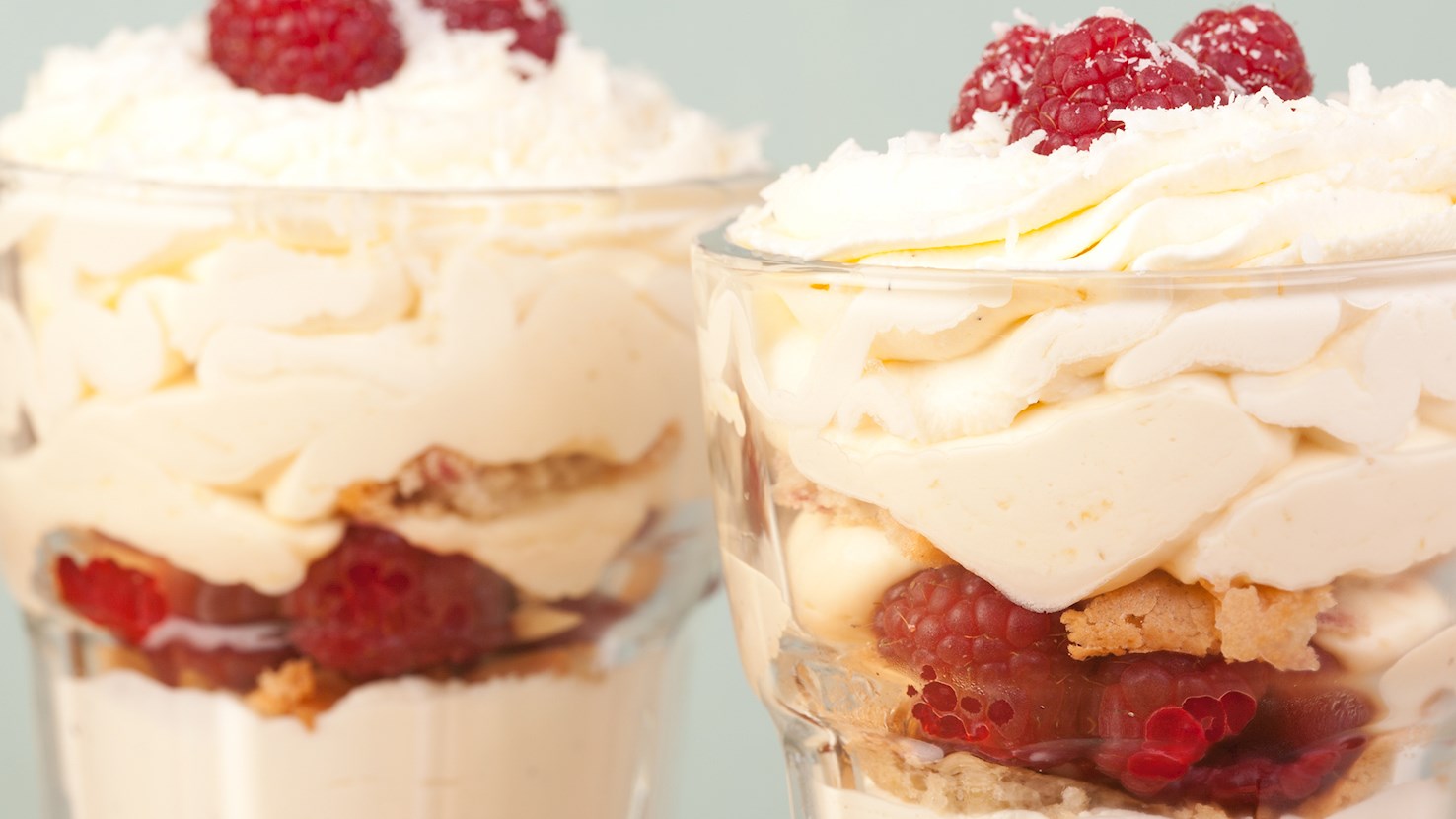
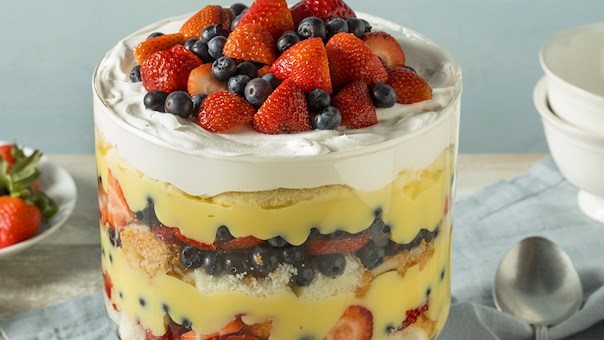
Knickerbocker glory is a classic British dessert that is simple to prepare, yet seriously impressive when served. It is made by layering ice cream, whipped cream, and fruit (usually berries) in a large, tall glass. The dessert is traditionally topped with various syrups, but some might ad nuts, and a single cherry on top. Knickerbocker glory should be consumed with a long spoon.
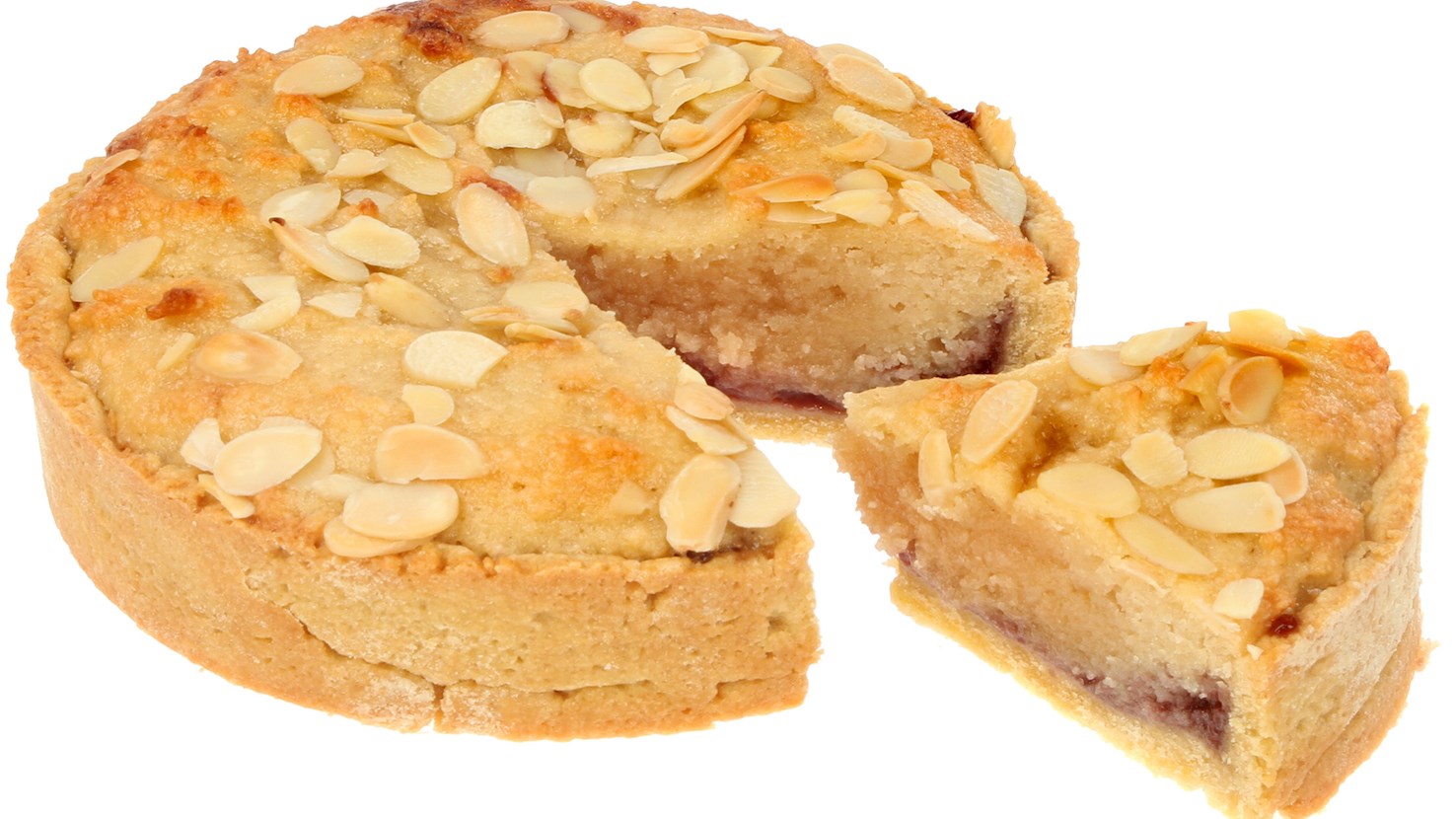
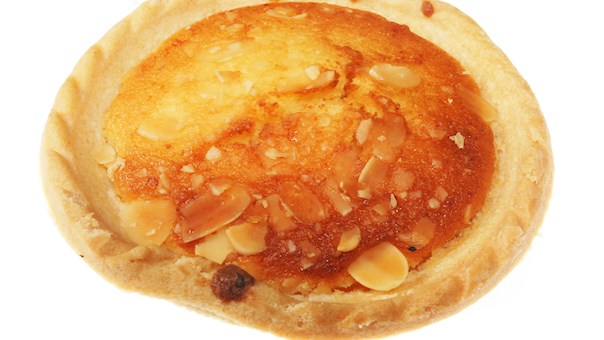
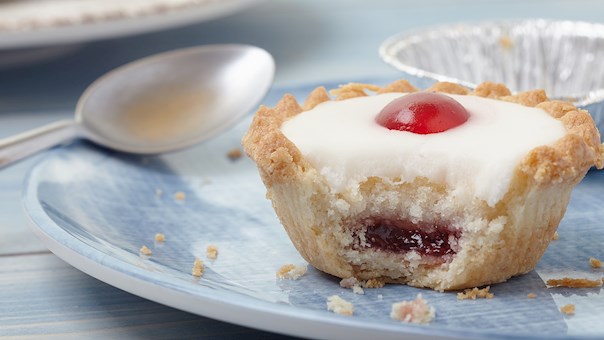
Bakewell tart is a traditional dessert consisting of shortcrust pastry filled with fruit jam and a combination of sugar, eggs, ground almonds, and butter. The tart is baked so that it remains light and moist, and it is usually served warm, with a dollop of cream or a scoop of ice cream on the side. The name of the dish is a corruption of the words bad (bath) and kwell (source), referring to the numerous wells that used to flow in the Bakewell area of Derbyshire.
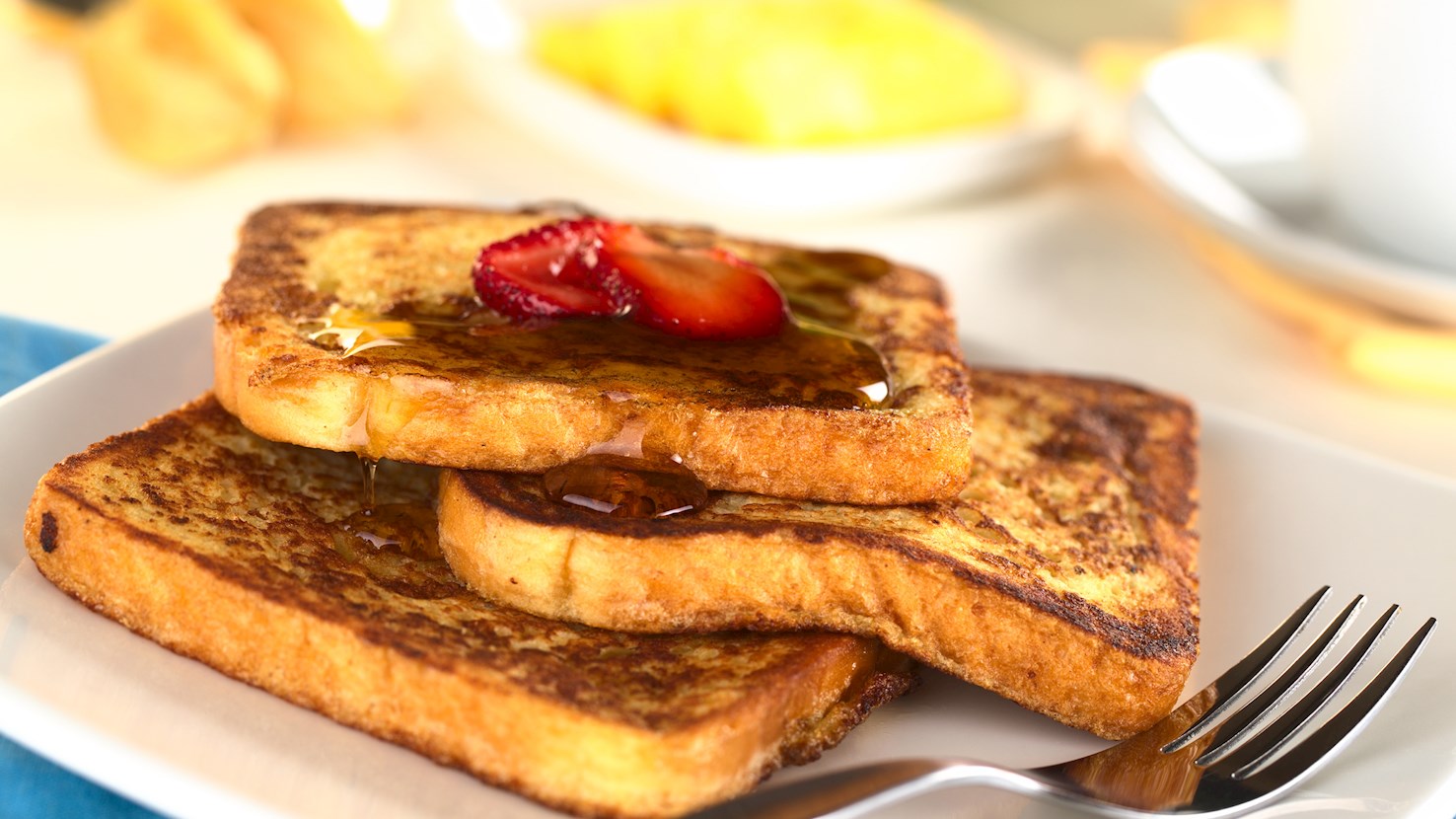
Eggy bread is the British version of French toast. Also known as Poor Knights of Windsor, the dish is usually prepared with a combination of crustless sandwich bread, milk, icing sugar, eggs, butter, cinnamon, and often a bit of sherry and strawberry jam. The bread slices are soaked in a whisked mixture of icing sugar, milk, sherry, and eggs. The bread is then pan-fried in butter until browned on both sides. Once cooked, the bread is sprinkled with sugar and cinnamon, then topped with strawberry jam or blackberry compote, if desired. Eggy bread is typically served as a breakfast or dessert.
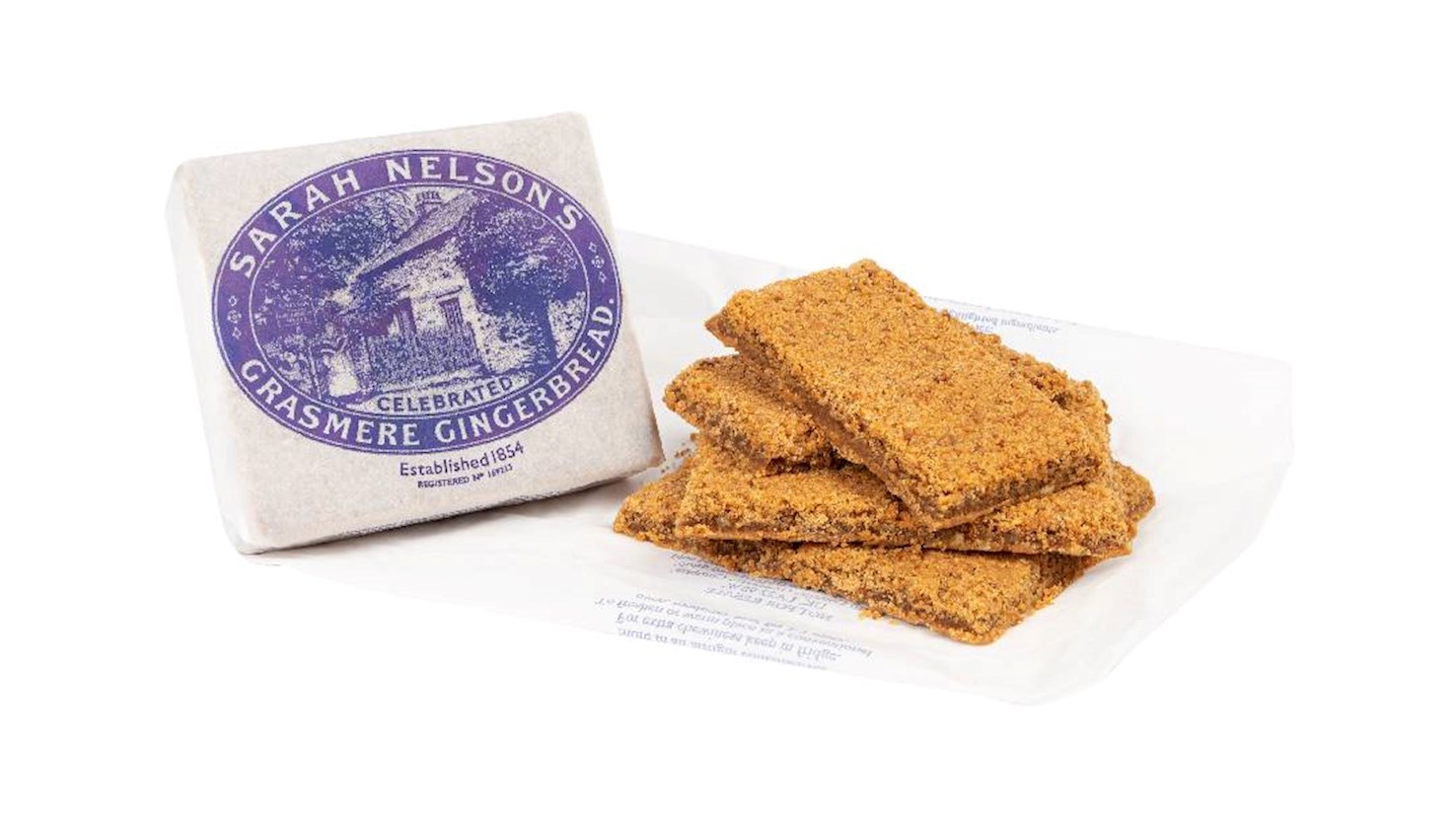
Sarah Nelson’s Grasmere Gingerbread is a traditional producer based in Grasmere in the Lake District, with origins dating back to 1854. The business began when Sarah Nelson started baking gingerbread in her home, Church Cottage, which remains the only production and retail location today. The company operates on a small scale, without expansion into multiple sites, maintaining a highly localized identity. Production is carried out in small batches using largely manual methods, ensuring consistency and control over quality. The recipe has remained closely guarded and largely unchanged, reflecting a strong focus on continuity. The product itself is the central focus, with no significant diversification into other categories. This specialization allows the producer to maintain a clear and recognizable identity. The gingerbread is closely linked to the Lake District, both culturally and gastronomically. It is widely regarded as a regional specialty rather than a mass-market product. The combination of limited production, historical continuity, and strong geographical connection defines its position on the market.
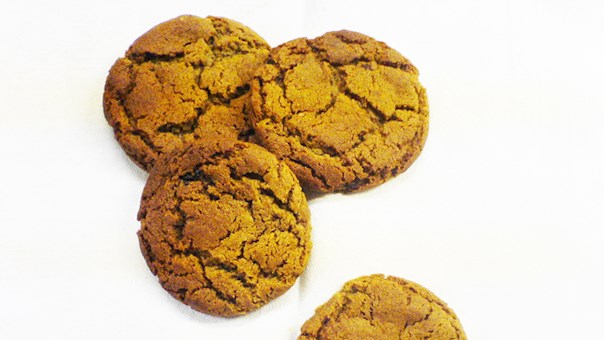
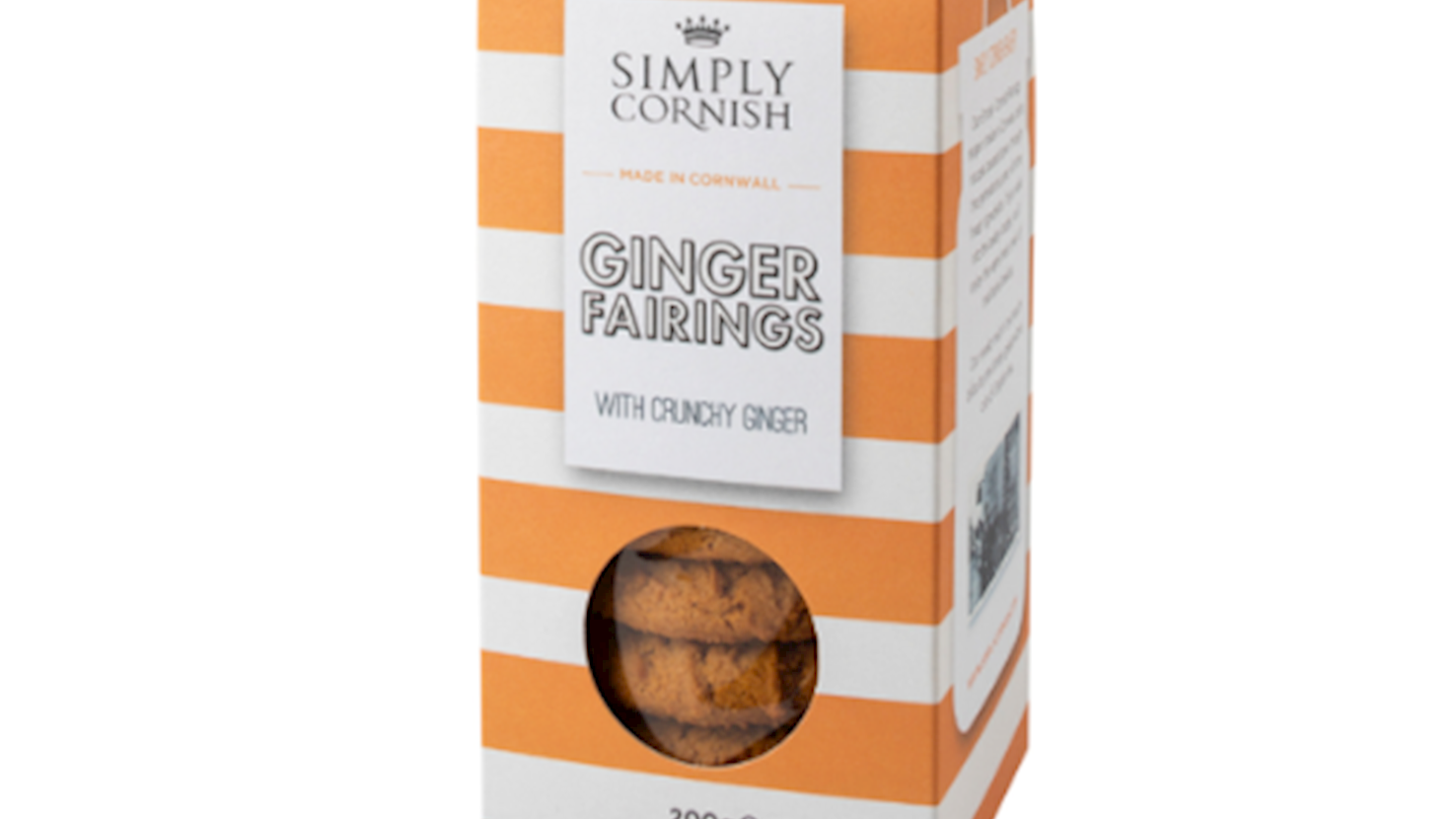
Furniss of Cornwall is a traditional biscuit producer based in Cornwall, with origins dating back to 1886 when John Cooper Furniss opened a tea room in Truro. From the beginning, the business focused on freshly baked goods, particularly gingerbread and spiced biscuits known as Cornish Fairings, which quickly became popular across the region. Their commitment to quality ingredients and consistent baking methods allowed the brand to expand beyond local markets by the end of the 19th century. Today, Furniss remains the only licensed producer of Original Cornish Fairings, reinforcing its strong link to regional heritage and authenticity. Over time, the company has maintained its identity by preserving traditional recipes while gradually expanding its range to include shortbread, oat biscuits, and more contemporary variations. The products are characterized by simple formulations and a balanced flavor profile, especially in their ginger-based biscuits, which remain central to the portfolio. Although the company has undergone ownership changes and operational shifts, including integration into larger food groups, production continues in Cornwall, preserving the connection to its place of origin. Furniss stands as a representative example of a heritage brand that successfully combines scaled production with a distinct regional identity rooted in British baking tradition.
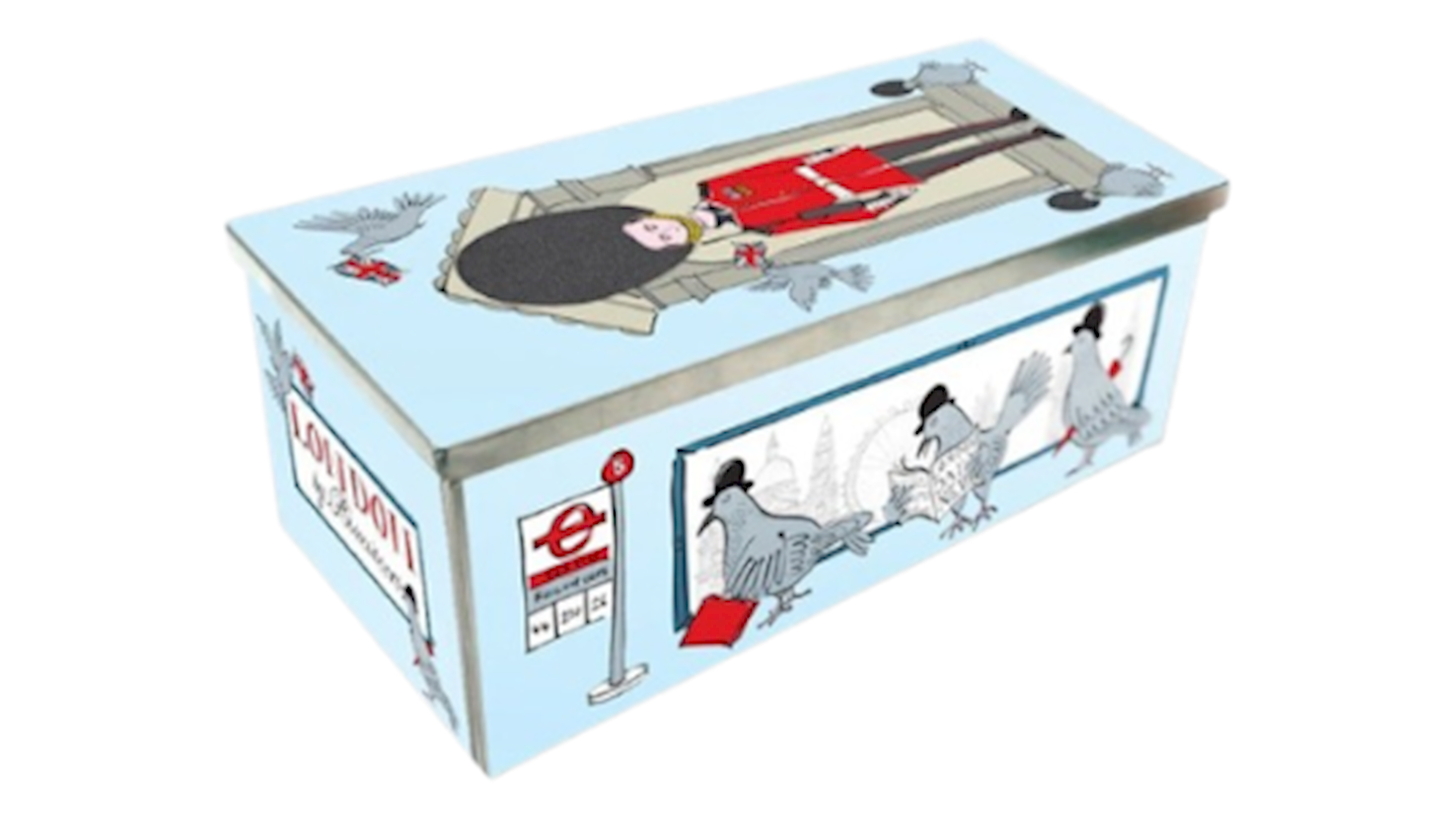
Biscuiteers is a British producer of luxury hand-iced biscuits founded in London in 2007 by Harriet Hastings and Stevie Congdon. The brand was created with the idea of offering an original alternative to traditional gifts through carefully decorated biscuits that combine confectionery craftsmanship, design, and personalization. Biscuiteers is widely regarded as a pioneer of the premium hand-iced biscuit concept in the United Kingdom and has become one of the most recognizable brands in this category. All biscuits are handmade and individually decorated at the company’s production facility in London, where a team of skilled decorators ices each piece by hand. The brand is known for its collections inspired by holidays, fashion, art, literature, and special occasions, as well as for its personalized gifting options. In addition to its online store, Biscuiteers operates popular Icing Cafés in London, where visitors can take part in biscuit decorating workshops. Its products are frequently chosen for corporate gifts, special events, and collaborations with luxury brands and hotels. Through its commitment to craftsmanship, high-quality ingredients, and distinctive design, Biscuiteers has established a strong reputation in the premium gifting and artisanal confectionery market.
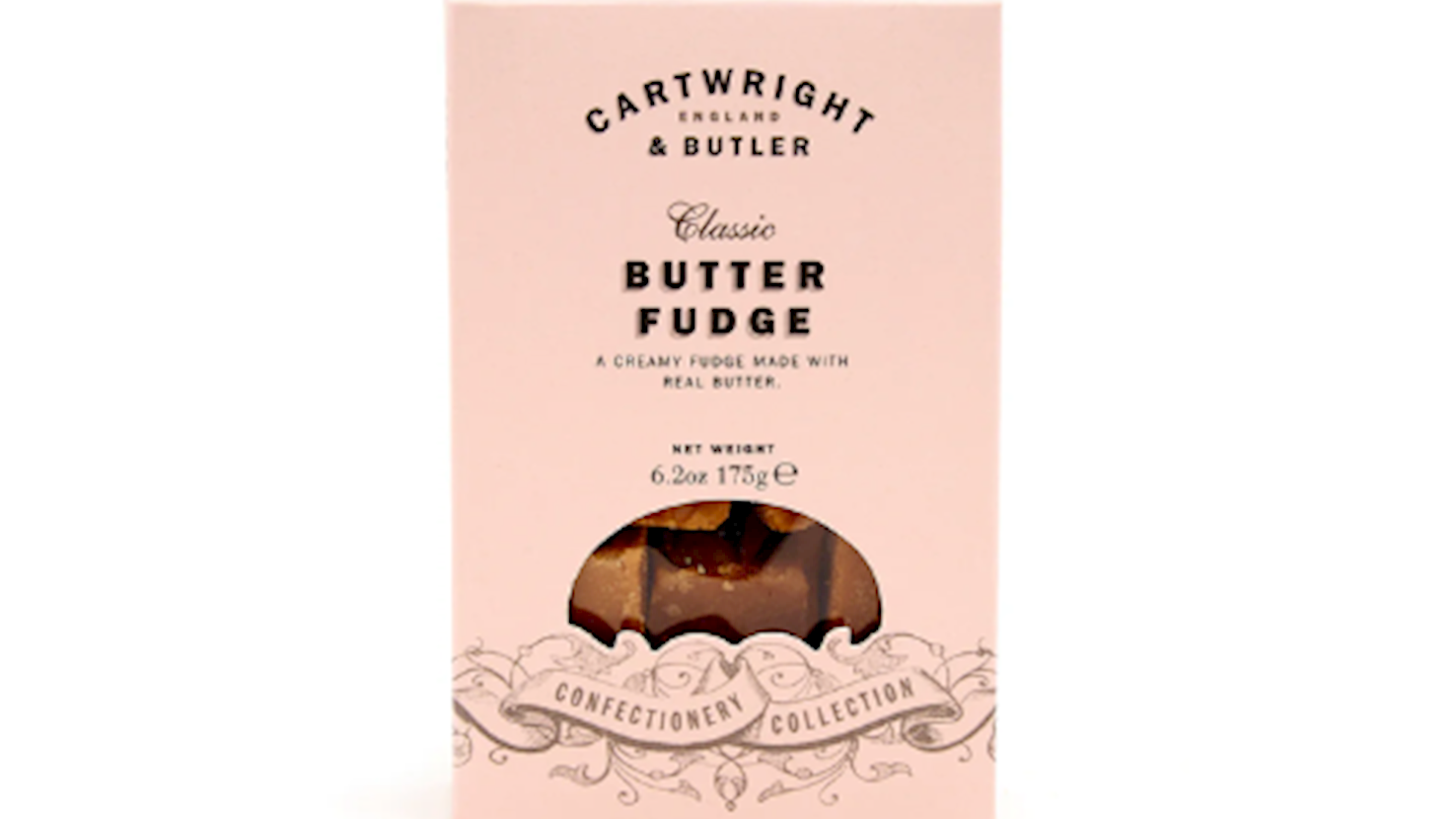
Cartwright & Butler is a British food brand rooted in a family baking tradition that began in Yorkshire in the early twentieth century. According to the company’s history, the story started with sisters Jennie and Kathrine Adam, who began baking and selling cakes from a terraced house after their father died, later expanding into a family bakery known for breads, pies, cakes, biscuits, puddings and preserves in Hull. Over the following decades, the business developed through the Arnett family, moving from local bakeries and cafés into a wider range of baked goods, preserves and gift products. The Cartwright & Butler name became central in the 2000s, when the Arnett family acquired a small preserves business and kept its name because it reflected the style and heritage they wanted to continue. Today, the brand is best known for premium teatime products, including biscuits, shortbread, fudge, toffee, chocolates, preserves, chutneys, teas, coffees and luxury hampers. Its identity is strongly connected with British gifting culture, especially through decorative tins, wicker hampers and carefully packaged selections designed for occasions such as birthdays, anniversaries and corporate gifts. Although the company uses modern formats and international delivery, its positioning still relies on traditional British flavours, rich textures and a focus on indulgent rather than light or diet-oriented products. The official site also highlights sustainability and environmental initiatives, including cooperation with Ecologi and regular tree planting. Cartwright & Butler can therefore be understood as a contemporary Yorkshire-based brand that has built its image around family baking heritage, British teatime traditions and premium food gifting.
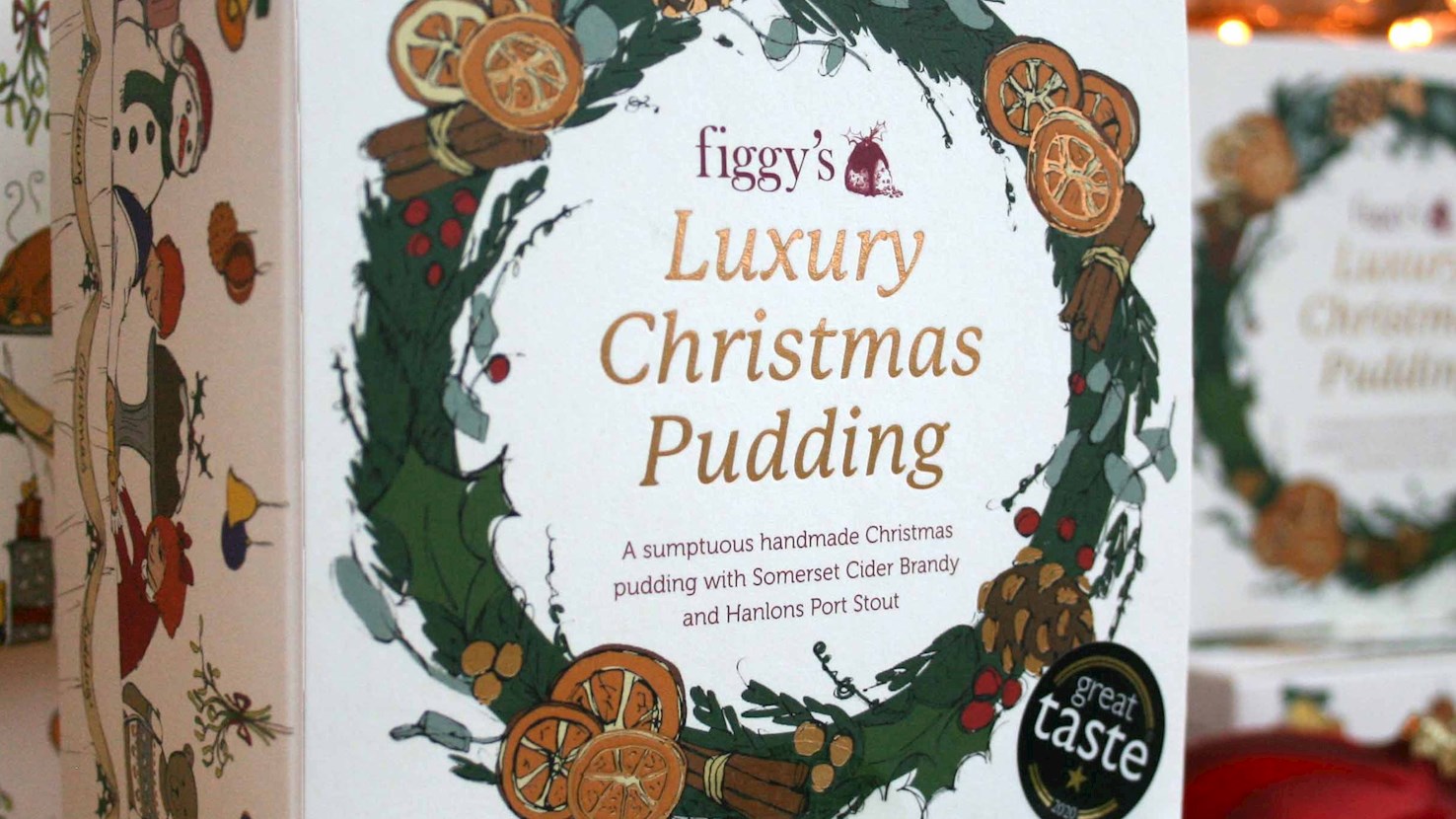
Figgy's is a Christmas pudding producer. The company handmakes its traditional puddings using family recipes. Figgy's sources high-quality ingredients for their products. They aim to provide a rich, authentic taste. Their puddings are available for purchase online.
COOK Trading is an English company specializing in high-quality, ready-prepared frozen meals. Established in 1997, it operates retail stores throughout the UK and also offers online ordering. The company emphasizes the use of natural ingredients and traditional cooking methods to create handmade dishes.
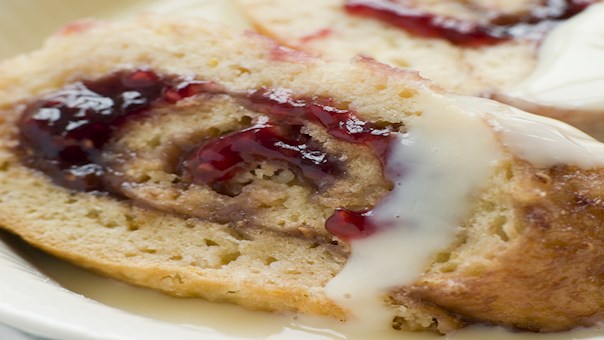
Breda Murphy is a chef and restauranteur based in Clitheroe. She is known for producing a popular bread and butter pudding. Breda Murphy owns and operates a restaurant named Breda Murphy Restaurant. The restaurant is located in Whalley, a village near Clitheroe.
TasteAtlas food rankings are based on the ratings of the TasteAtlas audience, with a series of mechanisms that recognize real users and that ignore bot,
nationalist or local patriotic ratings, and give additional value to the ratings of users that the system recognizes as knowledgeable.
For the “Top 51 English Desserts” list until June 15, 2026, 2,887 ratings were recorded, of which 2,551 were recognized by the system as legitimate.
TasteAtlas Rankings should not be seen as the final global conclusion about food. Their purpose is to promote excellent local foods,
instill pride in traditional dishes, and arouse curiosity about dishes you haven’t tried.
The initial list of top producers was compiled based on available reviews, awards, local recommendations, media and blog coverage, and consumer reviews.
The list will be updated with ratings from TasteAtlas local ambassadors and TasteAtlas users.