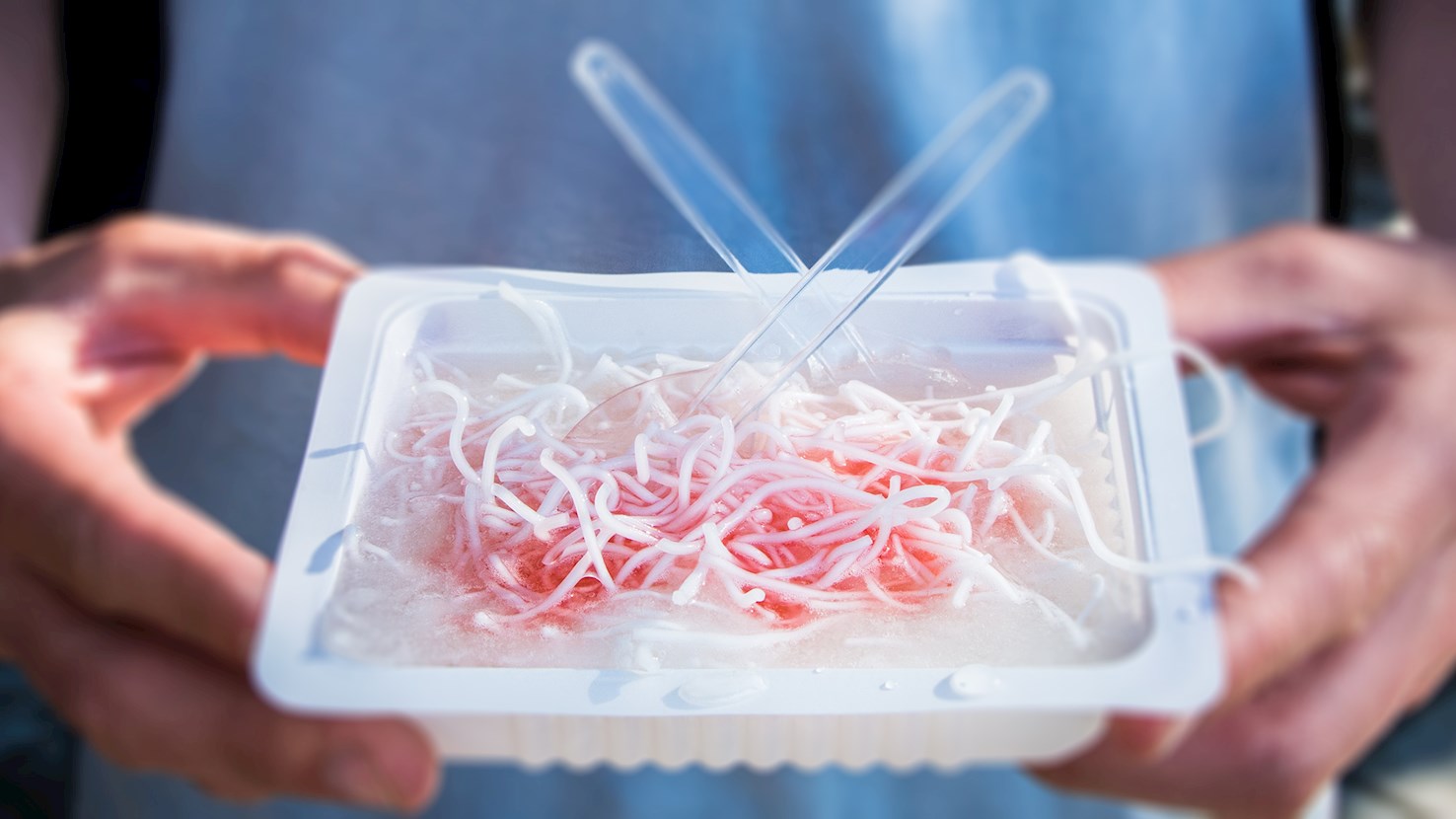
Faloodeh is an Iranian frozen dessert originating mainly from Shiraz, recognized for its combination of thin vermicelli noodles mixed into a lightly sweetened, semi-frozen syrup flavored with rosewater and lime juice. This distinctive confection stands out among Persian sweets for its refreshing, icy texture and delicate floral aroma. It has been part of Iran’s culinary identity for centuries and is still a popular way to cool down during hot seasons. The origins of faloodeh are believed to trace back to the ancient Persian Empire, where early forms of chilled desserts were prepared using snow from the mountains stored in yakhchals, the domed ice houses designed to keep ice and food cold. Over time, methods for freezing sweetened liquids evolved into more sophisticated recipes, with faloodeh emerging as a recognizable preparation by the medieval period. The dessert eventually spread along trade routes, influencing and inspiring similar iced dishes in South Asia and beyond. Preparation begins with rice starch, which is cooked into a smooth, thick paste, then pressed through a sieve to create delicate, noodle-like strands. These strands are cooled quickly to firm up their shape. Separately, a light syrup is prepared from water and sugar and infused generously with rosewater. Once the syrup is chilled, the noodles are mixed in and the mixture is partially frozen, stirred regularly to form a granular, slushy consistency rather than a solid block of ice. In some regions, a splash of fresh lime or sour cherry juice is stirred in for a tart edge that balances the sweetness. Faloodeh is served in shallow dishes or glass bowls, often garnished with extra lime juice or a drizzle of sour cherry syrup. Many shops offer it with a scoop of Persian saffron ice cream (bastani sonnati) on top, creating a contrasting blend of textures and flavors. Throughout Shiraz, it is sold in dedicated dessert parlors and from small stands, especially in the warm evenings when people gather outdoors to socialize and cool off.
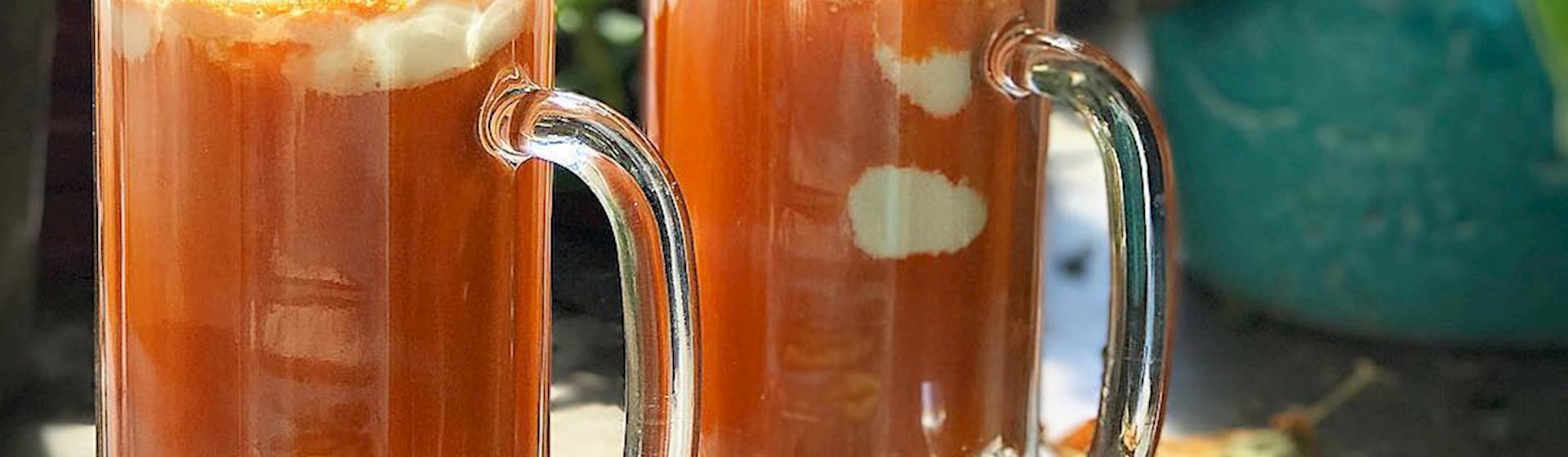
Havij bastani is a distinctive Iranian dessert beverage that combines carrot juice with ice cream to create a refreshing treat with both creamy and earthy flavors. This dessert is popular across Iran, especially in teahouses, juice shops, and during warmer months when its vivid color and rich sweetness offer a cooling respite. The name translates simply to “carrot ice cream,” and it is most commonly associated with Tehran and other large cities where juice culture has been an integral part of social life. The origins of havij bastani can be traced to Iran’s longstanding appreciation for fresh juices and dairy-based desserts. Throughout the 20th century, with the rise of modern cafes and ice cream parlors, carrot juice became a popular base for combining with creamy components such as bastani sonnati (saffron ice cream) or vanilla ice cream. As refrigeration and juicing equipment became more accessible, this combination was standardized into a menu item offered alongside other chilled beverages like faloodeh or sharbat. To prepare havij bastani, fresh carrots are juiced until smooth and slightly sweet. The juice is chilled and poured into tall glasses. A scoop or two of bastani sonnati or simple vanilla ice cream is gently added, creating a layered effect as the ice cream slowly melts into the juice. In some regions, a splash of rosewater or a sprinkle of cinnamon is used to enhance the aroma. Occasionally, crushed pistachios or slivered almonds are offered as a garnish. The dessert is served immediately with a straw and a long spoon to allow for sipping and scooping together. Havij bastani is enjoyed in cafes, juice bars, and even at home, often shared among family and friends as an afternoon refreshment or after a leisurely meal.
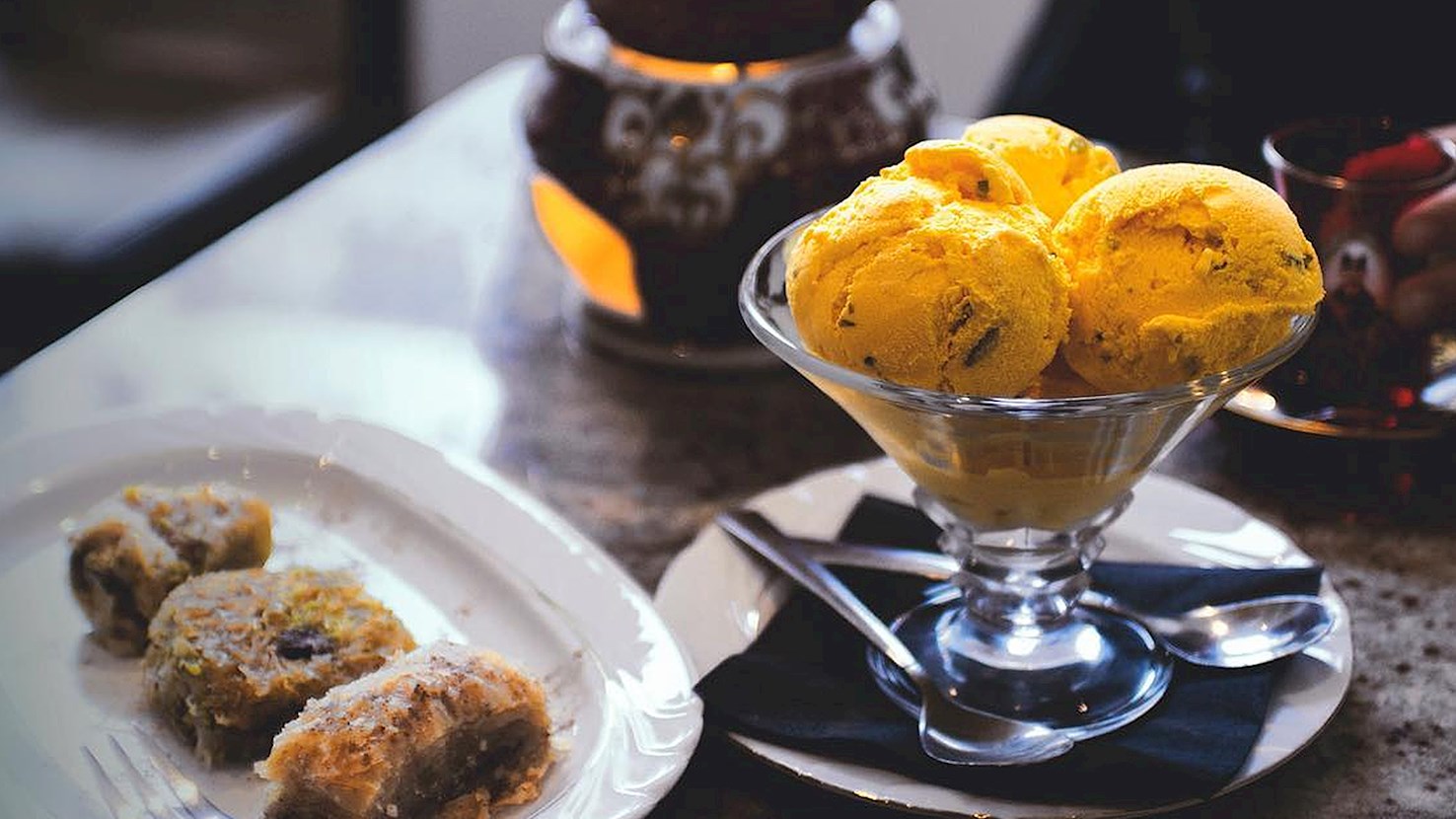
Bastani sonnati is a unique saffron-infused Iranian ice cream that was invented at the beginning of the 20th century by Akbar Mashti, the first ice cream vendor in Tehran. The name “bastani sonnati” means “classic ice cream,” emphasizing its status as a benchmark of Iranian confectionery. The base is a dense custard made by combining milk, cream, egg yolks, and sugar, then cooking it gently to achieve a smooth consistency. What sets bastani sonnati apart is the addition of saffron, rosewater, and ground cardamom, which infuse the ice cream with a vivid yellow color and a distinctly floral aroma. Salep, a flour derived from orchid tubers, is also incorporated, lending the mixture a stretchy, elastic quality similar to Turkish dondurma. Small pieces of frozen clotted cream, called makhloot, are sometimes folded in, creating pockets of rich creaminess in each bite. After churning, bastani is packed into shallow containers and stored at low temperatures to set. Before serving, it is often garnished with chopped pistachios, which add texture and contrast. In Iranian ice cream parlors, it is common to see bastani sonnati served alongside faloodeh, a frozen dessert made from thin vermicelli noodles in rosewater syrup. The combination of the creamy bastani and the icy faloodeh has become an iconic pairing in Iran. Unlike Western-style ice cream, bastani sonnati is known for its dense body and slower melt, which allows the saffron and rosewater aromas to linger on the palate. Many recipes are closely guarded by families or vendors, with proportions of salep and flavorings varying from one confectioner to another. Its production still relies on skill and careful handling to achieve the right balance of elasticity and smoothness.
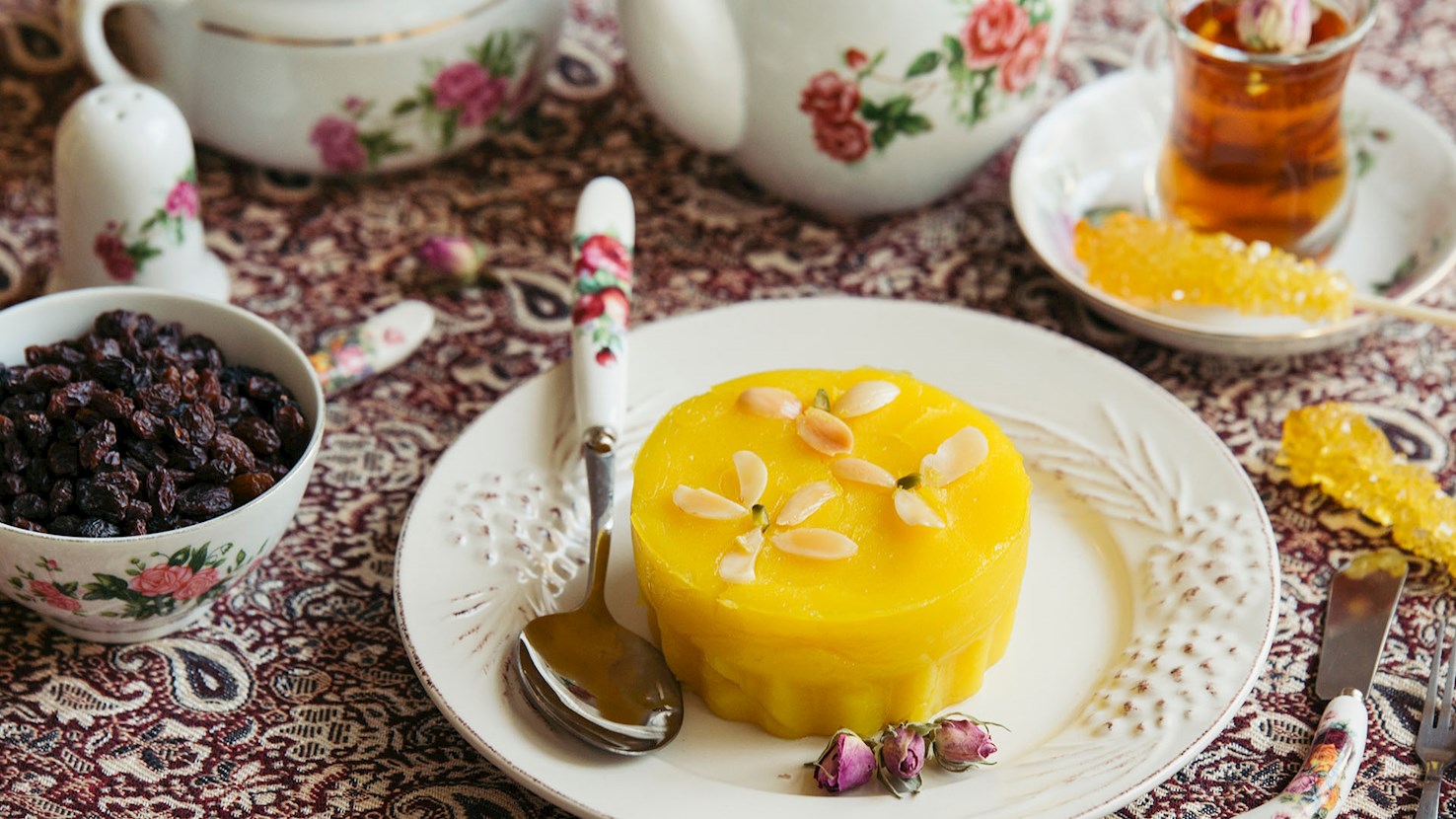
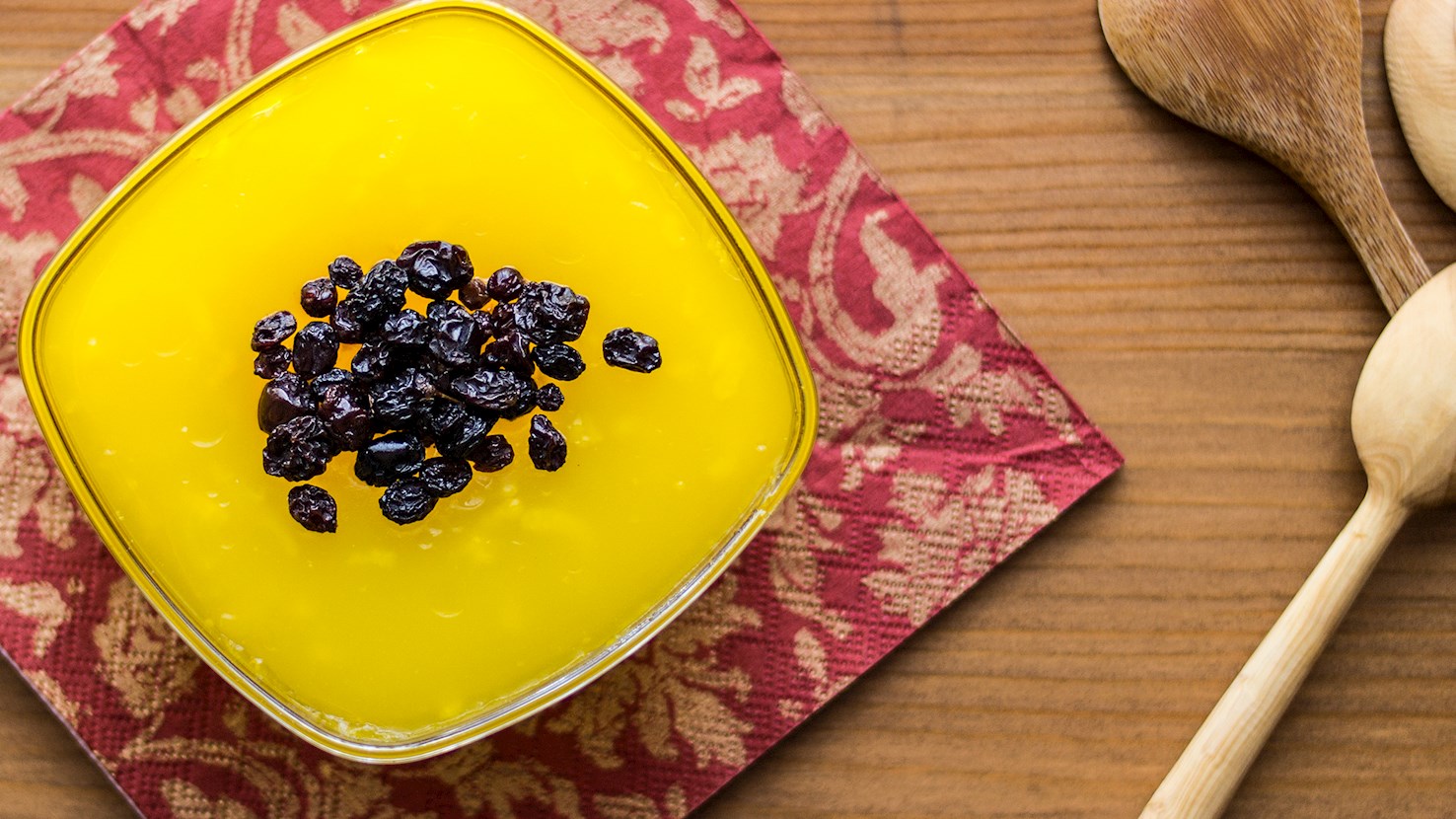
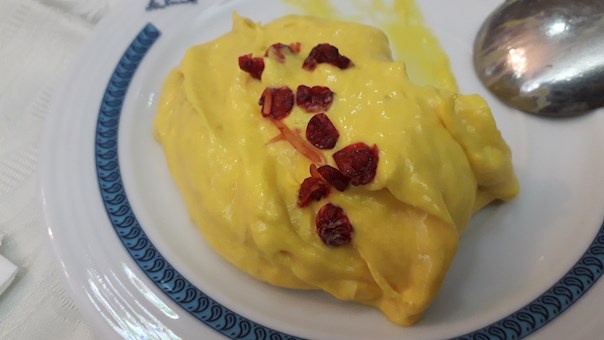
Sholeh zard is a Persian rice pudding known for its vivid golden color and aromatic combination of saffron, rosewater, and cardamom. This dessert is closely associated with Iran, where it is often prepared for special occasions, religious ceremonies, and gatherings that bring families and communities together. The name translates to “yellow flame,” a reference to the bright hue imparted by saffron, which is considered the most prized spice in Persian cuisine. Preparation begins with soaking and slowly simmering rice until it becomes very soft and almost disintegrates into a creamy base. Sugar is added to sweeten the mixture, along with generous amounts of saffron dissolved in hot water, creating a striking yellow color and a distinctive aroma. Rosewater is stirred in near the end of cooking, lending the pudding its floral note, while cardamom brings a gentle warmth. The texture is smooth and thick, somewhere between a custard and a porridge. When the pudding reaches the desired consistency, it is poured into shallow bowls or large serving dishes to set. The surface is traditionally decorated with intricate designs made from ground cinnamon, slivered almonds, and pistachios. These patterns can range from simple lines to elaborate calligraphy and motifs, depending on the occasion and the skill of the cook. Sholeh zard is served chilled or at room temperature, typically alongside tea or other sweets. Although rice puddings are common across the Middle East and South Asia, the Persian version is defined by its use of saffron and rosewater, both ingredients that have a long history in Iranian culinary and cultural traditions. In many households, sholeh zard is prepared to mark commemorations and distributed to neighbors and the needy as part of charitable customs.
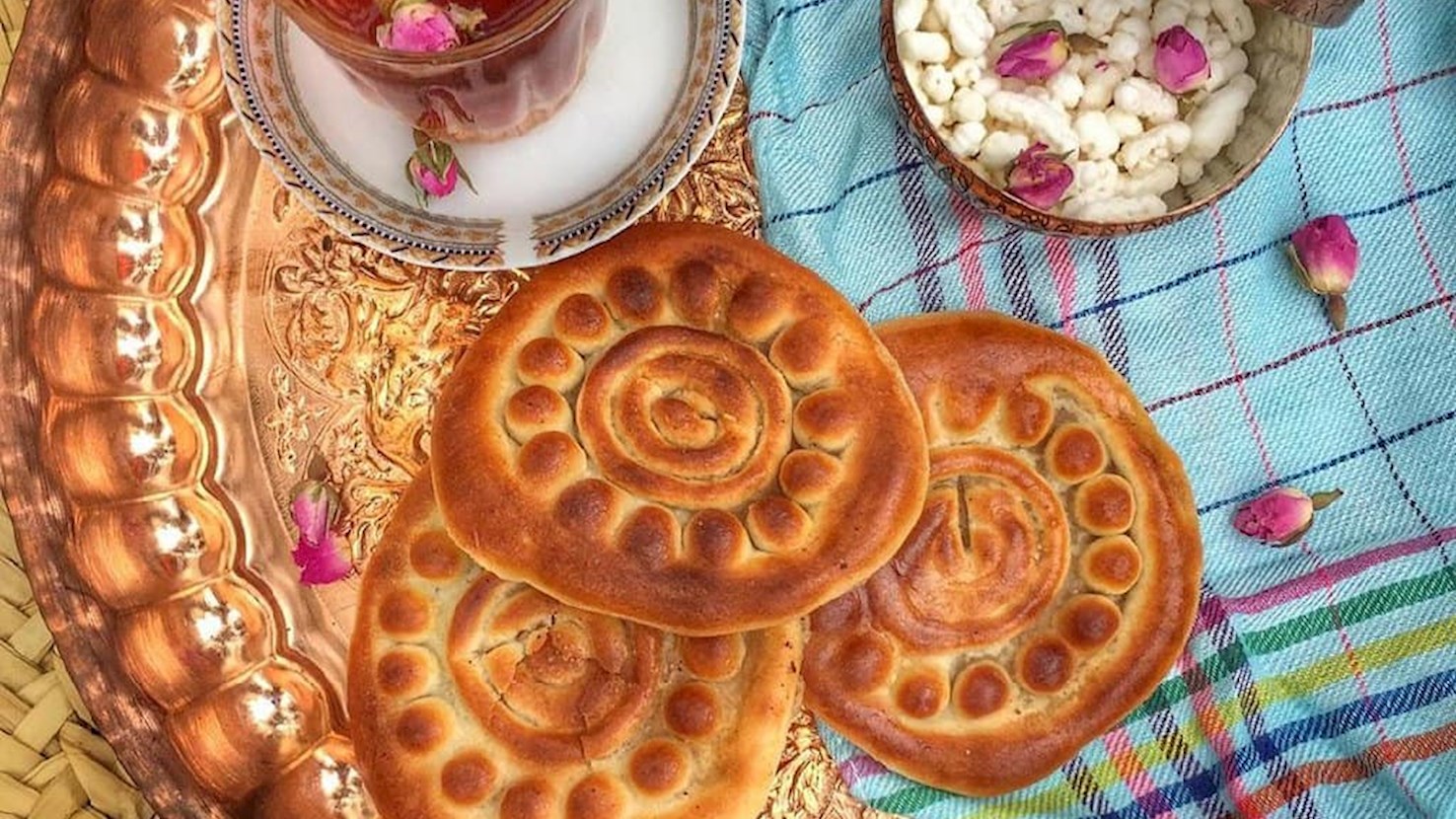
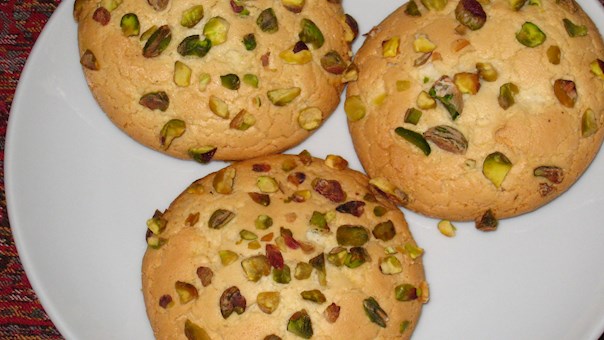
Koloocheh is a filled Persian cookie that comes from northern Iran, especially the provinces of Gilan and Mazandaran along the Caspian coast, where it holds a distinct place in local baking culture. The pastry is known for its round shape, soft crumb, and aromatic fillings that often combine crushed nuts, sugar, cinnamon, and sometimes ground cardamom. Over centuries, koloocheh evolved from early flatbreads and sweetened doughs that were baked in communal ovens for festive occasions or as offerings. In its modern form, it gained popularity as a recognizable specialty sold in bakeries and markets of Lahijan and Rasht, cities particularly renowned for their refined variations of the cookie. Preparation begins with an enriched yeast dough made of wheat flour, milk or water, a little oil or butter, sugar, and leavening agents. Once risen, the dough is divided and rolled into disks. Each portion is topped with a layer of filling—typically a paste of finely ground walnuts or other nuts mixed with sugar and spices—and then sealed to enclose the filling. The tops of the cookies are stamped with decorative patterns using a carved wooden mold or a simple fork. After a light egg wash, they are baked until golden and slightly firm. Koloocheh are often served freshly baked, sometimes warm, though they keep well for several days. In addition to being a popular snack and souvenir, koloocheh has long been prepared for Nowruz, the Persian New Year, and other celebrations. Each city has its own slight variation in dough texture, sweetness, and filling composition, with some bakers also incorporating dates or coconut. The cookies are typically eaten alongside tea, offered to guests, or packed into gift boxes. In the Caspian provinces, bakeries often specialize only in koloocheh production, making it an everyday staple and an emblem of regional hospitality.
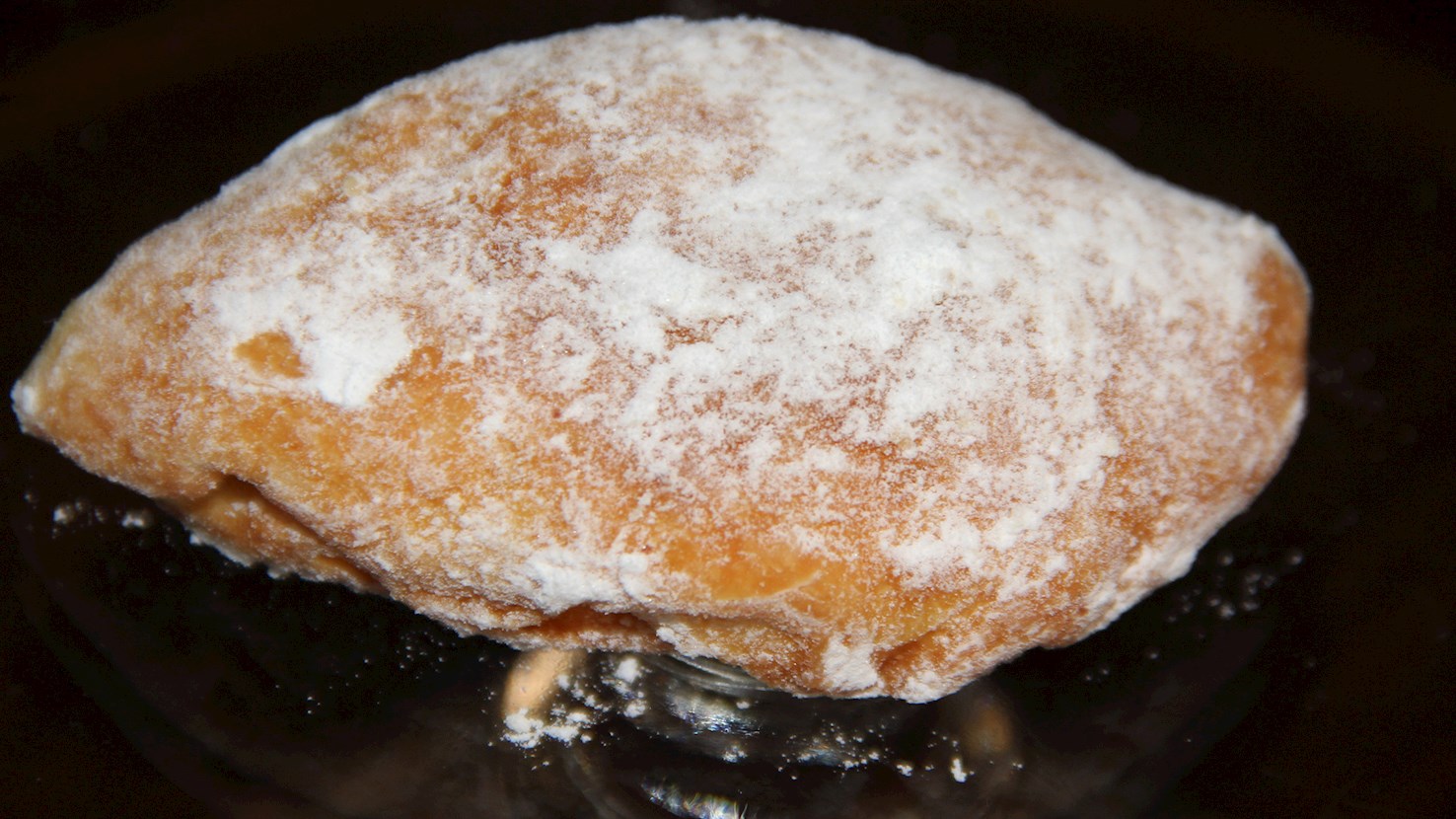
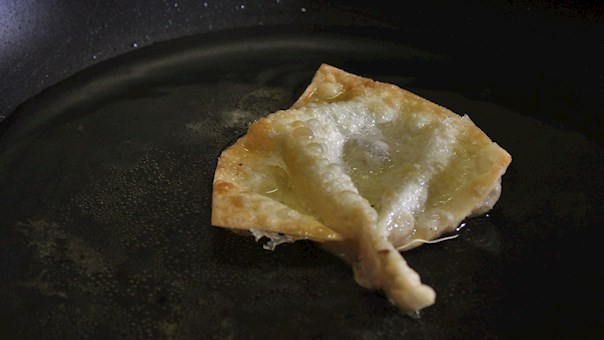
Qottab is a delicate filled pastry from Yazd, a historic city in central Iran known for its confectionery and unique architectural heritage. This sweet is made from a thin dough encasing a mixture of ground almonds or walnuts, sugar, and cardamom, then shaped into crescents or ovals and deep-fried until golden before being dusted with powdered sugar. Qottab is closely associated with Yazdi celebrations and is often prepared for Nowruz and weddings. The history of qottab is rooted in the broader Persian tradition of creating fine pastries with nuts and fragrant spices. Over centuries, confectioners in Yazd refined these techniques to produce sweets that were both flavorful and had a long shelf life, which suited the arid climate of the region. Early records suggest that qottab evolved from older stuffed pastries that were first developed in Persia and spread along trade routes linking Iran to Central Asia and India. Yazd’s position along caravan routes helped establish it as a center for baking and sweet-making, with qottab eventually gaining reputation across the country. The preparation begins by mixing flour, yogurt or milk, and a small amount of fat, usually clarified butter or oil, to form a smooth, pliable dough. The filling is made by combining finely ground nuts, sugar, and ground cardamom into a coarse paste. Small portions of dough are rolled out into thin circles, a spoonful of filling is placed in the center, and the edges are folded over and sealed, often using a patterned crimper. Each piece is fried gently in oil until lightly crisped, then drained and generously coated with powdered sugar. The contrast between the crisp shell and the soft, aromatic filling is part of what defines qottab’s appeal. These pastries are often prepared in large batches, particularly around Nowruz, when they are shared with guests or given as gifts. In Yazd, many families have their preferred recipes, and local confectionery shops produce qottab year-round for domestic use and export to Iranian communities abroad. Qottab is usually served as an accompaniment to tea, set out on plates alongside other sweets like baklava and sohan as part of festive spreads. It is enjoyed at home, during gatherings, and in cafés that specialize in Yazdi confections.
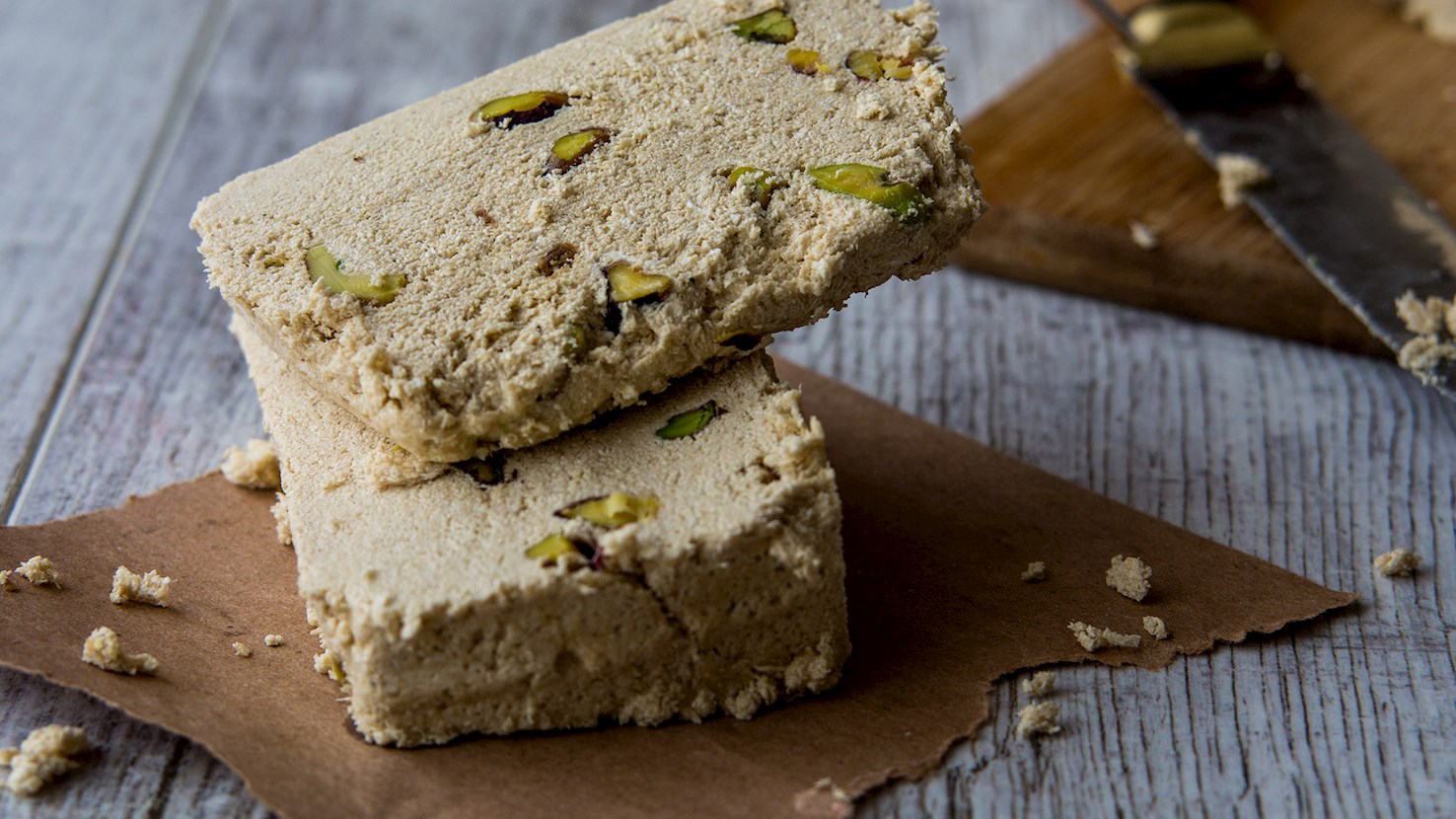
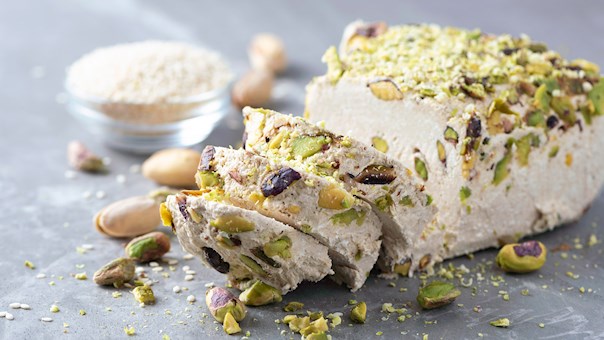
Halva ardeh is a dense dessert made primarily from tahini, the smooth paste of ground sesame seeds, and it is widely associated with Iran, where it has long been a popular sweet for breakfast or as an energy-rich snack. Known simply as sesame halva in many parts of the Middle East, it is valued for its crumbly, melt-in-the-mouth texture and gently nutty flavor balanced by sweetness. While similar versions exist across the Eastern Mediterranean and Central Asia, in Iran, halva ardeh holds a special place as a staple sold in markets, bakeries, and small shops. The history of halva ardeh traces back centuries to when sesame cultivation spread through the ancient Persian Empire. As sesame became more widely grown, cooks discovered that grinding the seeds produced a rich, oily paste that could be blended with syrup or sugar to form a cohesive sweet. This style of halva was developed alongside other confections using wheat flour or nuts, but sesame halva stood out because it could be made with minimal ingredients and stored for long periods without spoiling. Over generations, production became more specialized, with certain cities gaining reputations for high-quality tahini and skillful preparation. To prepare halva ardeh, fresh tahini is blended with a hot sugar syrup, sometimes combined with soapwort extract or other natural emulsifiers to help bind the oils and sugars. This mixture is stirred vigorously as it begins to thicken and take on a fibrous consistency. The confectioner must carefully balance the temperature and timing, as working it too slowly will make it dense and hard rather than delicate and crumbly. Once the right texture is achieved, the mass is poured into molds or trays, pressed flat, and cooled. After setting, it is cut into blocks or slices. Some variations include pistachios or almonds layered into the mixture, while others are flavored with vanilla or cocoa. Halva ardeh is often eaten with bread as part of a simple breakfast or afternoon meal. It is common to serve it alongside fresh herbs, white cheese, or strong tea. The pairing of sweet halva and bitter black tea is particularly popular and reflects the broader Persian taste for contrasts in flavor and texture. While many people still buy it freshly cut from bulk slabs, packaged versions are also sold in shops across Iran and in Middle Eastern grocery stores abroad. Today, halva ardeh continues to be prepared in both small artisanal workshops and large factories. In Iran, cities such as Yazd and Qazvin are especially known for their production.
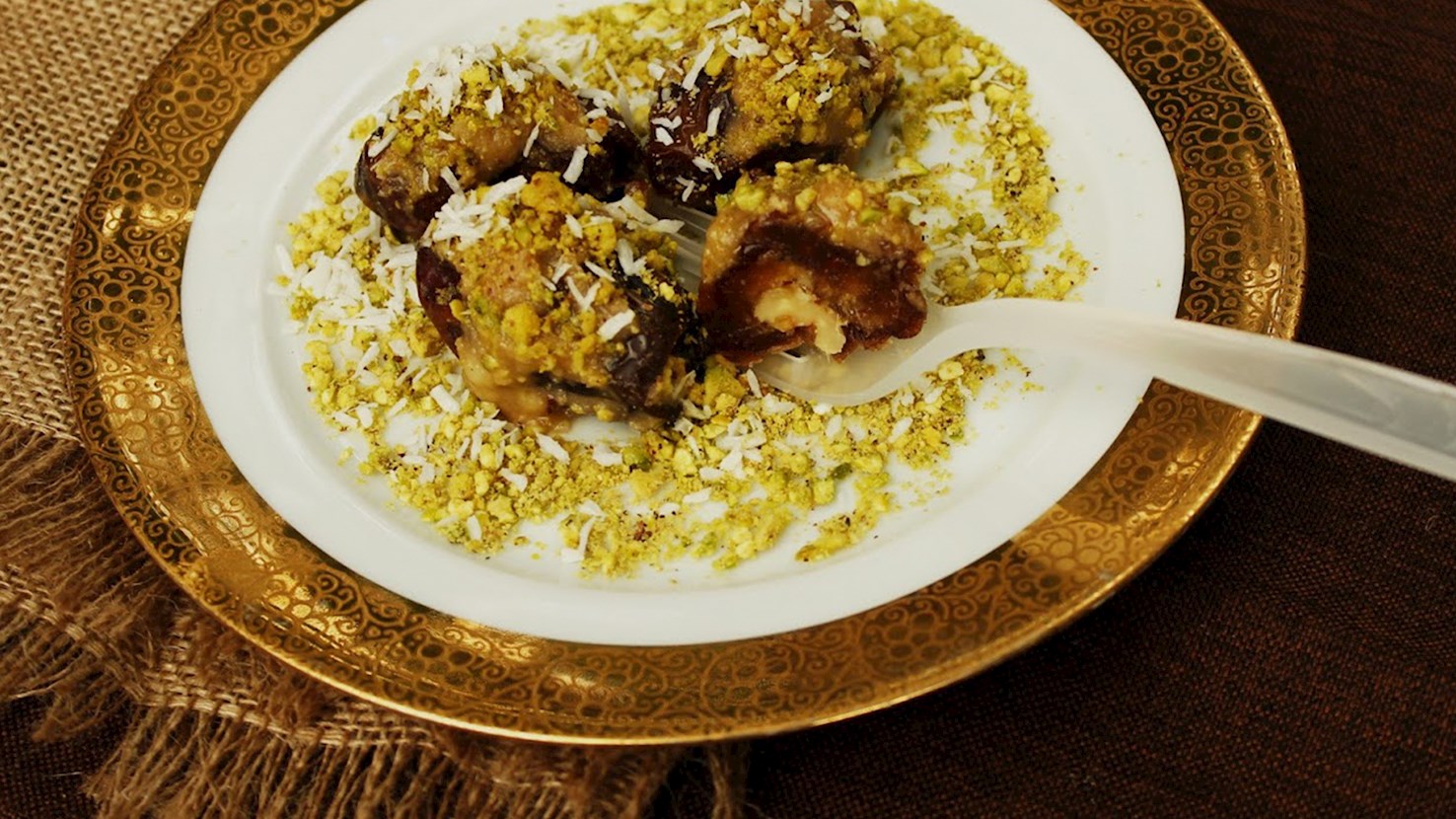
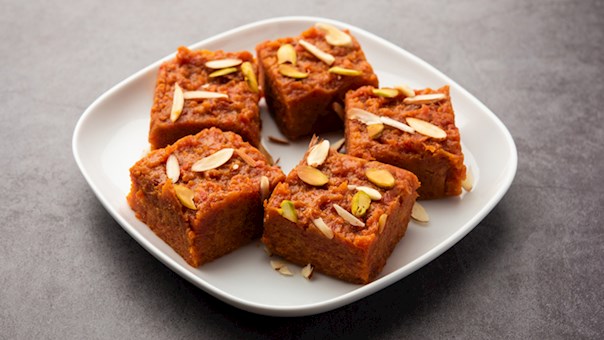
Ranginak is a sweet dessert from southern Iran, especially popular in the Bushehr province, where dates are abundant. The history of ranginak is intertwined with Iran’s date-growing regions, where dates have been a dietary staple for thousands of years. In Persian Gulf communities, dates were prized for their high energy content and long storage life. Over time, cooks began pairing them with toasted flour and nuts to make sweets that required no baking and could be stored for days. Ranginak evolved as one of the best-loved versions of these nourishing date treats, and it became especially associated with family celebrations and Ramadan evenings when energy-rich desserts were important for breaking the fast. Preparing ranginak begins with high-quality soft dates, usually pitted and sometimes lightly stuffed with toasted walnut halves. In a pan, wheat flour is slowly toasted in oil or butter until it turns golden brown and develops a nutty aroma. The flour is sweetened with powdered sugar and seasoned with ground cardamom and sometimes a pinch of cinnamon. Once the flour mixture is ready, it is spread over the arranged dates to completely cover them, creating a smooth, dense layer. The dish is then gently pressed flat, often garnished with crushed pistachios or more walnuts, and left to set before cutting into squares. Ranginak is often served at room temperature on small plates, accompanied by a cup of black tea or herbal infusions. It appears during religious holidays and family occasions, but also as an everyday sweet in the southern Iranian diet. Because it requires no baking and uses long-lasting ingredients, it has remained a practical dessert in warm regions where fresh dairy-based confections were historically harder to store. In many households, ranginak recipes are passed down informally, with each family developing its preferred balance of sweetness and spice.
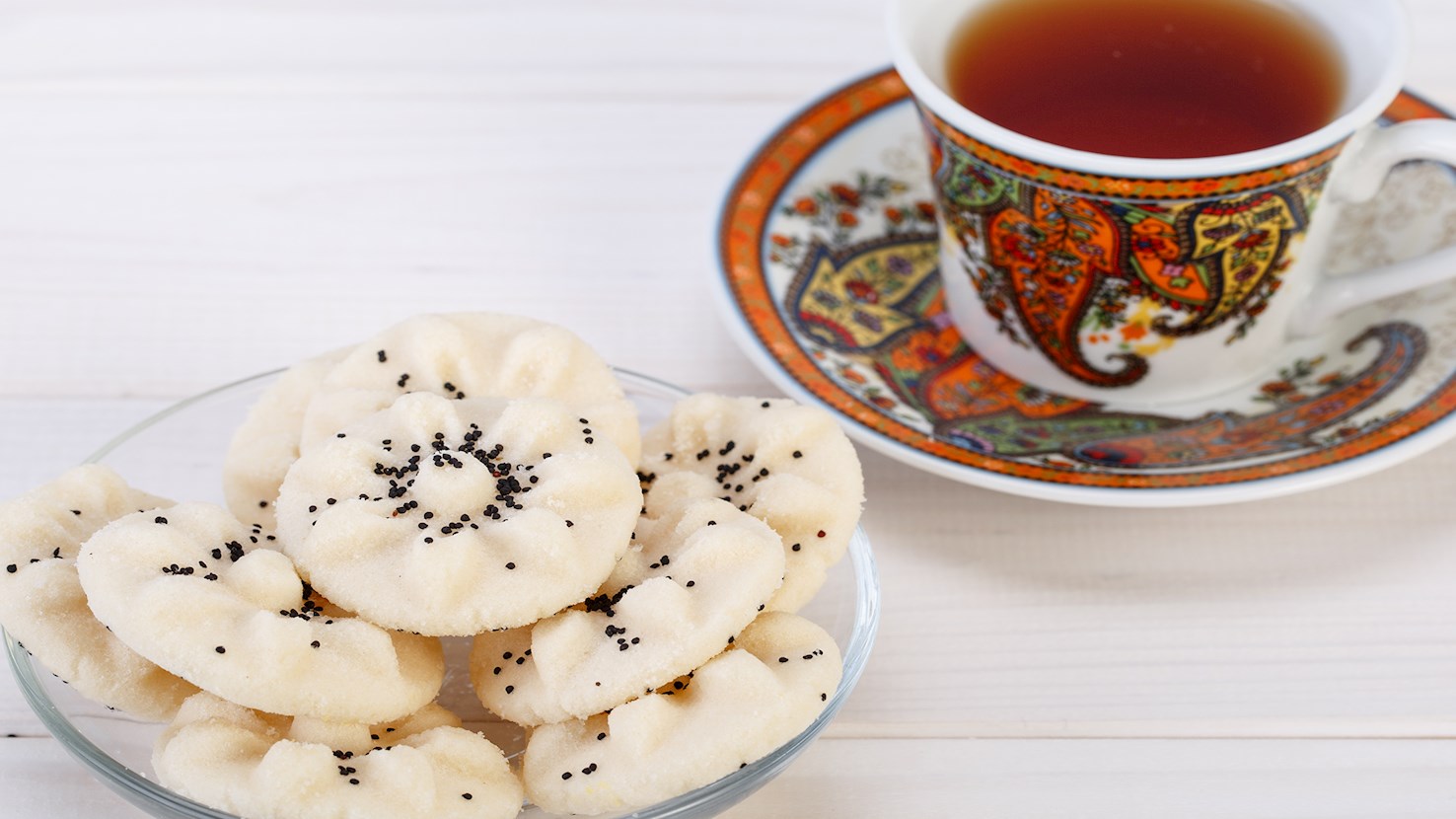
Naan berenji is a delicate rice flour cookie from Iran, most closely associated with the western province of Kermanshah, where it is still produced in local bakeries and home kitchens. Recognizable by its pale, almost white color and the light aroma of rosewater, this biscuit is a staple sweet during Nowruz celebrations and is often offered to guests alongside tea. The name combines “naan,” the Persian word for bread or biscuit, with “berenj,” meaning rice, reflecting its primary ingredient. The history of naan berenji dates back several centuries when rice cultivation and milling techniques spread widely through western Iran. Kermanshah became a center for producing sweets that used rice flour instead of wheat, partly due to regional availability and partly because rice flour gives a uniquely tender, sandy texture. Recipes were refined in confectioners’ workshops and passed through families, establishing naan berenji as a familiar item on festive trays of assorted pastries known as shirini. Preparation begins by combining fine rice flour with powdered sugar and clarified butter or oil. Eggs are added for structure, and the dough is perfumed with rosewater, which is essential to the biscuit’s aroma. The mixture is kneaded into a soft, pliable mass, then portioned into small balls. Each piece is flattened gently, often stamped with a patterned mold or marked with the back of a fork to create a decorative design. Before baking, the cookies are sprinkled with black poppy seeds, giving them a contrasting visual detail. They are then baked at a low temperature so they retain their pale color and delicate crumb. Once cooled, naan berenji becomes dry and slightly crumbly, melting easily in the mouth. They are carefully packed in tins or boxes to protect their fragile texture and are frequently prepared in advance of holidays or important family gatherings. Bakers in Kermanshah sometimes prepare large quantities to sell by weight in local markets, especially in the weeks leading up to Nowruz. These biscuits are typically served on small plates alongside a glass of hot Persian tea, providing a sweet counterpoint to the drink’s slight bitterness. They are offered to guests as part of a spread of pastries that may include other regional specialties like nan-e nokhodchi or nan-e badami.
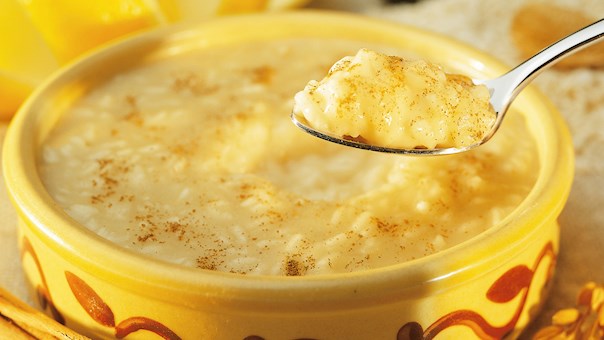
Zerde is a saffron-scented rice pudding found across Türkiye, Iran, and Iraq, celebrated for its bright golden color and delicate sweetness. In Türkiye, it is especially popular in the southeastern regions, where it is commonly prepared for weddings, festive occasions, and religious gatherings. However, its roots reach further east, reflecting the culinary exchanges between Persian and Mesopotamian kitchens over many centuries. Historical records trace the origins of zerde back to ancient Persia, where cooks used saffron and other spices to transform rice into celebratory desserts. The Persian word zard means “yellow,” describing the vivid hue that defines this dish. From Persia, recipes spread westward into Mesopotamia, present-day Iraq, where saffron rice sweets became part of courtly cuisine. Later, with the expansion of the Seljuk and Ottoman empires, these preparations took hold in Anatolia and evolved into regional variations. In Türkiye, zerde developed distinct features, including the use of rose water, pine nuts, and currants, while in Iran and Iraq, versions with slightly different flavorings and proportions persisted alongside similar desserts like sholeh zard. Preparation starts by cooking rice in water instead of milk, which sets zerde apart from other puddings. Saffron, diluted in warm water, imparts both flavor and its characteristic color. Sugar, rose water, and sometimes a little turmeric or cardamom are added to build a layered aroma. When the pudding reaches the right consistency, it is ladled into bowls and garnished with blanched almonds, pine nuts, currants, or pistachios, then served warm or at room temperature. Among the notable aspects of zerde is that it is traditionally made without dairy, making it suitable for communal events when lighter, plant-based desserts are preferred. The dish is still served today in Türkiye during religious holidays like Muharram, in Iran for festive meals, and in Iraq as part of special family gatherings.
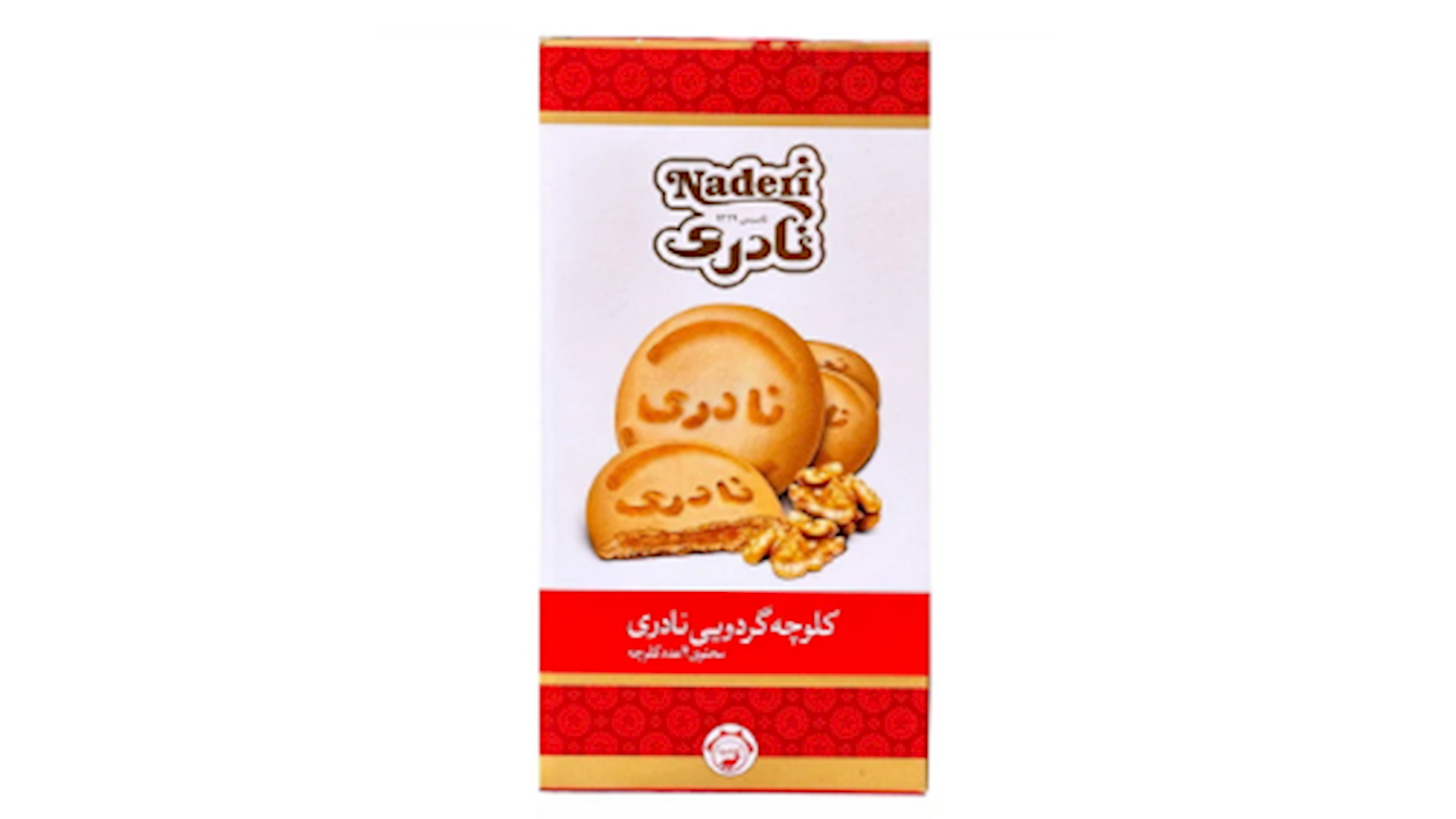
Naderi is an Iranian confectionery producer known for its wide range of biscuits and traditional sweets, with origins dating back to 1950 when it began as a small family-run shop in Lahijan before evolving into a larger-scale manufacturing operation. Today, as part of Naderi Food Industries Group, the company offers a diverse portfolio that includes biscuits, filled cakes, wafers, and snack products, alongside more contemporary cookie-style lines often marketed under names like Cookia.
A defining element of its production is the continuation of traditional Iranian pastries such as koloocheh - soft, filled cookies made with ingredients like walnuts, coconut, or dates - which remain closely tied to local culinary habits and are commonly consumed with tea. At the same time, Naderi has expanded into more modern formats, including chocolate-coated biscuits and cream-filled varieties, balancing heritage recipes with industrial production methods.
The products typically rely on straightforward ingredients such as flour, sugar, vegetable fats, nuts, and dairy components, resulting in a range of textures from soft and cake-like to crisp and compact. While firmly rooted in the domestic market, Naderi products are also distributed internationally through specialty food retailers, where they represent a contemporary interpretation of Persian confectionery traditions.
TasteAtlas food rankings are based on the ratings of the TasteAtlas audience, with a series of mechanisms that recognize real users and that ignore bot,
nationalist or local patriotic ratings, and give additional value to the ratings of users that the system recognizes as knowledgeable.
For the “Top 23 Iranian Desserts” list until October 15, 2026, 1,735 ratings were recorded, of which 875 were recognized by the system as legitimate.
TasteAtlas Rankings should not be seen as the final global conclusion about food. Their purpose is to promote excellent local foods,
instill pride in traditional dishes, and arouse curiosity about dishes you haven’t tried.
The initial list of top producers was compiled based on available reviews, awards, local recommendations, media and blog coverage, and consumer reviews.
The list will be updated with ratings from TasteAtlas local ambassadors and TasteAtlas users.





What People Say