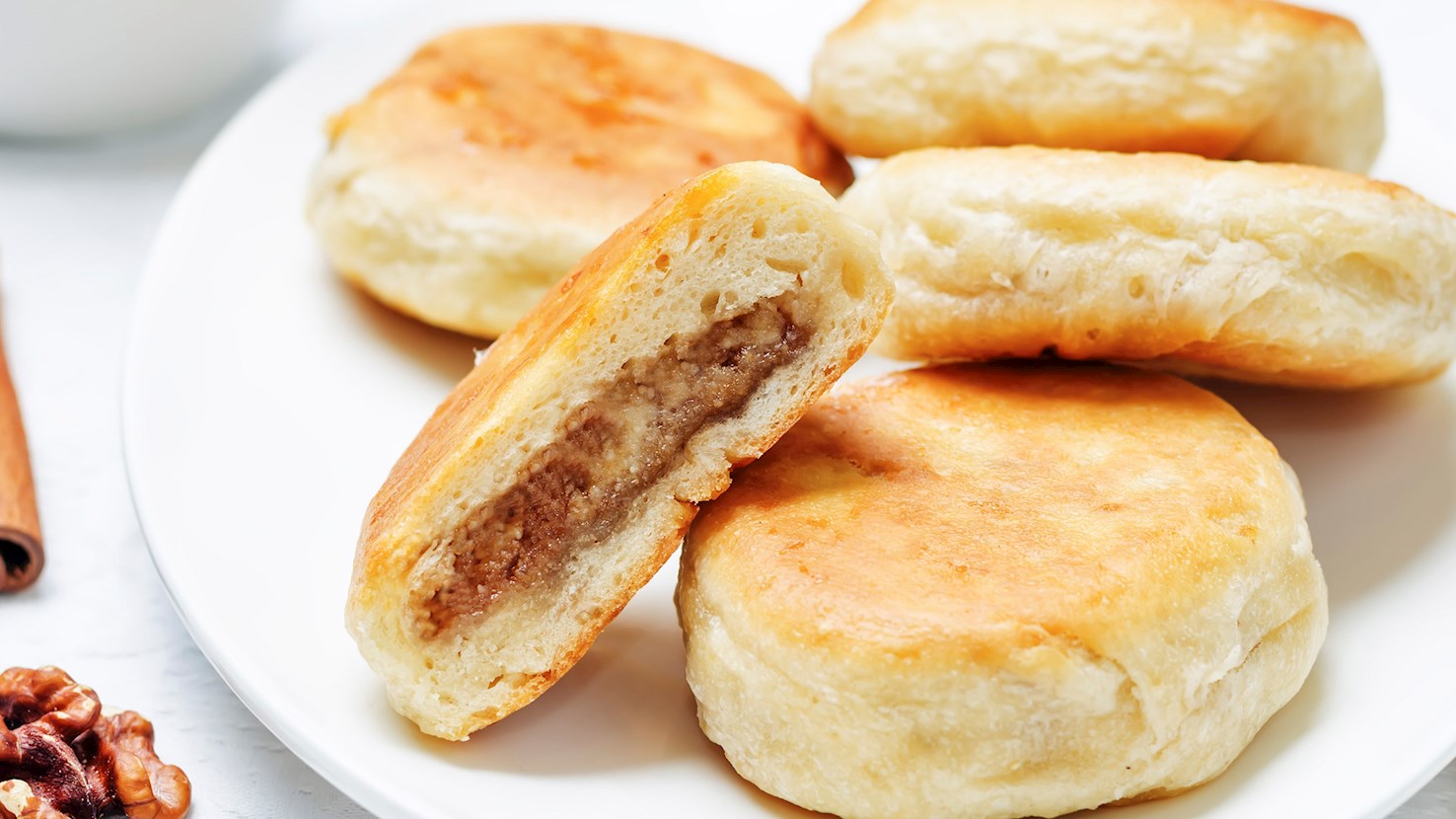
Hotteok is a popular Korean pancake that is usually filled with cinnamon, brown sugar, and nuts such as peanuts and walnuts. It is commonly sold as street food at numerous Korean street stands, especially when the weather is cold. The pancakes can be either thick or thin, and are characterized by their crispy exterior and tender, chewy interior. It is believed that hotteok was invented in the late 19th century when Chinese merchants followed their country's soldiers to Korea. Many of them decided to stay in Korea, making Chinese versions of pancakes with savory fillings. However, the Koreans preferred the sweet fillings over the savory ones, and the Chinese then adapted the pancakes according to the Koreans' wishes, thus inventing hotteok. Today, there are many varieties of hotteok, including a number of versions with matcha, and a special version called bubble hotteok, which is baked over flames instead of being fried.
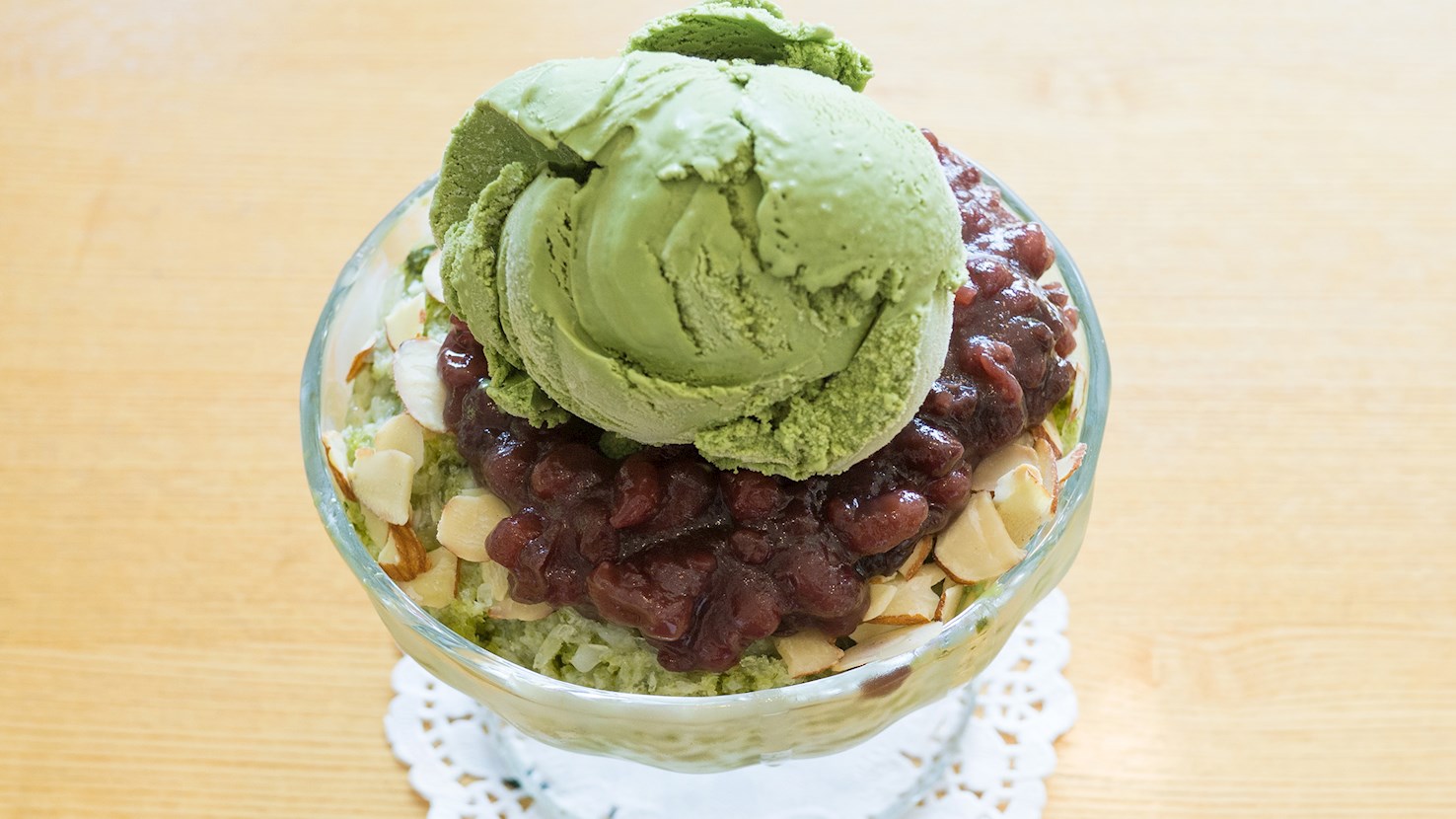
Patbingsu is a popular South Korean dessert, its name meaning red bean ice flakes. It consists of shaved ice, condensed milk, and sweet azuki bean paste. It is often topped with pieces of Korean rice cakes known as tteok, fresh fruit, or cereals, although there are numerous variations with different toppings that are added according to personal preference. Patbingsu is at the peak of its popularity during summer, although it is typically available from May to October. The treat is praised for its combination of flavors and textures - crunchy, creamy, and chewy. Although the dish is composed of a number of distinct layers, all ingredients are customarily stirred together before consumption until the shaved ice melts, transforming it into a kind of sweet, cold soup. Originally, patbingsu was prepared as street food in the late 1950s, but today it can even be found in upscale restaurants.
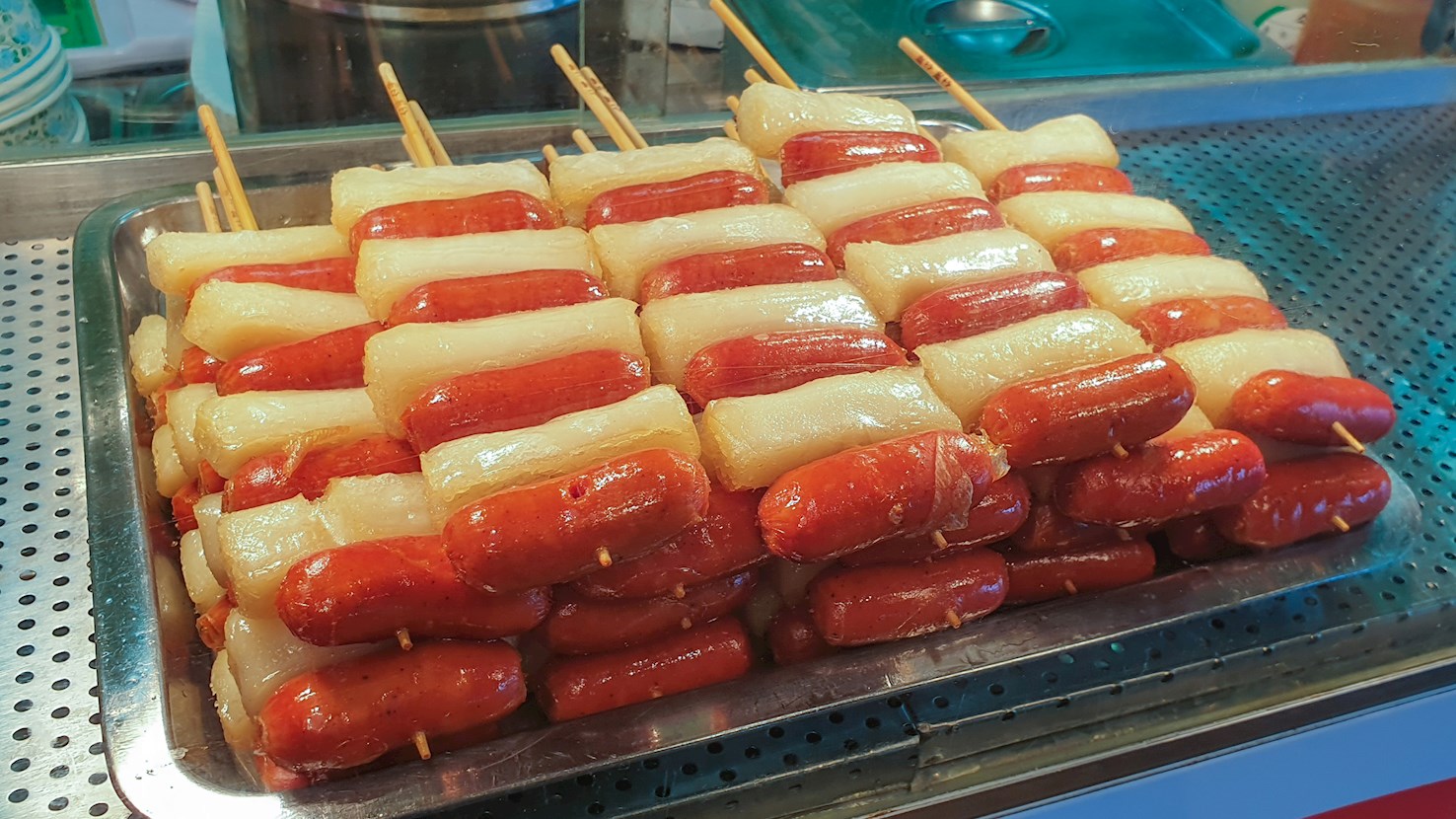
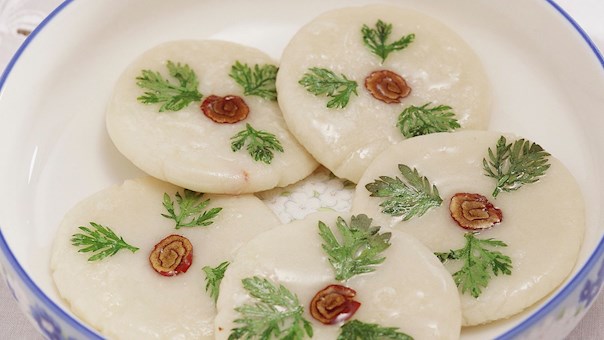
Tteok are traditional Korean rice cakes that are prepared with glutinous or non-glutinous rice. The cakes are incredibly versatile, and although they are mostly sweet and enjoyed as a dessert, some plain varieties can be incorporated into savory dishes. The usual preparation includes steaming, pounding, or kneading the rice until it transforms into a pliable dough which can optionally be enriched with different ingredients and shaped into various forms. The most popular tteok varieties include songpyeon, chapssaltteok, garaetteok, gyeongdan, as well as many more traditional and modern versions. The cakes are a staple at various special occasions in South Korea, but some are also enjoyed as a sweet, everyday dessert.
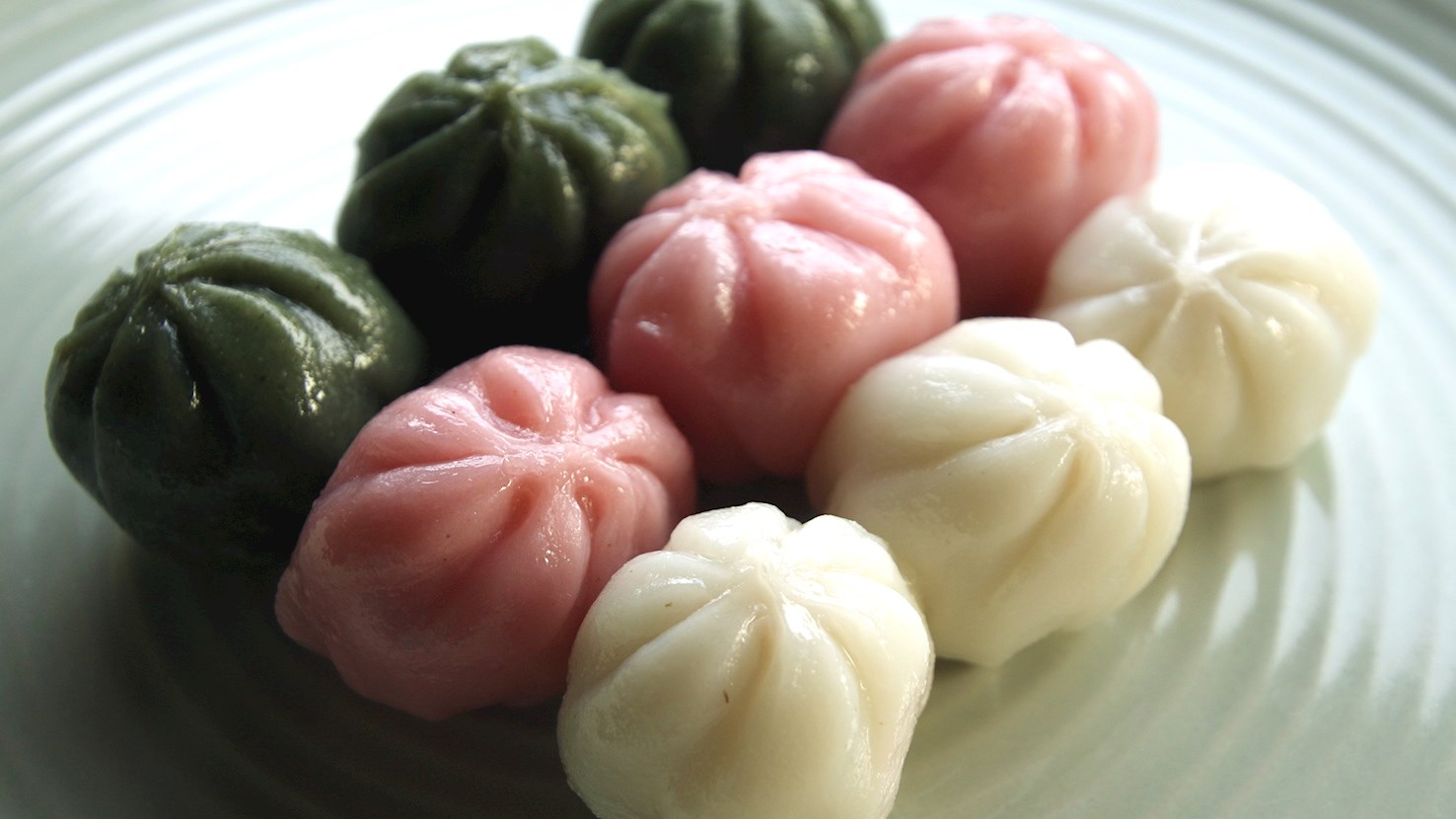
Ggul tteok are colorful Korean steamed rice cakes that are usually shaped into bite-sized balls. Translated as honey cakes, they are traditionally served drizzled with honey-infused syrup. Even though ggul tteok are often prepared plain, some varieties are filled with sesame and occasionally served dusted with roasted soybean powder. Available at many specialized shops, these chewy cakes are usually enjoyed as a dessert or a sweet snack.
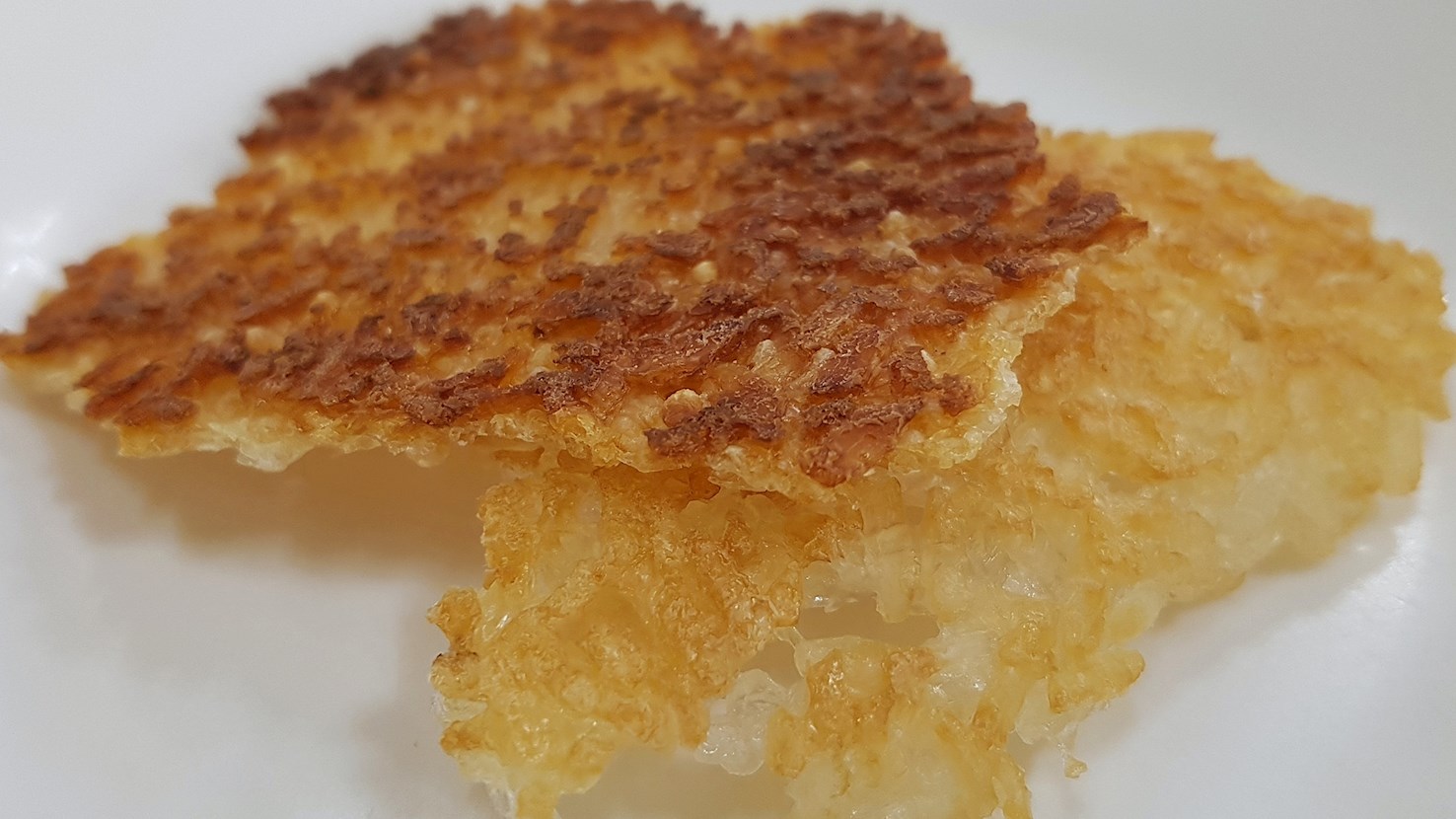
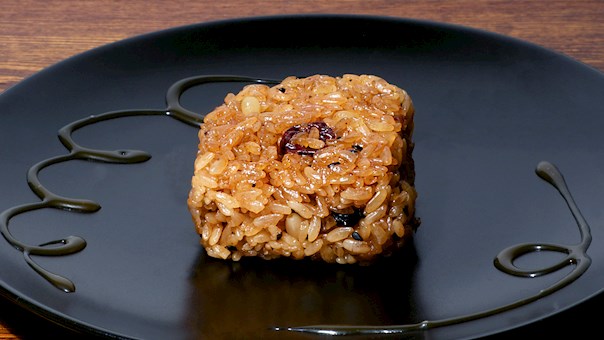
Nurungji is the South Korean version of scorched rice—a crispy and nutty layer of golden-brown rice that forms at the bottom of the pan. This simple snack is prepared with pre-cooked rice, or it can be a by-product of cooking rice. Nurungji can be enjoyed on its own, but it is often sprinkled with sugar and served as a dessert. Optionally, the crust can be topped and shortly cooked with water or tea to create sungnyung—an infusion that is served after a meal and should be enjoyed as a drink.
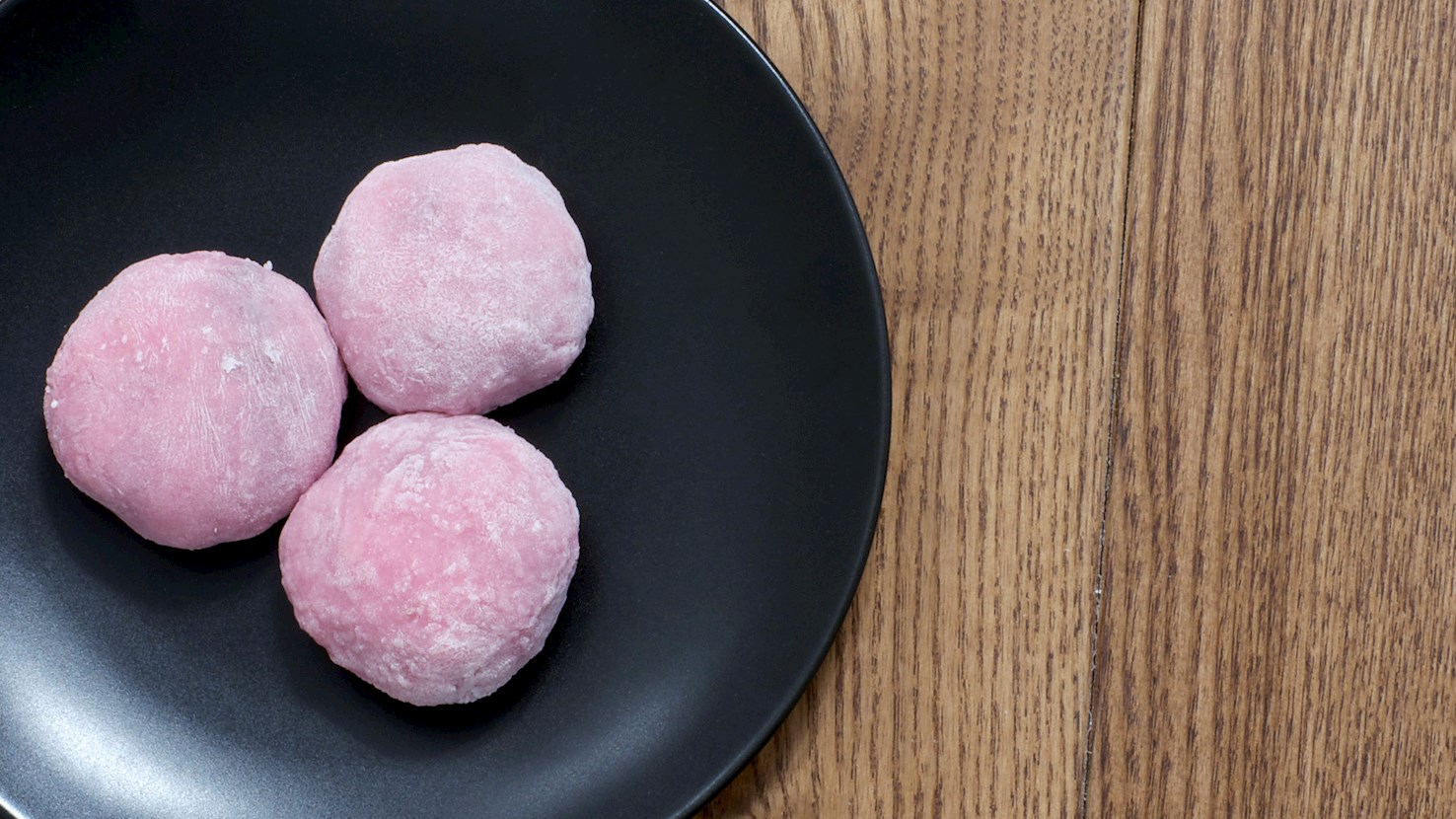
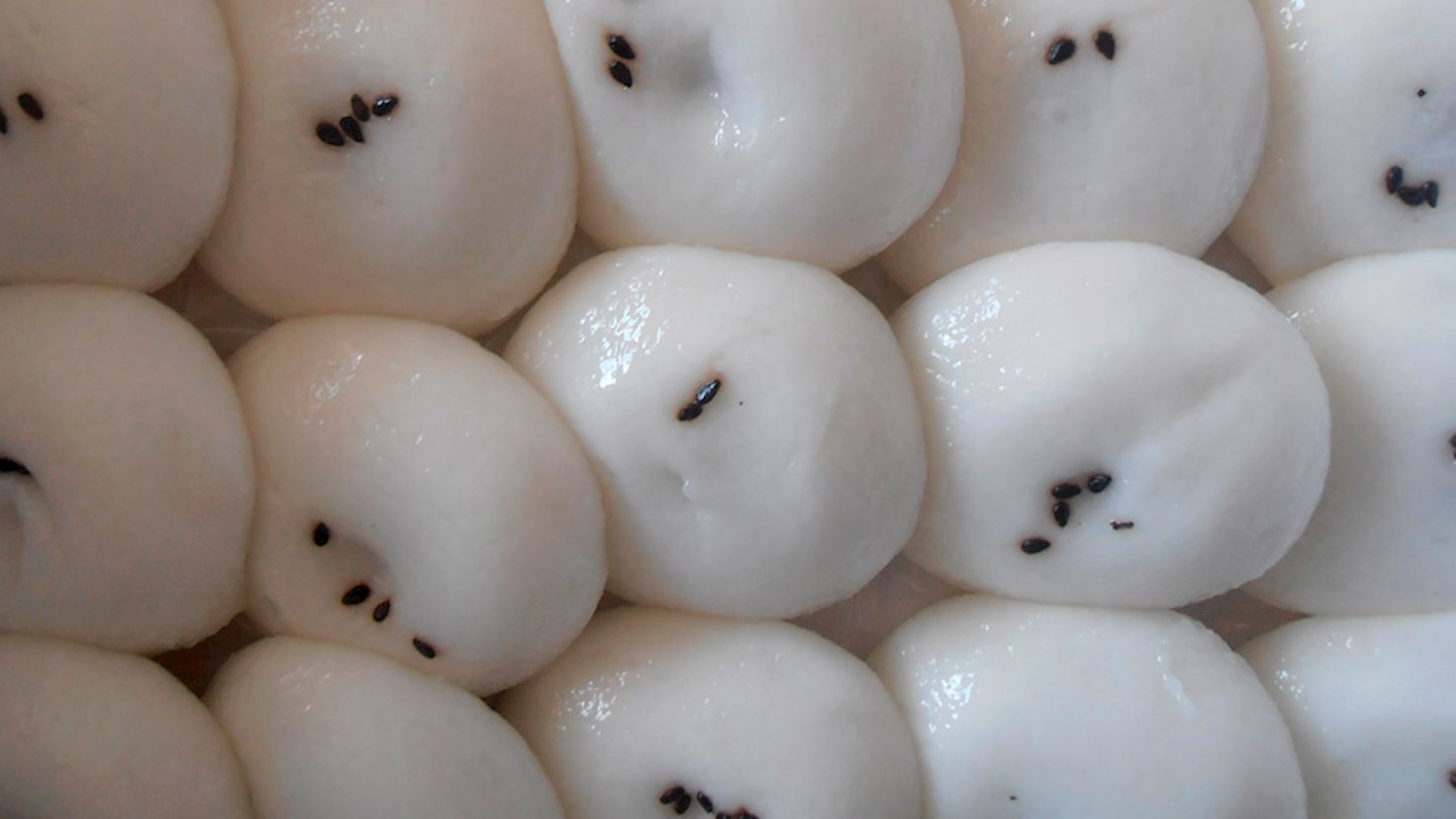
Chapssaltteok is a soft, highly elastic sweet cake crafted from pounded glutinous rice dough that encases a dense core of sweetened red bean paste. It serves as a powerful cultural symbol of academic success, primarily because the ultra-sticky dough easily adheres to surfaces, representing the act of "sticking" to a goal or to a desired university admission. Consequently, it is an incredibly popular gift given to high school students immediately before they sit for grueling winter entrance exams. The historical roots of this dessert date back to the early 20th century, and the cake was heavily influenced by the introduction of similar imported sweets during colonial periods, which eventually merged seamlessly with domestic rice farming techniques to form a distinct local identity. In the past, during freezing winter nights, street vendors roamed residential neighborhoods, carrying heavy wooden boxes and loudly shouting the name of the sweet they were selling as late-night snacks for studying youths and families. The outer shell requires mixing fine glutinous rice flour with water, sugar, and a pinch of salt. This liquid slurry undergoes intense steaming or rapid heating until it transforms into a thick, translucent mass. To achieve the required bouncy texture, the hot dough is repeatedly pounded with a heavy wooden mallet or folded aggressively, aligning the starches to create immense stretch. The filling is made by boiling red azuki beans until soft, mashing them with a large amount of sugar, and reducing the mixture over a stove to evaporate excess moisture. Small spheres of this dense bean jam are entirely enveloped by the hot, stretched dough. To prevent the incredibly sticky spheres from permanently fusing to hands and plates, the finished balls are aggressively rolled in fine white cornstarch, potato starch, or roasted yellow soybean powder. Beyond the baseline white exterior and dark bean interior, there are a vast number of different variations. Strawberry chapssaltteok wraps the sticky dough entirely around a whole, fresh strawberry resting on a thin layer of red bean paste, creating a sudden burst of tart fruit juice when bitten. Other variations mix bitter green tea powder or earthy boiled mugwort directly into the raw dough, turning the exterior a deep green. The fillings frequently incorporate crushed walnuts, pine nuts, or roasted sesame seeds to introduce a crunchy contrast to the smooth paste, while modern dessert shops occasionally swap the red beans entirely for rich cream cheese, chocolate ganache, or sweet potato puree. Individuals consume the chewy treats entirely by hand at room temperature, frequently purchasing them tightly packaged in decorative cardboard boxes or individually wrapped in clear plastic to retain maximum moisture. Because the thick dough poses a choking hazard if swallowed whole, small, deliberate bites are required, almost always chased with hot, bitter green tea or roasted barley tea to effortlessly wash away the lingering sweetness. Because it is very similar to the Japanese mochi (meaning rice cake in Japanese), some people also refer to chapssaltteok by that name.
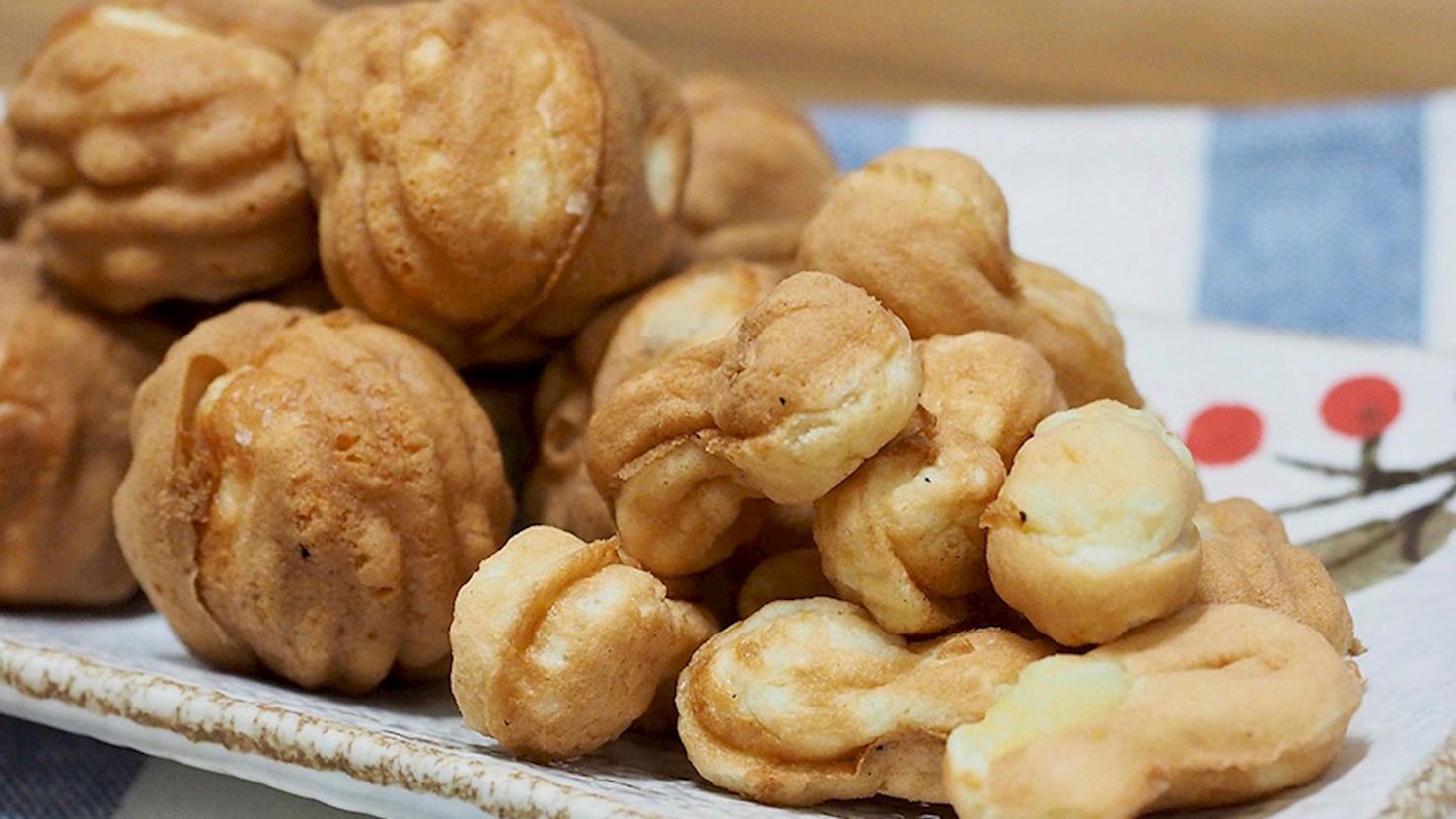
These walnut cookies are a winter staple in South Korea. They consist of a walnut shell that is prepared with a thin walnut-based batter and a filling which combines pieces of walnuts and sweet red bean paste. The cookies were first invented in 1934 by a young couple from Cheonan, and in the 1970s they became available in other parts of the country and were mainly enjoyed as a street snack. However, the original Cheonan hodu-gwaja remains a local specialty.
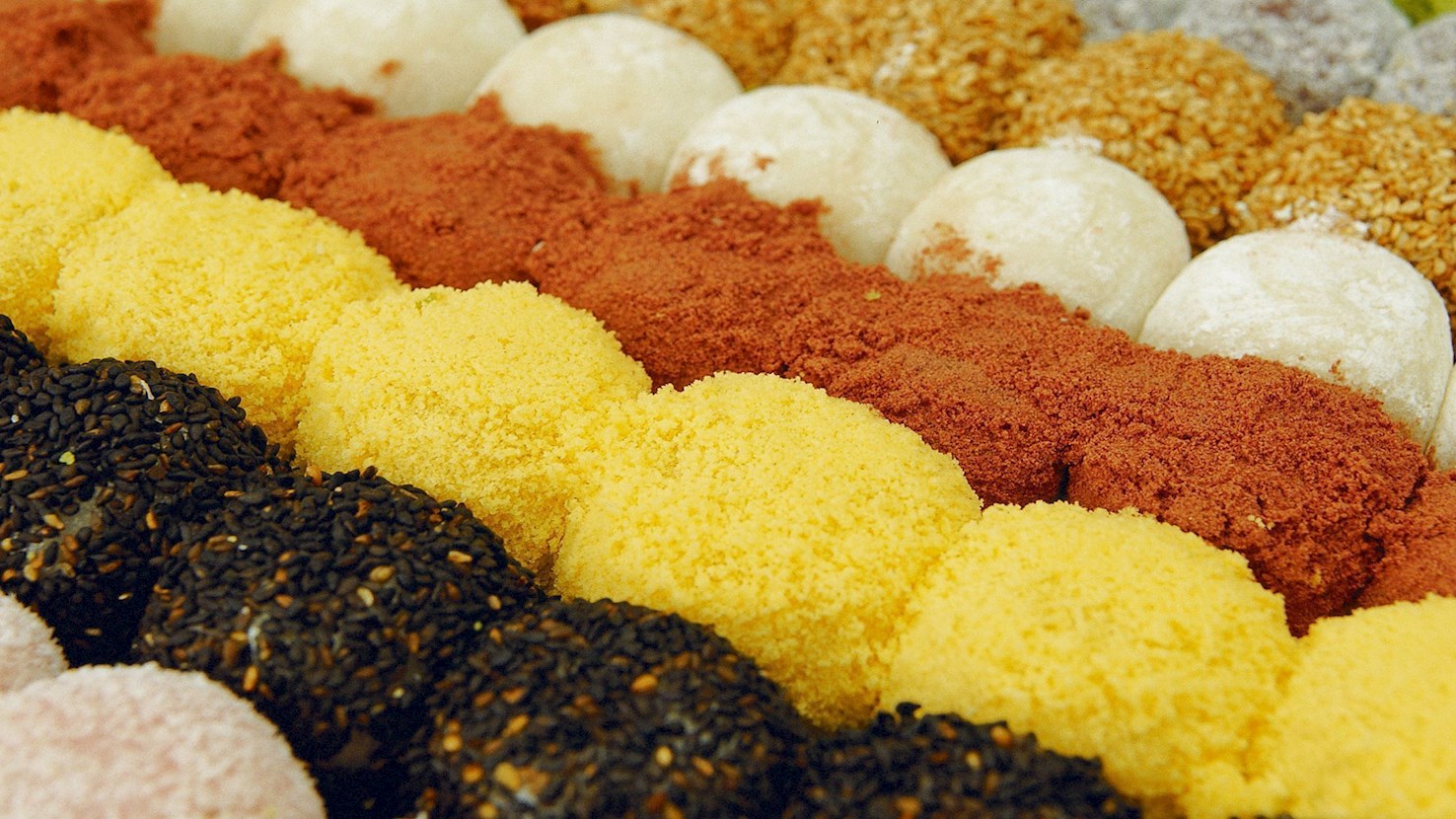
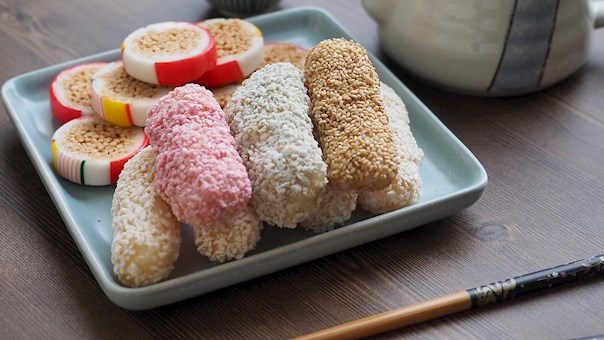
Round and chewy gyeongdan are traditional Korean cakes consisting of soft rice dough that is wrapped around sweet red bean filling. When boiled, they are usually coated with colorful powders - from ground black sesame and toasted soybean to mugwort powder and grated tinted coconut. These bite-sized rice cakes are a popular sweet treat often enjoyed on various special occasions.
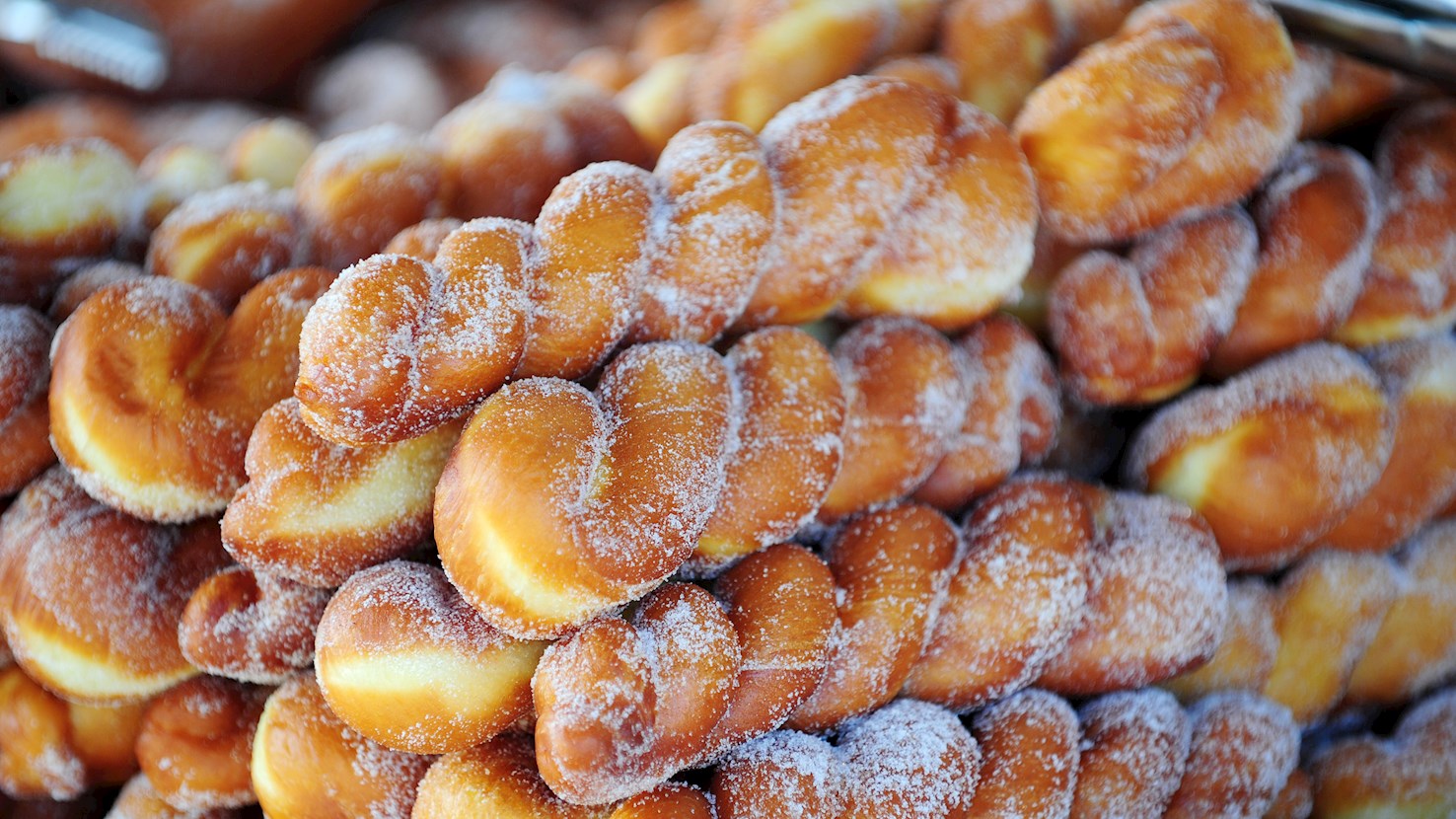
Kkwabaegi are traditional South Korean twisted donuts. They're usually made with a combination of flour, butter, sugar, milk, eggs, yeast, salt, corn oil, and cinnamon. Melted butter is mixed with milk, sugar, salt, eggs, yeast, and flour. The dough is kneaded, wrapped, left to rise, kneaded again, and left to double in size one more time. Pieces of dough are rolled into ropes that are twisted into short braids, and then fried in oil on both sides until golden brown. The twisted donuts are rolled in cinnamon sugar while still warm, and kkwabaegi is then ready to be enjoyed. These donuts can be found in most Korean bakeries.
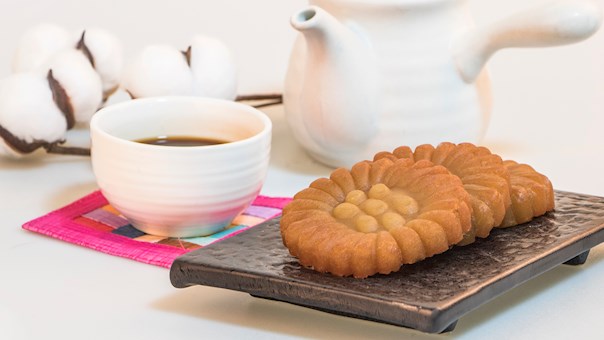
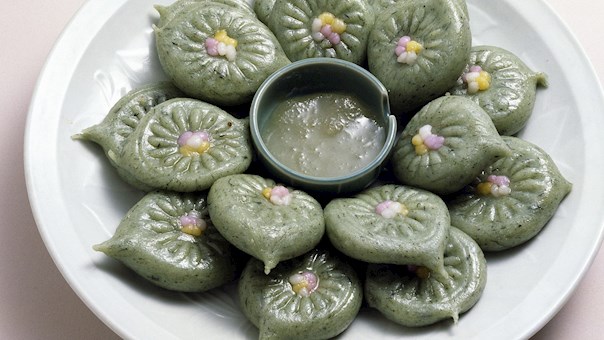
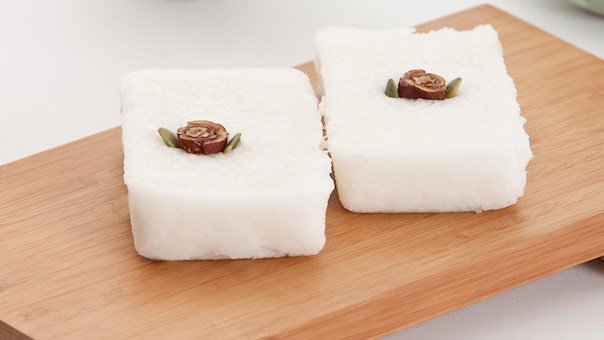
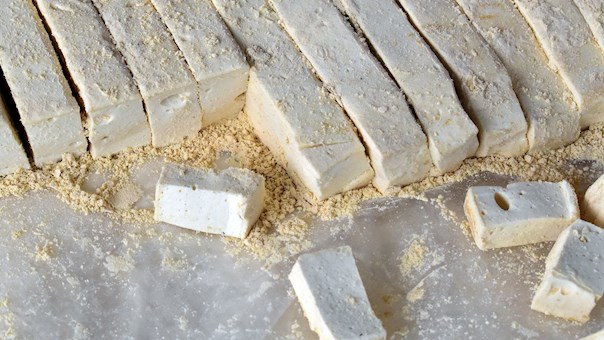
This traditional Korean rice cake is made from a combination of glutinous rice, sugar, yeast, and makgeolli—fermented rice drink. The dough is formed into a larger round or rectangular cakes or in many bite-sized pieces before it is steamed until tender. The top is neatly decorated with jujubes, pine nuts, or various seeds, and the dough is occasionally tinted with natural colorings. The first written mention of jeungpyeon dates back to the 17th century, where it was also stated that the cakes were a favorite summer staple since they could withstand warm temperatures without spoiling. Although they can be enjoyed throughout the year, the cakes are traditionally prepared for Dano festival.
TasteAtlas food rankings are based on the ratings of the TasteAtlas audience, with a series of mechanisms that recognize real users and that ignore bot,
nationalist or local patriotic ratings, and give additional value to the ratings of users that the system recognizes as knowledgeable.
For the “Top 24 Korean Desserts” list until October 15, 2026, 781 ratings were recorded, of which 675 were recognized by the system as legitimate.
TasteAtlas Rankings should not be seen as the final global conclusion about food. Their purpose is to promote excellent local foods,
instill pride in traditional dishes, and arouse curiosity about dishes you haven’t tried.




What People Say