



shutterstock

Top 11 Louisianian Desserts

Last updated on June 15, 2026
01

Bananas Foster

4.2 ·

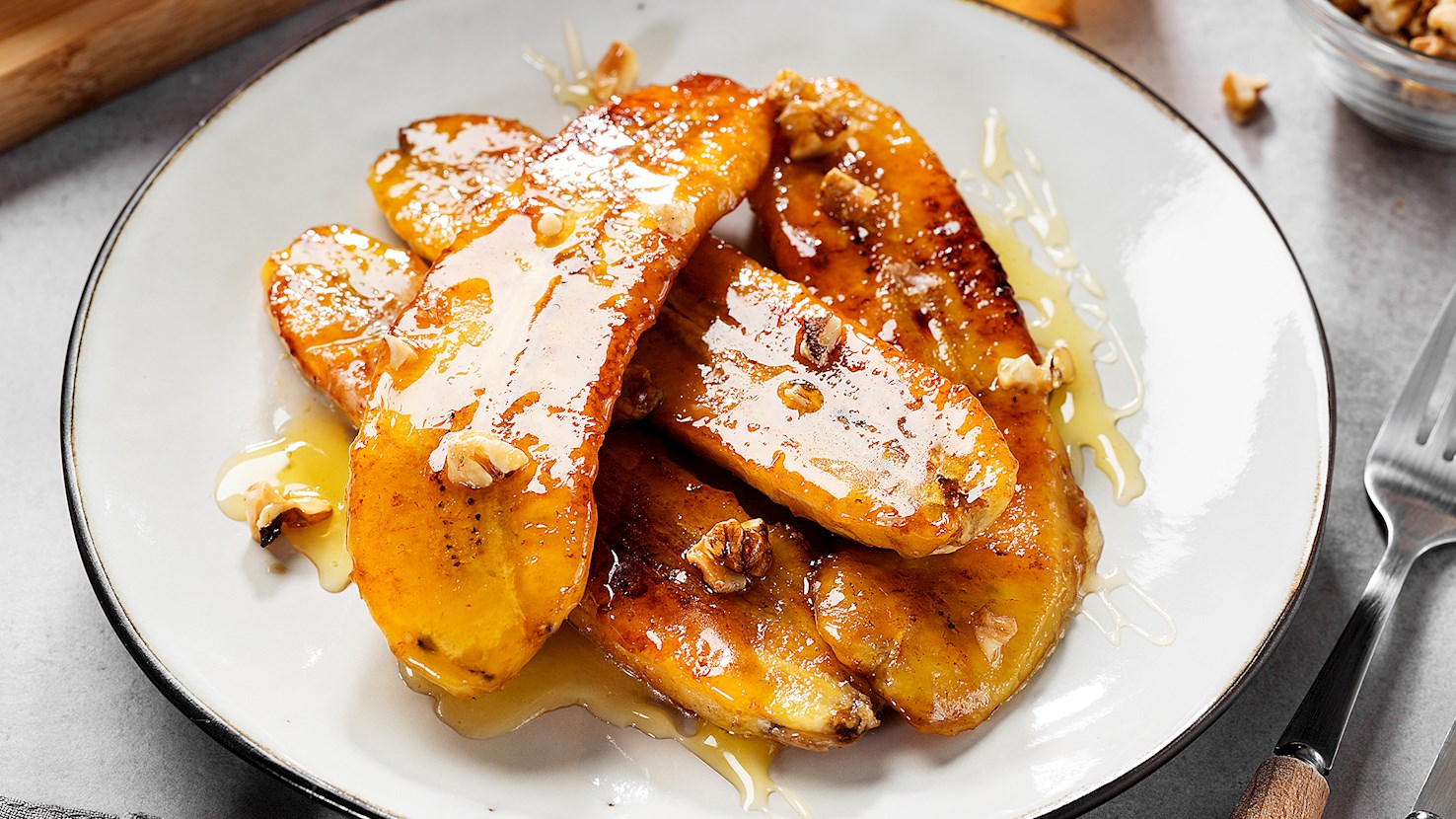
Bananas Foster is an iconic dessert created in New Orleans in 1951. It consists of bananas sautéed in a combination of rum, brown sugar, banana liqueur, butter, and spices. When the bananas are slightly tender and begin to brown, cooks set the alcohol on fire with the famous flambé technique. Bananas are usually served with a scoop or two of vanilla ice cream. Because the process is so visually attractive, the dessert is often prepared alongside tables in most restaurants. It was invented by Paul Blangé, a chef from the New Orleans restaurant called Brennan's. He named it in honor of Stephen Foster, a local businessman who used to frequent the restaurant. Since 1951, bananas Foster rose in popularity, and it is still one of the most popular items on Brennan's menu.

02

Beignets

4 ·

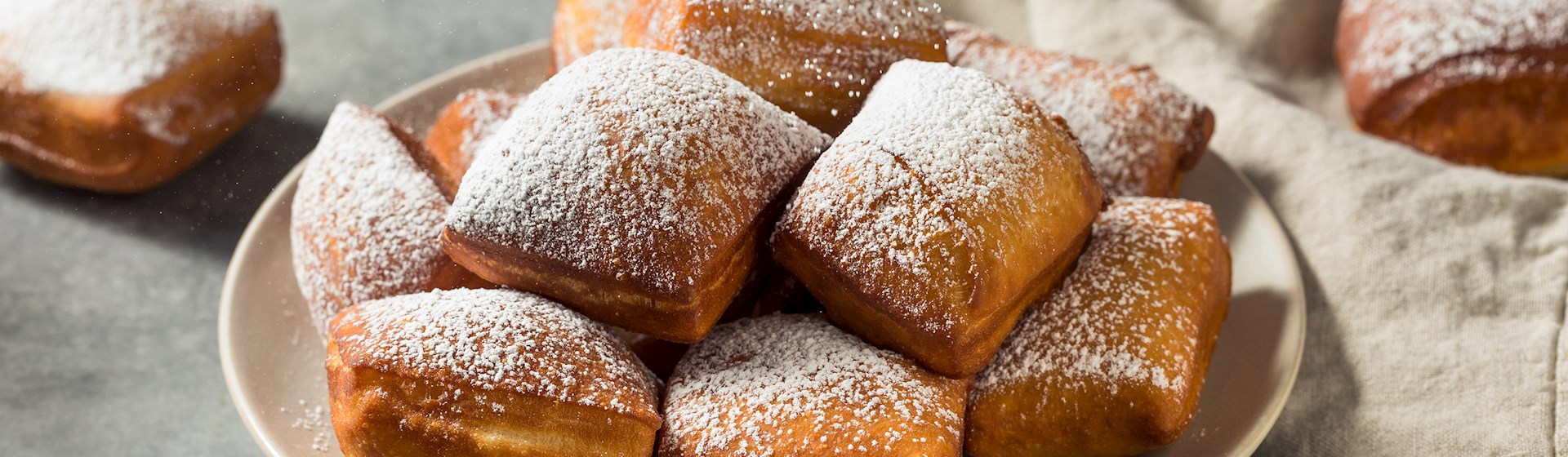
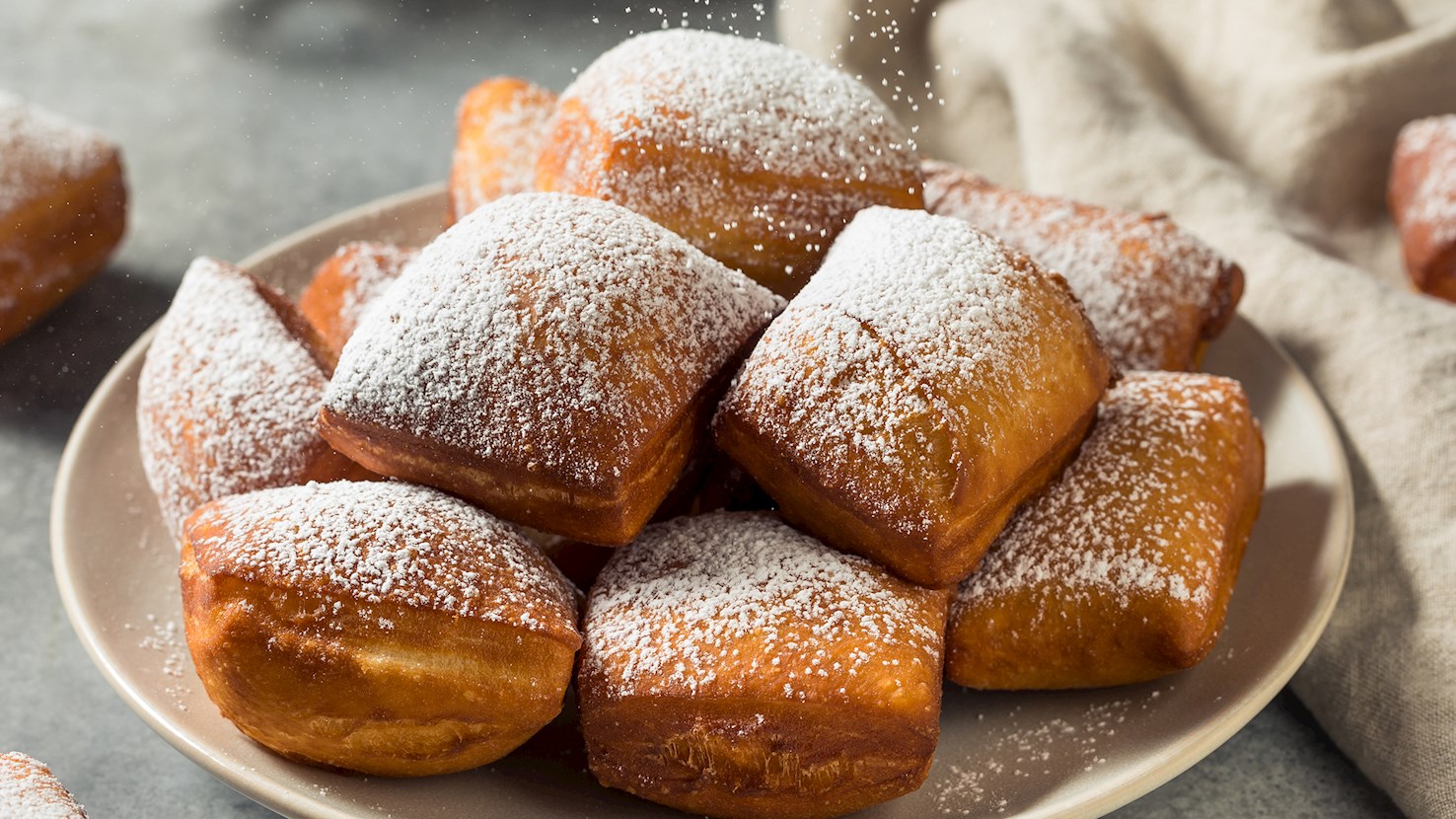
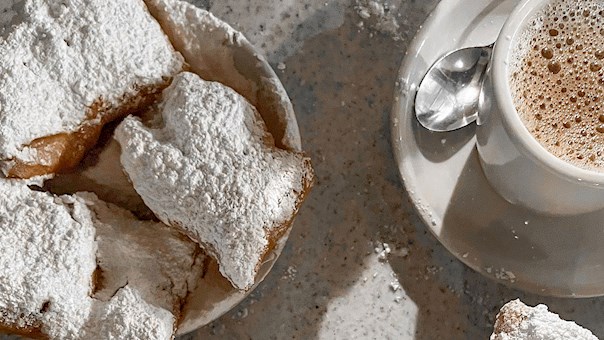
These squares of deep-fried pastry dough are sprinkled with powdered sugar and are traditionally served hot. The dish hails from France, and French settlers brought it to the Acadia region of Canada in the 17th century. Many of the Acadians later moved to Louisiana, and they brought their culinary traditions with them. Today, beignets are most commonly associated with the French Quarter of New Orleans, where they were declared the official state donut in 1986. These treats are typically served alongside chocolate milk or café au lait, a combination often served at the Cafe Du Monde - a New Orleans restaurant that is most often associated with beignets.

03

Bread Pudding

3.7 ·

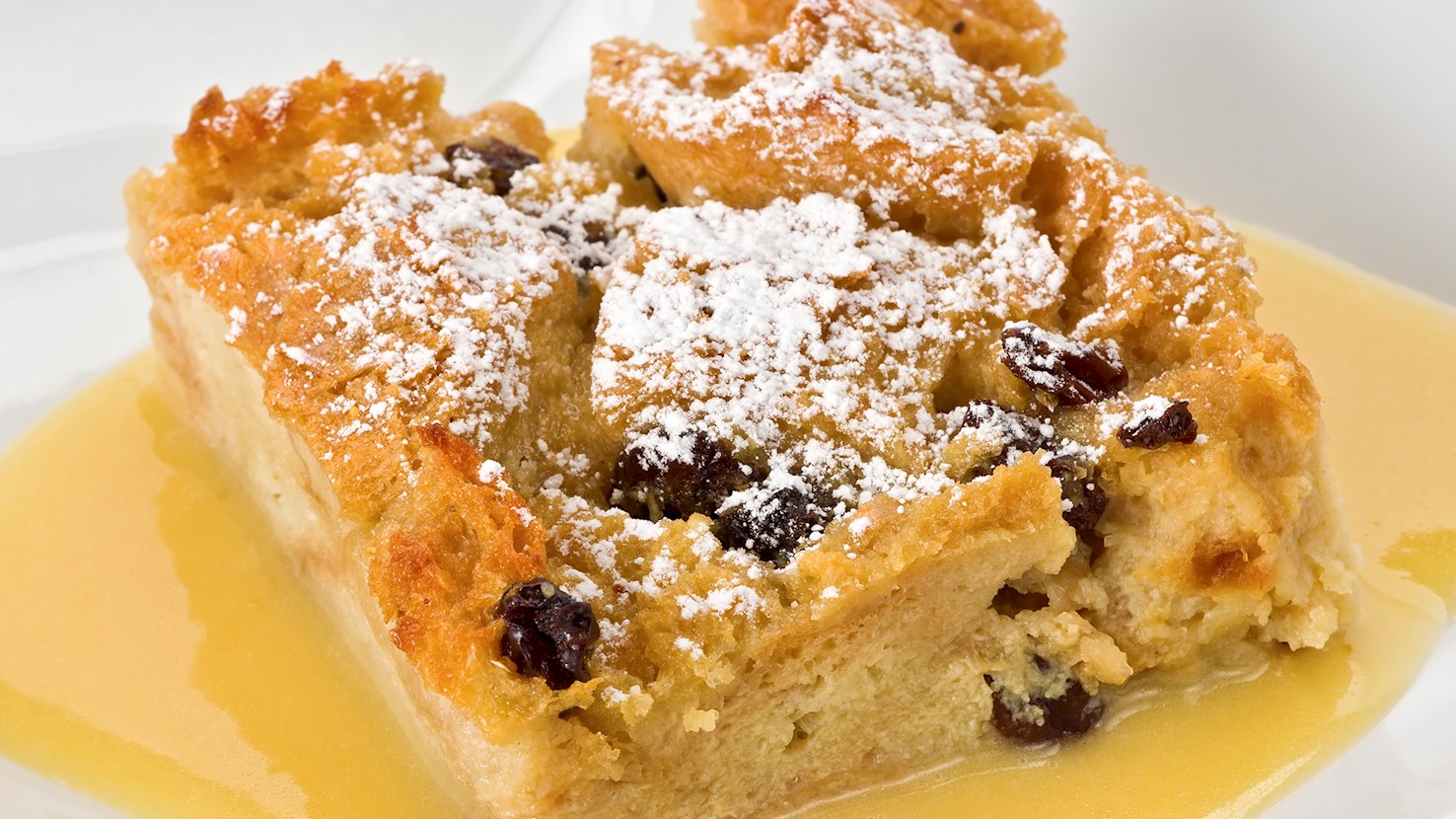
Bread pudding is an old dish that has been prepared since Medieval times in Europe and the Middle East. However, it is extremely beloved and defining in the cuisine of New Orleans. The dish consists of stale bread that is bathed in a combination of milk, sugar, eggs, nuts, and fruits, and is then baked into a delicious dessert. It can be consumed either hot as a pudding or cold as a cake. In the past, there was a practice of hollowing out a loaf which then acted as a container for a sweet dish. There are numerous variations of bread pudding, from Egypt and Turkey to India and Malaysia. The earliest bread and butter puddings in Britain were called white-pot, and were made with butter or marrow. Today, in New Orleans, local bread with a crispy crust and a light interior is combined with a sweet custard, resulting in a light, airy, and decadent dessert. The cooks are always making new variations of the dish in Louisiana, adding white chocolate, strawberry compotes, Creole cream cheese, and caramel sauce with brown sugar and rum. Comforting and hearty, bread pudding has even been called the gumbo of New Orleans desserts.

04

King Cake

3.4 ·

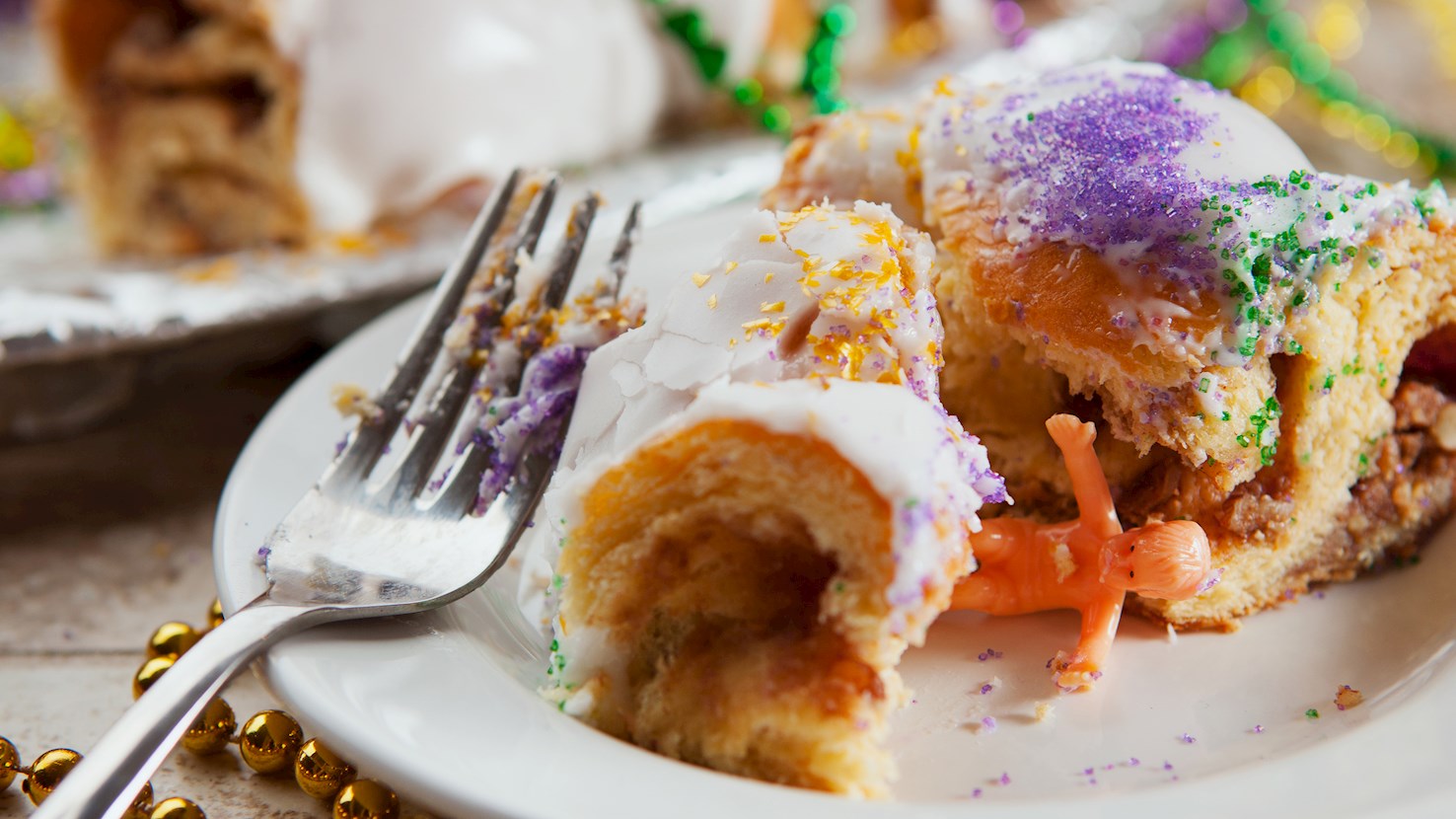
This colorful, cinnamon-flavored cake hailing from Louisiana supposedly takes its name from the Biblical Magi—also known as the Three Kings or Wise Men. King cake is associated with the Epiphany, the Twelfth Night, and the pre-Lenten celebrations of Carnival or Mardi Gras. The purple, green, and gold colors that are often found on King cakes represent justice, faith, and power, respectively. Beginning on the 6th of January, the people of New Orleans throw King cake parties that bring their community and families together. Traditionally, there is a small plastic or porcelain trinket hidden in the cake, representing baby Jesus, but also luck and prosperity for the finder, and in some traditions, that person is the designated "king" or "queen" of the celebration. In 2006, shortly after Hurricane Katrina, thousands of King cake orders were placed in bakeries in and outside of Louisiana as a way to reconnect and begin healing; a true tribute to the significance of this American dessert.

05

Sno-Ball

3.2 ·

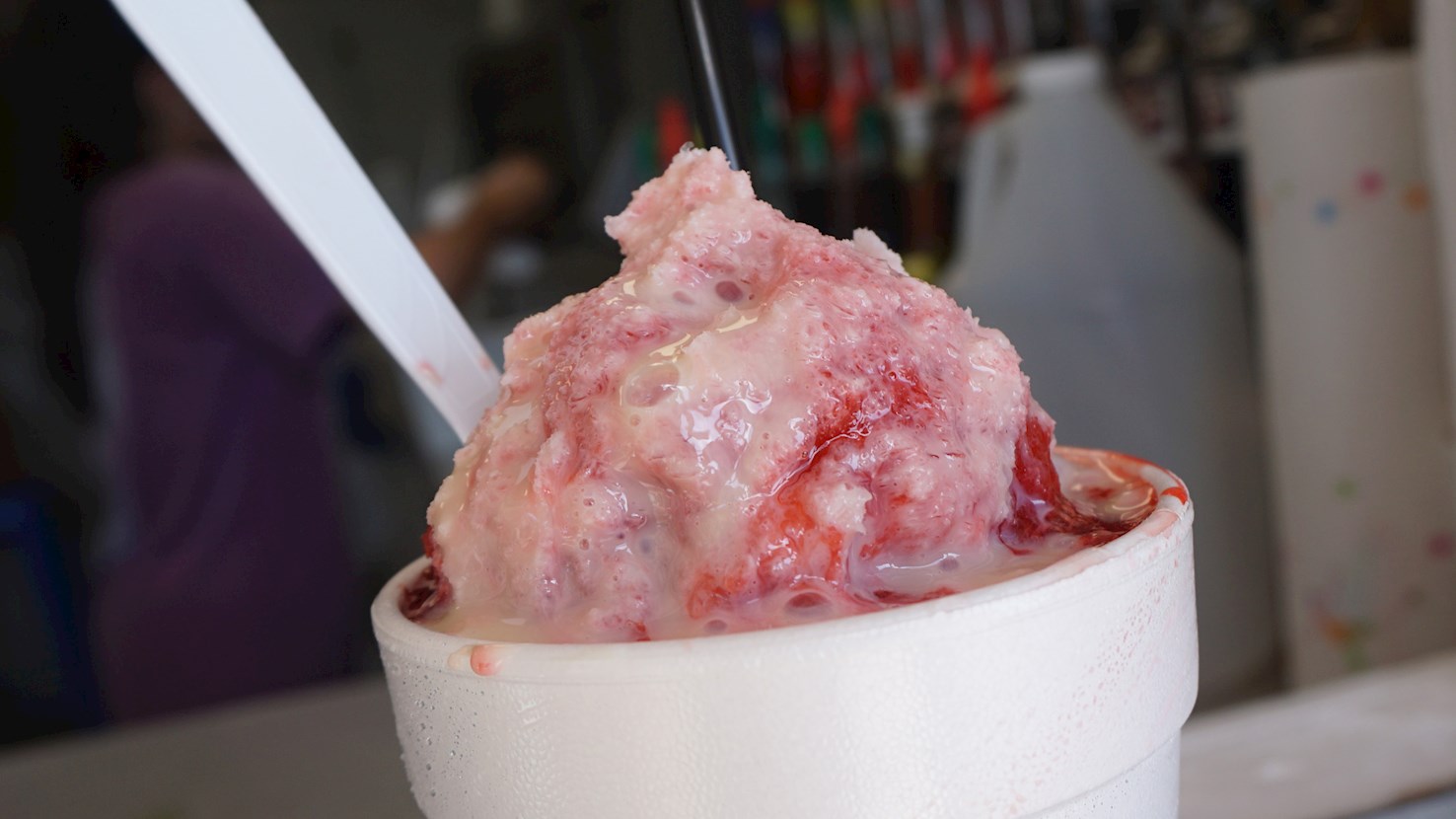
Sno-ball is an American dessert originating from New Orleans. It consists of a mound of fluffy shaved ice that is flavored with sweet syrups. They are typically sold from March to October and can be found at numerous sno-ball stands throughout the city. The tradition of sno-balls dates back to the 1930s, when Ernest Hansen and George Ortolano started to use the first ice-shaving machines. Nowadays, there is a huge variety of sno-ball flavors such as kiwi, coconut, wedding cake, chocolate, buttered popcorn, tutti frutti, cream soda, coffee, tamarind, and dozens of other flavors.

06

Tarte à la bouillie

n/a ·

Tarte à la bouillie is a traditional Cajun dessert hailing from Louisiana. This French-inspired tart is made with a combination of sugar, salt, flour, milk, whipping cream, eggs, butter, and vanilla. The custard is placed into a pie shell, the crust is brushed with egg whites, and the tart is then baked until the crust becomes golden brown and the center of the filling is slightly jiggly. Once cooled, this burnt milk tart is often served with strawberries and garnished with confectioners' sugar.

07

Doberge Cake

n/a ·

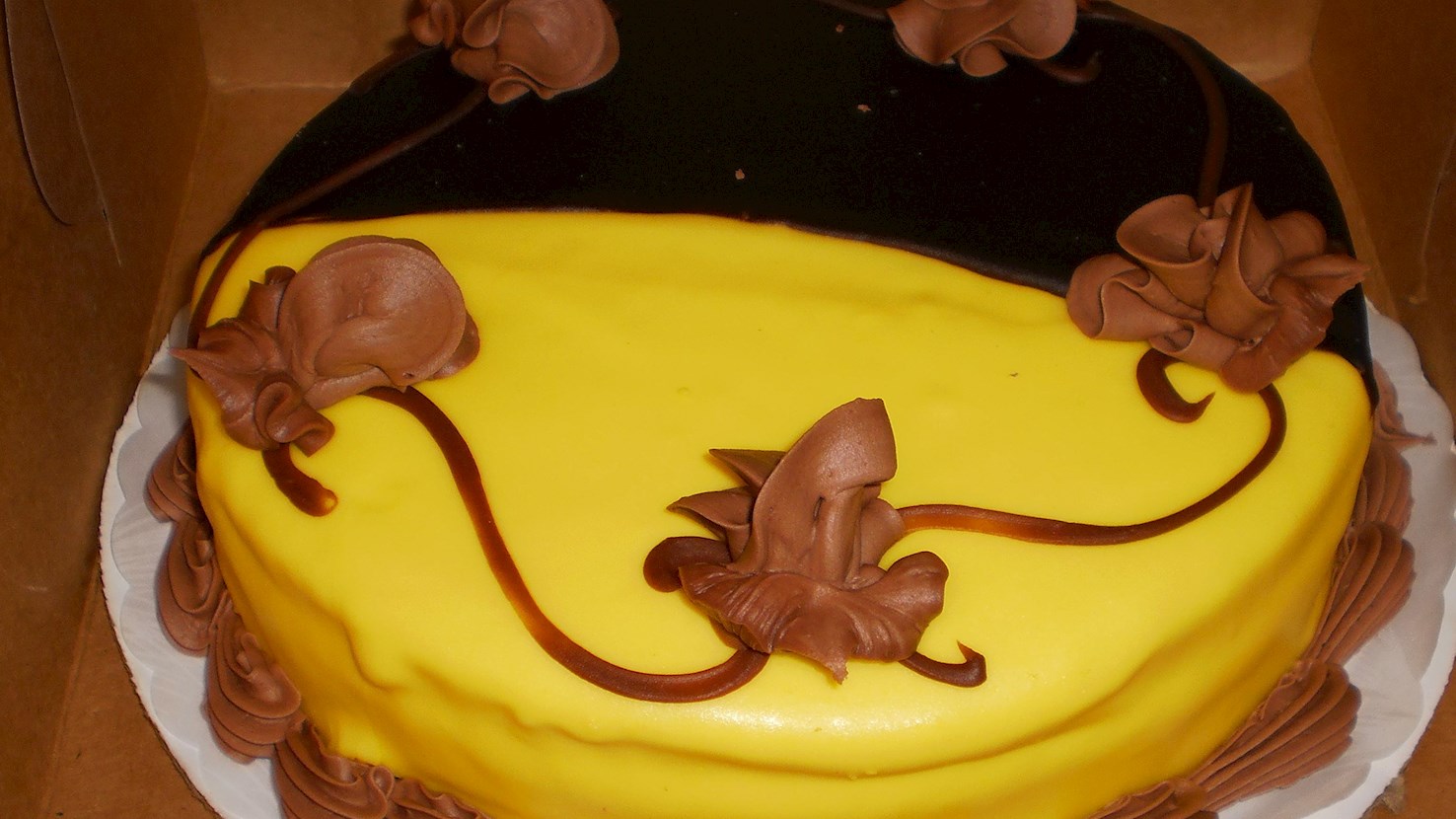
This layered dessert, inspired by the famous Hungarian Dobos cake, was invented by a New Orleans baker and pastry chef Beulah Levy Ledner in the 1930s. A Louisiana favorite ever since, Doberge cake is usually filled with either chocolate, lemon, or caramel custard, and is then covered with a thin layer of buttercream and fondant icing or, alternatively, a silky ganache glaze. In 1946, Ledner sold her business and the original recipe to Joe Gambino whose New Orleans bakery continues to make the popular cake even today.

08

Louisiana Russian Cake

n/a ·

Russian cake or Creole trifle is a traditional cake originating from Louisiana. Dating back to the 19th century, the cake is made by placing leftover bakery confection scraps into a cake tin and pressing them with weights such as bags of flour or sugar. The cake is enriched with a few splashes of rum, while infused syrups or raspberry jelly are used as binding agents. It is believed that Louisiana Russian cake was modeled on raspberry trifle, punschtorte, or Charlotte Russe cake. Nowadays, the cake is usually covered with an icing topped with sprinkles, and anise extract is often used to enrich the flavors.

09

Calas

n/a ·

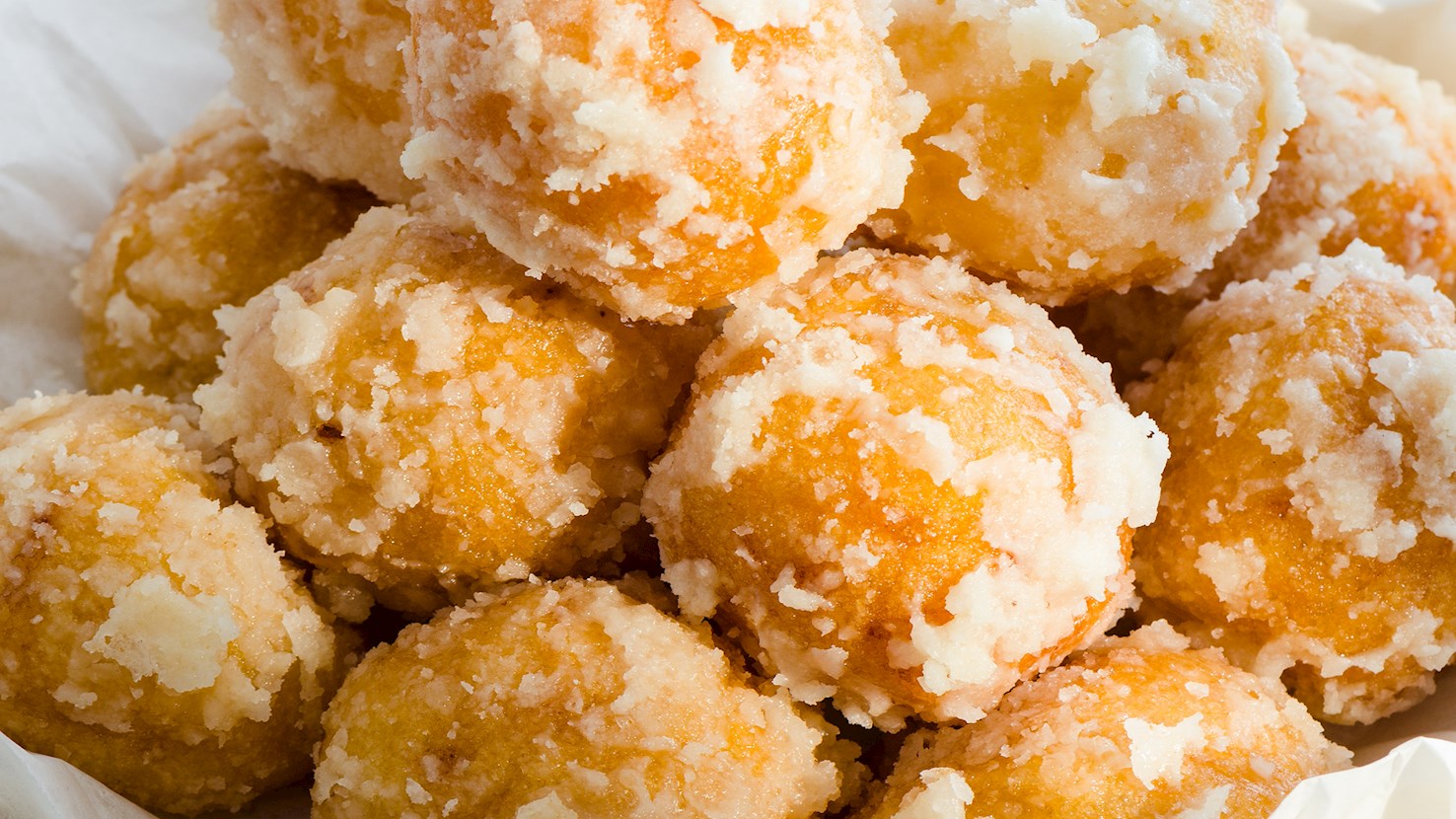
Calas is a specialty of New Orleans consisting of deep-fried rice balls that are smothered in powdered sugar. The dough – made with boiled rice, yeast, eggs, sugar, and flour - is dense and chewy, while the center is creamy. These fritters are typically flavored with nutmeg and cinnamon, and they are traditionally served for breakfast, with café au lait on the side. The word calas is thought to have been derived from the Nupe word kara, meaning fried cake. Originally, calas were sold by Creole street vendors in the city's French Quarter, but today they are a staple breakfast item throughout New Orleans.

10

Mardi Gras Beignets

n/a ·

A Mardi Gras beignet is a square, deep-fried pastry covered in purple, yellow, and green topping, adapted specifically for the Carnival period leading up to Lent. French-Creole colonists brought the foundational recipe to the Gulf Coast region during the eighteenth century, adapting older European fritter techniques that involved frying dough to use available fats and sugars before religious fasting periods. The specific practice of applying Carnival colors—purple representing justice, green representing faith, and gold representing power—to this local staple is a modern commercial development intended to align the pastries with the visual themes established by the Rex parade organization in 1872. The dough is formulated from wheat flour, yeast, evaporated milk, and eggs, allowed to rise, rolled flat, and cut into squares. These squares are dropped into heated cottonseed oil, causing the internal moisture to turn to steam and puff the dough into a hollow shell. Once removed from the fry basket, the hot pastries are heavily dusted with coarse sanding sugars dyed in the signature seasonal hues rather than the standard white confectioners' sugar, and some local bakeries inject the hollow centers with cream cheese or cinnamon-spiced fruit fillings to mimic the flavor profile of a king cake. These festive pastries are sold extensively throughout the French Quarter and along parade routes in February and early March, typically handed to customers in small paper bags or cardboard boats to be eaten by hand while standing or walking between festivities. Because the added colored sugars and interior creams significantly increase the overall sweetness of the pastry, they are almost universally consumed alongside cups of hot café au lait made with a dark-roast coffee and ground chicory root blend, which provides a necessary bitter contrast to the heavy sugar.

Read more
View all
View map
About this ranking

TasteAtlas food rankings are based on the ratings of the TasteAtlas audience, with a series of mechanisms that recognize real users and that ignore bot, nationalist or local patriotic ratings, and give additional value to the ratings of users that the system recognizes as knowledgeable. For the “Top 11 Louisianian Desserts” list until June 15, 2026, 694 ratings were recorded, of which 647 were recognized by the system as legitimate. TasteAtlas Rankings should not be seen as the final global conclusion about food. Their purpose is to promote excellent local foods, instill pride in traditional dishes, and arouse curiosity about dishes you haven’t tried.

Similar lists