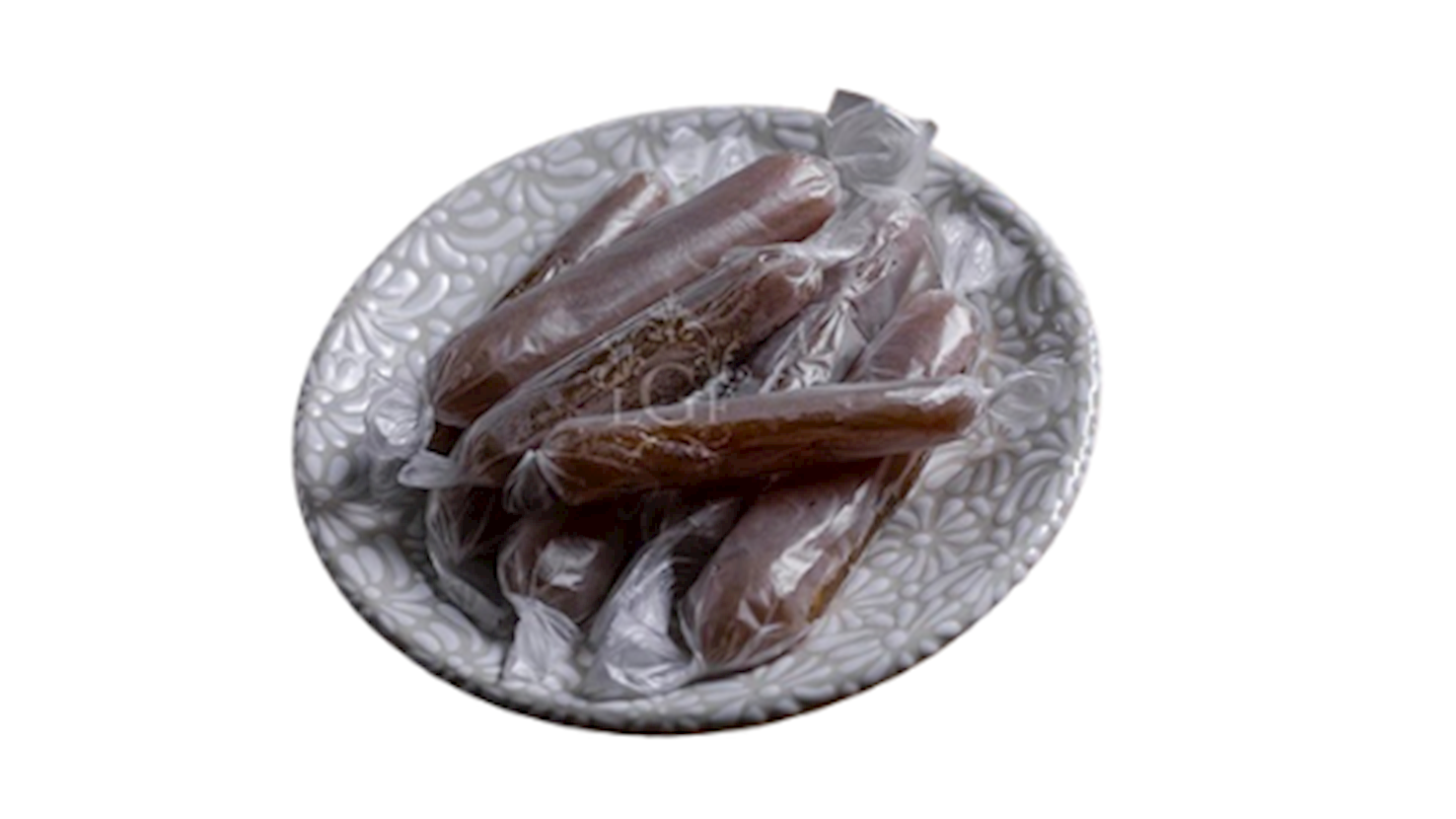
La Gran Fama is a historic confectionery from Puebla, founded in the 19th century and known for its handcrafted traditional Mexican sweets made according to long-preserved local recipes. The shop began as the first specialized producer of camotes, sweet treats made from sweet potato, and gradually expanded its selection to more than 300 varieties of cookies, tortitas, macarrones, and other classic regional confections.
Located in the old part of Puebla, near important sites linked to the Mexican Revolution, it carries strong cultural and historical significance. All products are made by hand, using local ingredients and techniques that highlight the authentic flavors of Puebla’s confectionery heritage.
The shop’s original façade and elegant, old-world interior add to its charm, evoking the atmosphere of traditional European patisseries. With its long history, wide assortment, and consistent quality, La Gran Fama is considered a culinary landmark of Puebla and an essential stop for anyone seeking to experience the city’s sweet traditions.
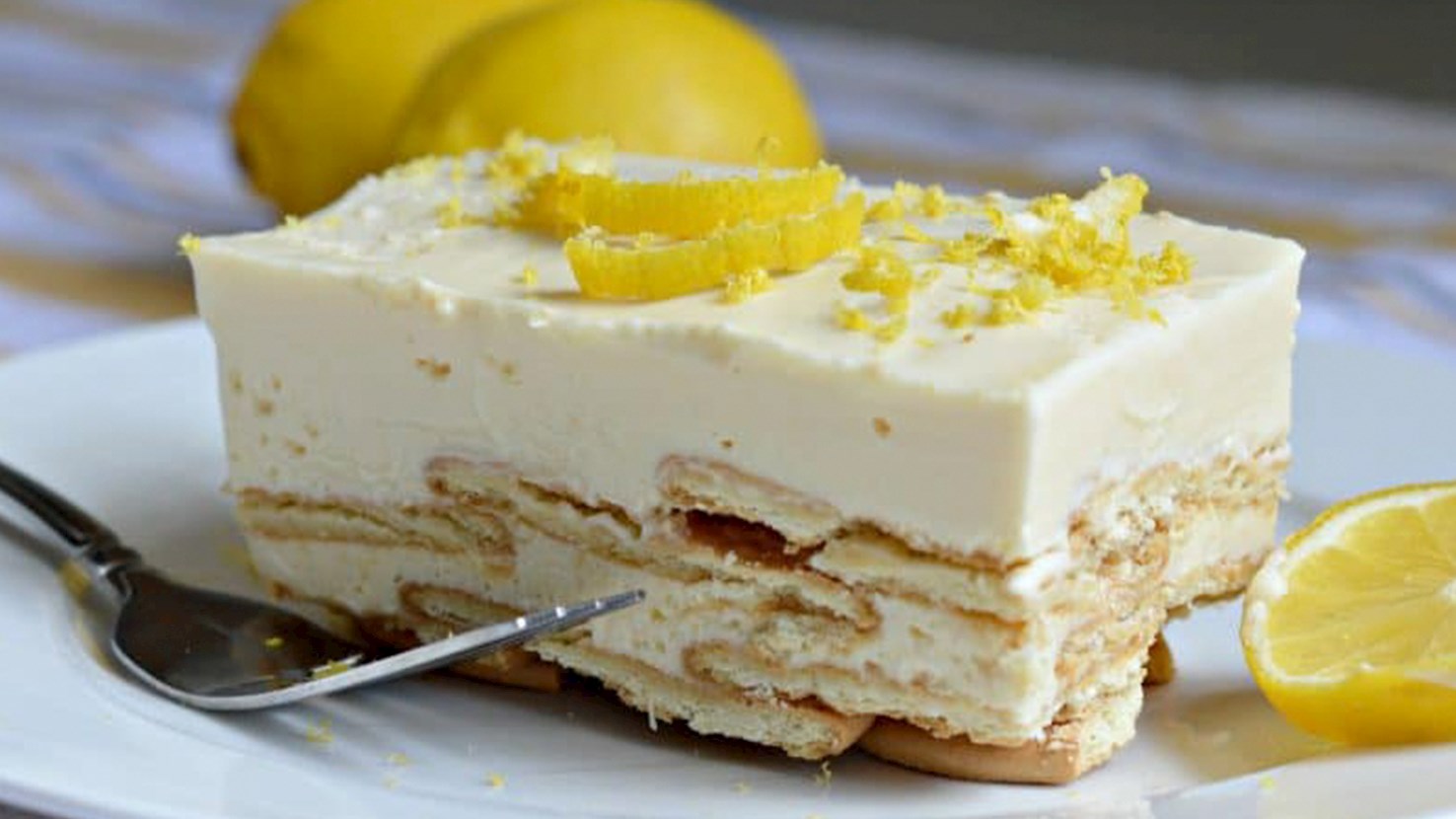
Carlota de limón is a refreshing Mexican no-bake dessert consisting of alternating layers of crumbled Maria cookies and cream made from lime juice and milk. The cream should be frozen to the point where it almost reaches the consistency of ice cream. This flavorful dessert is traditionally served during Easter and Christmas seasons.
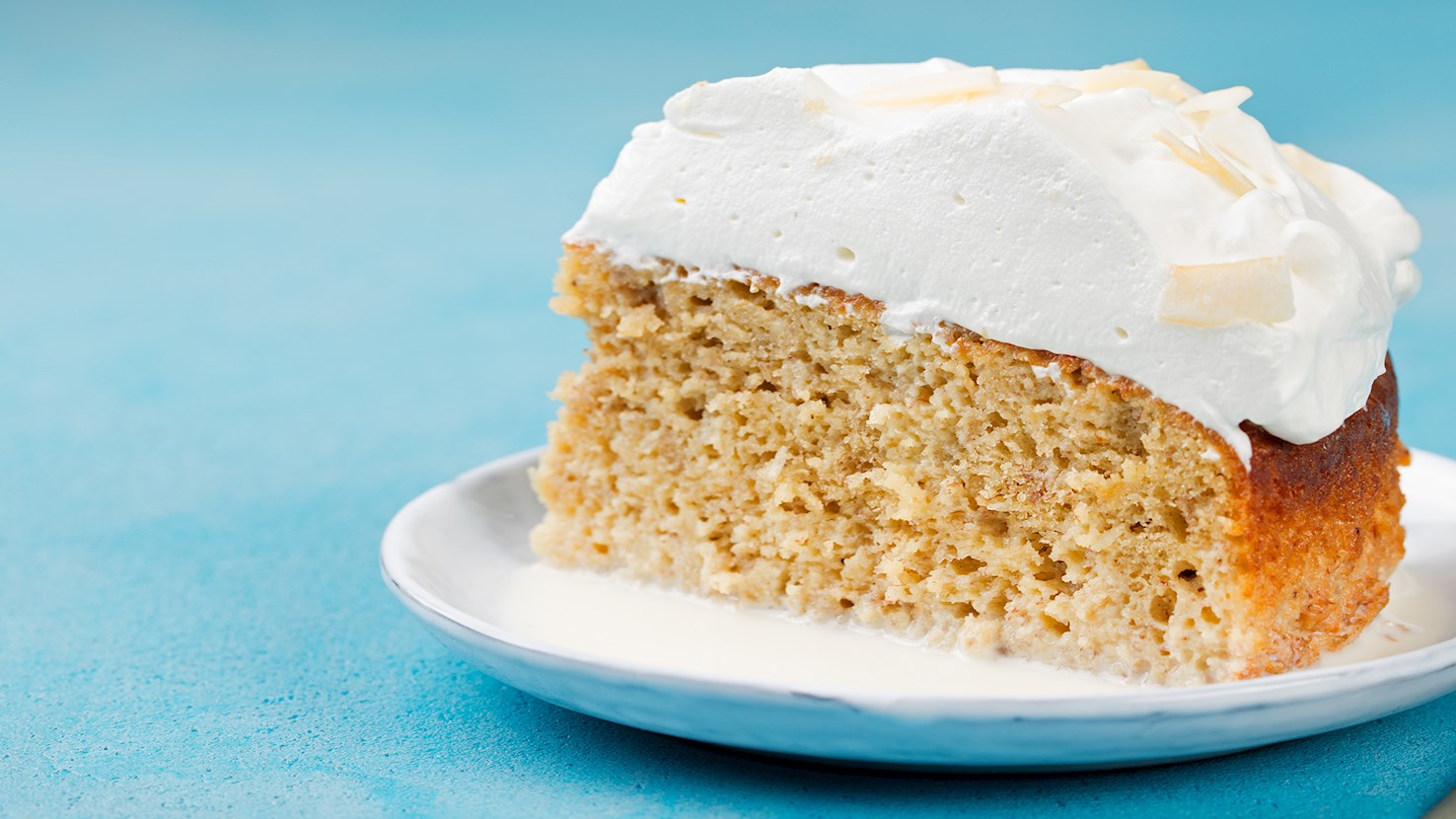
Tres leches cake is a dense, highly saturated sponge cake soaked in a specific mixture of three distinct dairy components consisting of evaporated milk, sweetened condensed milk, and heavy cream or whole milk, which is then topped with whipped cream and distributed widely throughout Latin America, with Mexico, Nicaragua, and coastal regions of the Caribbean basin serving as its primary cultural and commercial hubs. The widespread formulation of this dessert proliferated during the mid-twentieth century following the commercial mass-marketing of shelf-stable canned milk products by transnational food corporations such as Nestlé, who printed structured soaking recipes directly onto the labels of evaporated and condensed milk cans across Central and South America to stimulate consumer demand for manufactured dairy commodities, effectively modifying older European wine-soaked sponge configurations, like British trifles and Italian tiramisu, to suit regional supply chains. Preparation requires baking a light, aerated sponge cake containing a high volume of whipped egg whites and minimal fat, which produces an open, resilient crumb structure that prevents the matrix from collapsing when saturated. Once the cake cools completely, the entire upper surface is punctured repeatedly with a fork or skewer to create vertical fluid pathways, and a thoroughly blended mixture of equal parts evaporated milk, sweetened condensed milk, and heavy cream is poured slowly over the top until the liquid is fully absorbed into the cellular cavities of the baked crumb. Tres leches cake is served chilled directly from the refrigeration unit to stabilize the saturated dairy matrix, sliced into square portions, and standardly garnished with a dusting of ground cinnamon or a single fresh berry to introduce a mild aromatic contrast to the high concentration of sugar. It is eaten globally within pan-Latino restaurants, local bakeries, and domestic households, acting as a centerpiece dessert during birthdays, weddings, Mother's Day celebrations, and quinceañeras across Mexico, Central America, and Latino communities within the United States. For food and beverage pairings, the high sugar concentration and intense dairy fats of the soaked sponge demand bitter, acidic, or highly roasted flavor compounds to strip the palate between bites, meaning it is eaten alongside fresh acidic fruits like mango, passion fruit, or kiwi, and paired with unsweetened hot black coffee, bold espresso, dark roasted chicory teas, or small pours of aged dark rum.
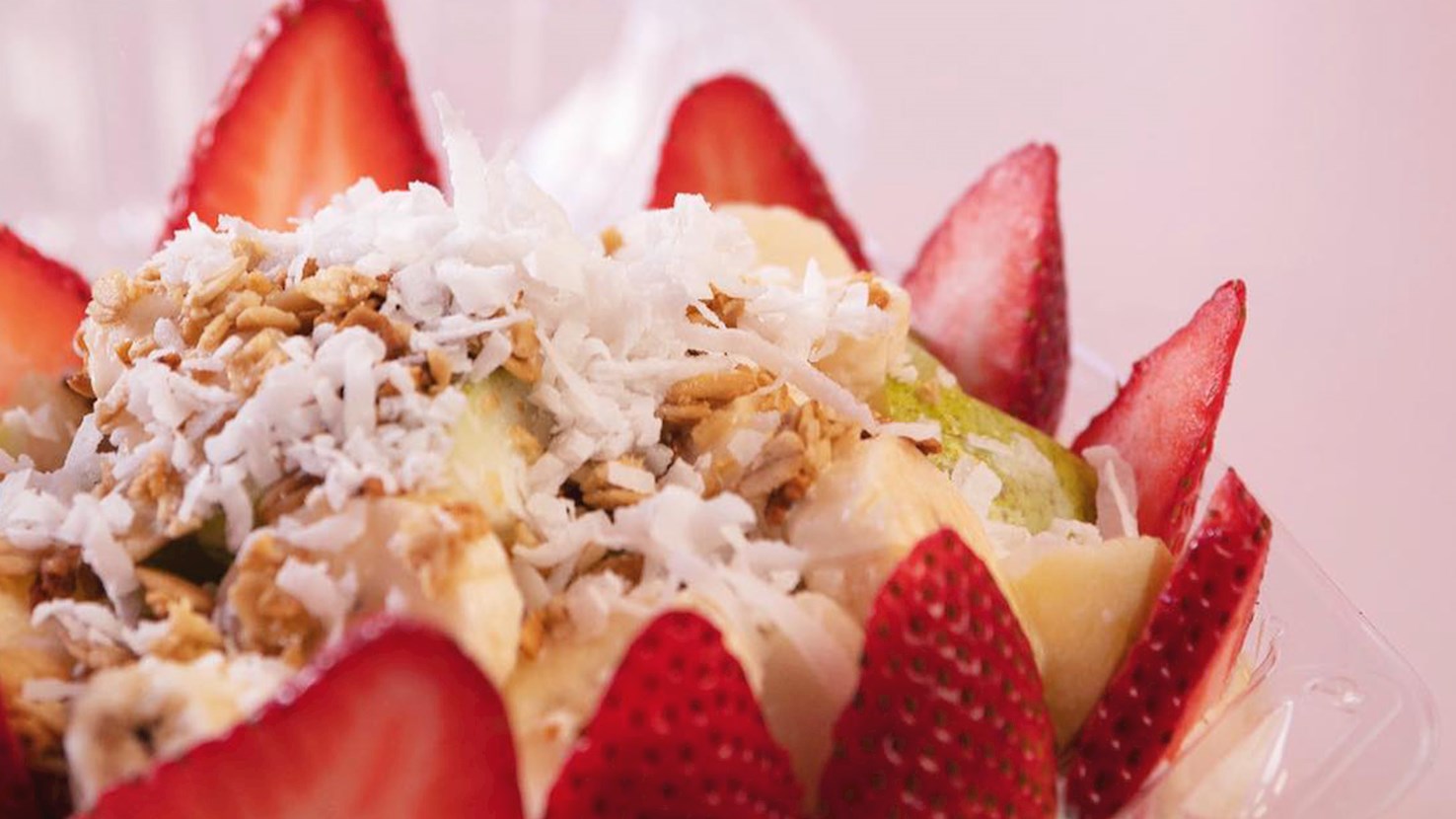
Bionico is a popular Mexican street food item in the form of a fruit cocktail, originating from Guadalajara. Chopped fruits such as papaya, strawberries, cantaloupe, apples, and bananas are topped with a sweet cream mixture, granola, pecans, raisins, and desiccated coconut. The dish was invented in the early 1990s as a healthy breakfast meal. As its popularity grew, the dessert spread throughout Mexico and even to some parts of the United States. Today, bionico is mostly served by street vendors or it can be bought at numerous juice bars and ice cream shops.
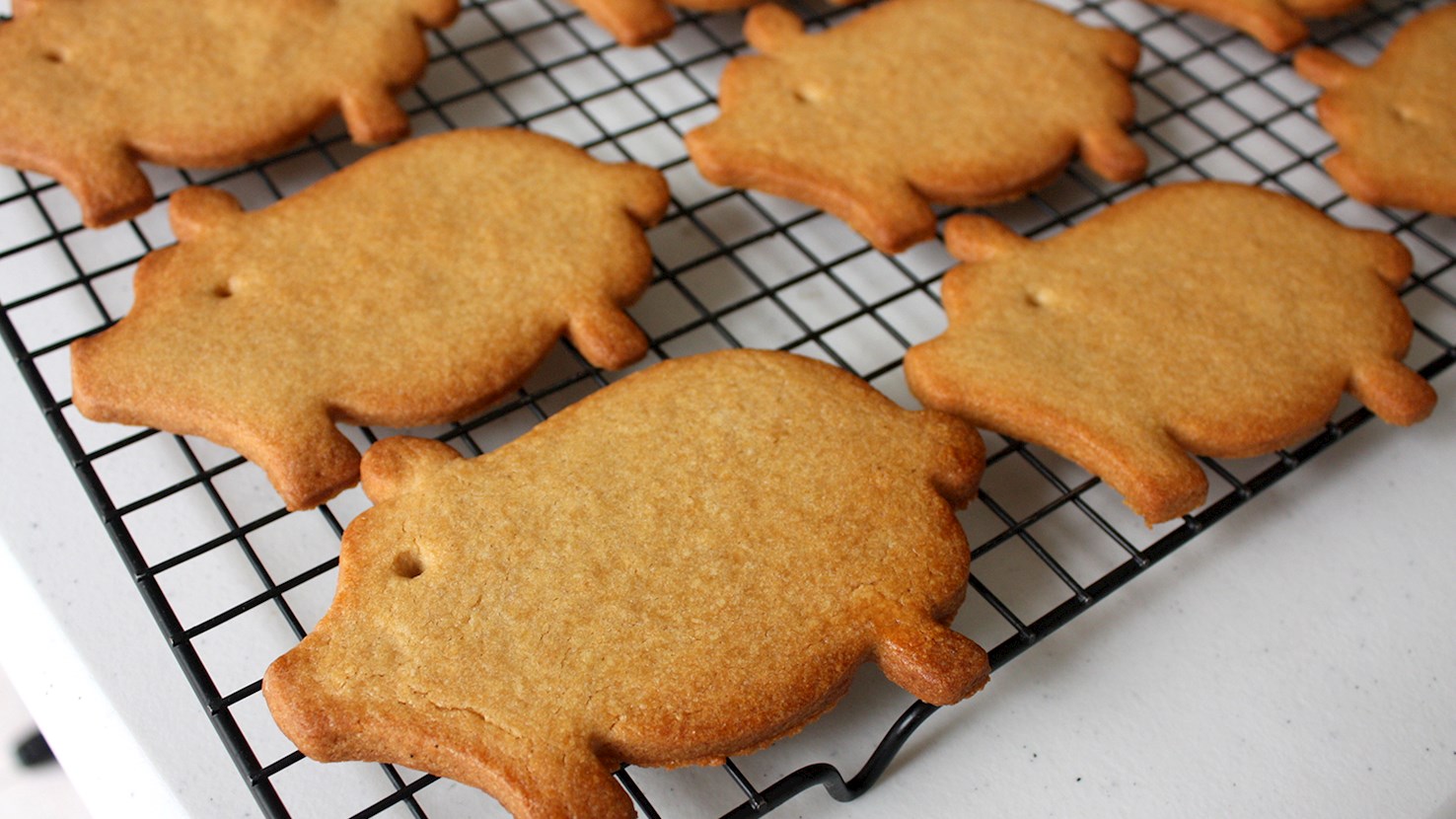
Marranito or puerquito is a traditional pan dulce (sweet bread) variety. These pan dulce cookie-like small cakes are shaped into pigs and flavored with ginger. They're made with a combination of flour, cinnamon, ginger, allspice, baking powder, baking soda, butter, salt, sugar, molasses, buttermilk, and eggs. The marranitos are baked until golden brown, and it's recommended to accompany them with milk or hot chocolate when served.
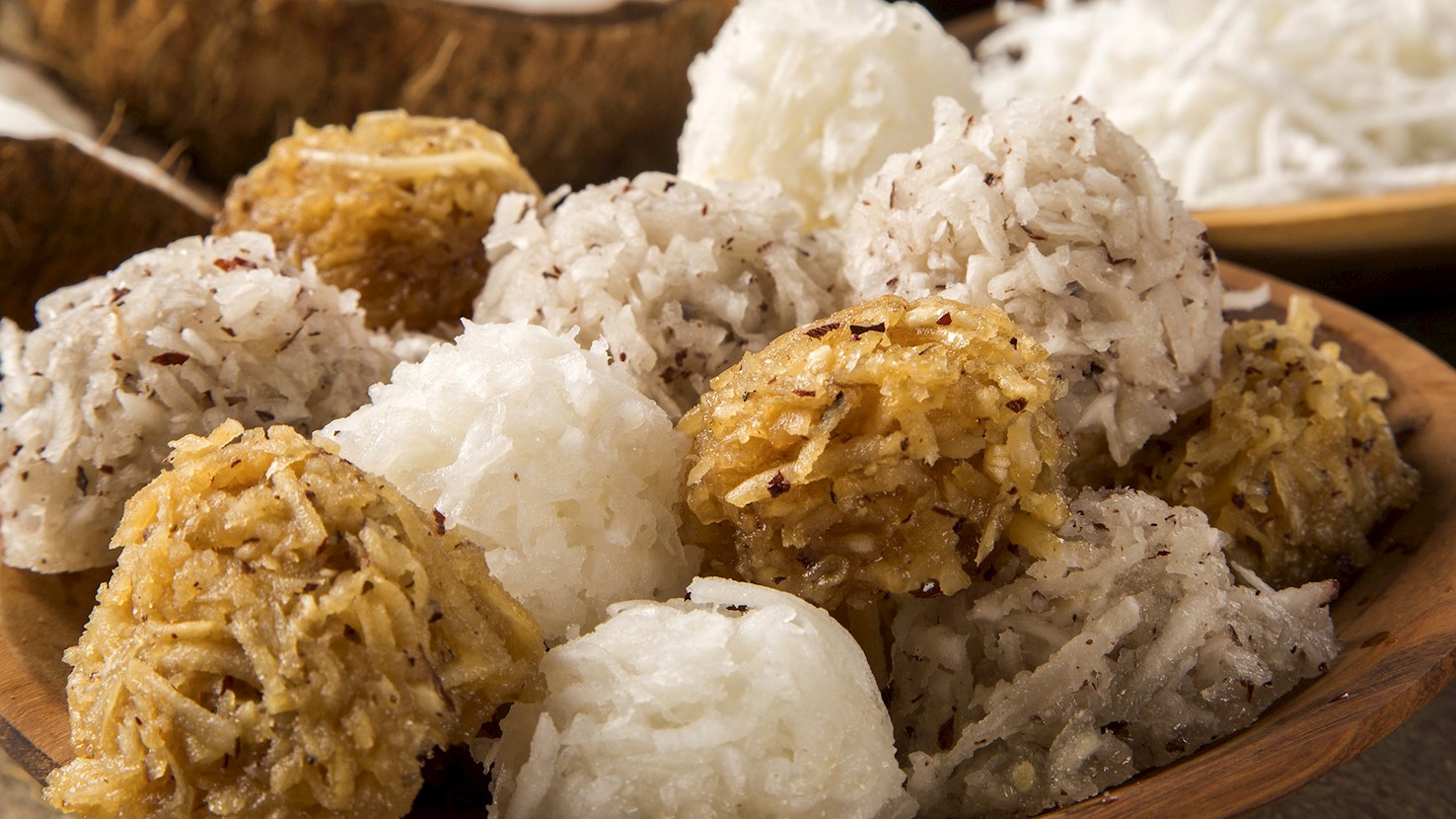
Cocadas are sweet coconut treats originating from the state of Colima, Mexico. Traditionally, the concoction is made by combining grated coconut, sugar, eggs, and water, although some modern versions incorporate flavorings such as cloves, vanilla, or almond extract. The dessert is also very popular throughout Latin America, in countries such as Peru and Colombia. Sometimes, cooks like to add food coloring to cocadas in order to symbolize the flag colors of a specific country, making the soft and chewy dessert both patriotic and tasty. Cocadas can be found throughout the streets and beaches of Latin America, usually sold out of baskets or in batches from big, aluminum trays.
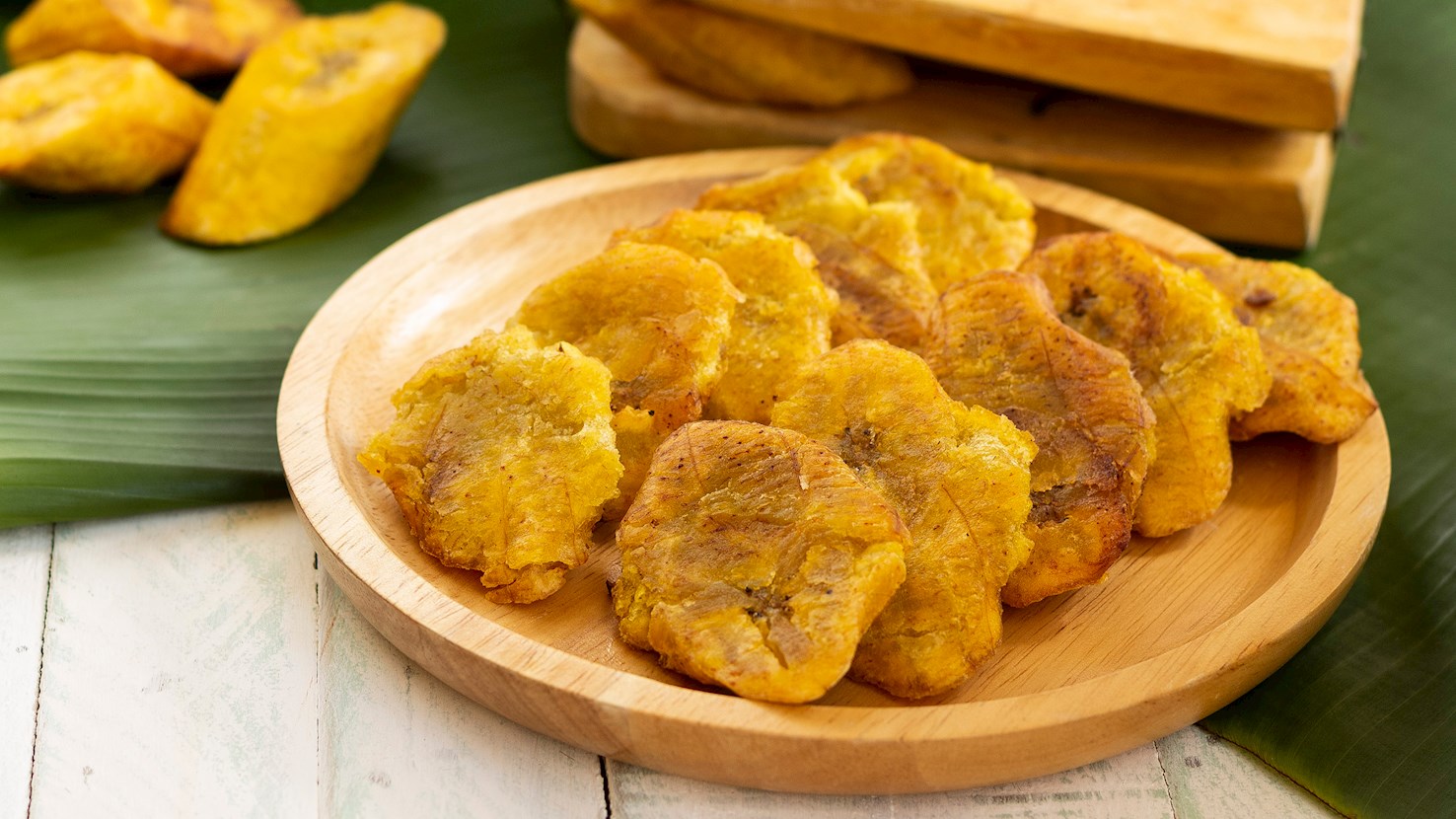
Platáno frito is a simple side dish made by frying ripe plantains in oil until they become golden brown. The dish is usually served for lunch, accompanying numerous main dishes, often along with cooked rice. The plantains can be additionally topped with Mexican crumbly cheese, sour cream, or condensed milk if they are served as a dessert. Although fried plantains are prepared throughout Mexico, they are very popular in the coastal areas, but also in other Latin American countries such as Venezuela, Colombia, Peru, and Cuba.
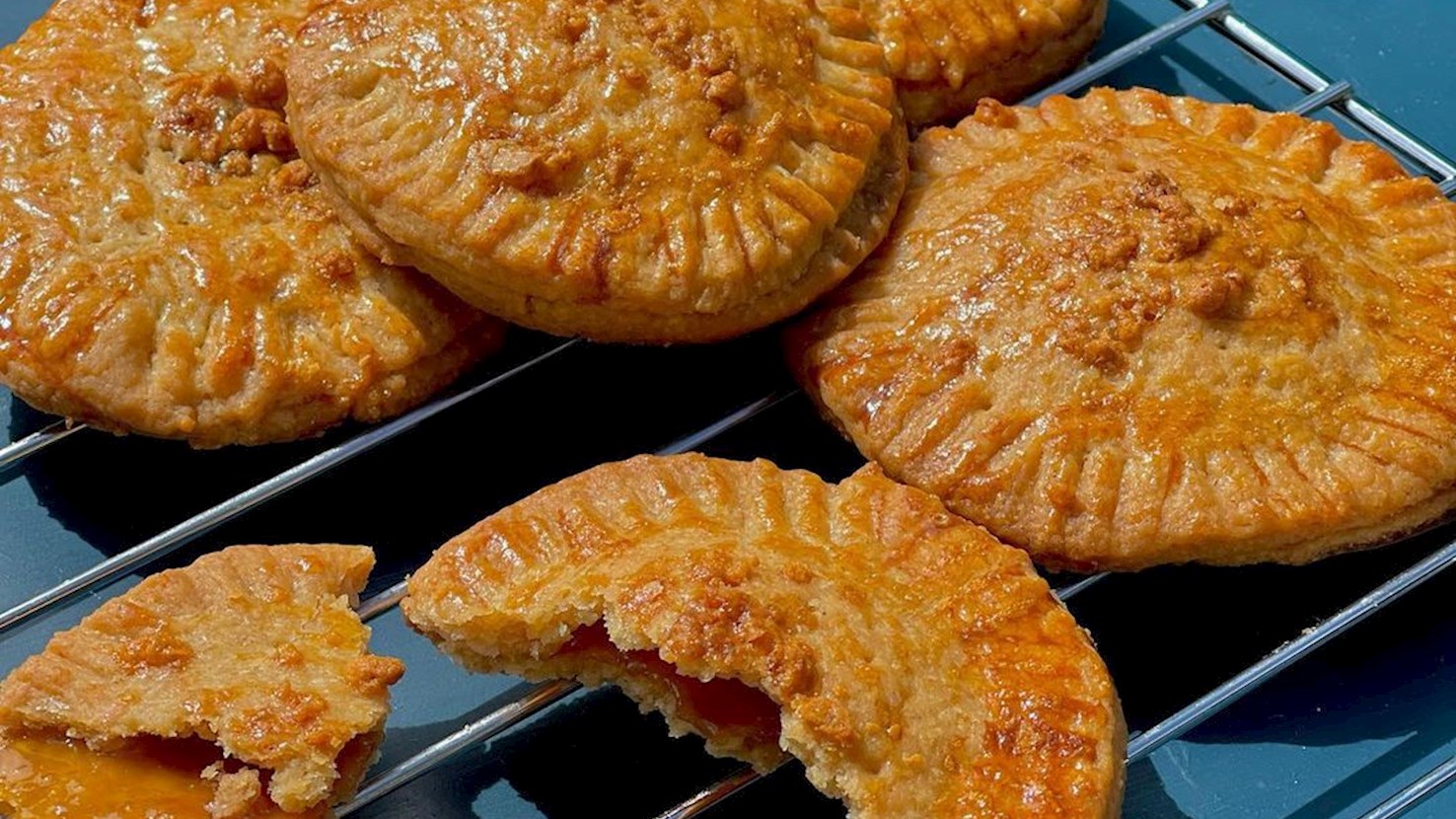
Coyotas are traditional Mexican cookies that were invented in Hermosillo, Sonora in the 19th century. They are made from flour dough and filled with piloncillo – unrefined Mexican sugar. The name coyotas is literally translated to a female coyote, but it is also a Sonoran colloquial term for a female of mixed Indian and Spanish heritage. Coyotas are said to taste the best when paired with coffee or tea, and can be topped with a scoop of ice cream or dipped in milk like a cookie. Variations abound, so in addition to piloncillo, coyotas can be filled with caramel, dates, guava, figs, peaches, or pineapples.
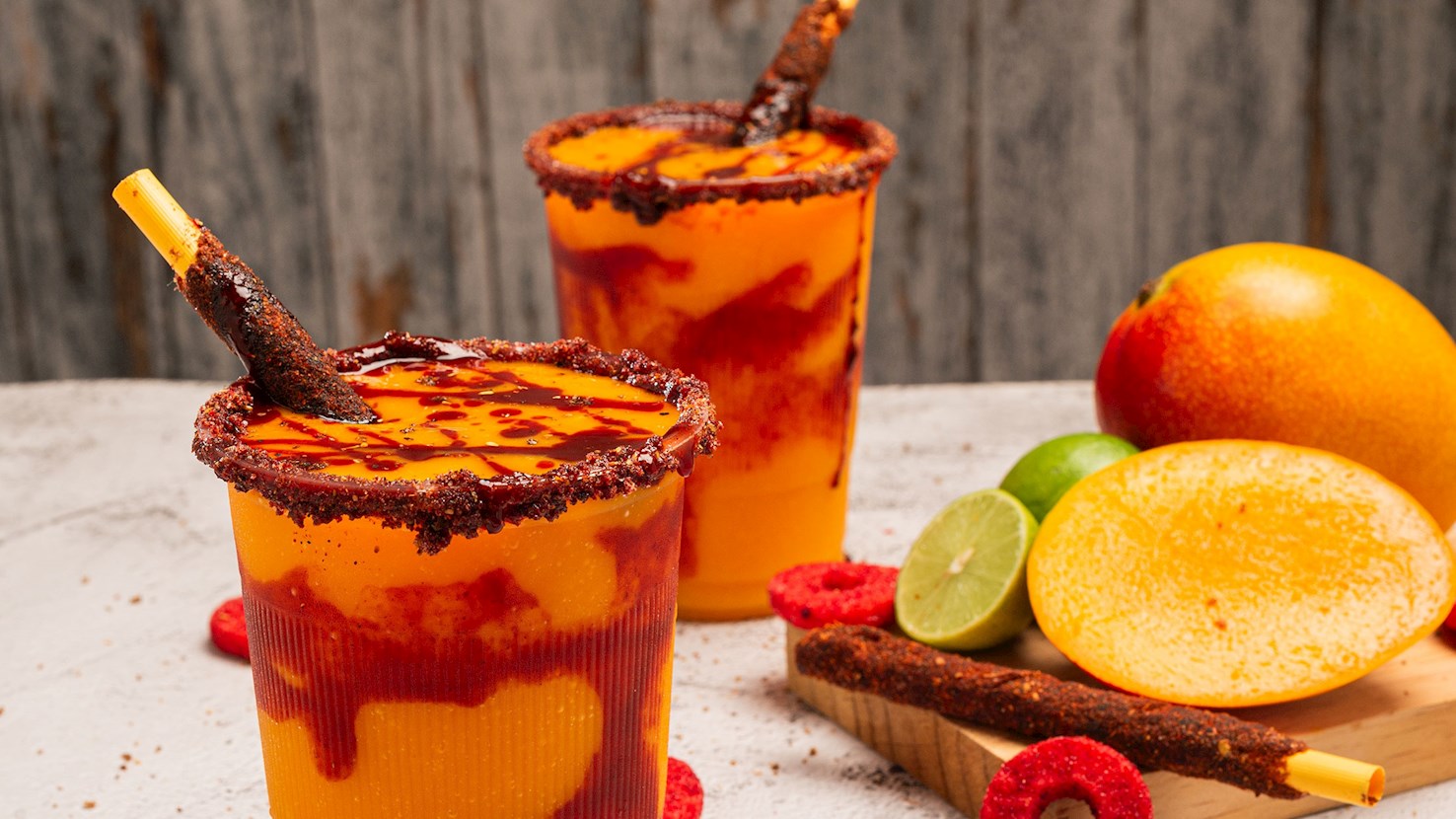
Chamoyada is a sweet, sour, spicy, and salty frozen treat that originates in Mexico and is especially popular in the central and western regions of the country. It is a type of icy beverage or dessert that blends fruit sorbet, shaved ice, or slush with chamoy, a tangy sauce made from pickled fruit, chili, salt, and lime. The result is a layered and vibrant concoction that captures the bold flavors of Mexican street food culture, often served in cups or tall glasses with a straw and spoon. Its roots trace back to the rise of chamoy itself, which was introduced to Mexico in the mid-20th century and adapted from Asian pickling and seasoning techniques brought by Japanese immigrants. Over time, chamoy became a staple condiment for snacks like fruit, chips, and candy, and eventually found its way into frozen drinks. The idea of combining the sauce with ice and fruit likely grew from local paleterías and street vendors, who experimented with different ways to highlight chamoy’s intense flavors during hot weather. Preparing a chamoyada involves assembling layers of shaved ice or fruit-flavored slush, usually mango, tamarind, or pineapple, and drizzling each layer with generous amounts of chamoy and chili powder. Diced fresh fruit, particularly mango, is often mixed in, and the drink is finished with a tamarind candy straw or a topping of pickled fruit. The balance of heat, acidity, and sweetness is essential, and every component is meant to contrast and complement the others. Variations are common, with some versions including a splash of lime juice, chunks of spicy dried fruit, or even a scoop of sorbet to intensify the fruity base. It is widely enjoyed throughout Mexico as a street food staple, particularly in summer, and has spread to Mexican communities abroad, especially in the United States. It is most often eaten as a standalone refreshment, though it can also accompany savory snacks or spicy antojitos, offering a cooling counterpoint to rich, hearty foods.
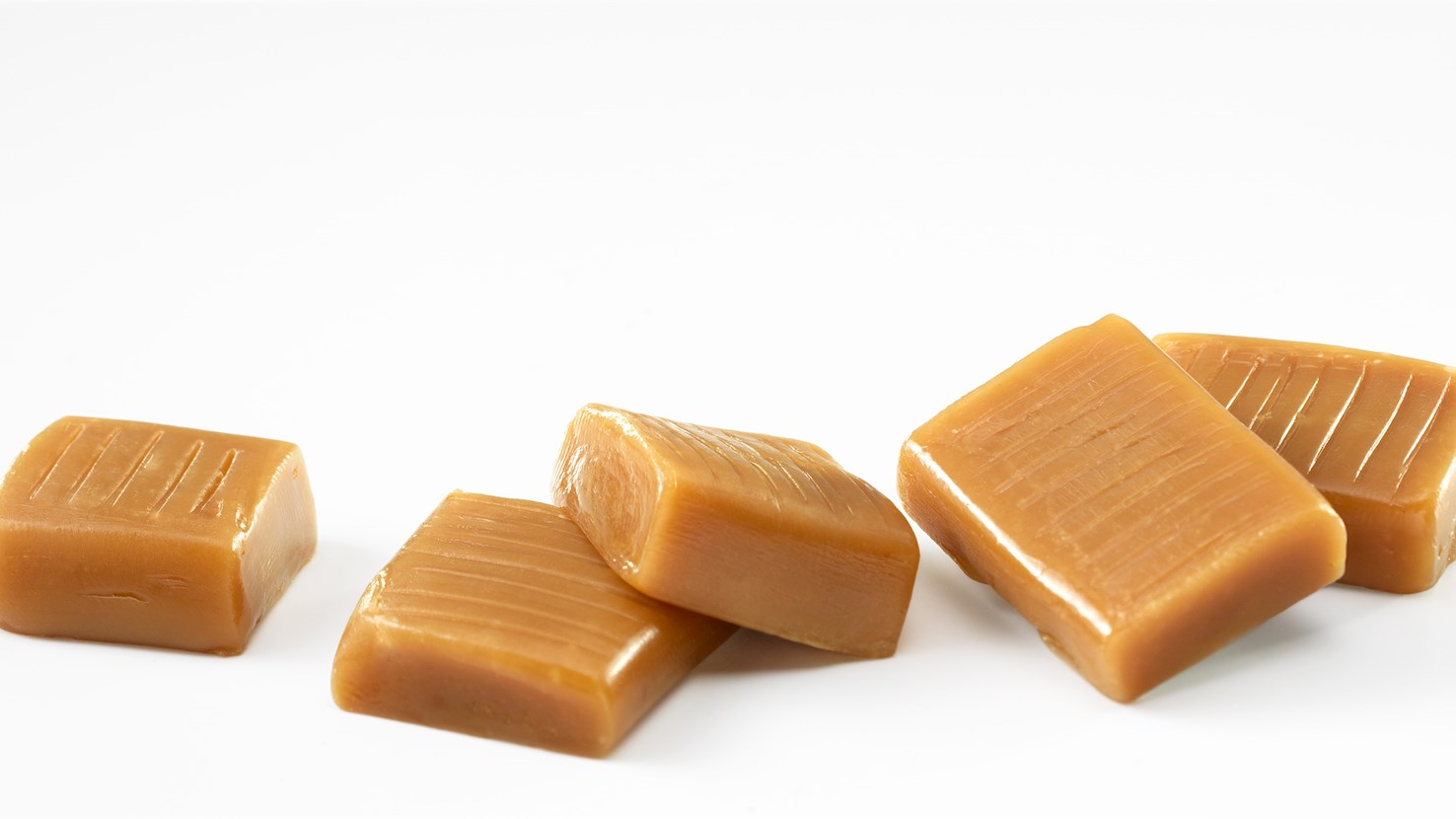
Jamoncillo is a type of Mexican fudge made with caramelized milk. It has a light brown color and a soft, fudgy texture. The basic version incorporates milk and sugar, but the additions often include nuts and various flavorings. The preparation is simple and involves heating the milk and sugar mixture until it is thick and caramelized. It can be made with butter, condensed or evaporated milk, while the flavorings often include vanilla and sometimes cinnamon. Jamoncillo needs to set for several hours, and before serving, it is cut into small squares. It is sometimes decorated with nuts. This fudgy treat is traditional for several Mexican states, and it is available as an artisanal confectionery or a classic homemade treat.
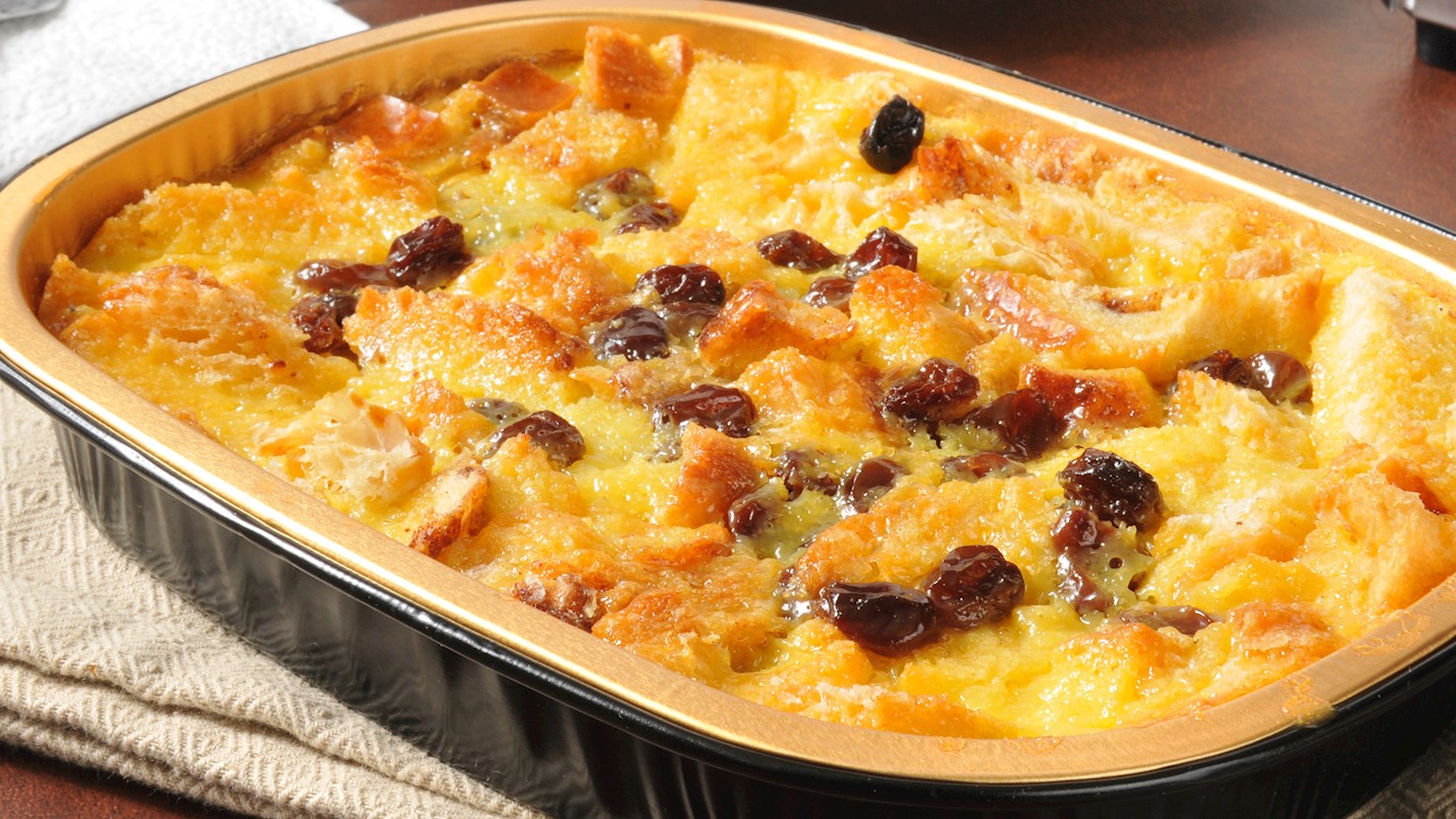
Aromatic capirotada is the Mexican version of bread pudding, consisting of old bread, chunks of nuts and fruits, cinnamon, brown sugar, sweet syrup, and cheese on top. The combination of these ingredients is traditionally baked in an oven. Fruits might include coconuts, apples, bananas, raisins, and dates, while nuts range from peanuts to pine nuts. Capirotada was originally a savory dish in pre-colonial Spain, when it was mostly associated with the Jewish people and the Moors. Over time, the dish made its way to the New World, where it became the tasty dessert that we know today. It is closely associated with Lent, being a great way to use up all of the leftovers before fasting. Capirotada is traditionally consumed on Fridays and Holy Days, and numerous Mexican people associate it with the Passion of Christ – the bread symbolizes Christ's body, the syrup is for blood, raisins are for nails, while the cheese symbolizes the Holy Shroud.
TasteAtlas food rankings are based on the ratings of the TasteAtlas audience, with a series of mechanisms that recognize real users and that ignore bot,
nationalist or local patriotic ratings, and give additional value to the ratings of users that the system recognizes as knowledgeable.
For the “Top 14 Mexican Desserts” list until September 15, 2026, 1,462 ratings were recorded, of which 624 were recognized by the system as legitimate.
TasteAtlas Rankings should not be seen as the final global conclusion about food. Their purpose is to promote excellent local foods,
instill pride in traditional dishes, and arouse curiosity about dishes you haven’t tried.
The initial list of top producers was compiled based on available reviews, awards, local recommendations, media and blog coverage, and consumer reviews.
The list will be updated with ratings from TasteAtlas local ambassadors and TasteAtlas users.





What People Say