shutterstock

Top 12 Moroccan Desserts

Last updated on June 15, 2026

Best Moroccan Desserts
01

Pâtisserie Bennis Habous

4.5 ·
Pâtisserie Bennis Habous is a historic Moroccan patisserie located in the Habous district of Casablanca, with origins dating back to the 1930s and a continuous family ownership that has extended across four generations. Founded by a family from Fez, the business evolved from a small artisanal operation into one of the city’s most established pastry houses, while maintaining a strong commitment to traditional methods. The production is centered on classic Moroccan sweets, particularly almond-based pastries such as cornes de gazelle, alongside honey-coated specialties like chebakia and other nut-filled confections. Recipes are preserved with minimal modification, relying on simple ingredients such as almonds, orange blossom water, honey, and sesame to build layered and recognizable flavors. The pastries are prepared daily, with an emphasis on freshness and consistency rather than large-scale industrial output. Visually, the products retain a handmade character, often presented in traditional trays that reflect the artisanal nature of the craft. The patisserie itself, with its modest interior and distinctive tiled exterior, mirrors the architectural identity of the Habous quarter. Today, it remains a reference point for authentic Moroccan pastry-making, closely tied to the cultural and culinary heritage of Casablanca.

Best Moroccan Desserts

01

Sfenj

4.3 ·

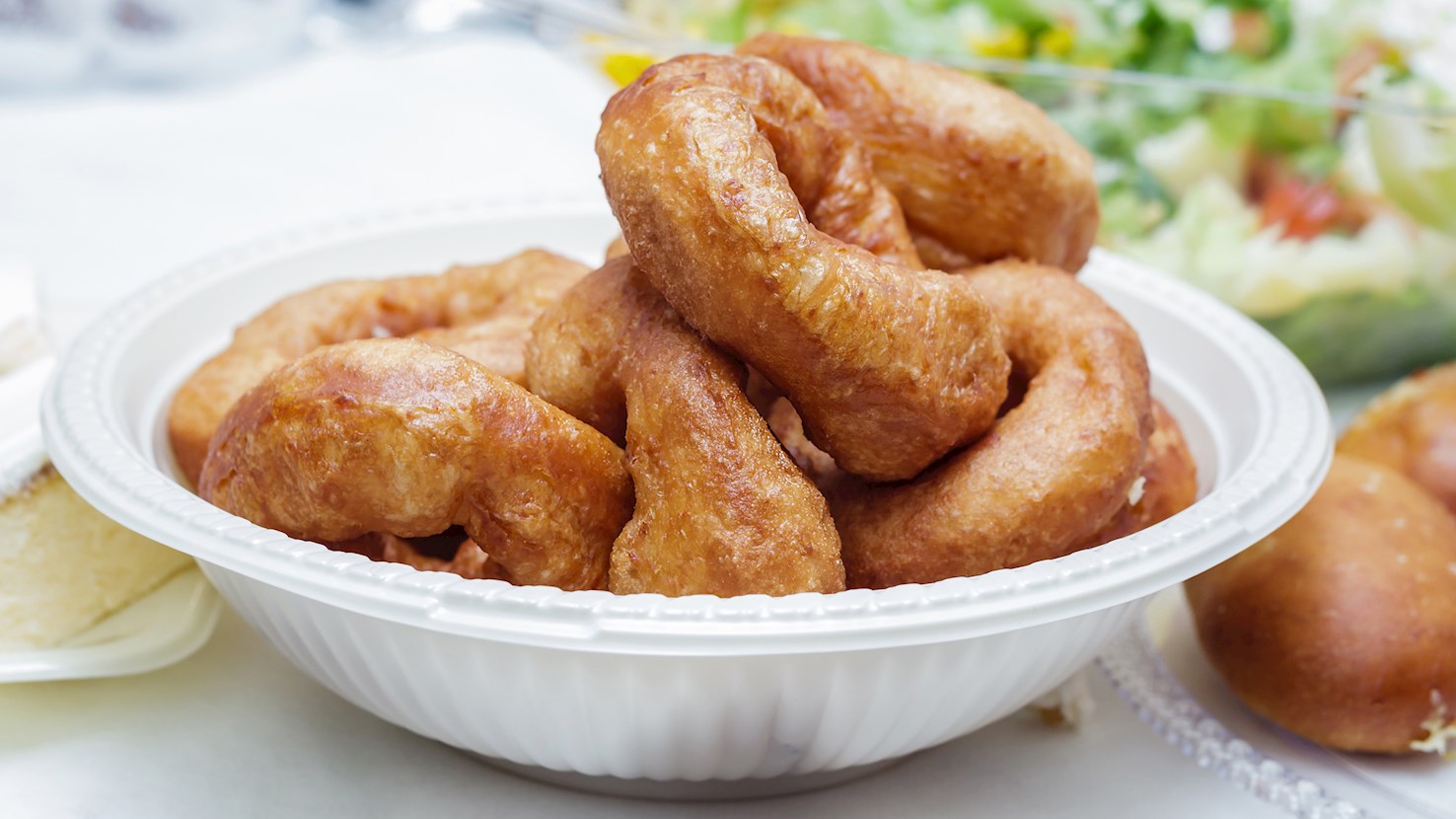
Sfenj are popular Moroccan and Algerian doughnut-like fritters made from sticky unleavened batter, similar to Libyan sfinz and Tunisian bambalouni. The dough is traditionally shaped into rings and deep-fried until it develops a golden, crispy exterior. The interior should be fluffy, tender, and chewy. These fritters are usually served hot when sold by street vendors, and they can be consumed plain or dusted with icing sugar.

02

Baghrir

4.2 ·

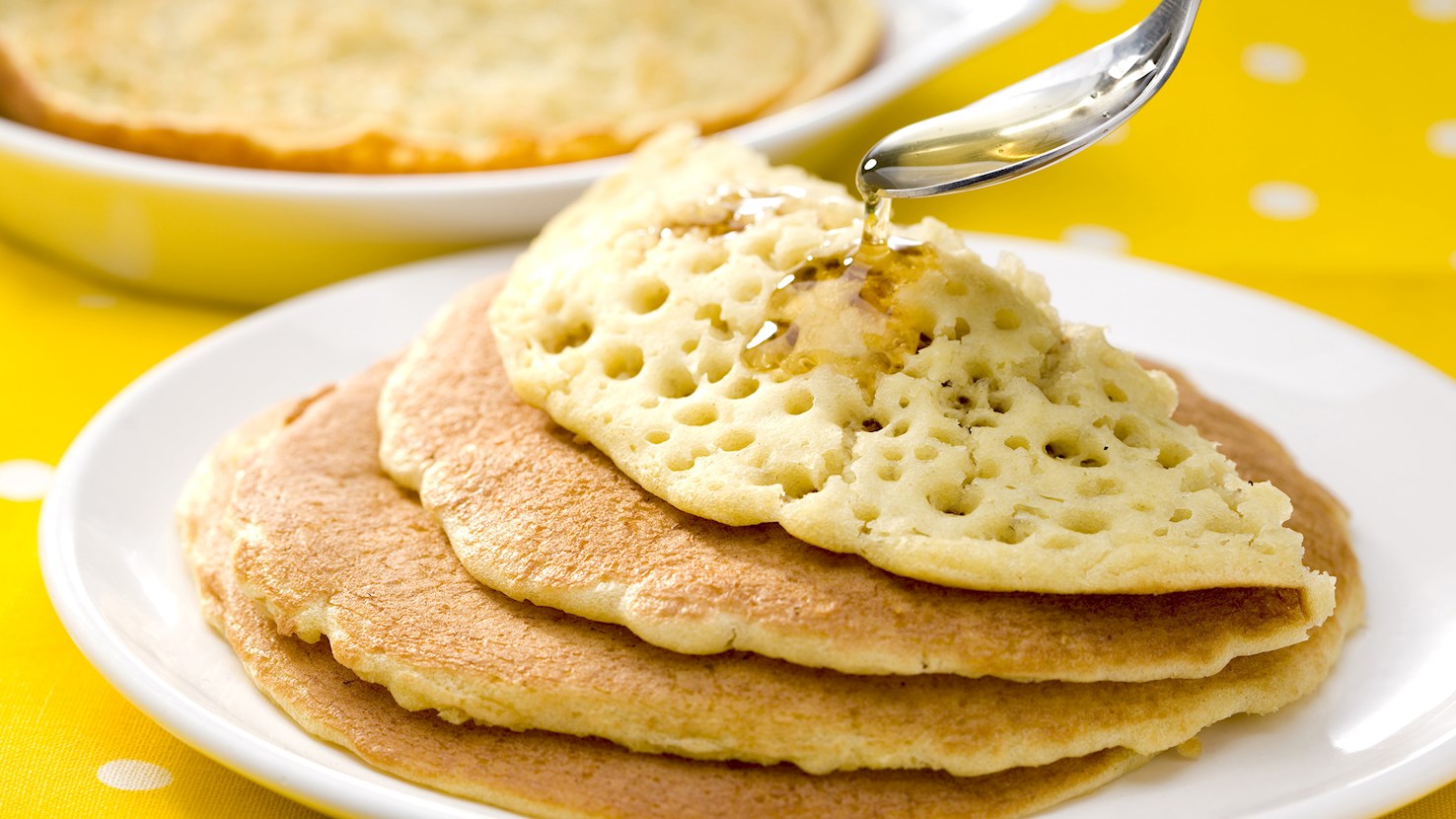
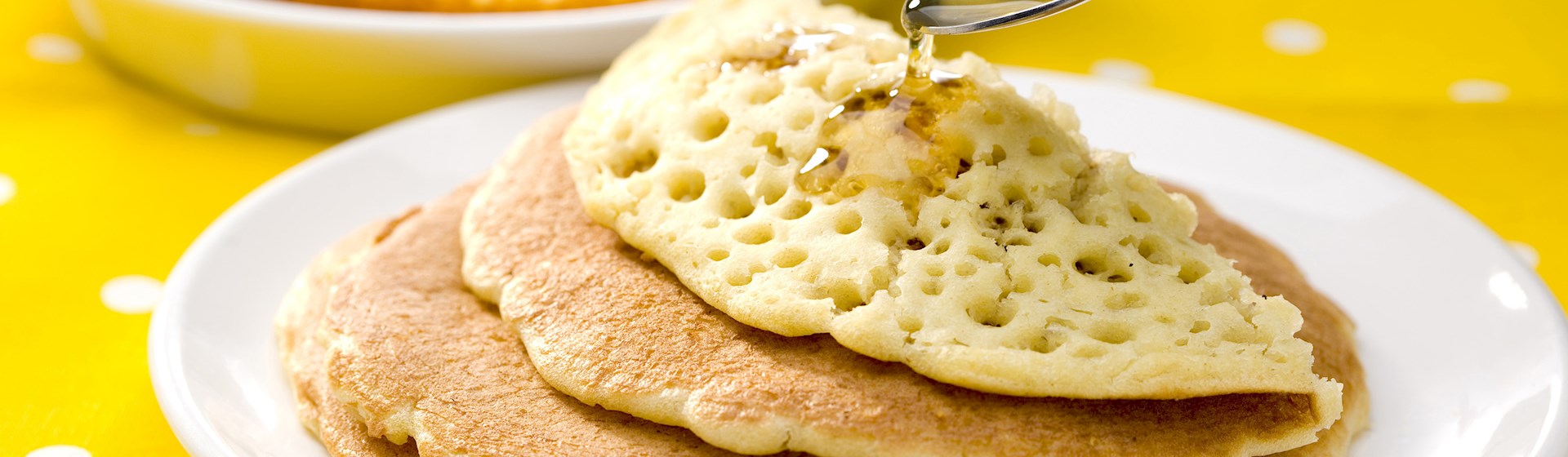
Baghrir is a soft and spongy Moroccan and Algerian pancake made with semolina flour. It is characterized by numerous holes on its surface, a result of yeast-produced bubbles in the batter that form and break as the pancake cooks. The pancake is cooked on one side only. It's recommended to serve baghrir with fruit jams or a syrup made with butter and honey.

03

Kaab el ghazal

4.0 ·

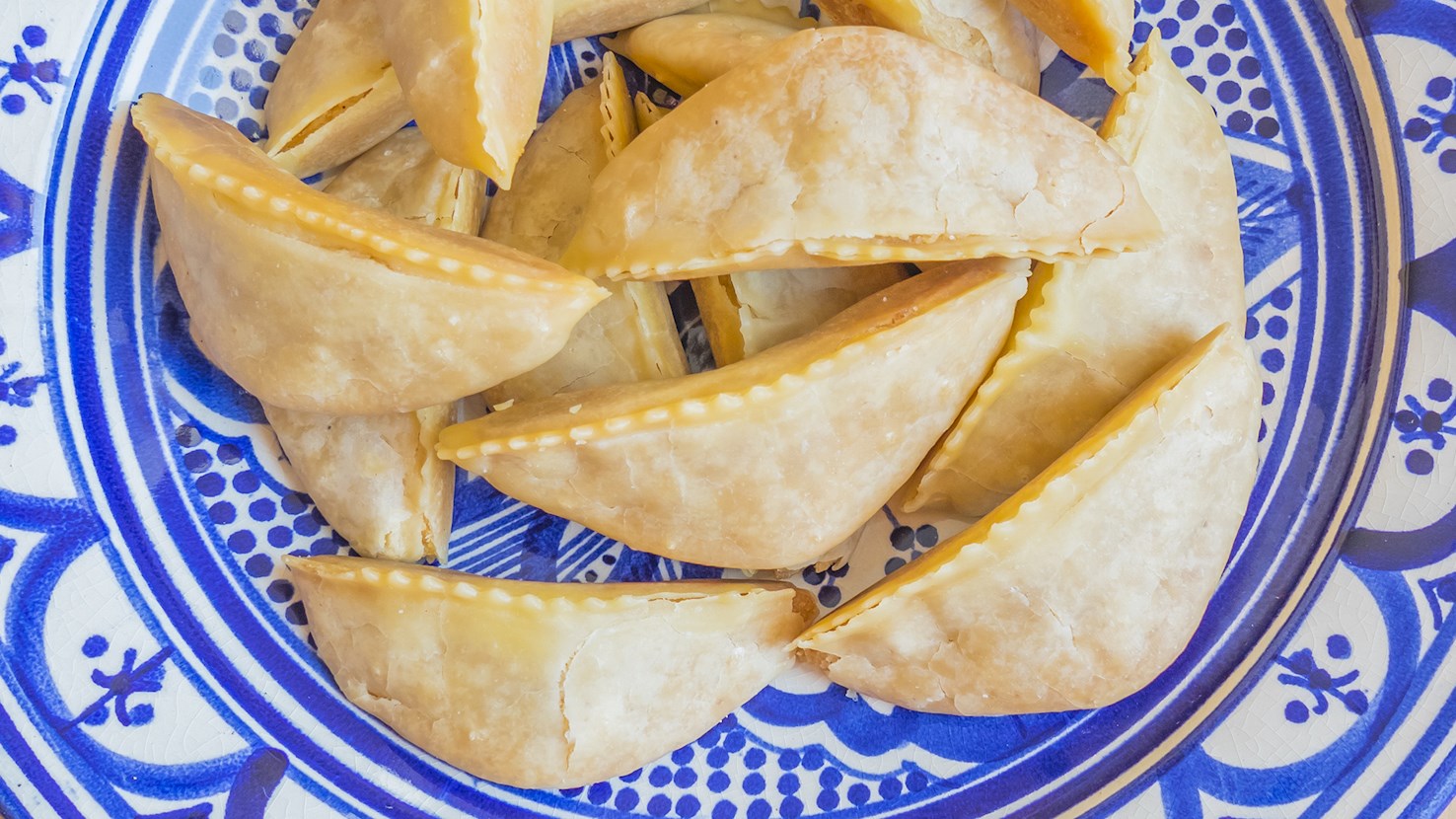
These crescent-shaped cookies are usually associated with Morocco, but they can be found throughout Algeria and Tunisia in slightly different forms and under various names. Their name translates as gazelle ankles, but they are better known as gazelle horns. They consist of a thin pastry shell that is wrapped around a sweet cinnamon-flavored almond filling. Both filling and the pastry dough are typically enriched with orange blossom water. The cookies can be coated in crushed nuts or optionally dipped in orange blossom water and then dusted with sugar, in which case they are typically referred as kaab el ghazal m'fenned.

04

Chebakia

3.5 ·

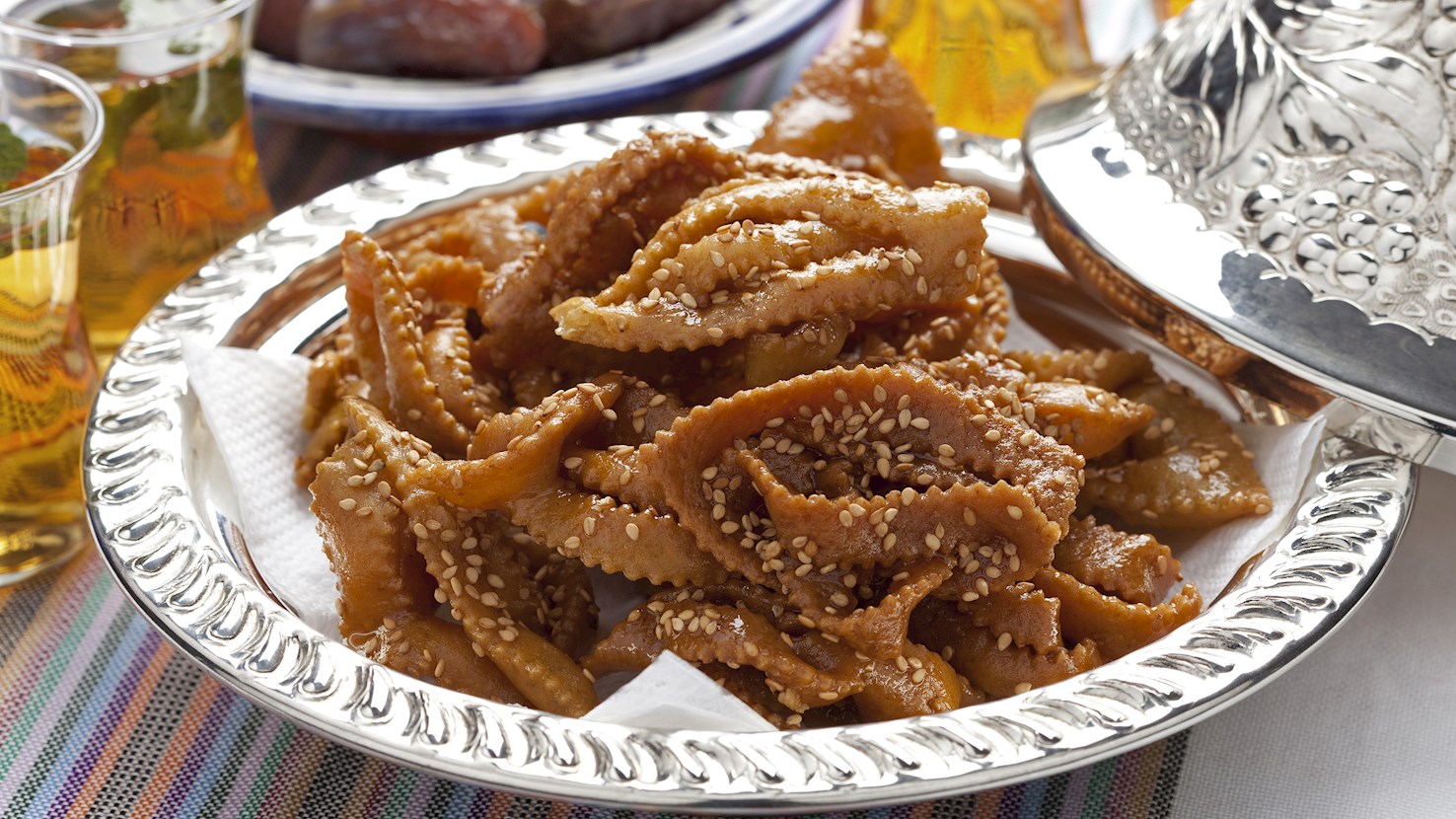
Chebakia is a chewy, crunchy, and fragrant Moroccan pastry made by arranging strips of dough into a flower shape. It is then fried, coated in honey, and sprinkled with sesame seeds. This sweet treat is traditionally prepared during the month of Ramadan, and is typically served alongside harira. It takes a lot of time and effort to prepare chebakia, so Moroccan women often ask sisters, mothers, or friends to help them in making large quantities of these cookies.

05

Jawhara

3.5 ·

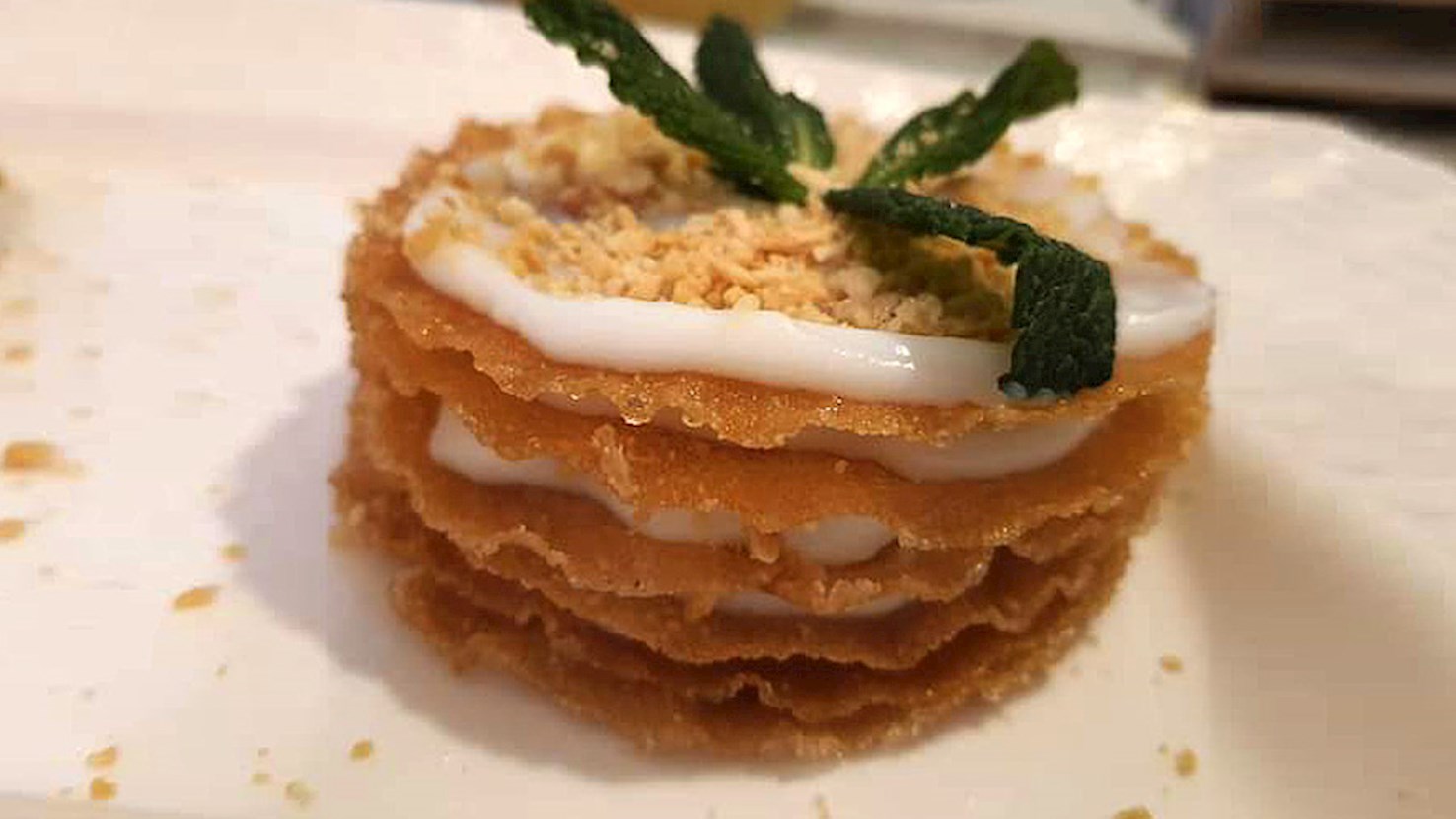
Ktefa or jawhara is a layered Moroccan dessert that is assembled with paper-thin sheets of fried warqa pastry. The filling between the crispy layers is usually made with a combination of toasted ground or roughly chopped almonds and sugar, while the whole dessert is served doused in a custard cream that is flavored with orange blossom water. Ktefa or jawhara consists of five to six layers and may come garnished with almond slivers, cinnamon, powdered sugar, mint, or fresh fruit. The dish is also popular in France, where it goes as pastilla au lait.

06

Fekkas

3.4 ·

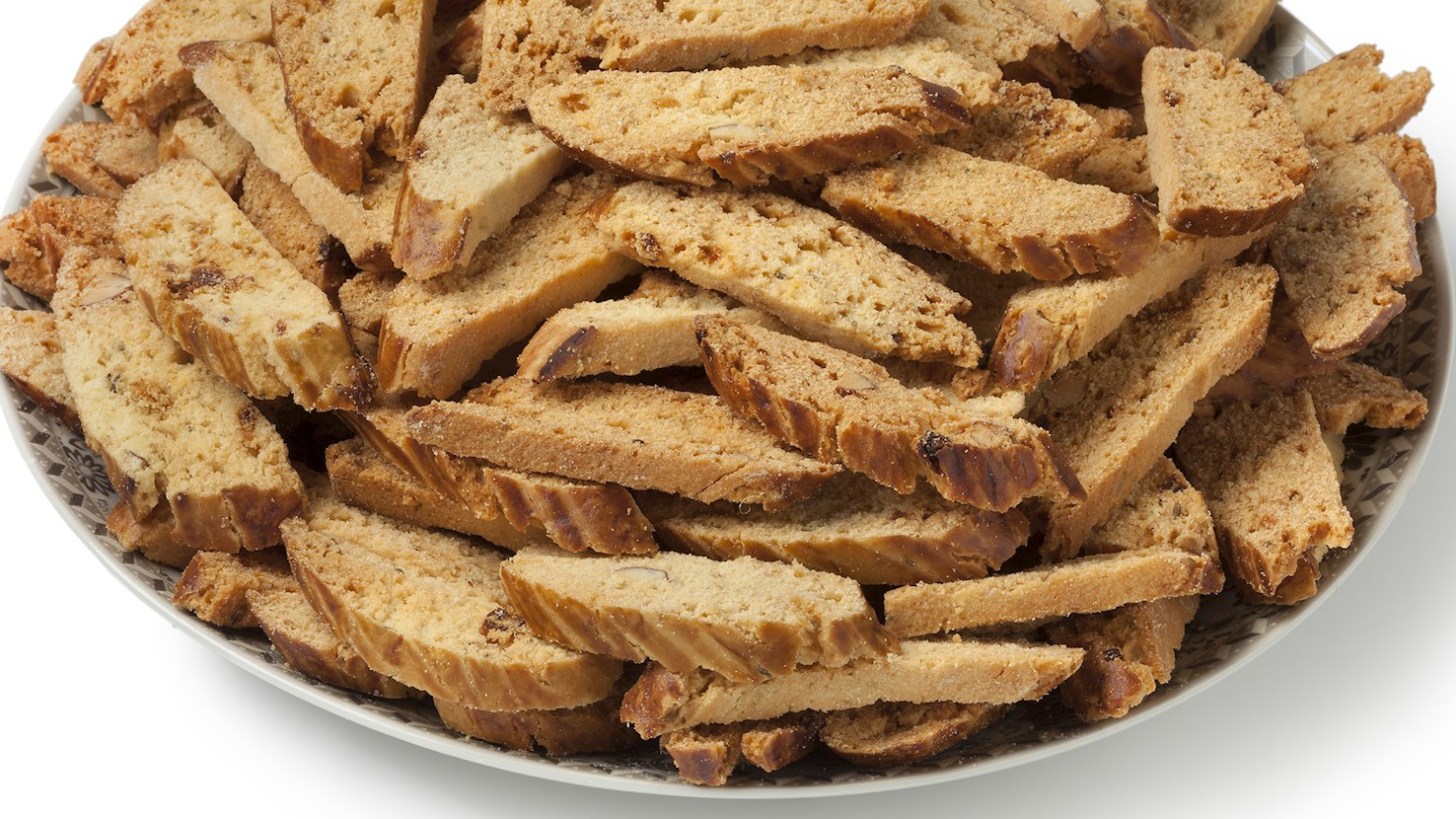
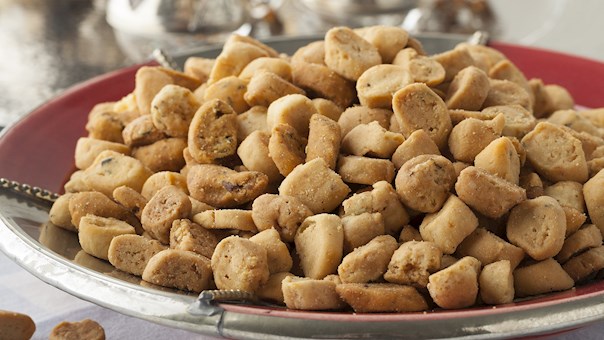
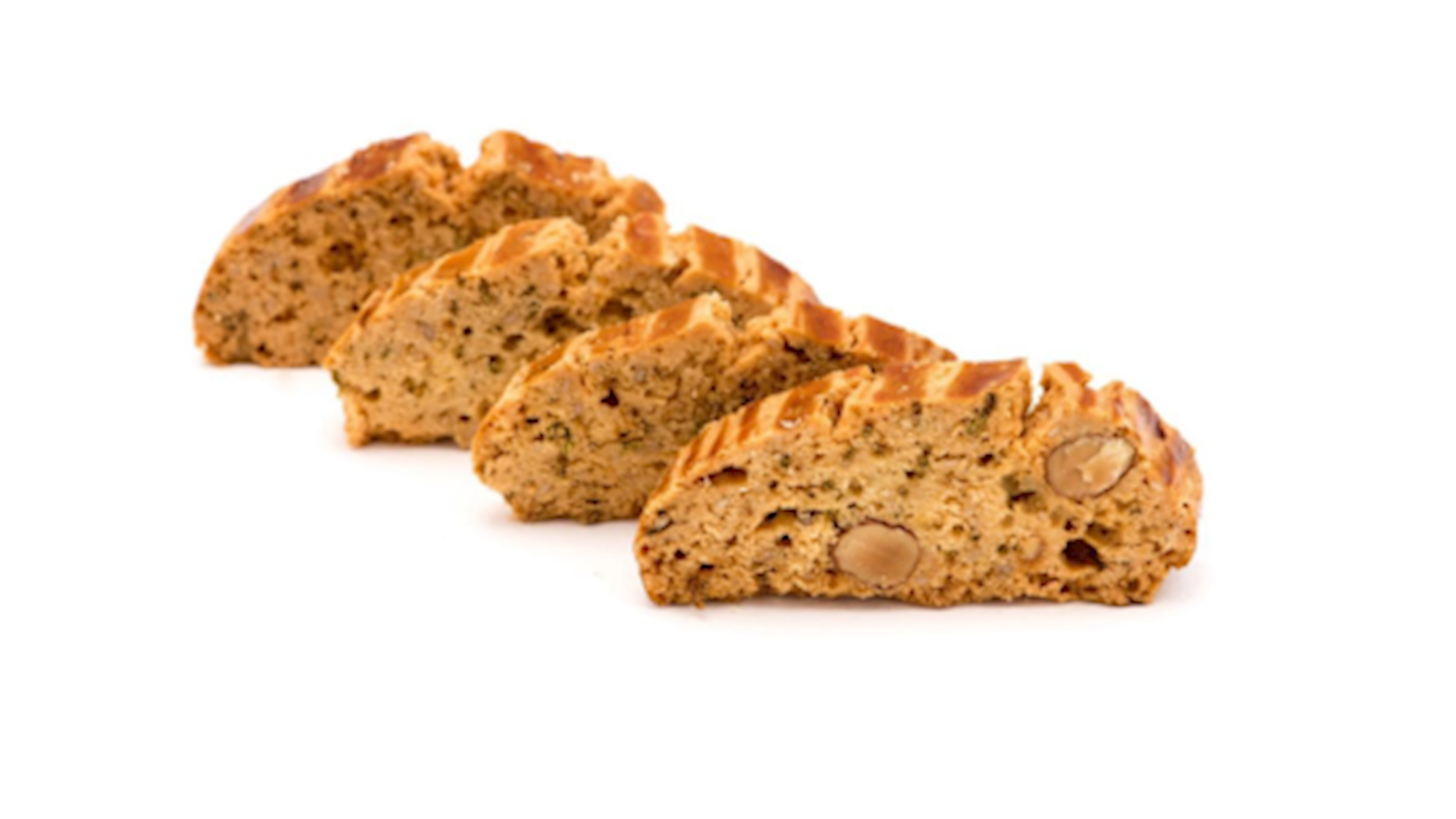
These traditional Moroccan twice-baked cookies come in both sweet and savory versions. They are prepared with shortbread or yeasted dough that is usually enriched with orange blossom water, aniseed, or citrus zest, as well as toasted nuts and dried fruit such as almonds, walnuts, raisins, pistachios, or sesame seeds. Often dubbed as the Moroccan biscotti, these crunchy treats are best paired with tea or coffee.

07

Raib

3.3 ·

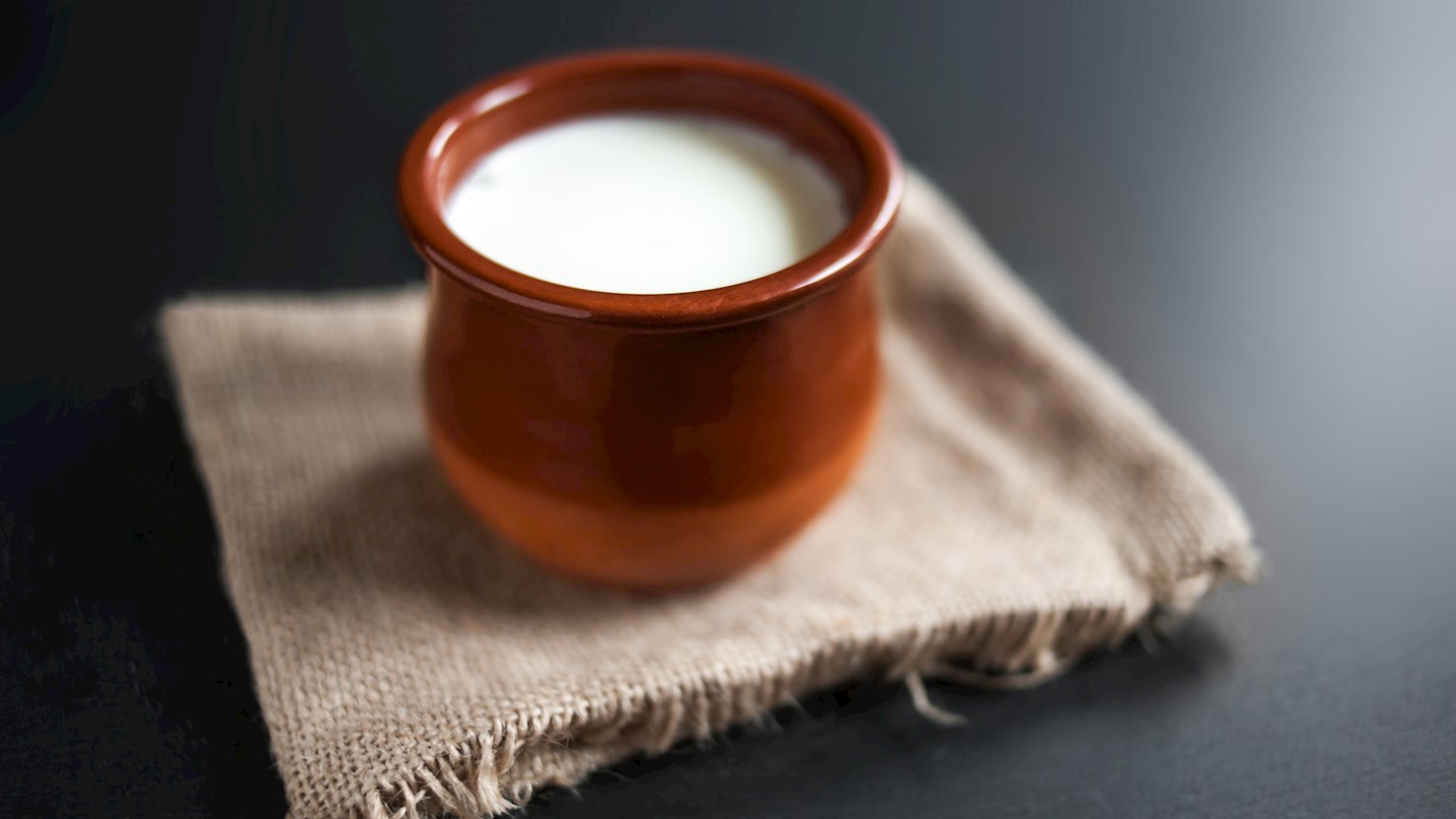
Raib is a Moroccan-style yogurt that is usually prepared at home. The base is made with milk, yogurt, sugar, and it is often flavored with orange blossom water, rose water, syrups, mint, or orange. When the ingredients are combined, the mix needs to rest for several hours in a warm place. The texture of this yogurt can vary, from soft to firm, but it should always be served well-chilled. Raib is usually homemade, but it is also available at the local markets and mahlaba stores that typically sell dairy products and pastries. It is enjoyed as a dessert, and it is also commonly eaten for iftar or suhur (the meal consumed early in the morning before fasting). Raib is served in individual portions, and it can be topped with fresh fruit.

08

Ghoriba

3.2 ·

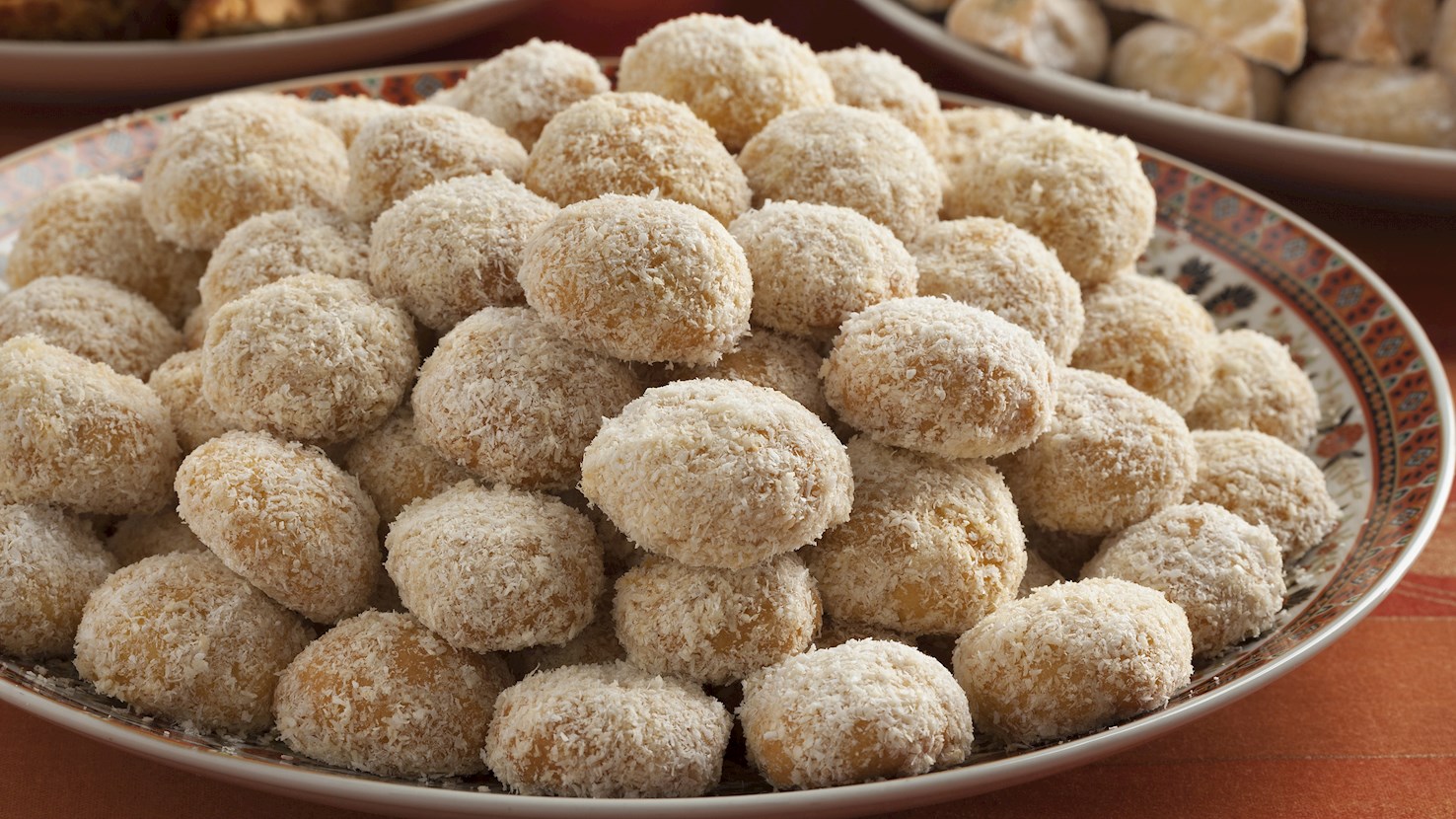
Ghoriba are traditional Middle Eastern cookies that come in a few varieties – some can be chewy, while others have a shortbread-like, crumbly texture. The cookies are traditionally shaped into balls or disks, and often have characteristical cracks across their surface. Ghoriba cookies usually consist of flour, sugar, butter, and almonds. It is recommended to serve them with a cup of tea or coffee on the side.

09

M'hanncha

3.2 ·

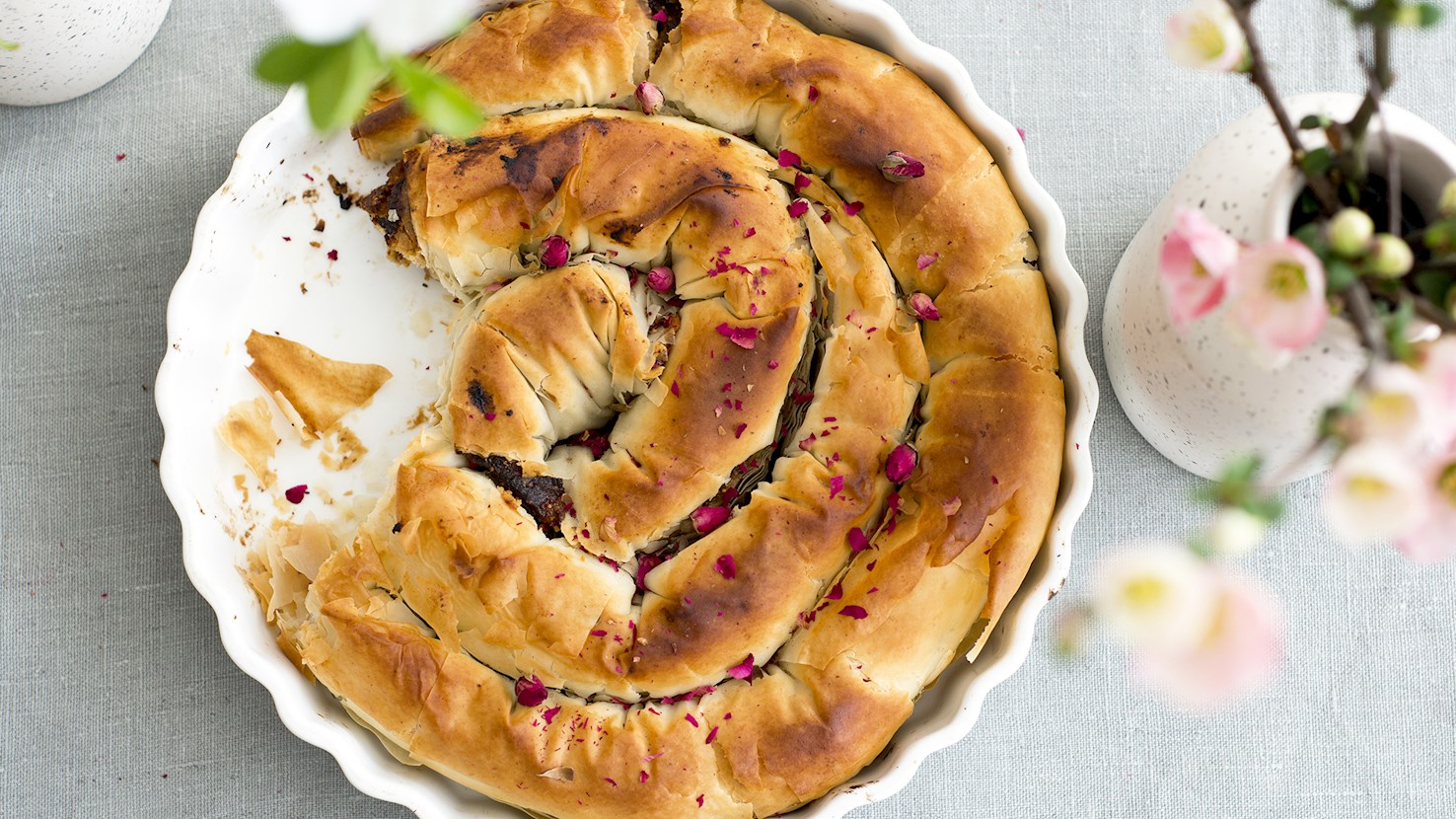
M’hanncha or snake cake is a traditional dessert in which warqa pastry is filled with a delicious almond paste, then shaped into a snake-like form. Although there are numerous recipes for the almond paste, it is typically prepared with almonds, sugar, cinnamon, mastic powder, butter, and orange flower water. M’hanncha can be shaped into small coils, but at social gatherings and festive occasions, it is made in a large version, so the guests can enjoy it by breaking off smaller portions from the end of the coil. When baked, the pastry is often dusted with powdered sugar or brushed with warm honey. It is recommended to garnish the snake cake with sliced or ground almonds and pair it with a cup of sweet mint tea.

10

Meskouta

3.0 ·

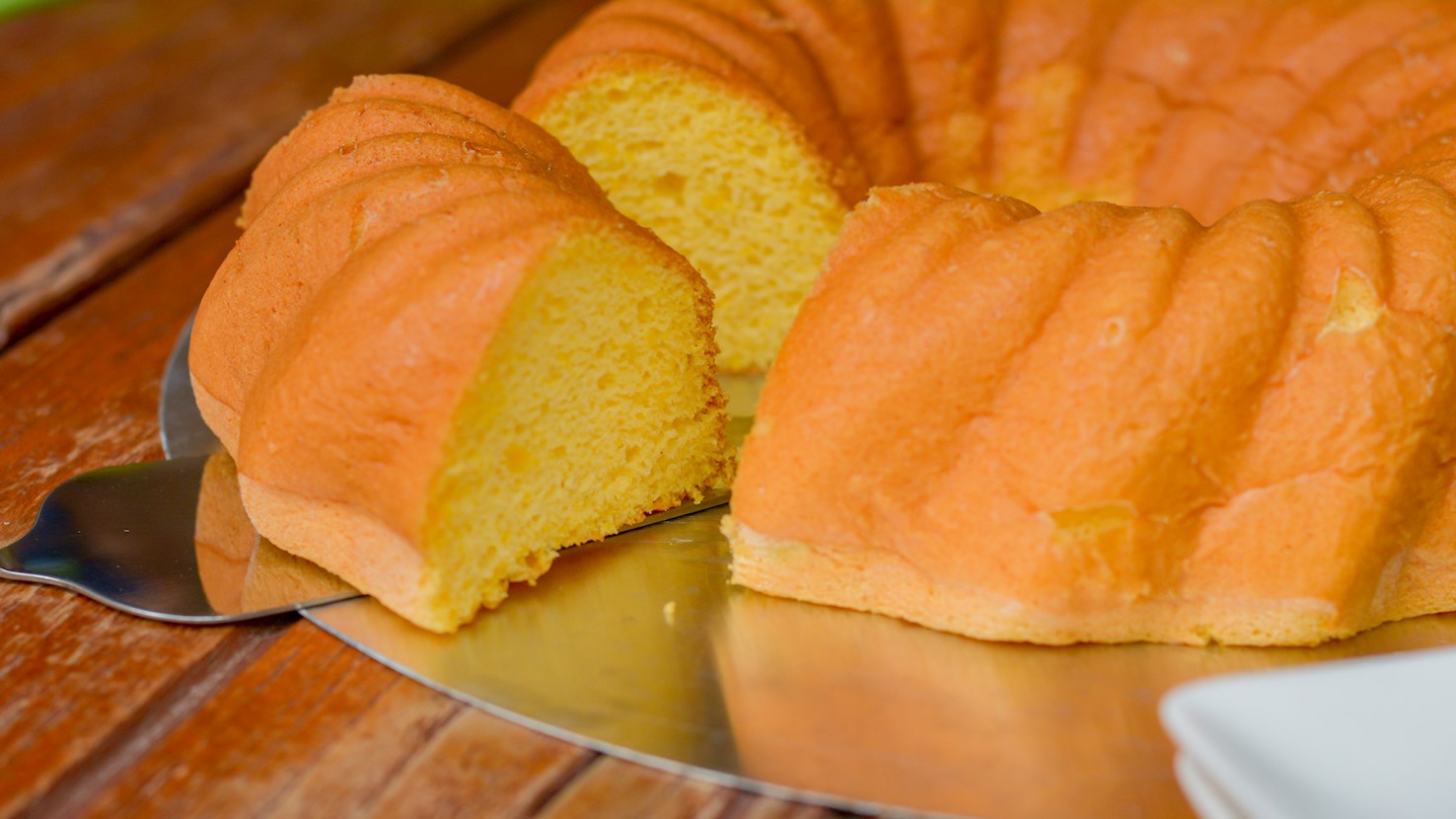
Meskouta is a traditional cake originating from Morocco. This orange and almond cake is made with a combination of almonds, eggs, sugar, honey, orange juice, lemon juice, orange flower water, oil, flour, baking soda, and baking powder. Once prepared, the batter is poured into a pan and baked until golden. This cake is traditionally prepared in the winter, when oranges ripen. It's often accompanied by hot mint tea or coffee on the side.

11

Krichlate

3.0 ·
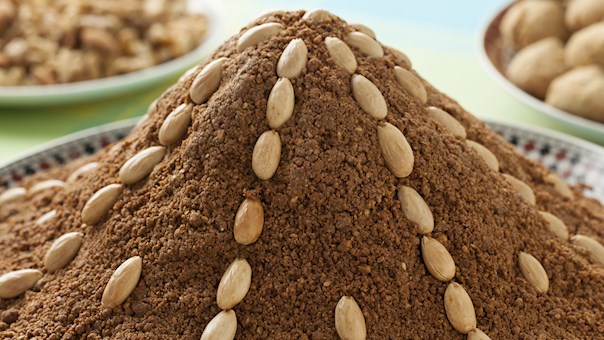
12

Sellou

2.9 ·
Read more
View all
View map
About this ranking

TasteAtlas food rankings are based on the ratings of the TasteAtlas audience, with a series of mechanisms that recognize real users and that ignore bot, nationalist or local patriotic ratings, and give additional value to the ratings of users that the system recognizes as knowledgeable. For the “Top 12 Moroccan Desserts” list until June 15, 2026, 1,871 ratings were recorded, of which 380 were recognized by the system as legitimate. TasteAtlas Rankings should not be seen as the final global conclusion about food. Their purpose is to promote excellent local foods, instill pride in traditional dishes, and arouse curiosity about dishes you haven’t tried.

The initial list of top producers was compiled based on available reviews, awards, local recommendations, media and blog coverage, and consumer reviews. The list will be updated with ratings from TasteAtlas local ambassadors and TasteAtlas users.

Similar lists