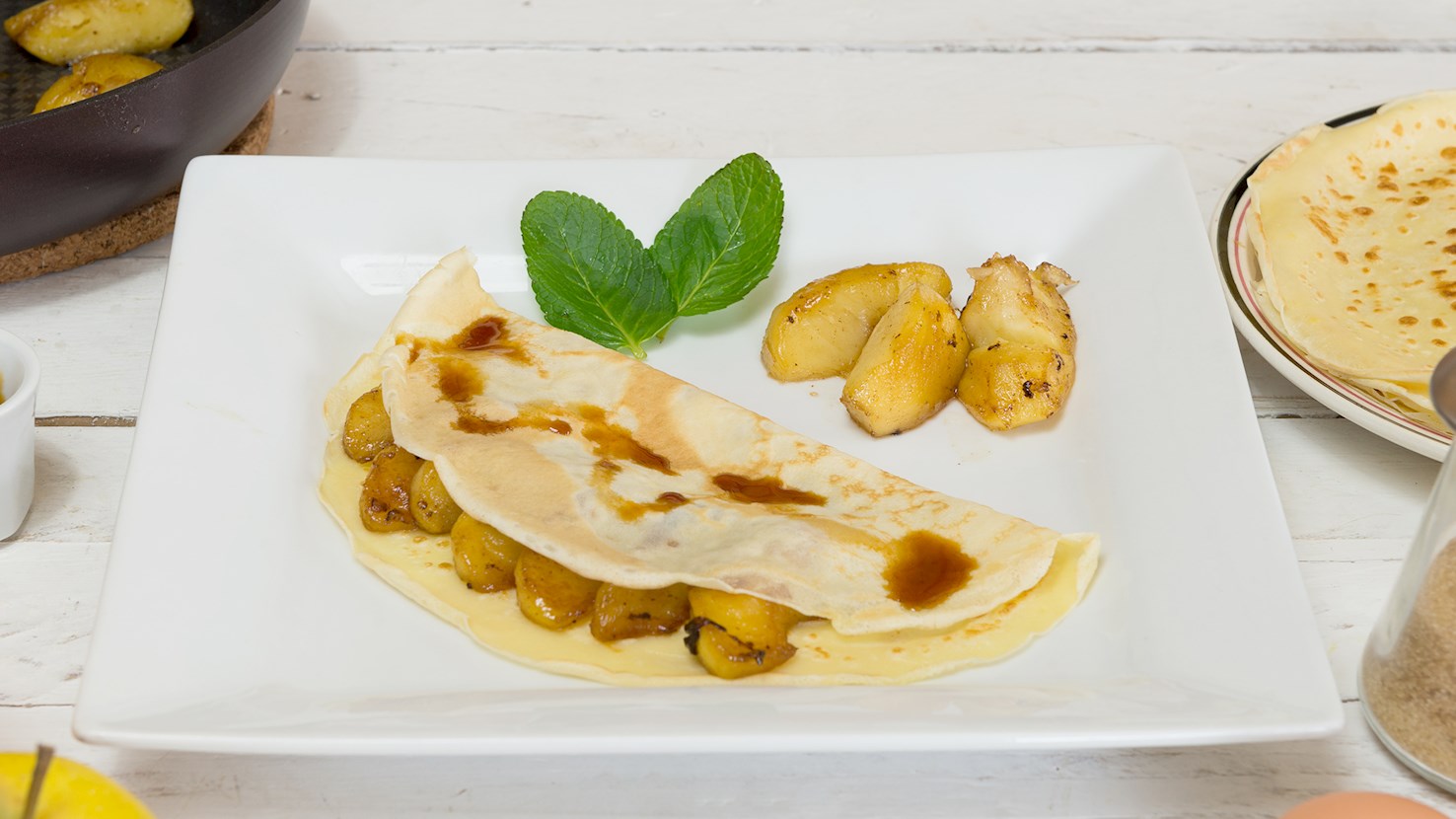
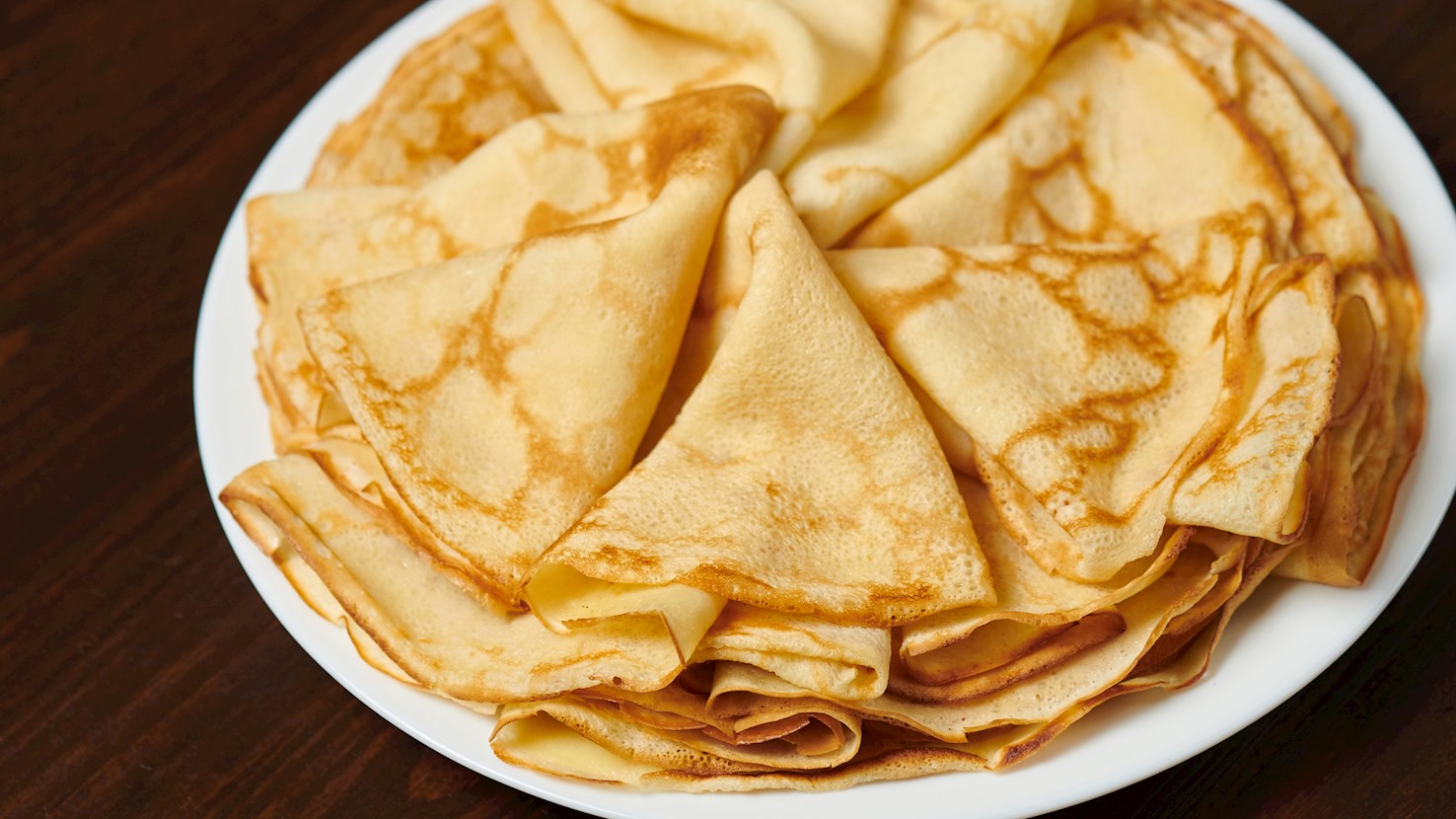
Crêpes Normande can best be described as apple pie inside a crêpe. For the filling, fresh, tart apples are browned in butter, sugar, and cinnamon, while the crêpes are made with a combination of flour, milk, eggs, sugar, and a pinch of salt. It is recommended to serve the crêpes topped with whipped cream, accompanied by a scoop of ice cream on the side, and it couldn't hurt to drizzle them with sweet caramel syrup to finish the whole thing.
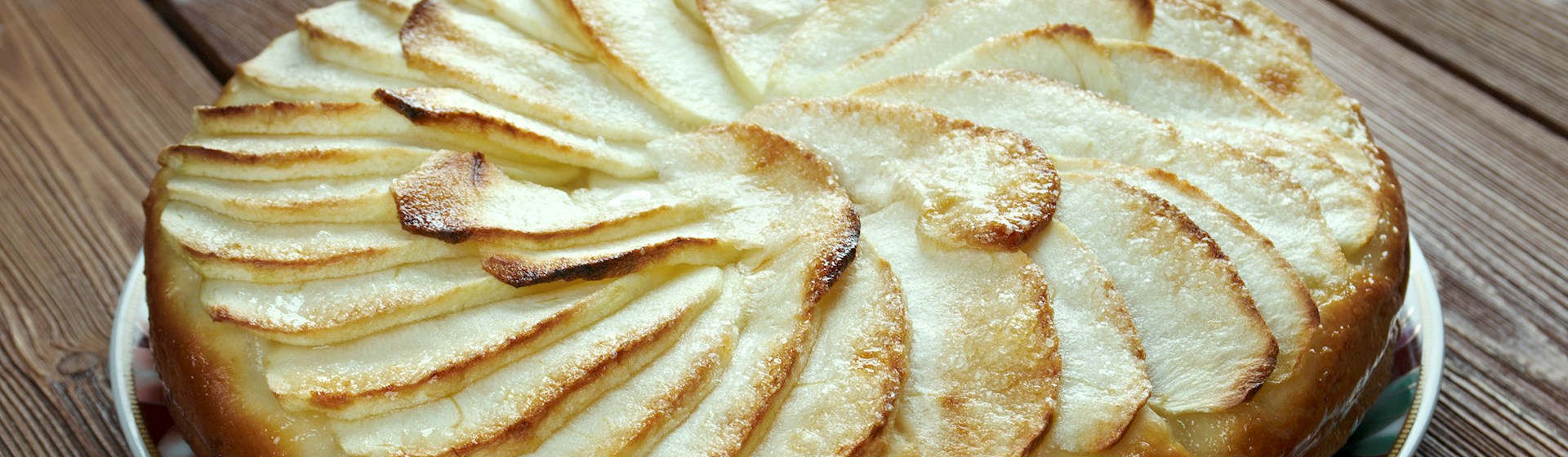
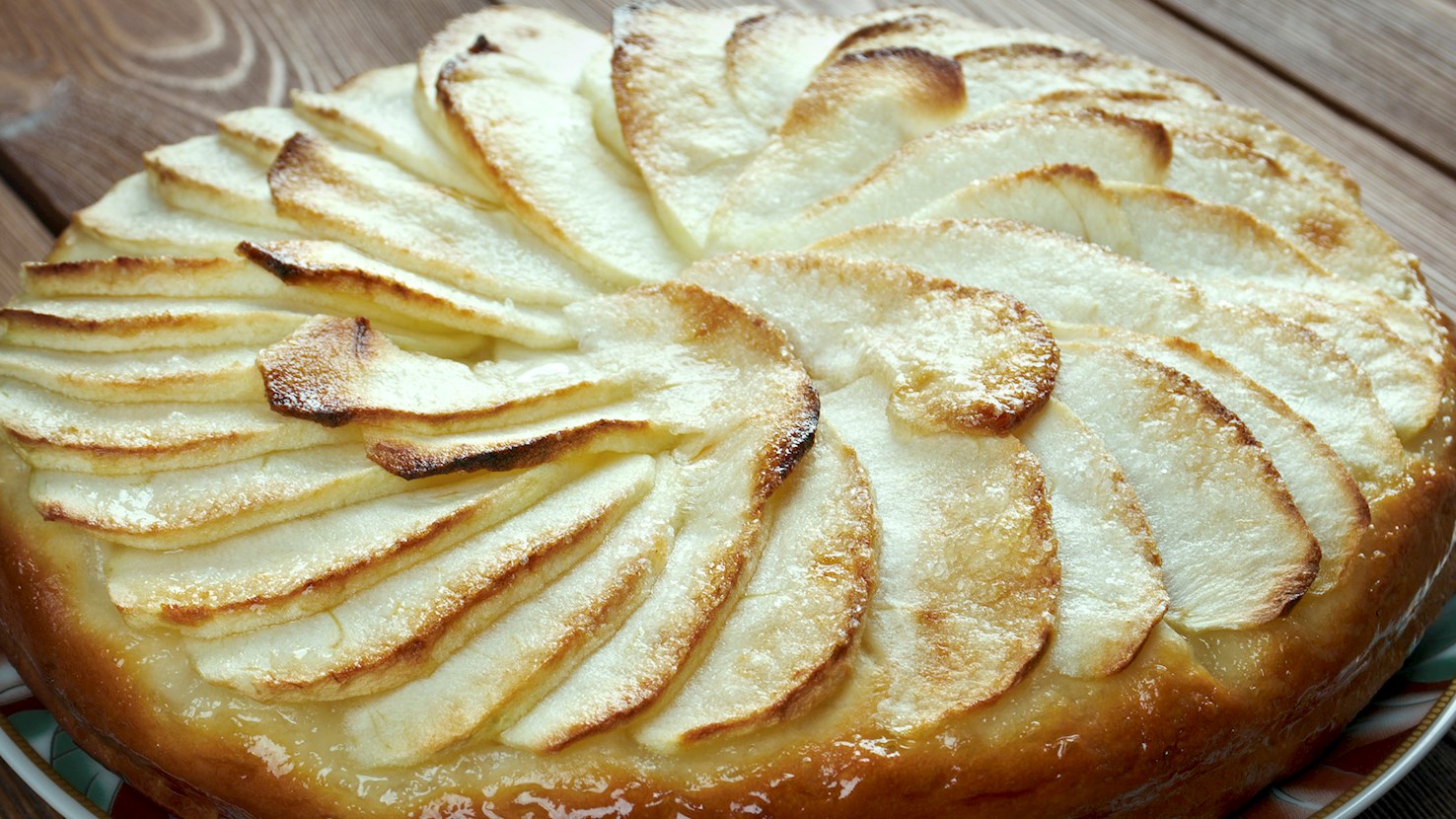
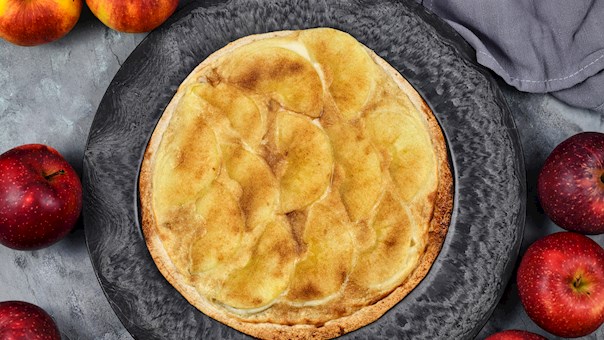
This French classic hails from Normandy, a region famous not only for apples but also for its Calvados apple liqueur, both of which are essential ingredients of tarte Normande and make the perfect match for the delicately sweet almond frangipane cream filling, while the base is made with pâte brisée or shortcrust pastry. Norman apple tart is typically served with a dollop of crème fraîche on the side, and it is best enjoyed while still warm.
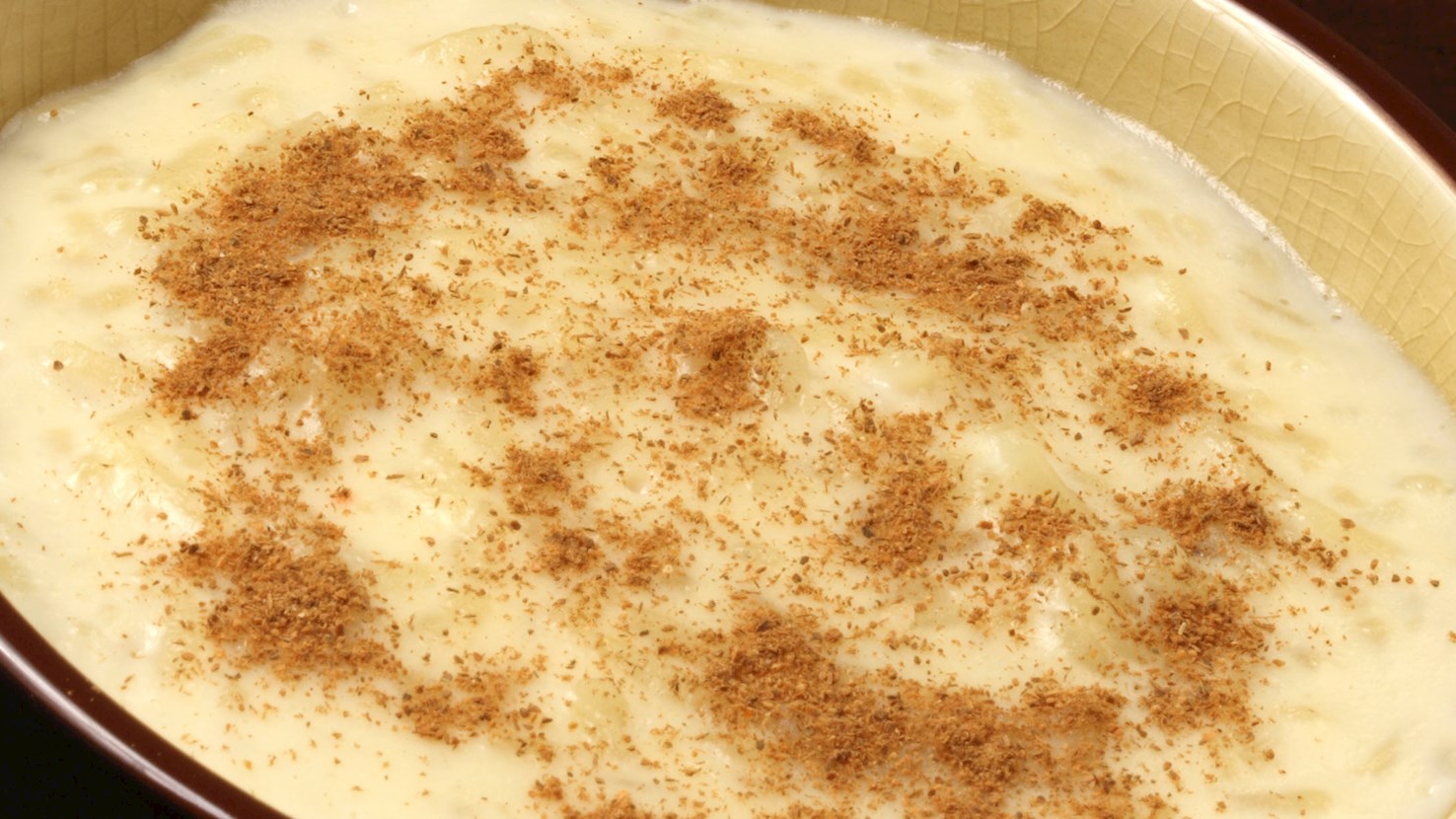
Teurgoule is a classic French rice pudding from Normandy that's even been proclaimed ''the mother of all rice puddings'' by some people. It's made with full-fat Normandy milk, rice, sugar, salt, and cinnamon (and sometimes nutmeg as well). The ingredients are slowly cooked in the oven at a low temperature in an earthenware bowl, and the rice pudding is done when the top develops a crust and the excess liquid has evaporated. In the past, teurgoule was cooked in a wood-fired bread oven, in the leftover embers that remained at the end of the day's baking. Traditionally, this creamy rice pudding is served with fallue brioche and a glass of local cider.
Crêpes Mylene is a traditional dish originating from Normandy. The batter for the crepes is made with flour, eggs, milk, butter, sugar, salt, and lemon juice. The sauce for the crêpes consists of poached pears, orange juice, lemon juice, almonds, butter, sugar, and plum brandy. When the crêpes are done, a few slices of pears are placed into each, and they're then rolled and coated in the warm sauce. The rest of the plum brandy is spread over the crêpes, and they're then flambéed and garnished with toasted slivered almonds. This decadent and fruity dish is served immediately while still hot.
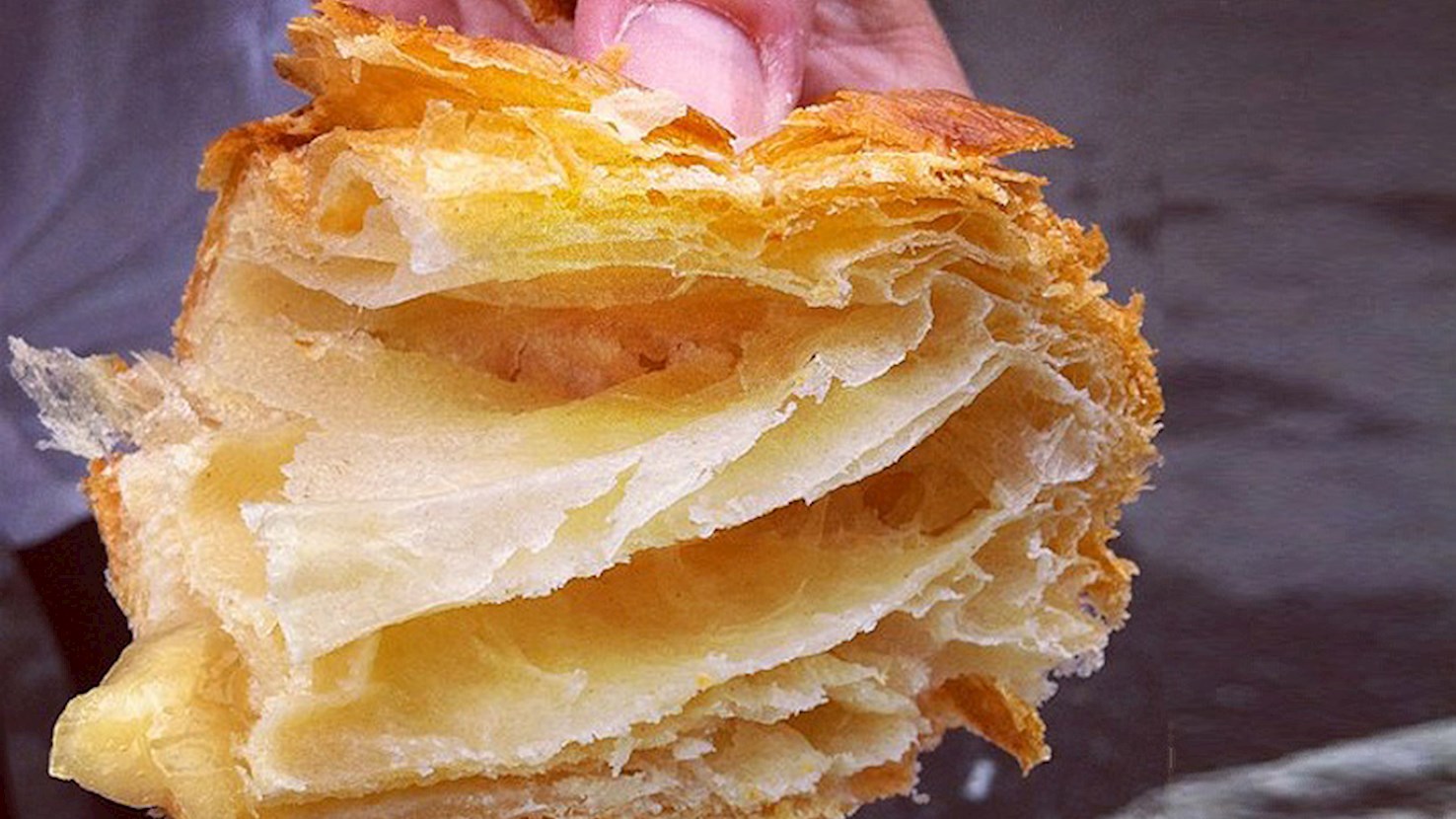
Brasillé is a traditional pastry made with flaky, buttery puff pastry, lightly salted butter, sugar, and eggs. Puff pastry is rolled out and buttered, then shaped into its characteristic oval shape before it is brushed with beaten eggs, sprinkled with sugar, and baked until puffed and golden on top. This French specialty used to be prepared out of simple bread dough and lard, but it was later re-invented by a French baker called Emilie Roussel, who replaced lard with butter and added sugar to the combination. Brasillé earned its name from the French word brasier, meaning a pan of hot coals or embers, referring to the method of baking the pastry in an oven of hot coals that gave the original pastry a slightly burnt top. Although it is typically only topped with sugar, some versions call for enhancing the pastry with a filling of apples, pears, or chocolate. This buttery pastry is typically enjoyed warm or slightly chilled as a dessert that can be served for breakfast or as an afternoon snack.
Soufflé Normand is a baked apple dessert from France that combines the structure of a soufflé with elements of apple charlotte and apple flan, and is served hot directly from its baking dish. Preparation begins by peeling and dicing apples and cooking them gently in butter until lightly colored and tender, sometimes caramelized with sugar or finished with Calvados, while a soufflé base is prepared by heating milk, thickening it with egg yolks, sugar, and flour, enriching it with butter and Calvados, and folding in stiffly beaten egg whites to create volume; the baking dish is lined with biscuits (often ladyfingers) soaked in Calvados, layered with apples, filled with the soufflé mixture, and baked so the dessert rises evenly and sets without drying. Variations include simpler formats such as individual tartlets or flatter versions sold in pastry shops, differences in how the apples are cooked or flavored, and minor adjustments in biscuit choice. Soufflé Normand is eaten hot straight from the oven as a dessert, served immediately to preserve its height and texture, and it pairs well with cider, a small glass of Calvados, or coffee.
Douillon is an sweet pastry from Normandy that consists of a whole peeled apple or pear, filled with sugar and sometimes butter, that is completely wrapped in a thin layer of dough and baked until the apple becomes tender and the pastry turns lightly golden, creating a dessert with a soft, juicy interior and a gently crisp exterior. Its presence is closely linked to apple-growing areas, where orchard fruit was abundant, and baking whole apples into dough provided a practical and satisfying way to turn simple ingredients into a filling sweet, becoming a familiar preparation in home kitchens and local bakeries. Preparation begins by selecting firm apples, removing the core while keeping the fruit whole, filling the cavity with sugar and sometimes butter, enclosing each apple fully in rolled dough, sealing it carefully, and baking until the pastry is cooked and the apple steams and softens inside its casing. Variations include using different apple or pear varieties, adding cinnamon or other mild spices, or marzipan, or making small changes to the dough used to wrap the fruit. Douillon is served warm or at room temperature as a dessert, often on its own or with either cream, honey and Calvados sauce, vanilla or chocolate sauce, and pairs well with coffee, tea, cider, or lightly sweet wines.
Pommes à la grivette is a dessert from Normandy that consists of grated fresh apples mixed immediately with cultured milk (or a fermented milk product), then sweetened and optionally finished with a splash of Calvados. The preparation developed in Norman kitchens, where apples and dairy were abundant and were combined in simple, quick desserts that could be assembled with minimal cooking, becoming a familiar part of the local fruit dessert repertoire. To prepare pommes à la grivette, apples are washed, peeled, cored and grated, then mixed promptly with cultured milk to prevent oxidation, the mixture is sweetened with sugar according to taste, and at serving time glasses or bowls are filled with the mixture, sometimes garnished with thin slices of fresh apple or a few mint leaves and served with Calvados on the side for individual adjustment. Variations involve the exact type of apples used, the ratio of sugar to fruit, and the use of Calvados or another spirit to complement the fruit. Pommes à la grivette are eaten cold as a dessert or light sweet course after meals, typically served in individual portions, and pair well with dessert ciders, Calvados added sparingly, or a cup of coffee or tea that balances the freshness of the apples and the creamy acidity of the cultured milk.
Croûtes normandes are a brioche-based dessert from France associated with Normandy. They are made from slices of day-old brioche topped with well-sweetened apple compote, soaked in beaten eggs mixed with Calvados, browned in sweet butter, then sprinkled with sugar and caramelized under the oven broiler, giving a soft, custardy interior, a buttery exterior, and a warm apple-and-spirit profile with a lightly crisp caramelized surface. The dish grew out of Norman home cooking shaped by apples, dairy, and Calvados, using enriched bread as a practical base for turning leftover brioche into a substantial dessert that could be served hot. Preparation starts by spreading sweet apple compote on slices of stale brioche, dipping the prepared slices into a mixture of beaten eggs and Calvados, browning them in sweet butter until evenly colored, then dusting with sugar and placing them under the broiler so the top caramelizes without drying the interior. Common variations include adding honey, cinnamon, chocolate, or vanilla sugar while keeping the core structure of brioche, apple compote, egg-and-Calvados soak, butter browning, and final caramelization unchanged. Croûtes normandes are eaten hot and served with thick crème fraîche on the side, and they pair naturally with coffee, tea, or a small glass of Calvados for those who want the apple-brandy note to carry through the end of the meal.
Mirliton de Pont-Audemer is a filled rolled pastry from France closely associated with the town of Pont-Audemer. It consists of a thin cigarette-style pastry rolled into a cylindrical form, filled with a smooth praline mousse made from dried fruits such as almonds, and sealed at both ends with dark chocolate, creating a contrast between crisp pastry, creamy interior, and firm chocolate tips. The pastry dates back to 1340 when it was created by Guillaume Tirel, known as Taillevent, cook at the French court and author of the Viandier, who conceived the recipe after discovering almonds and other dried fruits during his travels and chose to honor his birthplace near Pont-Audemer through this creation. Written accounts later noted a rivalry between Pont-Audemer and Rouen over the invention of a pastry called mirliton, though the Rouen version differs clearly in both shape and composition, lacking the rolled structure and chocolate-sealed ends that define the Pont-Audemer form. Preparation relies on baking very thin pastry sheets until crisp yet pliable, rolling them tightly around a praline-based mousse while warm, trimming the ends clean, and dipping both ends into melted dark chocolate that sets to enclose the filling and reinforce the structure. For a long period the recipe fell into relative obscurity before being revived toward the end of the twentieth century by pastry chefs in Pont-Audemer who restored it to local shop counters. Variations remain restrained and usually involve subtle changes to the praline composition or chocolate intensity rather than the format itself, as the identity of the pastry depends on its rolled shape and sealed ends. Mirliton de Pont-Audemer is eaten as an individual hand-held pastry, generally served at room temperature, and it is commonly enjoyed with coffee, tea, or dry cider, which balance the sweetness of the praline and chocolate without masking their flavors.
TasteAtlas food rankings are based on the ratings of the TasteAtlas audience, with a series of mechanisms that recognize real users and that ignore bot,
nationalist or local patriotic ratings, and give additional value to the ratings of users that the system recognizes as knowledgeable.
For the “Top 13 Norman Desserts” list until May 15, 2026, 121 ratings were recorded, of which 100 were recognized by the system as legitimate.
TasteAtlas Rankings should not be seen as the final global conclusion about food. Their purpose is to promote excellent local foods,
instill pride in traditional dishes, and arouse curiosity about dishes you haven’t tried.