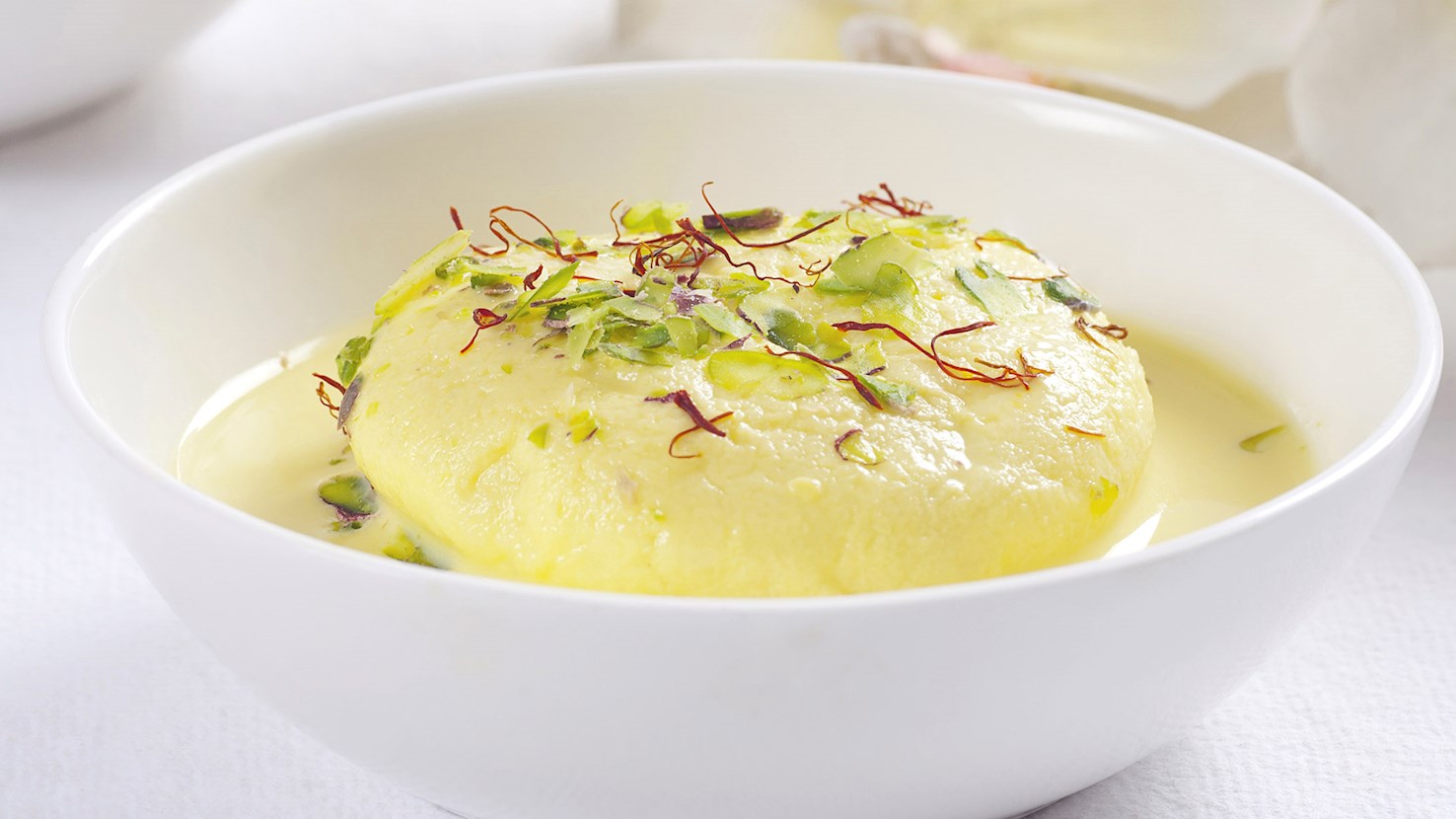
Roshmalai or ras malai is a popular Bengali and Indian dessert consisting of milk, sugar and cardamom-flavored paneer cheese known as chhana. Almonds, cashews, and saffron are often added to the dessert. Roshmalai is of Bengali origin, and is sometimes described as a rich cheesecake without a crust. The name of the dessert is a combination of two Bengali words, rosh, meaning sap, and Hindustani word malai, meaning cream. It is typically served chilled and garnished with cardamom seeds or dried fruits. This delicious dessert is most popular during the festivals such as Holi and Diwali. Spongy, tender, and aromatic, this Bengali classic is usually served at the end of a meal.
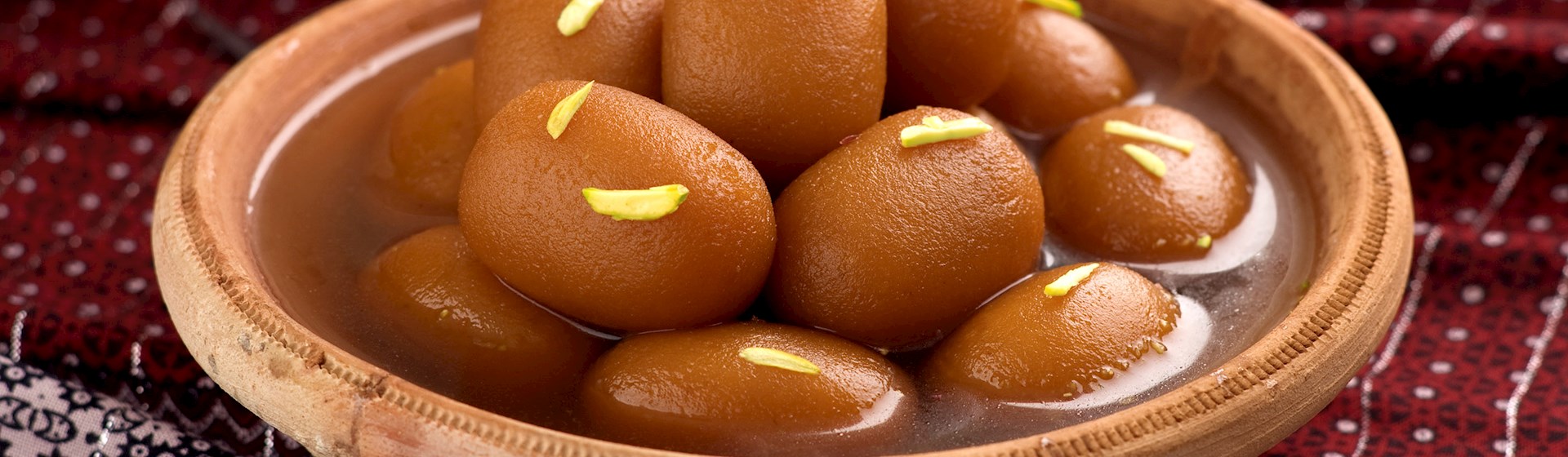
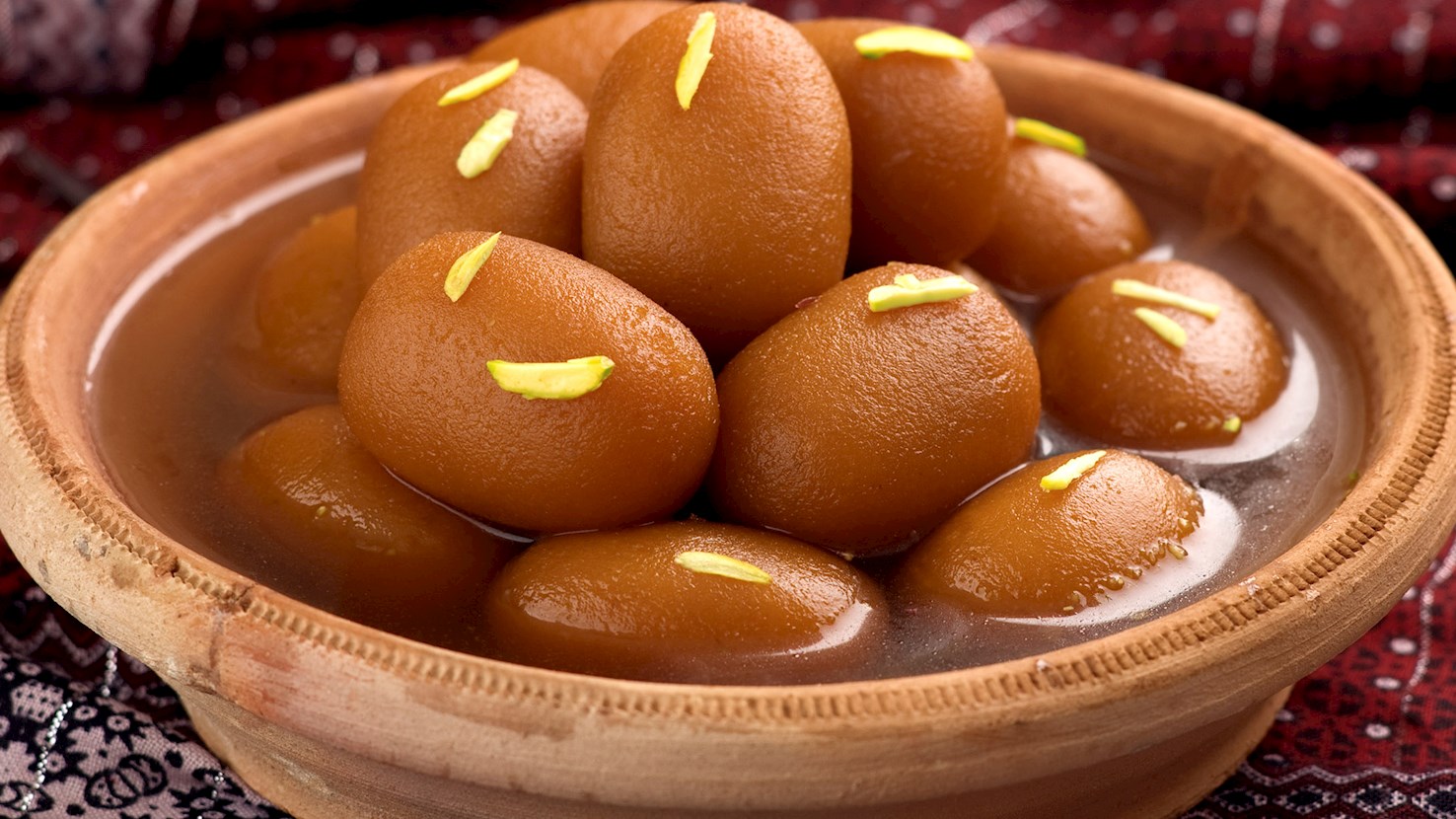
Gulab jamun is a dessert based on milk solids that are kneaded into a dough, shaped into balls, and deep-fried in ghee. The balls then get soaked in a sugary concoction flavored with saffron, green cardamom, and rose water. When served, gulab jamun is often garnished with dried nuts to further enhance its flavors. The name of the dish is derived from two words: gulab, meaning rose, and jamun, referring to the purple-colored jamun berry fruit. It is believed that the dessert originated from an Arabic dessert called luqmat al-qadi, which became popular during the Mughal era, when Indian cooks at the palace kitchens adapted their cuisine by combining the newly arrived Persian ingredients with their own Hindu flavors. Nowadays, gulab jamun is often prepared for weddings and during the Diwali festival, both in India and in Trinidad and Tobago, where gulab jamun is also quite popular.
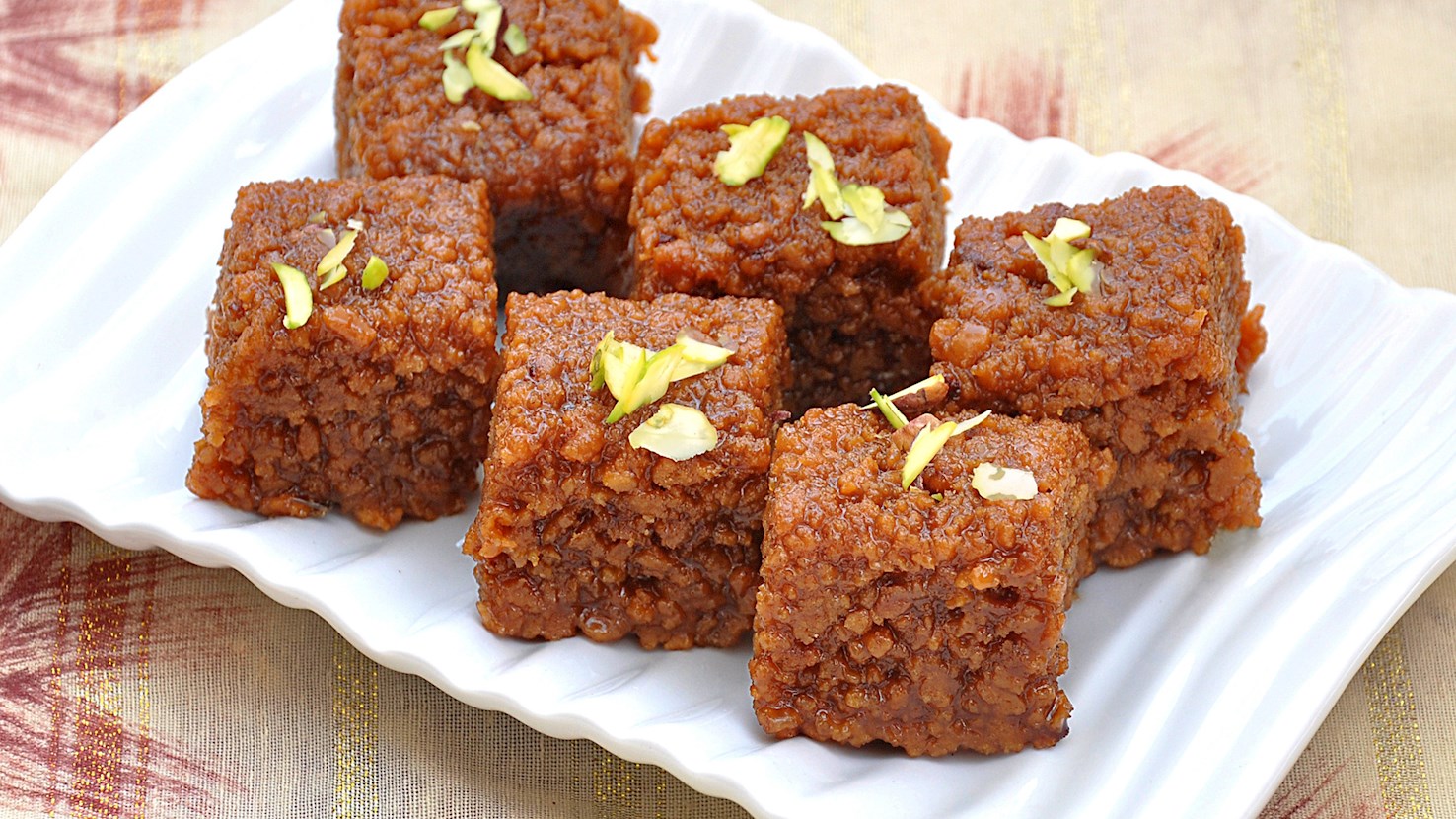
A traditional Pakistani and Indian dessert, habshi halwa is a rich milk halwa variety that is typically made by combining milk, sugar, sprouted wheat, ghee, aromatic spices, and nuts. This beloved sweet treat is usually flavored with cardamom, saffron, rose water, or kewra essence, and its crunchy texture comes from crushed nuts such as pistachios, walnuts, almonds, and cashews. The word habshi in the name of this sweet dish has to do with the halwa’s distinctive dark brown hue, as the Urdu habshi relates to the Persian or Arabic habashi, which is used as a reference to Africans or persons with a darker skin tone. Sticky, chewy, and nutty, habshi halwa is believed to have been invented in the Mughal era, and it is a common winter treat that is usually consumed as a dessert after a big meal.
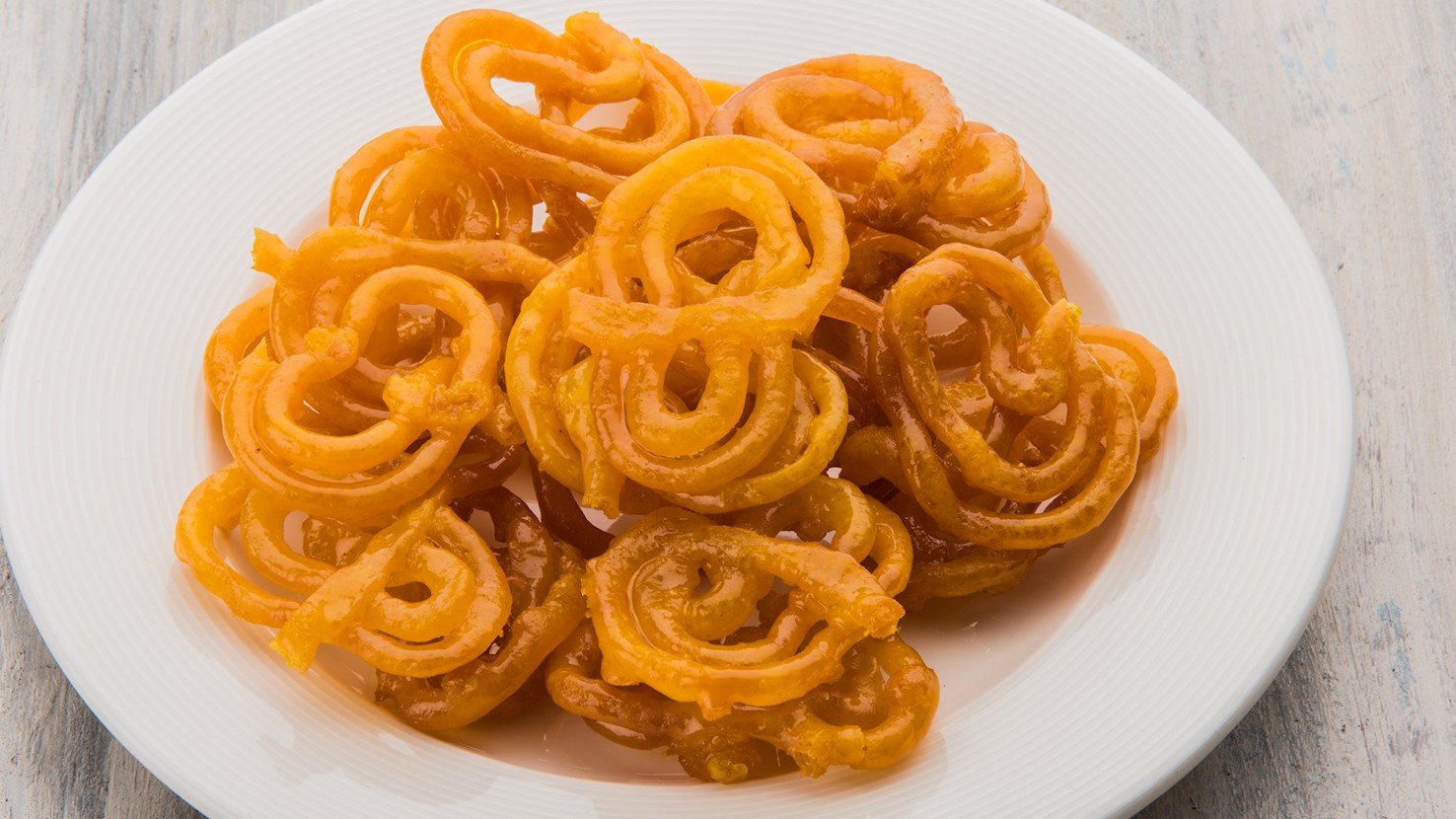
Zulbia is a sweet confection prepared by deep-frying thin coils of fermented batter and then soaking them in a fragrant sugar syrup. Although it is believed to have its origins in Persia, zulbia or jalebi is an international dessert with variations that spread throughout the Middle East, India, and Asia. Its golden color and delicate crispness have made it a favorite accompaniment to tea in both homes and pastry shops. To make zulbia, a batter is prepared by mixing refined flour with yogurt or fermented starter, a little cornstarch, baking soda, and sometimes a splash of rosewater. The batter is rested to develop a slight tang and a smooth consistency. Using a special funnel or piping bag, it is poured into hot oil in looping, spiral patterns that expand and puff as they fry. The pieces are turned until evenly golden and crisp, then immediately immersed in warm syrup made with sugar, water, saffron, rosewater, and sometimes a dash of lemon juice to prevent crystallization. After a short soak, they are removed and set to drain on racks, leaving them saturated but not soggy. The flavor is sweet and floral, with a hint of acidity from the syrup balancing the richness of the fried dough. Because it holds up well over time, zulbia is often prepared in large batches to be served over several days or packaged as a gift. Historical records suggest that variations of zulbia were made across Persia and the Indian subcontinent as early as the medieval period, with recipes spreading along trade routes and adapting to local tastes.
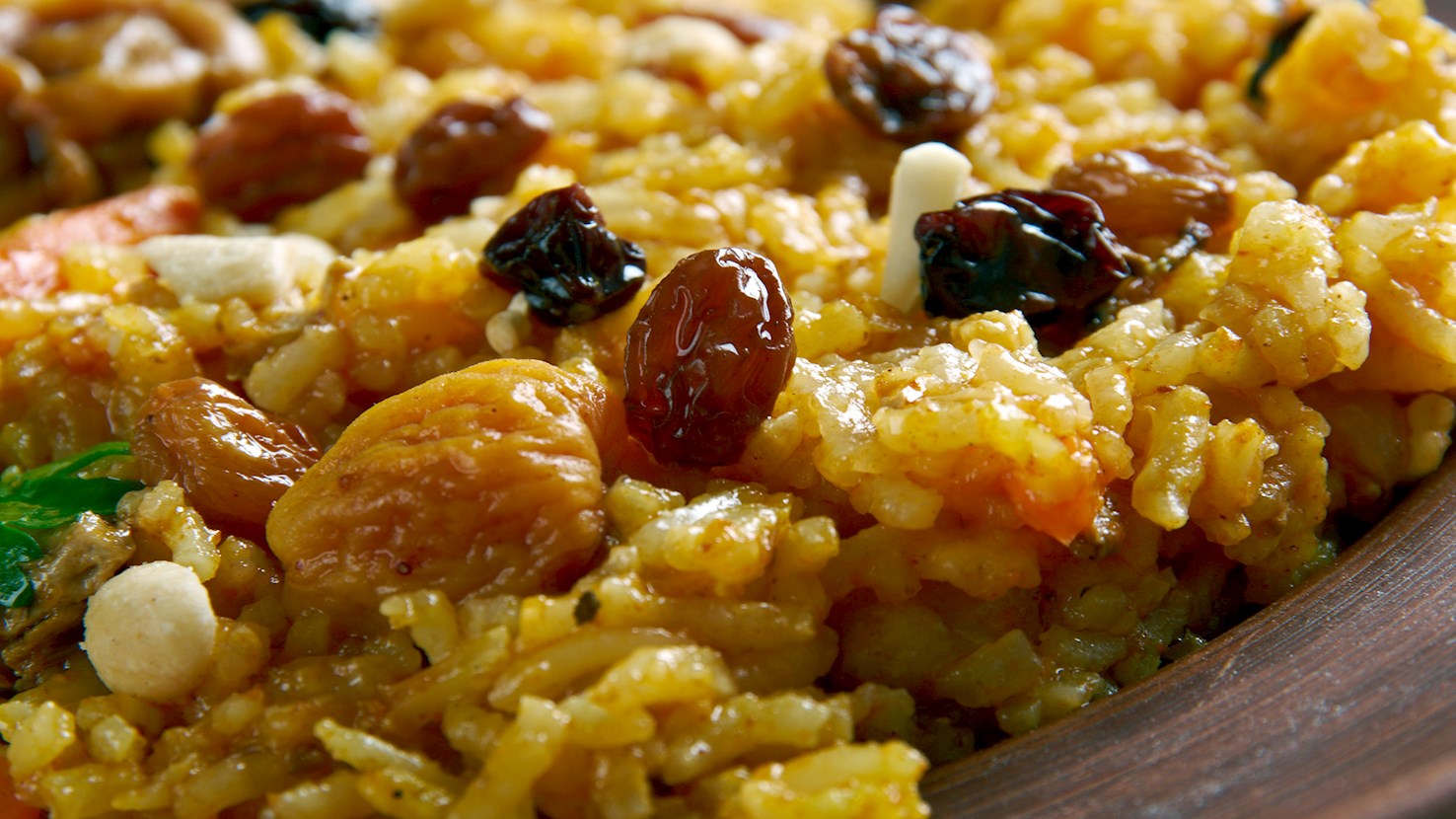
The bright yellow zarda is a sweet and fragrant Pakistani rice dish which consists of basmati rice cooked with milk and sugar. The rice is cooked alongside natural food colorings, which give the dish its unusual yellow color, and a blend of traditional spices, most commonly cardamom, cinnamon, and saffron. Often, it also includes raisins and chopped roasted nuts such as pistachios, almonds, or walnuts. Zarda is considered a rich and festive dish, usually served on special occasions, but it also makes a perfect everyday dessert, enjoyed warm, over a cup of refreshing tea. A similar dessert is also found in the Punjabi region, where it is often referred to as meethe chawal.
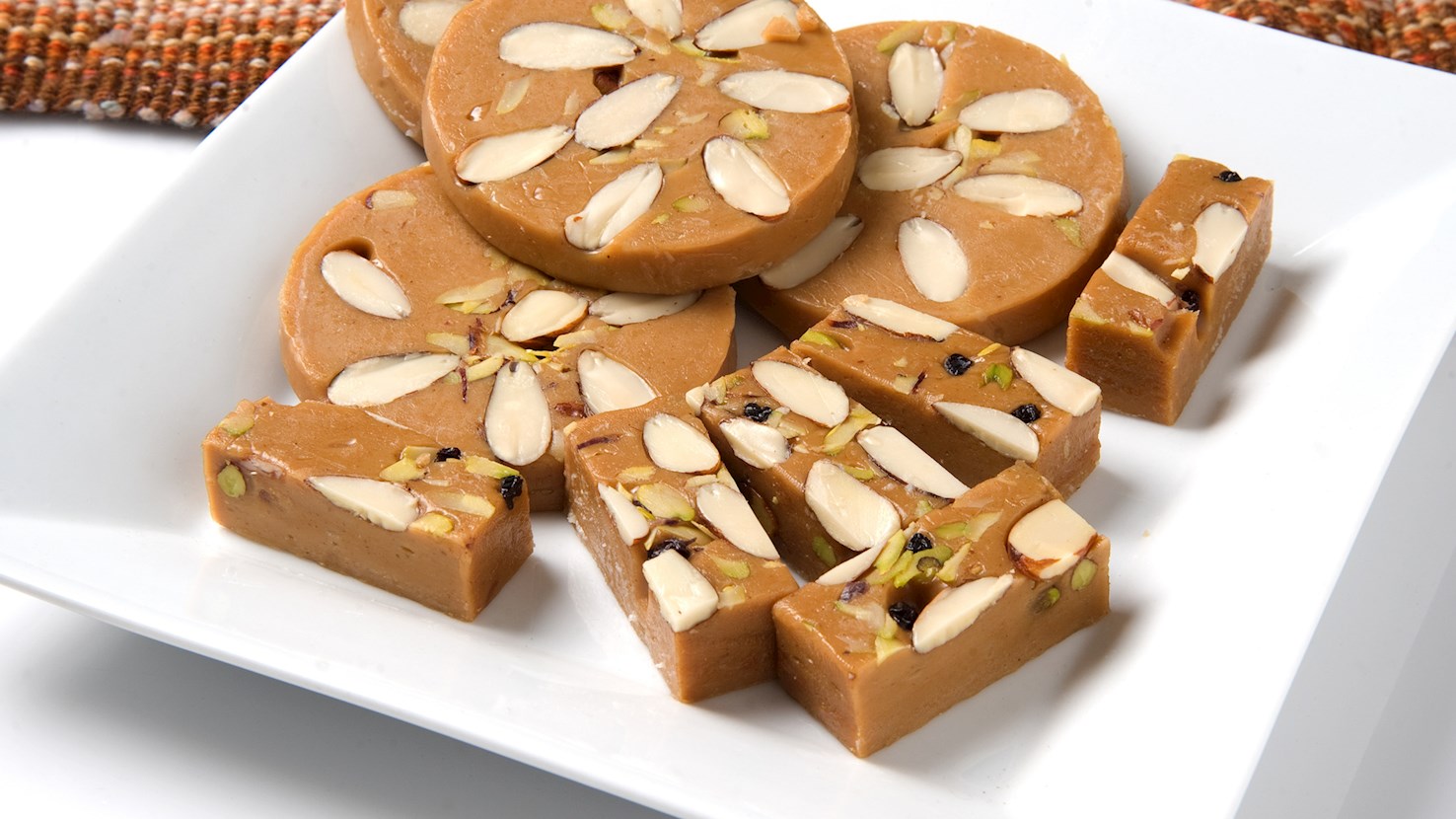
Sohan halwa is a traditional dessert that is consumed throughout South Asia, mostly in Pakistan, India, Iran, and Afghanistan. Different versions of this sweet dish exist, but it is usually prepared with a mixture of milk, flour, sprouted wheat, water, lemon salt, sugar, and ghee that is boiled until it has thickened and developed a caramel-like color. Whether round or square, this halwa variety is usually filled with chopped nuts such as pistachios, almonds, and walnuts, and it is often flavored with aromatic spices such as cardamom and saffron. Once cooled down, the halwa develops a hard, candy-like texture. Sweet and nutty, sohan halwa is sold commercially in beautifully adorned tins and is traditionally presented as a gift to family members and friends on festive occasions. Typically associated with the Pakistani city of Multan, this halwa variety’s exact roots have long been highly debated. According to some sources, it was an original creation of a certain Hindu confectioner named Sohan, while others give credit to a renowned Governor of Multan called Deewan Sawan Mal, and yet others suggest the sweet dish is of Persian or Iranian origin. Regardless of who created sohan halwa, this delectable sweet treat has been winning over the hearts of those who have a sweet tooth for many years.
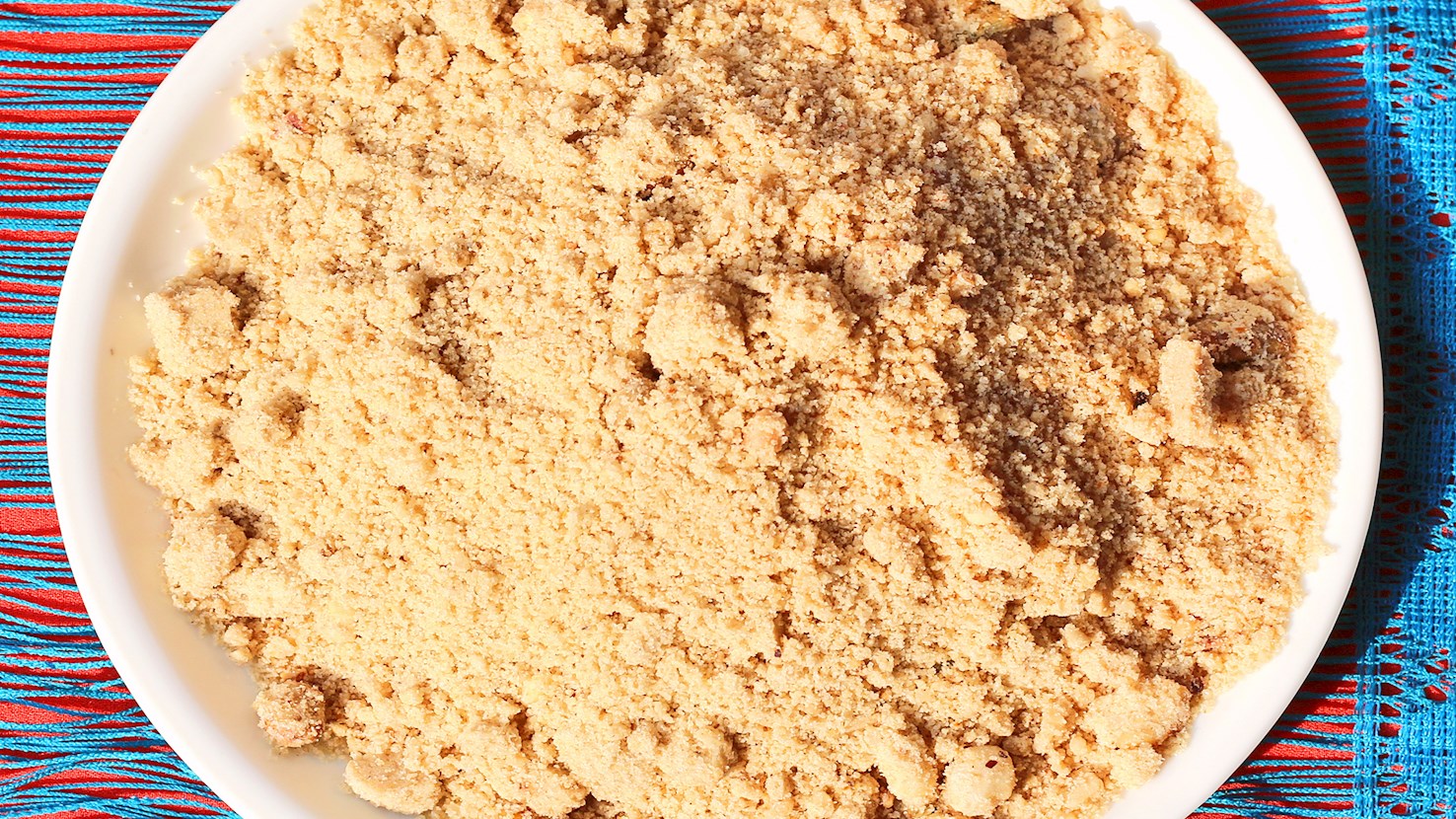
Panjiri is a popular Indian dessert consisting of whole-wheat flour, ghee, sugar, dried fruits, and herbal gums. It is traditionally offered to new mothers after delivery because panjiri is also regarded as a nutritional supplement. The dish is especially popular during winter, since it is believed that panjiri will ward off colds. There are numerous variations on the dish with added ingredients such as lotus seeds, melon seeds, dried coconut, ginger, or poppy seeds.
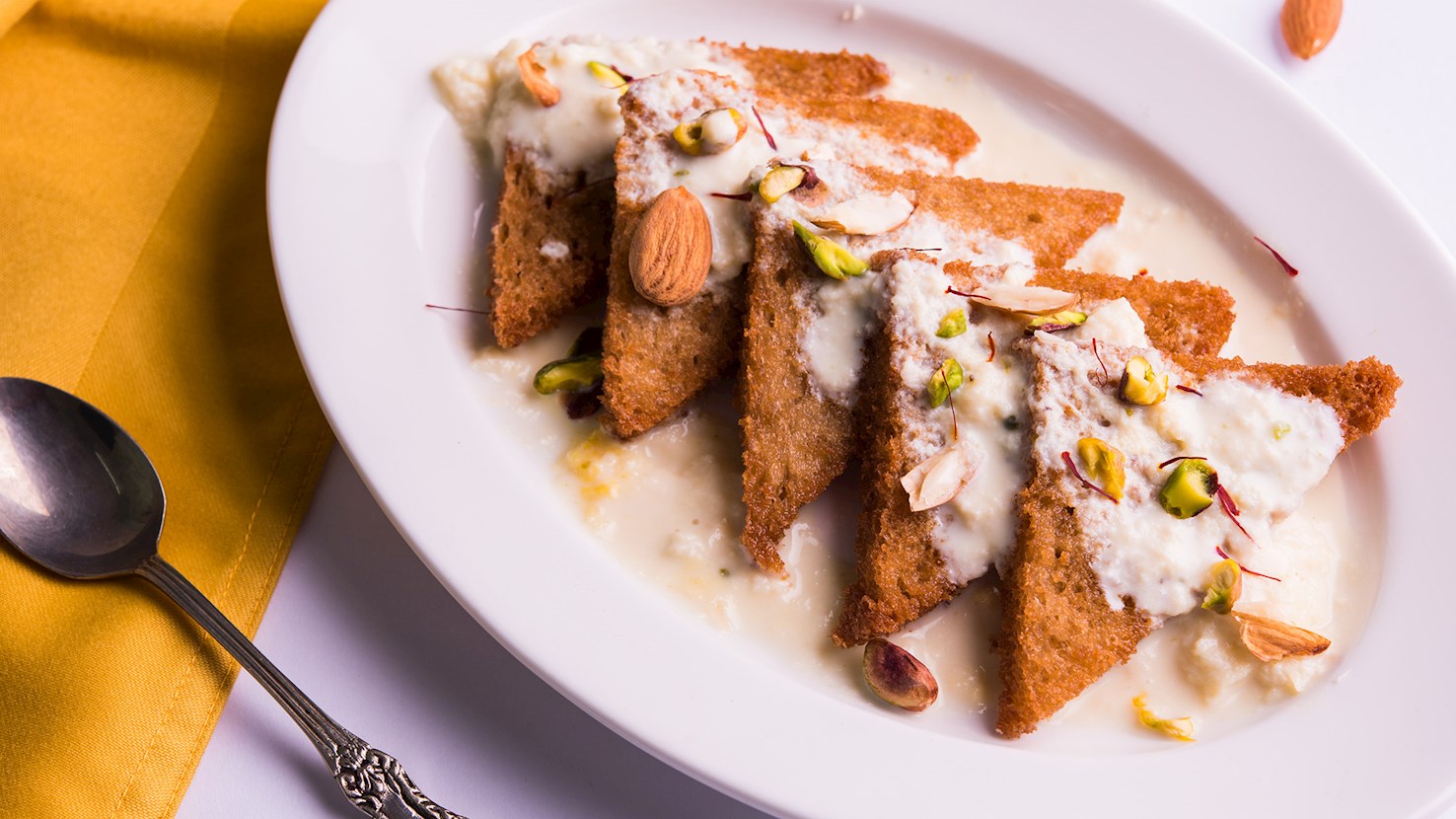
Shahi tukray, which translates to emperor’s morsels, is a Pakistani dessert that is believed to have its roots in the Mughlai cuisine. The dessert consists of crispy slices of fried bread drenched in a mixture of hot sugar syrup and a cardamom-and-saffron-scented milk sauce enriched with chopped almonds and pistachios. This bread pudding is a typical sweet treat in India as well, where it is known as double ka meetha, meaning a sweet dish made from bread. In both Pakistan and India, shahi tukray is traditionally prepared on important occasions and religious holidays such as Eid and Ramadan Iftar. The sweet and milky dessert can be consumed at room temperature or chilled, and it can optionally be adorned with gold or silver leaves.
A traditional Pakistani and Indian sweet treat, malai laddu is a creamy milk dessert that is usually flavored with saffron and cardamom. It is typically prepared with a saffron-and-cardamom-flavored mixture of malai (milk cream), crumbled paneer cheese, chopped nuts, and powdered sugar that is made into smooth balls. The sweet balls are usually enhanced with yellow food coloring for a more vibrant-looking dish, and they are often sprinkled with extra nuts on top (such as cashews, pistachios, and almonds). Malai laddu is a festive dessert commonly prepared for various celebratory occasions and festivals. In India, this dessert is often brought to temples as an offering to the Gods.
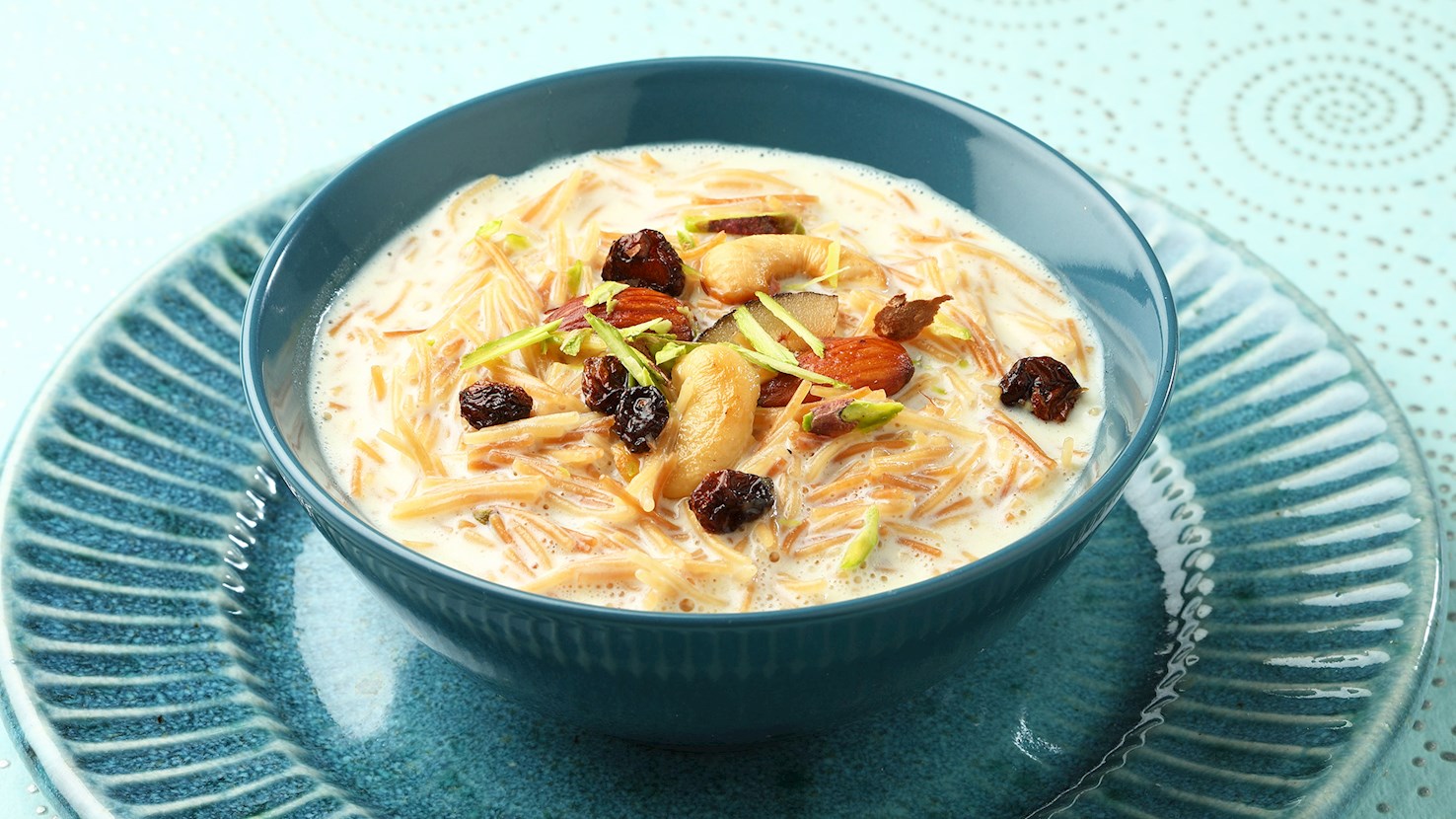
Sheer khurma is a sweet milk-based dessert originating from the Indian subcontinent, particularly popular in Pakistan, Afghanistan, and parts of Iran. The name comes from Persian, meaning “milk with dates,” and it refers to a rich preparation made by simmering vermicelli, dried fruits, and nuts in sweetened milk. Over centuries, this dish has become strongly associated with Eid celebrations, where it is often the first meal enjoyed after Ramadan fasting. Historically, sheer khurma is thought to have developed as a festive adaptation of kheer or other milk puddings, enriched with ingredients introduced through trade, such as dates and pistachios. The use of dates reflects influences from Persian and Central Asian cuisines, while the fine vermicelli points to local innovations in dessert making. In many regions, its preparation evolved into a symbol of generosity and celebration, with families preparing large pots to share with neighbors and guests during Eid. To prepare sheer khurma, fine roasted vermicelli is briefly sautéed in ghee until golden. Whole milk is then added and simmered gently, allowing the noodles to soften and thicken the liquid. Chopped dates, raisins, cashews, almonds, and pistachios are mixed in, imparting texture and fragrance. Sugar is added to sweeten, and the dessert is often perfumed with cardamom, rose water, or a few strands of saffron. It can be made richer with the addition of condensed milk or evaporated milk, depending on regional preferences and family recipes. Unlike many other South Asian desserts, sheer khurma is commonly eaten warm, though some prefer it chilled. It is almost always served in small bowls or cups during Eid al-Fitr breakfasts, accompanying other festive dishes. In Afghanistan and Iran, variations sometimes incorporate additional spices or thicker cuts of vermicelli. The dessert is valued not only for its flavor but also for its role in marking special occasions, where it signals the end of a month of fasting and the start of joyful gatherings with loved ones.
TasteAtlas food rankings are based on the ratings of the TasteAtlas audience, with a series of mechanisms that recognize real users and that ignore bot,
nationalist or local patriotic ratings, and give additional value to the ratings of users that the system recognizes as knowledgeable.
For the “Top 10 Pakistani Desserts” list until September 15, 2026, 1,021 ratings were recorded, of which 598 were recognized by the system as legitimate.
TasteAtlas Rankings should not be seen as the final global conclusion about food. Their purpose is to promote excellent local foods,
instill pride in traditional dishes, and arouse curiosity about dishes you haven’t tried.




What People Say