


shutterstock

Top 13 Romanian Desserts

Last updated on May 15, 2026
01

Papanași

4.3 ·

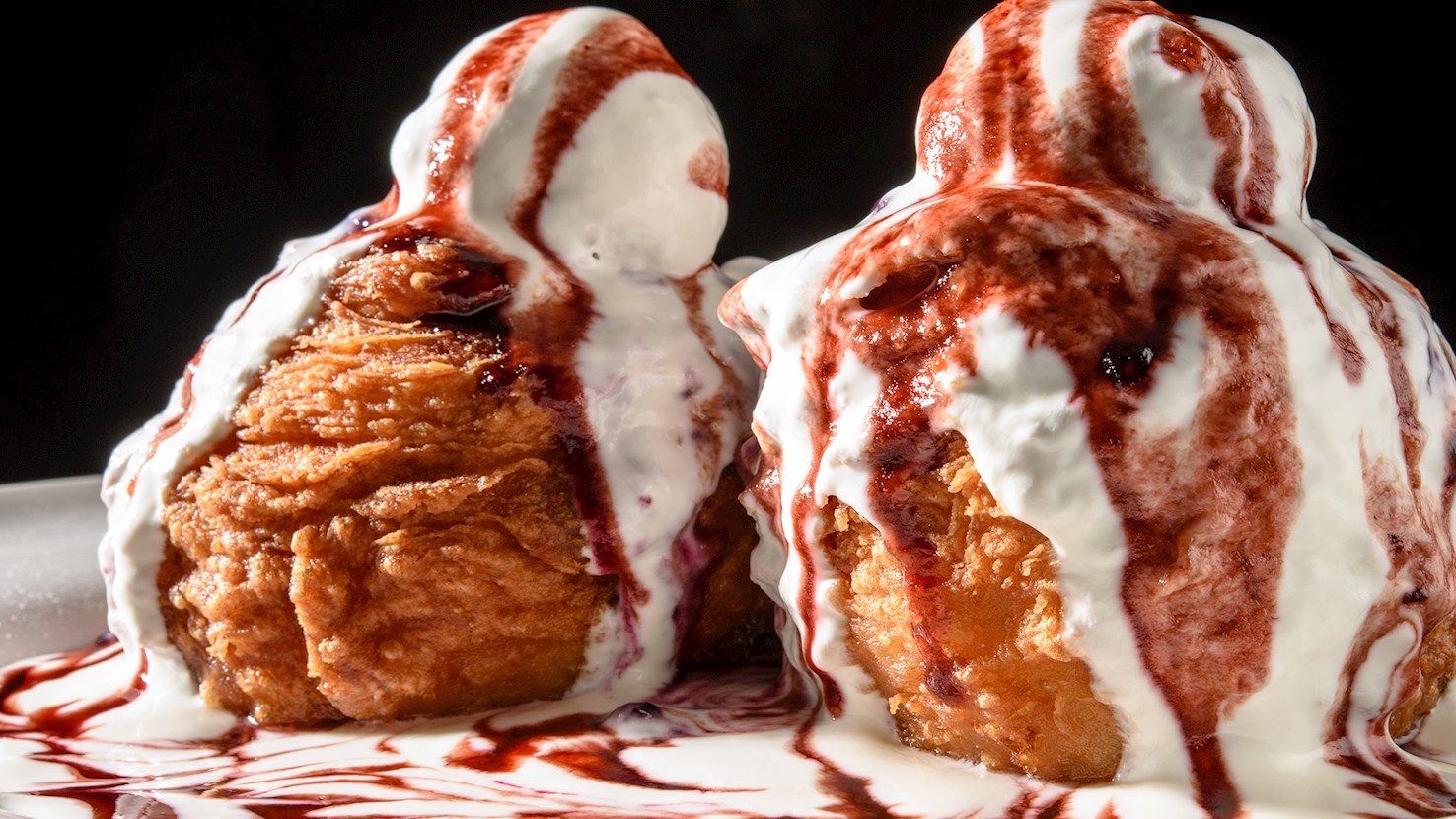
Papanași is a traditional donut-shaped pastry with a small sphere on top. It can be fried or boiled, and it's made by adding unsalted cheese such as brânză de vaci (cow's milk cheese) or urdă to a regular flour and egg dough. The fried papanași are usually donut-shaped and can be served with fruit jams, a dollop of sour cream, or powdered sugar. The boiled ones are smaller, nugget-shaped, and typically coated with a mix of breadcrumbs and sugar. This dessert can be found in most Romanian traditional restaurants or it can be prepared at home.

02

Plăcintă cu mere

4.1 ·

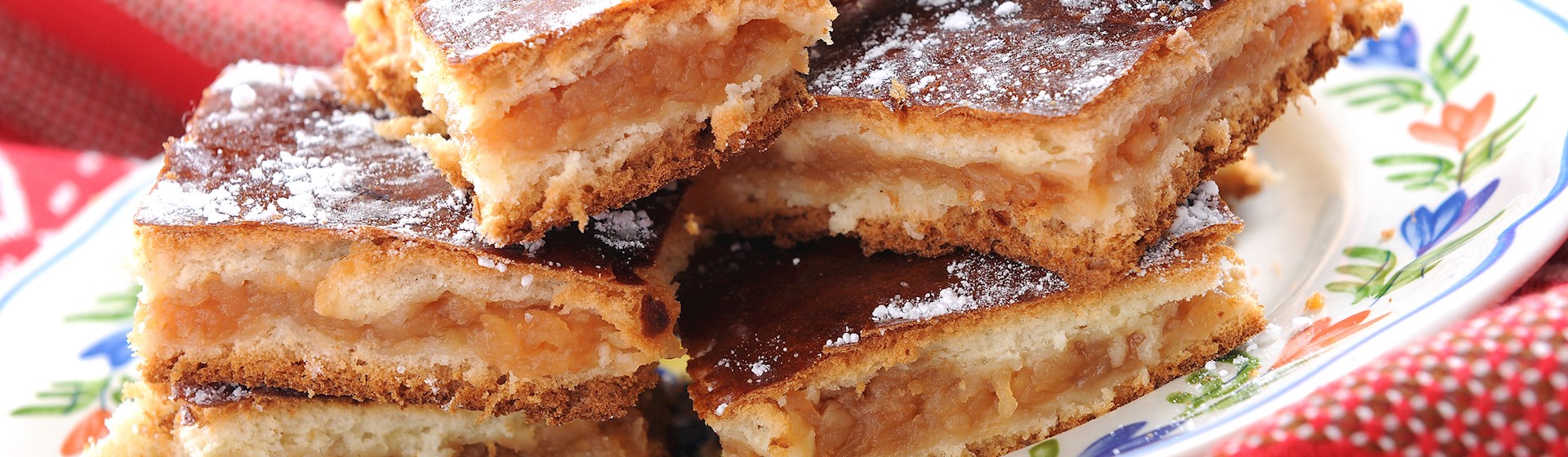
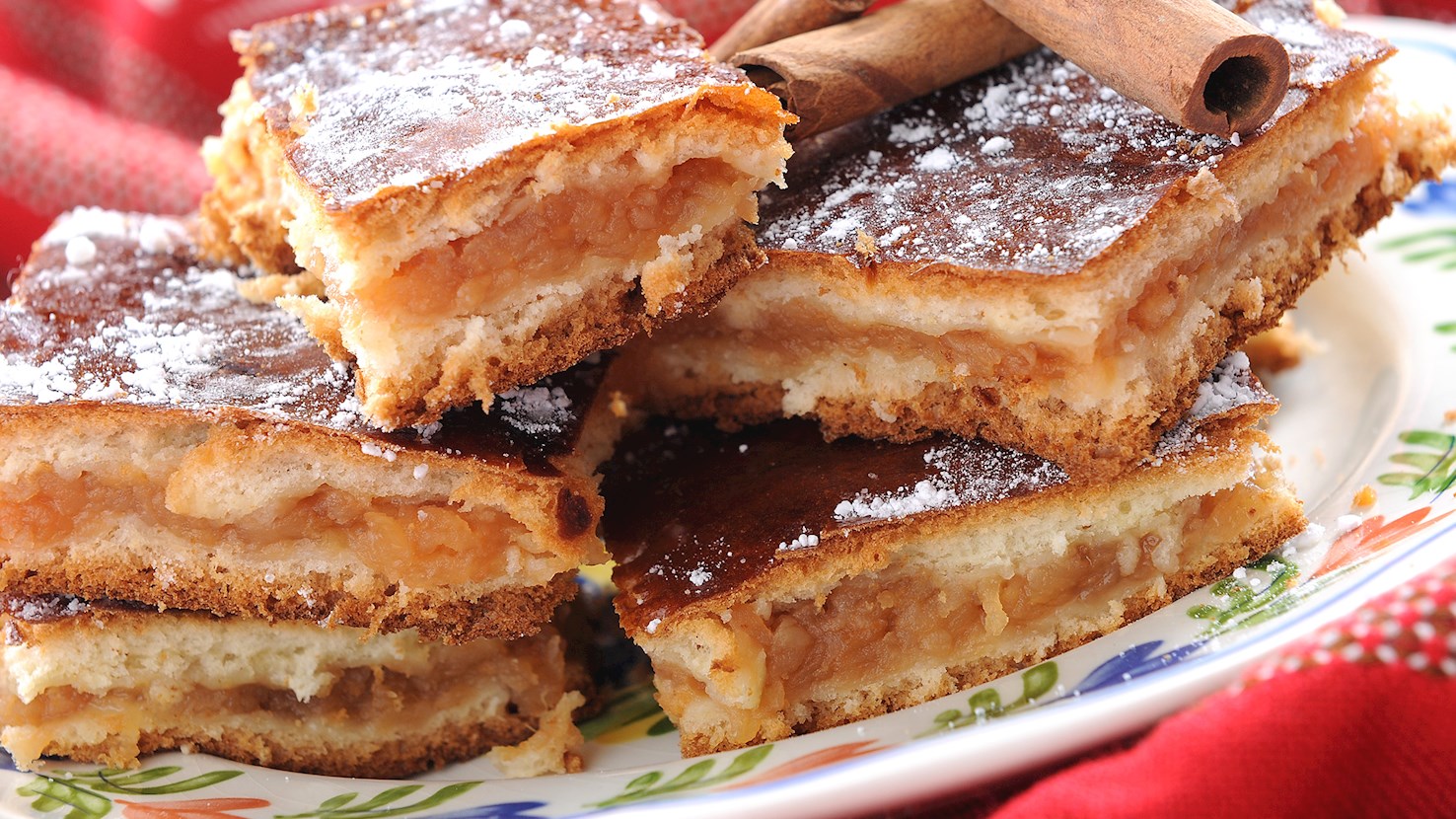
Plăcintă cu mere is a Romanian dessert made with a filling of grated apples, cinnamon, sugar, and melted butter, which is spread evenly between two layers of baked dough, flavored with orange zest and vanilla sugar. It is not a typical pie, but more of a pastry-like cake, which can be eaten hot or chilled, and it is typically topped with powdered sugar. This dish is usually consumed as a dessert, but it can also be eaten for breakfast or as a snack on the go. By removing the eggs and any optional dairy products from the dough, it can become a perfect sweet treat suitable for eating during the fasting period.

03

Savarine

4 ·

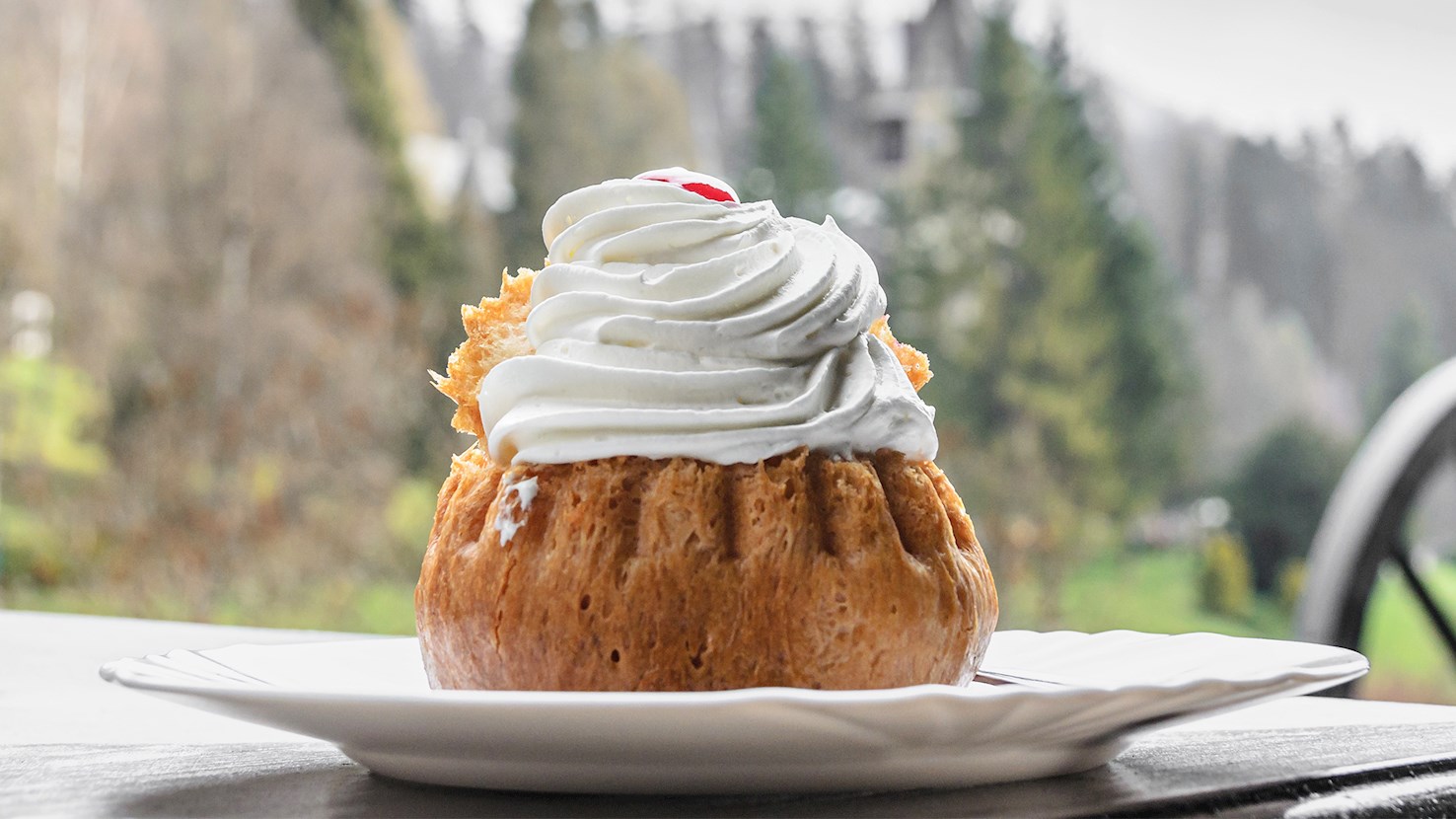
Savarin cake, known as savarină cake in Romania, is a dessert that is baked until golden brown, and then soaked in rum syrup, usually overnight. It is filled with sweet whipped cream and served chilled with tart jams or a sour cherry on top. This vanilla-flavored cake is typically baked in a muffin pan or a mini bundt pan and is similar to the French baba au rhum and the Polish ponczowa. Savarin cake was named in honor of Jean Anthelme Brillat-Savarin, a distinguished French food writer, gourmand, politician, and lawyer. In Romania, this dessert is traditionally eaten on special occasions.

04

Lapte de pasăre

3.9 ·

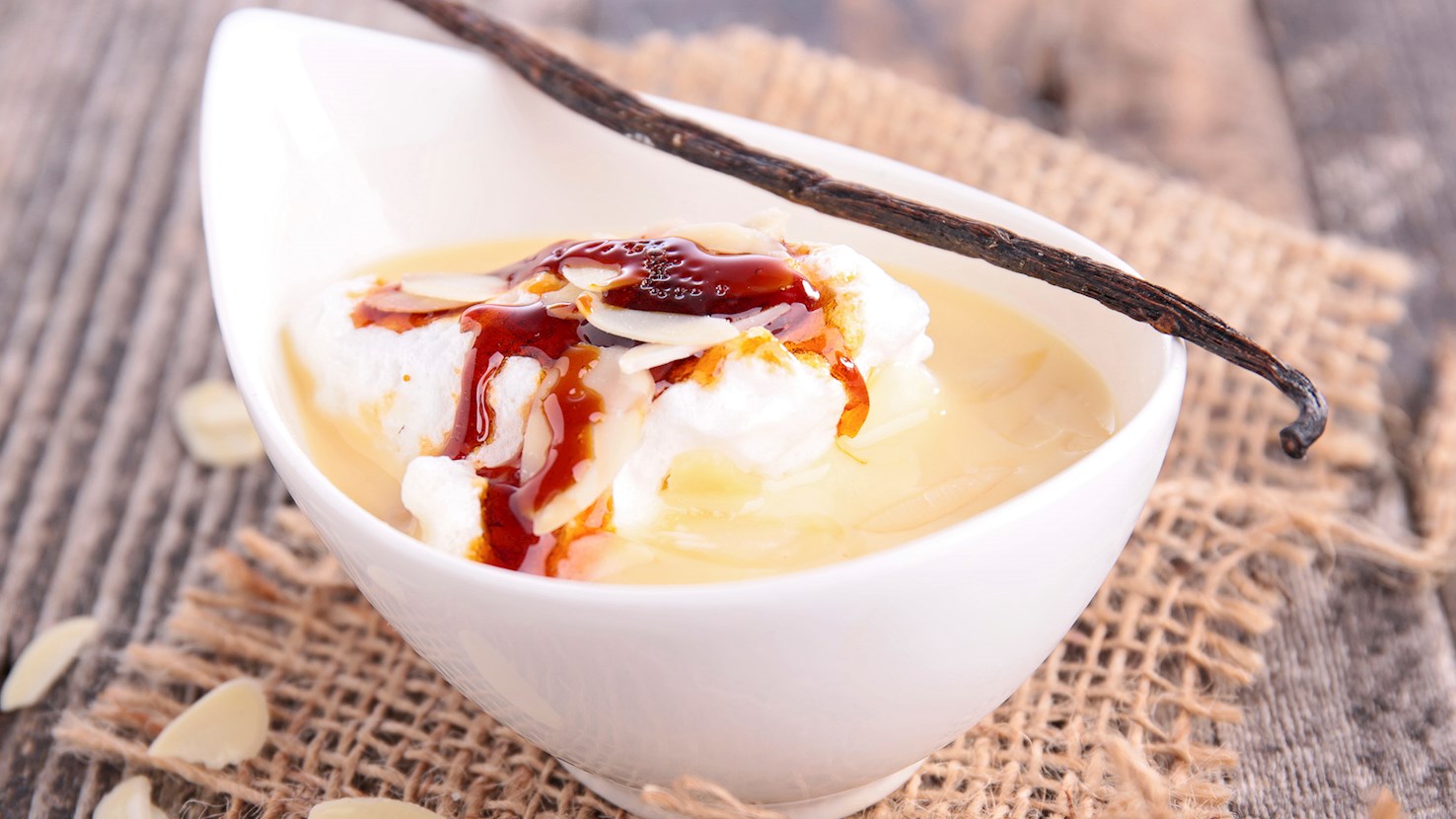
Île flottante or floating island is a popular dessert originating from France, consisting of meringues that are poached in vanilla custard and often topped with caramel sauce and toasted almonds. The meringues are usually made from whipped egg whites, sugar, and vanilla extract. This classic dessert is one of the staples of French comfort food, although it is popular internationally, sometimes with small tweaks and variations, in countries such as Austria (Schneenockerln), Hungary (Madártej), Croatia and Serbia (šnenokle), and Italy (uova di neve). In France, it is usually served in bistros, canteens, and hip restaurants. Although it is an extremely popular dessert, its inventor still remains unknown. Light, fluffy, and low in fat, floating island is believed to taste the best when served cold (or in some cases, at room temperature) after a big meal, although it can be consumed on its own, as a tasty mid-day treat.

05

Gogoși

3.8 ·

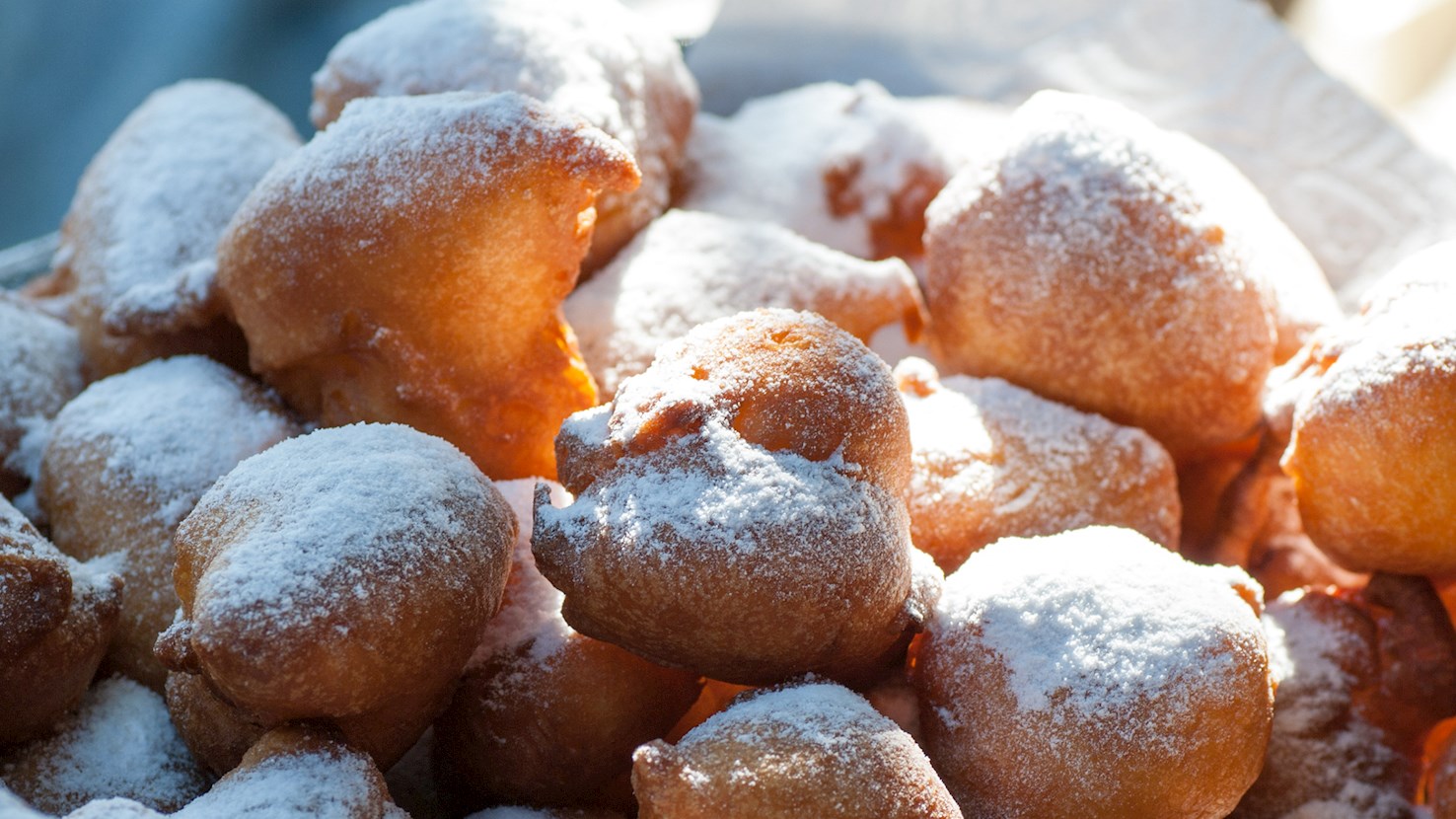
Gogoși is a donut prepared the Romanian way, made with a dough mixture that is flavored with vanilla extract and grated lemon or orange peel, then deep-fried in hot oil. Traditional gogoși is prepared without yeast or butter, and the dough mixture is added to hot oil in spoonfuls, yielding donuts with different, irregular shapes, unlike the regular round-shaped donuts. A typical homemade treat, gogoși can also be found in bakeries and supermarkets across Romania, sometimes labeled as gogoși infuriate, meaning infuriated gogoși. It is served warm with a generous dusting of icing sugar on top and can be filled with fruit jams or chocolate. Sweet and spongy, these donuts can be eaten as a dessert, a snack, or a breakfast.

06

Amandine

3.8 ·

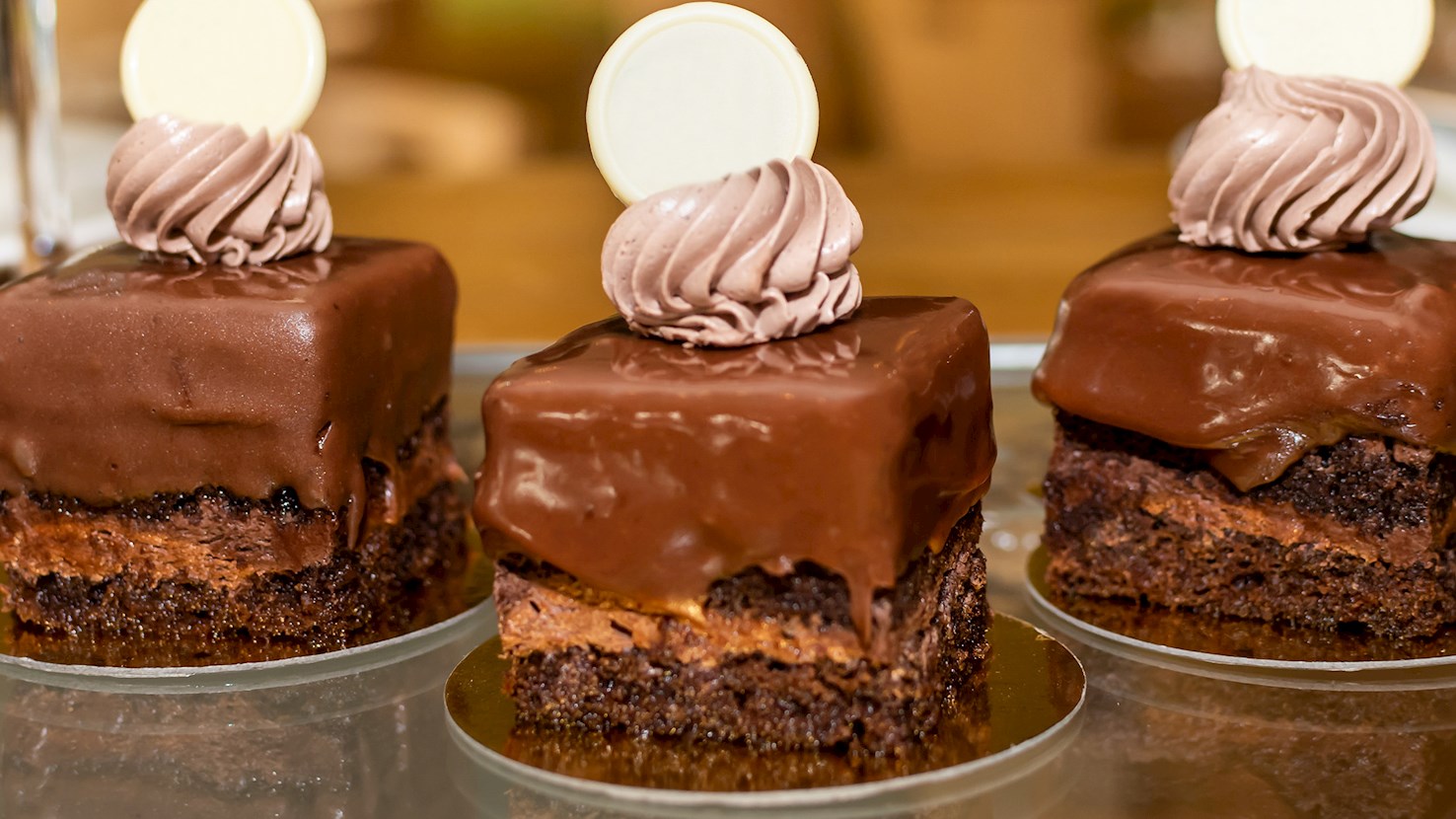
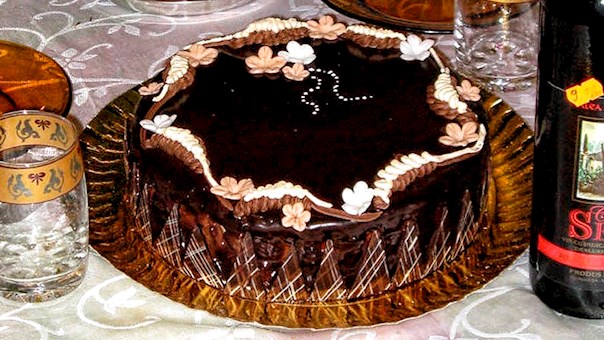
Amandine is a traditional chocolate cake that's filled either with chocolate or almond cream. The cake has four components – the sponge cake, the syrup, the filling, and the glaze. The sponge cake is made with eggs, sugar, water, flour, oil, and cocoa, the filling (chocolate buttercream) consists of eggs, sugar, butter, vanilla, and cocoa, the syrup is made with water, sugar, and rum, and the glaze is made with chocolate and whipping cream. Of course, there are many recipes for this cake, so the ingredients may vary in some cases. Amandina has been popular in Romanian confectioneries ever since the 1960s, and it's usually decorated with a bit of the cream and a thin, diamond-shaped chocolate piece on top.

Best restaurants
07

Mucenici

3.7 ·

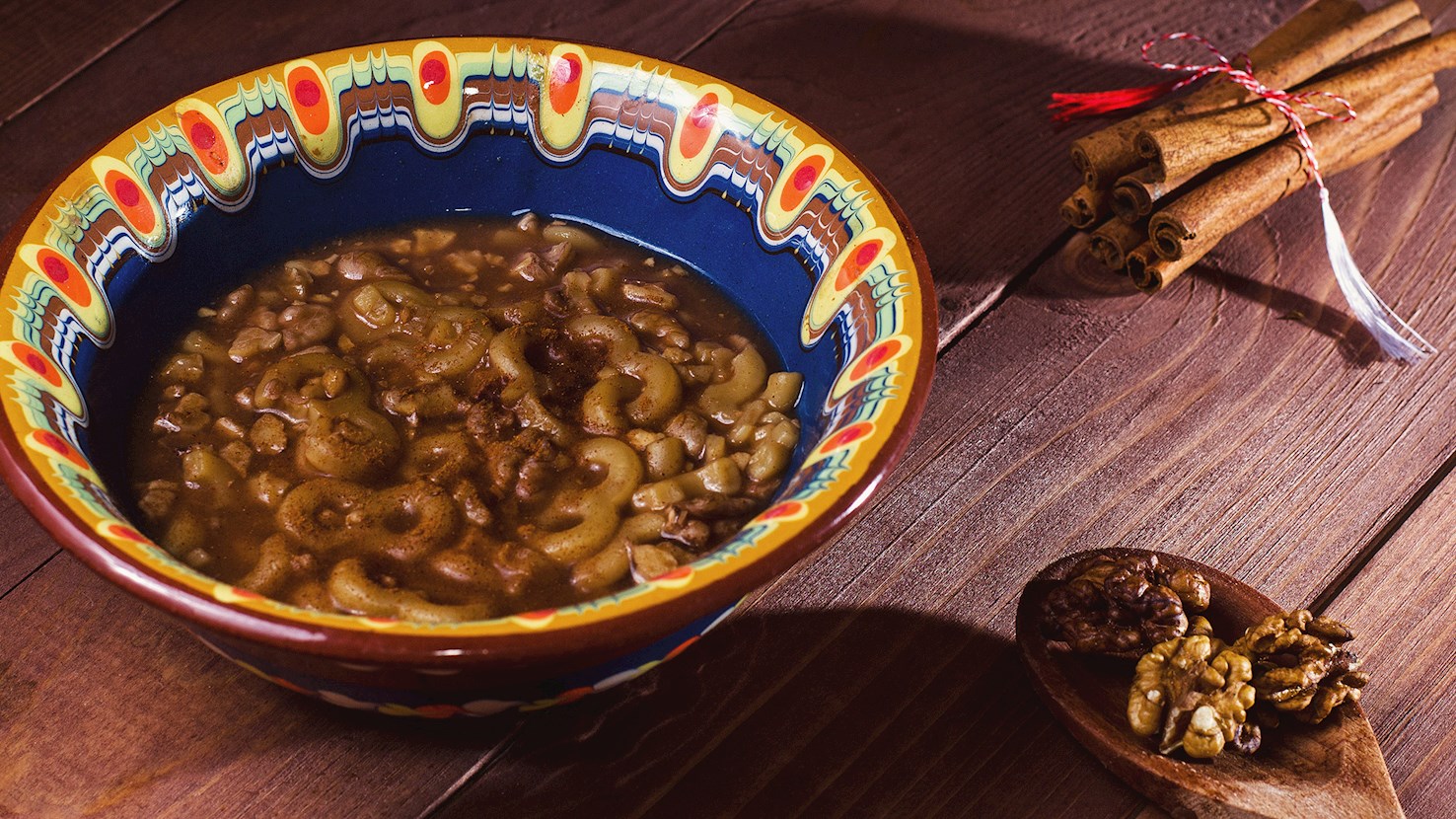
Mucenici (lit. martyrs) are traditional Romanian pastries made from a sweet dough similar to that used for cozonac. They are shaped in the form of number 8, and are then boiled in water with sugar, cinnamon, and crushed walnuts, while modern variations may also employ desiccated coconut. The name of this dish derives from the Forty Martyrs of Sebaste, a group of Christian Roman soldiers who were drowned in a lake during the persecutions of Diocletian. It is said that the pastries embody the martyrs, while the water in which they are boiled represents the lake where they had drowned. Mucenici are traditionally made on March 9, the feast day of the Holy Forty.

08

Plăcintă cu urdă

3.6 ·

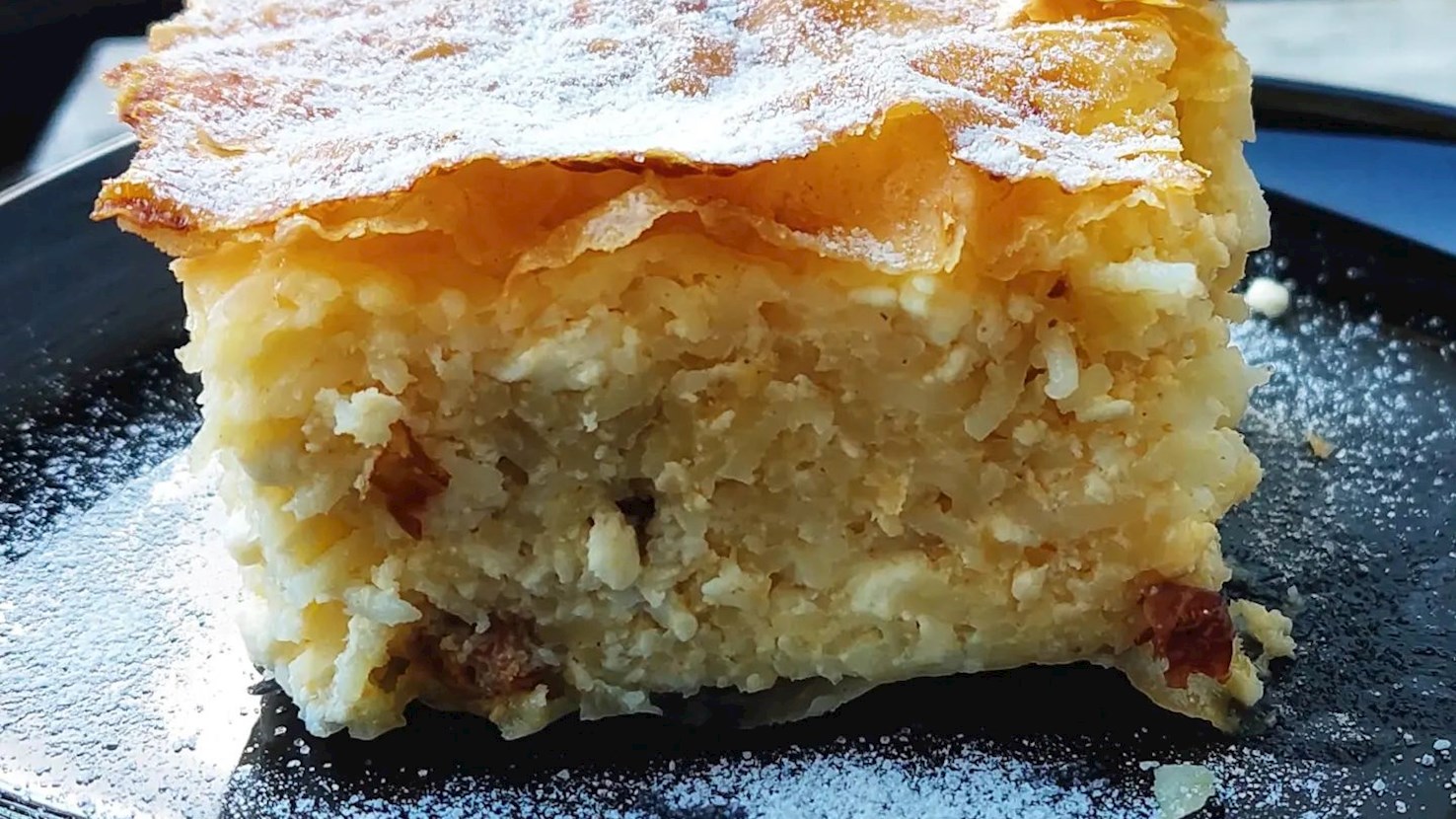
A light dessert called plăcintă cu urdă is a traditional Romanian pastry filled with a mixture of urdă cheese, brânză cheese, eggs, sugar, and vanilla sugar. Raisins soaked in orange juice or rum, smântână, and orange or lemon zest are typically added to this dish for extra flavor. The dessert can be eaten hot or chilled, topped with granulated sugar or a dusting of powdered sugar.

09

Prăjitură cu caise

3.5 ·

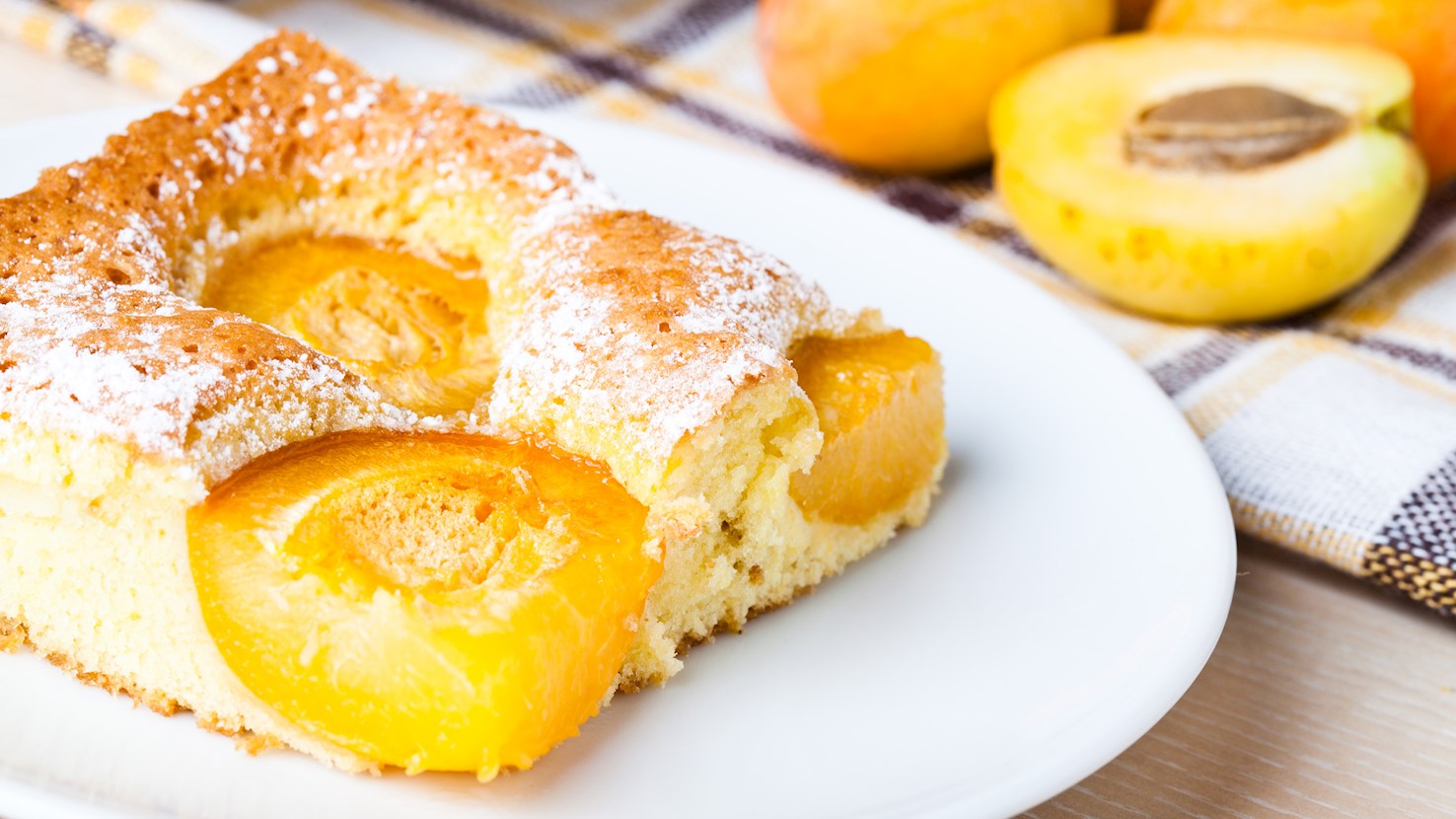
Prăjitură cu caise is a traditional cake originating from Romania. The cake is usually made with a combination of flour, yogurt, eggs, apricots, sugar, oil, vanilla, salt, and baking powder. The egg whites are whisked into soft peaks and set aside. The egg yolks are whisked with sugar and mixed with the oil, vanilla, salt, and yogurt. Flour and baking powder are added to the mix, along with the egg whites that are folded into the mix. The batter is poured into a baking tin and the apricot halves are arranged on top before the cake is baked until it becomes firm to the touch. Before it's served, prăjitură cu caise is dusted with icing sugar and it's then cut into rectangular slices. The cake is especially popular during summer.

10

Pelincile Domnului

3.5 ·

A Christmas dessert from the region of Moldova, pelincile Domnului consists of layers of thin flatbread made with flour, water, salt and vegetable oil. The flatbread is left to soak up a liquid mixture of honey, water, and lemon zest and is then served with a hemp seed and sugar filling. Nowadays, due to its association to cannabis, hemp is rarely cultivated in Romania anymore, so the traditional filling has been replaced with ground walnuts. Loosely translated, pelincile Domnului means the Lord's diapers, and it is said that the women from Moldova invented this recipe in remembrance of Holy Mary's suffering on Christmas Eve, as she was searching for a place to give birth to baby Jesus.

Read more
View all
View map
About this ranking

TasteAtlas food rankings are based on the ratings of the TasteAtlas audience, with a series of mechanisms that recognize real users and that ignore bot, nationalist or local patriotic ratings, and give additional value to the ratings of users that the system recognizes as knowledgeable. For the “Top 13 Romanian Desserts” list until May 15, 2026, 1,052 ratings were recorded, of which 636 were recognized by the system as legitimate. TasteAtlas Rankings should not be seen as the final global conclusion about food. Their purpose is to promote excellent local foods, instill pride in traditional dishes, and arouse curiosity about dishes you haven’t tried.

Similar lists