shutterstock

Top 23 Russian Desserts

Last updated on June 15, 2026

Best Russian Desserts
01

Medovik

4.3 ·

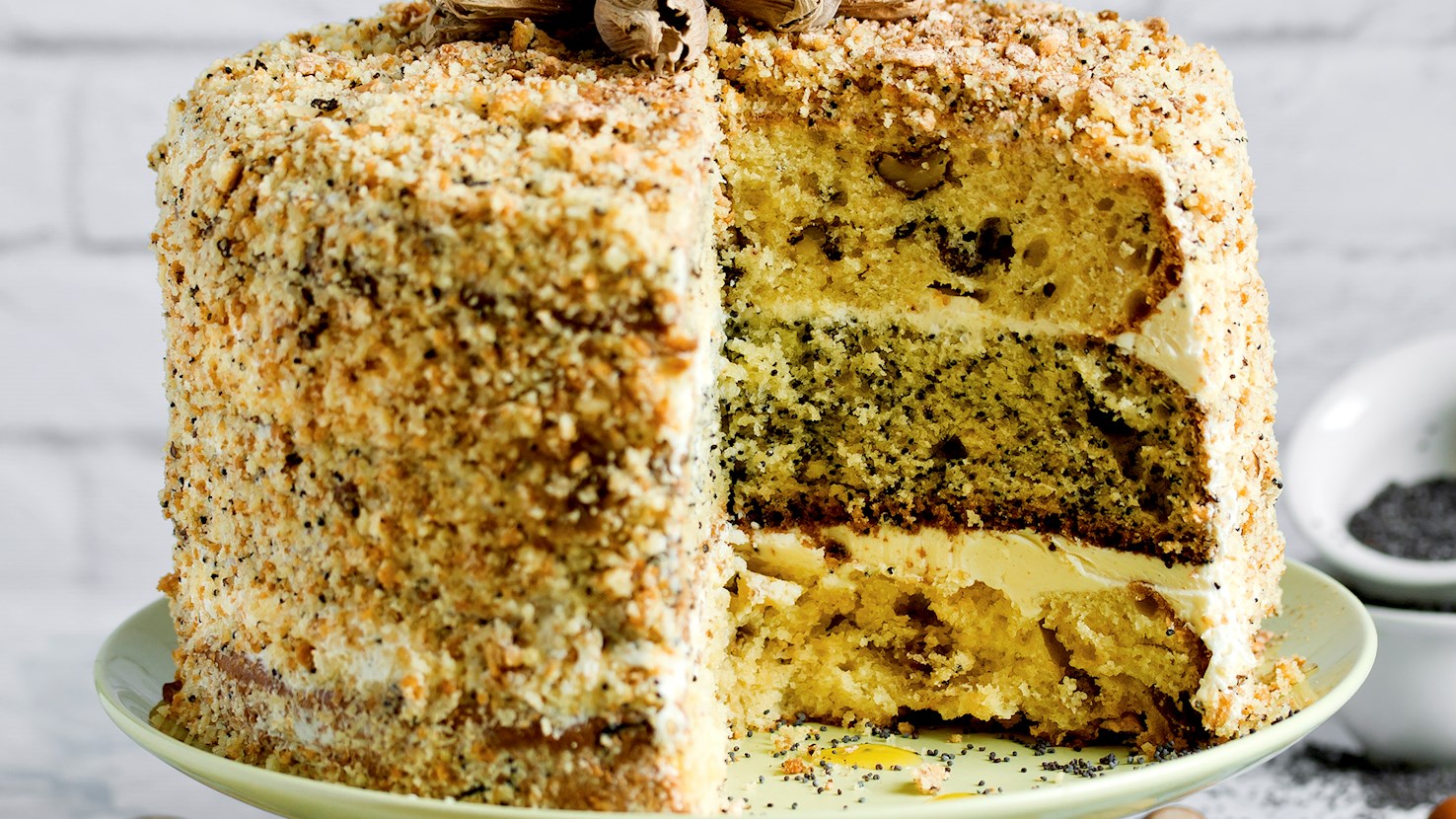
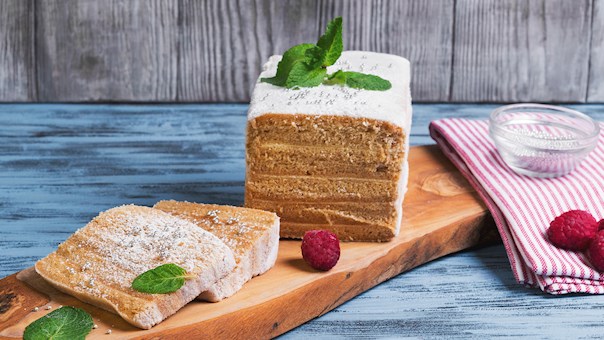
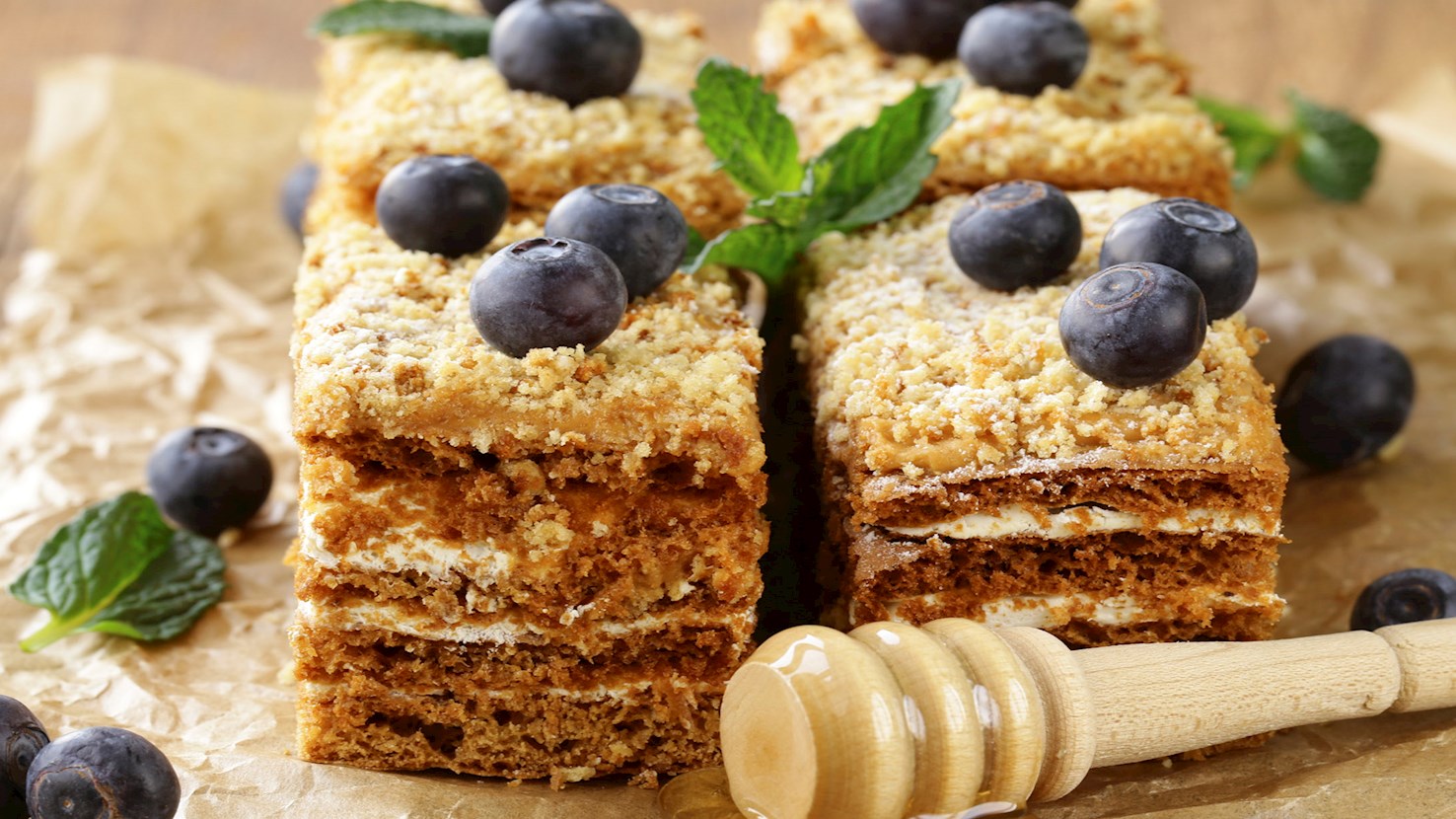
Medovik is a popular Russian layered honey cake consisting of honey-infused, almost biscuit-like sponges that are coated with thin layers of cream. Although there are numerous variations of the cake, the custard is usually prepared with whipped cream or various combinations of condensed milk and butter. It is believed that the cake first appeared in the 1820s and was initially created for the wife of Alexander I of Russia. The addition of condensed milk probably originates from the Soviet era, while modern variations may include berries or even chocolate. Medovik is traditionally decorated with ground walnuts and is commonly served on various special occasions.

02

Syrniki

4.2 ·

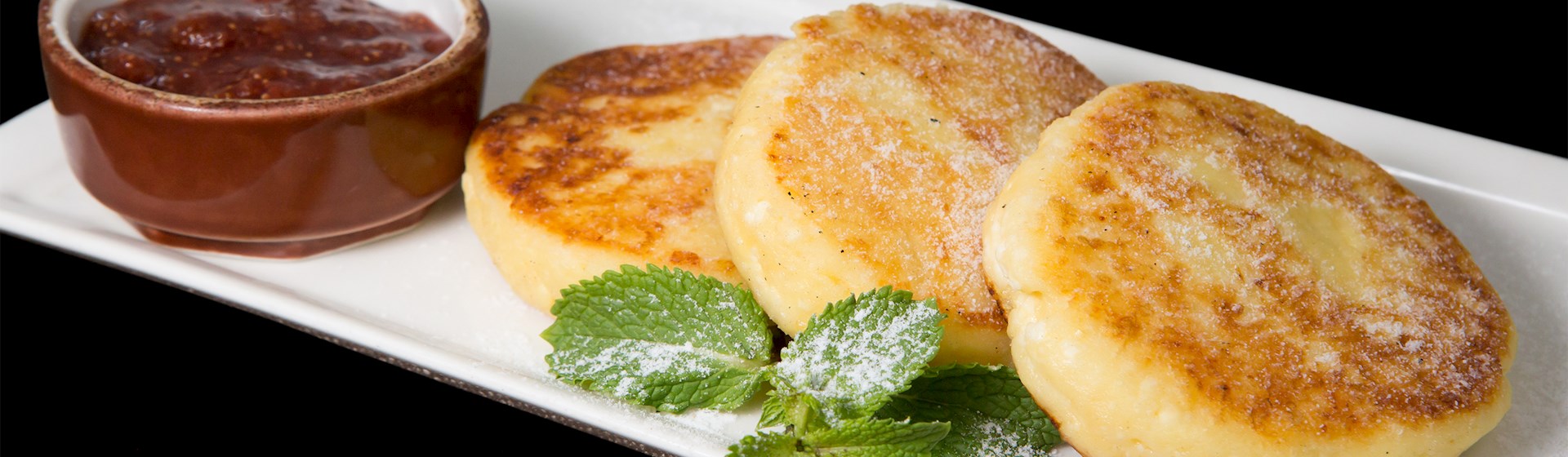
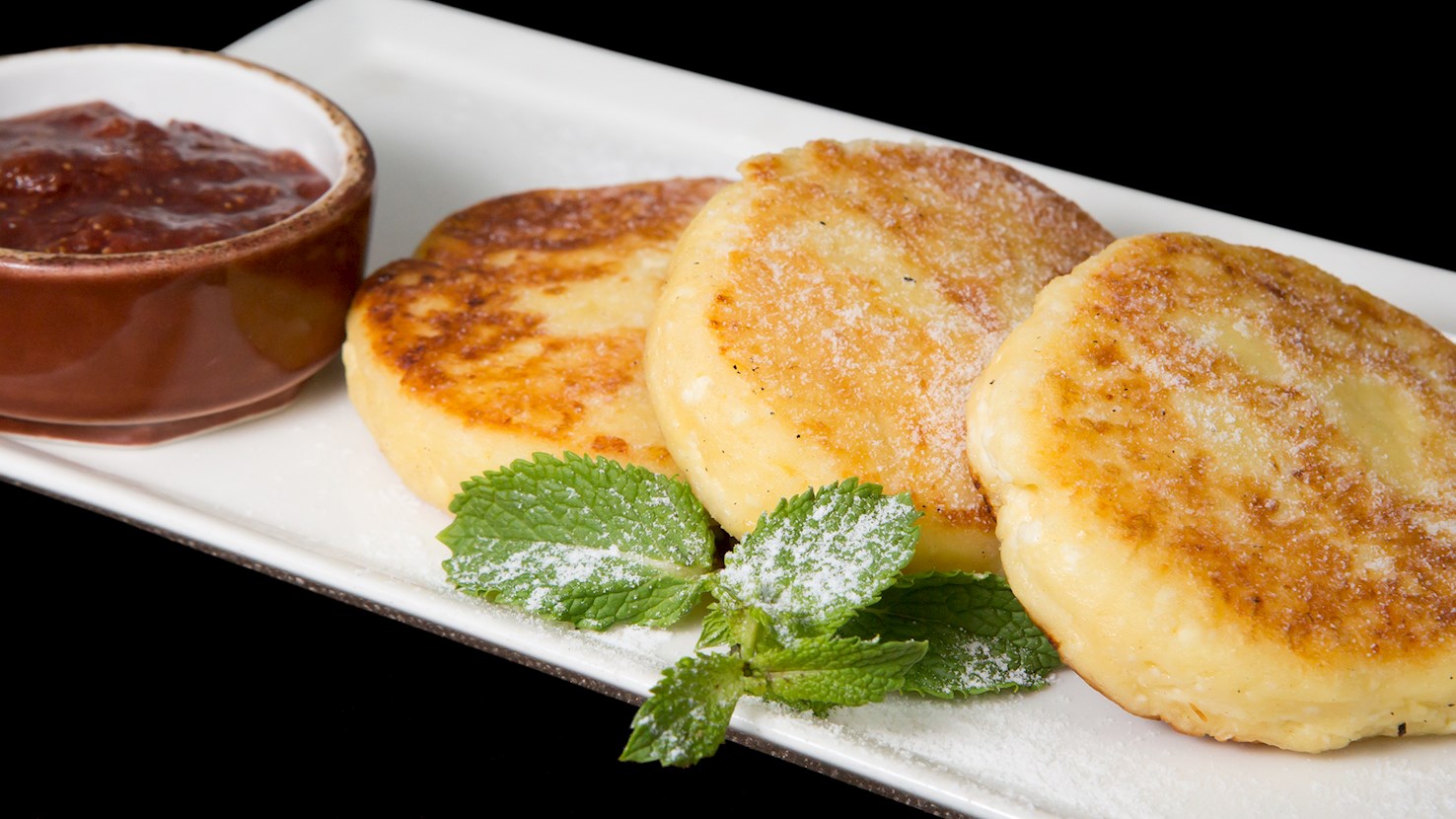
Syrniki is a dessert consisting of fried cottage cheese pancakes that are usually garnished with honey, fruit jam, sour cream, or applesauce. It is part of the Russian (where it's sometimes also called tvorozhniki), Belarusian, Ukrainian, Latvian and Lithuanian cuisine. Cottage cheese is traditionally first swetened with sugar, then combined with flour into a dough which is fried in hot oil until it develops a golden-brown color. Syrniki can be served for breakfast or consumed as a tasty dessert after a large meal.

03

Blini

4.2 ·

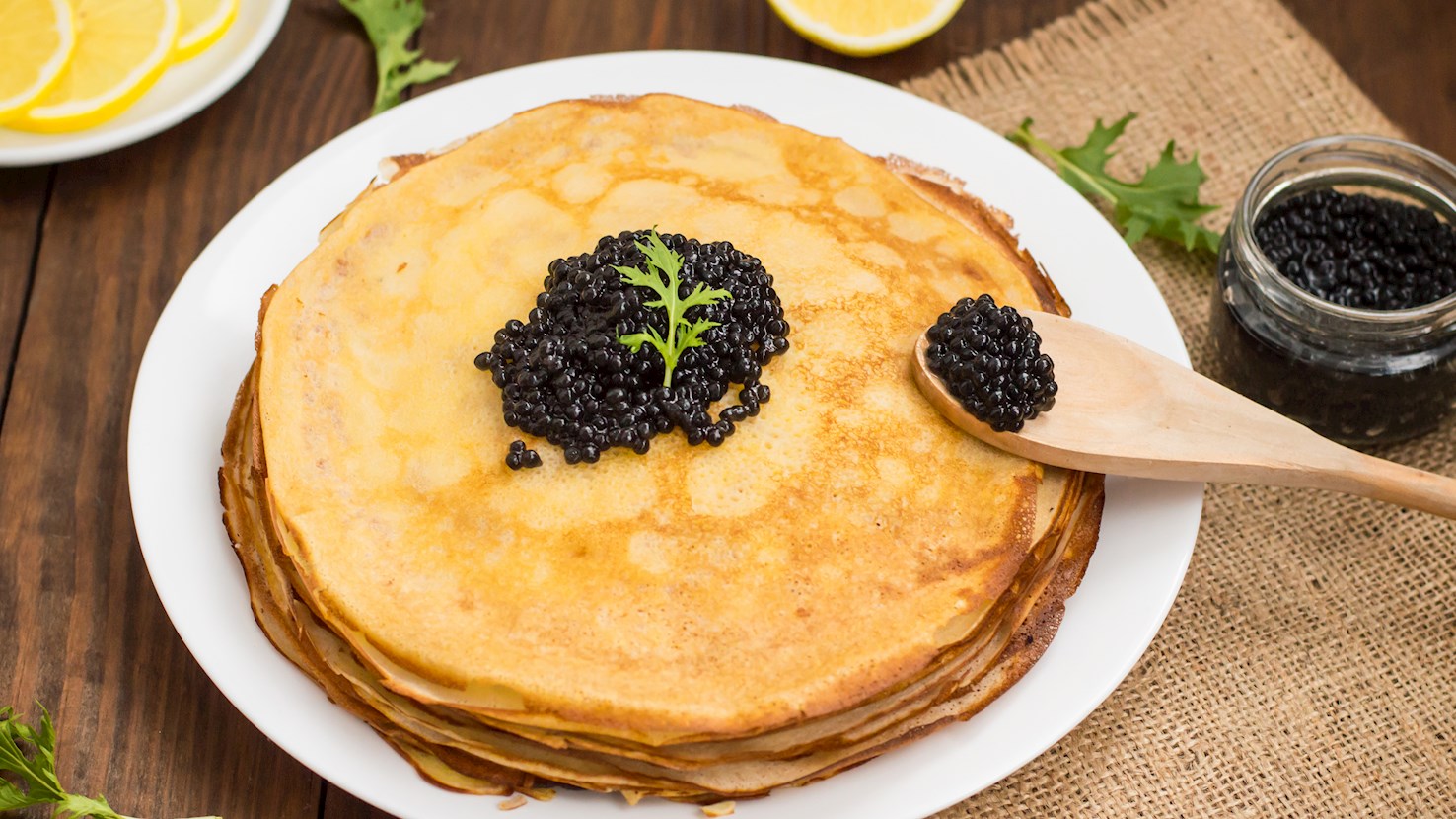
These traditional Russian pancakes are prepared with flour, eggs, milk, yeast, and a pinch of salt. What distinguishes them from other pancakes is the addition of yeast, since similar equivalents mostly do not add any leavening agents. The batter is poured over a hot pan, shaped into a circle, and fried for a couple of minutes on both sides. The tradition of preparing this traditional Russian dish originates from ancient times: it was a ceremonial dish, served during the pagan holiday called Maslenitsa – a week-long festivity praising the end of winter and the celebration of spring. With their shape and color, blini symbolized the long-awaited Sun. However, blini are not consumed exclusively during Maslenitsa, as they have become one of the most popular dishes in Russia, and are also commonly eaten around the world. Blini are extremely versatile and can be served with sweet or savory fillings. Some of the Russian favorites include various jams, condensed milk, while the most famous savory version is topped with fish roe or caviar.

04

Napolyeon tort

4.2 ·

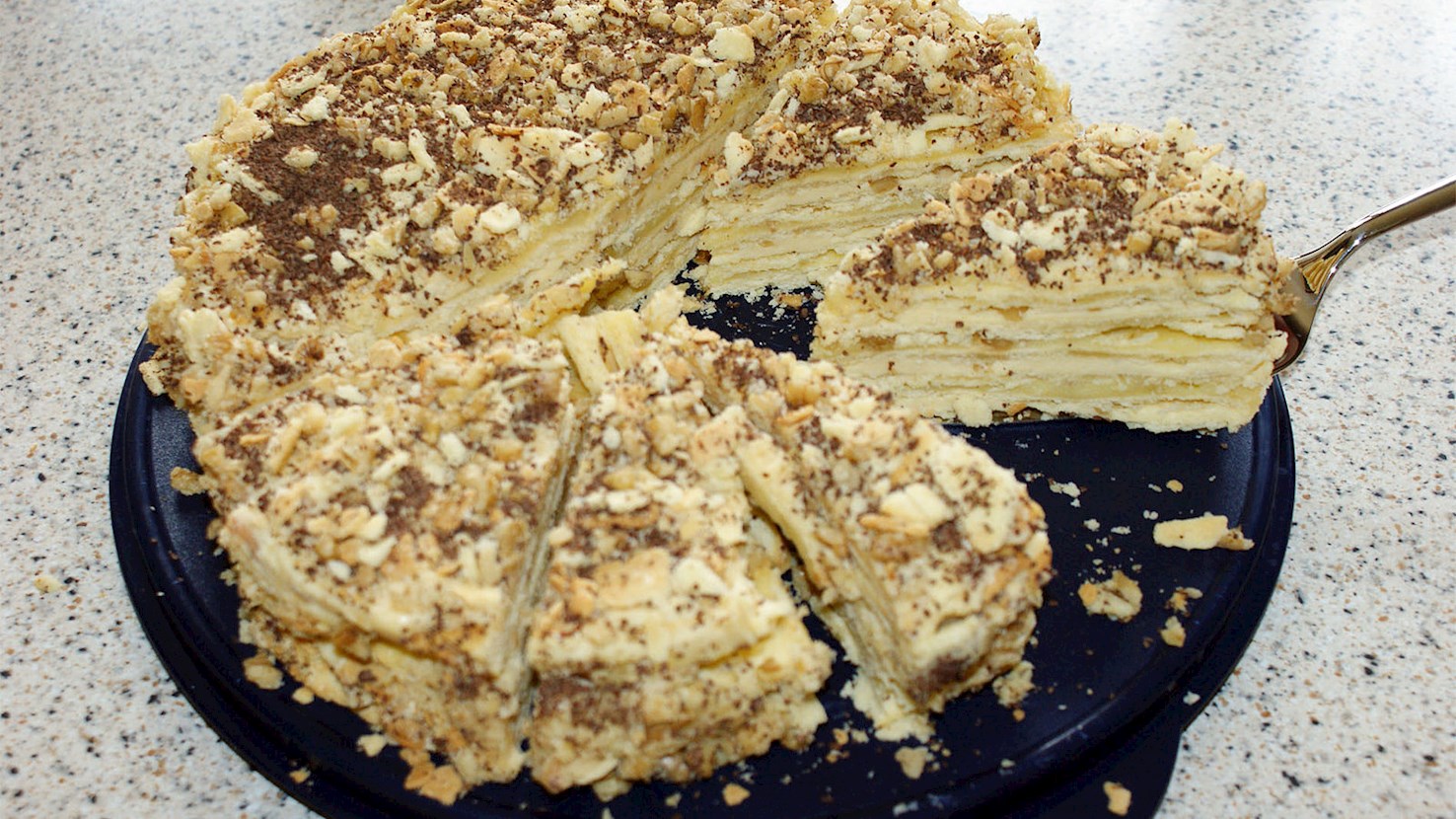
Napolyeon tort is a traditional cake consisting of layers of thin and flaky puff pastry and a rich and smooth pastry cream sandwiched between the layers. The layers are usually made with a combination of flour, salt, butter, white vinegar, a bit of vodka, and eggs, while the pastry cream usually consists of milk, egg yolks, sugar, and cornstarch. Each baked layer is topped with pastry cream and a frosting made with a combination of butter, powdered sugar, vanilla, and heavy cream. The frosting is also added to the sides and top of the cake, which can be additionally decorated with cake sprinkles, berries, nuts, or chocolate shavings, if desired. The cake should be chilled overnight so that the frosting seeps into the layers and the cake develops a very soft texture. The Russian Napoleon cake differs from the French Napoleon cake in the fact that it has as much as 15 thin layers and it's left to chill until super moist and tender.

05

Varenye

4.2 ·

Varenye is a traditional dessert consisting of various fruits and berries cooked together with sugar. The ingredients should not lose their shape, dissolve, or overcook in order for varenye to be properly prepared. Originally, varenye was cooked with honey before 1801 because Russia didn't produce its own sugar, and imported sugar was too expensive. Today, varenye is traditionally served at Russian tea parties, and the most popular varieties are prepared with strawberries, apricots, blueberries, and cherries. There are also some exotic varieties made with dandelion, tangerine, and rose petals. It can be consumed on its own, used as a topping for pancakes, or as a filling for various cookies and pies. Varenye is so popular that it was even one of the favorite desserts of some Russian tsars, Catherine II, and Ivan the Terrible.

Best restaurants
06

Oladyi

4.1 ·

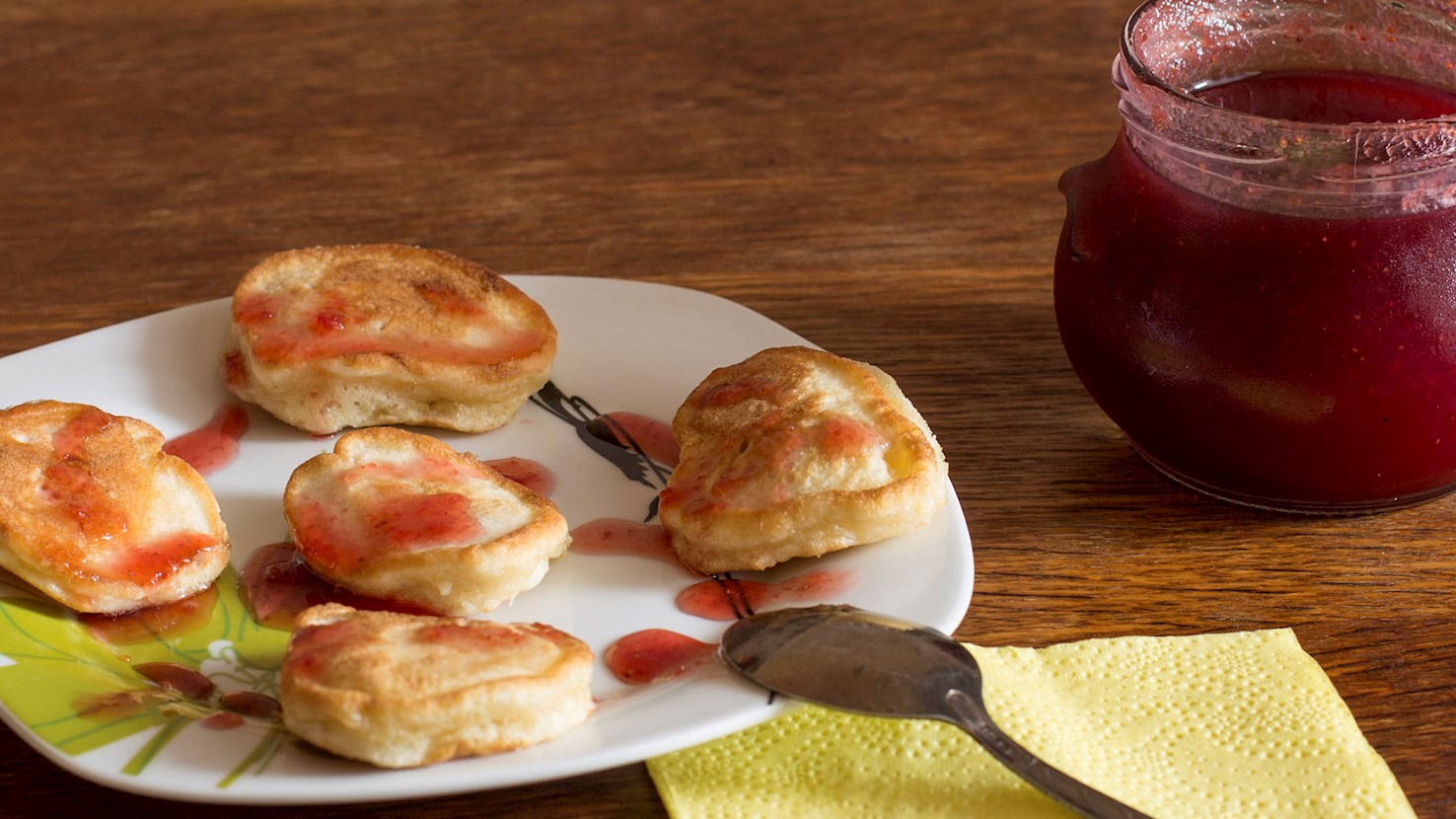
Small, but packed with flavor, the batter for these famous Russian pancakes differs from those for traditional pancakes as it is prepared with kefir, a fermented milk product with a slightly sour taste. Aside from kefir, the remaining ingredients for oladyi are typical for any run-of-the-mill pancake – flour, sugar, salt, and eggs. They are pan-fried into small rounds, similar to American-style pancakes. The pancakes turn golden brown when finished, and they are chewy with crunchy edges. They are slightly sweet and neutral in flavor, while the kefir lends them a mild sour note. These small, thick pancakes can be served plain or with honey, chocolate, fresh fruit, sour cream, or a variety of fruit preserves. Fresh fruit and chocolate chips are also occasionally added to the batter. Oladyi are a typical breakfast dish, and they are best served hot off the griddle while they are still fluffy and soft in the center and crunchy around the edges.

07

Ptichye moloko

4.0 ·

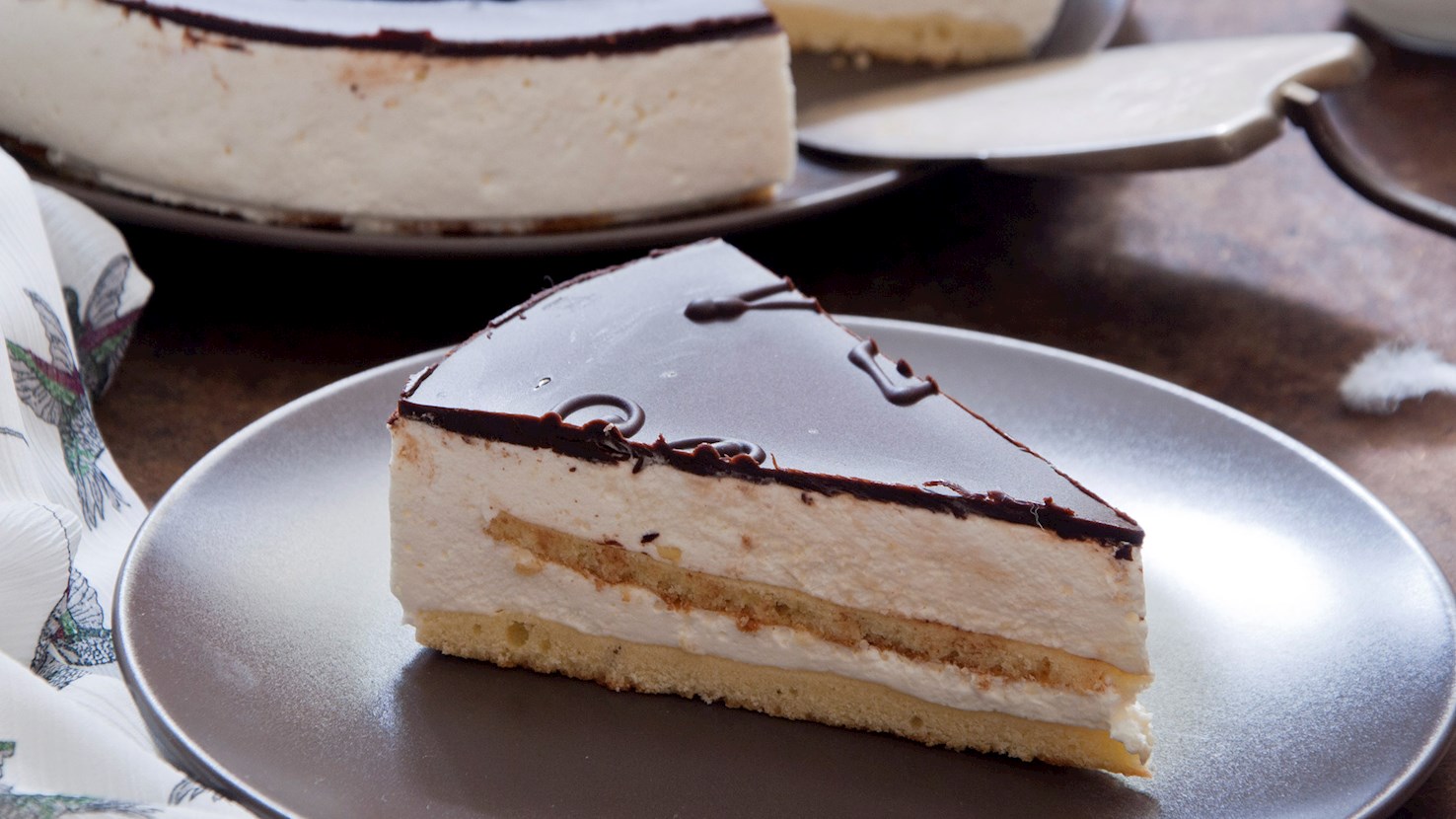
One of Russia's most beloved desserts, ptichye moloko is a decadent cake famous for its reversed cake-to-filling ratio: the thick, but exceptionally light, almost soufflé-like layers of silky custard are separated by thin, fluffy, and moist layers of sponge cake, while the whole confection is topped with a rich chocolate ganache glaze. Ptichye moloko was first made in 1978 by Vladimir Guralnik, who was the head patisserie chef at Moscow's prestigious Praga restaurant. And just like the popular milk-flavored, meringue-filled candy bar that inspired Guralnik to make the cake version, the Russian ptichye moloko (lit. bird's milk) got its whimsical name as a reference to an old idiom denoting "something so exquisite, delicate and rare it probably doesn't even exist". Interestingly, the name caught up immediately and also seemed quite fitting, as bird's milk cake was invented during the heyday of the USSR, rapidly gaining popularity of mass proportions among the Soviet consumers despite being expensive and relatively hard to purchase at the time. In the US, this cake is still popular among Russian immigrants who often use Cool Whip and gelatin to get the right consistency.

08

Smetannik

3.9 ·

Smetannik is a traditional layer cake. It's usually made with a combination of flour, sugar, eggs, honey, and a sour cream frosting consisting of sour cream, vanilla, cream cheese, and milk. The cake is traditionally made in a deep pan. Once done, it is recommended to let smetannik rest in the fridge overnight, and the next day it's cut into individual pieces and served. Smetannik is especially popular at birthdays and similar festive occasions.

09

Sharlotka

3.9 ·

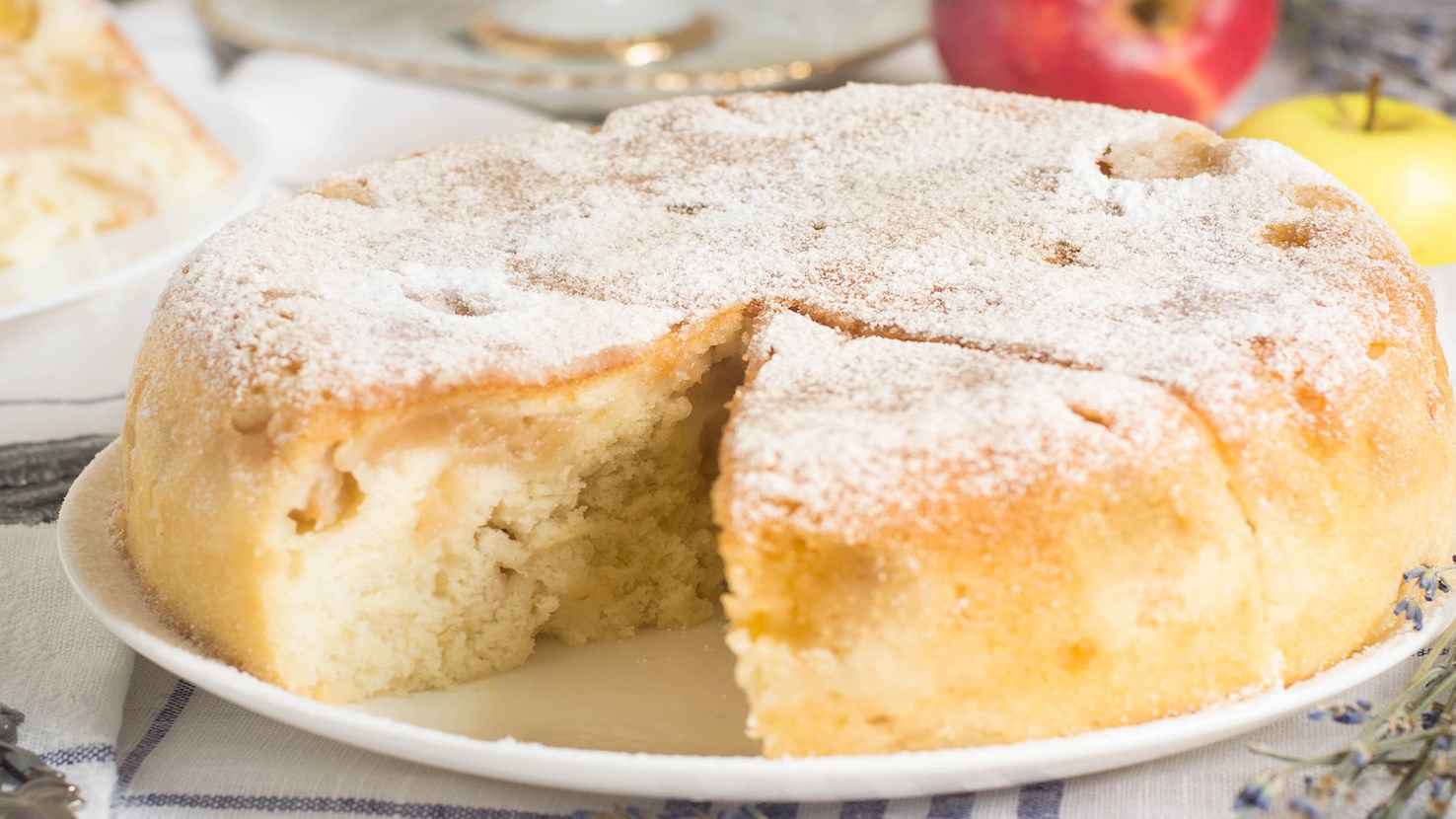
Delicate, airy, and moist, sharlotka is the most popular Russian apple pie, mainly due to the ease of its preparation. It consists of eggs, sugar, flour, baking soda, and apple slices, but some people like to add honey or cinnamon into the cake in order to improve its flavors. The cake is very low in calories, which might be another reason for its popularity. It is recommended to allow the cake to cool before serving and sprinkle it with powdered sugar on top.

10

Prianik

3.8 ·

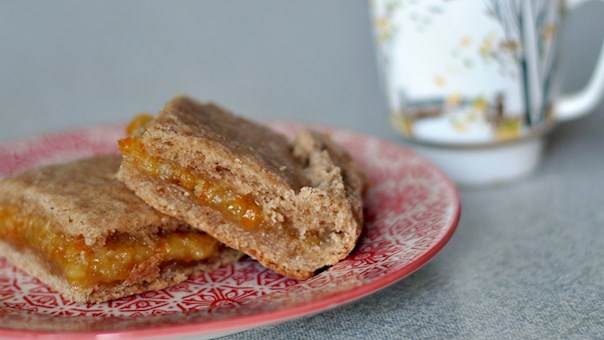
Prianik is a Russian sweet bread or a cookie that is flavored with spices such as cinnamon, ginger, cardamom, nutmeg, cumin, and anise. It is often filled with various fruit jams and caramelized or condensed milk. The first prianik was made only with rye flour, honey, and berry juice, while the spices were added later, by the 15th century. Today, the sweet bread is typically served with tea or coffee and consumed as an afternoon snack.

11

Pastila

3.7 ·
12

Sukhariki

3.7 ·
13

Paskha

3.7 ·
14

Zefir

3.7 ·
16

Limonnik

3.5 ·
18

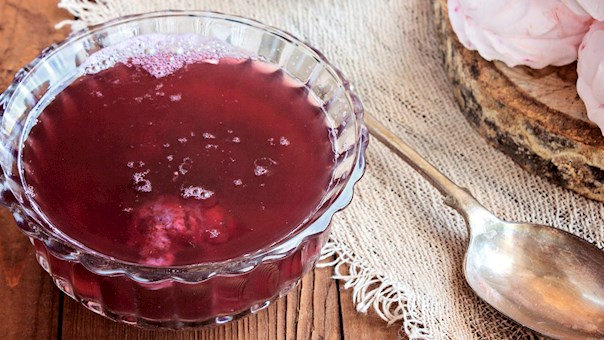
Kissel

3.4 ·
19

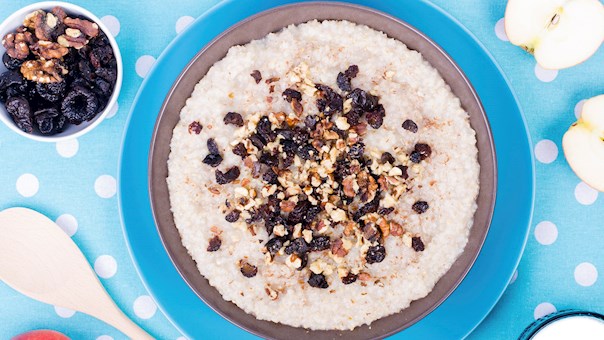
Guriev kasha

3.4 ·
20

Mishka na severe

3.2 ·

Best Russian Desserts
01

Staraya Tula

4.6 ·
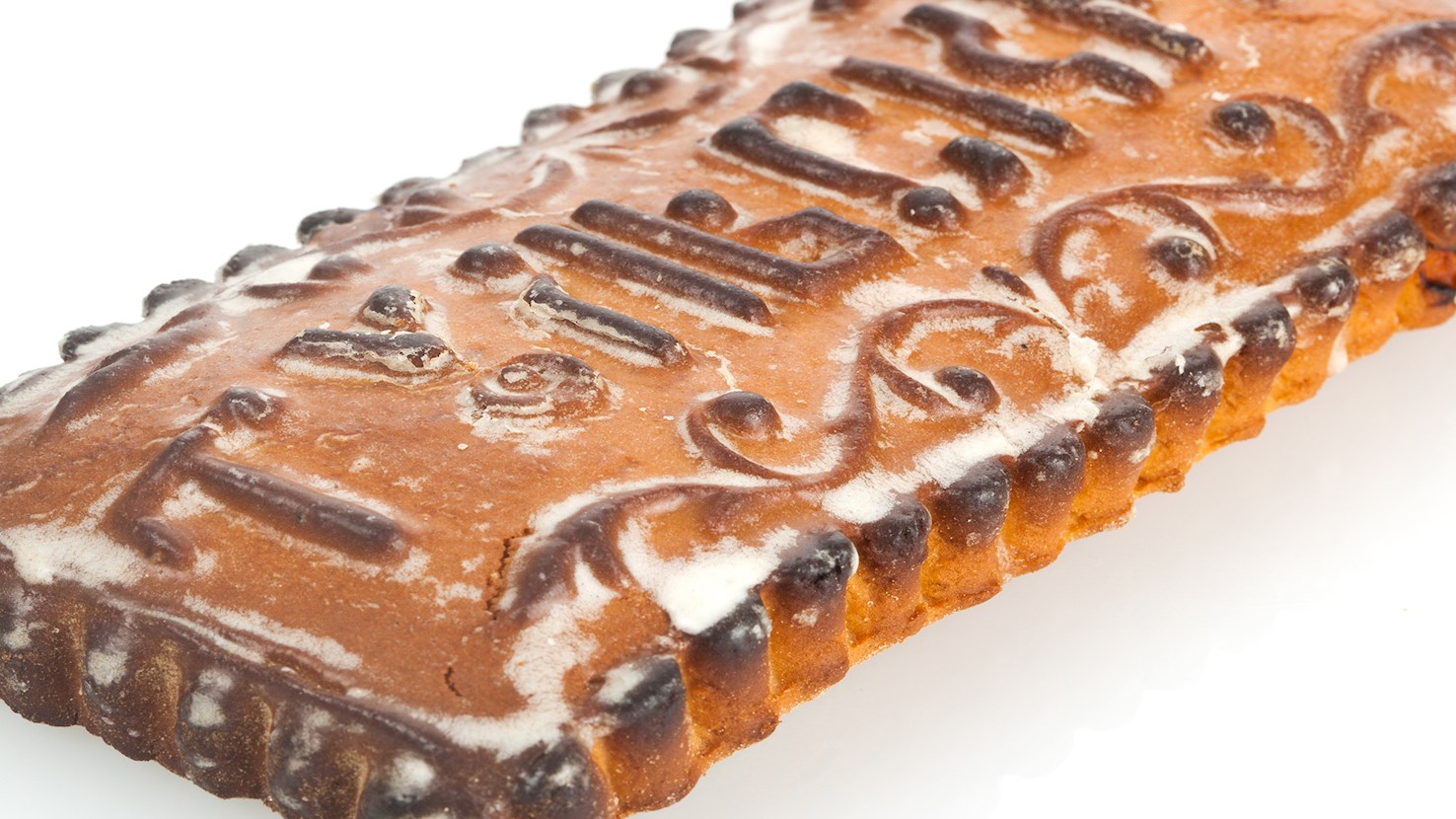
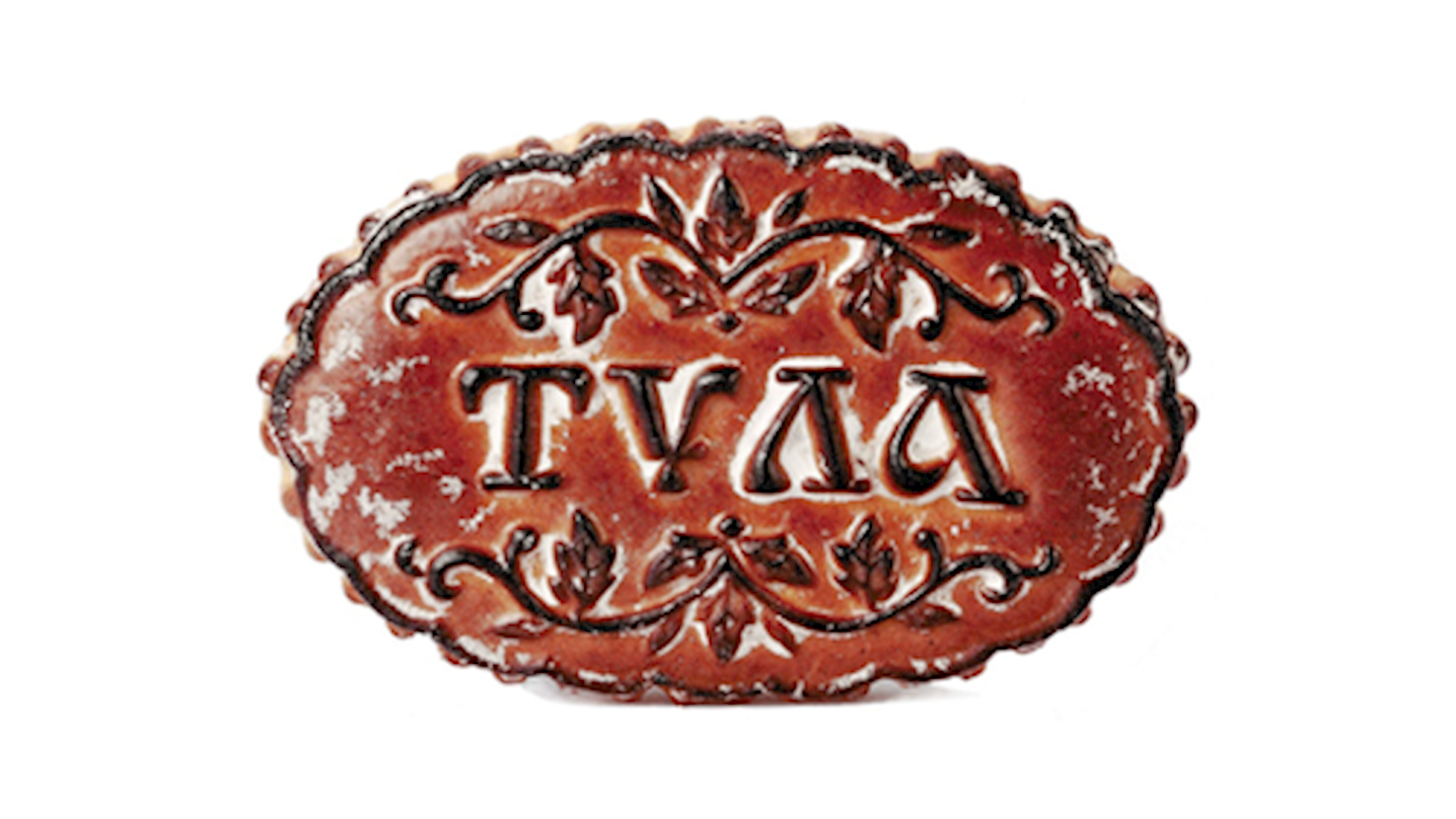
Staraya Tula is a historic Russian confectionery producer based in Tula, a city closely associated with pryanik, a traditional form of Russian gingerbread. Founded in 1881, the company has maintained continuous production while preserving recipes and techniques rooted in regional baking traditions. Its core product, Tula pryanik, is typically a stamped gingerbread made from flour, honey, sugar, and spices, often filled with fruit jam or condensed milk and finished with a light glaze. A defining feature of these products is the use of carved wooden molds, which imprint detailed patterns, inscriptions, or ornamental designs onto the surface, giving each piece both a visual identity and cultural significance. The range includes everyday pryaniki as well as larger, elaborately decorated pieces intended for gifting or ceremonial use. Despite industrial-scale production, the brand retains a strong emphasis on traditional methods and recognizable flavor profiles. Staraya Tula is closely tied to the identity of the region, where pryanik has been produced for centuries and is considered a local specialty. In addition to manufacturing, the company operates a museum dedicated to the history of pryanik, reinforcing its role in preserving and presenting this element of Russian confectionery heritage.
Read more
View all
View map
About this ranking

TasteAtlas food rankings are based on the ratings of the TasteAtlas audience, with a series of mechanisms that recognize real users and that ignore bot, nationalist or local patriotic ratings, and give additional value to the ratings of users that the system recognizes as knowledgeable. For the “Top 23 Russian Desserts” list until June 15, 2026, 2,923 ratings were recorded, of which 2,189 were recognized by the system as legitimate. TasteAtlas Rankings should not be seen as the final global conclusion about food. Their purpose is to promote excellent local foods, instill pride in traditional dishes, and arouse curiosity about dishes you haven’t tried.

The initial list of top producers was compiled based on available reviews, awards, local recommendations, media and blog coverage, and consumer reviews. The list will be updated with ratings from TasteAtlas local ambassadors and TasteAtlas users.

Similar lists