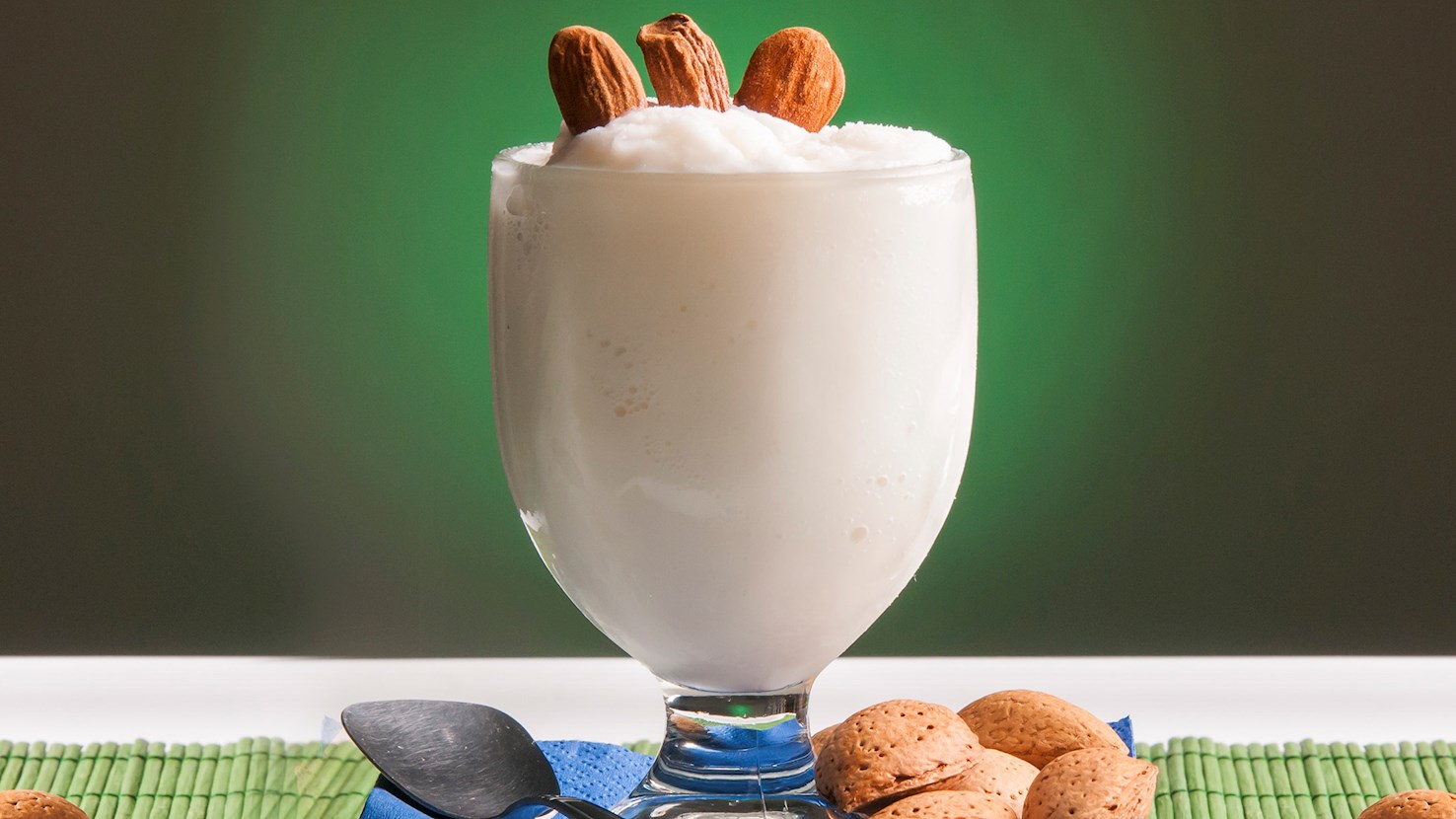
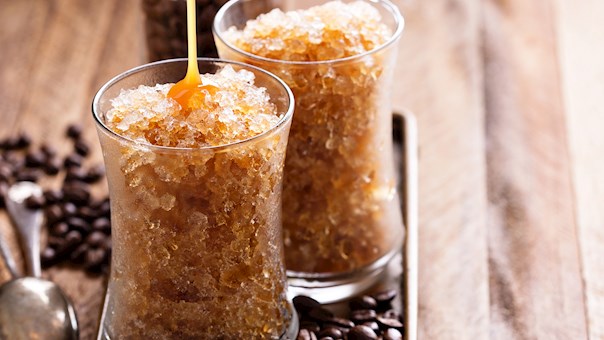
Granita di mandorla is a variety of Sicilian granita—a frozen dessert that comes in a wide array of flavors. This almond-based version can be made from scratch, using ground almonds, or with the already-prepared almond paste. The latter will usually be smoother, while the one prepared with ground almonds will have a slightly coarser texture. The ingredients are simply mixed with sugar and water, and the combination is then frozen. In Sicily, granita is often enjoyed for breakfast, and it is often served with Italian-style brioche (brioscia) on the side.
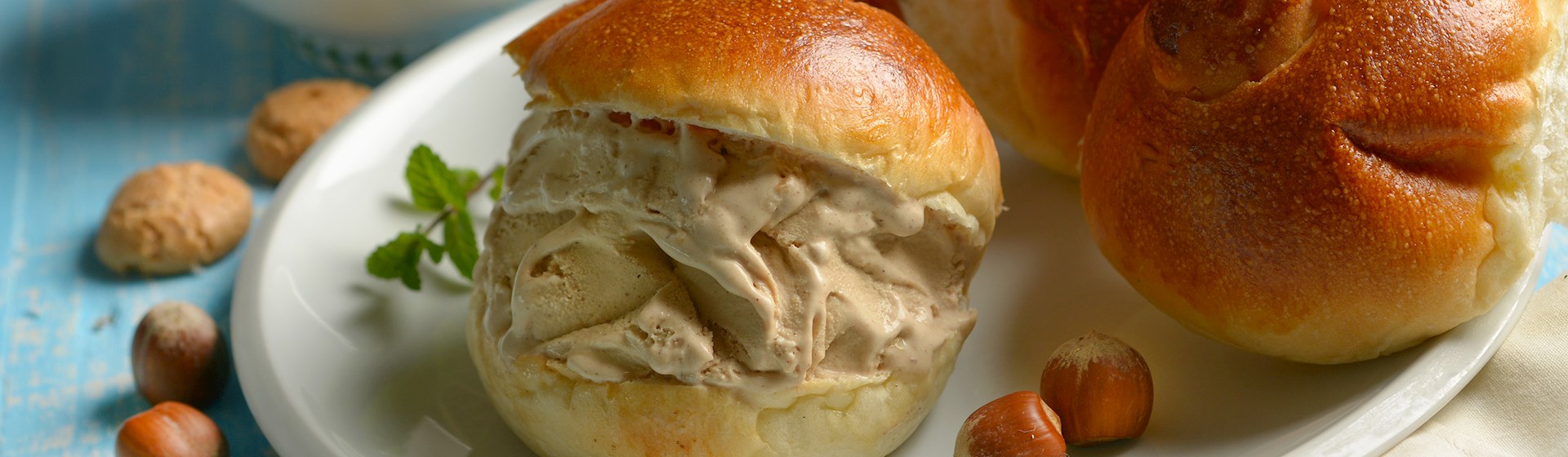
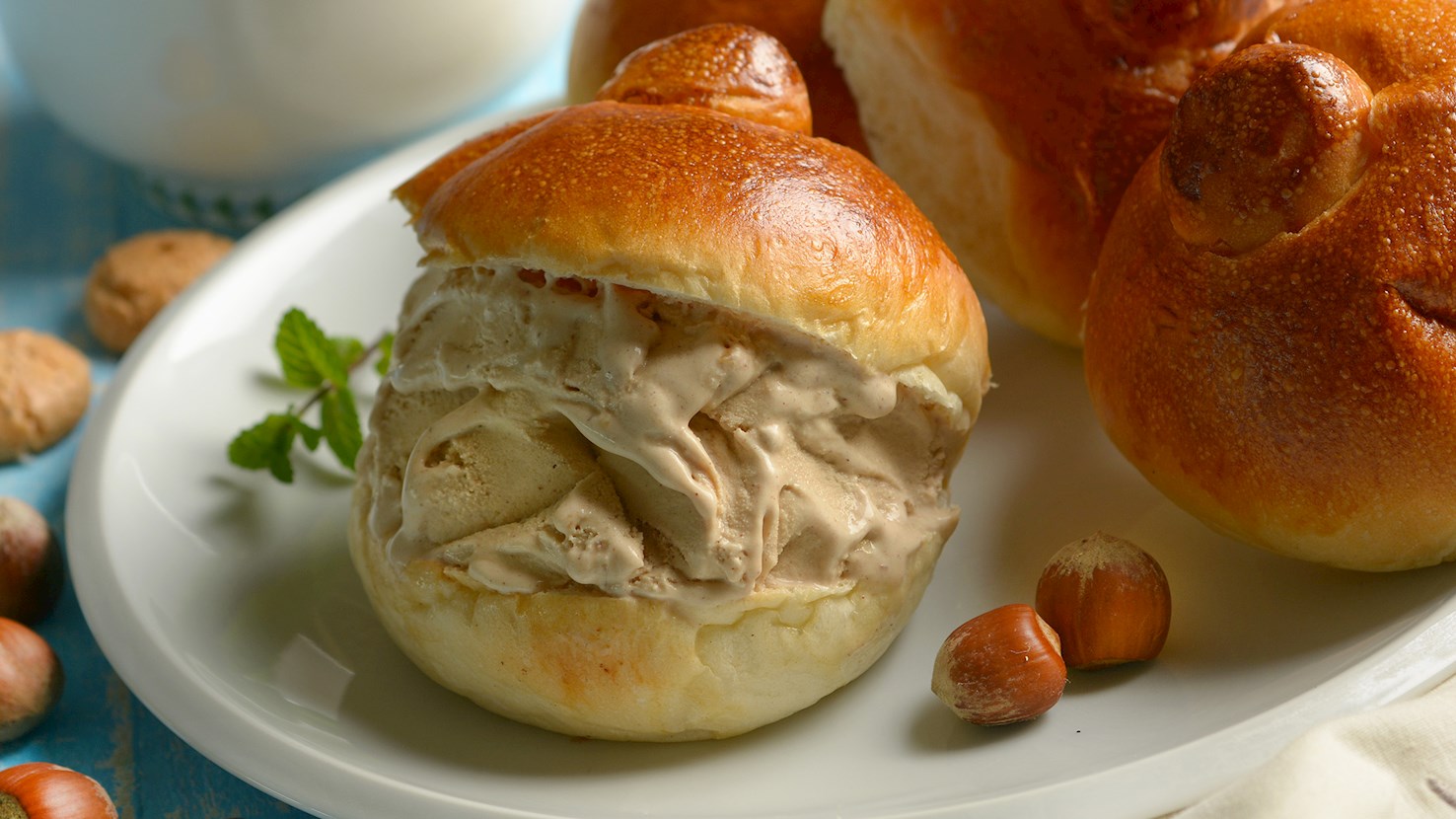
Brioche con gelato is a traditional dessert hailing from Sicily. This dessert sandwich consists of a soft, buttery brioche bun that's stuffed with a generous amount of gelato. It's especially popular during the hot summer months, and it's sometimes even eaten for breakfast. If desired, finish it with a sprinkled of chopped nuts and a pinch of powdered sugar for extra flavor.
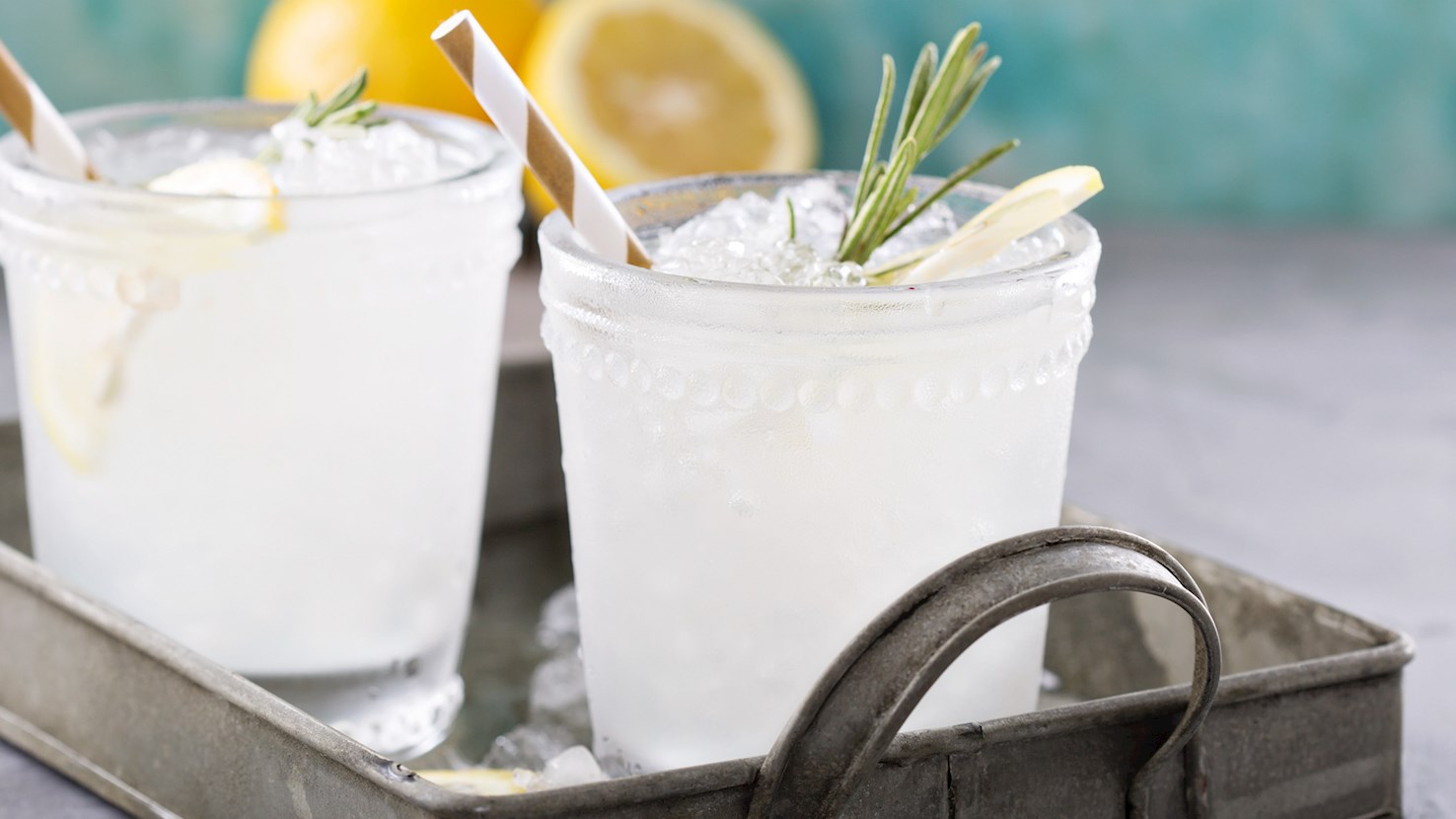
Lemon granita is believed to have been one of the first versions of this frozen Sicilian specialty. Granita al limone is made with lemon juice, water, and sugar, while lemon zest is often used as a flavoring. The combination is frozen and then stirred with a fork to partially break the ice crystals and give granita its distinctive granular texture. Like other types of granita, this lemony version is often accompanied by a Sicilian brioche (brioscia), and though is it is commonly enjoyed as a refreshing dessert, the Sicilians prefer to enjoy it as a sweet breakfast.
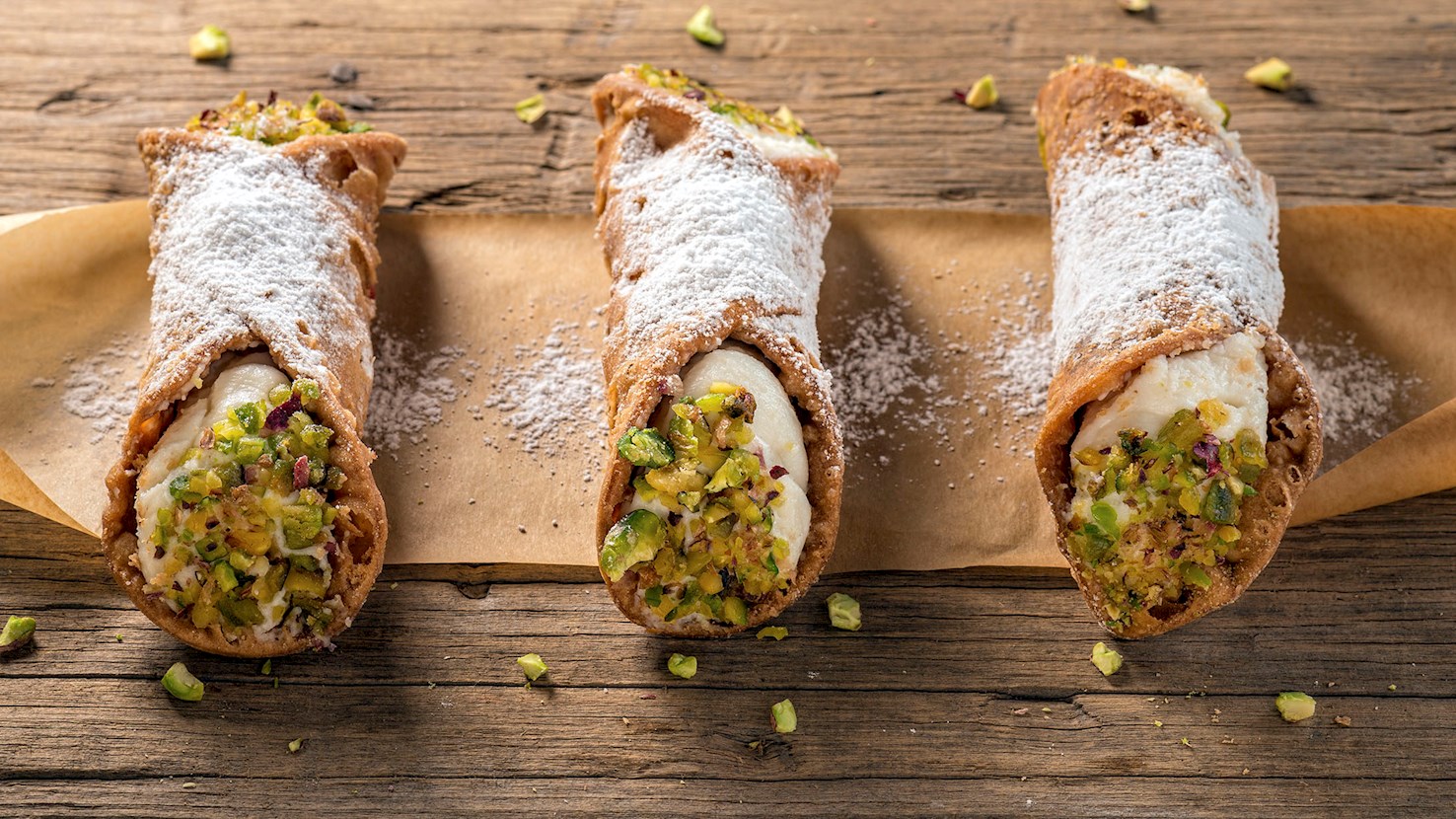
These decadent, crispy fried pastry tubes filled with luscious ricotta cheese cream are perhaps one of Sicily's best known desserts outside of Italy. Cannoli are believed to have originated around Palermo during the 9th century, while Sicily was under Arab rule. Legend has it that they were originally prepared by the women of the ancient city of Qal'at al-Nisā' (lit. castle of women), the modern-day Caltanissetta, which at the time served as the harem of a Saracen emir. Later on, the recipe later somehow found its way to the monasteries of Palermo where nuns would prepare this lavish dessert during the carnival season. Cannoli have come a long way since then, becoming incredibly popular not only throughout Italy, but also in North America, where they were introduced by Sicilian immigrants in the late 19th century. Furthermore, thanks to one of the most famous lines from the movie The Godfather — "Leave the gun. Take the cannoli." — by the end of the 1970s, this dessert had attained a truly iconic status. Although people in the United States are familiar with different variations of this classic recipe, cannoli in Sicily are still prepared in a more traditional way. The crispy pastry shells are typically flavored with cocoa, suet, and Marsala wine, while the delicate freshness of the sweetened ricotta is sometimes enriched with orange blossom water, candied orange peel, chocolate, zuccata candied pumpkin, or finely chopped pistachios. The name is derived from canna, a cane reed that’s cut into sections and used as a mold for frying the pastry shells, although metal cylinders have mostly replaced canna nowadays. And last, but certainly not least, cannoli shells are always filled just before serving to prevent them from getting soggy, ensuring the perfect feel of crunchiness against the creamy filling.
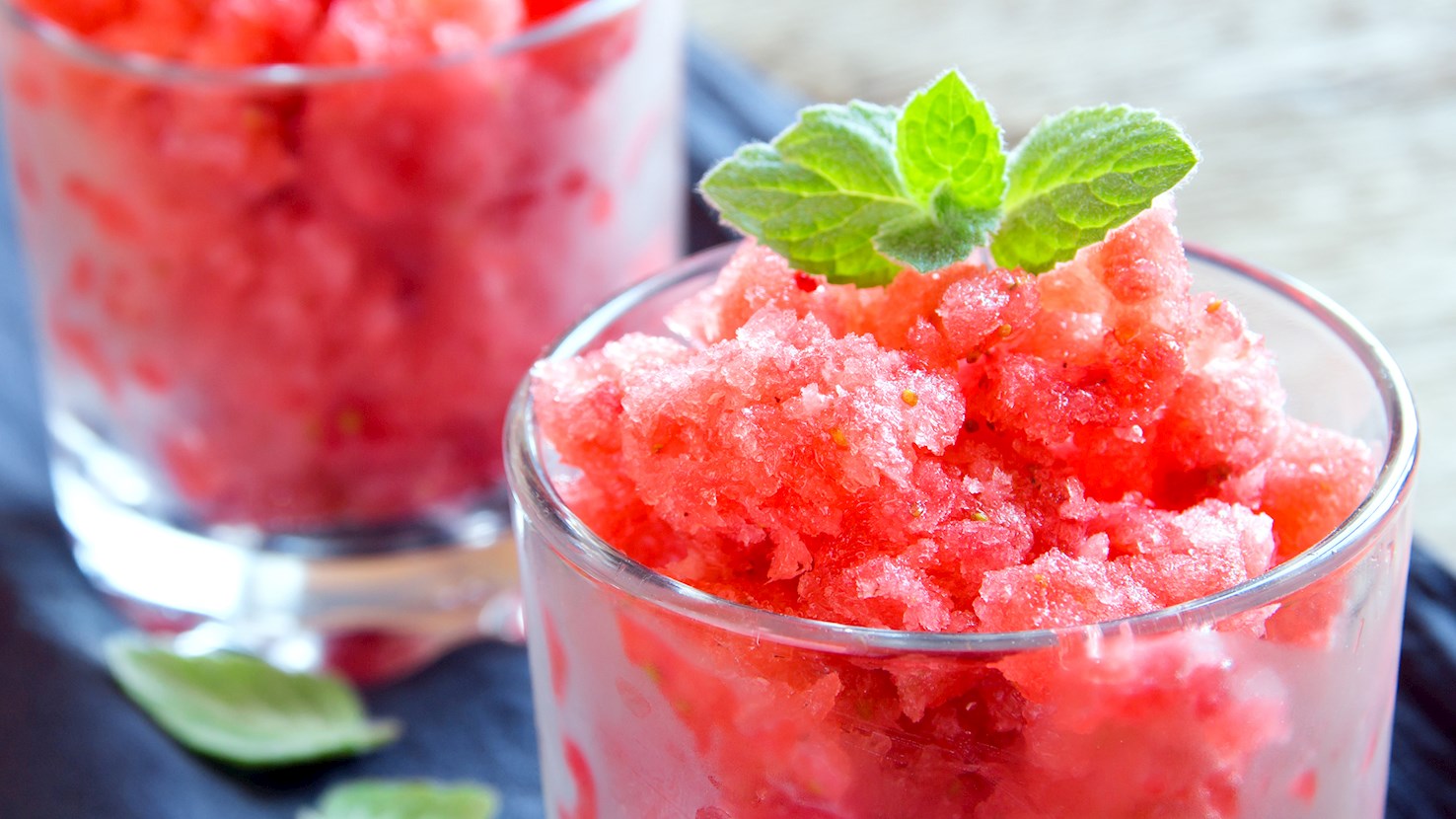
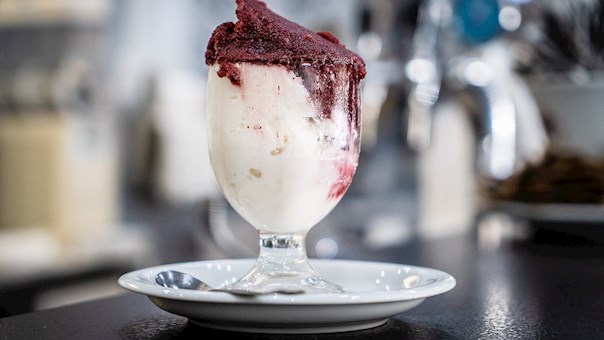
This classic Sicilian semi-frozen dessert is just the thing to cool you down during the dog days of summer. It is served all across the island, and traditionally enjoyed for breakfast alongside an espresso and brioche. Granita is made with water, sugar, and fruit juice or various other flavorings. It is sometimes confused with sorbetto, though granita has a much grainier texture, hence the name, while its origins can be traced back to the sweet Arabic chilled drink sharbāt which was introduced to Sicily during Arab rule. However, traditional granita is not simply chilled but almost frozen - in fact, it was once called rattata (lit. grated) and made using snow and ice from Etna that was collected during winter, then stored in mountain caves. Until the early 20th century and the advent of Italy's first ice cream makers, this was the only way to prepare this icy dessert. Some of the favorite modern Italian takes on this ancient recipe include sweet Sicilian lemon and zesty blood orange varieties. With other flavors such as rich espresso, almond, or even those spiked with luscious liqueurs, the possibilities for granita are seemingly endless.
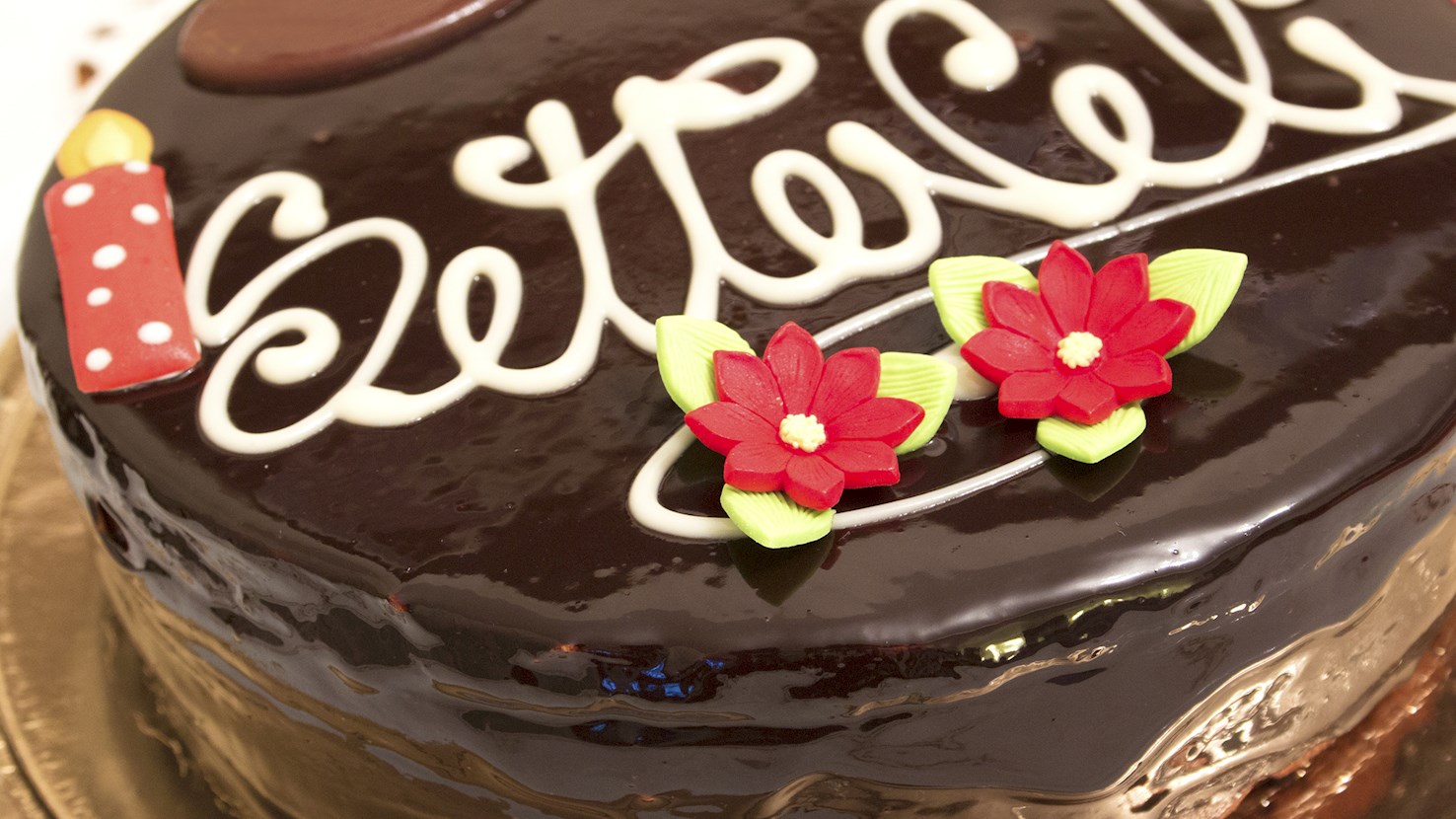
Named after Salome's dance to make Herod crazy with lust, torta setteveli (cake of the seven veils) unsurprisingly achieves more or less the same results. This traditional Sicilian birthday cake consists of an alternating combination of chocolate and hazelnut layers. From bottom to top: chocolate sponge, praline crunch, hazelnut Bavarian cream, chocolate sponge, hazelnut Bavarian cream, chocolate mousse, and finally, a layer of chocolate glaze on top. It is still unclear who had created this delicious cake, so some credit Capello of Pasticceria Capello in Palermo, while others claim that Luca Mannori from Prato made it first (and won the 1997 Pastry World Cup in France).
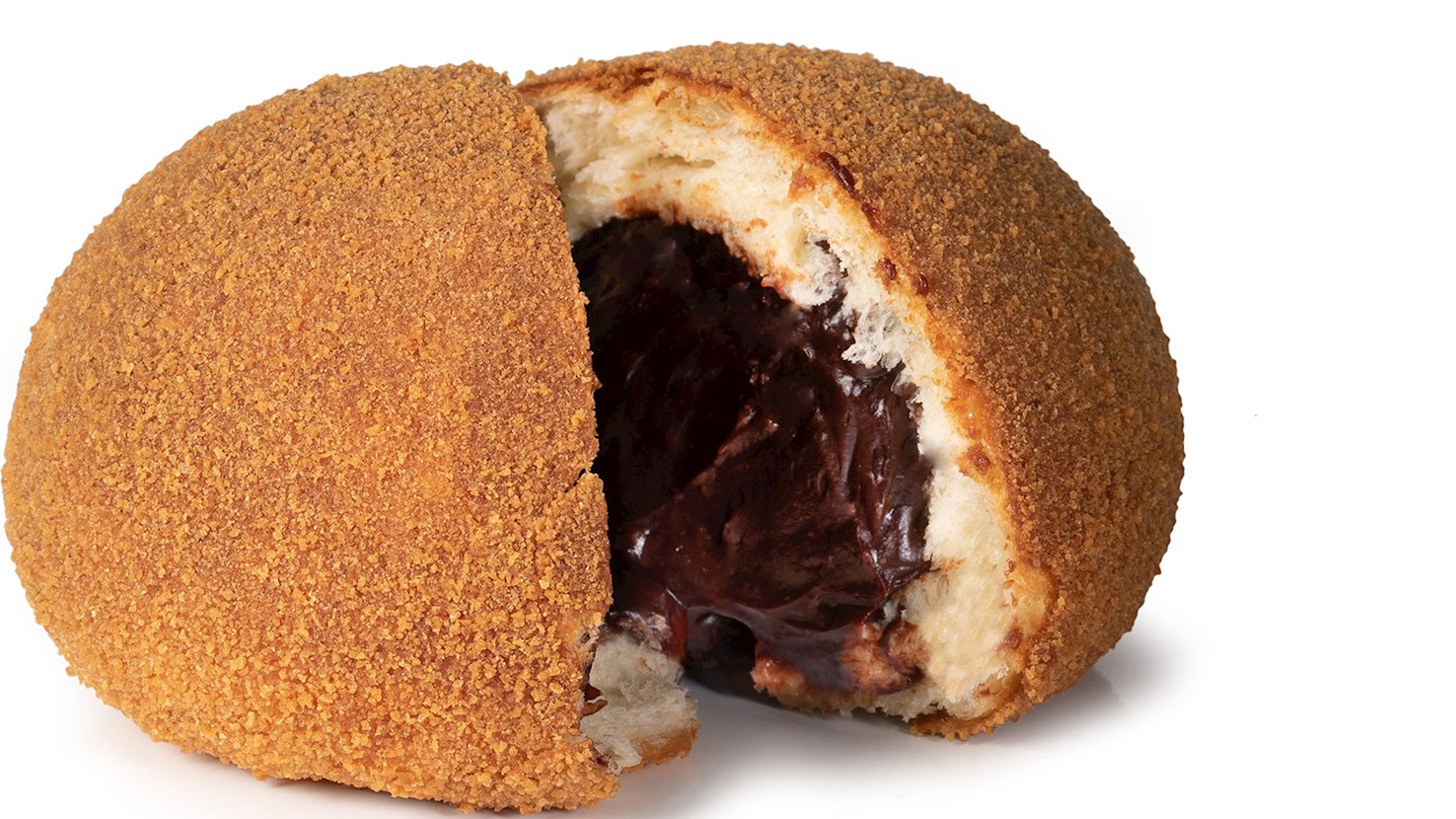
Iris is a traditional Sicilian fried dessert that’s particularly associated with the city of Palermo. The dessert consists of balls of yeasted dough that are stuffed with a mixture of ricotta cheese and sugar. The dough is usually prepared with a combination of flour, milk, sugar, eggs, yeast, and butter. Once stuffed, the balls are dipped in whisked eggs, then rolled in breadcrumbs and fried in hot oil until golden. There are also variations on iris that are stuffed with cream or Nutella. Iris was invented in 1901 by pastry chef Antonio Lo Verso, who named the fried dessert in honor of Pietro Mascagni’s eponymous opera.
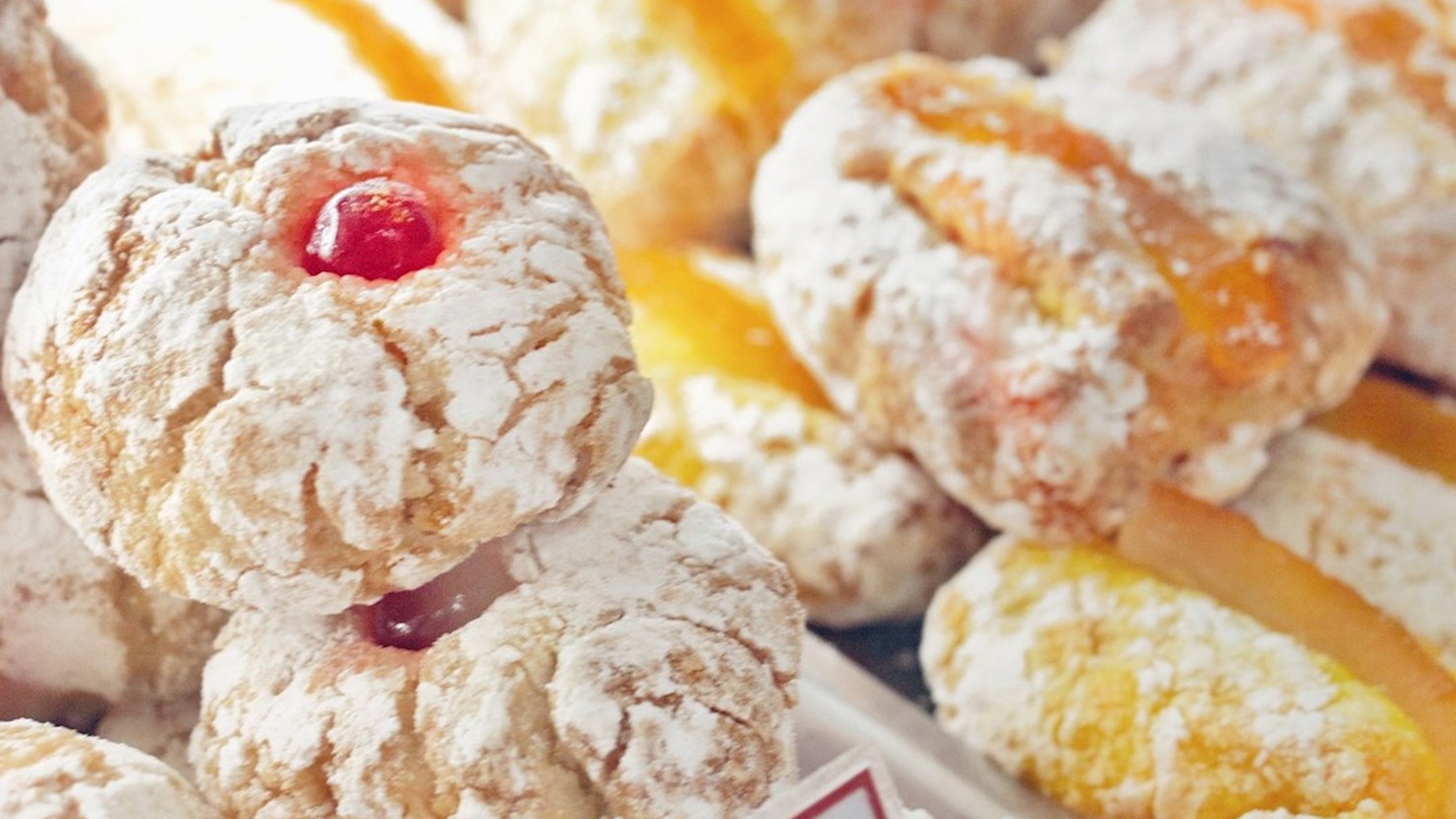
Amaretti, the famous Italian almond cookies are so popular in their homeland that almost every region has their version of the recipe, using different proportions and combinations of the basic ingredients: sweet and bitter almonds, apricot kernels, eggs, and sugar. The Sicilian version is made with egg whites, sugar, and both bitter and sweet almonds, preferably the world-famous ones grown in the province of Syracuse, in south-eastern Sicily, around the cities of Noto, Avola, Rosolini, and Canicattini Bagni. Besides almonds, Sicily is also renowned for exquisite pistachios, so it is also possible to stumble upon amaretti made with pistachios instead of almonds.
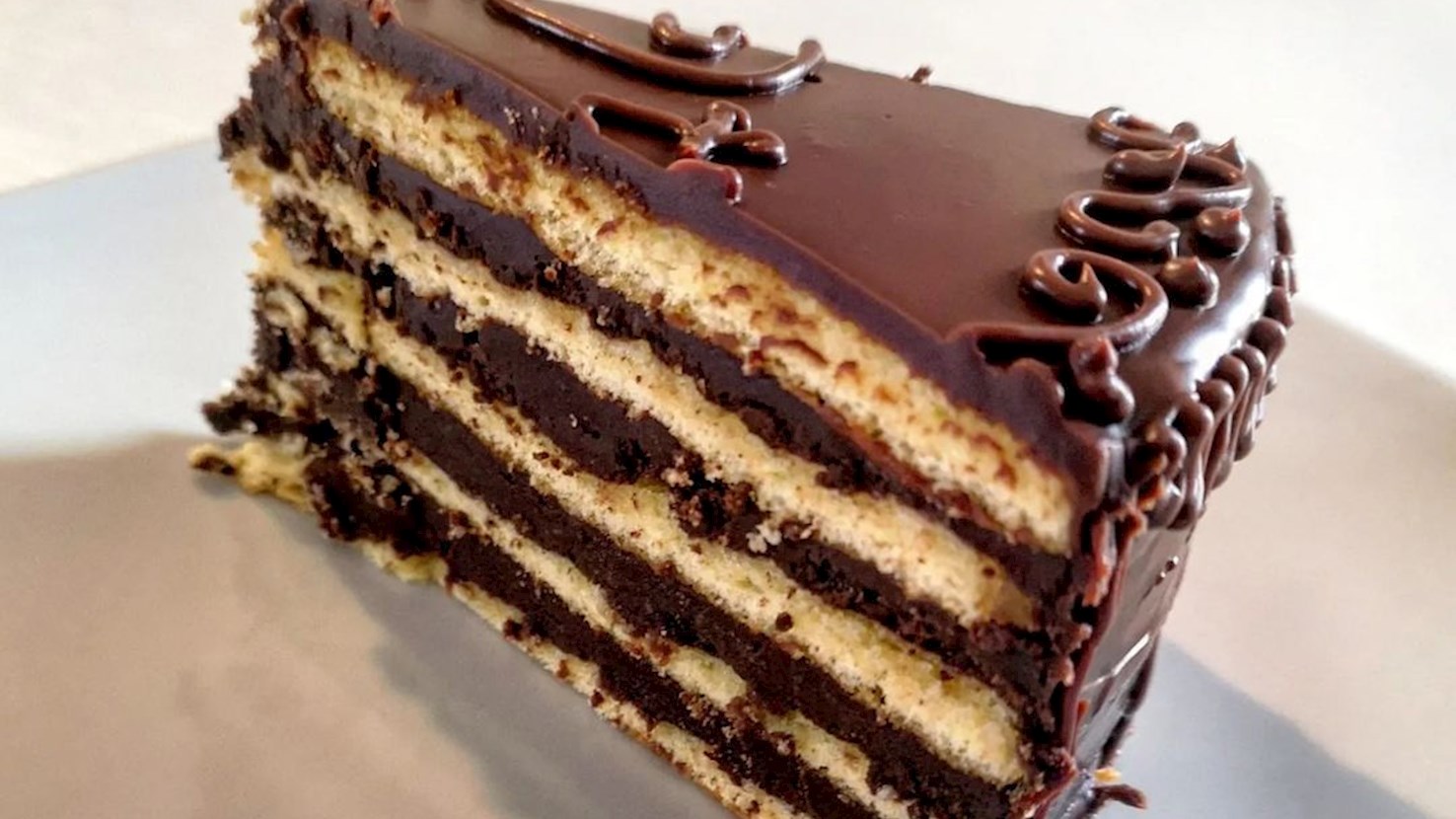
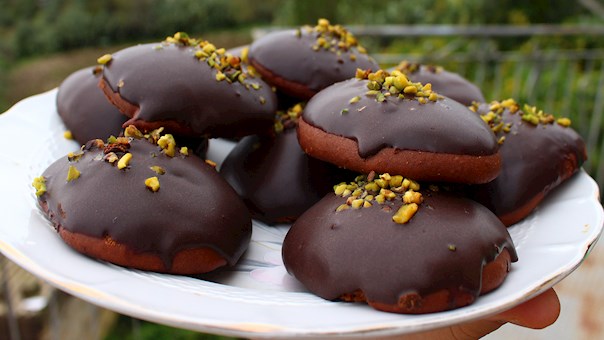
Torta Savoia is a layered chocolate cake that hails from Sicily. It consists of several sponge layers coated in a rich chocolate hazelnut cream. The entire combination is covered with a glossy chocolate glaze, and in some variations, sponges are lightly soaked with rum. It is said that the cake was created when Sicily was merged with the Kingdom of Italy in 1861. The legend says that the Benedictine nuns from Catania thought of the recipe and included hazelnuts from Piedmont to honor the House of Savoy—hence the cake's name. This legend is still the most prominent, but some argue that the cake was a creation of a local pastry chef from Palermo who invented it when Victor Amadeus II, the Duke of Savoy, was crowned as the King of Sicily in 1713.
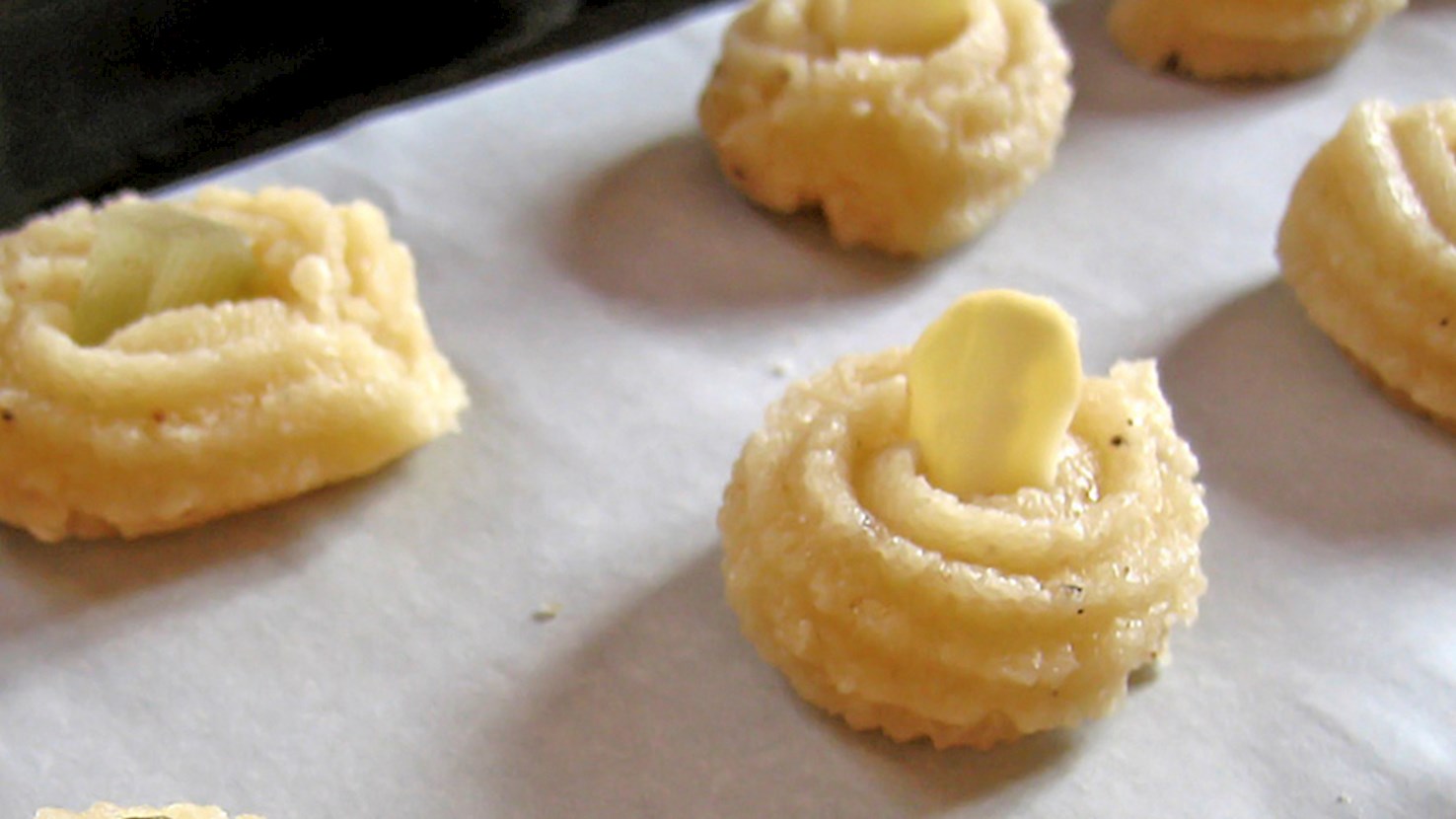
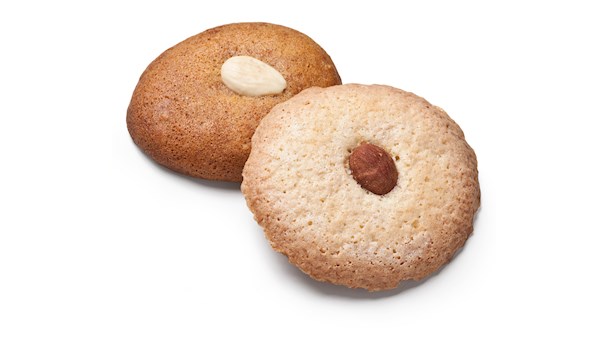
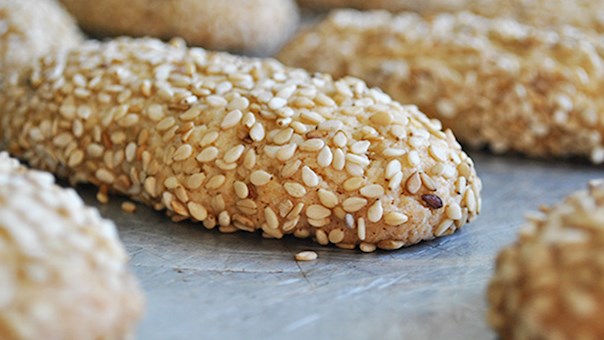
Biscotti di mandorla are soft almond biscuits or cookies that are prepared with a combination of finely crushed almonds, beaten egg whites, icing sugar, lemon zest, and almond flakes. The ingredients are combined into a thick almond paste which is then shaped into a desired form and baked until nicely colored. The cookies are typically sprinkled with powdered or granulated sugar, and they are often garnished with ingredients such as candied maraschino cherries, whole almonds, pine nuts, pistachios, or hazelnuts. They may take on different shapes including small round balls, disks, or S-shapes, and they're also often flavored with almond and vanilla extracts. These almond cookies are especially popular in the southeastern part of Sicily which is renowned for the production of some of the finest almonds in the world.
TasteAtlas food rankings are based on the ratings of the TasteAtlas audience, with a series of mechanisms that recognize real users and that ignore bot,
nationalist or local patriotic ratings, and give additional value to the ratings of users that the system recognizes as knowledgeable.
For the “Top 49 Sicilian Desserts” list until October 15, 2026, 2,550 ratings were recorded, of which 1,961 were recognized by the system as legitimate.
TasteAtlas Rankings should not be seen as the final global conclusion about food. Their purpose is to promote excellent local foods,
instill pride in traditional dishes, and arouse curiosity about dishes you haven’t tried.



What People Say