shutterstock

Top 25 Thai Desserts

Last updated on June 15, 2026
01

Khanom khrok

4.3 ·

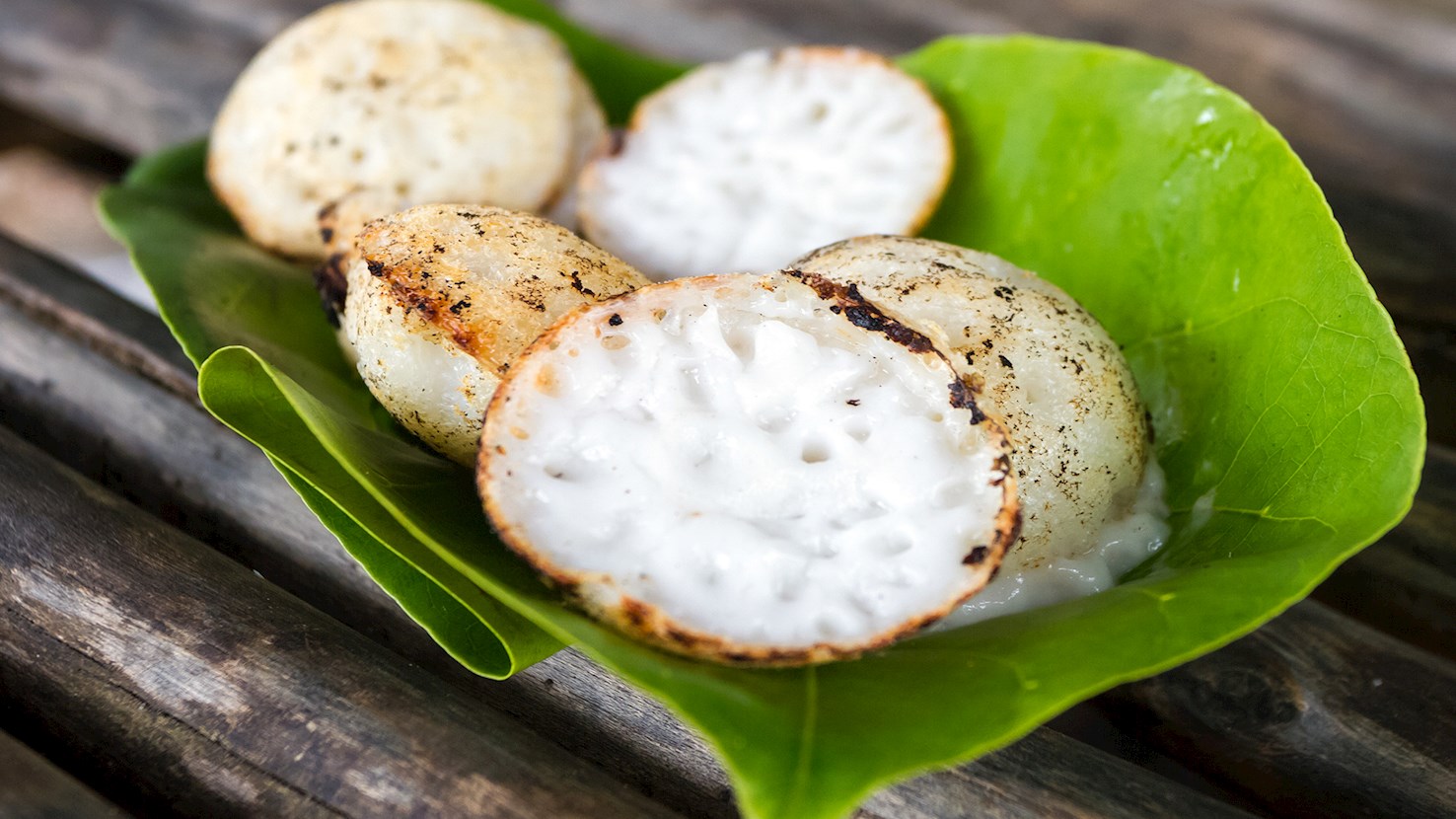
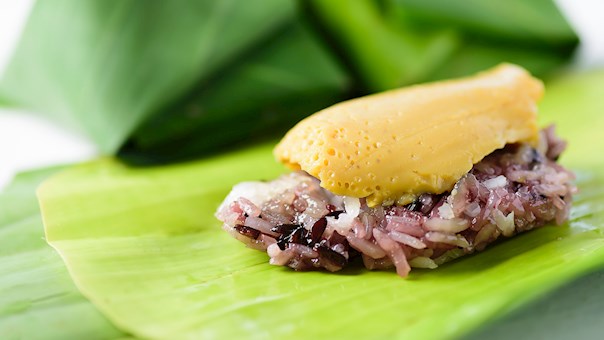
This small-sized Thai dessert, which is often referred to as a pancake, pudding, or a cake, is created with a batter that combines rice flour and coconut milk. The dessert is baked in large iron pans that have small, round indentations, and it is typically prepared in two stages—with a batter that is used as a crispy bottom layer, and a creamy, lightly sweetened coconut milk filling. Typical additions to the custard-like filling include sliced scallions, taro, corn, or pumpkin. Khanom khrok is a staple street food in Thailand, typically enjoyed as a quick and filling snack that balances sweet and savory flavors extremely well.

02

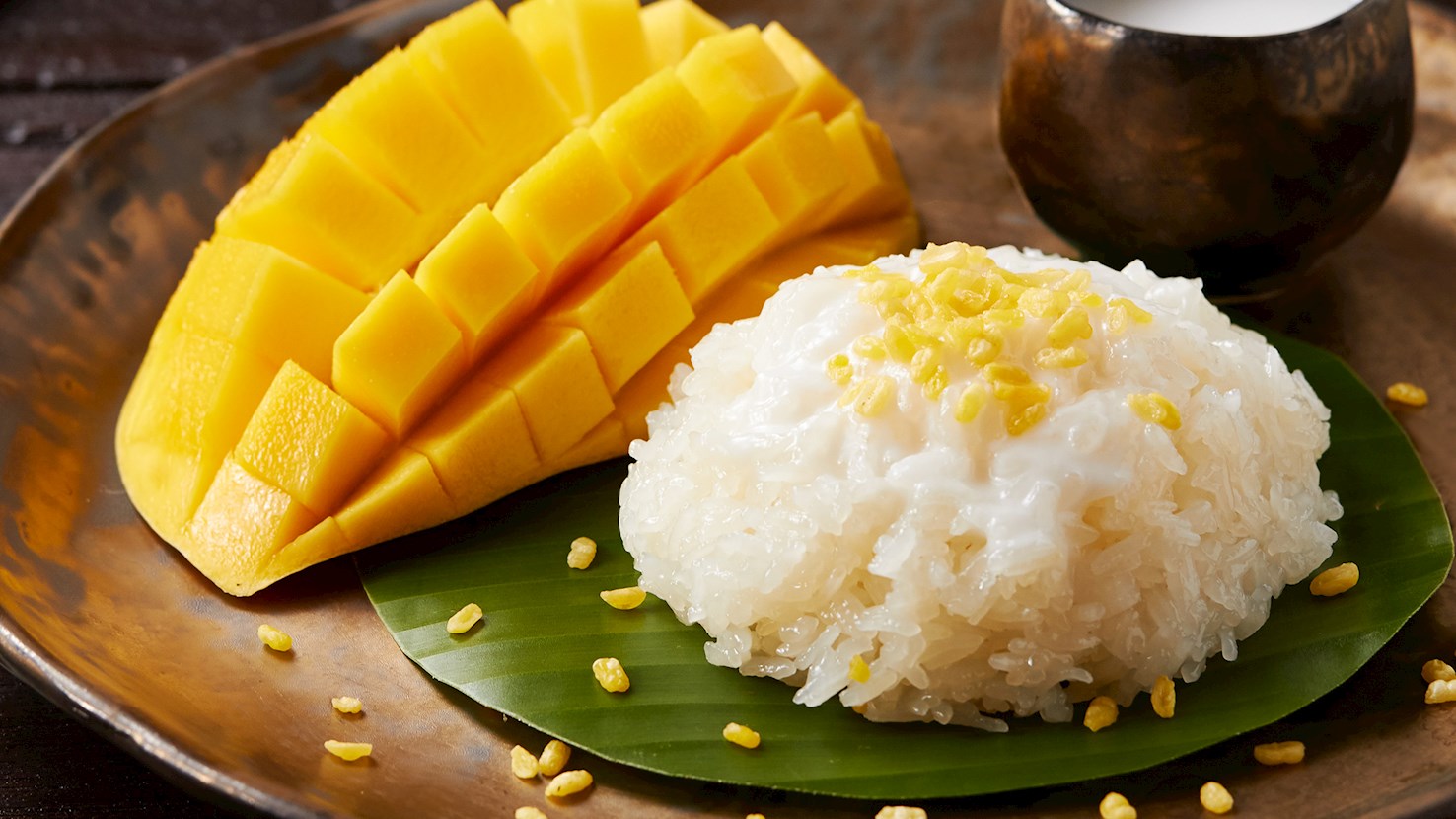
Khao niao mamuang

4.2 ·

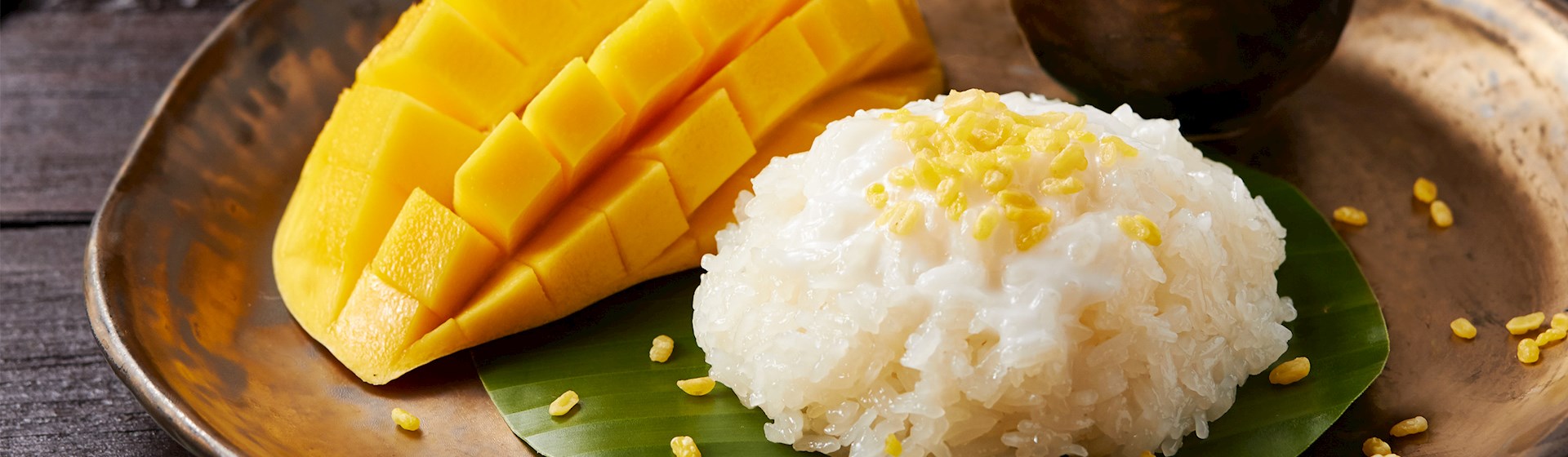
This traditional Thai rice pudding is a favorite way to finish any Thai meal. The dish is prepared with glutinous rice that is first steamed, then doused in sweetened coconut milk. Lastly, the rice is served sided with slices of fresh mango. This simple dessert is incredibly popular, and it can be found at virtually any eatery in Thailand.

03

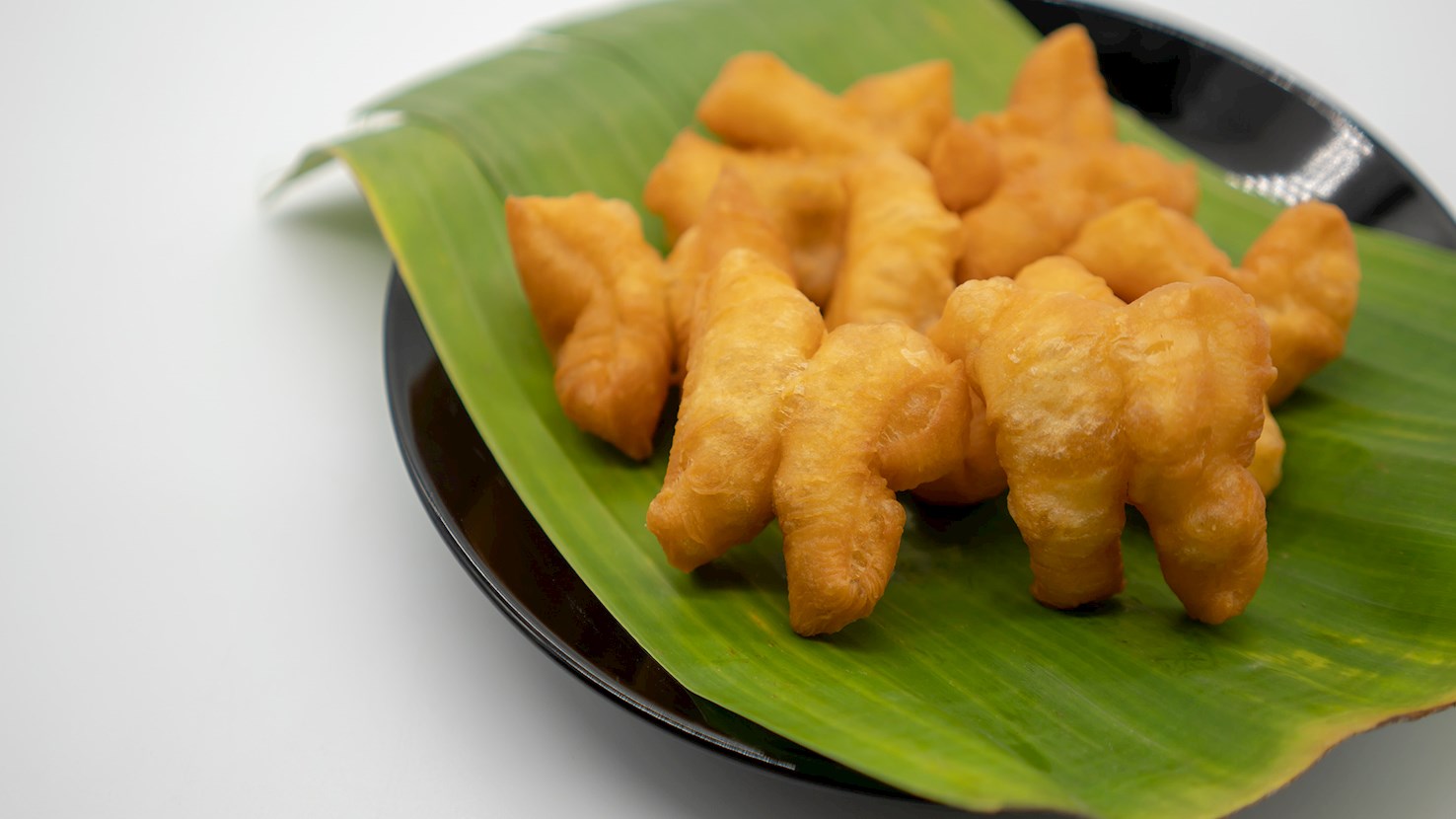
Pa thong ko

3.8 ·

Pa thong ko is the Thai take on popular Chinese crullers called youtiao. To make the crullers, a mixture of flour, yeast, baking ammonia, alum powder, lukewarm water, salt, sugar, and some baking powder is formed into a dough, which is then oiled, left to rest, and finally cut into long strips. Pairs of dough strips are then carefully stuck to one another to give the crullers their recognizable shape before they are deep-fried in hot oil until nicely colored, puffy, and slightly crispy. Innovative ways of shaping the crullers other than their traditional form have emerged over the years, and nowadays, pa thong ko can be seen in numerous unusual shapes such as dinosaurs or dragons. In Thailand, warm pa thong ko is a typical breakfast meal and a well-loved street food item, and it is usually complemented by sweetened condensed milk, Thai custard, or Thai congee, along with a cup of fresh coffee on the side.

04

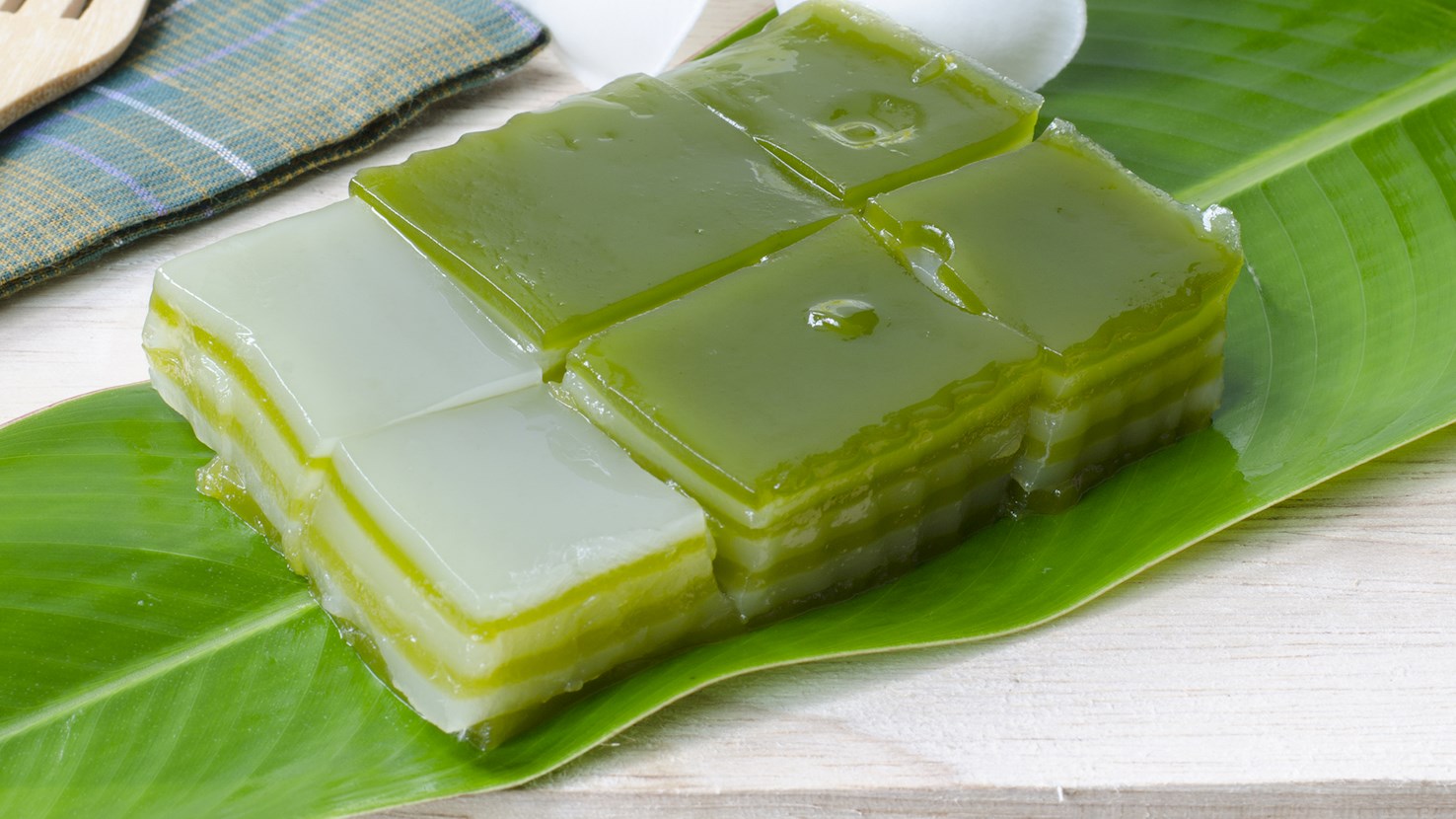
Khanom chan (Steamed Coconut-Pandan Cake)

3.7 ·

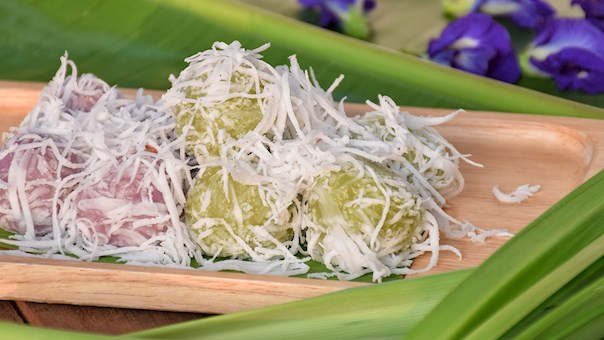
Khanom chan is a unique Thai dessert made with steamed batter of several starches, typically rice, tapioca, and arrowroot flour, coconut milk, sugar, and a pinch of salt. Making this Thai delicacy is a laborious process, but definitely worth the time and effort. The batter is divided into two halves - one flavored only with jasmine, whereas the other is flavored both with jasmine and pandan. The pandan leaves’ extract gives the latter a typical green color and a nutty flavor. The dessert is then steamed into several individual layers, traditionally nine, alternating between the coconut-infused batter and the coconut-and-pandan-infused one, which results in its distinctive two-toned look. Although the traditional khanom chan has white and green layers, different food dyes can be added to the batter to achieve a more colorful dessert. This silky delicacy is usually decorated with jasmine flowers and pairs perfectly with a cup of tea.

05

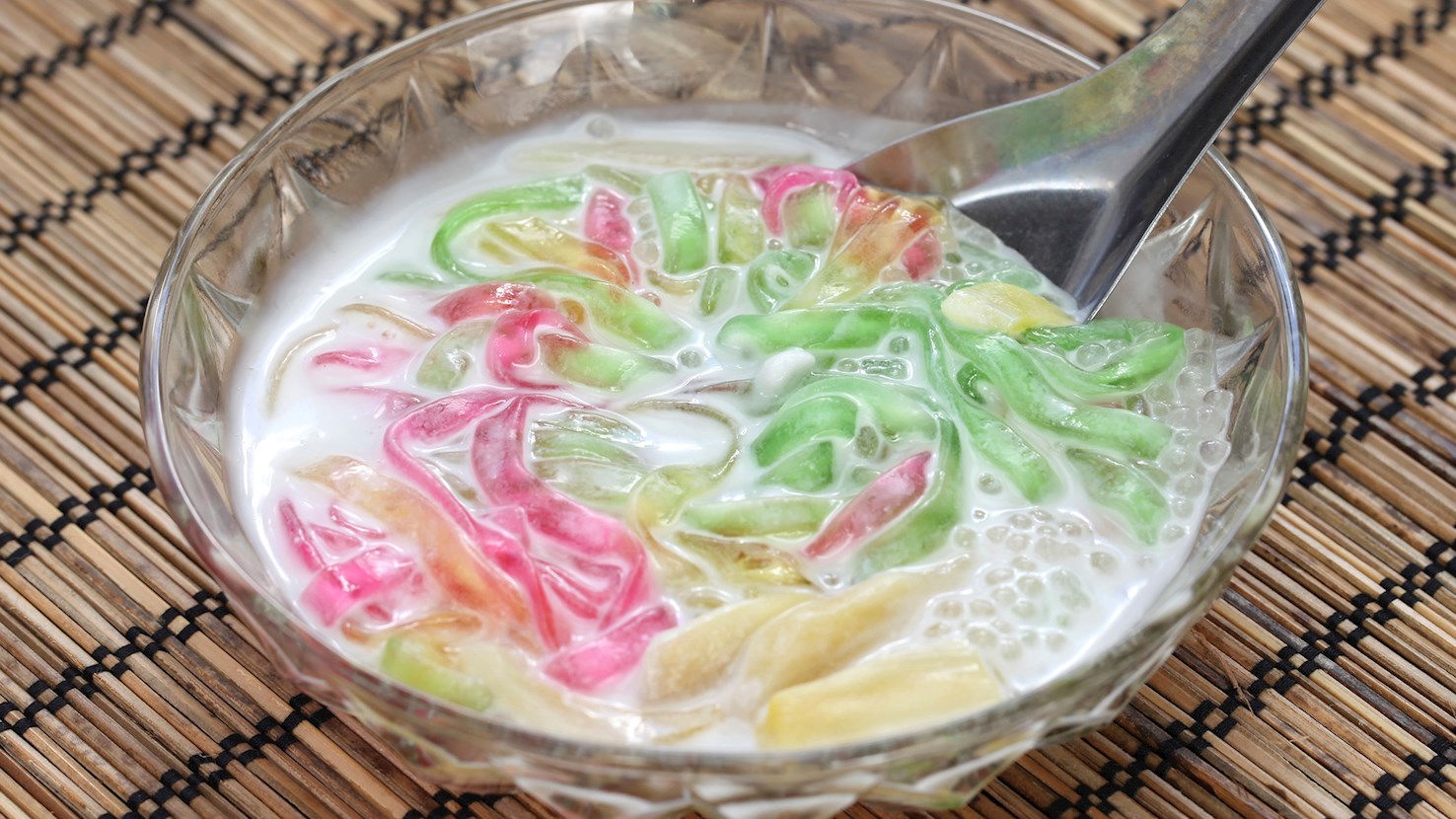
Ruam mit

3.6 ·

Ruam mit is a popular Thai dessert made with ingredients such as coconut milk, sugar, tapioca pearls, corn, lotus root, sweet potatoes, beans, and jackfruit. Each bowl typically includes starchy noodles that are flavored and colored with various ingredients, and which may come in the shape of thin strips or more elaborate decorative forms. There is no set recipe for ruam mit, so each cook or street vendor adds their own ingredients to the mix. It is often consumed as a cool refreshment on hot summer days, topped with shaved ice. In Thailand, it is one of the cheapest desserts, and each bowl typically costs around 15 baht. Interestingly, in Thai language, ruam means get together, and mit refers to friends, so it can be said that ruam mit is a meeting of many desserts in one simple, flavorful dish.

06

Khanom fak bua

3.5 ·

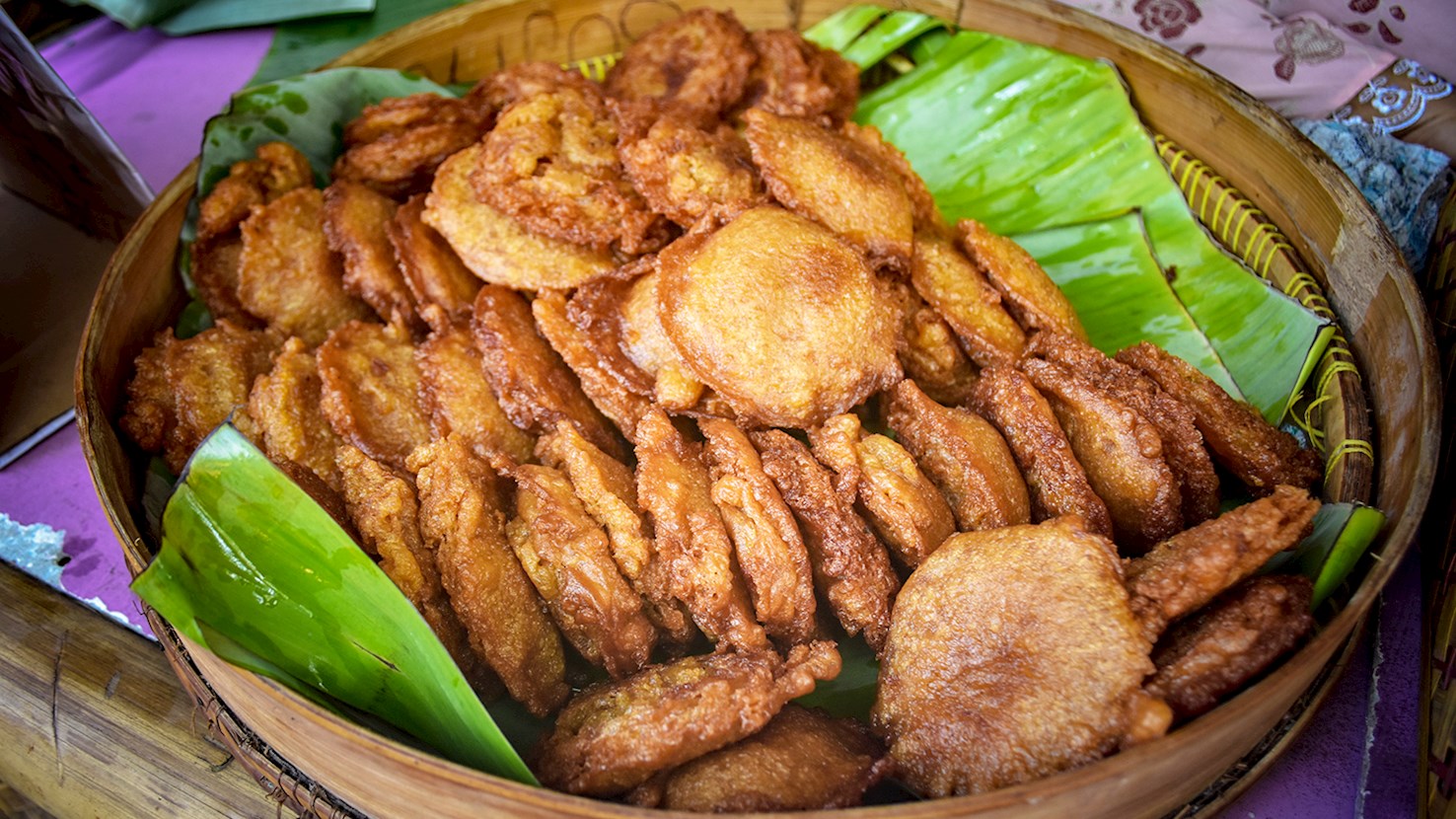
Kue cucur is a traditional snack that's also popular in Malaysia (kuih cucur) and Thailand (khanom fak bua), a type of deep-fried rice flour cake made with a simple batter of rice flour, palm sugar, and water. Its iconic shape, a thick, chewy center with a lacy, crisp rim, emerges naturally during frying, giving it a visual appeal that sets it apart from other traditional sweets. Despite its humble ingredients, the technique of preparing kue cucur requires skill and experience, particularly to achieve the perfect balance of textures and the signature golden crown that forms around its edges. The batter is made by dissolving rich, dark palm sugar in water, which is then mixed with rice flour to form a smooth, pourable mixture. This is allowed to rest so that the starches can hydrate fully, contributing to the chewy texture. When poured into hot oil in a specific, controlled motion, the batter spreads and begins to puff, forming its distinctive shape as the center remains thick and the edges bubble outward into a crisp, almost floral ring. The cooking process is as much a test of patience as it is of temperature control, as kue cucur can easily become greasy or misshapen if not handled properly. Kue cucur is often served at traditional ceremonies, family gatherings, or as an everyday street snack, where it’s typically displayed in neat stacks on banana leaves or sold fresh from roadside vendors. Its deep sweetness, which comes entirely from palm sugar, pairs well with a cup of hot tea or coffee.

07

Chao kuai (Grass Jelly)

3.5 ·

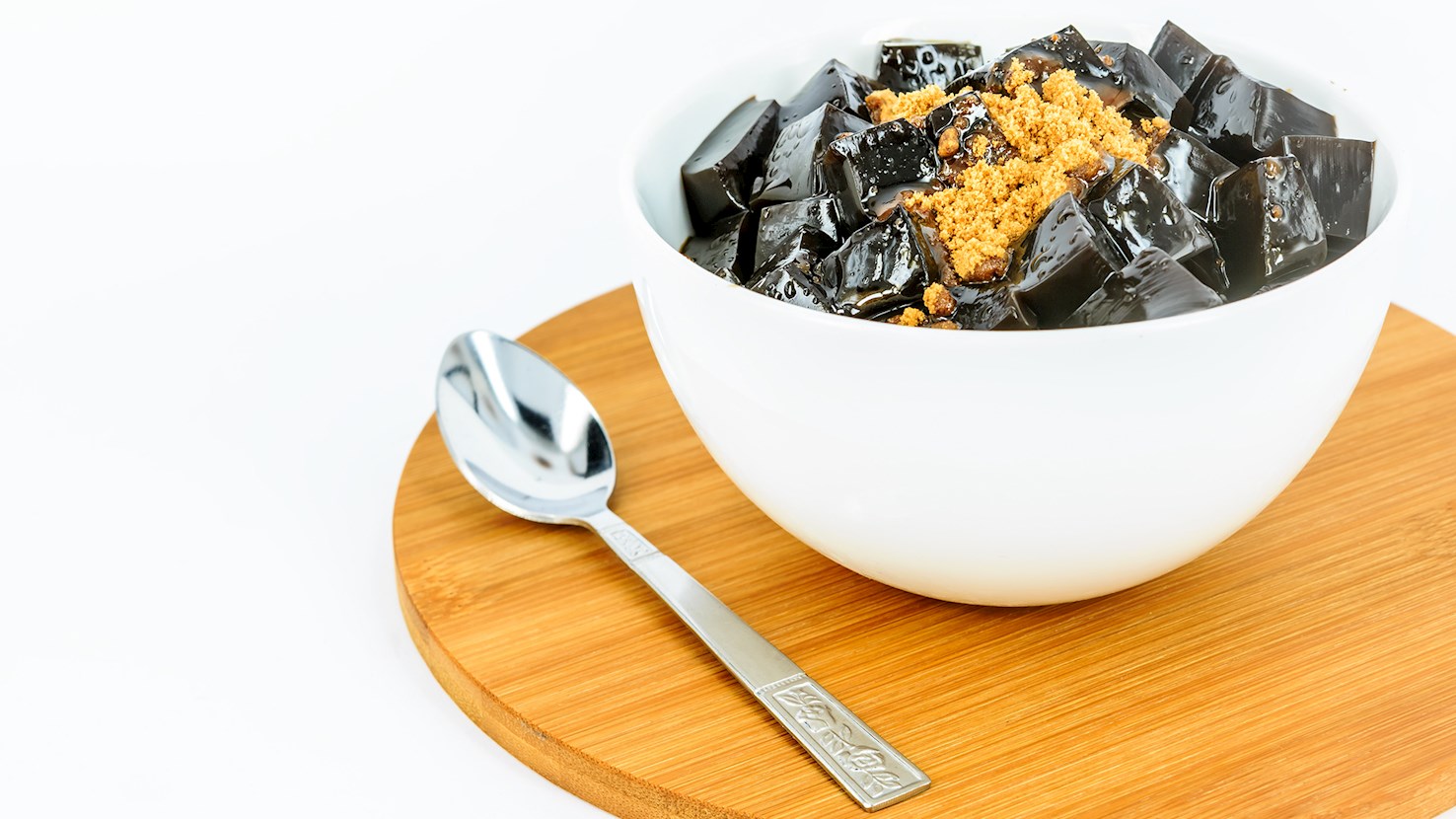
Also known as grass jelly, chao kuai is a traditional dessert typically served with crushed ice and sprinkled with brown sugar. This refreshing dessert is made with a jelly base which is prepared by cooking the leaves and stalks of Mesona chinesis - a member plant of the mint family. Apart from Thailand, chao kuai is popular all across Southeast Asia, China, Hong Kong, Macau, and Taiwan. Depending on the region, chao kuai is either enjoyed on its own, doused in condensed or evaporated milk, or served mixed with jackfruit, mango, sago, watermelon, cantaloupe, and other fresh or canned fruit.

08

Lot chong nam kathi

3.4 ·

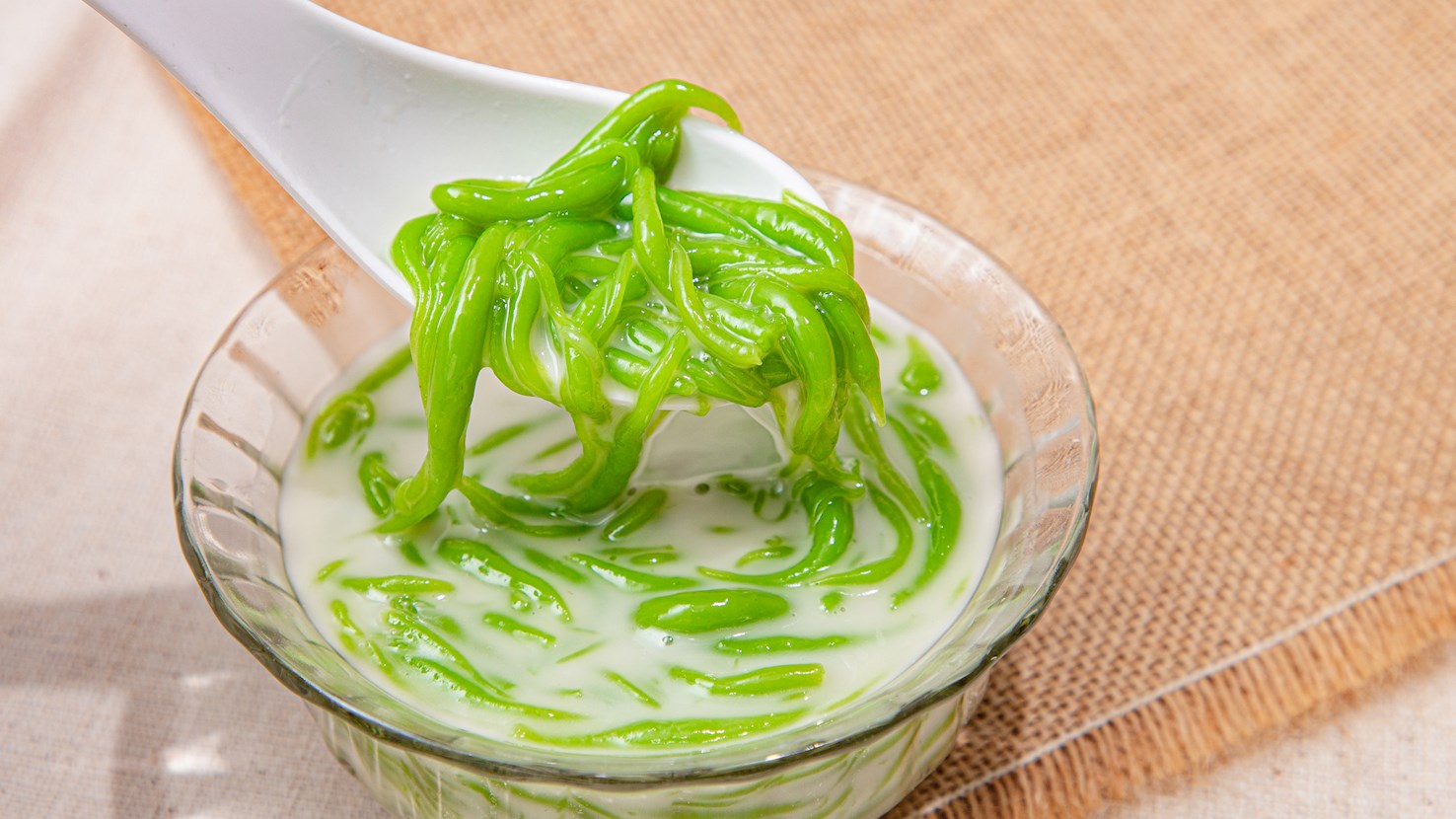
Lot chong nam kathi is a traditional dessert originating from Thailand. It consists of pandan-flavored rice flour noodles that are served in sweetened coconut milk. In order to make the dish, rice flour is pushed through small holes to make noodle-like droplets that are infused with pandan. These noodle like-droplets are served in an aromatic mixture of palm sugar and coconut milk. In the past, this dessert was served in wedding ceremonies in Thailand because the noodles that pass through small holes symbolize longevity of true love for newlyweds.

09

Kluai thot

3.3 ·

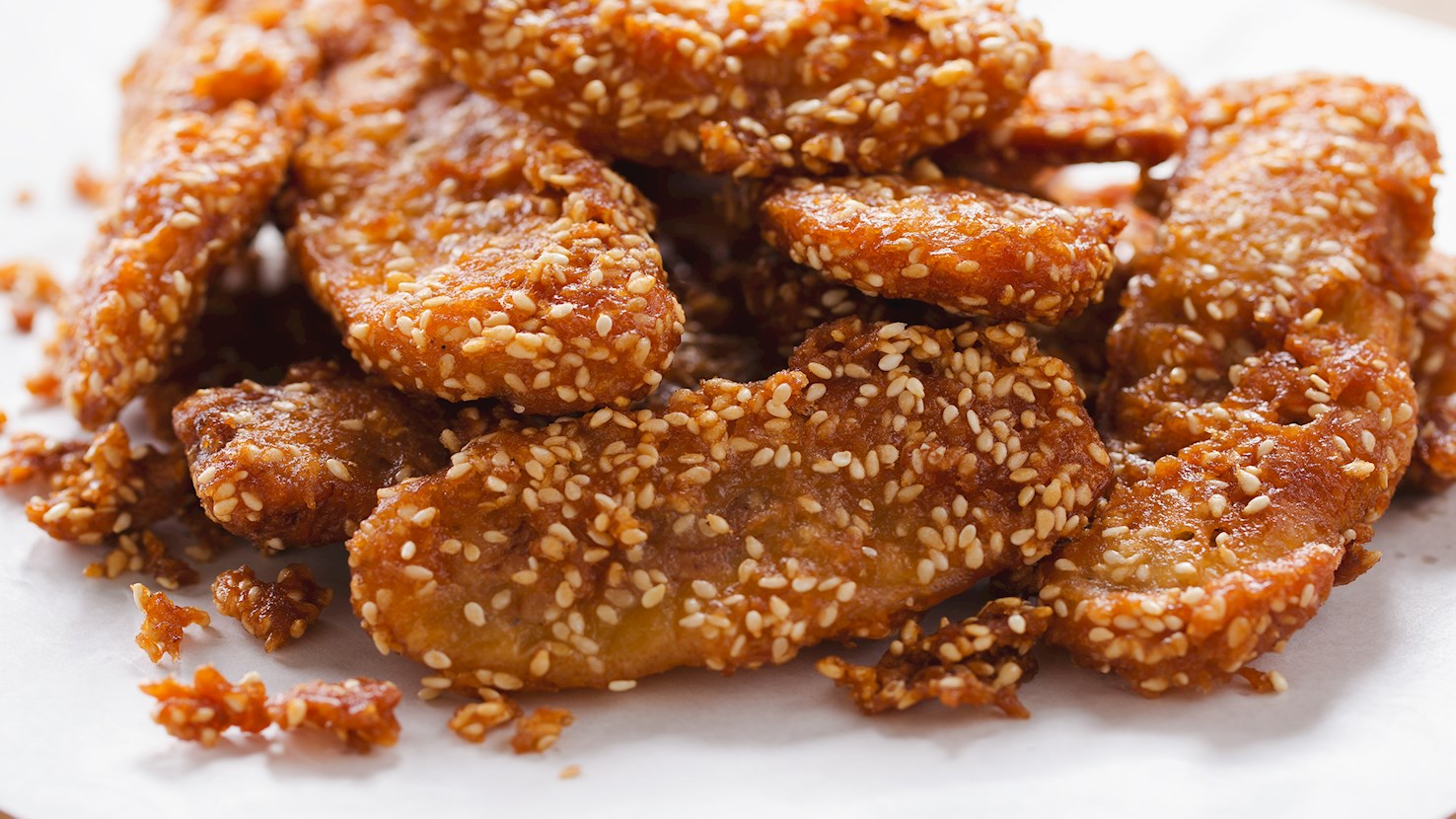
Kluai thot, or deep-fried bananas, is a sweet street food item commonly found throughout Thailand. This Thai treat is traditionally prepared with peeled and sliced burro bananas, known locally as kluay nam wa, which are entirely immersed in a thin rice flour mixture, and then fried in hot oil until they form a crispy crust. The batter mixture usually consists of rice flour, all-purpose flour, sesame seeds, baking powder or traditionally slaked lime, baking soda, sugar, salt, ripe coconut shreds, and water. Sweet and crunchy, fried bananas are typically sold in bags and enjoyed while they are still warm, usually as a snack, a dessert, or an appetizer. Although fried bananas are traditionally consumed on their own, without any additions, nowadays, they are often served with a variety of sides such as ice cream, vanilla, whipped cream, chocolate sauce, or honey.

10

Thong muan (Thai crispy rolls)

3.3 ·

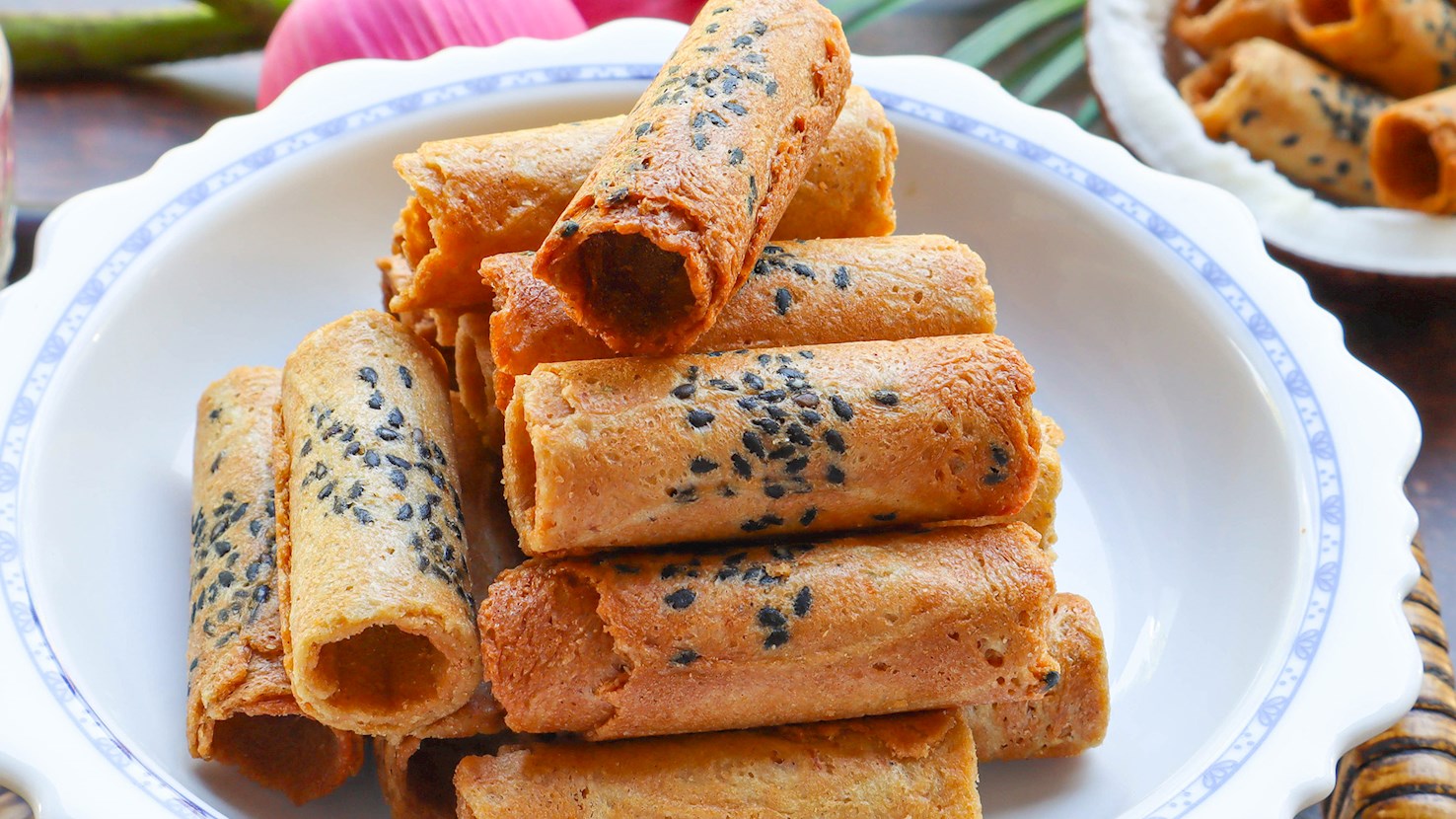
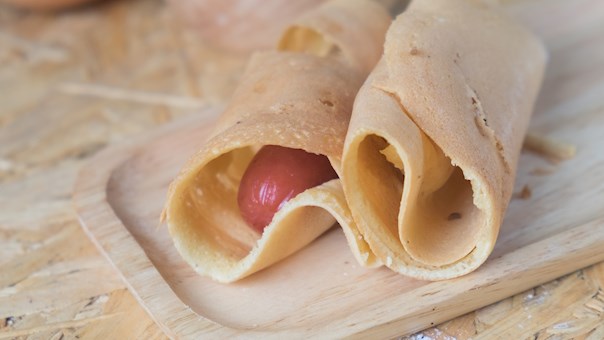
Thong muan is a traditional sweet snack of a crispy wafer shaped like a cigar. The name translates to "gold roll," referencing the dessert's golden color and rolled shape. Thong muan is made from a batter that typically includes rice flour, coconut milk, sugar, eggs, and sesame seeds. This batter is spread thinly on a hot pan and cooked until it becomes crispy. Once cooked, the thin, crispy wafer is rolled up into a tube shape while it's still hot and pliable. The result is a light, crispy, and slightly sweet snack that's often enjoyed with tea or coffee and sold at the roadside OTOP (one-tambon-one-product) shops.

Read more
View all
View map
About this ranking

TasteAtlas food rankings are based on the ratings of the TasteAtlas audience, with a series of mechanisms that recognize real users and that ignore bot, nationalist or local patriotic ratings, and give additional value to the ratings of users that the system recognizes as knowledgeable. For the “Top 25 Thai Desserts” list until June 15, 2026, 892 ratings were recorded, of which 698 were recognized by the system as legitimate. TasteAtlas Rankings should not be seen as the final global conclusion about food. Their purpose is to promote excellent local foods, instill pride in traditional dishes, and arouse curiosity about dishes you haven’t tried.

Similar lists