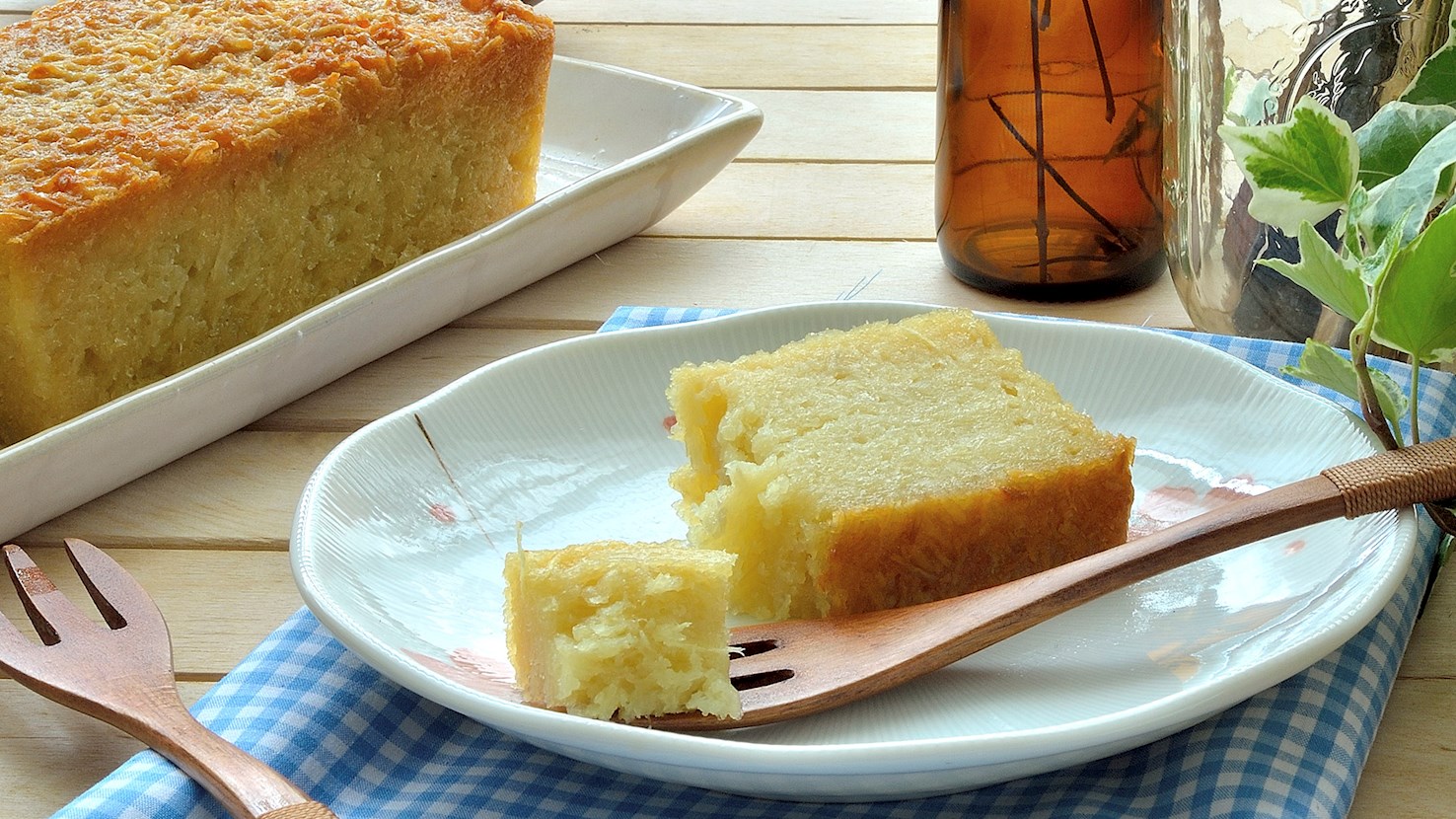
Cassava pone is a sweet, moist, and gummy dessert made from cassava root, pumpkin, sweet potatoes, coconut, sugar, nutmeg, butter, and milk. Not much is known about the origin of this dessert, but it's believed it first appeared somewhere on Barbados, Trinidad and Tobago or in Guyana, although most probably at all of these territories at the same time. Today, cassava pone is so popular that it is regularly the first dessert to sell out at bake sales, and it is said that if you ask any local about pone, you are almost guaranteed to be regaled with a cherished childhood memory.
Soursop ice cream is a Caribbean dessert that is especially popular in Trinidad and Tobago. It is made with ripe soursop, water, cornstarch, condensed milk, salt, and sometimes a few splashes of bitters. After the combination has been churned, it is then stored in the freezer until firm in texture. This unique ice cream variety is enjoyed throughout the year.
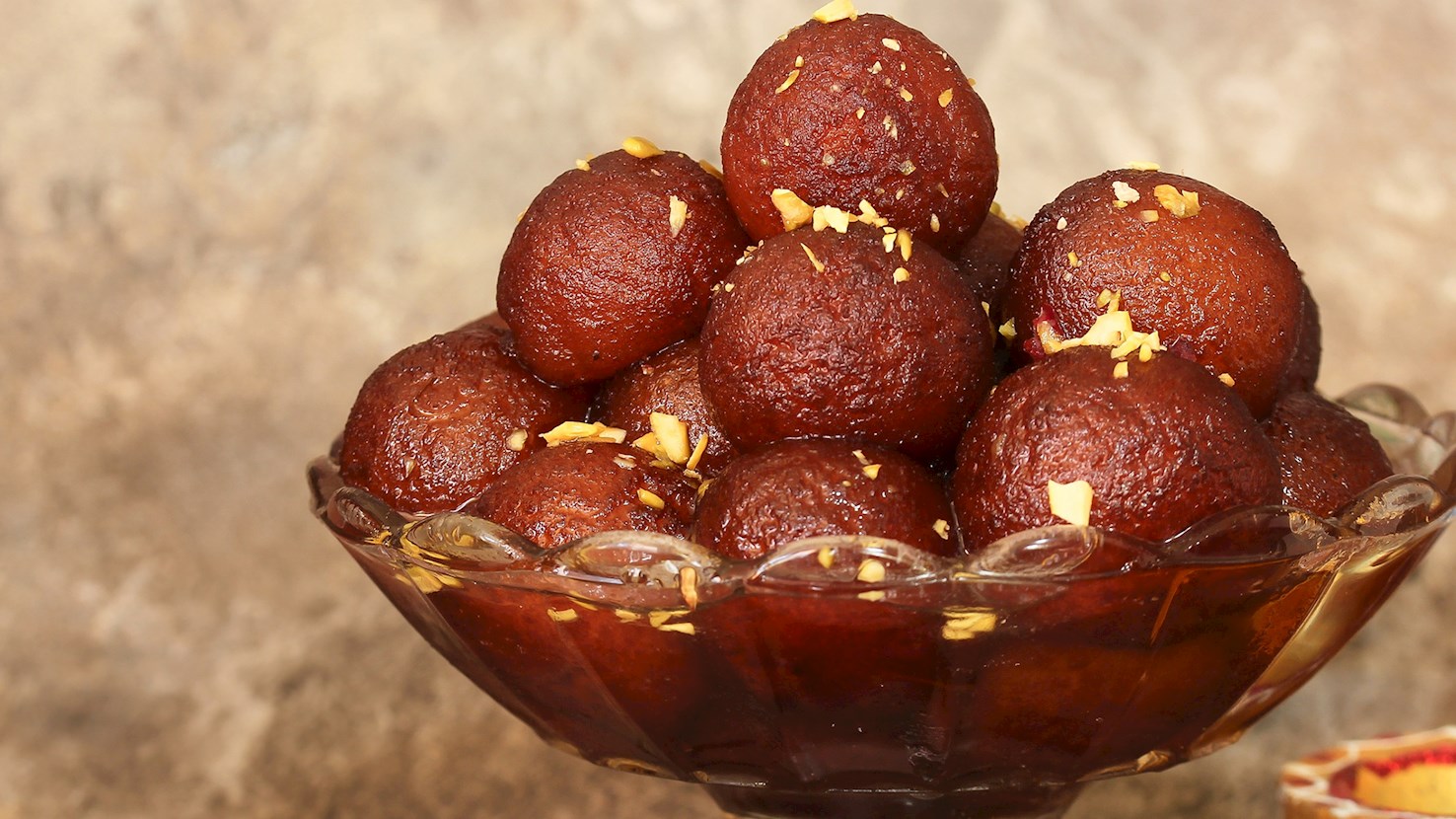
Goolab jamoon (also spelled gulab jamun) is a festive Trini treat that was developed under the influence of Indian cuisine. Milky and sweet, these fritters consist of milk, flour, ghee, water, and ground cardamom. Fried until golden brown and then drained, the fritters are glazed with a sweet syrup consisting of sugar, water, and ginger. Goolab jamoon is especially popular during Diwali, the Hindu festival of lights.
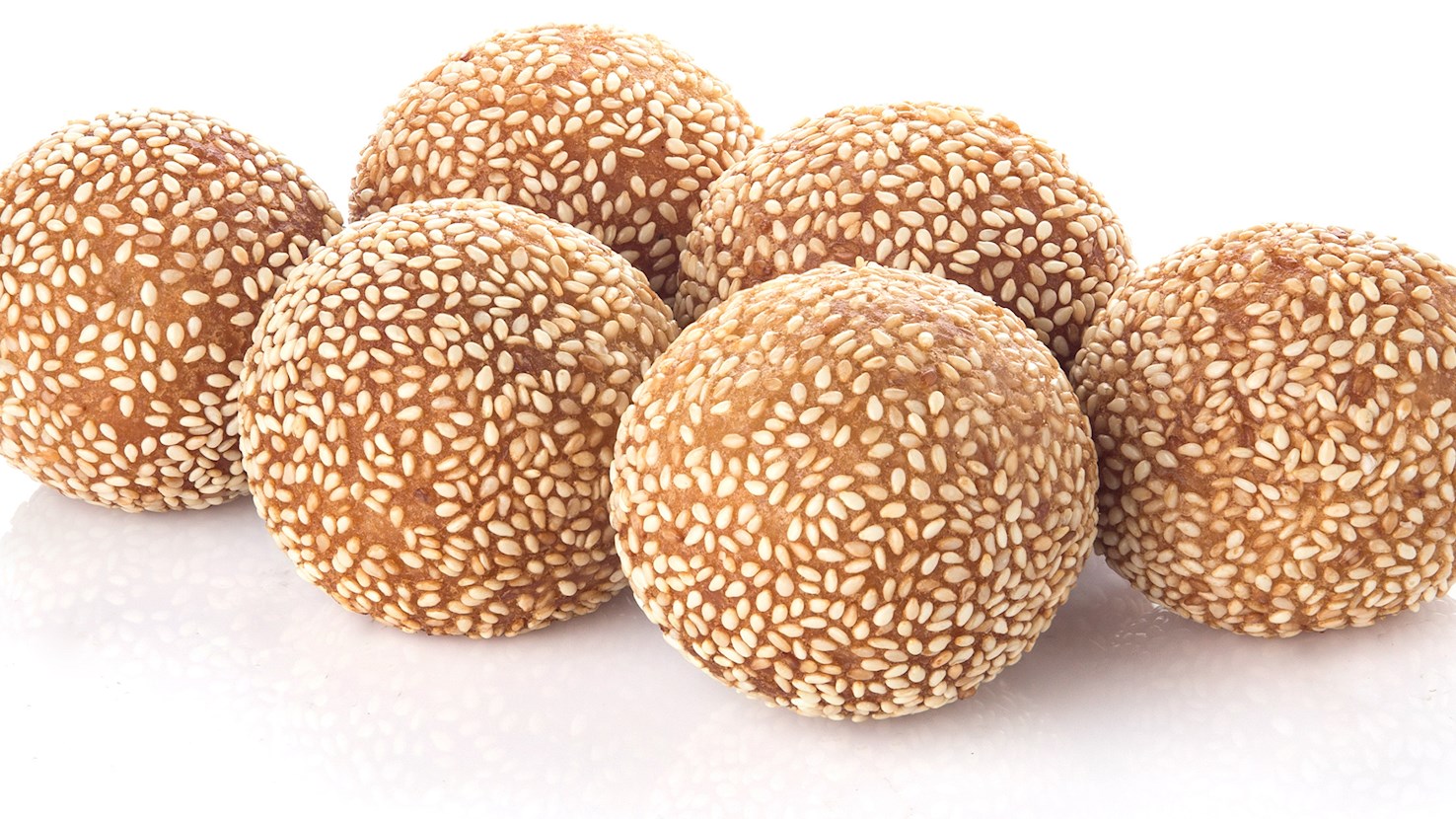
Achingly sweet, extra hard, dense, and crunchy, benne balls are popular Tobagonian treats made with brown sugar and benne, which is an African word for sesame seeds. These treats are extremely simple to prepare - brown sugar is heated, combined with sesame seeds, and then the concoction is rolled into a ball and left to set. Benne balls are especially popular at street stalls which are located near the beaches, making these sweets an ideal beach treat – just watch out for your teeth while consuming them!
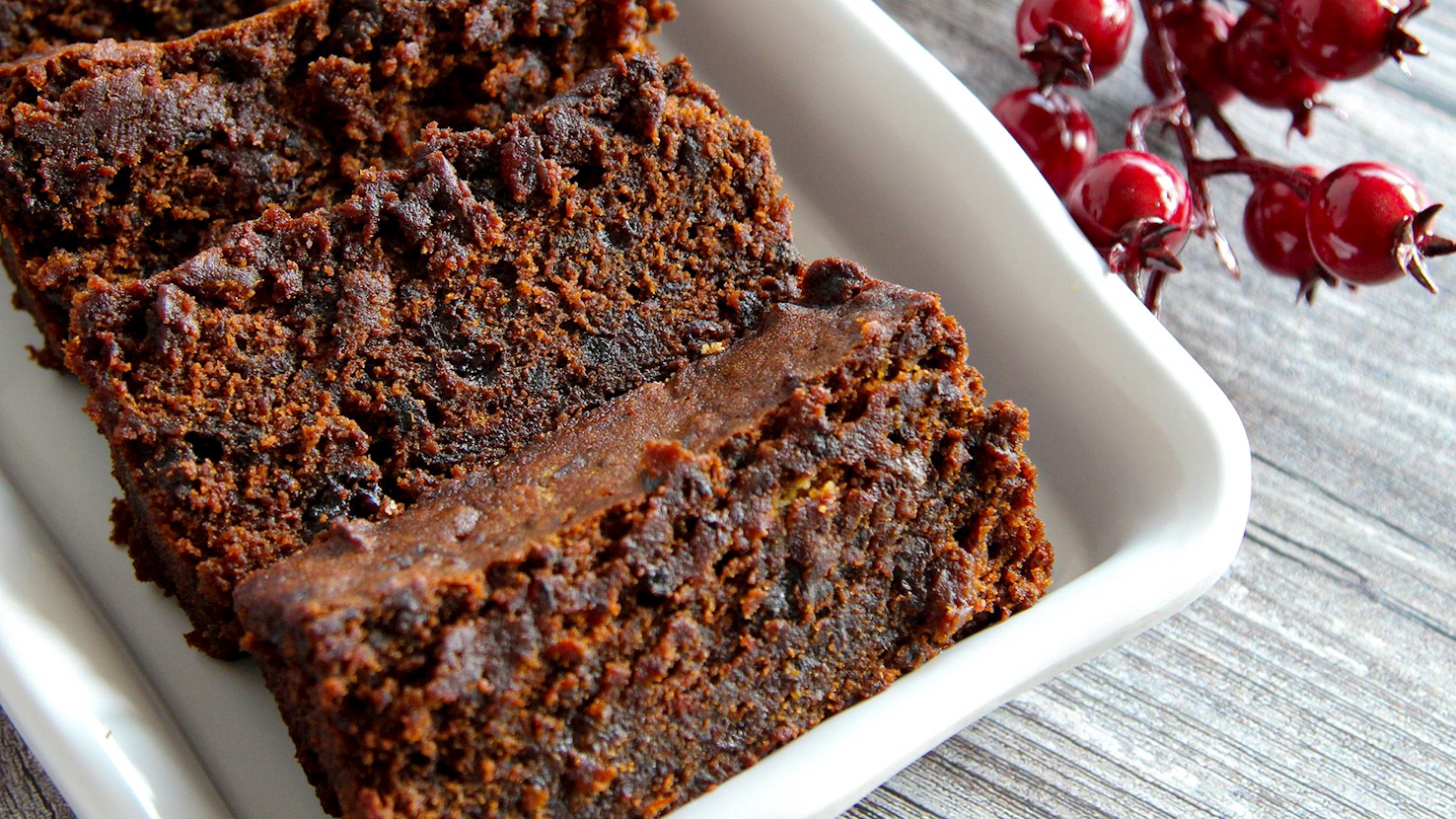
Black fruit cake is a dense, dark Caribbean cake made with rum-soaked dried fruits, browning, warm spices, and a slow-baked batter that produces a moist, heavily flavored dessert. It is prepared throughout the English-speaking Caribbean, especially in Jamaica, Belize, Trinidad, and Guyana, where it is commonly eaten during Christmas and at weddings. The cake is defined by its deep color, which comes from browning (a cooked sugar syrup) combined with puréed fruit that has been soaked for extended periods in rum, wine, or both. While each island has its own style, the core preparation, an alcohol-infused fruit base baked into a soft, dark cake, remains consistent. Its development is connected to British fruitcake brought to the Caribbean, which Caribbean cooks adapted by incorporating locally available rum, adding regional spices, and using browning to achieve a uniform dark color not present in European versions. Over time, the technique of soaking fruits for months and blending them to a smooth consistency became a defining feature. Preparation begins with raisins, currants, prunes, and cherries combined in a jar and covered with rum and red wine. These fruits are left to soak for weeks or months, and in many households the fruit mixture is replenished and reused from year to year. Before baking, the fruits are blended to a thick puree, though some cooks leave a portion chopped for texture. The cake batter is made from creamed butter and sugar, eggs, flour, baking powder, spices such as nutmeg and allspice, and browning added for color. The pureed fruits are mixed into the batter along with extra rum or wine from the soaking liquid. The batter is thick and poured into lined pans, then baked slowly at low heat to prevent scorching and to allow moisture to remain in the finished cake. After baking, some cooks brush the cake with additional rum, which helps preserve it and deepens its flavor as it rests. Black fruit cake is eaten across the Caribbean during December festivities, at weddings, and at formal gatherings. It is usually sliced thinly due to its density and richness. In Jamaica and Trinidad, it may appear alongside lighter pastries during holiday spreads, while in Barbados and Guyana it often serves as the central Christmas dessert. Beverage pairings include sorrel drink, ginger beer, rum punch, coffee, and occasionally fortified wine. When served at weddings, it may be paired with champagne or sparkling drinks. Outside the Caribbean, black fruit cake is prepared by Caribbean communities maintaining festive customs and is sold in bakeries during the holiday season, where it remains one of the most recognizable Caribbean baked goods.
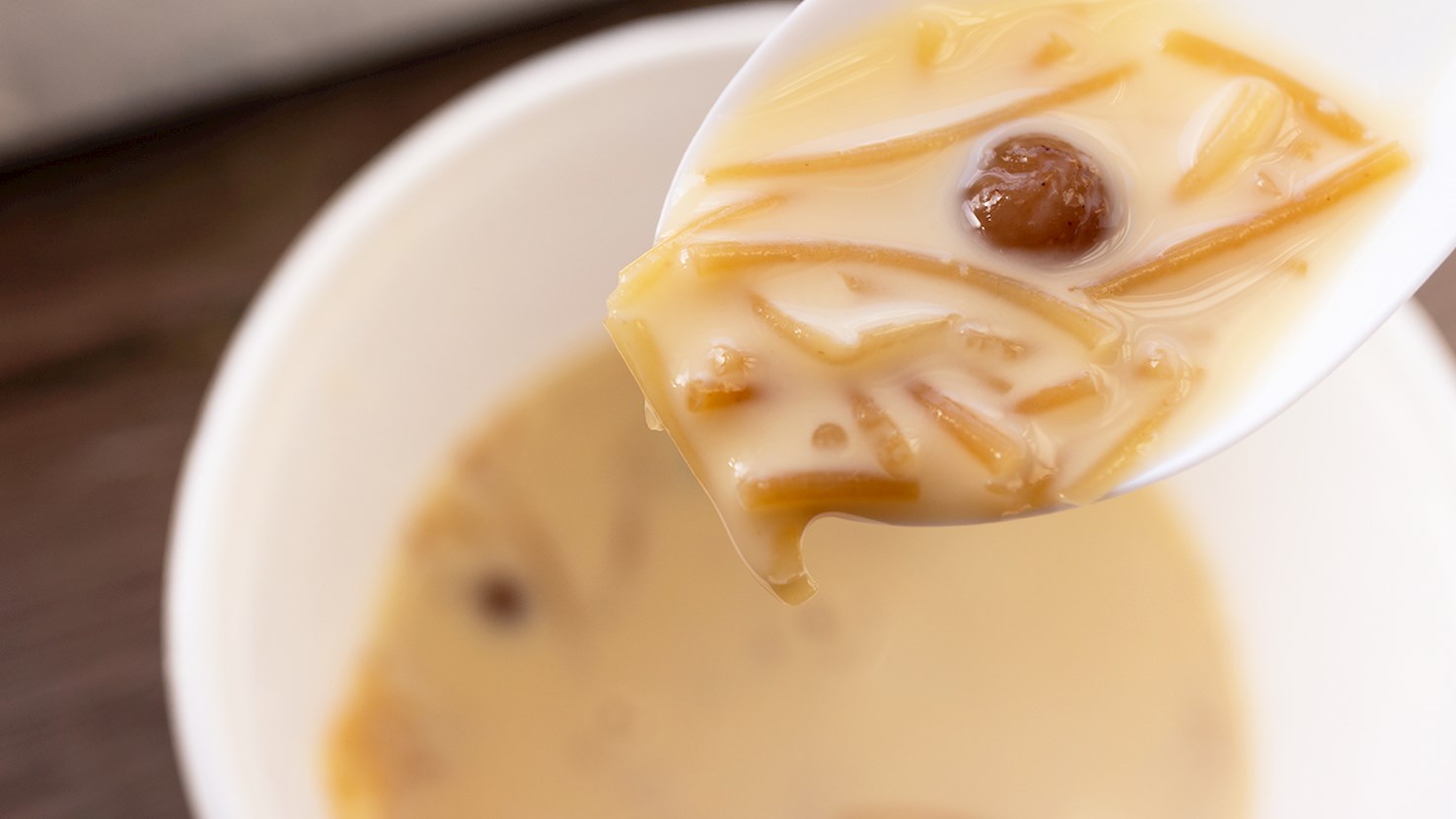
Sawine is a Trini dessert that is traditionally prepared on Eid ul fitr, a Muslim holiday. It is made with vermicelli noodles, almonds, sugar, milk, cinnamon, and raisins. The vermicelli are first parched until golden brown, then cooked in milk until the concoction thickens. Other ingredients are then mixed in the pot, and sawine is ready for consumption. This festive dessert can be served hot, cold, or at room temperature.
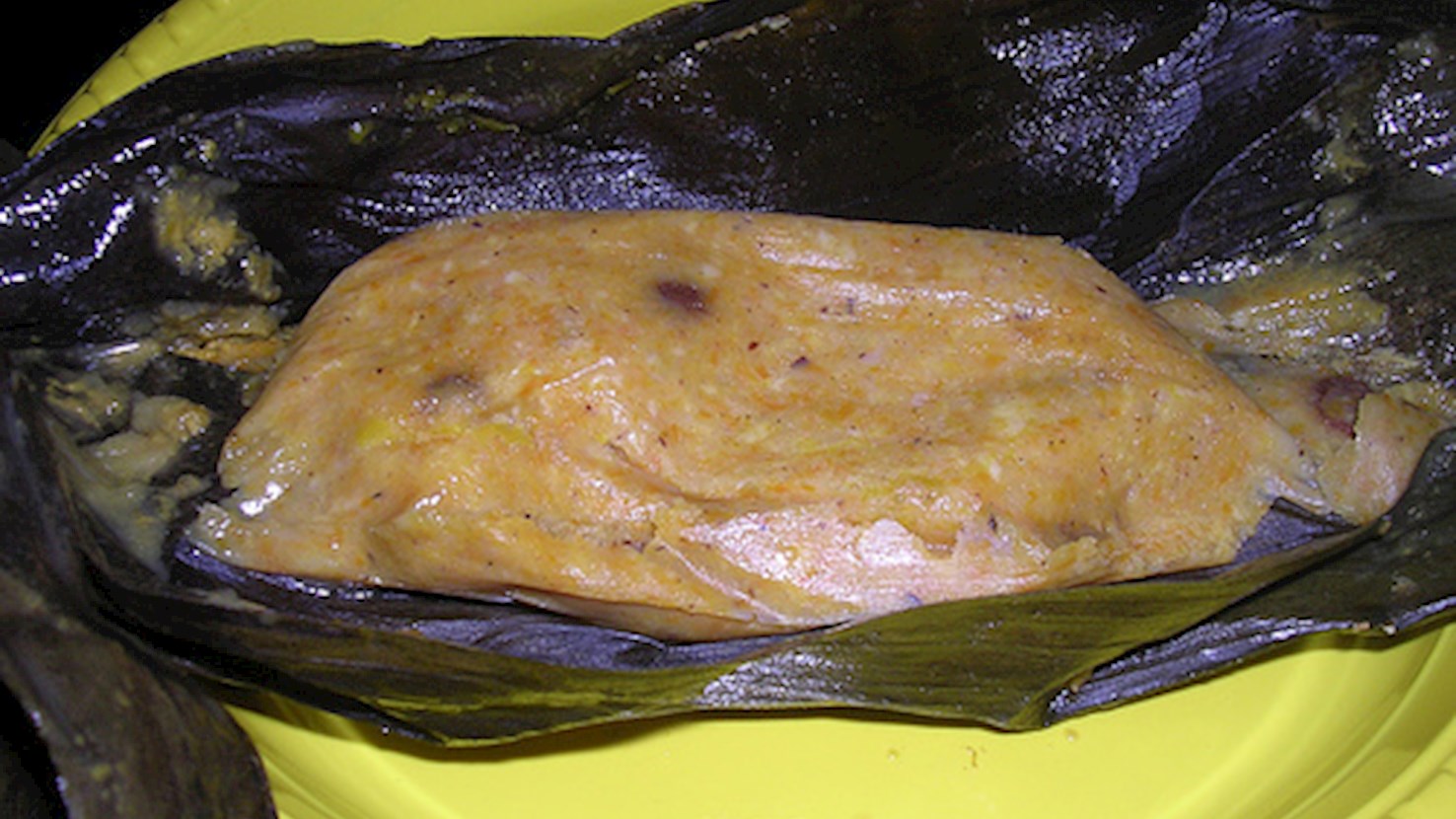
Conkies is a traditional dish of the West Indies that's especially popular in Barbados, and Saint Lucia and Trinidad and Tobago (where it's called paime). It's made with a combination of cornmeal, spices (cinnamon, nutmeg), grated pumpkin, coconut, sweet potatoes, raisins, flour, sugar, butter, and sometimes eggs. The mixture is wrapped in banana leaves, then steamed until it solidifies. Conkies are served on their own as a dessert or as a side dish accompanying fish cakes or fried fish. They can also be served for breakfast with a cup of tea or coffee on the side. Traditionally, they're prepared during November to celebrate Barbados' independence, or late October to celebrate Creole Day on Saint Lucia.
Trinidadian sucka bag is a frozen dessert from Trinidad and Tobago. Trinidadian sucka bag consists of a creamy, slightly sweet frozen mixture of coconut milk, condensed milk, evaporated milk, custard powder, sugar, vanilla or mixed essence and a touch of salt, poured into small clear plastic bags and frozen so the contents become firm yet scoopable straight from the bag. Its development comes from local home kitchens and small parlors where this treat was made to offer a cool refreshment in the island’s hot climate, becoming a familiar snack for children and adults during heat and at casual gatherings. Preparation begins by boiling custard powder in water and letting it cool, blending fresh grated coconut with water and straining to make coconut milk, combining the coconut milk with condensed and evaporated milk, stirring the custard into the milk mixture, adding brown sugar, essence and salt, straining the mixture again and then pouring it into small clear bags, sealing them tightly and placing them in the refrigerator until the liquid is fully frozen. Common variations involve substituting coconut with vanilla or other flavors such as rum and raisin, fruit or chocolate, adjusting sweetness, or adding coloring, while the defining element remains a creamy frozen fill inside small bags designed to be eaten directly. It is eaten frozen, typically held by the top and bitten or opened at a corner to suck or spoon out the contents, commonly offered at roadside stops, corner shops and local events, and it pairs naturally with cold drinks like fruit juice, coconut water or chilled soft drinks that complement its cool, sweet profile.
Soursop ice block is a unique Trini treat that is especially popular on extremely hot days. It is made with soursop pulp, water, condensed milk, and a small amount of bitters. The ingredients are simply blended together until smooth, then transferred to ice trays to freeze. After being frozen, this tasty ice cream is ready for consumption.
TasteAtlas food rankings are based on the ratings of the TasteAtlas audience, with a series of mechanisms that recognize real users and that ignore bot,
nationalist or local patriotic ratings, and give additional value to the ratings of users that the system recognizes as knowledgeable.
TasteAtlas Rankings should not be seen as the final global conclusion about food. Their purpose is to promote excellent local foods,
instill pride in traditional dishes, and arouse curiosity about dishes you haven’t tried.







What People Say