Liège waffles are one of the two most popular waffle varieties in Belgium. These unevenly shaped, chewy treats are made with a thick, brioche-like dough which is sweetened with pearl sugar and baked in a specially-designed waffle pan. During the baking process, the pearl sugar melts and gives the waffles a unique caramel flavor. Although the origin of Liège waffles is somewhat vague, it is believed they were influenced by French culinary traditions and made famous by the skillful Liège bakers. In Liège, these waffles are usually enjoyed plain, but they can also be topped with powdered sugar, whipped cream, chocolate, or various fruits.
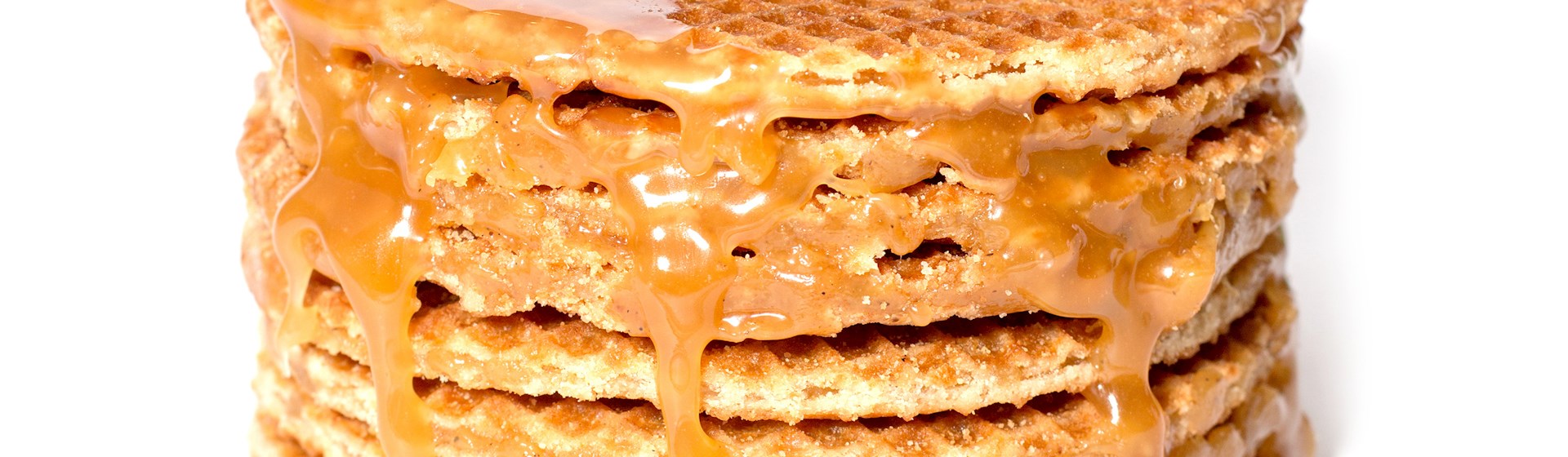
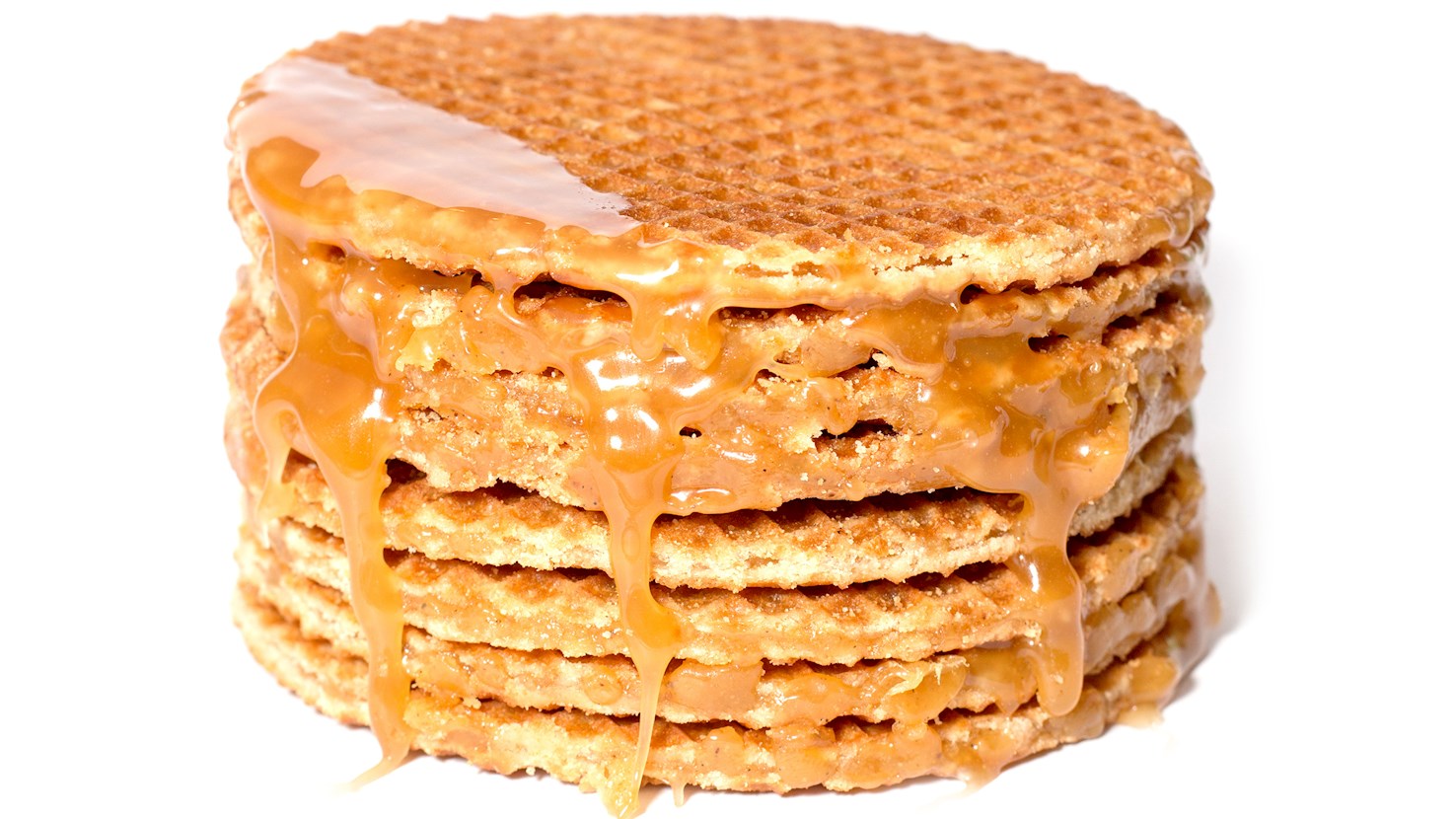
Lacquemant is a Belgian waffle originating from Liege. This thin waffle is made with wheat flour, cut horizontally in half, then filled and topped with sugar syrup flavored with orange blossom. The inventor of Lacquemant is Désiré Smidts, who first made it in 1903 and named it as a tribute to his former employer, Berthe Lacquemant. Nowadays, it is a popular treat at fairs in the Liege region.
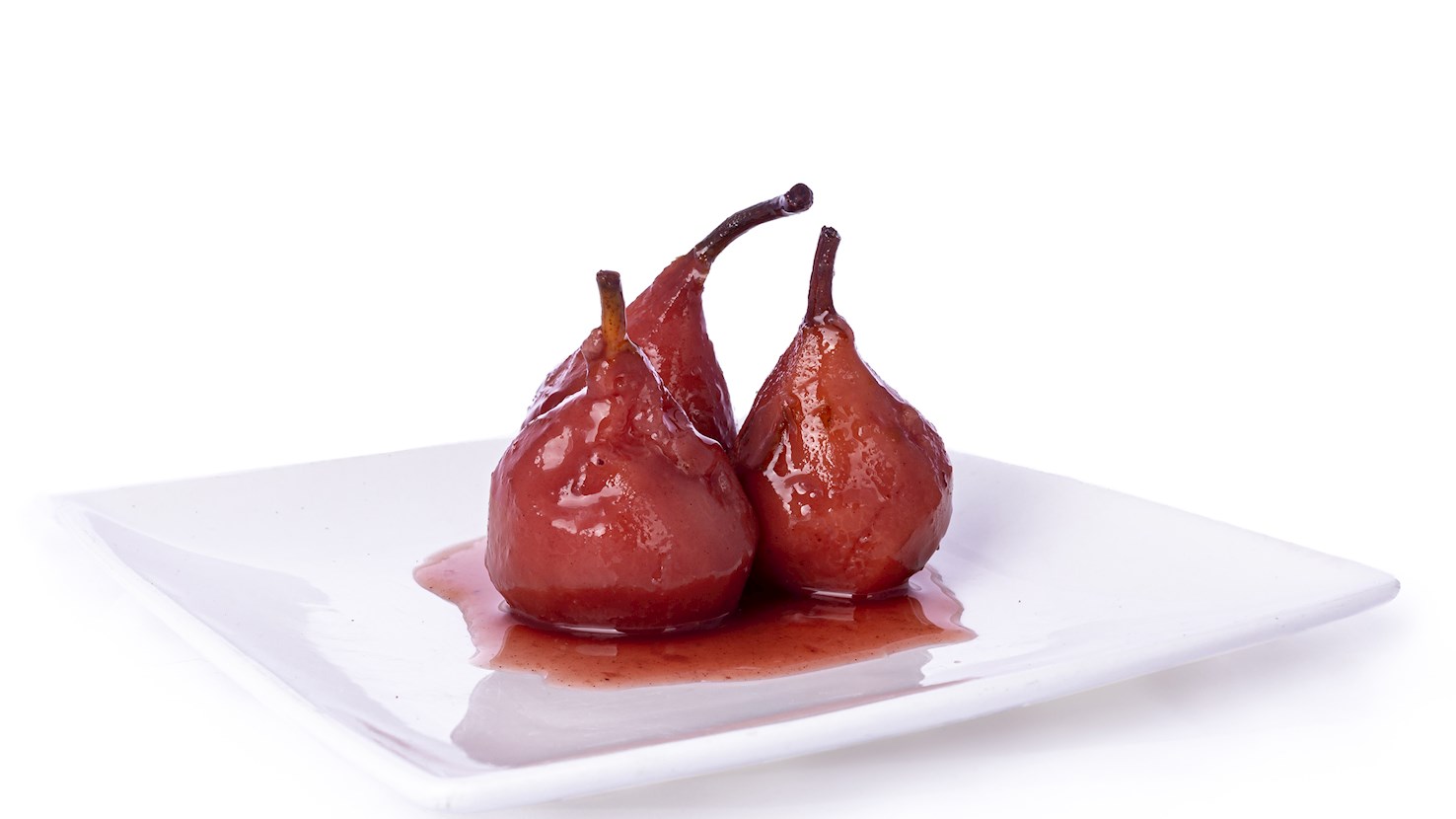
Hailing from Liège, this traditional dessert combines whole pears and a sweet, cinnamon-flavored syrup that is made with brown sugar, water, and sirop de Liège—a product made from fresh fruits such as pears, apricots, apples, dates, and prunes. The pears are slowly baked in the oven until they are thoroughly coated in the thick, almost caramelized syrup. The dish can be enjoyed warm or cold, and it can be accompanied by a scoop of vanilla ice cream or heavily-spiced speculaas cookies.
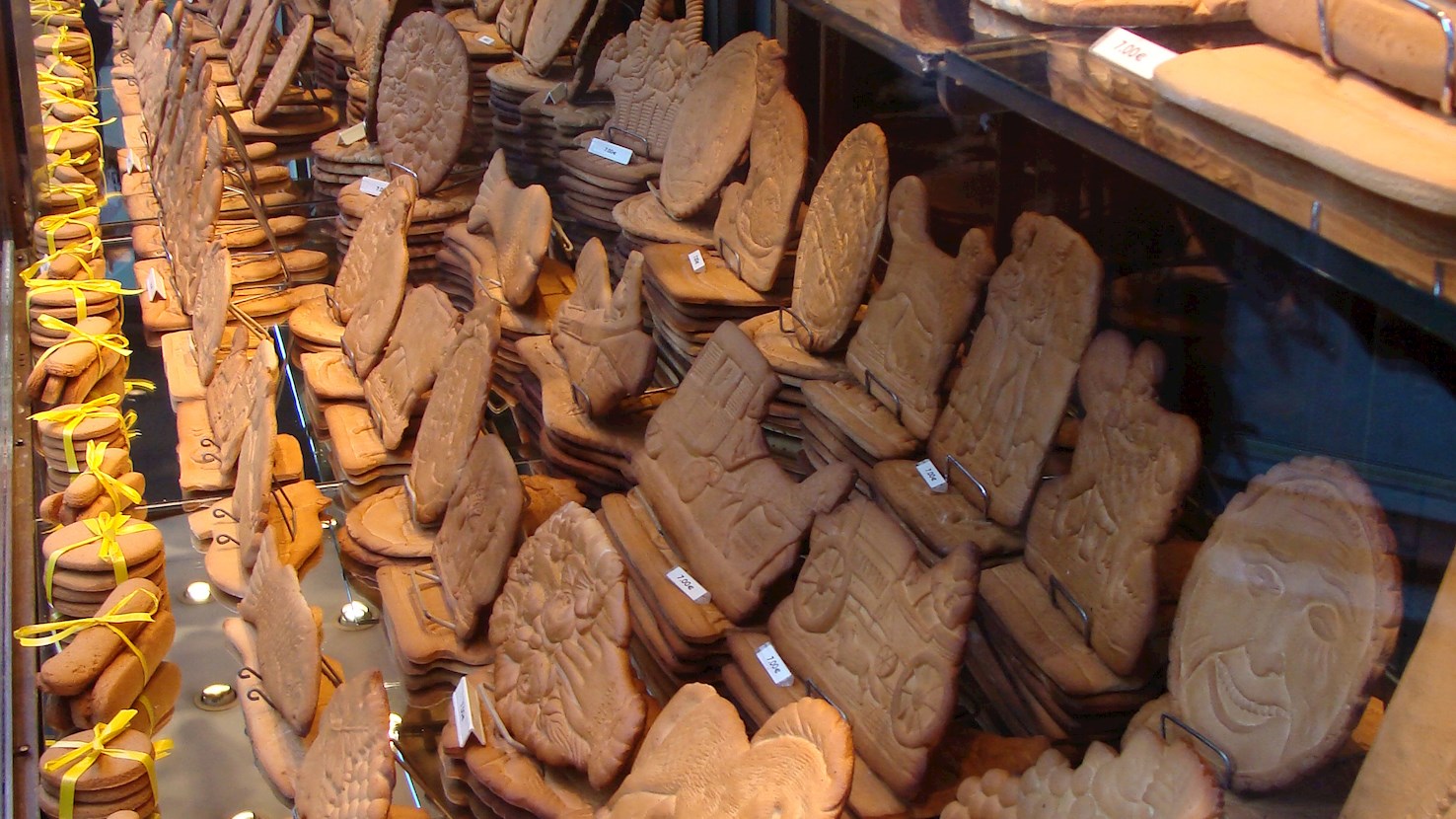
Couque de Dinant are traditional Belgian cookies, famous for their extra-hard texture, so much that they are traditionally given to babies to suck on while they are teething. Their tooth-cracking texture is achieved by baking the cookies at extremely high temperatures (300 °C). These sweet biscuits consist of only two ingredients - wheat flour and honey in equal amounts. The honey caramelizes and hardens as the biscuits cool down, so it is not recommended to bite into them - they should be broken into pieces and allowed to melt in the mouth. The history of couque de Dinant goes back to a Roman savory cake called placenta. Over time, the savory parts of the cake were left out of the recipe, leaving the consumers with a hard, sweet cookie that we know today. Couque de Dinant cookies are also characterized by incredibly detailed, complex, and antique imprints made using a cookie board, so they are not only meant to be consumed, but can also be brought home as souvenirs, or even used as Christmas tree ornaments.
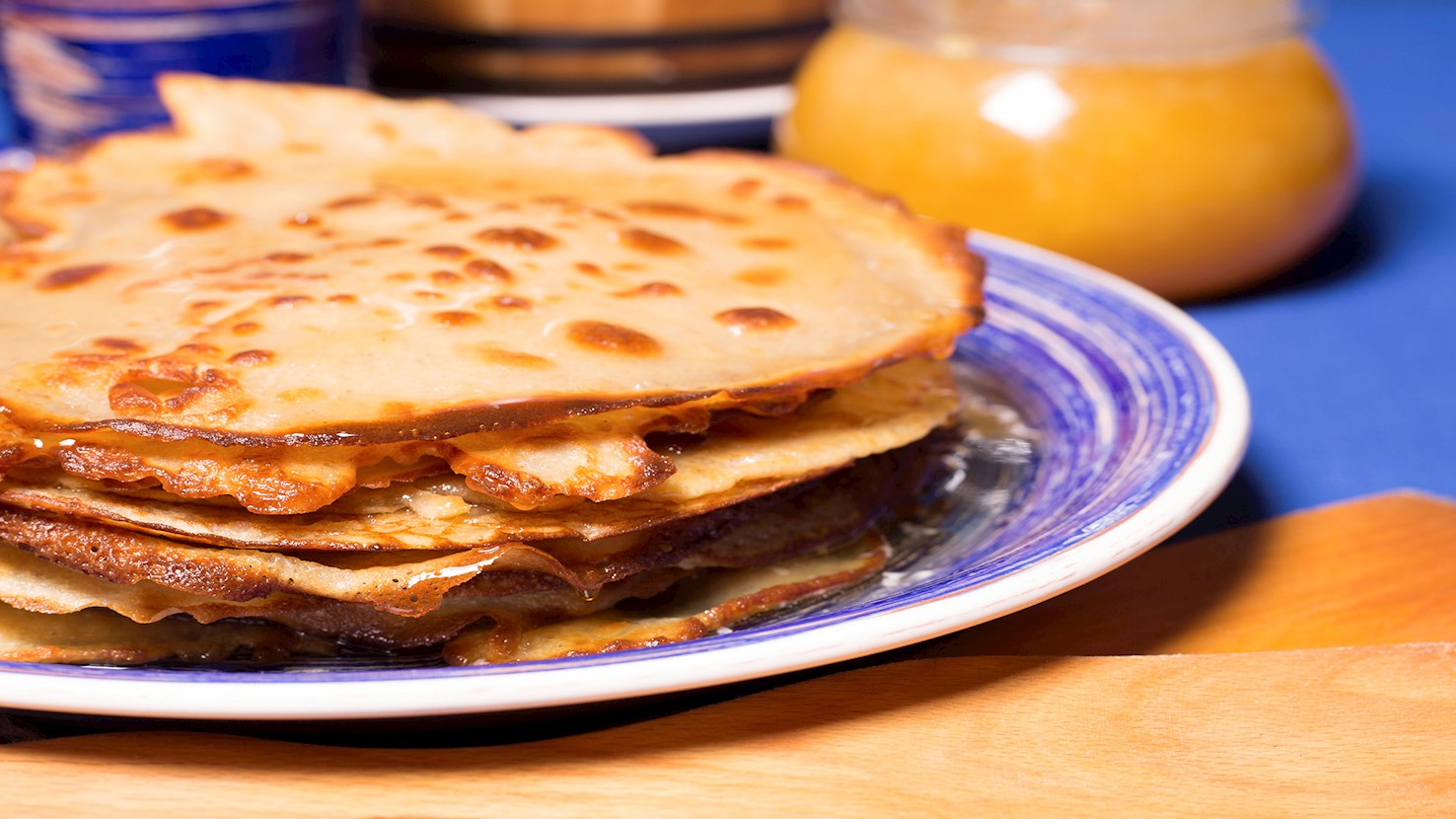
Originally made in Liège since the 18th century, boûkète is a buckwheat flour pancake that is traditionally fried in lard and decorated with raisins and brown sugar. The pancake can be served either hot or cold, and is often drizzled over with sirop de Liège. The name boûkète is derived from the Dutch boekweit, denoting a type of buckwheat. This sweet treat is especially popular during the festive winter season, when it is recommended to pair the pancakes with a glass of mulled wine.
Rombosse is a baked apple dessert from Belgium that consists of a whole peeled apple, cored and filled with sugar and cinnamon, then fully wrapped in dough and baked until the fruit becomes tender and the exterior turns lightly golden. Its roots lie in Walloon home baking where orchard apples were combined with simple doughs to make filling desserts suited to family meals and local customs, and the name reflects regional language and usage across towns such as Verviers, Mariembourg, and Couvin. Preparation centers on selecting firm apples, removing the core while keeping the fruit whole, filling the cavity with sugar and cinnamon, enclosing the apple completely in a layer of dough, brushing the surface with egg, and baking until the apple cooks through inside its sealed covering. Variations depend on locality and household practice, with some versions using a risen dough and others using puff pastry or dough enriched with fat, and occasional finishing touches like a light dusting of sugar after baking, while the defining feature remains the use of a whole apple enclosed in dough rather than sliced fruit or batter. Rombosse is eaten warm, at room temperature, or chilled as a dessert or snack, often served on its own or with simple accompaniments, and it pairs well with coffee, tea, vanilla-based creams, or lightly sweet wines that complement the apple and cinnamon without dominating them.
TasteAtlas food rankings are based on the ratings of the TasteAtlas audience, with a series of mechanisms that recognize real users and that ignore bot,
nationalist or local patriotic ratings, and give additional value to the ratings of users that the system recognizes as knowledgeable.
TasteAtlas Rankings should not be seen as the final global conclusion about food. Their purpose is to promote excellent local foods,
instill pride in traditional dishes, and arouse curiosity about dishes you haven’t tried.





What People Say