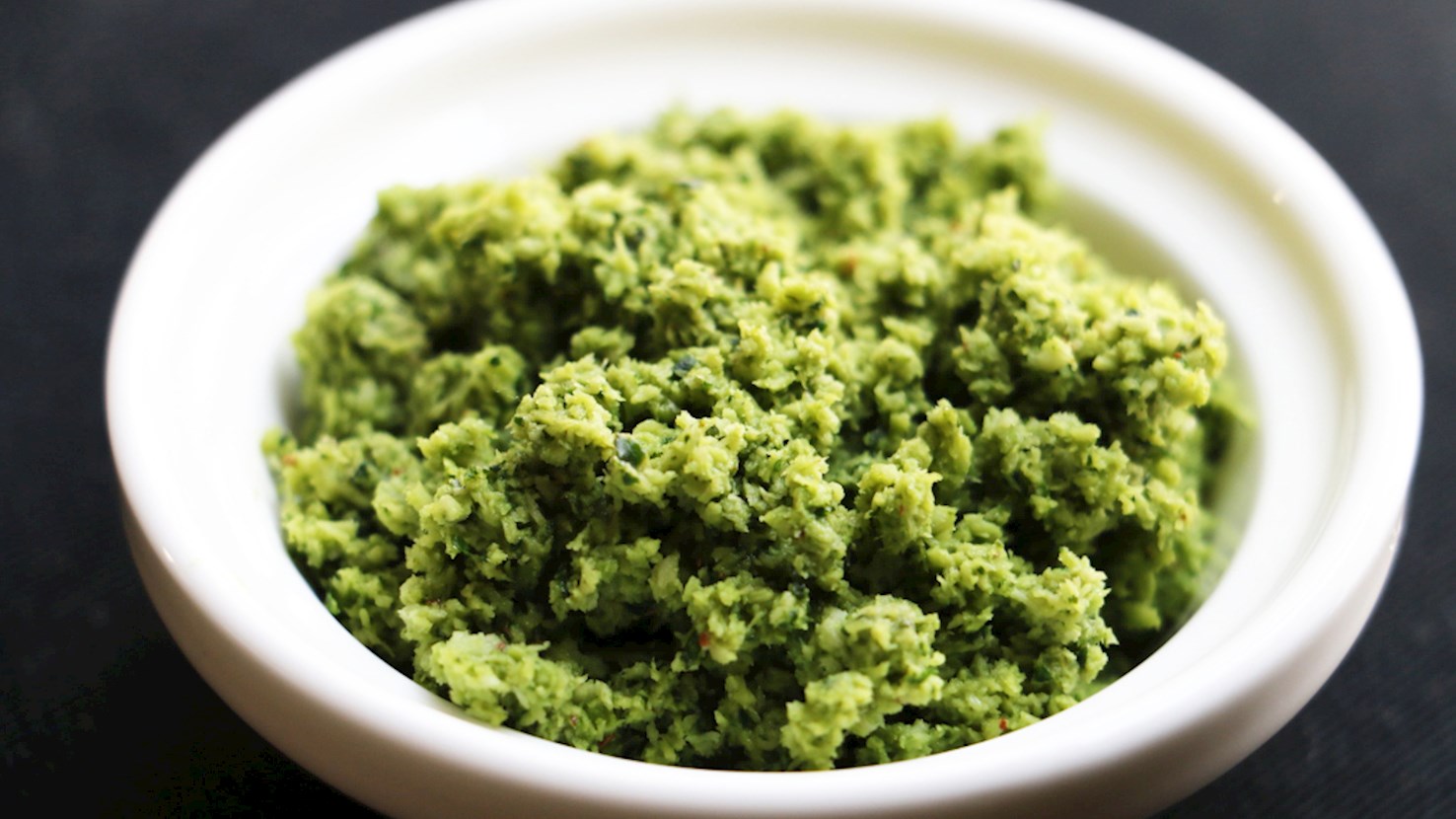
Coriander chutney is a traditional chutney made with chopped fresh coriander leaves as the main ingredient. Other ingredients usually include ginger, green chili peppers, lemon juice, cumin powder, water, and salt. There are many coriander chutney variations made with different additional ingredients such as yogurt, sugar, and mango powder. The ingredients are blended until smooth or chunky, and the chutney is then usually served as a spread or a dip, but it's also used as an ingredient or condiment to prepare Indian chaat dishes such as bhel puri or sev puri. It is believed that the best coriander chutney has flavors that are spicy and tangy.
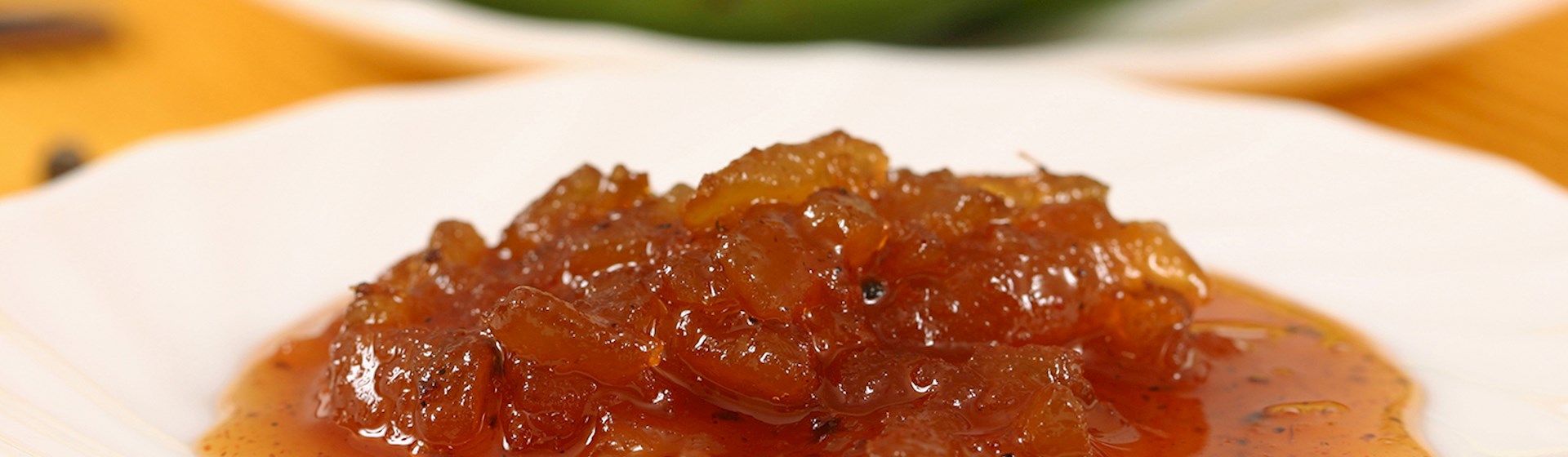
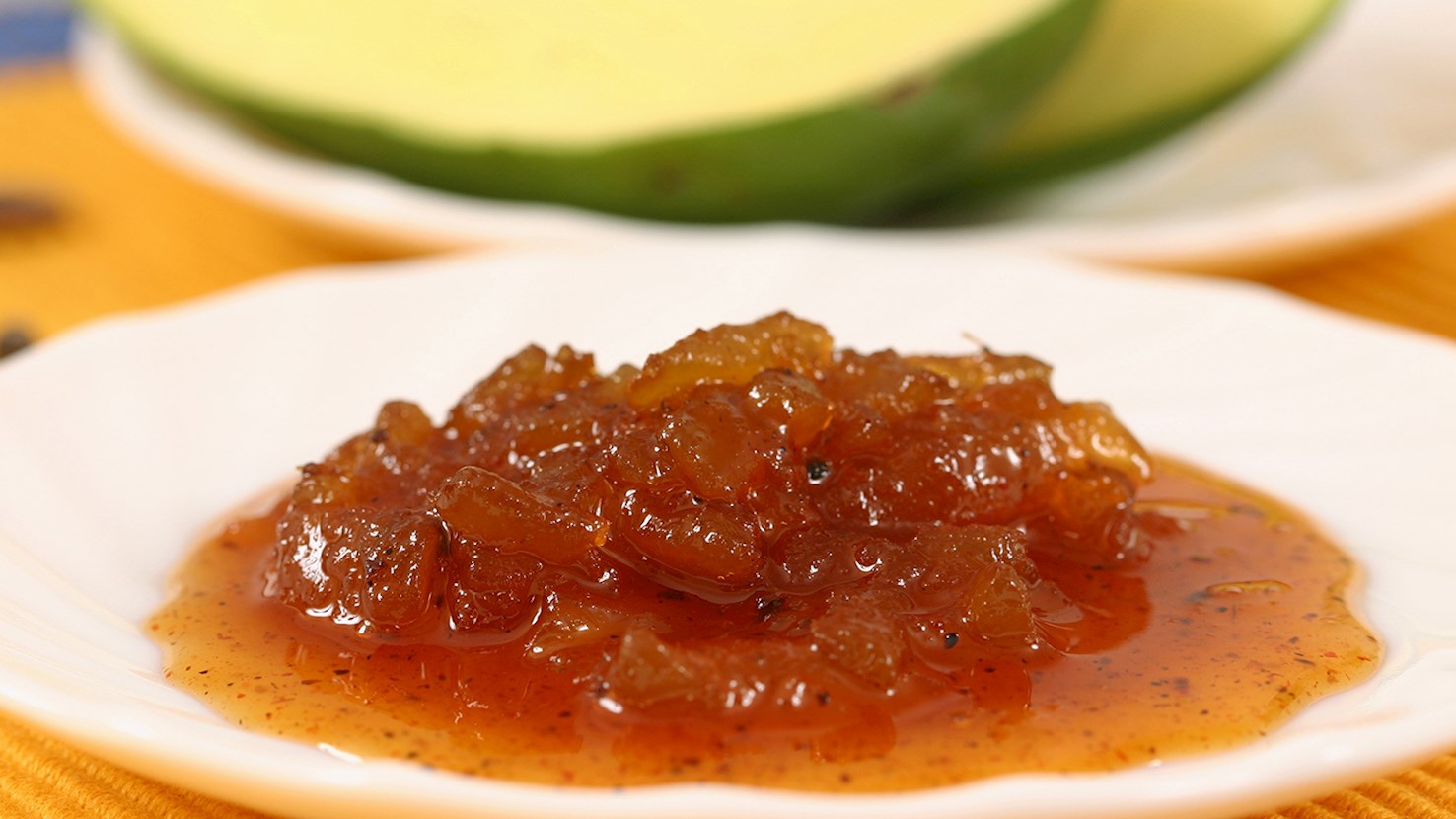
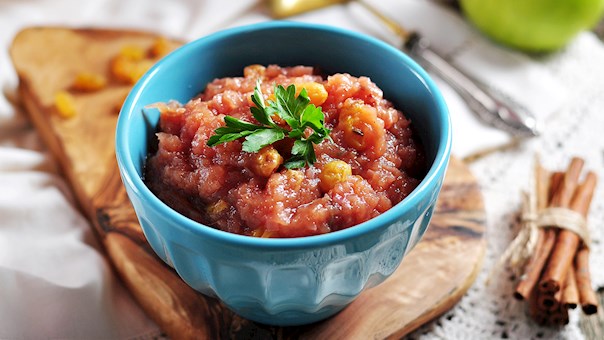
Mango chutney is a traditional chutney made with fresh mango as the main ingredient. Other ingredients include ginger, garlic, red chili peppers, cumin, coriander, turmeric, cloves, cinnamon, cardamom, and brown sugar. There's quite a few mango chutney variations made with different additional ingredients. The ingredients are cooked down, sometimes mashed if desired, and the chutney is usually served as a spread or a dip, but it's also used in lots of other ways such as being added to curries, chicken dishes, snacks, and sandwiches. It is believed that the best mango chutney should have flavors that are sweet, sour, and slightly spicy.
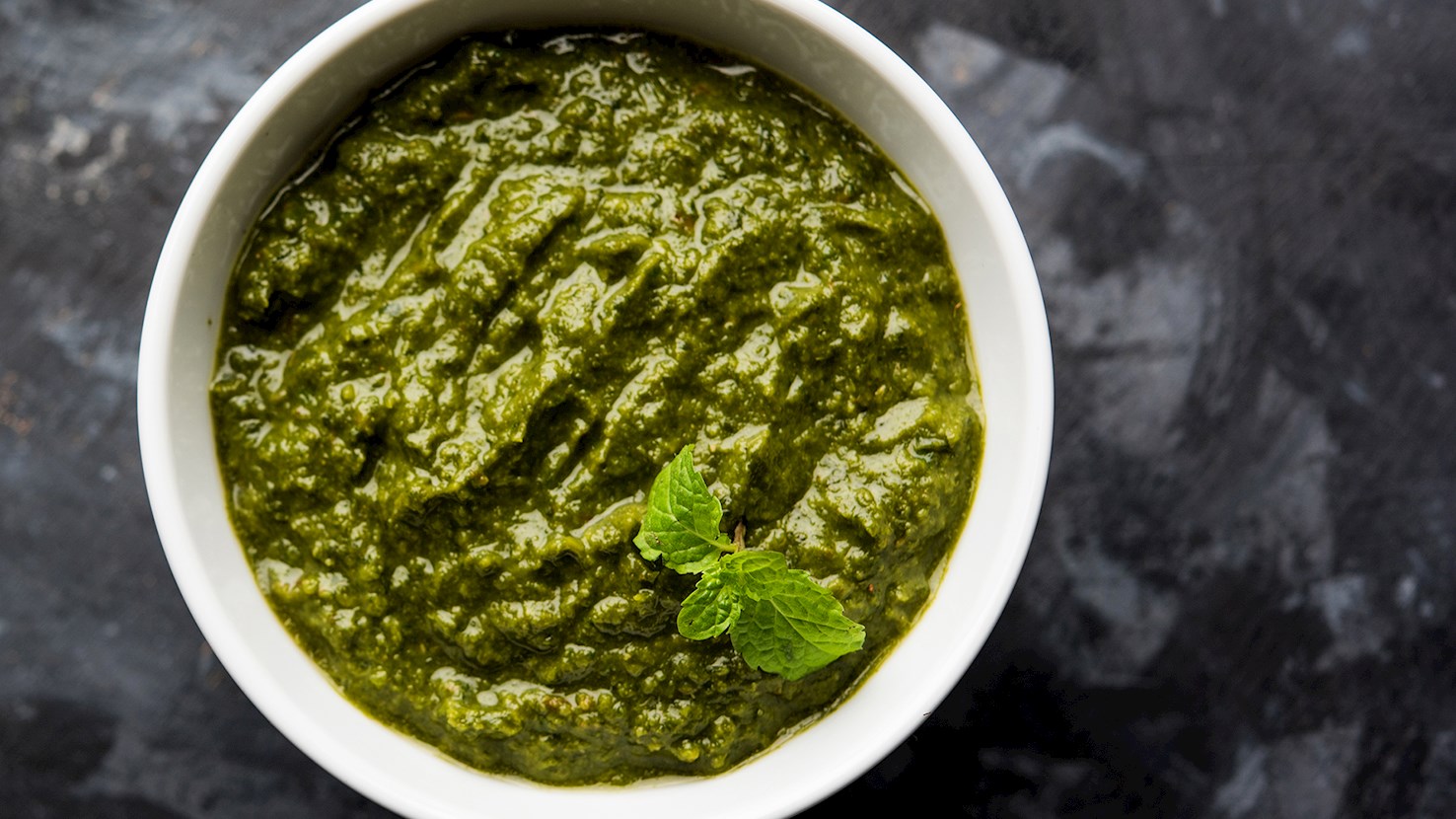
Green chutney or hari chutney is a traditional chutney made with green herbs and vegetables as main ingredients. Apart from coriander leaves, mint leaves, and green chili peppers, the chutney usually contains ginger, garlic, gram dal, cumin, chaat masala, sugar, salt, asafoetida, lemon juice, and water. There are many green chutney variations made with different additional ingredients. The ingredients are blended until smooth, and the chutney is then usually served as a spread or a dip, but it's also used with snacks, chaats, and sandwiches. It is believed that the best green chutney is one of the healthiest Indian chutneys.
Whether Indians are enjoying tandoori chicken or aloo paratha, no meal is complete without the flavorful chutneys - India's national condiments. These fresh homemade relishes consist of pickled or stewed fruit and vegetables that are cut into small chunks, then delicately seasoned with a variety of spices such as cumin, cardamom, tamarind, ginger, and turmeric. They are typically served in small, round bowls and consumed along with the main dish. Chutney's role is to cool the palate and bring even more flavors and colors to the table. Most families take great pride in their homemade chutneys, their houses decorated with rows upon rows of jars that were left to mature in the sun on windowsills. It is common to serve more than one chutney, so a hostess is often judged by the number and variety of chutneys she serves to her guests. Mint chutney is the most popular variety, traditionally eaten with samosas and consisting of fresh mint leaves, onions, garlic, and lemon juice. Coconut chutney, another favorite, consists of grated coconut, ginger, kari leaves, chiles, and garlic. Other types of chutney can be made with green mangoes, tomatoes, sour cherries, coriander, peanut, and apples, all of them with vivid colors, sweet, spicy, and sour at the same time. Chutney got its name from an Anglicized version of the Sanskrit word chatni, which literally translates to licking good, and it is obvious to anyone who tried it that it lives up to its name.
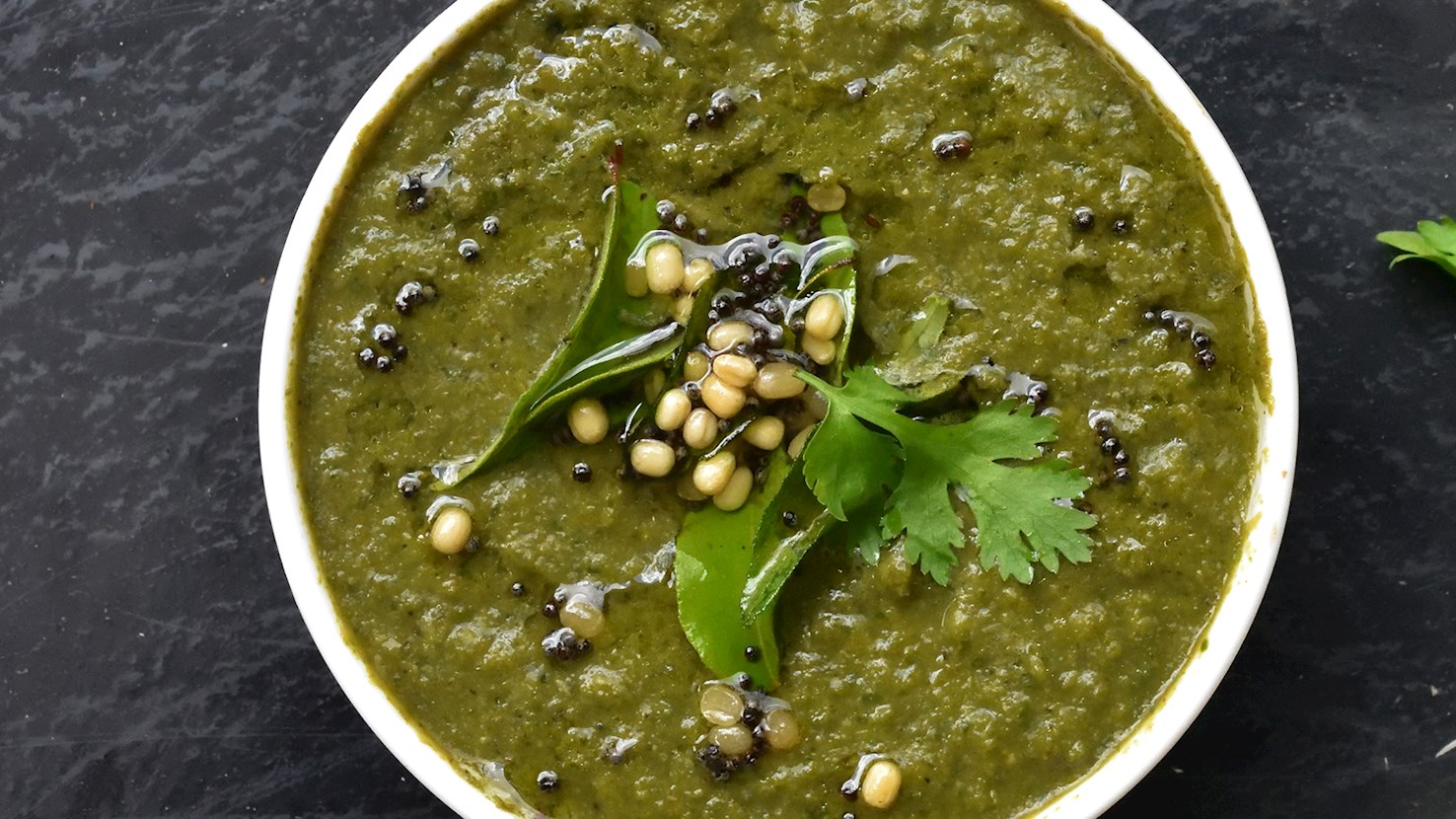
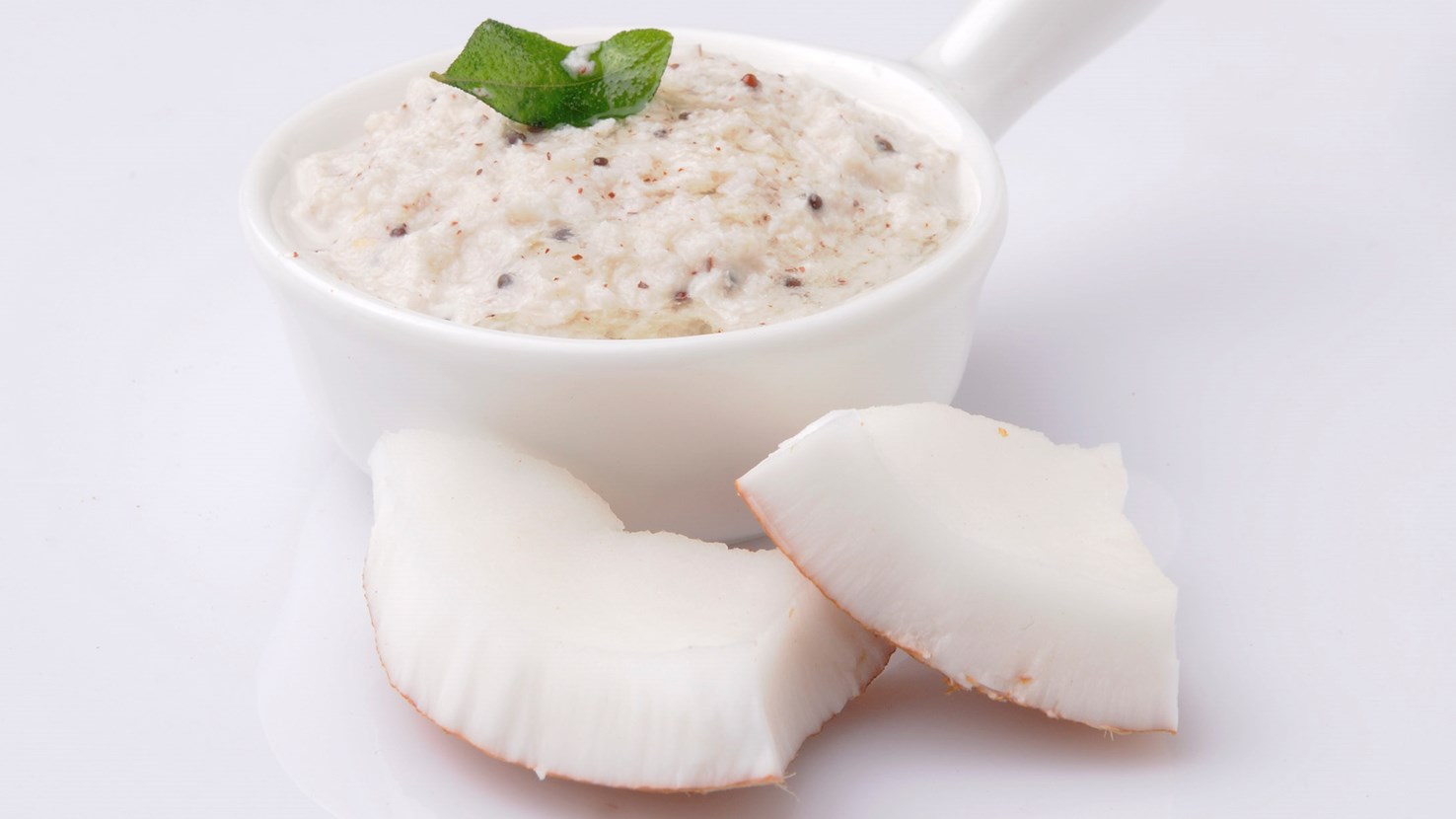
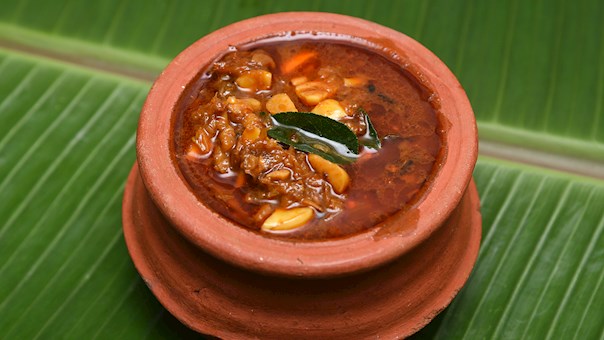
Coconut chutney is a popular South Indian condiment or side dish, consisting of a coconut stew that is combined with shallots, tamarind, ginger, chiles, and curry leaves. It is a specialty of the North Malabar region, where it is prepared in two versions - solid and liquid. The liquid version is usually served with idlis and dosas, while the solid version, also known as uruttu chammanthi, is commonly served with rice, either for lunch or dinner. It is said that the best coconut chutney is made with ammikal, or mortar and pestle, when the chutney is ground by hand, resulting in a far superior flavor than the ones made with a blender or a food processor.
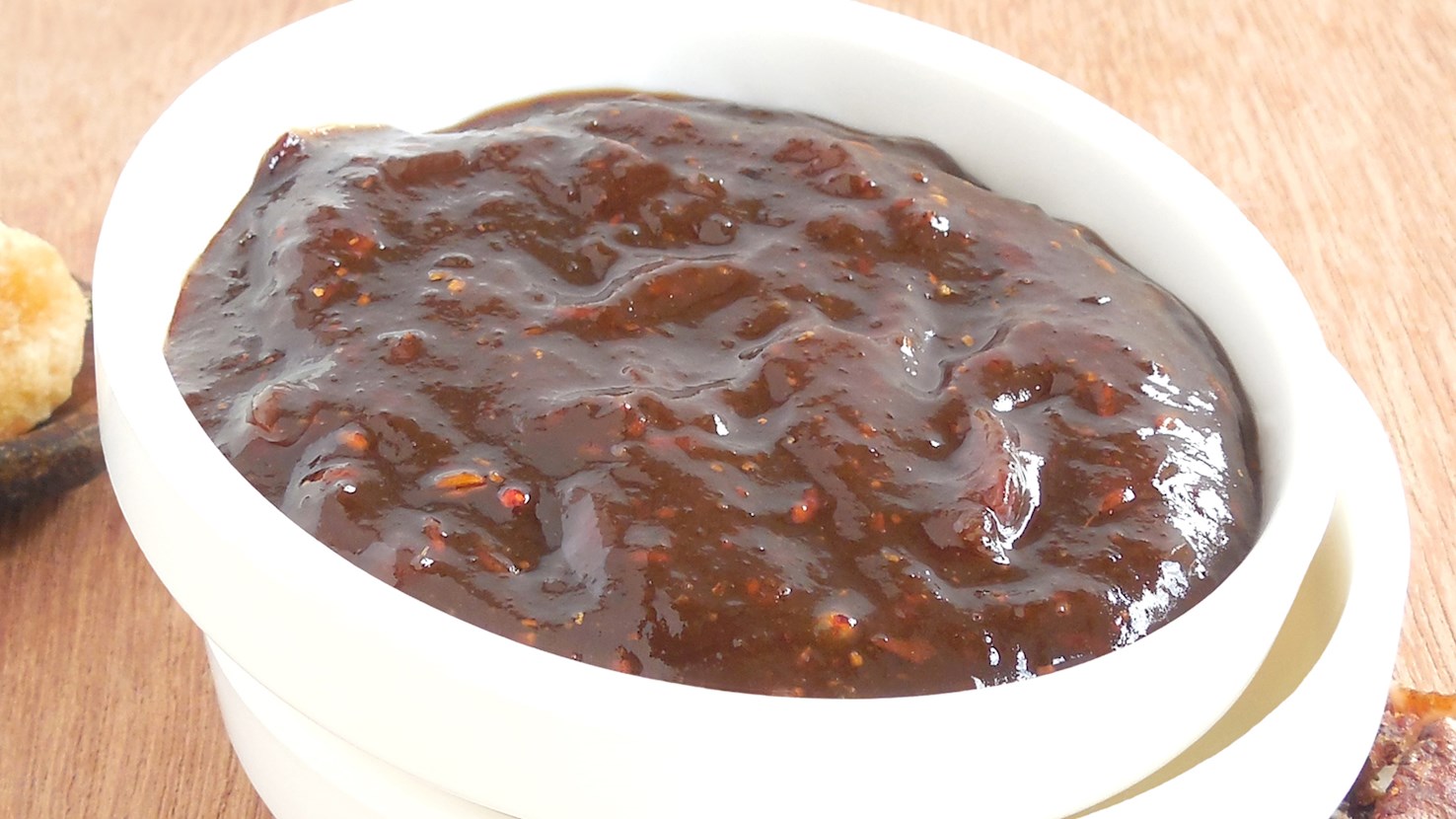
Tamarind chutney or imli chutney is a traditional chutney made with tamarind as the main ingredient. Other ingredients usually include jaggery, coriander, cumin, red chili peppers, ginger, salt, and water. There are many tamarind chutney variations made with different additional ingredients such as dates (khajoor) or garam masala spices. The ingredients are cooked until soft, then blended until smooth, and the chutney is usually served as a spread or a dip, but it's also used with most Indian chaats and snacks such as idli, dosa, vada, pakora, or samosa. It is believed that the best tamarind chutney has flavors that are sweet and tangy.
Mint chutney or pudina chutney is a traditional chutney made with mint as the main ingredient. Other ingredients include cilantro, lemon juice, ginger, garlic, and chili peppers, along with water and spices (optionally). There's a large number of mint chutney variations, with different additional ingredients. It is believed that the best mint chutney should have a creamy texture and a slightly tangy flavor that's not prominently sour. Pudina chutney is regularly served as a side dish with snacks such as pakora, samosa, and sandwiches, with kebabs, or with breakfast items such as idli, dosa, and vada.
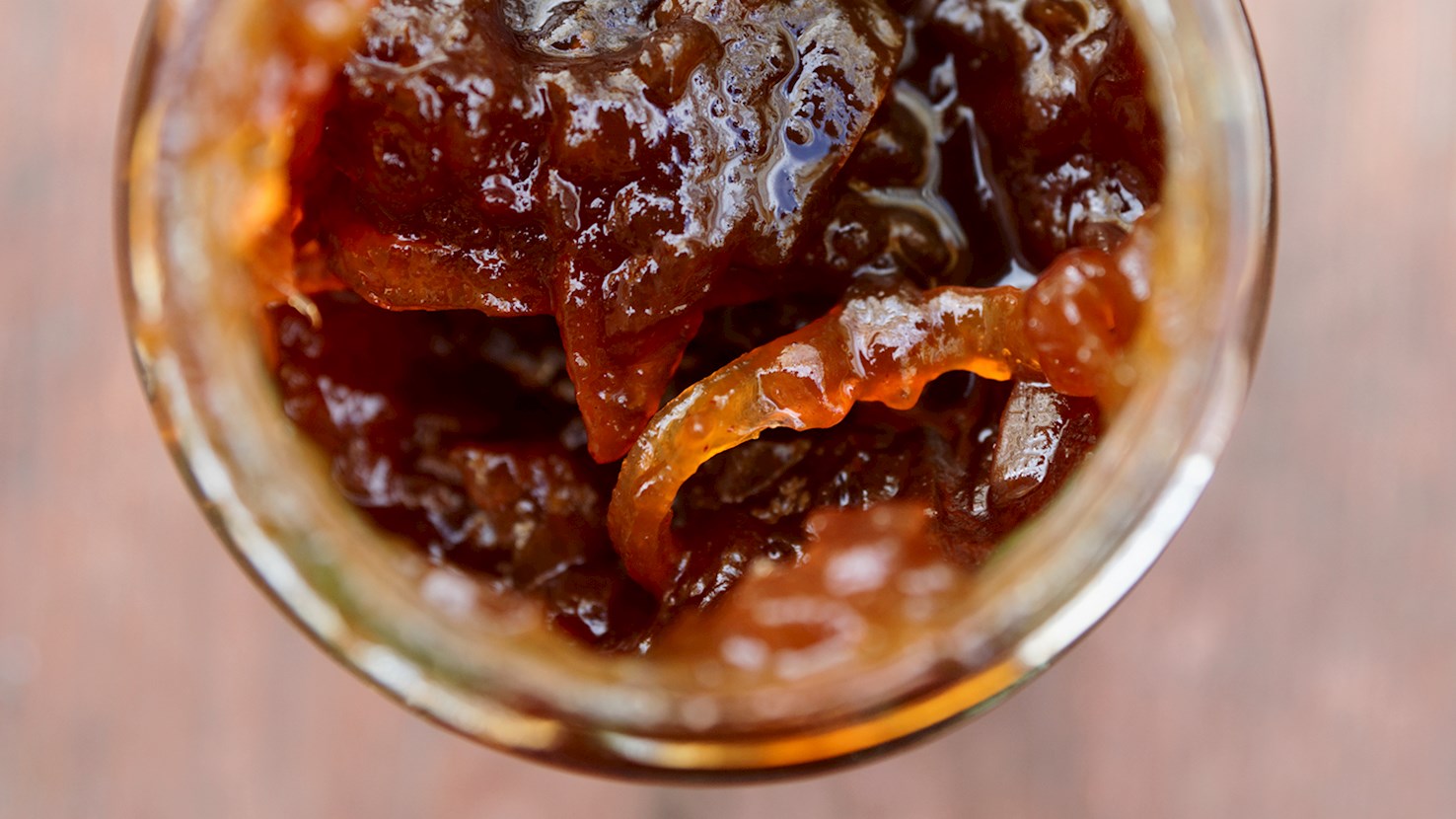
Onion chutney or pyaaz ki chutney is a traditional chutney made with onion as the main ingredient. Other ingredients usually include ginger, red chili peppers, green chili peppers, cumin, turmeric, mustard seeds, oil, salt, and various spices. There are many onion chutney variations made with different additional ingredients. The ingredients are ground into a paste and mixed with oil, and the chutney is then usually served as a spread or a dip, but it's also used in curries and sandwiches or with cheese and roasted vegetables. It is believed that the best onion chutney should have flavors that are spicy, sweet, and tangy.
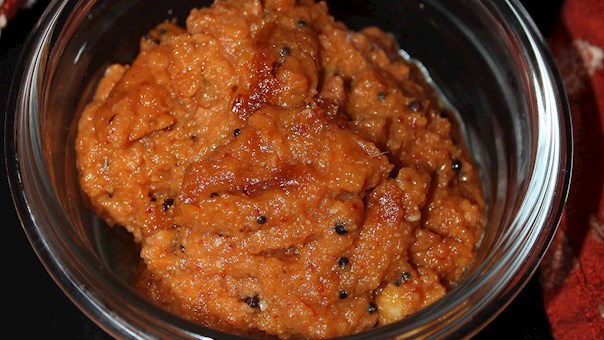
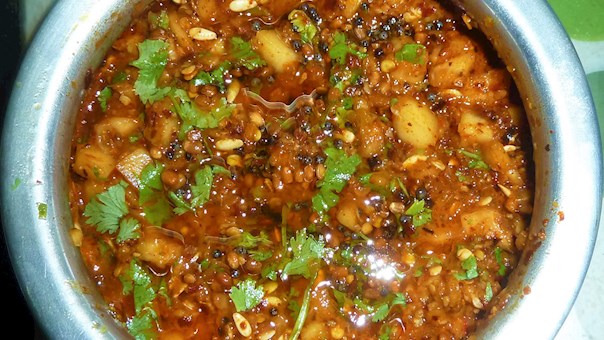
Thought to have its roots in Awadh, this traditional South Indian chutney combines ginger with split black grams (urad dal), split Bengal grams (chana dal), green or red chilis, tamarind, and a variety of spices such as coriander seeds, cumin seeds, mustard seeds, and curry leaves. All the ingredients are first fried together, blended into a smooth mixture using some water, salt, and sugar or jaggery, and then finished with spices. Ginger chutney can also contain other ingredients such as onions, tomatoes, or freshly grated coconut for extra flavor. Spicy, tangy, and with a mild sweetness, this chutney is a staple breakfast item and it typically complements traditional South Indian breakfast specialties including idli (a savory cake), dosa (a thin rice pancake), or pesara dosa (mung bean dosa), but it is also eaten with rice dishes or curries for lunch or dinner. The chutney is commonly known as allam pachadi from the words allam, meaning ginger, and pachadi, which translates to chutney.
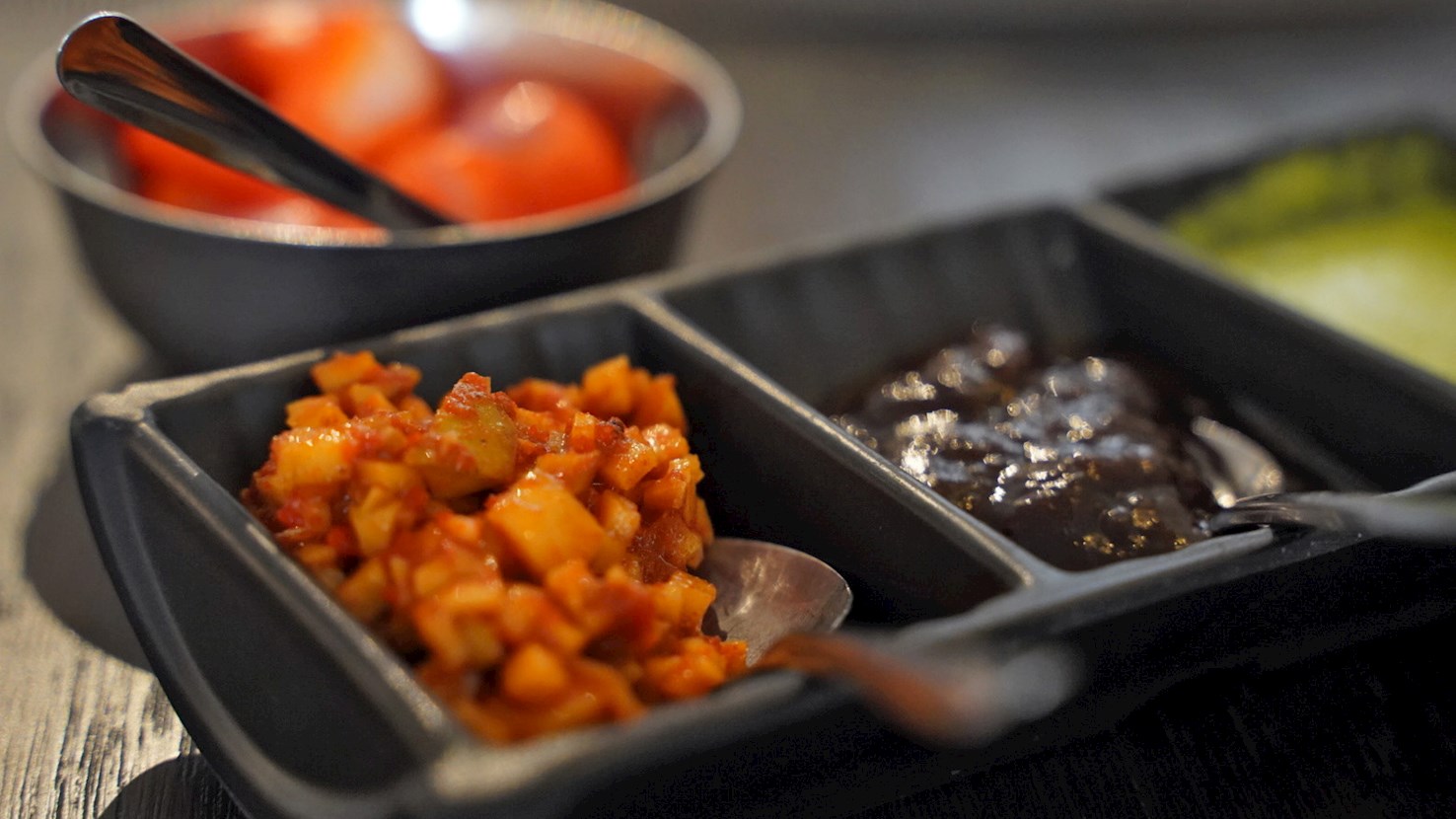
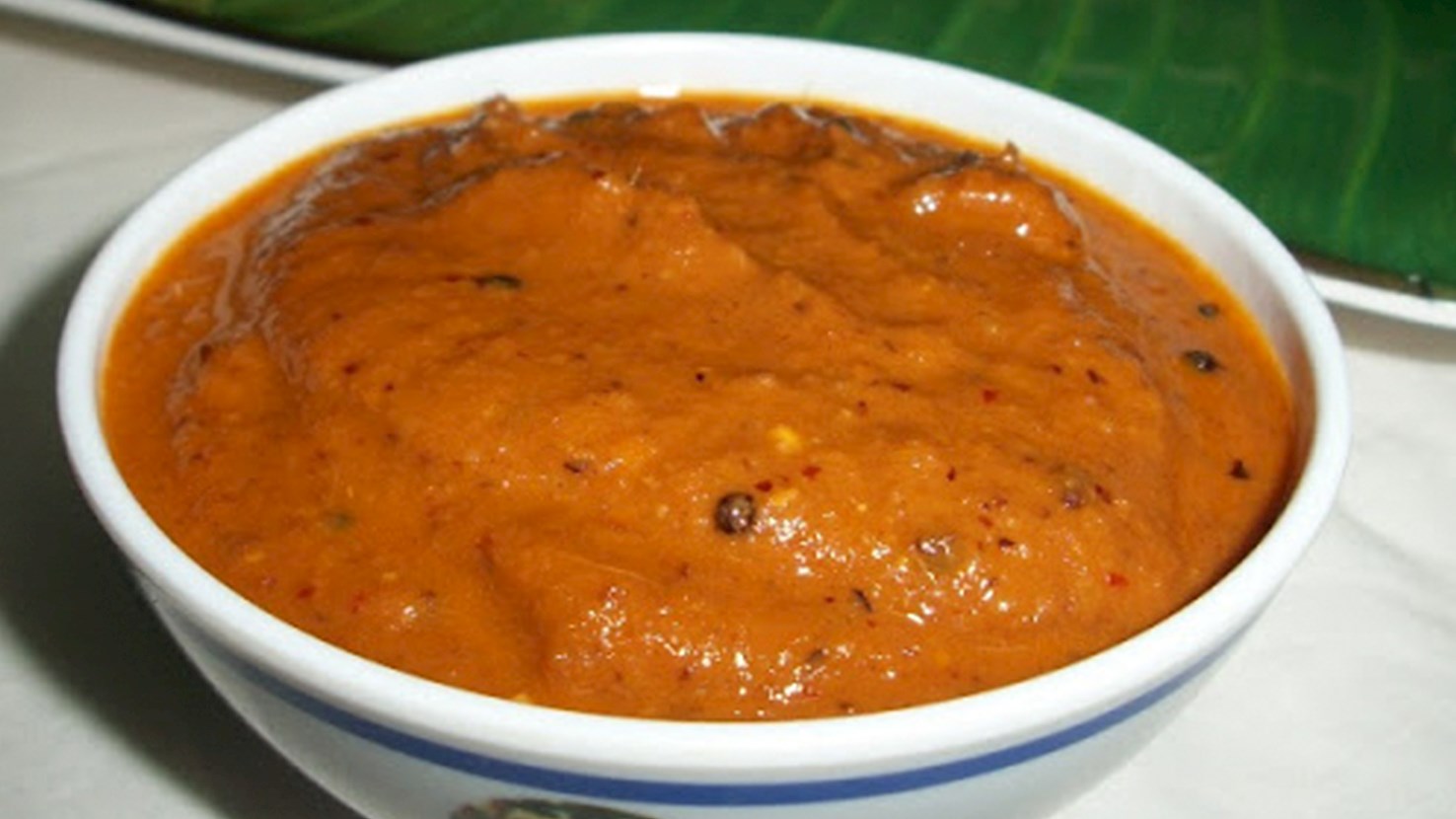
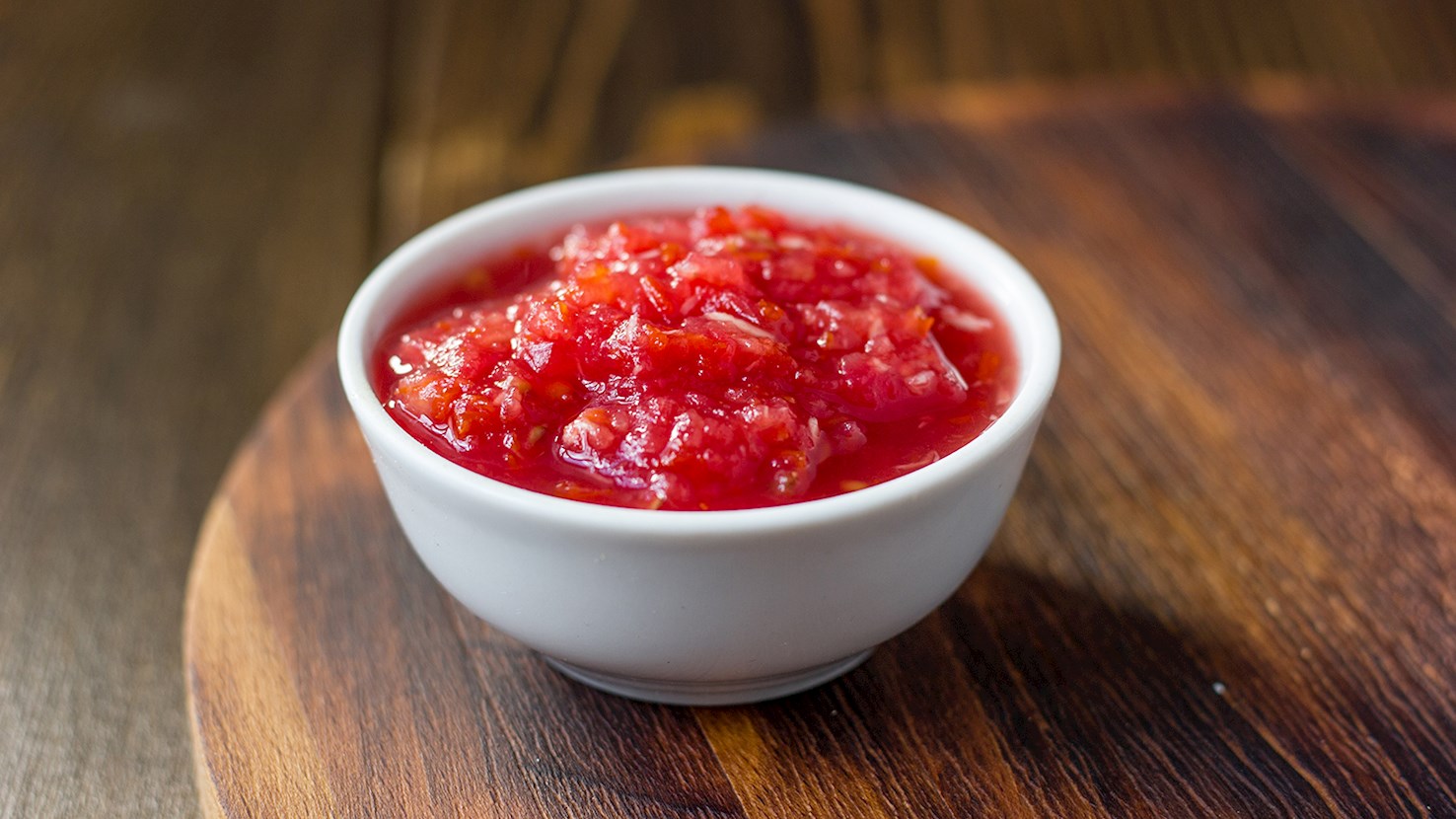
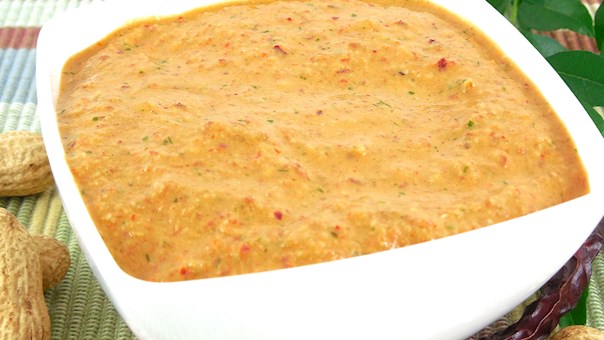
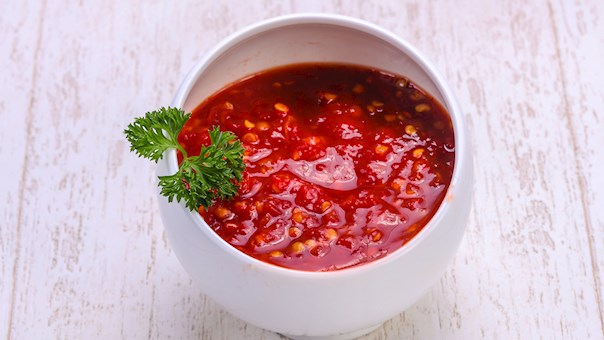
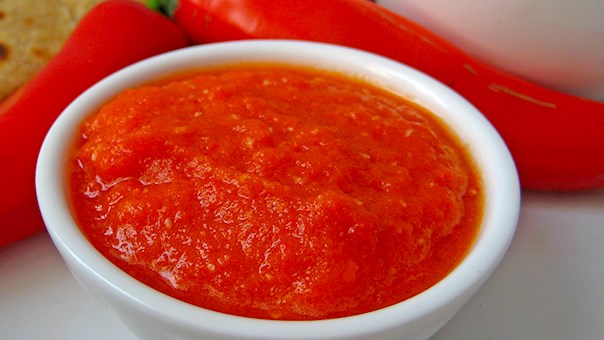
Tomato chutney is a south Indian chutney variety that's traditionally prepared by crushing roasted tomatoes, chilis, garlic, tamarind, salt, and cumin in a mortar. Nowadays, there are various additions such as urad dal, chana dal, sesame seeds, peanuts, onions, garlic, and ginger. Once prepared, the tomato chutney is typically served with breakfast foods such as dosa and idli, but it is not uncommon to see it served with rice or snacks such as masala vada and dal vada.
TasteAtlas food rankings are based on the ratings of the TasteAtlas audience, with a series of mechanisms that recognize real users and that ignore bot,
nationalist or local patriotic ratings, and give additional value to the ratings of users that the system recognizes as knowledgeable.
For the “Top 30 Indian Dips” list until October 15, 2026, 1,016 ratings were recorded, of which 838 were recognized by the system as legitimate.
TasteAtlas Rankings should not be seen as the final global conclusion about food. Their purpose is to promote excellent local foods,
instill pride in traditional dishes, and arouse curiosity about dishes you haven’t tried.



What People Say