


shutterstock

Top 6 Turkish Dips

Last updated on September 15, 2026

Best Turkish Dips

01

Atayname

4.7 ·

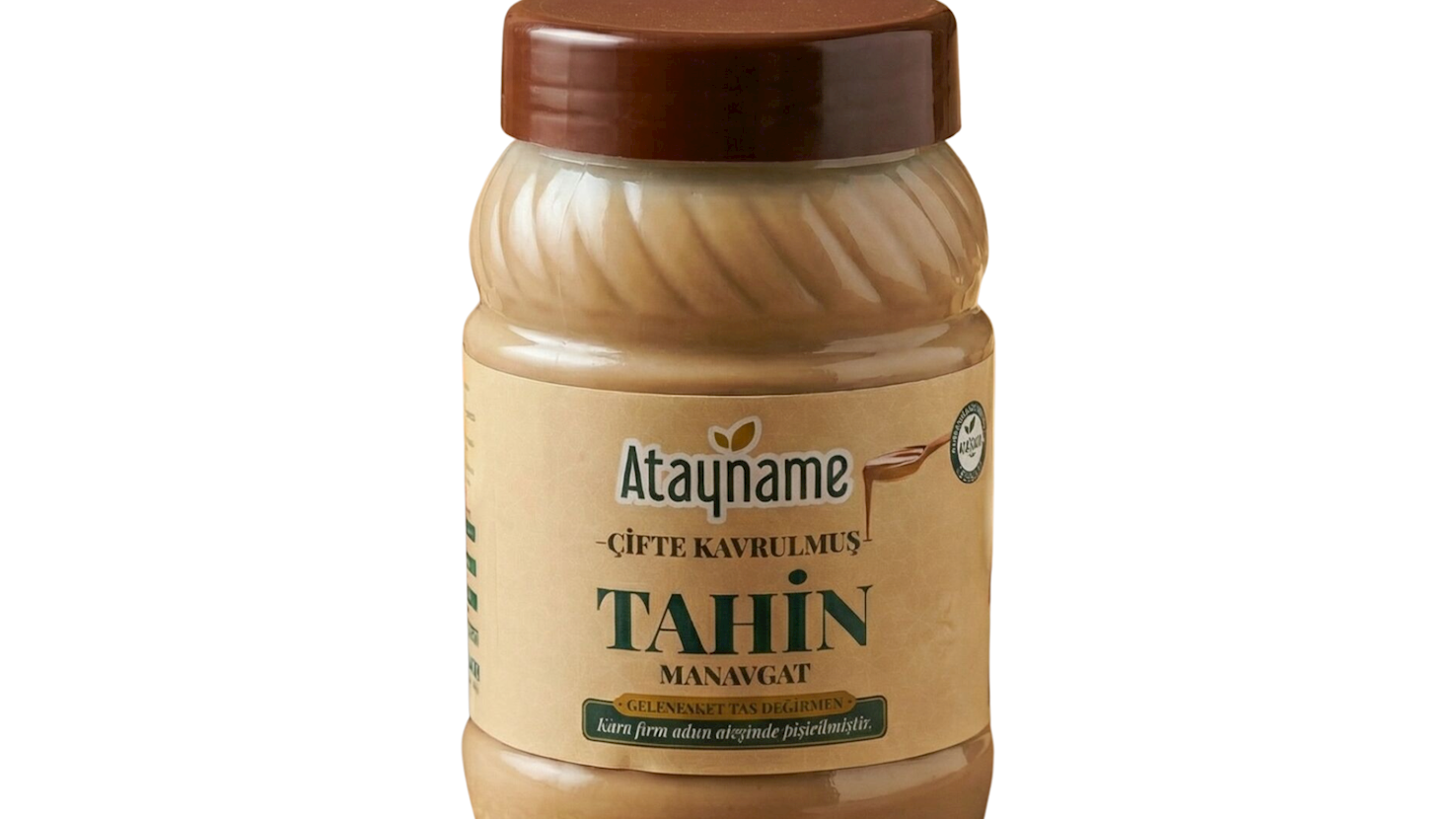
Atayname is a Turkish food company and brand based in Antalya that specializes in tahini and traditional food products. It was founded by Murat Atay in the Varsak district in 2021. The founder comes from a family with three generations of culinary experience and developed his knowledge by researching regional foods from different parts of Turkey. The company’s main activity is the production of tahini from Manavgat golden sesame. This local sesame from the Manavgat district is protected in Turkey by a designation of origin. It is distinguished by its high oil content, thin hull and pronounced aroma. The sesame seeds are roasted over a juniper wood fire at a low temperature for an extended period. After roasting, they are slowly ground in a stone mill to produce a smooth and thick paste. Atayname produces single-roasted and double-roasted tahini, which differ in color, aromatic intensity and degree of roasting. The company also uses its tahini to make several varieties of halva, including versions with grape molasses and pistachios. Its range also includes molasses, honey, jams, fruit concentrates, vinegar, pomegranate sauce, dried fruit, Turkish delight, coffee and herbal teas.

Best Turkish Dips

01

Hummus

4.2 ·

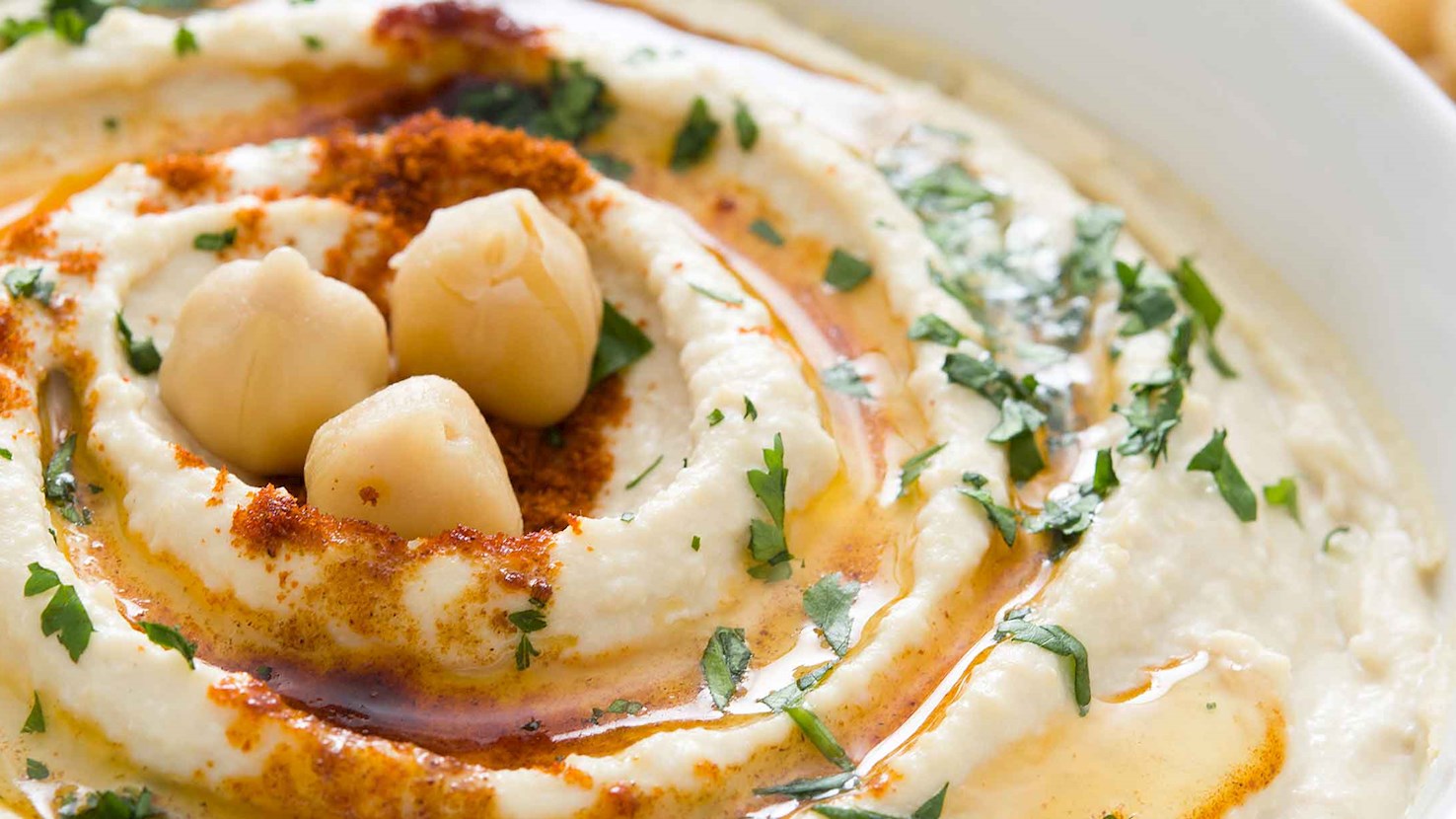
Hummus is a creamy dip made primarily from cooked and mashed chickpeas blended with tahini, olive oil, lemon juice, and garlic. It originates from the Middle East, where it has been a dietary staple for centuries, especially in countries like Lebanon, Palestine, Israel, Syria, and Jordan. Hummus’s roots can be traced back to ancient times (earliest mention of hummus dates back to 13th-century Egypt), when legumes and seeds were common sources of nutrition in the Levant. Over time, the combination of chickpeas and tahini evolved into a dish that balances earthy, nutty, and tangy flavors. While recipes vary slightly across regions, the core ingredients remain consistent, emphasizing freshness and quality. The smooth texture and rich taste make hummus both versatile and widely appealing, able to serve as a simple snack or a complement to more elaborate meals. Preparation involves soaking and cooking dried chickpeas until tender, then blending them with tahini paste, freshly squeezed lemon juice, crushed garlic, and extra virgin olive oil to create a velvety consistency. Salt is added to enhance the flavors, and the mixture is often garnished with a drizzle of olive oil, a sprinkle of paprika or sumac, and sometimes fresh herbs or whole chickpeas. Hummus can be served chilled or at room temperature, paired with pita bread, vegetables, or as part of a larger mezze platter. Hummus enjoys widespread popularity not only in the Middle East but globally, embraced as a healthy and flavorful dish. It is commonly found in homes, restaurants, and markets, representing both everyday nourishment and a dish for social gatherings.

Best restaurants
02

Haydari

4.1 ·

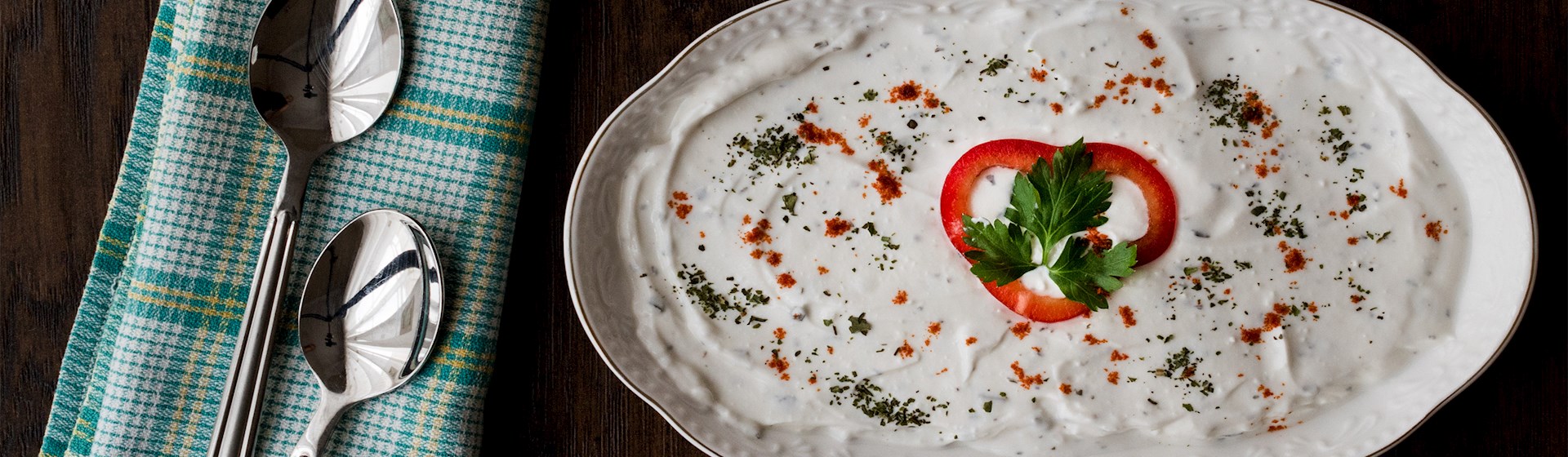
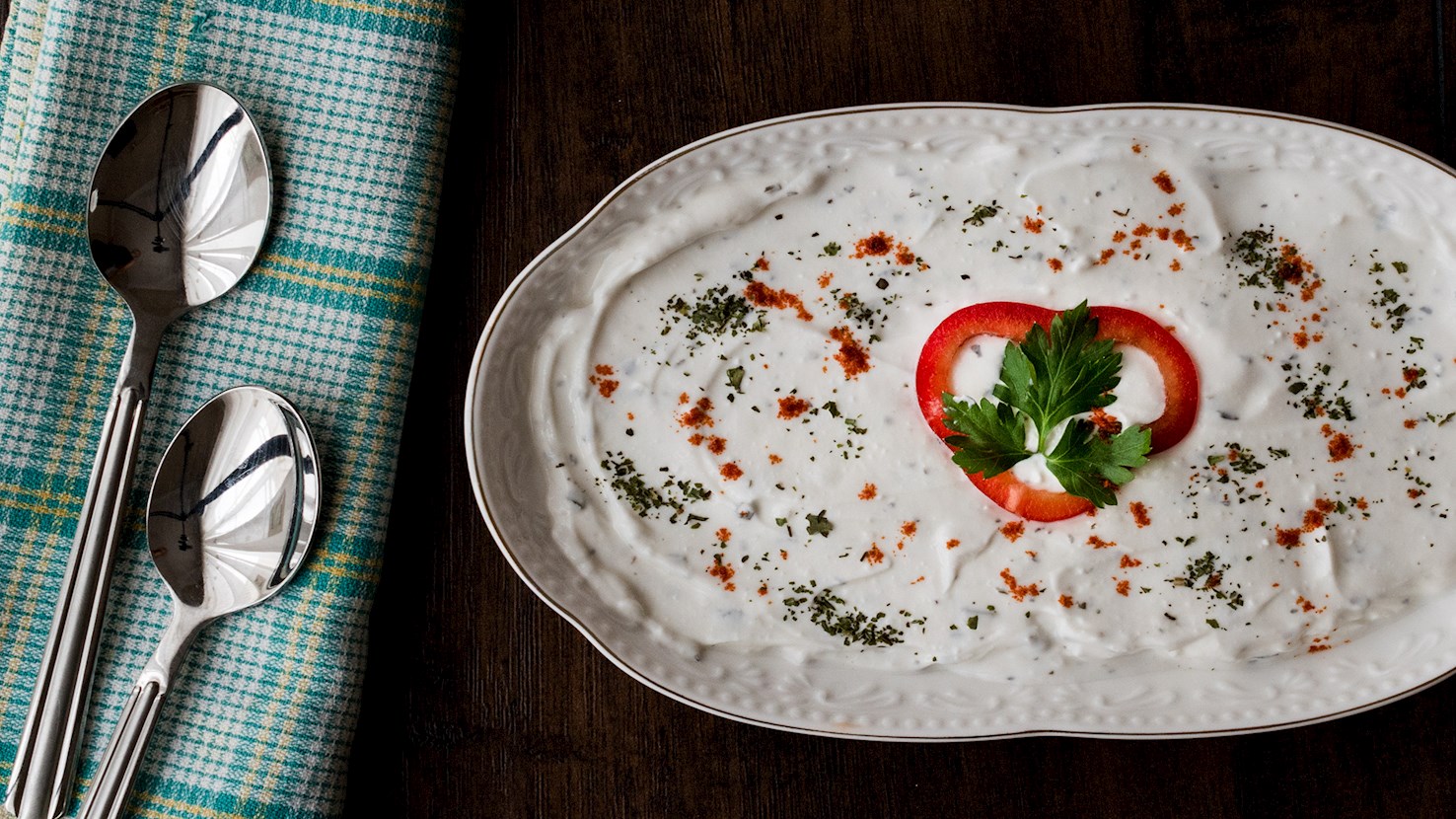
Haydari is a Turkish meze dip that is usually made with thickened yogurt, garlic, and fresh herbs such as dill, paprika, mint, and basil. The dip has a thick texture and a tangy flavor. It is recommended to serve it chilled with pita bread, vegetables, or meat kebabs.

03

Acuka

4.0 ·

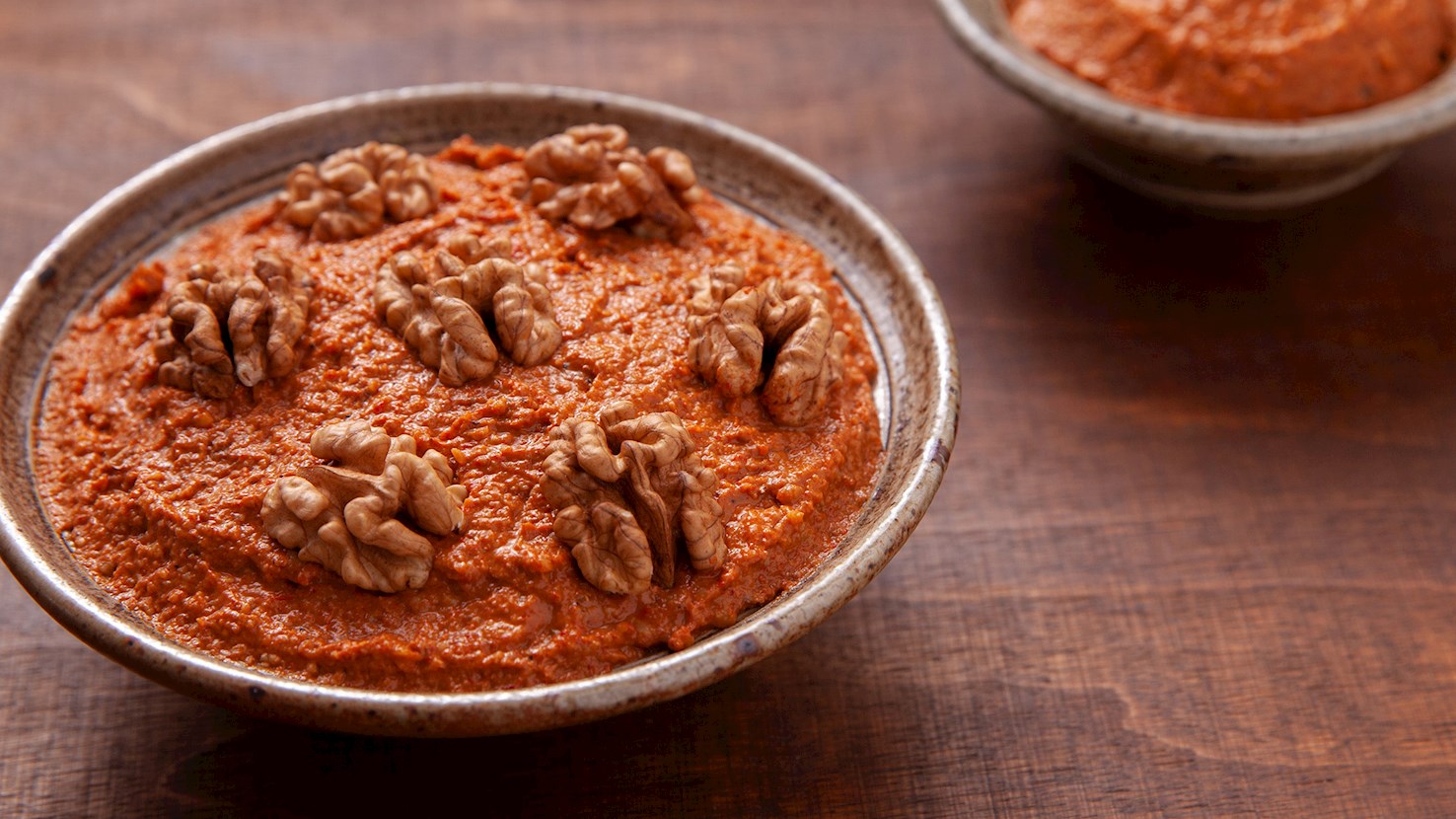
Acuka is a spicy, savory spread from Türkiye made with red peppers, walnuts, garlic, olive oil, and a blend of aromatic spices, often enjoyed as part of a meze platter or as a flavorful accompaniment to bread. Originating in southeastern regions such as Gaziantep and extending throughout Anatolia, acuka reflects the bold, earthy, and pepper-forward character of the local cuisine. The mixture typically includes tomato paste and sometimes breadcrumbs to bind the ingredients, creating a rich, slightly coarse paste with a deep red hue and a balanced flavor that is both warming and complex. Its taste profile varies slightly from region to region, but commonly features cumin, paprika, chili flakes, and dried herbs like thyme or mint, making it intensely flavorful without being overwhelmingly hot. Often compared to muhammara from neighboring Syria, acuka shares many of the same ingredients but differs in the use of tomato paste and the optional absence of pomegranate molasses, resulting in a more savory and herbal expression. It is prepared by finely grinding or blending the ingredients, then allowing the mixture to rest so the flavors can deepen and meld. Acuka is typically served cold or at room temperature and is most commonly spread on crusty bread or used as a side to complement grilled meats, cheeses, or fresh vegetables.

04

Cacık

4.0 ·

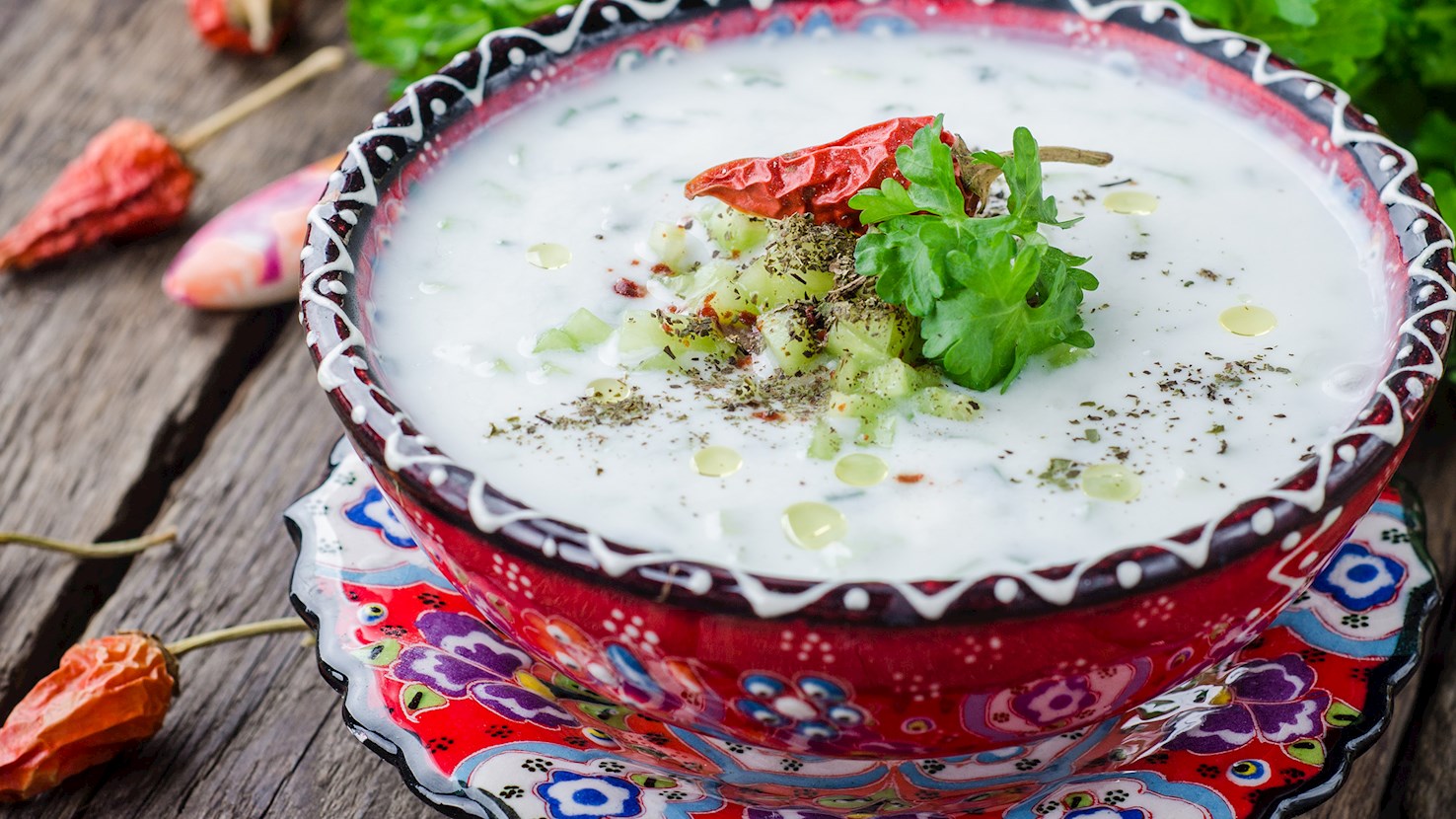
Found in various forms throughout cuisines of Southeast Europe and the Middle East, cacık is a refreshing Turkish dip made with strained or diluted yogurt mixed with finely chopped cucumbers and minced garlic. It is traditionally flavored with olive oil, dill weed, mint, either lemon juice or vinegar, and sometimes even oregano, thyme, sumac, and paprika. Cacık is served chilled and it is used for virtually everything from various appetizers to main dishes. It pairs especially well with classic Turkish meat fare such as köfte and kebabs of all kinds. As a side dish, cacık is typically enjoyed in place of a salad, diluted with water and eaten with a spoon, like soup.

05

Acılı ezme

3.9 ·

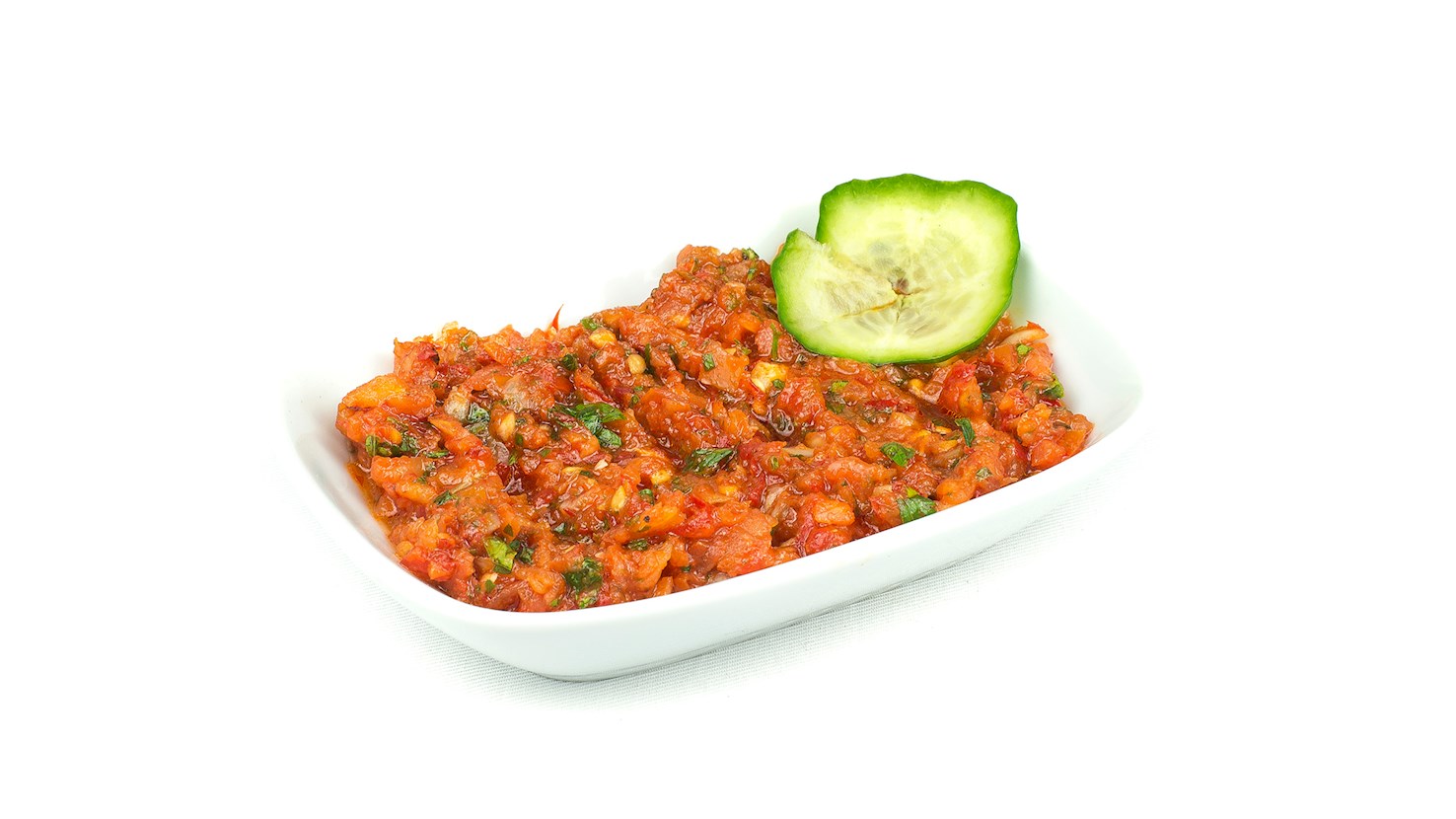
Acılı ezme is a flavorful Turkish dish that is traditionally served as a meze, especially in places that serve kebabs. It consists of tomatoes, onions, chili peppers, garlic, parsley, lemon juice, pomegranate molasses, olive oil, sumac, and a bit of dried mint. The vegetables are always hand chopped and never blended because the concoction becomes too juicy. It is recommended to serve acılı ezme with lavash flatbread and ayran on the side.

06

Patlıcan ezmesi

3.8 ·

Patlıcan ezmesi is a beloved Turkish meze made from roasted eggplant, traditionally mashed and blended with olive oil, lemon juice, garlic, and often yogurt for added creaminess. The result is a smooth, smoky, and tangy dip served cold or at room temperature, commonly enjoyed with pide, lavash, or fresh vegetables as part of a larger meze spread. While the classic version focuses on the pure flavor of the eggplant, there is also a red-style variation of Patlıcan Ezmesi that includes additional ingredients, such as roasted red peppers, tomatoes, onions, and spices like pul biber (Aleppo pepper) or parsley. This version is chunkier, more vibrant in color, and slightly more robust in flavor.

About this Ranking

TasteAtlas food rankings are based on the ratings of the TasteAtlas audience, with a series of mechanisms that recognize real users and that ignore bot, nationalist or local patriotic ratings, and give additional value to the ratings of users that the system recognizes as knowledgeable. For the “Top 6 Turkish Dips” list until September 15, 2026, 2,612 ratings were recorded, of which 1,529 were recognized by the system as legitimate.

TasteAtlas Rankings should not be seen as the final global conclusion about food. Their purpose is to promote excellent local foods, instill pride in traditional dishes, and arouse curiosity about dishes you haven’t tried.

The initial list of top producers was compiled based on available reviews, awards, local recommendations, media and blog coverage, and consumer reviews. The list will be updated with ratings from TasteAtlas local ambassadors and TasteAtlas users.

What People Say

Similar Lists