
shutterstock

Top 37 Egyptian Foods

Last updated on July 01, 2026

Best Egyptian foods

01
Street Food

Shawarma

4.4 ·

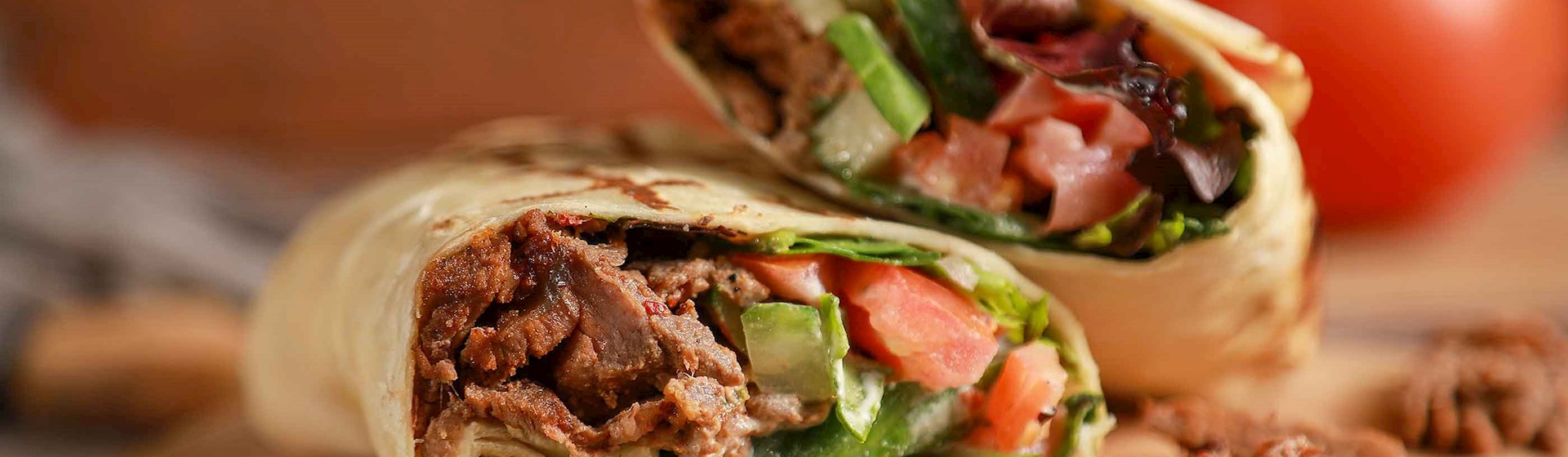
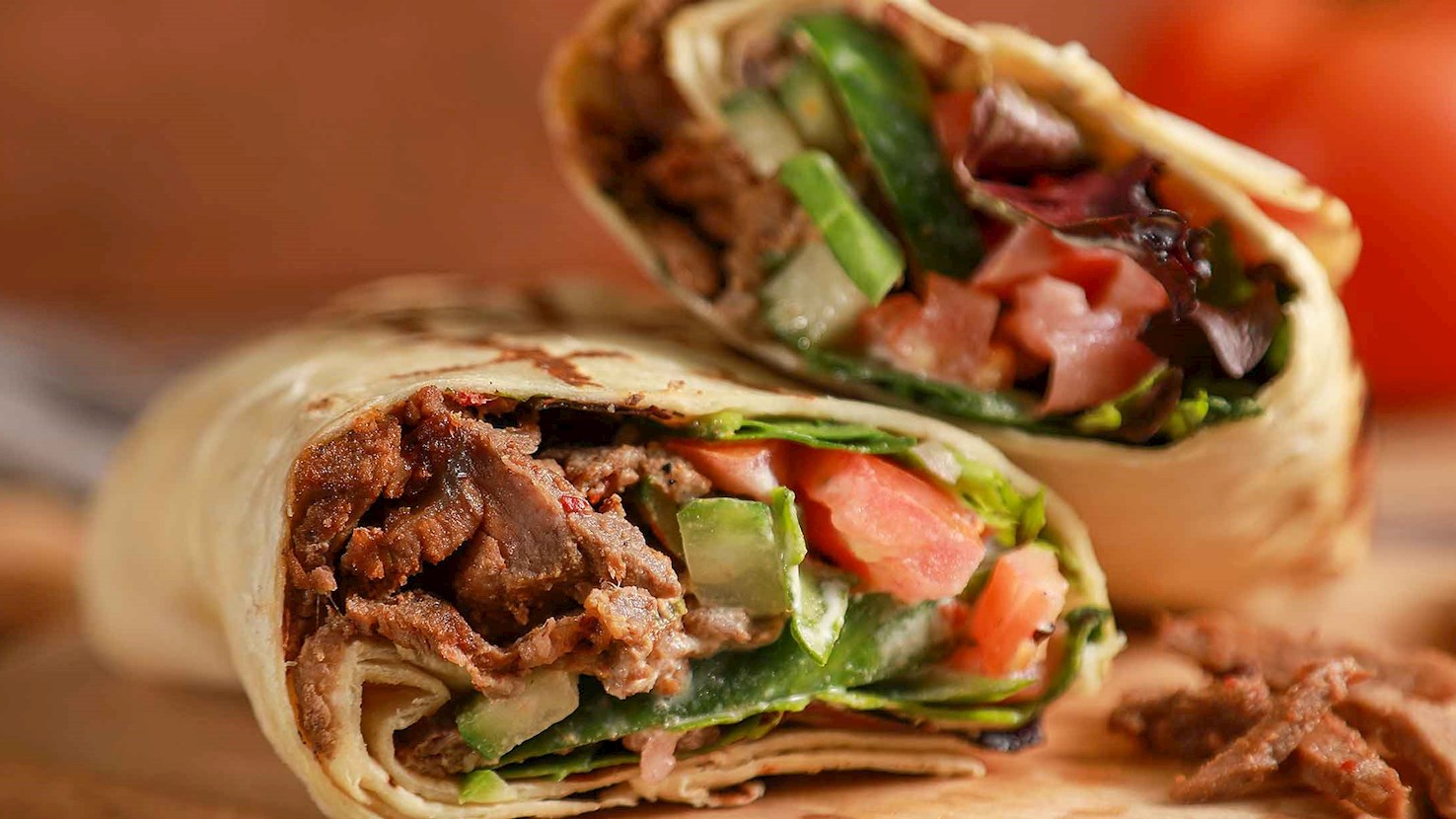
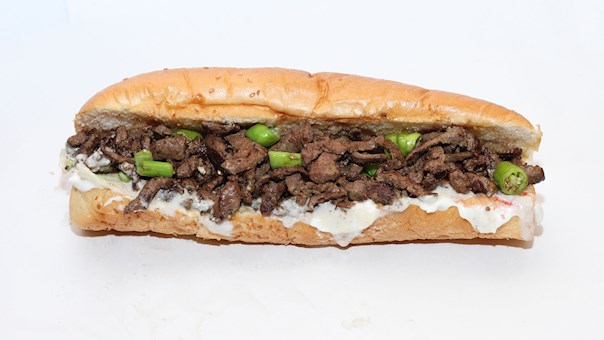
Marinated and spit-roasted, shawarma is a delicious Middle Eastern meat treat whose origins can be traced back to the Ottoman Empire era, while its name stems from the Arabic pronunciation of the Turkish word çevirme (lit. to turn; turning), and refers to the rotating skewer on which the meat is cooked. Shawarmas are made with either lamb, turkey, chicken, beef, or a mix of different meats which are slow-cooked for hours and basted in their own juices and fat, gaining an incomparable succulence, but the real secret to a perfect shawarma is in the marinade. Depending on the variety, the meat must be marinated for at least a day, preferably two, especially when using beef. These marinades are either yogurt or vinegar-based and typically include spices and flavorings such as cinnamon, cloves, cardamom, nutmeg, black pepper, allspice, dried lime, spicy paprika, garlic, ginger, lemon, bay leaf, and sometimes even orange slices. Shawarma is traditionally served either on its own or enjoyed tucked inside a warm flatbread such as pita or lavash. However, what really sets it apart from the Turkish döner kebab, Greek gyros, or other similar foods is the extent of garnishes and condiments offered with it. For example, Israeli shawarmas are typically topped with tahini and come with generous servings of hummus and pickled mango slices, while in other countries, shawarma is often complemented with garlic mayo or a zesty toumaia garlic sauce, both fresh and pickled vegetables, salads like tabbouleh or fattoush, and amba sauce–a tangy chili and mango pickle dip. Once a common staple of the Middle Eastern working man, shawarma has today become the ultimate Arabic street food, found not only in Arabia and Levant but in virtually any nook and corner of the globe.

Best restaurants
02
Sweet Pastry

Kunāfah

4.3 ·

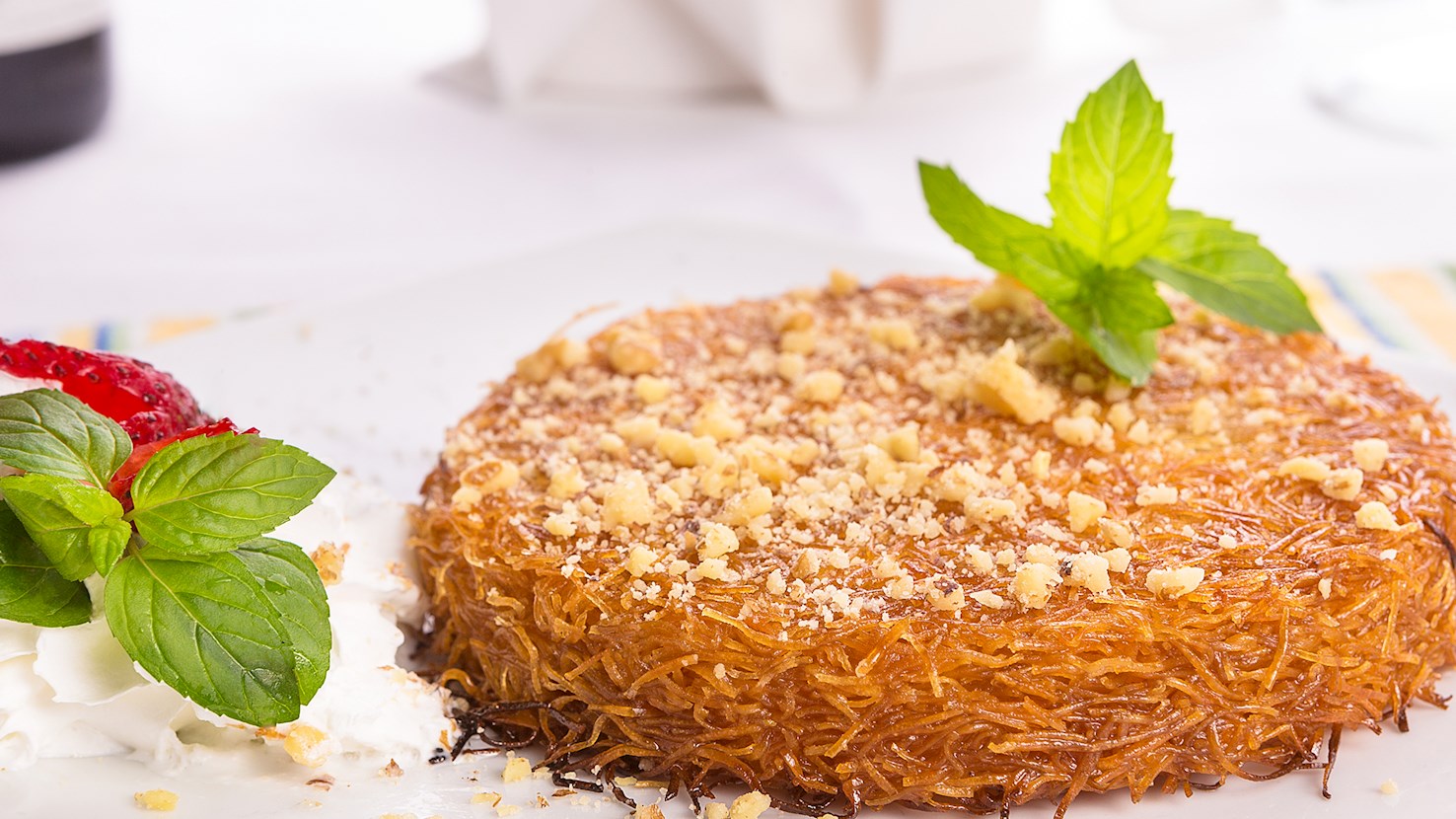
Kunāfah consists of two crunchy layers of shredded and buttered kataifi or knefe dough, filled with a luscious cheese cream that's often flavored with orange zest and cardamom, then drenched in a sugar syrup infused with lemon juice and orange blossom water. Turkish künefe is traditionally made with Hatay, Urfa, or Antep cheese. It is usually topped with pistachios and is best served warm. Elegant and amazingly simple to make, this dessert is nothing short of what cheese-filled pastry dreams are made of. Some authors speculate that it originated from the Fatimid Egypt or pre-Islamic Syria, while others claim that the Palestinian city of Nablus is its birthplace - hence the name kanafeh nabulsieh. Nevertheless, this decadent dessert has been a part of a long culinary tradition in Türkiye and Egypt, and it is listed as one of Egypt's national dishes.

03
Egg Dish

Shakshouka

4.2 ·

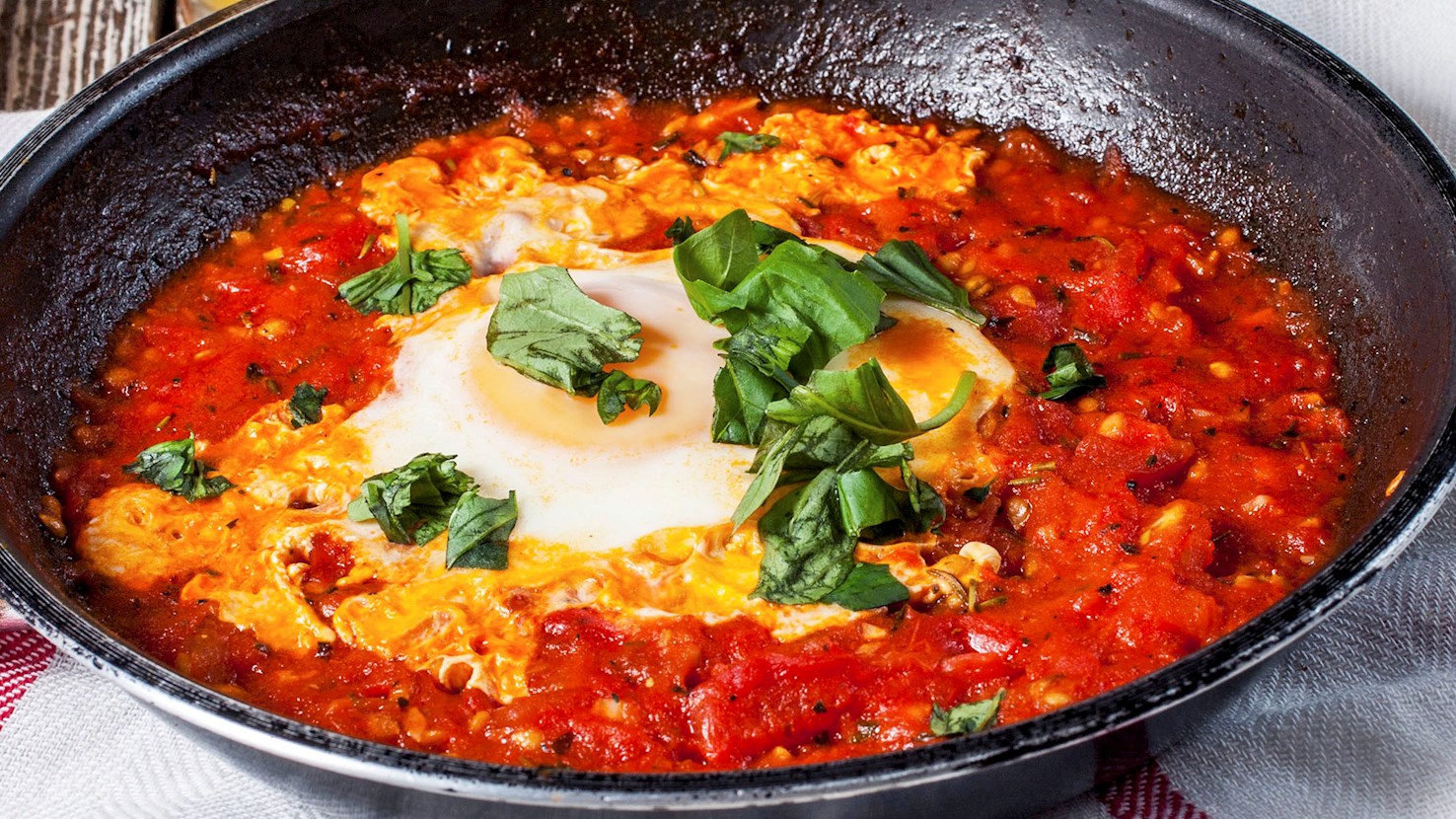
Shakshouka is a delicious combination of eggs poached in a spicy tomato sauce. Although it has an unusual name, the dish is straightforward and easy to make. It is usually made in a skillet in which onions, tomatoes, and spices are cooked until they form a delicious tomato sauce. Eggs are then added directly to the tomato sauce and poached until done. Merguez sausage can also be added to the dish. It is believed that shakshouka originated in Tunisia, but the dish is well-known and commonly eaten throughout North Africa and the Middle East as well. Almost every region has formed their distinctive variety of shakshouka: in Egypt, eggs are usually scrambled and served in a sandwich, and in Israel it is often served with salty feta cheese on top. The consistency of the sauce and eggs is also variable – the sauce can be thinner or thicker, while the eggs can be completely firm or soft. For a more nutritious meal, meat, most commonly sausages, can be included in the dish. Shakshouka is suitable for any meal of the day and is usually served warm or sizzling hot, with bread on the side. Because it is budget-friendly, simple, and easy to prepare, the dish has recently gained popularity both in Europe and North America.

04
Snack

Fatayer

4.2 ·

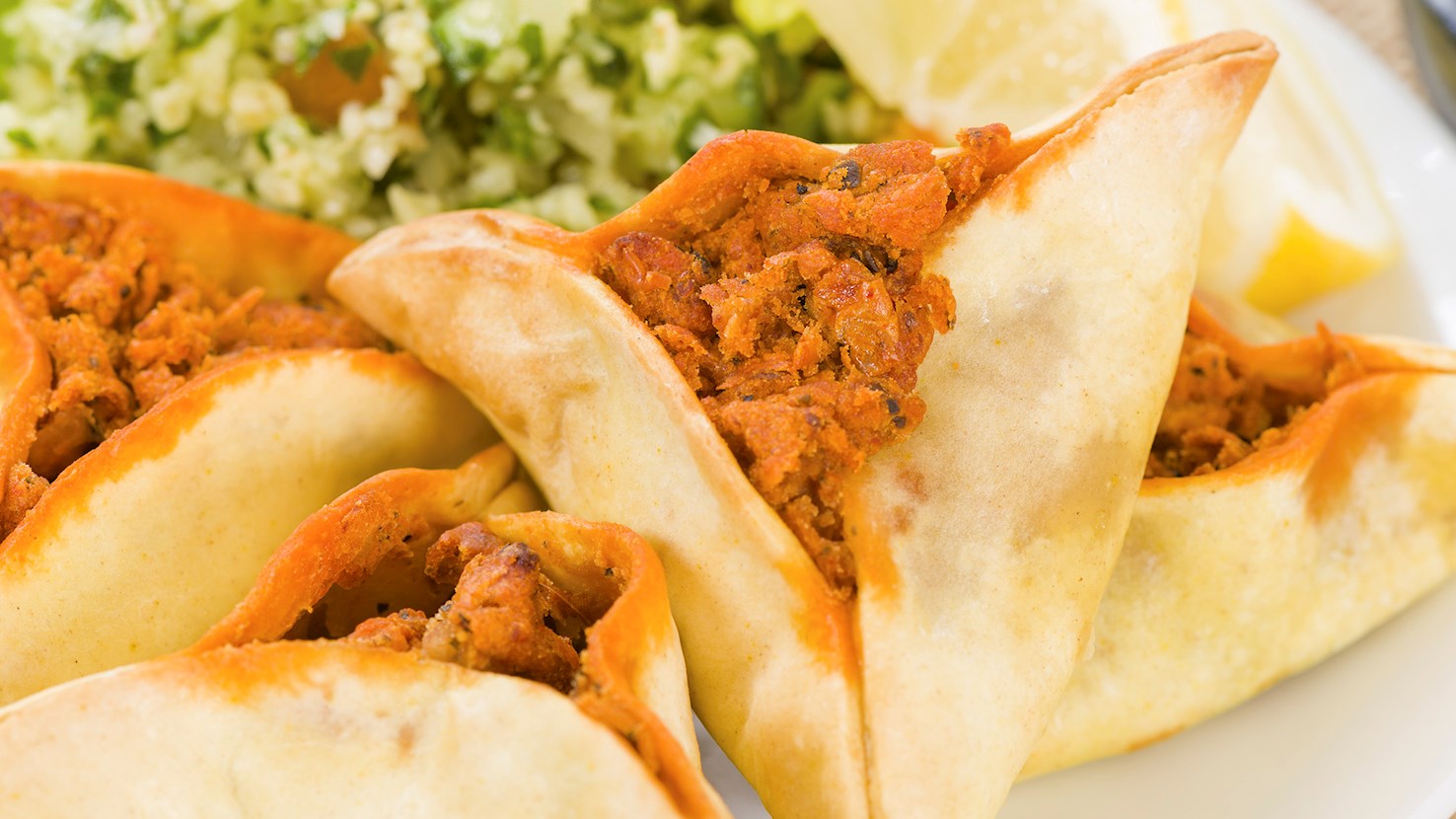
Fatayer is an Arabic specialty consisting of pockets of dough that are filled with a variety of ingredients: spinach, cheeses such as halloumi or feta, meat such as chicken, beef, or lamb, potatoes, or soft Arabic yogurt-based cheeses. The dish can be baked or fried and is commonly consumed as a snack or a light lunch. It is still unknown who invented fatayer, as the Lebanese, Syrians, Egyptians, and Palestinians all claim the dish as their own. Today, these turnovers are popular throughout the Arab region, with numerous regional varieties and different fillings.

05
Snack

Hawawshi

4.2 ·

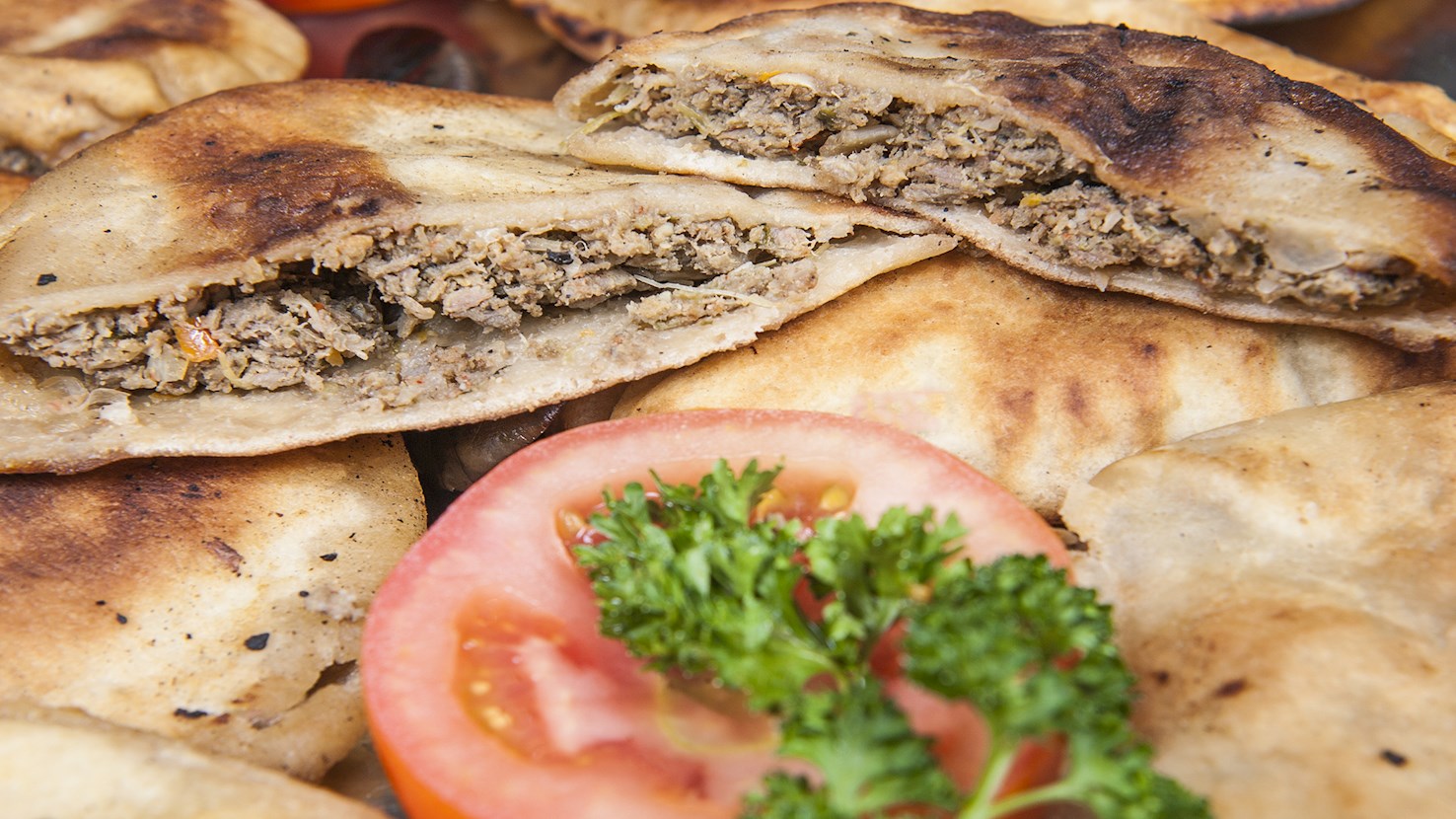
Hawawshi is a popular Egyptian snack consisting of a traditional baladi bread, in appearance similar to the famous pita pockets, stuffed with a flavorful mixture of minced meat, vegetables, and various spices. The generously seasoned meat mixture is placed inside the bread dough and baked until all the flavors combine, the meat is cooked, and the bread achieves a light golden color and a crispy texture. Whether prepared at home or enjoyed in various Egyptian food establishments, hawawshi is usually served alongside fresh vegetables, salads, and various dips.

Best restaurants
06
Deep-fried Dessert

Qatayef

4.2 ·

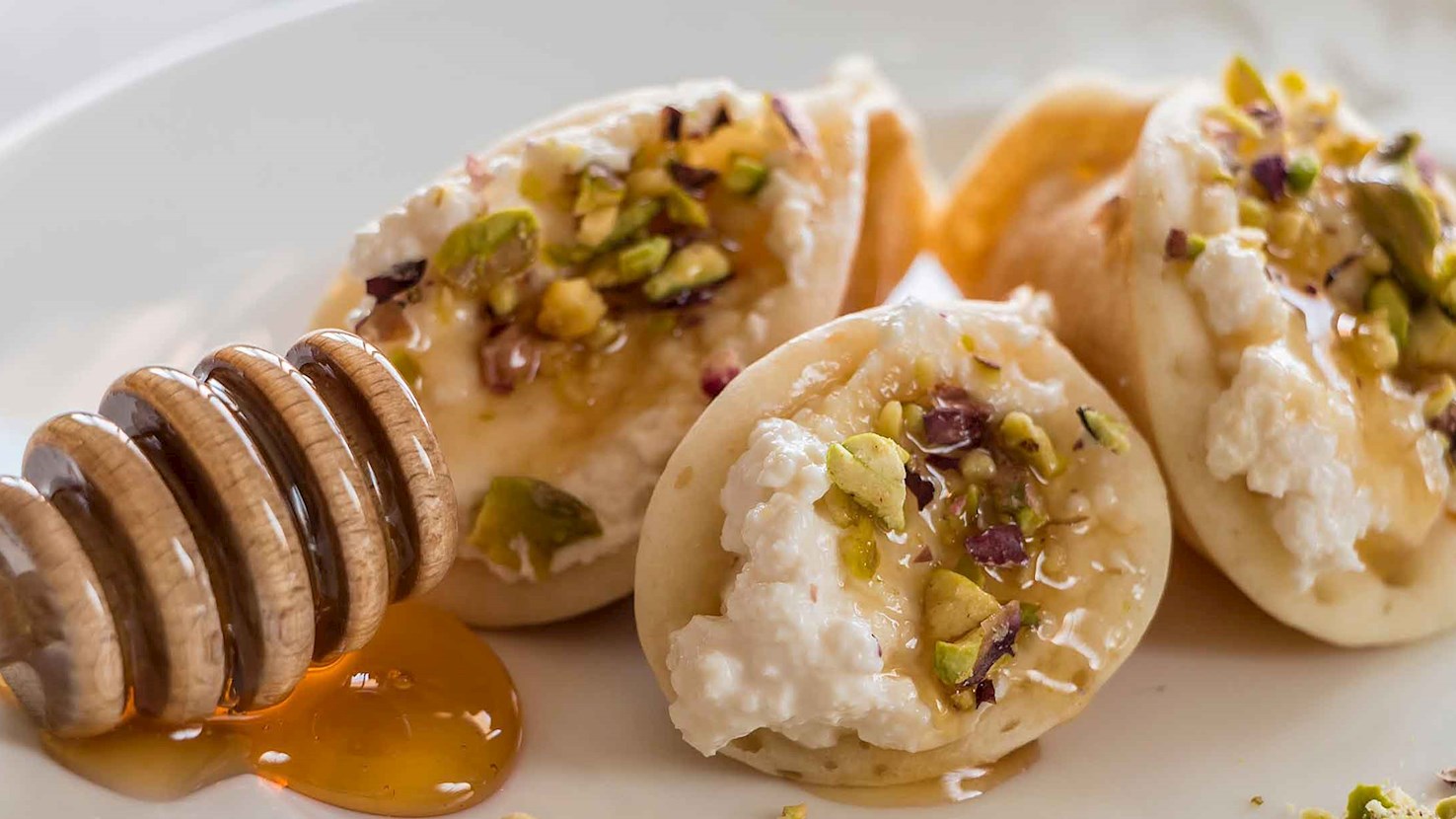
Qatayef is an Arabian dessert and a staple of the Ramadan holiday feast. It is a sweet pancake that is usually filled with cheese or nuts such as walnuts, almonds, pistachios, or hazelnuts. Qatayef can also be consumed plain, topped with clotted cream, or drizzled with sugar syrup. It is believed that nothing is better after the Ramadan fasting than a few nights of socializing and feasting on qatayef, which is either prepared throughout the streets in food stalls or brought over to friends as a sweet gift. Although the dish has Fatimid origins, today it is very popular throughout Levant and Egypt as well, where it is baked in numerous households. The biggest qatayef was made in the city of Bethlehem, currently holding a record with a weight of 104 kilograms and 3 meters in diameter. Apart from the sweet version, qatayef can also come as a savory snack filled with cheese or served plain as a side dish.

07
Flatbread

Aish baladi (Baladi bread)

4.2 ·

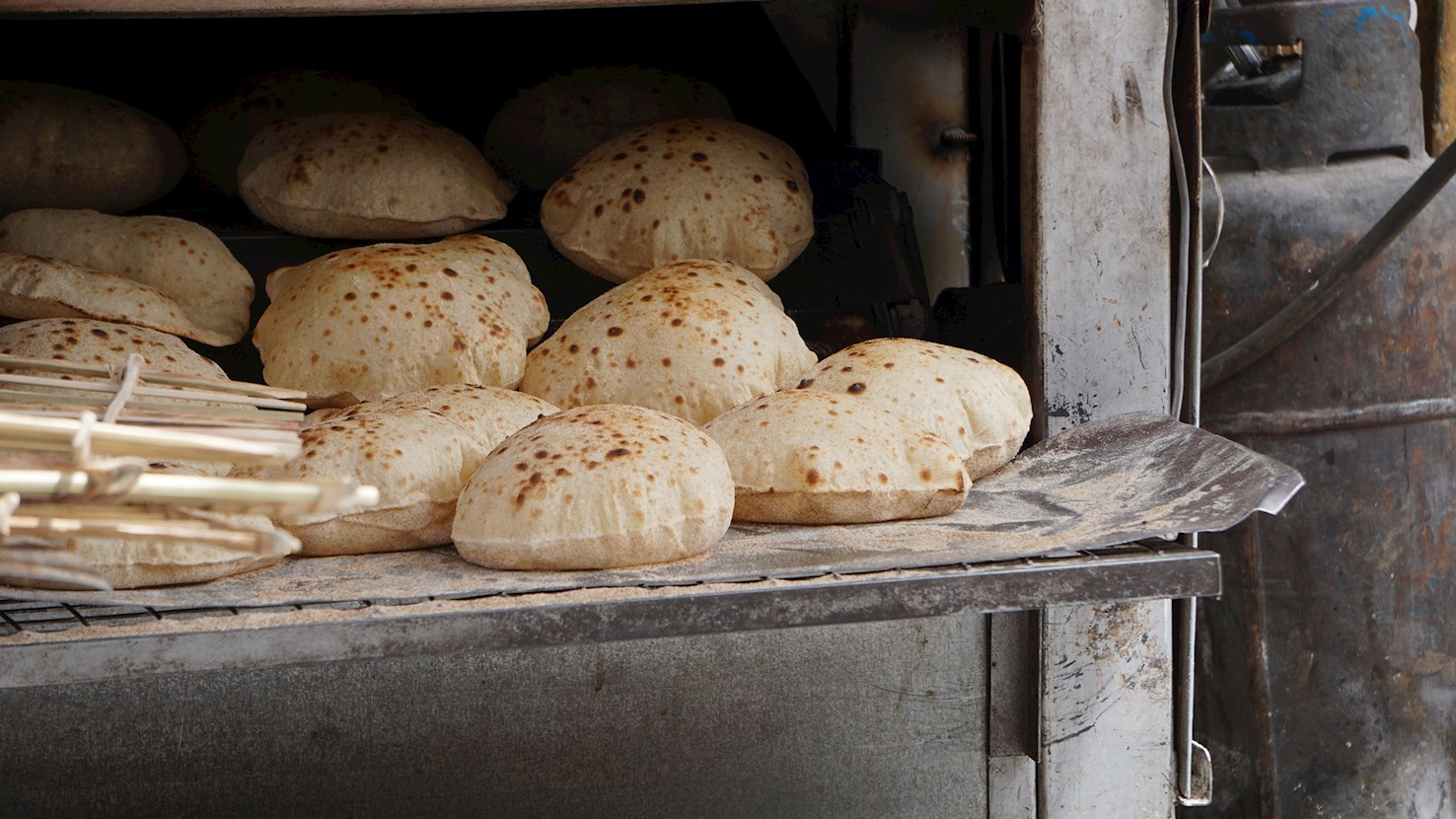
Native to Egypt, aish baladi is a flatbread made with whole wheat flour. It is traditionally baked in extremely hot ovens and can be found at numerous Egyptian markets. The bread has been produced since the times of ancient Egypt, when it was made with emmer wheat. Nowadays, this bread is a staple at Egyptian tables, from breakfast to dinner, and everyone eats it, whether poor or rich. In fact, it is so important that the word life (aish) is included in its name.

08
Stew

Ful medames

4.1 ·

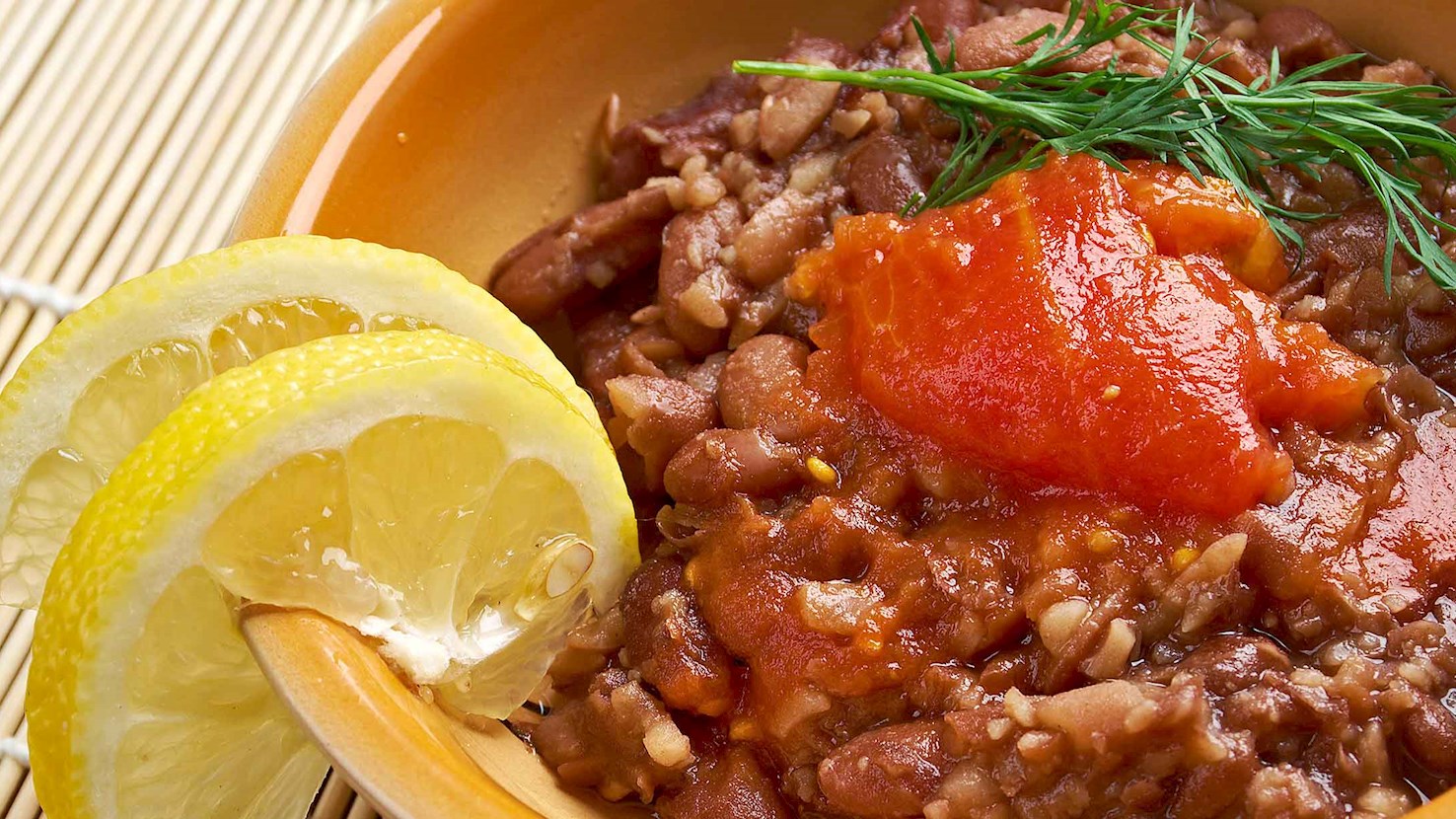
Ful medames is an ancient, pre-Ottoman and pre-Islamic national dish of Egypt, a traditional breakfast food consisting of slowly simmered fava beans seasoned with a squeeze of lemon juice, olive oil, garlic, and selected spices. Some remnants of the dish were found in the 12th Dynasty Pharaonic tombs in Egypt, and any food that has been found in an ancient tomb must have been a wildly popular culinary treat. Because it is a breakfast food that is also good for breaking the fasting, the dish is extremely popular during Ramadan. Although it's an Egyptian dish, it is also prepared throughout North Africa and the Middle East. Ful medames is a staple of the Egyptian diet, so much that the price of beans is regulated by the government in order to ensure that they are affordable to the poorest citizens. The creamy, earthy stew is usually spiced with the addition of chilis and cayenne pepper. It is recommended to prepare it a day in advance because the beans need to be soaked and cooked overnight. When eaten, the hearty stew is traditionally served out of big metal jugs, and once on the plate, it is often mopped up with pieces of fresh pita bread and topped with pickled beets, parsley, onions, tomatoes, and cumin. Filling, savory, nutritious, and easy to prepare, ful medames is a literal blast from the past.

09
Sweet Pastry

Feteer meshaltet

4.1 ·

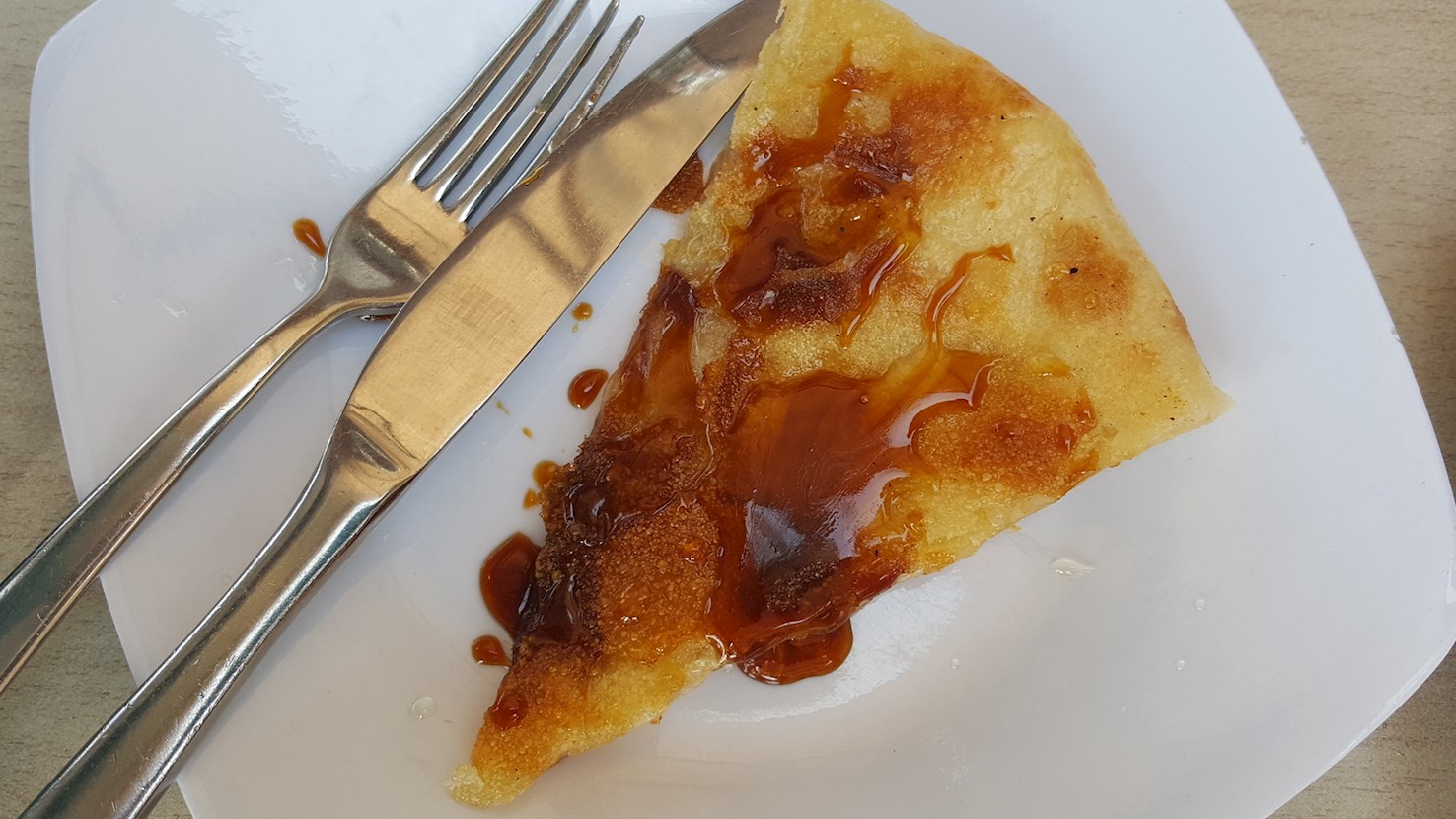
Fetir meshaltet is an Egyptian delicacy consisting of flaky layered pastry which can be plain or filled with various sweet or savory ingredients such as ground beef, cheese, halwa, chocolate, or raisins. The dish dates back to the time of the pharaohs, when it was often used in temples as an offering to Gods. Nowadays, it is traditionally prepared and consumed for religious holidays, weddings, and similar social events, but the pastry is especially important as a symbol of hospitality. Plain fetir meshaltet is served with sweet and savory sides such as fruit jams, honey, cheese, and green olives, the savory filled version is served with sliced tomatoes, cucumbers, and a cup of tea, while the sweet-filled version is commonly served on its own or with fruit jams and cream. Although there are many Egyptian restaurants that serve this pastry, it is said that the best fetirs are made by farmers' wives in the countryside.

10
Cheese

Areesh

4.0 ·

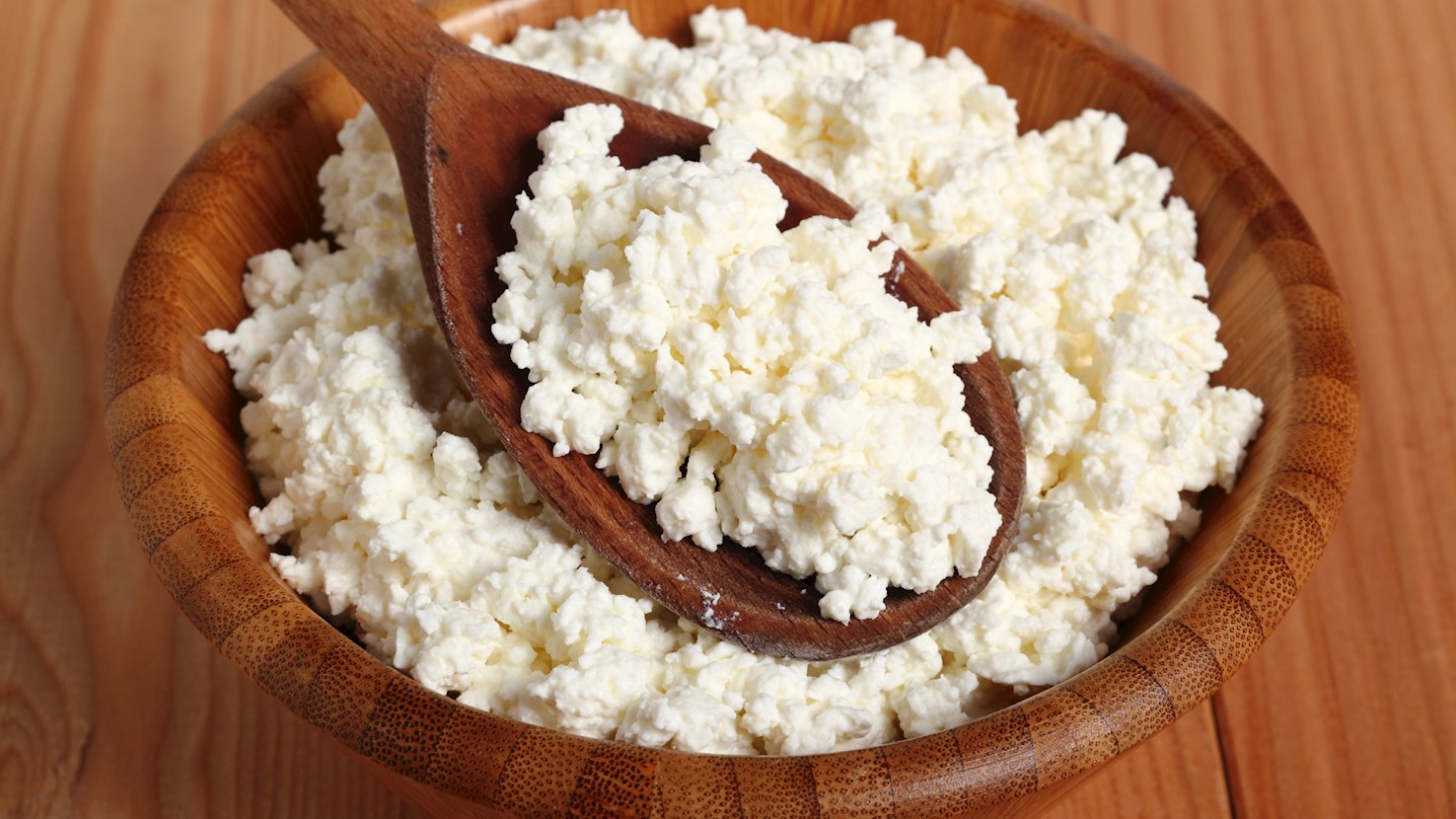
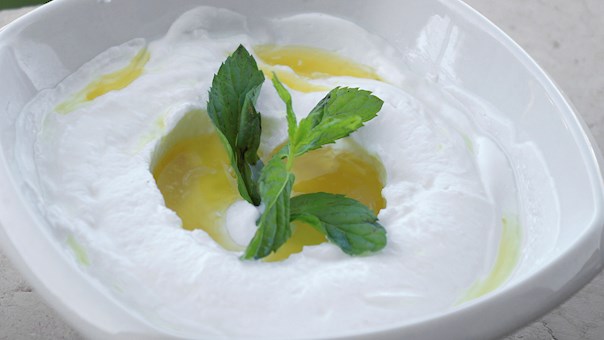
Areesh is an Egyptian cheese that is similar to cottage cheese regarding the texture and visual appearance. The cheese is made from yogurt which is slowly heated until it separates and curdles, and it is then placed in cheesecloths in order to drain. Areesh can be consumed either fresh or pickled, and when fresh, its flavor is often compared to ricotta.

Best Egyptian food products

01
Spirit

Glen's

4.5 ·
Awards
IWSC- International wine & spirit competition - Spirit Gold (2020)
02
Olive Oil

Wadi Food

4.4 ·

Wadi Food is an Egyptian company that produces olive oil and other food products. They cultivate their olives in the Wadi El-Natrun region, leveraging Egypt's unique climate for olive growing.

The company focuses on natural farming practices and modern production techniques to ensure high-quality products. Their olive oil is available in various grades, including extra virgin and virgin olive oil.

Awards
NYIOOC - Gold (2023)
03
Olive Oil

St. Catherines Monastery Sinai

4.4 ·

St. Catherine's Monastery in Sinai, Egypt, produces olive oil using traditional methods.

The monastery is located at the foot of Mount Sinai and is one of the oldest working Christian monasteries in the world. The olive trees cultivated in the monastery's gardens are well-suited to the arid climate of the region.

The monks at St. Catherine's have been involved in olive cultivation and olive oil production for centuries.

Awards
London IOOC - Gold (2022)
04
Fruit Product

Linah Farms

3.8 ·

Linah Farms is an Egyptian agricultural company established in 1997 in the Bahariya Oasis, developed as part of a desert reclamation project with a strong focus on premium Medjool date production. The company operates as a fully integrated system, managing the entire value chain from cultivation and seedling selection to harvesting, packing, and export, which allows for consistent quality control.

Its core product is Medjool dates, known for their large size, soft texture, and rich natural sweetness, while the portfolio also includes other varieties such as Barhi dates and additional crops like mango. The farm consists of tens of thousands of palm trees and is structured as a modern agribusiness with a clear export orientation.

Production benefits from the dry desert climate, which supports the development of the characteristic texture and flavor of the fruit. Linah Farms combines controlled agricultural practices with modern processing and logistics standards to meet international market requirements.

Within the global date industry, it is positioned as a specialized producer focused primarily on the Medjool segment.

Read more
View all
View map
About this ranking

TasteAtlas food rankings are based on the ratings of the TasteAtlas audience, with a series of mechanisms that recognize real users and that ignore bot, nationalist or local patriotic ratings, and give additional value to the ratings of users that the system recognizes as knowledgeable. For the “Top 37 Egyptian Foods” list until July 01, 2026, 13,546 ratings were recorded, of which 5,434 were recognized by the system as legitimate. TasteAtlas Rankings should not be seen as the final global conclusion about food. Their purpose is to promote excellent local foods, instill pride in traditional dishes, and arouse curiosity about dishes you haven’t tried.

The initial list of top producers was compiled based on available reviews, awards, local recommendations, media and blog coverage, and consumer reviews. The list will be updated with ratings from TasteAtlas local ambassadors and TasteAtlas users.

Similar lists