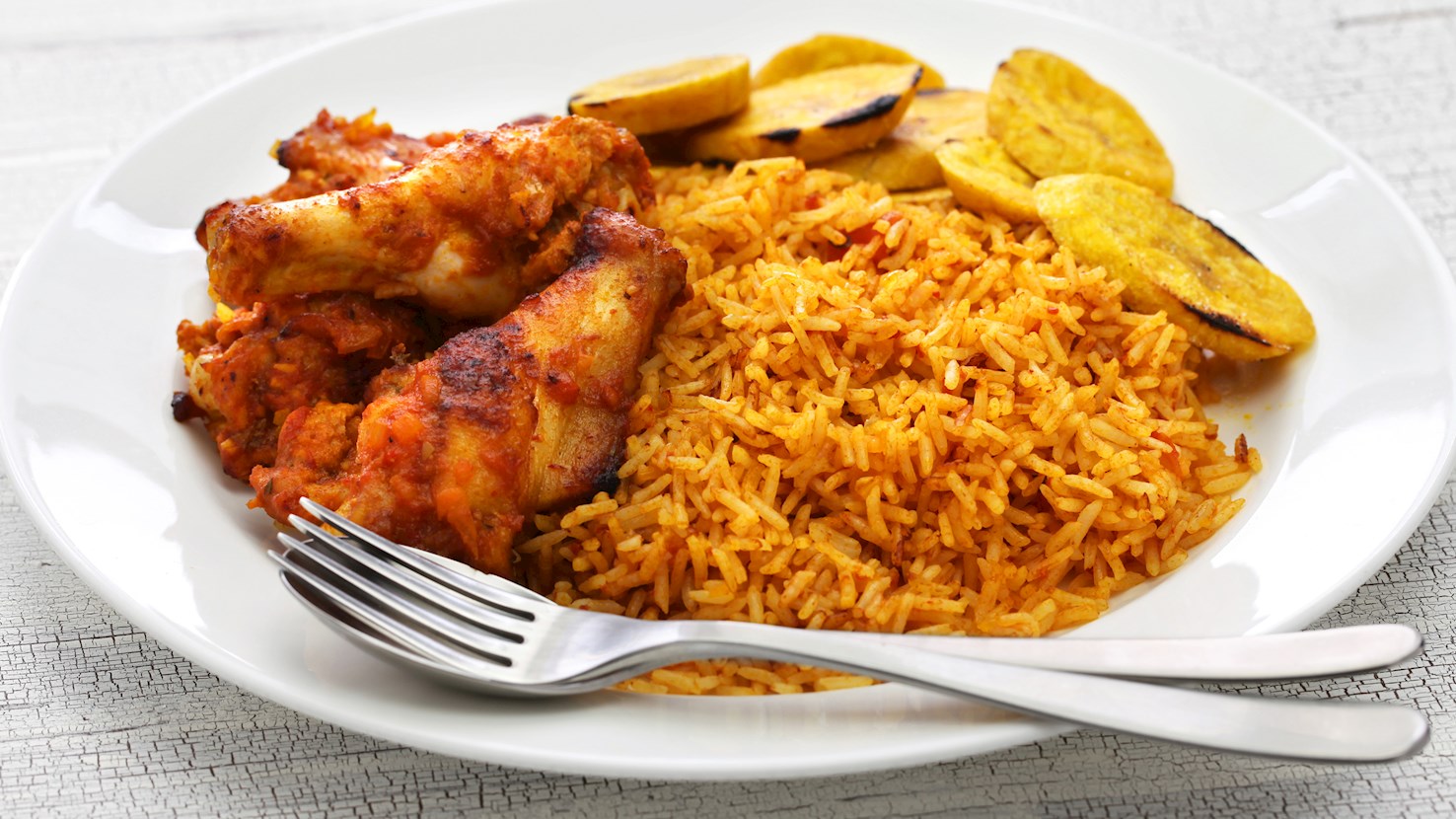
Jollof rice is a West African rice dish made with a base of tomatoes, onions, and peppers, cooked together with seasonings until the rice absorbs the sauce and takes on a deep red or orange color. It is prepared in many countries across the region, including Nigeria, Ghana, Senegal, Sierra Leone, Liberia, The Gambia, and Cameroon, each with distinct methods and flavor profiles. The dish has its roots in the Wolof-speaking areas of present-day Senegal and The Gambia, where one-pot rice dishes developed within the Wolof kingdom and later spread along trade and migration routes. Early forms of rice cooked in tomato-based sauces, including benachin, served as a foundation for what became known more broadly as jollof rice as the dish moved eastward and adapted to regional tastes. Preparation begins with creating a stew base by cooking tomatoes, tomato paste, onions, and chili peppers until thick and concentrated. This mixture forms the core of the dish’s flavor. Spices commonly include thyme, curry powder, ginger, garlic, and bay leaves, although blends differ by region. Broth is often added to the stew before the rice goes in, and long-grain varieties are favored for their ability to stay separate while absorbing the sauce. The rice is cooked on low heat until it absorbs the liquid fully, often forming a crust at the bottom of the pot, which some cooks consider an essential element. Vegetables such as carrots or peas may be added, and the dish can be prepared with chicken, beef, fish, or served as a vegetarian version. The defining feature is the balance between the acidity of tomatoes, the heat of peppers, and the aromatics in the spice blend, which creates a layered and concentrated flavor. A notable characteristic of jollof rice is the regional variation that shapes its identity. Senegalese versions often reflect the one-pot method of benachin and feature larger pieces of vegetables and fish. Nigerian versions are known for their smoky aroma due to cooking techniques that allow the stew and rice to caramelize slightly. Ghanaian versions may emphasize Scotch bonnet peppers and a softer consistency. Although each country asserts its own preferred style, all share the core elements of rice cooked directly in a seasoned tomato-pepper mixture. Jollof rice is eaten across West Africa in homes, restaurants, street-food settings, and festive gatherings. It appears at celebrations, everyday family meals, and communal events, often accompanied by fried plantains, grilled chicken, stews, or salads. Beverages that pair well with it include hibiscus drinks such as bissap or zobo, ginger drinks, palm wine, beer, or citrus-based soft drinks, which complement the spice and richness of the dish.
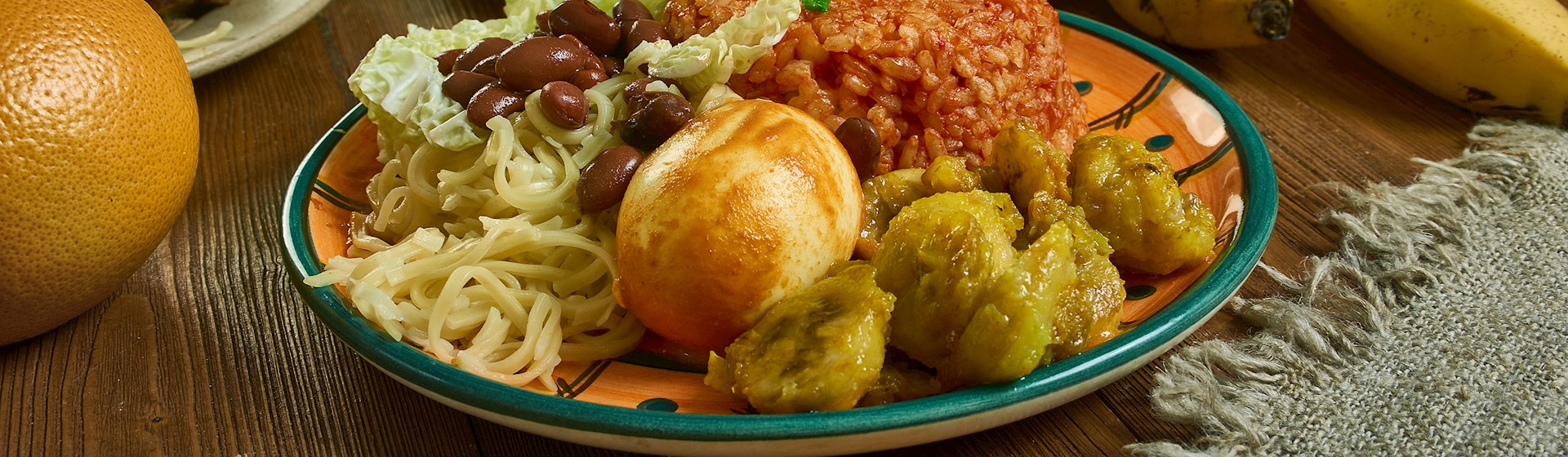
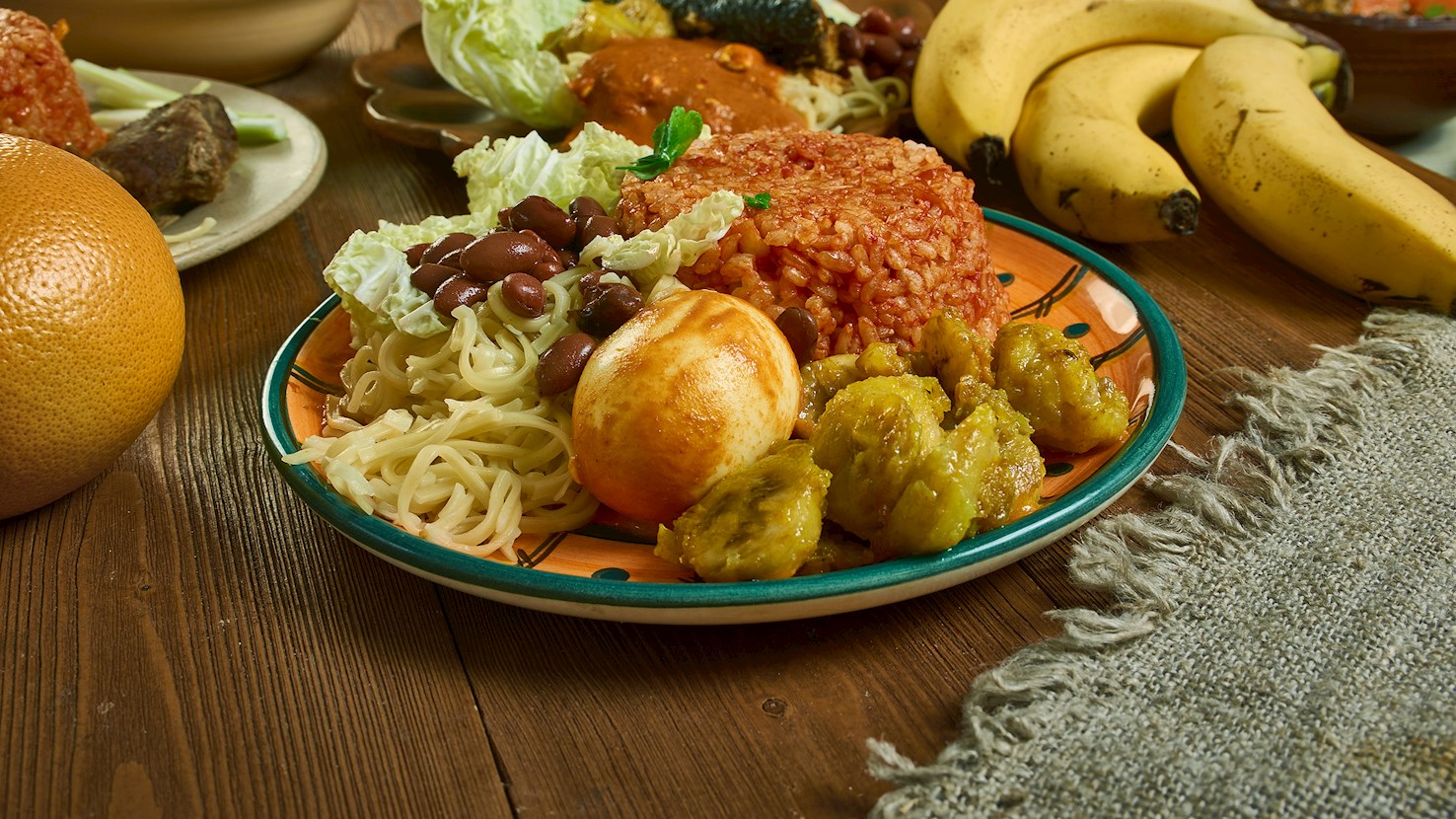
Although it originated in northern parts of Ghana, the rice-and-bean-based dish known as waakye is today consumed on a national level. Whether it's eaten for breakfast or lunch, this dish can be made as rich and as filling as one likes by adding an almost unending list of accompaniments. The most typical ones include fried plantains, the spaghetti-like talia, a black pepper sauce called shito, boiled eggs, avocados, a tomato-based soup which contains meat, and gari foto — a mashed sauce made with finely grated cassava. This versatile dish is a favorite street food and comes served on a large waakye leaf.
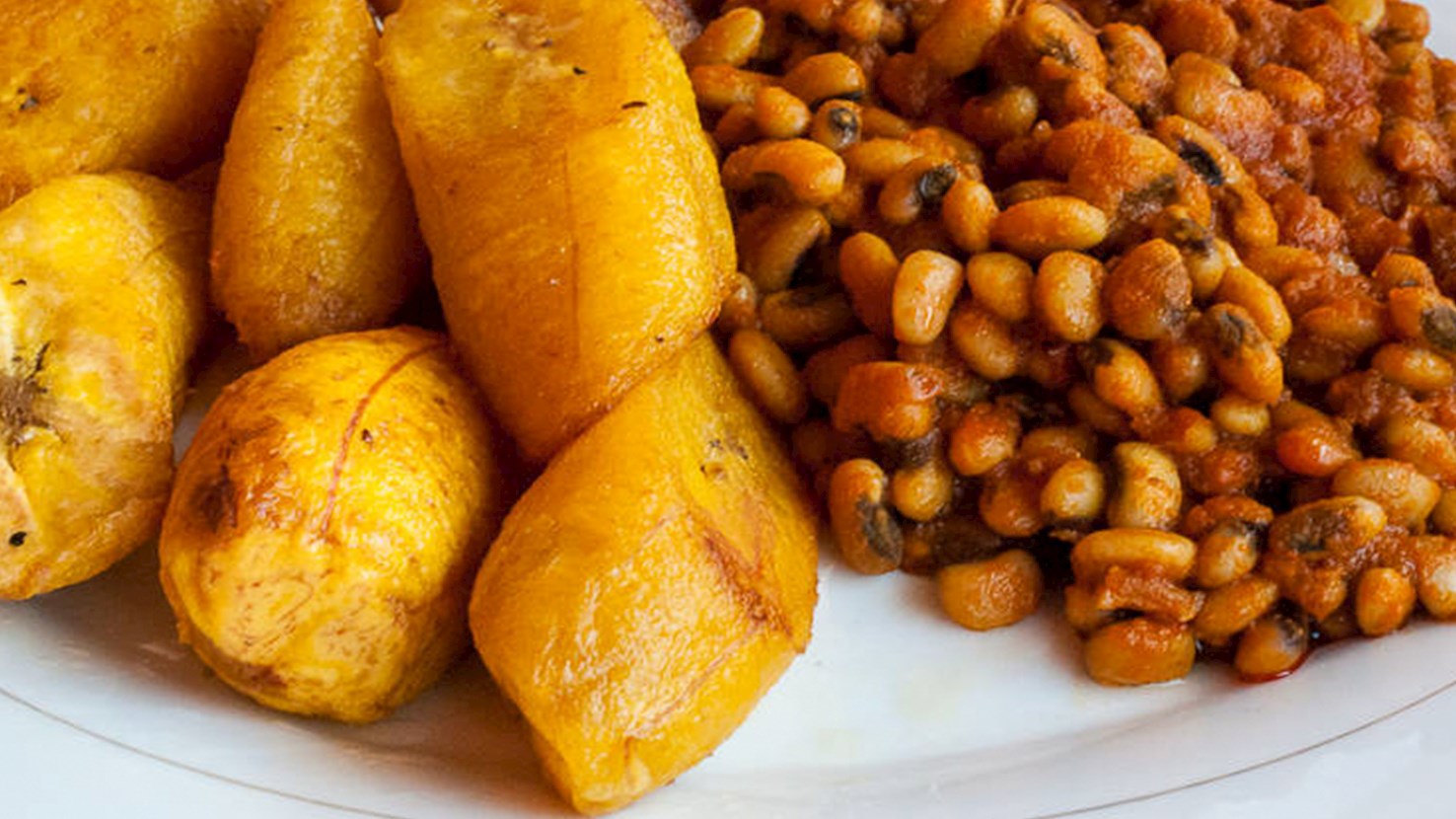
Red red is a popular Ghanaian stew consisting of beans, red palm oil, tomato paste, and flavorings such as garlic, ginger, chili, and onions. Some cooks like to add meat or fish broth into the stew, but it is completely optional. The stew is traditionally served with fried plantains on the side.
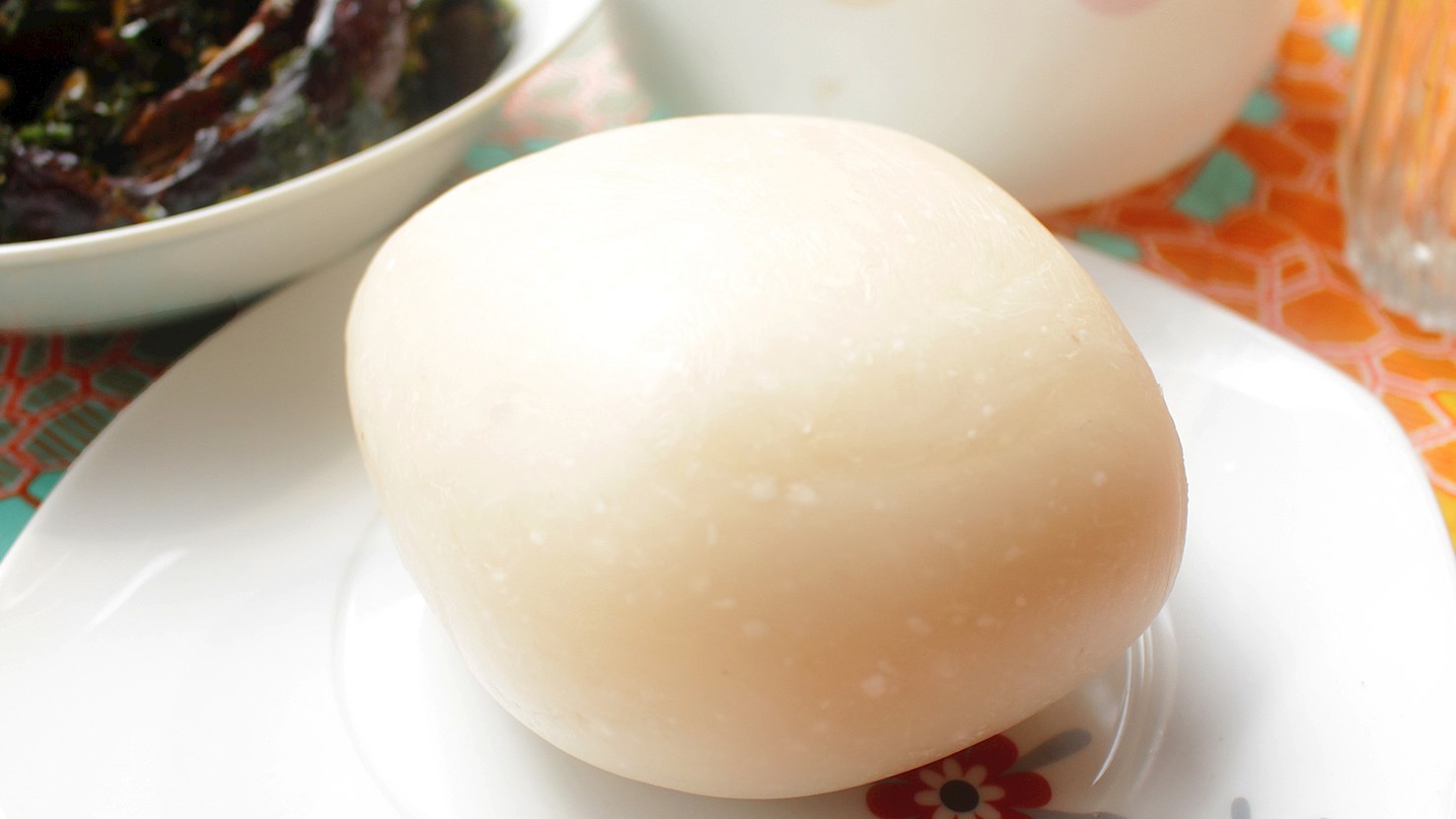
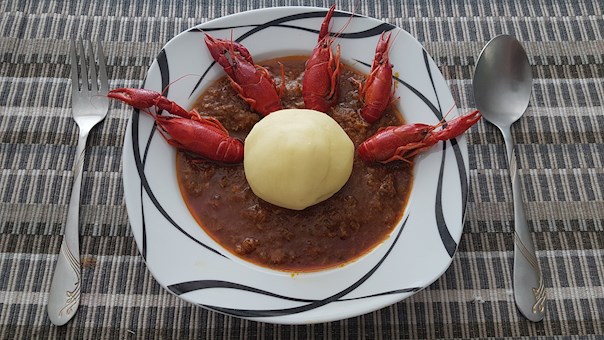
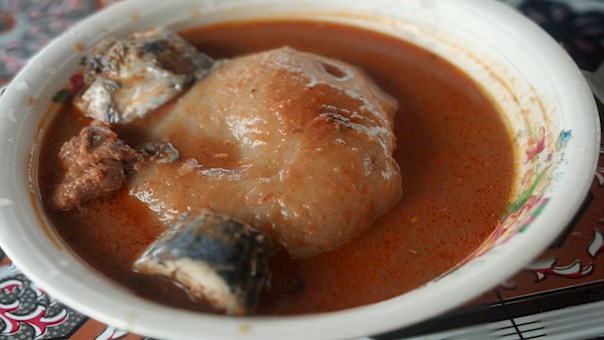
Fufu is a staple side dish made by pounding cassava and unripe plantains together with a big wooden pole and mashing them while adding water. As it needs to be vigorously stirred, it usually takes two people to make it - one pounding it, and the other moving it around between the pounding. Once the mixture is smooth, it gets shaped into small balls that are then placed in a stew or soup with meat. Similar to the Tanzanian ugali, an indentation is made in the ball, used for scooping up the sauce, with fufu acting as a spoon. The texture is quite gummy and stretchy, while the flavor is bland, but dipping it into a stew gives fufu a spicy flavor that is slightly reminiscent of peanuts. Just make sure not to eat with your left hand, as this is considered extremely disrespectful in many parts of Africa, because the left hand is used for toilet-related actions. This starchy side dish is an important accompaniment to various stews and sauce-based dishes, and it's regularly eaten throughout West and Central Africa.
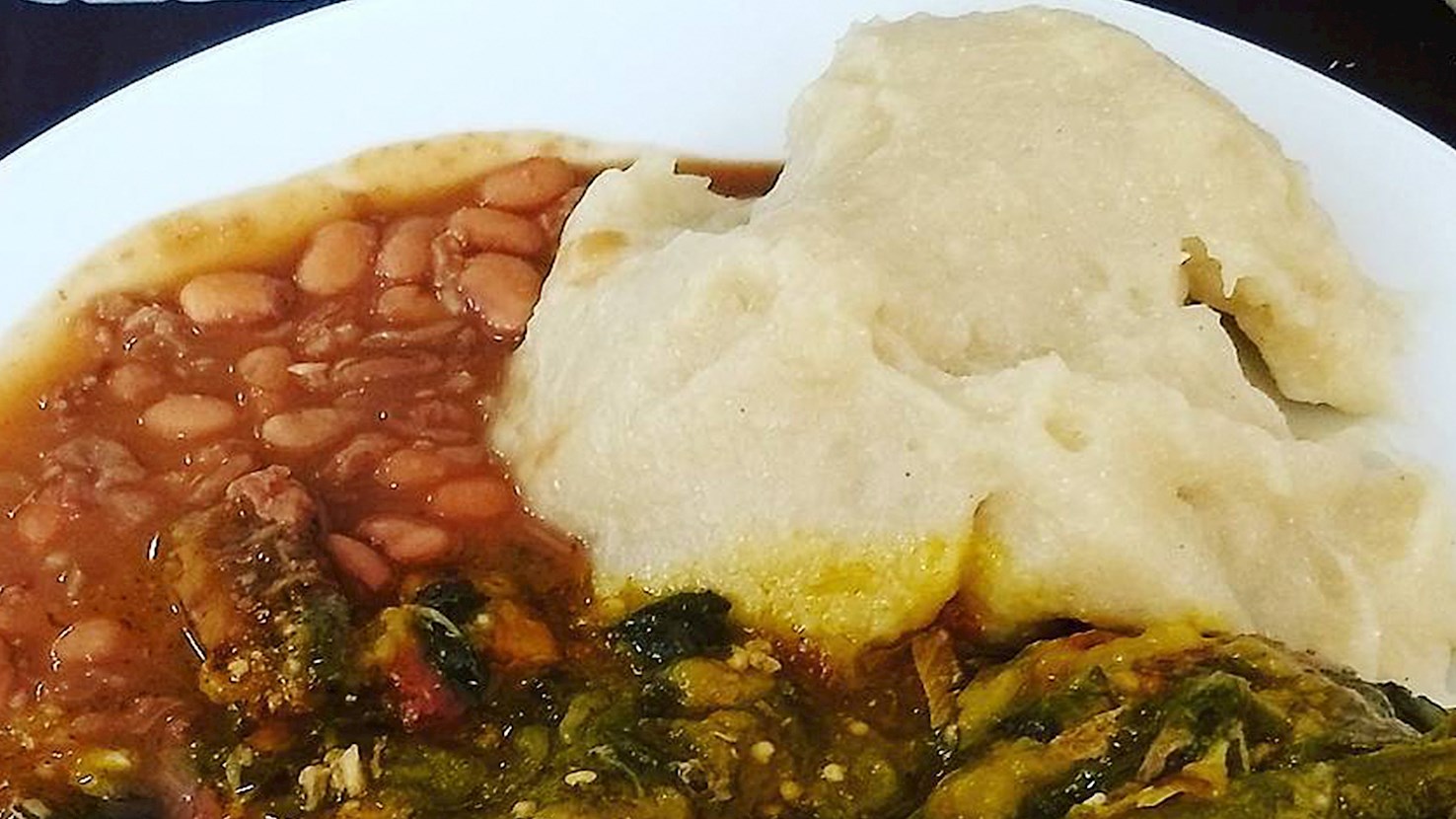
Known as funge or funje in Angola and Ghana, and mfundi in Democratic Republic of the Congo and Republic of the Congo, it is an essential side dish accompanying breakfast, lunch, and dinner meals in many households of rural families throughout these countries. It is a type of porridge known as swallow, made from cassava flour that is stirred into water. Funge has a sticky, smooth, and creamy texture, while a slightly bland flavor makes it great for evening out the intense spices found in many local dishes. Traditionally, at their most basic, these dishes consist of funge and a full-flavored, spicy sauce.
Garden egg stew is a popular Ghanaian dish featuring African eggplant, or garden egg as its main ingredient. Although the eggplant is a fruit, it is prepared as a vegetable in this stew, combined with tomatoes, onions, peppers, palm oil, dried fish or shrimp, and seasonings such as ginger and nutmeg. The stew is often served for lunch or dinner, accompanied by boiled plantains.
Kontomire soup or ebunu ebunu (green green) is a flavorful Ghanaian soup made from cocoyam (taro) leaves, smoked fish, mushrooms, and snails. Cocoyam leaves give the soup its characteristical green color. The soup is a traditional dish of the Akan tribe, who often serve it with fufu, rice, or boiled ripe plantains.
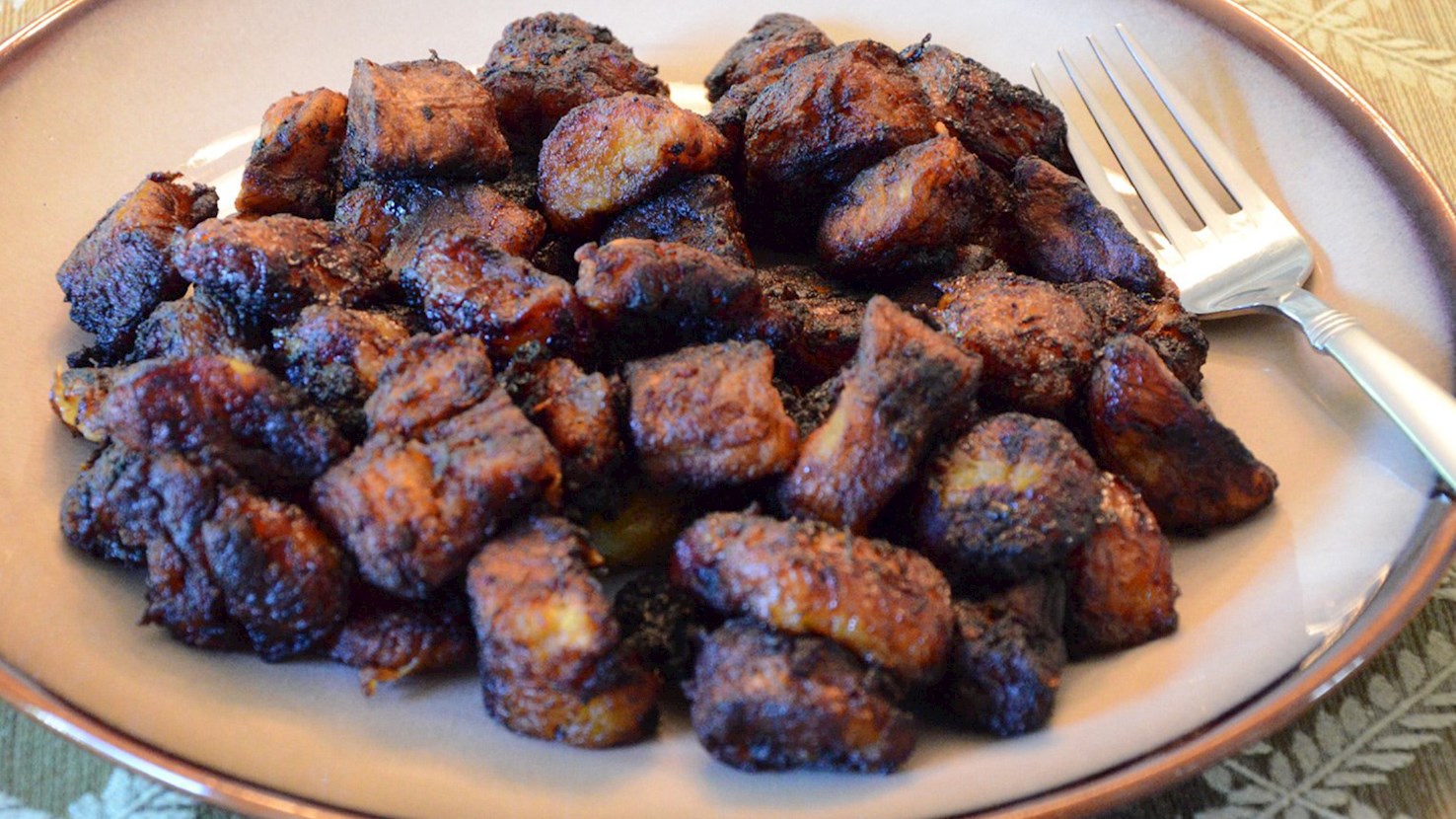
Kelewele is a flavorful Ghanaian dish consisting of deep-fried plantain chunks that are usually combined with salt, ginger, and hot peppers. It is usually served as an accompaniment to bean stews or rice dishes, although kelewele is also often sold by numerous African street vendors as a dessert. Cooks usually like to add peanuts, cloves, nutmeg, or cinnamon to the mix in order to give kelewele an additional layer of flavor.
Kuli-kuli is Benin's national dish, also popular in Nigeria and Ghana, providing nutrition, protein, and sustenance to the poor and often malnourished locals who have limited access to food. This simple meal consists of ground, smashed peanuts that are shaped into balls or biscuits which are deep-fried in their own oils. Prior to frying, the paste is mixed with salt, pepper, and some spices, if available. To put it simply, it is deep-fried peanut butter. The finished product doesn't look appetizing, but it tastes quite good, with golden brown fritters drained and served either hot or cold and eaten as a snack. Kuli-kuli can also be sprinkled over salads or accompanied by koko, fura, kamu, or with a blend of garri, sugar and water, called garri soakings.
Chichinga is a popular Ghanaian street food item consisting of skewered and grilled meat that is rubbed with a spice mix known as suya or yaji. Suya is made with peanuts, ground spices, and hot chili peppers. The name of the dish is a transliteration of the Ghanaian word kyinkyinga, meaning kebab. It is recommended to serve chichinga with jollof rice, Ghanaian salads, or fried plantains.
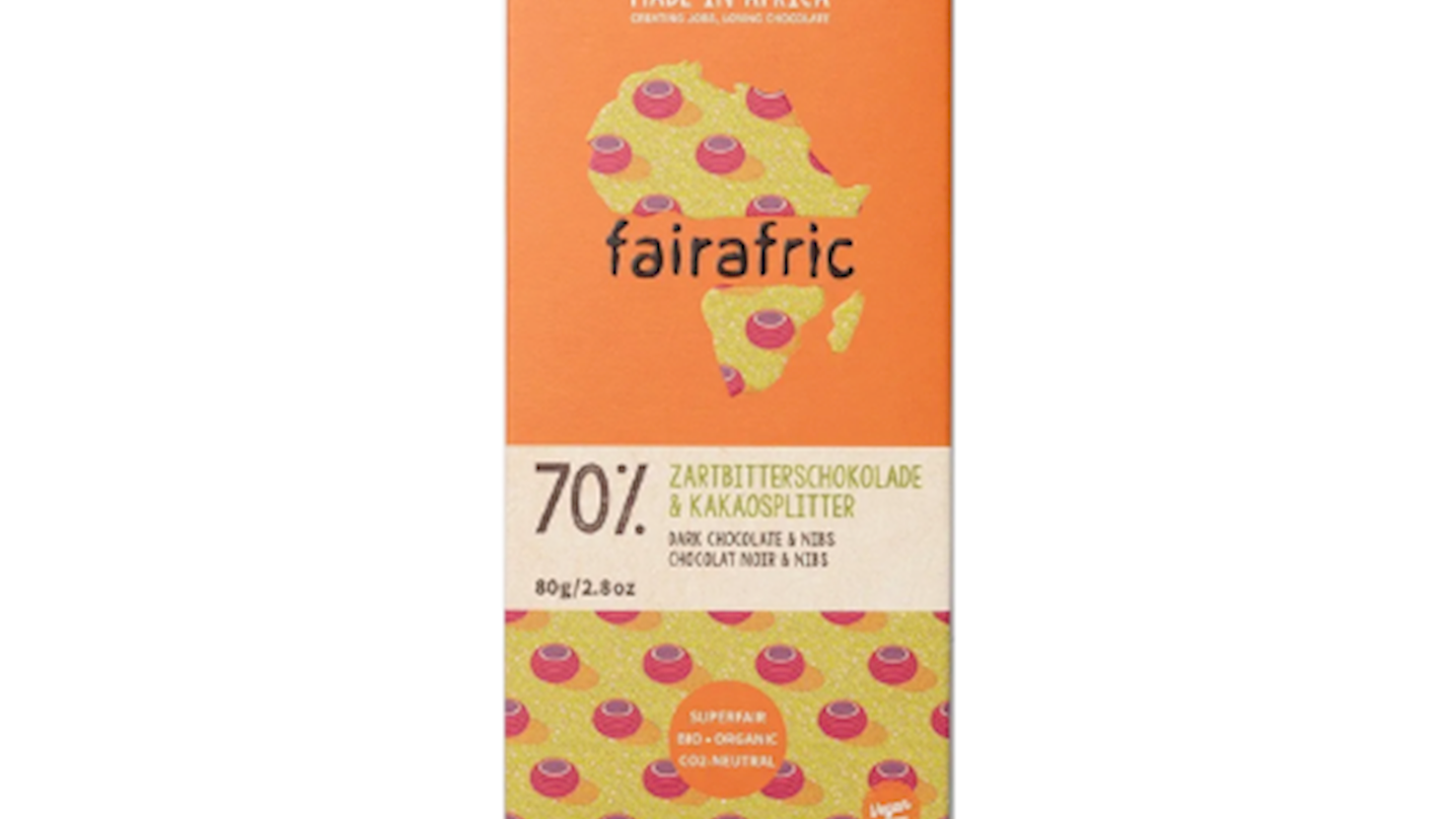
Fairafric Ghana is a bean-to-bar chocolate brand based in Amanase, near the town of Suhum in Ghana, and represents one of the most significant examples of sustainable and locally rooted chocolate production in Africa. Founded with the goal of keeping the value of cocoa within its country of origin, Fairafric produces its chocolate entirely in Ghana - from bean harvest to final packaging. The company offers a wide range of organic chocolates - dark, milk, and fruit varieties - featuring combinations with local ingredients. The cocoa is sourced directly from Ghanaian farmers, ensuring traceability and high quality of every bean. Fairafric also organizes “Farm to Factory” tours, allowing visitors to witness the entire chocolate-making process - from the cocoa tree to the finished bar. The brand’s philosophy is based on transparency, equality, and respect for natural resources. Fairafric has successfully positioned itself as a producer of premium, certified chocolate for the global market.
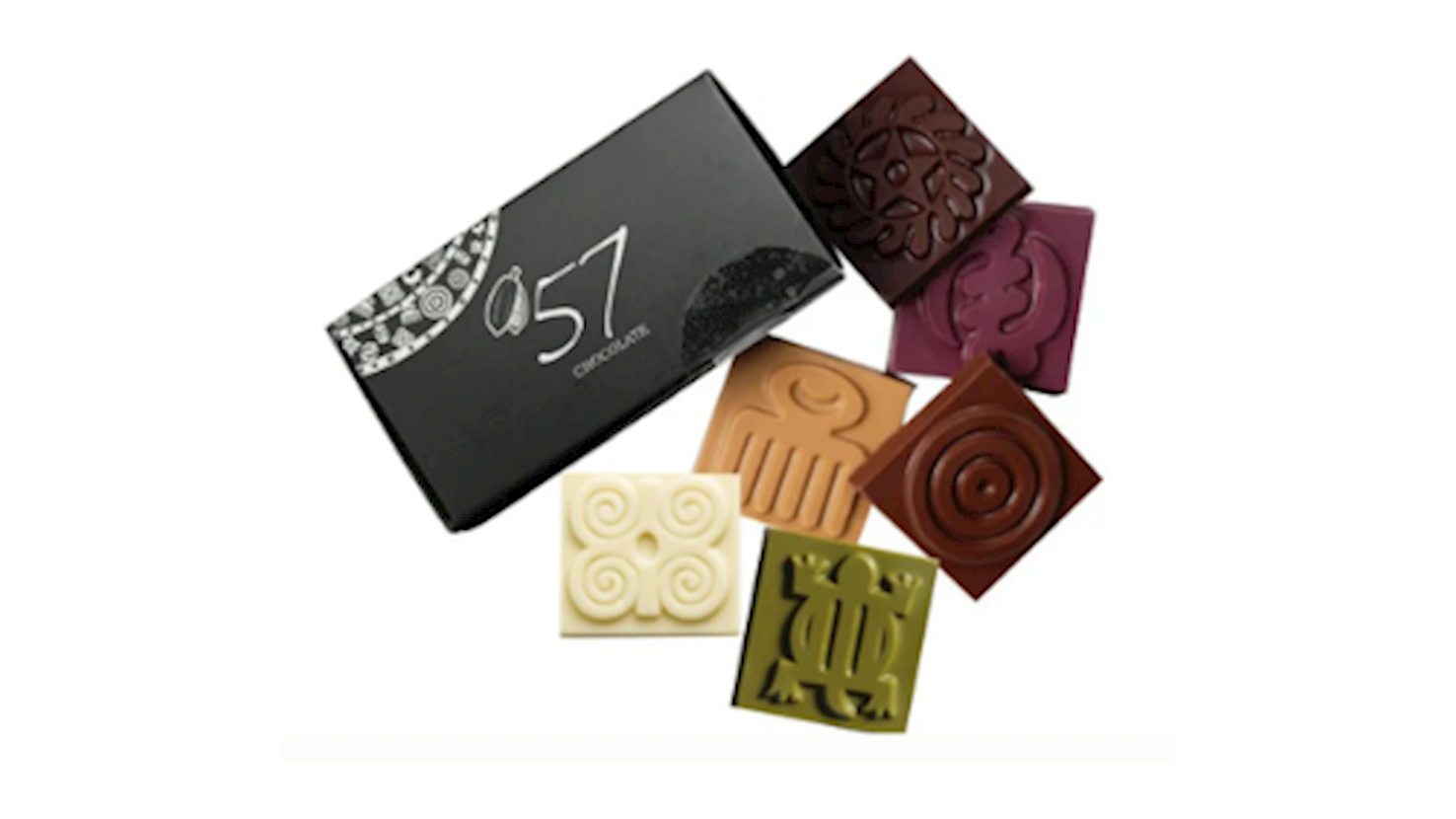
57 Chocolate is a pioneering bean-to-bar brand from Accra, Ghana, founded in 2016 by sisters Kimberly and Priscilla Addison with the goal of changing the narrative around African cocoa. The name “57” symbolically refers to 1957 - the year Ghana gained independence - reflecting the brand’s vision of economic and cultural empowerment through local production. The company was created to demonstrate that high-quality chocolate can be produced in the very country where cocoa originates, rather than being merely exported as a raw material to Europe. All cocoa is sourced from Ghanaian farms, and the entire production process is carefully controlled - from bean to bar. Their range includes dark, milk, and white chocolates, as well as varieties enriched with local ingredients. Particularly distinctive are the “Adinkra” bars - small chocolate tablets embossed with symbols from the Ashanti culture, each carrying its own meaning and message. Through a blend of contemporary aesthetics and deep respect for origin, Kimberly and Priscilla Addison have positioned 57 Chocolate as a defining voice of the new generation of African chocolatiers.
TasteAtlas food rankings are based on the ratings of the TasteAtlas audience, with a series of mechanisms that recognize real users and that ignore bot,
nationalist or local patriotic ratings, and give additional value to the ratings of users that the system recognizes as knowledgeable.
For the “Top 24 Ghanaian Foods” list until June 24, 2026, 406 ratings were recorded, of which 309 were recognized by the system as legitimate.
TasteAtlas Rankings should not be seen as the final global conclusion about food. Their purpose is to promote excellent local foods,
instill pride in traditional dishes, and arouse curiosity about dishes you haven’t tried.
The initial list of top producers was compiled based on available reviews, awards, local recommendations, media and blog coverage, and consumer reviews.
The list will be updated with ratings from TasteAtlas local ambassadors and TasteAtlas users.