shutterstock

Top 11 Hokkaido Foods

Last updated on July 08, 2026

Best Hokkaido food products

01
Spirit

Akkeshi

5.0 ·

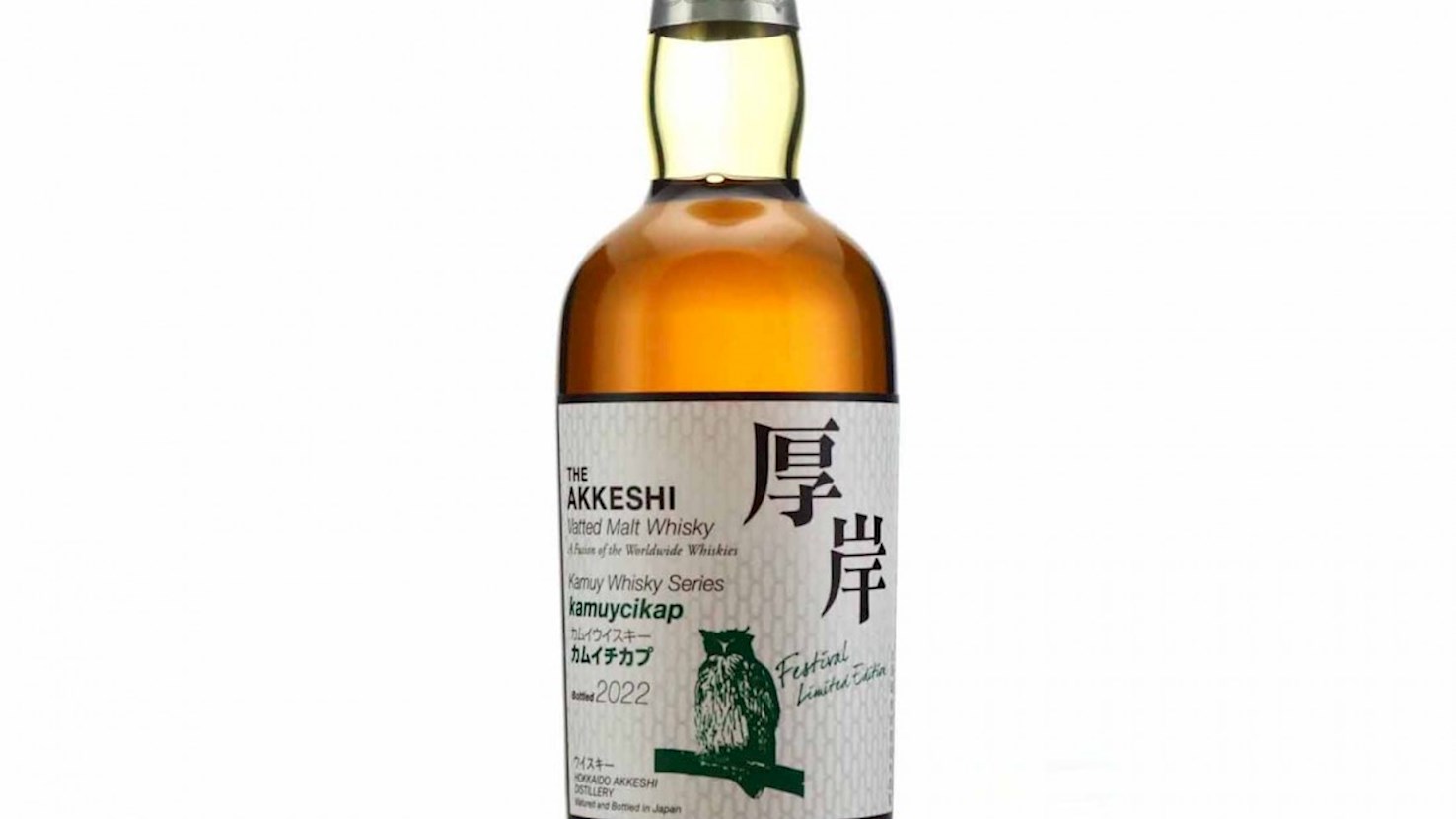
Located in Japan’s northern most island of Hokkaido and further east than any other distillery in the country, production at Akkeshi Distillery started in 2016. The goal of Akkeshi Distillery is to blend traditional Scottish methods with the unique flavors of Akkeshi, Japan.

With extremely unique aromas and flavors unlike anything else these whiskies will be a delight to aficionados worldwide. Akkeshi Distillery is the true embodiment of craftsmanship and is on track to be a leader in the highest quality Japanese whisky world. ​

Awards
ISC-International Spirits Challenge - Gold (2024)
ISC-International Spirits Challenge - Gold (2023, 2022, 2021)
02
Spirit

Niseko Distillery

5.0 ·

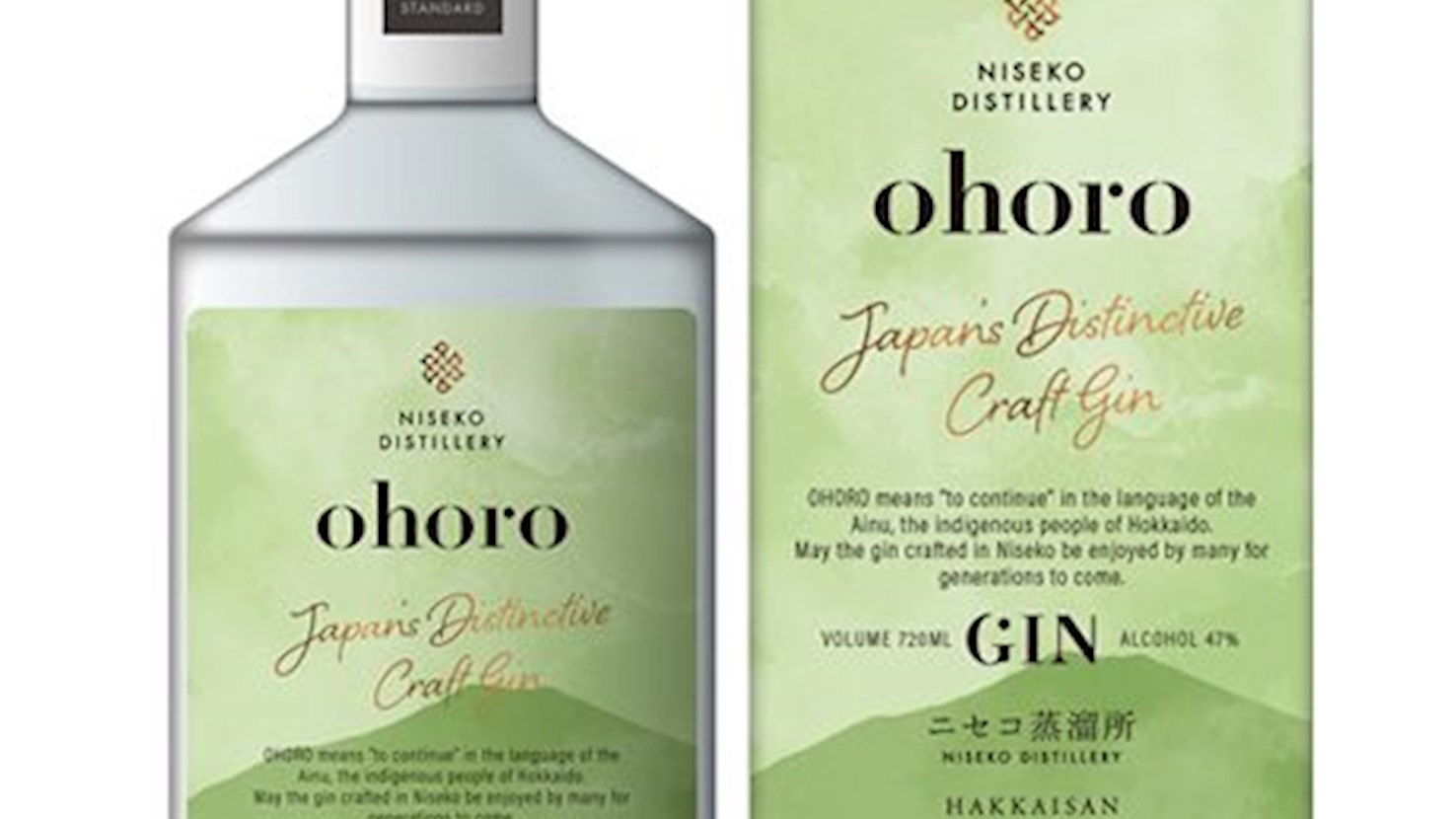
Niseko Distillery is a distillery located in the town of Niseko, in the Abuta District on the island of Hokkaido, Japan. Surrounded by the Niseko Annupuri and Yotei mountains, the distillery utilizes high-quality water characteristic of regions with abundant snowfall, contributing to the production of whisky and gin with delicate and balanced flavors.

The distillery focuses on crafting whisky and gin, incorporating local ingredients such as sweet gale and Japanese mint. Their "Ohoro GIN" is particularly renowned for its clarity and smoothness, with light citrus aromas, making it ideal for cocktails such as gin and tonic or martinis.

Awards
NYWSC - New York World Spirits Competition - Double Gold (2023)
World Gin Awards - World's Best Classic Gin (2024)
03
Cheese

Kyodo Gakusha

5.0 ·

Kyodo Gakusha is a Japanese cooperative and social organization founded in the 1970s, bringing together agriculture, artisanal production, and social inclusion through shared living and working. It operates in several locations across Japan, with its most well-known site being the Shintoku farm on the island of Hokkaido, where cheeses and other dairy products are made in accordance with principles of sustainability and respect for nature.

The core idea of Kyodo Gakusha is to create a community in which people from diverse life circumstances, including those who need additional support, work, learn, and grow together through everyday activities. Food production is not seen merely as an economic activity, but as part of a broader life philosophy based on cooperation, responsibility, and balance between humans and their environment.

Cheese from Shintoku is produced in small batches with great attention to milk quality and the aging process, which has earned it recognition beyond Japan. Today, Kyodo Gakusha is regarded as a unique example of how social mission, rural development, and high-quality artisanal food production can be meaningfully integrated.

Awards
World Cheese Awards - Gold (2021)
Japan Cheese Awards - Gold (2025, 2024, 2018, 2016, 2015)
04
Cheese

Cheesedom

4.8 ·
Awards
World Cheese Awards - Super Gold (2024)
05
Dessert

Rokkatei

4.8 ·

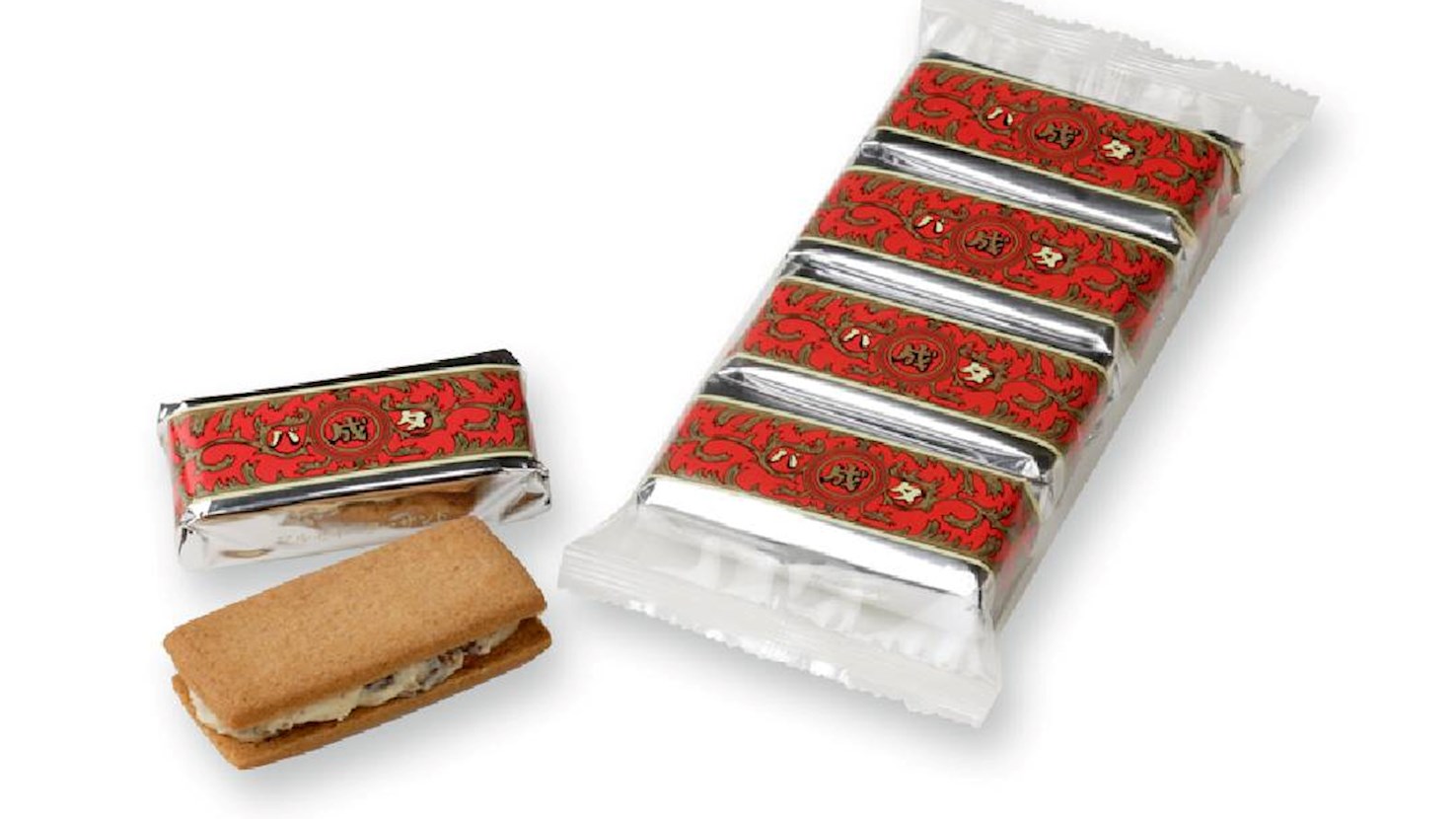
Rokkatei is a renowned Japanese confectionery brand rooted in the rich culture and natural beauty of Hokkaido. Known for its dedication to craftsmanship, local ingredients, and seasonal expression, Rokkatei creates sweets that are both refined and heartfelt—each bite telling a quiet story of tradition, care, and artistry. Their most iconic creation, the Marusei Butter Sandwich, features a delicate pairing of buttercream, white chocolate, and raisins nestled between two soft, biscuit-like cookies.

Beloved for its balanced richness and unique texture, it has become one of Hokkaido’s most cherished edible souvenirs. Beyond sweets, Rokkatei stands out for its commitment to culture and community—its signature floral packaging is the work of a respected artist, and the brand actively supports local arts and literary initiatives. Today, Rokkatei operates a number of boutiques and cafés across Japan, yet remains deeply connected to its roots—selecting premium ingredients, honoring hand-made methods, and delivering warmth in every detail. Rokkatei is not just a name in confectionery; it’s a celebration of heritage, hospitality, and the quiet elegance of Japanese tradition.

06
Chocolate

Royce’

4.7 ·

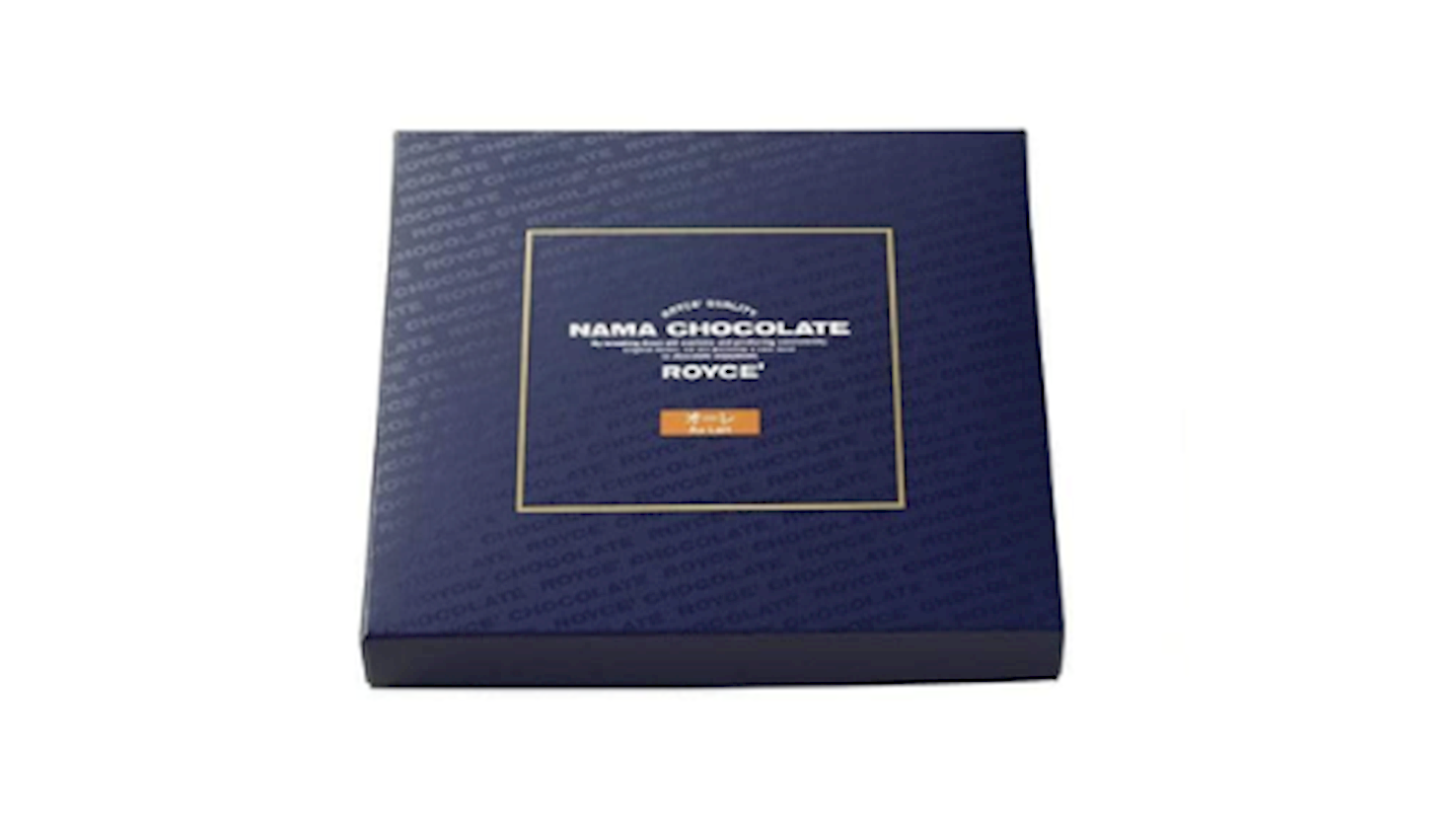
Royce’ is a Japanese chocolate brand founded in Sapporo, Hokkaido, in 1983, known for combining Japanese precision with European-inspired chocolate-making techniques. Hokkaido plays an important role in the brand’s identity because the region is associated with a cool climate, dairy production and high-quality natural ingredients, all of which support the production of smooth and delicate chocolate confections.

Royce’ is especially recognized for its Nama Chocolate, a soft ganache-style chocolate made with fresh cream and a rich, melt-in-the-mouth texture. The brand’s range also includes chocolate bars, pralines, wafers, cookies, chocolate-covered nuts and its well-known Potatochip Chocolate, which combines salty potato chips with a layer of chocolate.

Royce’ products are typically characterized by clean presentation, balanced sweetness and refined textures rather than heavy or overly decorative styles. Over time, the brand has expanded internationally, but its image remains strongly connected with Hokkaido and Japanese craftsmanship.

Its chocolates are often positioned as premium gifts, with careful packaging and a focus on freshness, especially for products such as Nama Chocolate that require temperature-controlled handling. Royce’ can therefore be understood as one of Japan’s most recognizable contemporary chocolate brands, built around quality ingredients, restrained design and a distinctive balance between Japanese taste preferences and classic chocolate confectionery.

07
Dessert

Ishiya

4.6 ·

Ishiya is a confectionery producer based in Sapporo, on the island of Hokkaido, with a history dating back to 1947. The brand has grown from a small local sweets maker into a company strongly associated with the identity of Hokkaido, relying on regional ingredients and favorable climatic conditions that support high-quality confectionery production.

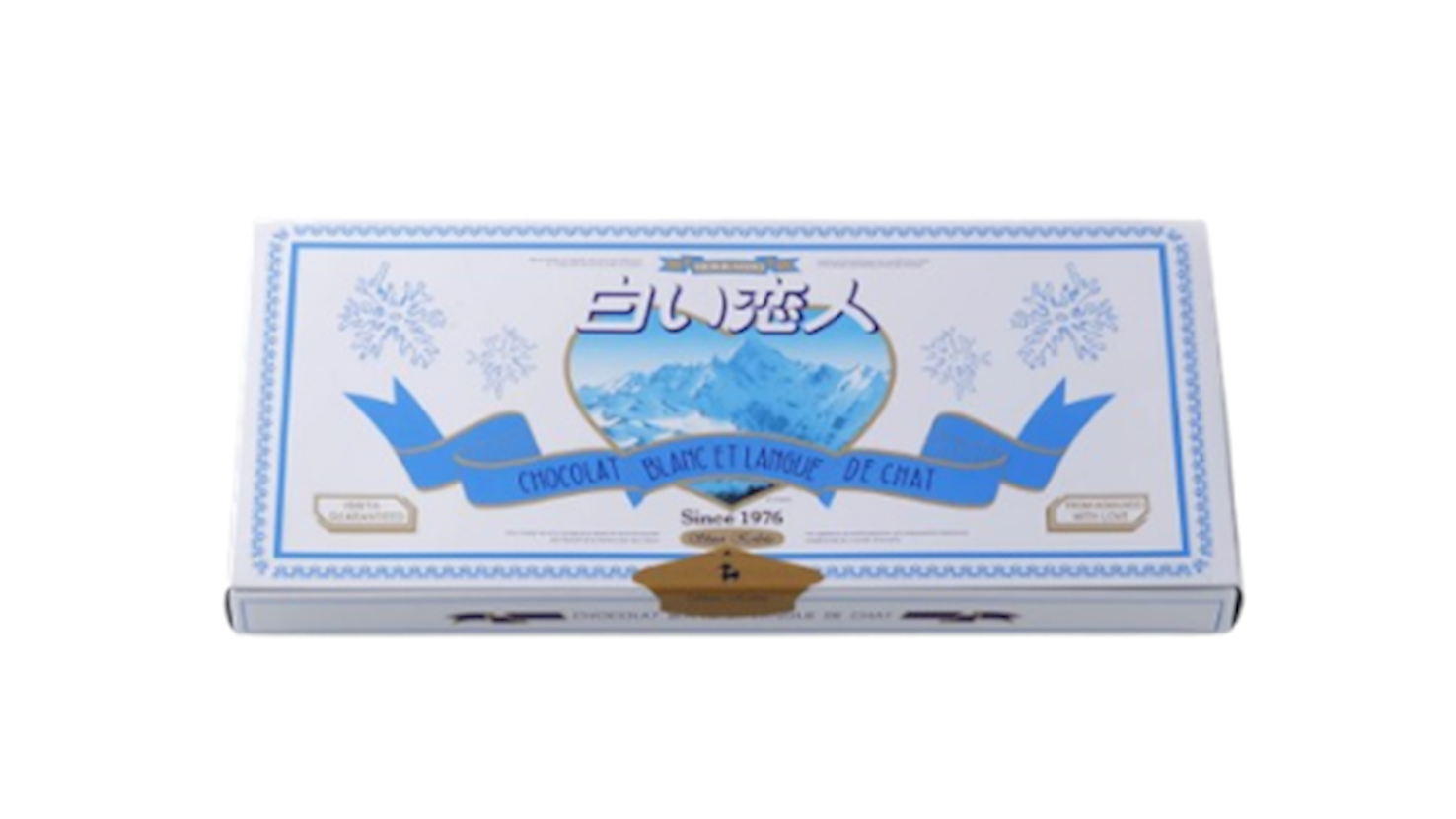
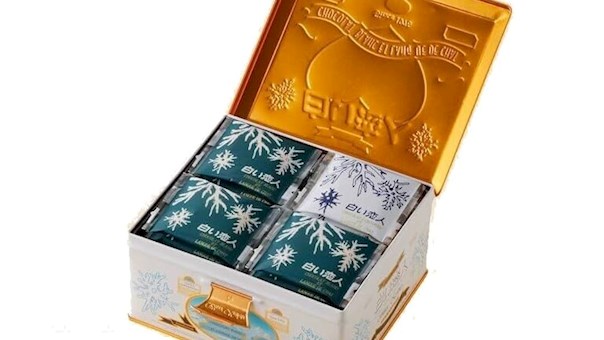
Its most iconic product is the Shiroi Koibito, a langue de chat biscuit filled with white chocolate, introduced in 1976 and widely recognized as one of Japan’s signature souvenir sweets. The company’s portfolio also includes a variety of biscuits, chocolate-based products, and seasonal specialties, all developed with attention to balance, texture, and presentation.

Ishiya’s approach reflects a combination of European confectionery influence and Japanese precision, particularly evident in its thin butter biscuits and refined chocolate pairings. Beyond production, the brand extends its identity through experiential concepts such as the Shiroi Koibito Park, where visitors can observe the manufacturing process and engage with the products.

Today, Ishiya maintains a strong presence both domestically and internationally, positioning itself as a representative example of Japanese confectionery craftsmanship rooted in regional character and consistency.

Awards
International Chocolate Awards - Gold (2019)
International Chocolate Awards - Silver (2019, 2018, 2017)
08
Wine

Hokkaido Wine

4.6 ·
Awards
IWSC- International wine & spirit competition - Gold (2022)
09
Butter

Yotsuba

4.5 ·

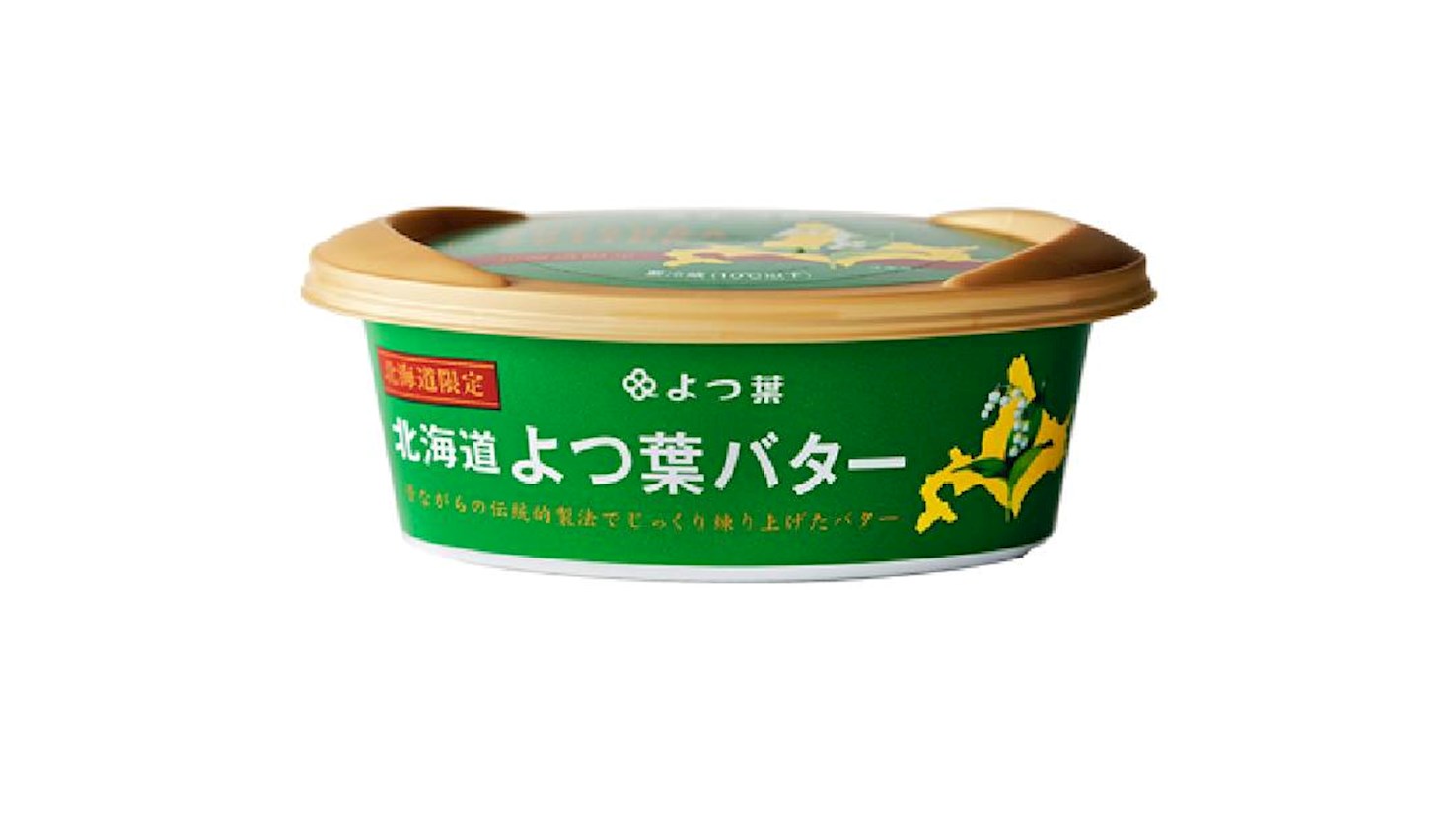
Yotsuba is a Japanese dairy company founded in 1967 by farmers from Hokkaido. The company specializes in the production and sale of milk and dairy products, using high-quality raw milk produced in Hokkaido's rich natural environment.

Yotsuba is committed to delivering fresh and natural products directly to consumers, ensuring safety and high quality through strict controls throughout the entire production process. Their product range includes milk, yogurt, cheese, butter, and powdered milk, all made from 100% raw milk sourced from Hokkaido.

The company also operates a research center and multiple factories across Japan, including its main factory in Tokachi. Headquartered in Sapporo, Yotsuba continues to contribute to consumers' daily lives by providing delicious and safe dairy products.

10
Cheese

Kawase Handcrafted Cheese

4.5 ·
Awards
World Championship Cheese Contest - Best of Class (2024)

Best Hokkaido foods

01
Noodle Dish

Miso ramen

4.3 ·

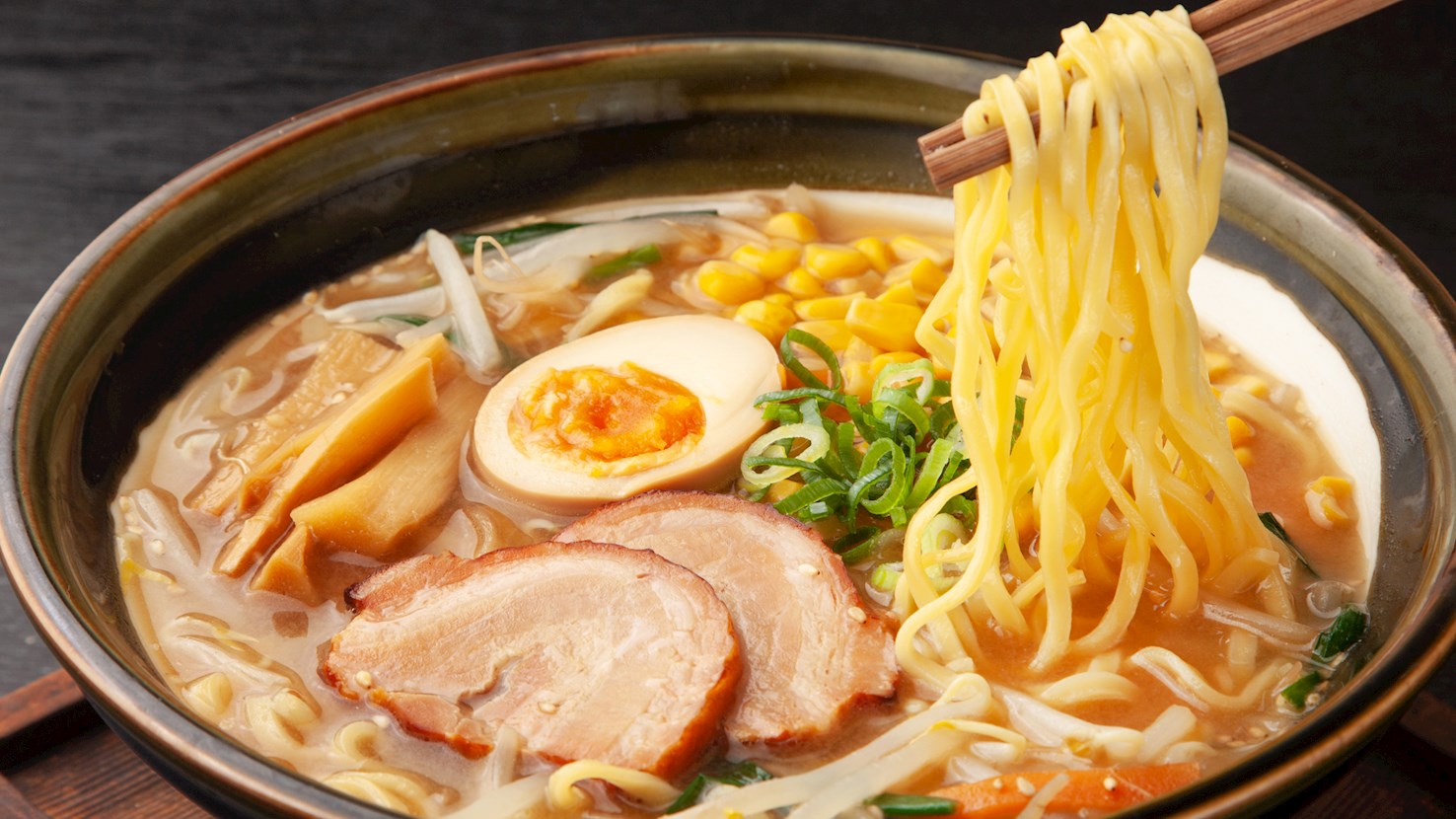
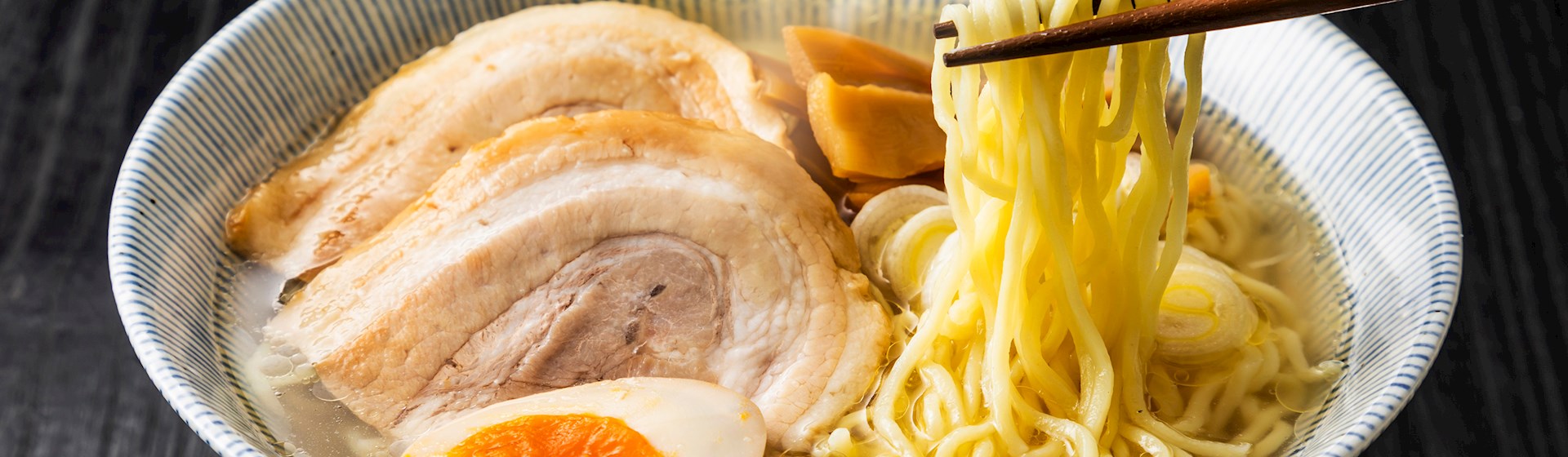
Miso ramen is a flavorful dish made by cooking the miso base, broth, and vegetables in a wok. The concoction is then topped with bean sprouts, chopped pork, garlic, sweet corn, and (sometimes) local seafood such as crabs, scallops, and squids. The dish was invented in 1955 in Sapporo, when a customer in Aji no Sanpei noodle house asked the chef to put noodles in his pork and miso soup. In the 1960s, miso ramen's popularity had skyrocketed, and Sapporo still remains a paradise for ramen lovers, taking pride in its Ramen Alley, with over a dozen ramen shops scattered through the street.

02
Stew

Karē udon

4.2 ·

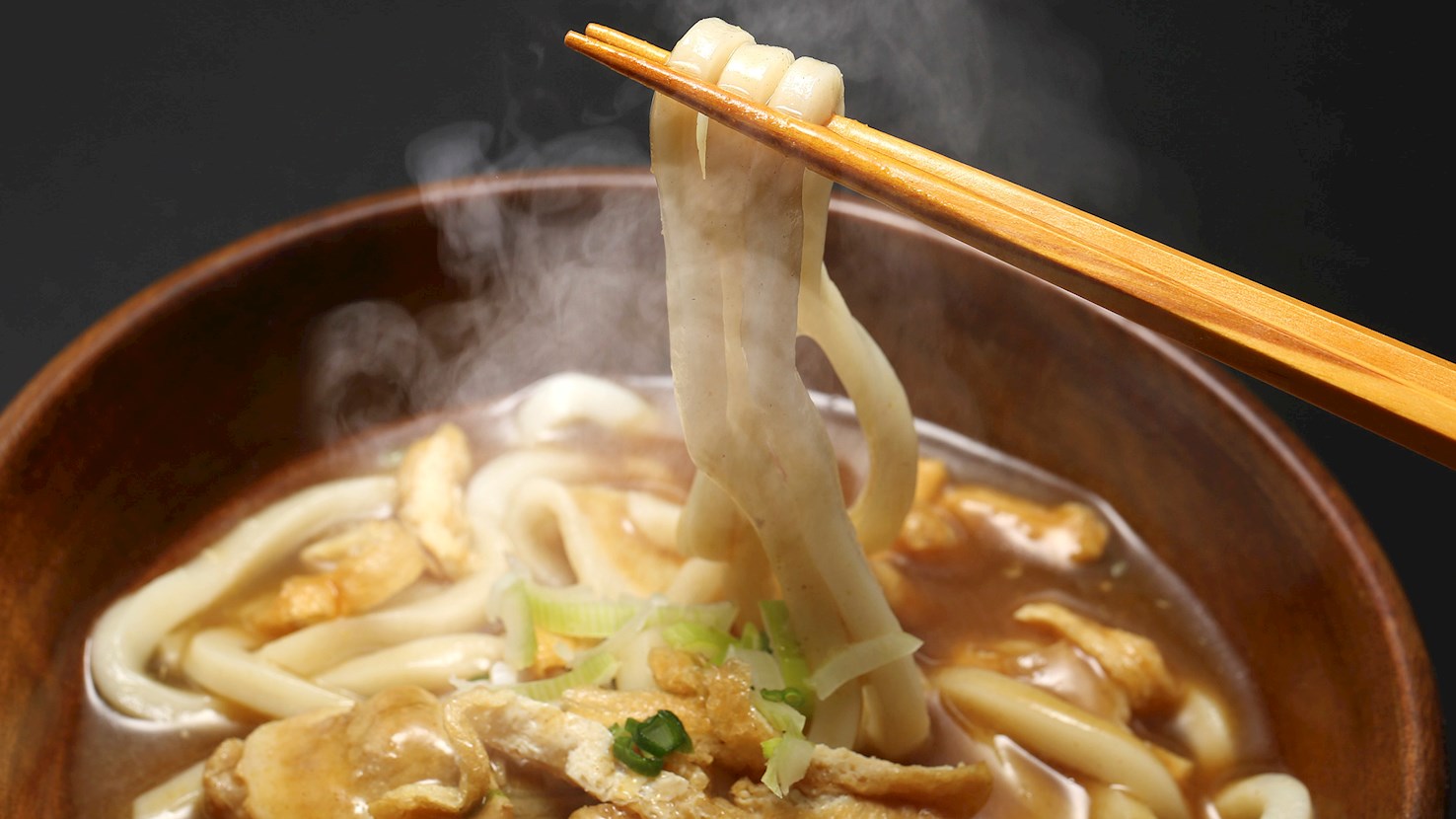
Curry udon consists of thick Japanese noodles made from wheat flour, served in a bowl of Japanese curry. Since it is a warming dish, curry udon is extremely popular during winter, and because things can get quite messy while consuming it, some curry udon restaurants offer disposable dibs to customers. The dish can vary in levels of spiciness - from mild to hot, depending on the curry. One of the most popular toppings for the dish is Shabu Shabu meat, thinly sliced so that it combines extremely well with the thick and chewy udon noodles.

03
Lamb Dish

Jingisukan

4.2 ·

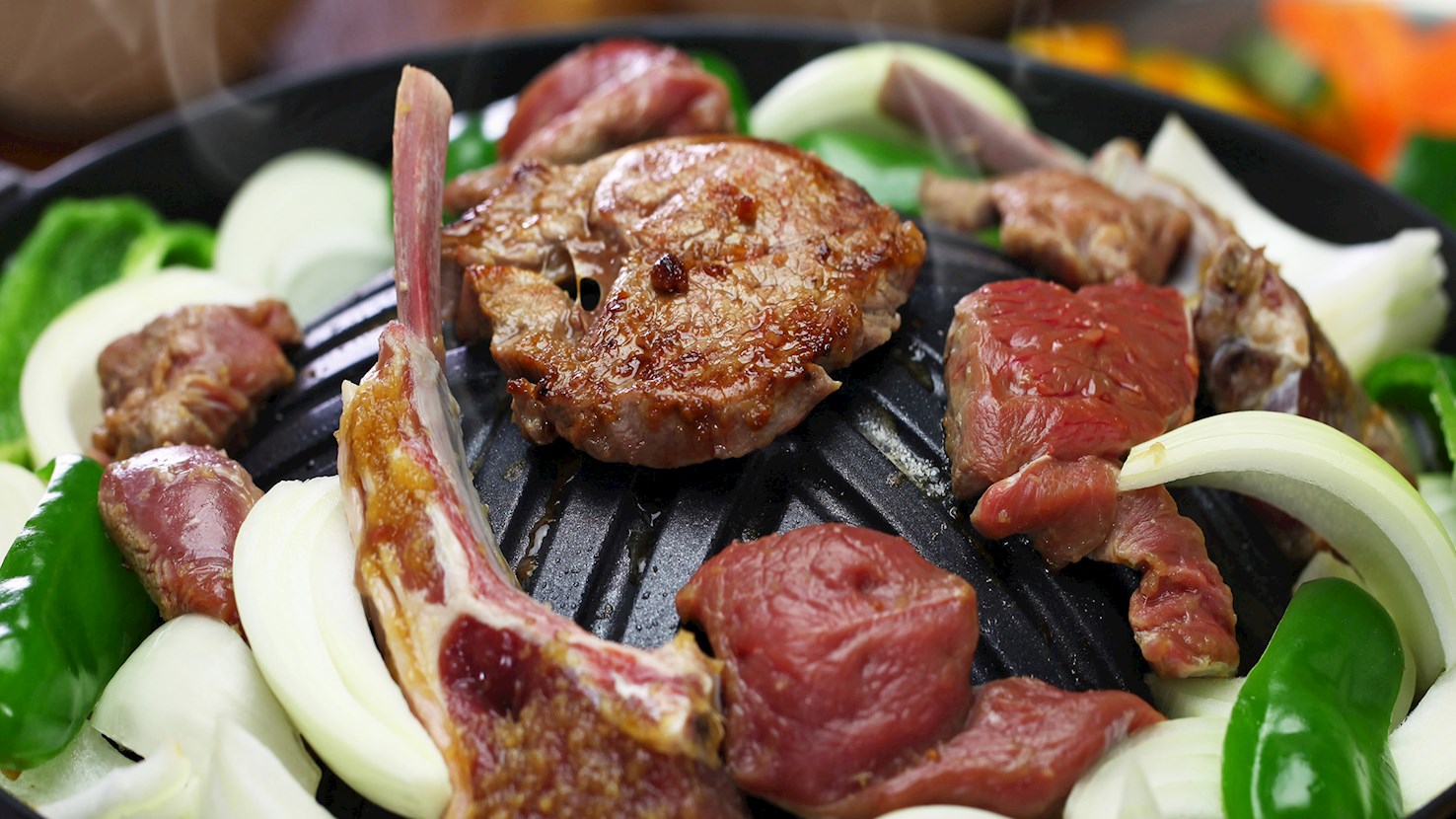
Jingisukan is a Hokkaido-specialty consisting of grilled mutton or lamb. The dish is always prepared tableside on the convex-shaped grills. The guests are served with sliced meat, which can be plain or marinated, and are then encouraged to grill the meat themselves, along with various vegetables such as onions, cabbage, leeks, or peppers. Typical accompaniments include special soy sauce-based condiments, chili sauce or grated garlic. The origins of consuming mutton in Japan date back to 1918 when the government promoted sheep farms, but the practice only remained on Hokkaido, and though restaurants specialized in preparing Jingisukan can be found elsewhere, the dish has remained a favorite on Hokkaido and in its capital Sapporo. It is believed that Jingisukan was named after Genghis Khan—the founder of the Mongol Empire. Although there are many theories about the origin of the name, the most popular say that it was influenced by the convex shape of the grill, which resembles a warrior’s hat, and the fact that the Mongolians were well-known for favoring sheep in their diet. Outside of Japan, the dish can also be found in Taiwan, China, and Thailand.

04
Pork Dish

Butadon

4.1 ·

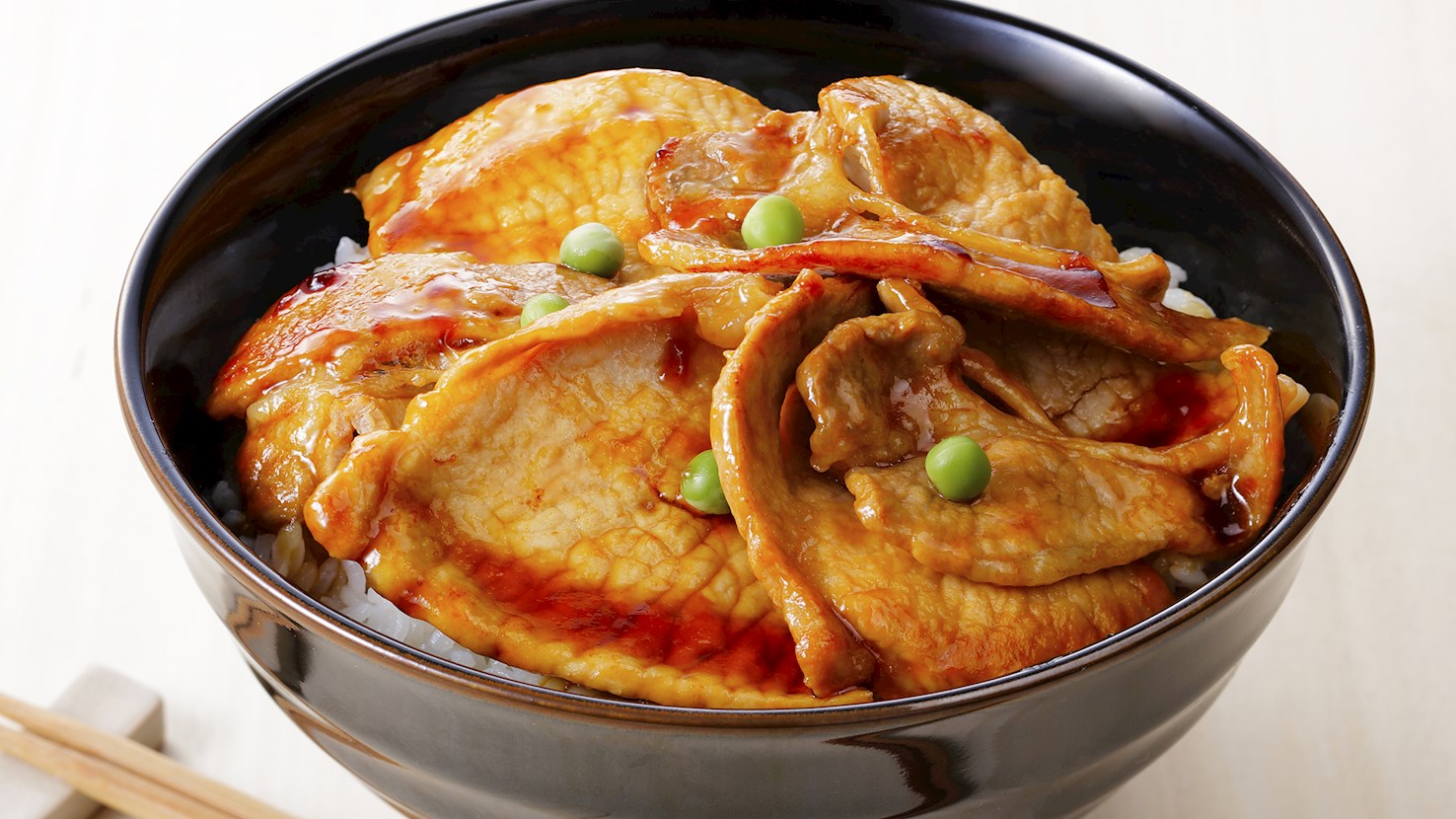
Butadon is a Japanese dish consisting of a bowl of rice that is topped with sliced fatty pork cooked in a slightly sweet soy sauce. Other common toppings include green peas and onions. The name butadon is derived from two words – buta, meaning pork, and don, meaning bowl, so the dish can be translated as pork bowl. It originated in Obihiro, and most sources credit Mr. Abe from the Pancho restaurant with its invention, who supposedly created it in 1933 because he wanted the Japanese people to consume more pork.

05
Soup

Sūpu karē

3.8 ·

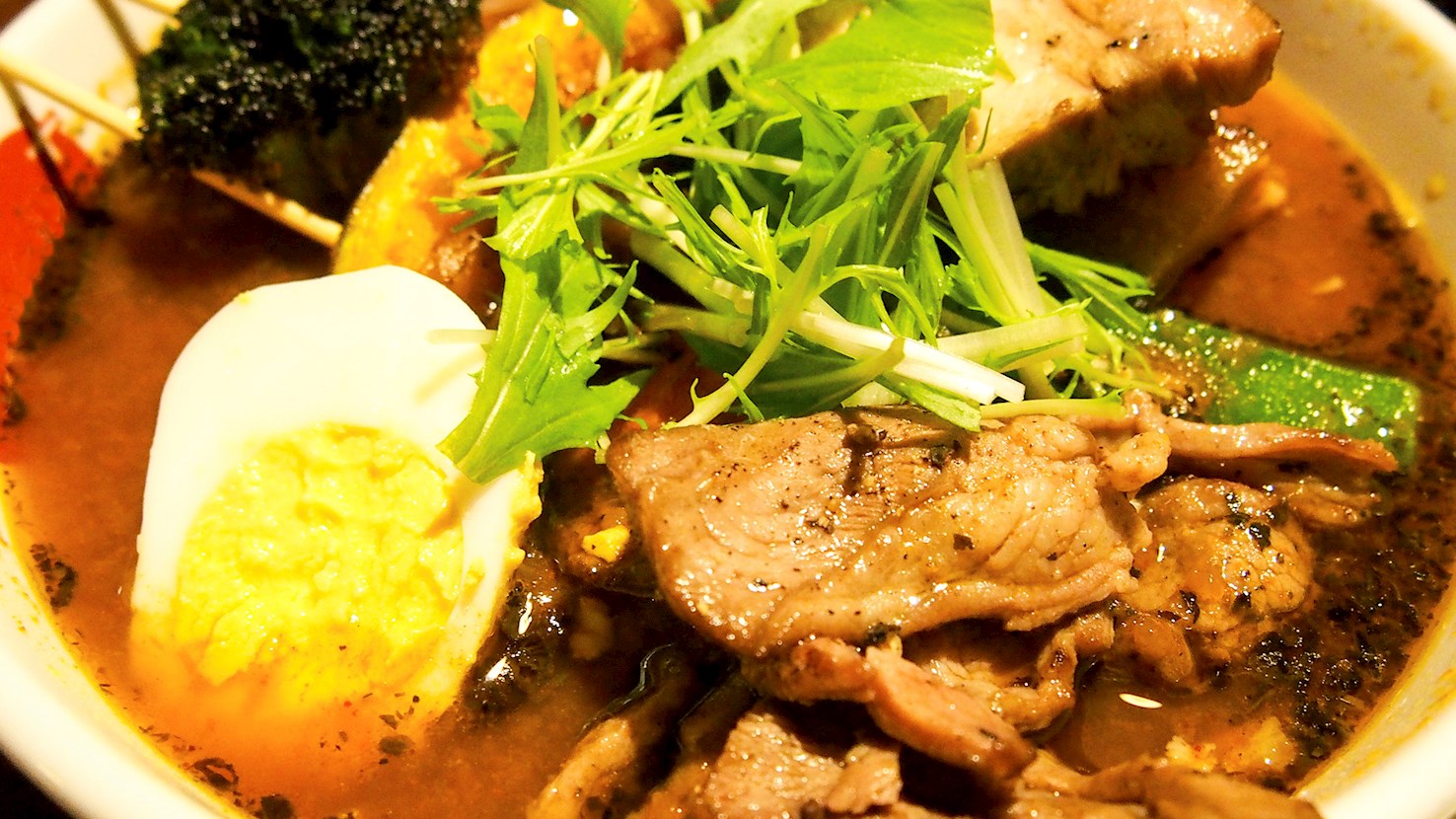
Sūpu karē or soup curry is a watery, brothy curry sauce that is usually served with big pieces of meat such as chicken legs and coarsely cut, chunky vegetables. The earliest versions of the dish contained spices from India and Sri Lanka, but today, cooks are using ingredients from Indonesia and China as well. Sūpu karē was invented in 1970 in Ajanta, a restaurant in Sapporo, Japan. However, it didn't receive much attention until 2002, when hundreds of restaurants serving the dish started popping up all over the major cities of Japan. Sapporo still remains the number one spot for sūpu karē lovers, with more than 250 restaurants serving the dish. The most common bases for the soup are based on tomatoes, seafood, or chicken. The dish is traditionally served with a side of rice, which can be white or yellow. Most of the restaurants serve lassi as an accompanying drink, clearly signifying the influence of Indian cuisine on sūpu karē.

06
Dessert

Uroko dango

n/a ·

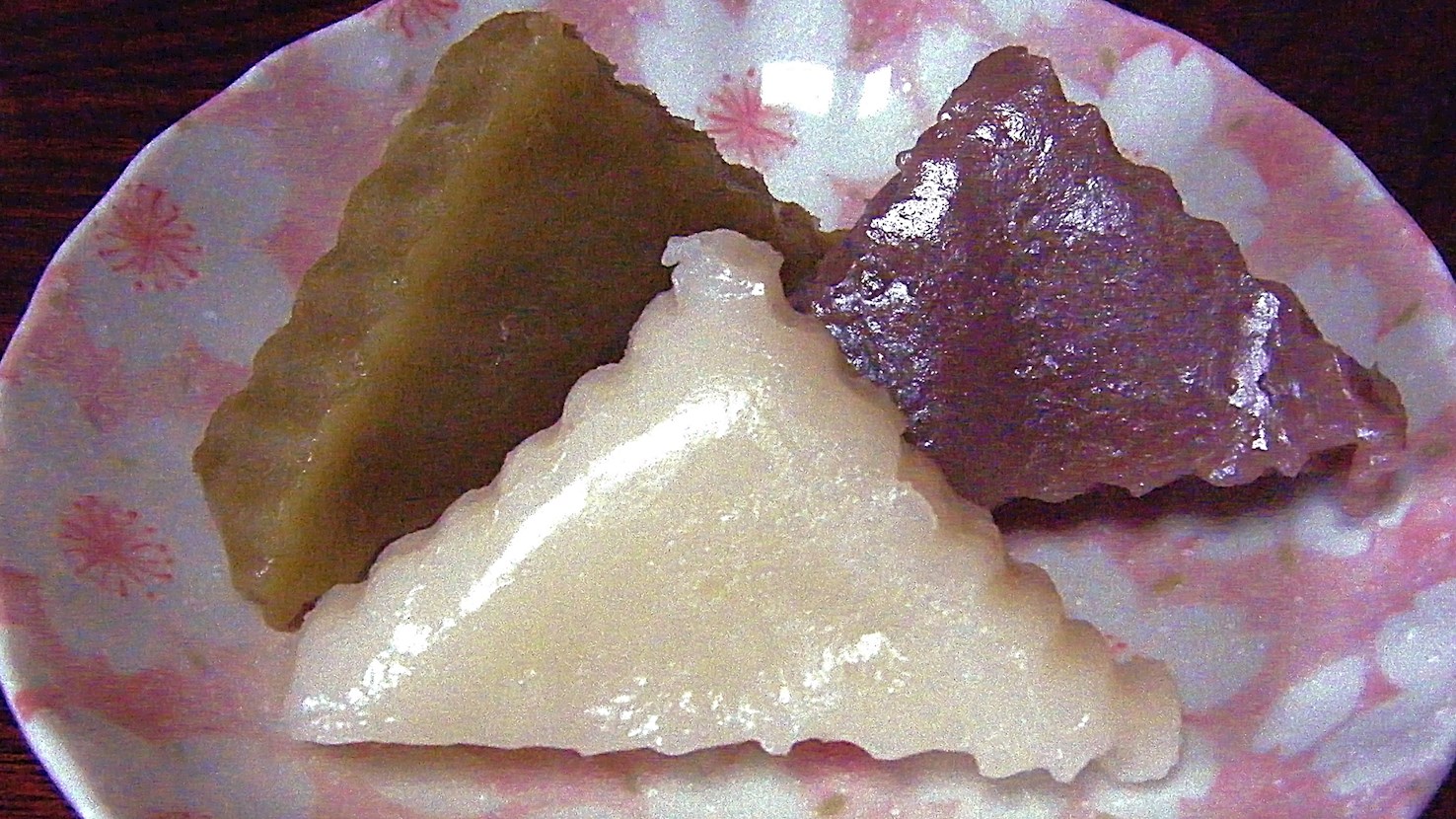
Also known as fish scale dumplings, uroko dango is a Japanese dango variety originating from Fukagawa city. The treat has been sold at Fukagawa Station since 1913, and it consists of rice, flour, and sugar. The ingredients are kneaded together, steamed, then cut into triangles with a serrated knife, making the final product visually reminiscent of fish scales, hence the alternative name of this dango.

07
Seafood Dish

Rui-be

n/a ·

Rui-be is a traditional dish originating from the indigenous Ainu people of Hokkaido. The dish consists of seafood that's frozen, sliced just like sashimi, then served with water peppers, soy sauce, and wasabi. Ruibe is usually prepared with wild salmon, and in the past, fishermen left the fish to freeze in the snow, but they didn't wait until spring to enjoy it – they plaed the sliced pieces of fish in their mouth and let it melt – and ruibe was born. The word ruibe means melted food and it's said that it tastes like nothing else due to its texture that's both creamy and frozen.

08
Cheese

Sakura

n/a ·

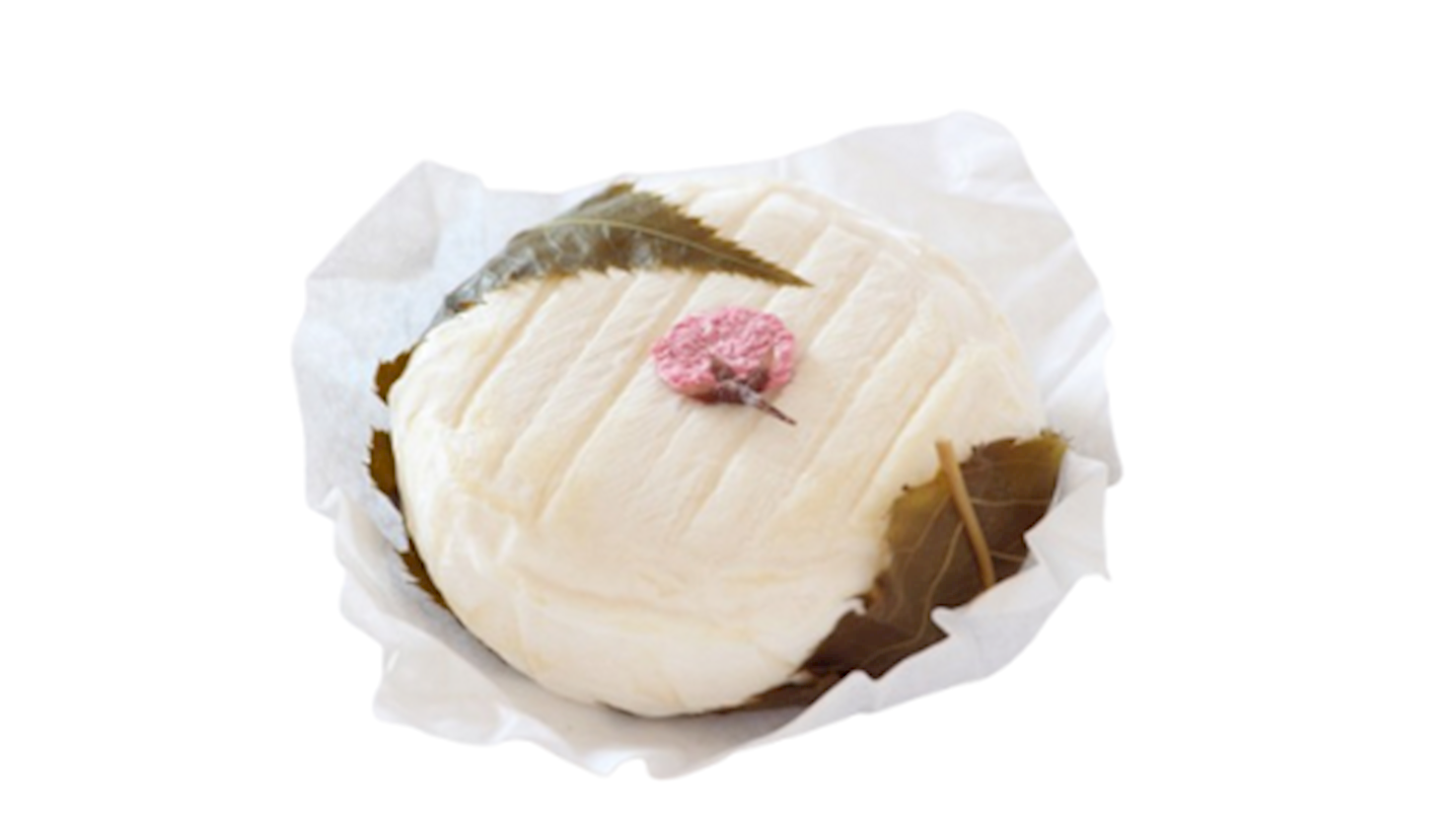
Sakura is a Japanese soft cheese made from cow's milk, Japanese yeast, and microbes. It is produced by Kyodogakusha in Hokkaido. The cheese is aged for 10 days, and has a unique pickled cherry blossom in the center (hence the name), making it visually reminiscent of the Japanese flag. It is covered in a soft white mold, and on the inside it is smooth in texture, while the flavors are delicate, creamy, and light, with notes of shiso leaf and a faint aroma of cherry blossom. Sakura is available only between January and May. It was also the first Japanese cheese to win the gold medal at the Mountain Cheese Olympics in Appenzell, Switzerland.

Best producers
09
Dessert

Tsukisamu anpan

n/a ·

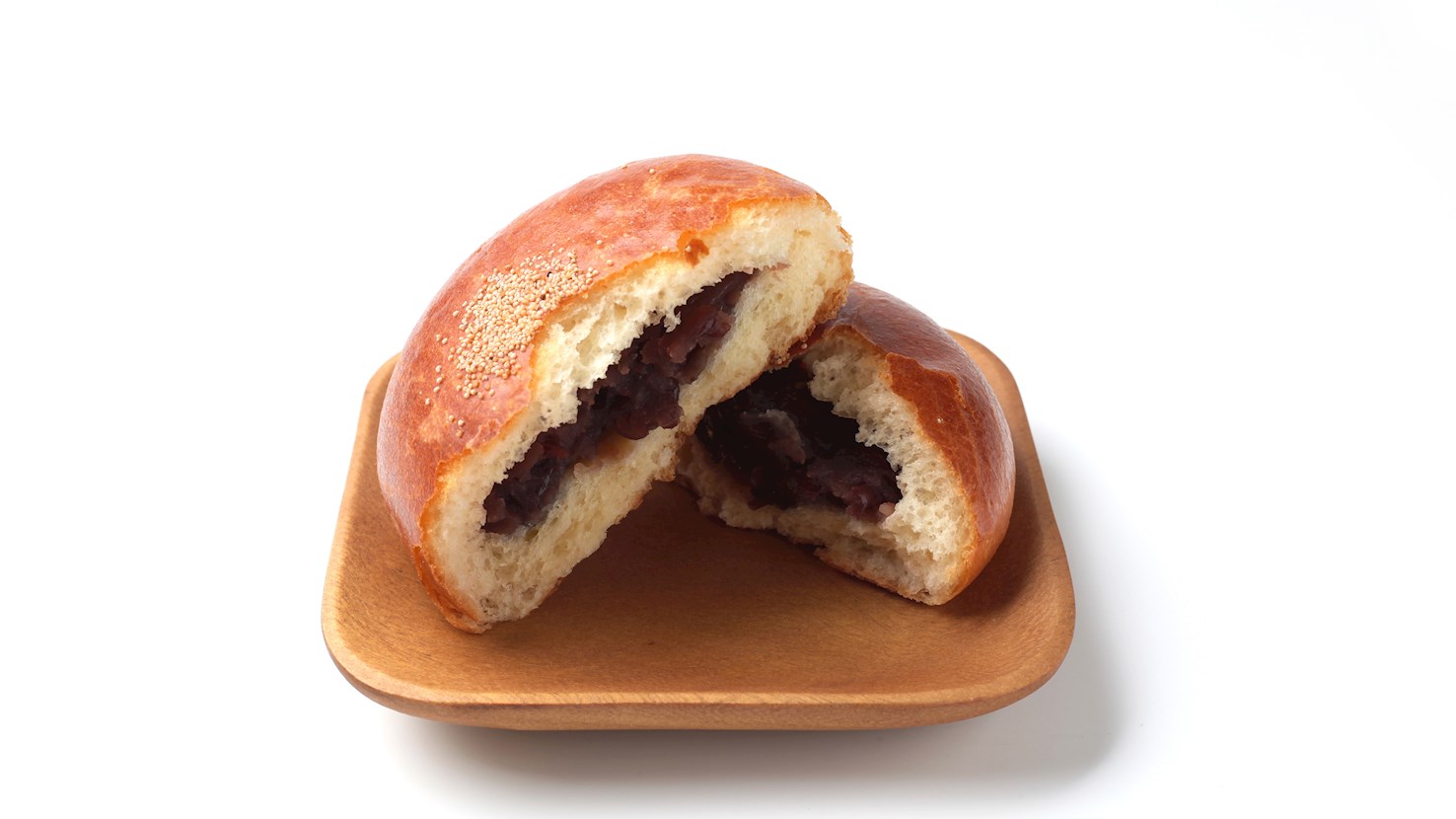
Tsukisamu anpan is a popular Japanese half-dry confectionery (han namagashi) consisting of a thin, round wheat bun filled with red azuki beans. Other ingredients might include mizuame and honey. It is believed that the first tsukisamu anpan was manufactured in the Meiji period in 1906.

Read more
View all
View map
About this ranking

TasteAtlas food rankings are based on the ratings of the TasteAtlas audience, with a series of mechanisms that recognize real users and that ignore bot, nationalist or local patriotic ratings, and give additional value to the ratings of users that the system recognizes as knowledgeable. For the “Top 11 Hokkaido Foods” list until July 08, 2026, 998 ratings were recorded, of which 861 were recognized by the system as legitimate. TasteAtlas Rankings should not be seen as the final global conclusion about food. Their purpose is to promote excellent local foods, instill pride in traditional dishes, and arouse curiosity about dishes you haven’t tried.

The initial list of top producers was compiled based on available reviews, awards, local recommendations, media and blog coverage, and consumer reviews. The list will be updated with ratings from TasteAtlas local ambassadors and TasteAtlas users.

Similar lists