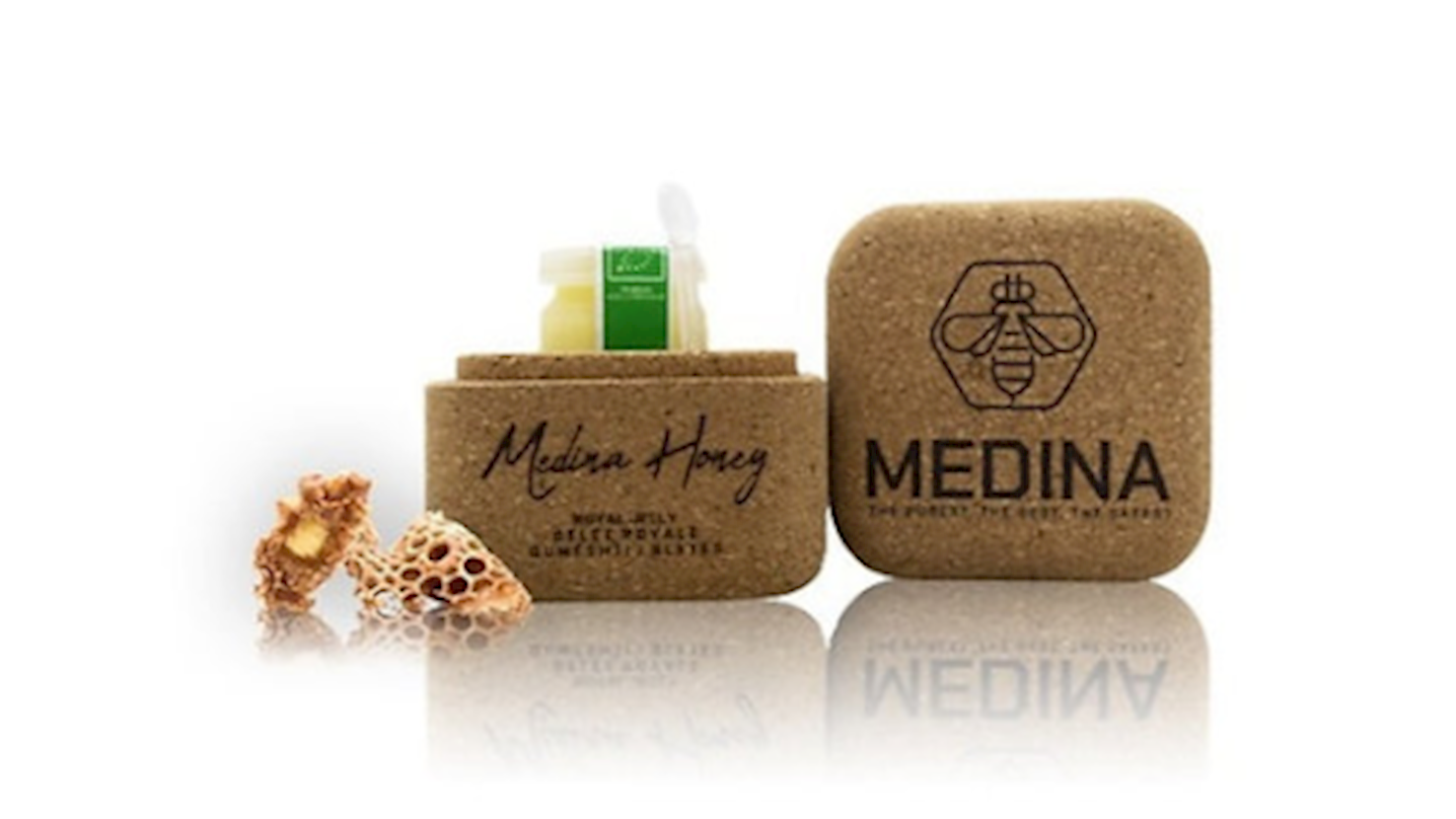
Medina Honey is a brand specializing in natural bee products, with a focus on premium honey varieties ranging from mountain and meadow honey to blends of alfalfa and sunflower. The honey is produced in small batches without additives or heat treatment, preserving its natural thickness, color, and the floral notes characteristic of the region where it is collected. The assortment also includes royal jelly, propolis, handmade soaps, and gift sets, making the brand a comprehensive producer of bee-derived products suited for both culinary and cosmetic use. The products come in various packaging sizes, and the brand’s visual identity emphasizes a premium character and a clean, natural approach. The result is a selection intended for consumers who value authentic honey with clear origin and high quality.
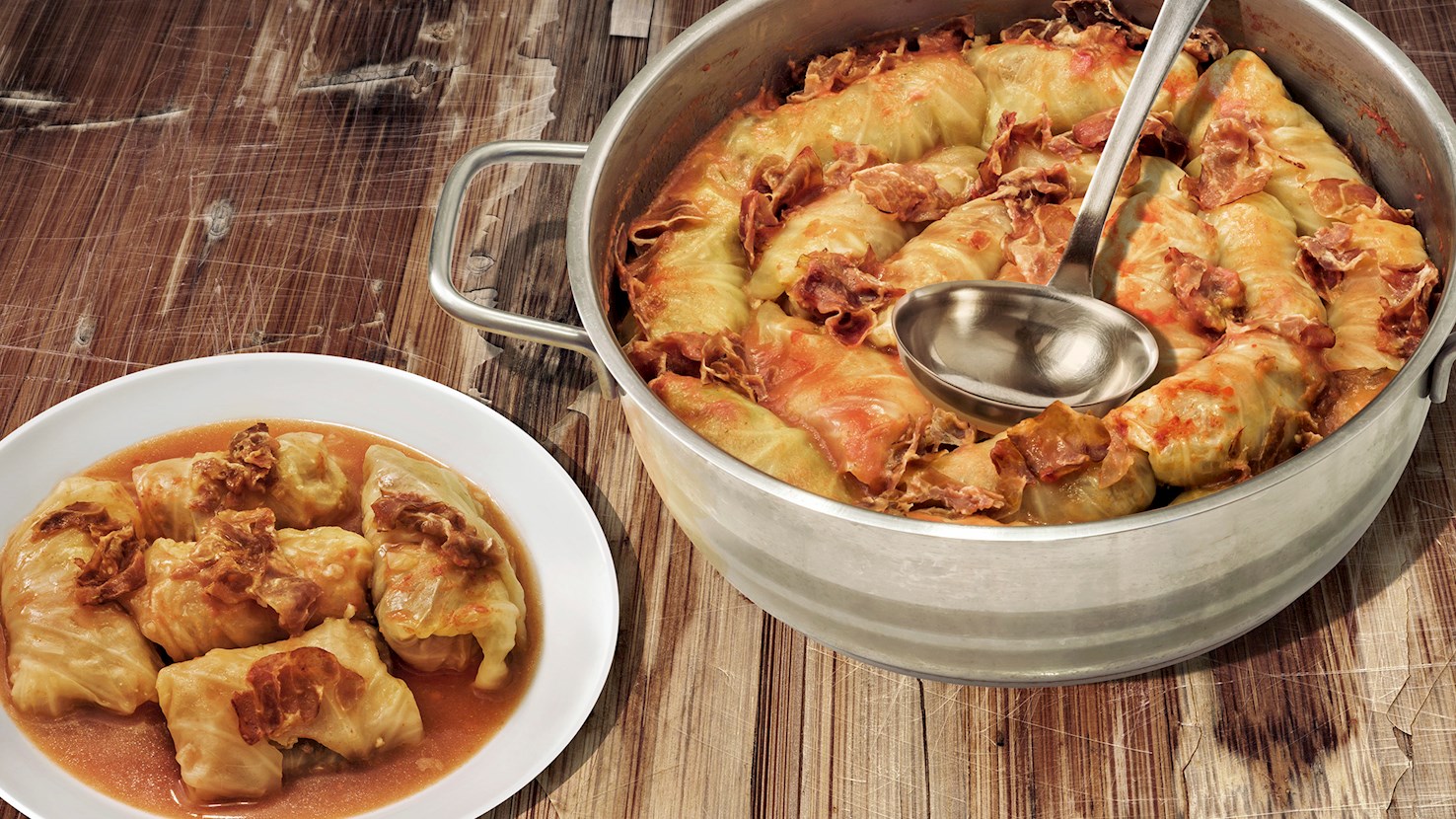
One of the staples of traditional Turkish cuisine, sarma consists of a filling that is snugly surrounded by leaves or leafy vegetables. There are numerous versions of this dish but the mixture typically combines ingredients such as minced meat, rice or bulgur, various herbs, seasonings, red pepper, paprika, ground sumac, or tomato sauce, while the typical wrapping usually includes vine, cabbage, or sauerkraut leaves, or a variety of leafy vegetables such as collard greens and swiss chard. Having its roots in the Ottoman Empire, sarma is also traditionally consumed in the Balkans, the countries of Central Europe, the South Caucasus, and the Middle East. Although it is commonly enjoyed as a filling lunch or dinner (typically during the winter season), sarma is often prepared on special occasions and holidays. The dish is usually accompanied by plain yogurt, mashed potatoes, and crusty bread on the side.
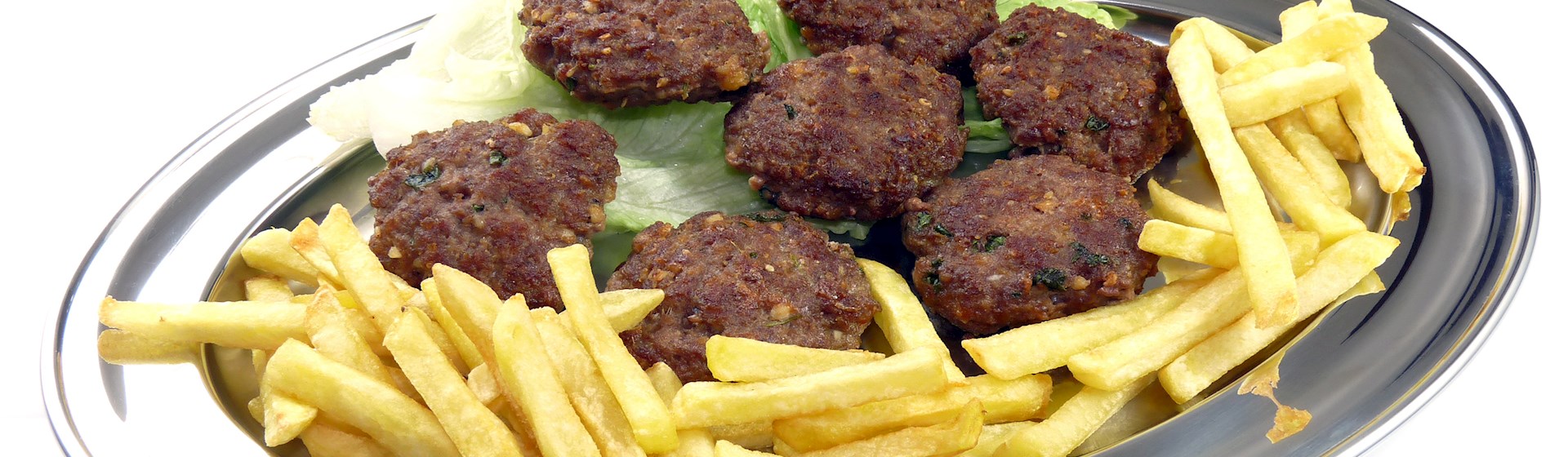
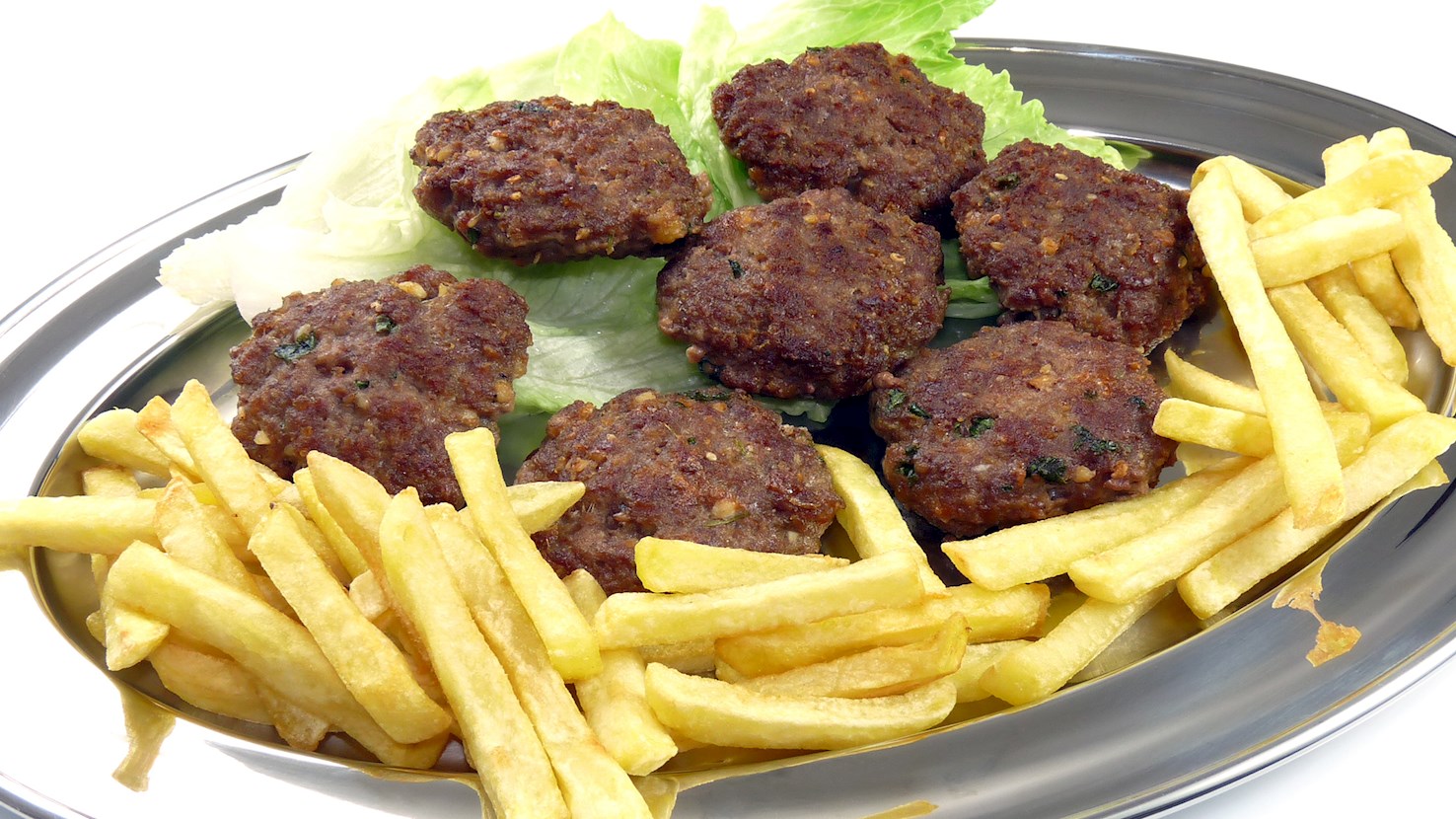
These delectable fried meatballs are prepared in both Albania and Kosovo either as a main dish or an appetizer. The origin of qofte fërguara can be ascribed to Turkish and Middle Eastern influence on the region, evident in both the ingredients and the method of preparation. The mixture for the meatballs is made by combining either minced lamb or beef, and sometimes even chicken meat with feta cheese, garlic, onions, breadcrumbs, and mint leaves. The mixture is seasoned with salt, pepper, often oregano, and sometimes cinnamon. The resulting mass can be shaped into balls, patties, ovoids, or even sausages, which are fried and served warm with potato fries and rice pilaf, or roasted vegetables, accompanied by a yogurt-based dip.
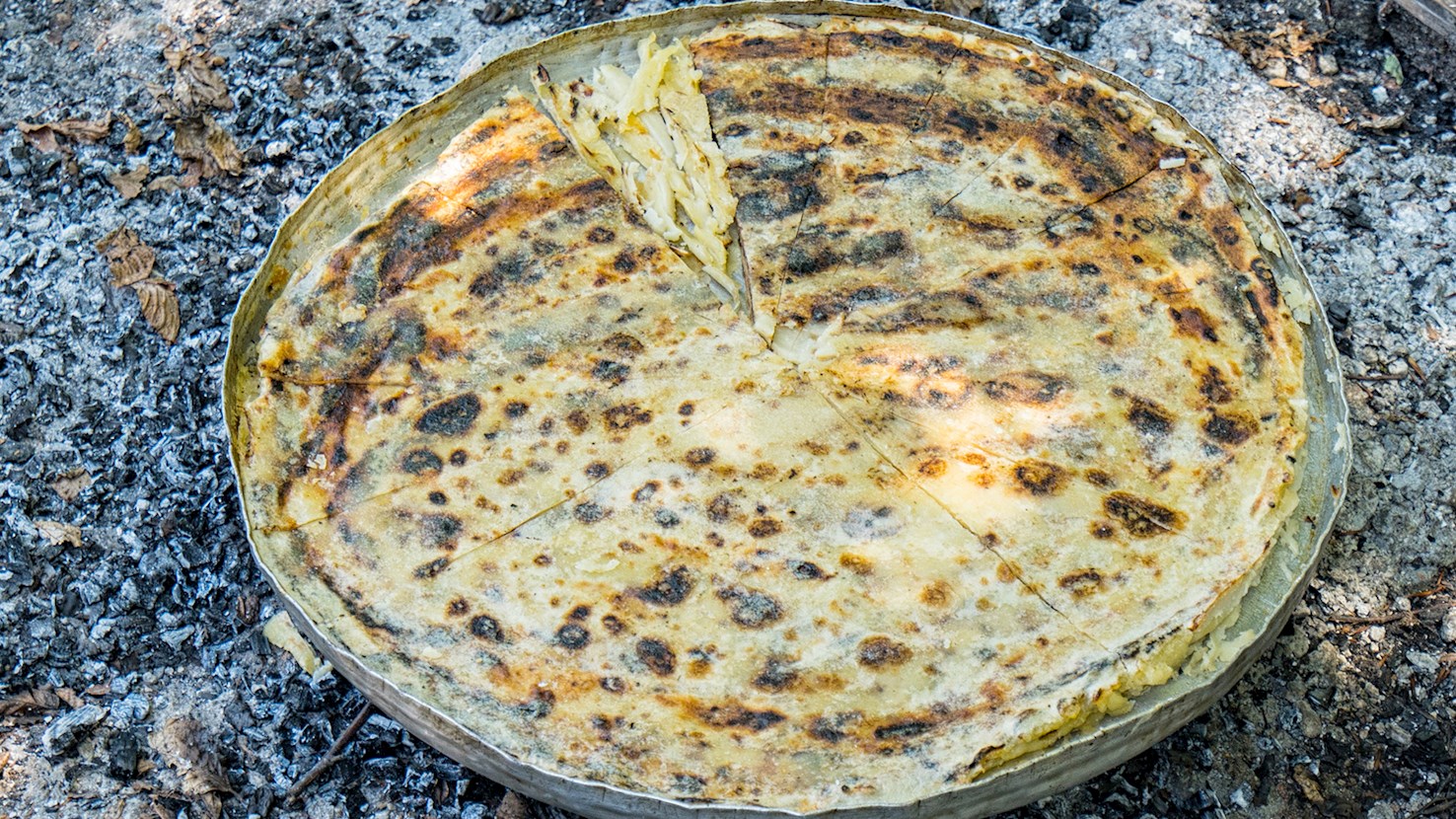
Flija is a typical dish of Albanian cuisine, prepared both in Albania and Kosovo. Although it is commonly termed as a pie or a cake, flija can more accurately be described as a stack of layered pancakes. The recipe consists of two different mixtures; one for the batter - usually consisting of flour, water, salt, and eggs, and the second mixture, used as a filling, prepared by blending together oil, butter, and yogurt or kaymak. There are numerous versions of the recipe, but the ingredients always remain simple, which is in contrast with a rather laborious and time-consuming method of preparing the dish. The batter is poured in such a pattern that the layers consist of triangle-shaped gaps. As each new layer is applied, it is immediately baked by covering the pie pan with saç, a dome that's been previously heated over an open fire, topped with ash and cinders in order to preserve the temperature. Once the layer is baked, it is coated with fillings, then covered with a new thin layer of batter, and the baking process is repeated once again until all of the batter is spent. Flija can be served with various accompaniments including savory ones like sour milk, yogurt, pickled vegetables, cheese, and ajvar, a spicy vegetable spread, as well as sweet ones: either a side of jam or a drizzle of honey.
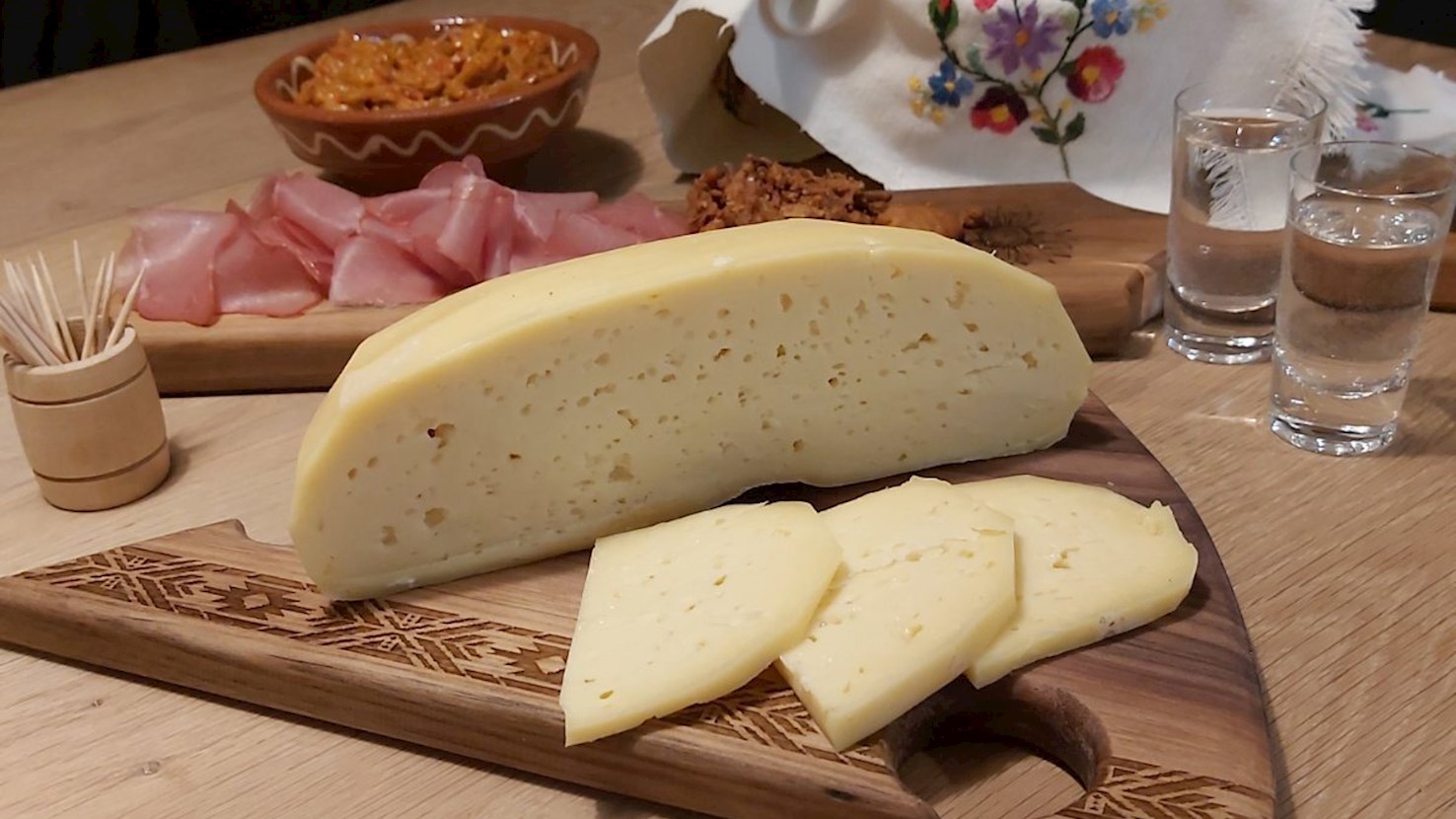
Djath Sharri or Šar cheese is a hard, salted cheese produced in the Sharr Mountains, a range spanning Kosovo, North Macedonia, and Albania. The production of this dairy product is linked to the high-altitude alpine pastures of the Sharr massif, which reach elevations over 2500 meters and support a specific diversity of aromatic herbs and grasses consumed by local sheep and cattle. The development of this cheese resulted from the seasonal transhumance patterns of Balkan pastoralists, who required a method to preserve surplus milk during the summer grazing months for use throughout the winter. It was historically documented as a primary trade commodity in the region's mountain economy, specifically among the Gorani and Albanian populations. Preparation begins with the collection of raw sheep's milk, though contemporary versions often utilize a blend with cow’s milk, which is coagulated using rennet at a temperature between 30°C and 35°C. Once the curd forms, it is broken into small grains, placed in wooden or plastic molds, and pressed to remove the whey. The cheese then undergoes a specialized dry-salting process or is submerged in a concentrated brine solution within wooden barrels or plastic containers. A specific property of Djath Sharri is its extended maturation period, which typically lasts from 45 days to several months, allowing the cheese to develop a dense, crumbly texture and a sharp, piquant flavor profile. During ripening, the high salt concentration acts as a preservative while the indigenous microflora of the raw milk drive the proteolysis that defines its taste. The cheese is served in thick slices or broken into chunks, often retaining the indentation of the molds. It is eaten as a foundational element of the Balkan breakfast, as a meze (appetizer), or grated over vegetable dishes. Common food pairings include flija (a layered pancake dish), fresh tomatoes, cucumbers, and crusty bread, which balance the intense salinity of the dairy. Beverage pairings focus on neutralizing the fat and salt content, often involving strong fruit brandies such as rakija, or robust regional red wines like Vranac, which possess the tannins necessary to complement the matured proteins of the cheese.
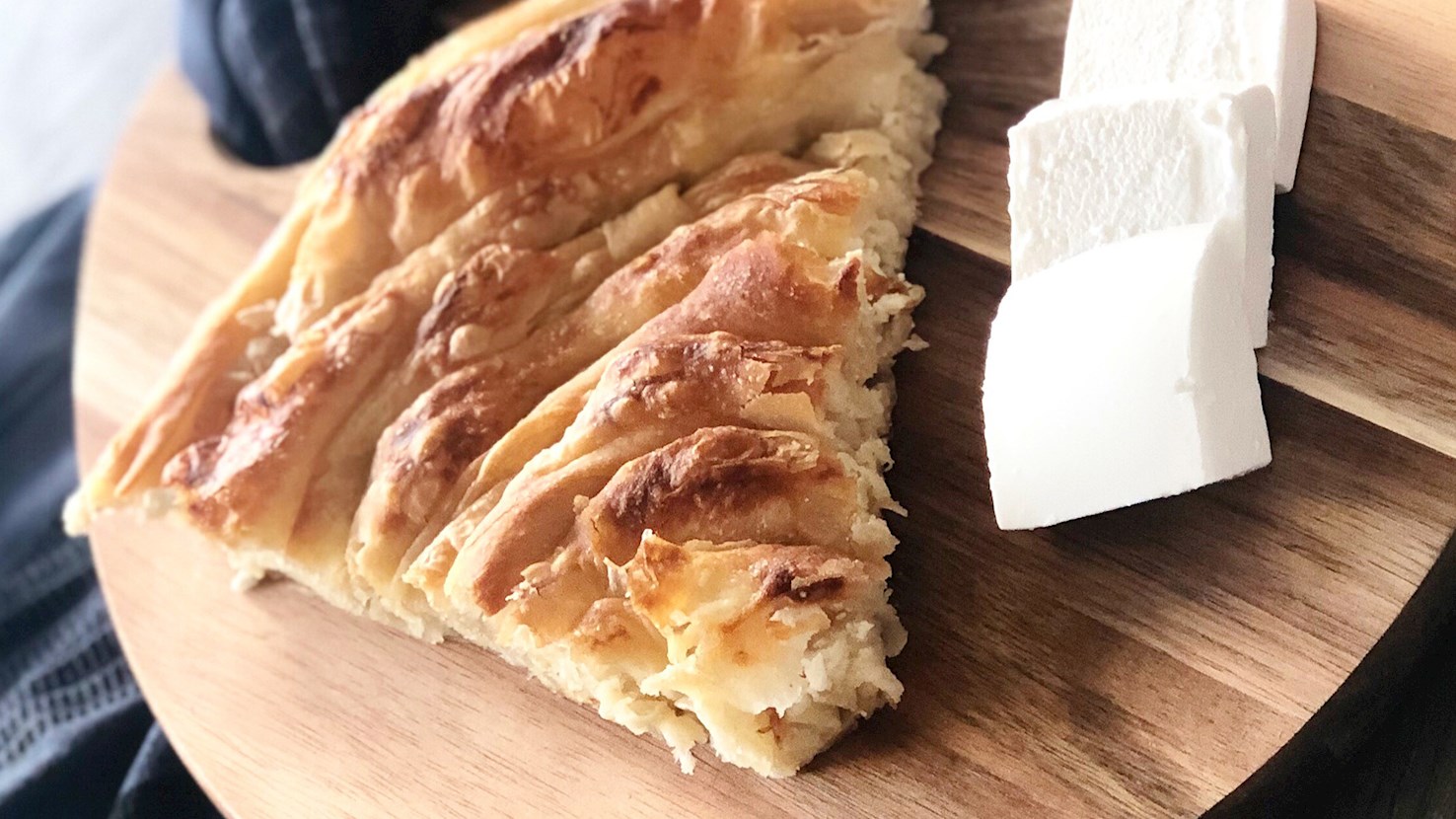
Kollpite is a baked pastry dish made with rolled layers of thin dough typically filled with cheese, meat, or vegetables, originating from the Kosovo. The emergence of this dish is a result of the regional evolution of phyllo-based pies across the Ottoman Empire, where the technique of stretching wheat-based dough into transparent sheets was standardized and localized. In the specific geographic context of the Sharr and Dukagjin regions, kollpite developed as a variation of the more common "pite," characterized by its distinct spiral or rolled architecture. Preparation begins with a dough made of wheat flour, water, and salt, which is kneaded extensively to develop the gluten network required for extreme elasticity. The dough is divided into small balls, rested, and then hand-stretched over a large circular table until it reaches a thickness of less than one millimeter. A filling, most frequently a mixture of Djath Sharri (Sharr cheese), eggs, and yogurt, is distributed along the edges of the dough sheet before it is rolled into a long, thin cylinder. Some versions of kollpite are filled with either sweet or savory fillings such as fried sour cabbage, mashed pumpkin, spinach, apples and walnuts, or minced meat and onions. This cylinder is then coiled into a spiral shape or arranged in parallel rows within a circular baking pan coated with rendered fat or oil. A specific property of kollpite is the high surface-area-to-volume ratio of the dough layers, which facilitates the rapid evaporation of moisture during baking at temperatures between 200°C and 220°C, resulting in a crisp, laminated exterior. The dish is served hot and is often cut into wedge-shaped slices or individual rolls directly from the pan. It is eaten as a primary meal during breakfast or lunch, commonly found in both domestic households and specialized bakeries known as burektore. It is functionally paired with fermented dairy products, specifically ayran or thick yogurt, which provides an acidic contrast to the lipid-heavy pastry. Vegetable accompaniments typically include pickled peppers or fresh salad, while beverage pairings include strong black tea or a domestic lager to cleanse the palate of the fats used in the dough lamination process.
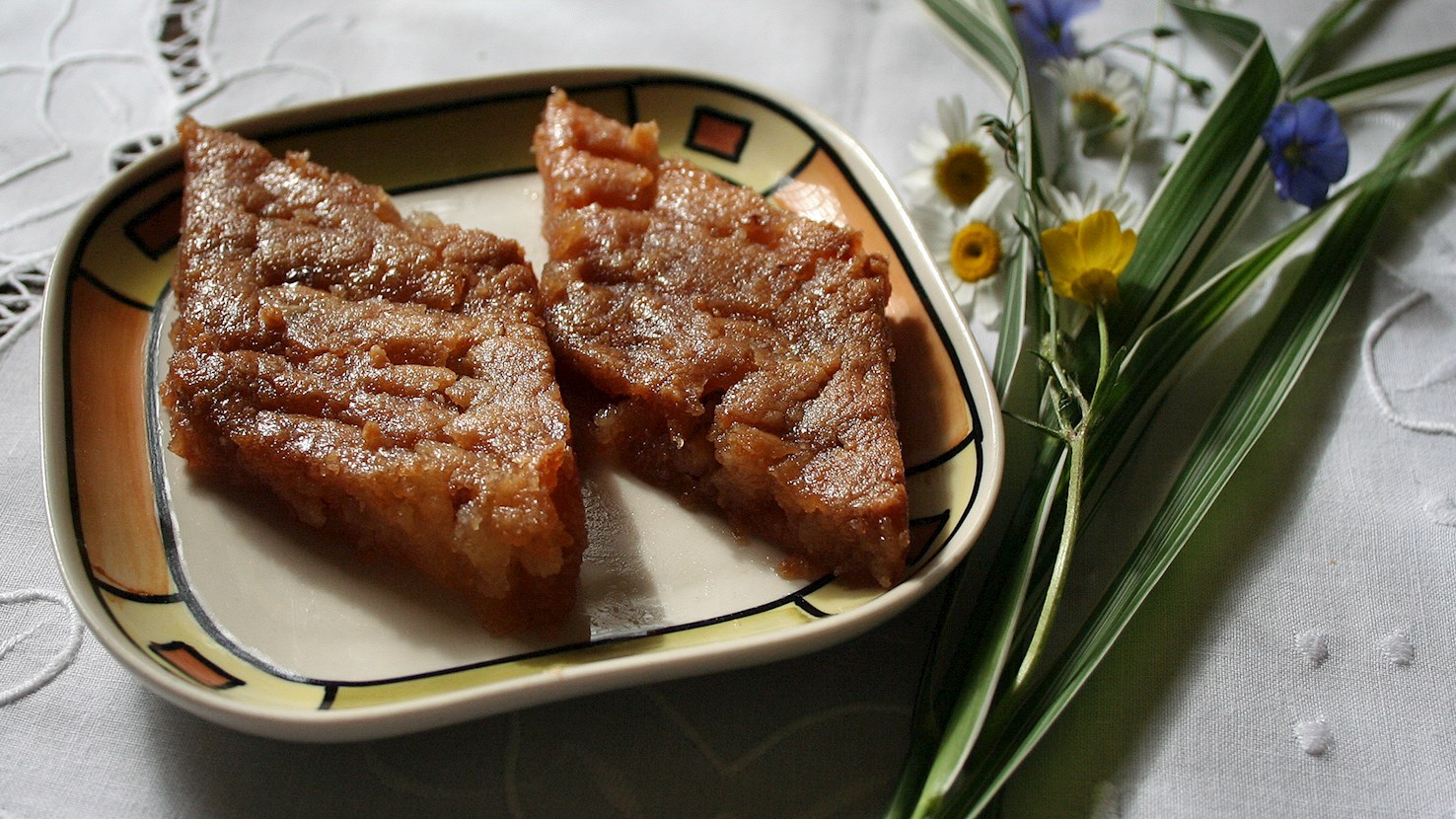
Tespishte is a dense, syrup-soaked dessert cake characterized by its heavy use of fat and a unique scoring pattern, originating from the Kosovo, with particular prominence in the city of Prizren. The composition of the dessert is a regional adaptation of Ottoman confectionery techniques, where the availability of walnuts and dairy fats in the Sharr mountain foothills influenced the modification of semolina or flour-based sweets into a more substantial, baked form. The preparation begins with the heating of a significant volume of oil or melted butter combined with milk or water, which is then integrated with wheat flour and occasionally finely ground walnuts to create a thick, pliable dough. This dough is pressed into a circular or rectangular baking pan and smoothed to a uniform thickness. Before baking, the surface is deeply scored into a diamond or lozenge pattern, which serves the functional purpose of increasing the surface area for syrup absorption. During the baking process at temperatures between 180°C and 200°C, the high fat content induces a shortbread-like texture while the exterior develops a deep golden-brown color due to the Maillard reaction. Immediately after the cake is removed from the oven, a cold sugar syrup (sherbet) is poured over the hot pastry, allowing the porous structure to saturate completely without becoming overly soft. A specific property of tespishte is its shelf stability; the high concentration of sugar and fat prevents rapid microbial spoilage, allowing it to be stored for several days without refrigeration. The dessert is served at room temperature, typically in the individual diamond-shaped portions defined by the pre-baking scoring. It is eaten as a concluding course for festive meals or during significant social events such as weddings or religious observances. Functional pairings include a garnish of crushed walnuts or a small portion of heavy cream (kaymak) to provide a textural contrast to the syrup-laden crumb. Beverage pairings focus on counteracting the intense sweetness of the cake, with bitter Turkish coffee or strong, unsweetened black tea being the standard choices to cleanse the palate.
TasteAtlas food rankings are based on the ratings of the TasteAtlas audience, with a series of mechanisms that recognize real users and that ignore bot,
nationalist or local patriotic ratings, and give additional value to the ratings of users that the system recognizes as knowledgeable.
For the “Top 6 Kosovar Foods” list until June 10, 2026, 1,246 ratings were recorded, of which 646 were recognized by the system as legitimate.
TasteAtlas Rankings should not be seen as the final global conclusion about food. Their purpose is to promote excellent local foods,
instill pride in traditional dishes, and arouse curiosity about dishes you haven’t tried.
The initial list of top producers was compiled based on available reviews, awards, local recommendations, media and blog coverage, and consumer reviews.
The list will be updated with ratings from TasteAtlas local ambassadors and TasteAtlas users.