



shutterstock

Top 32 Libyan Foods

Last updated on June 10, 2026

Best Libyan foods

01
Breakfast

Sfinz

4.5 ·

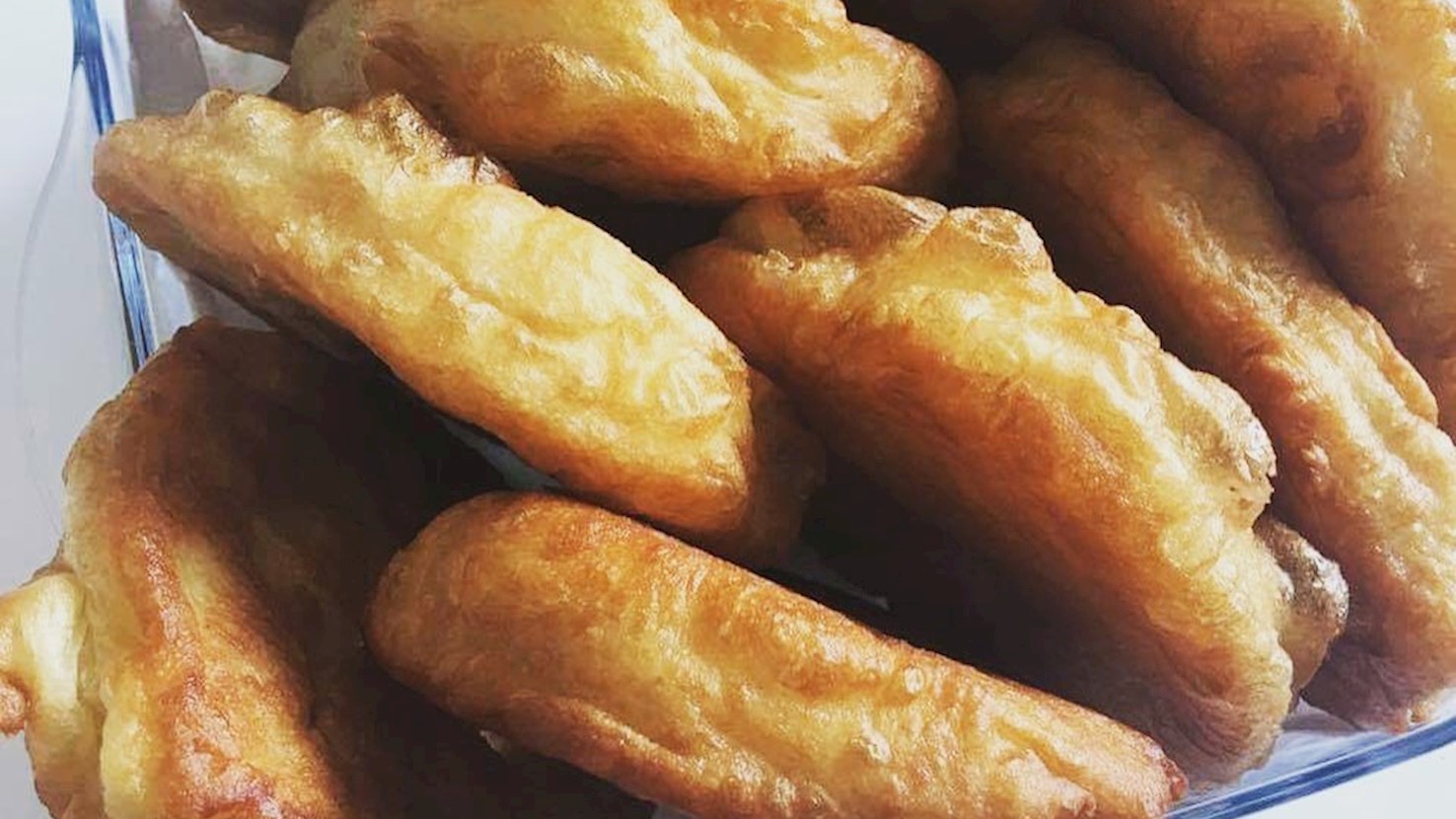
Sfinz is a traditional fried pastry made with a dough consisting of flour, sugar, yeast, salt, and water. The dough is shaped into small balls which are then flattened to form a thin layer of pastry. After it has been fried, sfinz is typically enjoyed with honey, although it can also be fried with an egg on top. Also known as Libyan doughnut, this fried pastry is especially popular for breaking the fast during Ramadan, but it can also be served for breakfast. If there is any leftover dough, Libyans usually transform it into herb bread.

02
Egg Dish

Shakshouka

4.2 ·

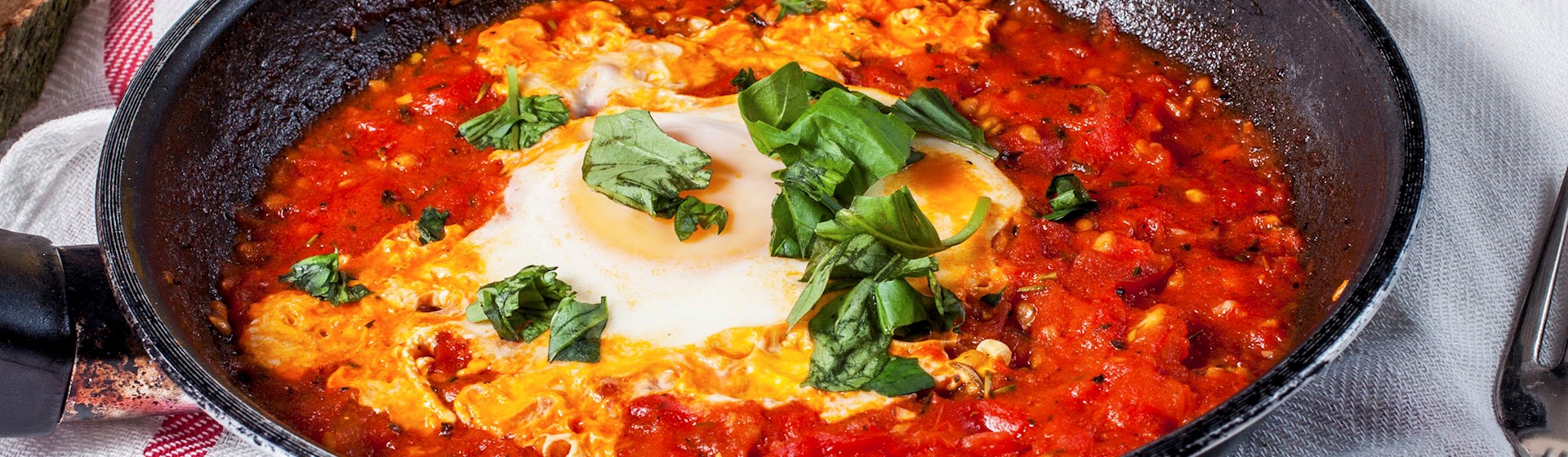
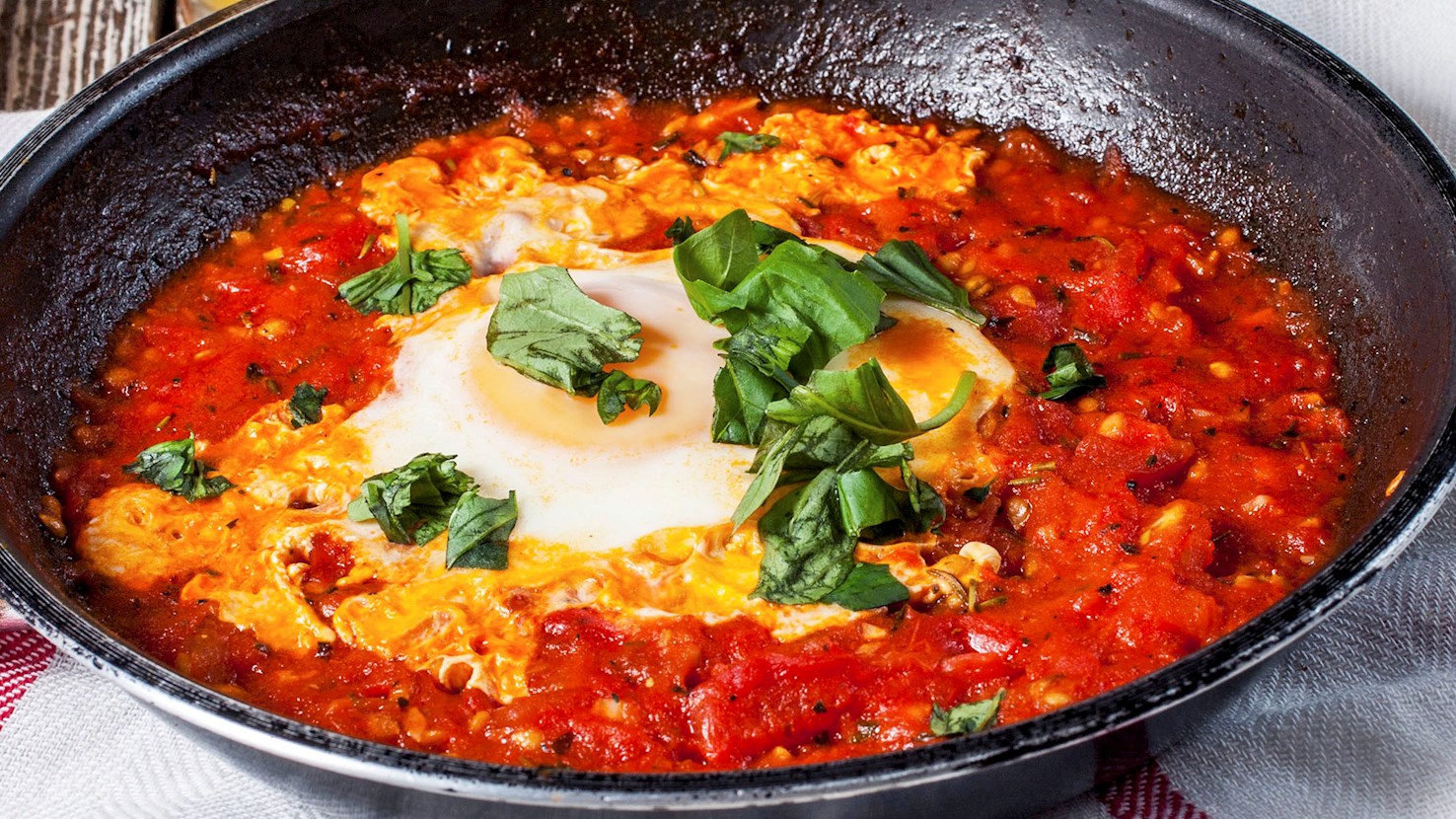
Shakshouka is a delicious combination of eggs poached in a spicy tomato sauce. Although it has an unusual name, the dish is straightforward and easy to make. It is usually made in a skillet in which onions, tomatoes, and spices are cooked until they form a delicious tomato sauce. Eggs are then added directly to the tomato sauce and poached until done. Merguez sausage can also be added to the dish. It is believed that shakshouka originated in Tunisia, but the dish is well-known and commonly eaten throughout North Africa and the Middle East as well. Almost every region has formed their distinctive variety of shakshouka: in Egypt, eggs are usually scrambled and served in a sandwich, and in Israel it is often served with salty feta cheese on top. The consistency of the sauce and eggs is also variable – the sauce can be thinner or thicker, while the eggs can be completely firm or soft. For a more nutritious meal, meat, most commonly sausages, can be included in the dish. Shakshouka is suitable for any meal of the day and is usually served warm or sizzling hot, with bread on the side. Because it is budget-friendly, simple, and easy to prepare, the dish has recently gained popularity both in Europe and North America.

03
Cooked Sausage

Merguez

4.1 ·

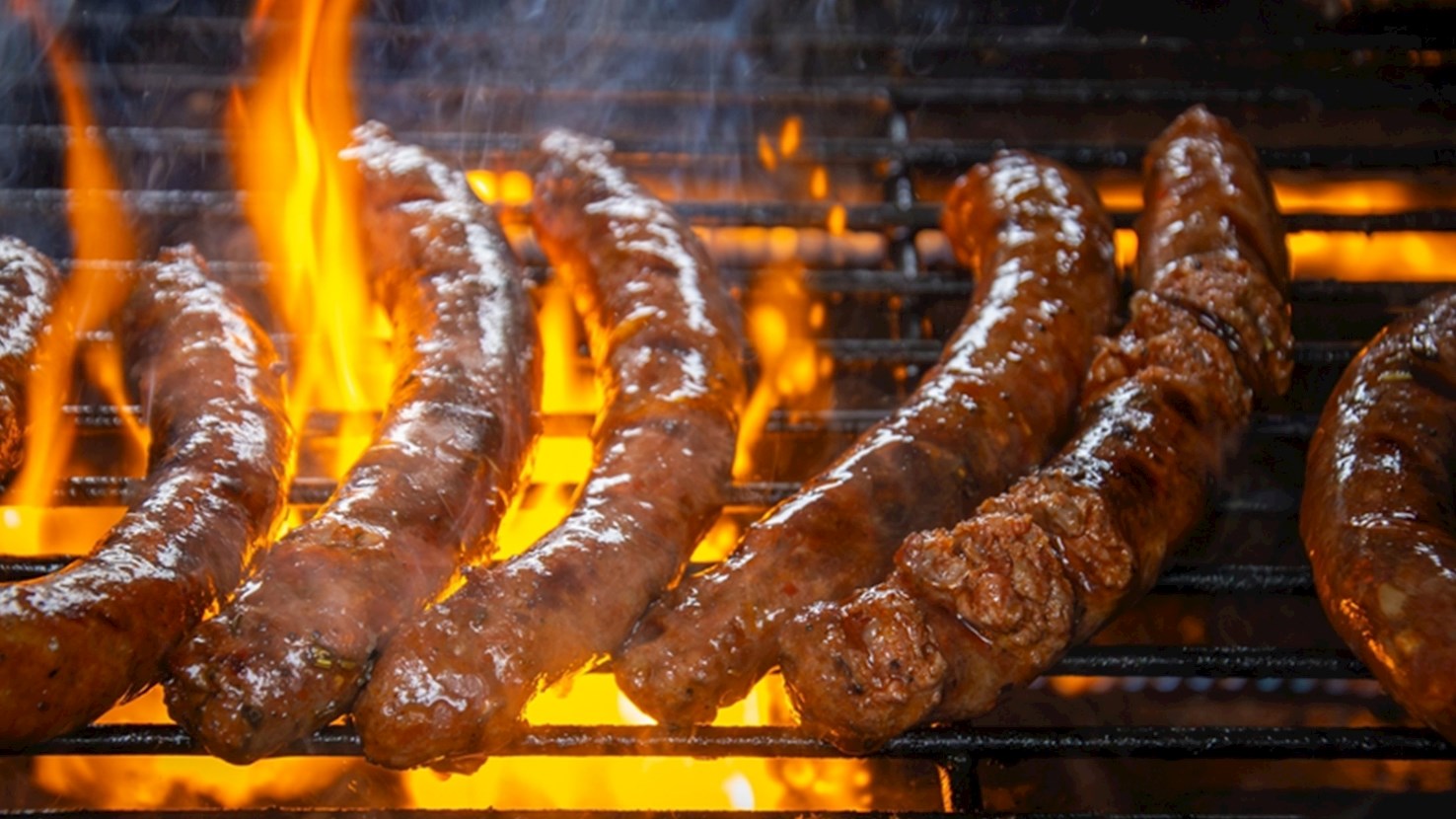
Merguez is a spicy, flavorful sausage that originates from North Africa, particularly Algeria, Tunisia, and Morocco. It is traditionally made from ground lamb or beef, or a combination of both. Merguez is known for its distinctive red color, which comes from the addition of spices such as paprika, chili pepper, and harissa (a hot chili paste). Other common seasonings include cumin, garlic, coriander, fennel, and sumac. The sausages are typically stuffed into lamb casings and can be grilled, pan-fried, or used in a variety of dishes, including stews, tagines, and couscous. Merguez is popular in North African cuisine and has also become widely enjoyed in France and other parts of Europe. The spicy and aromatic profile of merguez makes it a unique and cherished ingredient in many traditional dishes.

04
Bread

Bazin

4 ·

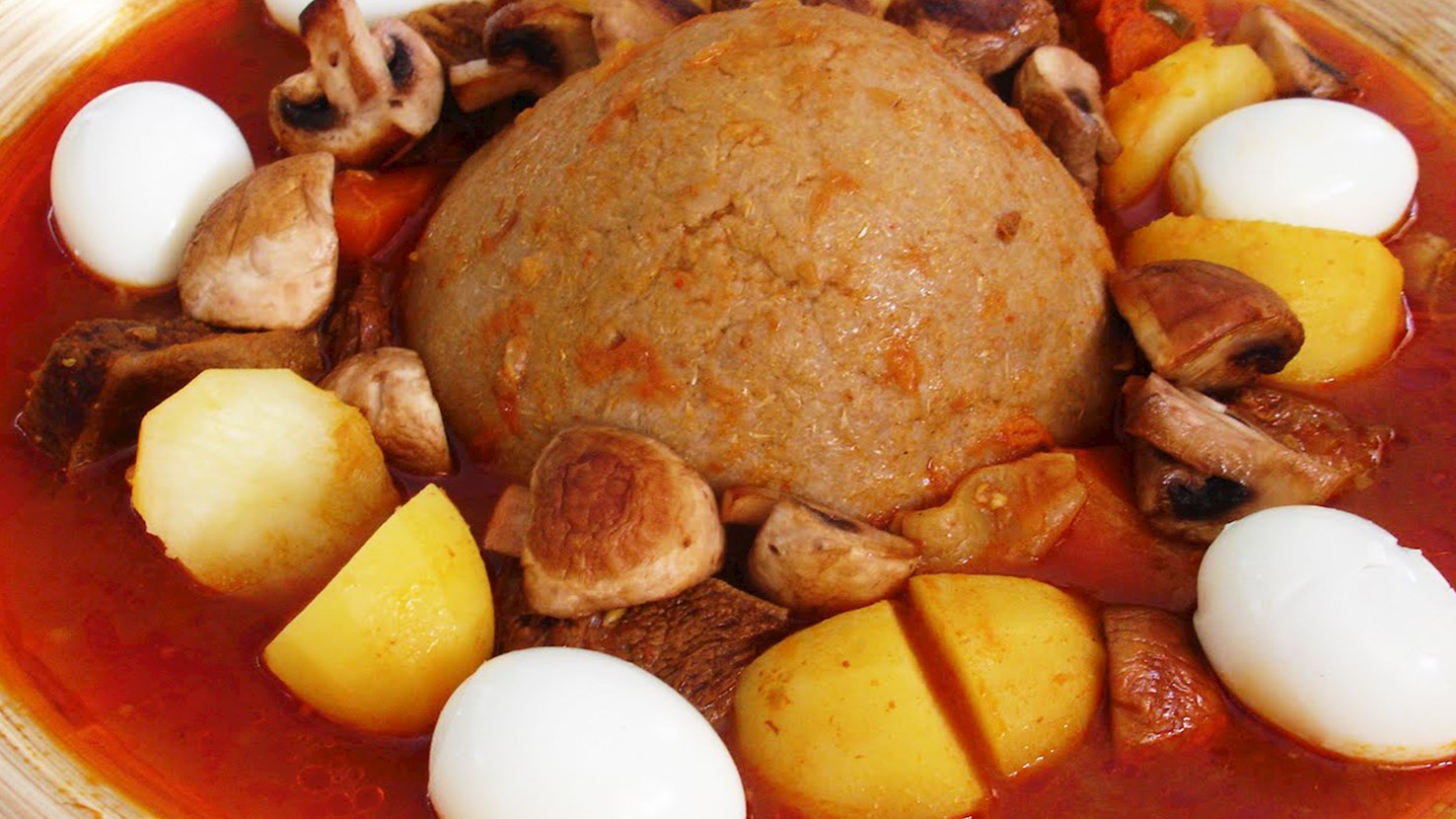
Bazin is a popular Libyan unleavened bread (also considered a dough-based dish) made by boiling barley flour and salt in water and beating it with a stick called magraf until it develops into a dough which is then baked or steamed. The bread is characterized by its hard texture, achieved by the usage of large amounts of salt. It is traditionally shared and consumed using the right hand. Bazin is often served with a tomato-based stew, potatoes, hard-boiled eggs, and mutton.

05
Stew

Loubia

4 ·

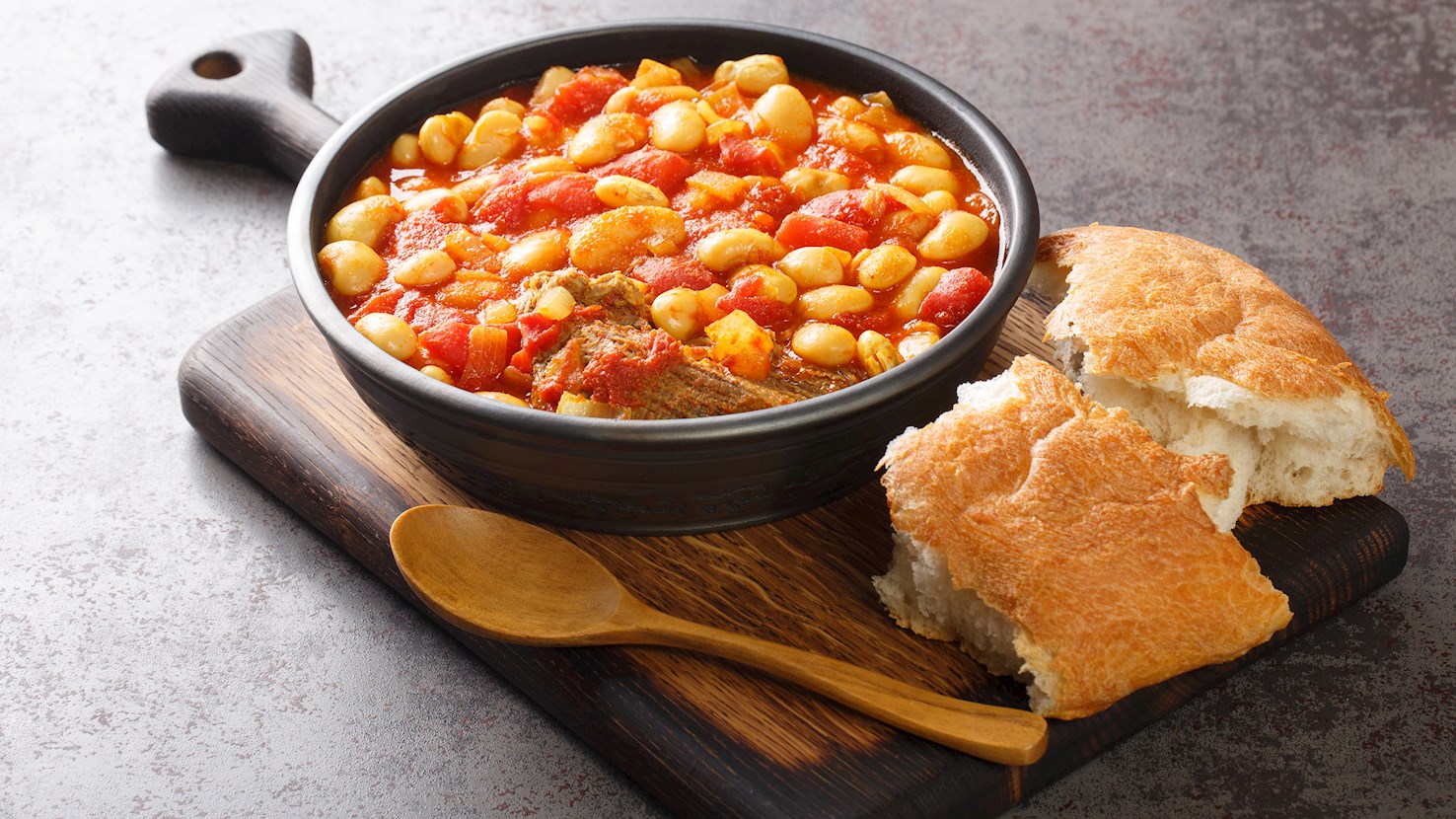
Loubia is a traditional North African dish consisting of stewed white beans. This dish is very popular in Moroccan, Tunisian, Algerian, and Libyan homes, where the beans that have been simmered in a zesty tomato-based sauce are typically scooped up with homemade flatbread. It is comfort food that can be served both as an appetizer, garnished with some coriander or parsley, and as a side dish - especially when used as an accompaniment to fried fish. Simple, quick, and delicious - it is unsurprising that loubia is commonly found in homes throughout Maghreb region.

06
Cake

Basbousa bil tamr

3.5 ·

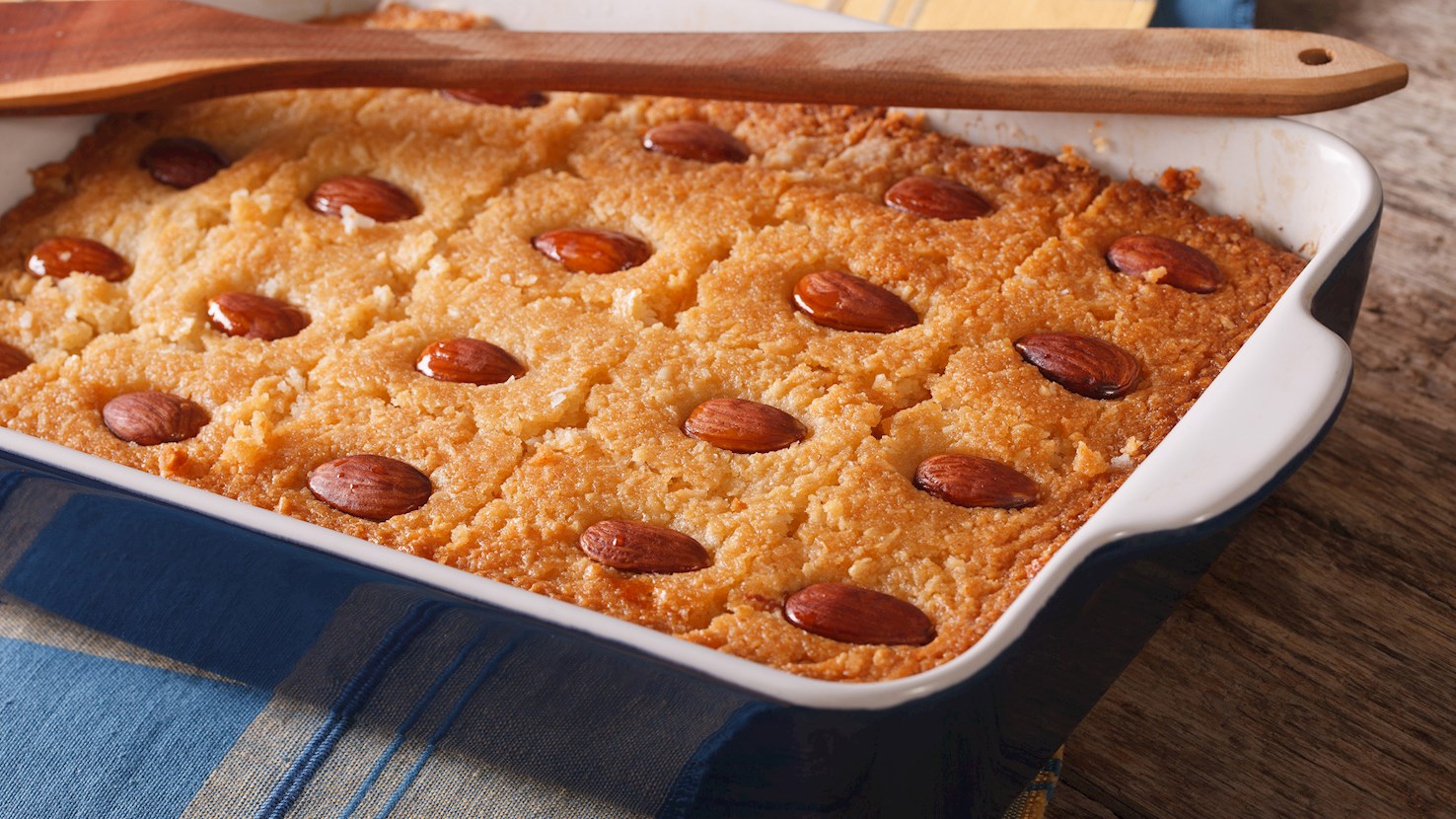
Basbousa is a traditional Arabian semolina-based cake that is soaked in syrup, then studded with almonds. This Libyan variety includes desiccated coconut in the cake mixture and date-paste that is sandwiched between the two layers of semolina cake. The cake is made with semolina, regular flour, desiccated coconut, sugar, butter, milk, date-paste, and baking powder. It is typically flavored with cinnamon. Libyans enjoy their basbousa bil tamr with qashta cream, and pair it with Arabic cardamom coffee on the side.

07
Pasta

Makaruna imbaukha

2.8 ·

Originating from East Libya, makaruna imbaukha is a savory dish made with steamed pasta as the key ingredient. The pasta is combined with meat (usually lamb) and a rich sauce made with clarified butter, tomatoes, onions, chickpeas, potatoes, pumpkin, and raisins. The whole dish is typically flavored with cloves, bay leaves, ginger, black pepper, and shaiba leaves. For the final touch, makaruna imbaukha can be sprinkled with orange flower water and cinnamon. When served, the pasta is traditionally spread in the center of the plate and topped with everything else. It is recommended to serve the dish with Libyan pickles known as mseyer on the side.

08
Savory Pastry

Bureek muwaraq

n/a ·

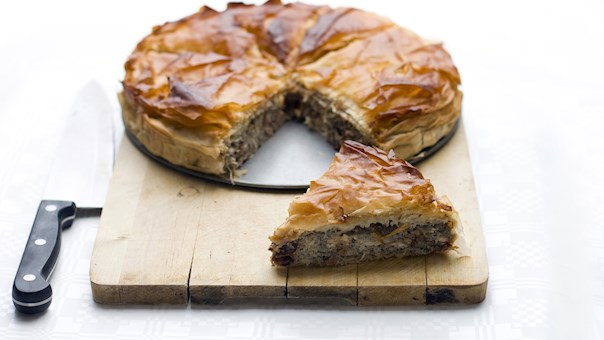
This savory Libyan pastry consists of dough that is filled with a combination of ground meat, chopped onions, salt, pepper, and various spices. The dough is typically made with flour, water, butter, baking powder, and salt. The thin layers of flaky dough are made by folding the oil-soaked dough and rolling it out repeatedly. After it has been baked, it is recommended to serve bureek muwaraq warm and pair it with a glass of yogurt.

09
Saltwater Fish Dish

Kusksi bil hoot

n/a ·

Kusksi bil hoot is a traditional dish using steamed couscous and fried firm-fleshed fish (e.g. grouper) as the main ingredients. Before frying, the fish is usually marinated in a combination of garlic, lemon juice, hot peppers, celery, olive oil, and cumin, while couscous is steamed with the addition of stock made from onions, tomatoes, parsley, and fish heads. Couscous and fried fish are then combined with a sauce consisting of tomatoes and fried vegetables such as potatoes, squash, bell peppers, chickpeas, aubergines, and onions. Once prepared, kusksi bil hoot is typically served in a communal dish so everyone can feast from the same plate.

10
Casserole

Tajin sfinari bil zaytun

n/a ·

Tajin sfinari bil zaytun is a colorful Libyan casserole prepared with diced lamb, sliced carrots, chopped onions, and pitted green olives as key ingredients. The casserole is flavored with caraway, lemon juice, cinnamon, harissa, and parsley. Traditionally, tajin sfinari bil zaytun is baked stove top in a clay casserole dish, which is later transferred to the oven, stemming from an old practice where the dish was first baked on top of a stove, and it was later sent to the neighborhood bakery. It is recommended to drizzle the dish with olive oil before serving, then pair it with warm bread that is used to soak up the flavorful sauces.

Best Libyan food products

01
Olive Oil

Almoshkat Agricultural Production

4.5 ·
Awards
ATHENA IOOC - Double Gold (2023)
ATHENA IOOC - Gold (2024)
02
Olive Oil

Sté Aryaf Agricultural Production

4.4 ·
Sté Aryaf Agricultural Production is an olive oil producer located in Gharyan, Libya. The company specializes in producing olive oil and is known for its quality products in the agricultural sector. They focus on traditional and sustainable farming practices to maintain the purity and richness of their olive oil.
Awards
ATHENA IOOC - Gold (2023)
03
Olive Oil

Alajnaf

4.4 ·
Awards
ATHENA IOOC - Gold (2024)
Read more
View all
View map
About this ranking

TasteAtlas food rankings are based on the ratings of the TasteAtlas audience, with a series of mechanisms that recognize real users and that ignore bot, nationalist or local patriotic ratings, and give additional value to the ratings of users that the system recognizes as knowledgeable. For the “Top 32 Libyan Foods” list until June 10, 2026, 2,608 ratings were recorded, of which 787 were recognized by the system as legitimate. TasteAtlas Rankings should not be seen as the final global conclusion about food. Their purpose is to promote excellent local foods, instill pride in traditional dishes, and arouse curiosity about dishes you haven’t tried.

The initial list of top producers was compiled based on available reviews, awards, local recommendations, media and blog coverage, and consumer reviews. The list will be updated with ratings from TasteAtlas local ambassadors and TasteAtlas users.

Similar lists