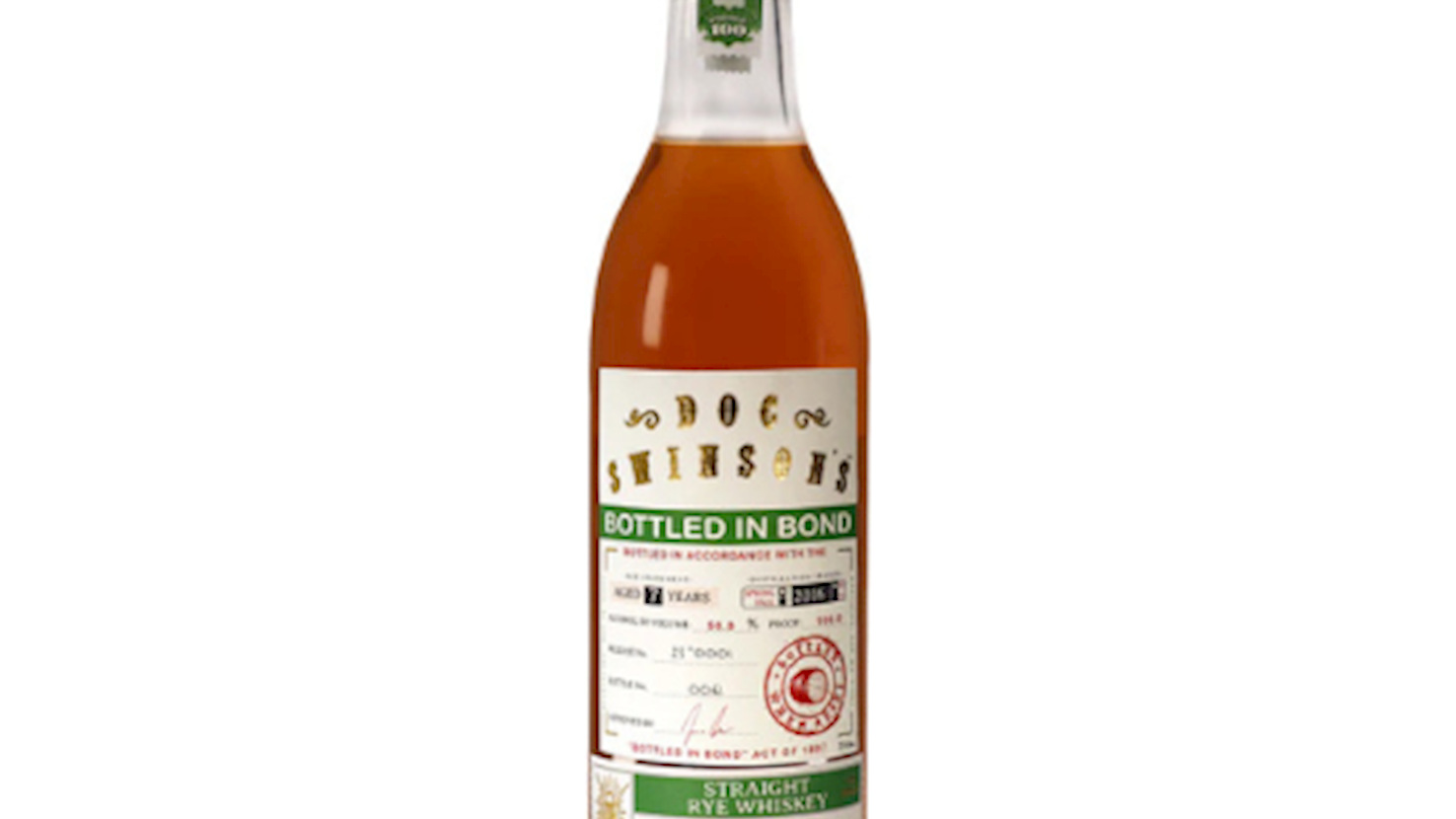
Doc Swinson's is a boutique whiskey brand based in Washington State, USA, known for its innovative blending and finishing techniques. Their lineup includes unique series like Alter Ego, featuring whiskeys finished in rum, sherry, and cognac casks, and the experimental Exploratory Cask Series.
The Blender’s Cut Series highlights expertly crafted bourbon, while the Session Blend offers a more approachable, everyday whiskey experience. Committed to curiosity and innovation, Doc Swinson's combines global flavors with traditional American whiskey craftsmanship.
Awards
SFWSC - San Francisco World Spirits Competition - Double Gold
(2024, 2023)
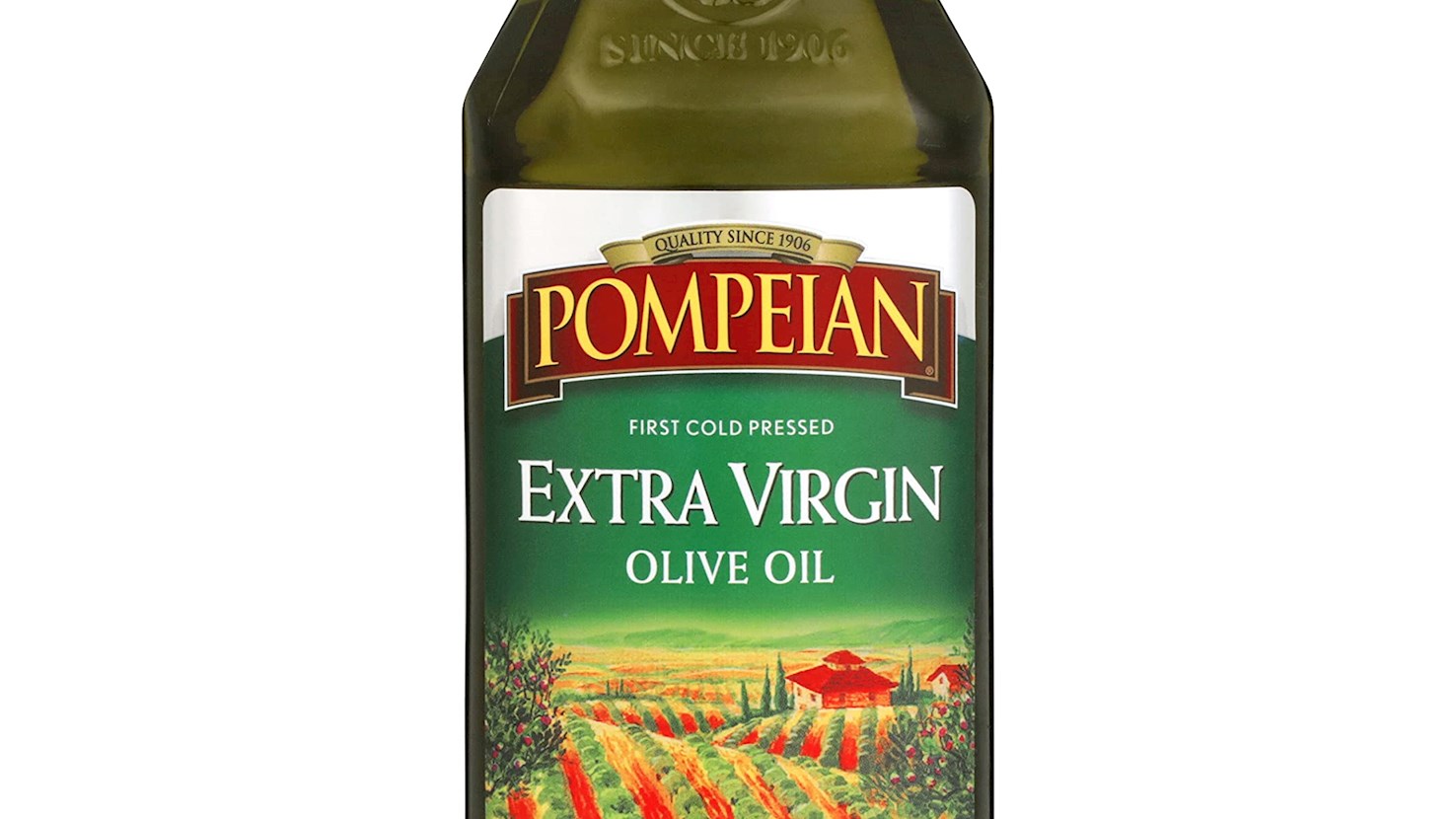
Pompeian Olive's Way is an olive oil producer based in Baltimore. The company is engaged in the production and distribution of olive oil products.
Pompeian offers a variety of olive oils, including extra virgin, organic, and blended olive oils. The company emphasizes quality and traceability in its production process.
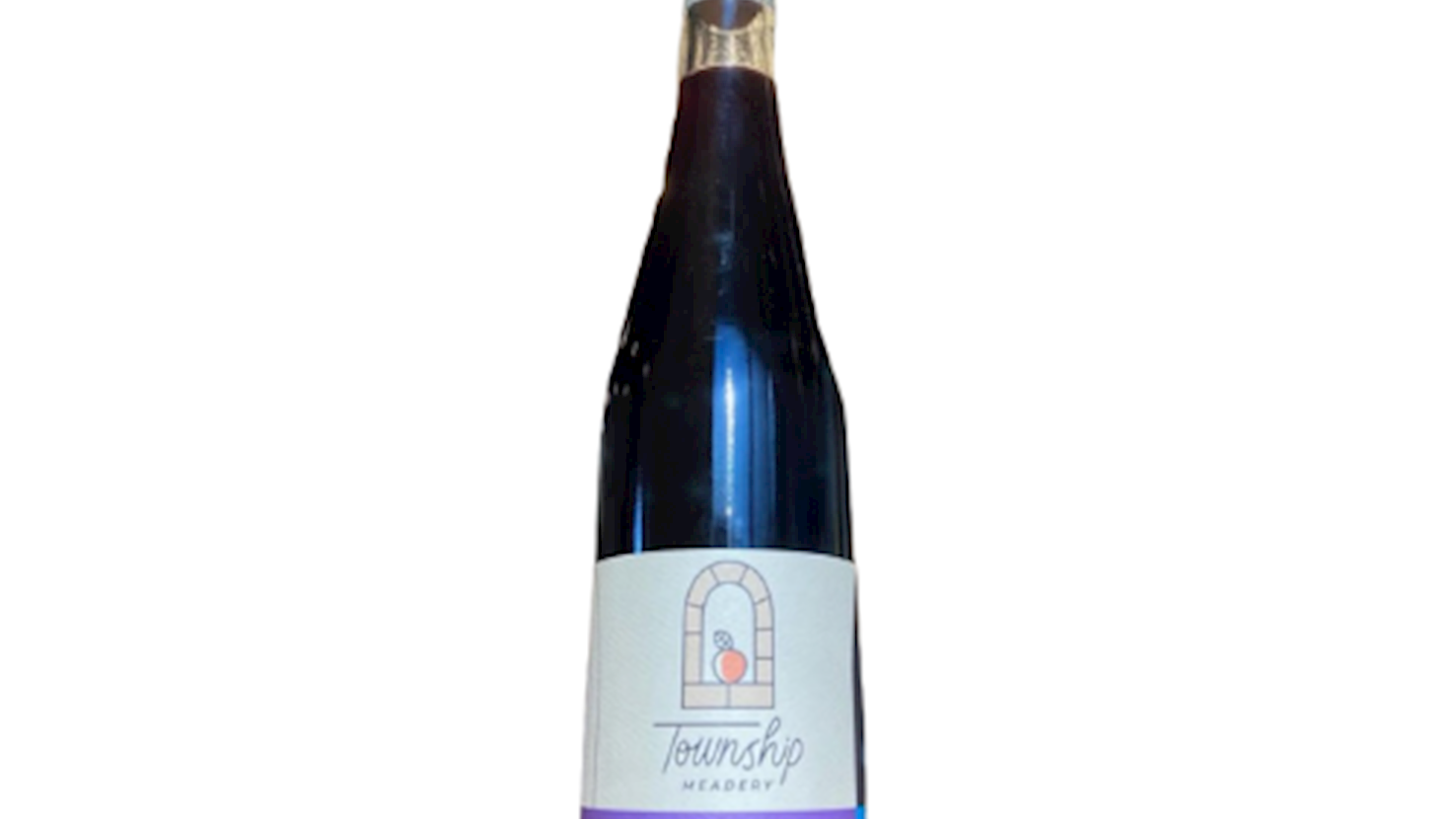
Township Meadery from Odenton, Maryland, is a small craft meadery focused on producing meads in limited batches, with an emphasis on creativity and stylistic diversity. Their portfolio includes session meads, melomels, and experimental releases.
The meadery is closely connected with the local brewery Crooked Crab Brewing, where their products are often available on tap. The uniqueness of Township Meadery lies in its willingness to experiment with flavors, ranging from fruity and spiced to dessert-inspired notes, enriching the local scene and pushing the boundaries of the genre.
Their approach blends craftsmanship, sustainability, and the ambition to make mead accessible to different types of consumers, from newcomers to connoisseurs.
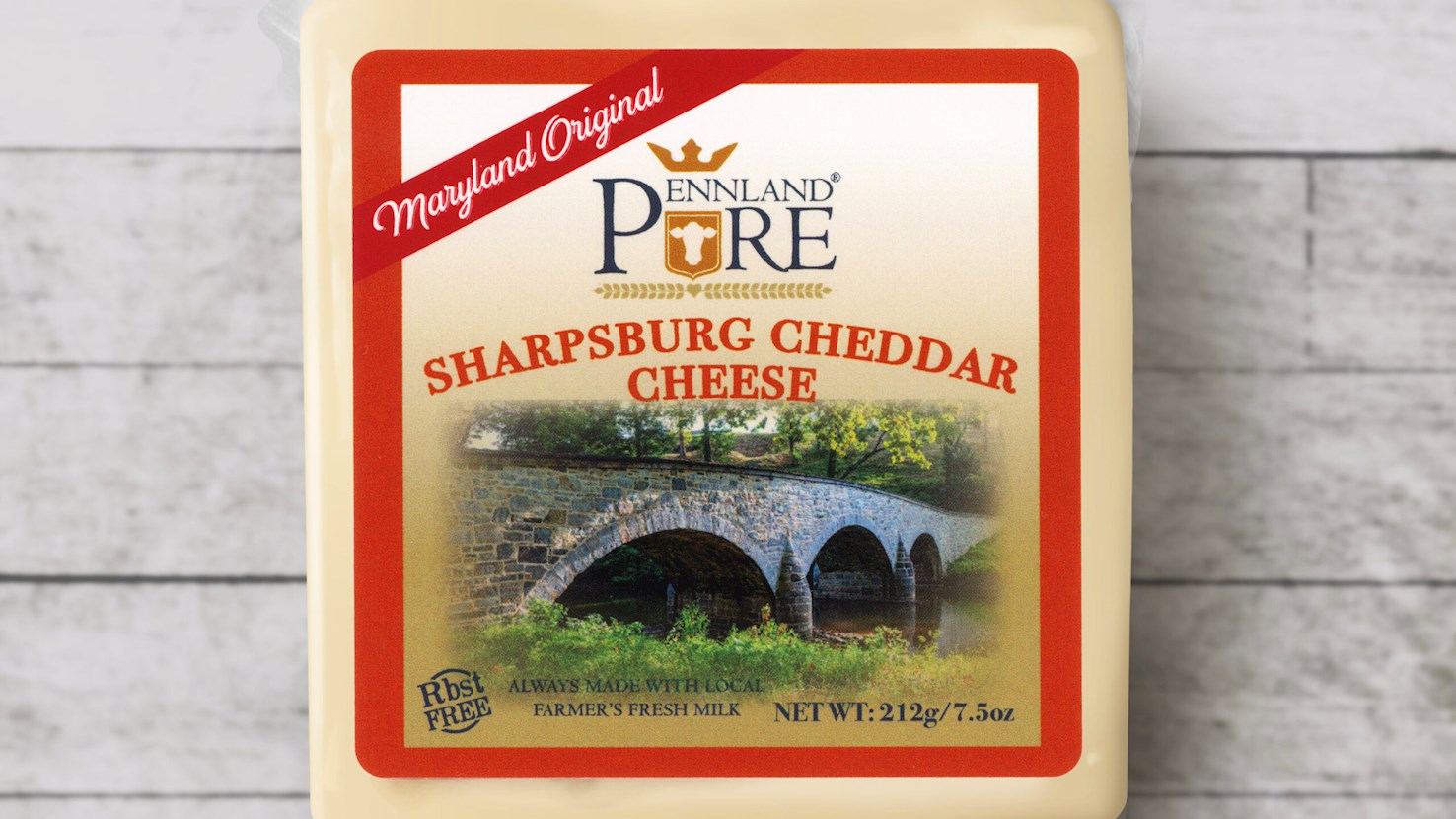
Pennland Pure is a brand born from the Lanco-Pennland cooperative, founded in 1996, which brings together family farms from the Lancaster County area in Pennsylvania, as well as several farms from Maryland. The main idea was to provide greater value to milk from local producers through processing and direct marketing of finished products.
Production takes place in a modern facility in Hancock, Maryland, where advanced technology is combined with traditional cheesemaking techniques, with strict quality control at every step.
The philosophy of Pennland Pure is based on simplicity, sustainability, and authenticity. All members of the cooperative are committed to responsible land management and animal care, believing that exceptional cheese begins with high-quality milk.
Their products are made from carefully selected ingredients, without unnecessary additives, in order to preserve the natural fullness of flavor. This approach ensures that every piece of cheese carries the story of the land, the people, and the tradition from which it comes.
Awards
Culture Cheese Magazine Best Cheeses issue - Best
(2023)
American Cheese Society Judging & Competition Awards - 1st Place
(2025, 2024, 2023)
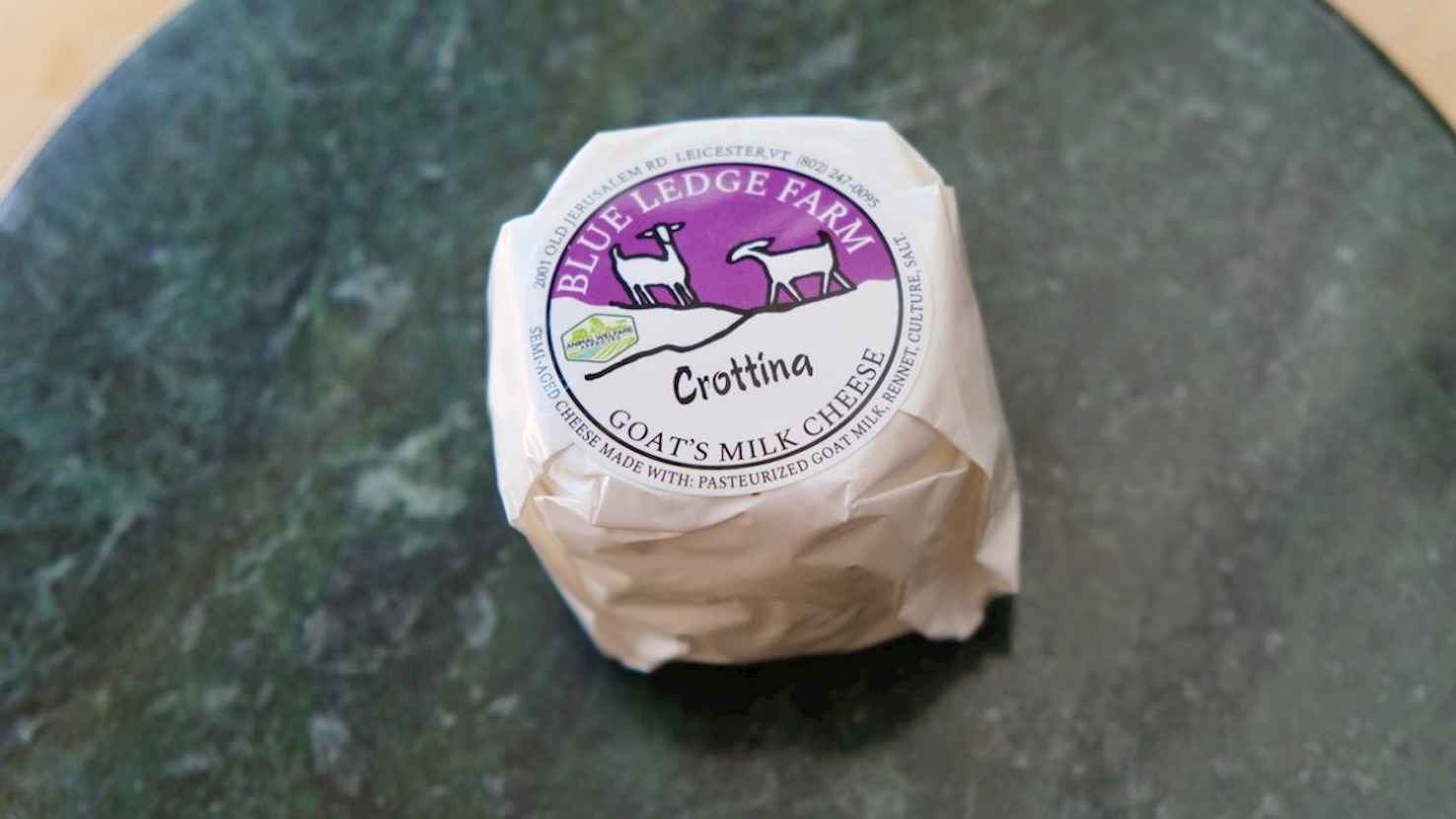
Blue Ledge Farm is a family-run goat dairy farm located in Salisbury, Vermont. The farm produces a variety of fresh and aged goat cheeses.
Established in 2000, Blue Ledge Farm practices sustainable farming, using rotational grazing for their goats to promote soil health and milk quality. Their product lineup includes cheeses like La Luna, a semi-aged cheese, and Crottina, a classic aged goat cheese.
Awards
American Cheese Society Judging & Competition Awards - 1st Place
(2024, 2006)
High Country Creamery is located in Grantsville, Maryland, and offers a variety of handcrafted cheeses. It operates a dairy farm where it sources its milk, ensuring freshness and quality.
The creamery also features a store where customers can purchase their cheeses and other local products.
Awards
American Cheese Society Judging & Competition Awards - 1st Place
(2018)
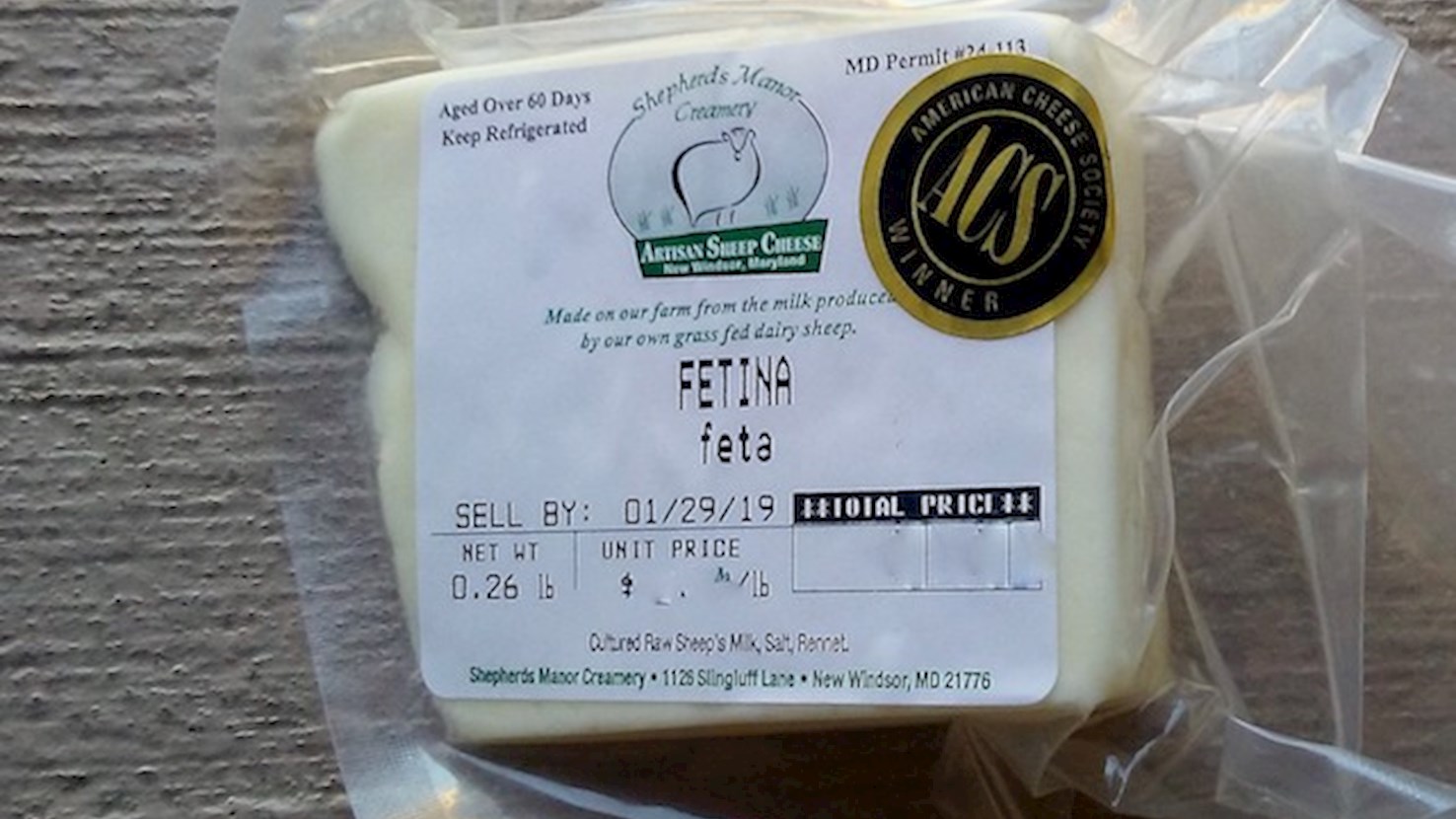
Shepherds Manor Creamery, located in Maryland, is known as the state's only sheep dairy and producer of sheep's milk cheeses. Their product lineup includes a variety of artisanal cheeses crafted from the milk of their own flock.
The creamery holds the distinction of being certified for both sheep milk and cheese production.
Awards
American Cheese Society Judging & Competition Awards - 1st Place
(2019, 2017)
Sapwood Cellars Brewery in Columbia, Maryland, is an independent craft brewery and taproom founded in 2018 by Michael Tonsmeire and Scott Janish, both well-known in the craft beer community for their research and educational work. The brewery’s name reflects its two main production directions - “Sap” refers to fresh, aromatic hoppy ales, while “Wood” represents barrel-aged beers, primarily complex sour styles.
Their brewing philosophy is based on experimentation, careful ingredient selection, and scientific precision, resulting in balanced, highly aromatic, and consistently fresh beers. Their offerings rotate between hazy IPAs, light and easy-drinking beers, and intricate, multi-layered sour ales aged in wooden barrels, with all batches being limited and often brewed only once.
Sapwood Cellars avoids mass distribution - most of their production is served directly in their taproom, preserving exclusivity and freshness. Production takes place in a modern, well-equipped facility, while the taproom is designed to be simple, airy, and welcoming to visitors.
Sapwood Cellars has quickly become a recognized name in Maryland’s beer scene, with a reputation for innovation and reliability. The taproom frequently hosts events and collaborations with other breweries, further strengthening its connection to the community.
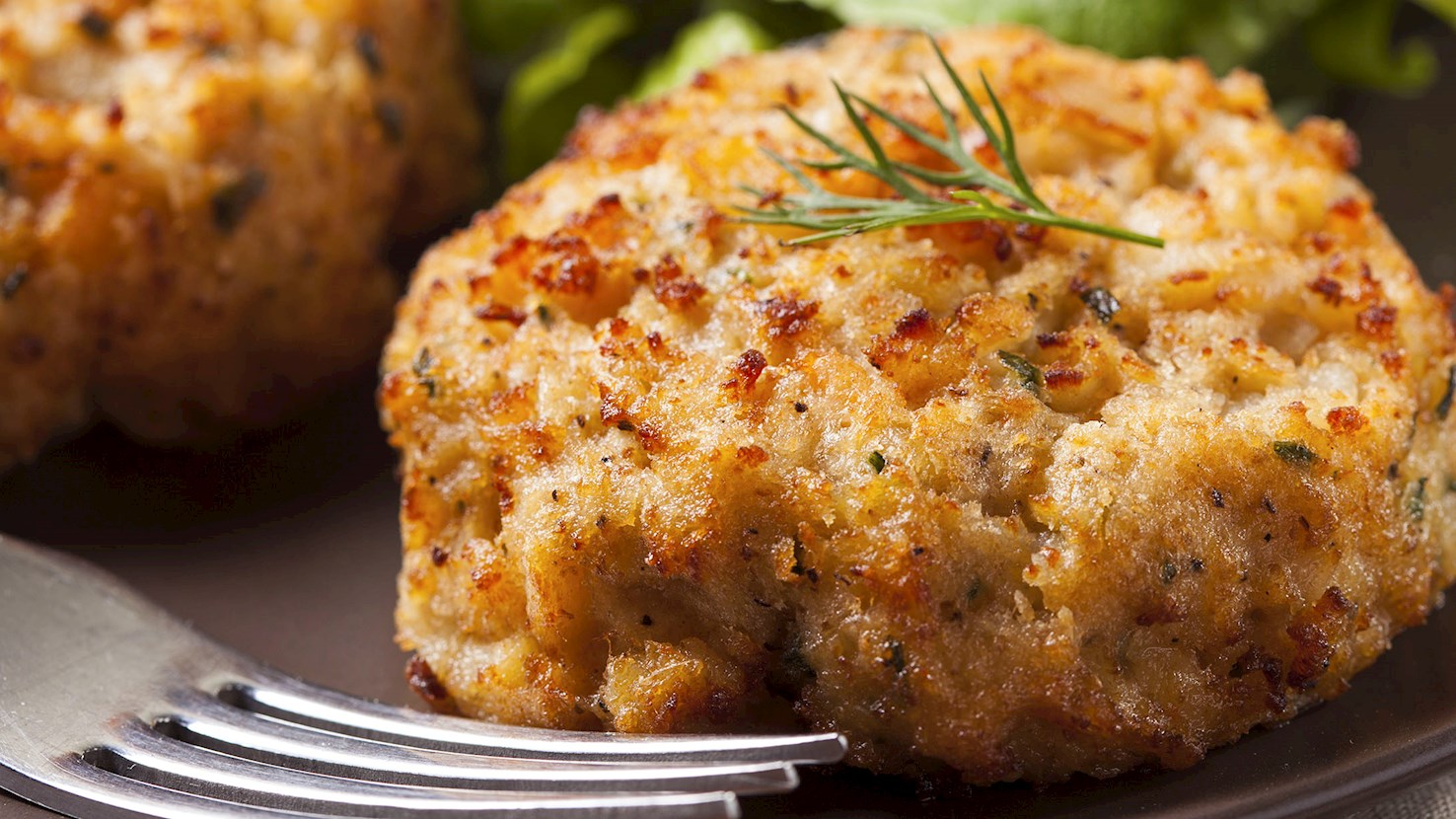
No other dish represents Maryland's cuisine better than the crab cake - a fishcake consisting of crab meat and ingredients such as mayonnaise, eggs, bread crumbs, milk, and seasonings. The blue crab is considered to be the ideal choice of crab for the cakes. They are usually served on a bun, accompanied by french fries, coleslaw, or macaroni salad. Originally, the dish was first prepared by the Natives, long before the arrival of the settlers. It was one of the first dishes that were adopted by the Chesapeake Bay region settlers. The first recipe, called Baltimore's Crab Cake, was published in 1930. In the 1940s, as the dish gained more popularity, Old Bay seasoning was added to the dish, and crab cakes have remained a staple of Maryland ever since, both for their exceptional taste and the benefit to the local economy.
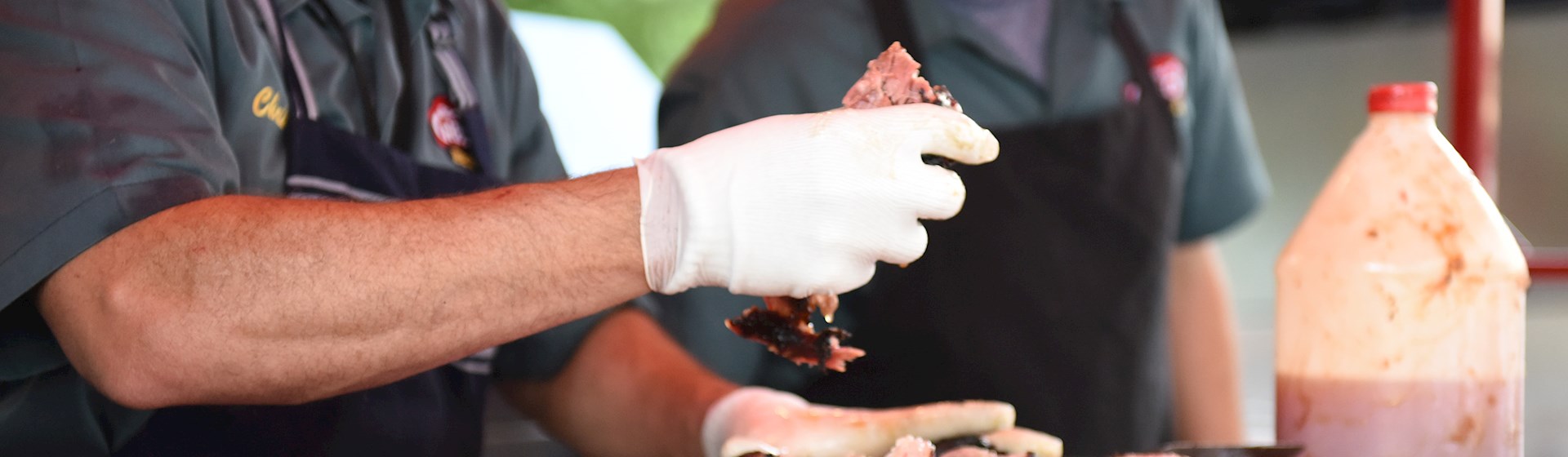
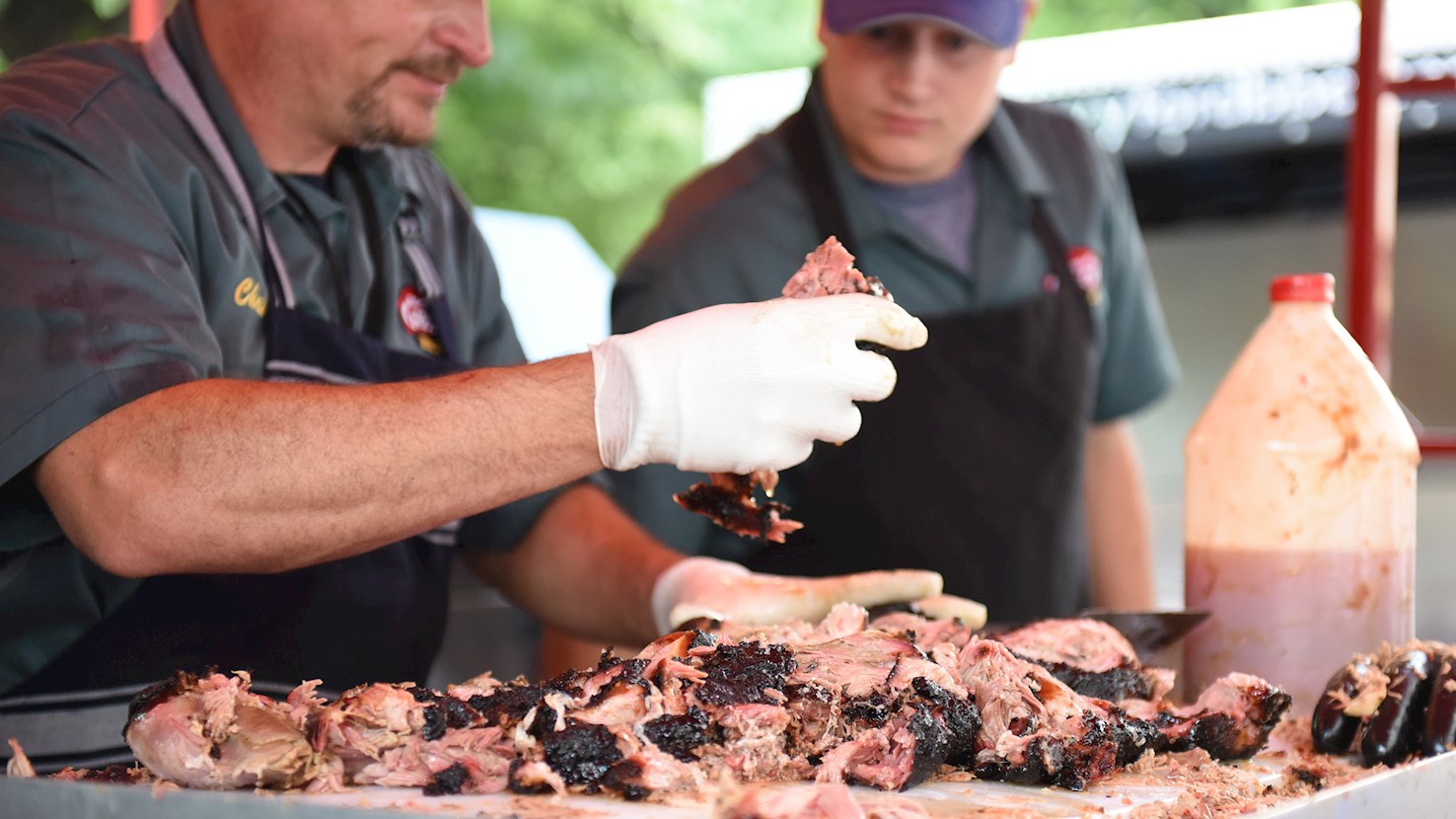
Pit beef is an American barbecue technique originating from Maryland. The technique features beef, usually top round, that's grilled quickly over charcoal, becoming crusty on the exterior while remaining succulent and almost rare on the inside. The meat is later sliced into thin strips and often used as a sandwich stuffing, preferably on Kaiser rolls or rye bread. The sauce for Maryland pit beef contains horseradish instead of the usual barbecue sauces based on ketchup, vinegar, and brown sugar. It is believed that pit beef first started gaining popularity in the 1970s in Baltimore's working-class neighborhoods.
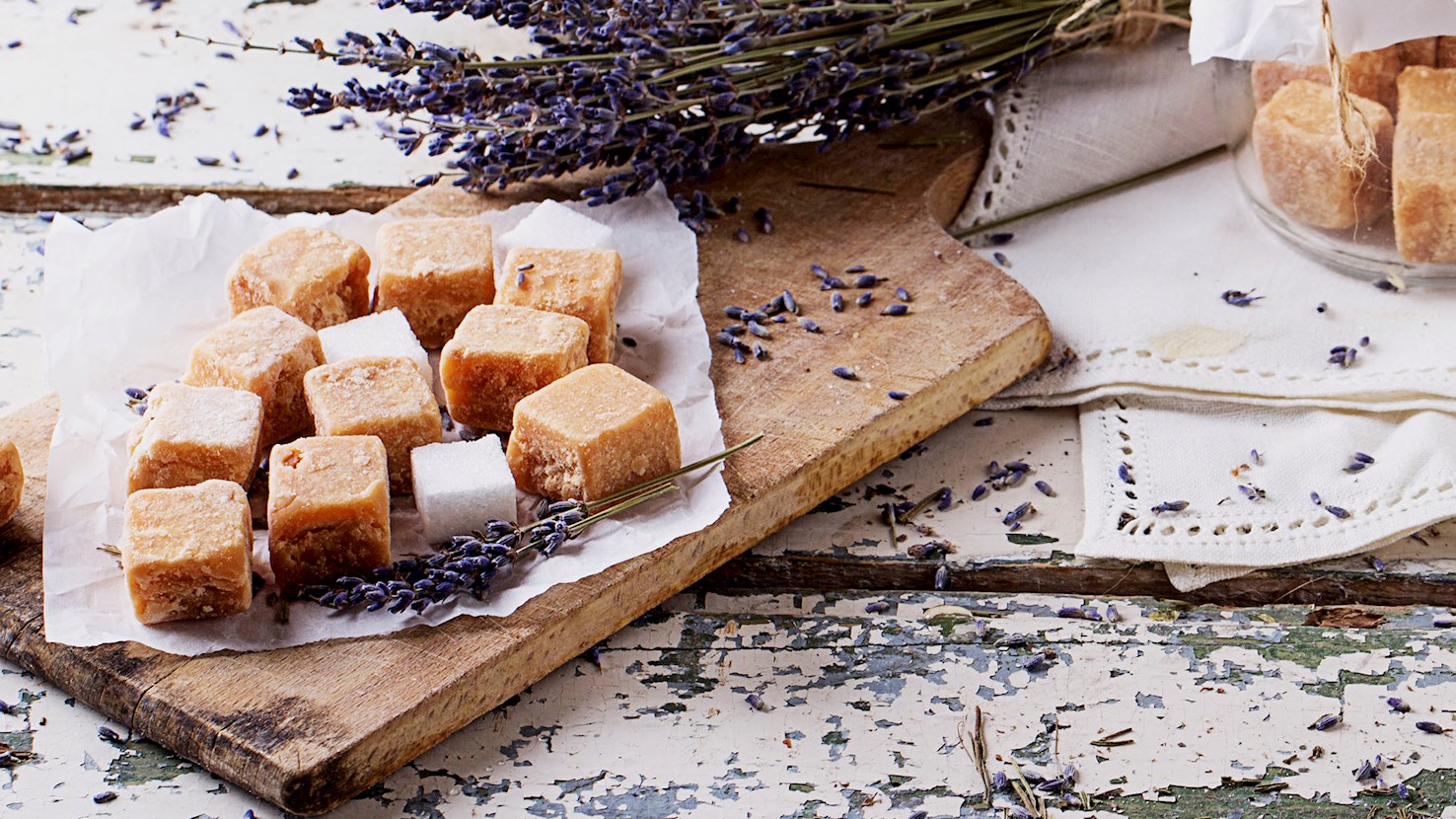
Fudge is a creamy American confectionery made with milk, sugar, butter, and various toppings and flavorings. It is created by boiling milk, butter, and sugar to a degree of 240 °F/116 °C, and then beating it while it cools down, creating creamy but firm blocks which are later cut into delicate individual pieces. In the United States, modern producers replaced the milk with cream, creating an even smoother and sweeter product. Although fudge is probably an original American invention, it is thought that predecessors to fudge were French classics such as fondant and caramel. Numerous theories claim that fudge was an accidental product, invented when an unintentional mistake occurred while creating the famous French caramel candy. The first written mention of fudge goes back to 1921, when Evelyn B. Hartridge, a student at Vassar College in Poughkeepsie, wrote to her professor claiming that the first reference to fudge goes back to 1886. She writes that it was invented in Baltimore by her acquaintance, and was sold for 40 cents per pound. Hartridge later started producing and selling it, making it an extremely popular product, first at numerous universities, and then everywhere in the country. The popularity of fudge led to the opening of numerous shops specialized in the production of many fudge varieties. The first shops appeared on the Mackinac Island in Michigan, which is still considered to be the American fudge capital. Despite modern techniques, this creamy American product is still predominately bought from specialized stores, and freshly prepared it represents a luscious treat, enjoyed by people of all ages. The most popular fudge flavor is undoubtedly chocolate, followed by traditional plain vanilla. Other popular versions include varieties created with pecan nuts, peanut butter, marshmallows, cookies, or mint. Americans prefer to consume them during the Christmas holidays and the summer season, when they are usually bought and carried home as souvenirs and gifts. This authentic American product is also popular in the United Kingdom, where the fudge-specialized shops also exist and produce their traditional varieties. Hot fudge, the heated and more liquid type, is often used as a topping for ice creams and sundaes across the United States and Canada.
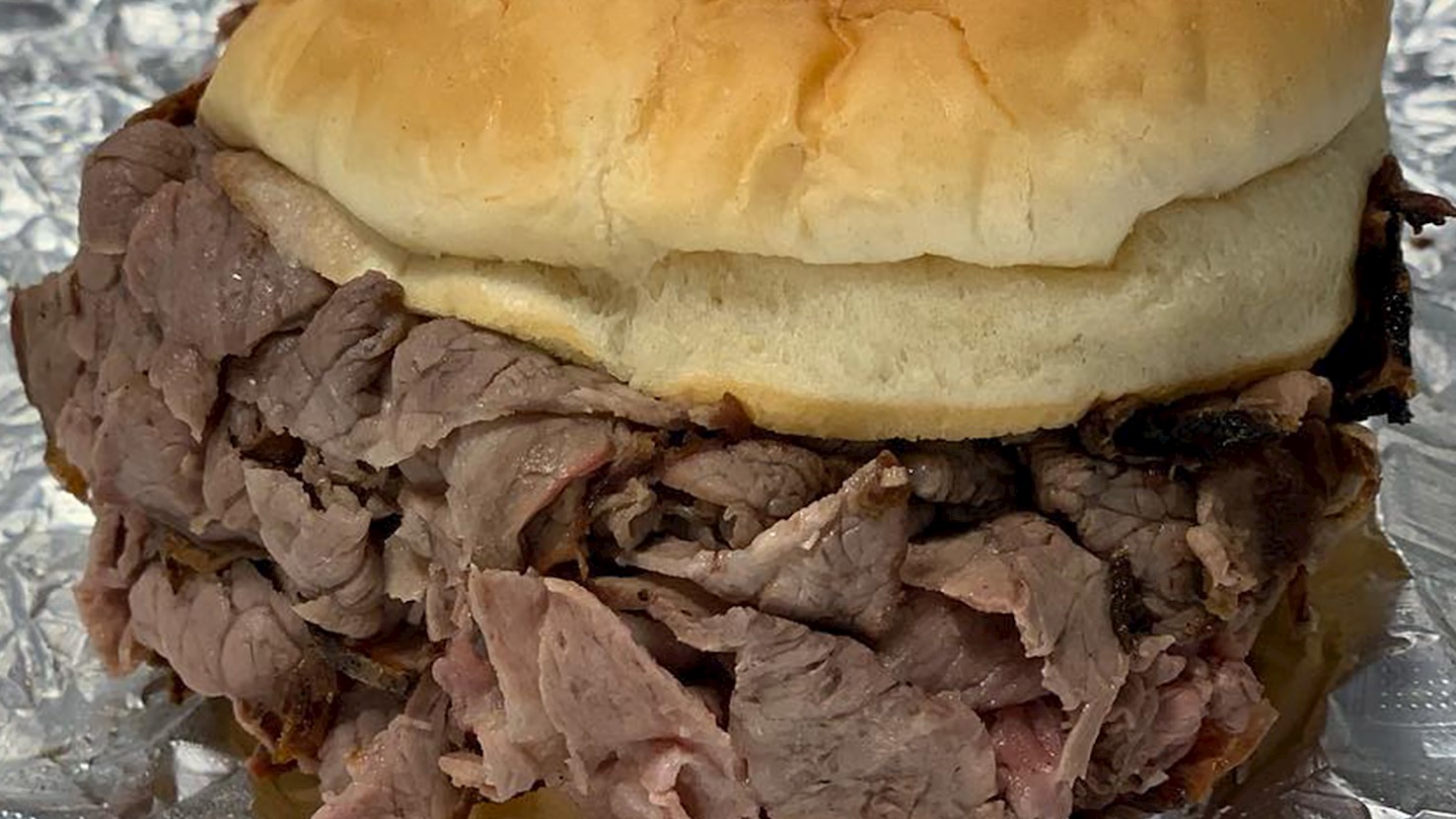
Pit beef is a traditional sandwich originating from Baltimore. It consists of minimally seasoned charcoal-grilled beef (usually top round roast) that's thinly sliced and served on a bread roll or sliced white bread with condiments such as horseradish, mayonnaise, and thin-sliced raw onions. The meat should, ideally, be rare in the middle. According to Baltimore food writer Richard Gorelick, the sandwich was first served just before the 1970s at stands around Pulaski Highway. Pit beef was also a memorable part of the plot in John Waters' 1998 cult movie Pecker.
Crabmeat Dewey is a traditional dish originating from Maryland. The dish is usually made with a combination of crabmeat, butter, mushrooms, bell peppers, scallions, sherry, hot peppers, half-and-half (equal parts whole milk and cream), parmesan cheese, salt, and pepper. The bell peppers, mushrooms, and scallions are sautéed in butter, and then mixed with the sherry. The mixture is simmered until the liquid is reduced by half, and it's then mixed with the hot peppers and half-and-half. The mixture is seasoned with salt and pepper, the crabmeat is added to the pot, and the dish is stirred over low heat until everything is blended. It is placed into buttered ramekins, sprinkled with cheese, baked until golden brown, and served as an appetizer. Crabmeat Dewey was invented at a Maryland yacht club as a tribute to Commodore George Dewey's victory at Manila Bay in the Spanish-American war.
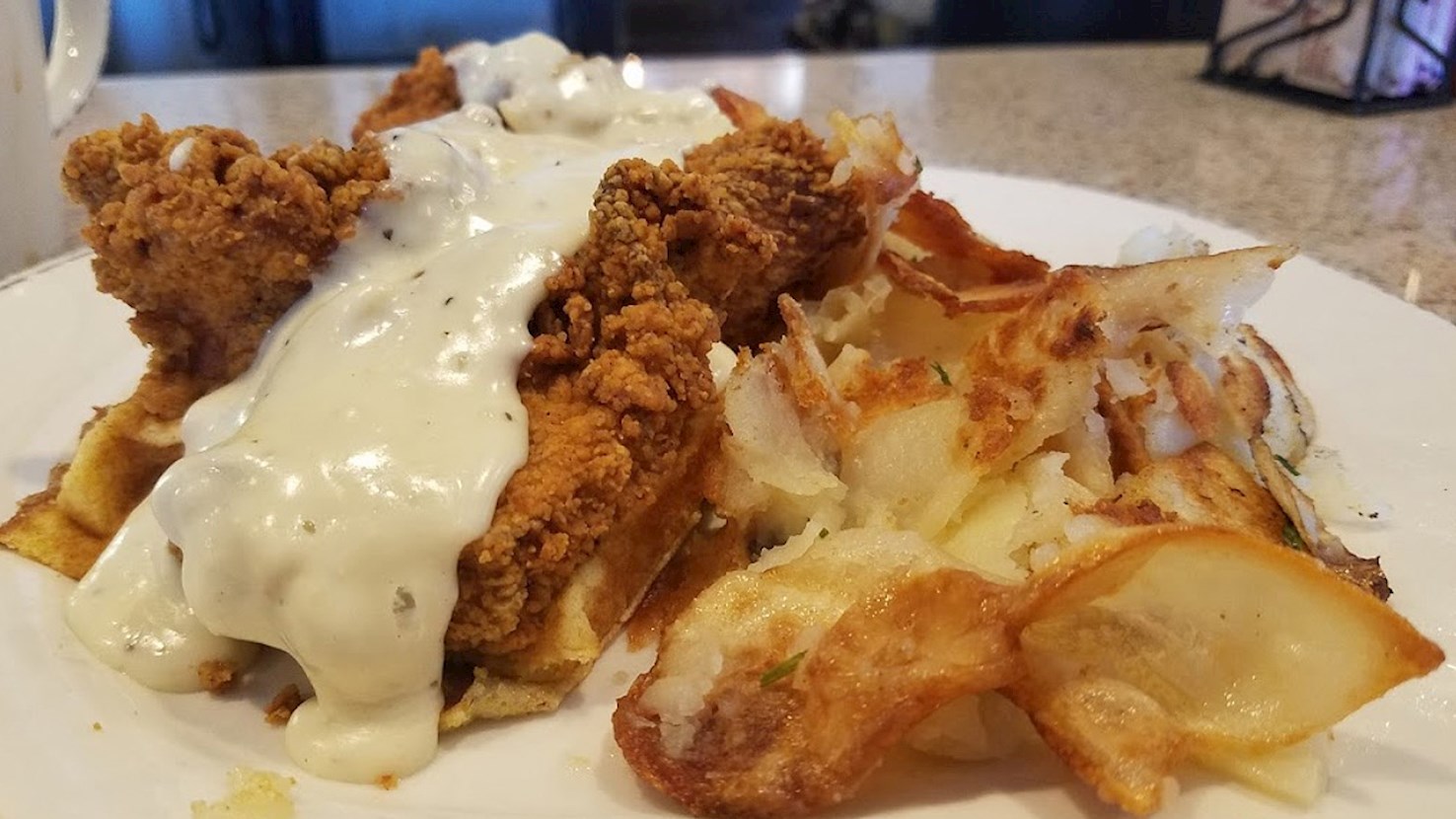
Chicken Maryland is a historic fried chicken dish from Maryland. In its classic form, it consists of chicken pieces lightly coated in flour, pan-fried in a shallow layer of fat, and served with a cream gravy made from the flavorful drippings left in the pan. The exact inventor is unknown, but Maryland-style fried chicken was established by the late 19th century, with named recipes appearing in print by the 1880s. By the end of the century, it was already recognized as a distinctive regional way of cooking fried chicken. The defining feature of the American version is its cooking method, not a thick batter or breadcrumb crust. A whole chicken is usually divided into serving pieces, seasoned, and coated with flour; some recipes first dip the chicken in milk before flouring it. The pieces are fried in a heavy skillet with lard, shortening, butter, or another cooking fat. After the exterior browns, the pan is covered for part of the cooking time. This traps steam and helps the bone-in chicken cook through while remaining moist, producing a texture somewhere between conventional fried chicken and a covered skillet fry. The lid is removed toward the end so that the coating can regain some crispness. Cast iron is particularly well suited to the method because it holds heat evenly, but it is not essential. Buttermilk marinades, thick batters, and heavily seasoned breadcrumb coatings belong mainly to later adaptations rather than the basic Maryland technique. After the chicken is removed, the drippings in the skillet are used to make the characteristic gravy. Flour is stirred into the remaining fat, followed by milk, cream, or a combination of the two. The mixture is cooked until it forms a smooth, pale gravy flavored by the browned flour and chicken drippings. Depending on the recipe, the gravy can be poured directly over the chicken or served around it. It is generally lighter in color than ordinary brown meat gravy and is one of the elements that most clearly separates Maryland fried chicken from many other American fried chicken styles. Corn fritters became one of its best-known accompaniments, while biscuits, corn, potatoes, sweet potatoes, and other vegetables also appear with the dish. No rule required serving the original dish exclusively with corn fritters and biscuits. During the early 20th century, Chicken à la Maryland moved beyond Maryland and entered international hotel and restaurant cooking. It was sufficiently well known by 1912 to appear as Chicken à la Maryland on the first-class luncheon menu of RMS Titanic on April 14, 1912, the final day of the ship's voyage. The surviving menu confirms the name of the dish, although it does not record exactly how the Titanic's kitchen prepared or garnished it. Its appearance on the menu therefore shows Chicken Maryland's international reputation at the time. Still, it does not establish that the Titanic version included bananas, bacon, cream gravy, or any other particular garnish. Auguste Escoffier later codified an elaborate French restaurant interpretation in Ma Cuisine, published in 1934. His version differed considerably from the simpler Maryland skillet dish. The chicken was coated with flour, egg, and breadcrumbs, then cooked in butter to form a more substantial crust. It was accompanied by corn fritters, potato croquettes, bacon, and bananas cooked in butter, with a cream-based sauce flavored with horseradish. This combination helped establish the banana as one of the most recognizable features of Chicken Maryland outside the United States, even though fried banana was not a defining ingredient of the original Maryland fried chicken. The sweet fruit, bacon, breadcrumbed chicken, and rich sauce transformed a regional American fried chicken into the more elaborate Chicken à la Maryland found in European hotel cooking. This international version developed several further variations. In Britain, particularly in older hotel cooking and some Chinese takeaway menus, Chicken Maryland came to mean breaded or battered fried chicken served with bacon, chips, and a fried banana or banana fritter; pineapple sometimes replaces or accompanies the banana. In Australia, the name developed an additional meaning: a “chicken Maryland” can refer to a whole chicken leg consisting of the thigh and drumstick. The same cut also became the basis of a once-popular Australian restaurant and pub meal served with crumbed or fried chicken, banana or pineapple, and chips. In Argentina and neighboring parts of South America, suprema de pollo Maryland developed into another distinct version, generally consisting of a breaded chicken breast served with fried banana, bacon, creamed corn, peas, and fried potatoes. These dishes share a name and ultimately descend from the international Chicken Maryland tradition, but they should not be treated as components of the original Maryland recipe. Pineapple is therefore a later international substitution rather than a defining ingredient, and the same is true of the very thick breadcrumb coating found in many modern versions. The American form is generally simpler: bone-in chicken is flour-coated, shallow-fried in a covered skillet, and served with cream gravy. The international chicken à la Maryland is more elaborate, commonly using breadcrumbed chicken together with contrasting savory and sweet garnishes such as bacon, corn fritters, and fried banana. Both versions can legitimately be called Chicken Maryland, but they represent different stages in the history of the dish rather than interchangeable recipes. Chicken Maryland is normally served hot as a substantial main course and eaten with a knife and fork, particularly when bone-in chicken and gravy are involved. It is not specifically an evening meal and can be served for either lunch or dinner. Its American character comes from the contrast between browned, flour-coated chicken and smooth cream gravy, while the internationally famous version adds a much more unusual combination of crisp breading, salty bacon, sweet fried fruit, corn fritters, and rich sauce. What began as a Maryland method of skillet-frying chicken ultimately became an international restaurant dish whose name now describes several considerably different preparations around the world.
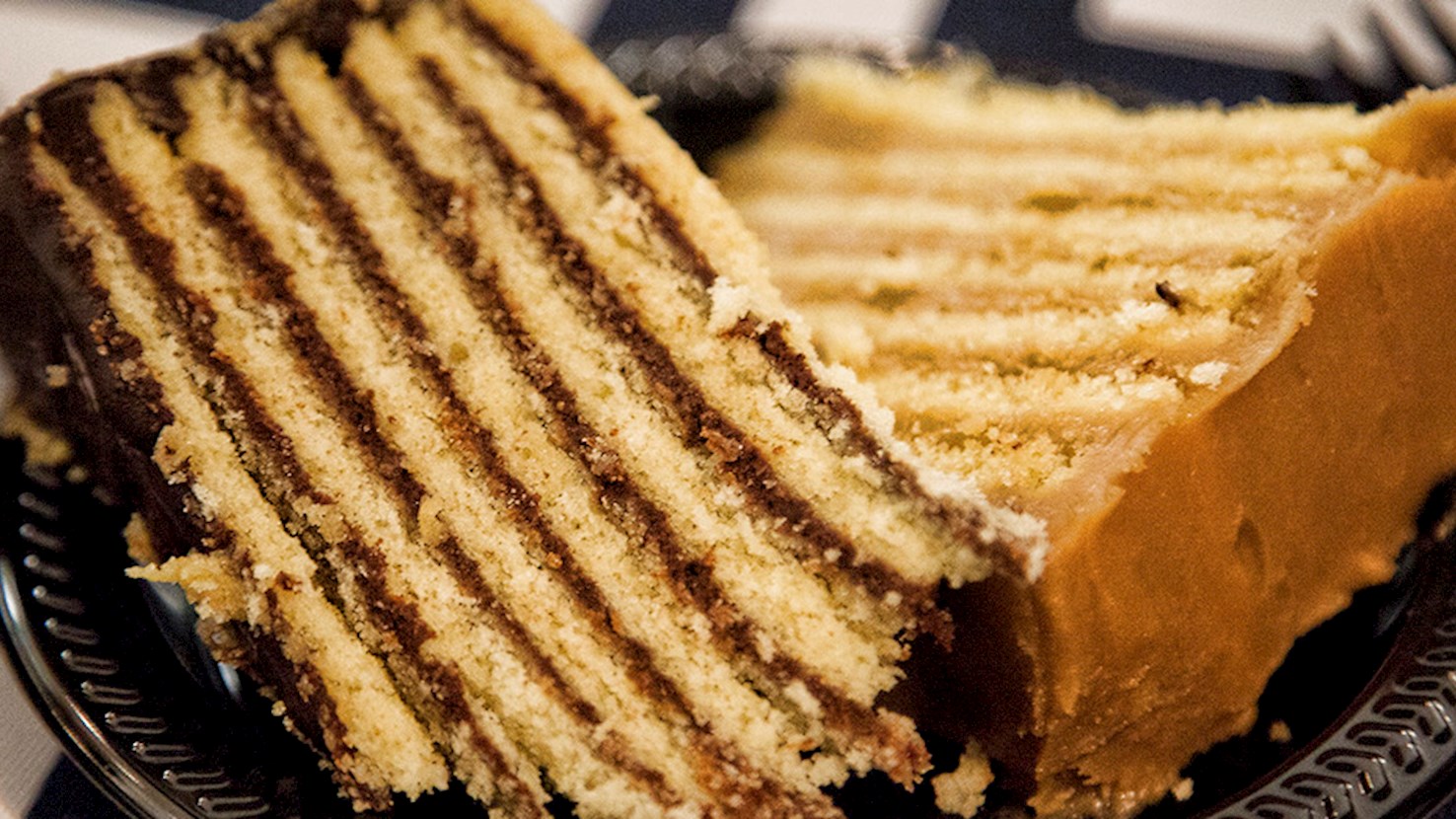
Designated as the official dessert of the state of Maryland, Smith Island cake is a layered cake filled with either icing, fudge, cream, and/or crushed candy bars. The best-known variety is the one with yellow layers and a chocolate icing filling, but the recipes vary in the number of layers, and the cakes can be made with various different flavors.
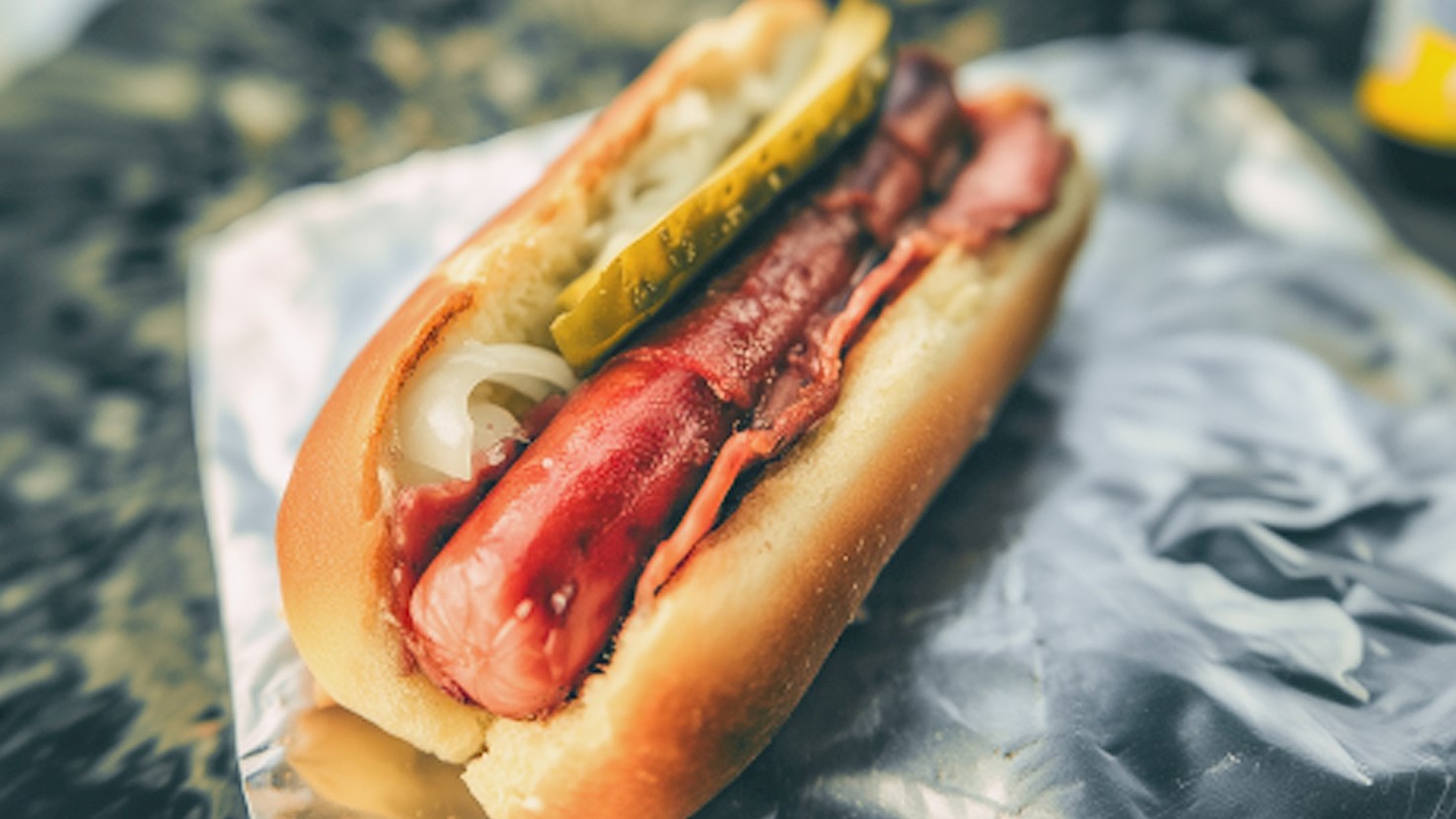
This hot dog variety consists of a kosher beef sausage that is fried with bologna slices until golden brown and slightly crispy. The sausage is then wrapped in bologna and placed in a split bread bun with a dill pickle spear. The whole dish is additionally topped with a generous squirt of yellow mustard. Although the history of Baltimore-style hot dog is quite murky, some believe that it was invented during the Great Depression, when people added bologna slices to the hot dog in order to make it a fuller, heartier meal.
Caramel tomatoes is a Prohibition-era side dish that's especially popular in Maryland and other parts of the American South. The dish is usually made with a combination of large peeled and cored tomatoes, brown sugar, salt, black pepper, and butter. The tomatoes are arranged in a large skillet with the cored side up. They're dotted with butter and sprinkled with salt, pepper, and sugar. The tomatoes are baked until lightly browned and soft. During the baking process, they're basted with the juices. The skillet is placed on the stove and simmered over medium to low heat until the sauce becomes syrupy and thick, and the dish is then ready to be enjoyed.
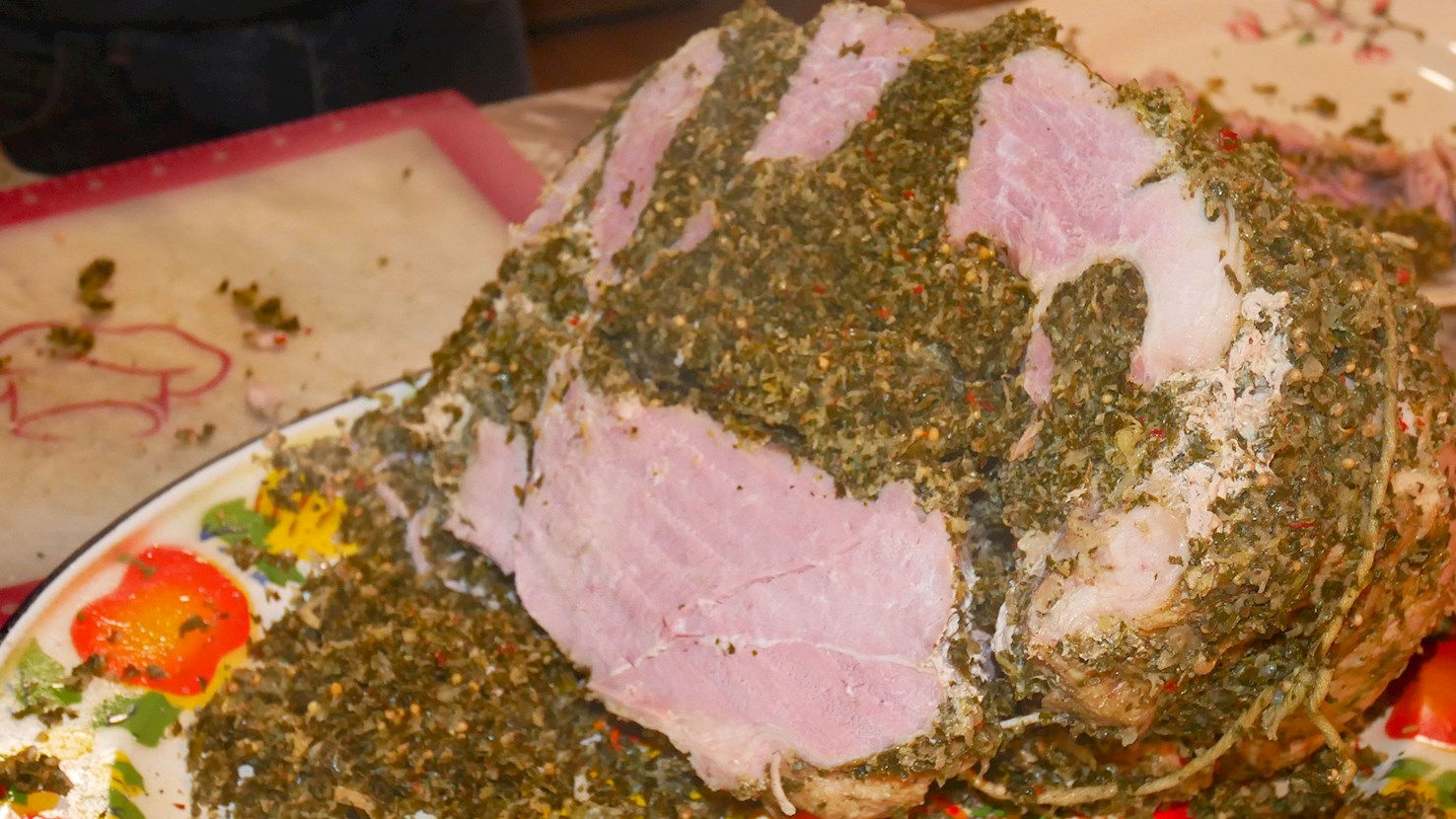
Stuffed ham, centered in St. Mary’s County, where a cured ham is opened with deep cuts and packed generously with chopped greens, onions, and assertive seasonings before being wrapped, slowly cooked, chilled, and sliced. The name sounds straightforward, but the result is unlike an ordinary baked ham with a separate dressing: the vegetable mixture is pushed directly into pockets throughout the meat, so every slice contains streaks and clusters of kale, cabbage, onion, mustard seed, celery seed, and red pepper. St. Mary’s County formally identifies itself as the dish's birthplace, and stuffed ham remains one of the clearest foods associated specifically with that part of Maryland rather than the state as a whole. Its beginnings are preserved mainly through oral accounts rather than early written recipes. A longstanding account in St. Mary’s County places its development among enslaved Black cooks in the early 18th century, possibly connected with plantations such as Sotterley, where less desirable portions of pork could be supplemented with greens and strong seasoning. The practice is said to have moved from those poorer cuts to full hams and to have been passed through African American families over generations. County heritage sources now present this account as the principal local explanation, while food historians note an important limitation: no written Maryland references to stuffed ham have been identified from the 17th, 18th, or 19th centuries, so documentary evidence alone cannot establish the exact date and circumstances of its creation. What is firmly established is the remarkable persistence of the dish in St. Mary’s County, where family recipes can differ enough that the proportions of greens and pepper sometimes reveal where the cook comes from. County lore generally associates northern St. Mary’s with heavier use of kale and southern parts with stronger pepper seasoning or more cabbage, while neighboring Southern Maryland counties have developed related versions using collards or watercress. Preparation starts with corned ham, meaning a fresh pork leg cured in brine rather than a ready-to-eat smoked ham. The bone and excess fat are commonly removed, after which a sharp knife is used to make numerous deep pockets through the meat. Kale and cabbage are chopped quite finely with onions or scallions, then seasoned heavily with mustard seed, celery seed, black pepper, crushed red pepper, and salt; individual household recipes may shift the balance or add other greens and seasonings. The mixture is worked by hand into every opening, often using considerably more filling than someone unfamiliar with the dish might expect. Additional greens may be packed around the outside before the ham is pulled tightly together, wrapped in cheesecloth, and tied so the stuffing stays in place. The wrapped ham is then simmered for several hours until the pork is fully cooked and the vegetables have softened and flavored the meat. Although baked versions exist, boiling or simmering is the method most closely associated with the St. Mary’s preparation. Cooling is nearly as important as cooking. The ham is usually refrigerated after cooking, often overnight, so that the meat firms and the slices hold together cleanly despite the numerous pockets of vegetables running through them. It is generally served cold or at cool room temperature, cut across the ham to expose a mottled interior of pale cured pork and dark green stuffing. Red pepper gives many versions noticeable heat, sometimes more than expected from a holiday ham, while mustard and celery seeds add the sharp, aromatic flavor that makes the dish recognizable even before slicing. Because the vegetables are enclosed inside the pork during cooking, they absorb cured-meat juices while simultaneously seasoning the surrounding ham; the stuffing is therefore not merely a side component but part of the structure and flavor of every serving. Making one is labor-intensive, which helps explain why stuffed ham has remained especially connected with occasions when a large piece of meat can feed many people. Thanksgiving, Christmas, Easter, church suppers, community gatherings, and family celebrations are among its characteristic settings, and local markets and restaurants in St. Mary’s County also sell it by the pound or in sandwiches. It appears at public events such as the county’s oyster festival alongside other Southern Maryland foods, and contemporary businesses have extended it into sliders, pizzas, and egg rolls without replacing the cold sliced form that remains the local reference point. At the table, stuffed ham needs relatively little embellishment because cured pork, pepper, mustard seed, and cooked greens already provide a strong combination of salt, heat, acidity, and richness. Thick slices can be eaten on their own, tucked into soft bread or rolls, or served with potato salad, deviled eggs, pickles, simple cabbage dishes, beans, or other foods commonly found at Southern Maryland gatherings. A sandwich of cold stuffed ham on plain bread is one of the most direct ways to eat it, since the mild bread offsets the salt and pepper without masking the greens. Cold lager, pale ale, or dry cider work well with the fatty pork and pepper, while unsweetened iced tea and lemonade provide straightforward non-alcoholic matches.
TasteAtlas food rankings are based on the ratings of the TasteAtlas audience, with a series of mechanisms that recognize real users and that ignore bot,
nationalist or local patriotic ratings, and give additional value to the ratings of users that the system recognizes as knowledgeable.
For the “Top 27 Marylander Foods” list until September 30, 2026, 653 ratings were recorded, of which 603 were recognized by the system as legitimate.
TasteAtlas Rankings should not be seen as the final global conclusion about food. Their purpose is to promote excellent local foods,
instill pride in traditional dishes, and arouse curiosity about dishes you haven’t tried.
The initial list of top producers was compiled based on available reviews, awards, local recommendations, media and blog coverage, and consumer reviews.
The list will be updated with ratings from TasteAtlas local ambassadors and TasteAtlas users.









What People Say