shutterstock

Top 19 Moldovan Foods

Last updated on June 17, 2026

Best Moldovan food products

01
Spirit

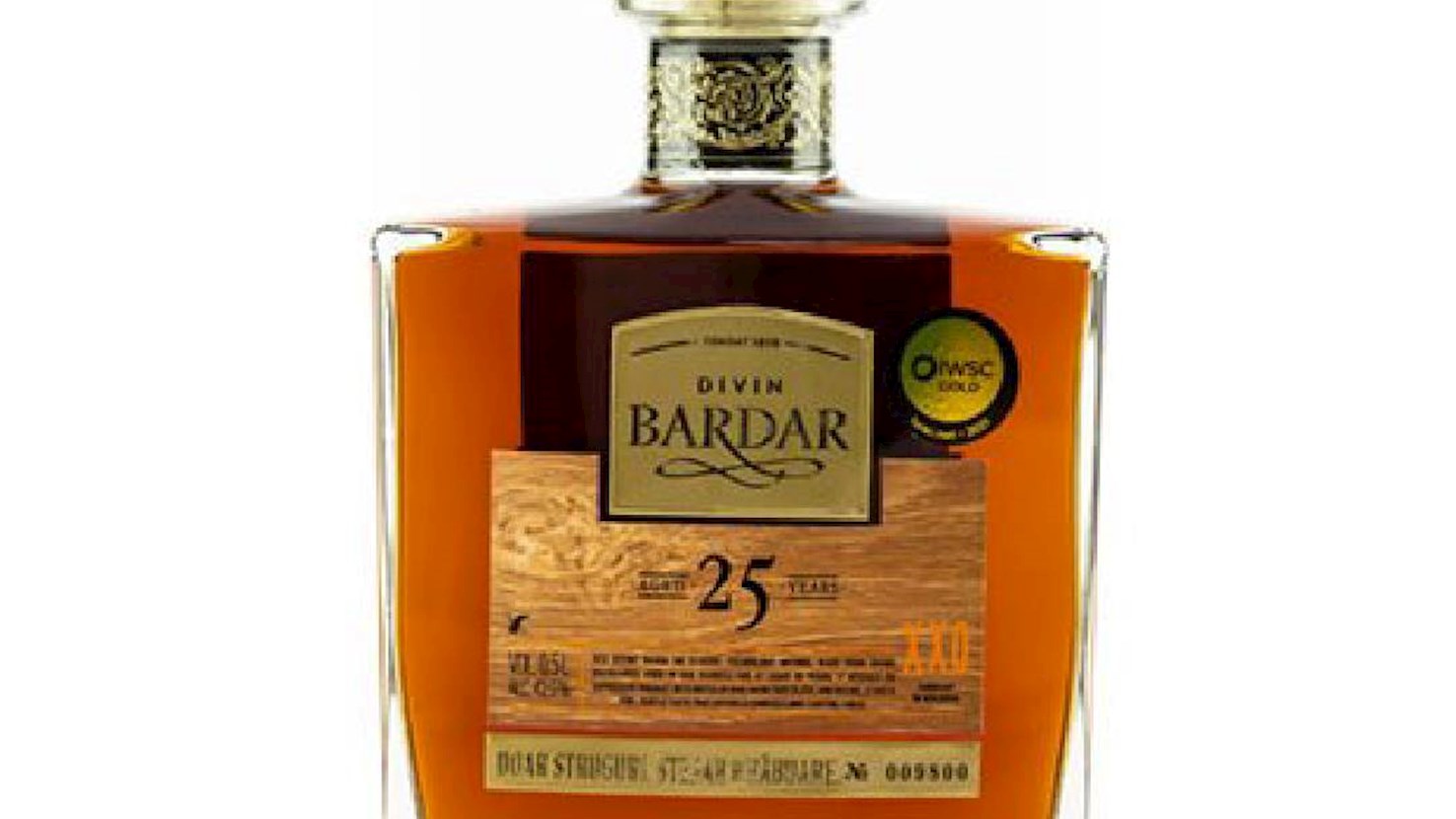
Divin Bardar

4.9 ·
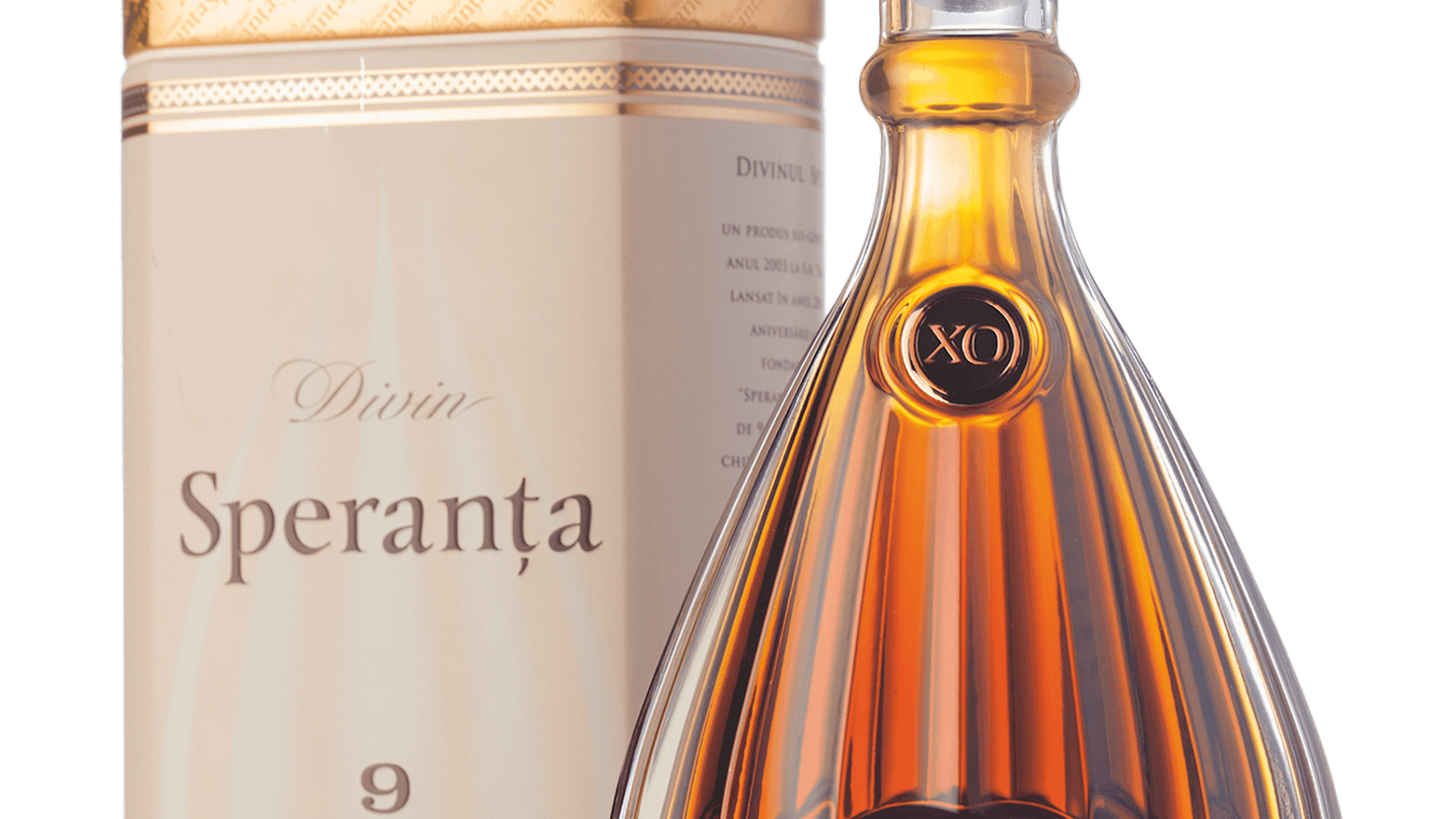
Bardar Distillery, established in 1929 by German entrepreneur Muller, is a prominent producer of divins (Moldovan brandy) in Moldova. Located in the Codru region, just 15 km from Chișinău, it benefits from the area's favorable conditions for cultivating white grape varieties. Over the decades, Bardar has evolved from a small distillery into a significant player in the national spirits industry. The company produces a range of divins aged from 3 to over 25 years, utilizing high-quality oak barrels to impart sophisticated flavors. Their production process emphasizes the use of grapes, oak, and patience, ensuring the creation of authentic and exclusive wine distillates. Bardar's commitment to quality has earned it a place among the top three divin producers in Moldova. The distillery's specialists, with over 25 years of experience, skillfully select and blend distillates to achieve harmonious flavors. As part of the Purcari Wineries Group, Bardar continues to uphold its rich heritage while embracing modern production techniques. Their products have garnered numerous medals at national and international competitions, reflecting their dedication to excellence. Bardar Distillery remains a symbol of tradition and quality in the Moldovan spirits industry.
Awards
The Brandy Masters - Gold (2022)
IWSC- International wine & spirit competition - Spirit Gold (2021)
02
Wine

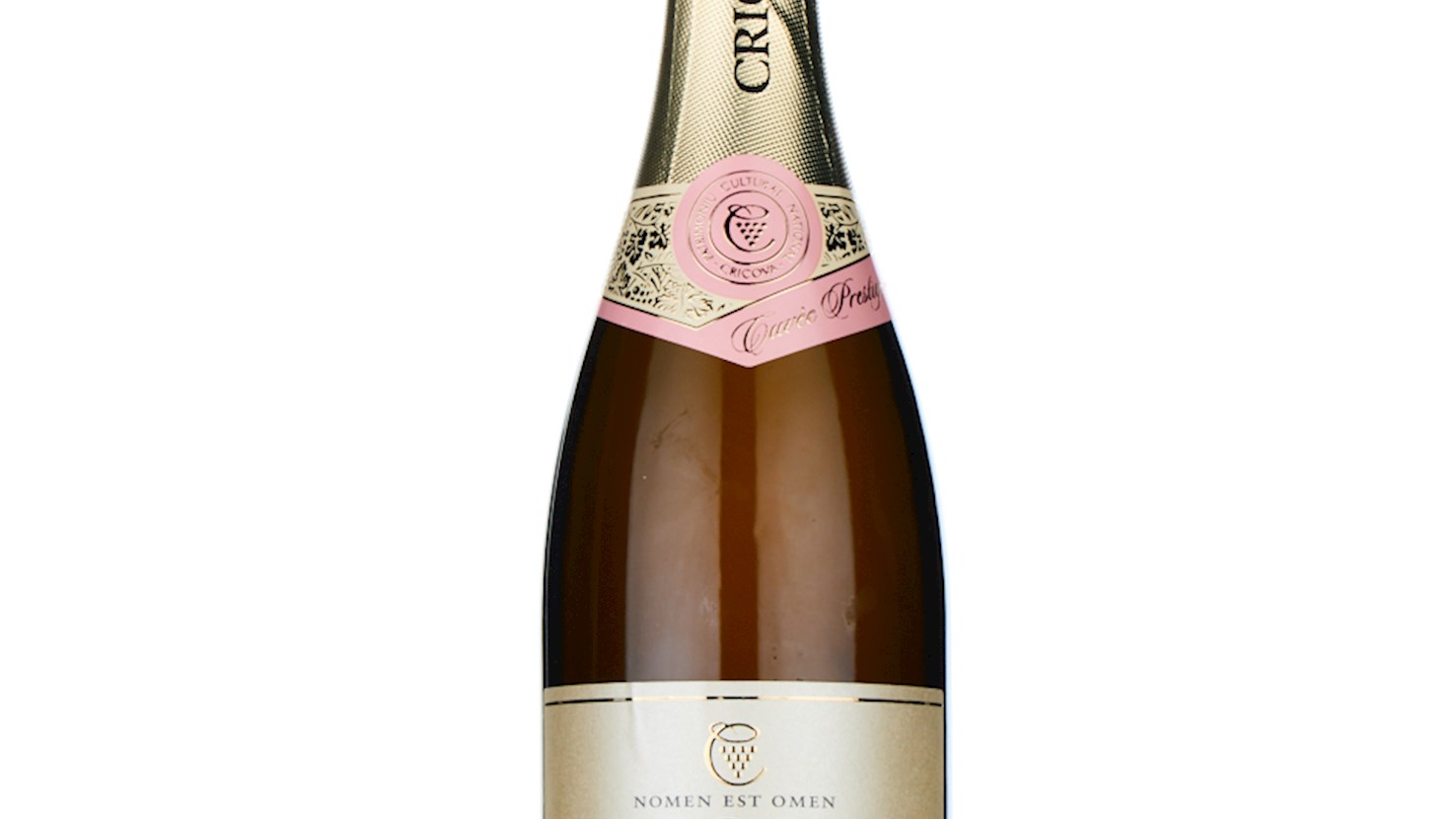
Cricova

4.9 ·
Awards
IWSC- International wine & spirit competition - Gold (2021)
03
Wine

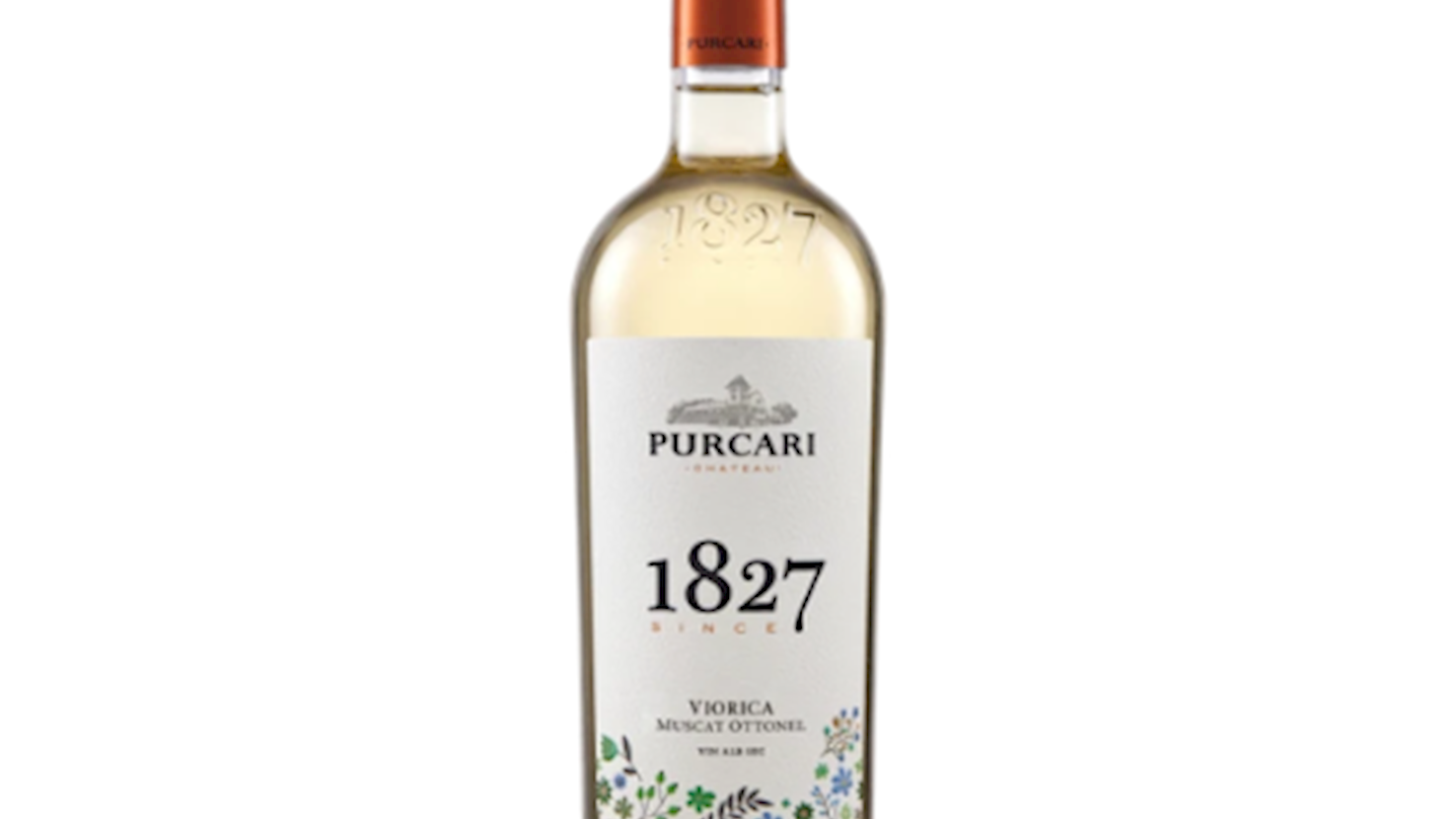
Château Purcari

4.9 ·
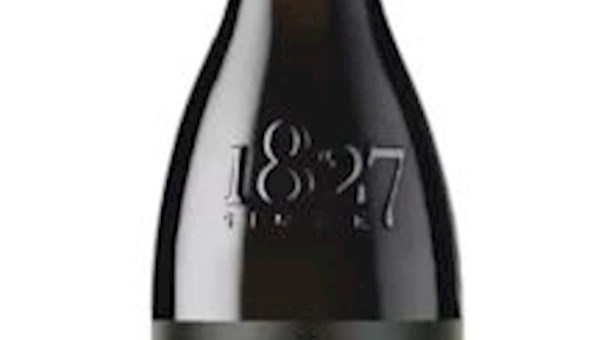
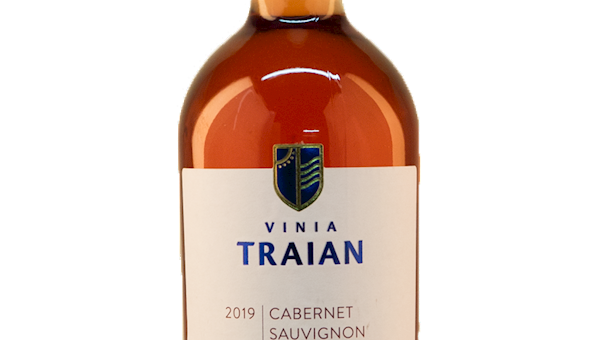
Château Purcari is one of the oldest and most historically significant wineries in Eastern Europe, officially established in 1827 by imperial decree as the first specialized winery in the Bessarabia region. Located in southeastern Moldova, near the Black Sea and the Dniester River, the estate benefits from a unique microclimate where warm air currents and morning mists support gradual ripening and balanced grape development. From the 19th century onward, Purcari gained international recognition, winning awards at major exhibitions and often being compared to Bordeaux-style wines. Its wines were served at European royal courts, including the British royal family, reinforcing its historical prestige. Today, the winery combines traditional winemaking practices with modern technology, maintaining strict control over its estate vineyards and production processes. The portfolio includes both classic labels, such as Negru de Purcari and Roșu de Purcari, and contemporary expressions that reflect a refined, modern style. The wines are generally characterized by a balance of ripe fruit, structure, and elegance, with a clear influence of French winemaking tradition. Château Purcari is widely regarded as one of the most awarded producers in Central and Eastern Europe. It continues to play a key role in shaping the international reputation of Moldovan wine.
Awards
Decanter World Wine Awards - Best in Show (2020)
Decanter World Wine Awards - Platinum (2020, 2019)
04
Spirit

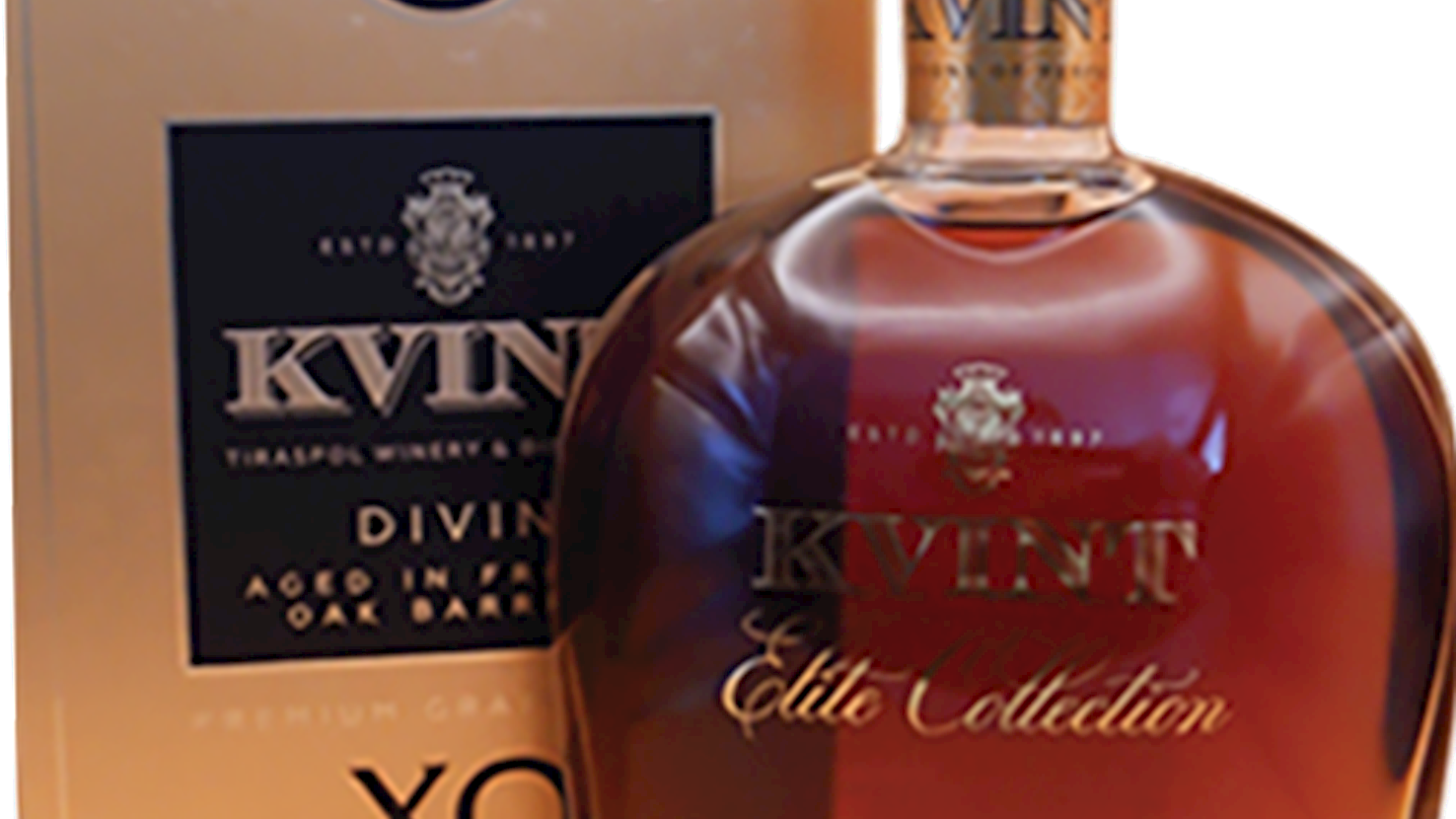
CJSC Tiraspol Winery & Distillery Kvint
4.8 ·
Awards
IWSC- International wine & spirit competition - Spirit Gold (2024)
05
Spirit

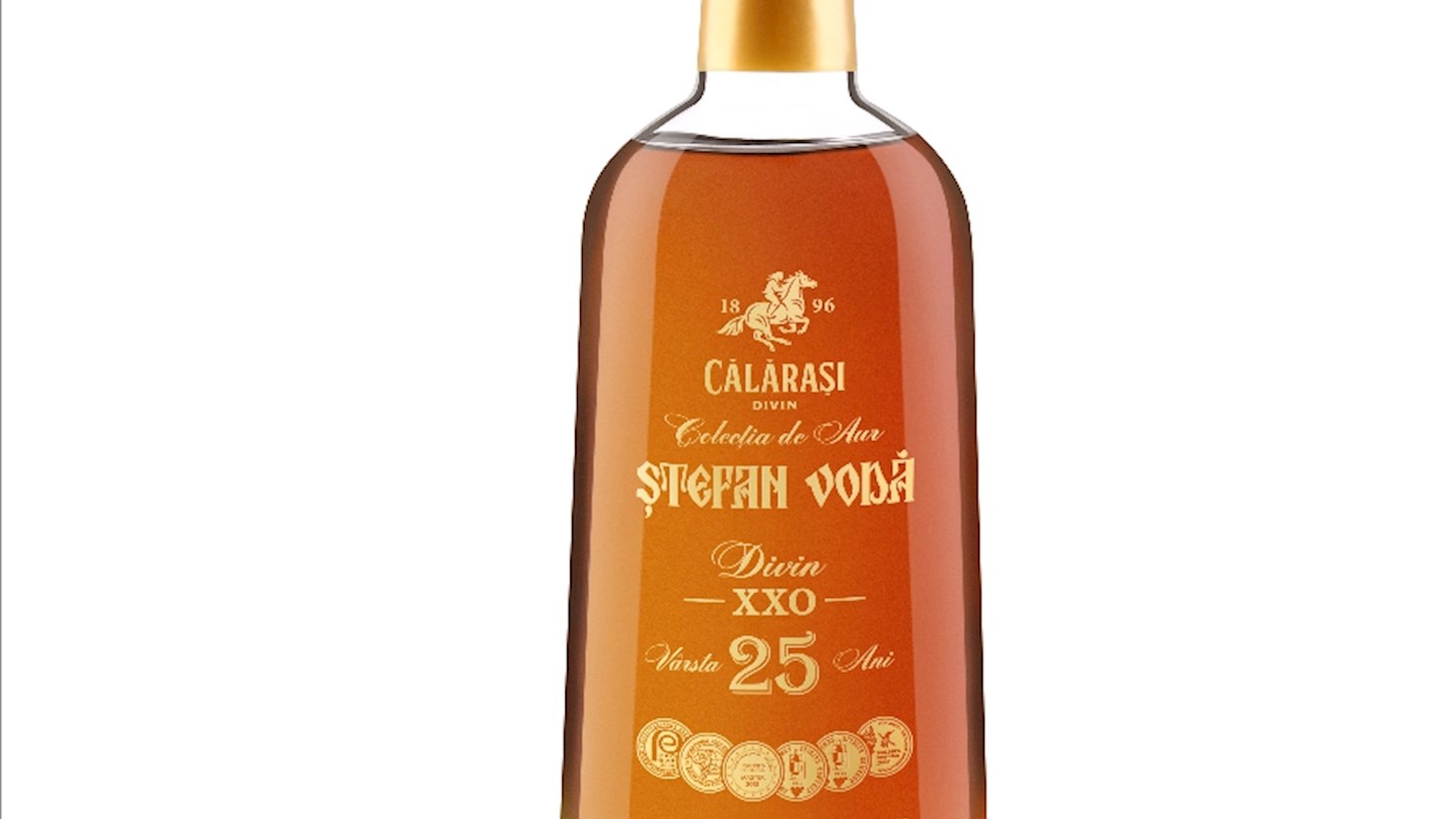
Călărași Divin

4.8 ·
Awards
The Brandy Masters - Gold (2022)
06
Spirit

Barza Alba

4.8 ·
Awards
IWSC- International wine & spirit competition - Spirit Gold (2021)
07
Spirit

Chateau Vartely

4.8 ·
Awards
Decanter World Wine Awards - Platinum (2017)
The Brandy Masters - Gold (2023)
08
Chocolate

Ciao Cacao

4.7 ·
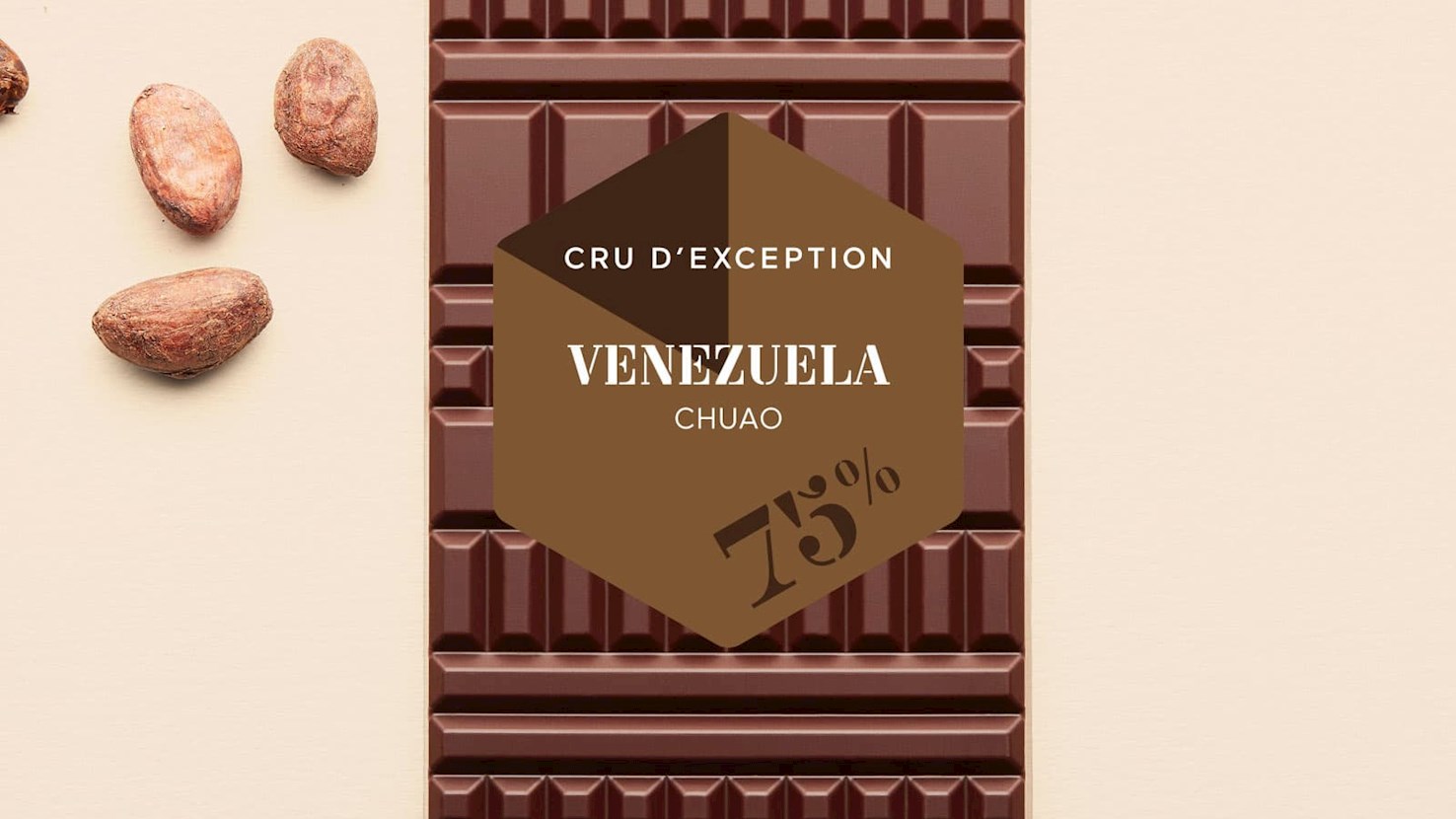
Ciao Cacao is a chocolate producer based in Moldova that specializes in crafting a wide variety of chocolate products. They utilize local ingredients and traditional techniques in their chocolate-making processes. Ciao Cacao offers a diverse range of products, including dark, milk, and white chocolates, each with unique flavorings and fillings. Their chocolates are known for their quality and craftsmanship, appealing to both local and international markets.
Awards
Academy of Chocolate - Silver (2019)
Academy of Chocolate - Bronze (2020, 2019, 2018)
09
Wine

Asconi Winery

4.5 ·
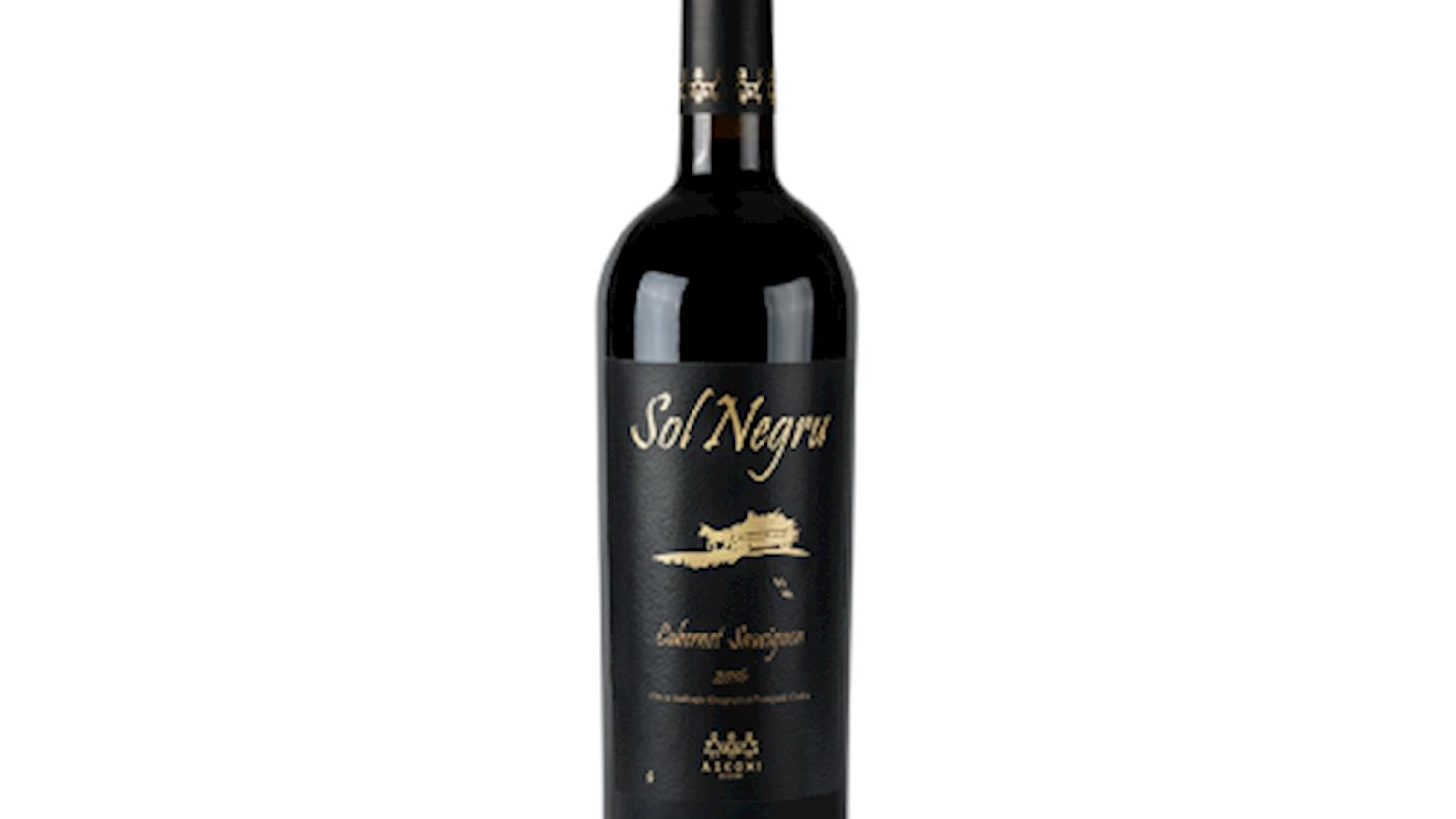
Asconi Winery is a family-owned winery established in 1994 in the village of Puhoi, located in the Ialoveni region of Moldova, near Chișinău. From its beginnings, the winery has focused on combining modern production techniques with local winemaking traditions rooted in the region’s long viticultural history. Its vineyards span several hundred hectares and include both international grape varieties such as Cabernet Sauvignon, Merlot, Chardonnay, and Sauvignon Blanc, as well as indigenous Moldovan grapes like Feteasca and Rara Neagră. Asconi produces a wide portfolio of wines, including still red, white, and rosé wines, along with sparkling and dessert styles, reaching an annual output of several million bottles. The winery is particularly noted for its ice wines, which showcase high sugar concentration balanced by fresh acidity and aromatic intensity. The overall style emphasizes fruit-forward expression, balance, and accessibility, reflecting the terroir of central Moldova. Production relies on modern equipment, including stainless steel tanks and advanced bottling lines, ensuring consistency and quality control. In addition to winemaking, Asconi has developed a strong enotourism concept, offering visitors tastings paired with traditional Moldovan cuisine in a setting designed to reflect rural heritage. This integration of production, hospitality, and cultural identity positions the winery as both a significant producer and a destination that highlights Moldova’s evolving wine scene.
Awards
Decanter World Wine Awards - Best in Show (2020)
Vivino - 3.9
10
Liqueur

Pomul Regal

4.5 ·
Awards
IWSC- International wine & spirit competition - Spirit Gold (2024)

Best Moldovan foods

01
Ground Meat Dish

Sarmale

4.2 ·

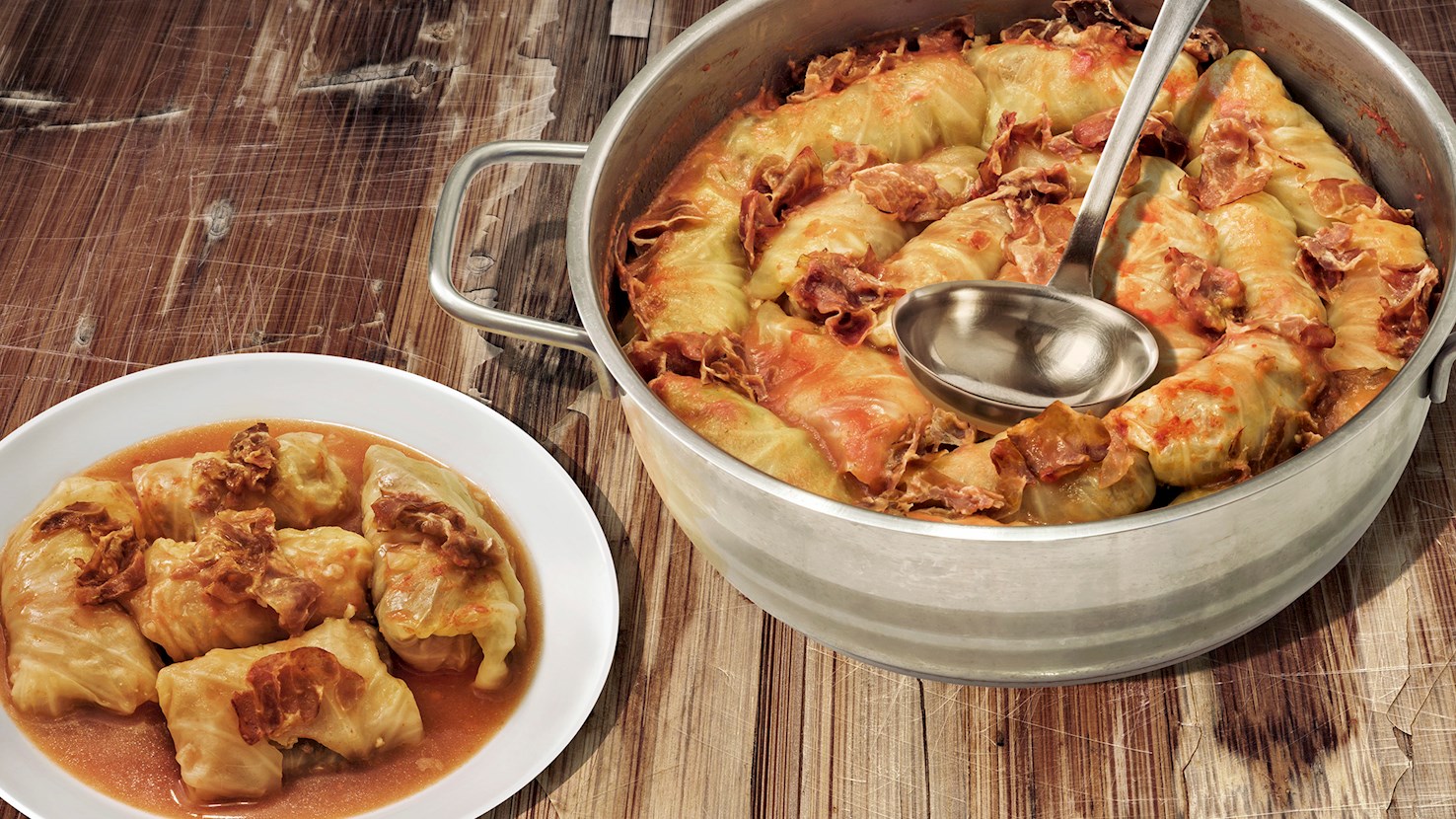
One of the staples of traditional Turkish cuisine, sarma consists of a filling that is snugly surrounded by leaves or leafy vegetables. There are numerous versions of this dish but the mixture typically combines ingredients such as minced meat, rice or bulgur, various herbs, seasonings, red pepper, paprika, ground sumac, or tomato sauce, while the typical wrapping usually includes vine, cabbage, or sauerkraut leaves, or a variety of leafy vegetables such as collard greens and swiss chard. Having its roots in the Ottoman Empire, sarma is also traditionally consumed in the Balkans, the countries of Central Europe, the South Caucasus, and the Middle East. Although it is commonly enjoyed as a filling lunch or dinner (typically during the winter season), sarma is often prepared on special occasions and holidays. The dish is usually accompanied by plain yogurt, mashed potatoes, and crusty bread on the side.

02
Pastry

Plăcintă

4.1 ·

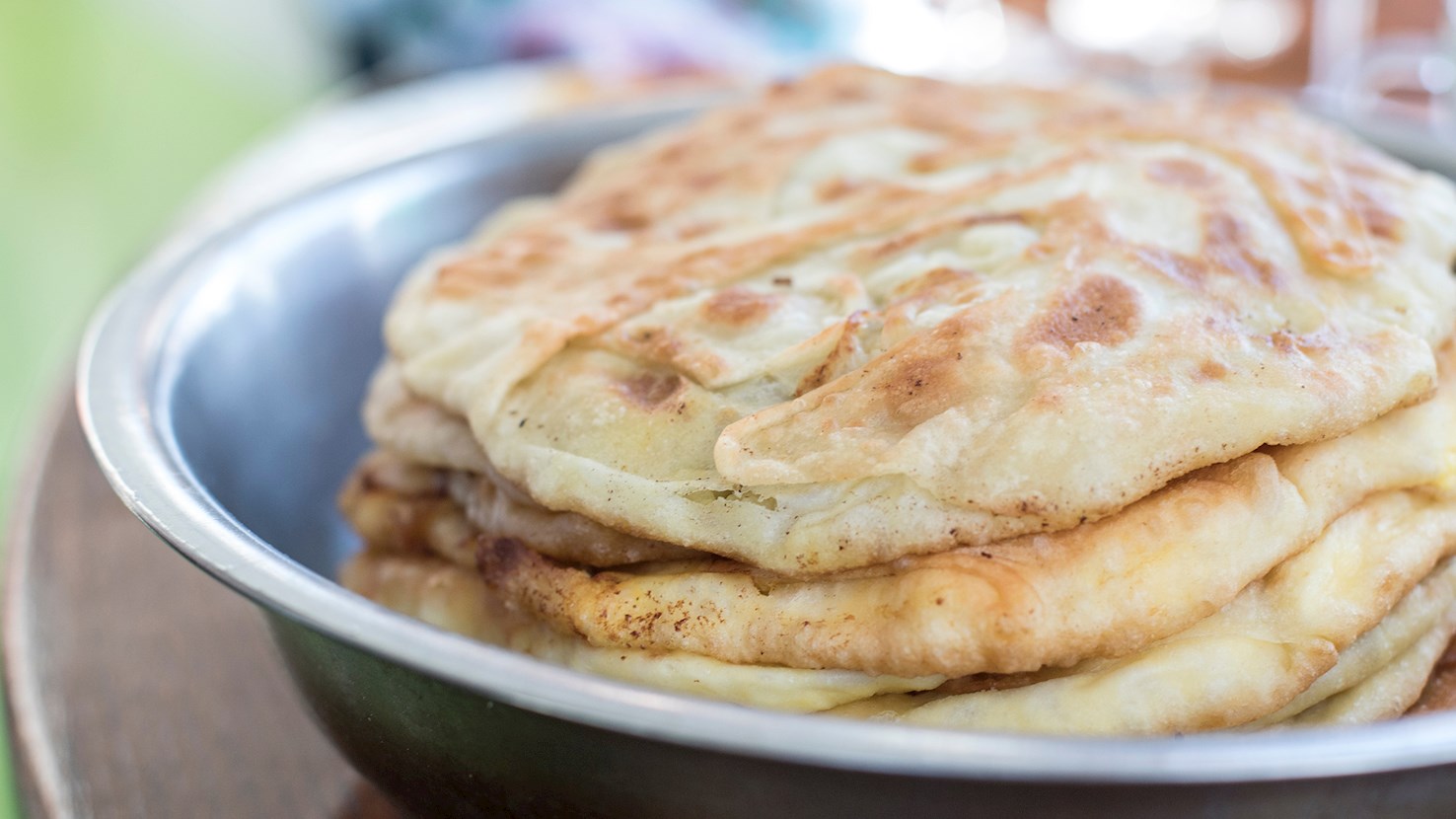
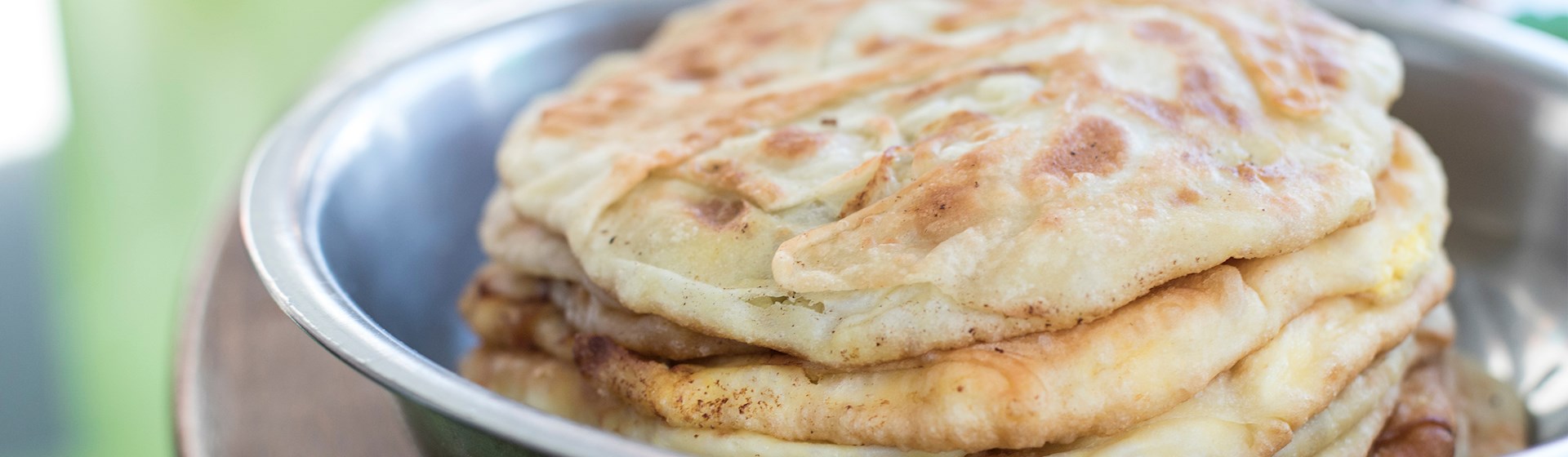
Plăcintă, from the Latin word placenta which means flat cake, is a traditional fried pastry or a thin cake consisting of flour, water, eggs, milk, yeast, and a pinch of salt. This fried or deep-fried pastry is enjoyed warm, and it is usually stuffed with a sweet or savory filling. A great variety of fillings can be used for the stuffing, including branza cheese, sweet cheese, mashed potatoes, shredded cabbage, apples, jams, and sour cherries, to name a few. Plăcintă’s texture and consistency can range from light and fluffy to doughy and crispy, resembling a flatbread. Depending on the filling and the method of preparation, it can be consumed as an appetizer, a dessert, or a light main dish. It is generally regarded as a vegetarian dish, but it can also be filled with meat such as shredded chicken.

Best restaurants
03
Chicken Soup

Zeama

3.8 ·

Zeama is a traditional soup that is also known as the ultimate hangover cure. It typically consists of homemade chicken broth that’s prepared with a smaller whole chicken, water, thin homemade egg noodles (tăiței de casă), and a variety of finely chopped vegetables and herbs. The soup usually contains carrots, onions, sweet peppers, leeks, tomatoes, and potatoes, and it is typically flavored with pepper, salt, and a handful of aromatic herbs such as parsley, dill, thyme, lovage, or celery leaves. Traditionally, the broth is made sour with the addition of borș acru (fermented wheat bran juice), lemon juice, or zeamă de varză acră (sauerkraut juice). Zeama is enjoyed throughout the whole year, typically for lunch. It is often served with traditional Moldovan cornbread on the side, while other typical accompaniments include sour cream, hot peppers, and lemons.

04
Porridge

Mămăligă

3.5 ·

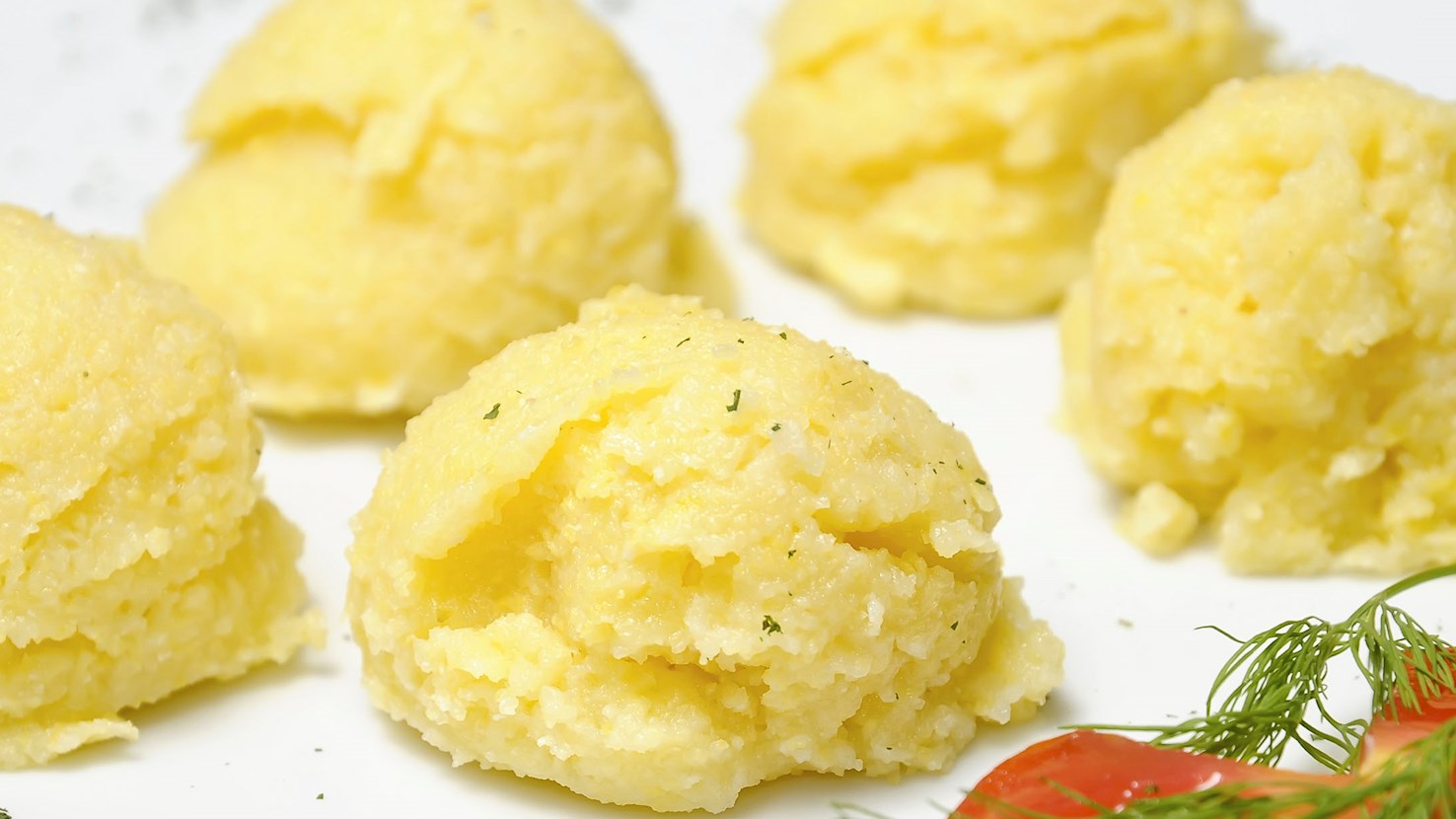
Mămăligă is a traditional porridge and the country's national dish that is often confused with polenta. It is an extremely simple dish of boiled cornmeal that was cooked mostly by peasants in the past, often acting as a substitute for bread. They would prepare it in a round-bottomed kettle known as ceaun, and after it cooled down and hardened, the porridge would get sliced with a piece of string. Mămăligă is often topped with butter, sour cream, or cascaval cheese. Another way of serving the dish includes crushing the porridge in a bowl of hot milk. In the last few decades, this simple and rural meal evolved into something bigger, so today it can also be found in modern, upscale restaurants. The dish is also very popular in Moldova.

05
Sweet Pastry

Sfințișori

3.4 ·

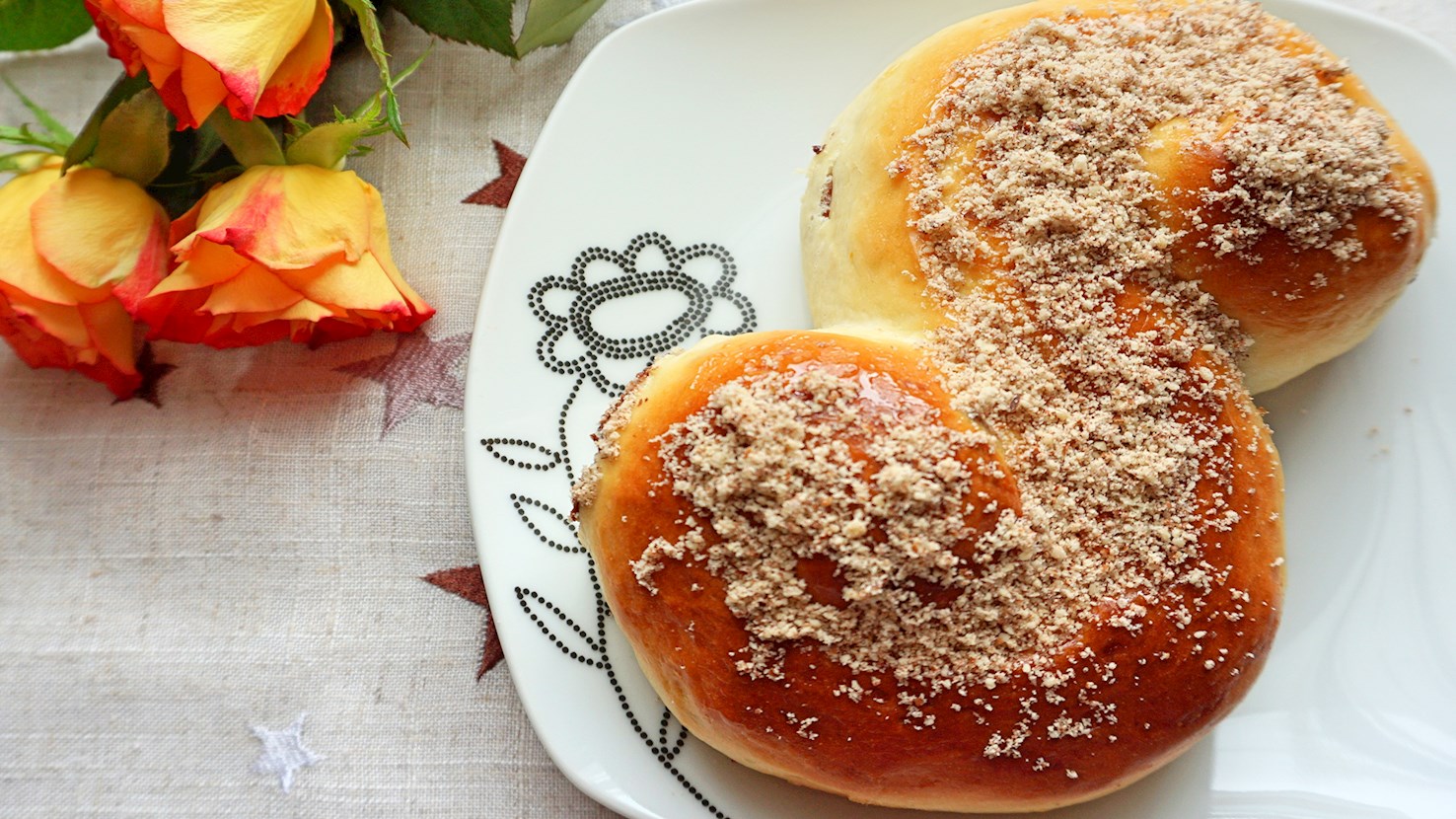
Sfințișori or Moldavian martyrs is a traditional dessert pastry coated in nuts and honey. The pastry is soft and fluffy on the interior, while the exterior is crispy, crunchy, and sticky. It is made in the form of figure eight, representing the human body and referring to the 8th of March, the day before an Orthodox holiday celebrating the Forty Martyrs, when the dessert is traditionally prepared. There is also a Dobrogea regional version of sfințișori where the pastries are smaller and topped with walnuts and cinnamon.

06
Ground Meat Dish

Pârjoale

3.4 ·

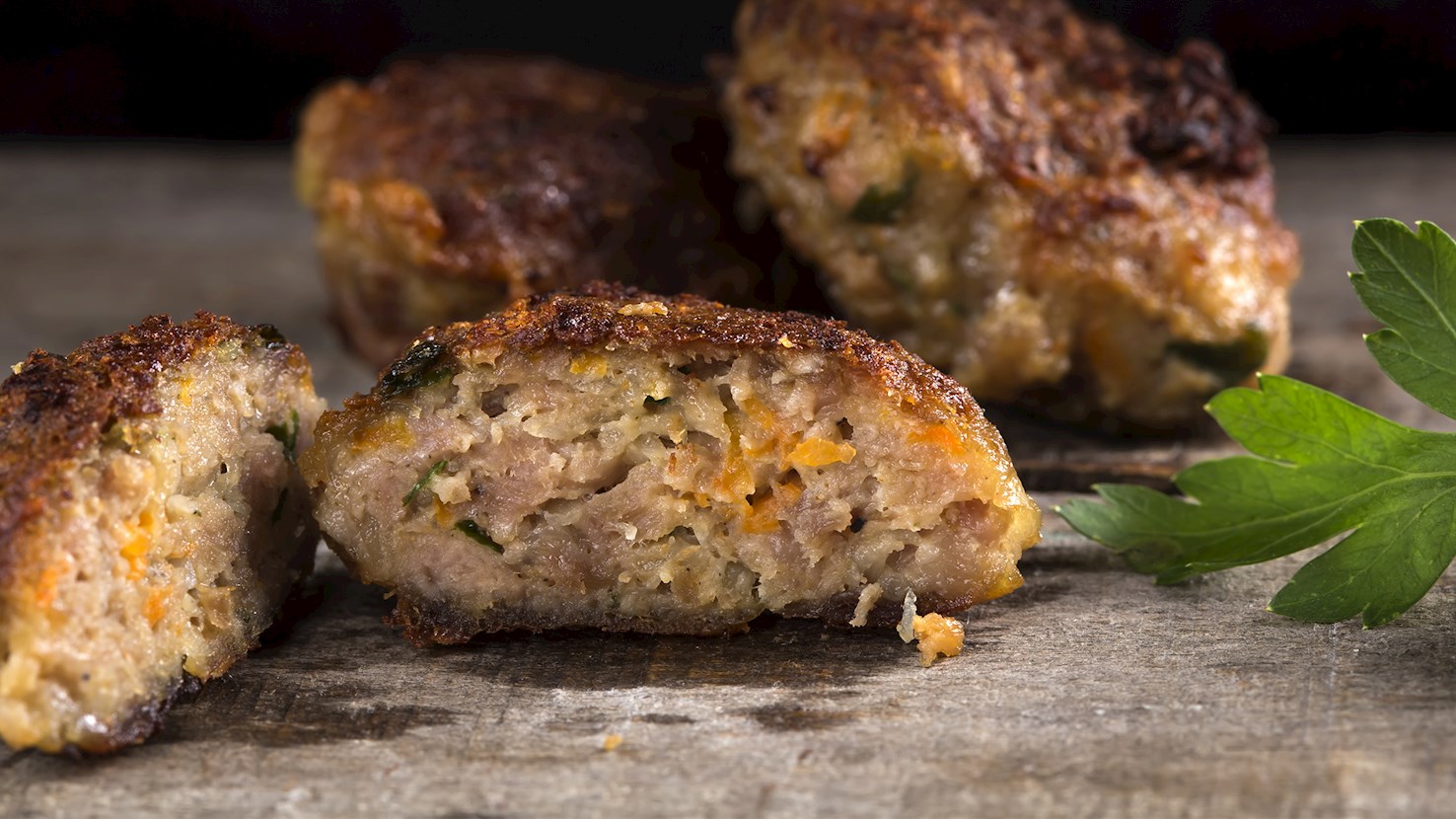
Pârjoale are popular Moldovan and Romanian meat patties and meatballs made from lamb, pork, beef, or a combination of the three. The meat is usually combined with garlic, eggs, and fresh herbs such as dill, thyme, and parsley. These patties or balls are rolled in breadcrumbs and deep-fried in hot oil, keeping the meat tender and juicy. Pârjoale are typically served on rye bread with some whole-grain mustard.

Read more
View all
View map
About this ranking

TasteAtlas food rankings are based on the ratings of the TasteAtlas audience, with a series of mechanisms that recognize real users and that ignore bot, nationalist or local patriotic ratings, and give additional value to the ratings of users that the system recognizes as knowledgeable. For the “Top 19 Moldovan Foods” list until June 17, 2026, 1,524 ratings were recorded, of which 802 were recognized by the system as legitimate. TasteAtlas Rankings should not be seen as the final global conclusion about food. Their purpose is to promote excellent local foods, instill pride in traditional dishes, and arouse curiosity about dishes you haven’t tried.

The initial list of top producers was compiled based on available reviews, awards, local recommendations, media and blog coverage, and consumer reviews. The list will be updated with ratings from TasteAtlas local ambassadors and TasteAtlas users.

Similar lists