shutterstock

Top 22 Northern Chinese Foods

Last updated on June 10, 2026

Best Northern Chinese food products

01
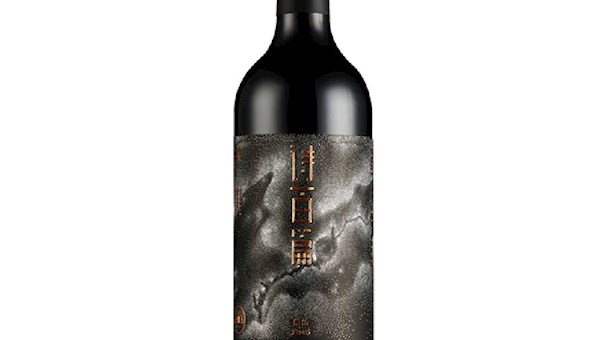
Spirit

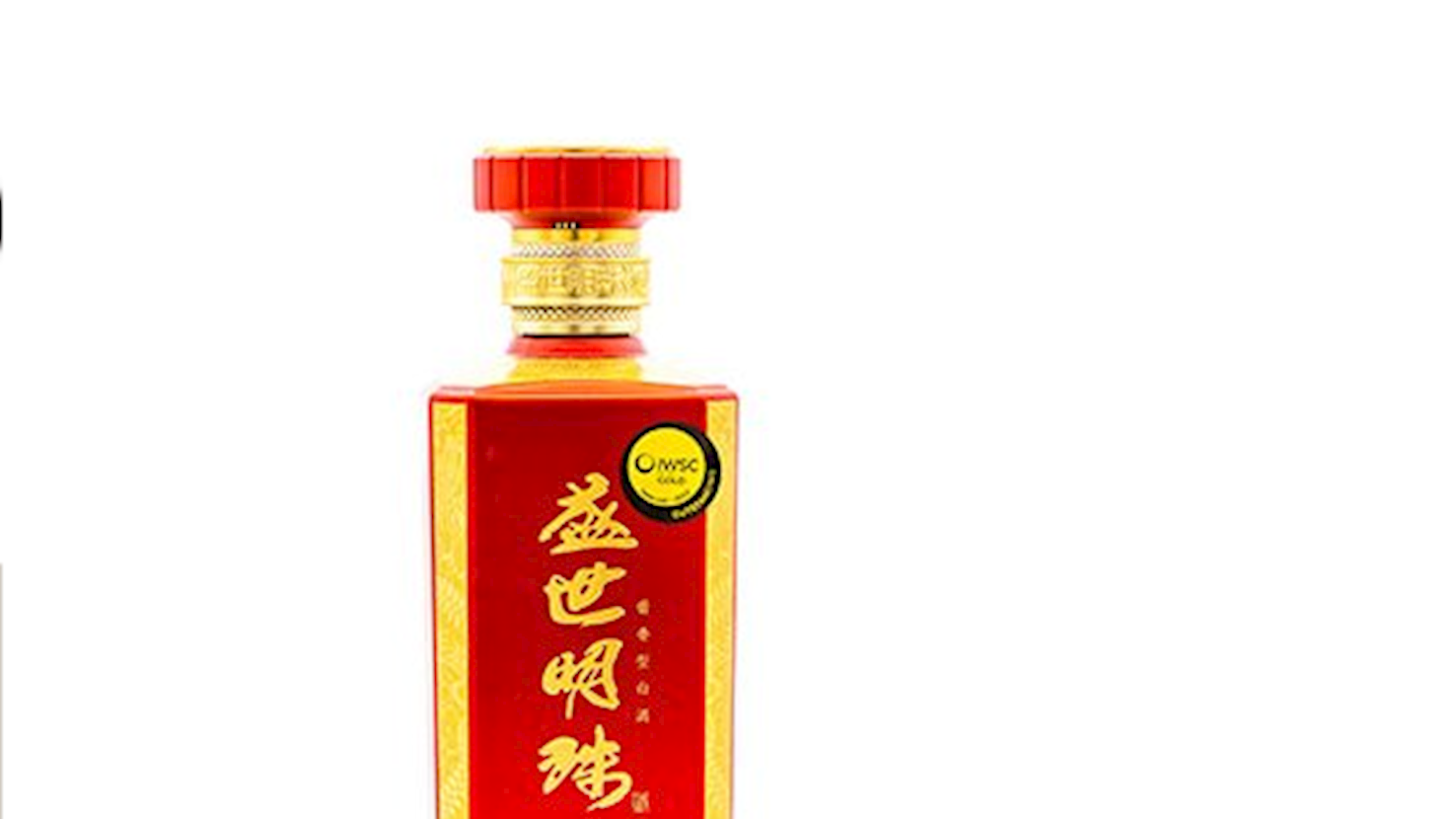
Guizhou Shengshi Mingzhu Wine Co.

5 ·
Awards
IWSC- International wine & spirit competition - Spirit Gold (2023)
IWSC- International wine & spirit competition - Spirit Gold Outstanding (2023)
02
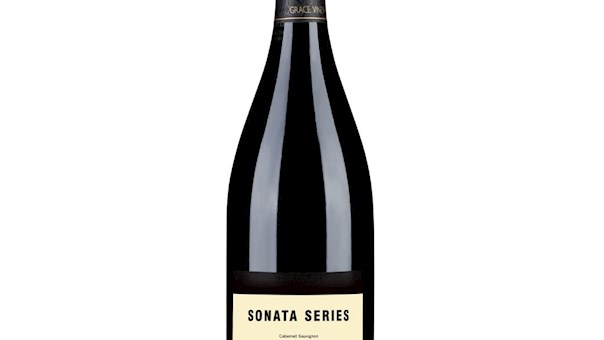
Spirit

Beijing Longxinghao Fangzhuang Winery Co.
4.8 ·
Awards
IWSC- International wine & spirit competition - Spirit Gold (2022)
03
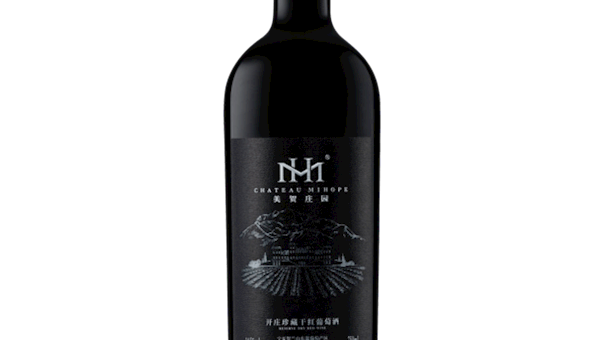
Spirit

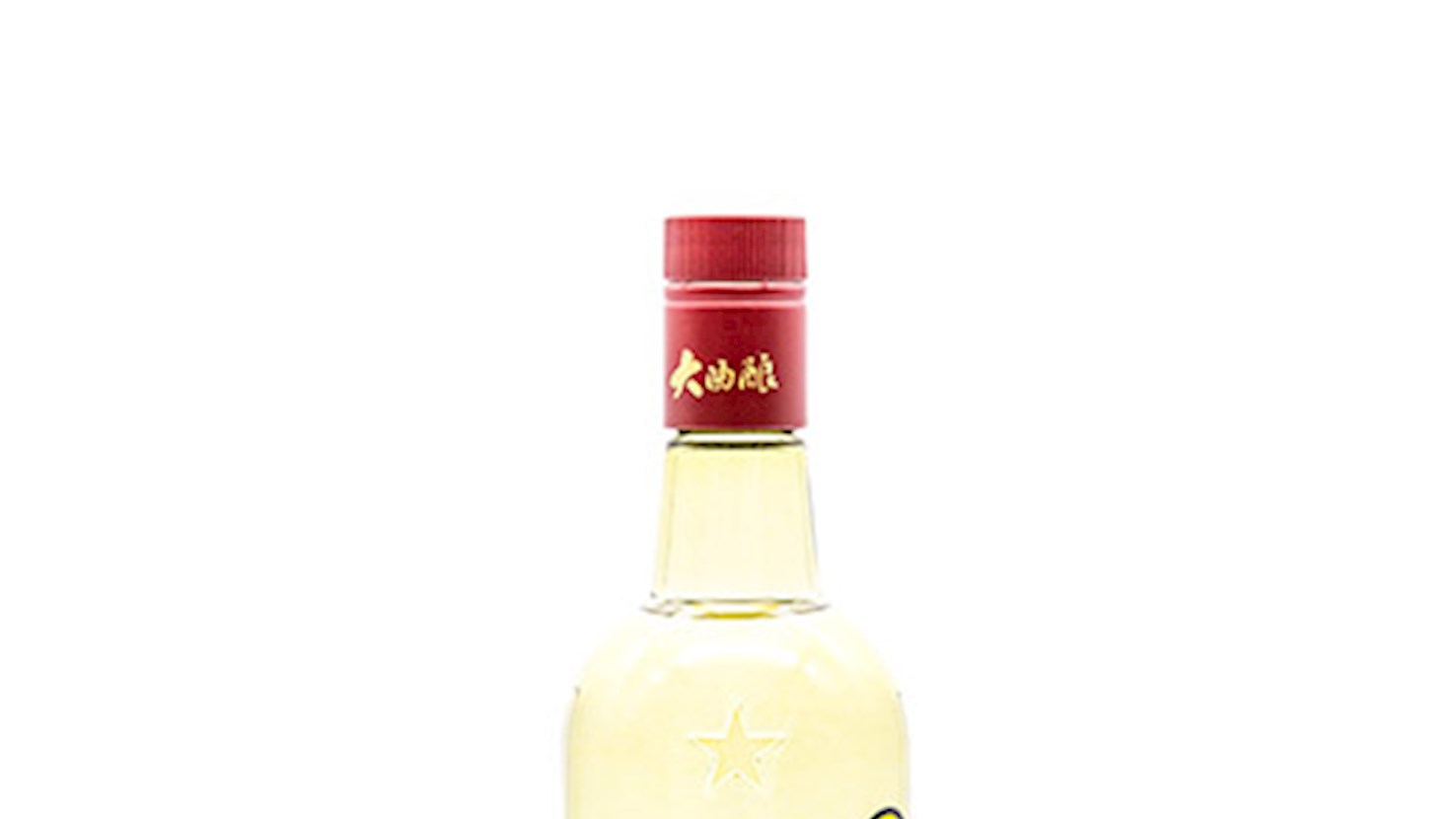
Beijing Red Star Co.

4.8 ·
Awards
IWSC- International wine & spirit competition - Spirit Gold (2023)
04
Spirit

Sino-French Joint-Venture Dynasty Winery
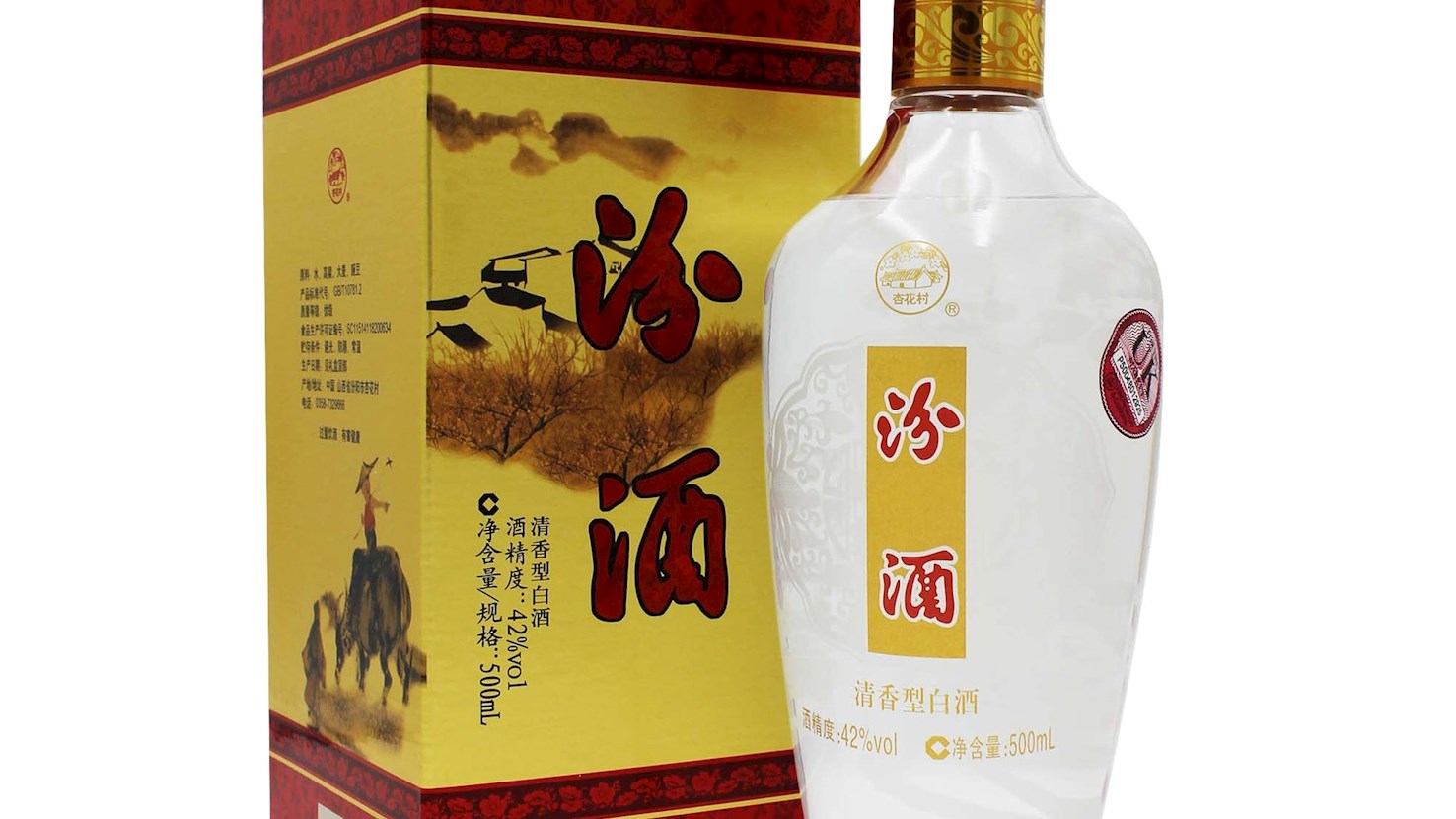
4.8 ·
Awards
IWSC- International wine & spirit competition - Spirit Gold (2024)
05
Spirit

Tangshan Gengjiu Liquor Co.

4.8 ·
Awards
IWSC- International wine & spirit competition - Spirit Gold (2023)
06
Rice

Shiyue Daotian

4.7 ·
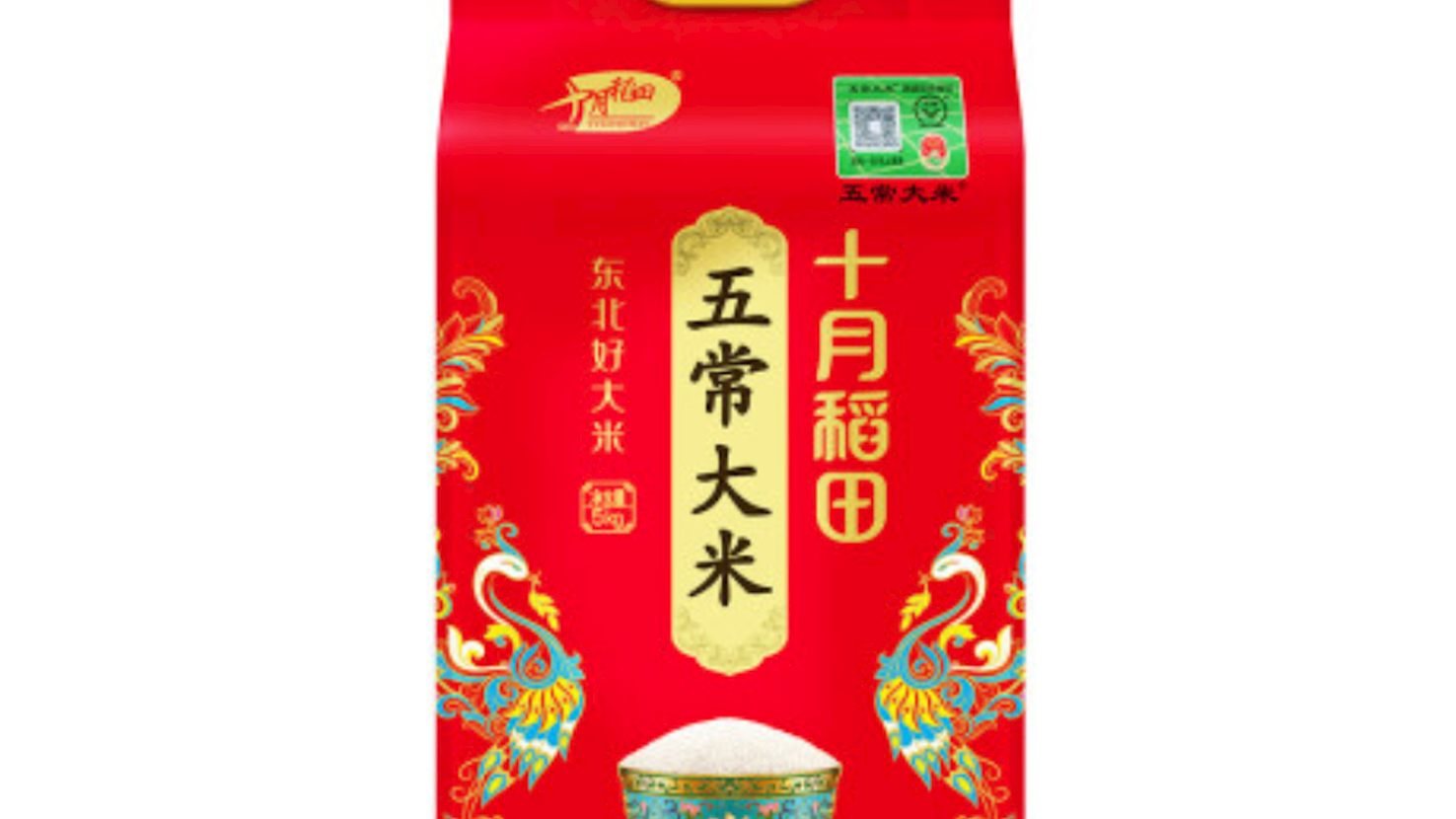
Shiyue Daotian is a leading Chinese food brand specializing in the production and distribution of high-quality staple food products, including rice, corn, whole grains, legumes, and dried goods. Founded in 2018, the brand quickly gained the trust of consumers across China thanks to its commitment to quality and innovation in the food industry. Shiyue Daotian stands out in the Chinese market particularly as a producer of premium-quality rice, which is also its most recognized and best-selling product. The brand focuses on top-tier rice varieties such as Daohuaxiang from the Wuchang region - renowned for its rich flavor and aromatic grains - as well as other high-grade varieties sourced from the most fertile rice-growing areas in Northeast China, including Heilongjiang and Liaoning provinces. Shiyue Daotian rice is known for its meticulous grain selection process, strictly controlled production, and modern packaging techniques that preserve freshness and nutritional value.
07
Spirit

Chengde Qianlongzui Industry

4.7 ·
Awards
IWSC- International wine & spirit competition - Spirit Gold (2021)
IWSC- International wine & spirit competition - Spirit Gold Outstanding (2021)
08
Spirit

Zhongxiangshi Wenfengjiuy Youxiangongsi
4.7 ·
Awards
IWSC- International wine & spirit competition - Spirit Gold (2024, 2022)
IWSC- International wine & spirit competition - Spirit Gold Outstanding (2024)
09
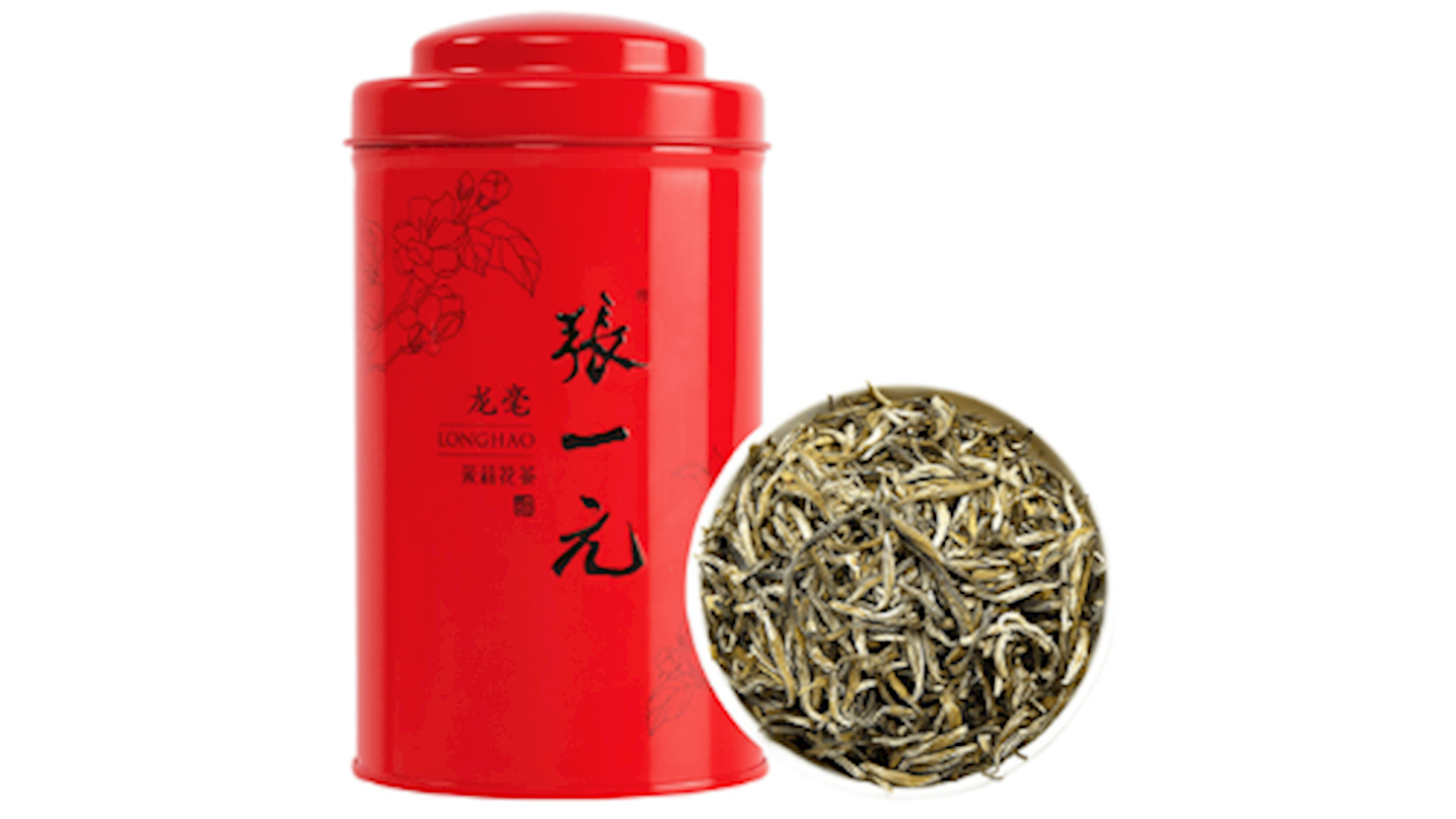
Tea / Infusion

Zhang Yiyuan Tea

4.7 ·
Zhang Yiyuan Tea is one of the most prestigious and time-honored tea brands in Beijing, China, with a rich history that dates back over a century. Founded in 1900, the brand has been providing high-quality traditional Chinese tea, and it is especially renowned for its green tea varieties, particularly Longjing tea, which is among the finest and most famous teas in China. Over the years, Zhang Yiyuan has become an essential part of Beijing’s cultural and culinary heritage. The brand is well-known for offering a variety of premium teas, including green, black, and jasmine teas, as well as providing tea accessories and offering traditional tea ceremonies to both locals and visitors alike. Today, Zhang Yiyuan Tea remains a respected name in the Chinese tea industry, blending traditional tea culture with modern appreciation and international recognition. The shop is also a popular destination for tea enthusiasts and tourists looking to experience the art of tea-tasting and learn about the rich history of Chinese tea culture.
10
Spirit

YingTianXia

4.7 ·
Awards
SFWSC - San Francisco World Spirits Competition - Double Gold (2023)

Best Northern Chinese foods

01
Duck Dish

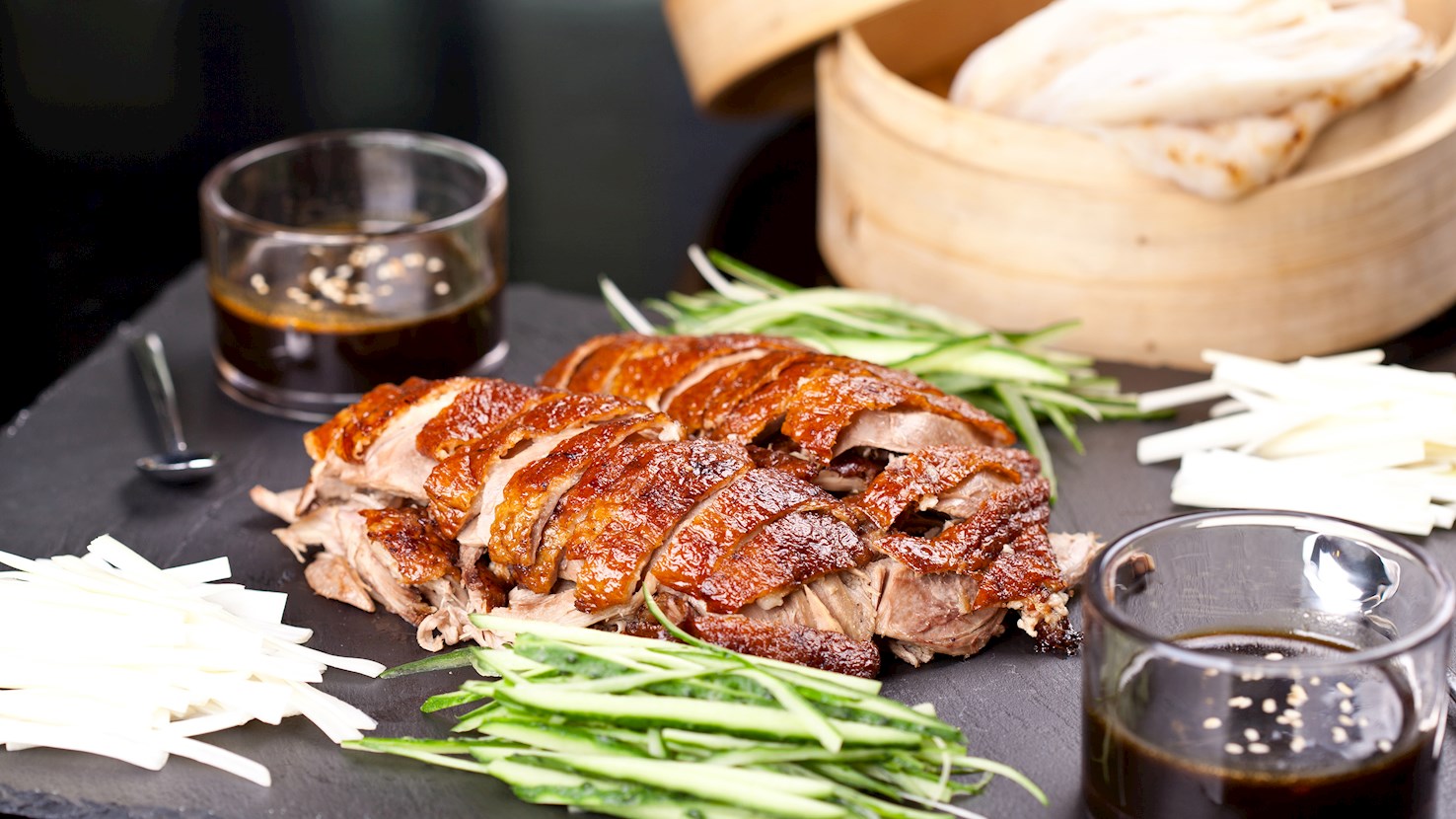
Beijing kao ya (Peking duck)

4.3 ·

The history of Peking duck goes back to China's Yuan Dynasty of the 13th century. Bianyifang, Beijing's oldest restaurant specializing in Peking duck has been in business since the Jiajing reign of the 16th century, serving as a testament to the popularity of this succulent, tantalizing dish. The duck is cooked until the skin turns golden and crispy and the meat becomes tender, slightly sweet, and moist. Both the meat and the skin are then folded in thin pancakes or steamed white buns. To make an authentic Beijing kao ya, the duck must be a white feathered American Pekin, hung for 24 hours, and pumped with air through a small puncture between the breasts and wings. It is usually brushed with a mixture of ginger, oil, hoisin sauce, honey, and rice vinegar, then vertically hung and slowly roasted to perfection. When the dish is served, the skin will often come first as an appetizer, followed by the meat which is accompanied by cucumbers, scallions, hoisin sauce, buns, and pancakes. With its 400-year history, exquisite flavors, and elaborate preparation, it comes as no surprise that Peking duck is one of the most famous Chinese dishes.

02
Pancake

Jianbing

4.3 ·

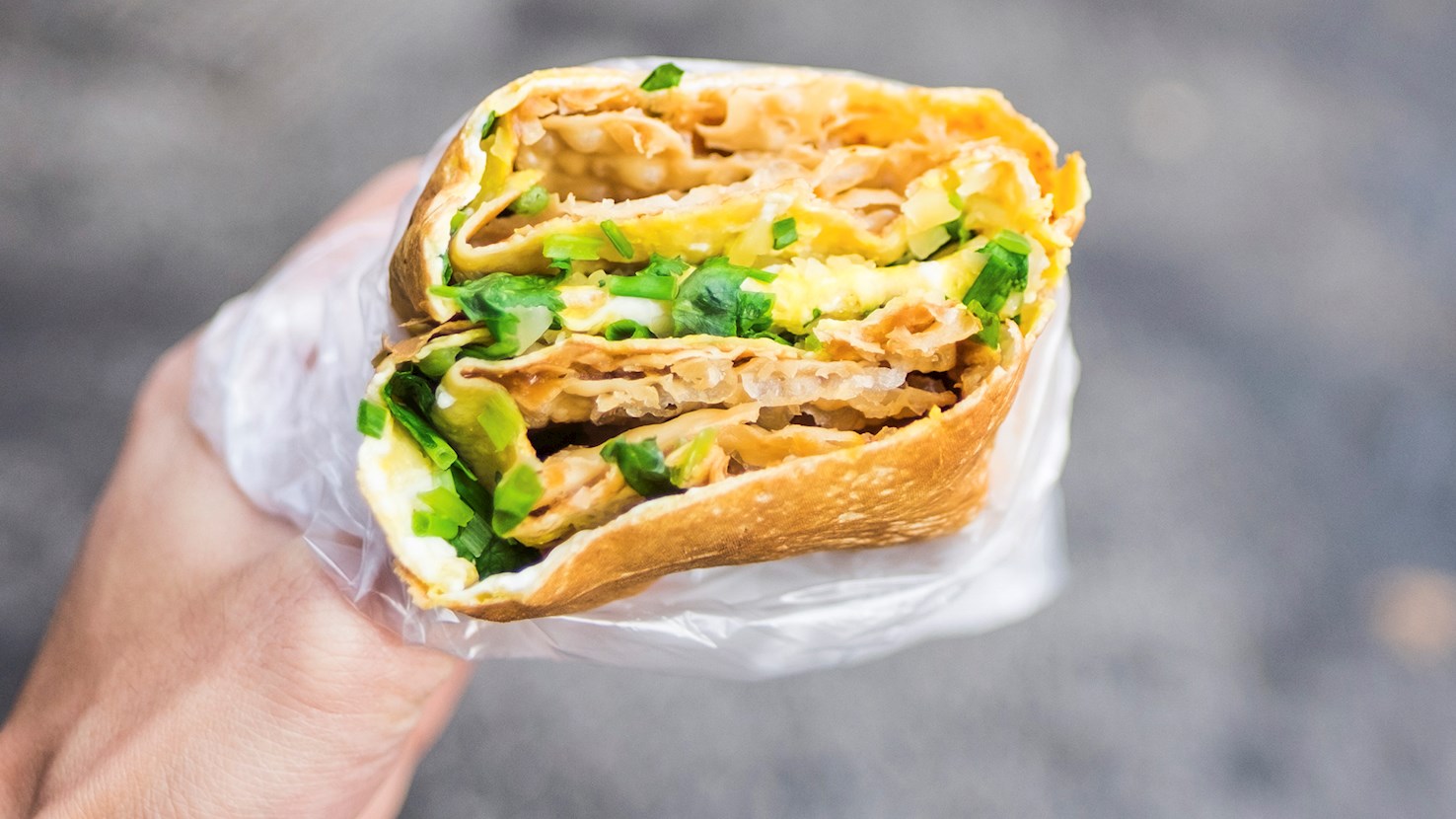
A favorite breakfast item in China sold by numerous street food vendors early in the morning, jianbing or fried pancake is a thin and savory crêpe-like pancake that is made by spreading batter over a hot, cast-iron slab with a wooden paddle. The batter can be made with a variety of different flour, with the most common types being mung bean flour, black bean flour, and wheat flour. Always freshly prepared and warm, this fried pancake is usually topped with eggs, then flavored with various sauces such as chili sauce, hoisin sauce, or tianmianjiang (savory bean paste) sauce, and filled with ingredients such as spring onions, mustard pickles, radishes, scallions, cilantro, or even a protein such as Chinese sausage or chicken. A type of crispy-fried dough sticks called guozi or strips of crispy wonton are traditionally added to the pancake filling for extra crunchiness. The variations on this dish are endless as are the ingredients that can be added inside the crêpe wrapper. Typical of Tianjin, versions of this Chinese dish can also be found in some of the largest cities in the world including New York, Sydney, and London.

03
Pork Dish

Jing jiang rou si (Peking shredded pork)

4.1 ·

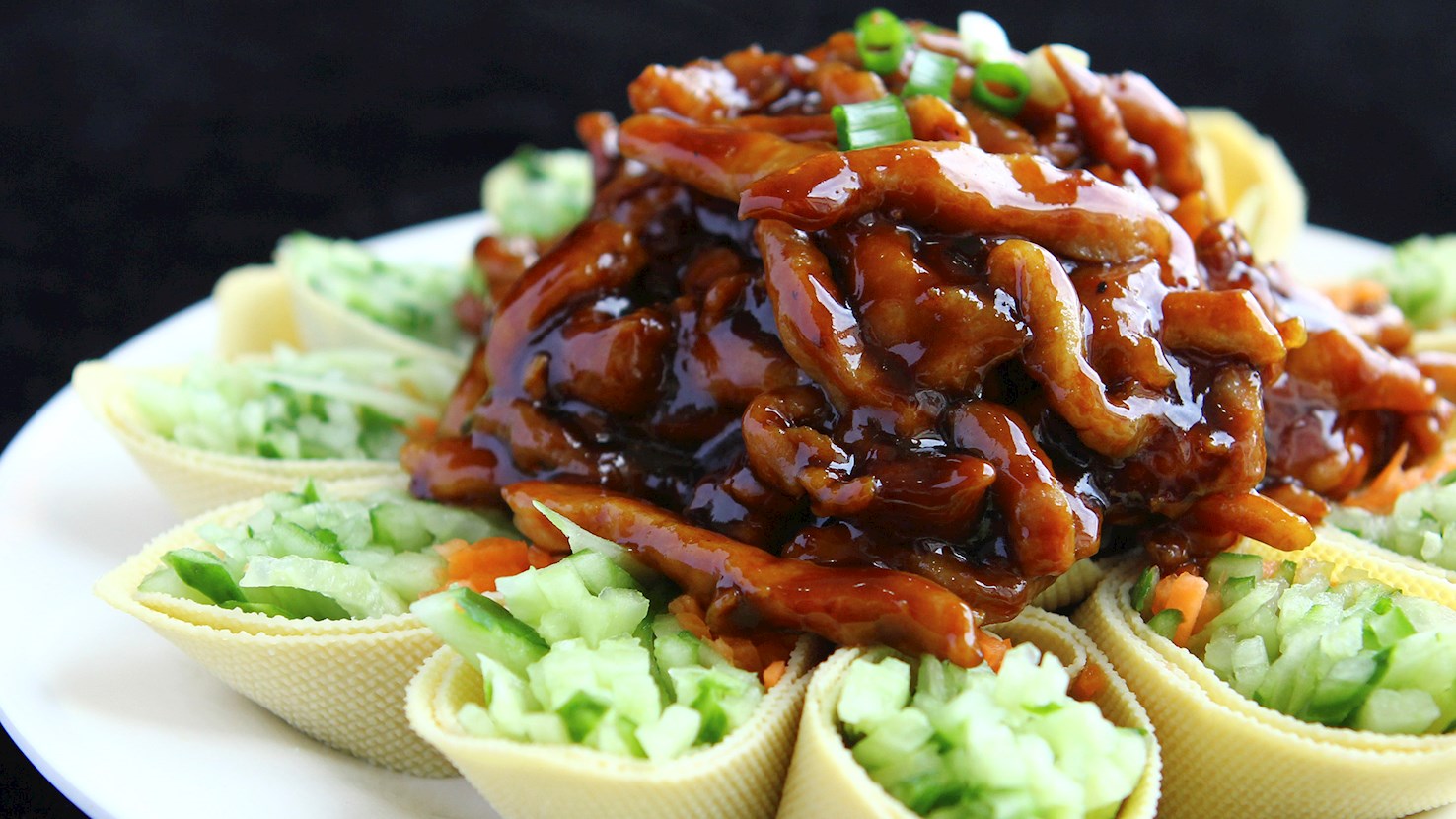
Originating from Beijing, jing jiang rou si is a trademark of the capital's extraordinary cuisine, consisting of sliced pork meat cooked in a sauce based on sweet beans. The dish is then traditionally rolled in soya bean wraps, although it can be wrapped in any type of pancake. The dish is reddish in color due to the distinctive Beijing sauce in which it's cooked in, and is usually garnished with chopped green onions or shredded leeks. There are also some regional varieties of the dish with either sha cha sauce or hoisin sauce replacing the sweet bean sauce in the process.

04
Dumplings

Goubuli

4 ·

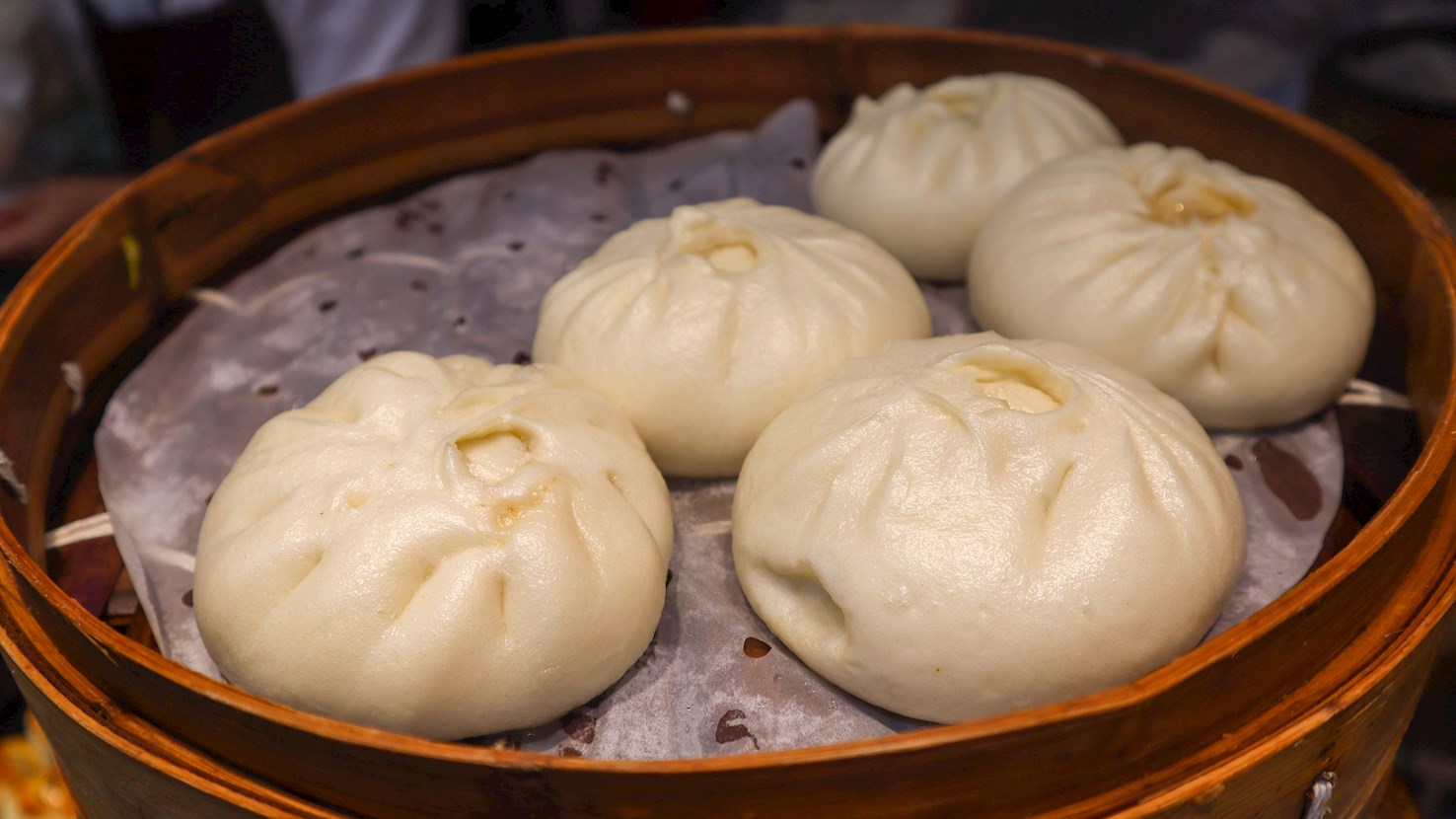
Goubùli bāozi is a traditional steamed bun originating from Tianjin. The dough is usually made with a combination of yeast, sugar, flour, salt, oil, and baking powder. The dough is cut and formed into balls that are filled with a mixture of ground pork, pork fat, soy sauce, sesame oil, scallions, ginger, salt, and cold water. The pork has water slowly added to it so that it plumps up the meat and creates a savory broth as the buns steam. Once steamed and fully cooked, goubùli bāozi are served hot. Traditionally, these buns have eighteen folds on top – and although it's impressive, this step is not absolutely necessary.

05
Street Food

Xianbing (Chinese meat pie)

3.6 ·

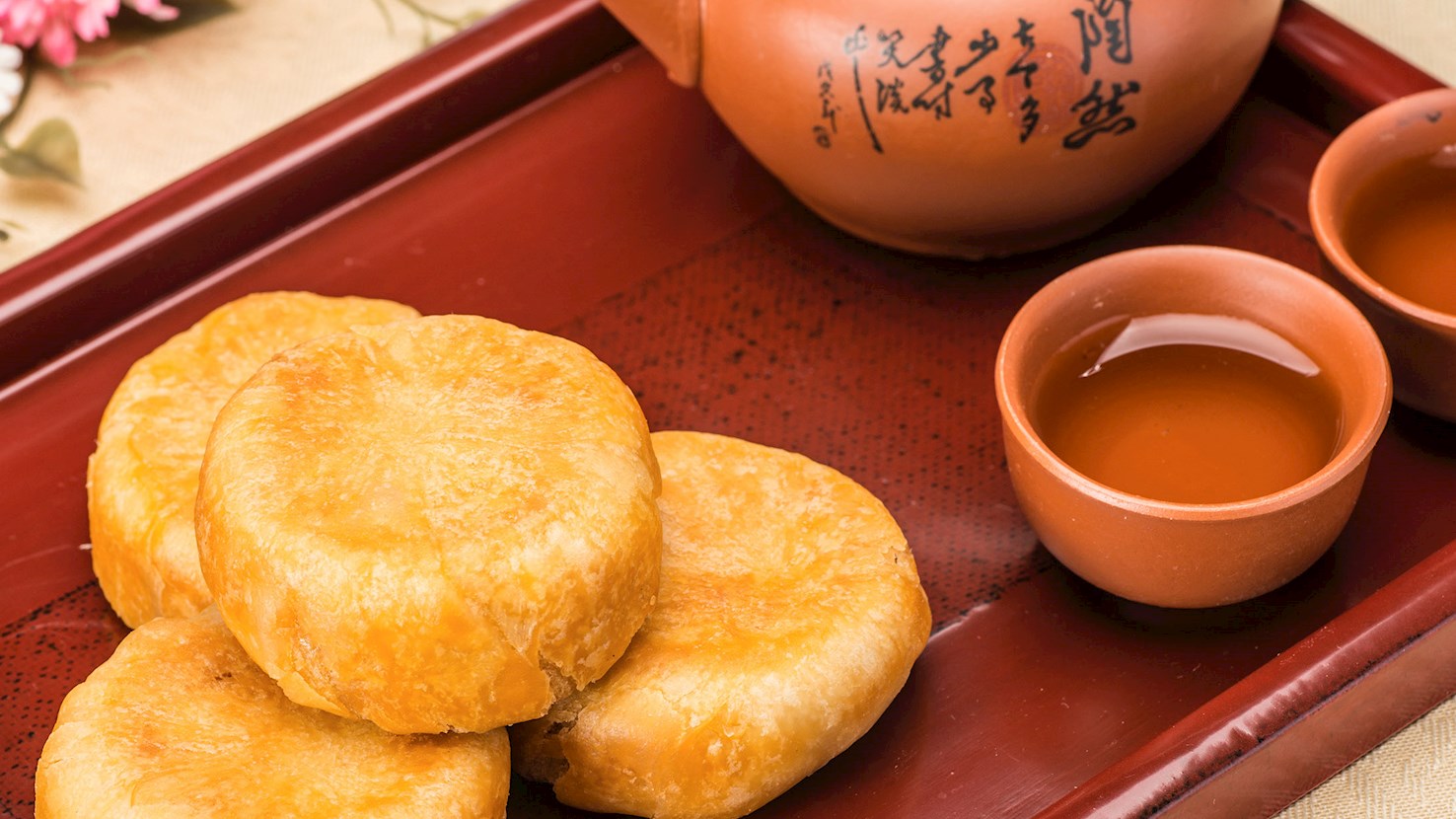
Even though it is often referred to as the Chinese meat pie, xianbing is, in fact, more similar to an over-sized, seared jiaozi-style dumpling. Both are made with the same, basic flour-and-water dough, except the one for xianbing is layered before being rolled out, and unlike jiaozi dumplings which are steamed, xianbings are pan-fried. Being one of the hallmarks of the Northern Chinese Islamic halāl cuisine, the crispy-crusted xianbing is traditionally filled with soy sauce flavored minced beef, ginger, and onions, while in other regions it can also be filled with pork, lamb, or even with an all-vegetable filling in its vegetarian version. Xianbings are considered a real comfort food and although they are easily found in restaurants, often served with the hearty hot and sour soup, in Northern China xianbings are most popular as a street food that is typically enjoyed warm with a dipping sauce consisting of soy sauce, sesame oil, garlic, and rice vinegar.

06
Breakfast

Youtiao (Chinese crullers)

3.5 ·

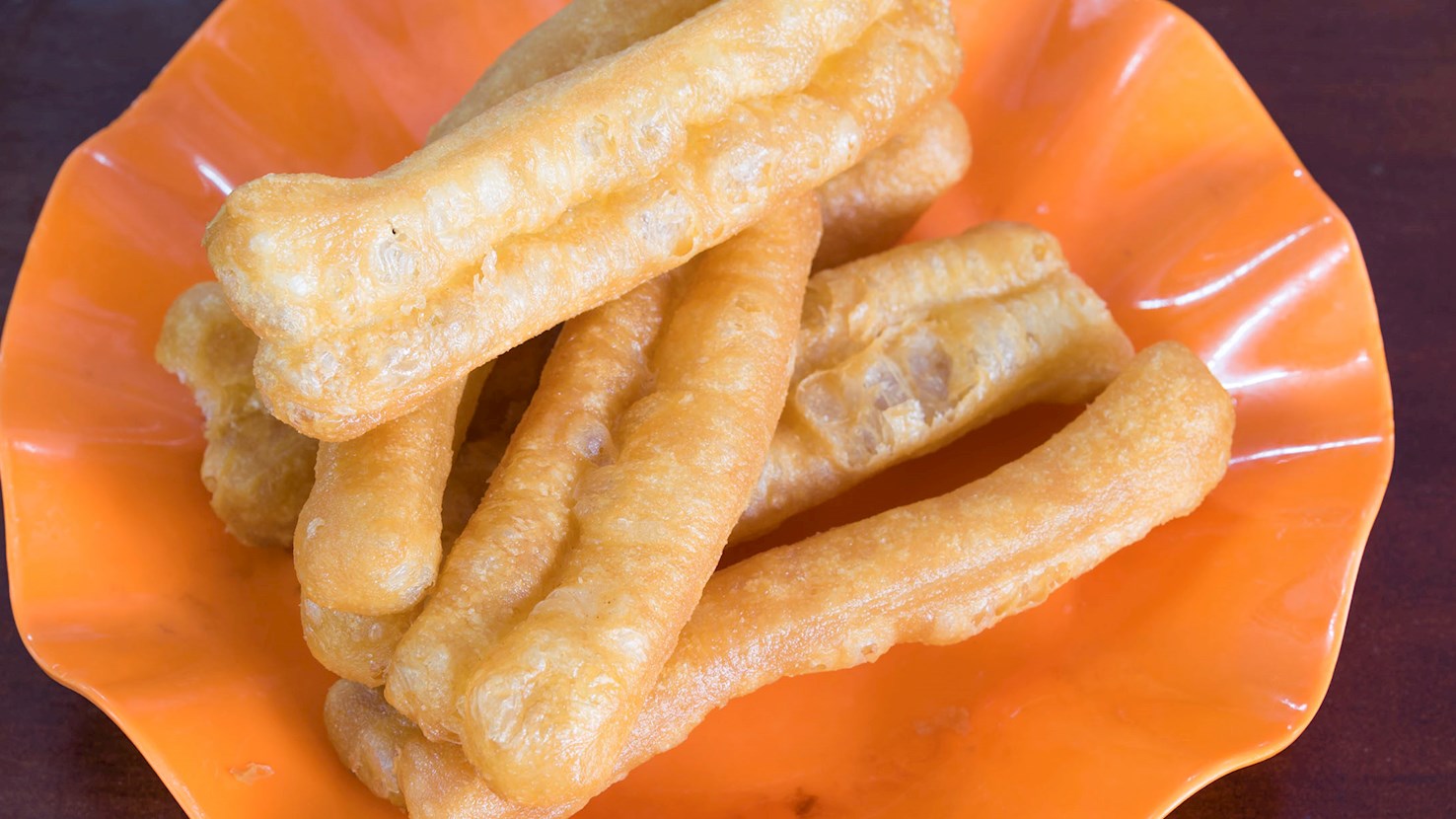
Youtiao is one of the most popular breakfast foods in China, consisting of Chinese breadsticks that are fried in pairs and connected in the middle. The result is a puffy snack that is crispy on the exterior and tender on the interior. Youtiao dates back to the Song Dynasty when the leader Qin Gui, under the influence of his wife, executed a general named Yue Fei, who was loved by the people. As a sign of protest, a cook made a pair of breadsticks that were shaped to resemble human beings (the leader and his wife), and symbolically deep-fried them in hot oil. That is how youtiao got its nickname - you zha gui, literally translated to deep fried ghosts. Today, the snack is usually accompanied by hot soy milk, rice porridge, or a soup filled with pork, beef, or shrimp.

07
Chicken Dish

Cha xun ji (Tea-smoked chicken)

n/a ·

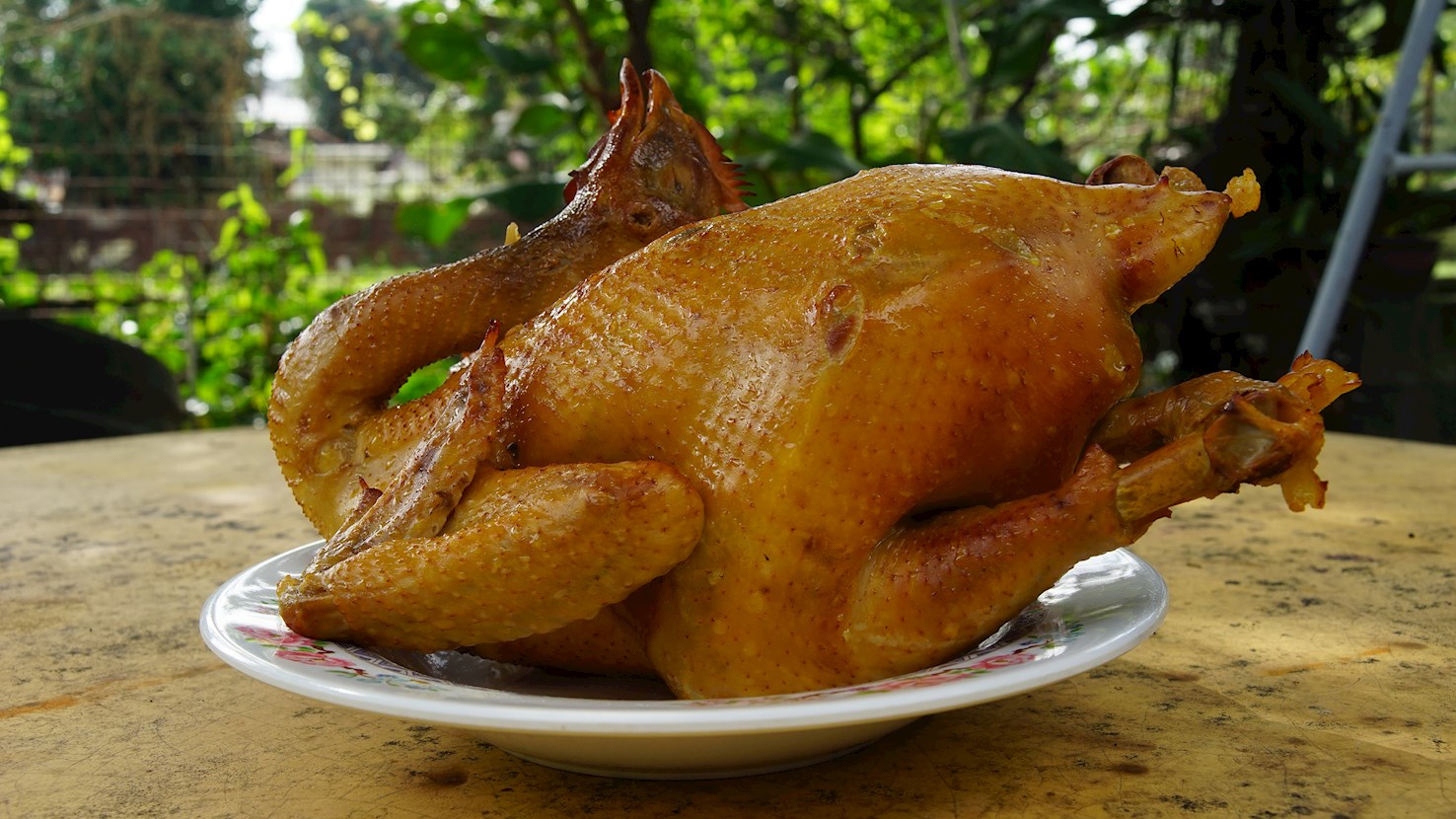
Tea-smoked chicken is a traditional dish that's especially popular in the northern parts of the country. It's usually made with a combination of a whole chicken, ginger, sesame oil, salt, and Shaoxing wine or sherry. The smoking materials include tea leaves (oolong is recommended), sugar, and barley. The chicken is rubbed with salt, chilled, rinsed, dried, flattened, scored, and smoked with a mixture of tea leaves, flour, sugar, and barley in a steamer. The bird is then rubbed with a mixture of wine, sesame oil, and ginger before it's steamed for about an hour or until fragrant. The meat is carved and the dish is often served with noodles on the side. If desired, garnish the chicken with chopped coriander before serving.

08
Sandwich

Lurou huoshao (Donkey burger)

3.1 ·

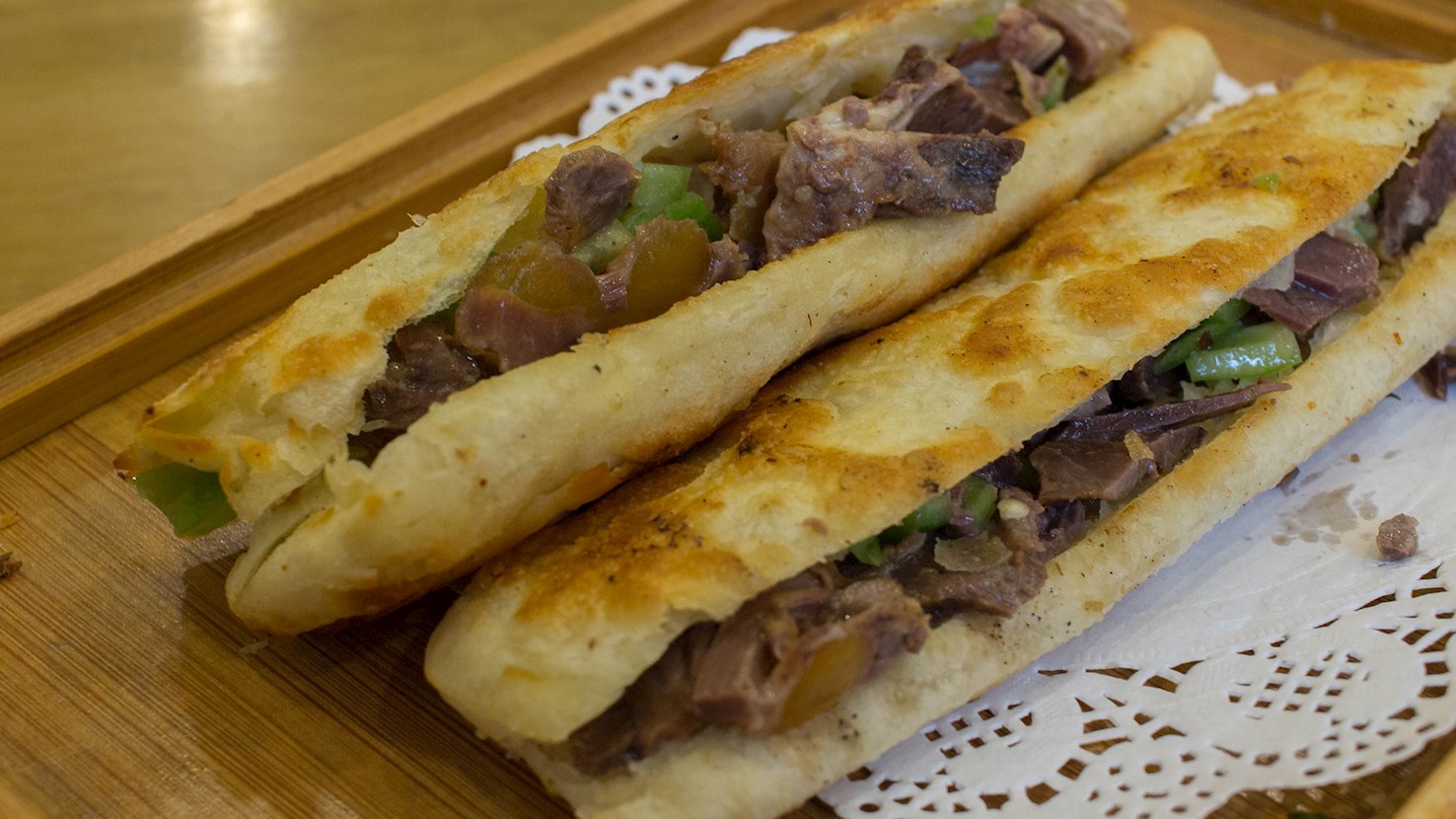
Donkey burger is a unique Chinese hamburger that is especially popular in Baoding and Hejian. It is prepared by filling a shao bing roll with shredded donkey meat, green peppers, and coriander leaves. The meat is usually served cold, and the burger can be found both on street corners and in upscale restaurants. Baoding donkey burger is served in a round shao bing, while the Hejian variety is served in a rectangular shao bing. It is believed that the practice of consuming donkey meat dates back to the time of Ming Dynasty.

Best restaurants
09
Lamb Dish

Ta si mi

n/a ·

Tāsìmì is a traditional dish originating from Beijing. This savory, sweet, tart, spicy, and creamy dish is usually made with a combination of lamb, soy sauce, Shaoxing rice wine, Chinkiang black vinegar, cornstarch, sesame oil, sugar, wheat paste, and ginger juice. The lamb is cut into thin slices and marinated in a mixture of cornstarch, ginger juice, rice wine, vinegar, and soy sauce. The meat is then fried in oil in a wok until browned. When the tender lamb is barely done, the sugar and wheat paste are added to the wok, everything is tossed well, and the dish is then ready to be enjoyed. It is believed that the dish was made for the dowager empress Cixi, and as the chef couldn't name the dish, the empress commented that the dish is like honey (tā sì mì), hence the name.

Read more
View all
View map
About this ranking

TasteAtlas food rankings are based on the ratings of the TasteAtlas audience, with a series of mechanisms that recognize real users and that ignore bot, nationalist or local patriotic ratings, and give additional value to the ratings of users that the system recognizes as knowledgeable. For the “Top 22 Northern Chinese Foods” list until June 10, 2026, 893 ratings were recorded, of which 767 were recognized by the system as legitimate. TasteAtlas Rankings should not be seen as the final global conclusion about food. Their purpose is to promote excellent local foods, instill pride in traditional dishes, and arouse curiosity about dishes you haven’t tried.

The initial list of top producers was compiled based on available reviews, awards, local recommendations, media and blog coverage, and consumer reviews. The list will be updated with ratings from TasteAtlas local ambassadors and TasteAtlas users.

Similar lists