shutterstock

Top 40 Puerto Rican Foods

Last updated on November 04, 2026

Best Puerto Rican Foods
01
Pudding

Tembleque

4.4 ·

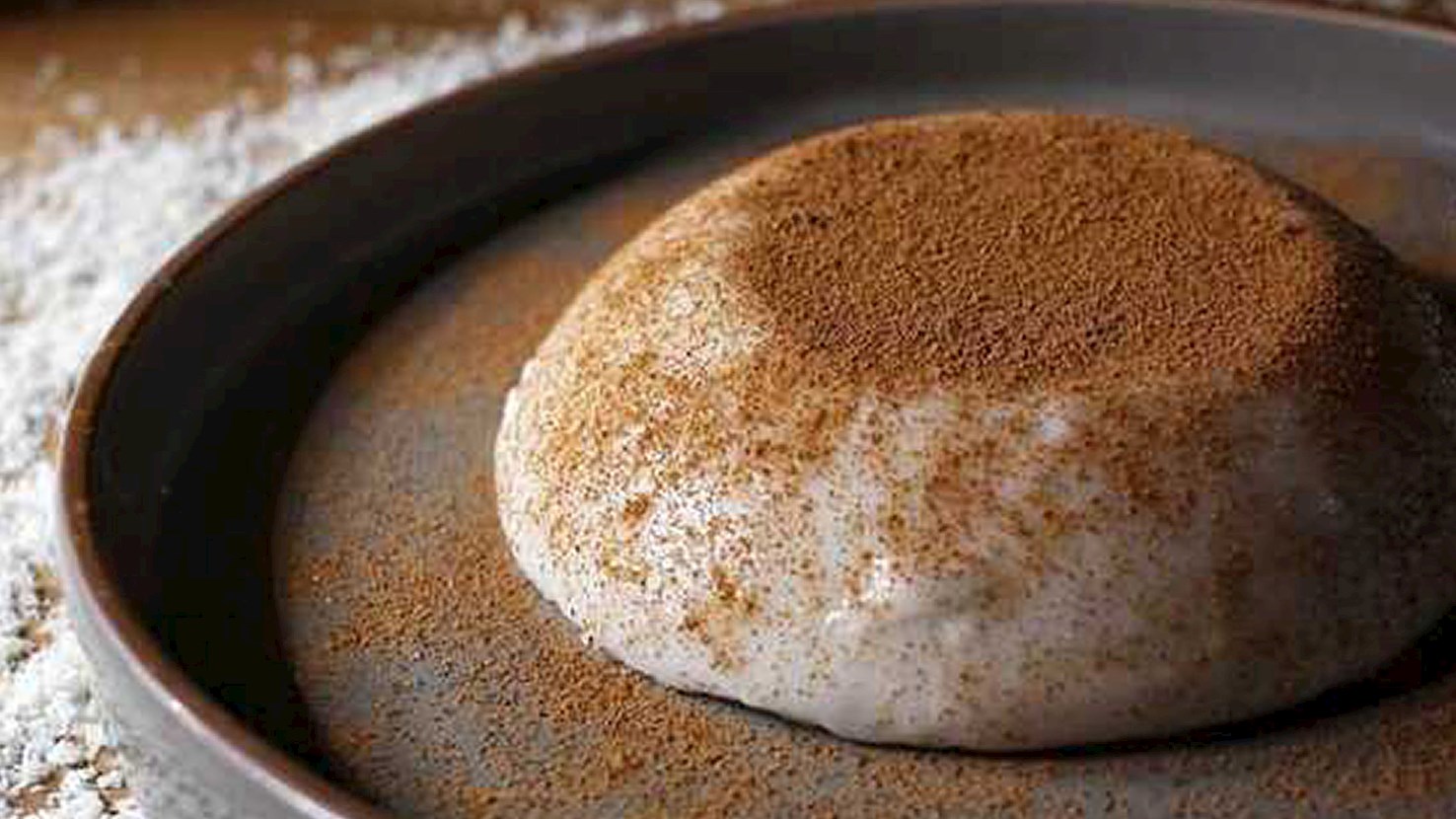
This creamy pudding is one of Puerto Rico’s specialties, made by cooking coconut milk with cornstarch and sugar, then topping the concoction with cinnamon. The end result is a slightly firm pudding with a smooth custard-like texture, and it is typically served cold. The name tembleque means wiggly, referring to a slight wiggle when the pudding is shaken. This rich dessert can also be flavored with vanilla, nutmeg, or rum, if desired. It is especially popular at birthday parties and similar festive occasions.

02
Bread Roll

Almojábana

4.4 ·

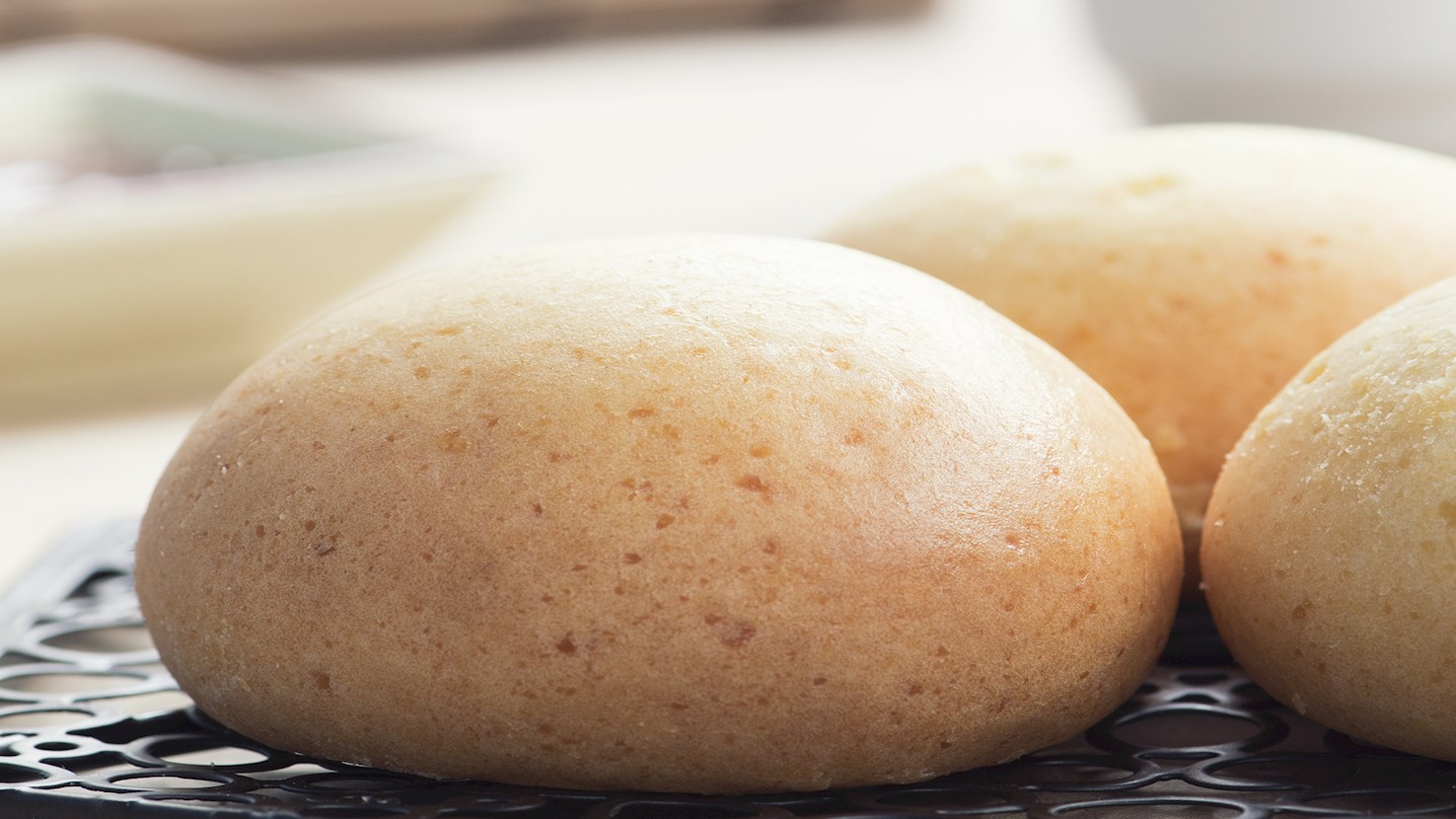
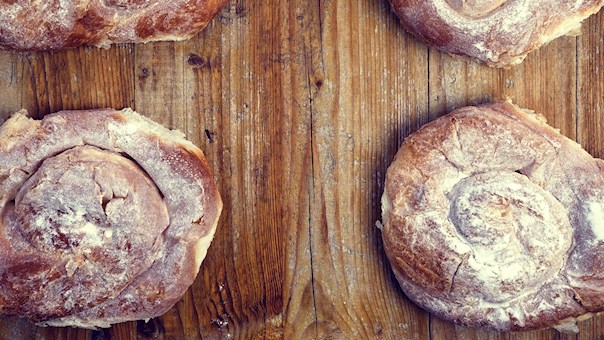
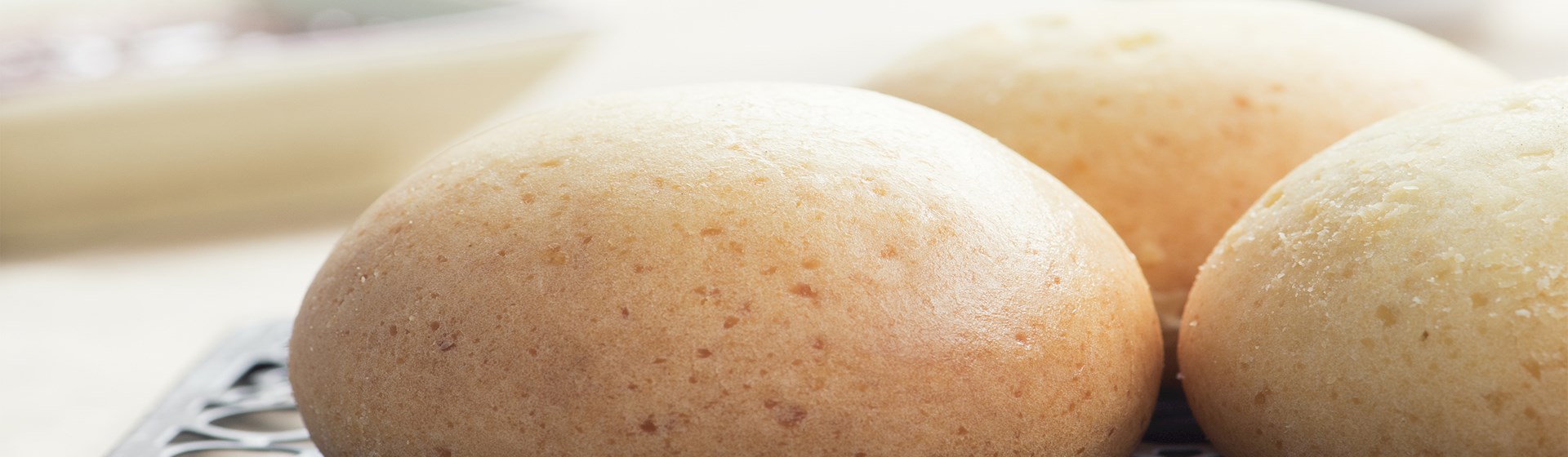
Almojábana is a traditional and Puerto Rican bread (although it is also popular in other countries of Latin America) that is very similar to pandebono. Pandebono is usually made with yuca flour and costeño cheese, while almojábanas are made with cuajada white cheese and cornmeal flour. Almojábanas are baked until they develop a spongy texture and a golden brown color of the exterior. This small, round bread is traditionally served warm.

03
Pork Dish

Pernil

4.4 ·

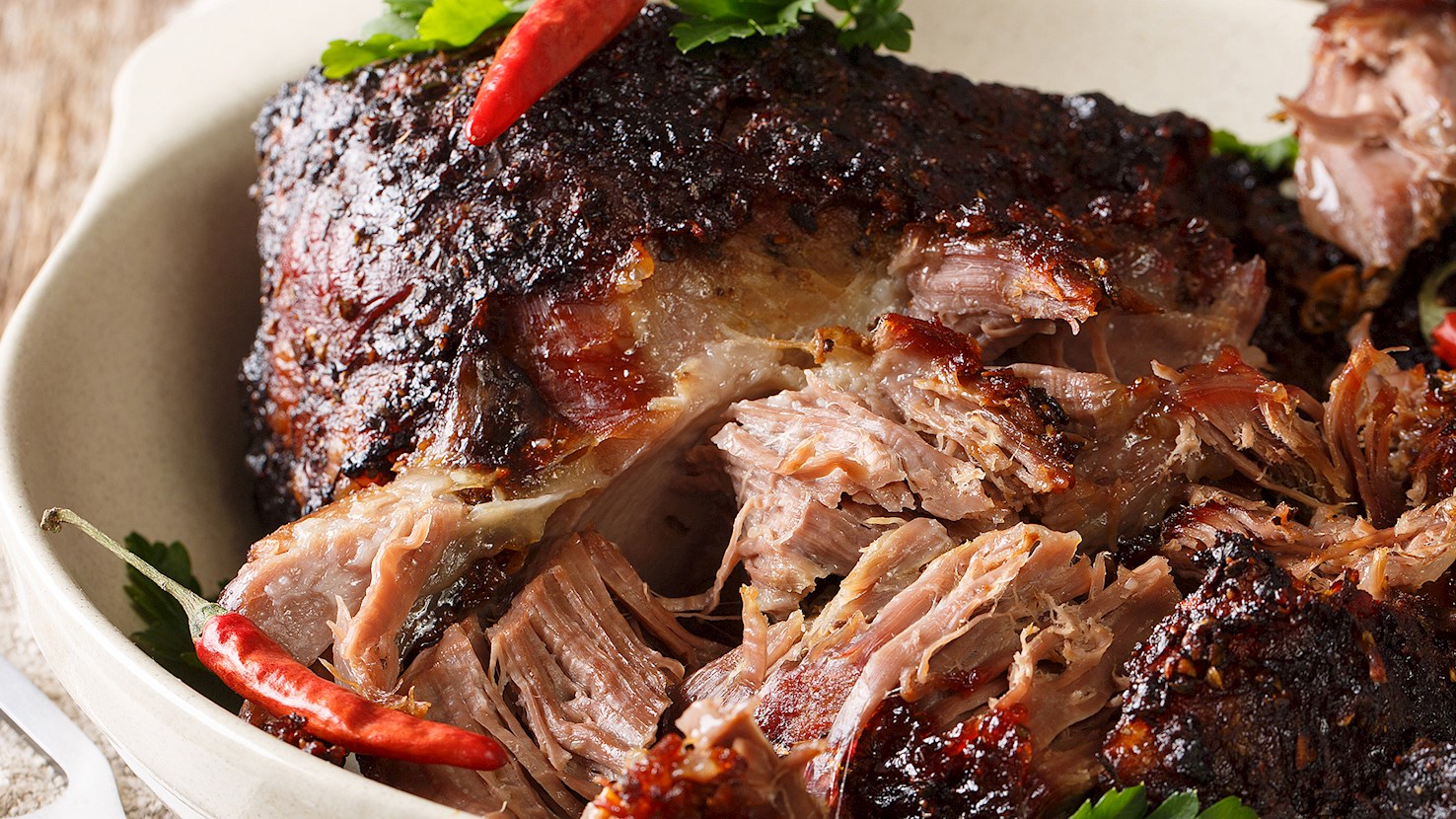
Pernil is one of Puerto Rico's most famous dishes, a succulent roasted pork shoulder that is traditionally seasoned in a marinade called adobo mojado, consisting of paprika, salt, vinegar, garlic, and oregano. The name of the dish is derived from the Spanish word pierna, meaning leg, but it is also a Catalan word for ham, referring to the traditional recipe that calls for fresh ham. Because pork shoulder is more available and costs less than ham, it has become a key ingredient in pernil. Many people prefer it since it is believed to be much more flavorful than ham. The dish is a staple at numerous Puerto Rican festivities such as birthdays or weddings, where many people feast on the crunchy skin and tender meat that falls off the bone.

04
Sandwich

Jibarito

4.3 ·

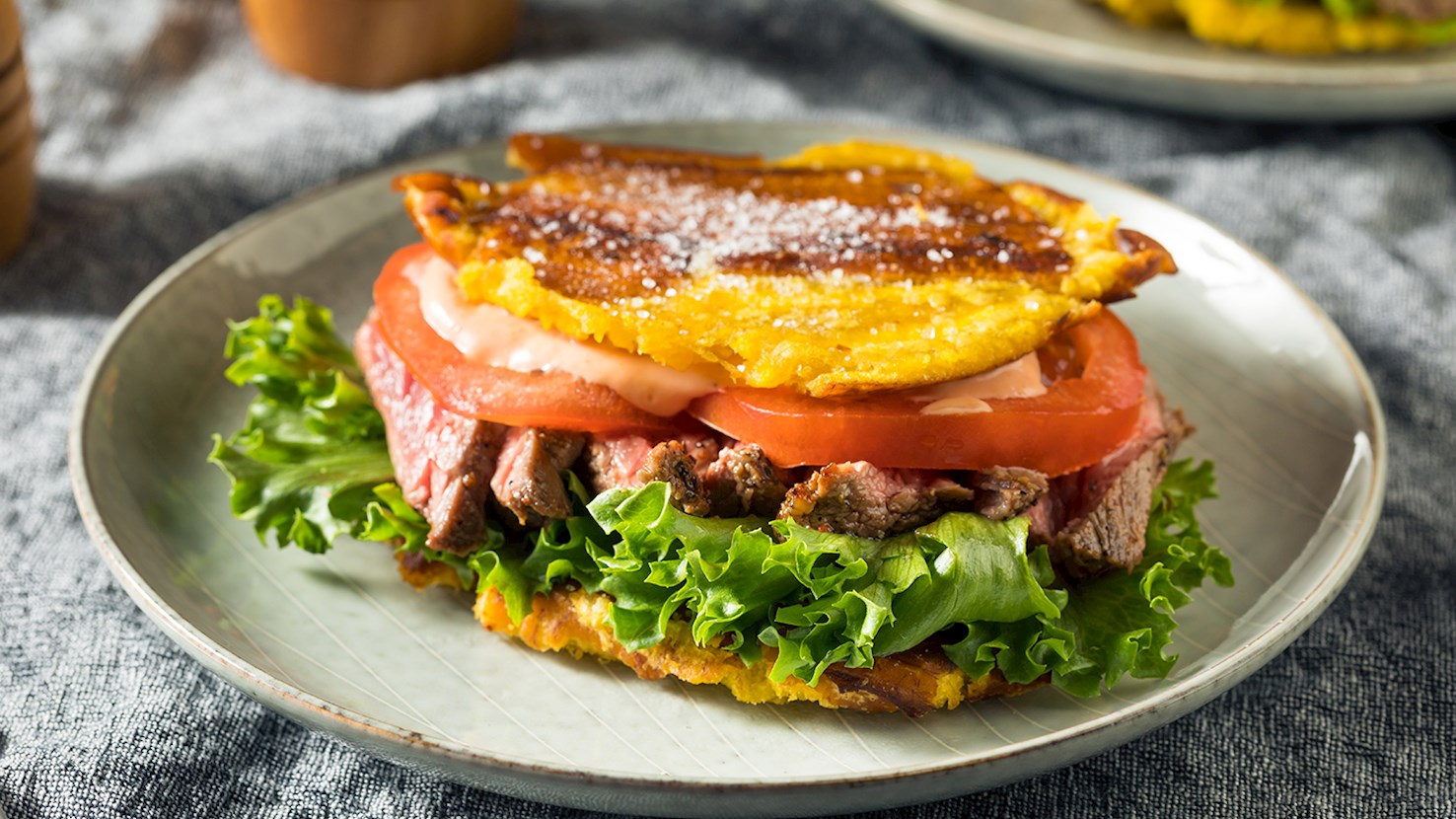
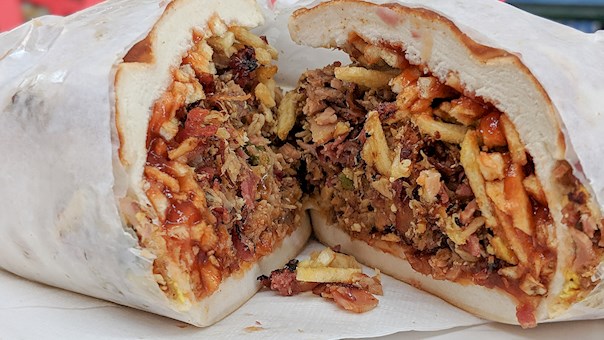
Jibarito is a unique Puerto Rican sandwich made with smashed, fried plantains instead of bread. The sandwich is typically filled with garlic mayonnaise, meat, lettuce, tomatoes, and cheese. The origins of jibarito are somewhat hard to untangle, as some claim that the sandwich is originally a Puerto Rican invention, while others claim that it was created by Juan Figueroa at the Borinquen Restaurant in Chicago in 1996. The most probable theory says that the sandwich was invented by Coquí Feliciano and Jorge Muñoz at Plátano Loco restaurant in Aguada, Puerto Rico, and Figueroa probably read about it, which inspired him to make another version in Chicago.

05
Casserole

Pastelón

4.1 ·

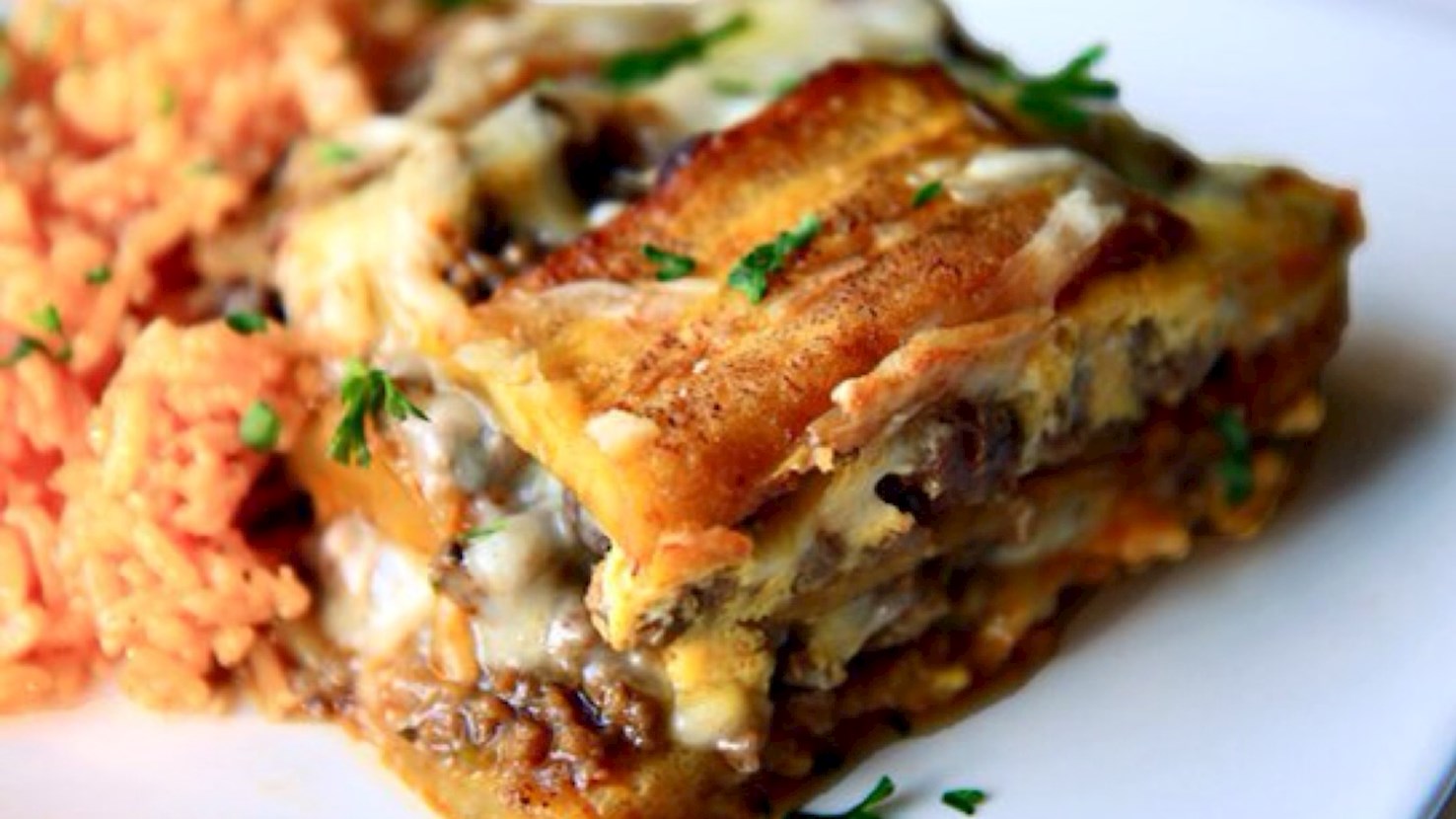
Pastelón is a Caribbean baked casserole most strongly associated with Puerto Rico and the Dominican Republic, where it is made by layering ripe plantains with seasoned ground meat, cheese, and eggs before baking until set. The dish belongs to a broader Caribbean way of combining sweet ripe plantain with savory meat, and while Puerto Rican and Dominican versions differ in method and seasoning, both rely on that contrast as the central idea. In Puerto Rico, pastelón is commonly made with long slices of fried ripe plantain arranged in layers around a picadillo-style filling of ground beef cooked with onion, peppers, garlic, tomato, olives, capers, and seasonings such as oregano and adobo, while beaten egg is often poured over the assembled casserole to help bind the layers. Dominican pastelón is more likely to use boiled or baked ripe plantains mashed into a smooth layer, with the meat and cheese placed between portions of the mash, producing a softer, more uniform texture. In both cases, the plantains need to be fully ripe, with darkened skins and pronounced sweetness, because underripe fruit would make the finished casserole too starchy and firm. Cheese varies by household and country, with mozzarella, cheddar, or local melting cheeses all used, and some versions include raisins or extra olives in the meat filling. Once assembled, the dish is baked until the cheese melts, the egg sets, and the edges begin to brown. Pastelón is served hot in square or rectangular portions and is substantial enough to work as a main course, especially at family lunches, holidays, and larger gatherings. It is commonly paired with white rice, beans, avocado, or a simple green salad, while cold fruit drinks, beer, or light-bodied red wine work well alongside the sweet plantain and savory meat.

06
Beef Dish

Bistec encebollado

4.1 ·

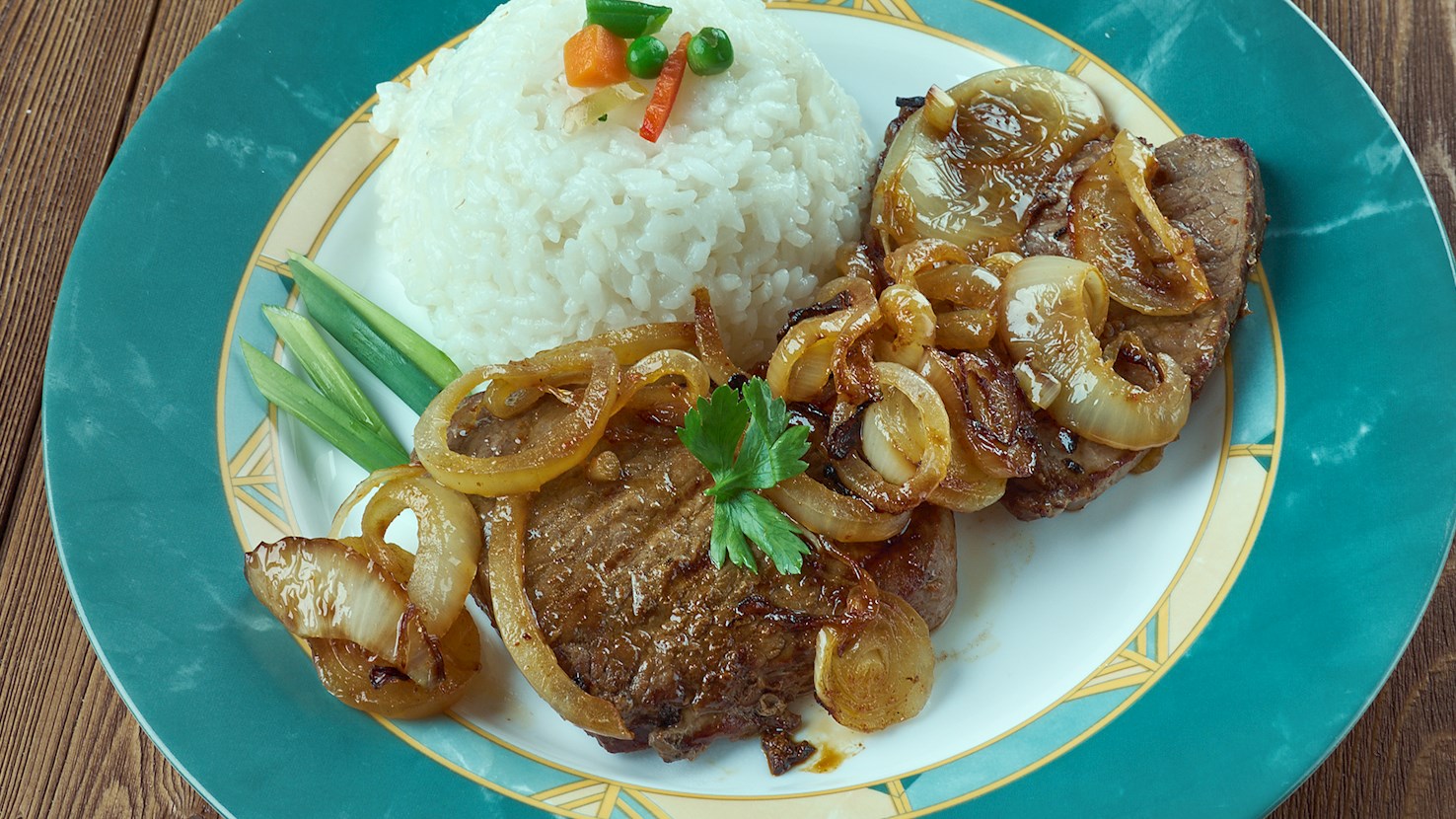
Bistec encebollado is a flavorful dish popular throughout Latin America, consisting of an adobo-spiced, marinated beefsteak combined with onion sauce and large onion rings on top. The wonderful flavors of bistec encebollado come from marinating the meat over a long period of time, usually anywhere from 10 to 12 hours. It is recommended to pair the dish with rice, pigeon peas, and fried plantains.

07
Frozen Dessert

Limber

4.0 ·

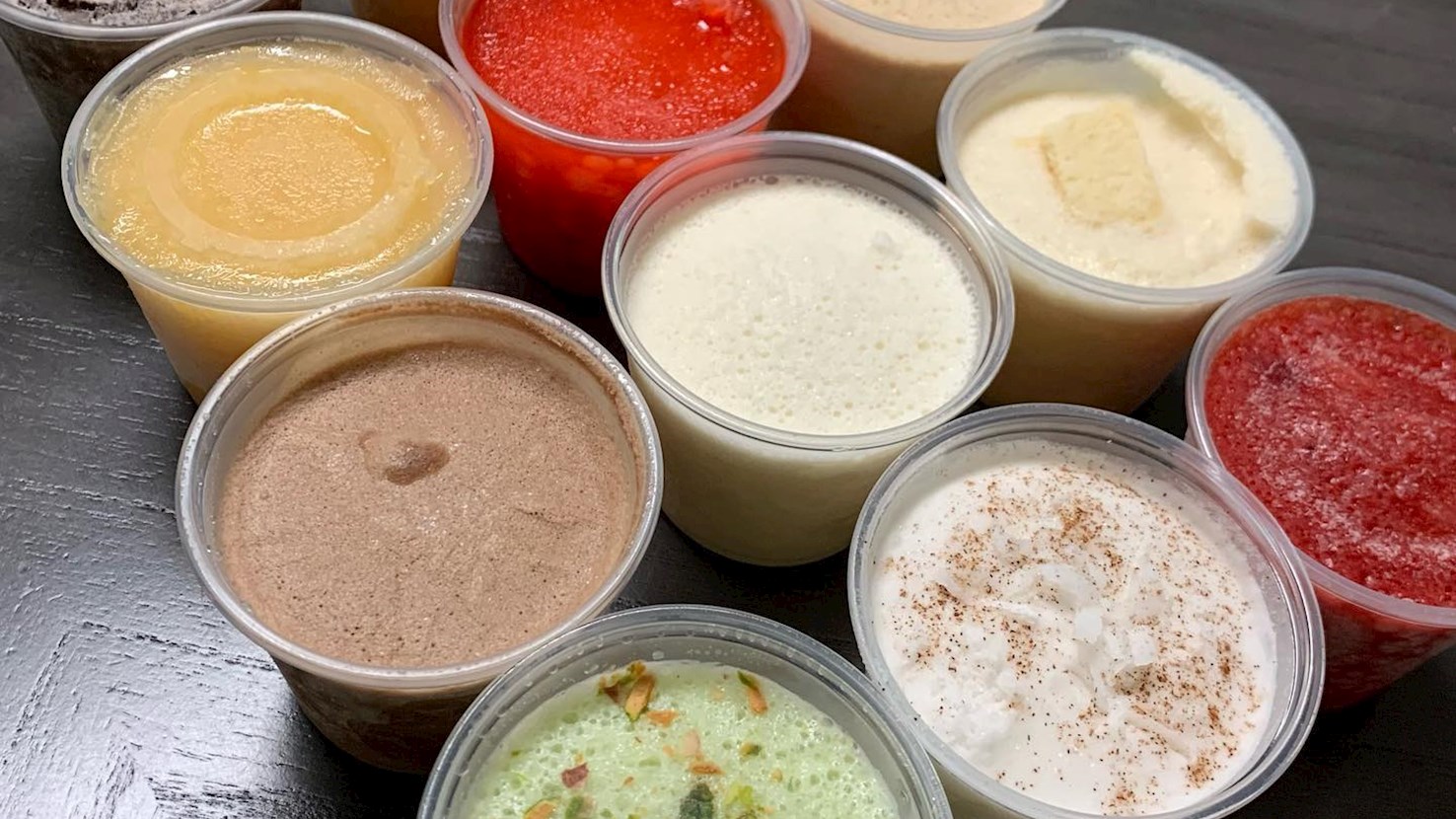
Limber is a Puerto Rican frozen treat consisting of coconut milk, pineapple juice, and sweeteners such as sugar. There are numerous variations, so it can also be prepared with mangos or raspberries. This dessert is named after Charles A. Lindbergh, who was the first pilot to fly across the Atlantic Ocean. When he flew to Puerto Rico, the locals offered him a frozen fruit juice, which he enjoyed, so the people named it Limber in his honor. Nowadays, Limber can be found at numerous roadside fruit stands and gas stations in Puerto Rico.

08
Side Dish

Arroz y habichuelas

4.0 ·

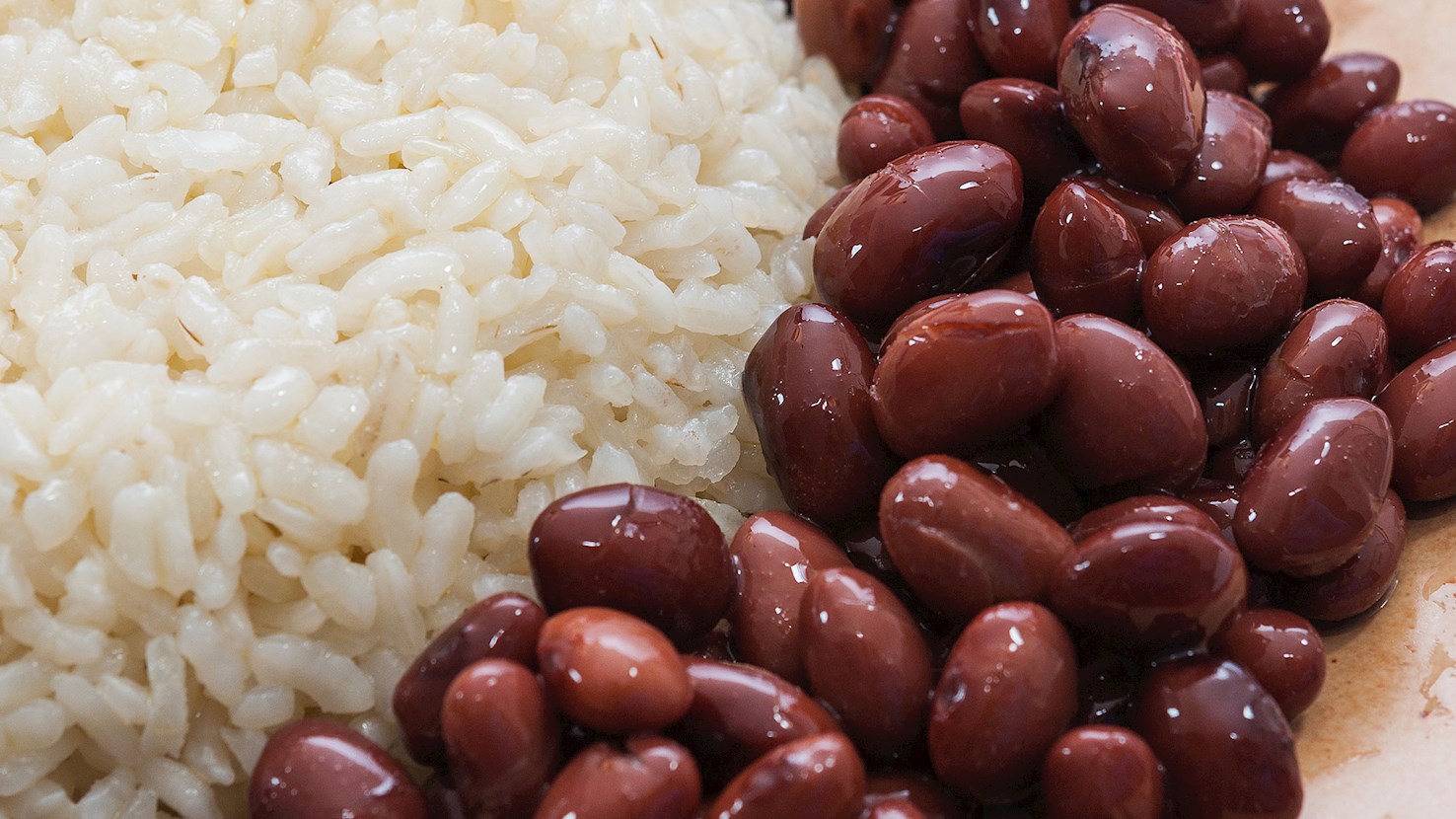
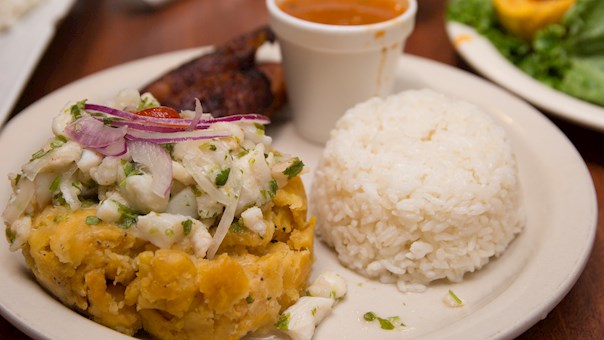
Arroz y habichuelas is a simple and traditional Puerto Rican dish. It consists of rice and beans flavored with bacon or ham, sofrito, tomato purée, spices, and (optionally) olives. In Puerto Rico, it is typically served as a side dish, but it can also be served on its own. Throughout Central and South America, there are numerous variations and twists on this simple side dish, beloved for its protein content which comes from the beans.

09
Rice Dish

Arroz con gandules

3.9 ·

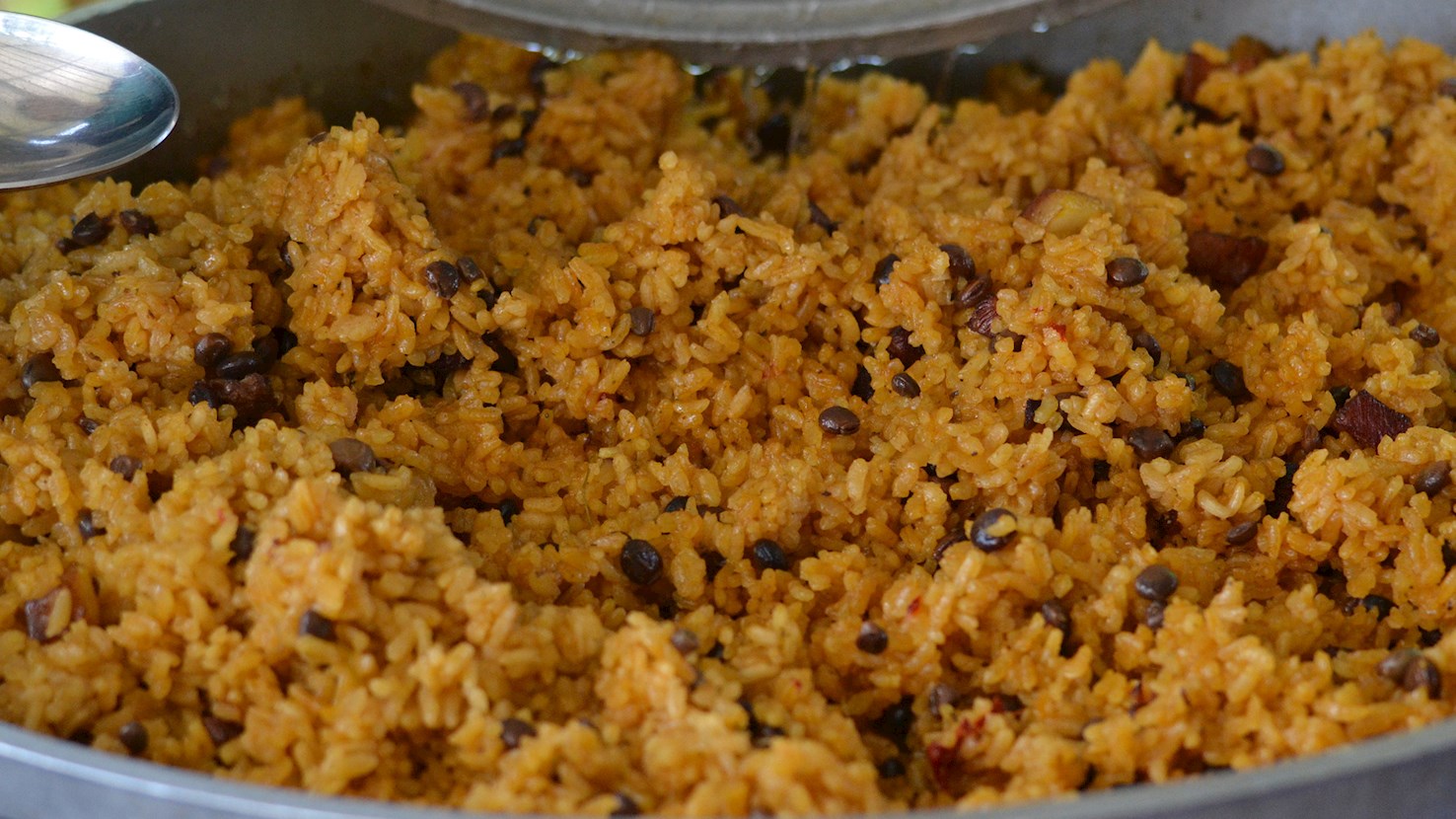
Arroz con gandules is a one-pot national dish of Puerto Rico consisting of rice, pigeon peas, and sofrito, and every family in the country has their own version of the recipe. Sofrito is the aromatic flavoring base for a variety of Puerto Rican dishes, made with green peppers, onions, garlic, and coriander. Some people may fry bacon in sofrito to add a smoky flavor to the finished dish. Other spices and garnishes in arroz con gandules might include cumin, bay leaves, oregano, tomato paste, olives, lime juice, and (not traditionally) sour cream. Although flavorful in its original, vegetarian version, it can also be made with added pork meat or sausages. The dish dates back to the 18th century. With numerous layers of flavor, this is the dish that is traditionally made for Christmas dinner in Puerto Rico, and it's easy to see why.

10
Stew

Carne guisada

3.8 ·

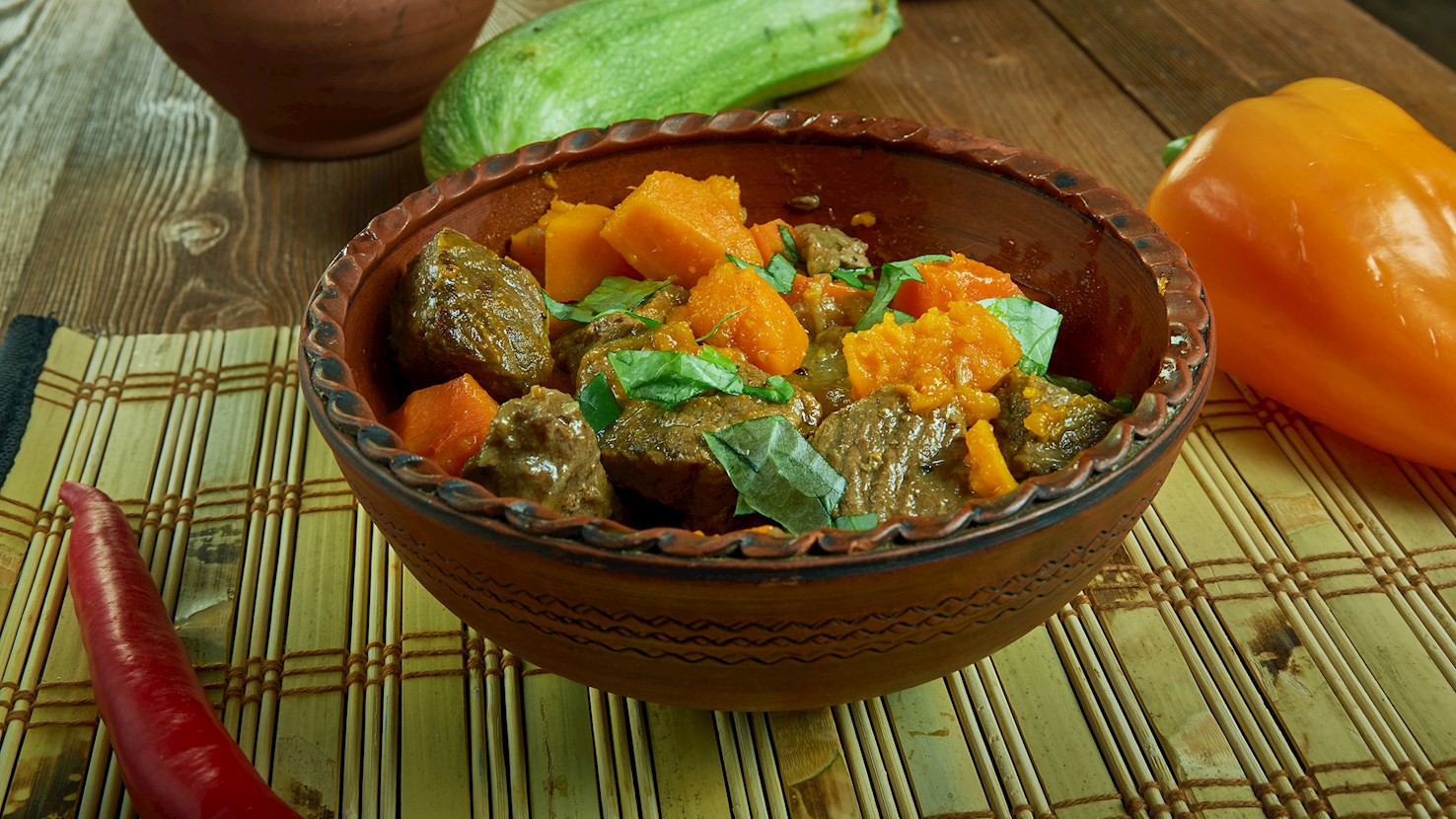
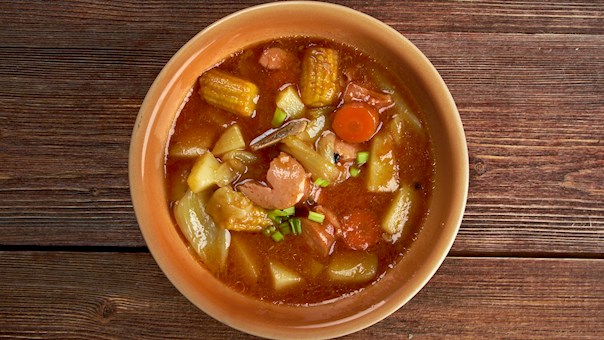
Carne guisada is a simple, traditional beef stew flavored with cumin, jalapeños, and chili powder. It is popular throughout Latin America, especially in Mexico, Puerto Rico and the Dominican Republic. The dish is usually simmered over low heat for about two hours until the meat becomes tender. It is recommended to serve it on flour tortillas, although it can also be paired with rice or potatoes.

Best Puerto Rican Food Products

01
Spirit

Destilería Serrallés

5.0 ·
Awards
The Rum & Cachaça Masters - Master (2022)
02
Spirit

Don Q

5.0 ·
Awards
USC- Ultimate Spirits Challenge - Top 100 (2022, 2020)
03
Spirit

Bacardi

4.8 ·
Awards
SFWSC - San Francisco World Spirits Competition - Double Gold (2024, 2023)
The Luxury Masters - Gold (2023, 2022)
04
Spirit

Scryer Rum

4.8 ·
Awards
IWSC- International wine & spirit competition - Spirit Gold (2023)
05
Chocolate

Hacienda Chocolat

4.7 ·

Hacienda Chocolat is a chocolate producer based in Fajardo, Puerto Rico. They focus on bean-to-bar chocolate production, emphasizing sustainable farming practices.

The company grows its own cacao trees on the hacienda, ensuring high-quality, fully traceable cacao beans. Hacienda Chocolat offers various chocolate products, catering to both local and international markets.

Awards
Academy of Chocolate - Silver (2023)
Academy of Chocolate - Bronze (2023)
06
Spirit

Sonrisa Rum

4.7 ·

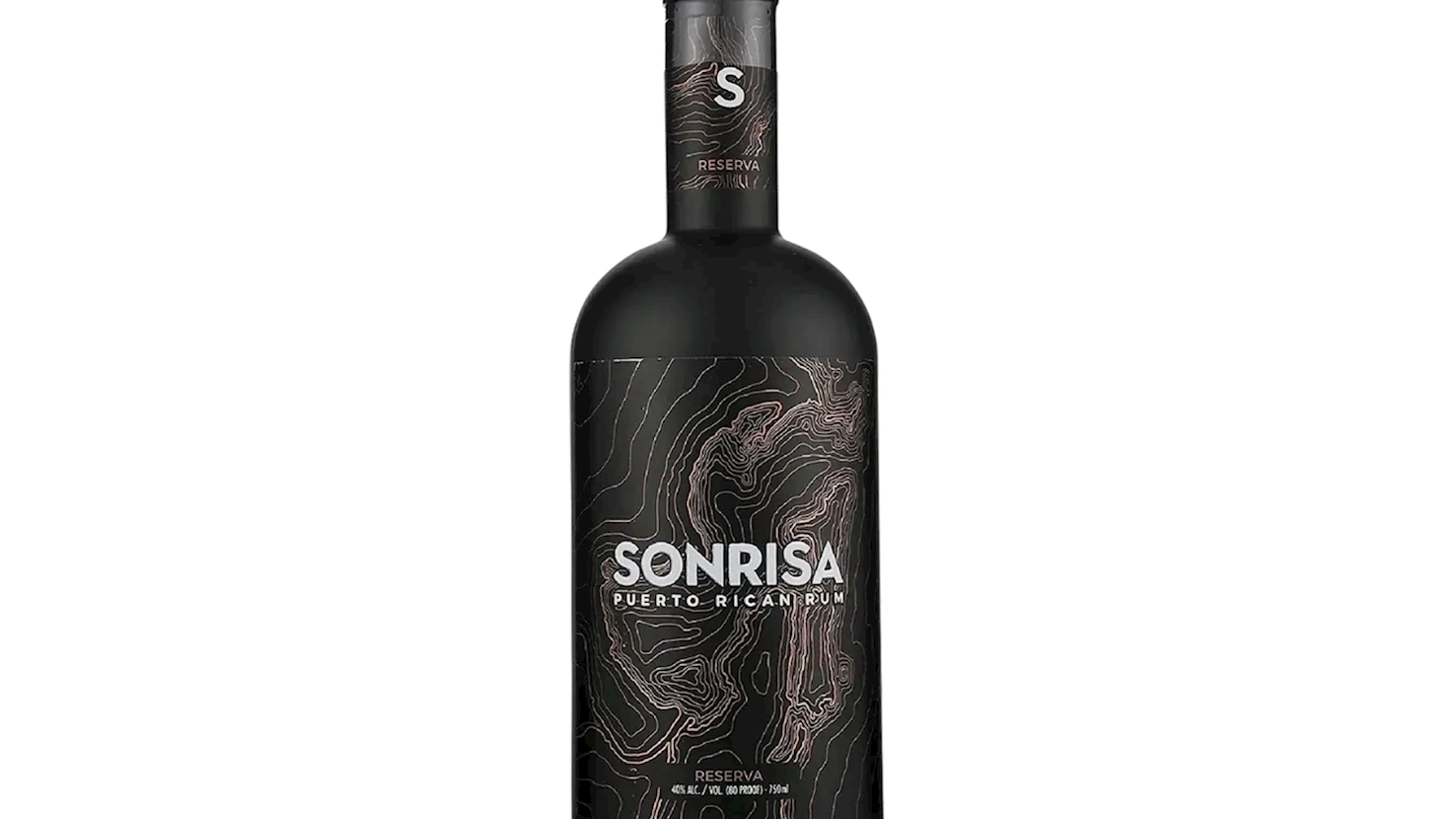
Sonrisa Rum is a Puerto Rican rum brand created to reflect the island's culture, heritage, and way of life through its spirits. The brand takes its name from the Spanish word sonrisa, meaning "smile," symbolizing the warmth, hospitality, and vibrant character of Puerto Rico. All of its rums are crafted, distilled, and aged in Puerto Rico, where the tropical climate accelerates maturation and contributes to the development of rich and complex flavor profiles. The portfolio includes three core expressions - Platino, Oro Especial, and Reserva - ranging from lighter styles suited to cocktails to more mature rums intended for sipping. Beyond rum production, the brand supports local communities through its From Puerto Rico, For Puerto Rico initiative, which donates one U.S. dollar from every bottle sold to help small businesses across the island. By combining Puerto Rico's long-standing rum-making tradition with a contemporary approach and a strong commitment to its local community, Sonrisa Rum offers a modern interpretation of Puerto Rican rum.

Awards
SFWSC - San Francisco World Spirits Competition - Gold (2024)
About this Ranking

TasteAtlas food rankings are based on the ratings of the TasteAtlas audience, with a series of mechanisms that recognize real users and that ignore bot, nationalist or local patriotic ratings, and give additional value to the ratings of users that the system recognizes as knowledgeable. For the “Top 40 Puerto Rican Foods” list until November 04, 2026, 2,215 ratings were recorded, of which 1,111 were recognized by the system as legitimate.

TasteAtlas Rankings should not be seen as the final global conclusion about food. Their purpose is to promote excellent local foods, instill pride in traditional dishes, and arouse curiosity about dishes you haven’t tried.

The initial list of top producers was compiled based on available reviews, awards, local recommendations, media and blog coverage, and consumer reviews. The list will be updated with ratings from TasteAtlas local ambassadors and TasteAtlas users.

What People Say

Similar Lists