shutterstock

Top 19 Sumatran Foods

Last updated on June 24, 2026

Best Sumatran food products

01
Coffee

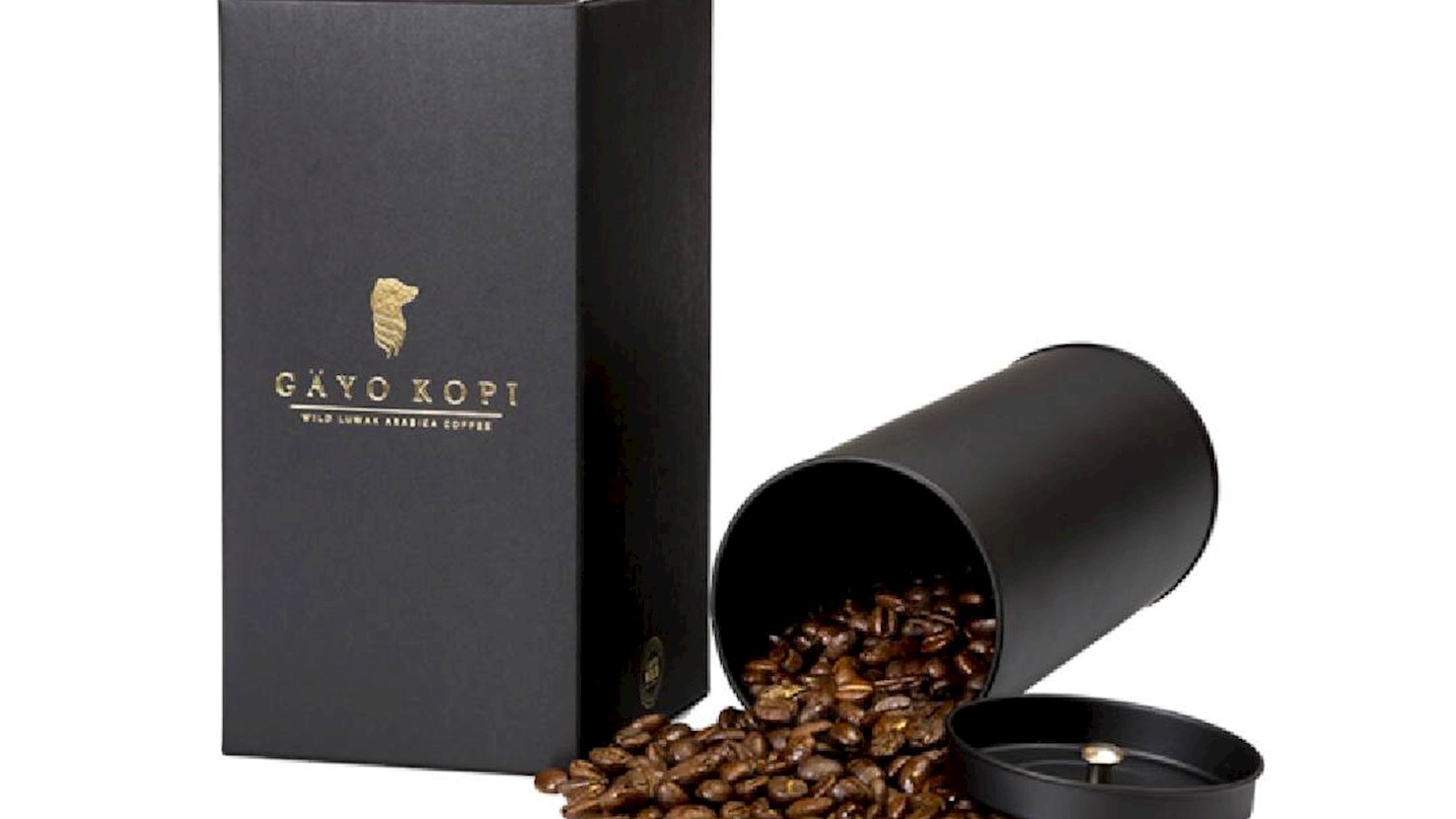
Gayo Kopi

4.9 ·
Gayo Kopi is a distinguished Indonesian company specializing in the production and export of premium Wild Kopi Luwak coffee. Their beans are sourced from the Gayo Highlands in Northern Sumatra, where wild civets naturally select and consume the finest coffee cherries. This natural process imparts unique flavor profiles to the beans, resulting in a rich and indulgent coffee experience. Gayo Kopi is committed to ethical sourcing, ensuring that all their Kopi Luwak is collected from wild, uncaged civets, thereby supporting both environmental sustainability and animal welfare.
02
Coffee

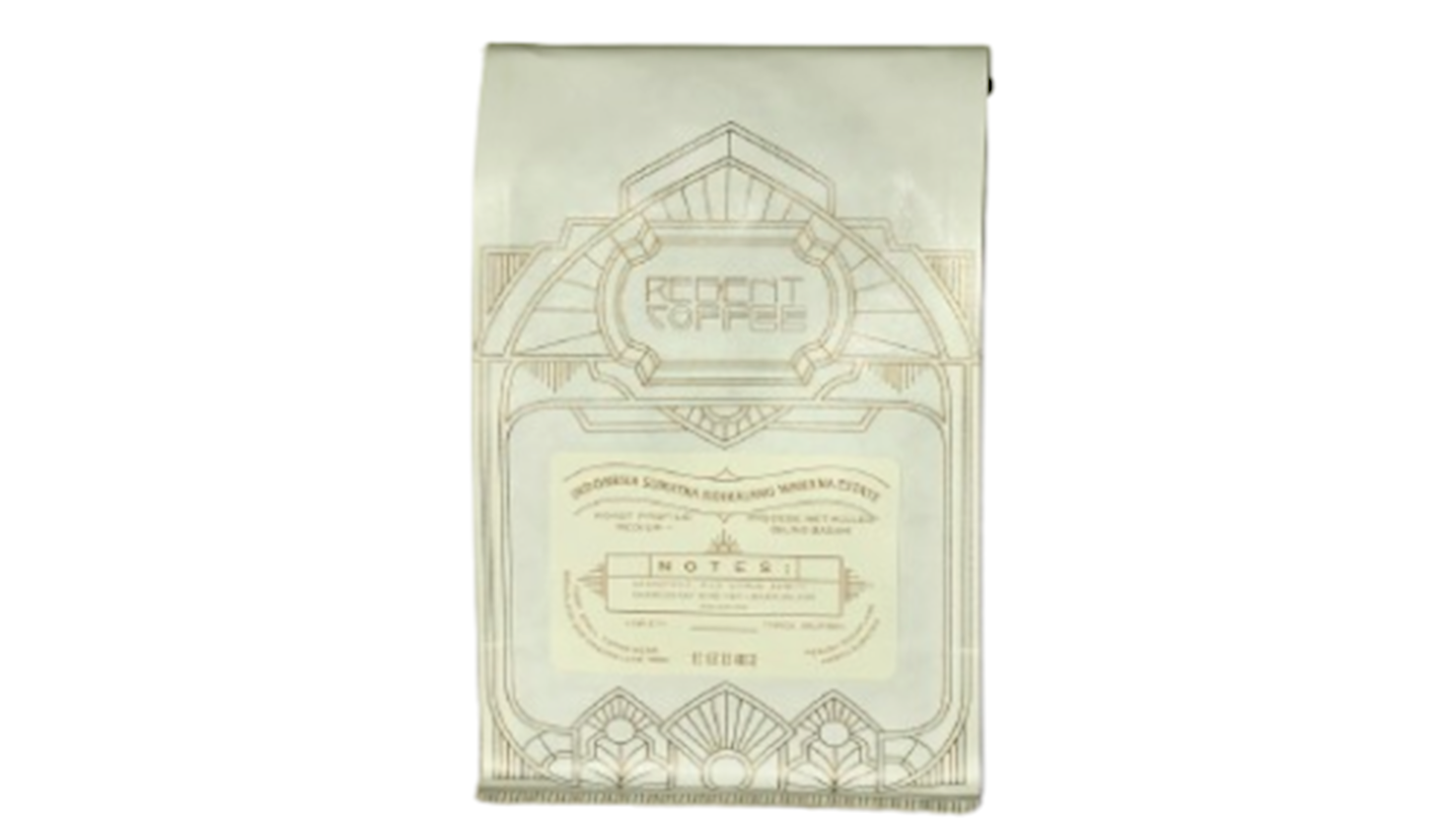
Wahana Estate

4.7 ·
Wahana Estate is one of the most renowned and innovative coffee plantations in Indonesia, located in the Sidikalang region at elevations ranging from 1,300 to 1,500 meters above sea level in North Sumatra. Established in 2005, the estate is owned by the company PT Wahana Graha Makmur, and its name, “Wahana”, symbolically means “a vehicle for great success” in the Indonesian language. The estate spans approximately 500 hectares, with around 250 hectares dedicated to coffee cultivation and over 30 hectares used for nurseries where numerous coffee varieties are developed. Wahana Estate stands out in the world of specialty coffee due to its dedication to varietal research and experimentation with a wide range of cultivars. Coffee processing takes place directly on the estate, using the traditional Indonesian giling basah (wet-hulled) method, as well as natural and dry processes. This results in diverse flavor profiles - from notes of chocolate, almond, dried fruits, and spices, to citrusy and floral tones such as jasmine, honey, and black tea. Today, Wahana Estate is a symbol of sustainability, varietal diversity, and high standards in specialty coffee from Sumatra - an ideal choice for those seeking complex and authentic flavor experiences.
03
Coffee Beans

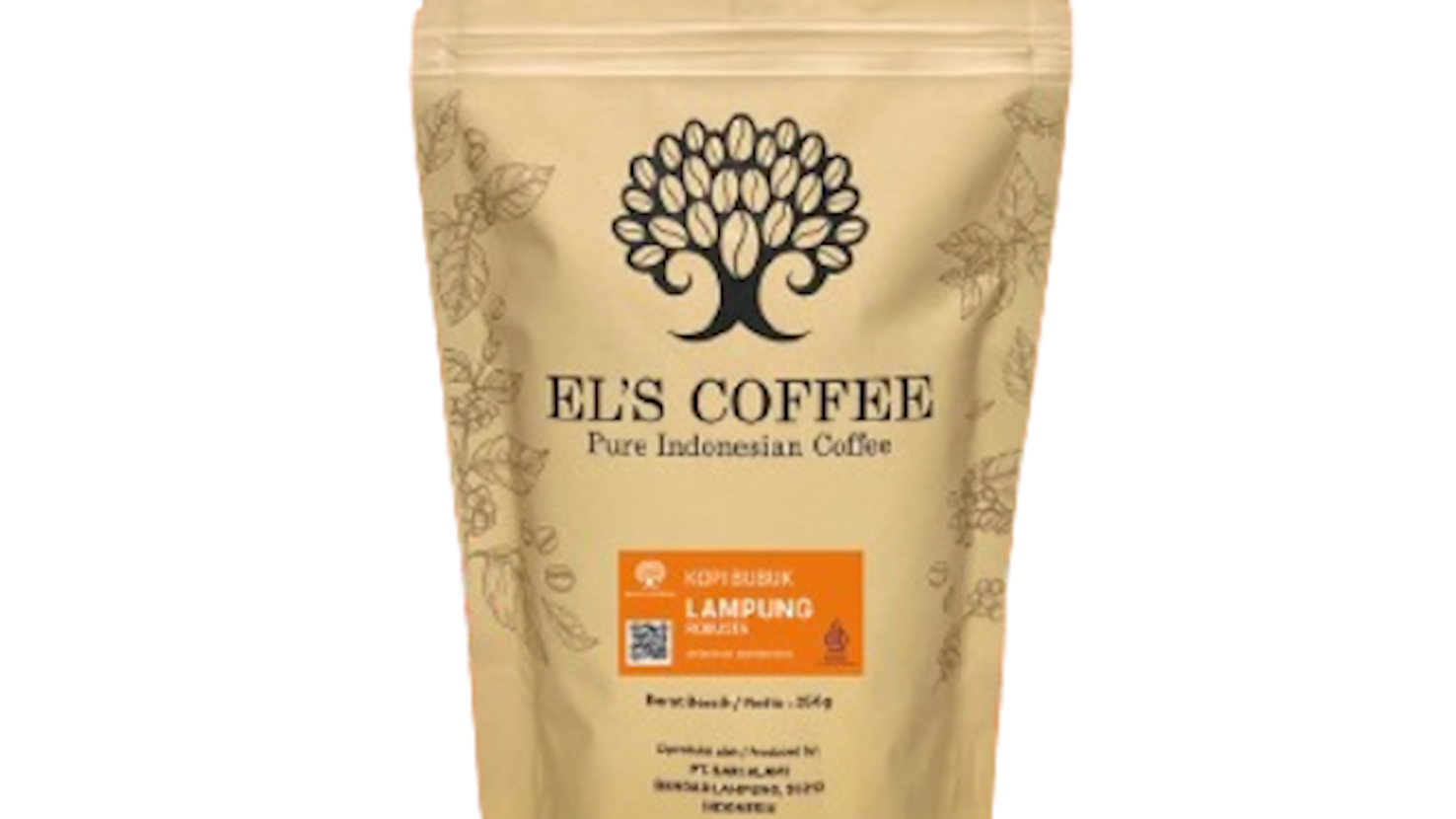
El's Coffee

4.6 ·
El's Coffee is a renowned Indonesian brand specializing in the production and serving of high-quality coffee, headquartered in Bandar Lampung, in the province of Lampung. Founded in 2012 by Elkane Arlen Riswan, the brand grew out of a family tradition of coffee cultivation and has become one of the most recognized coffee shop chains in the region. El's Coffee offers a wide range of coffees sourced from various regions of Indonesia, including Lampung Robusta - known for its full body and rich flavor. The brand prides itself on using only 100% locally grown Indonesian coffee, carefully roasted to preserve its authenticity. In addition to selling whole bean and ground coffee, El's Coffee also develops a modern concept of cafes and restaurants within its outlets, providing guests with a complete culinary experience alongside a premium cup of coffee.

Best Sumatran foods

01
Beef Dish

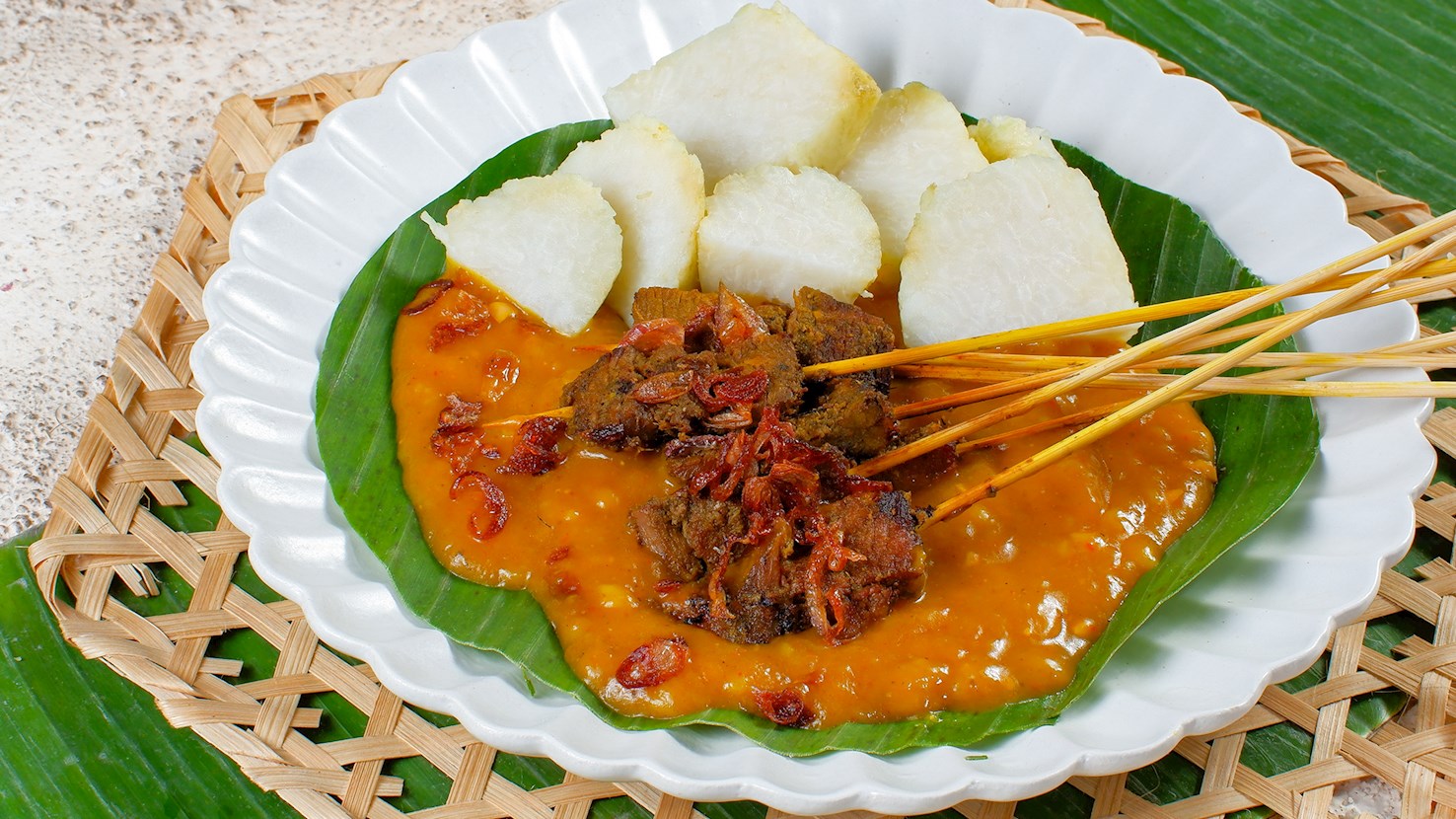
Sate Padang

4.4 ·

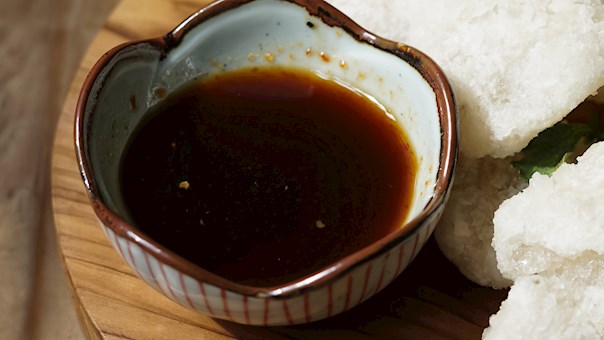
Padang satay is a spicy, rich, and aromatic Indonesian satay originating from Padang, West Sumatra, known for its thick, flavorful curry-based sauce. Unlike other Indonesian satay varieties that use peanut sauce or sweet soy sauce, Padang satay is distinct for its bold, turmeric-infused, and mildly spicy gravy, made from beef broth, rice flour, and a blend of local spices. The skewered meat—usually beef, beef tongue, or offal like intestines and heart—is first boiled in spiced broth until tender, then grilled over charcoal to achieve a smoky, caramelized crust. The signature thick, golden-brown sauce is made by reducing the broth used to cook the meat, thickened with rice flour, and enhanced with galangal, turmeric, coriander, cumin, lemongrass, and chilies, giving it a savory, slightly spicy, and deeply aromatic flavor. Padang satay is typically served on banana leaves, accompanied by steamed rice cakes (ketupat or lontong) and topped with crispy fried shallots, adding a final layer of crunch and fragrance.

02
Street Food

Pempek

4.3 ·

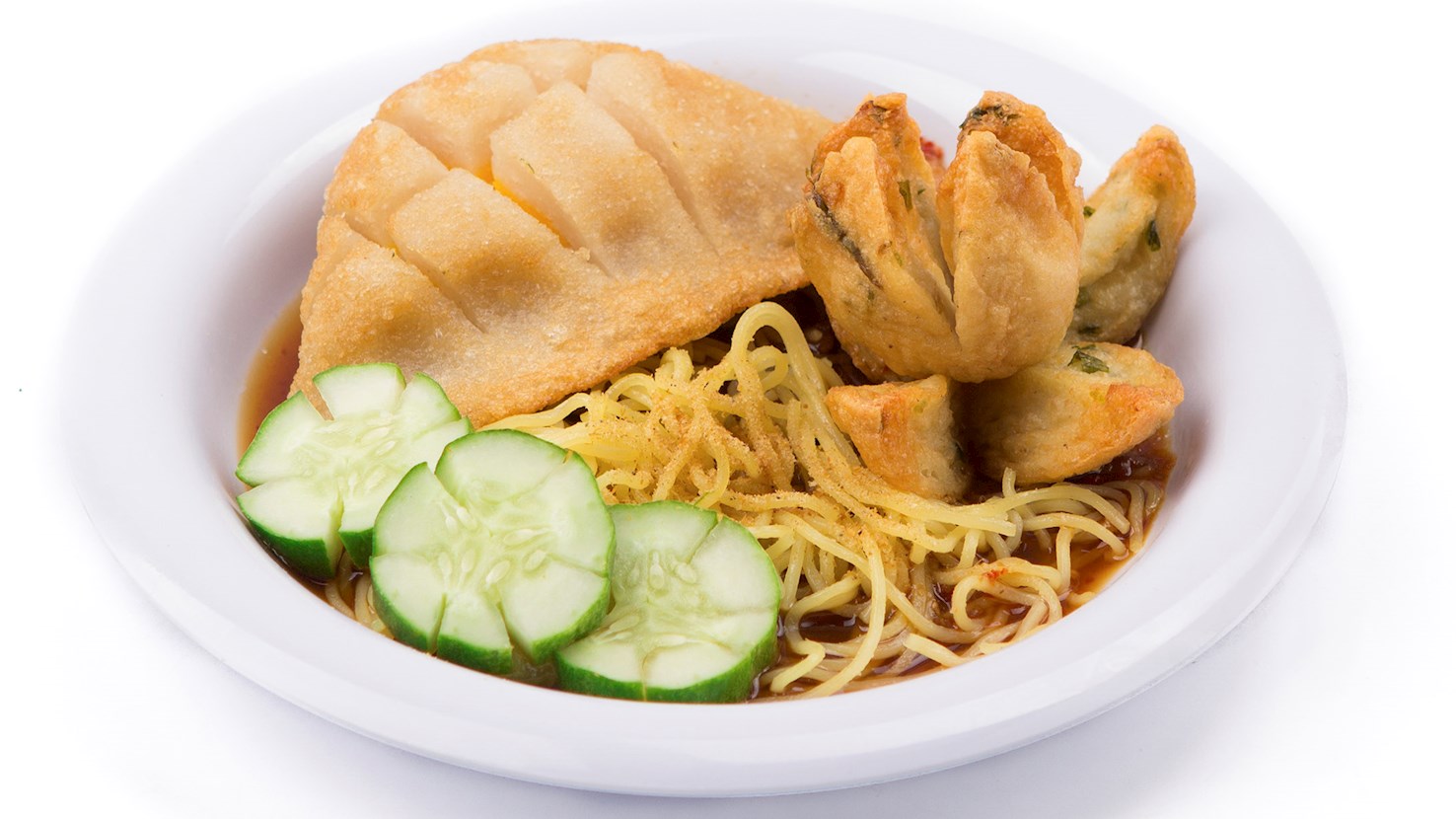
Pempek is a traditional fish cake made with ground fish meat and tapioca. The actual origin of this dish is the city of Palembang, situated in the South Sumatra province. The origin story of pempek says that an old Palembang citizen was tired of the traditional fried or grilled fish, so he thought of an innovative way to ground the meat, mix it with tapioca flour, and deep-fry it to get a crunchy and delicious snack. He then used to cycle through the city and sell the fish cakes to Palembang citizens. Over time, pempek was recognized as a praise-worthy snack, and today it is considered to be a traditional Indonesian delicacy. These round or rectangular cakes are usually steamed, and right before serving they are fried in vegetable oil and cut into bite-sized pieces. Sliced cucumbers, noodles, or rice are typical accompaniments, and the traditional sweet and sour sauce is usually served on the side so the customers can adapt the flavors to their taste.

03
Snack

Otak-otak

4.1 ·

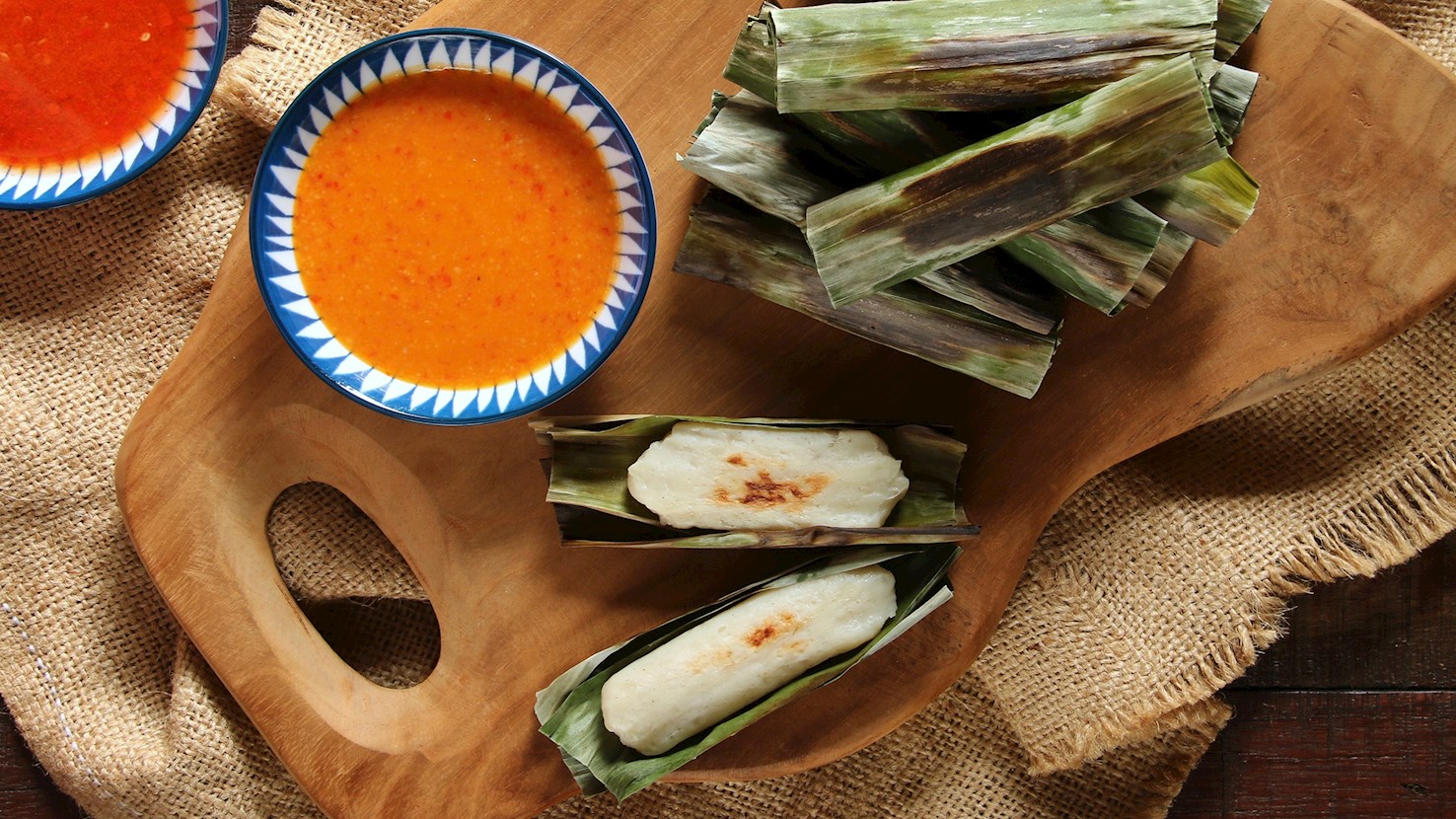
Otak-otak is a savory Southeast Asian fish cake made from a blend of minced fish (commonly mackerel or tenggiri), tapioca starch, coconut milk, and aromatic spices, typically wrapped in banana leaves and grilled or steamed. The name otak-otak, which means "brain-brain" in Indonesian and Malay, refers either to the soft, bouncy texture of the dish or the visual resemblance of the banana-leaf package to a brain segment, though no actual brain is involved. Otak-otak originated in Indonesia, but is also popular in Malaysia, and Singapore, with regional variations in spice and presentation. Indonesian versions often include a bold mix of lemongrass, galangal, garlic, chili, and turmeric, giving it a fragrant, slightly spicy flavor. In contrast, some Malaysian and Singaporean versions (like otak-otak Muar) have a reddish hue from chili and annatto, and may include shrimp paste for added depth. Traditionally, otak-otak is grilled over hot charcoal, giving it a lightly smoky flavor and lightly crisped banana leaf wrapper. The inside remains tender, springy, and savory, perfect for eating as a snack, side dish, or part of a larger meal, often with rice or lontong (compressed rice cake).

04
Stew

Gulai ayam

4 ·

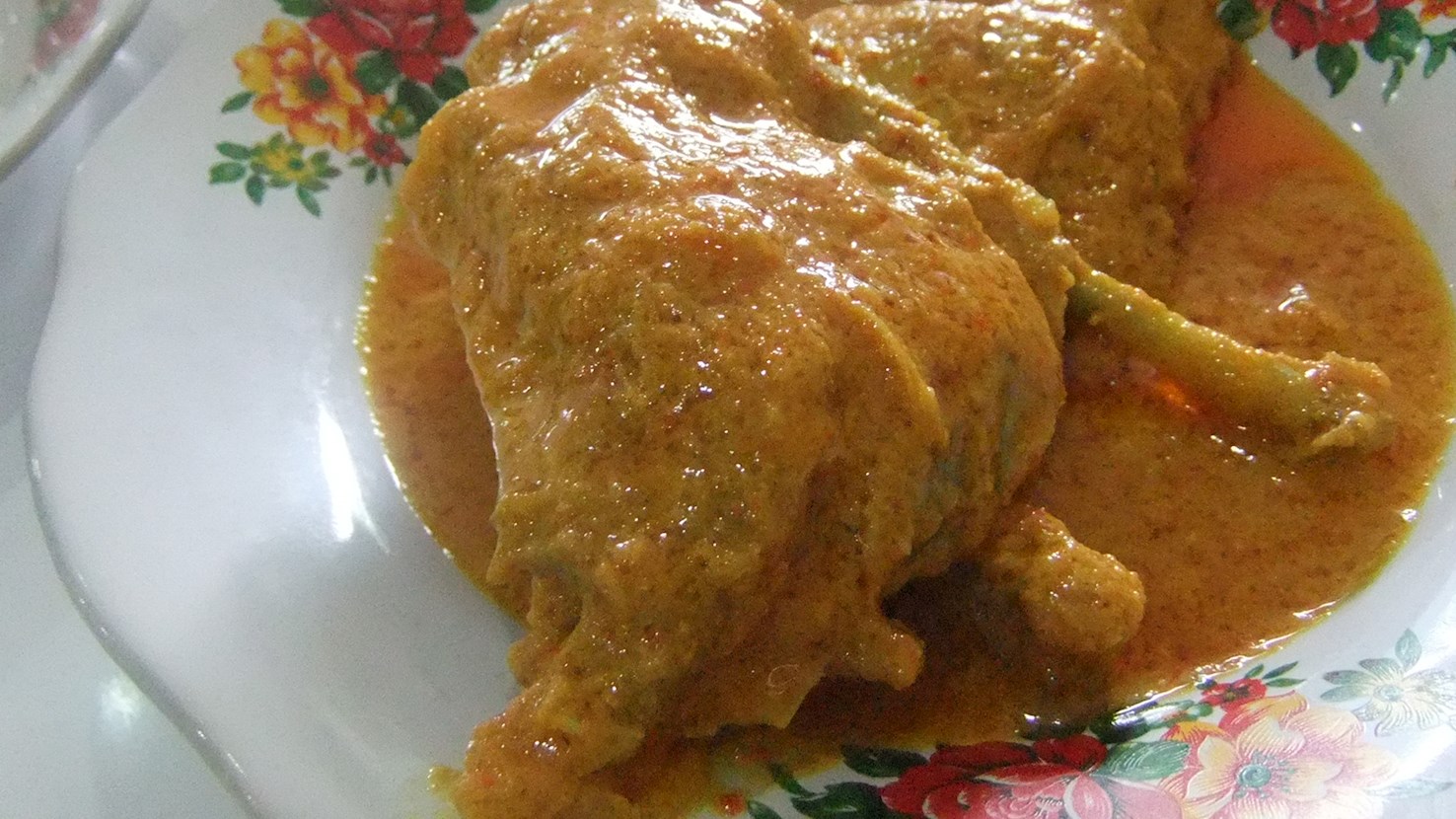
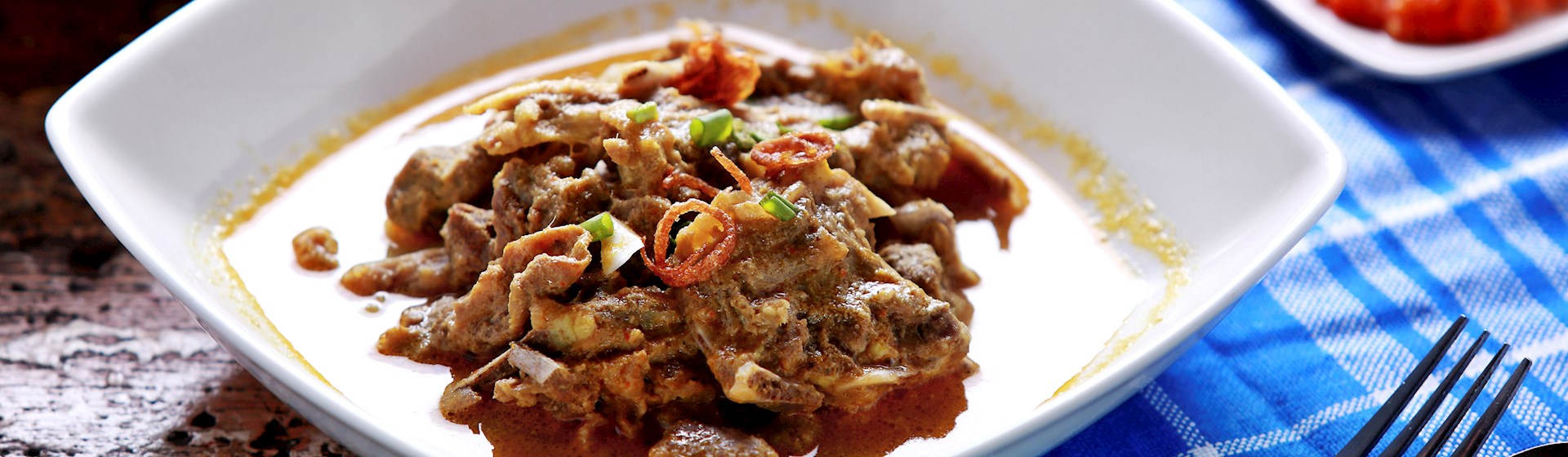
Gulai ayam is a classic Indonesian chicken curry that is rich, aromatic, and deeply rooted in Minangkabau (West Sumatran) and broader Malay culinary traditions. The term “gulai” refers to a type of curried dish found across Indonesia and Malaysia, characterized by its use of spices simmered in coconut milk, resulting in a thick, flavorful sauce. Ayam means chicken, so gulai ayam literally translates to chicken curry, but it’s far more complex than a typical curry. What sets gulai ayam apart is its luxurious spice blend, which often includes turmeric, coriander, cumin, cinnamon, cloves, star anise, cardamom, galangal, lemongrass, and sometimes toasted coconut. The chicken is slowly simmered in this fragrant blend along with thick coconut milk until it becomes tender and fully infused with the sauce’s golden, spicy, and slightly sweet richness. The color of the curry is usually a deep yellow-orange due to turmeric and chili, and the aroma is intensely warm and earthy. This dish is especially popular in Padang cuisine, which is known for bold, spicy, and coconut-rich flavors. But gulai ayam is enjoyed all over Indonesia and parts of Malaysia, with slight regional variations — for example, Javanese versions might be sweeter and milder, while Minang-style versions are spicier and more robust. Gulai ayam is typically served with steamed rice, often alongside sambal, vegetables, and other complementary dishes. It’s a common sight at family meals, religious feasts, and festive gatherings like weddings or Eid celebrations.

Best restaurants
05
Chicken Dish

Rendang ayam

4 ·

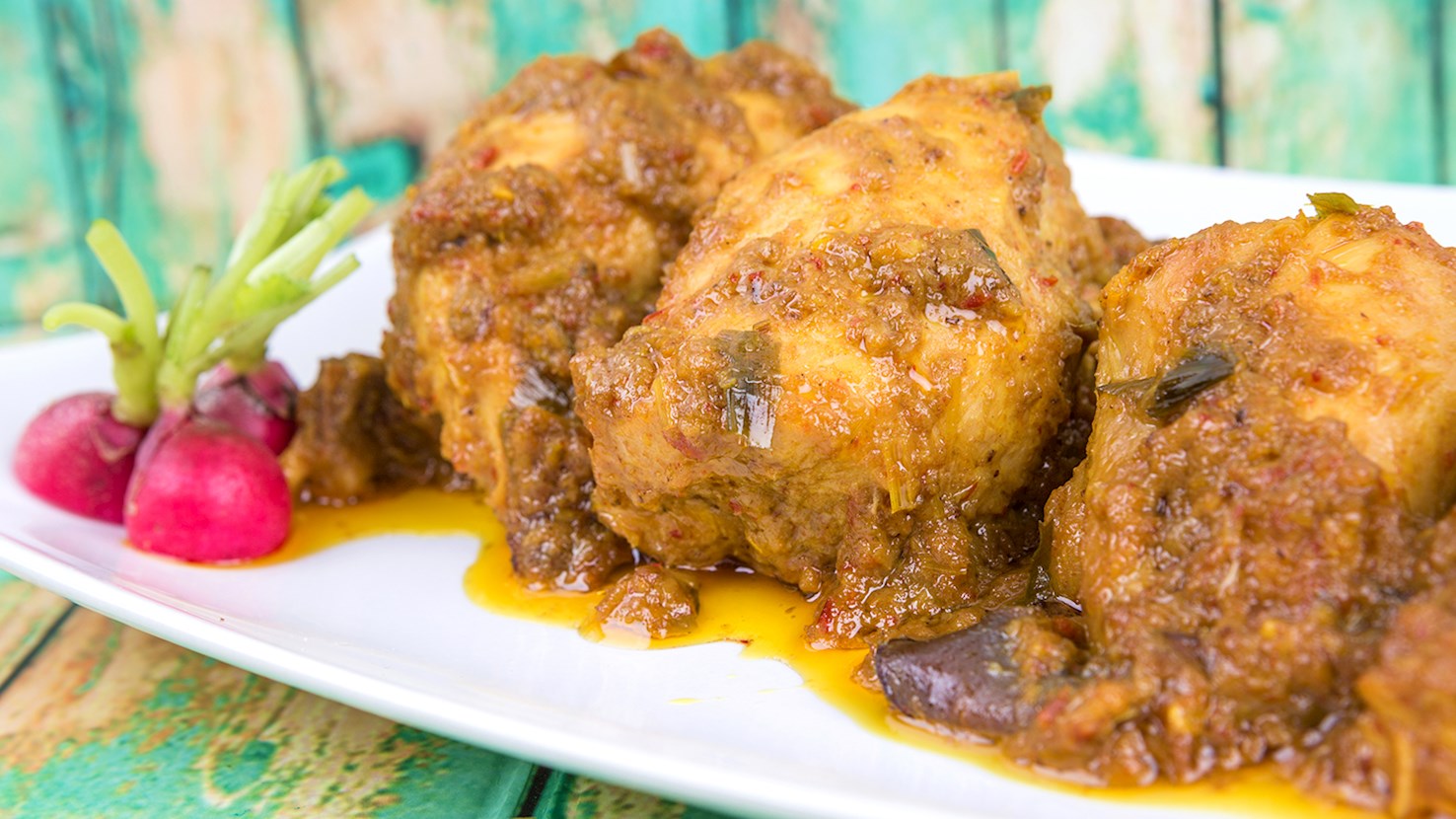
Rendang ayam is a traditional Indonesian chicken dish that originates from the Minangkabau ethnic group in West Sumatra. In Rendang ayam, the chicken is slowly simmered in coconut milk infused with a complex spice blend, typically composed of shallots, garlic, ginger, turmeric, galangal, lemongrass, and an array of chilies. The ingredients are pounded into a thick paste, then sautéed and combined with the coconut milk to create a sauce that is rich, earthy, and fragrant. Over several hours of gentle cooking, the sauce reduces gradually, concentrating its flavors as the chicken absorbs the aromatic base. The oils from the coconut begin to separate and caramelize, coating the meat in a dark, almost glossy crust that is characteristic of a well-made rendang. Unlike many curries, rendang ayam is considered a "dry" dish — not in terms of moisture, but in how the sauce clings tightly to the meat, offering layers of umami, heat, and subtle sweetness. The texture of the chicken remains tender, yet firm enough to hold its shape during the long braise, making it ideal for absorbing the intricate blend of spices. While rendang ayam can be found across Indonesia, it holds special prominence in Padang cuisine, where it is prepared during festive occasions such as weddings, Eid celebrations, and family feasts. In Minangkabau culture, rendang is more than food; it carries symbolic meaning tied to patience, wisdom, and communal harmony. The time required to cook the dish is viewed as a metaphor for the virtues of endurance and care. Traditionally served with steamed white rice, coconut rice, or compressed rice cakes like ketupat, it may also be accompanied by cassava leaves, sambal, or crispy fried shallots.

Best restaurants
06
Noodle Dish

Mie aceh

4 ·

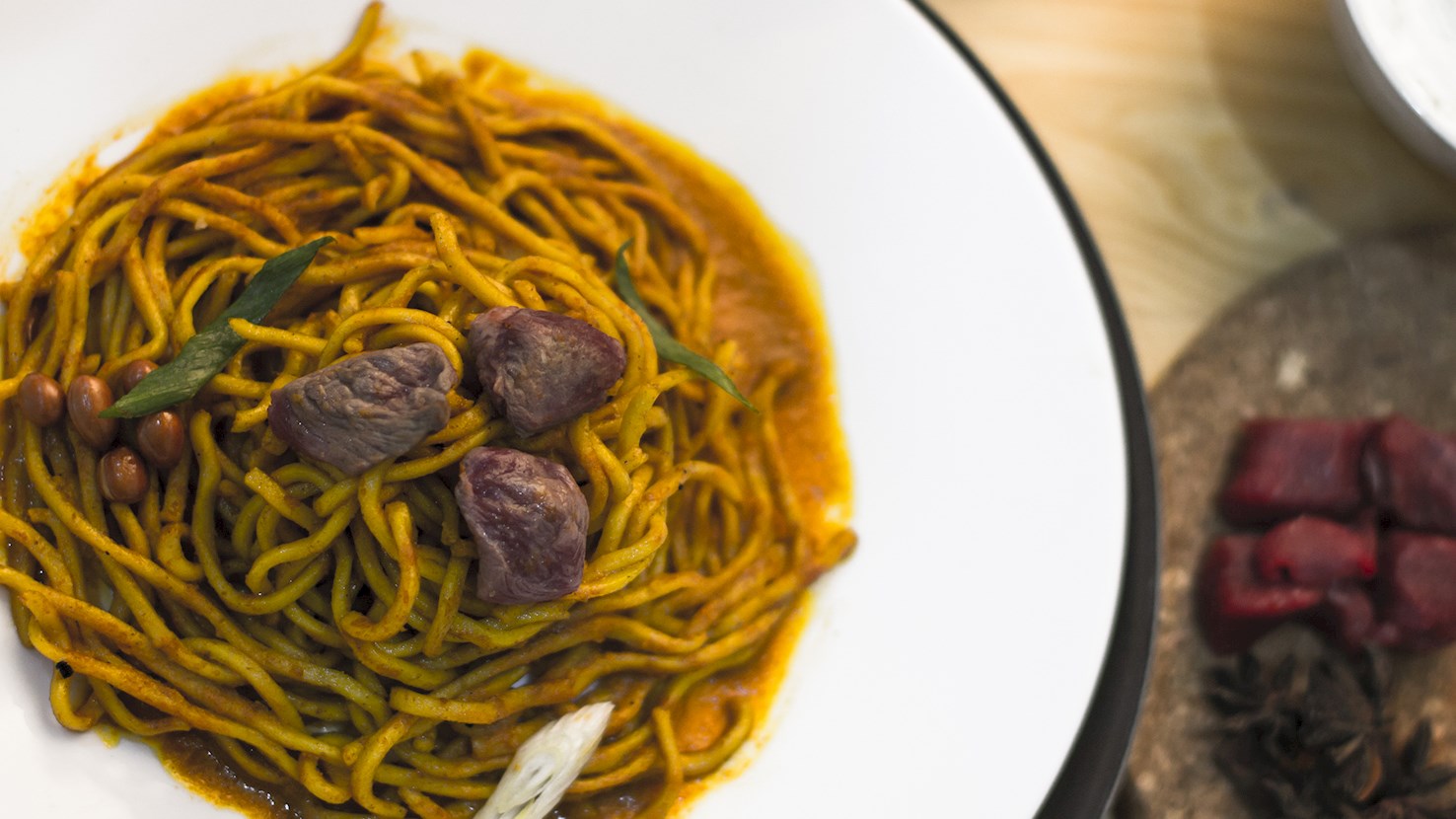
Mie Aceh is a bold and aromatic noodle dish originating from Aceh, the northernmost province of Sumatra, Indonesia, where the culinary landscape is deeply influenced by the region’s historical role as a trading hub, blending Indian, Arab, and Chinese flavors into a uniquely rich and spicy dish. This beloved specialty is made with thick yellow wheat noodles that are stir-fried or served in a deeply spiced, curry-like broth infused with an intense blend of garlic, shallots, chili, turmeric, coriander, cumin, and curry powder, creating a dish that is both fiery and deeply fragrant. Typically, Mie Aceh is enriched with an array of proteins such as beef, goat, shrimp, or crab, accompanied by fresh vegetables like cabbage, tomatoes, and bean sprouts, which add texture and a slight sweetness to balance the heat of the spice mix. The dish is prepared in three main variations, with Mie Aceh Goreng offering a dry stir-fried version where the noodles are coated in a thick, spicy sauce, Mie Aceh Tumis presenting a slightly wetter consistency with a small amount of gravy clinging to the noodles, and Mie Aceh Kuah, a heartier soupy version that bathes the noodles in a rich and flavorful broth. Regardless of its preparation style, Mie Aceh is traditionally served hot with a final touch of garnishes that enhance its complexity, including crispy fried shallots for a savory crunch, emping crackers for a light bitterness that contrasts the spices, fresh cucumber slices for a refreshing bite, and a squeeze of lime that brightens the dish with a hint of acidity. Known for its intense heat and robust flavors, Mie Aceh is a popular street food staple across Indonesia, served from warungs and roadside stalls where it is prepared fresh to order in large woks over high heat, ensuring the perfect sear and depth of flavor.

07
Fish Soup

Tekwan

3.7 ·

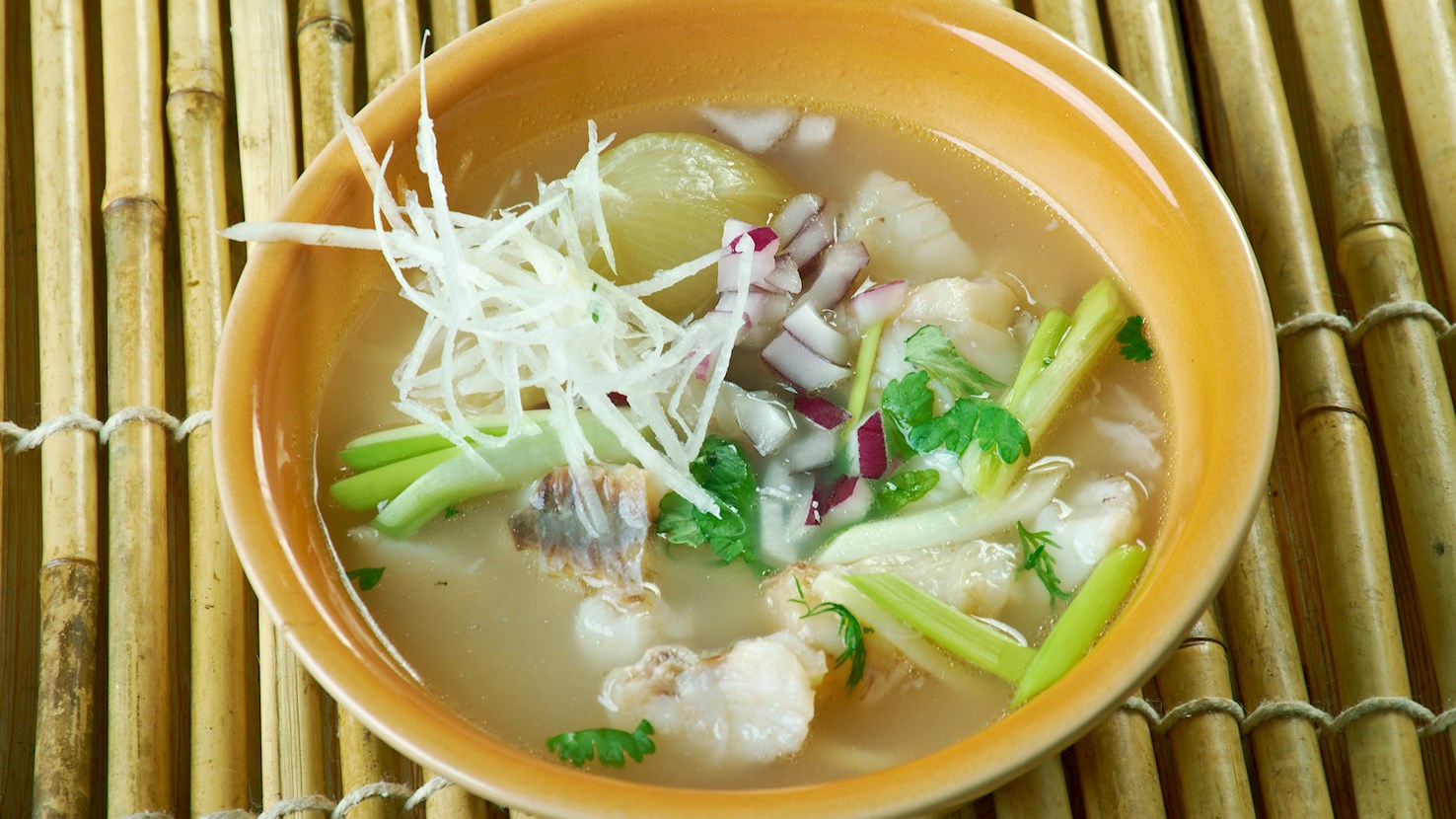
Tekwan is a traditional fish ball soup. The essential component of the dish are tekwan fish balls, from which the dish derives its name. Usually made with fish paste, tapioca, and flour, they are boiled or fried before being added to the soup. The broth is usually fish or shrimp-based, and mushrooms, dried lily flowers, slices of jicama, garlic, and scallions are subsequently added and served with tekwan. Some varieties of the dish also include vermicelli noodles and other vegetables. The origin of tekwan is believed to be the city of Palembang, located in South Sumatra, from where this delicious soup has spread across the country. It is usually found on the menus of Indonesian restaurants, and it is commonly served at warungs - traditional Indonesian street food stalls. Sambal, the traditional Indonesian chili sauce, is the usual accompaniment to tekwan. Served on the side, it allows the people to adjust the spiciness according to their taste and preference.

08
Pork Dish

Babi panggang

3.7 ·

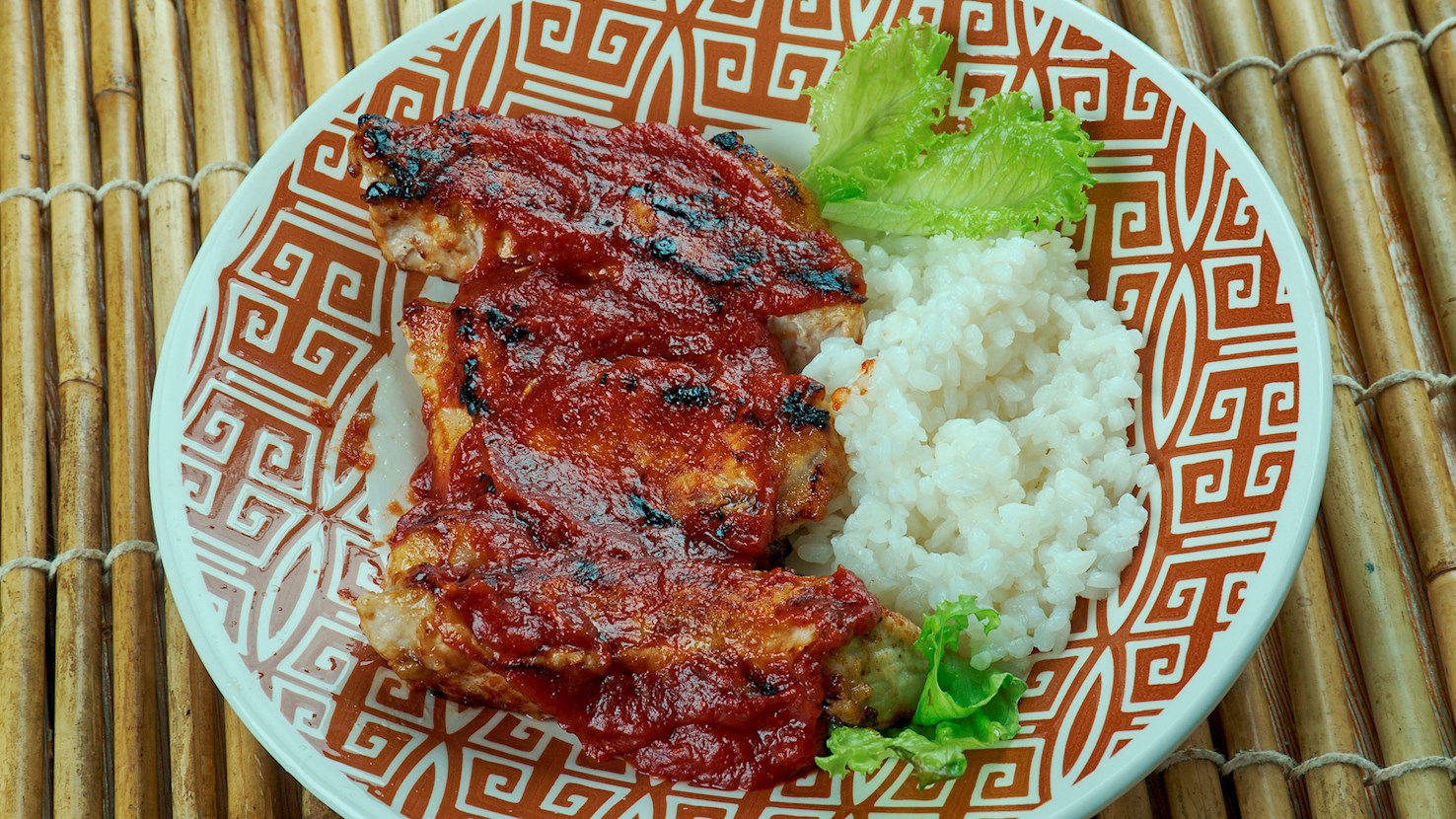
Babi panggang is an Indonesian term which refers to a wide variety of grilled or roasted pork dishes. It is believed that the tradition of preparing pork in Indonesia grew out of Chinese culinary heritage, and because of religious reasons pork dishes are usually found in areas with a predominant Christian and Hindu population. Besides the extremely popular babi guling, the Balinese suckling pig, there is a broad category of different grilled pork dishes traditional to the area of North Sumatra. Before grilling, the meat is usually marinated in a mixture of traditional Indonesian spices, such as ginger, garlic, galangal, and Indonesian soy sauce ketjap manis. The spices penetrate and coat the meat, keeping it tender and packed with flavor. When grilled, the meat is usually served sliced and it's accompanied by rice, cabbage, fresh green vegetables, spiced pig blood, and the spicy sambal andaliman. Occasionally, babi panggang can refer to a slightly varied dish, which includes grilled pork slices, but also pork soup, and sliced Indonesian blood sausage. Under a somewhat different name babi pangang, this Indonesian delicacy is also widely popular in Netherlands. It was exported during the colonization period and slightly differs from the original. The Dutch prefer to douse the meat in the sweet and sour sauce and traditionally boil the meat before grilling. Occasionally, they even fry it. The original babi panggang is usually found in many traditional Sumatran restaurants, while the Dutch variety is one of the most popular options enjoyed in Chinese restaurants in the Netherlands.

09
Egg Dish

Telur balado

3.6 ·

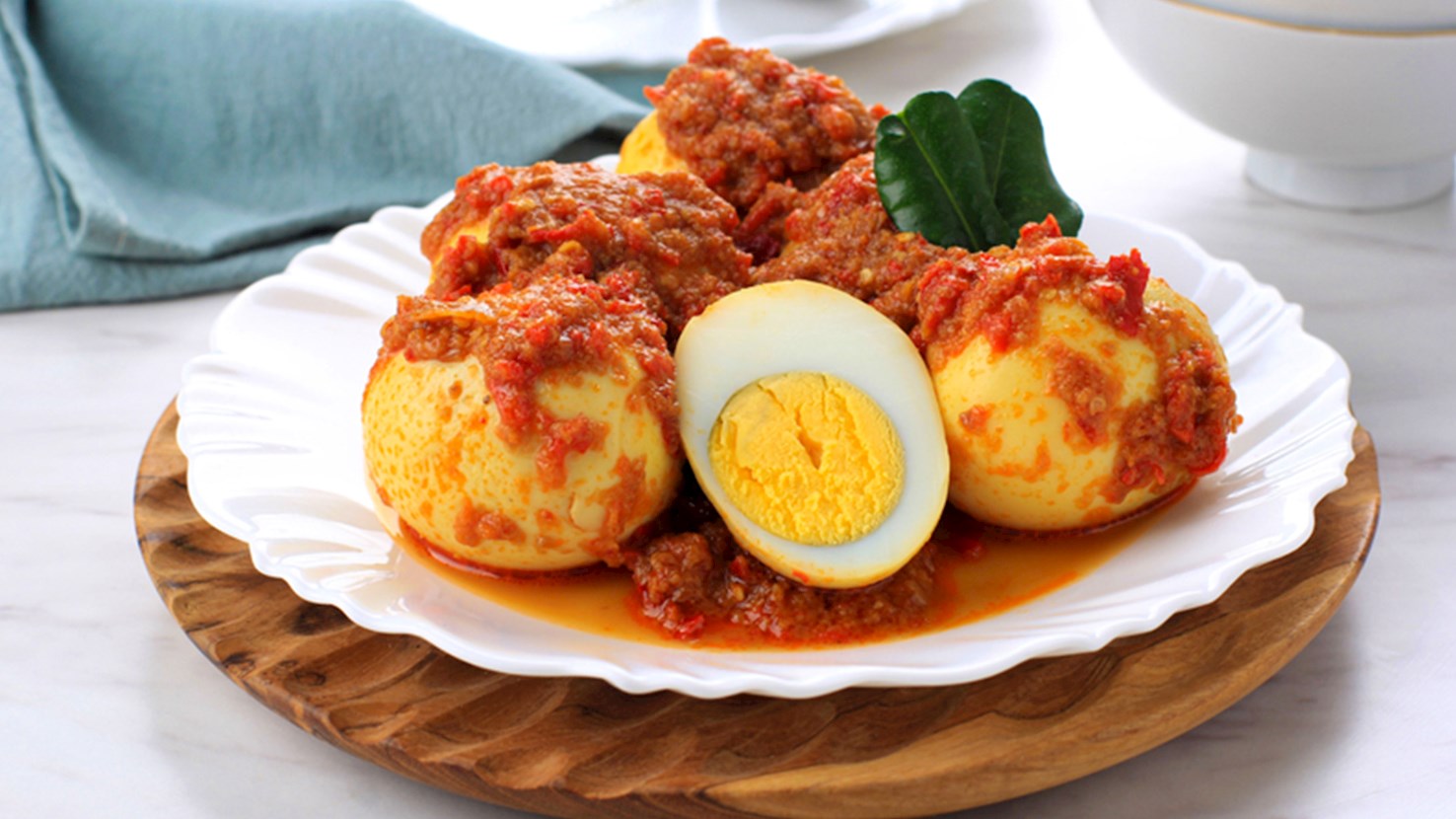
Telur balado is one of the most beloved everyday dishes in Indonesian cuisine, particularly rooted in the fiery traditions of West Sumatra’s Minangkabau kitchens. At first glance, it may seem unassuming: hard-boiled eggs coated in a vivid red sambal, but within that simple description lies a deeply expressive and carefully balanced composition of flavor, heat, and texture. The word balado itself refers to a style of cooking in Minang culture that involves sautéing ingredients in a chili-based sambal, and in this case, the eggs become the perfect medium for carrying the vibrant flavors. The preparation begins with boiling and peeling eggs, which are then briefly fried until their surfaces blister and take on a slightly crisp, golden texture. This step, while subtle, transforms the egg’s exterior, allowing it to absorb the sambal more effectively. The sambal for telur balado is one of Indonesia’s most iconic, made from a blend of red chilies, shallots, garlic, and tomatoes, sometimes enhanced with makrut lime leaves or a squeeze of lime for aroma and brightness. Unlike raw chili pastes, this sambal is gently cooked until its sharpness mellows and the oil begins to separate, signaling that the flavors have merged and deepened. The fried eggs are then folded into this mixture, turning a simple protein into a deeply seasoned centerpiece. Though intensely spicy, the flavor of the sambal is not one-dimensional; it carries sweetness from the tomatoes, warmth from the shallots, and a rich umami base that makes it compelling even to those unfamiliar with Indonesian cuisine. Telur balado is typically served with plain steamed rice, which acts as both counterpoint and canvas, absorbing the heat and harmonizing with the richness of the sambal. It often appears alongside other dishes in the sprawling nasi Padang format, where a variety of Minang specialties are served together, but it also stands alone as a satisfying and economical meal. In households across Indonesia, it is made in large batches and stored for several days, improving in flavor as the sambal continues to infuse the eggs.

10
Chicken Dish

Ayam pop

3.5 ·

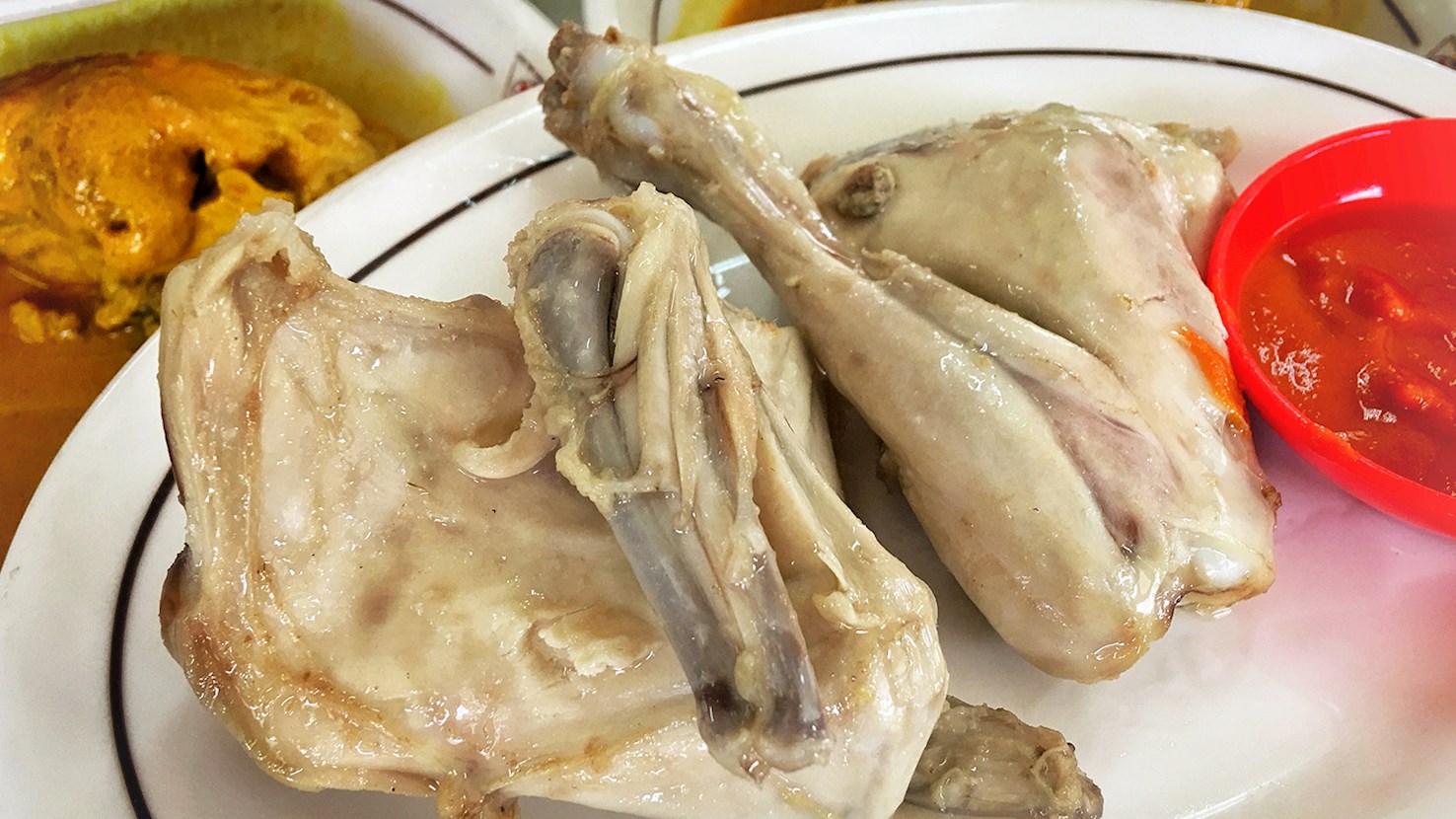
Ayam pop is a distinctive and much-loved chicken dish that hails from the rich culinary traditions of Padang, West Sumatra. What sets ayam pop apart from other Indonesian chicken preparations is its strikingly pale appearance and delicate, subtly sweet flavor, a gentle counterpoint to the typically fiery and aromatic dishes of the region. The chicken, often skinless and cut into pieces, is first simmered in coconut water infused with aromatics like garlic, galangal, lemongrass, and bay leaves. This slow poaching not only infuses the meat with a fragrant, slightly sweet depth but also tenderizes it to the point of near collapse. Once the chicken is thoroughly cooked and infused with flavor, it is briefly fried in hot oil, not to achieve a crisp, golden crust like conventional fried chicken, but merely to seal in the moisture and add a hint of texture, leaving the outside a soft pale beige that almost belies the flavor within. Ayam pop is traditionally served alongside steamed white rice and accompanied by sambal lado merah, a vibrant red chili sauce that adds the missing heat and punch, and often paired with boiled cassava leaves or fresh cucumber slices.

Read more
View all
View map
About this ranking

TasteAtlas food rankings are based on the ratings of the TasteAtlas audience, with a series of mechanisms that recognize real users and that ignore bot, nationalist or local patriotic ratings, and give additional value to the ratings of users that the system recognizes as knowledgeable. For the “Top 19 Sumatran Foods” list until June 24, 2026, 1,279 ratings were recorded, of which 763 were recognized by the system as legitimate. TasteAtlas Rankings should not be seen as the final global conclusion about food. Their purpose is to promote excellent local foods, instill pride in traditional dishes, and arouse curiosity about dishes you haven’t tried.

The initial list of top producers was compiled based on available reviews, awards, local recommendations, media and blog coverage, and consumer reviews. The list will be updated with ratings from TasteAtlas local ambassadors and TasteAtlas users.

Similar lists