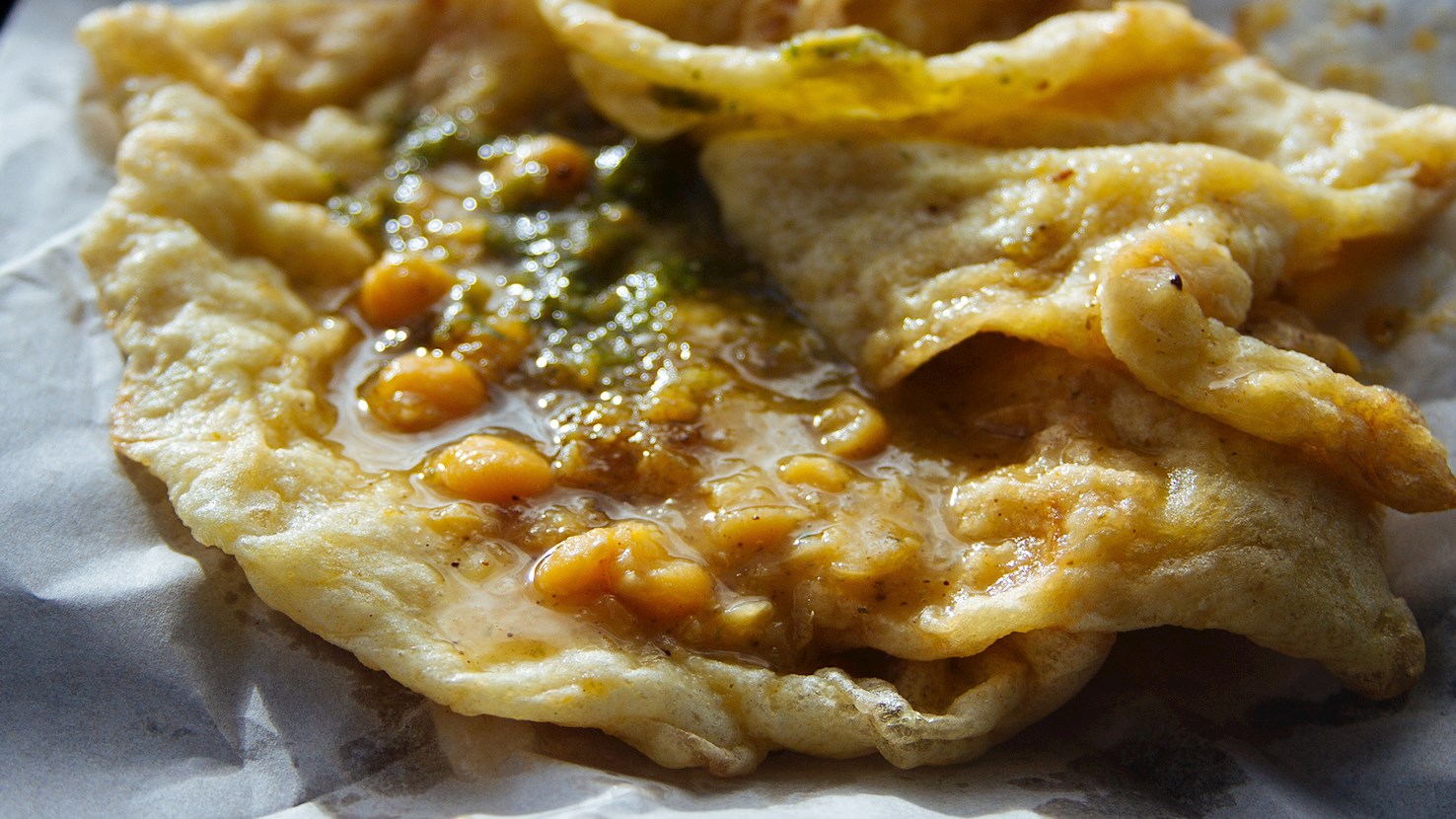
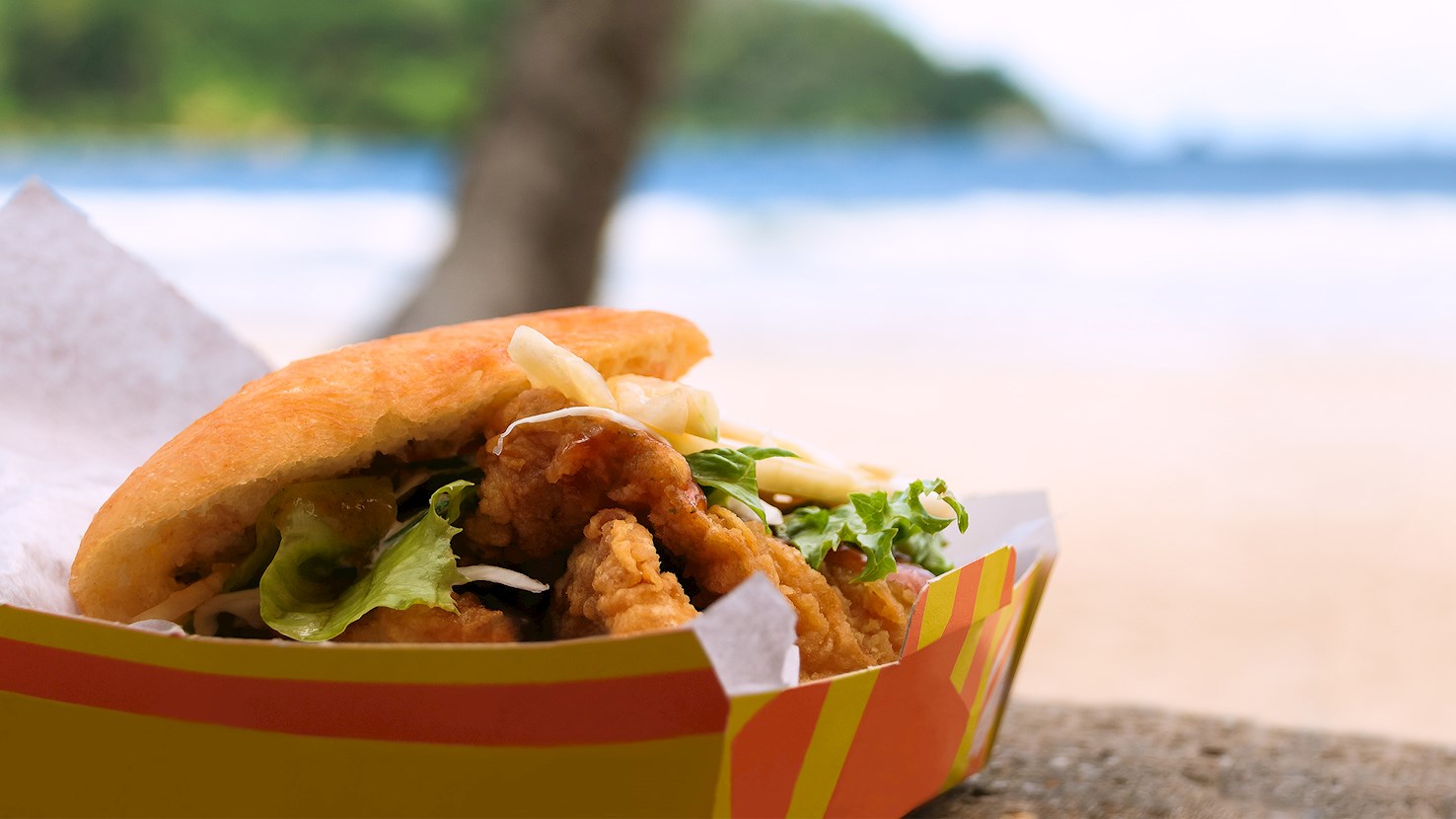
Doubles is a staple of Trini street food, a sandwich that consists of two fried flatbreads (bara) filled with curried chickpeas (curry channa). It is believed that doubles were invented in 1936 in Princes Town, and nowadays they are consumed for breakfast or as a late-night snack. The dish can be additionally enriched with ingredients such as pepper sauce, tamarind sauce, or green mango pickle with amchar masala, known as kuchela. In Trinidad and Tobago, doubles are typically sold wrapped in paper.
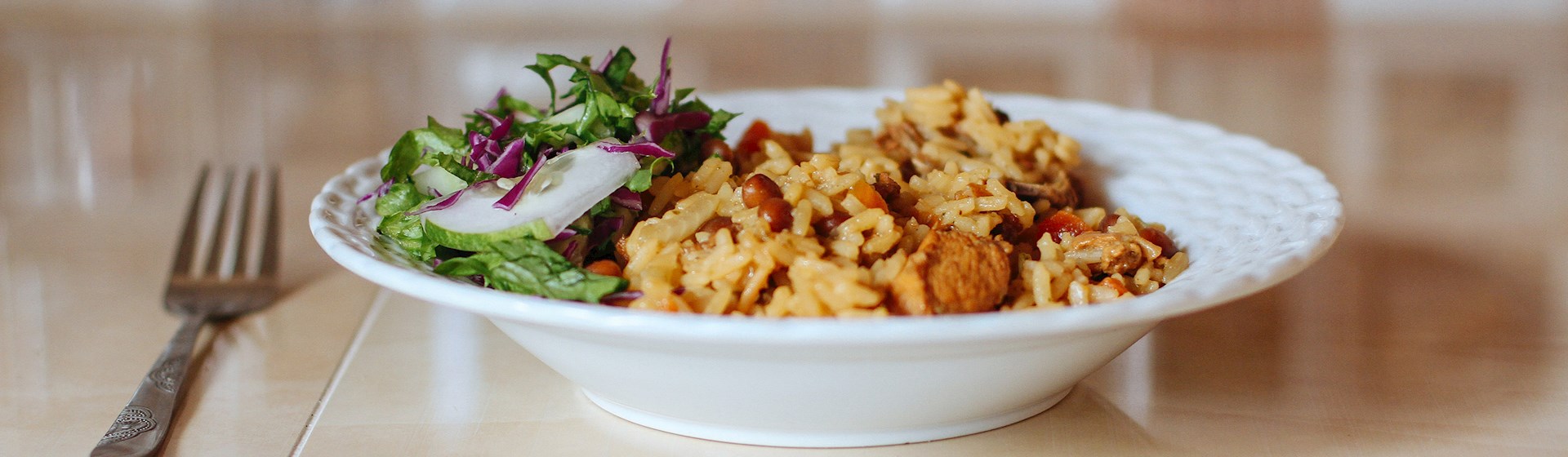
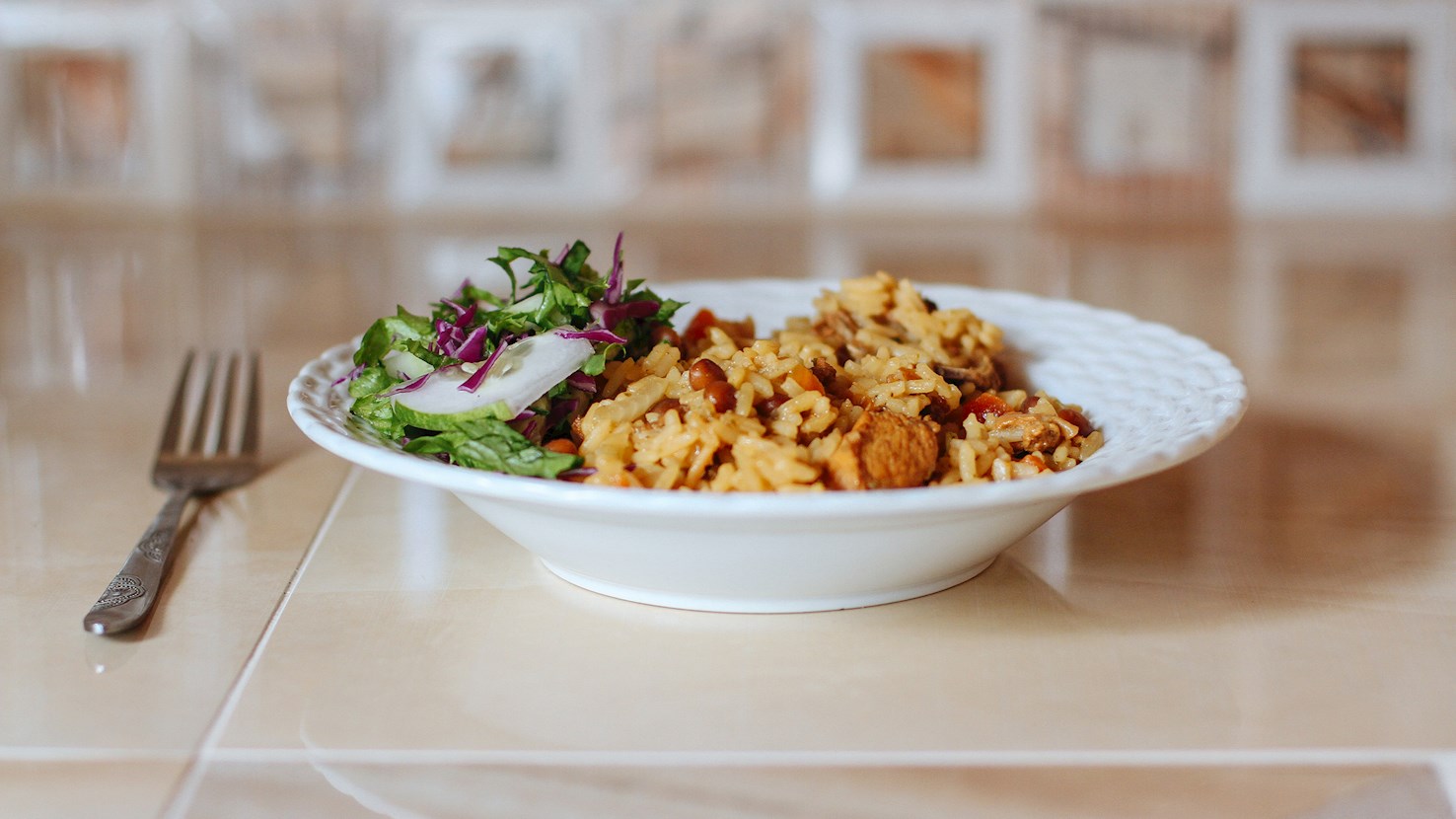
Pelau is a savory Trini dish consisting of meat such as beef or chicken combined with rice, vegetables, fresh herbs, and coconut milk. Meat is traditionally browned in sugar before it gets mixed with other ingredients. The dish is usually cooked in one pot, making it ideal for festivities and picnics. It is often served with salads, hot sauces, or chutneys on the side.
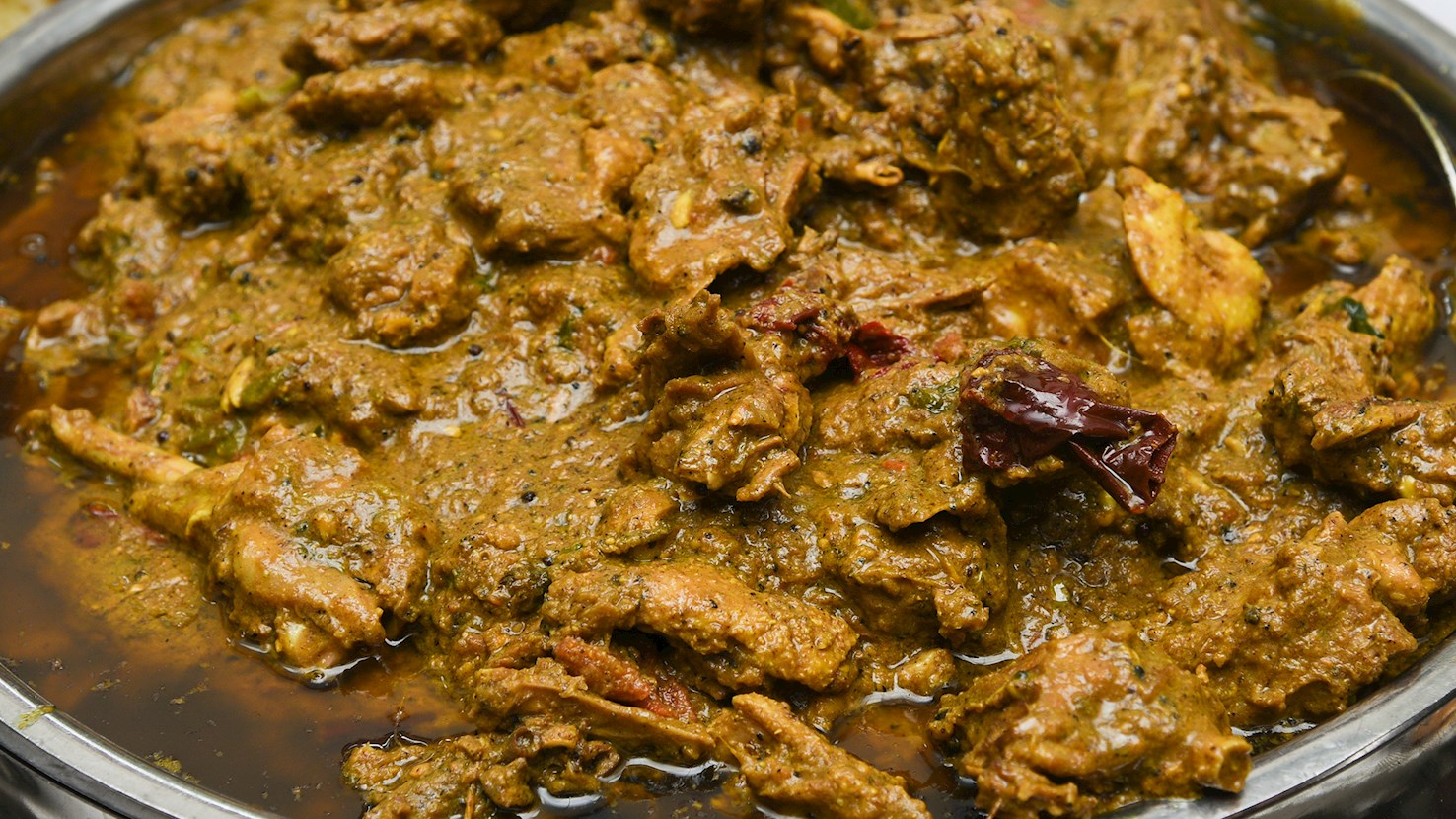
Curry duck is a popular Caribbean dish, especially in Trinidad and Tobago. Duck used in this type of curry is the Muscovy, which is typically raised by many village folks on the island. The meat is traditionally marinated in a combination of salt, pepper, cumin, curry powder, hot peppers, cilantro, scallions, onions, and garlic. Once prepared, curry duck is usually served with either rice or roti on the side. There are also numerous local curry duck competitions in the island, testifying to the popularity of this flavorful dish which is heavily influenced by Indian cuisine.
Bake and shark is a unique Trini street food item that is especially popular at concerts, festivals, and celebrations. It consists of marinated or seasoned pieces of shark meat, sauces, chutneys, and vegetables in a flatbread known as bake. The dish is often associated with Maracas beach which is filled with numerous bake and shark street stalls.
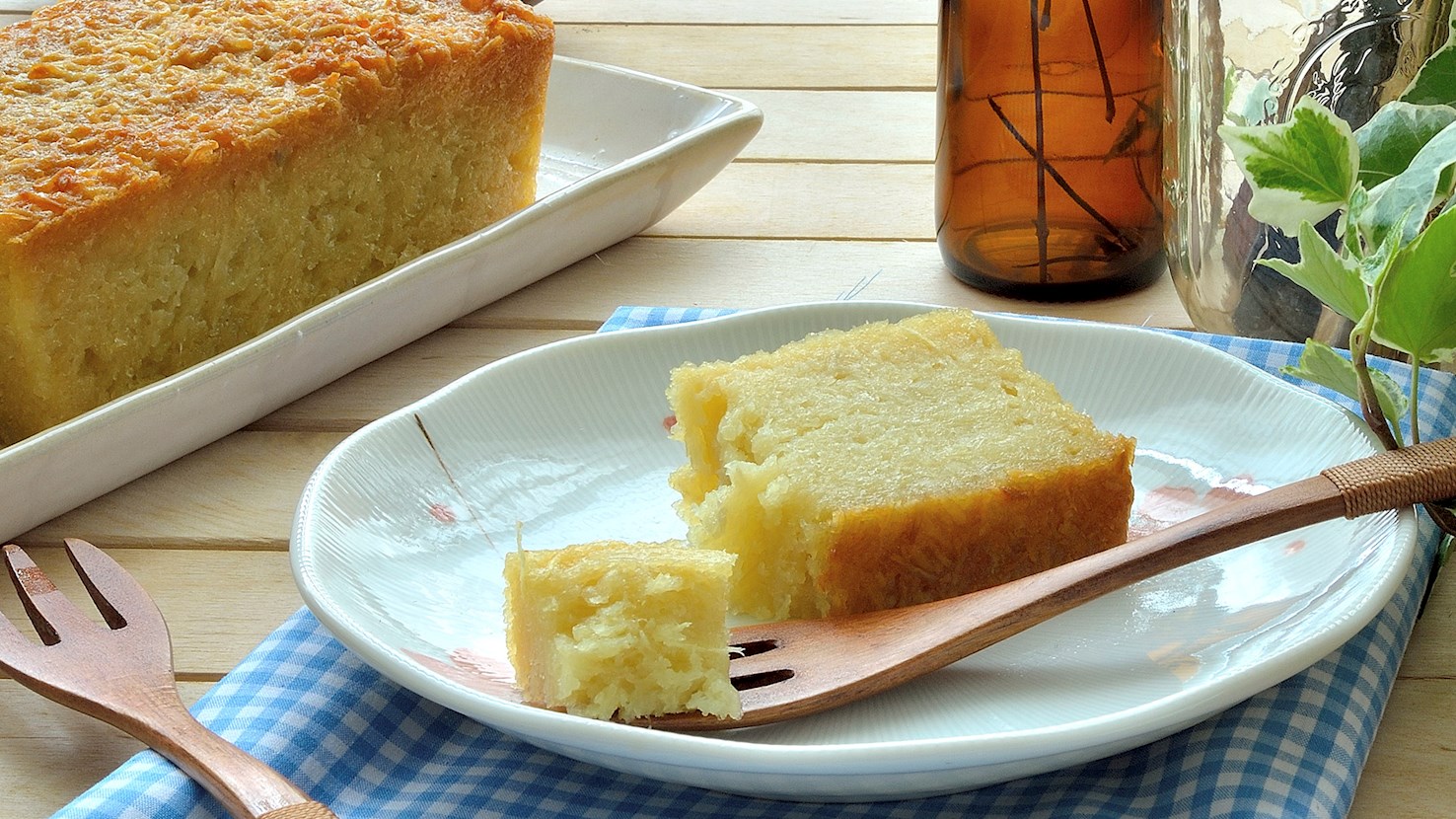
Cassava pone is a sweet, moist, and gummy dessert made from cassava root, pumpkin, sweet potatoes, coconut, sugar, nutmeg, butter, and milk. Not much is known about the origin of this dessert, but it's believed it first appeared somewhere on Barbados, Trinidad and Tobago or in Guyana, although most probably at all of these territories at the same time. Today, cassava pone is so popular that it is regularly the first dessert to sell out at bake sales, and it is said that if you ask any local about pone, you are almost guaranteed to be regaled with a cherished childhood memory.
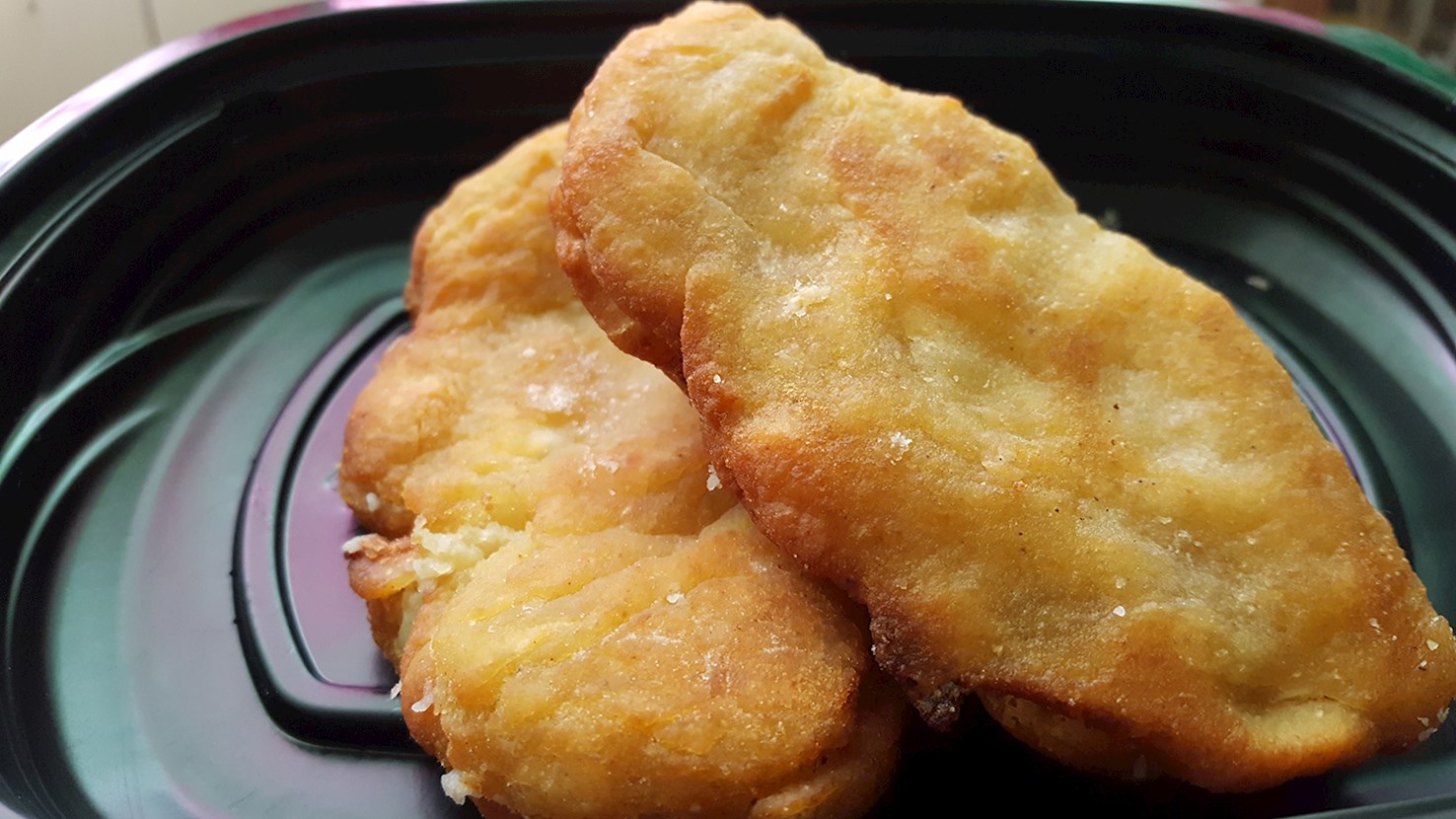
Aloo pie is a fried pastry filled with seasoned mashed potatoes from Trinidad and Tobago. Despite its name, it bears little resemblance to a conventional pie. It is usually long and slightly flattened, with a soft, golden fried shell surrounding a warm, savory potato filling. Aloo means potato, and the filling is the defining part of the snack. Potatoes are boiled until tender, then mashed and seasoned with roasted ground cumin (locally known as geera), garlic, salt, and hot pepper. Chadon beni, or culantro, is also commonly added, while some versions include onion or other green seasonings. The result is a strongly seasoned filling with plenty of cumin and pepper rather than a plain potato mash. The dough is relatively simple, usually made from all-purpose flour, water, salt, and a raising agent such as baking powder or yeast. After resting, it is divided into portions and flattened. A spoonful of potato filling is placed in the center, the dough is folded around it, and the edges are sealed to form an elongated parcel. The pies are fried in hot oil until puffed and golden brown. The oil should be hot enough to cook the dough quickly, but not so hot that the outside burns before the center is heated through. Freshly fried aloo pies have a lightly crisp exterior that gives way to soft dough and a substantial potato filling. Aloo pie is closely associated with Trinidad and Tobago's Indo-Caribbean street-food culture. It developed from the food traditions Indian migrants brought to Trinidad during indentureship. Their descendants adapted Indian ingredients, seasonings, and cooking techniques to the Caribbean environment, creating a distinctive Indo-Trinidadian cuisine that includes foods such as doubles, pholourie, saheena, kachori, and aloo pie. The precise origin of aloo pie is not documented well enough to identify it as a direct descendant of any single Indian snack. Street vendors often slice a freshly fried aloo pie open and add condiments before serving it. Tamarind chutney is one of the most common, providing a sweet-and-sour contrast to the potato and fried dough. Mango chutney, chadon beni sauce, and hot pepper sauce are also popular. Kuchela, a strongly seasoned relish made from grated green mango, can be served with it as well, although it is thicker and more intensely spiced than the chutneys normally poured into the pie. Another popular way to serve aloo pie is to fill the opened pastry with curried channa, or chickpeas, then add chutney and pepper sauce. The combination turns the relatively simple potato pastry into a much more substantial meal. Channa is usually added after frying rather than incorporated into the potato filling. Aloo pies are sold throughout Trinidad and Tobago, particularly from roadside stalls and vendors that specialize in Indo-Trinidadian snacks. Debe in southern Trinidad is especially well known for stalls selling aloo pies alongside doubles, saheena, kachori and pholourie. People eat them throughout the day, but they're especially common as an inexpensive breakfast, lunch, or quick snack.
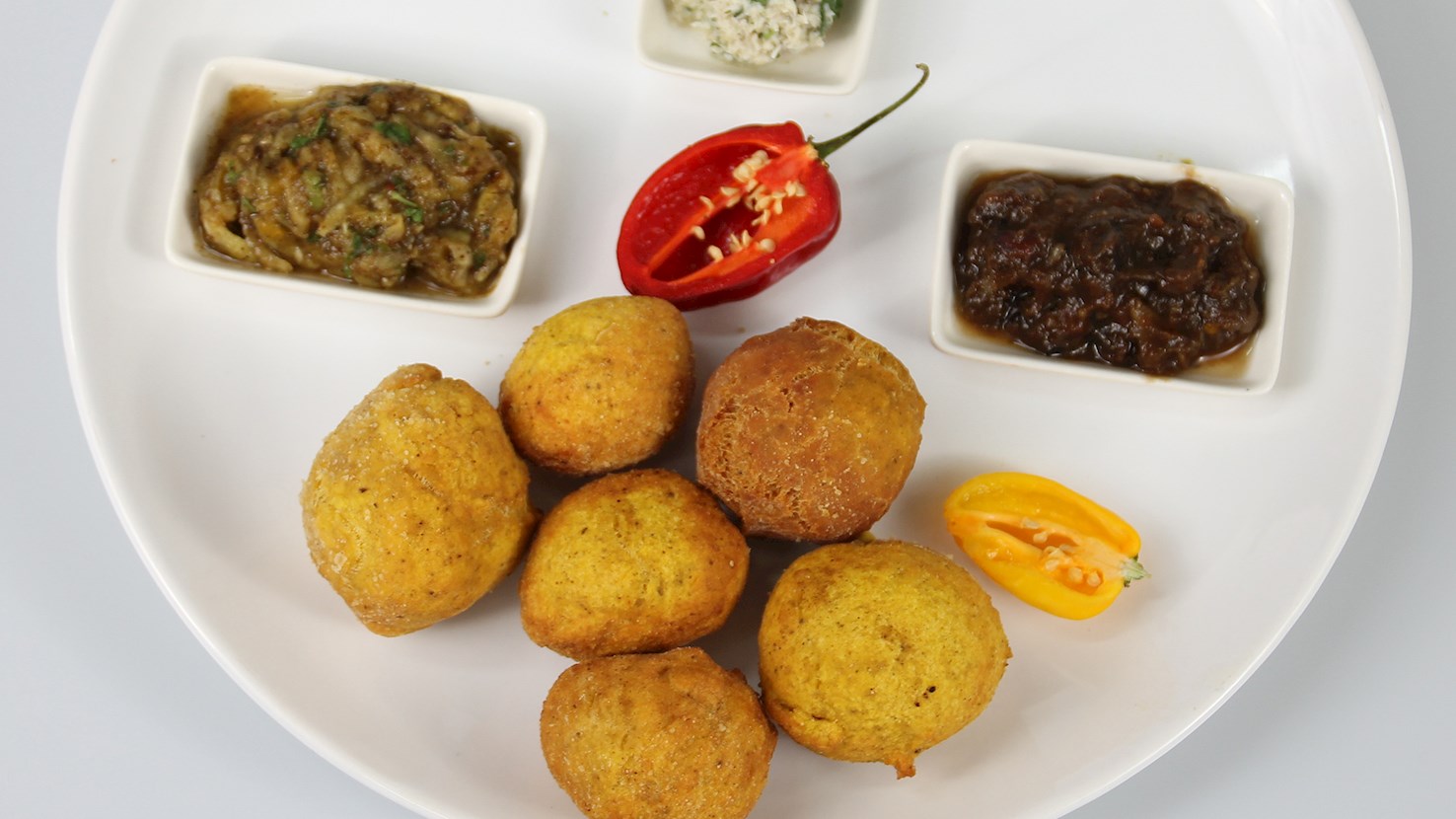
Pholourie is a small, savory fritter made from a seasoned batter of flour and ground yellow split peas, fried until golden and served with chutney or pepper sauce. Crisp on the outside and soft and airy inside, it is one of the most popular street snacks in Trinidad and Tobago and is also widely eaten in Guyana and other parts of the Caribbean with strong Indo-Caribbean influences. The snack developed from the food traditions Indian indentured laborers brought to the Caribbean in the 19th century. Between 1845 and 1917, nearly 148,000 Indians arrived in Trinidad under the indenture system, most of them recruited to work on sugar estates. Many came from northern India, particularly present-day Uttar Pradesh and Bihar, and brought techniques for making fried breads, fritters, and snacks from pulses and flour. Over time, these traditions adapted to local ingredients and tastes, eventually producing distinctly Caribbean foods such as pholourie. Trinidadian pholourie is usually made with all-purpose flour and ground yellow split peas or commercially prepared split-pea powder. Some older methods start by soaking dried split peas until softened, then grinding them into a paste. The peas are mixed with flour, water, and seasonings to make a thick, sticky batter. Turmeric gives pholourie its characteristic yellow color, while garlic, roasted cumin, hot pepper and chadon beni, or culantro, provide much of its familiar flavor. Recipes vary considerably from household to household and may include yeast, baking powder, or both to help produce a light, fluffy interior. The batter generally rests before small portions are dropped into hot oil. As they fry, they puff into irregular round balls and develop a lightly crisp, golden exterior. Properly made pholourie should be tender and airy rather than dense or greasy, with the earthy flavor of the split peas balanced by garlic, cumin, and herbs. Pholourie is closely associated with Trinidadian street food. Vendors commonly sell the freshly fried fritters in small paper bags, often with chutney spooned over them or served alongside. They are also made at home and served at parties, family gatherings and celebrations, either as a snack or an appetizer. Tamarind chutney is a classic accompaniment. Its sweet-and-sour flavor is often sharpened with roasted cumin, garlic and hot pepper. Mango chutney is equally common, while pommecythere, or golden apple, chutney is another popular option. Pepper sauce may also be added for extra heat. The fritters' soft, porous centers readily absorb these sauces, so the combination of warm pholourie and tart, spicy chutney is considered a must. Although pholourie has roots in Indian cooking, it has developed into a distinctly Indo-Caribbean food. Its combination of split peas, chadon beni, hot pepper, and Caribbean-style chutneys reflects the way Indian culinary traditions evolved in Trinidad, and today pholourie is eaten across ethnic and cultural lines as one of the country's most recognizable snacks.
Soursop ice cream is a Caribbean dessert that is especially popular in Trinidad and Tobago. It is made with ripe soursop, water, cornstarch, condensed milk, salt, and sometimes a few splashes of bitters. After the combination has been churned, it is then stored in the freezer until firm in texture. This unique ice cream variety is enjoyed throughout the year.
Saltfish buljol is a spicy Trini dish made by soaking and boiling pieces of salted fish, then blending them with tomatoes, hot peppers, sweet peppers, onions, and oil. The dish is most commonly enjoyed as a hearty breakfast, when it is placed into a type of bread called bake, creating a sandwich in the process. Saltfish buljol is often paired with provisions (Trini term for boiled root vegetables) on the side, and the dish is often garnished with sliced scotch bonnet peppers.
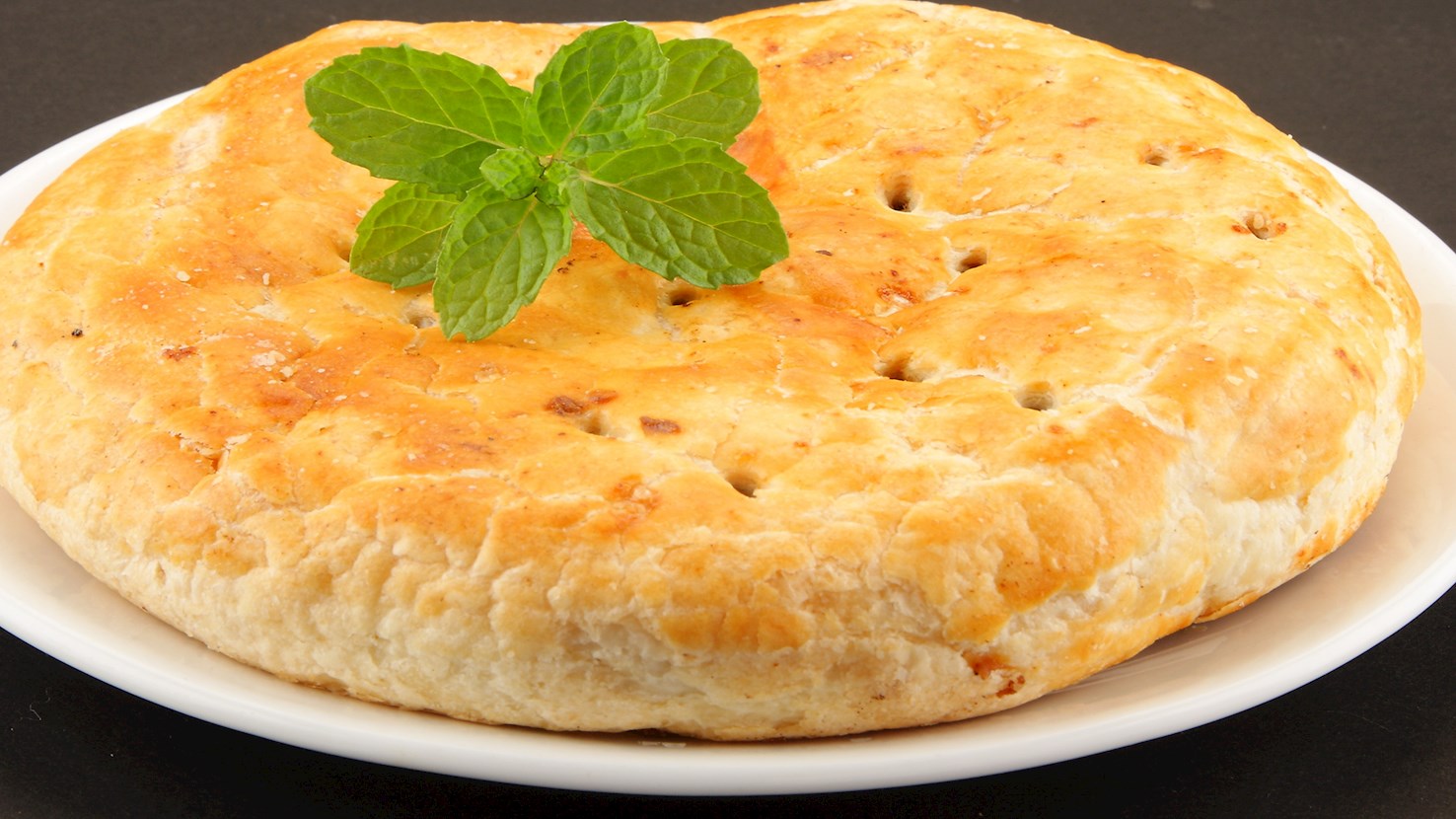
Coconut bake is a popular Trini bread characterized by its dense yet light texture. It consists of flour, coconut milk, grated coconut, butter, and brown sugar. The bread is traditionally flat and round, and it is served with saltfish, tomatoes, butter, and cheese.
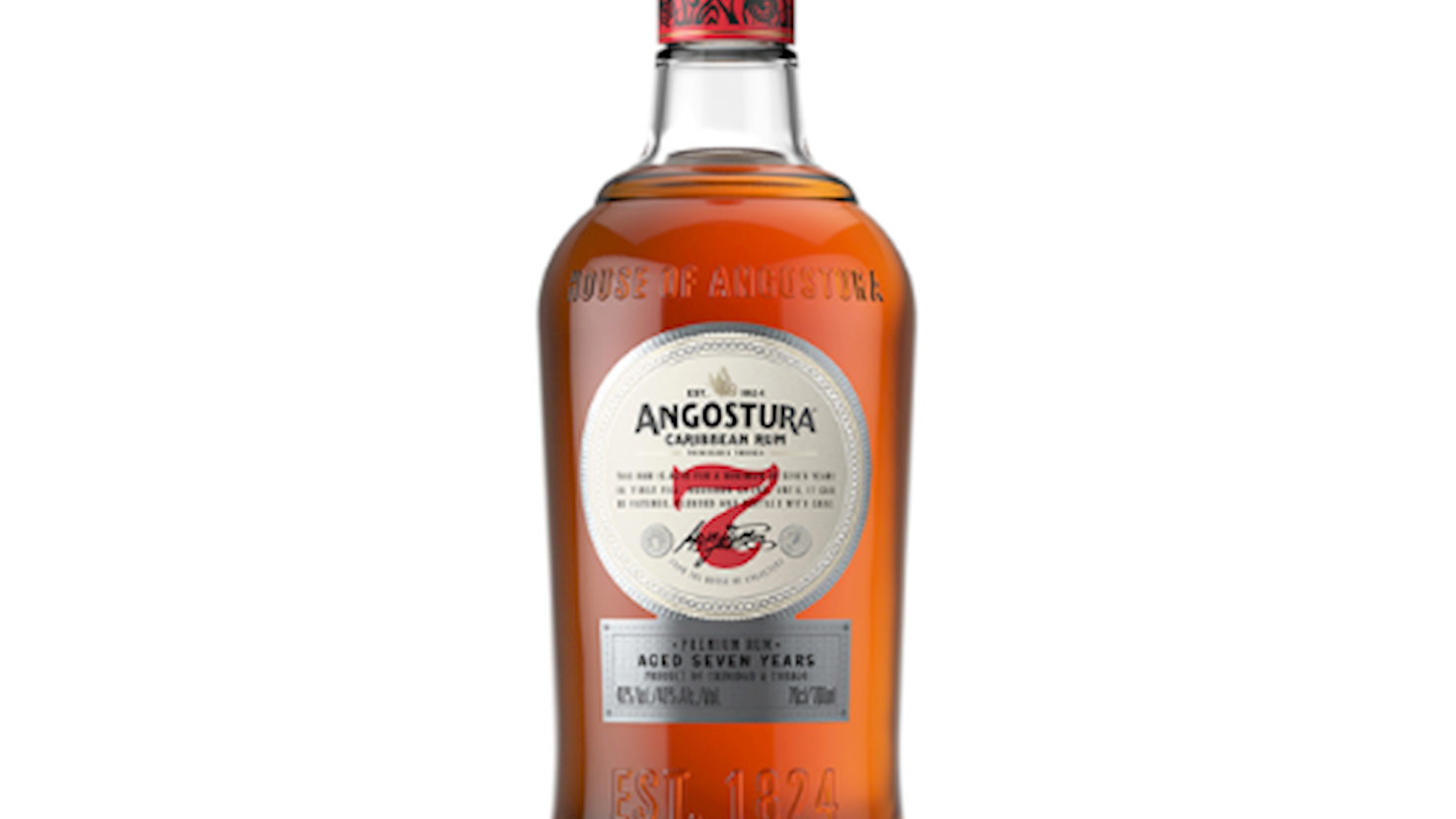
Angostura Limited, also known as the House of Angostura, is one of the world’s most renowned producers of aromatic bitters and premium rum. The brand dates back to 1824, when German doctor Johann Gottlieb Benjamin Siegert created his bitters as a digestive elixir for the military in the town of Angostura (now Ciudad Bolívar, Venezuela).
Production was later moved to Trinidad, where it continues today according to a closely guarded secret recipe known only to a select few. Angostura bitters have become a global standard in mixology, instantly recognizable by their distinctive packaging featuring a yellow cap and an intentionally oversized label.
Over the years, the company has expanded its portfolio to include a wide range of premium rums, celebrated for their long aging process and rich flavor. The brand’s offerings also include liqueurs, carbonated beverages, and innovative rum-based products, and it has become an important export ambassador for Trinidad and Tobago.
Angostura blends tradition with innovation, building on two centuries of heritage while embracing modern trends in cocktail culture. Its products have won awards at international competitions, and its bitters are an essential staple in bars around the world.
Awards
SFWSC - San Francisco World Spirits Competition - Double Gold
(2024)
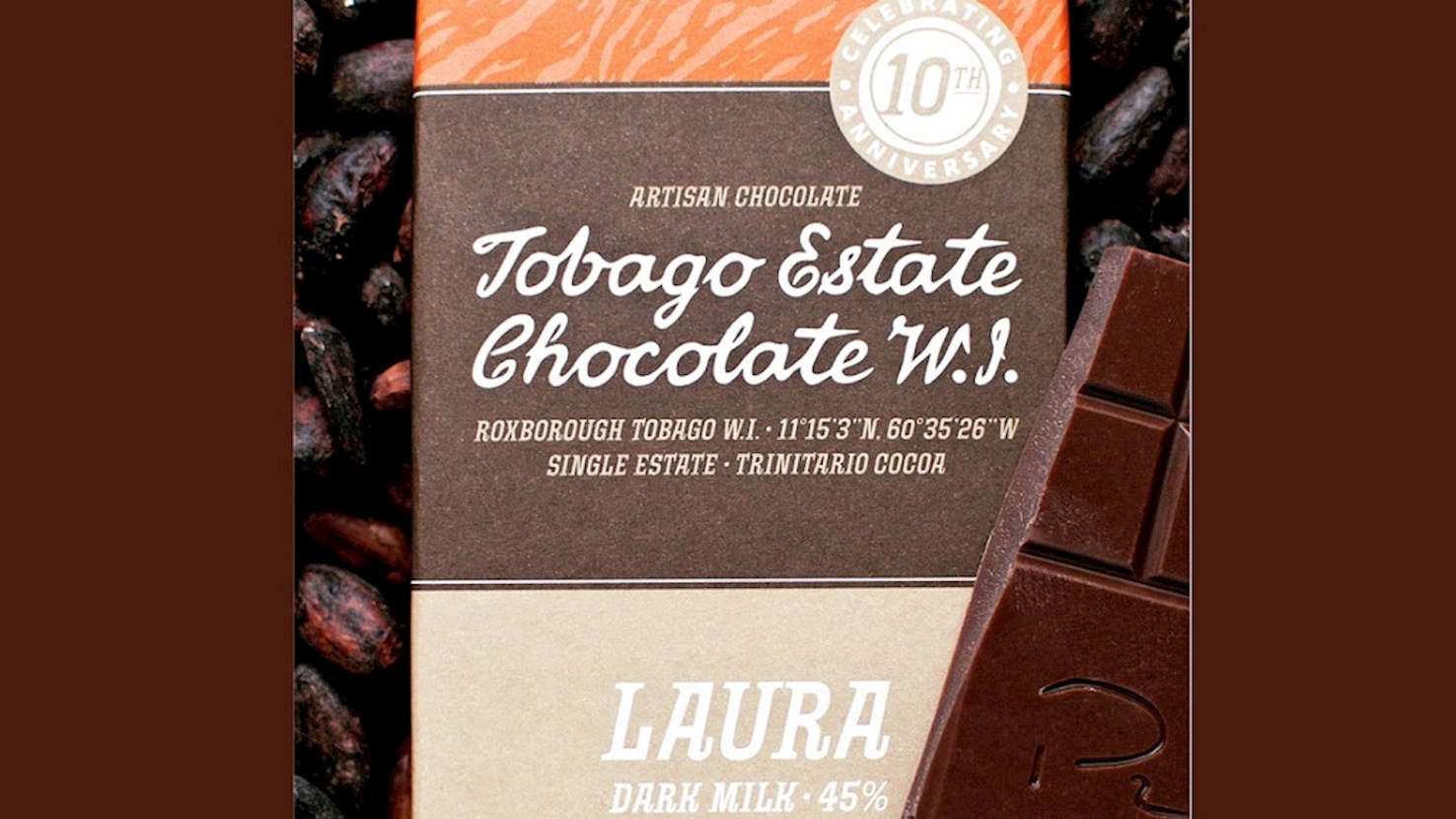
Tobago Cocoa Estate is a chocolate producer located in Trinidad and Tobago focused on producing high-quality, single-origin chocolate. The estate employs traditional methods for growing cocoa, which are combined with modern techniques for processing.
Their products emphasize the unique flavors of the cocoa grown on the island of Tobago. Tobago Cocoa Estate's chocolate has received international recognition, winning awards at various chocolate and fine food competitions.
Awards
International Chocolate Awards - Best in competition' overall winners
(2017)
Cocobel Chocolate is a producer of artisan chocolates based in Port of Spain, Trinidad and Tobago. The company creates handcrafted chocolates using locally sourced cocoa beans, emphasizing the distinct flavors of the region's terroir.
Cocobel Chocolate also integrates indigenous ingredients and flavors into its products, promoting the cultural heritage of Trinidad and Tobago through its chocolates.
Awards
International Chocolate Awards - Silver
(2023, 2020)
TasteAtlas food rankings are based on the ratings of the TasteAtlas audience, with a series of mechanisms that recognize real users and that ignore bot,
nationalist or local patriotic ratings, and give additional value to the ratings of users that the system recognizes as knowledgeable.
TasteAtlas Rankings should not be seen as the final global conclusion about food. Their purpose is to promote excellent local foods,
instill pride in traditional dishes, and arouse curiosity about dishes you haven’t tried.
The initial list of top producers was compiled based on available reviews, awards, local recommendations, media and blog coverage, and consumer reviews.
The list will be updated with ratings from TasteAtlas local ambassadors and TasteAtlas users.








What People Say