


shutterstock

65 Best Rated
Dishes with Cassava

Last updated on May 22, 2026
01

Bobó de camarão

4.3 ·

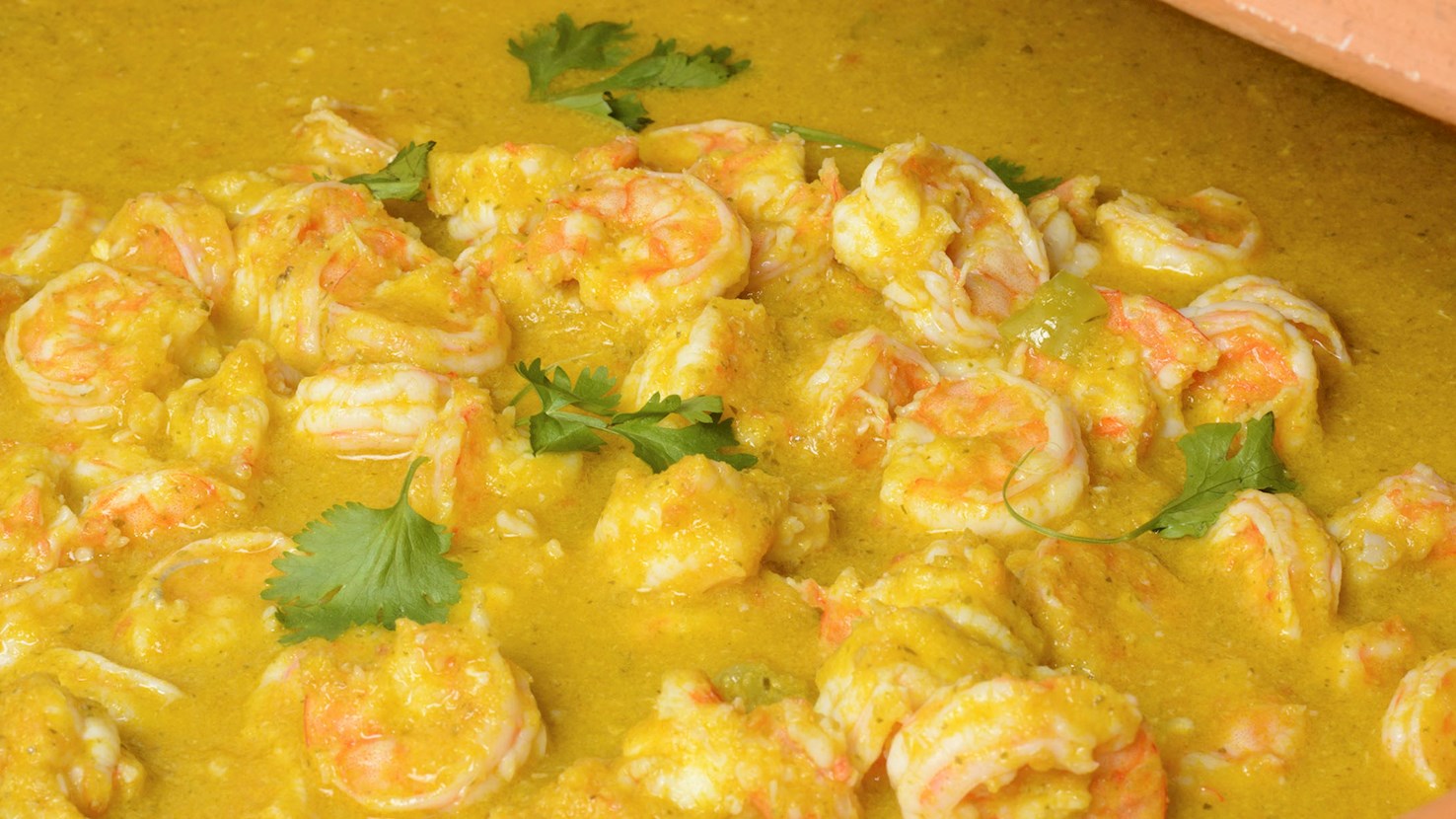
A classic dish of the Brazilian Bahia region, bobó de camarão is a stew made with puréed cassava (bobó), fresh shrimps, coconut milk, and dendê palm oil. The word bobó comes from the Ewe people who were brought to Brazil as slaves, denoting a dish made with beans, although there are no beans in bobó de camarão as we know it today, due to the fact that the Afro-Brazilians enthusiastically took to cassava when they were first introduced to it. The dish is traditionally accompanied by rice on the side, and is a staple of most traditional Brazilian eateries and Bahian self-service restaurants.

02

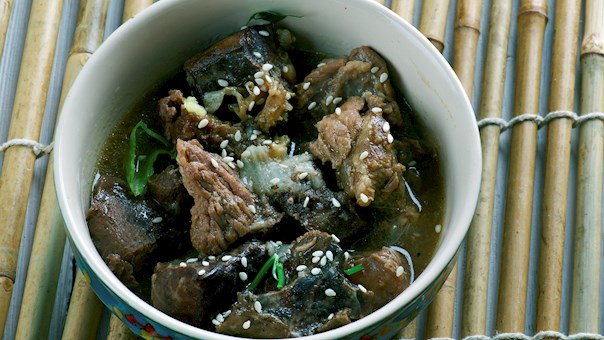
Vaca atolada

4.3 ·

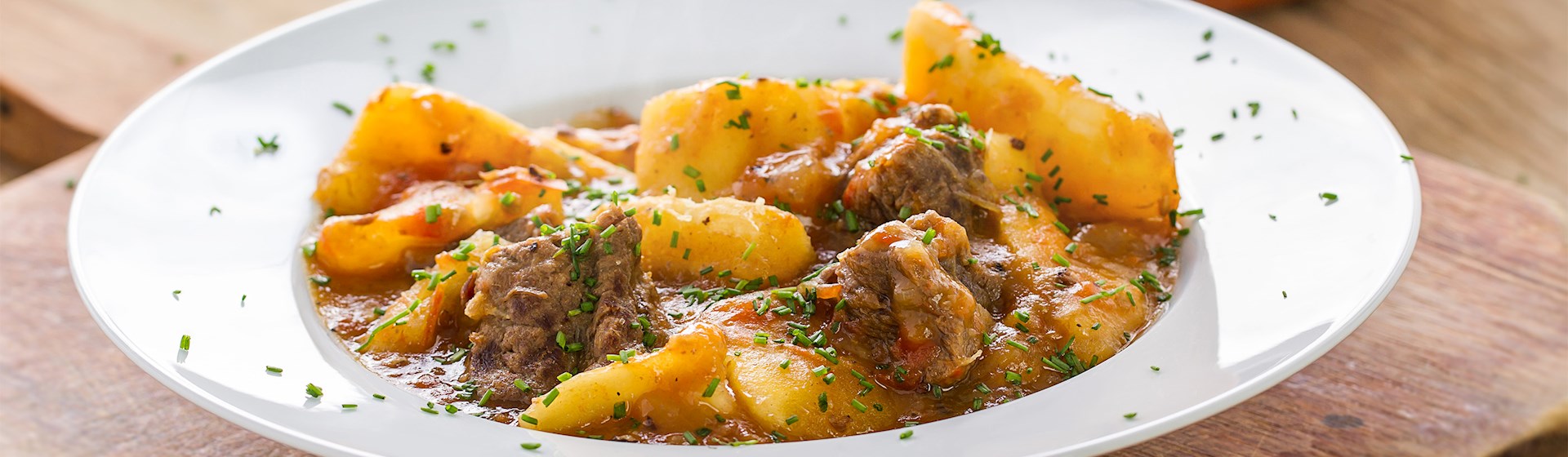
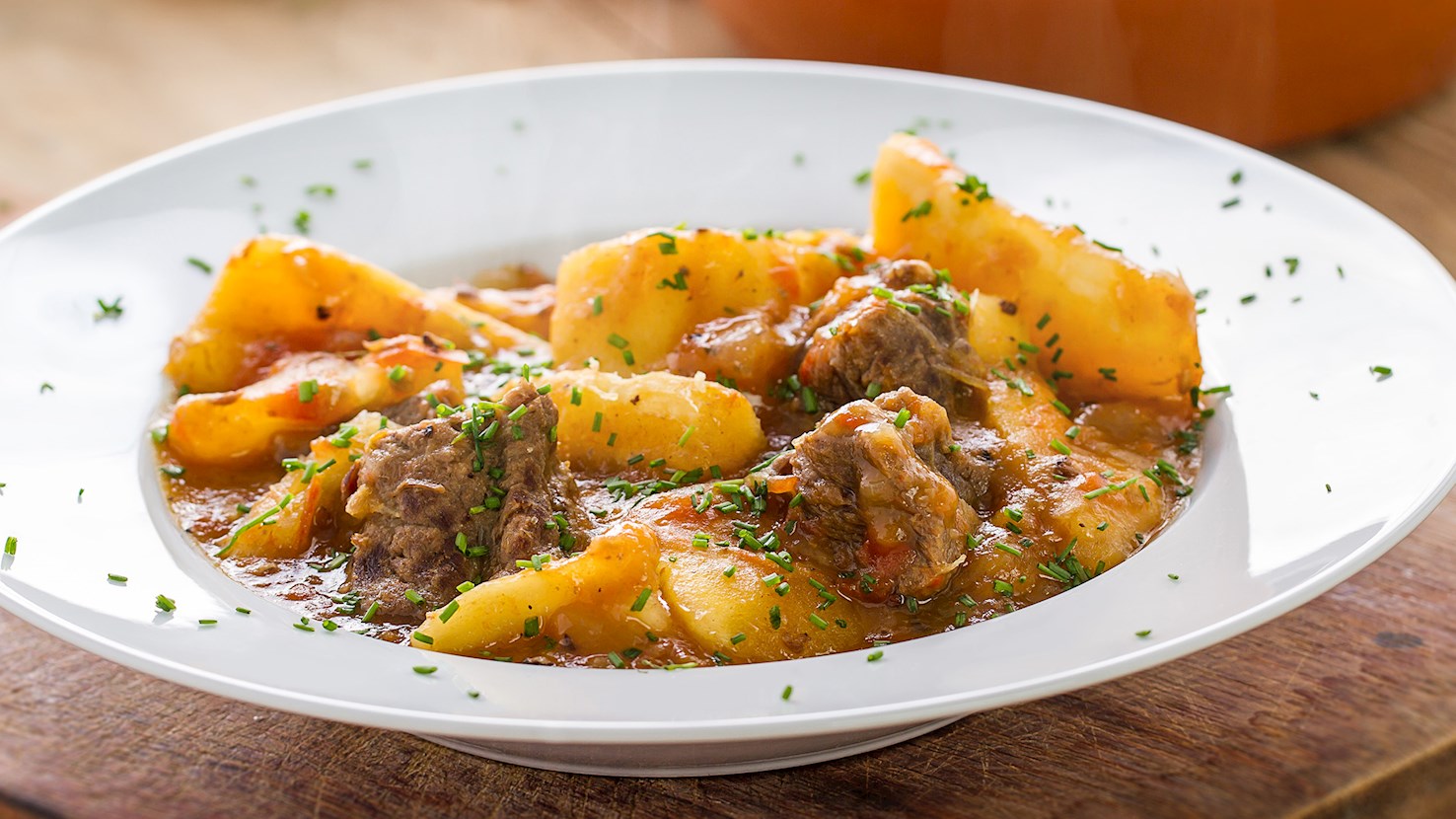
Vaca atolada is a Brazilian meat dish prepared with beef ribs, garlic, onions, tomatoes, parsley, cassava, chili peppers, and (if available) ground colorau (urucum seed). The marinated meat is cooked and drenched in a thick sauce, hence the alternative name for the dish – cow stuck in the mud. This spicy meat dish is traditionally served with white rice, while fresh green salads are often served on the side. Vaca atolada is especially popular in the inner regions of Brazil, particularly the state of Minas Gerais.

03

Llapingacho

4.2 ·

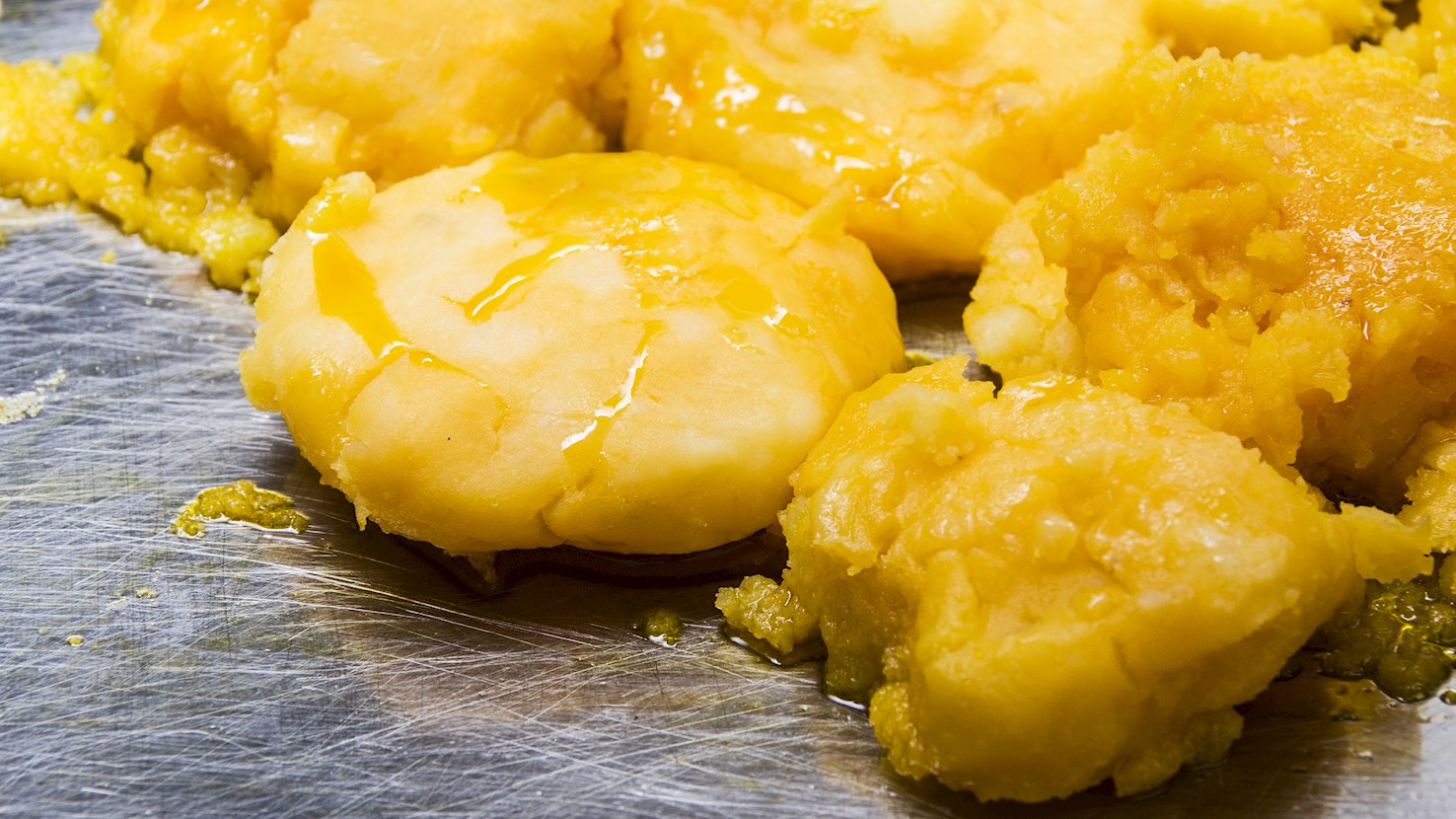
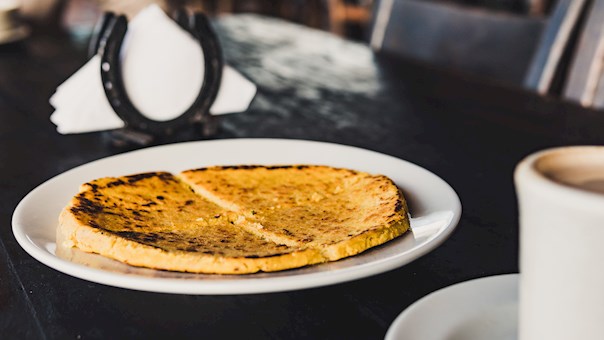
Llapingachos are typical Ecuadorian potato patties that are often served with a spicy peanut sauce on the side. They consist of cheese and mashed potatoes. The combination of those ingredients is flattened and cooked on a griddle until it develops a golden-brown color. Llapingachos are traditionally served as a side dish along with avocadoes, salads, fried eggs, pork, and chorizo.

04

Encebollado

4.2 ·

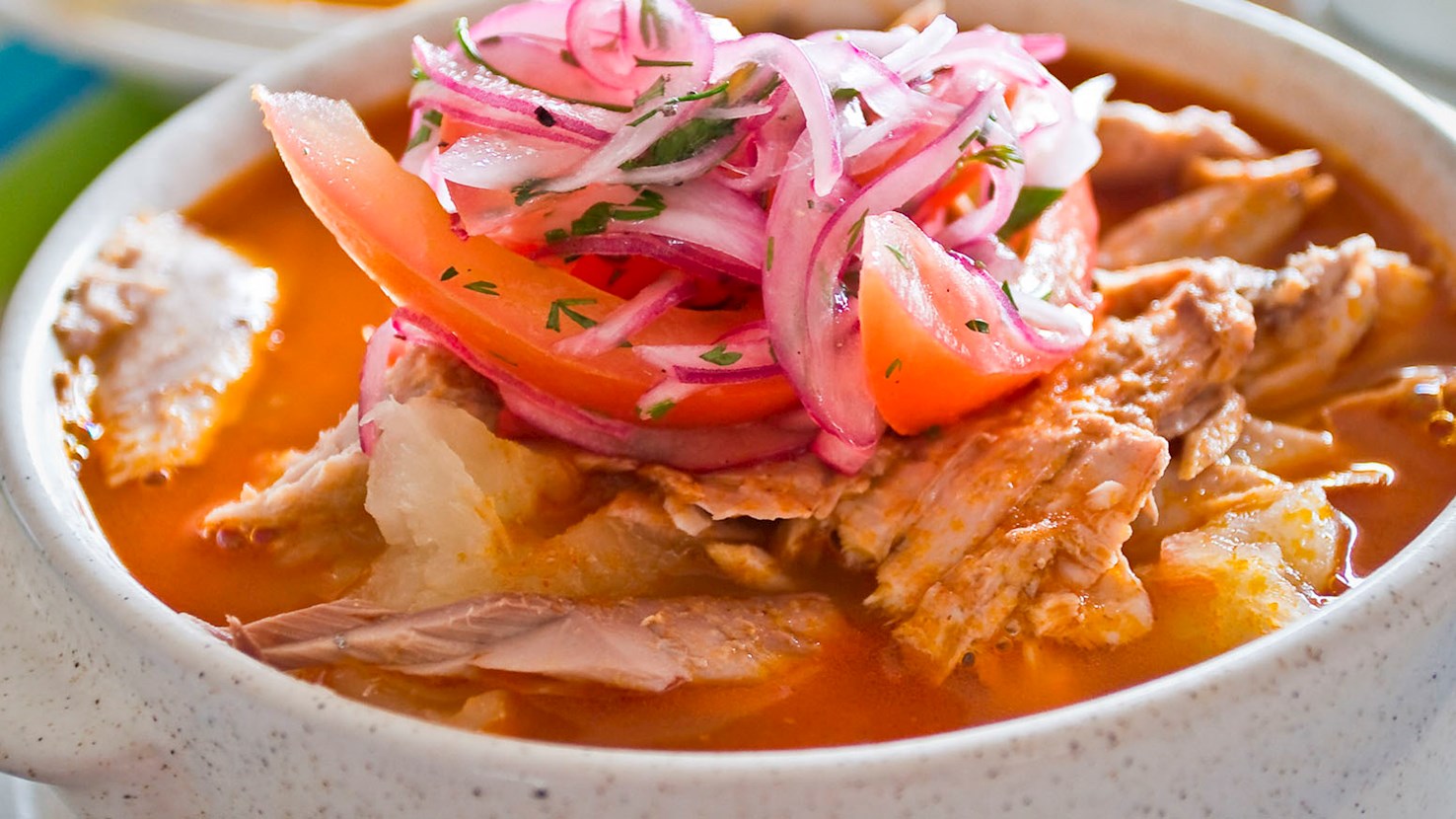
Encebollado is the national dish of Ecuador, a fish soup that is characterized by a large amount of onions. Very useful in curing hangovers, the dish is made with fresh tuna meat, cassava root, tomatoes, onions, coriander, and various spices. Tomatoes, onions, chili, coriander, and cumin form a pungent mix and a base for the soup, called sofrito, while pickled onions go either on top of encebollado or into it, giving it its name that is literally translated to onioned. The soup originates from Ecuador's coast during the time when the fishers were out at sea and made the soup out of necessity. As they had some spices, and fresh fish was readily available, encebollado was created and became widely consumed throughout the country. Today, consumers can choose their own condiments including toasted corn, banana chips, lime, mustard, and avocado. This traditional dish – a source of pride for the locals – can be found on various street corners, in small restaurants, hotels, and homes of people from various social backgrounds. Everyone eats it in Ecuador, that's just how good it is.

05

Escondidinho

4.2 ·

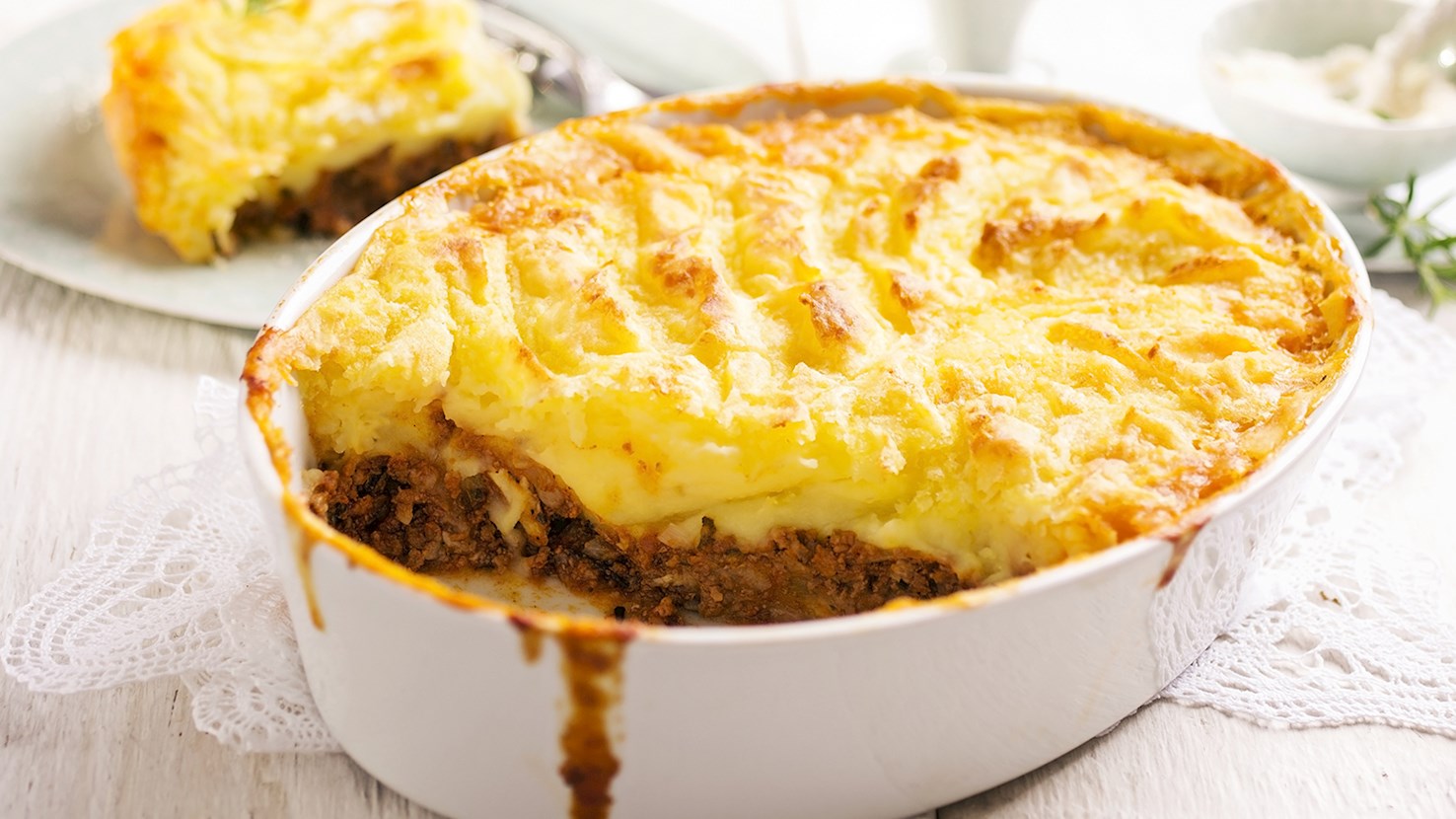
Escondidinho is a traditional casserole. It can be made with a variety of ingredients – beef, chicken, fish, pork, or shrimp. The original one is called escondidinho de carne seca, made with a combination of dried and salted meat and mashed potatoes. The carne seca is cooked with tomatoes, onions, garlic, and various spices. It is placed into a baking dish, then topped with mashed potatoes, and often grated cheese. The combination is baked in the oven until golden brown on top. The name of the dish means little hidden one, referring to the meat hidden underneath a layer of mashed potatoes.

06

Chipa

4.1 ·

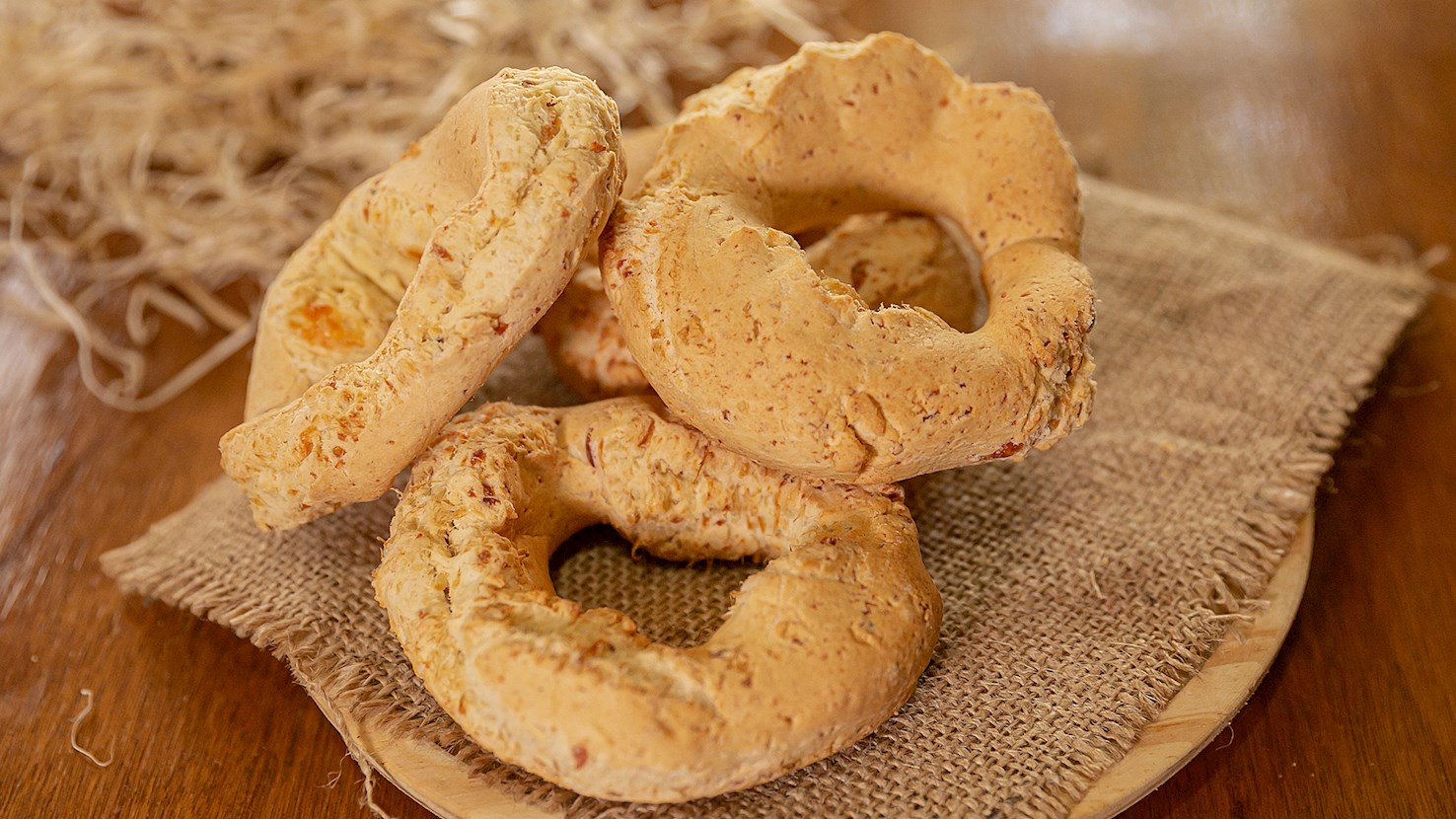
A simple bun called chipa is the most common food staple in Paraguay. The famous bread is made with cassava flour, lard, and anise. It originates from the Native American people Guarani, indigenous to the Amazon area of Brazil, Argentina, and Paraguay. The origin of chipa dates back to the time when wheat was not present in South America, and cassava was the most commonly used starch in the area. In colonial times, the Jesuit missionaries introduced milk, eggs, and cheese to the indigenous people, which finalized the chipa recipe. The use of cassava starch and lard results in the crunchy exterior of the bun, while the use of anise gives the bread buns an unusual and unique flavor. Although chipas are eaten all year round in Paraguay, they have a significant importance during the Holy Week, so they are often prepared and eaten during the Easter festivities. For the people of Paraguay, chipas represent their daily bread which is eaten together with numerous main meals or as a snack. Traditionally, the buns are prepared at home, but they are also sold by many street vendors, called chiperas, especially along Paraguayan roads.

07

Vaho

4.1 ·

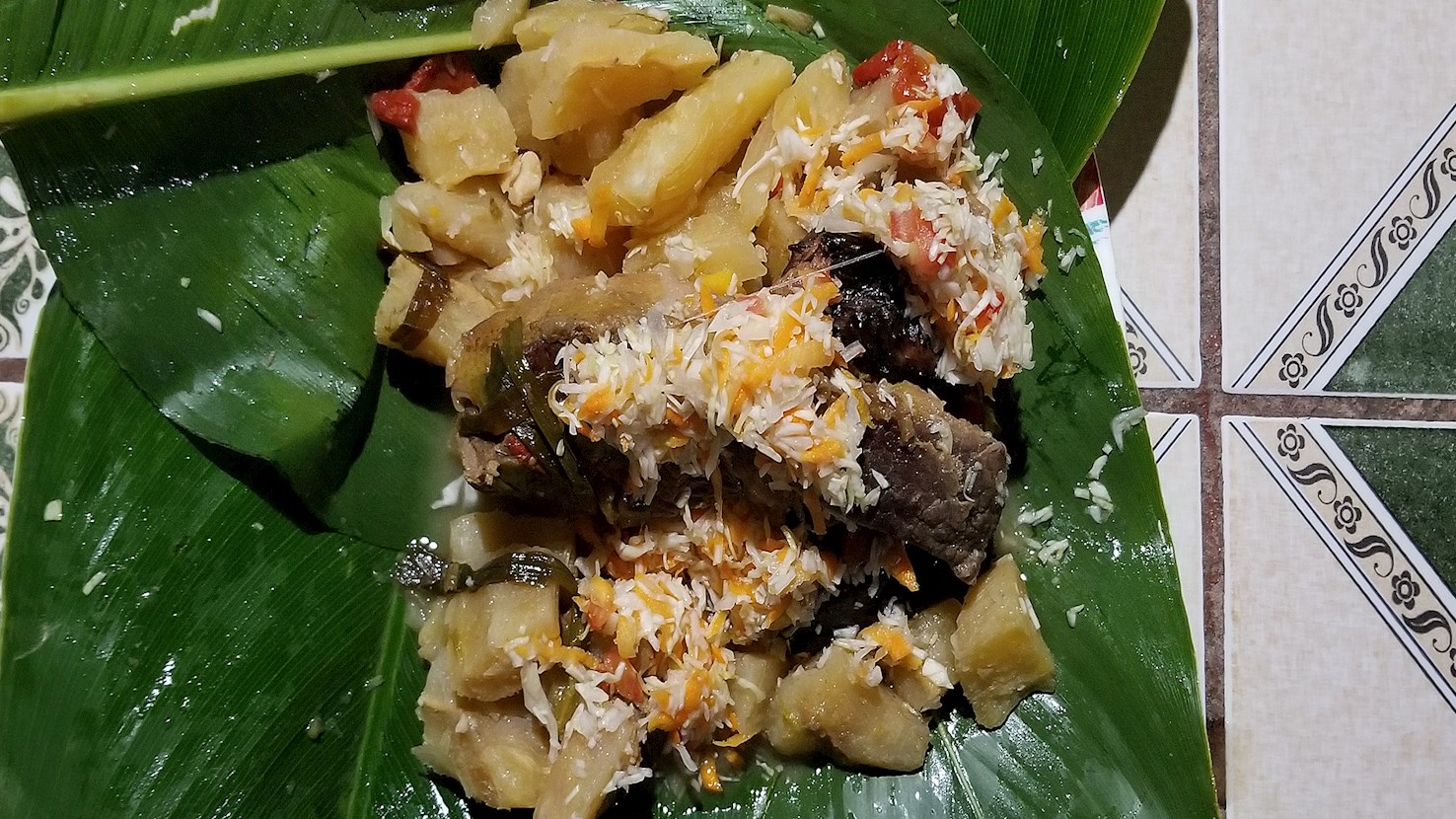
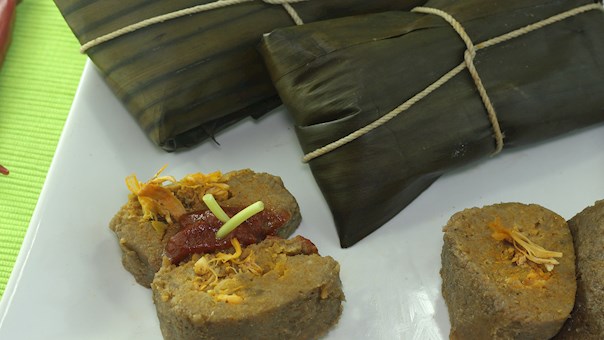
Vaho or baho is one of the most popular Nicaraguan dishes and a great hangover cure. It is made by wrapping a combination of beef, yuca, and plantains in banana leaves, then steaming the concoction. The word vaho means steam or mist, referring to the method of preparation. Onions and peppers are sometimes added to vaho in order to enhance the flavor and texture. This dish is traditionally prepared on weekends and consumed on Sunday afternoon, when it's typically accompanied by curtido (cabbage relish).

08

Pastel mandi'o

4.1 ·

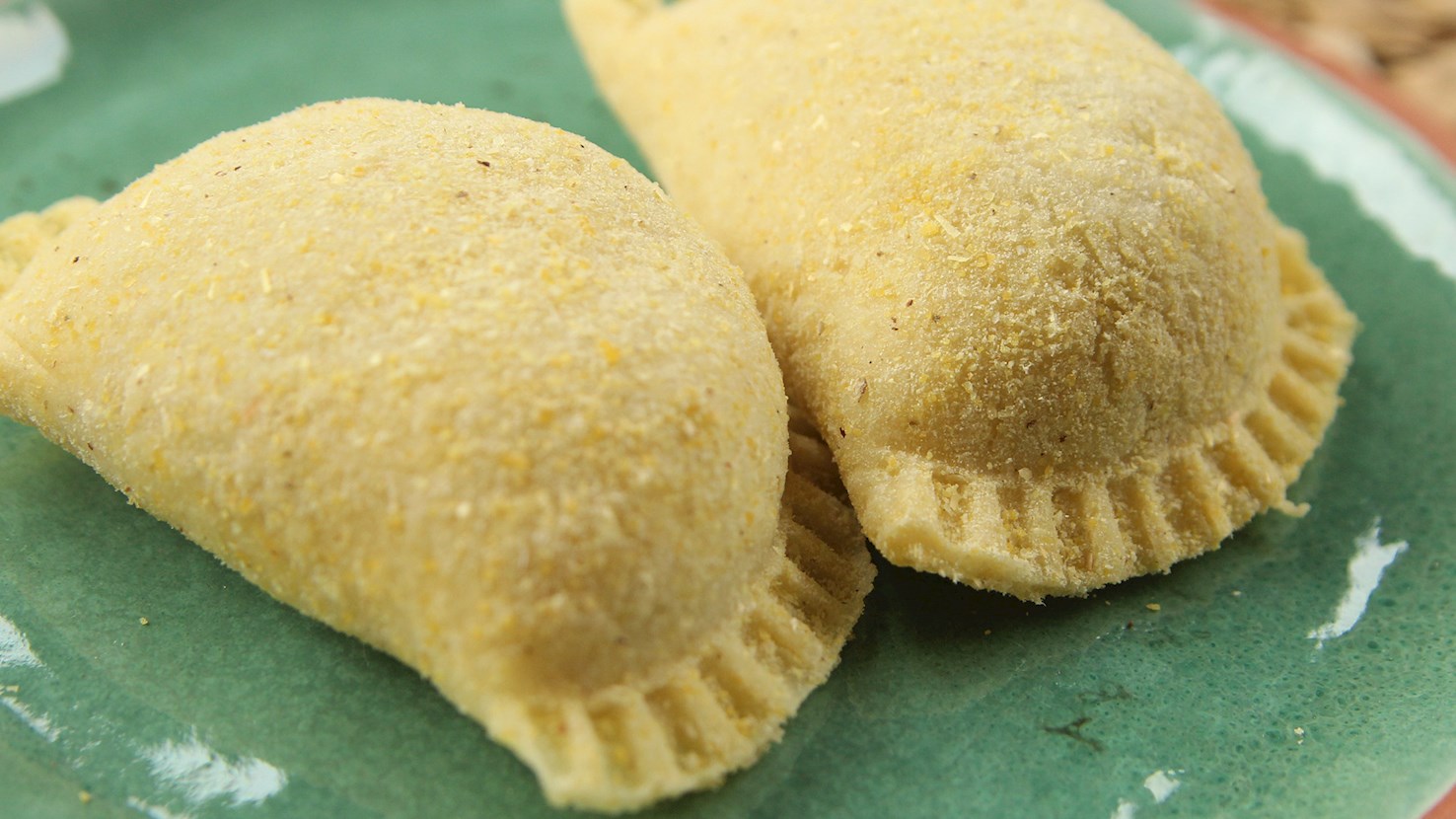
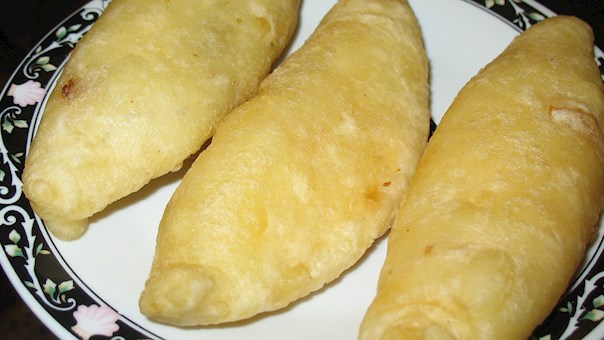
Pastel mandi’o is a doughy snack made with cornflour, boiled cassava, fat, and eggs. It is stuffed with a mixture of minced meat, boiled eggs, and seasonings. These snacks are fried in oil or fat and served hot. The dough is sweet, and the filling is replete with flavors, giving the dish a distinctive taste. Mandi’o means cassava in the Guarani language, and it is this ingredient which gives a unique Guarani twist to the dish. These snacks resemble empanadas, mainly differing from the latter in the use of cornflour and cassava, which are typical for Paraguay. They encompass the authentic taste of Paraguayan cuisine and are a popular street food served in local bars, particularly during the festival of San Juan. Common accompaniments to pastel mandi’o include hot sauces and refreshing salads.

09

Yuca al mojo

4 ·

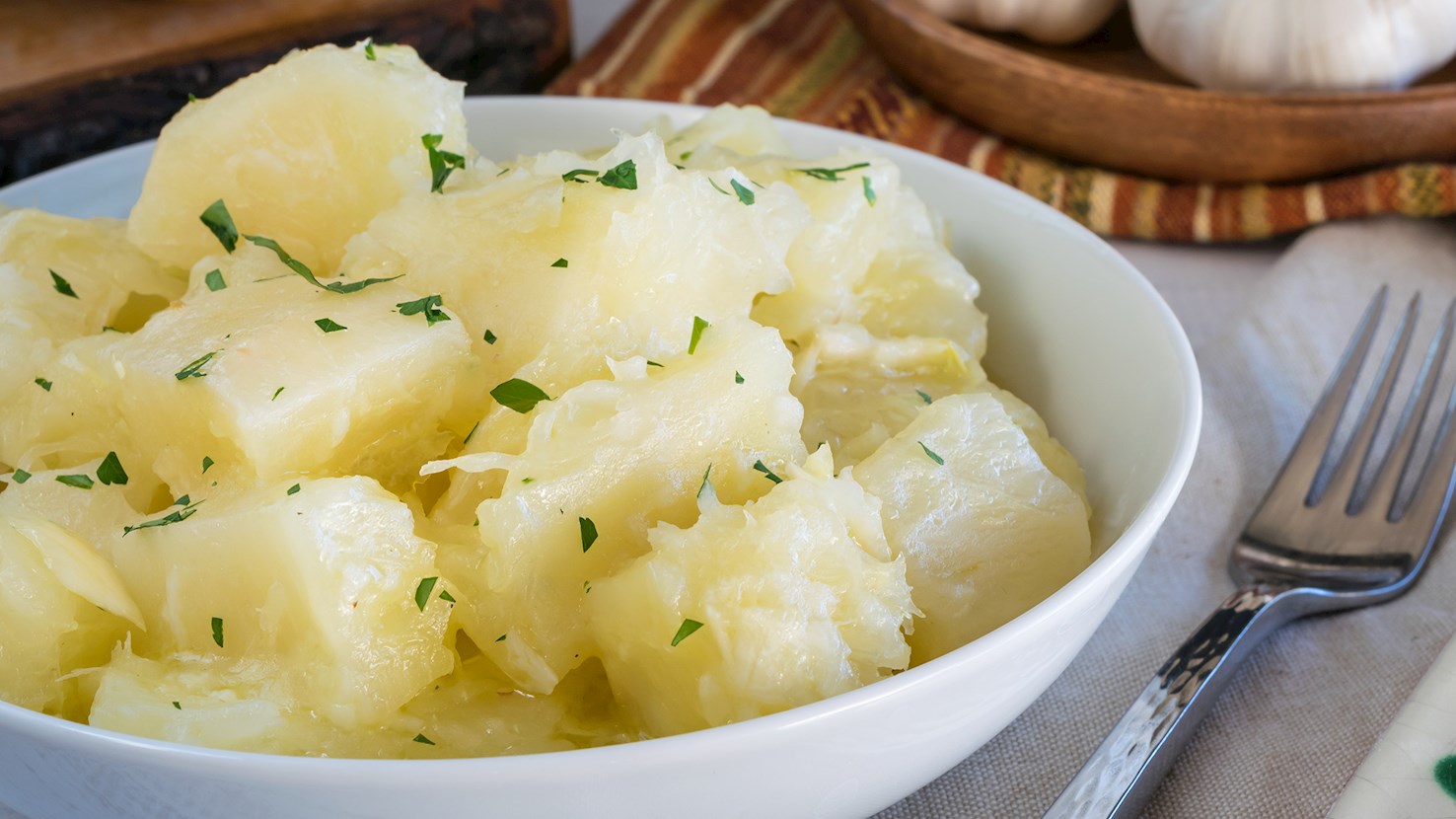
Yuca al mojo is a flavorful side dish that is popular in Panama and throughout the Caribbean. It consists of boiled cassava (yuca) marinated in a zesty sauce made with garlic, cilantro, lemon juice, salt, and pepper. Although it is usually served as a side dish, yuca al mojo is also a welcome addition to numerous salads.

10

Cassava pone

3.9 ·

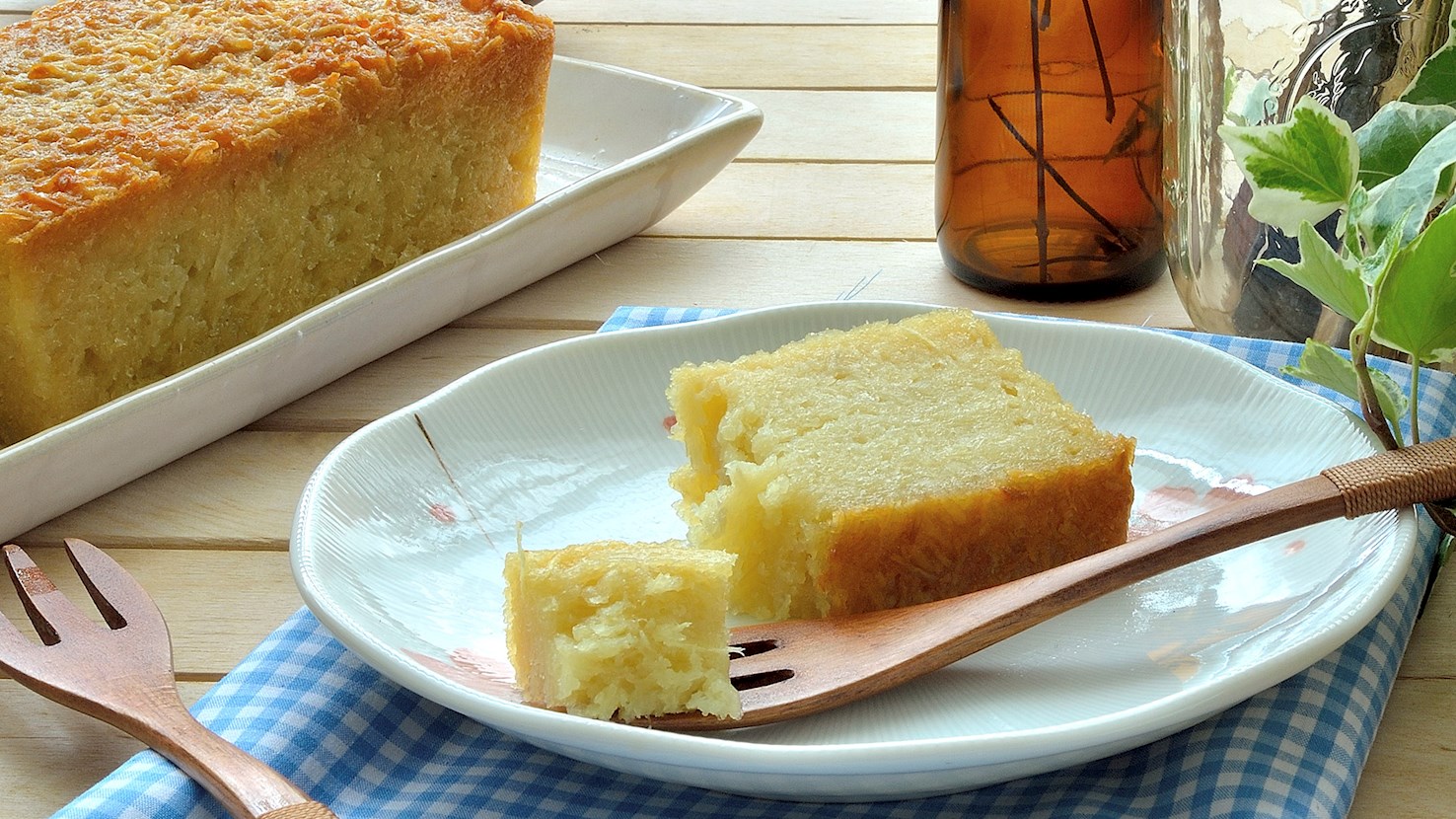
Cassava pone is a sweet, moist, and gummy dessert made from cassava root, pumpkin, sweet potatoes, coconut, sugar, nutmeg, butter, and milk. Not much is known about the origin of this dessert, but it's believed it first appeared somewhere on Barbados, Trinidad and Tobago or in Guyana, although most probably at all of these territories at the same time. Today, cassava pone is so popular that it is regularly the first dessert to sell out at bake sales, and it is said that if you ask any local about pone, you are almost guaranteed to be regaled with a cherished childhood memory.

12

Kizaca

3.8 ·
13

Carimañola

3.8 ·
15

Pasteles

3.7 ·
16

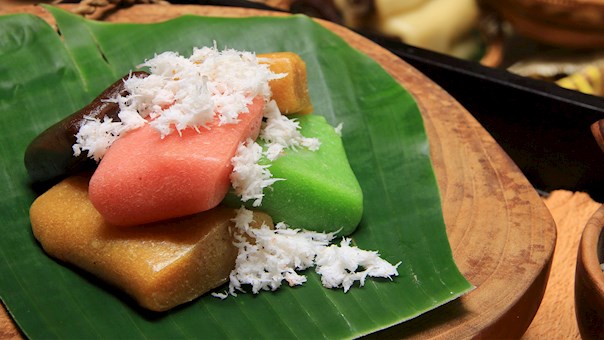
Getuk

3.6 ·
17

Enyucado

3.5 ·
18

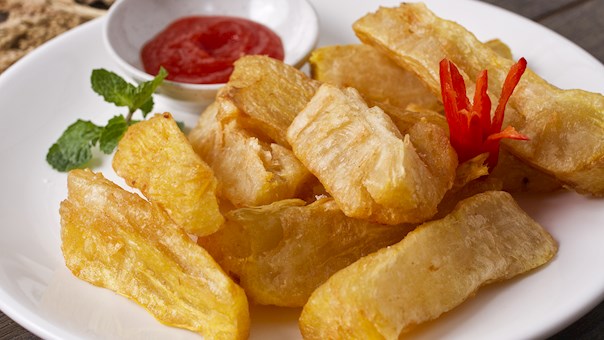
Singkong goreng

3.5 ·
19

Guyanese pepperpot

3.5 ·
20

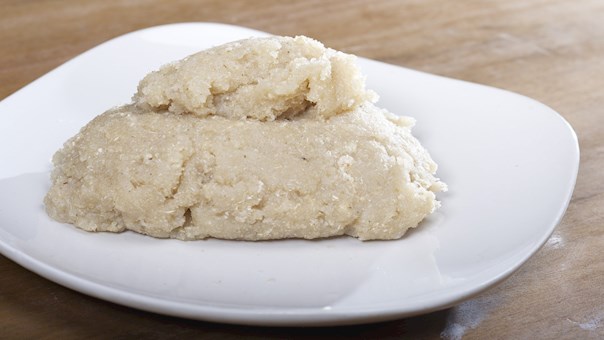
Eba

3.4 ·
About this ranking

TasteAtlas food rankings are based on the ratings of the TasteAtlas audience, with a series of mechanisms that recognize real users and that ignore bot, nationalist or local patriotic ratings, and give additional value to the ratings of users that the system recognizes as knowledgeable. For the “65 Best Rated Dishes with Cassava” list until May 22, 2026, 989,146 ratings were recorded, of which 646,954 were recognized by the system as legitimate. TasteAtlas Rankings should not be seen as the final global conclusion about food. Their purpose is to promote excellent local foods, instill pride in traditional dishes, and arouse curiosity about dishes you haven’t tried.

Similar lists