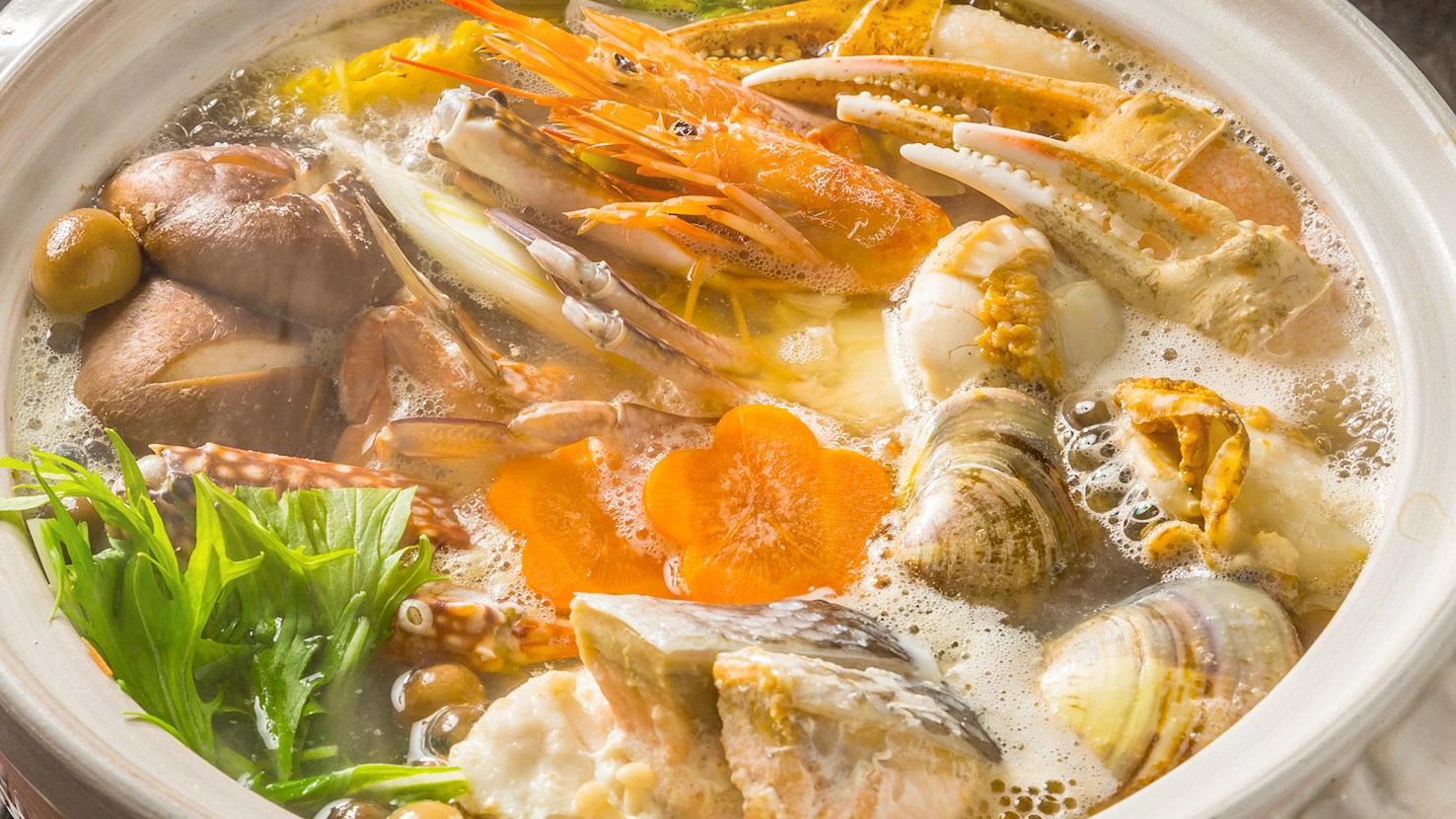
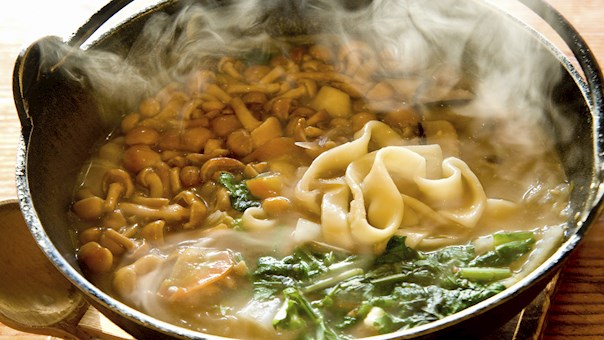
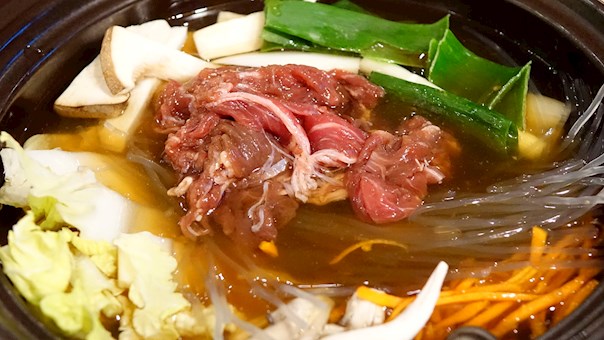
Nabemono is the name encompassing numerous Japanese one-pot dishes, cooked with a variety of ingredients. In restaurants, they are usually prepared tableside and served to the guests. The name derives from the traditional pot in which the ingredients are cooked, called nabe, while mono means things, referring to an array of ingredients used in the dish. Nabemono is primarily a communal dish, in which the pot is placed in front of the guests and filled with dashi broth, sake, and soy sauce. A myriad of ingredients, meat, seafood, vegetables, and noodles, are placed on the table and subsequently placed in the pot. When cooked, guests fill their individual bowls with broth and other ingredients. When the first pot is finished, the other is filled, until all ingredients are used. Usually, a bowl of ponzu sauce is placed on the table for dipping. Nabemono also includes dishes such as yudofu, when only the soft and silky tofu is placed in the bowl, and motsunabe, in which animal offal is cooked in the fragrant broth. This classic Japanese technique is found in most traditional restaurants, where it is usually served during cold winter months.
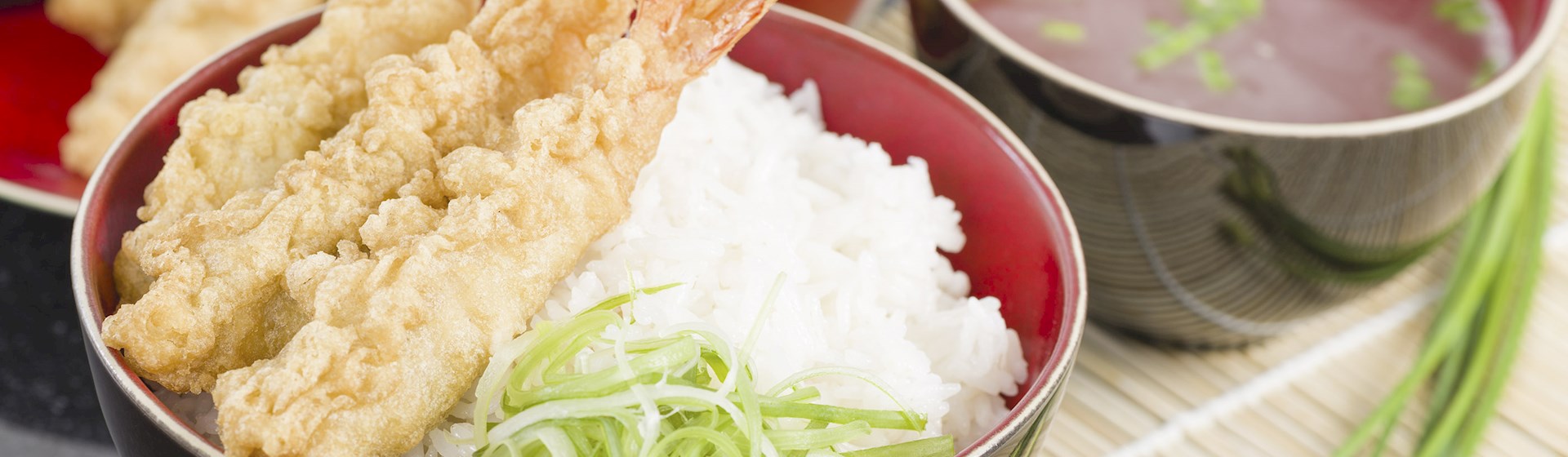
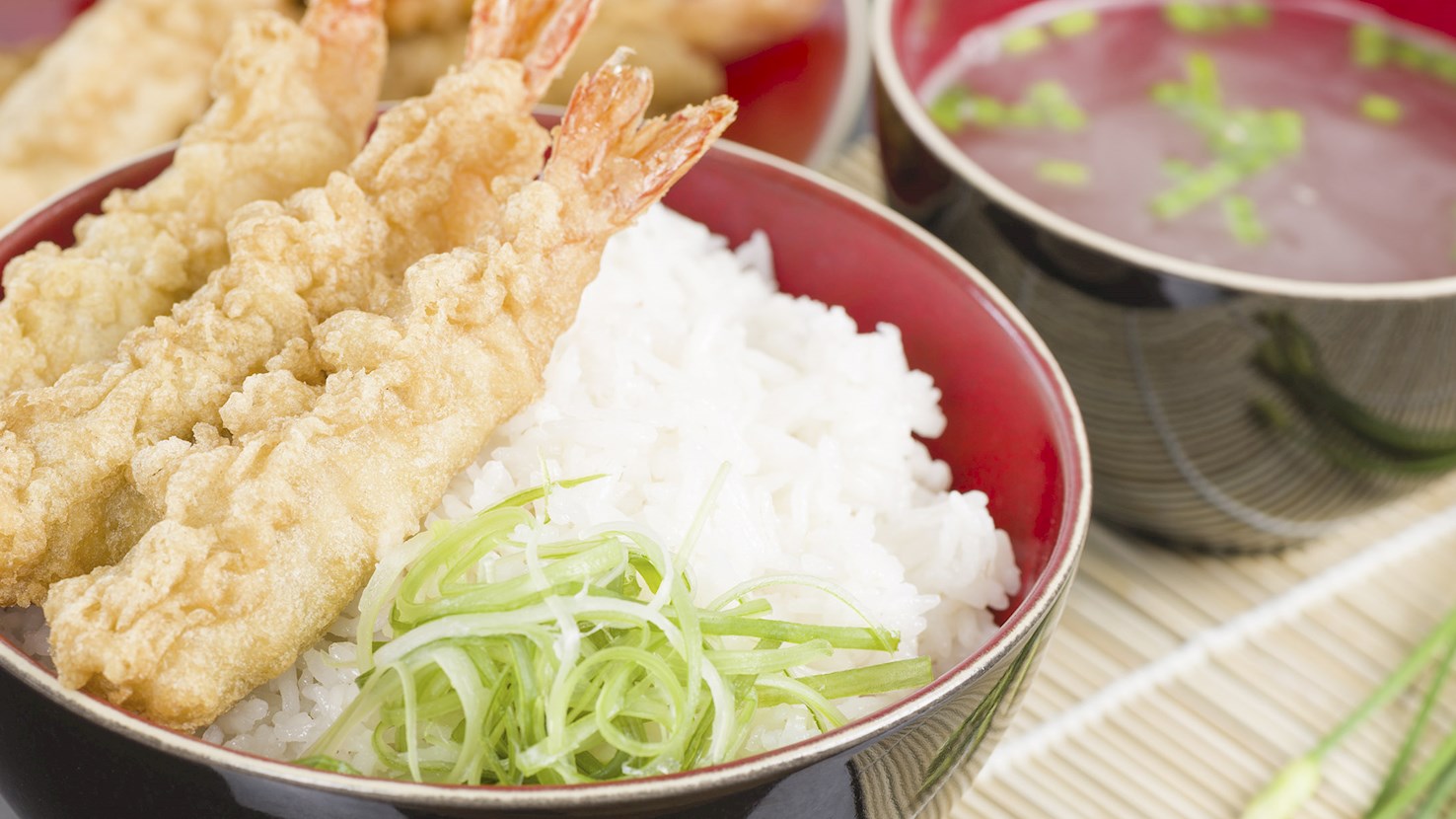
A delicious combination of tempura and donburi - hence the name tendon - this classic Japanese one-bowl meal consists of battered and deep-fried seafood or vegetables laid over freshly steamed rice. The most popular ingredients for tendon include ebi or shrimps, which can be found in virtually all tempura dishes, and Japanese eggplant called nasu, but also other vegetables such as daikon radish and kabocha squash. Tendon is usually drizzled with the umami-imparting tentsuyu, a savory tempura sauce made with dashi soup stock and a mixture of soy sauce, mirin, and sugar called kaeshi. Alternatively, to make your tendon bowl look even more appetizing, the tempura pieces can be separately dipped in any dashi or soy-based sauce before being neatly arranged on top of a steamy bed of rice. In Japan, tendon dishes are most often enjoyed for lunch or as a light evening meal.
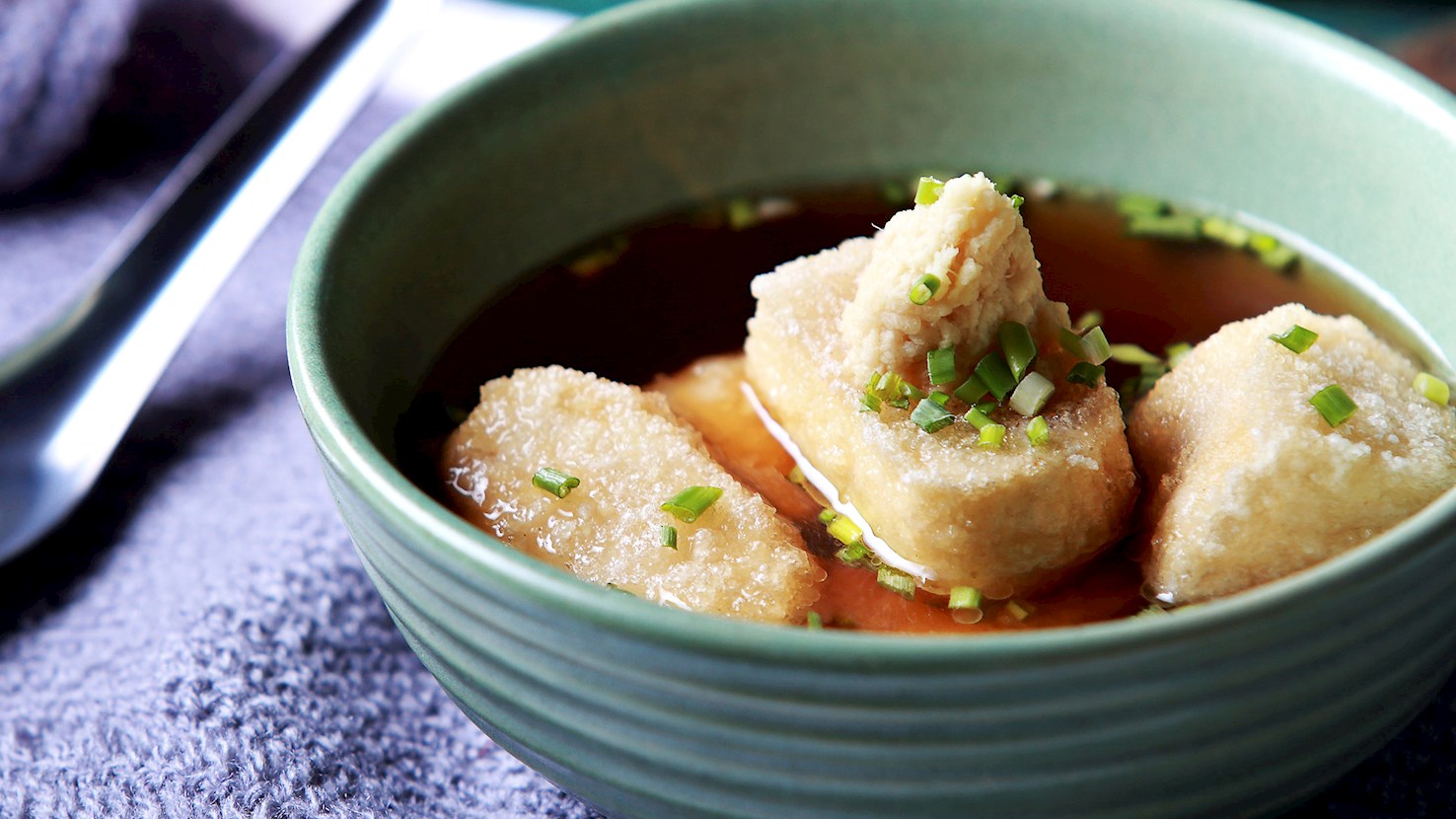
Commonly eaten as a side dish or an appetizer, agedashidofu is a popular dish consisting of deep-fried tofu that is typically served with tentsuyu dipping sauce, made with dashi, soy sauce, and mirin. It is a well known, old dish, and the recipe for it was included in a 1782 Japanese tofu cookbook called Tofu Hyakuchin, alongside other tofu dishes such as simmered and chilled tofu. Although it is easy to prepare, one can find agedashidofu in almost every Japanese restaurant. The dish is commonly topped with chopped negi spring onions, grated daikon, or dried bonito fish flakes.
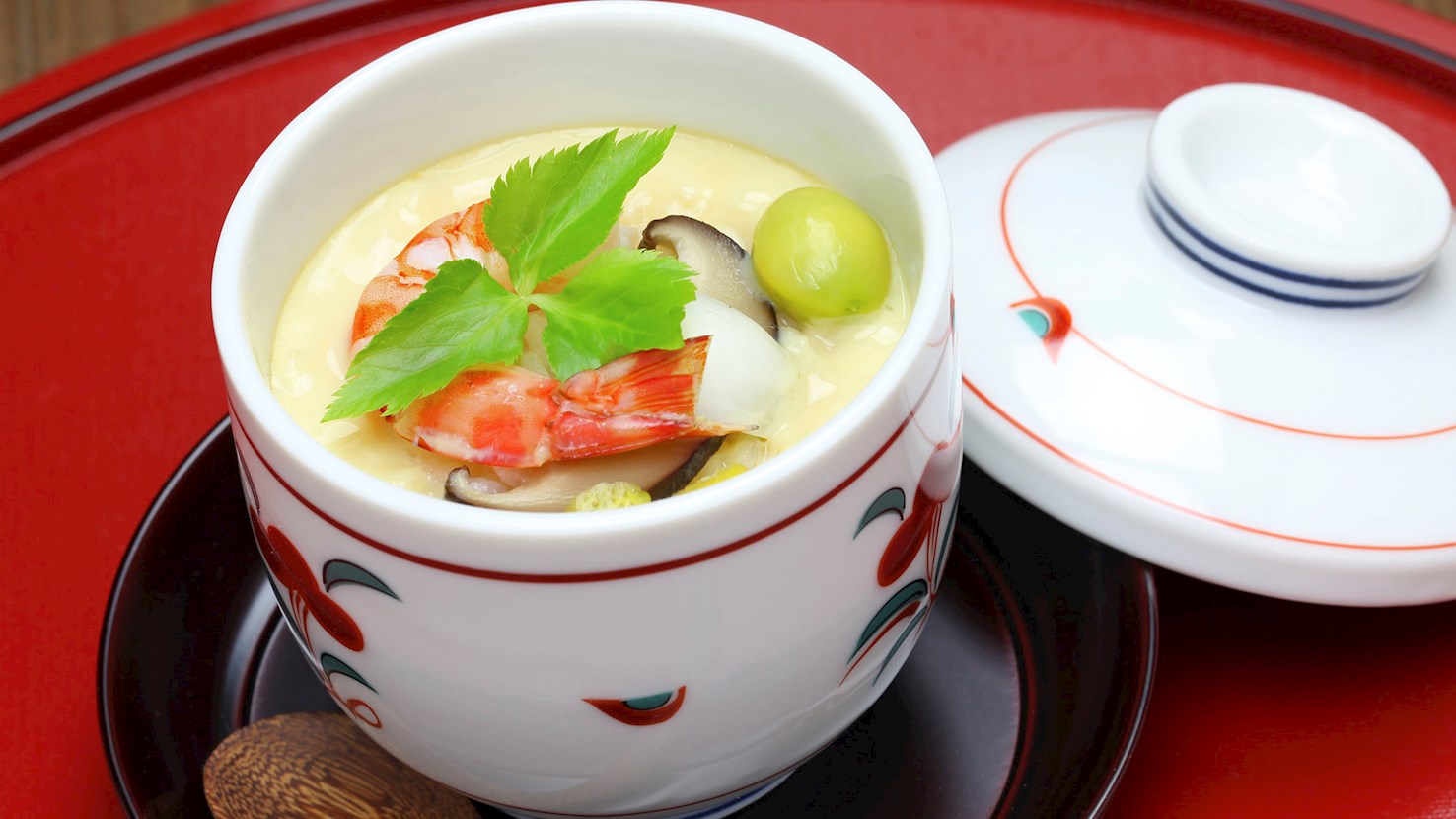
Chawanmushi is a delicate custard-soup, its name meaning steamed in a tea cup. Each portion of the dish is ideally served in a small, lidded cup, either as an appetizer or as a part of a bigger meal. The custard usually consists of an egg mixture that can be flavored with numerous ingredients such as dashi (Japanese stock), soy sauce, mushrooms, tofu, ginko nut, or steamed shrimp. It is believed that the dish originated in Kyoto and Osaka during the Kansei period, later spreading to Edo and Nagasaki. Chawanmushi can be served hot, warm, or cold, and can be garnished with carrot shavings, Japanese parsley, or even more seafood. Since it cannot be eaten with chopsticks, it is one of the few Japanese dishes that are traditionally consumed with a spoon.
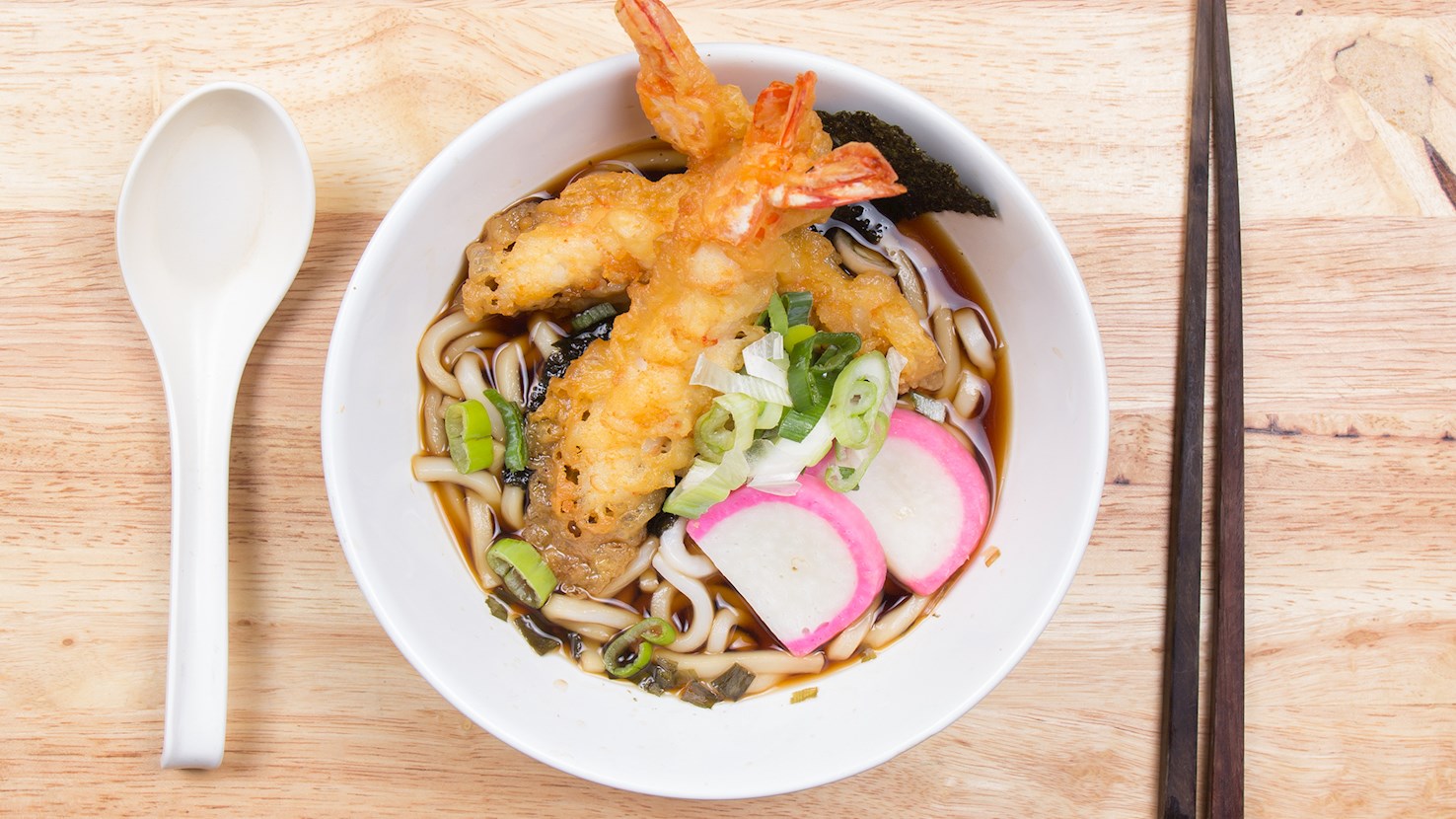
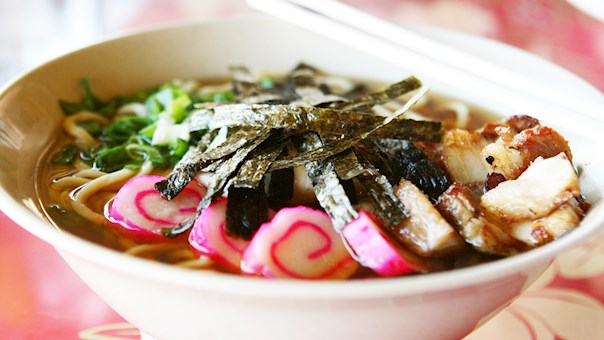
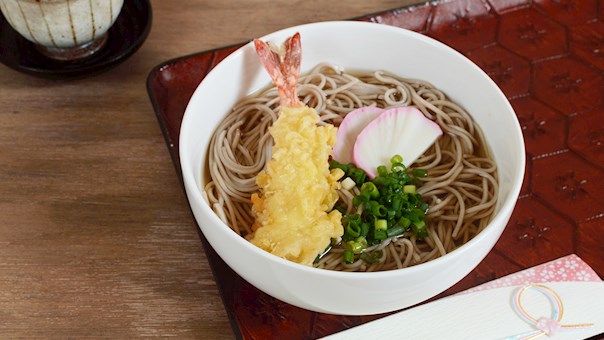
Tempura udon is a hot noodle soup made with thick, chewy wheat noodles in a savory soy-based broth, topped with pieces of lightly battered and deep-fried seafood and vegetables. The combination developed as a commercial street food during the Edo period in the 17th century. Food carts known as yatai, operating across Edo, present-day Tokyo, began placing freshly fried battered shrimp directly on top of hot noodle soups to create fast, filling, calorie-rich meals for urban laborers. The frying technique used for tempura had arrived in Japan about a century earlier. It was introduced by Portuguese missionaries and merchants in Nagasaki in the mid-16th century as a way of frying fish during Catholic fasting periods. Over time, this foreign frying method was combined with Japan’s own wheat noodles, creating a durable and popular dish that eventually moved from street stalls into established restaurants. Making tempura udon begins with a clear dashi stock prepared from dried kelp and smoked bonito flakes. This seafood-rich stock is mixed with soy sauce, sweet mirin, and a small amount of sugar, then heated to a steady simmer. The thick wheat noodles are boiled separately until fully tender, drained completely, and placed in a deep ceramic bowl. The hot broth is then poured over them until the noodles are submerged. At the same time, raw tiger shrimp and sliced vegetables such as sweet potato, lotus root, or eggplant are prepared for frying. They are lightly dusted with flour, briefly dipped into a thin, ice-cold batter made with water, egg, and soft wheat flour, and immediately lowered into hot oil. The sudden change in temperature causes the batter to expand quickly, forming a pale, lacy, and extremely crisp shell around each ingredient. The freshly fried pieces are then placed directly on top of the hot broth. Regional preferences shape the color and flavor of the soup base. In the eastern Kanto region, the broth relies heavily on dark soy sauce, giving it a dark brown color and a strongly salty taste. In the western Kansai region around Osaka, cooks usually use light soy sauce and a stronger kelp-based stock, producing a pale, translucent broth that keeps the colors of the toppings more visible. A common variation, called kakiage udon, replaces the individual pieces of battered shrimp with a single large fritter. This fritter is made from julienned carrots, onions, and tiny shrimp fried together into a tangled disk. Another frequent version is served cold during summer, with the noodles and broth chilled and the fried tempura served separately so the batter stays crisp. Tempura udon is served hot, usually garnished with thinly sliced scallions and a pink-and-white slice of cured fish cake. It is eaten by lifting the heavy noodles with chopsticks while sipping the hot broth directly from the rim of the bowl. As the tempura sits in the soup, the crisp batter gradually absorbs the broth, softens, and releases rich pockets of oil into the liquid. A small shaker of seven-spice chili blend (shichimi) is often served nearby, adding a sharp heat that cuts through the richness of the fried toppings.
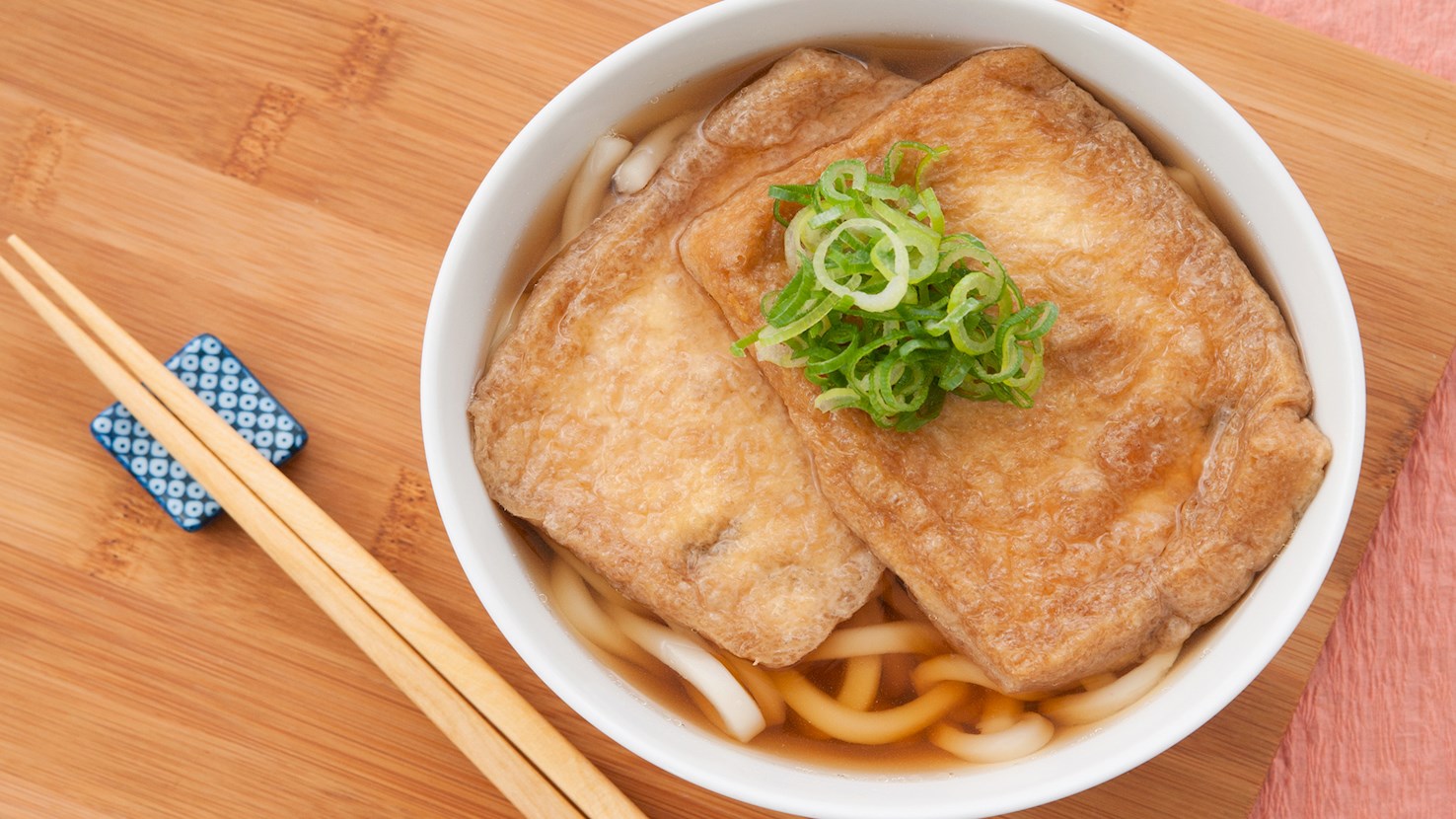
Kitsune udon is a famous Japanese dish which consists of thick udon noodles served in a fragrant dashi broth which is then topped with sliced or whole deep-fried tofu known as aburaage. The name of the dish is translated as fox udon, following the old folk tale which suggests that foxes are great admirers of deep-fried aburaage. Even though the origin of this dish is vague, it is believed that it originated in the 19th-century Osaka, from where it spread throughout Japan and became one of the most common dishes served in traditional Japanese udon restaurants.
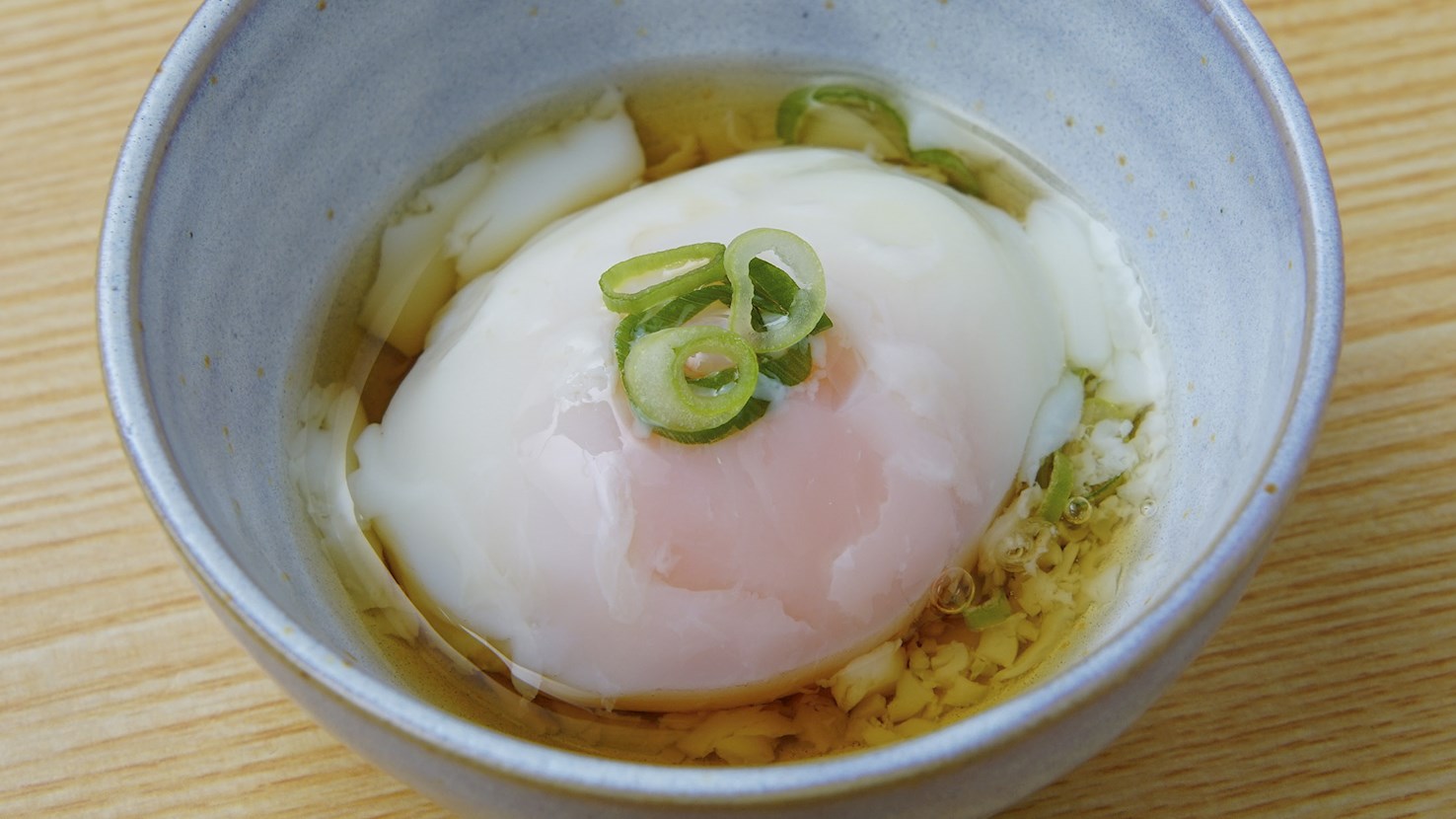
Onsen tamago is a traditional delicacy made by slow-cooking eggs in baskets that are submerged in onsen hot springs. The eggs are cooked in their shells so that the yolk becomes soft-set and the egg white develops a loose consistency. It is believed that the secret is in the hot springs' temperature, which causes the egg to be creamy and flavorful on the interior. Traditionally, onsen tamago is consumed by placing the egg in an indentation in steamed rice and drizzling some soy sauce or broth around it, preferably with some grated daikon on the side. It is recommended to garnish the dish with finely chopped spring onions on top.
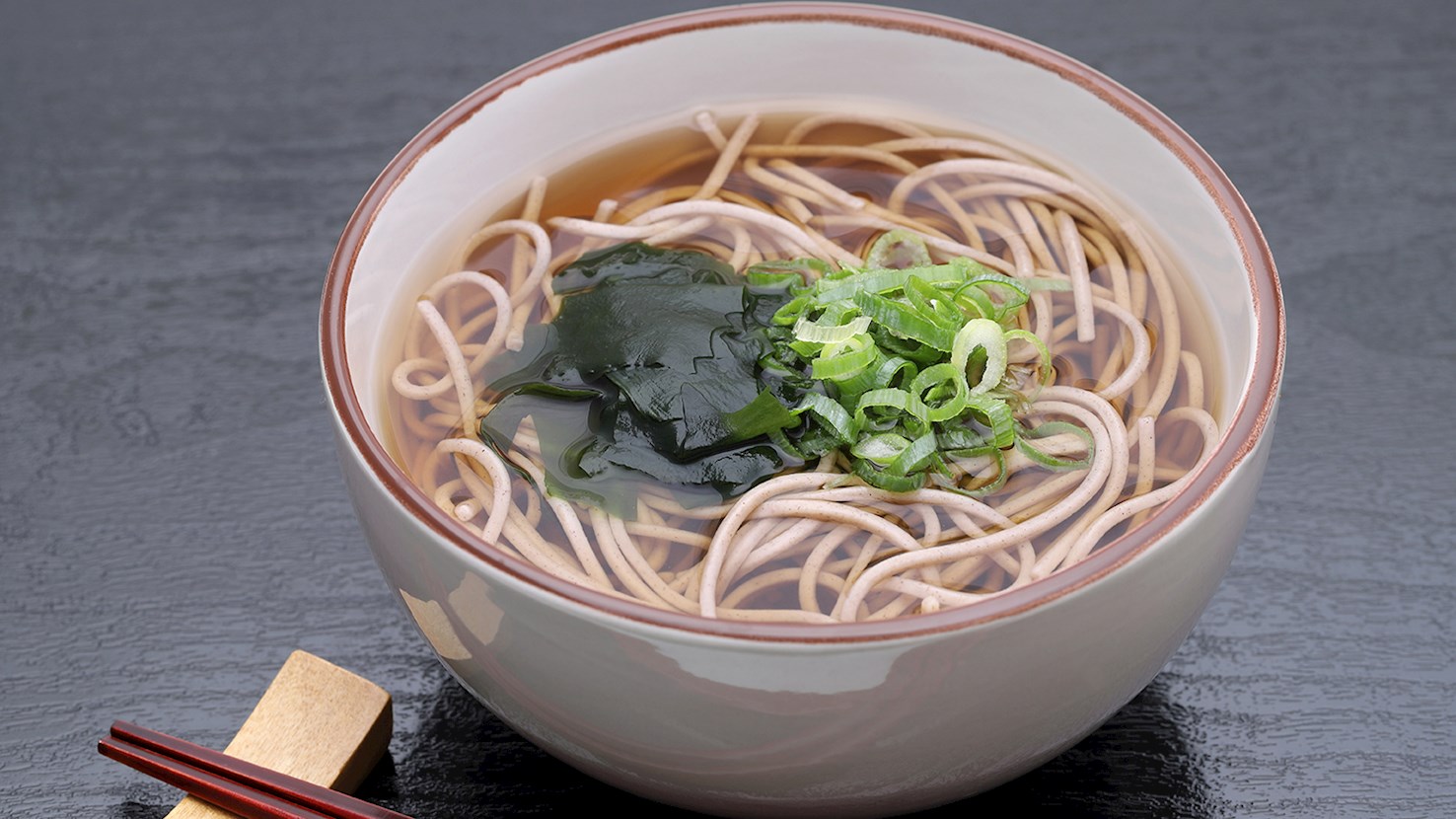
Kake soba is a traditional version of soba noodles-based dishes and the most basic way to eat soba noodles in a hot dish. In order to prepare it, soba noodles are boiled, drained, and served in a bowl while still hot. A hot broth consisting of soy sauce, mirin, and dashi is then poured over the noodles and the dish is ready to be slurped. Kake soba is characterized by its mild flavor, but the dish can be enriched with sliced scallions or a sprinkle of shichimi pepper on top, as well as slices of kamaboko fish cakes or soft-boiled pickled eggs (ajitsuke tamago), if desired.
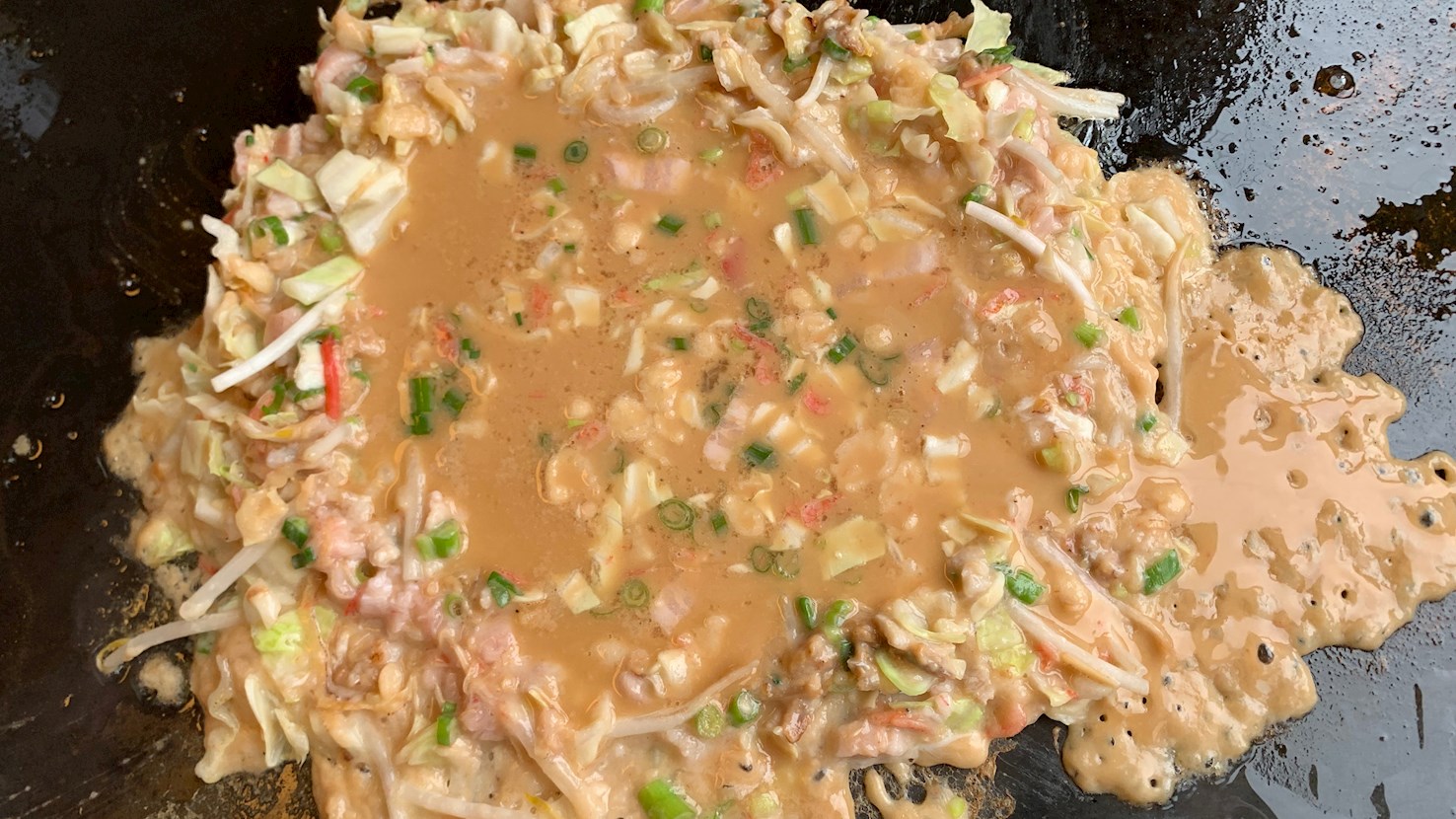
A specialty of the Japanese Kantō region known as monjayaki is pan-fried batter, a type of pancake consisting of wheat flour (komugiko) and fish broth (dashi). The pancake is mixed with cabbage, seasonings, and other ingredients, cooked until it is crispy on the bottom and partially cooked on the surface. The dish first became popular after World War II, when food was scarce, and the combination of dashi and komugiko provided an inexpensive way for numerous families to eat. Originally, monjayaki is derived from funoyaki, a batter-only snack that was often served during Buddhist ceremonies. Although it might be visually unappealing to some people, monjayaki is nowadays considered a delicacy, best consumed when still piping hot.
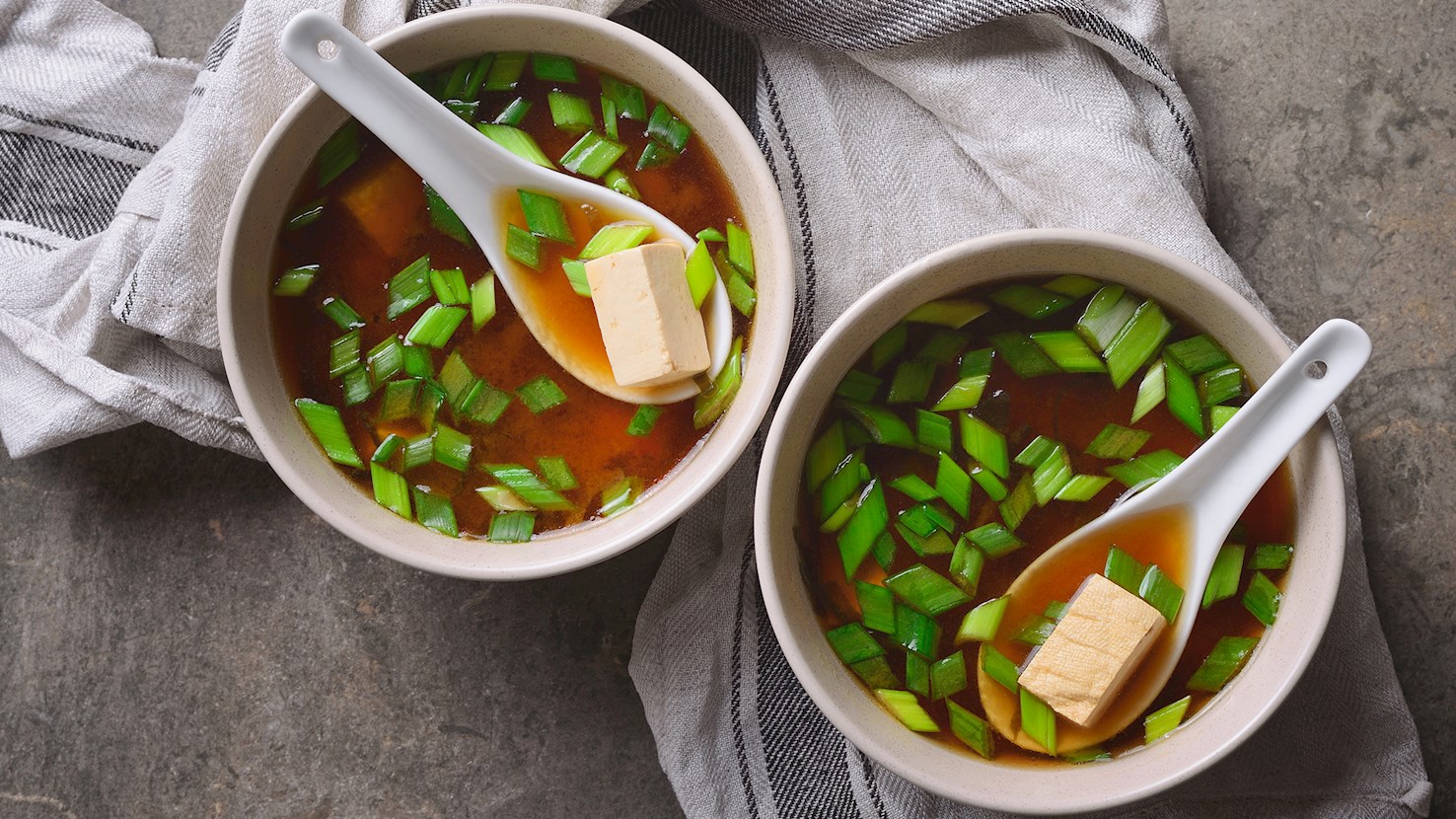
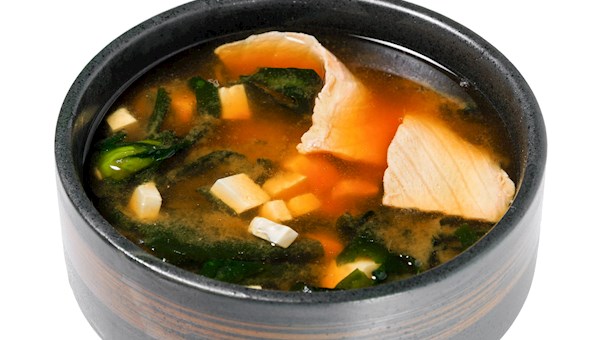
Miso soup is a traditional soy-based soup made from a stock called dashi, miso paste, and various additional ingredients such as seaweed or tofu. It is estimated that more than 70% of Japeanese people consume the soup for breakfast, although it is commonly available at any time of the day. In Japanese restaurants in the United States, miso soup is often offered as an appetizer. The soup is thought to have medicinal properties, as it alkalizes the blood and revives the nervous system. The main ingredient is called miso - a combination of rice, salt, water, and fermented soybeans, shaped into a paste that is similar to peanut butter in texture. Miso is centuries old, and its roots are in chiang - a fermented soybean paste invented in China by Buddhist priests more than 2500 years ago. Since miso soup is relatively quick and easy to prepare, in Japan, there are even instant cups of the soup available in vending machines for a small amount of money, acting as a testament to the soup's enormous popularity.
TasteAtlas food rankings are based on the ratings of the TasteAtlas audience, with a series of mechanisms that recognize real users and that ignore bot,
nationalist or local patriotic ratings, and give additional value to the ratings of users that the system recognizes as knowledgeable.
For the “22 Best Rated Dishes with Dashi” list until September 17, 2026, 1,037,815 ratings were recorded, of which 688,105 were recognized by the system as legitimate.
TasteAtlas Rankings should not be seen as the final global conclusion about food. Their purpose is to promote excellent local foods,
instill pride in traditional dishes, and arouse curiosity about dishes you haven’t tried.






What People Say