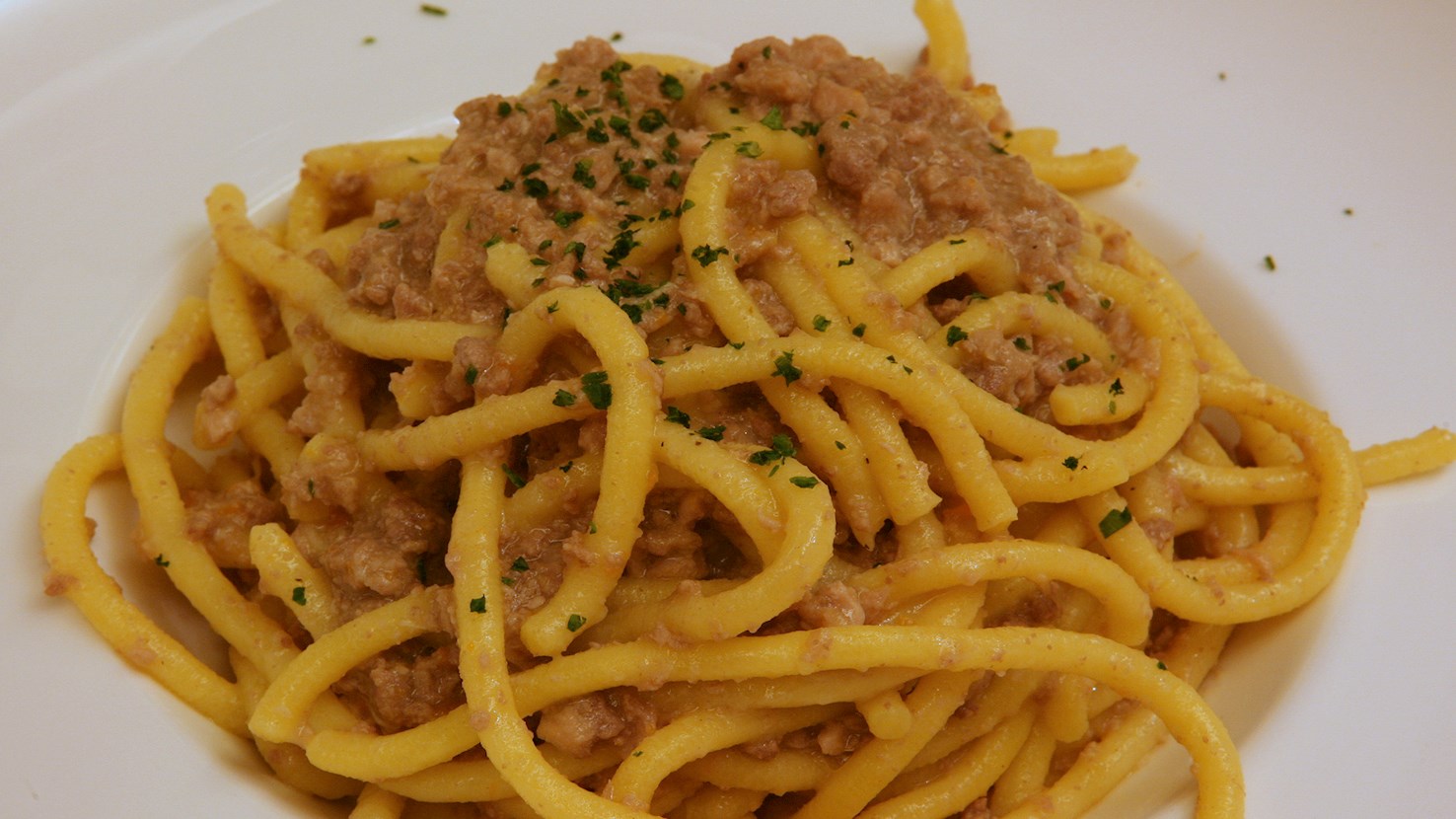
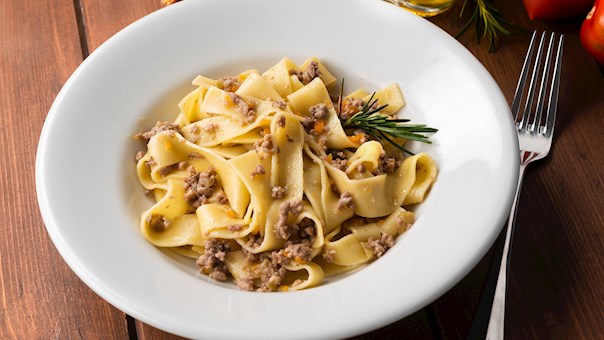
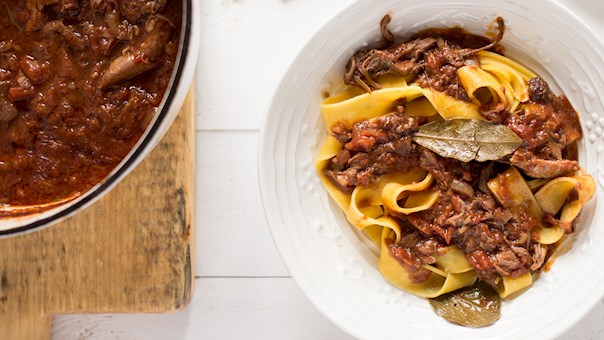
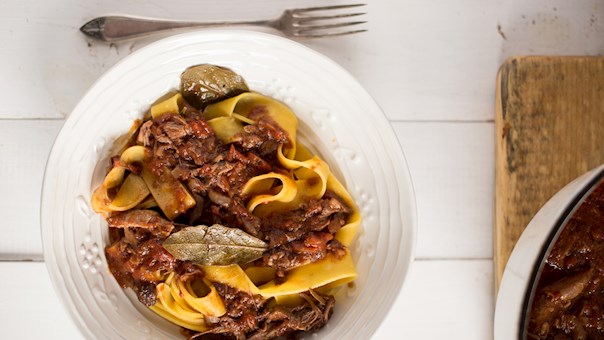
I bigoli con l'anatra, locally known as bigoi co' l'arna, is a traditional dish that originated in the city of Thiene, but over time it became very popular throughout the province of Vicenza. Bigoli is a thick, egg-based pasta variety whose size and texture make the perfect match for a rich duck ragú made with onions, carrots, celery, bay leaves, sage, and dry white wine. Originally, this dish used to be prepared with cleaned offals and duck fat, while duck meat was either used in other recipes or preserved in fat. Nowadays, only the best parts of meat and livers are used, while duck fat is substituted with butter and olive oil - the result is an equally delicious, yet much lighter dish. Served generously topped with freshly grated Parmigiano, this hearty dish is a perfect choice for cold winter days, especially when paired with a glass of local red wine such as Cabernet or Merlot.
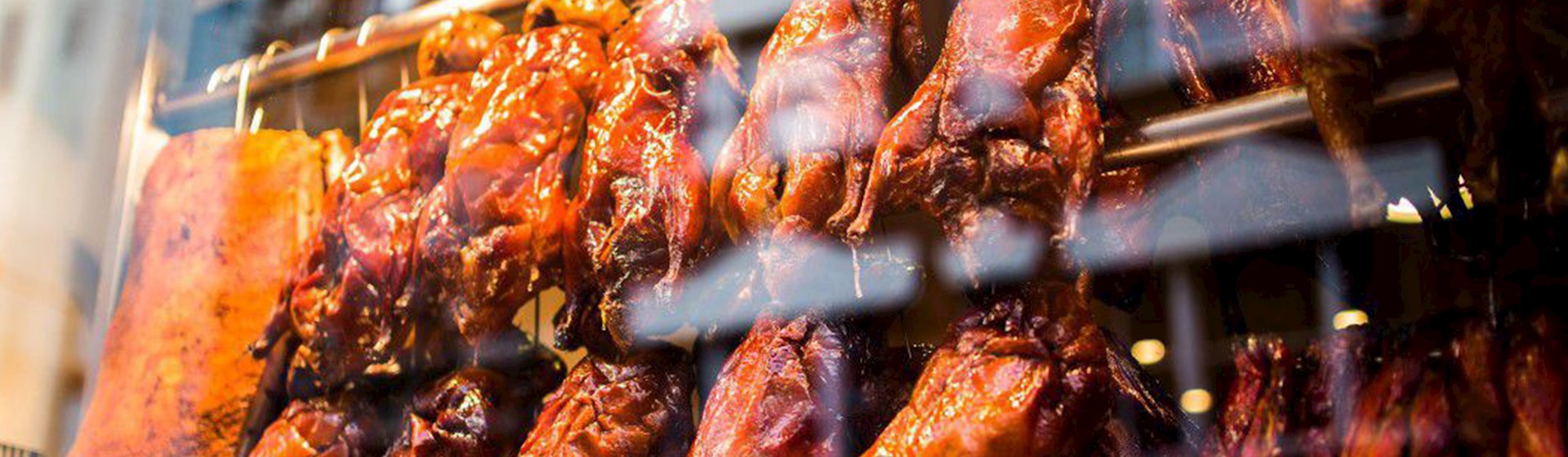
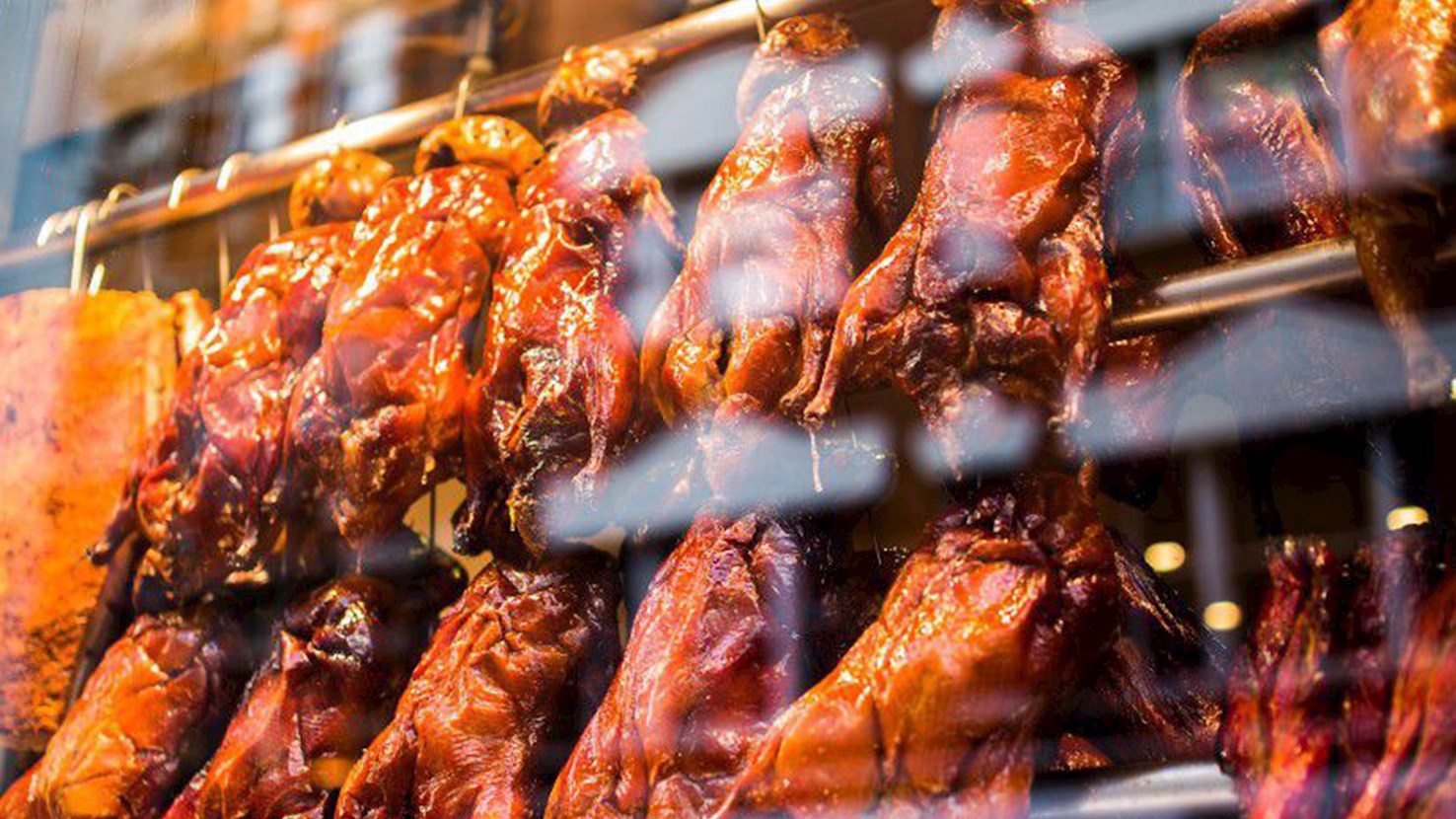
Siu mei refers to a style of Chinese cuisine that is primarily characterized by roasting meat on spits over an open fire or in a rotisserie oven. Originating from Guangdong province, this culinary tradition is particularly prevalent in Hong Kong. The term siu mei translates to "roast flavor" in Cantonese. Some of the most prominent and beloved examples of siu mei include char siu, siu yuk, soy sauce chicken, and white cut chicken. These dishes are typically served with rice and vegetables and sometimes with noodles. Siu mei meats are often displayed hanging in restaurant windows, a characteristic sight in Chinese eateries that specialize in this style of cooking. The visual display is not only appetizing but also allows customers to select their preferred cuts of meat. Siu mei is enjoyed by people all over the world, wherever there are Chinese communities, and it is celebrated for its rich flavors, varied textures, and the mastery required for its preparation.
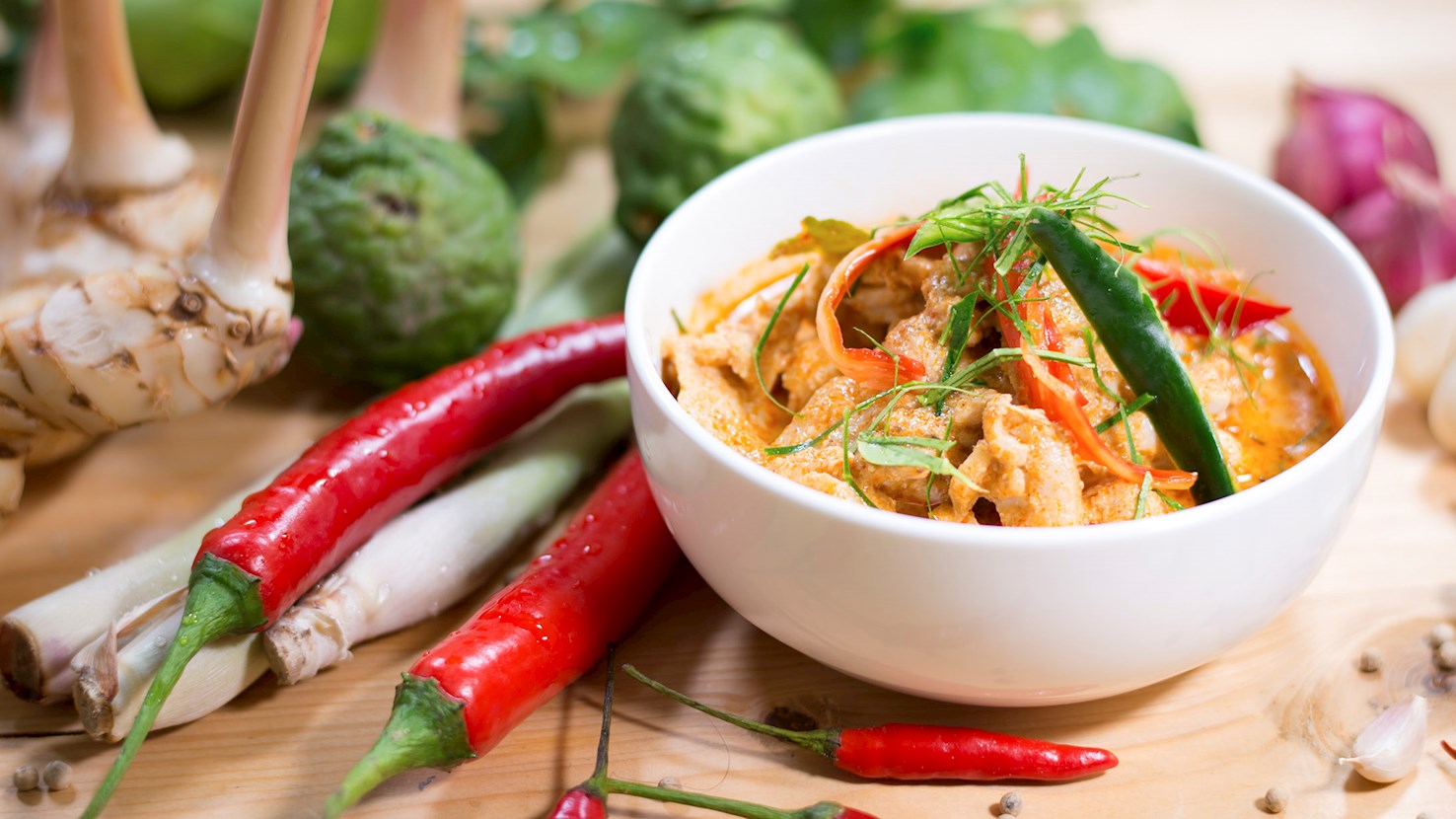
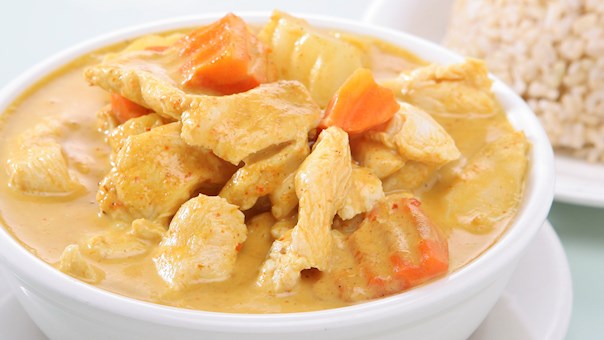
Phanaeng curry is a variety of Thai curry that is characterized by a thick texture and salty-sweet peanut flavor. It consists of meat that is stewed with coconut milk, panang curry paste, makrut lime leaves, fish sauce, and palm sugar. The meat used in phanaeng curry is usually beef, chicken, duck, or pork, and the dish traditionally does not include any vegetables. The name of the dish is derived from the word panang, meaning cross, which refers to the ancient way of preparing chicken with its legs crossed and set in an upright position. Though the origins of phanaeng curry are somewhat murky, it is often associated with the Malaysian state of Penang, but there is little evidence to support this claim. However, the earliest known recipe is found in Maawm Sohm Jeen’s book Tam Raa Gap Khao, dating back to 1890. Once finished, the curry is garnished with thinly sliced makrut lime leaves and Thai spur chili slices, and a bit of coconut milk can be poured over the curry.
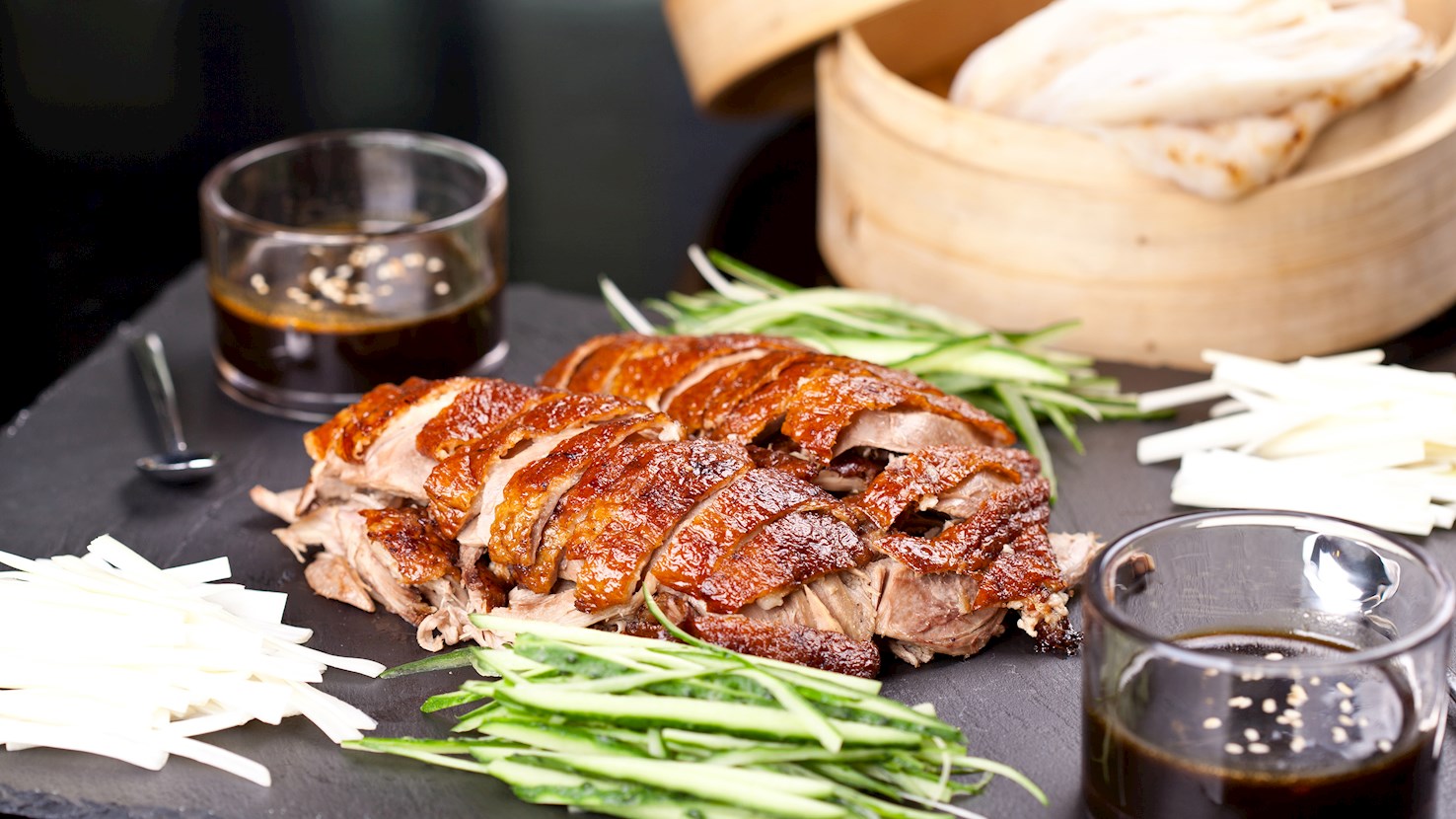
The history of Peking duck goes back to China's Yuan Dynasty of the 13th century. Bianyifang, Beijing's oldest restaurant specializing in Peking duck has been in business since the Jiajing reign of the 16th century, serving as a testament to the popularity of this succulent, tantalizing dish. The duck is cooked until the skin turns golden and crispy and the meat becomes tender, slightly sweet, and moist. Both the meat and the skin are then folded in thin pancakes or steamed white buns. To make an authentic Beijing kao ya, the duck must be a white feathered American Pekin, hung for 24 hours, and pumped with air through a small puncture between the breasts and wings. It is usually brushed with a mixture of ginger, oil, hoisin sauce, honey, and rice vinegar, then vertically hung and slowly roasted to perfection. When the dish is served, the skin will often come first as an appetizer, followed by the meat which is accompanied by cucumbers, scallions, hoisin sauce, buns, and pancakes. With its 400-year history, exquisite flavors, and elaborate preparation, it comes as no surprise that Peking duck is one of the most famous Chinese dishes.
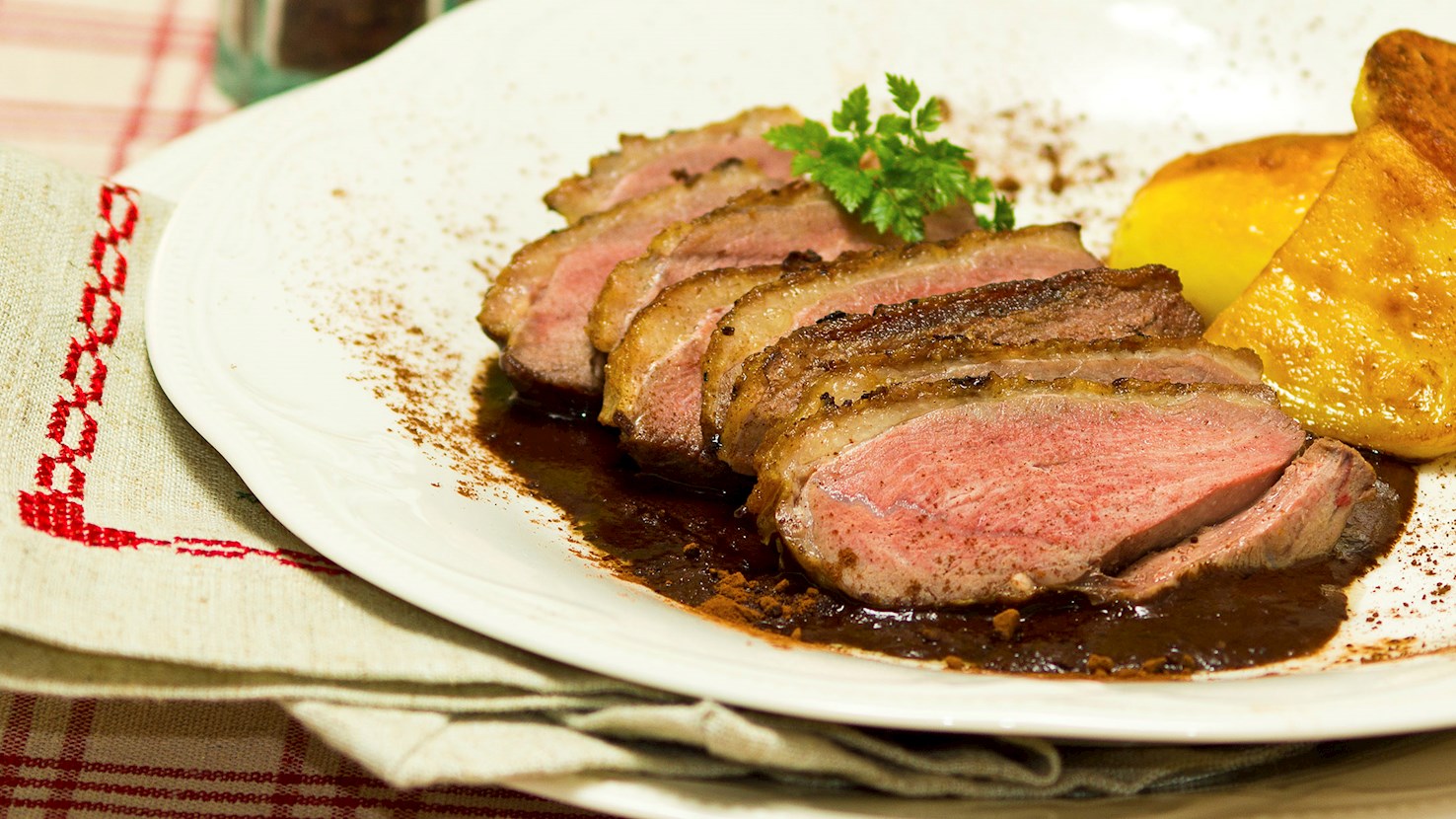
This dish of flash-seared duck breast dates back to the late 1950s, when French chef André Daguin first prepared a magret like a steak and served it medium-rare. The meat is usually served thinly sliced and still slightly pink on the inside. The cut of the breast usually comes from the mulard duck, a cross between the Pekin and the Muscovy duck. This breed is raised for foie gras, so its breast meat is thicker and more flavorful than that of other duck breeds. In the mid-1960s, rare duck breast became extremely popular in the United States thanks to Robert Daley, an American journalist who praised Daguin’s specialty in The New York Times. Today, magret de canard can be found on tables throughout France, both in restaurants and private homes.
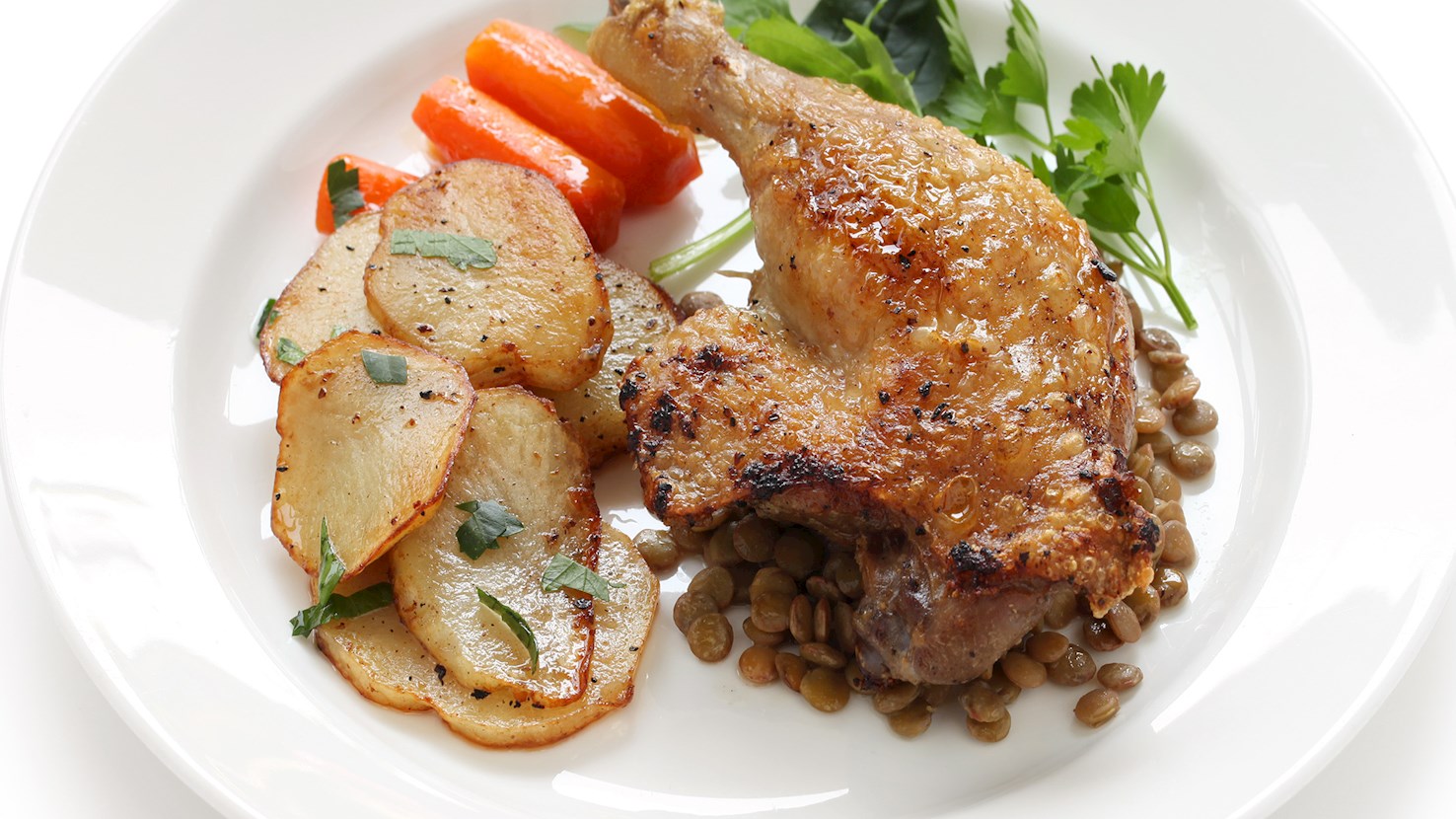
This French classic is made by slow-roasting duck meat in its own fat. What was once used as a method of preserving meat in times before refrigeration is nowadays enjoyed as a rich and flavorful dish of its own. The meat is typically seasoned with salt, pepper, and fresh herbs and spices such as thyme and bay leaves. Traditionally, duck confit is cooked in a copper pot over a fire for up to 24 hours, in order for the fat to render and cover the meat. After cooking, while still hot, the meat and the fat are poured into jars and sealed tightly so that the dish can be stored for later use. The name confit stems from the past participle of the French verb confire, meaning topreserve. Duck confit is so rich and savory that it is usually served on its own, without sauce. However, a side of puy lentils makes an excellent accompaniment to this dish.
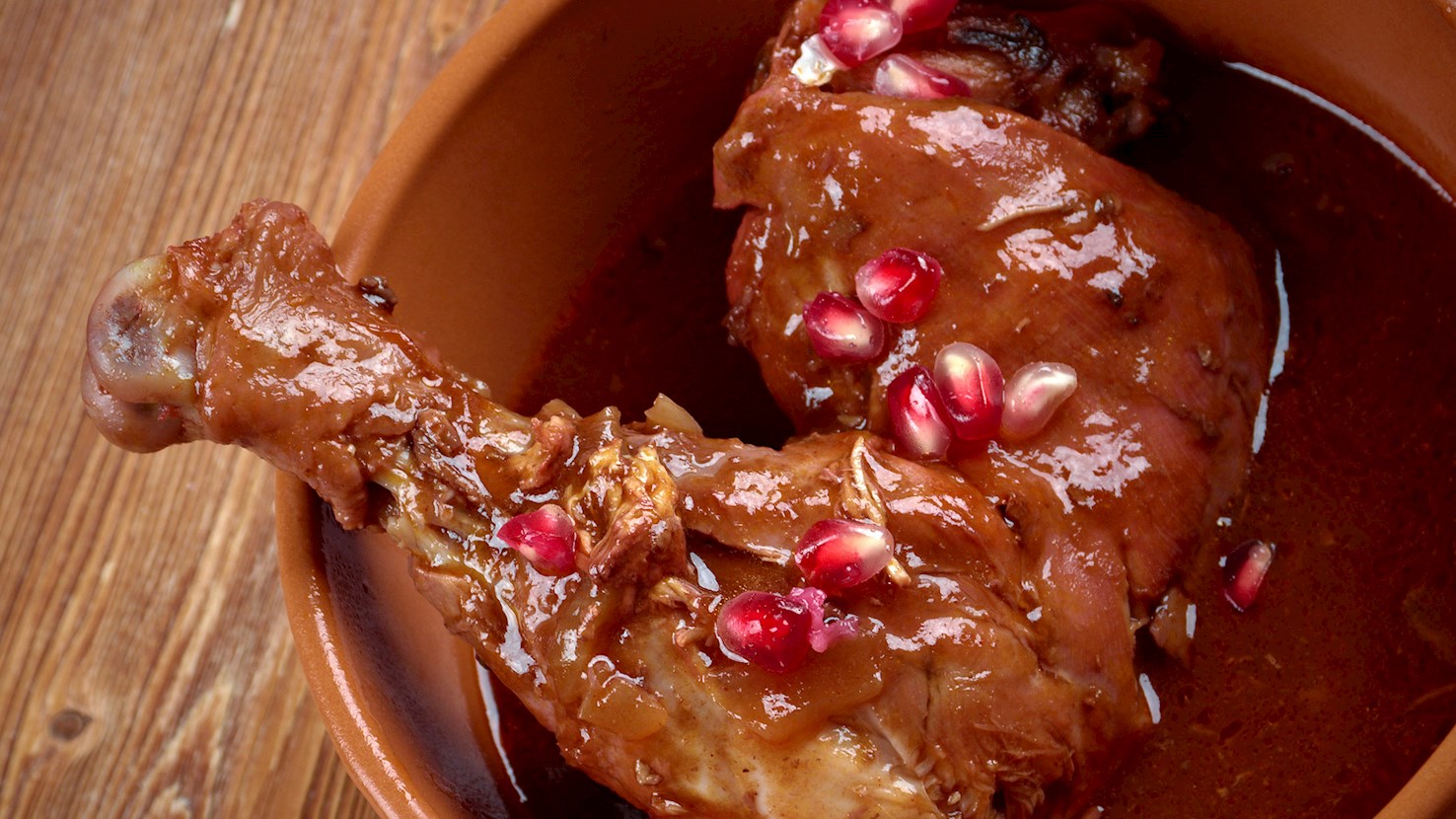
Fesenjān is a rich Persian stew that comes from the northern provinces of Iran, especially Gilan and Mazandaran along the Caspian Sea. Known for its distinctive combination of ground walnuts and pomegranate molasses, this dish is typically prepared with poultry such as duck or chicken, though lamb or beef can also be used. It is valued as one of the most refined examples of Iranian khoresh, offering a deep, tangy-sweet flavor profile that sets it apart from other Iranian stews. The documented history of fesenjān stretches back centuries, with references found in Persian culinary manuscripts describing the method of slow-cooking meat in nut pastes and fruit extracts. Its use of pomegranate, a fruit with ancient ties to Iranian agriculture and symbolism, points to the dish’s connection with pre-Islamic gastronomy and festive occasions. Over time, fesenjān became associated with family gatherings, celebrations, and autumn harvests when pomegranates are plentiful. To prepare fesenjān, cooks begin by finely grinding walnuts until they release their oils, forming a paste that will help thicken the sauce. The meat is seared lightly in oil and simmered slowly in the walnut base, which is diluted with water or stock. As the cooking progresses, pomegranate molasses is added gradually to achieve the characteristic balance of acidity and sweetness. The mixture must cook gently for several hours so the flavors develop fully and the walnuts release their richness, resulting in a thick, dark sauce that clings to each piece of meat. The final seasoning may include a touch of sugar if the pomegranate is especially tart, and occasionally saffron or cinnamon is stirred in to deepen the aroma. This stew is always served hot, ladled over a mound of steaming Persian rice (chelo), with the contrasting textures of fluffy grains and the glossy, walnut-laden sauce. Fesenjān is often presented on special occasions, such as weddings or religious celebrations. Beyond Iran’s borders, fesenjān has drawn the interest of chefs who admire its layered taste and the technique of cooking with nuts as a primary thickener. Its inclusion in cookbooks and restaurant menus highlights the diversity of Iranian regional cooking, which is far broader than many realize. In homes, it remains a dish associated with care and patience, cooked slowly to achieve the exact consistency and flavor that generations have come to expect.
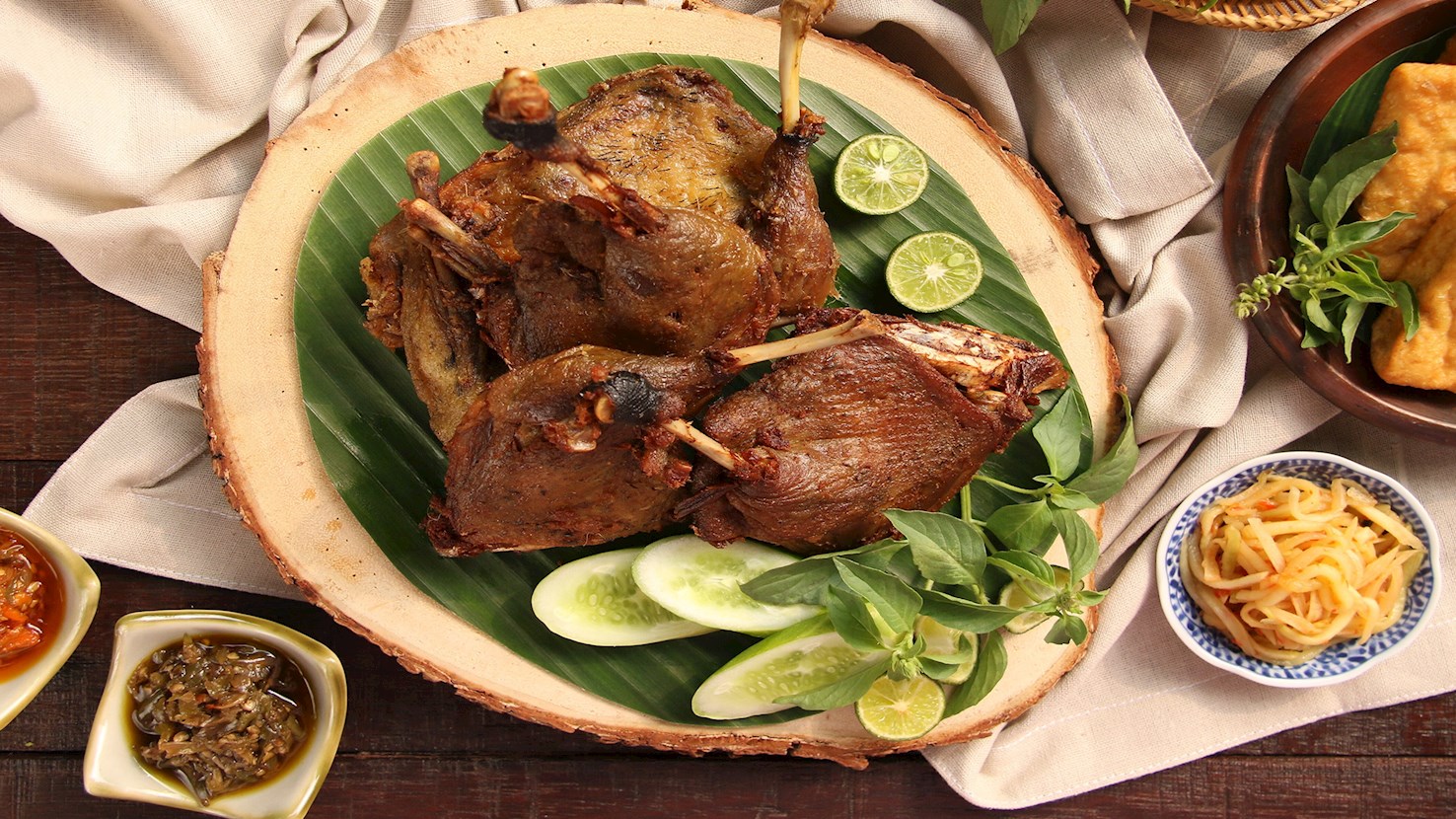
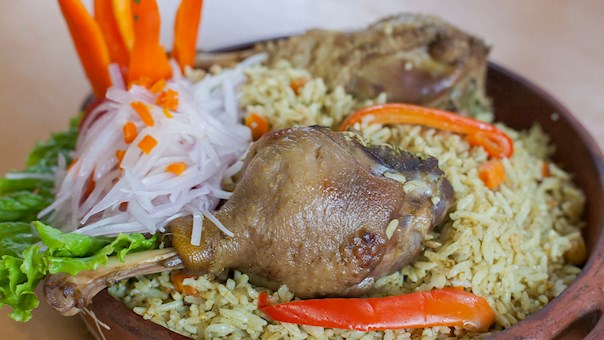
Fried duck is an Indonesian delicacy that is prized for its crispiness as well as its tender, succulent meat. The duck is usually cut into pieces, boiled or steamed, and then deep-fried until crispy. Before it is fried, the pieces are generously coated in spices such as garlic, ginger, turmeric, galangal, or coriander. Bebek goreng is eaten throughout the country and is traditionally accompanied by rice, fresh vegetables such as cucumber or cabbage, and the spicy sambal served on the side.
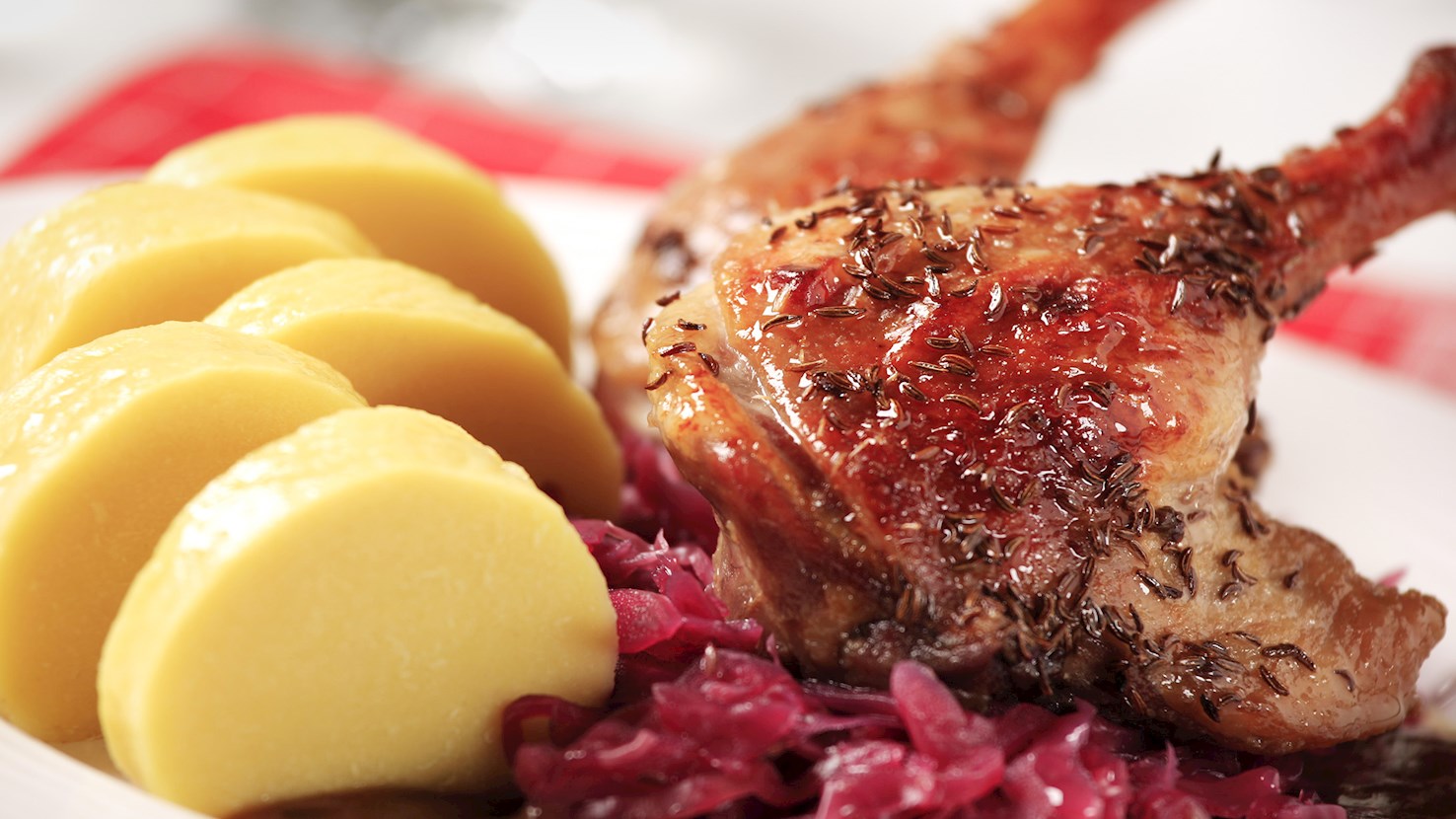
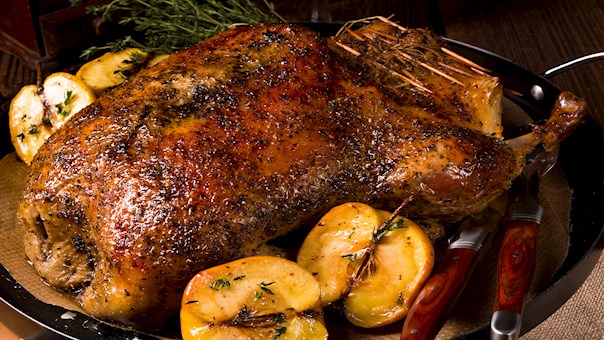
In the Czech Republic, roasted duck is known as pečená kachna. The duck is usually seasoned with caraway seeds and marjoram, then slowly roasted in the oven until golden brown and crispy. It is traditionally served alongside potatoes, bread dumplings, braised red cabbage, and occasionally a thick sauce made with reserved duck fat and flour. This nutritious Czech classic is often found on the menus of traditional restaurants, and the homemade versions are usually prepared as a weekend meal or as a main dish served on special occasions.
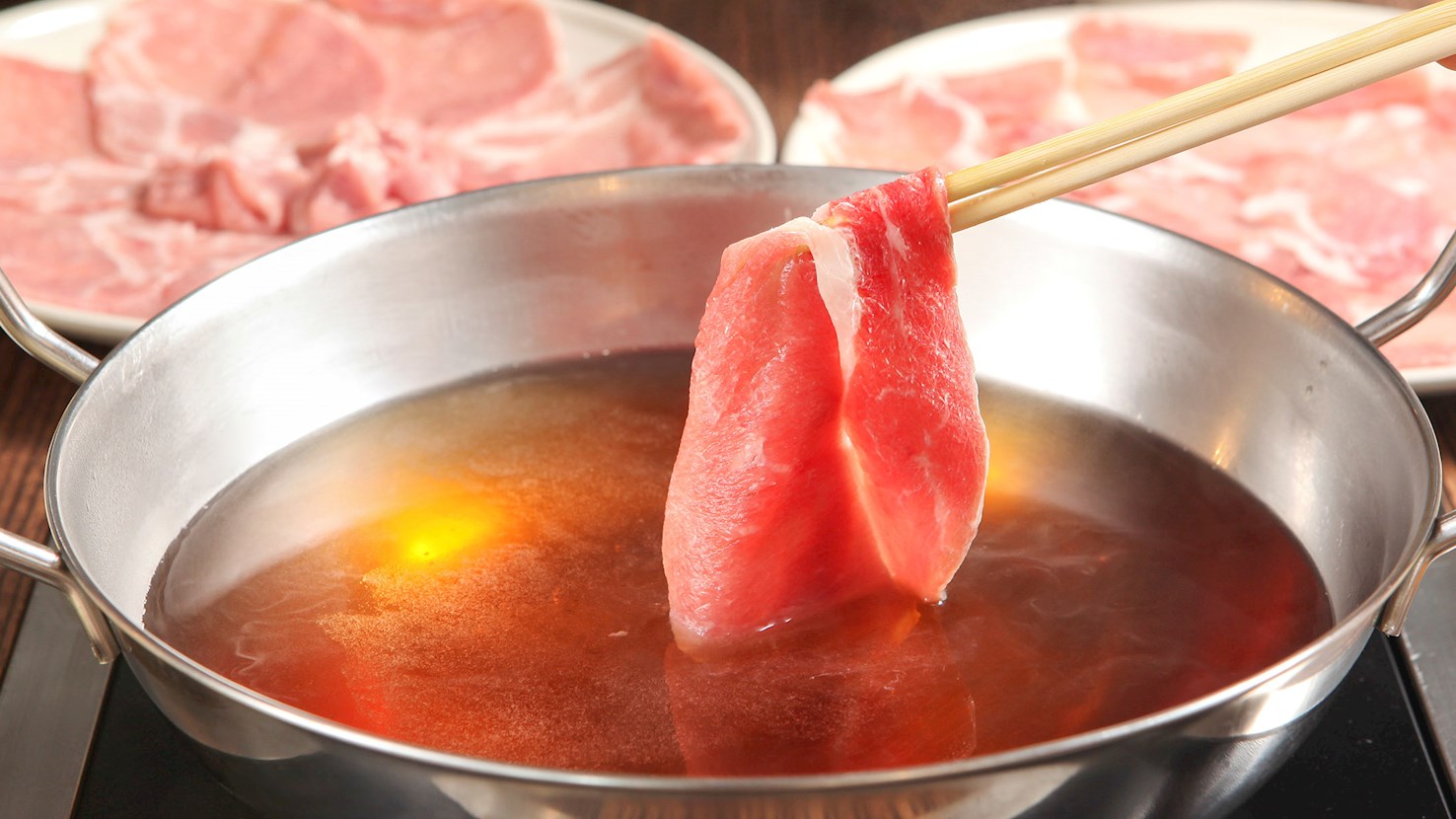
Shabu-shabu is a popular Japanese dish consisting of thinly sliced meat and vegetables cooked in water. The dish is an evolved version of the traditional Mongolian nabemono (one-pot) cooking. Roughly translated to swish-swish, its name is referring to the sound that is made when the sliced pieces of meat go through the water. Although beef is the most popular choice of meat, shabu-shabu can also be prepared with lamb, chicken, pork, duck, crab, or lobster. Steamed rice and a variety of sauces are often served on the side, accompanying the main dish. The dish is typically shared and eaten communally, each consumer dipping a slice of meat in the central pot that is filled with boiling water. Although shabu-shabu originates from China, it was popularized during the 20th century in Osaka, Japan.
TasteAtlas food rankings are based on the ratings of the TasteAtlas audience, with a series of mechanisms that recognize real users and that ignore bot,
nationalist or local patriotic ratings, and give additional value to the ratings of users that the system recognizes as knowledgeable.
For the “73 Best Rated Dishes with Duck” list until June 17, 2026, 1,000,987 ratings were recorded, of which 657,348 were recognized by the system as legitimate.
TasteAtlas Rankings should not be seen as the final global conclusion about food. Their purpose is to promote excellent local foods,
instill pride in traditional dishes, and arouse curiosity about dishes you haven’t tried.