

shutterstock

31 Best Rated
Dishes with Herring

Last updated on May 22, 2026
01

Smörgåsbord

4.1 ·

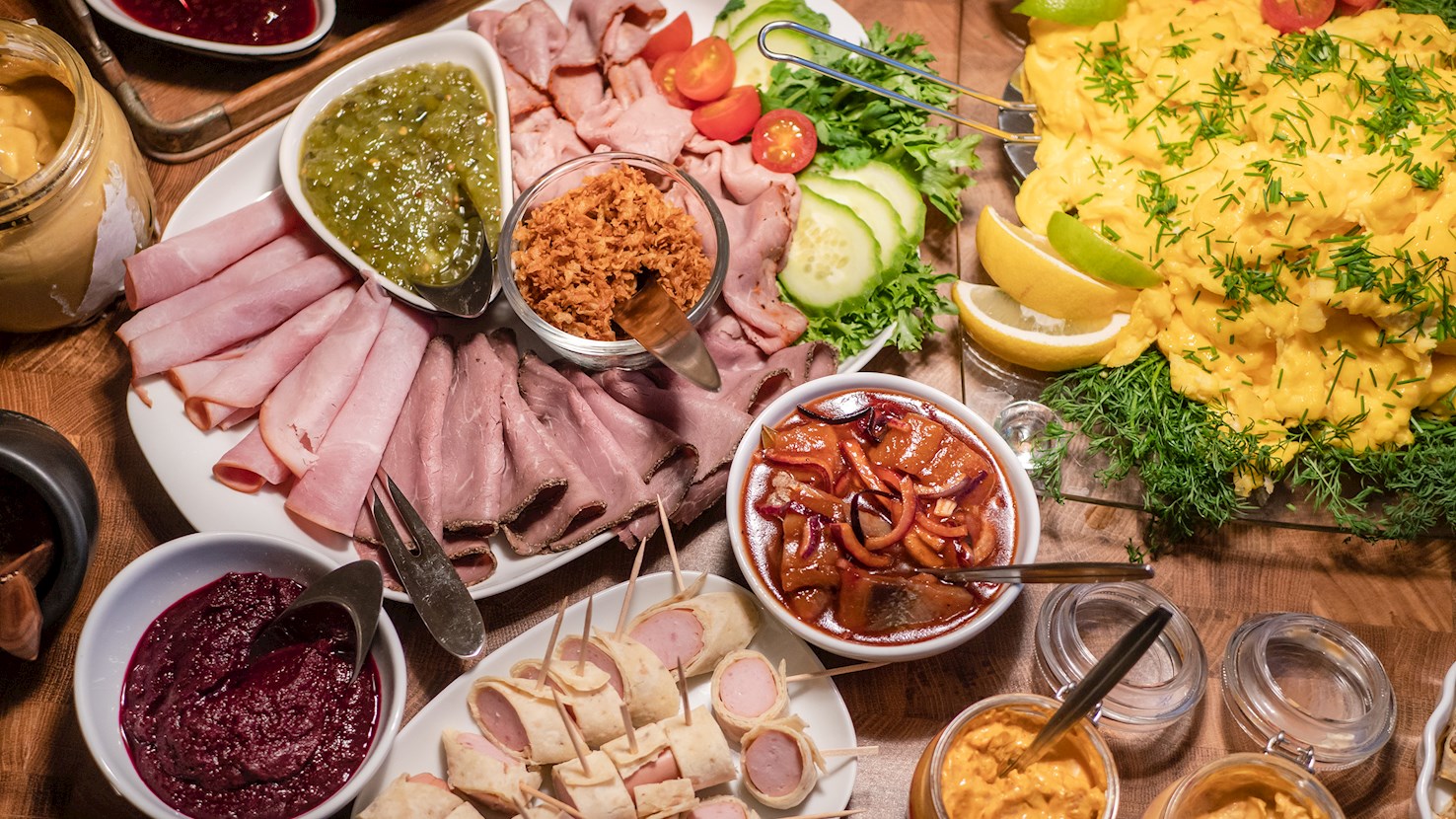
An epic and abundant Swedish buffet, smörgåsbord is a combination of two words: smörgås, an open sandwich, and bord, a table. The term refers to any all-you-can-eat buffet with self-service and a variety of pan-global food. Popular in Sweden since the 18th century, smörgåsbord hosts a display of colorful, complex, and lavish foods and dishes such as herring, salmon, sliced cold cuts of meat, vegetables, breads, cheeses, wild berries, pastries, and jams. The dishes can be hot or cold and may range from appetizers to desserts. Smörgåsbord is a very popular way of serving a large number of guests, either at home or, more often, in upscale hotels, at formal parties, or weddings. The rules of etiquette suggest that a person must make at least four visits to the table, first choosing dishes such as herring, salmon, or shellfish, then cold meats such as pork sausages or liver pâtés. The third visit is saved for hot dishes such as meatballs or baked beans, while the final round is reserved for cheeses and salads.

02

Zakuski

4.1 ·

Before every traditional Russian main meal, there are zakuski, a course of appetizers that are usually served to guests who are seated around the table, although a buffet arrangement is also quite common. For special events, there might be a dozen or two dozen zakuski served to the guests. Typically, zakuski include appetizers such as cold cuts of meat, salads, pirozhki, cured fishes, pickled vegetables, a selection of cheeses, bread, and caviar. Zakuski is the most important course, and most hosts will spend much more time preparing and arranging zakuski than preparing the main course. The origins of zakuski are still shrouded in a veil of mystery, but it is speculated that the custom arose before the 19th century as a way of feeding guests who traveled long distances and whose arrival couldn't be predicted, so they were fed small bites of food while the main meal was being prepared. A bottle of vodka often takes the center spot on the table, since the zakuski table is meant to accompany and enhance the experience of drinking it, and shots of vodka are often repeated throughout the meal. Along with butter and bread, such as white, black, or a combination of rye and wheat, caviar is the most famous part of zakuski, often served in glass containers and consumed on its own, or on a piece of toasted white bread.

03

Sild og poteter (Herring and Potatoes)

3.8 ·

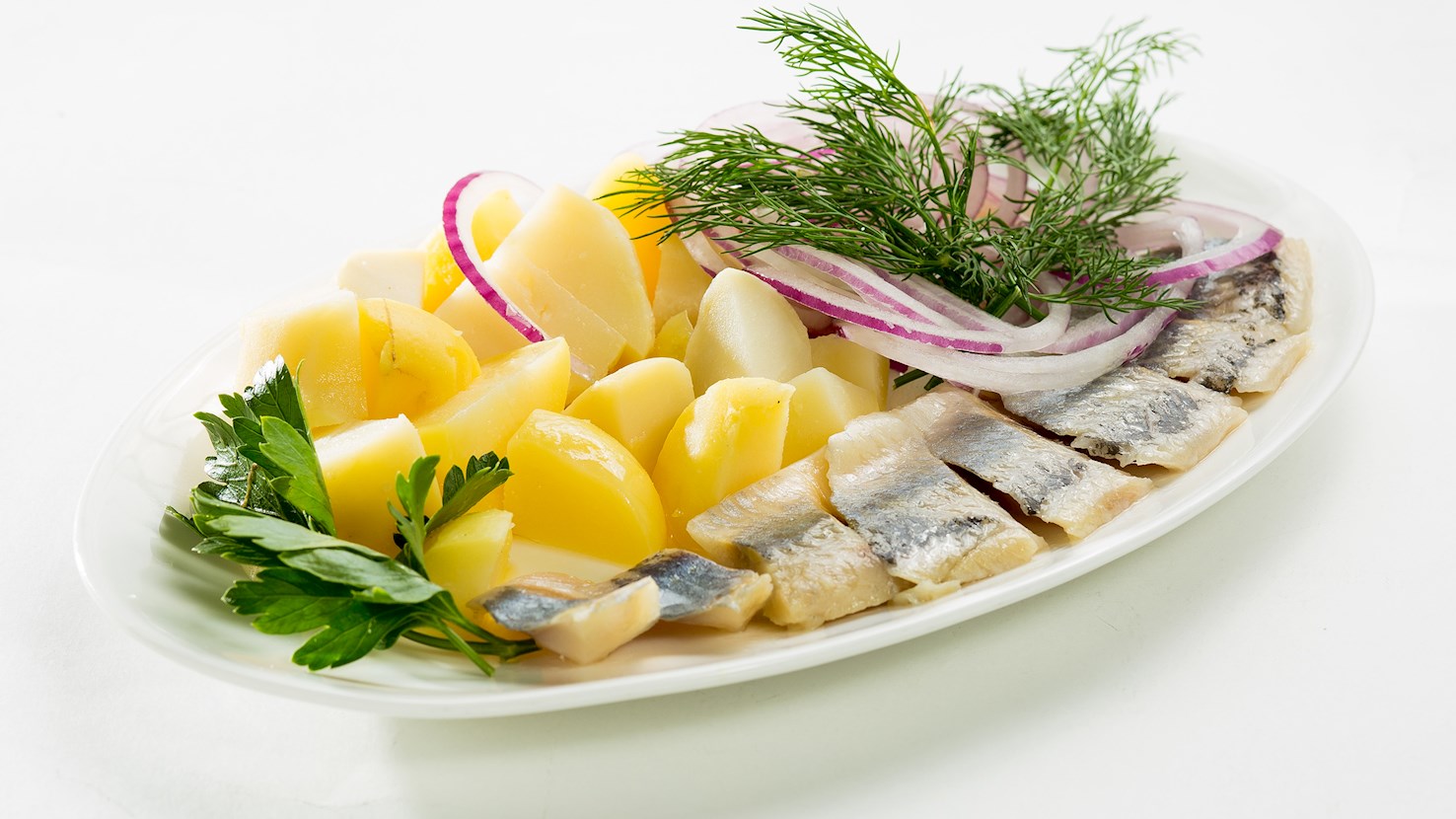
Sild og poteter is a traditional dish originating from Norway. The dish is usually made with a combination of herring fillets, potatoes, pickled and sliced beets, onions, butter, dill, and sour cream. The herring fillets are placed on a platter and garnished with sliced beets and sliced onions. The combination is topped with sour cream and dill sprigs, and it's then served accompanied by boiled buttered potatoes sprinkled with dill. The dish is especially popular during summer.

04

Kippers

3.8 ·

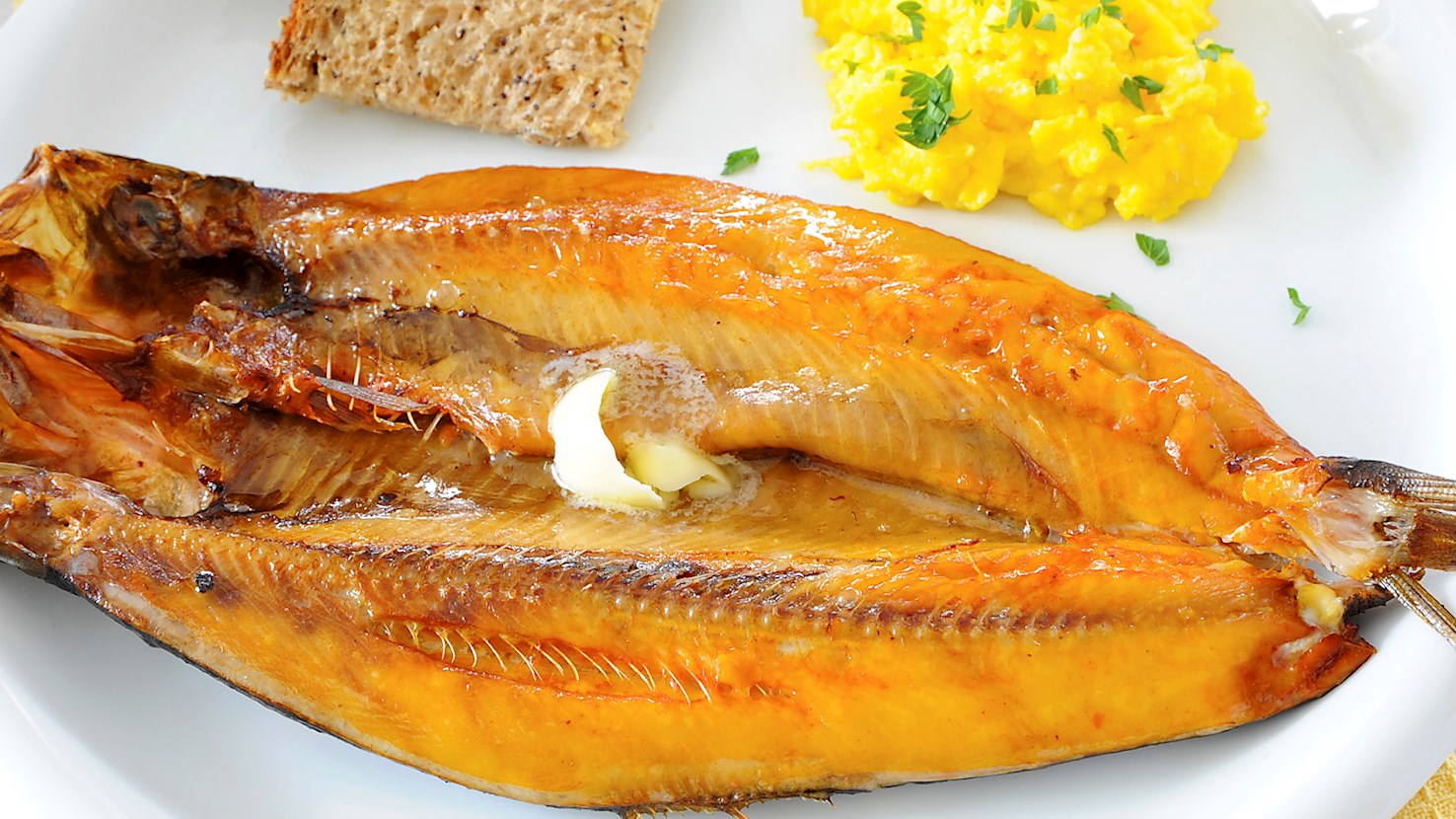
Kipper is a traditional breakfast dish consisting of a whole herring that is halved, gutted, seasoned with salt, and cold-smoked over woodchips. The lengthy process results in an extremely flavorful, highly nutritious dish that was created in 1843 by John Woodger, a fish processor. The salt used in the dish keeps the fish from going bad, while the smoke causes it to shrink and compress the flavors. Traditionally, kippers are eaten on toasted bread with butter for breakfast, but the fish can also be added to sauces, quiches, and omelets. If the smell is too pungent, it is recommended to barbecue the fish to make it more appetizing. Kippers are so popular that the flavorful, oily dish was even present on Victorian and Edwardian tables, as well as on the Savoy hotel's breakfast menu since 1889. Today, most of the kipper-makers are located in the Isle od Man, where curer families have been a part of the industry since the 19th century.

05

Rolmopsy

3.6 ·

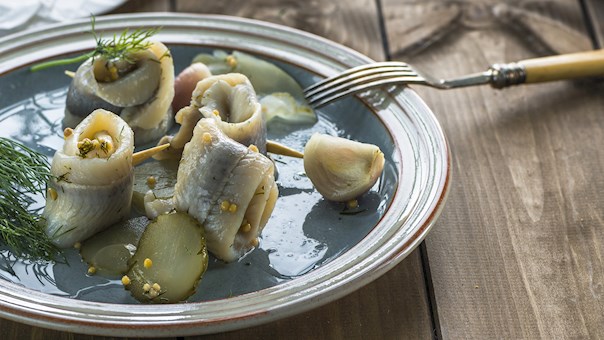
Śledzie is a Polish specialty consisting of herrings pickled in various ingredients such as vinegar, oil, sour cream, and onions. Due to the large amount of marinades and flavors, there is also a special variety of sweet herrings. Śledzie is traditionally served on Christmas Eve, as a cold appetizer or a side dish. It is recommended to pair this popular dish with dry white and red wines.

06

Broodje haring

3.6 ·

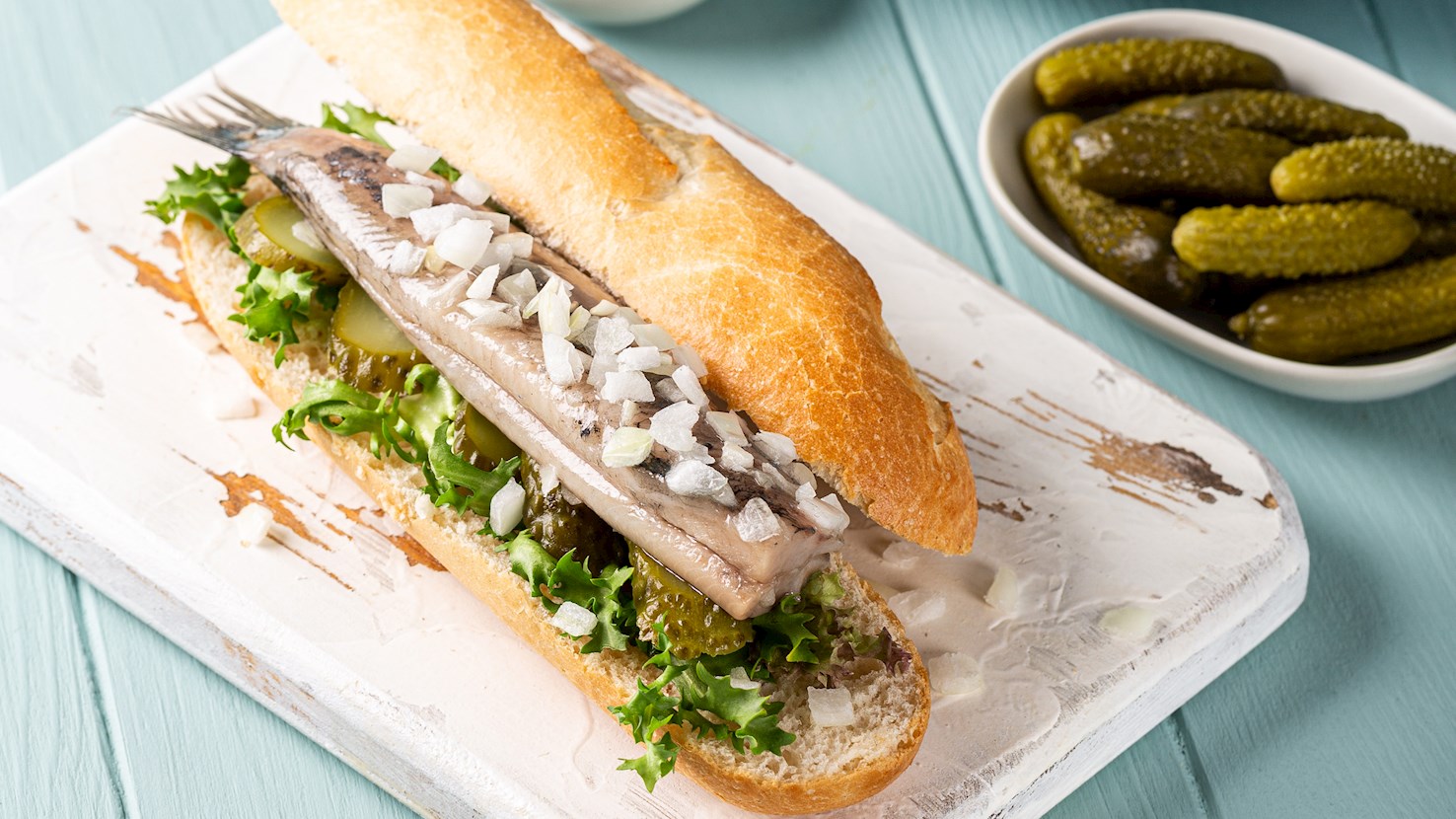
Broodje haring is a delicious Dutch sandwich that is traditionally served cold. It is made with raw, salt-cured herring, sliced gherkins, and diced onions tucked inside tender white buns. This sandwich can be bought throughout the country at vishandels – market stalls selling seafood and seafood-related snacks and sandwiches.

07

Keropok lekor

3.6 ·

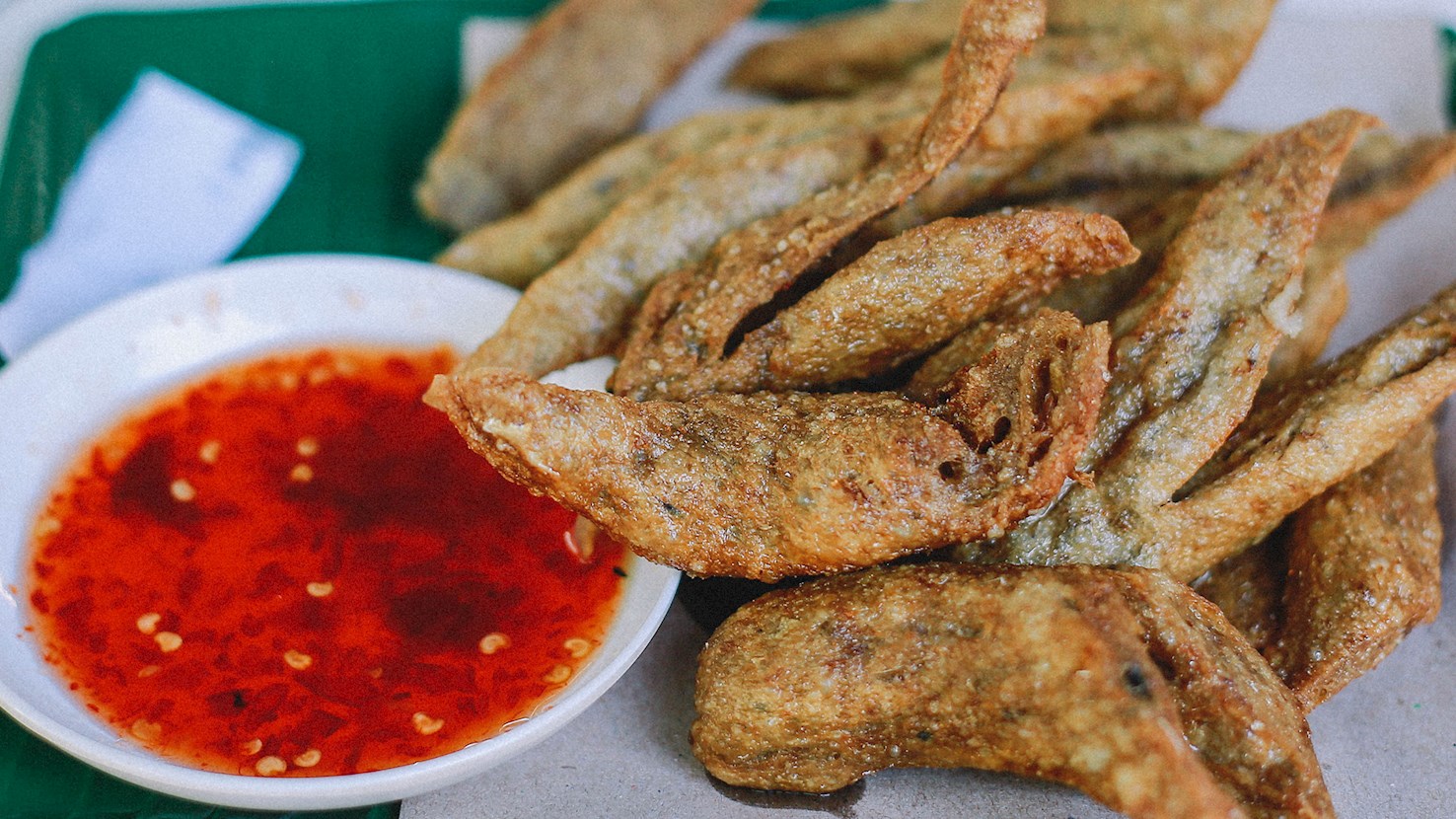
Keropok lekor is a Malaysian snack and a specialty of the Terengganu region. In order to prepare it, ground fish such as herring, ikan tamban, ikan kerisi, or ikan selayang are combined with sago flour, and the combination is formed into long, sausage-like shapes which are then boiled for several hours, although these fish sausages can also be fried. There are many stalls in the region where keropok lekor can be bought, and it is traditionally served hot with a spicy chili dipping sauce.

08

Sursild (Pickled Herring)

3.5 ·

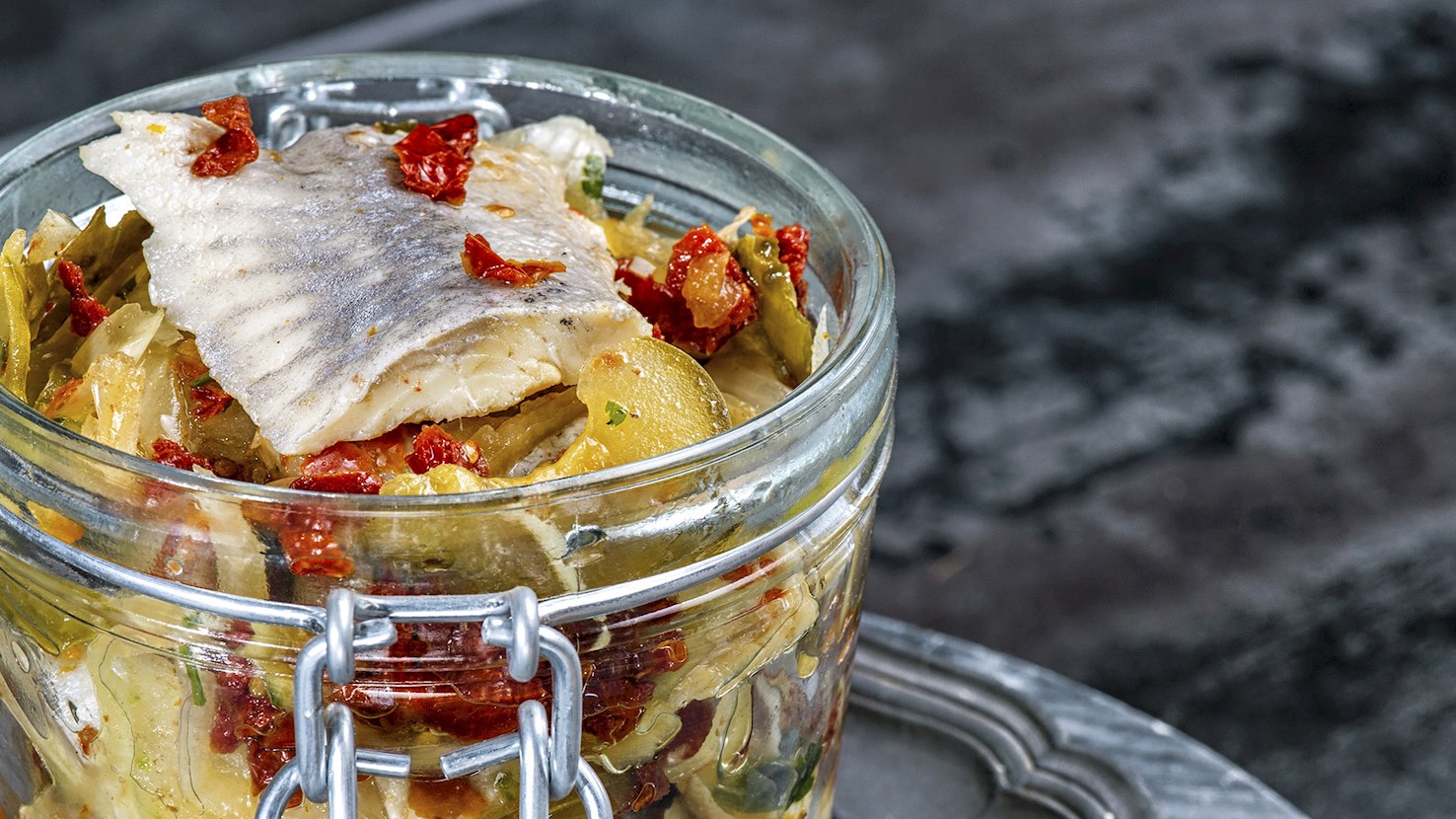
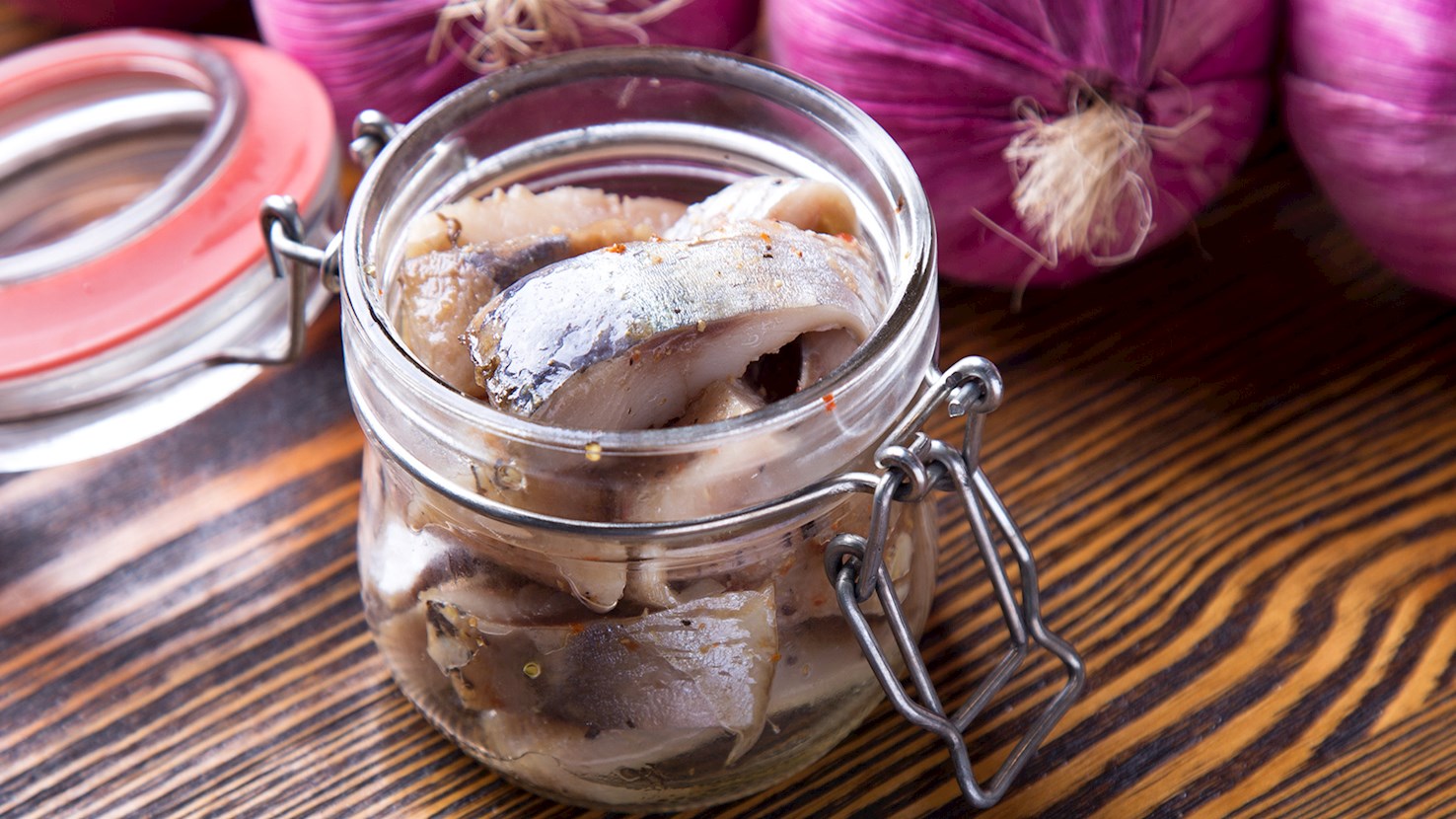
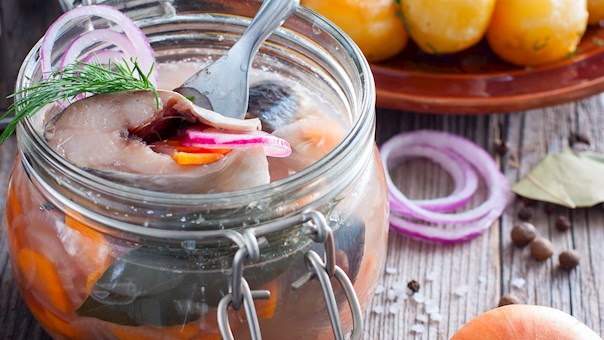
Sursild is a Norwegian pickled fish delicacy that is traditionally consumed during the winter holiday season, particularly on Christmas. The dish is usually made by combining slices of salted herring, onion slices, and a variety of spices such as allspice, black peppercorns, and mustard seeds in a jar, which is then filled with a boiled vinegar-based mixture. A common breakfast meal, the pickled fish is usually consumed with slices of fresh bread, smeared with butter, and topped with onion slices, or with a side of boiled potatoes as a part of a large dinner. In Norway, jars of pre-made pickled herrings are also sold in numerous supermarkets in the country.

09

Shuba (Herring Under a Fur Coat)

3.5 ·

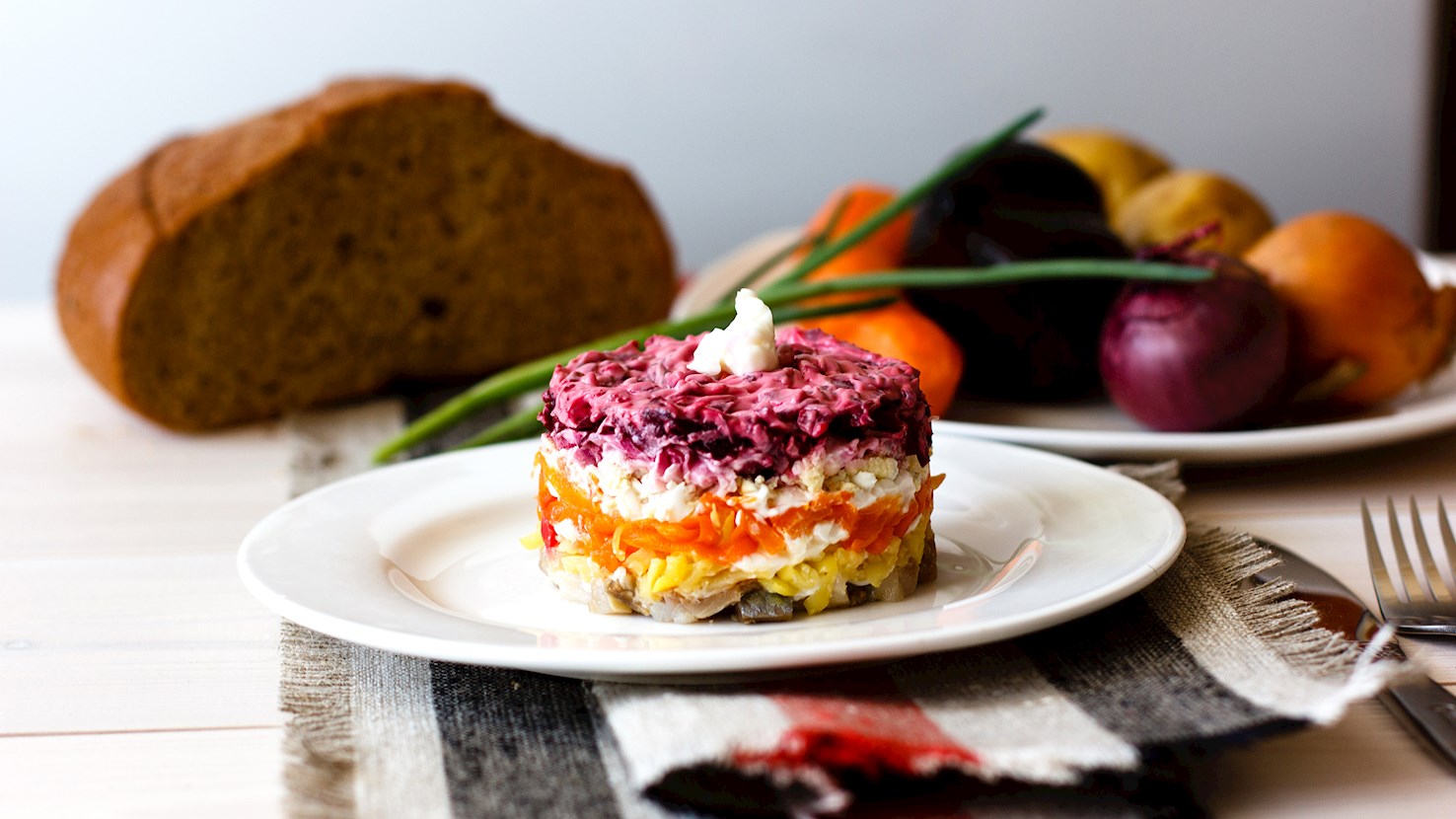
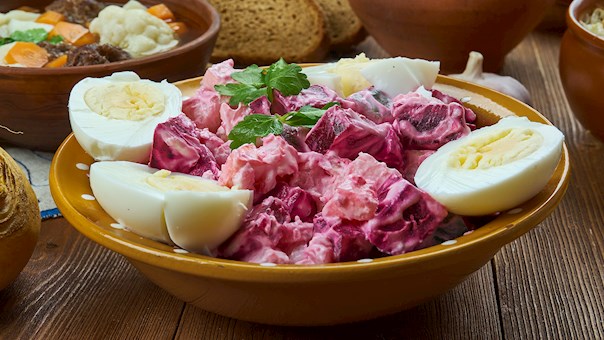
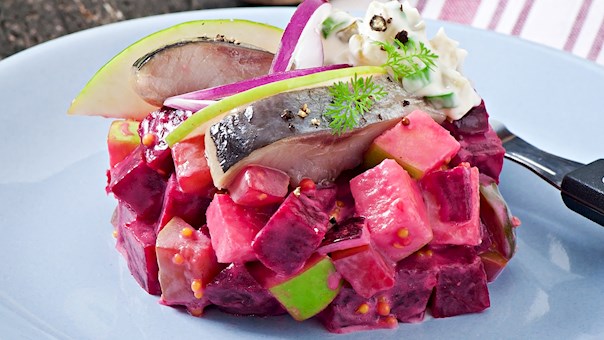
Shuba or herring under a fur coat is a unique Russian salad consisting of three distinctive layers: salted herring, potatoes, and beets. The salad often has more than three layers, mostly consisting of apples, onions, or hard-boiled eggs. Most people believe that it was invented by a tavern owner named Anastas Bogomilov at the beginning of the 20th century. The red color of the beets symbolizes the red flag, and potatoes symbolize the staple food of peasants and workers. Today, the salad is a well-known staple at Russian New Year celebrations.

10

Shirasu don

3.5 ·

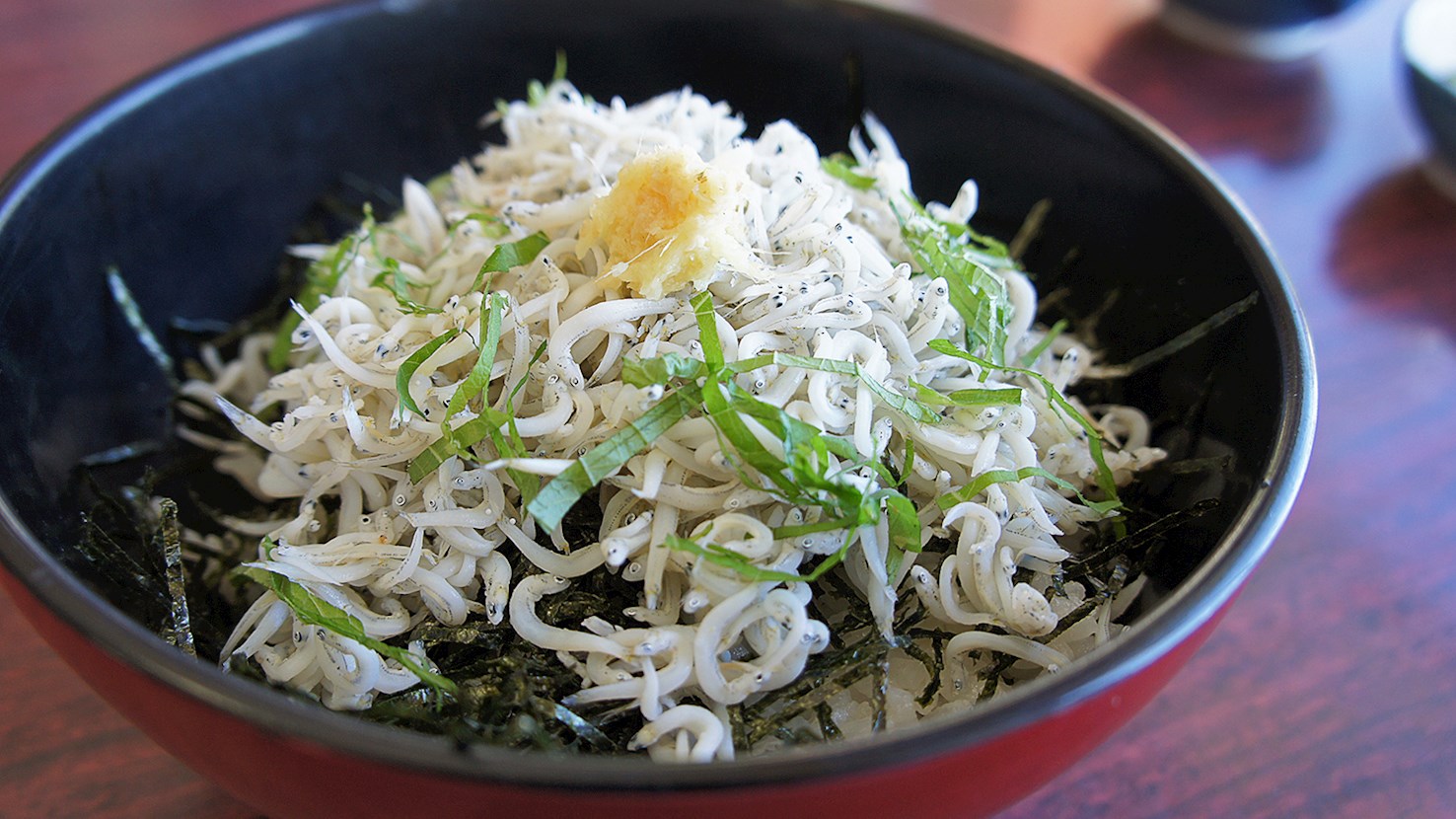
Shirasu don is a traditional dish originating from the Kanagawa region. It’s a specialty of Chigasaki, Enoshima Island, and Kamakura. The dish is made with shirasu – baby sardines, sand lances, and herring. The fish are eaten dried, boiled, or raw with soy sauce. Their texture is light and fluffy, while the aromas are slightly salty. For shirasu don, fresh and raw shirasu is simply placed on top of a bed of rice in a bowl. The dish is often enriched with the addition of seaweed, Japanese herbs, and sliced leeks, with soy sauce and tare on the side.

About this ranking

TasteAtlas food rankings are based on the ratings of the TasteAtlas audience, with a series of mechanisms that recognize real users and that ignore bot, nationalist or local patriotic ratings, and give additional value to the ratings of users that the system recognizes as knowledgeable. For the “31 Best Rated Dishes with Herring” list until May 22, 2026, 989,158 ratings were recorded, of which 646,966 were recognized by the system as legitimate. TasteAtlas Rankings should not be seen as the final global conclusion about food. Their purpose is to promote excellent local foods, instill pride in traditional dishes, and arouse curiosity about dishes you haven’t tried.

Similar lists