


shutterstock

29 Best Rated
Dishes with Mackerel

Last updated on May 22, 2026
01

Batagor

4.4 ·

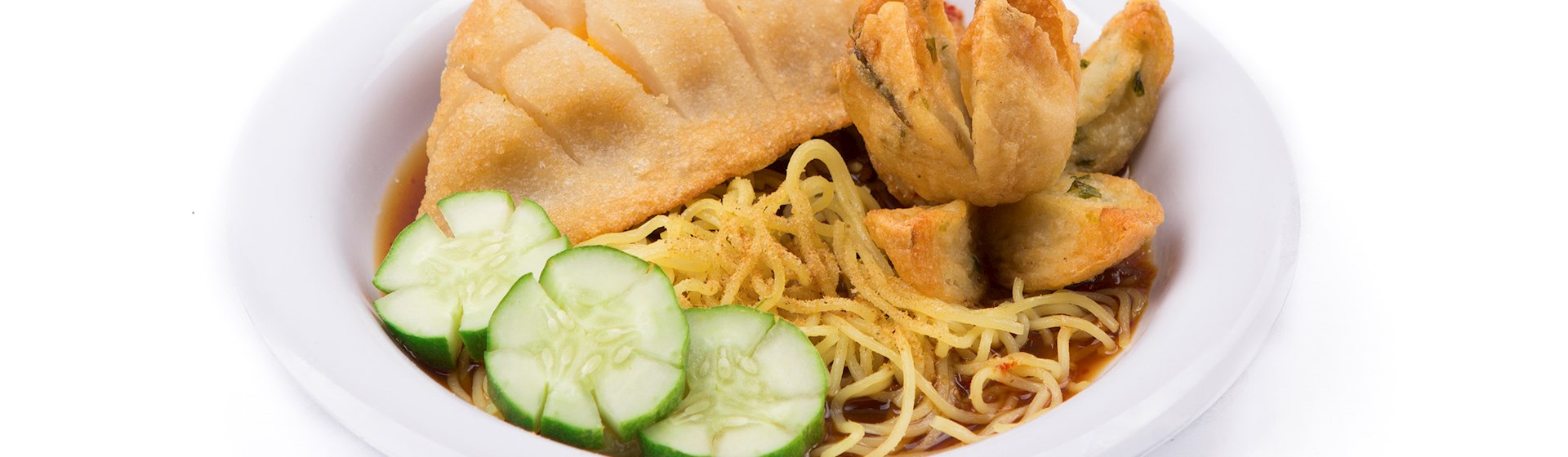
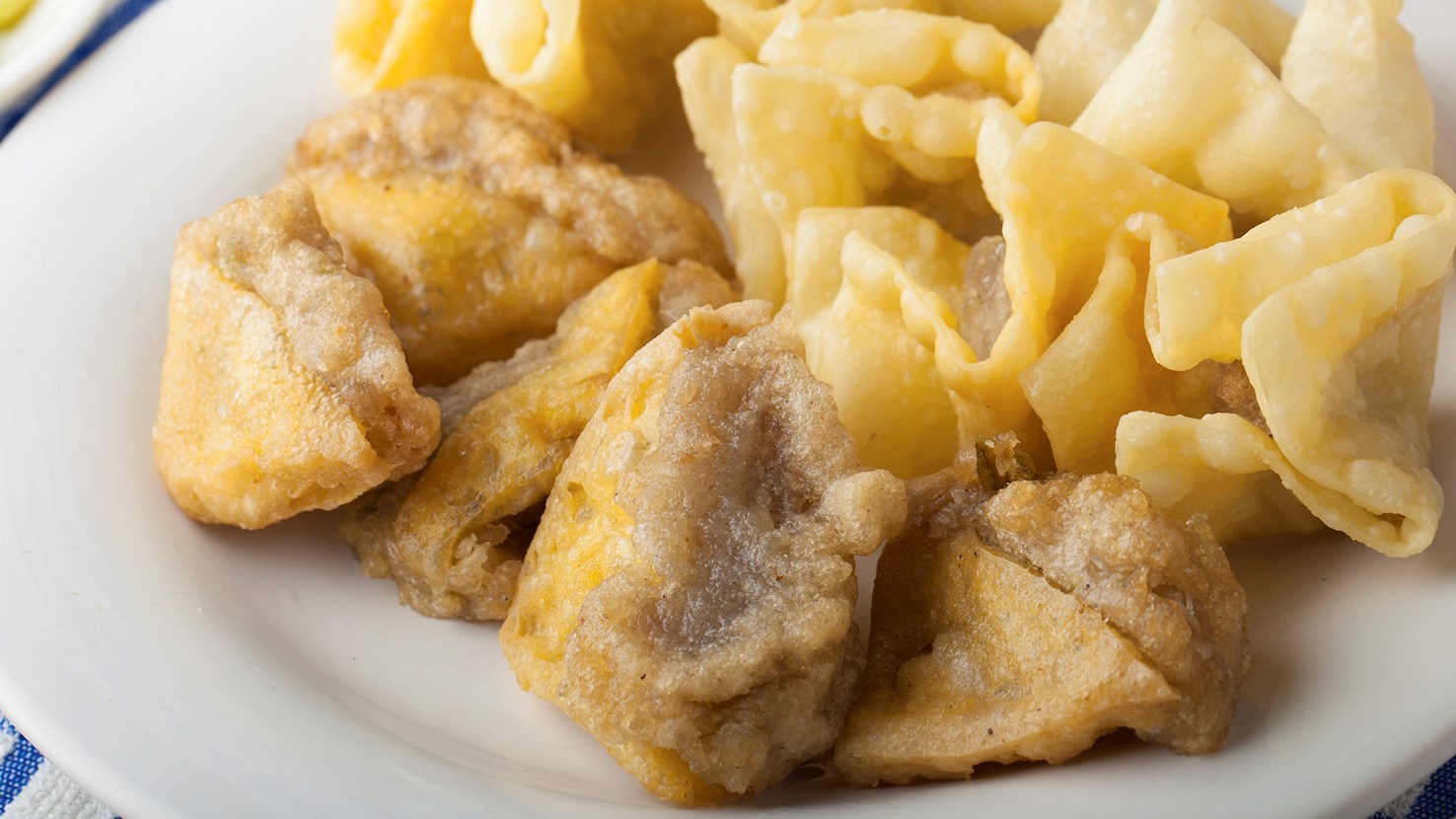
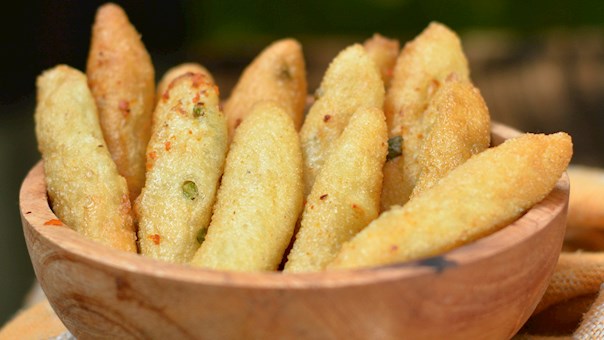
One of the most famous snacks in Indonesia is batagor, a fried fish dumpling served in a traditional spicy sauce. It has roots in the Chinese culinary tradition, which has left a trace on many Indonesian dishes. Although this famous snack is reminiscent of the more famous Chinese dumpling, its distinguishable characteristic is that it is fried, not steamed. The most common fish used to make the dish is wahoo, but tuna, mackerel, and even prawns can also be used. Potatoes, tofu, or cabbage are also occasionally added to the dish. Batagor is the perfect snack because of the way it is served. When fried, the dumplings are cut into small bite-sized pieces and covered in peanut, soy, and chili sauce with a splash of lime juice. It was invented in the 1980s in Bandung, but today it can be found throughout Indonesia. Since it is quickly prepared, it is commonly sold by street vendors, but it can also be found in many Indonesian restaurants.

02

Pempek

4.3 ·

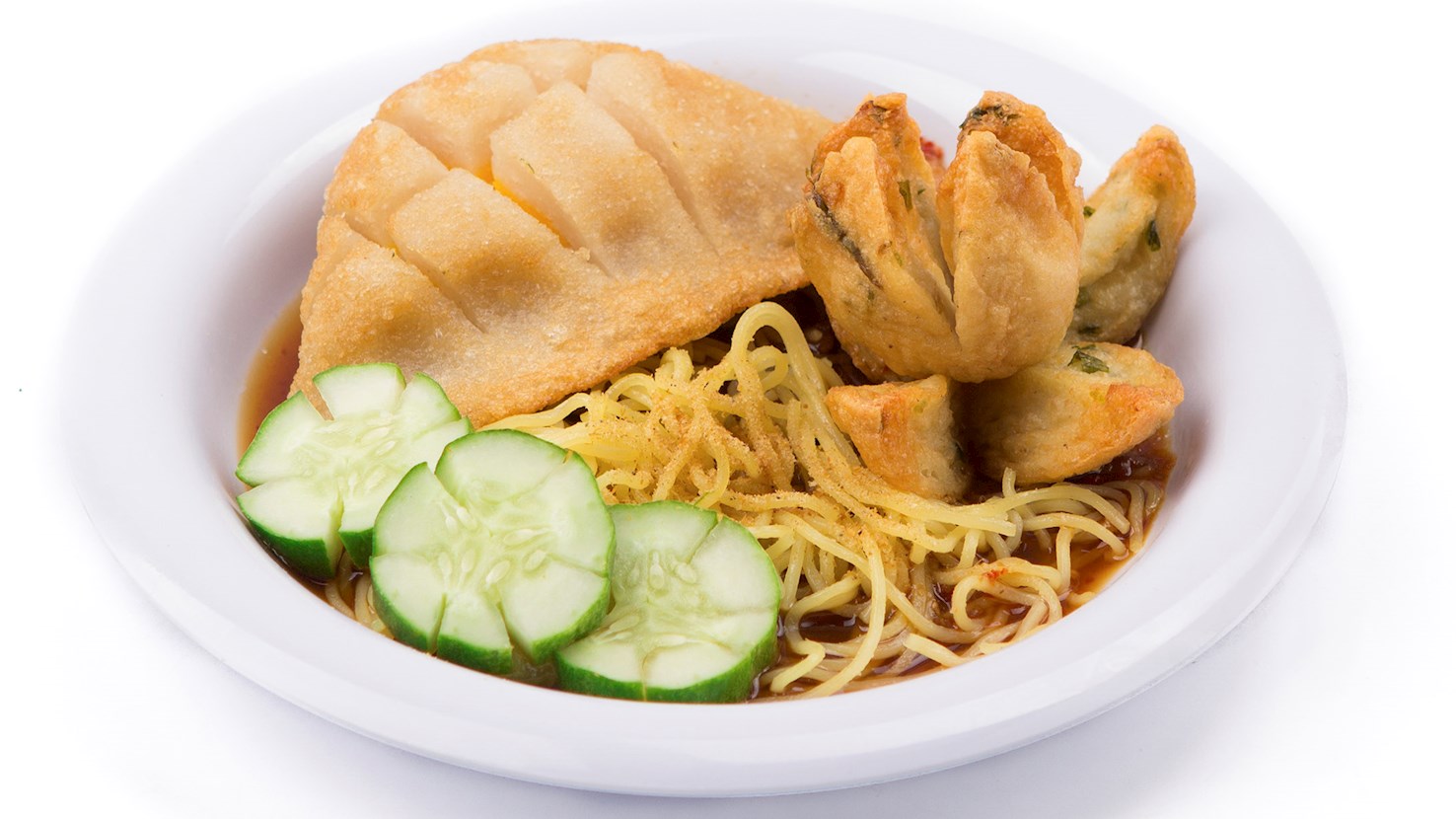
Pempek is a traditional fish cake made with ground fish meat and tapioca. The actual origin of this dish is the city of Palembang, situated in the South Sumatra province. The origin story of pempek says that an old Palembang citizen was tired of the traditional fried or grilled fish, so he thought of an innovative way to ground the meat, mix it with tapioca flour, and deep-fry it to get a crunchy and delicious snack. He then used to cycle through the city and sell the fish cakes to Palembang citizens. Over time, pempek was recognized as a praise-worthy snack, and today it is considered to be a traditional Indonesian delicacy. These round or rectangular cakes are usually steamed, and right before serving they are fried in vegetable oil and cut into bite-sized pieces. Sliced cucumbers, noodles, or rice are typical accompaniments, and the traditional sweet and sour sauce is usually served on the side so the customers can adapt the flavors to their taste.

03

Ikan bakar

4.2 ·

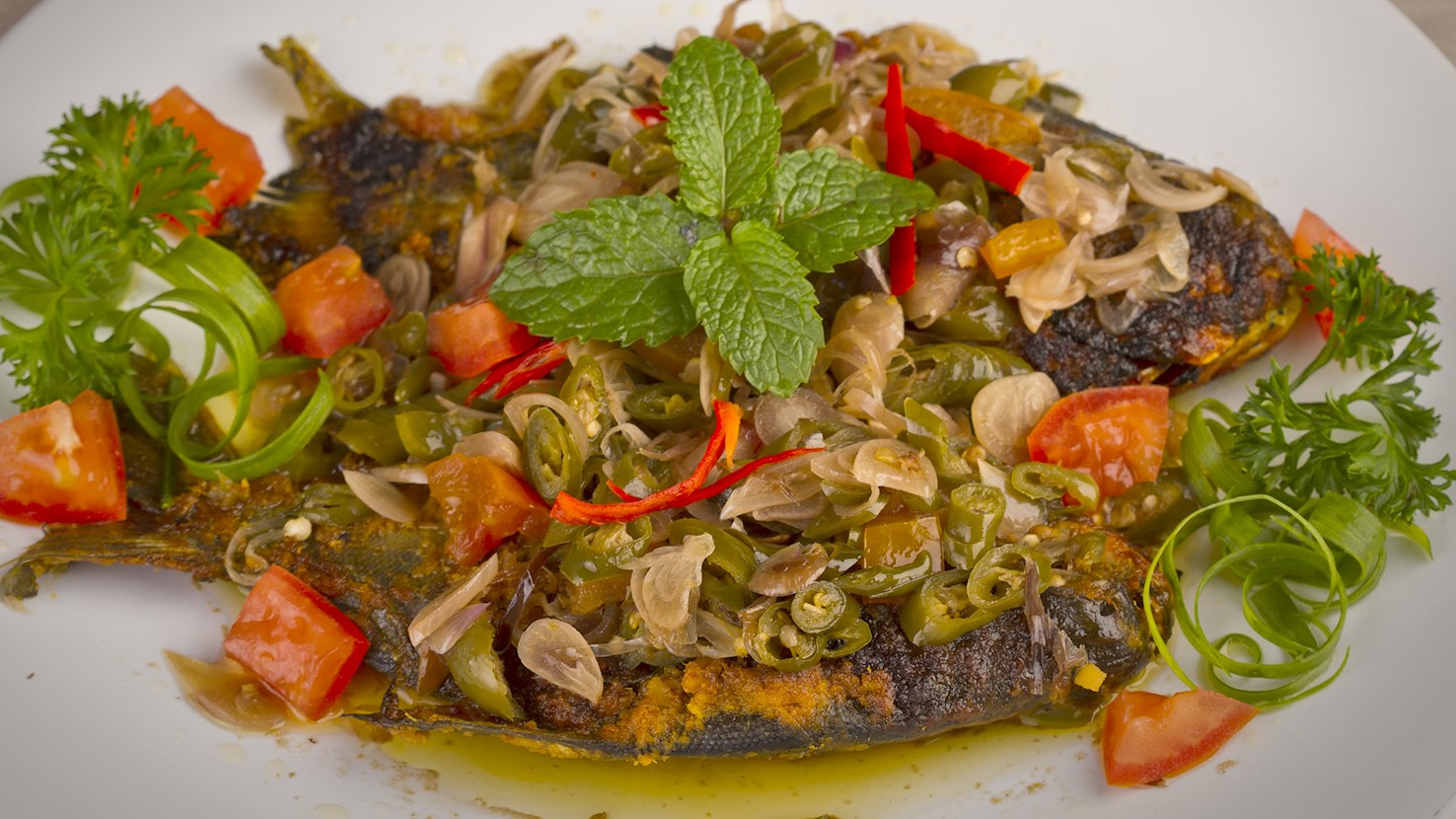
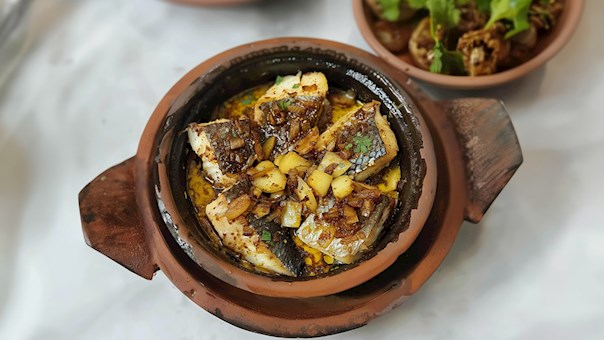
Ikan bakar is a beloved Indonesian grilled fish dish, known for its smoky aroma, bold spices, and savory-sweet glaze. The name ikan bakar literally means “grilled fish” in Indonesian and Malay (ikan = fish, bakar = grilled or roasted), and it refers more to the cooking technique than to a specific recipe. Found across Indonesia, Malaysia, and coastal Southeast Asia, ikan bakar varies by region, but always features fresh, whole fish marinated with spices and aromatics, then grilled over charcoal for deep, rich flavor. The fish—often snapper, mackerel, gourami, or catfish—is typically marinated in a mixture of shallots, garlic, turmeric, coriander, tamarind, chilies, and kecap manis (sweet soy sauce). In some regions, especially Java, the use of kecap manis creates a sweet, caramelized glaze, while in others, such as Minangkabau (West Sumatra) or Bali, the marinade is more spicy, tangy, and aromatic, often without any soy sauce. During grilling, the fish is frequently basted with the remaining marinade or a mixture of oil and spices, keeping the flesh moist and enhancing the smokiness. It’s traditionally served with steamed rice, sambal (spicy chili sauce), and lalapan (fresh vegetables) like cucumber, basil, and cabbage. Some versions are wrapped in banana leaves before grilling to infuse the fish with an earthy aroma and protect it from direct heat.

04

Pla thot

4.1 ·

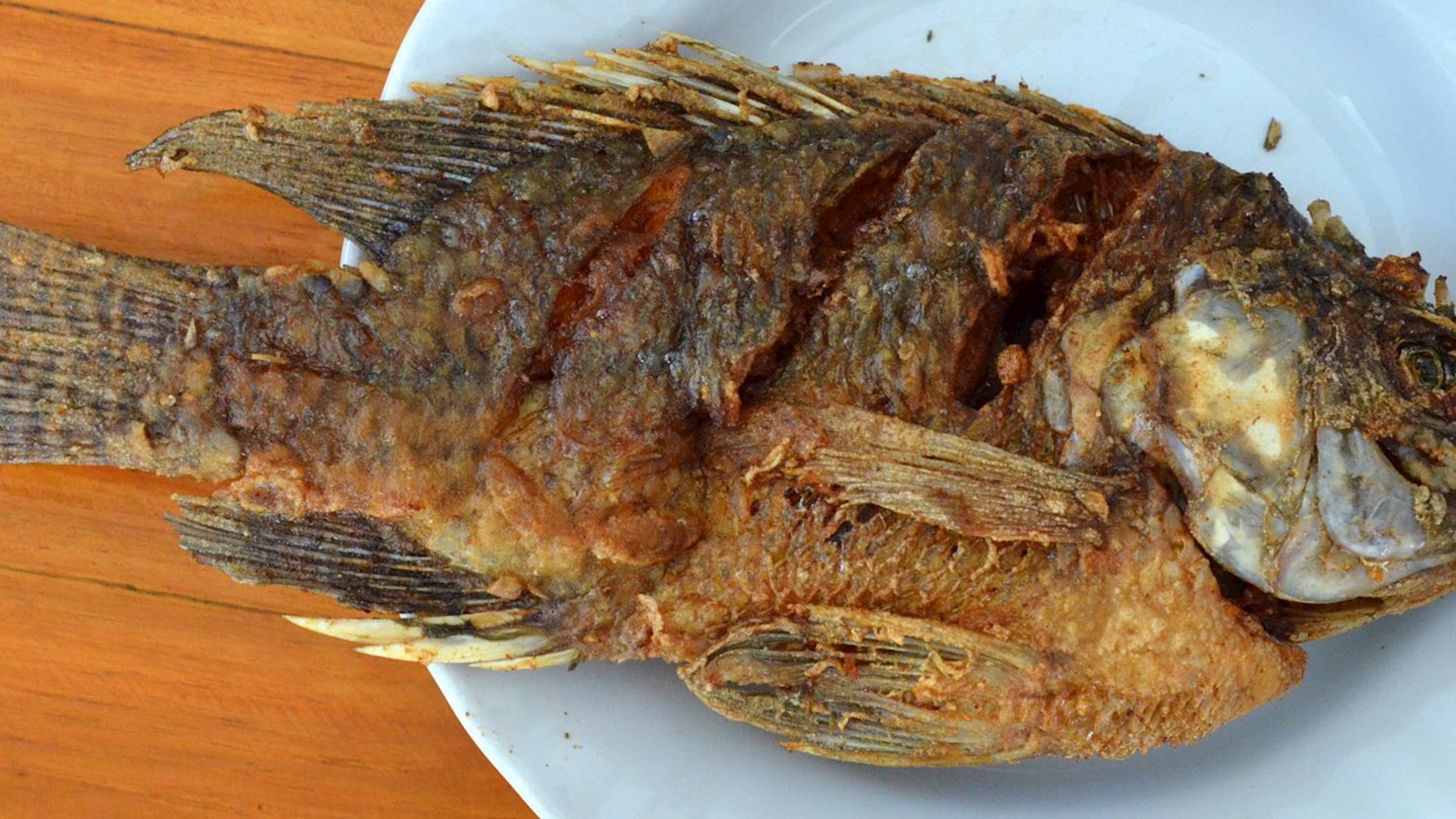
Pla thot, meaning deep-fried fish or pan-fried fish in Thai, is a fish specialty that is made by frying fish to crispy perfection, both inside and out. The fish is often fried in its entirety with head, fins, bones, skin, and tail intact, but it can also be cut into chunks before the frying process. Common fish used in this type of preparation include catfish, mackerel, snapper, white perch, rock cod, and grouper, and some smaller fish such as anchovies, smelts, and sand dabs. Although the frying typically takes some time in order to achieve the desired crispiness, the fish comes out devoid of the assumed greasiness and with a nice crunchiness to it. Crispy-fried fish specialties abound in Thai cuisine, and they are often added to various curries and soups. Pla thot is available at Thai markets, rice-curry-shops, and numerous restaurants in the country, and it is often accompanied by rice, green mango salad, or a variety of chili-based dipping sauces on the side.

05

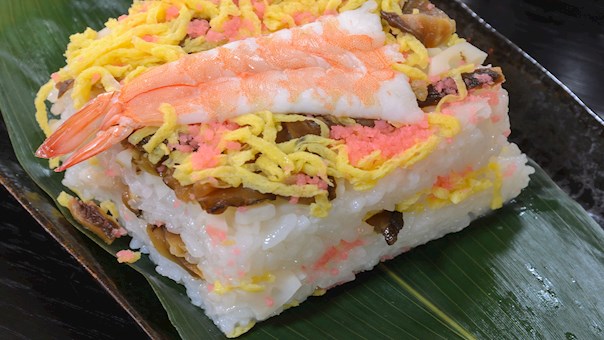
Saba zushi

4 ·

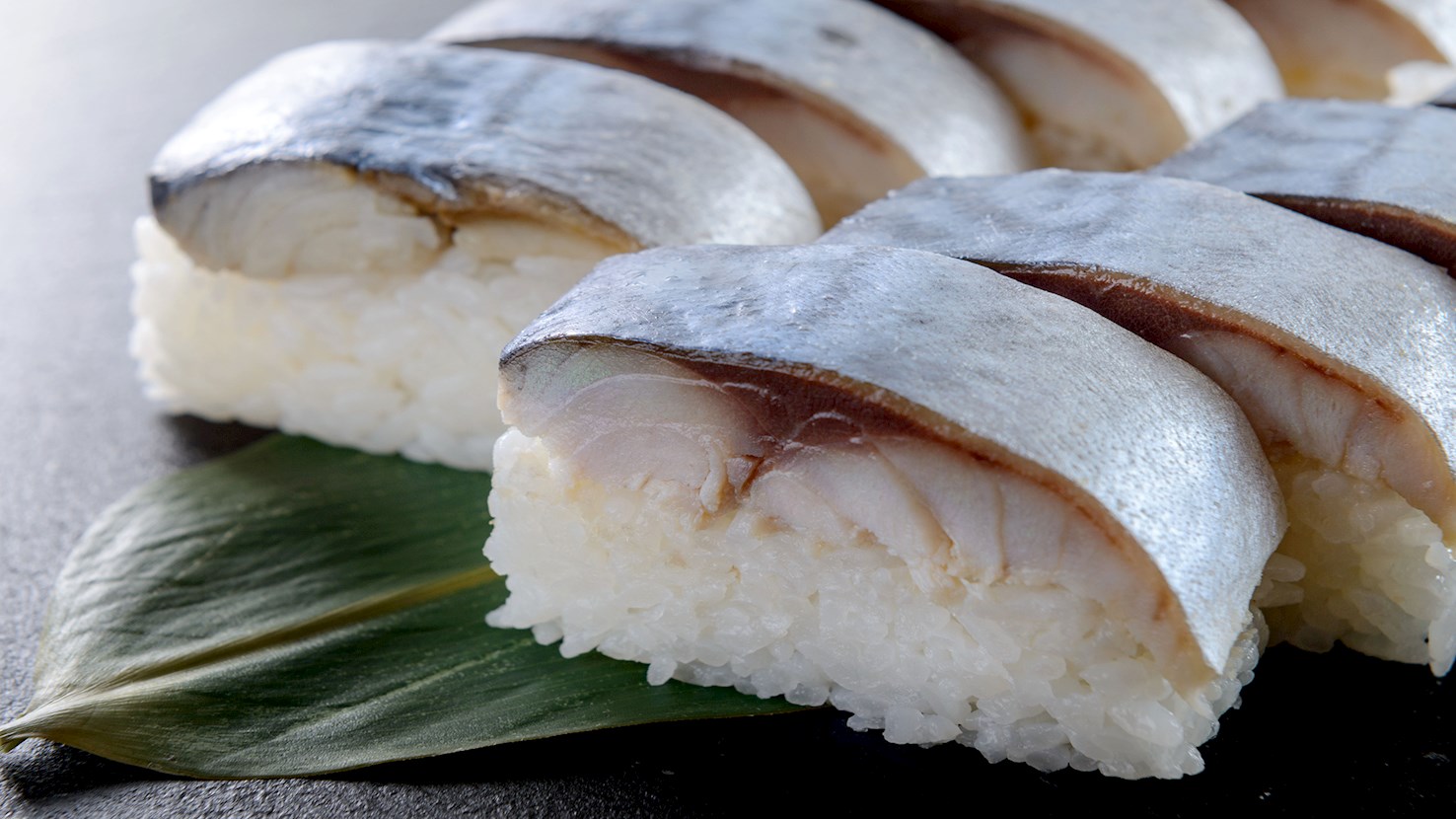
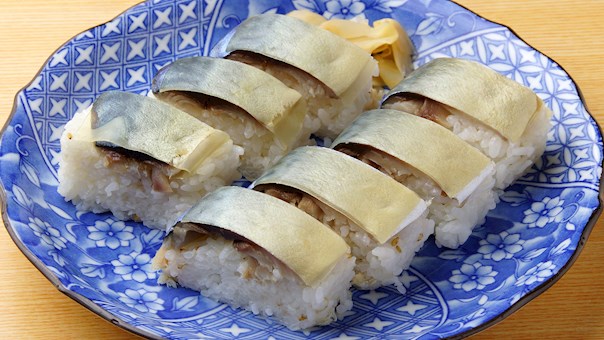
This pressed sushi variety consist of a sushi rice base that is topped with marinated mackerel fillet, which is typically covered with a thin, delicate layer of kelp. Unlike other pressed sushi varieties, saba zushi is not made in traditional wooden appliances, but the whole creation is usually wrapped in bamboo leaves to achieve its distinctive form. Saba zushi is often referred to as Kyoto-style pressed sushi, and is considered to be the city’s signature dish.

06

Assam laksa

4 ·

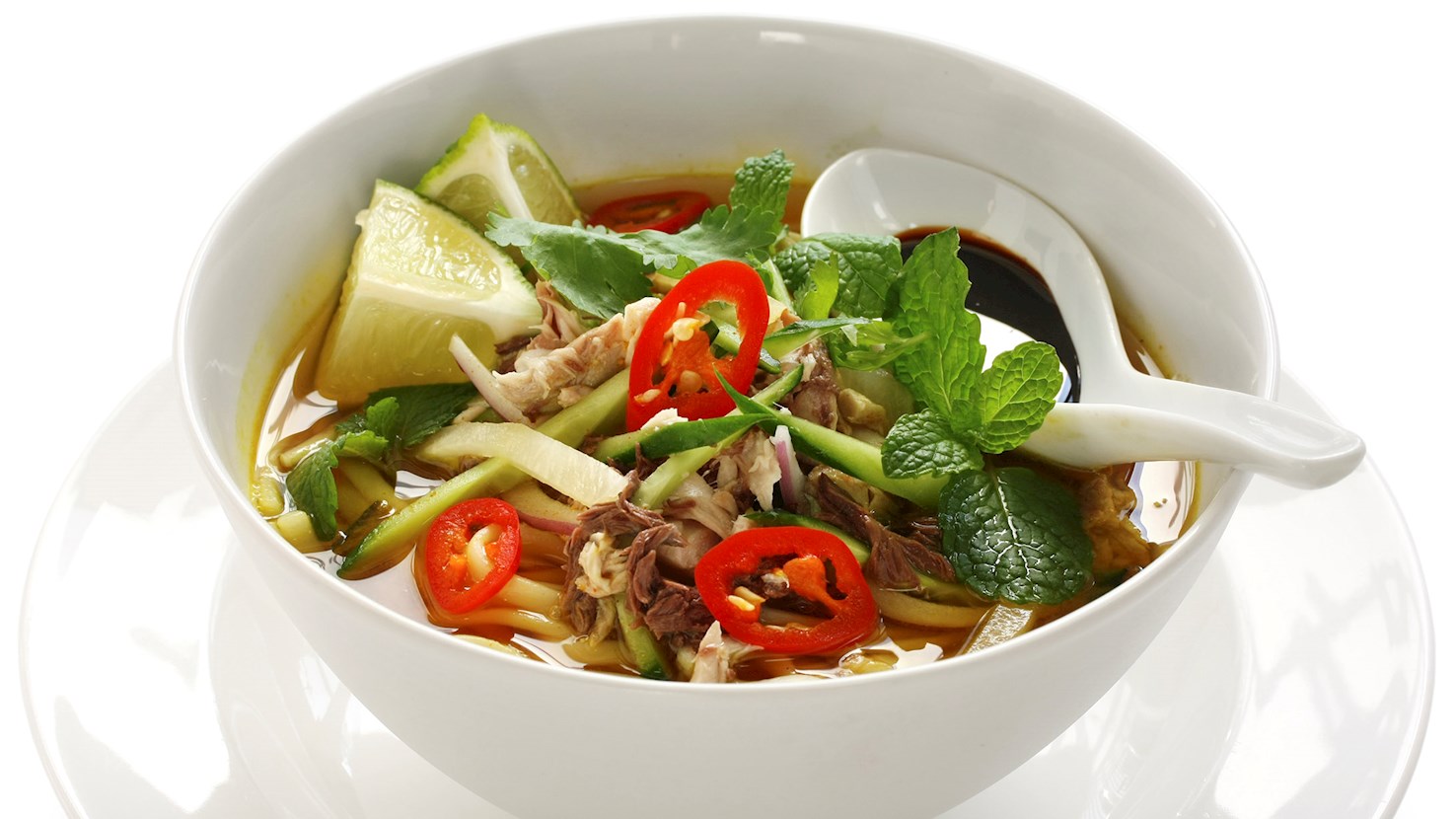
Assam laksa is a traditional fish-based sour noodle soup. It is the one of the numerous varieties of laksa, popular noodle soups widespread throughout Southeast Asia. The dish consists of rice noodles, shredded fish, and sliced vegetables, most commonly cucumber, onion, and lettuce. It has a distinctively tangy taste, which is attributed to tamarind, the sour ingredient generously used to spice the dish. The exact origin of the dish is unknown, but it is believed that it has originated in the coastal areas of Malaysia among the local fishermen who assembled the dish out of available ingredients. Through history, the dish evolved into assam laksa that we know today. Regardless of its origin, nowadays it is a signature dish of the Malaysian region of Penang. It is one of the most famous street dishes found in the area, and a favorite with both locals and tourists. In Penang, street vendors prepare assam laksa from the early morning until late in the evening. Traditionally, the dish should be served with hae ko, a dark and rich Malaysian-style shrimp paste.

07

Godeungeo gui (Grilled Mackerel)

3.9 ·

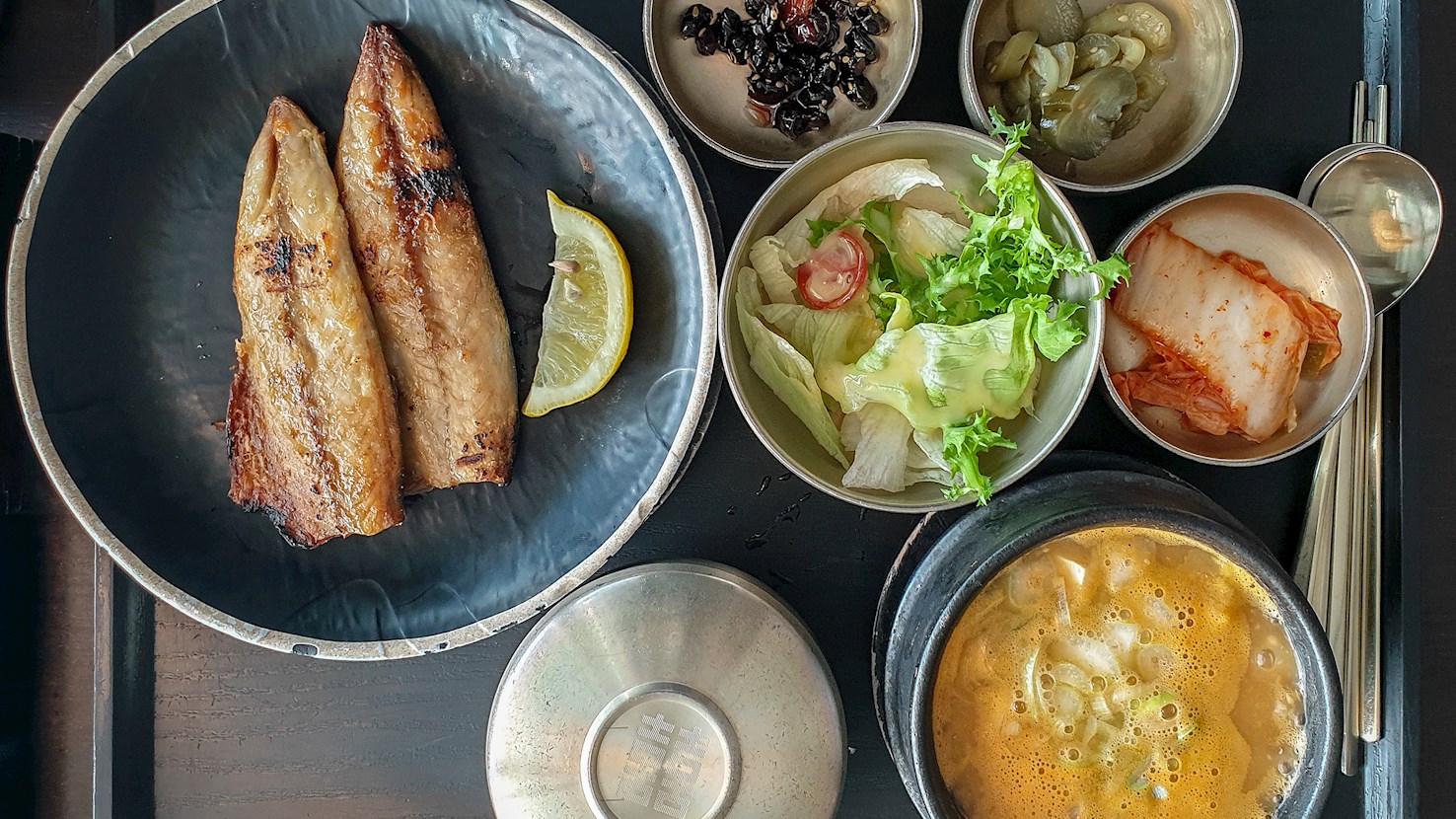
Godeungeo gui is a traditional fish dish originating from South Korea. The dish is made with a combination of mackerel (skin-on, head and tail removed), vegetable oil, salt, and lemon wedges. The fish is seasoned with salt on both sides, rinsed, dried, and then pan-fried, grilled over an open flame, or placed under a broiler. The mackerel is grilled, broiled, or fried on both sides until the skin becomes slightly crispy. Before serving, the fish is sprinkled with lemon juice and the dish is ready to be enjoyed. If desired, add a bit of grated ginger over the top of the mackerel as well.

08

Fisherman's pie

3.9 ·

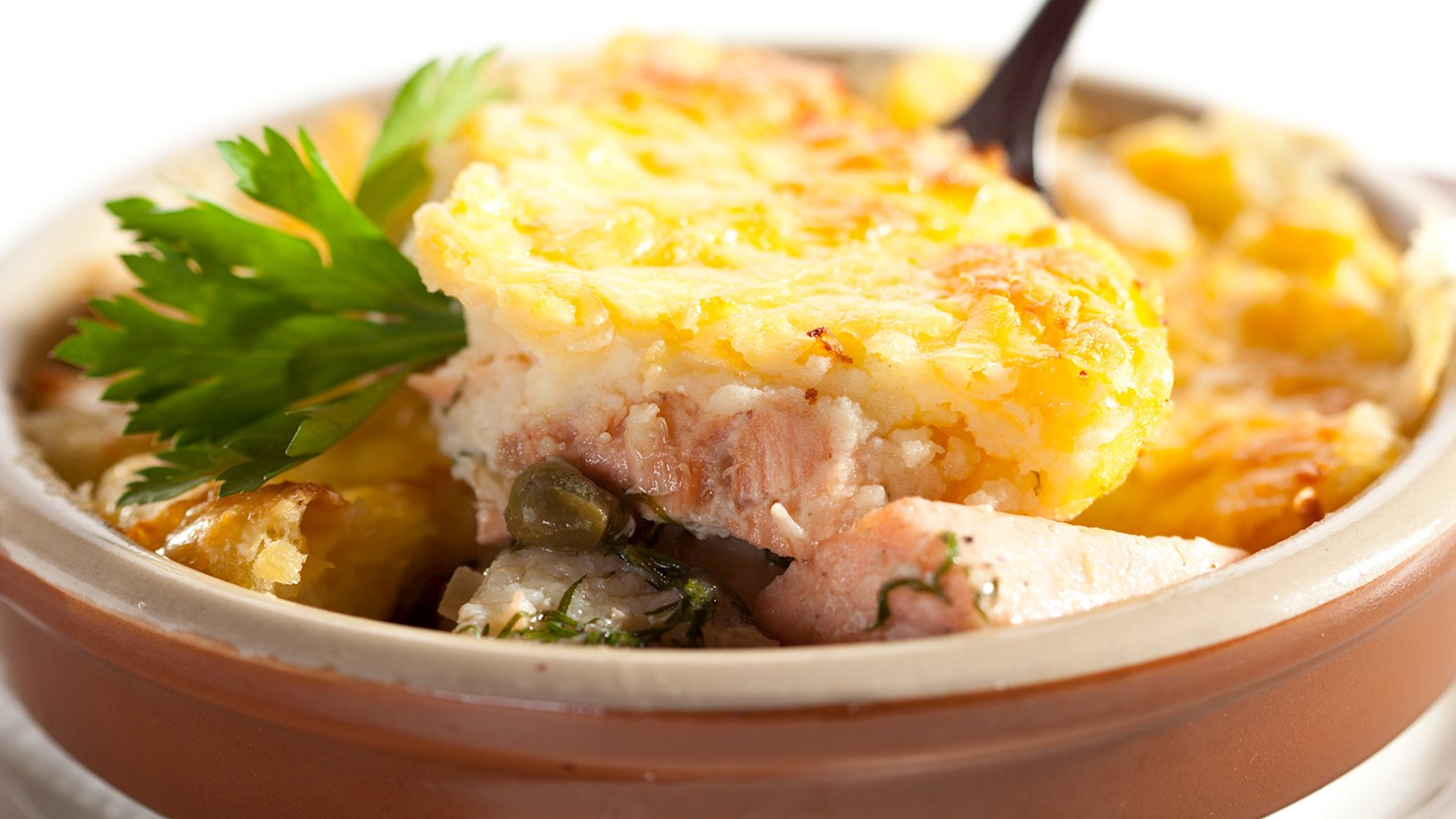
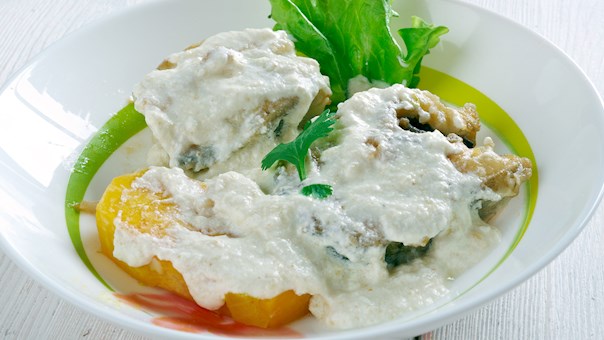
Fisherman’s Pie is a traditional and Irish dish similar to shepherd’s pie, but made with seafood instead of meat. It typically includes a mixture of white fish like cod or haddock, sometimes with salmon or shrimp, cooked in a creamy sauce, such as bechamel, or cheddar cheese sauce. The fish is often mixed with vegetables such as peas, corn, or leeks. The filling is then topped with mashed potatoes and baked until golden and bubbly. It's a hearty, comforting meal often served in coastal regions.

09

Tekwan

3.7 ·

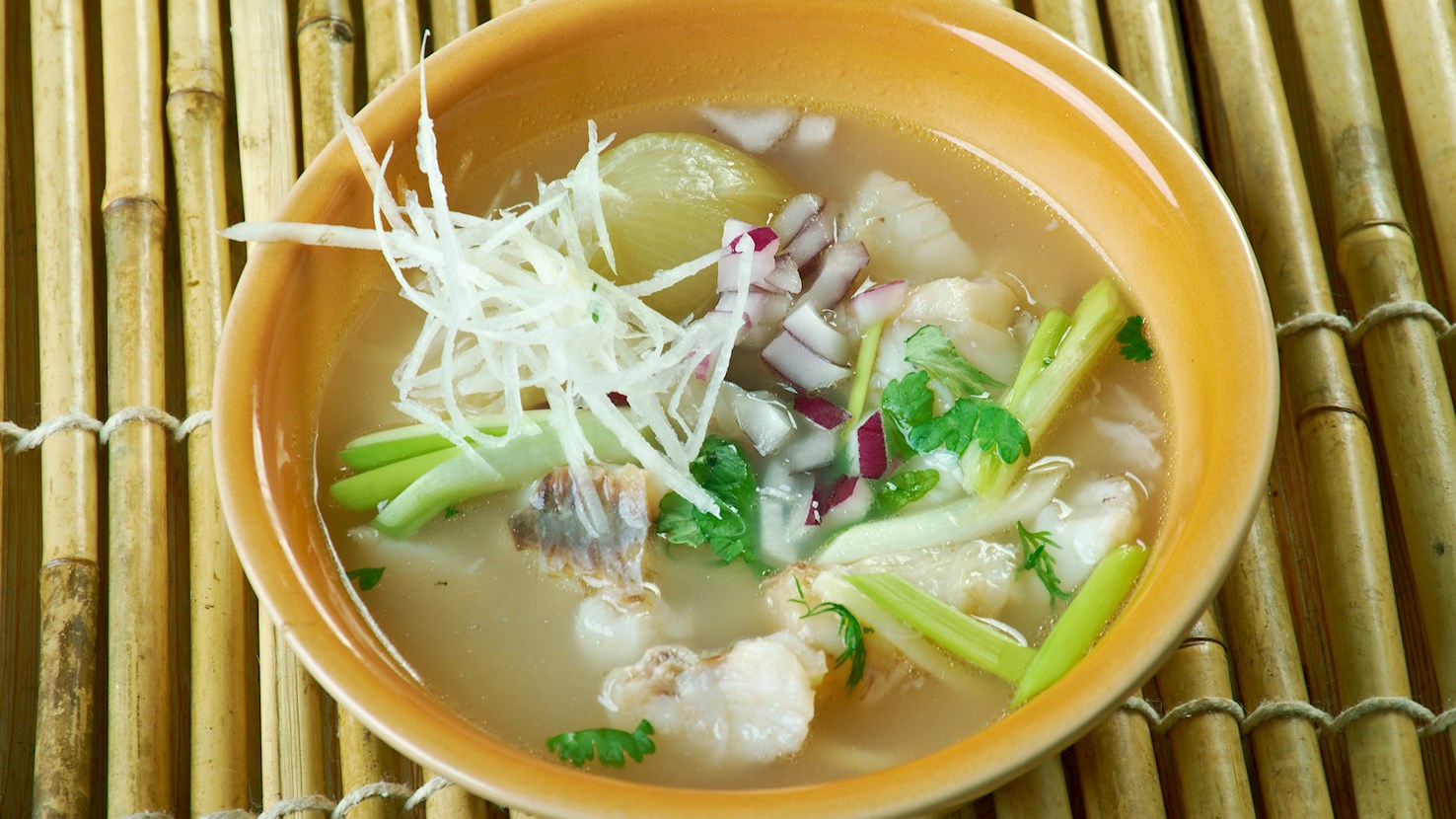
Tekwan is a traditional fish ball soup. The essential component of the dish are tekwan fish balls, from which the dish derives its name. Usually made with fish paste, tapioca, and flour, they are boiled or fried before being added to the soup. The broth is usually fish or shrimp-based, and mushrooms, dried lily flowers, slices of jicama, garlic, and scallions are subsequently added and served with tekwan. Some varieties of the dish also include vermicelli noodles and other vegetables. The origin of tekwan is believed to be the city of Palembang, located in South Sumatra, from where this delicious soup has spread across the country. It is usually found on the menus of Indonesian restaurants, and it is commonly served at warungs - traditional Indonesian street food stalls. Sambal, the traditional Indonesian chili sauce, is the usual accompaniment to tekwan. Served on the side, it allows the people to adjust the spiciness according to their taste and preference.

10

Himono

3.7 ·

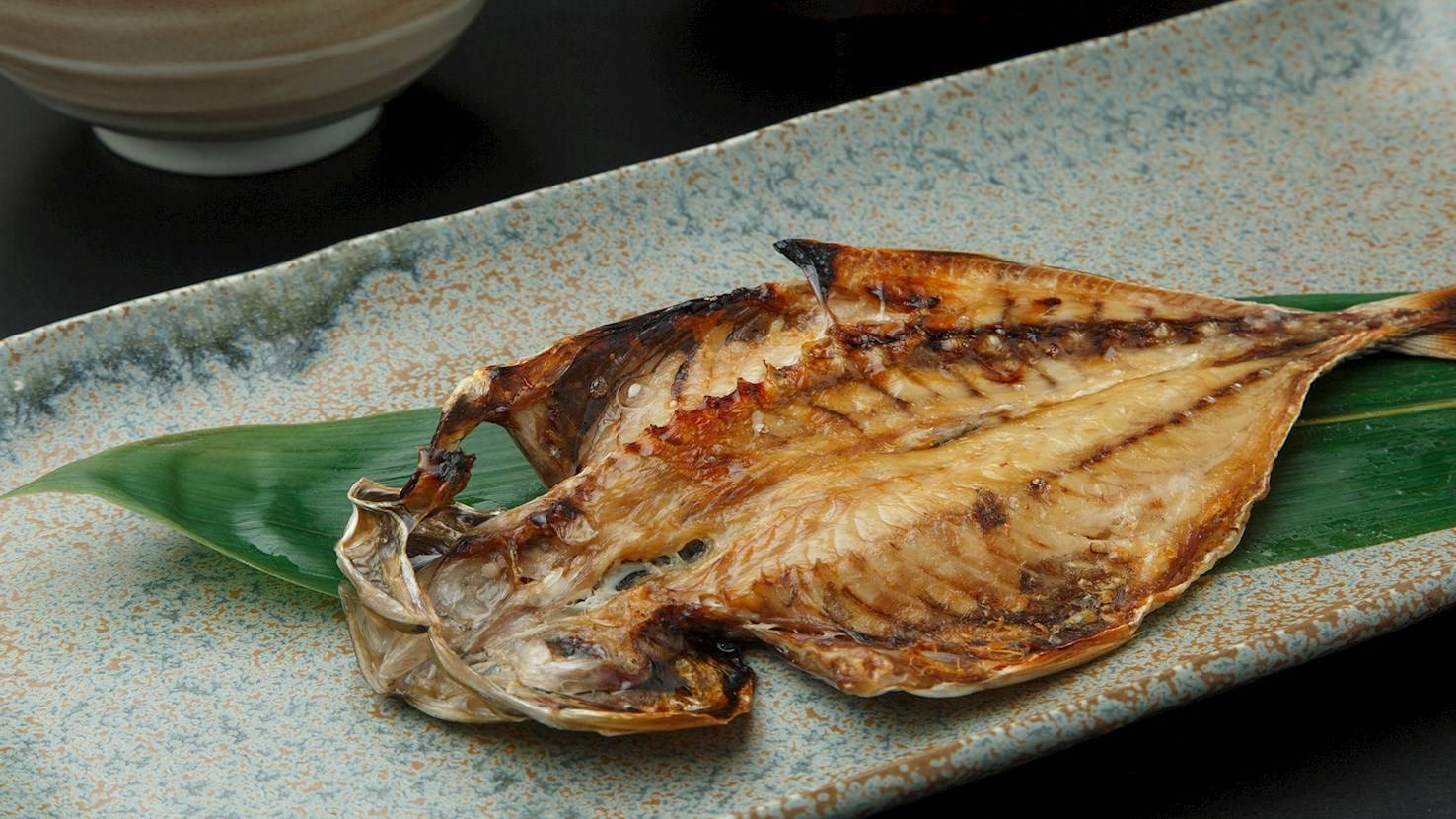
The Japanese term himono encompasses various types of dried fish products. It is usually prepared with smaller fish varieties such as mackerel or sardines, which are typically butterflied, cleaned, occasionally marinated, and then sun-dried or refrigerated. The technique grew out as a preservation method that enabled longer shelf life. In the past, salt was mainly used as a preservative, but modern day varieties mostly use it as a seasoning. When dried, the fish can be stored or eaten immediately, when it is usually grilled and brushed with a flavorful soy-based sauce. Himono is typically served for breakfast and lunch or as a late night snack at popular izakaya eateries. It is usually paired with rice and soy sauce.

About this ranking

TasteAtlas food rankings are based on the ratings of the TasteAtlas audience, with a series of mechanisms that recognize real users and that ignore bot, nationalist or local patriotic ratings, and give additional value to the ratings of users that the system recognizes as knowledgeable. For the “29 Best Rated Dishes with Mackerel” list until May 22, 2026, 989,154 ratings were recorded, of which 646,962 were recognized by the system as legitimate. TasteAtlas Rankings should not be seen as the final global conclusion about food. Their purpose is to promote excellent local foods, instill pride in traditional dishes, and arouse curiosity about dishes you haven’t tried.

Similar lists