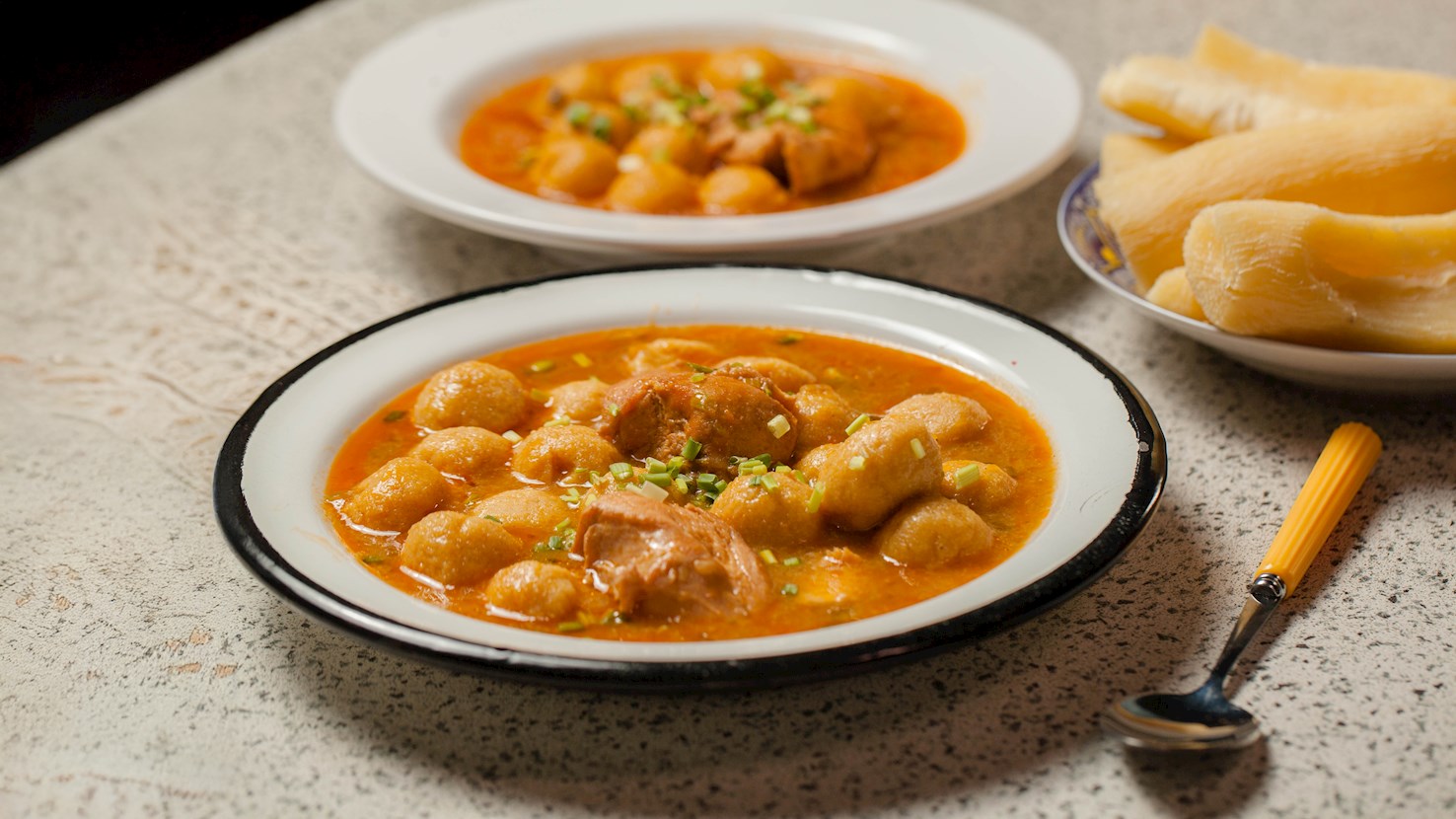
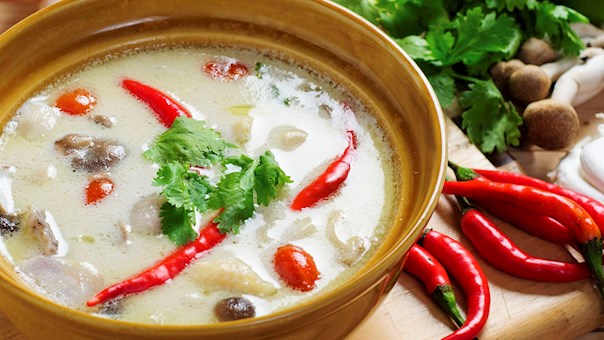
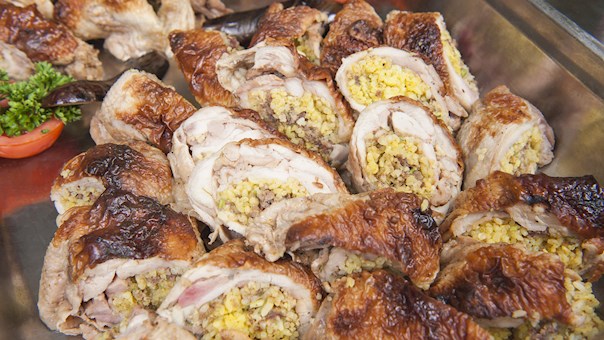
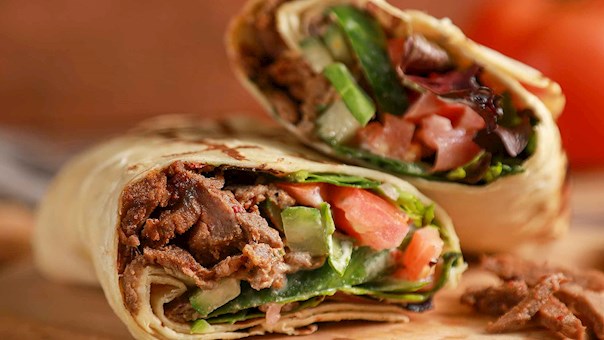
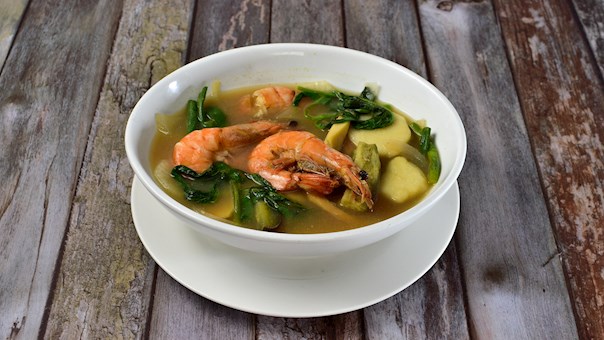
Vori-vori is a soup from Paraguay made with small balls of cornmeal and cheese cooked in a broth that often includes chicken, vegetables, and herbs, and it is recognized as a staple dish across the country’s rural and urban regions. Its development is linked to the long-standing use of corn and poultry in Guaraní and later mixed culinary practices documented in household cooking records and regional accounts from the eighteenth and nineteenth centuries, where corn-based doughs were shaped into dense dumplings to stretch ingredients during periods of limited supply. Preparation involves mixing finely ground cornmeal with grated cheese and a small amount of fat or broth to form a firm dough, shaping it into small spheres, and poaching them gently in a simmering broth until they swell and soften; the soup is seasoned with onions, garlic, parsley, and occasionally peppers, and served as soon as the dumplings reach a uniform texture. A notable feature is the density of the dumplings, which absorb broth while retaining their structure, giving the dish a thickened consistency without flour or other thickeners. Vori-vori is eaten throughout Paraguay in home kitchens, rural gatherings, and small restaurants, often as a main meal during cooler weather, and it pairs well with simple accompaniments such as mandioca, fresh salads, mild cheeses, herbal teas, and lightly flavored nonalcoholic beverages, with some households serving it alongside light beers or local wines depending on the occasion.
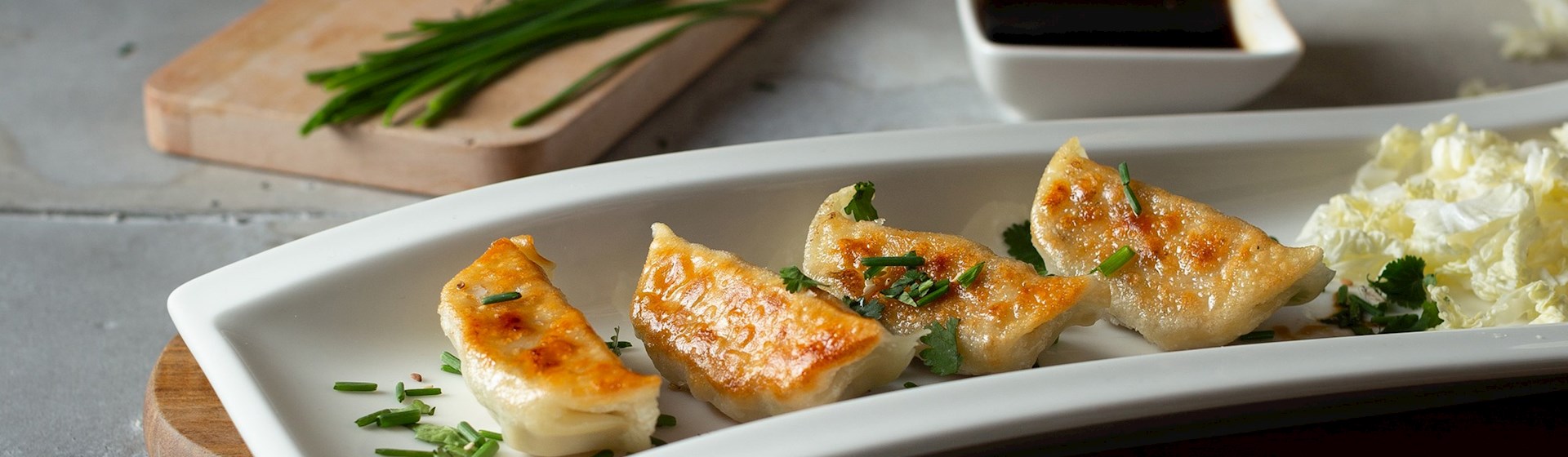
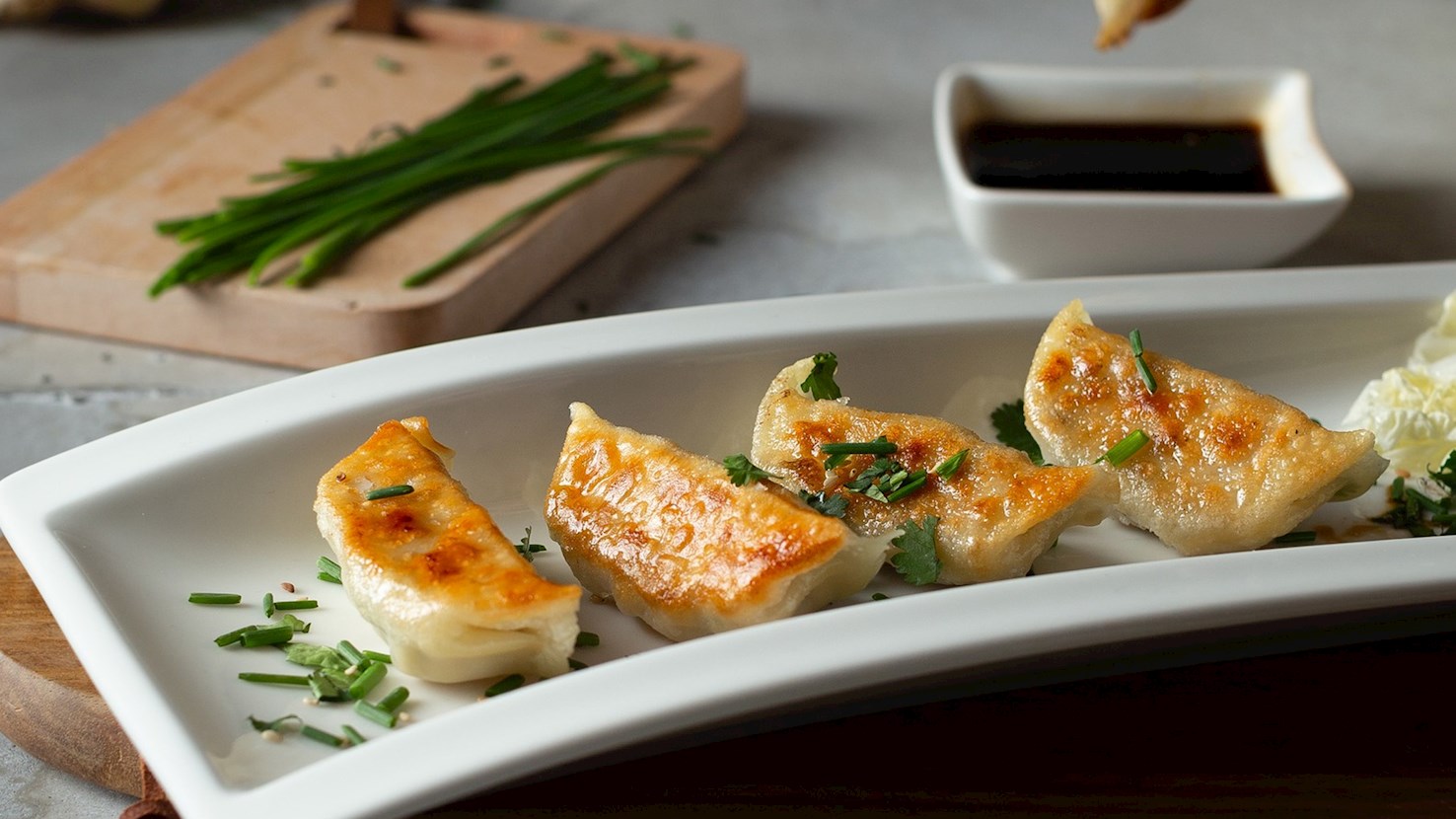
The pan-fried variety of the Chinese jiaozi dumpling, known as guotie, is a Northern Chinese dumpling typically filled with minced pork, Chinese cabbage, scallions, ginger, rice wine, and sesame seed oil. Crunchy and soft textures are achieved by a special method of preparing; while the bottom of the dumpling is frying, a small amount of liquid is added to the pan which is then covered, thus allowing the rest of the dumpling and the filling to steam. When it comes to the shape, guotie should always be long and straight as it can stand more easily and it does not fall over during cooking. Goutie can be literally translated as pot sticks, so these dumplings are often nicknamed potstickers, especially in North America. Although the first-known mention of goutie dates back to the Song Dynasty, today they are a popular street food, often eaten as a snack or an appetizer, typically accompanied by a dipping sauce.
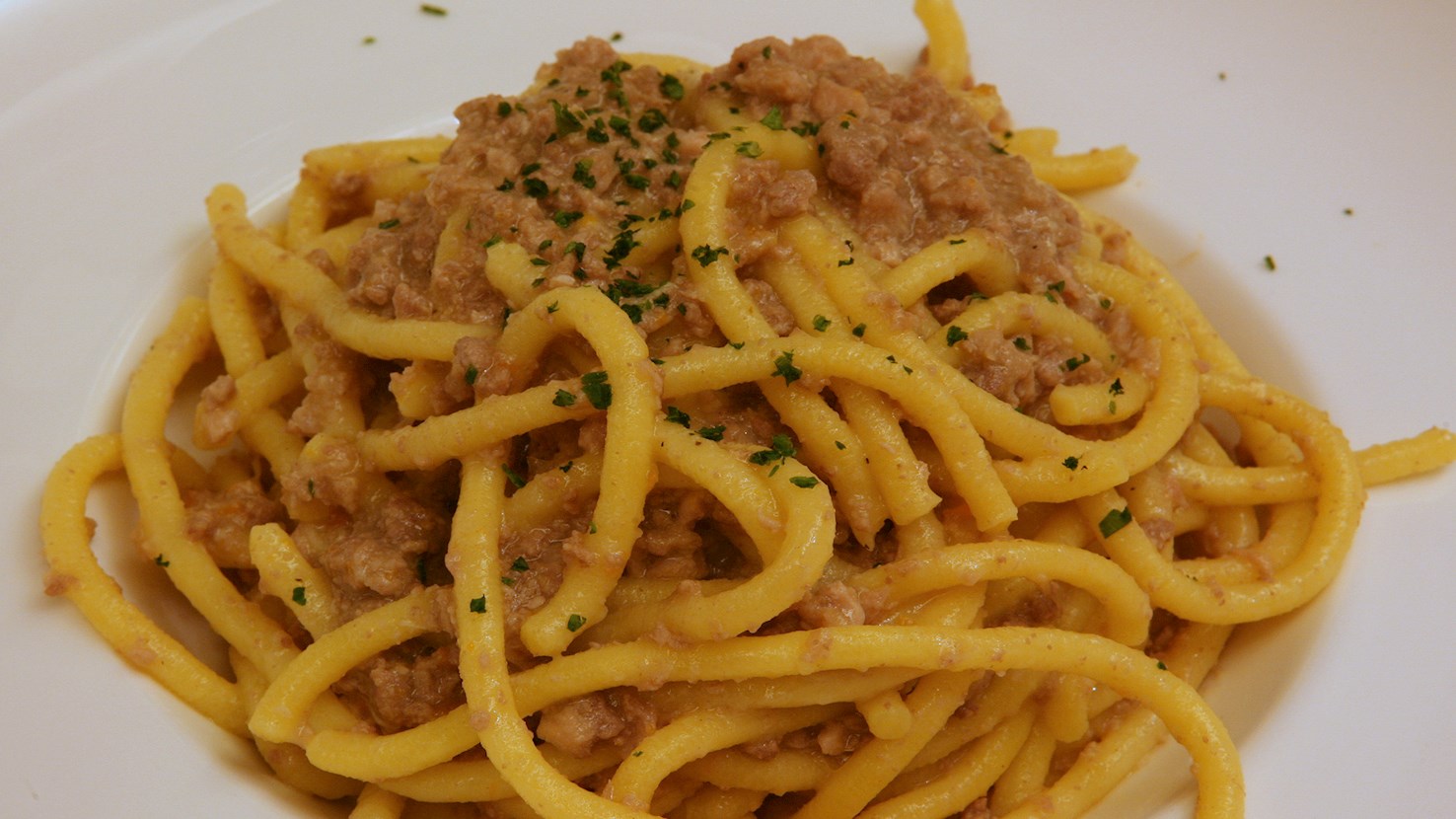
I bigoli con l'anatra, locally known as bigoi co' l'arna, is a traditional dish that originated in the city of Thiene, but over time it became very popular throughout the province of Vicenza. Bigoli is a thick, egg-based pasta variety whose size and texture make the perfect match for a rich duck ragú made with onions, carrots, celery, bay leaves, sage, and dry white wine. Originally, this dish used to be prepared with cleaned offals and duck fat, while duck meat was either used in other recipes or preserved in fat. Nowadays, only the best parts of meat and livers are used, while duck fat is substituted with butter and olive oil - the result is an equally delicious, yet much lighter dish. Served generously topped with freshly grated Parmigiano, this hearty dish is a perfect choice for cold winter days, especially when paired with a glass of local red wine such as Cabernet or Merlot.
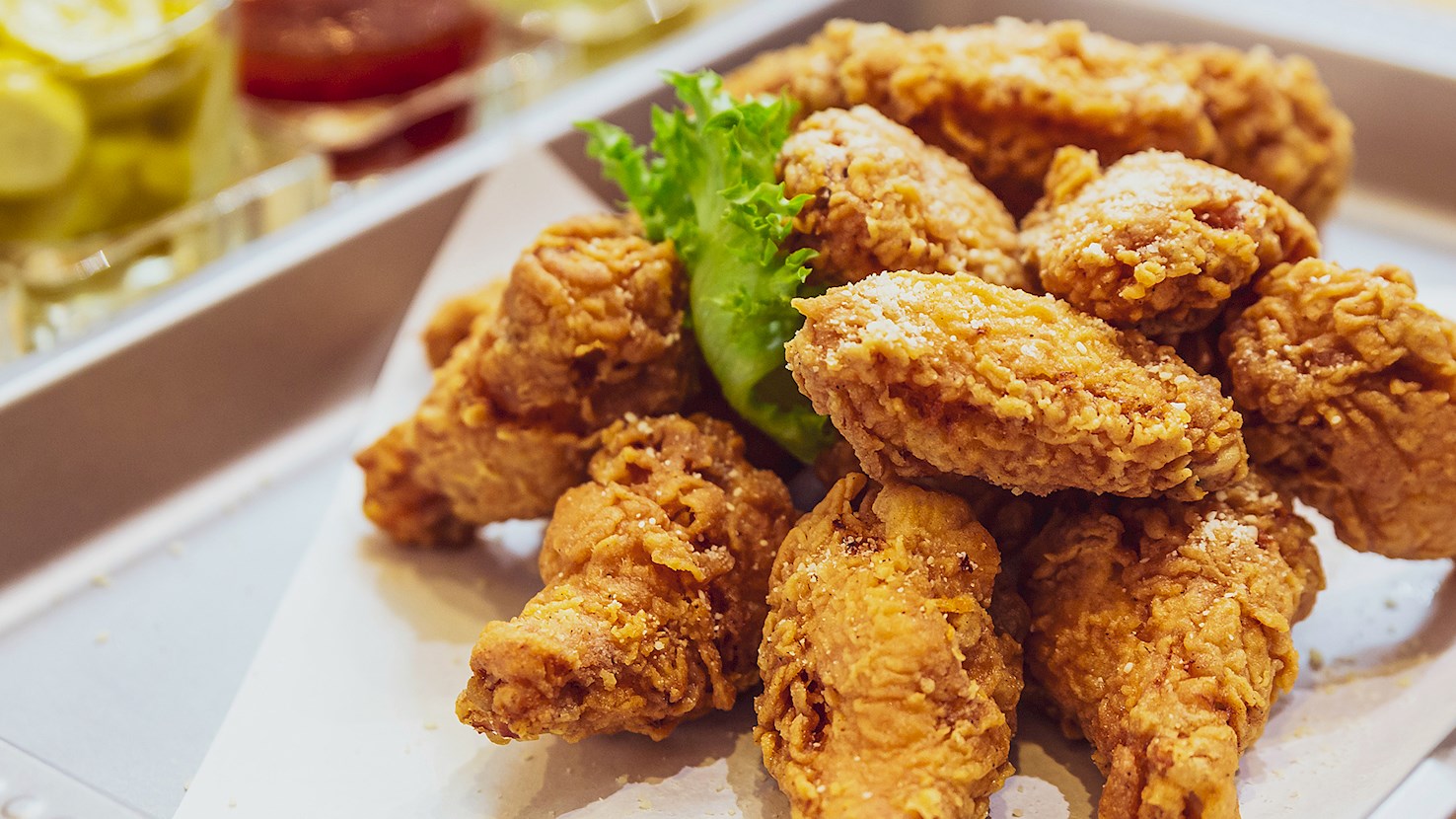
Chikin, or Korean fried chicken (KFC), is a popular dish in Korean cuisine that consists of battered and deep-fried chicken pieces. Fried chicken was introduced to South Korea by the American military during the Korean War in the 1950s. American soldiers brought the concept of fried chicken to the country, and it quickly gained popularity among Koreans. In the 1970s and 1980s, the fried chicken industry in South Korea expanded with the emergence of various fried chicken restaurant chains. These chains started experimenting with different flavors and sauces, moving beyond the original, stripped-down version of fried chicken. Finally, at the beginning of the 21st century, Korean fried chicken gained international popularity, mostly because of its unique preparation methods, distinct flavors, and crunchy texture. A few key characteristics differentiate Korean fried chicken from other types of fried chicken. One of the defining features of Korean fried chicken is the double frying technique. The chicken is first fried at a lower temperature to cook the meat thoroughly, then fried at a higher temperature to achieve a crispy and crunchy outer layer. Korean fried chicken is often served with various flavorful sauces and seasonings. Some popular sauce options include spicy gochujang (Korean red pepper paste), soy garlic, honey butter, sweet and tangy, and more. These sauces can be applied to the fried chicken either by tossing the chicken in the sauce or by drizzling the sauce over the chicken. Korean fried chicken is served with various side dishes, such as pickled radishes, coleslaw, and even refreshing slices of watermelon, and is often accompanied by beer (this combination is known as chimaek).
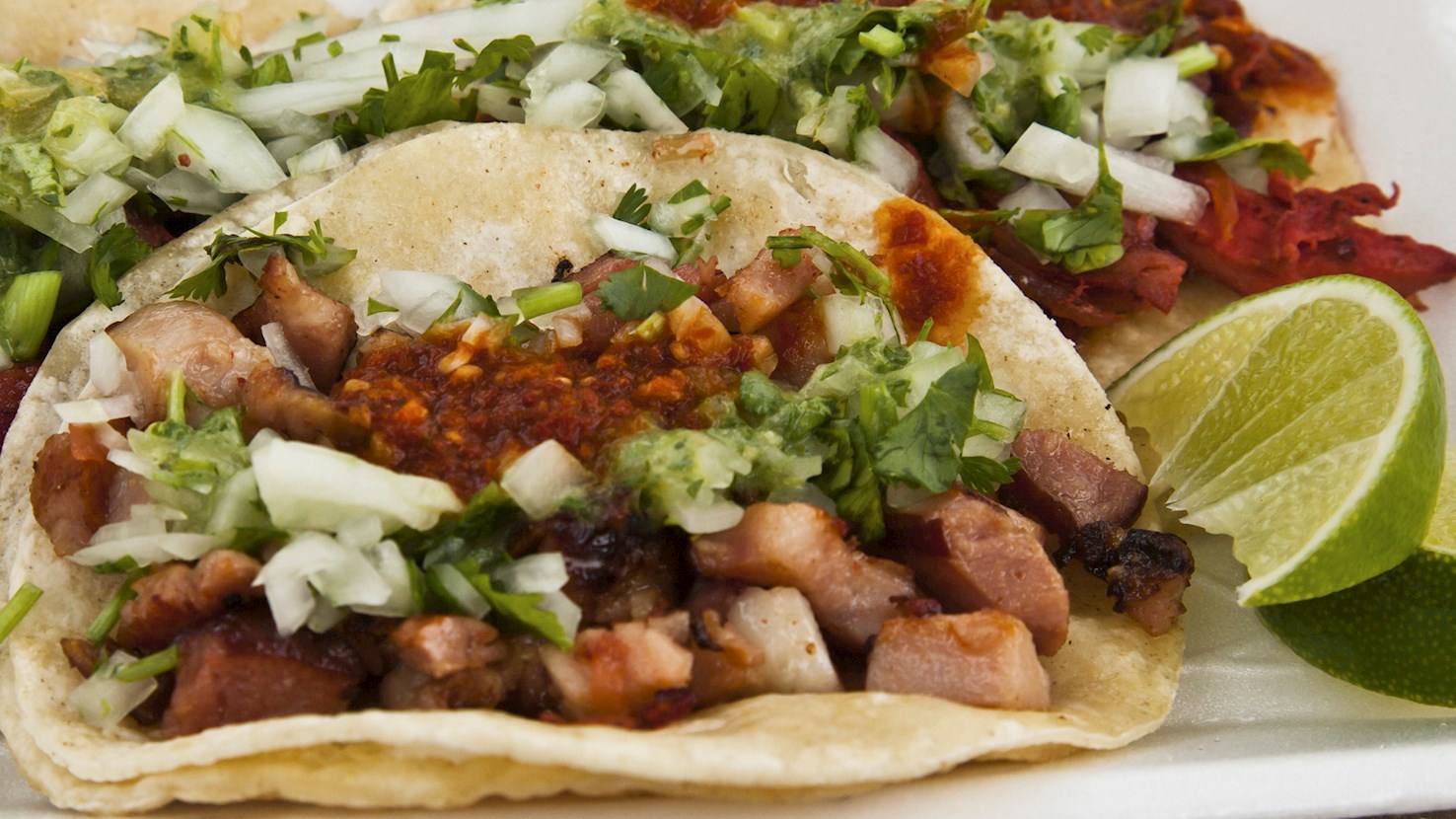
Tacos are the national dish of Mexico, dating back to the Mexican silver mines of the 18th century, when the word taco referred to gunpowder that was wrapped in a piece of paper and inserted into rocks. It was used to excavate the precious ore from mines and was called tacos de minero or miner's tacos. Today, the word is widely known to signify the leading street food and fast food item in Mexico – thin, flat griddle-baked tortillas topped with numerous fillings, folded and eaten without any utensils. A taco is basically anything eaten on a soft tortilla, and there is an infinite variety of them. In Sonora, in the north of Mexico, they eat the classic carne asada - thinly sliced meat grilled over coals and topped with salsa, onions, guacamole, and a lime wedge. In Baja, the topping consists of fried fish with cabbage and an acidic mayonnaise sauce. In Mexico City, sudados (sweated tacos) are the most popular option, filled with cooked and steamed meat. In Jalisco and Michoacan, they prepare carnitas, eaten in the morning or in the early afternoon, filled with deep fried pieces of pork that are sliced according to preference. Similar is the taco de cabeza, filled with pieces of cow's head that was steamed for a long time, and the customers can choose from slices of eyes, brains, tongue, lips, cheek, or ears. Tacos are mainly made of corn, except in the north, where wheat flour is used more often. They also differ in size, from the tiniest white tacos (blancas) to bigger ones, often made with blue corn. Most tacos come in pairs of two, in order to be able to hold all the flavorful and slightly wet ingredients. Some of them are fried until they become crispy and crunchy, in which case they're called tostadas. As anything can be a filling, there is a version made with fried veins from dried chiles, usually accompanied by salt, a tasty treat called tacos de venas. However, the standard is ground or shredded meat, cheese, potatoes, or vegetables and a topping of onions and coriander. Eaten at all times of day and night, one can find them on every corner in Mexico, in restaurants known as taquerias. Alternatively, they can be bought from numerous street vendors.
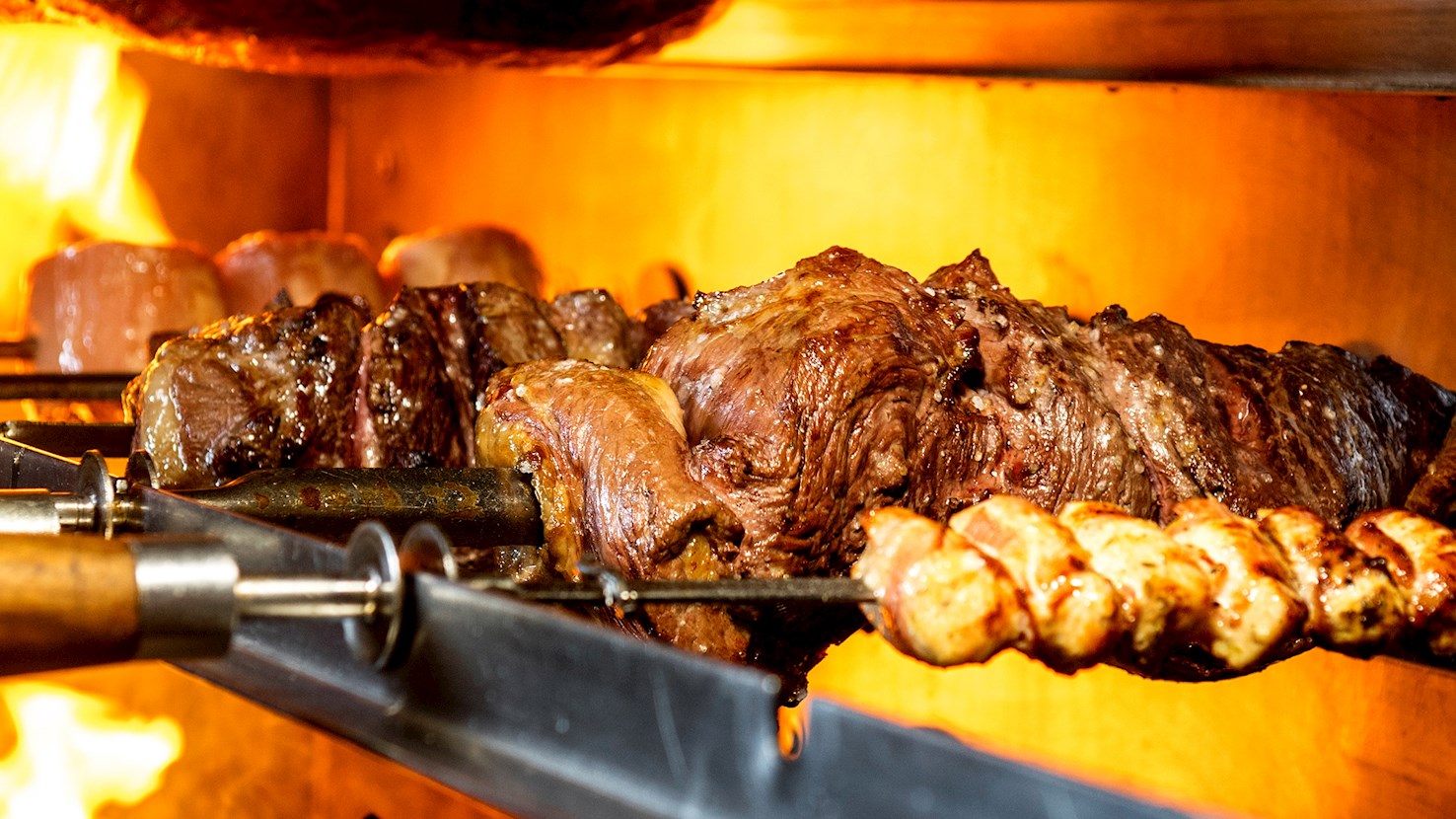
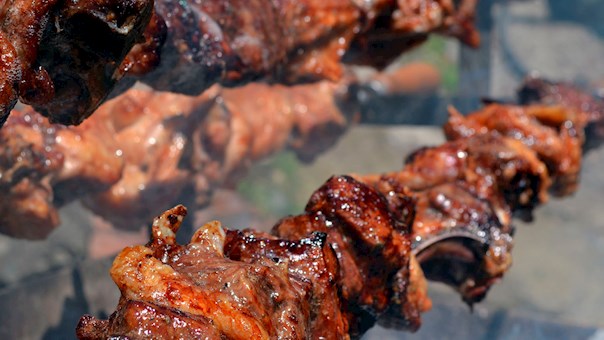
Churrasco is a Brazilian barbecue method where juicy pieces, slices, steaks, and chops of beef, veal, lamb, pork, and chicken are placed on big skewers and grilled over wood fire. It started in the early 1800s when the Gauchos (European immigrants that settled in the Rio Grade do Sul area) would get together and start a fire, adding large portions of meat on skewers and slowly grilling the meat. In the restaurants, known as churrascarias, the skewers are paraded across the restaurant in a flashy manner, and the waiters circulate among the tables in order to show off the succulent meat to hungry diners. After the customers have chosen their preferred type of meat, it is sliced off the skewers to the dining plates. Also known as rodízio, the theme of this barbecue experience is all you can eat, so the customers should know to come with an empty stomach. Beef is the most popular option, although livers and hearts are especially rich and chewy. In Brazil, the meat will often be from the zebu, a succulent, lean breed of cattle with a hump that's especially popular in churrasco as a cut of meat called cupim. Churrasco starts with appetizers and a variety of salads offered from a big buffet, as a preview of things to come. The usual accompaniments for the meat include farofa grains, rice, fried potatoes, potato salad, steamed greens, black beans, onions, fried bananas, and numerous chili-based sauces. After the big meal, it is typical to consume grilled pineapple slices, serving as a palate cleanser as well as a tasty dessert. Churrasco (lit. barbecue) is also popular as a cooking method in countries such as Nicaragua, Puerto Rico, Argentina, Uruguay, Ecuador, Guatemala, and Chile, and each country has their own favorite cuts of meat and accompaniments for this popular barbecue style.
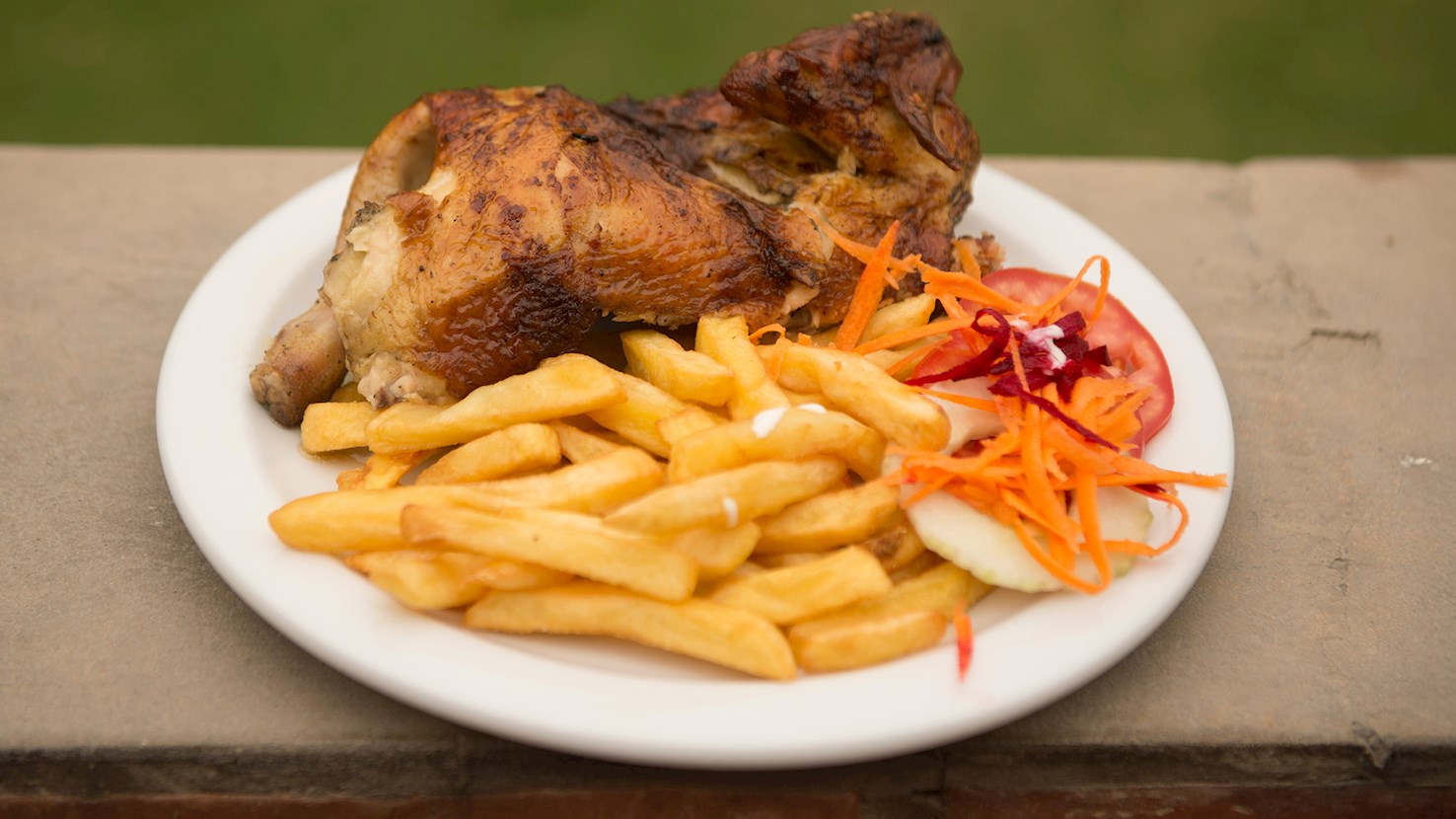
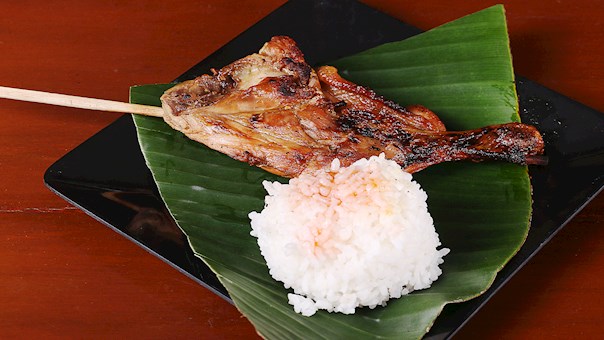
Pollo a la brasa is a popular Peruvian dish consisting of crunchy and juicy charcoal-grilled chicken that is traditionally served with French fries and salads. Today, it is one of the most consumed meals in Peru, so much that 27 million Peruvians eat it daily. The dish was first invented in Lima in the 1950s, when it was seasoned only with salt, but nowadays the chicken is often marinated in a special combination of ingredients, usually consisting of vinegar, salt, pepper, rosemary, chili, and dark beer.
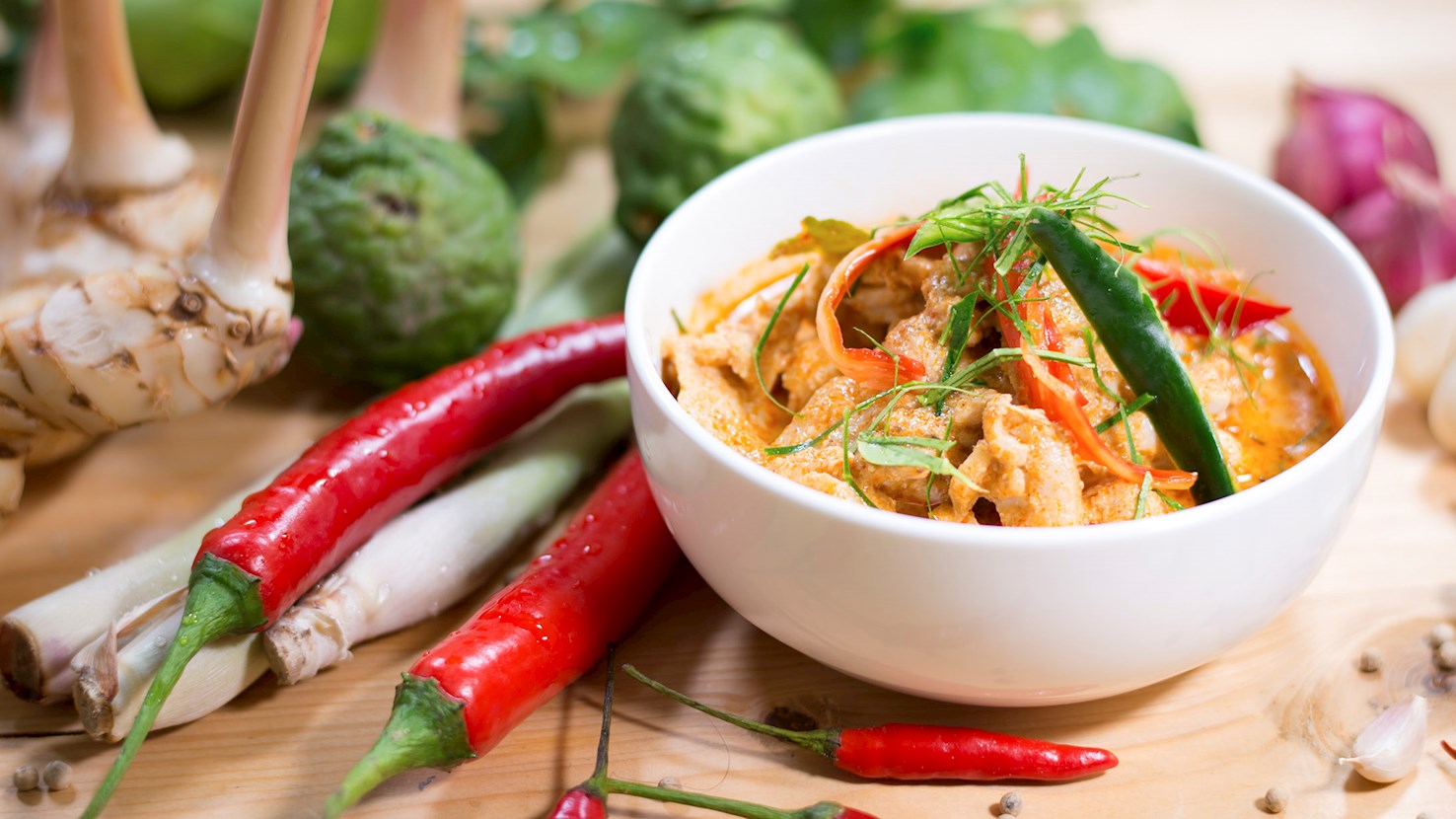
Phanaeng curry is a variety of Thai curry that is characterized by a thick texture and salty-sweet peanut flavor. It consists of meat that is stewed with coconut milk, panang curry paste, makrut lime leaves, fish sauce, and palm sugar. The meat used in phanaeng curry is usually beef, chicken, duck, or pork, and the dish traditionally does not include any vegetables. The name of the dish is derived from the word panang, meaning cross, which refers to the ancient way of preparing chicken with its legs crossed and set in an upright position. Though the origins of phanaeng curry are somewhat murky, it is often associated with the Malaysian state of Penang, but there is little evidence to support this claim. However, the earliest known recipe is found in Maawm Sohm Jeen’s book Tam Raa Gap Khao, dating back to 1890. Once finished, the curry is garnished with thinly sliced makrut lime leaves and Thai spur chili slices, and a bit of coconut milk can be poured over the curry.
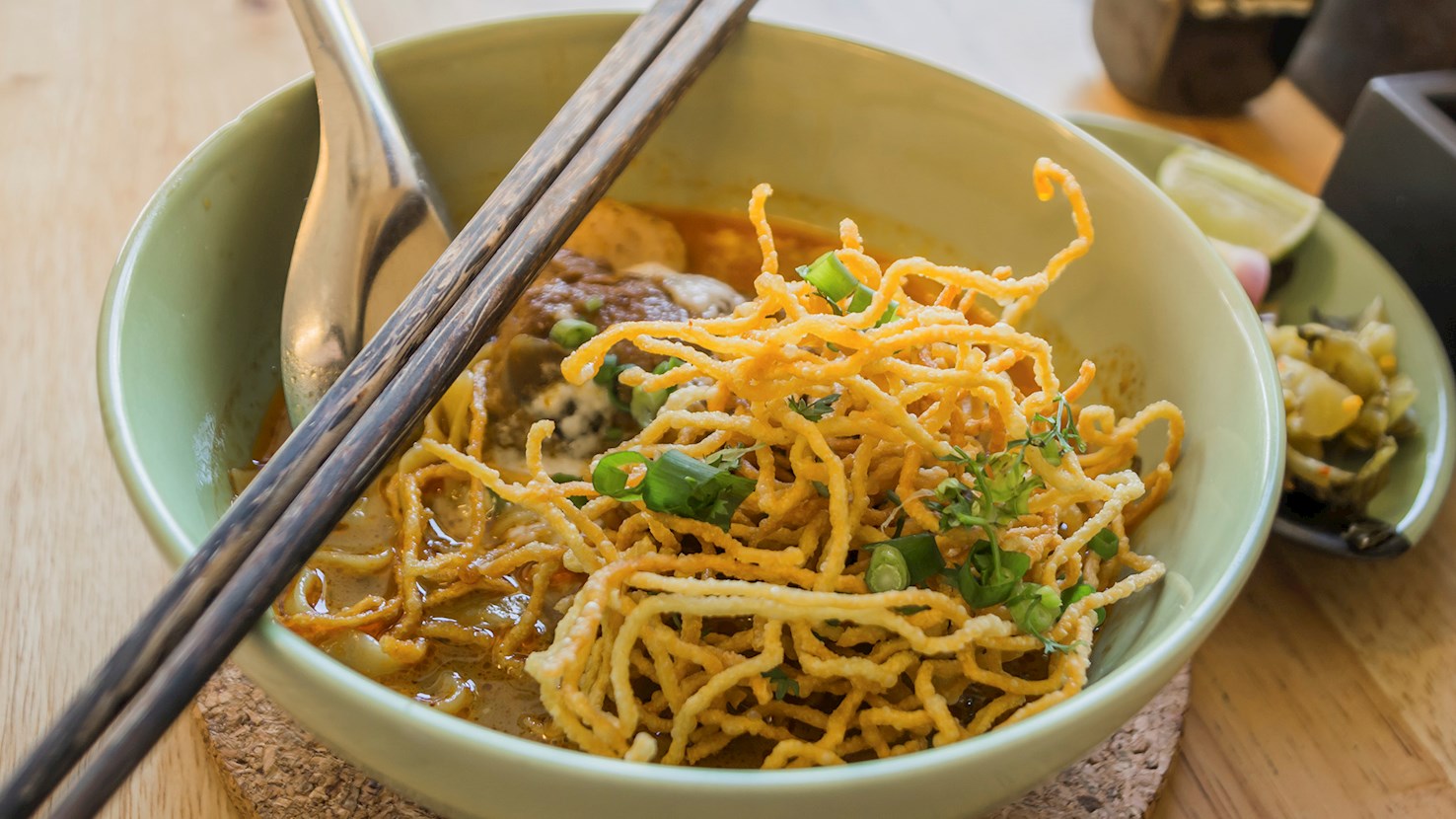
A signature dish of Northern Thailand, khao soi is a delicious coconut soup in which numerous regional influences were combined to create a truly spectacular dish. The base of the soup is a slightly spicy broth which combines coconut milk and red curry paste. The broth is served with flat egg noodles and a choice of meat, which usually includes chicken, beef, and pork. It is topped with a handful of crisp fried noodles and chopped cilantro. The dish is commonly served alongside a variety of condiments such as fresh lime, pickled cabbage, shallots, and chilis. Even though the dish originated in the north of the country, it is still not totally clear how and when this famous noodle soup was created. The most probable theory claims that khao soi is a fusion dish which originated under the influence of Chinese Muslims, traveling from the Yunnan region through Myanmar, Thailand, and Laos. It is also believed that the soup is a variety of an old Myanmarese coconut soup made with rice noodles, which were also primarily used in khao soi and were later replaced with the more traditional egg noodles. Regardless of its confusing origin, today this flavorful soup is a genuine product of Northern Thailand, found in numerous eateries and restaurants across the region, representing an irreplaceable dish among the locals and a favorite among the tourists. Khao soi is also popular in the neighboring Laos. However, the Lao version employs other ingredients and is somewhat different than the Thai counterpart.
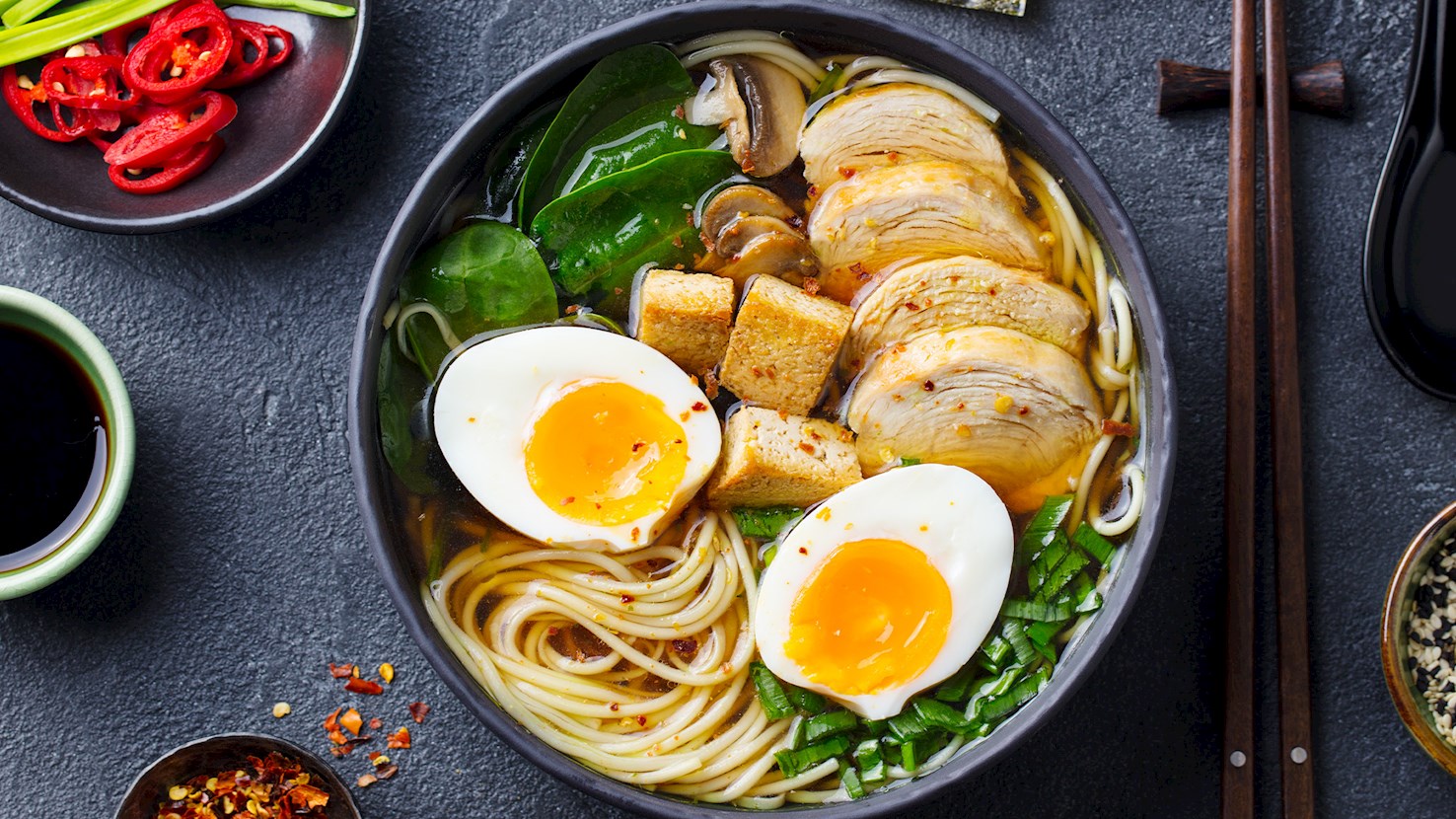
Ramen is a noodle soup that first appeared in Japan in 1910, when Chinese cooks combined the noodles with a salty broth. These curly noodles were of bright yellow color and more elastic than the Japanese noodles prepared at the time – the dough was kneaded with a sodium carbonate-infused mineral water called kansui. In 1958, its name was derived from the pronunciation of the Chinese word lamian (pulled noodles), and that same year, Nissin Foods produced the first-ever instant version of noodles with a chicken-flavored broth called Chickin Ramen. Shortly after, the dish started to be exported around the world. Ramen should be cooked al dente and eaten quickly while it is still hot. It is not recommended to leave the noodles sitting in the broth for too long, as they tend to become too soft and mushy. The dish can be either kotteri (rich) or assari/paitan (light), depending on the opaqueness and the heaviness of the broth which is usually made using animal bones or dried seafood mixed with onions, garlic, ginger, leeks, and mushrooms. Two most famous types of ramen are ramen of Kyushu, prepared with a boiled pork bone broth called tonkotsu, and ramen of Hokkaido, made with a traditional seasoning called red miso.
TasteAtlas food rankings are based on the ratings of the TasteAtlas audience, with a series of mechanisms that recognize real users and that ignore bot,
nationalist or local patriotic ratings, and give additional value to the ratings of users that the system recognizes as knowledgeable.
For the “100 Best Rated Dishes with Poultry” list until May 22, 2026, 989,147 ratings were recorded, of which 646,955 were recognized by the system as legitimate.
TasteAtlas Rankings should not be seen as the final global conclusion about food. Their purpose is to promote excellent local foods,
instill pride in traditional dishes, and arouse curiosity about dishes you haven’t tried.