


shutterstock

28 Best Rated
Dishes with Tamarind

Last updated on May 22, 2026
01

Sinigang na baboy

4.4 ·

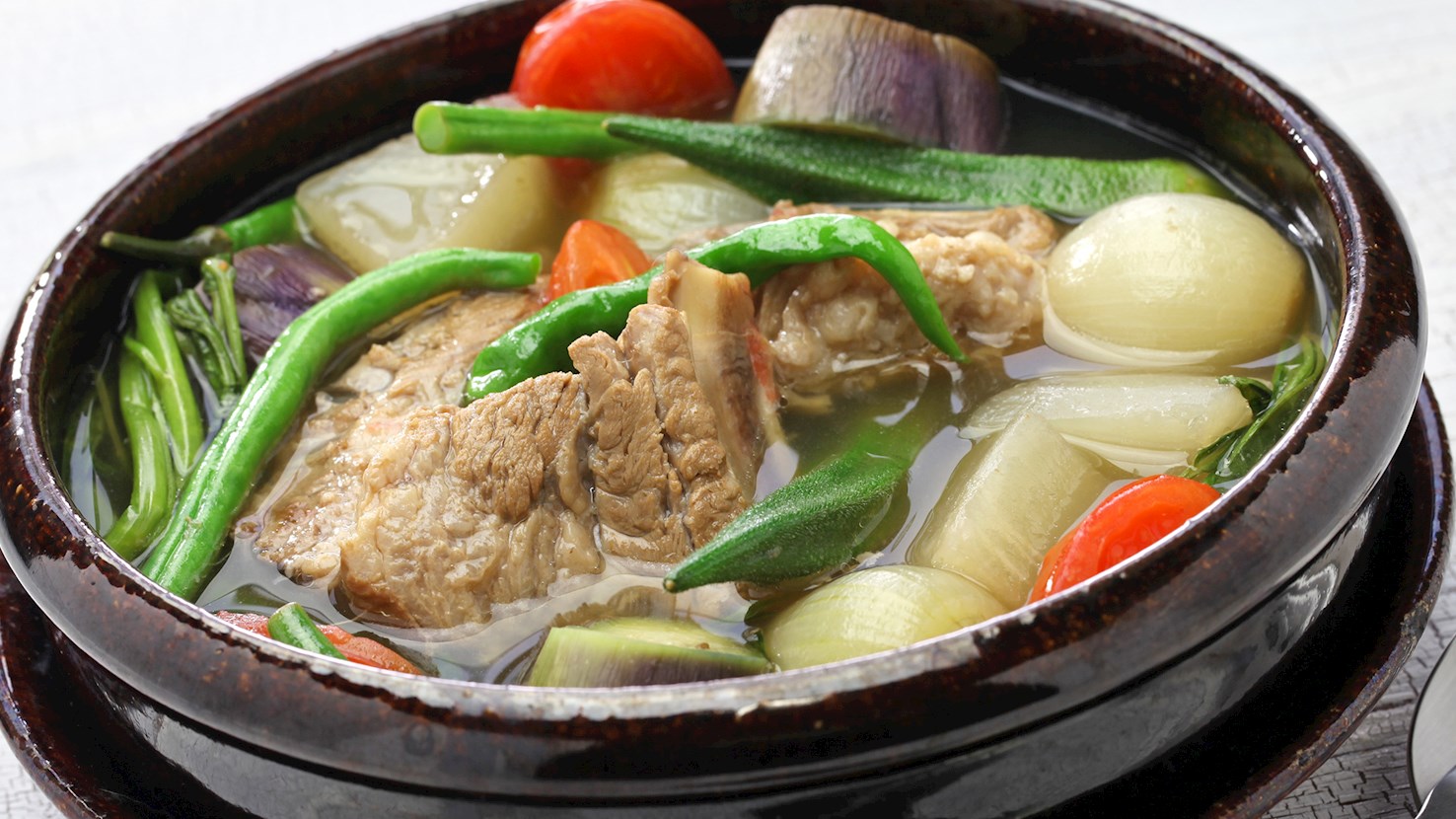
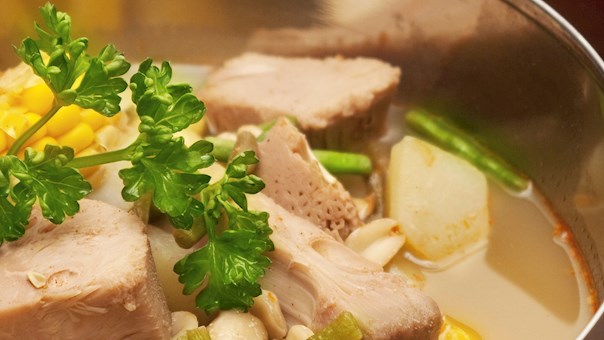
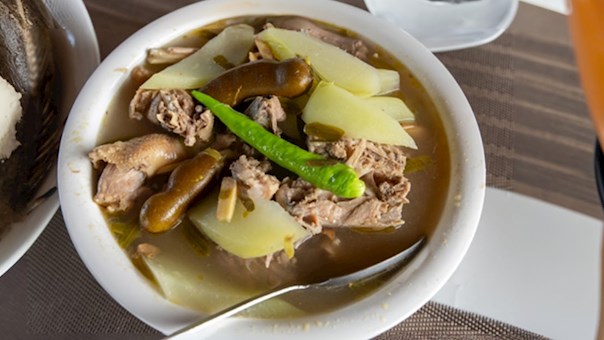
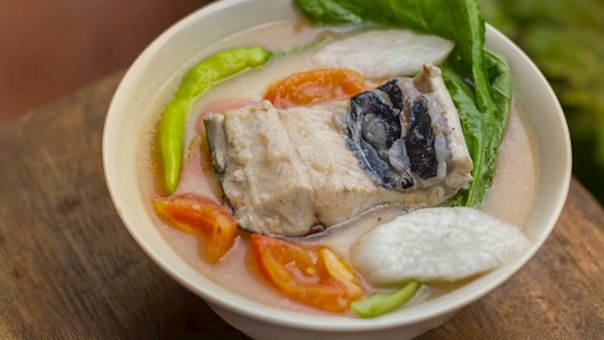
This variety of sinigang - Filipino savory and sour soup - consists of various pork cuts that are simmered along tamarind fruit. Tomatoes, onions, garlic, okra, white radish, water spinach and green long peppers are also commonly used for this soup. There is also a similar dish in Malaysian cuisine called siniggang. A version of the pork sinigang is sinigang na miso, which uses the Japanese seasoning made from fermented rice and barley or soybeans. Nowadays, sinigang mix is available in supermarkets, but enjoying the dish made from scratch represents the full experience.

02

Sinigang

4.4 ·

Sinigang is a sour Filipino soup consisting of sampalok (fruits of the tamarind tree), water spinach, hot peppers, cabbage, broccoli, eggplant, diced tomatoes, sliced onions, ginger, garlic, green beans, fish sauce, and salt. The basic broth usually consists of rice washing, with the addition of a souring agent. Ingredients such as pork, fish, milkfish, shrimp, chicken, or beef may also be added to the soup. Sinigang is traditionally served piping hot as a main dish, with rice as its accompaniment. It's an often seen dish at special occasions such as birthdays or weddings, and over time, as the dish became more popular, there were new variations that used guava or raw mango instead of sampalok, and each region developed their own version of the popular soup. With its sour lightness perfectly matching the harsh tropical heat of the country, sinigang is a unique soup that is a true representative of Filipino cuisine.

03

Vindaloo

4.1 ·

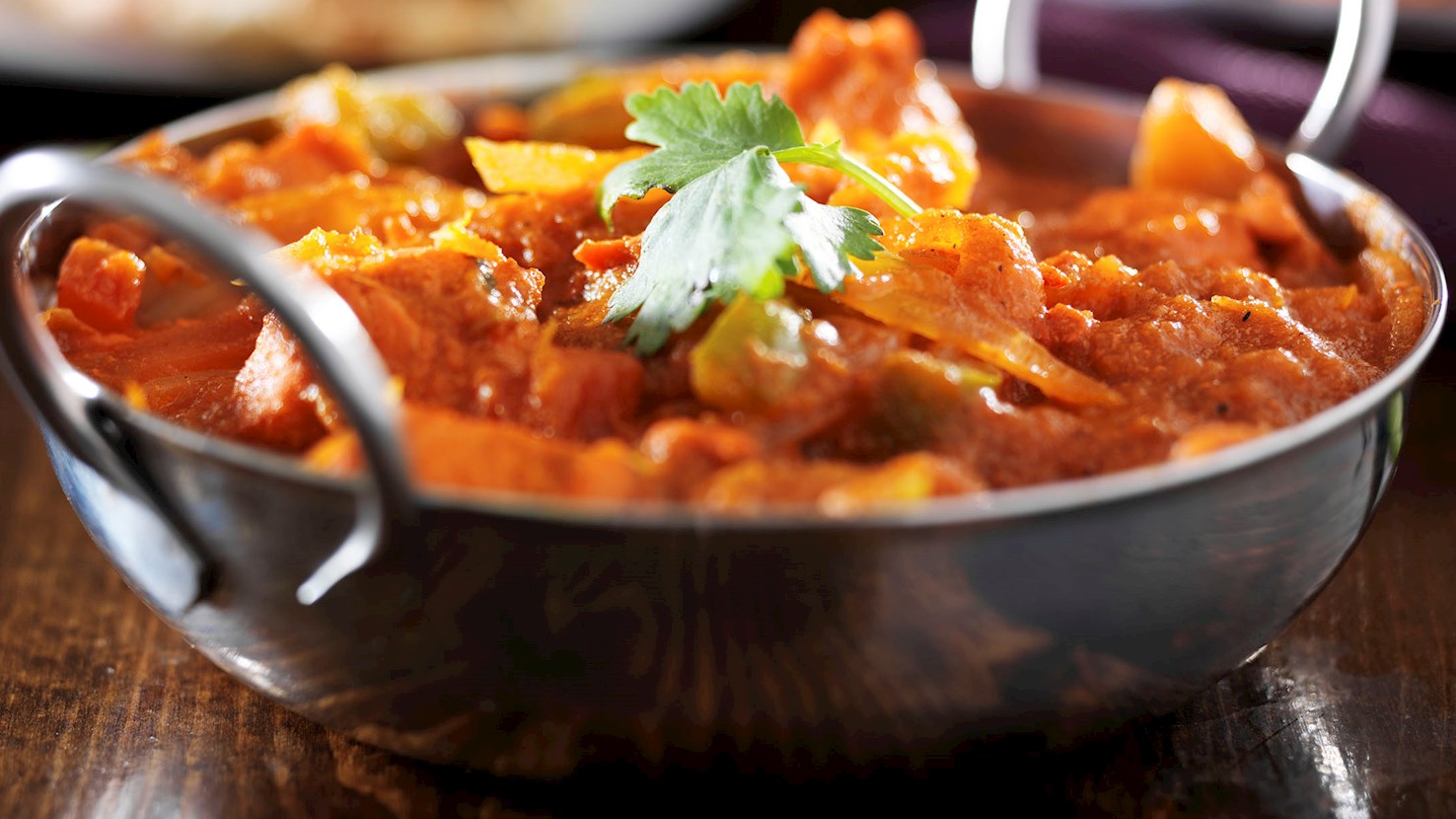
Vindaloo is a flavorful curry dish that is popular in England and the Indian regions of Goa and Konkan. It is typically made with marinated pork, but it can also be made with chicken, beef, mutton, or paneer. The name of the dish stems from the mispronounced Portuguese dish called carne de vinha d'alhos, meaning meat marinated in wine vinegar and garlic. The Portuguese explorers brought the dish to Goa in the 15th century, when it was adjusted to local conditions - since there was no wine vinegar in India, the Franciscan priests made their own version with palm wine. Many Indian spices were incorporated into the dish, such as tamarind, cinnamon, cardamom, and hot chiles. Vindaloo was later brought to England, where it became another hot curry, losing some of the earthy flavors and the balance of numerous spices due to the excessive use of chiles in modern Anglo-Indian cuisine.

Best restaurants
04

Imli ki chutney (Tamarind chutney)

3.9 ·

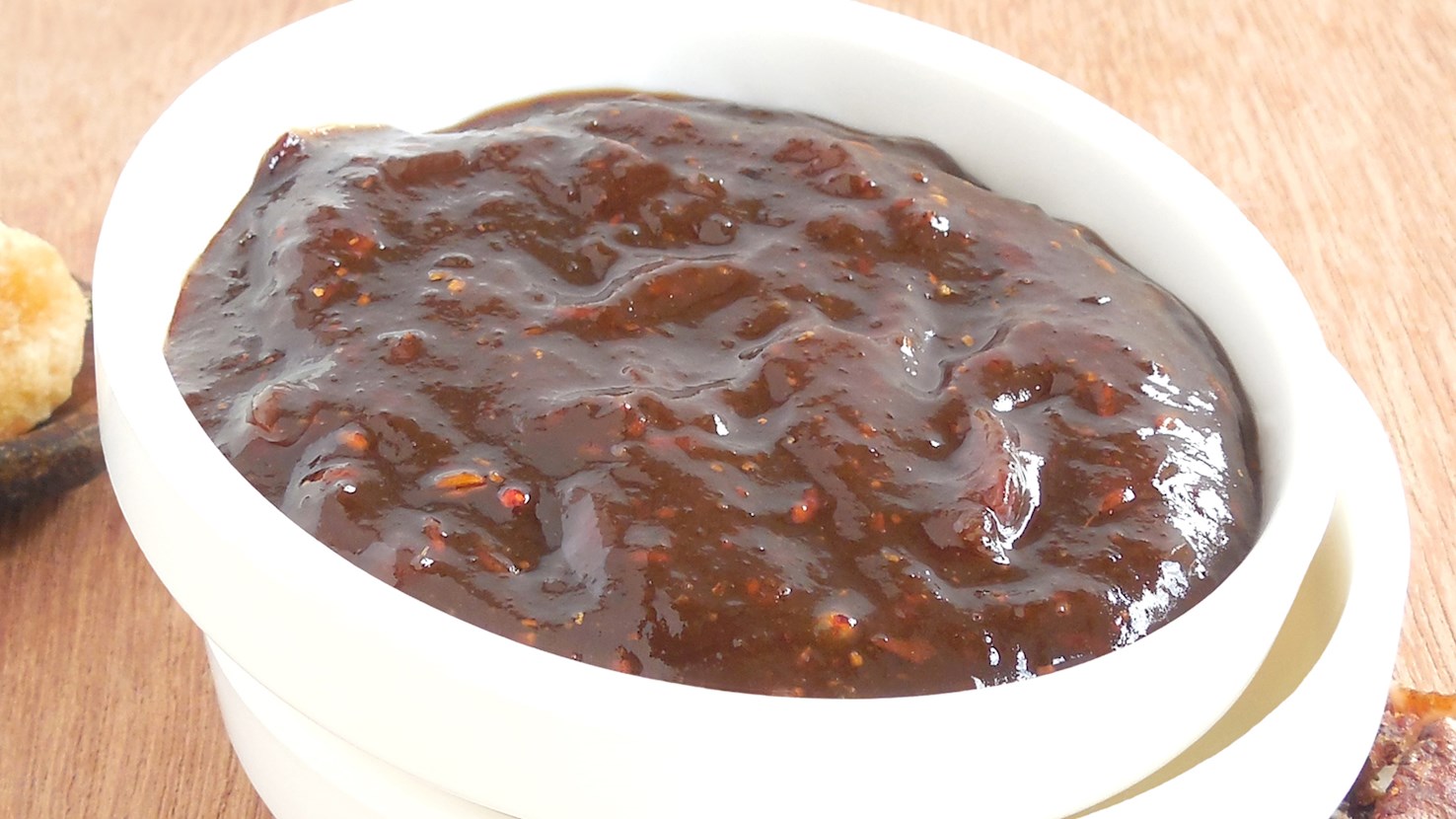
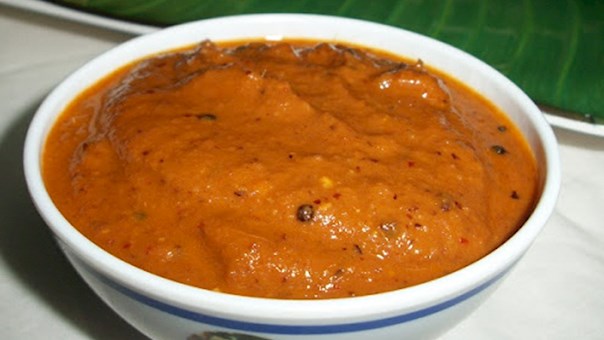
Tamarind chutney or imli chutney is a traditional chutney made with tamarind as the main ingredient. Other ingredients usually include jaggery, coriander, cumin, red chili peppers, ginger, salt, and water. There are many tamarind chutney variations made with different additional ingredients such as dates (khajoor) or garam masala spices. The ingredients are cooked until soft, then blended until smooth, and the chutney is usually served as a spread or a dip, but it's also used with most Indian chaats and snacks such as idli, dosa, vada, pakora, or samosa. It is believed that the best tamarind chutney has flavors that are sweet and tangy.

05

Sambar

3.9 ·

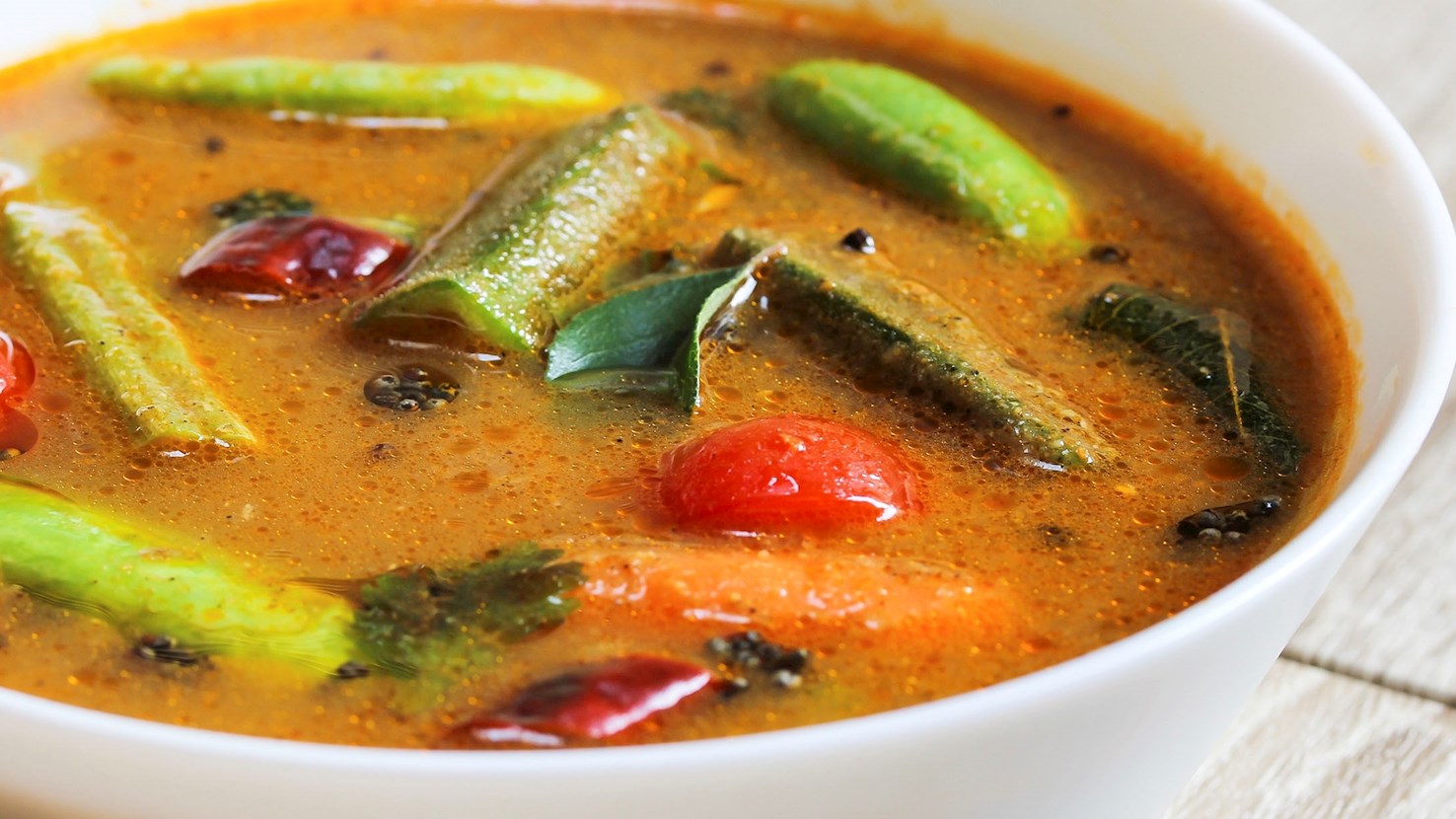
Sambar is a popular curry dish prepared with a tamarind-based broth, lentils, and vegetables. It originates from Tamil Nadu, but it is also very popular in Sri Lanka and throughout South India. The dish is traditionally served with steamed rice or various Indian flatbreads. Sambar was created as a mistake by the Maratha ruler Shivaji's son named Sambhaji. As the head chef was away, Sambhaji wanted to prepare dal for himself, and he added a bit of tamarind into the pot during the cooking process. The royal chefs scolded him, since tamarind is not used in dal. However, Sambhaji loved the dish and named it sambar, after himself. Today, there are numerous variations on the dish such as seafood sambar, chicken sambar, and even the unusual milk sambar.

06

Bok l'hong (Green papaya salad)

3.9 ·

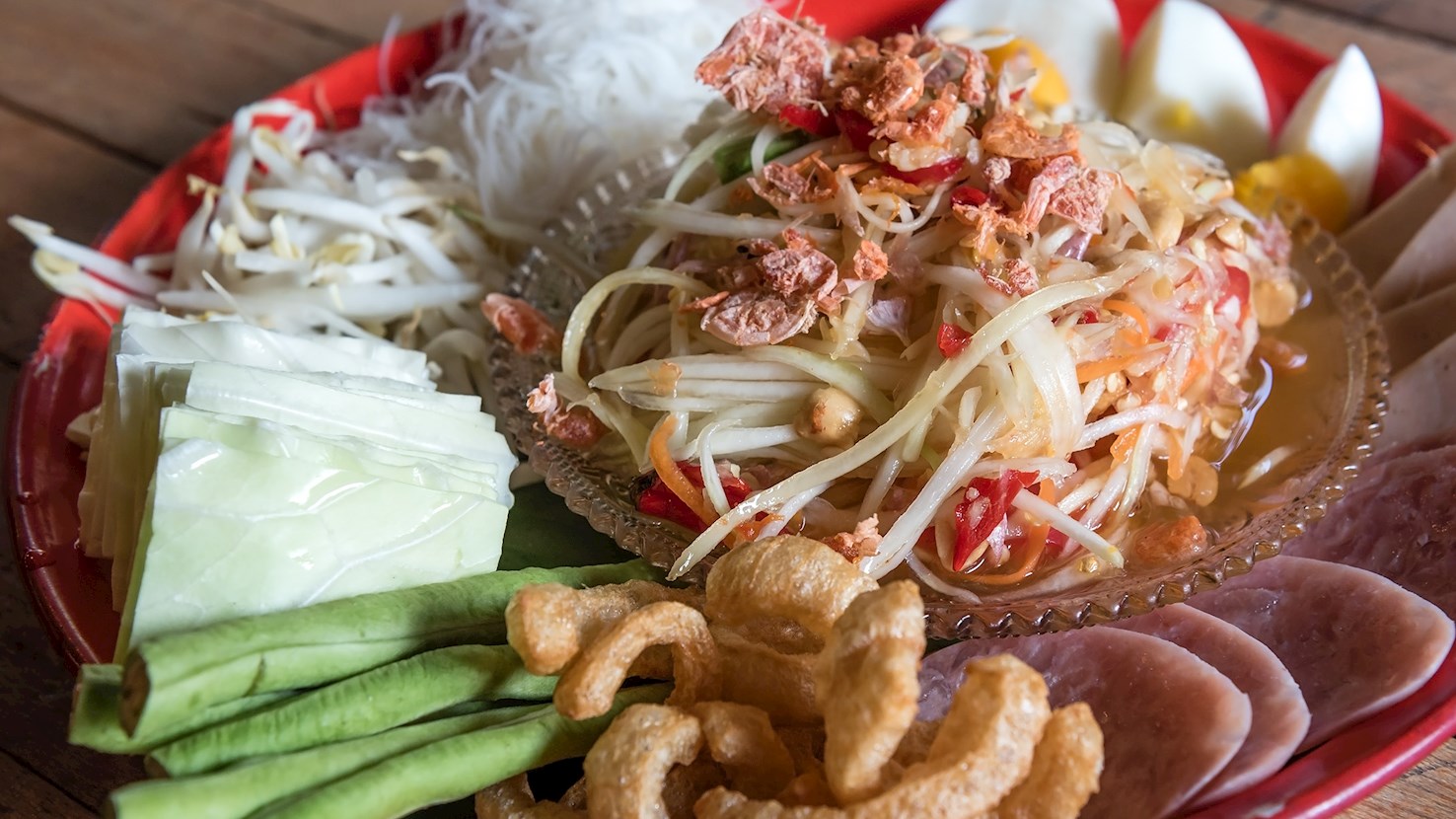
Bok l’hong, meaning pounded papaya in Khmer, is a Cambodian take on the green papaya salad that is widely consumed throughout Southeast Asia and is believed to have originated in Laos. Like the Lao and Thai versions, the Cambodian papaya salad usually requires the shredded fruit to be pounded with other ingredients, while the Vietnamese variety doesn't involve pounding of the fruit. The salad often contains tamarind, galangal, and prohok, a type of Cambodian fish paste. Bok l'hong can also feature smoked fish or salted crabs, and it is usually consumed with steamed rice and grilled meat such as chicken. One significant difference between the traditional Laotian green papaya salad and the Cambodian version of the salad lies in the use of white fish sauce in the latter instead of the much more pungent fermented fish sauce which is typically used in the former. Just like in Thailand, Vietnam, and Laos, in Cambodia, green papaya salad is available in numerous restaurants and is a common street food item.

07

Sinigang na hipon

3.9 ·

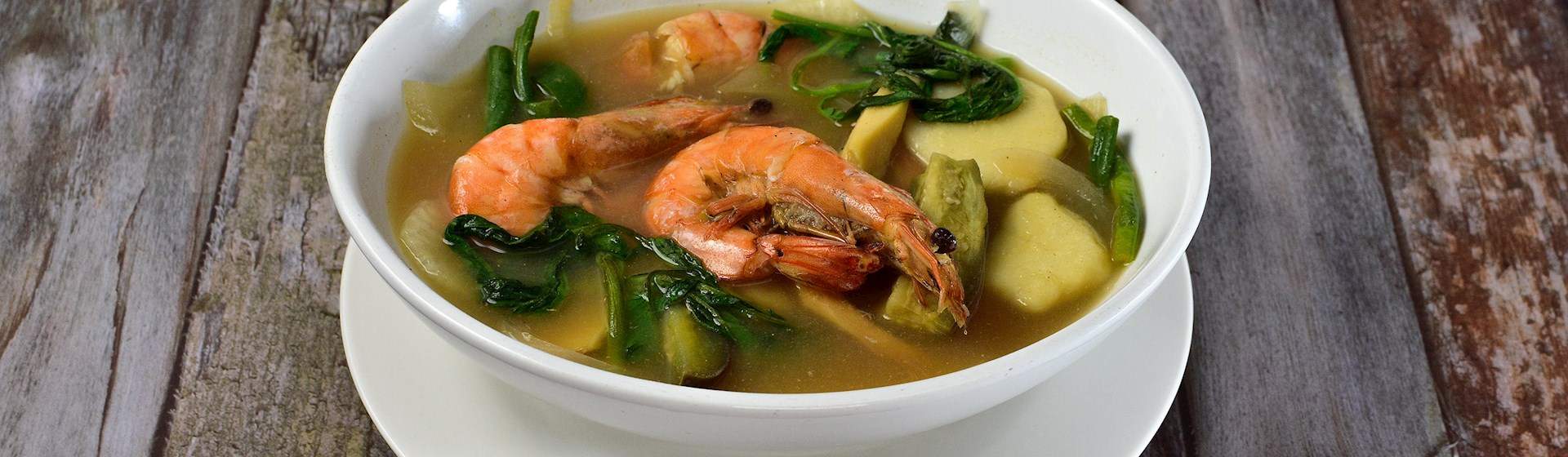
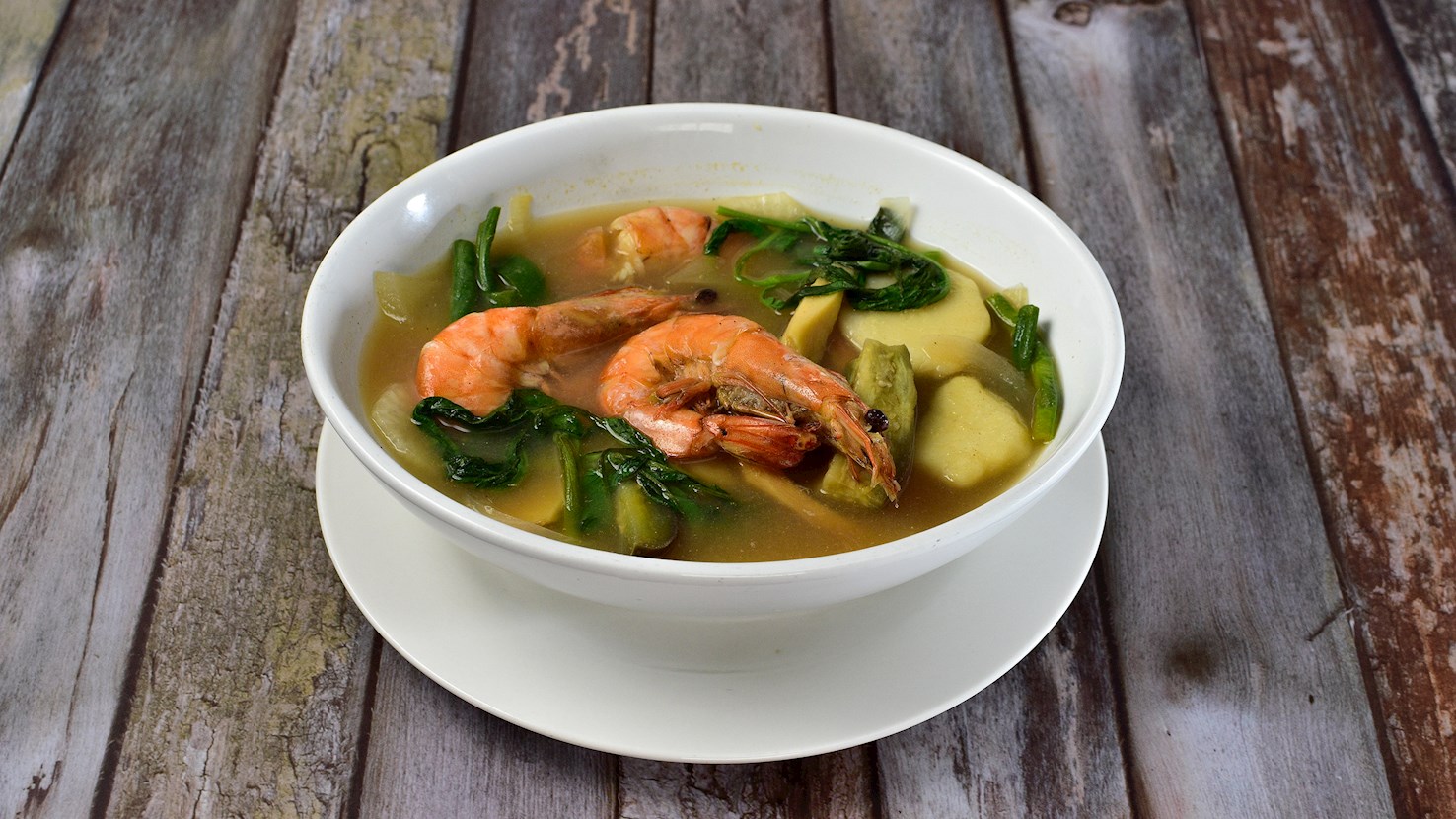
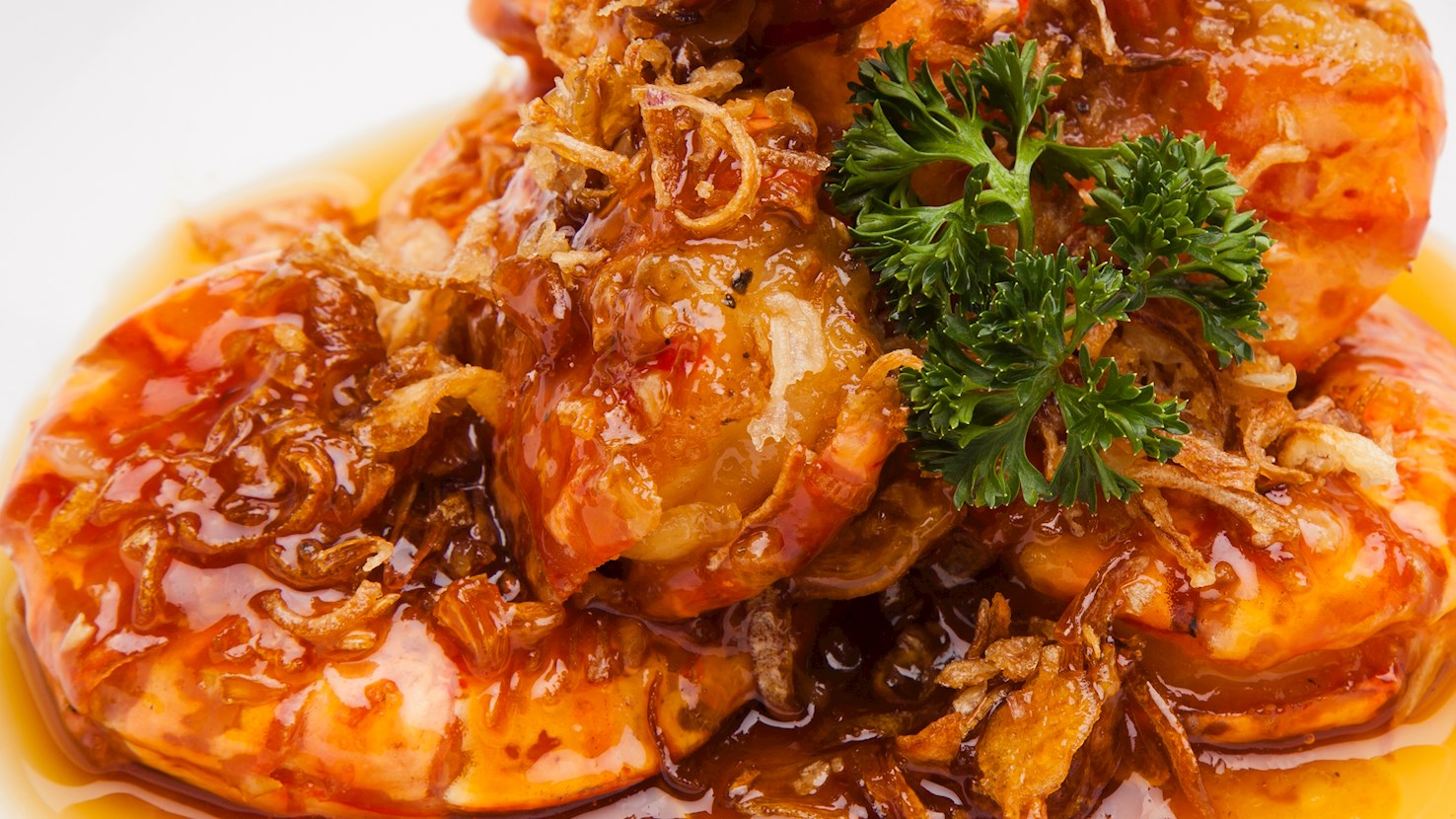
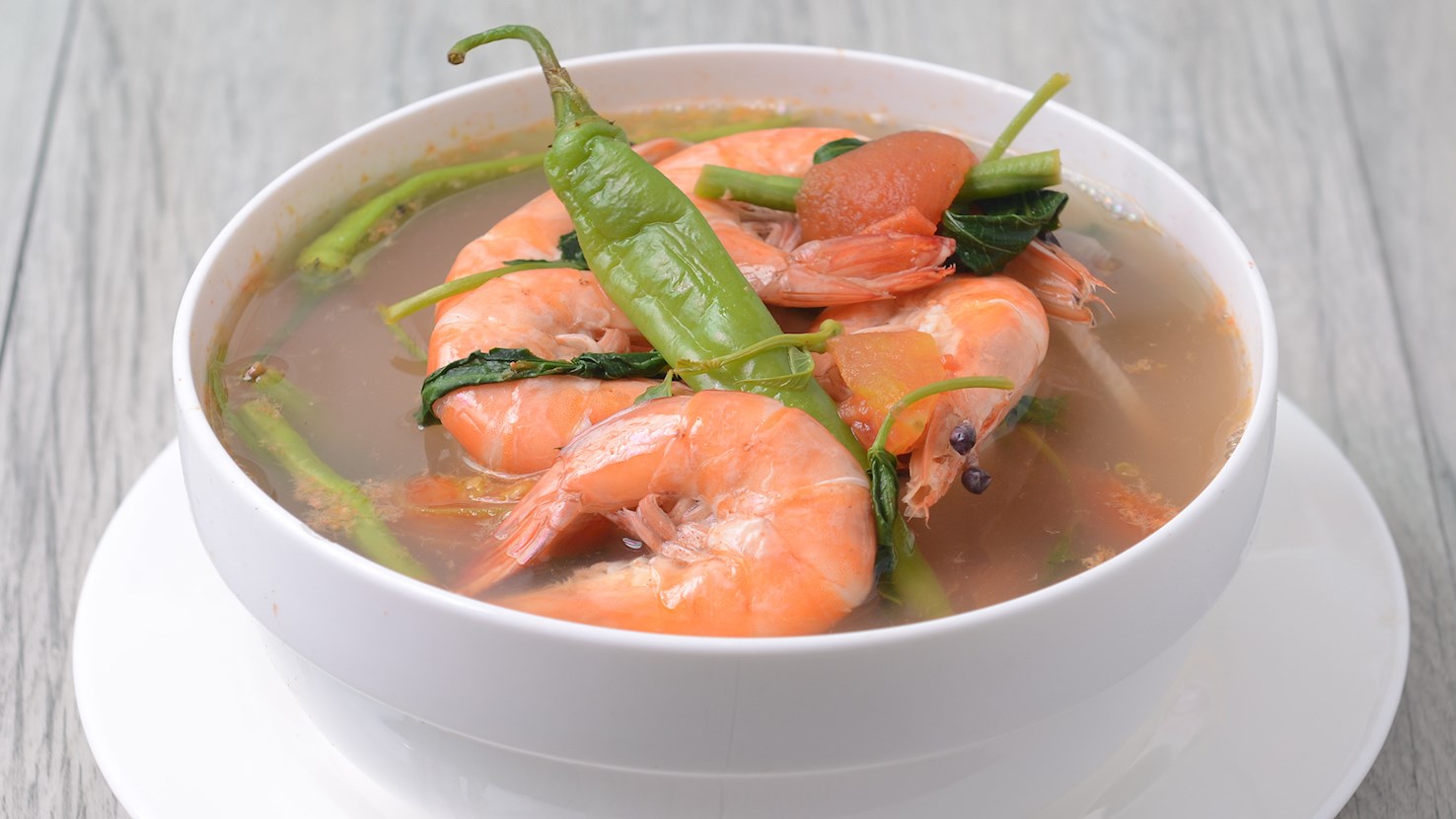
Sinigang na hipon is a Filipino shrimp soup characterized by its sour and strongly savory flavor. In addition to shrimp, this dish contains a great variety of vegetables, including onions, tomatoes, string beans, banana peppers, water spinach, taro, radishes, and ladies’ fingers, with ginger and fish sauce being added for extra flavor. Sinigang’s signature sour flavor comes from tamarind, but other natural souring agents, such as green mango, guava, santol, calamansi, bilimbi, or pineapple can also be used. Sinigang na hipon is very popular in the Philippines, where it is considered a homemade specialty. It is traditionally served hot with rice and fish sauce on the side.

Best restaurants
08

Rasam

3.9 ·

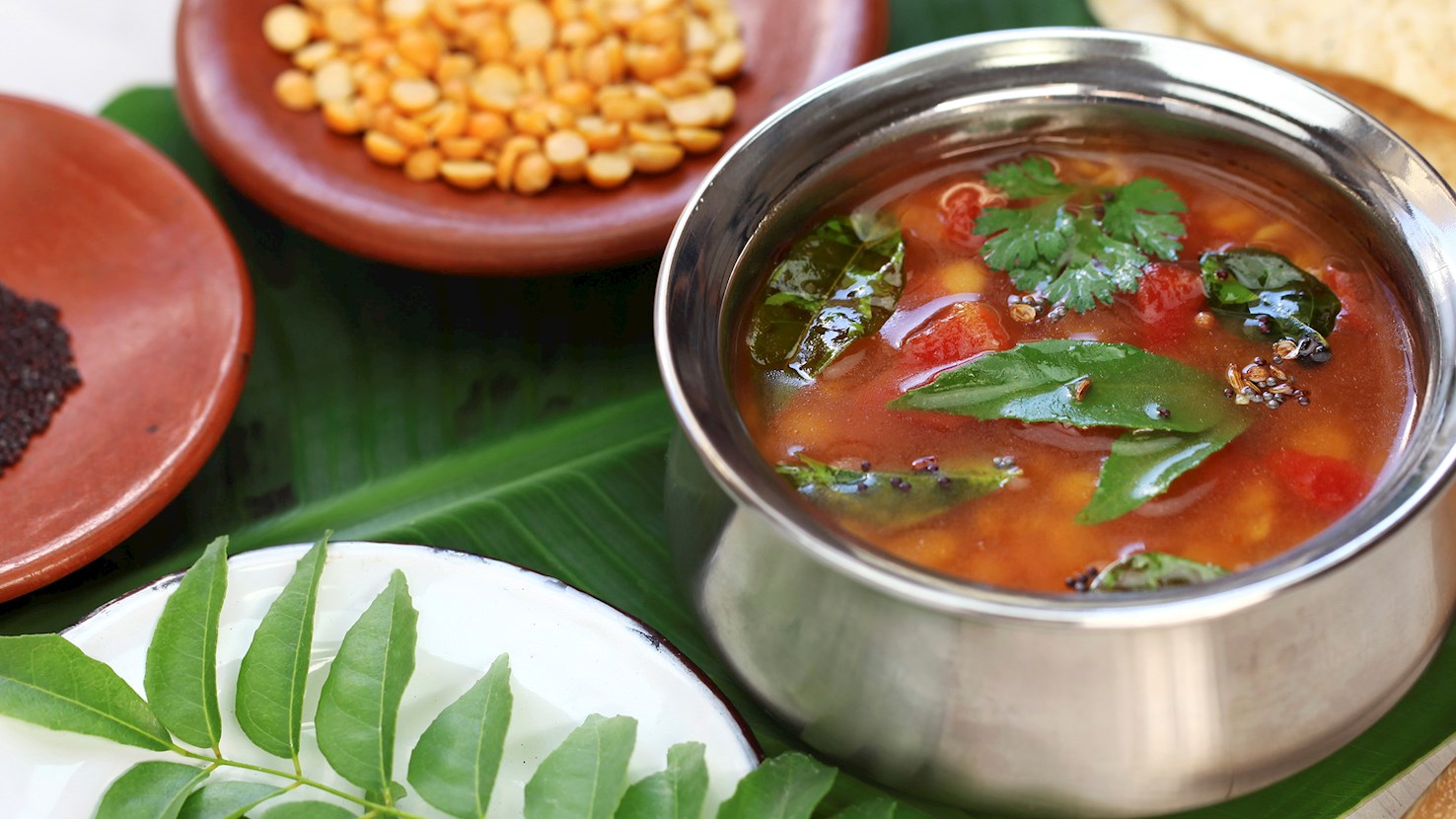
Rasam is a South Indian soup made with a base of tamarind juice and added ingredients such as pepper, cumin, chili, lemon, lentils, and tomatoes, resulting in a tangy and sour flavor of the dish. The name of the dish can be literally translated to juice, referring to tomato or tamarind juices. Originally, rasam was made only with tamarind and black pepper due to the abundance of those ingredients in South India. The soup is usually served as an appetizer with rice on the side. Traditionally, it is consumed after sambar, and followed by the main dish with curd rice. Over time, the popularity of rasam helped in the creation of mulligatawny soup as rasam's Anglo-Indian version. There are numerous regional varieties of rasam throughout South India, such as nellikkai rasam with Indian gooseberries, inji rasam with ginger, and vepam poo rasam with neem flowers.

09

Pulihora

3.7 ·

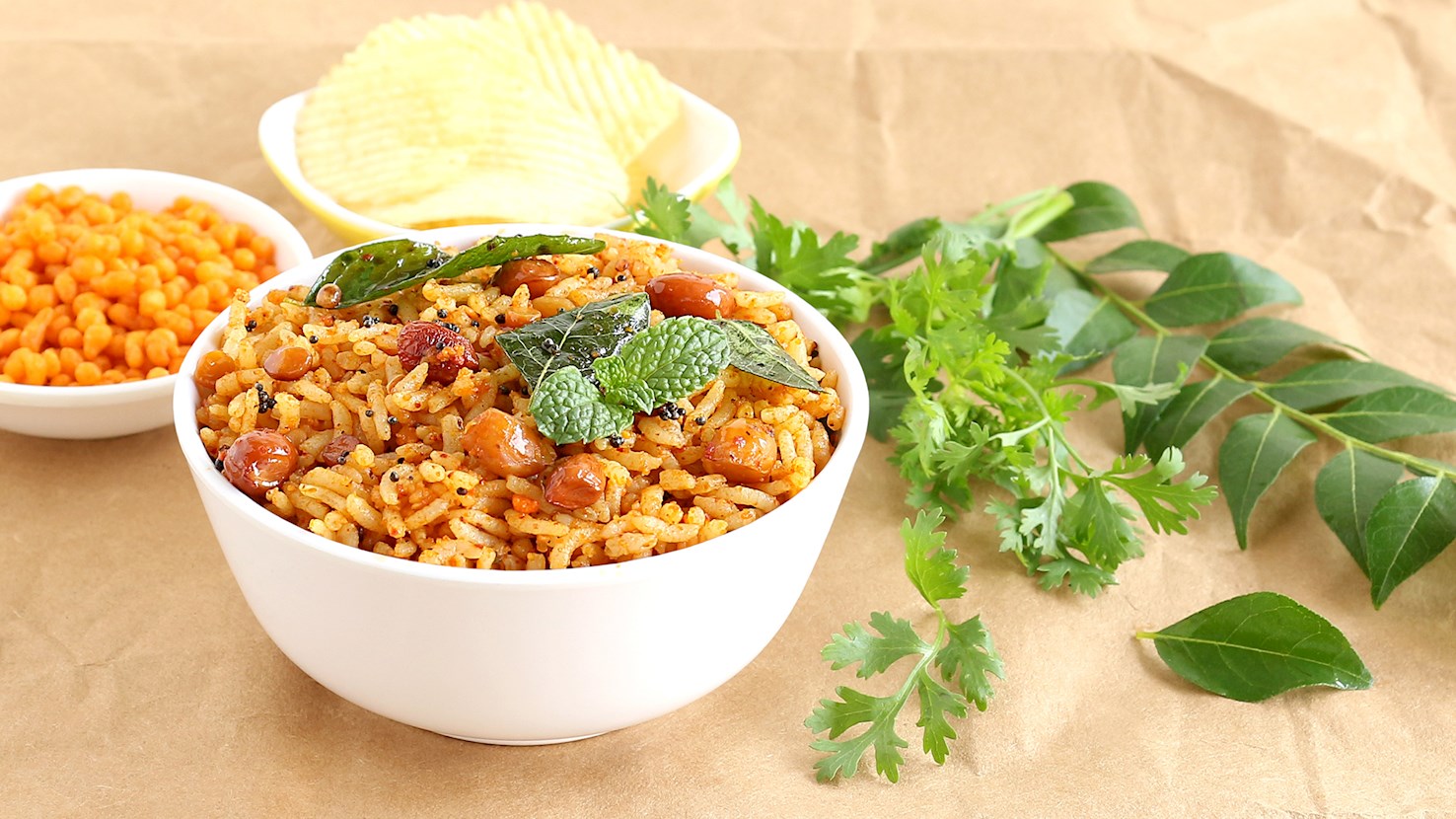
Pulihora is a popular south Indian dish that can easily be found in the states of Andhra Pradesh, Tamil Nadu, and Karnataka. It consists of rice, turmeric, tamarind, curry leaves, coriander, ginger, and green chiles. Additionally, yellow lentils, roasted sesame seed powder, and mustard seeds can be added to enhance the already rich flavors of the dish. It is commonly prepared for festivals, yellow in color due to turmeric - considered sacred and symbolizing festive occasions in the Hindu world. The word puli in its name means sour, reflecting the tangy flavor of the dish. However, spicy and salty flavors that are also present in the dish are well balanced with the sour tamarind. Other states also have their versions of pulihora, so in Tamil Nadu, it is called pulisadham, and in Karnataka, the dish is known as puliyogare. It is traditionally served with sun-dried chiles and yogurt (which is not vegan), making it a complete meal that is said to taste the best after resting for a couple of hours following its preparation.

10

Baiganee

3.7 ·

Baiganee is a classic Trini snack that can also be served as a side dish. This vegetarian treat consists of sliced eggplant or baigan (hence the name) that is coated in a spicy batter, then deep-fried to golden-brown perfection. It is typically sold by street vendors who often pair it with a tamarind dipping sauce or mango chutney. Baiganee is also quite popular during festivities such as Divali.

About this ranking

TasteAtlas food rankings are based on the ratings of the TasteAtlas audience, with a series of mechanisms that recognize real users and that ignore bot, nationalist or local patriotic ratings, and give additional value to the ratings of users that the system recognizes as knowledgeable. For the “28 Best Rated Dishes with Tamarind” list until May 22, 2026, 989,146 ratings were recorded, of which 646,954 were recognized by the system as legitimate. TasteAtlas Rankings should not be seen as the final global conclusion about food. Their purpose is to promote excellent local foods, instill pride in traditional dishes, and arouse curiosity about dishes you haven’t tried.

Similar lists