


shutterstock

14 Best Rated
Dishes with Tapioca

Last updated on May 22, 2026
01

Pempek

4.3 ·

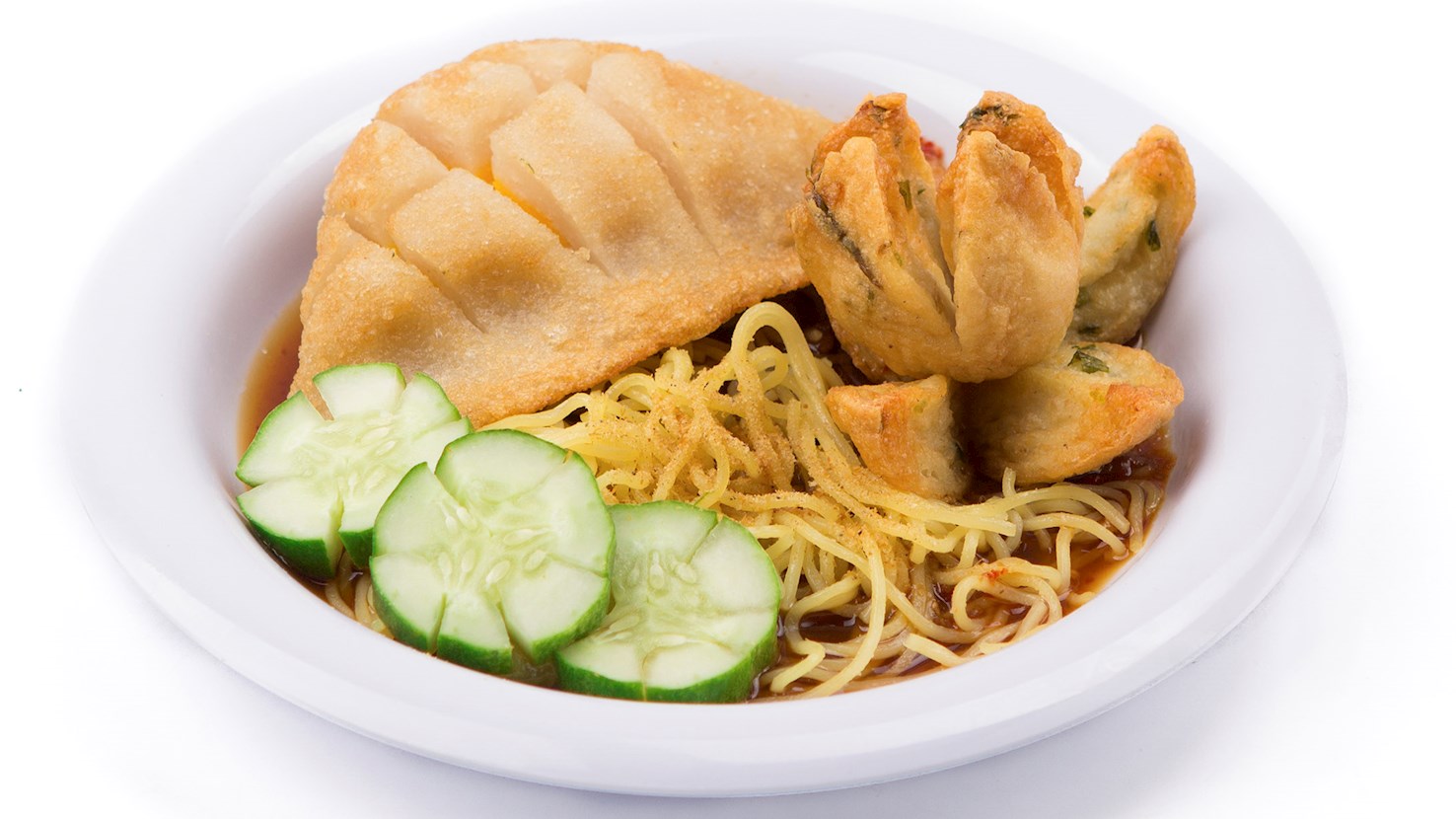
Pempek is a traditional fish cake made with ground fish meat and tapioca. The actual origin of this dish is the city of Palembang, situated in the South Sumatra province. The origin story of pempek says that an old Palembang citizen was tired of the traditional fried or grilled fish, so he thought of an innovative way to ground the meat, mix it with tapioca flour, and deep-fry it to get a crunchy and delicious snack. He then used to cycle through the city and sell the fish cakes to Palembang citizens. Over time, pempek was recognized as a praise-worthy snack, and today it is considered to be a traditional Indonesian delicacy. These round or rectangular cakes are usually steamed, and right before serving they are fried in vegetable oil and cut into bite-sized pieces. Sliced cucumbers, noodles, or rice are typical accompaniments, and the traditional sweet and sour sauce is usually served on the side so the customers can adapt the flavors to their taste.

02

Taho

3.9 ·

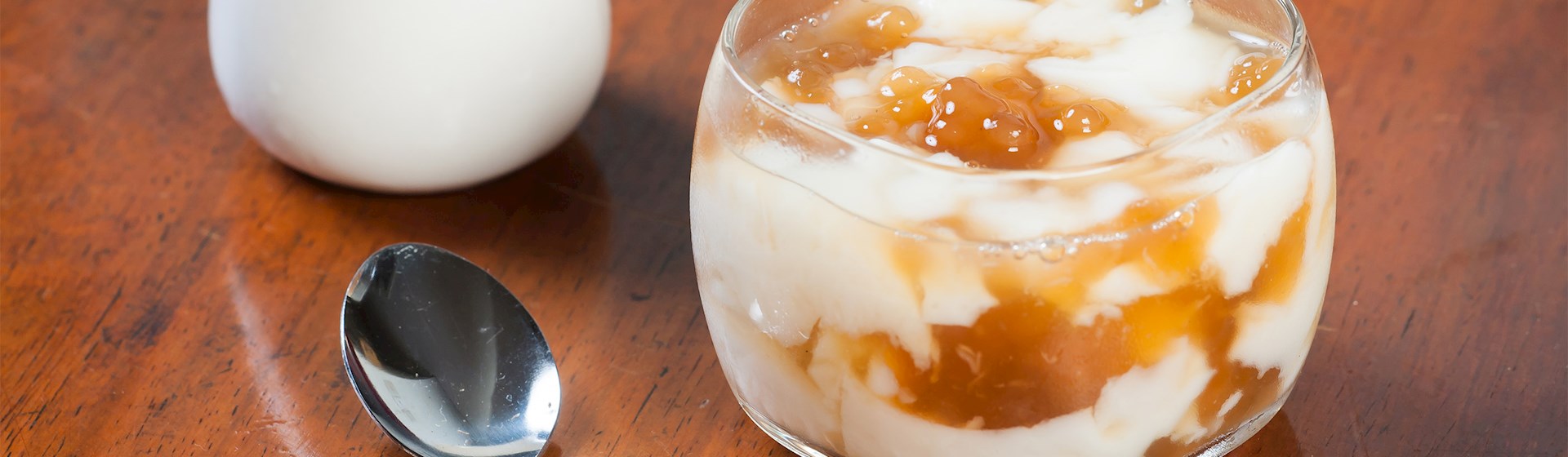
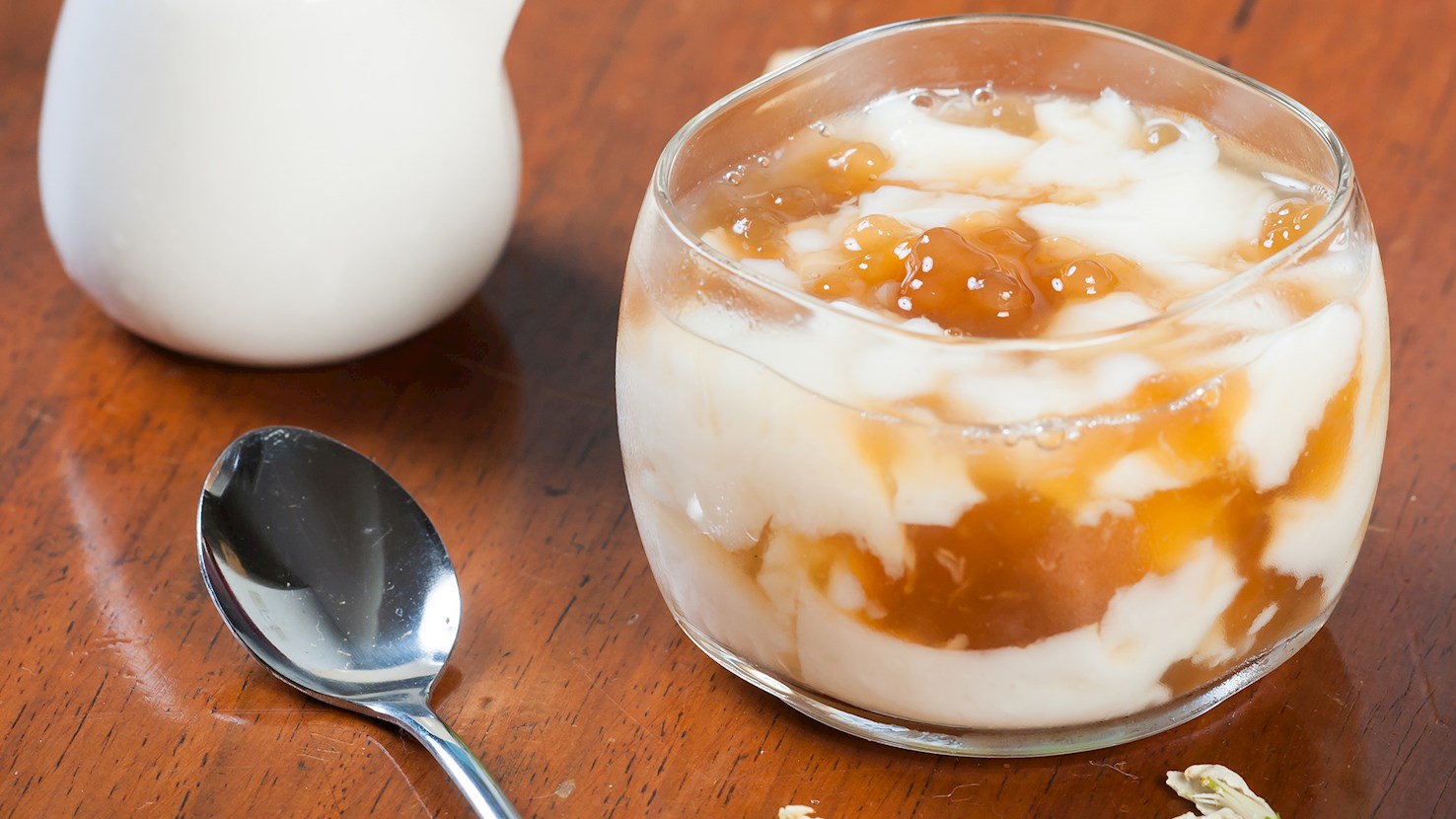
Taho is a sweet Filipino dessert which consists of fresh soft tofu doused in arnibal syrup and sprinkled with plump sago pearls. Similar desserts can be found in numerous Asian countries, and most of them call for the usage of the softest tofu variety, known as silky tofu, which has a tender and creamy texture and an incredibly soft consistency. Shortly heated or steamed, it is covered in sweet arnibal syrup (made with melted brown sugar) and enriched with mild vanilla flavors. Usually, the dessert is topped with chewy sago pearls which are similar in appearance and texture to tapioca. Taho is usually sold by street vendors who sell this traditional delicacy in the early morning as a sweet, protein-packed breakfast.

03

Sabudana vada

3.9 ·

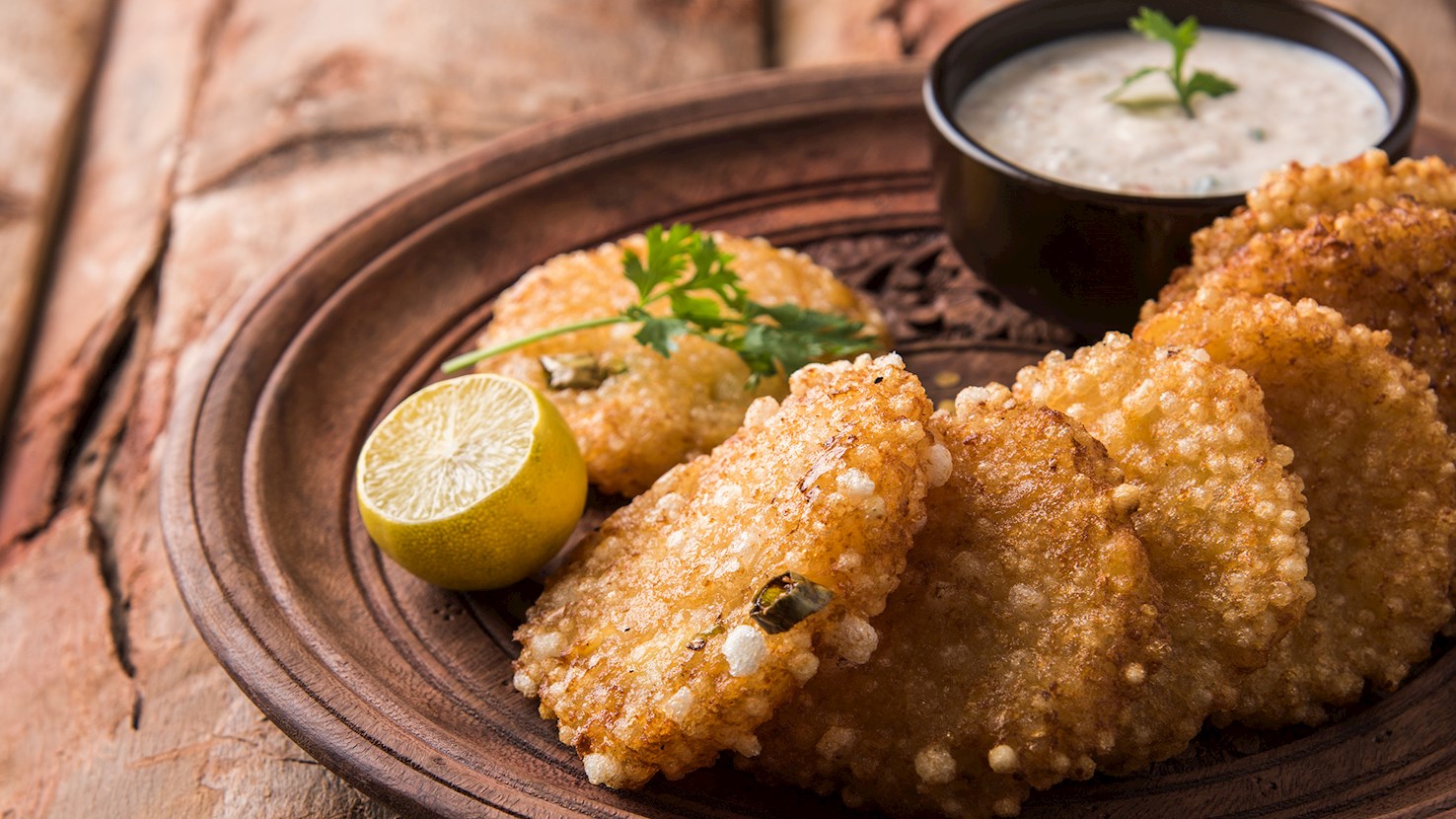
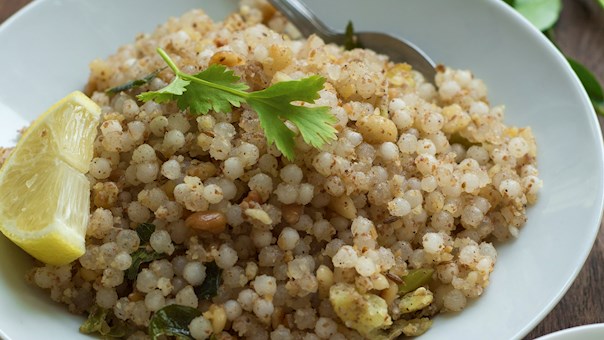
These crispy Indian fritters consist of a combination of soaked tapioca pearls, mashed potatoes, roasted and crushed peanuts, and a variety of spices such as turmeric, chili, ginger, and fresh coriander. Sabudana vada fritters can be found at many stalls throughout Maharashtra and are especially popular in Mumbai. Since they do not contain meat, the fritters are a favorite fasting snack. Sabudana vada is typically served hot, paired with yogurt or chutney.

04

Bánh da lợn (Steamed Tapioca Layer Cake)

3.9 ·

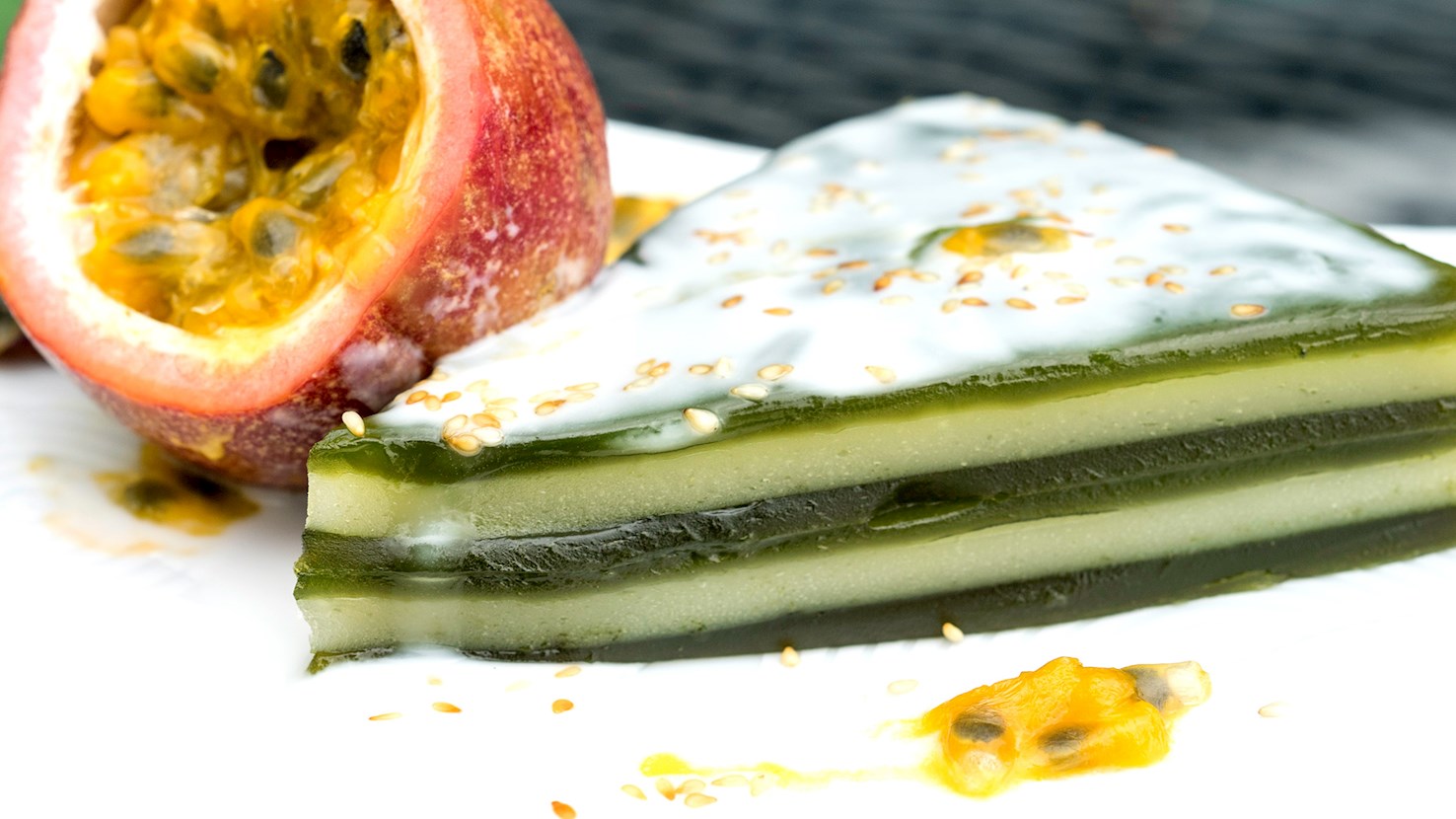
This traditional Vietnamese dessert consists of chewy layers that are typically made with puréed mung beans, tapioca starch, rice flour, and coconut milk or water. Traditionally, each cake has a pale yellow layer made with mung beans and a green layer that is flavored and colored with pandan leaves, while optional ingredients include durian or taro. Once steamed and chilled, the cake is usually cut into diamond shapes.

05

Bánh bột lọc (Stuffed Tapioca Dumplings)

3.9 ·

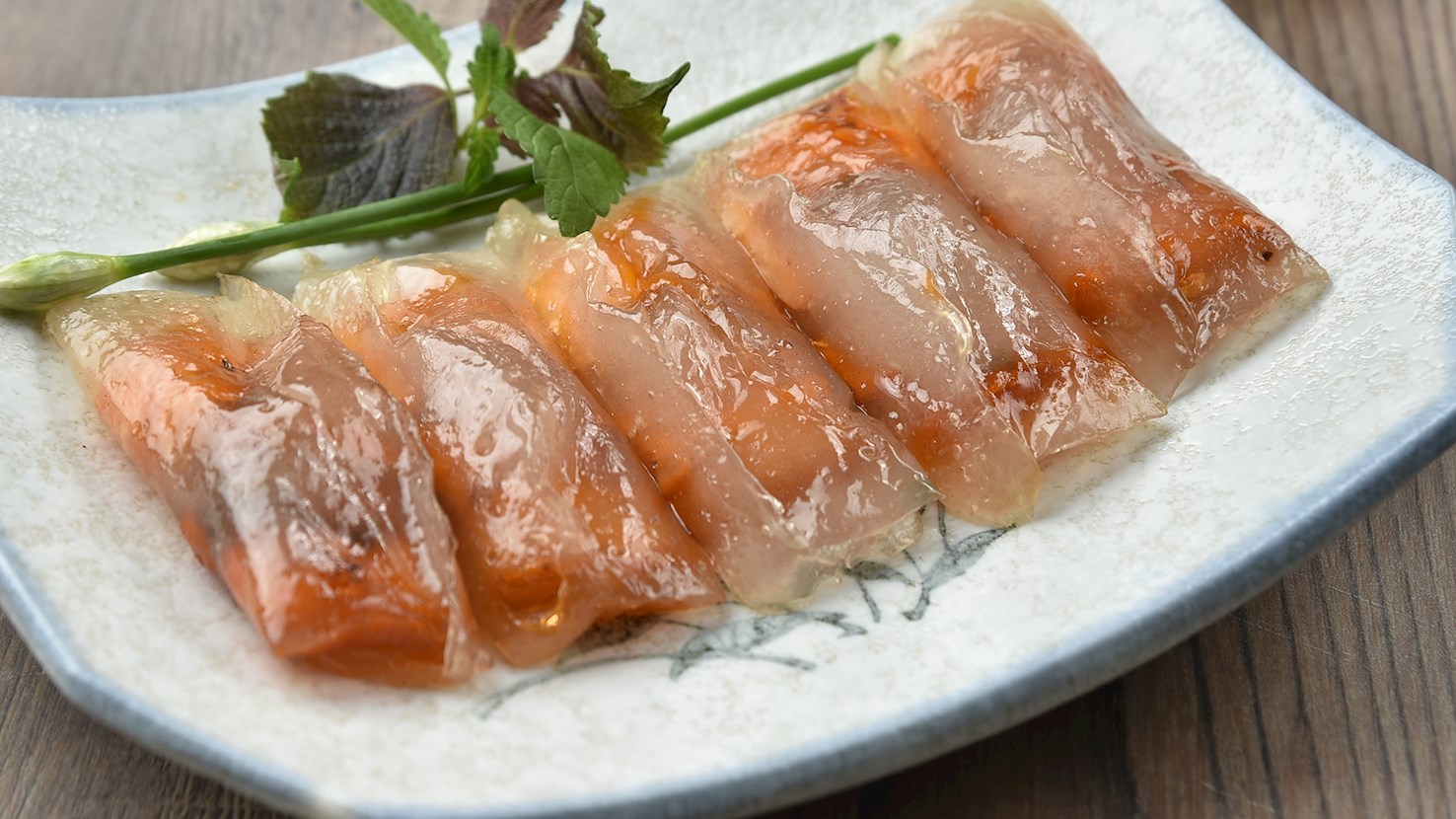
These translucent Vietnamese dumplings are usually prepared with tapioca-based wrappers and a filling which typically combines shrimps and fatty pork. The dumplings can be cooked or wrapped in banana leaves and then steamed. They are traditionally served with a fish-based dipping sauce on the side. It is believed that bánh bột lọc originated in Huế – the ancient imperial city known for its balanced, sophisticated specialties.

06

Sao mai lo (Sago in coconut milk)

3.7 ·

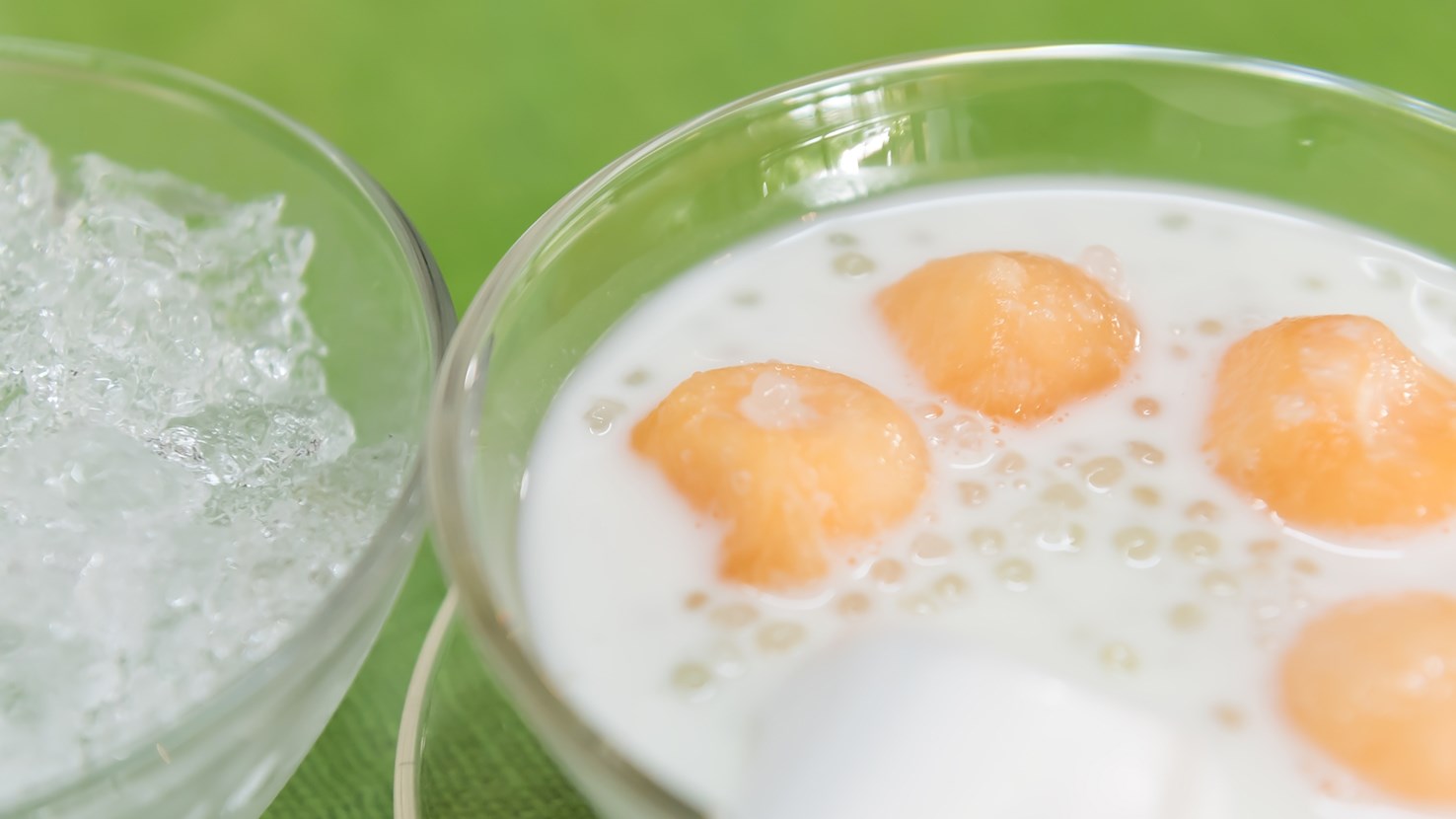
Sago pearls (also known as tapioca pearls) in coconut milk are a type of Cantonese tong sui (lit. sugar water; dessert soup). This simple treat can be found in many dim-sum eateries in Guangzhou and Hong Kong, where it is served as a perfect ending to a meal. Also, for a refreshing summer dessert, sao mai lo is often mixed with fresh fruits like mango, pomelo and strawberries.

07

Ruam mit

3.6 ·

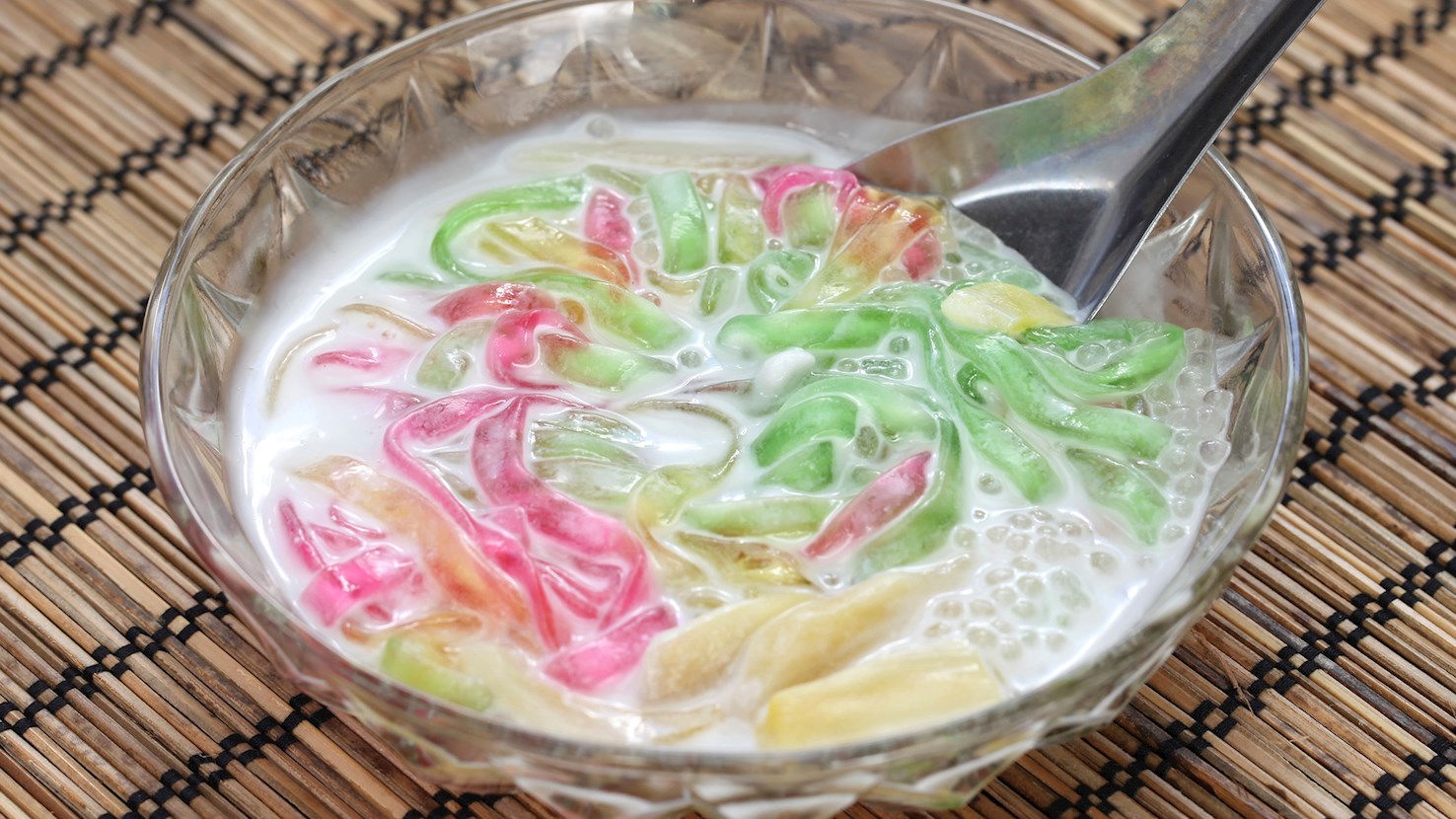
Ruam mit is a popular Thai dessert made with ingredients such as coconut milk, sugar, tapioca pearls, corn, lotus root, sweet potatoes, beans, and jackfruit. Each bowl typically includes starchy noodles that are flavored and colored with various ingredients, and which may come in the shape of thin strips or more elaborate decorative forms. There is no set recipe for ruam mit, so each cook or street vendor adds their own ingredients to the mix. It is often consumed as a cool refreshment on hot summer days, topped with shaved ice. In Thailand, it is one of the cheapest desserts, and each bowl typically costs around 15 baht. Interestingly, in Thai language, ruam means get together, and mit refers to friends, so it can be said that ruam mit is a meeting of many desserts in one simple, flavorful dish.

08

Falooda

3.5 ·

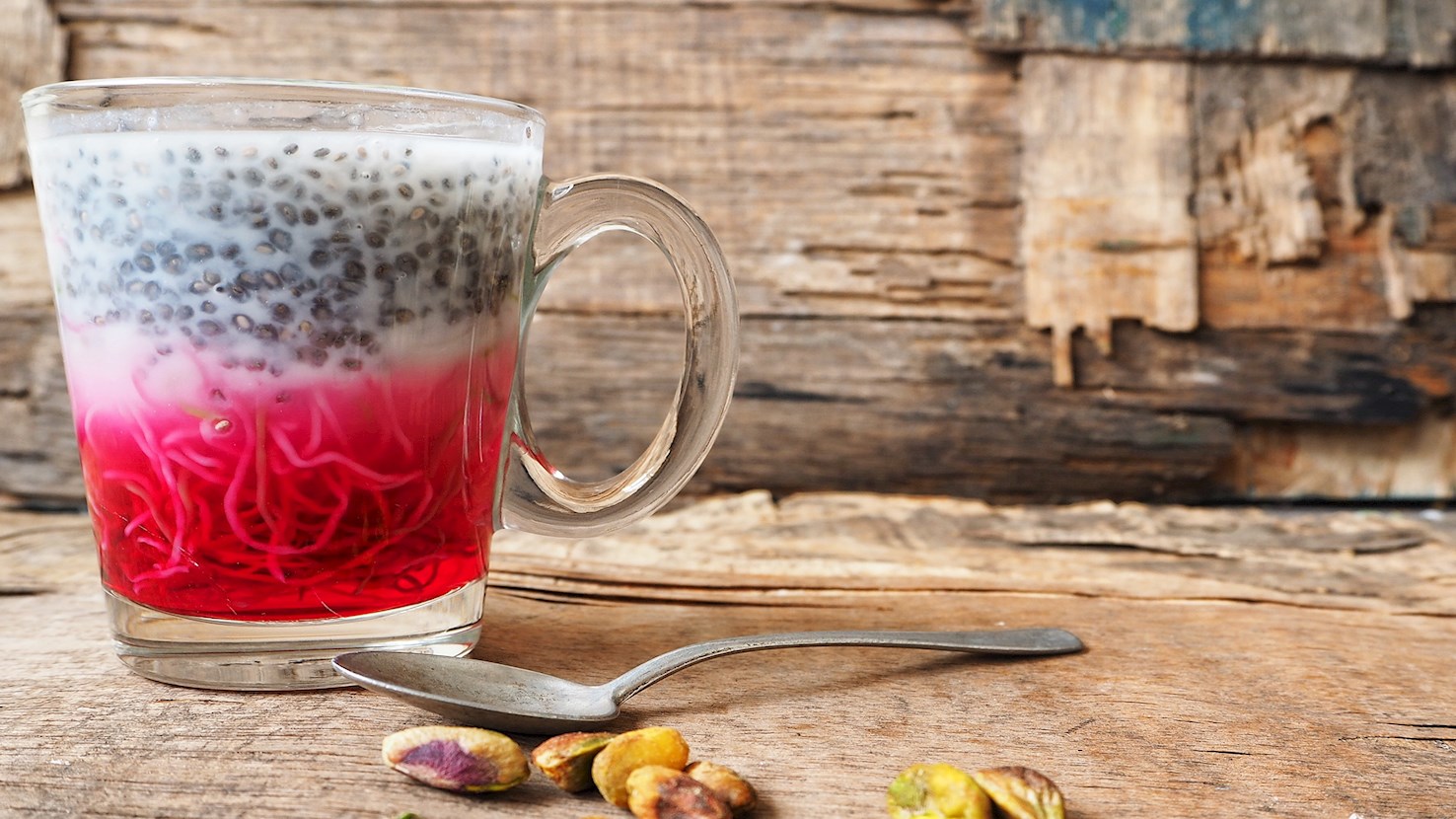
The name falooda refers to a refreshing Indian dessert that consists of thin falooda noodles, which are usually produced from cornstarch, sago, wheat, or arrowroot, and ingredients such as tapioca pearls, jelly, rose syrup, milk, and soaked saba (sweet basil) seeds. All the ingredients are typically layered in dessert glasses, and the whole dessert is occasionally topped with ice cream, dry fruits, or chopped nuts, and is alternatively eaten with a spoon and slowly sipped. Though it is eaten throughout India, the origins of falooda derive from ancient Persia, and a similar item is still found in Iran, where it goes under the name faloodeh.

09

Sagu

3.4 ·

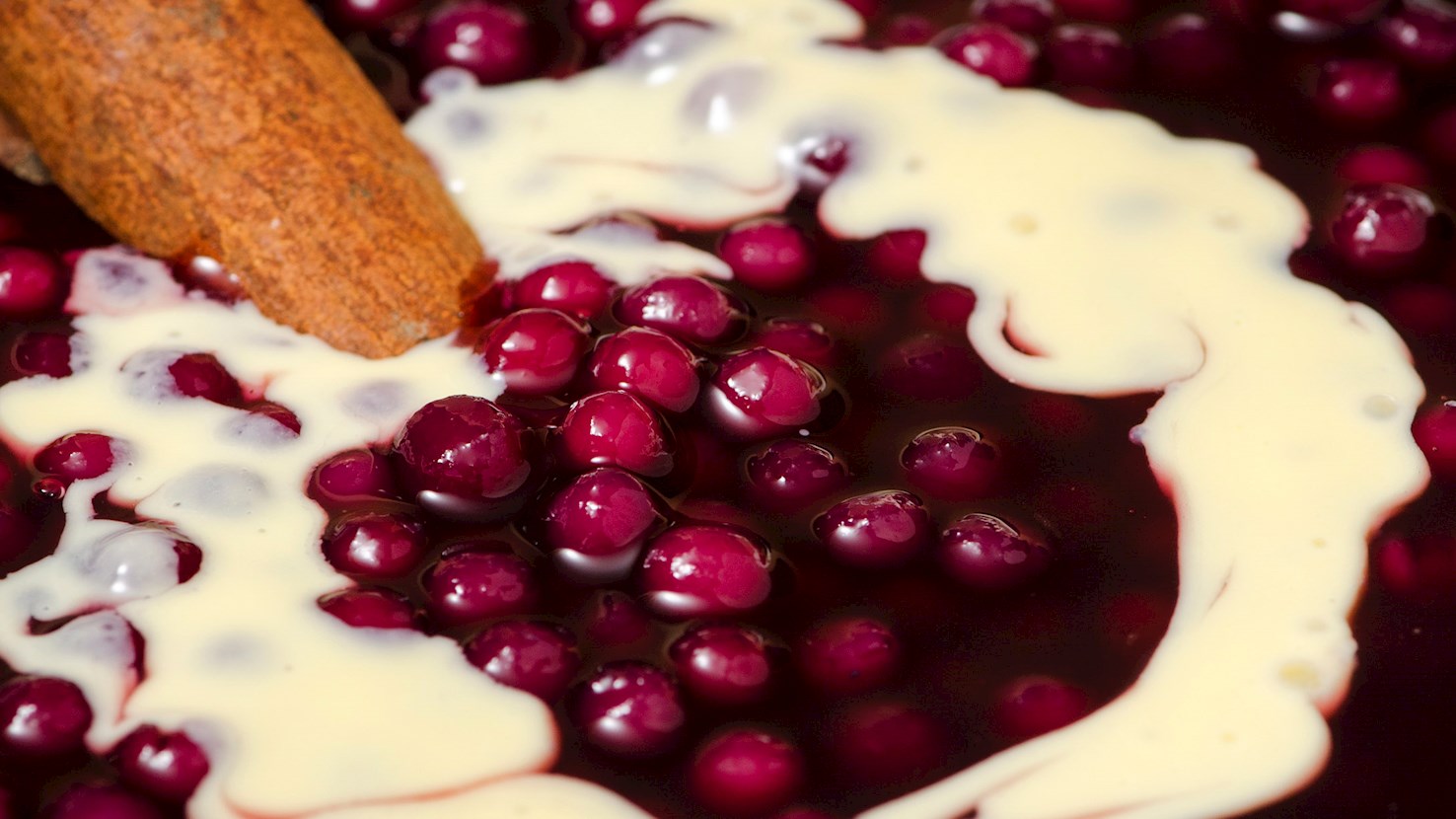
Sagu is an unusual Brazilian alcohol-infused dessert made with cassava, one of the oldest starch sources found in South America. This sweet concoction is made with tapioca pearls – round-shaped, chewy ingredients gained from tapioca starch. To prepare sagu, the pearls are cooked in wine until all of the liquid is absorbed and the pearls turn dark red. Occasionally, wine is mixed with an equal amount of grape juice, which makes this interesting dessert sweeter and less alcoholic. The wine is usually infused with cinnamon and cloves in order to add extra flavor to the dish. Most commonly, sagu is consumed plain and served in individual portions. However, it is also a perfect complement to creamy desserts such as cheesecake or vanilla custards. Although tapioca pearls can be made at home, sagu is most commonly prepared with the store-bought variety.

10

Chè chuối (Banana Coconut Tapioca Pudding)

3.3 ·

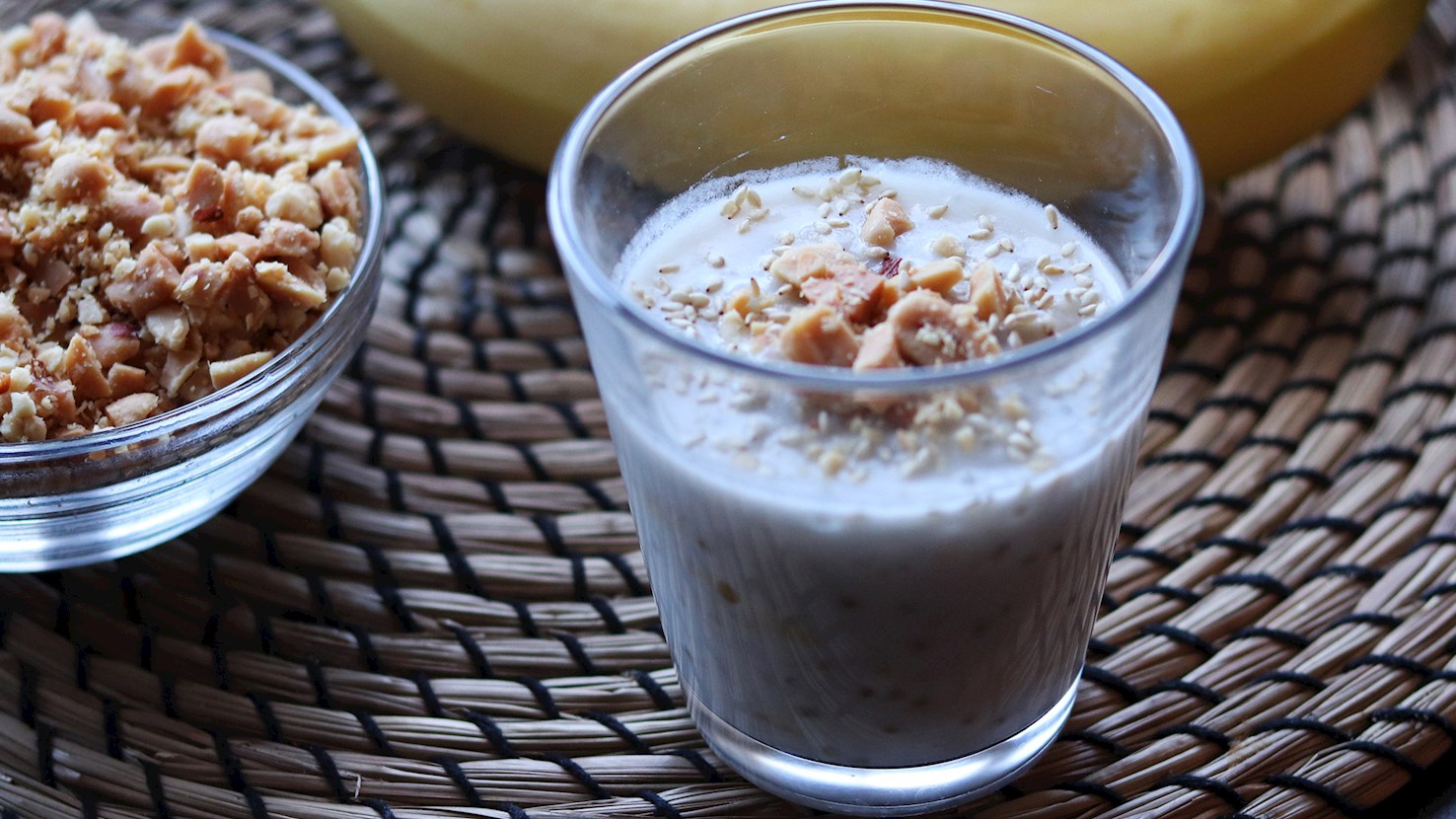
Chè chuối is a simple Vietnamese dessert consisting of tapioca pearls and sliced bananas or plantains, preferably small, ripe, and sweet varieties usually found in Southeast Asia. Tapioca and bananas are combined with coconut cream or coconut milk, and the dish is often sweetened and occasionally flavored with pandan leaves. The coconut cream provides creaminess, while tapioca pearls give the dessert its typical pudding-like consistency. Chè chuối is usually served in bowls, and it's sometimes garnished with crushed peanuts or sesame seeds.

About this ranking

TasteAtlas food rankings are based on the ratings of the TasteAtlas audience, with a series of mechanisms that recognize real users and that ignore bot, nationalist or local patriotic ratings, and give additional value to the ratings of users that the system recognizes as knowledgeable. For the “14 Best Rated Dishes with Tapioca” list until May 22, 2026, 989,153 ratings were recorded, of which 646,961 were recognized by the system as legitimate. TasteAtlas Rankings should not be seen as the final global conclusion about food. Their purpose is to promote excellent local foods, instill pride in traditional dishes, and arouse curiosity about dishes you haven’t tried.

Similar lists