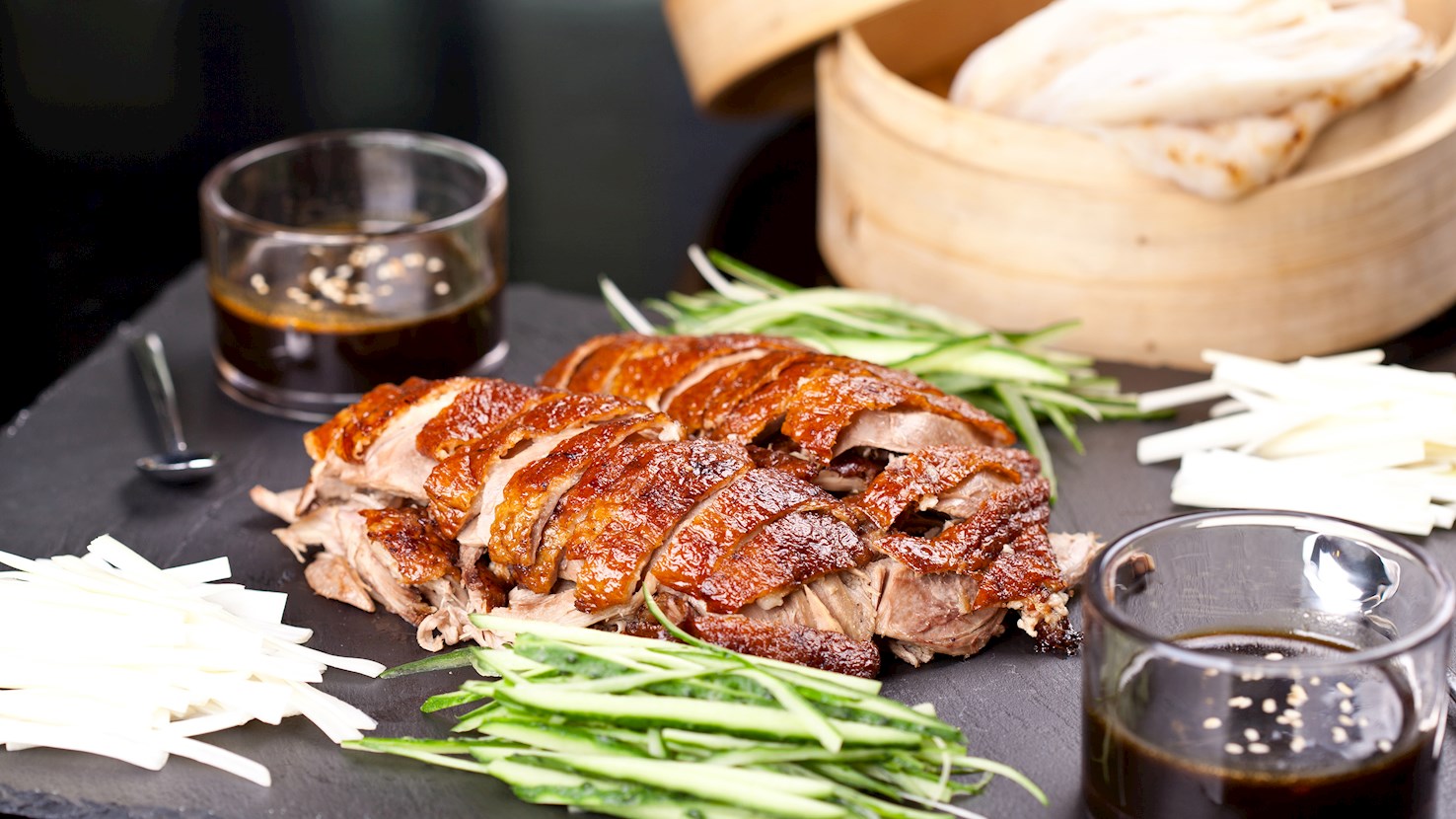
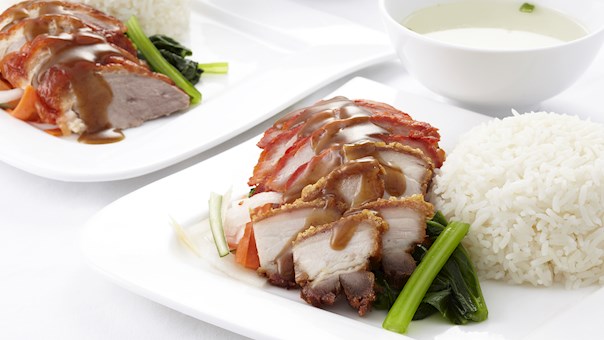
The history of Peking duck goes back to China's Yuan Dynasty of the 13th century. Bianyifang, Beijing's oldest restaurant specializing in Peking duck has been in business since the Jiajing reign of the 16th century, serving as a testament to the popularity of this succulent, tantalizing dish. The duck is cooked until the skin turns golden and crispy and the meat becomes tender, slightly sweet, and moist. Both the meat and the skin are then folded in thin pancakes or steamed white buns. To make an authentic Beijing kao ya, the duck must be a white feathered American Pekin, hung for 24 hours, and pumped with air through a small puncture between the breasts and wings. It is usually brushed with a mixture of ginger, oil, hoisin sauce, honey, and rice vinegar, then vertically hung and slowly roasted to perfection. When the dish is served, the skin will often come first as an appetizer, followed by the meat which is accompanied by cucumbers, scallions, hoisin sauce, buns, and pancakes. With its 400-year history, exquisite flavors, and elaborate preparation, it comes as no surprise that Peking duck is one of the most famous Chinese dishes.
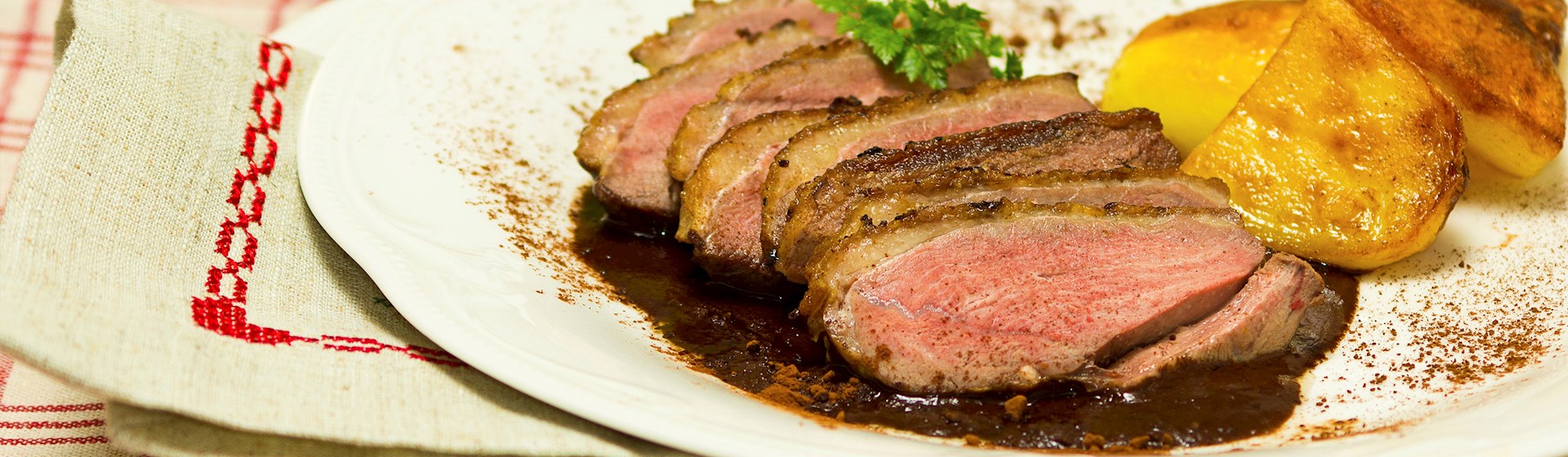
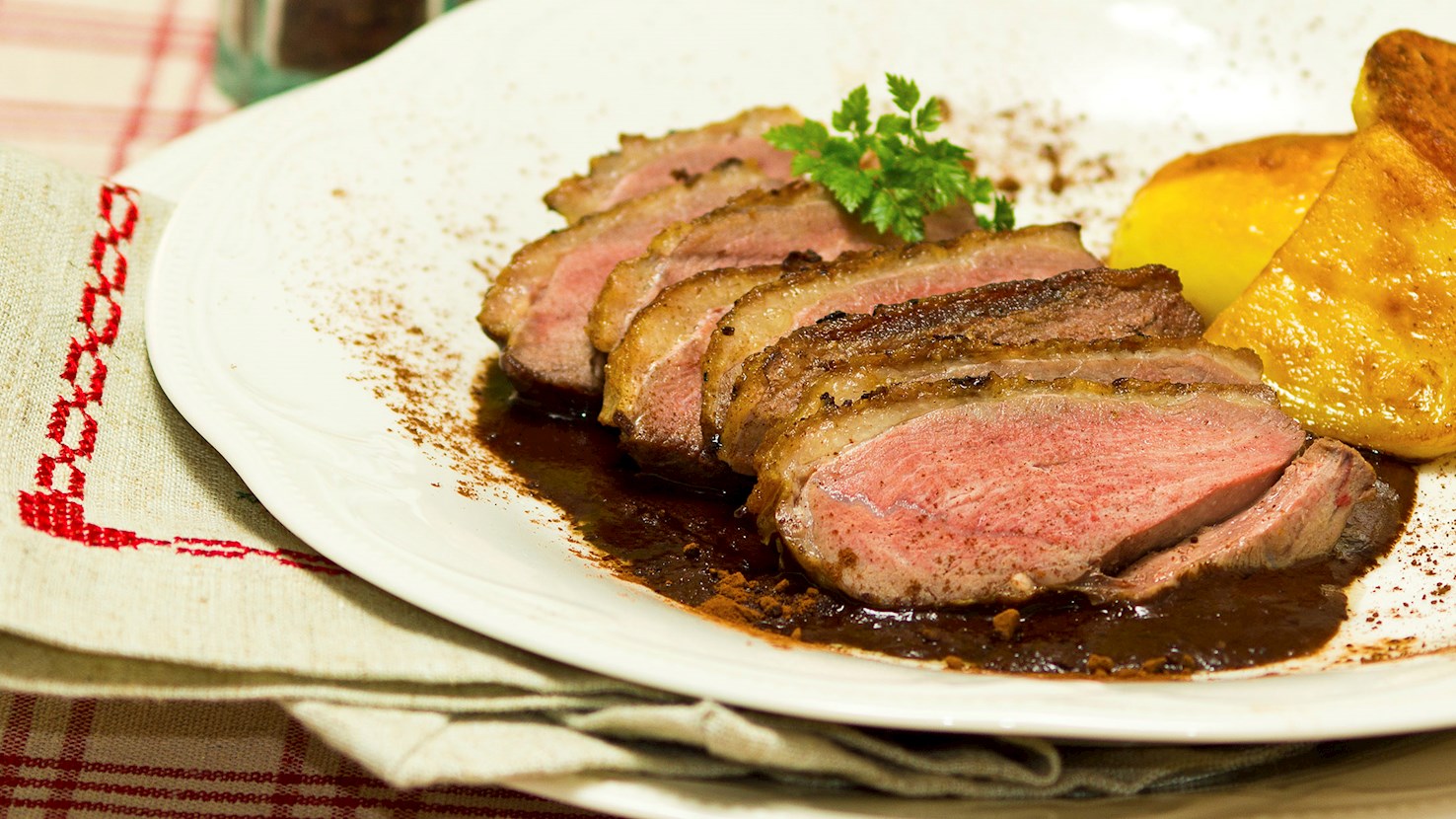
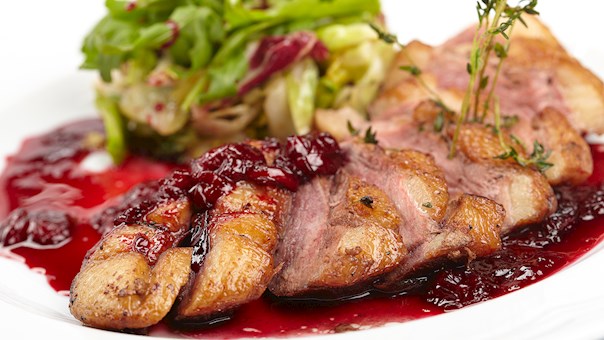
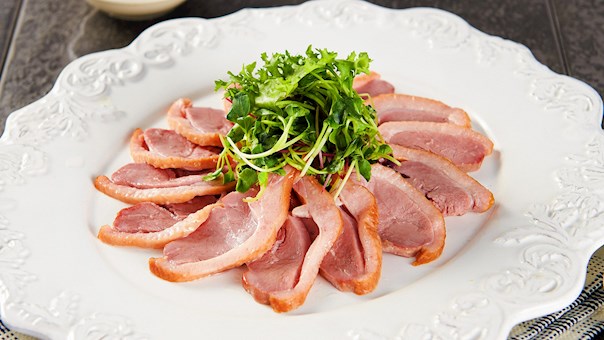
This dish of flash-seared duck breast dates back to the late 1950s, when French chef André Daguin first prepared a magret like a steak and served it medium-rare. The meat is usually served thinly sliced and still slightly pink on the inside. The cut of the breast usually comes from the mulard duck, a cross between the Pekin and the Muscovy duck. This breed is raised for foie gras, so its breast meat is thicker and more flavorful than that of other duck breeds. In the mid-1960s, rare duck breast became extremely popular in the United States thanks to Robert Daley, an American journalist who praised Daguin’s specialty in The New York Times. Today, magret de canard can be found on tables throughout France, both in restaurants and private homes.
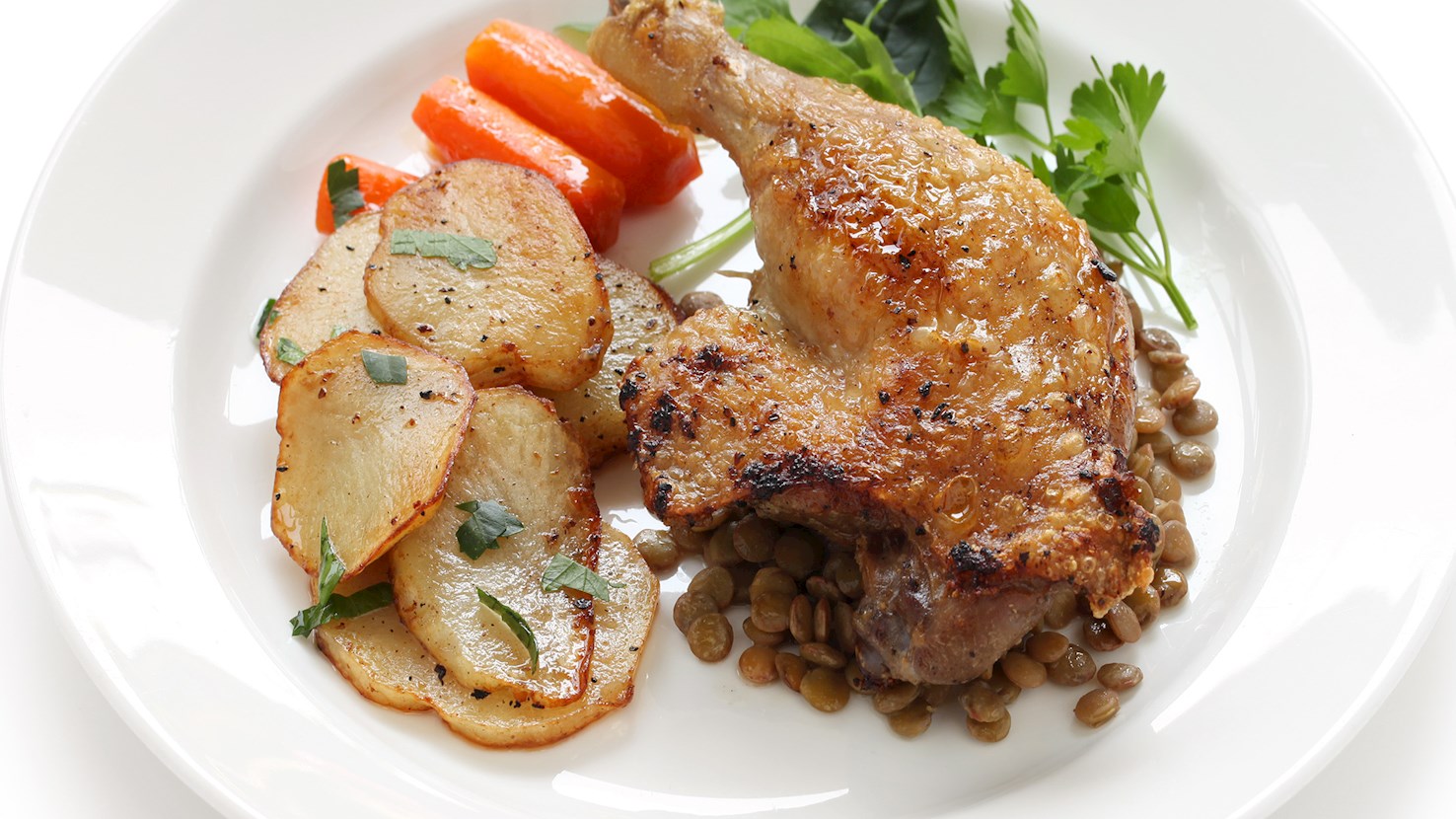
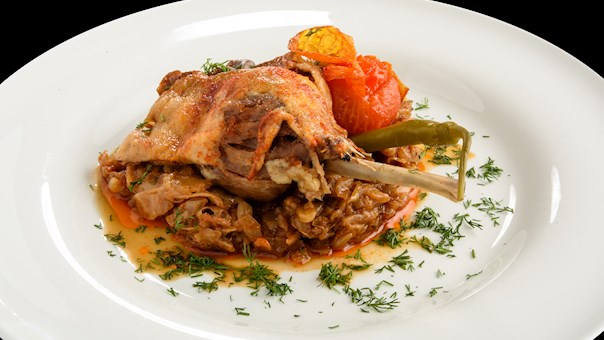
This French classic is made by slow-roasting duck meat in its own fat. What was once used as a method of preserving meat in times before refrigeration is nowadays enjoyed as a rich and flavorful dish of its own. The meat is typically seasoned with salt, pepper, and fresh herbs and spices such as thyme and bay leaves. Traditionally, duck confit is cooked in a copper pot over a fire for up to 24 hours, in order for the fat to render and cover the meat. After cooking, while still hot, the meat and the fat are poured into jars and sealed tightly so that the dish can be stored for later use. The name confit stems from the past participle of the French verb confire, meaning topreserve. Duck confit is so rich and savory that it is usually served on its own, without sauce. However, a side of puy lentils makes an excellent accompaniment to this dish.
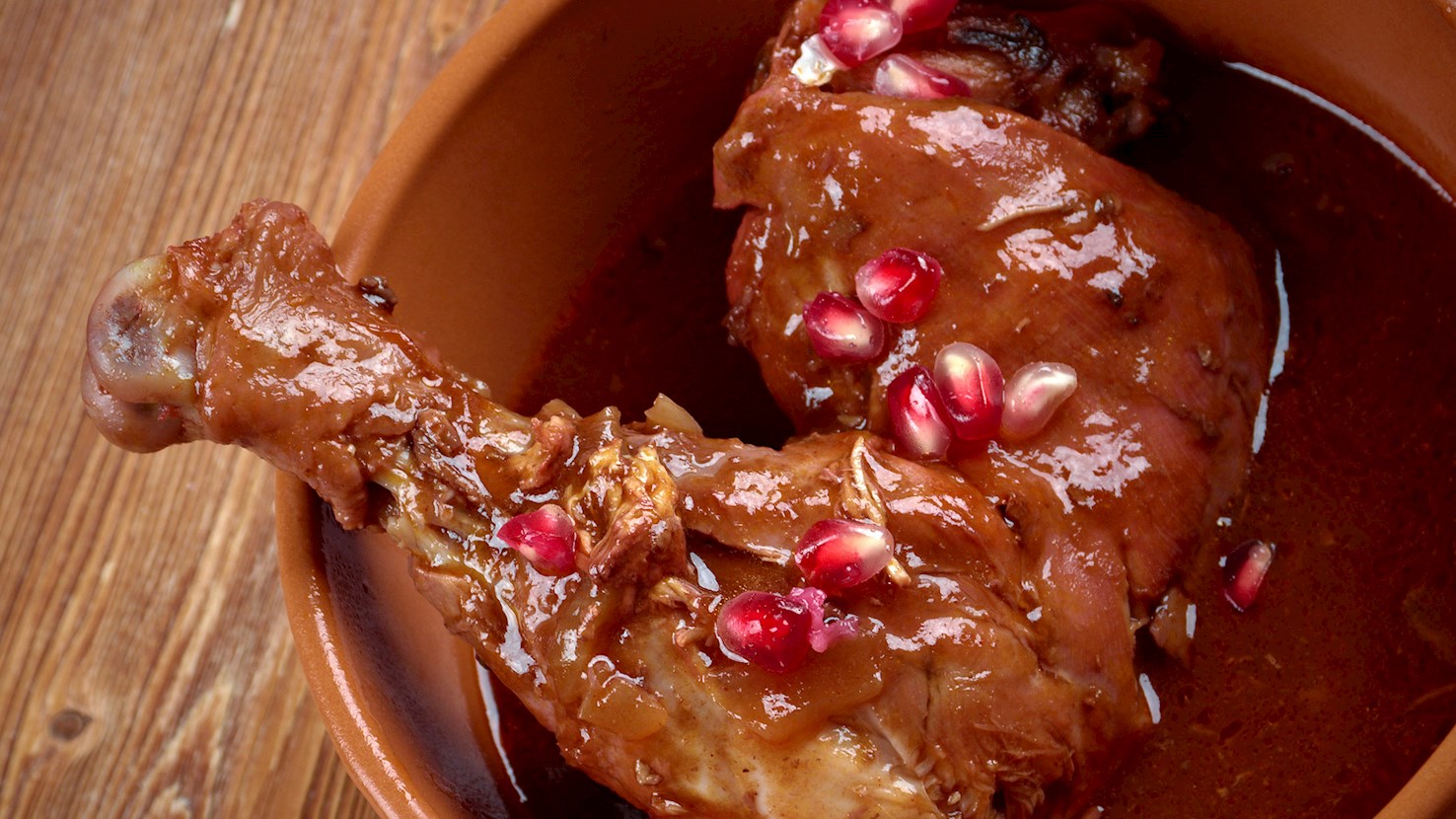
Fesenjān is a rich Persian stew that comes from the northern provinces of Iran, especially Gilan and Mazandaran along the Caspian Sea. Known for its distinctive combination of ground walnuts and pomegranate molasses, this dish is typically prepared with poultry such as duck or chicken, though lamb or beef can also be used. It is valued as one of the most refined examples of Iranian khoresh, offering a deep, tangy-sweet flavor profile that sets it apart from other Iranian stews. The documented history of fesenjān stretches back centuries, with references found in Persian culinary manuscripts describing the method of slow-cooking meat in nut pastes and fruit extracts. Its use of pomegranate, a fruit with ancient ties to Iranian agriculture and symbolism, points to the dish’s connection with pre-Islamic gastronomy and festive occasions. Over time, fesenjān became associated with family gatherings, celebrations, and autumn harvests when pomegranates are plentiful. To prepare fesenjān, cooks begin by finely grinding walnuts until they release their oils, forming a paste that will help thicken the sauce. The meat is seared lightly in oil and simmered slowly in the walnut base, which is diluted with water or stock. As the cooking progresses, pomegranate molasses is added gradually to achieve the characteristic balance of acidity and sweetness. The mixture must cook gently for several hours so the flavors develop fully and the walnuts release their richness, resulting in a thick, dark sauce that clings to each piece of meat. The final seasoning may include a touch of sugar if the pomegranate is especially tart, and occasionally saffron or cinnamon is stirred in to deepen the aroma. This stew is always served hot, ladled over a mound of steaming Persian rice (chelo), with the contrasting textures of fluffy grains and the glossy, walnut-laden sauce. Fesenjān is often presented on special occasions, such as weddings or religious celebrations. Beyond Iran’s borders, fesenjān has drawn the interest of chefs who admire its layered taste and the technique of cooking with nuts as a primary thickener. Its inclusion in cookbooks and restaurant menus highlights the diversity of Iranian regional cooking, which is far broader than many realize. In homes, it remains a dish associated with care and patience, cooked slowly to achieve the exact consistency and flavor that generations have come to expect.
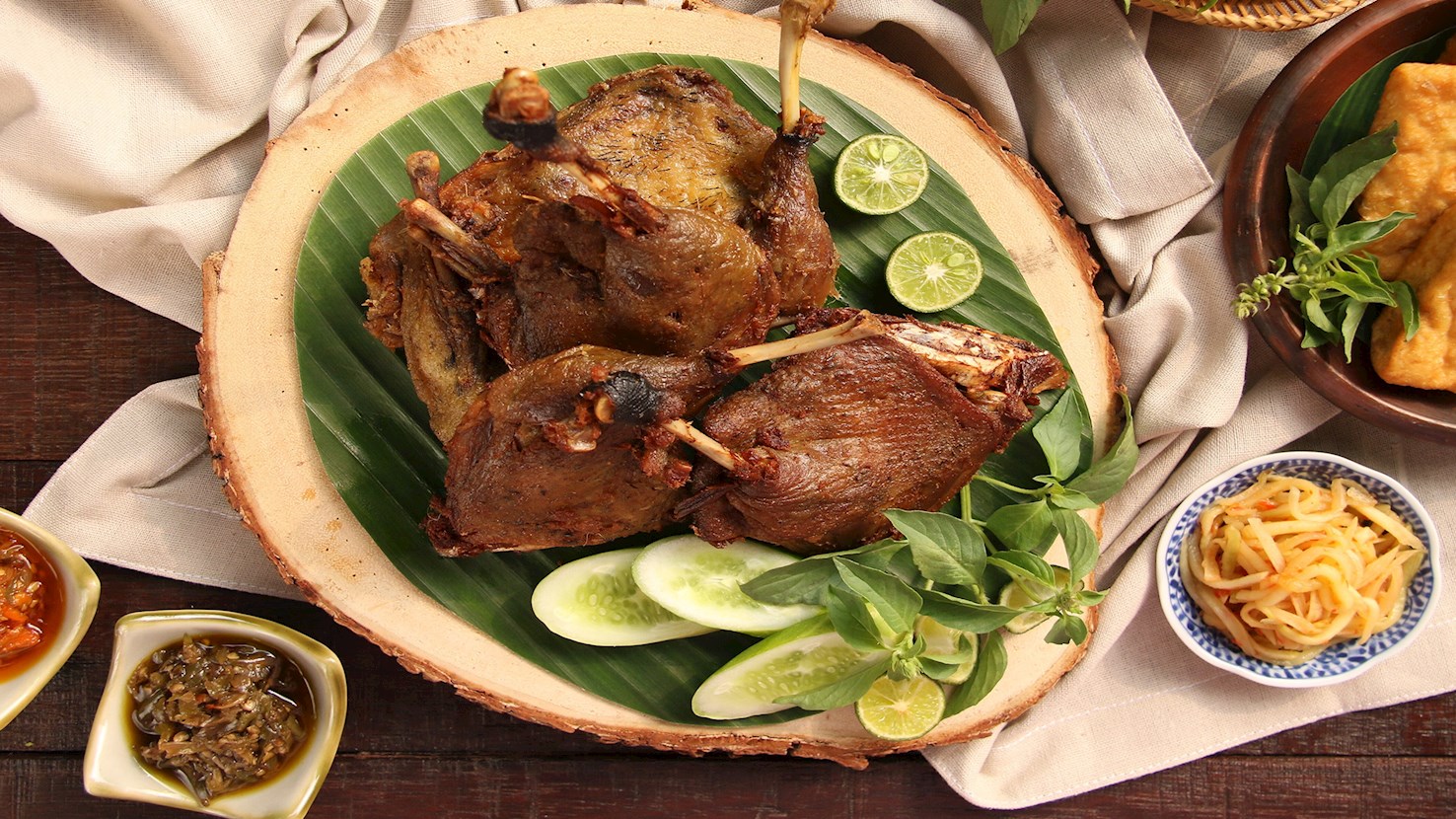
Bebek goreng is deep-fried duck with deeply seasoned dark meat, crisp skin, and a rich layer of rendered fat. It is almost always served with a hot sambal. Its roots are closely tied to the agricultural cultures of Java and Madura, where ducks have long been raised around flooded rice fields. Older egg-laying ducks were also used for meat. Because mature duck can be firm and dense, the meat is usually simmered for a long time with spices before frying, which tenderizes it and allows the seasoning to penetrate deeply. Bebek goreng became especially prominent as street food in East Java, particularly around Surabaya, where Madurese-style duck stalls became widely established. This commercial culture was already visible by the late 1980s: Bebek Purnama, one of Surabaya’s best-known Madurese duck stalls, dates to around 1989 and helped popularize the combination of fried duck, dark seasoning, sambal, rice, and fresh vegetables. The duck is plucked, cleaned, and usually cut into four, six, or eight large pieces. A fresh spice paste, or bumbu, is made from ingredients such as shallots, garlic, galangal, ginger, turmeric, coriander seeds, and lemongrass. The paste is rubbed thoroughly over the duck so the meat is well coated. The seasoned duck is then placed in a large pot with water and aromatic leaves such as daun salam. The meat is simmered slowly for roughly two to three hours, or until it becomes tender and much of the cooking liquid has reduced. The remaining liquid is highly concentrated with duck fat and spices and can be used again as a seasoning or as the basis for other toppings. Once tender, the duck pieces are fried in very hot oil. The final frying stage is relatively short because the meat is already fully cooked. The surface quickly becomes dark golden brown and crisp, while some of the fat beneath the skin renders into the oil. The turmeric, spices, and concentrated juices left on the surface darken during frying and give the duck its characteristic roasted appearance. The goal is a crisp exterior without drying out the already tender meat inside. Regional variations differ mainly in the spice mixture, the treatment of the remaining braising liquid, and the final frying stage. Bebek Madura is especially known for its thick bumbu hitam, or black seasoning. The remaining spice mixture and cooking liquid are fried repeatedly with oil until they become very dark, concentrated, and slightly gritty. Shallots, garlic, candlenuts, coriander, ginger, galangal, citrus leaves, and other spices can be included, while some versions also use kluwek for additional darkness and an earthy flavor. The finished paste is spooned generously over or beside the fried duck. Serundeng, made from seasoned toasted coconut, is another common addition to Madurese-style servings. It adds a dry, crumbly texture alongside the moist meat and dark spice paste. Bebek goreng kremes adds a separate crisp topping. A thin batter made from tapioca flour, rice flour, and some of the seasoned duck broth is poured or scattered directly into hot oil. It breaks into very fine, brittle golden flakes called kremes, which are drained and scattered over the fried duck. Another variation skips the wet simmering stage and steams the seasoned duck inside folded banana leaves before frying. This produces a somewhat lighter-colored exterior and keeps more moisture inside the meat before it reaches the oil. The duck is commonly served immediately after frying on a plate or woven bamboo tray lined with banana leaf. A generous serving of hot steamed white rice sits alongside it. Fresh vegetables, collectively served as lalapan, provide a cool contrast to the fried meat. Cucumber, raw cabbage, and kemangi, or lemon basil, are especially common, and lettuce, tomato, or long beans can also appear. Surabaya-style nasi bebek is commonly served with cabbage, cucumber, and kemangi. Sambal is essential to the usual serving. One version combines red bird’s-eye chilies with garlic, fermented shrimp paste, and lime juice, creating a sharp, salty, intensely hot condiment. Other stalls serve fried red sambal, green chili sambal, sambal bawang, or sambal pencit made with young mango. At Bebek Purnama, for example, the red sambal is fried until oily and carries a mild aroma of shrimp paste. The duck is often eaten by hand. Pieces of crisp skin and tender meat are pulled from the bones, dipped into sambal, and eaten with rice and raw vegetables. The combination depends on contrast: rich duck meat and rendered fat, crisp skin, aromatic spices, hot sambal, plain rice, and cool lalapan. In Madurese versions, the addition of dark bumbu and serundeng makes the plate even more concentrated and heavily seasoned.
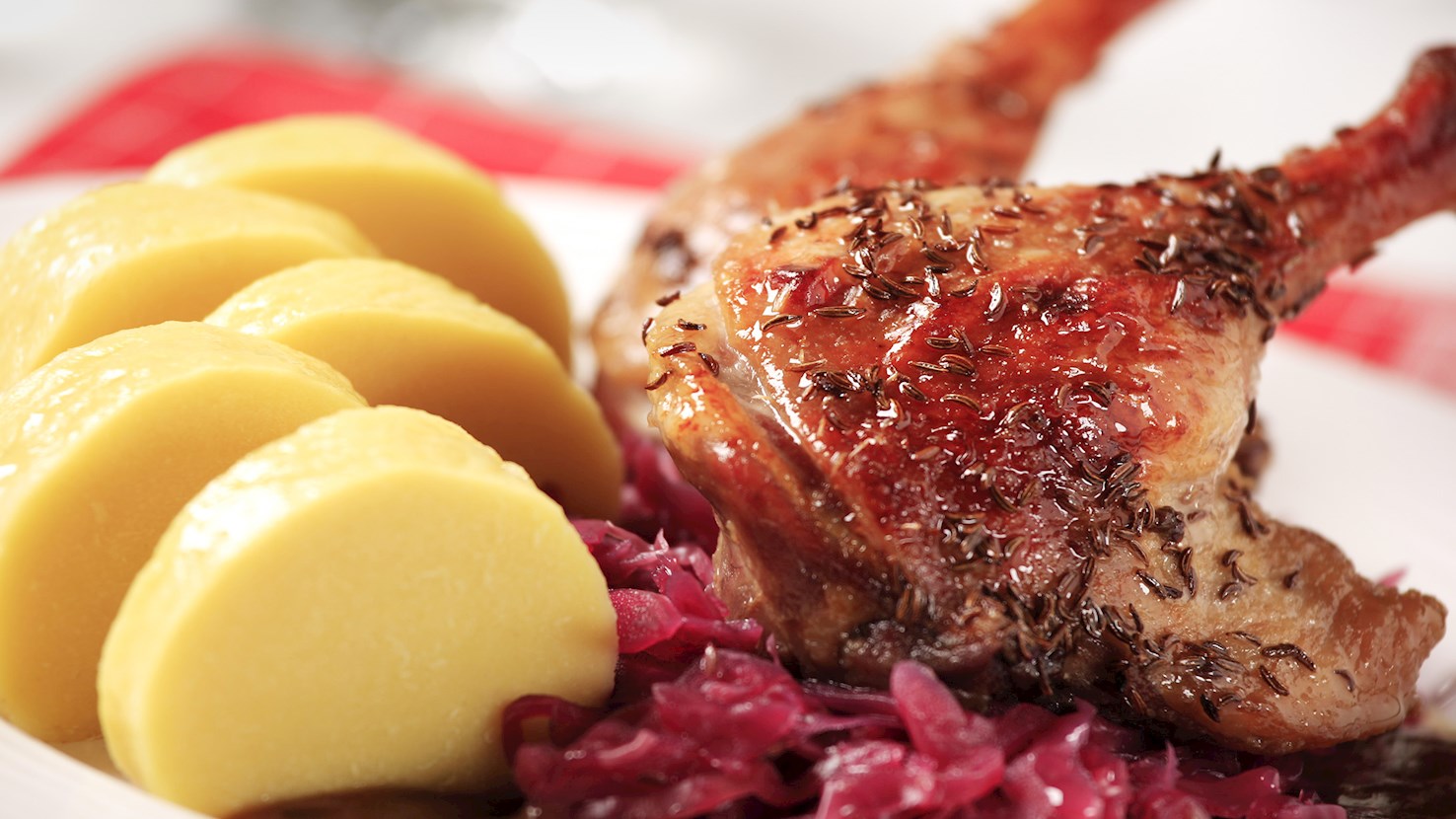
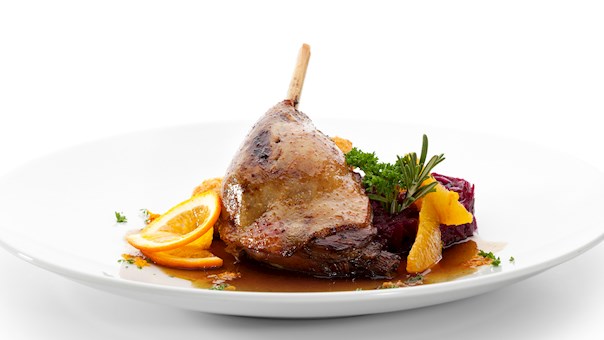
In the Czech Republic, roasted duck is known as pečená kachna. The duck is usually seasoned with caraway seeds and marjoram, then slowly roasted in the oven until golden brown and crispy. It is traditionally served alongside potatoes, bread dumplings, braised red cabbage, and occasionally a thick sauce made with reserved duck fat and flour. This nutritious Czech classic is often found on the menus of traditional restaurants, and the homemade versions are usually prepared as a weekend meal or as a main dish served on special occasions.
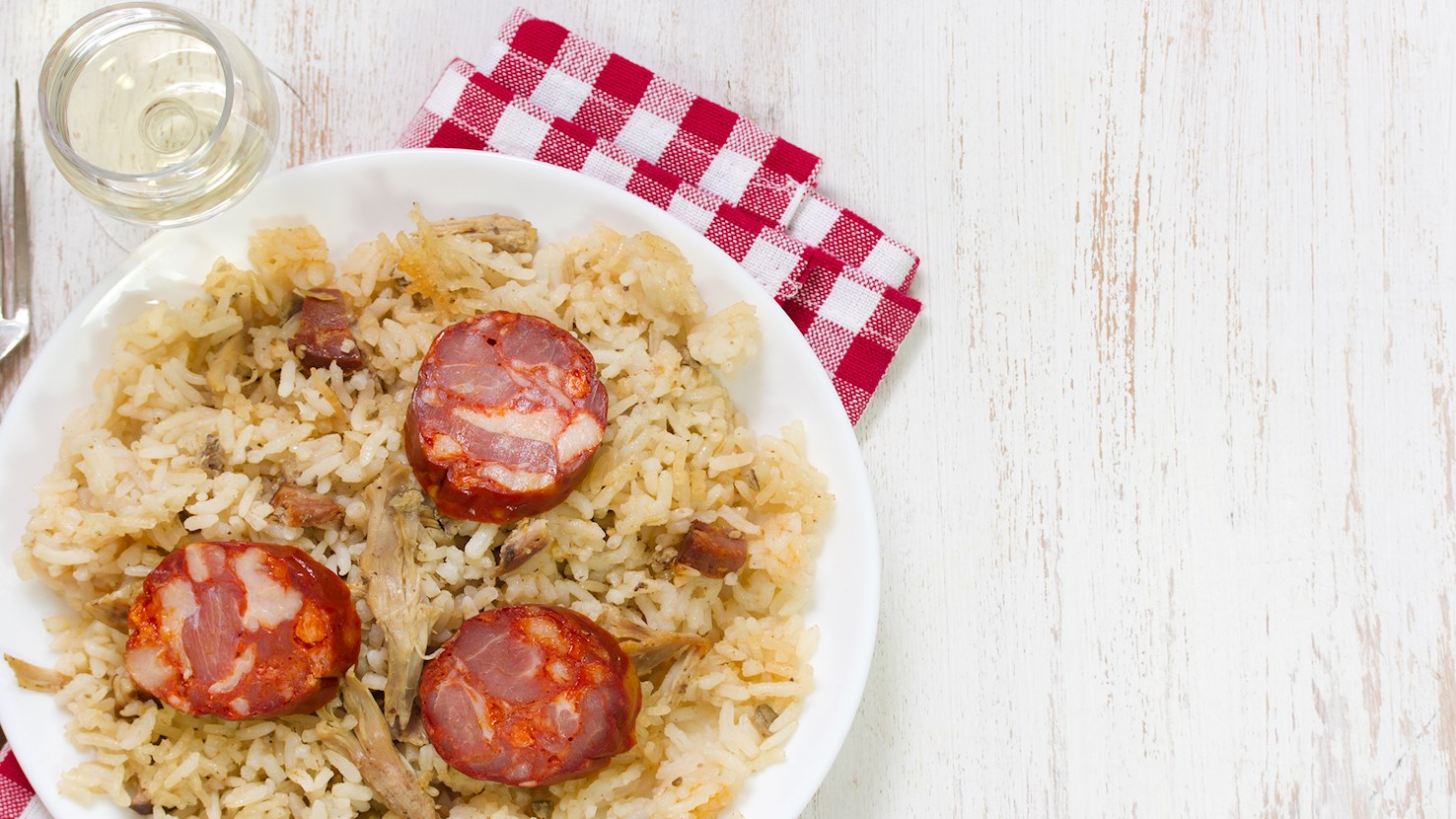
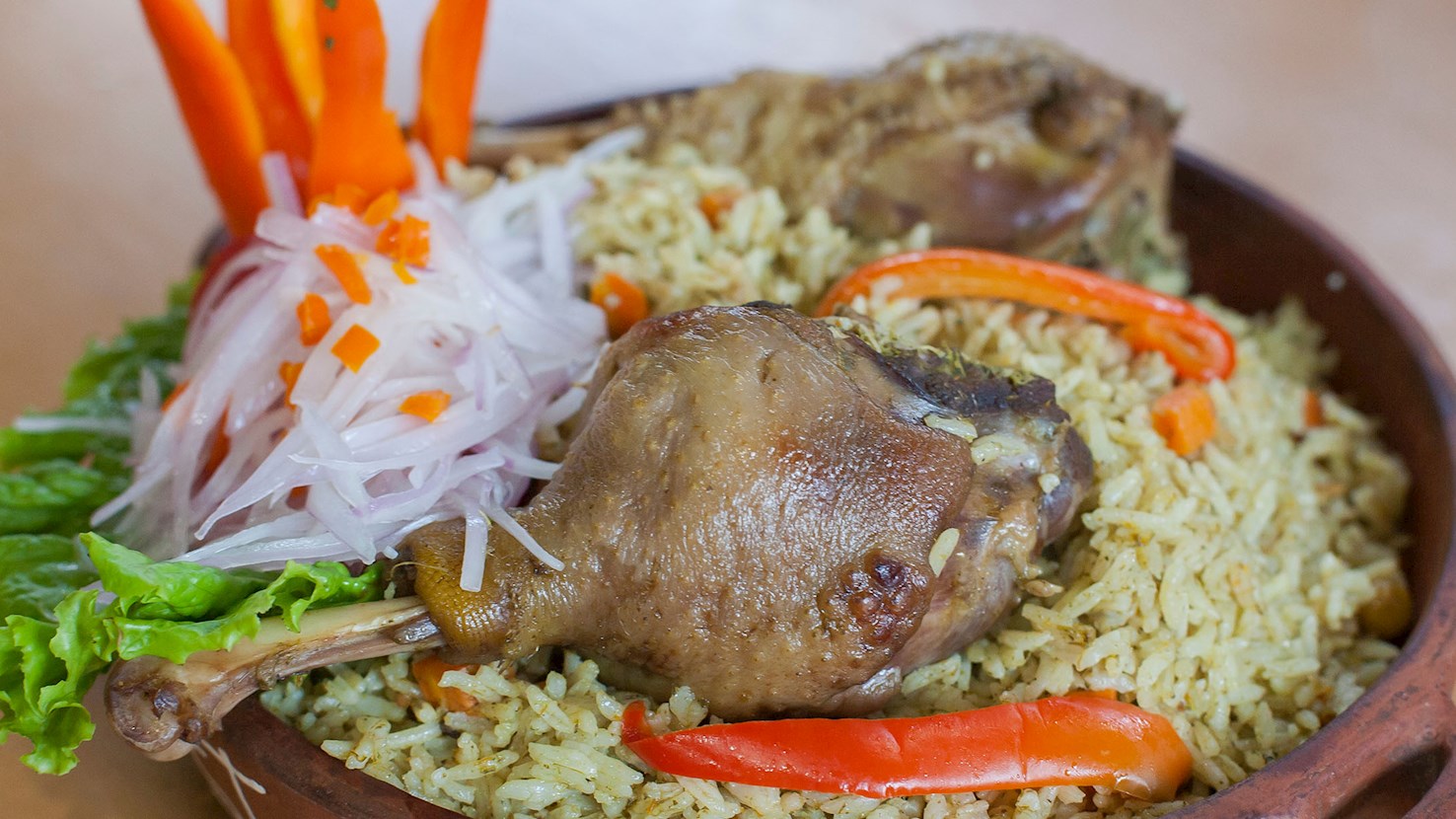
Arroz de pato is a traditional dish consisting of a combination of flavorful duck meat and rice. Primarily, the whole duck is cooked in a seasoned stock alongside smoked meat and sausages. Shredded meat is then placed in a clay pot and topped with rice which was cooked in the same broth. Before baking, the dish is usually topped with sliced sausages or pieces of smoked meat. Arroz de pato is a popular lunch option in many traditional restaurants, and a common main course that is reserved for special occasions.
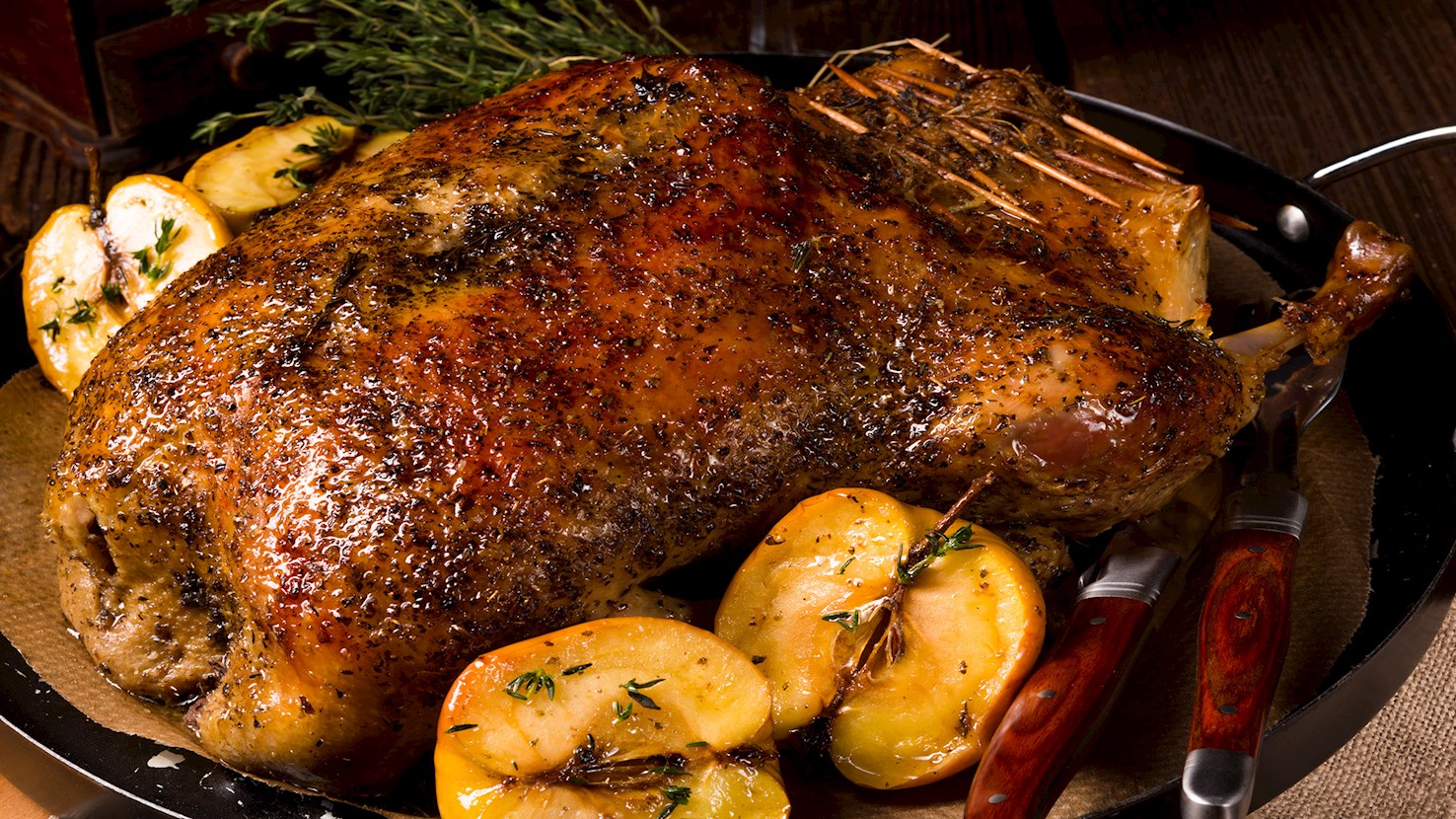
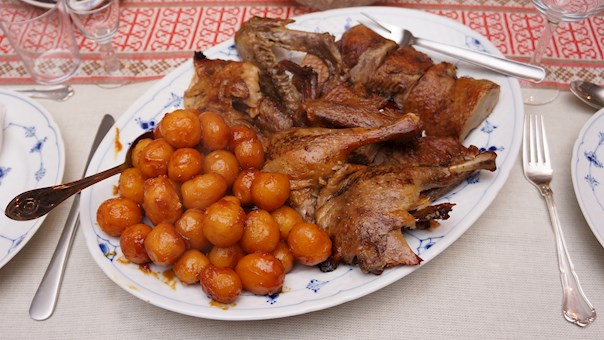
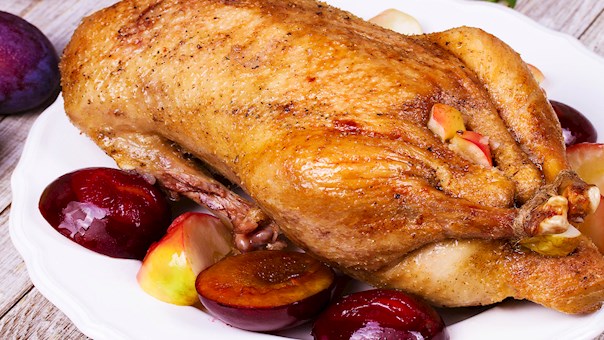
Roasted duck with apples is a traditional dish that is mainly served as a restaurant specialty or a festive, home-cooked meal. The duck is generously seasoned before it is stuffed with grated, sliced, or whole apples, and is then baked until crispy. The stuffing is either left out or served together with the duck, while additional accompaniments include boiled or mashed potatoes, stewed cabbage, beets, or separately prepared apples that are generously doused in meat drippings.
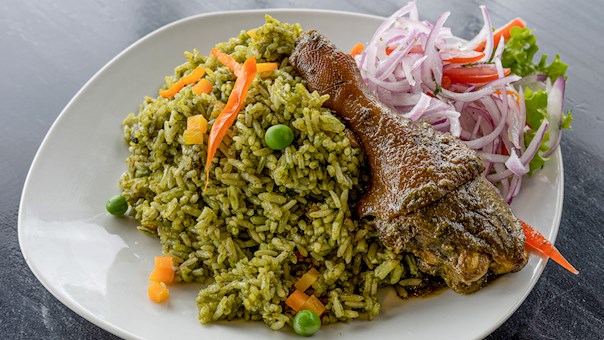
Arroz con pato a la chiclayana (also known as arroz con pato de lambayeque) is a traditional dish originating from the city of Chiclayo. It's usually made with a combination of duck meat, oil, garlic, onions, rice, peas, pumpkin (squash), red peppers, scallions, aji limo peppers, lime juice, and salt. The garlic, onions, and squash are cooked in oil, then combined with the browned duck meat and water. Once the duck becomes tender it's taken out and the rice, peas, pepper, and coriander are simmered in the cooking liquid. Once cooked, the rice mixture is seasoned with lime juice and served alongside duck meat.
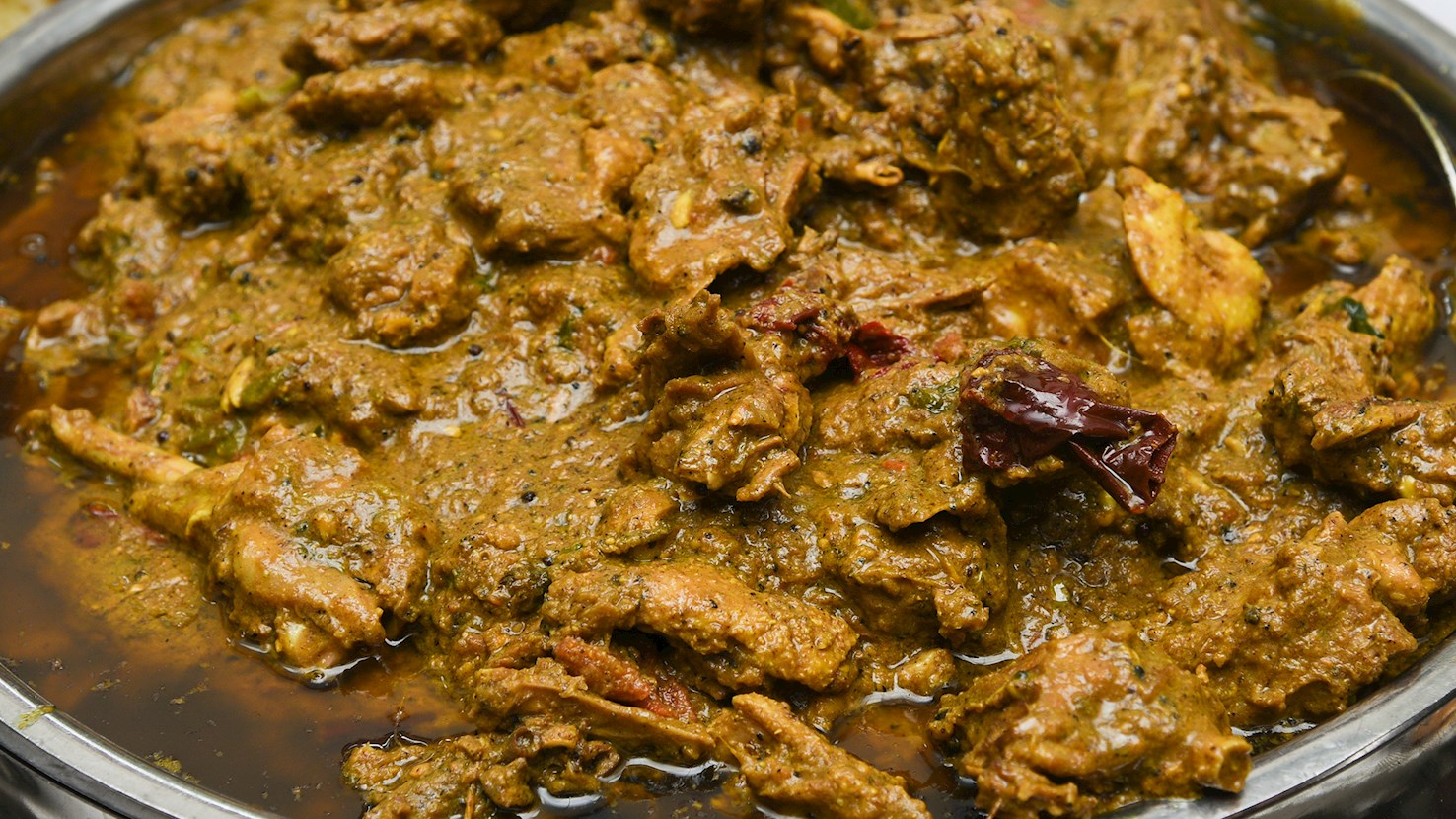
Curry duck is a popular Caribbean dish, especially in Trinidad and Tobago. Duck used in this type of curry is the Muscovy, which is typically raised by many village folks on the island. The meat is traditionally marinated in a combination of salt, pepper, cumin, curry powder, hot peppers, cilantro, scallions, onions, and garlic. Once prepared, curry duck is usually served with either rice or roti on the side. There are also numerous local curry duck competitions in the island, testifying to the popularity of this flavorful dish which is heavily influenced by Indian cuisine.
TasteAtlas food rankings are based on the ratings of the TasteAtlas audience, with a series of mechanisms that recognize real users and that ignore bot,
nationalist or local patriotic ratings, and give additional value to the ratings of users that the system recognizes as knowledgeable.
For the “Top 51 Duck Dishes in the World” list until October 15, 2026, 2,654 ratings were recorded, of which 1,935 were recognized by the system as legitimate.
TasteAtlas Rankings should not be seen as the final global conclusion about food. Their purpose is to promote excellent local foods,
instill pride in traditional dishes, and arouse curiosity about dishes you haven’t tried.

















What People Say