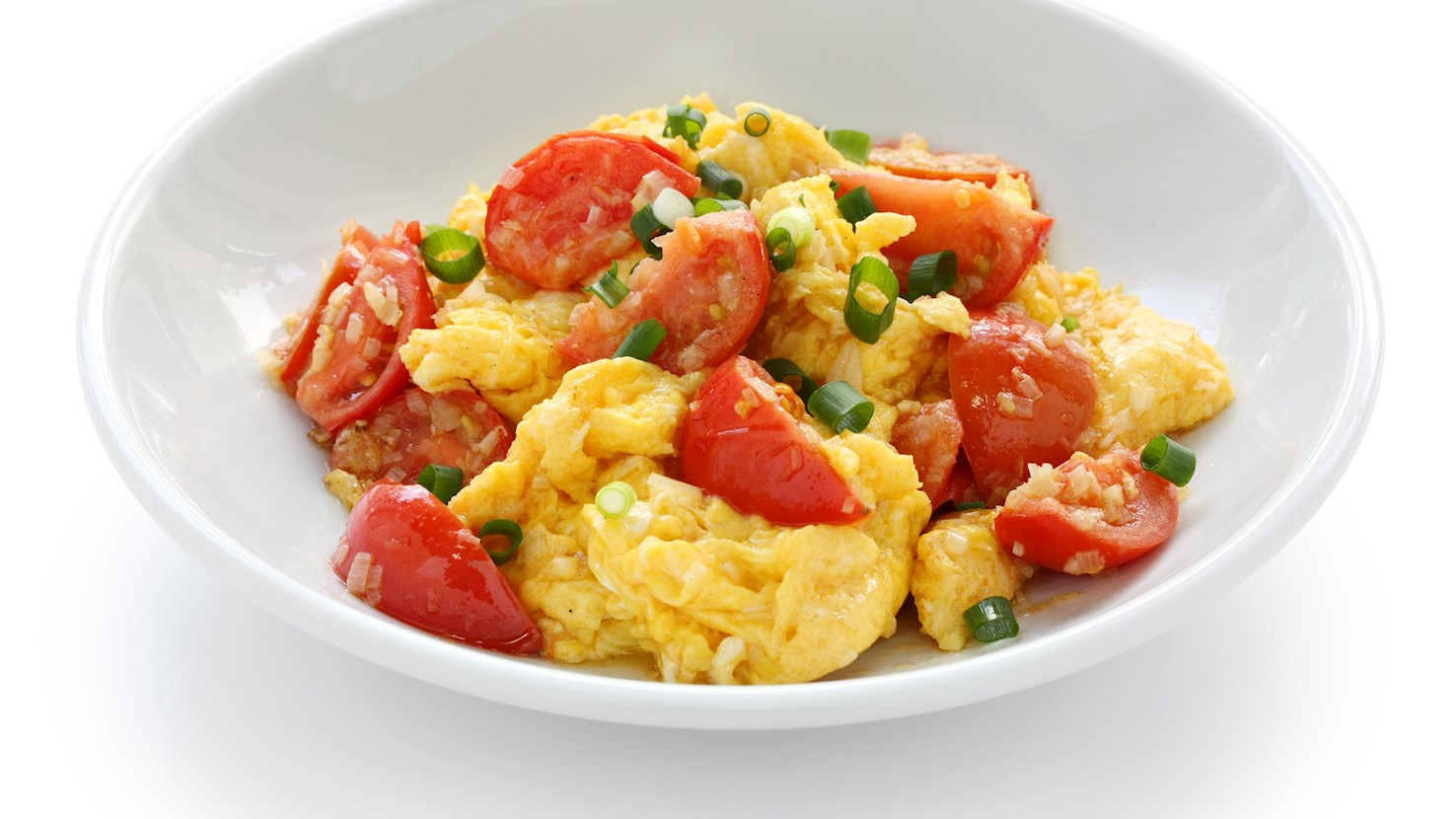
Fan qie chao dan is a traditional dish based on eggs on tomatoes. Other ingredients usually include oil, salt, sugar, and potato flour or cornstarch. The eggs are scrambled into large curds and then stir-fried with sliced tomatoes in oil. Sugar and salt are added to taste and everything is then mixed with the potato flour (or cornstarch) and a bit of water, if desired. This dish is served hot and it's enjoyed at home and in restaurants. Fan qie chao dan is especially popular in school canteens. There are many variations on the dish, including ingredients such as Shaoxing wine, garlic, ginger, or white pepper.
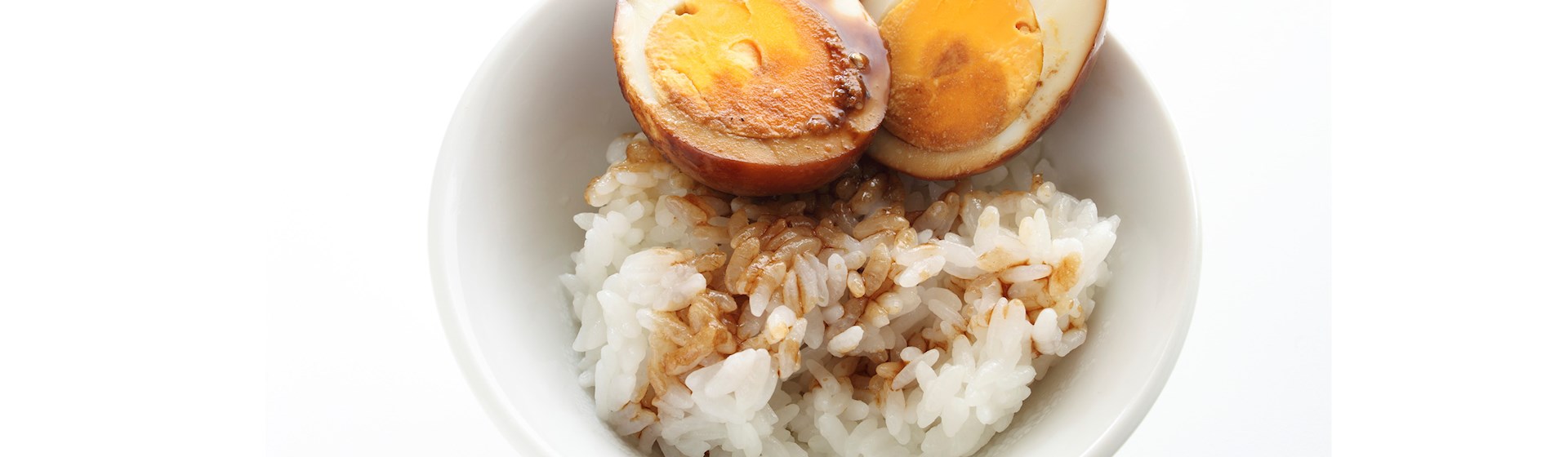
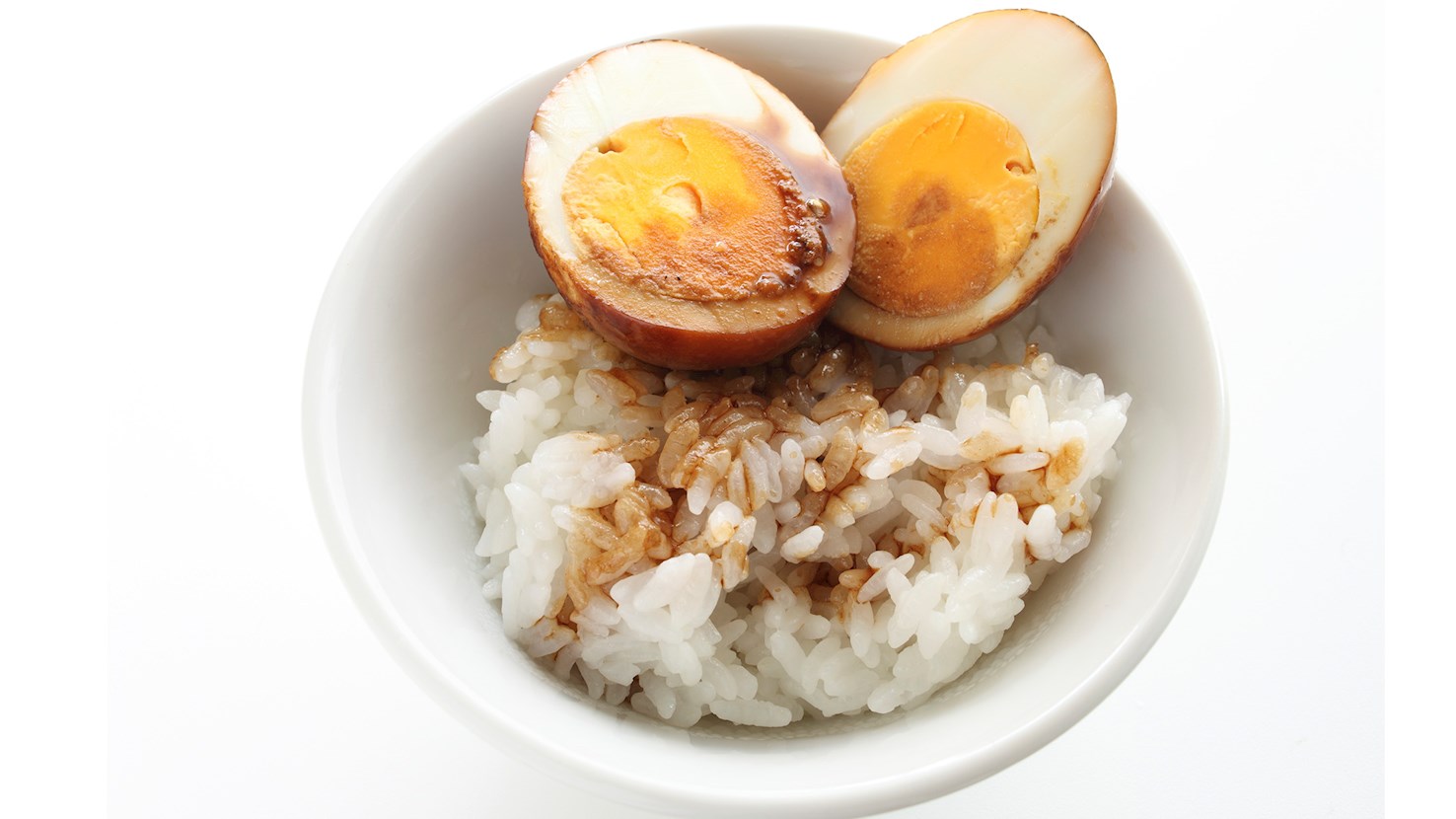
Delicately flavored soy eggs are a simple and versatile Chinese invention. Boiled and peeled eggs are submerged in the soy sauce mixture and left for a couple of hours until the salty flavors penetrate, infuse, and color the outer layer of the egg. The simplest marinade includes a combination of soy sauce, spices and other ingredients that might include typical and authentic ingredients such as scallions, sliced ginger, chili peppers, or garlic. The marinade can be boiled or simply mixed, and eggs should not be left in it for too long, as the flavors would become overpowering. When cooking soy eggs, the key is not to overcook them. The yolk should be left soft, almost like a silky custard, and slightly runny in the center. Soy sauce eggs are best known as a topping served alongside hearty ramen dishes, but they also represent a quick and satisfying snack and are commonly eaten as an accompaniment to different alcoholic beverages. Since their taste is not overpowering, they make an excellent breakfast choice and a nutritious addition to various salads and rice dishes.
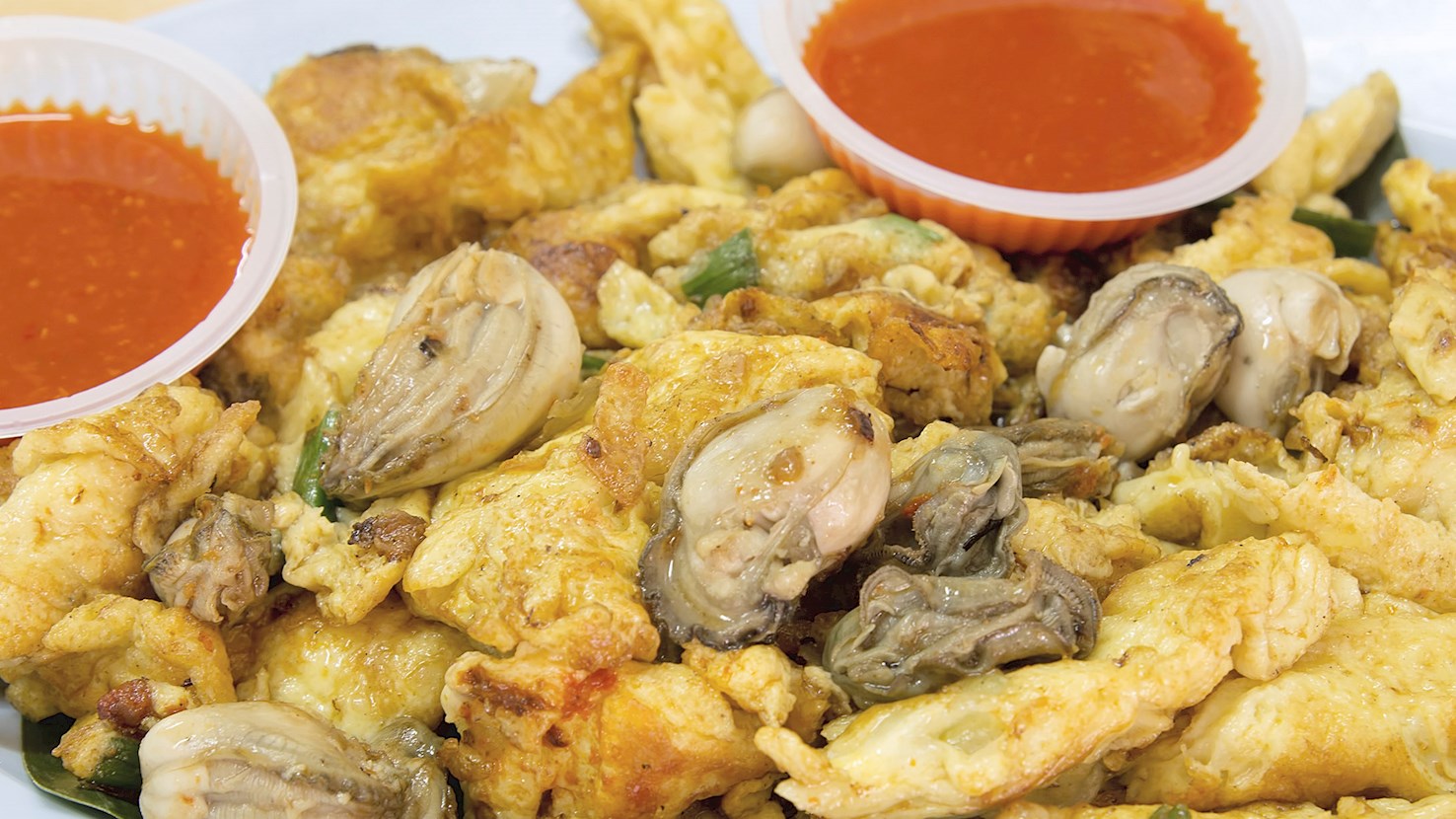
Oyster omelette is a savory egg-based dish originating in the coastal regions of southern China, particularly in Fujian and Guangdong, and it later spread across Southeast Asia, where it became a beloved staple of street food culture in places like Taiwan, Thailand, Malaysia, Singapore, and the Philippines. It combines small, fresh oysters with eggs and a starch batter, resulting in a dish that is crisp on the outside and soft within, often finished with herbs, sauces, or spicy condiments. Its roots lie in the coastal abundance of oysters and the ingenuity of cooks who sought to make use of seasonal shellfish in a satisfying and economical way. In port cities and fishing towns, oysters were plentiful but perishable, and incorporating them into quick, hot dishes allowed them to be eaten fresh while also providing nourishment and flavor to working families and laborers. The dish evolved over time, with each region adapting it to local tastes. In Fujian and Chaoshan areas, the emphasis is often on the delicate interplay of soft oysters and lightly set eggs, while in Taiwan the starch component became more prominent, forming a chewy, slightly gooey texture that contrasts with the crisp edges from the hot griddle. Thai and Malaysian versions tend to be spicier and sometimes include additional aromatics or bean sprouts for freshness and crunch. Preparation begins with a batter made of sweet potato, tapioca, or potato starch mixed with water, poured onto a hot, greased griddle or wok, and spread into a thin layer. Oysters are added on top, followed by beaten eggs, which cook quickly and bind the ingredients together. The omelette is flipped and browned until parts become crisp while the interior remains tender and moist. It is usually served hot, garnished with cilantro or scallions, and accompanied by a sweet, sour, or spicy dipping sauce, depending on the region. Today, oyster omelette is eaten both as a street snack and a restaurant dish, often associated with night markets, coastal seafood stalls, and festive occasions. It pairs well with light soups or rice porridge and is sometimes enjoyed alongside beer or tea, especially in settings where it is served as part of a shared meal.
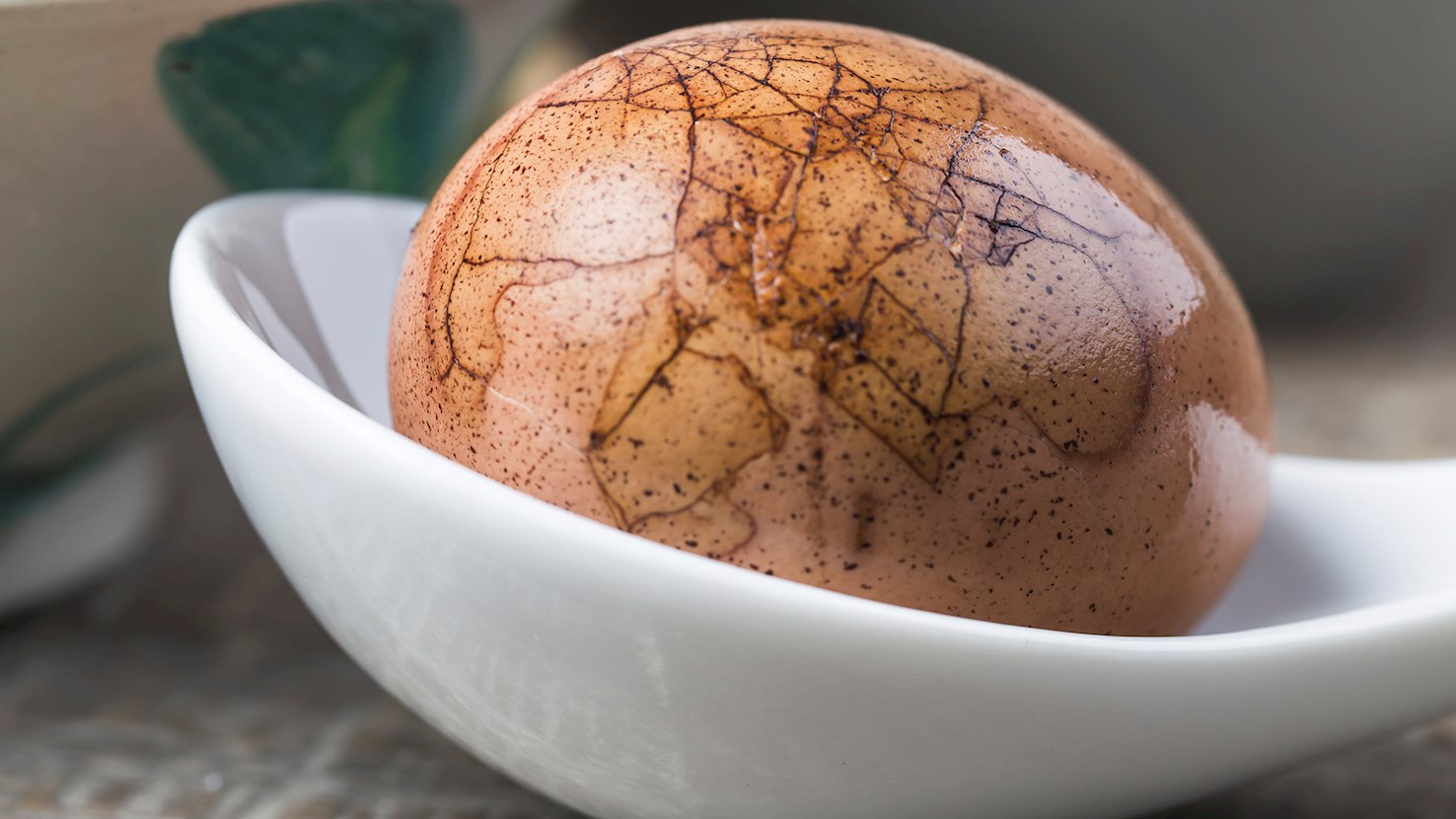
Despite its unusual name, tea is not the dominant flavor in tea egg, a popular, traditional snack item that originated in Zhejiang, but is found throughout China. The snack consists of an egg that is hard-boiled in (usually black) tea, soy sauce, and numerous spices such as anise, cinnamon, cloves, fennel, and peppercorns, which add a savory, slightly salty note to a normal egg. Tea egg is usually sold by street vendors, but it can also be found in numerous Chinese markets and Asian restaurants. It is commonly consumed on its own or served with accompaniments such as noodles or rice. Traditionally, tea eggs are eaten during Chinese New Year, symbolizing wealth, prosperity, and fertility.
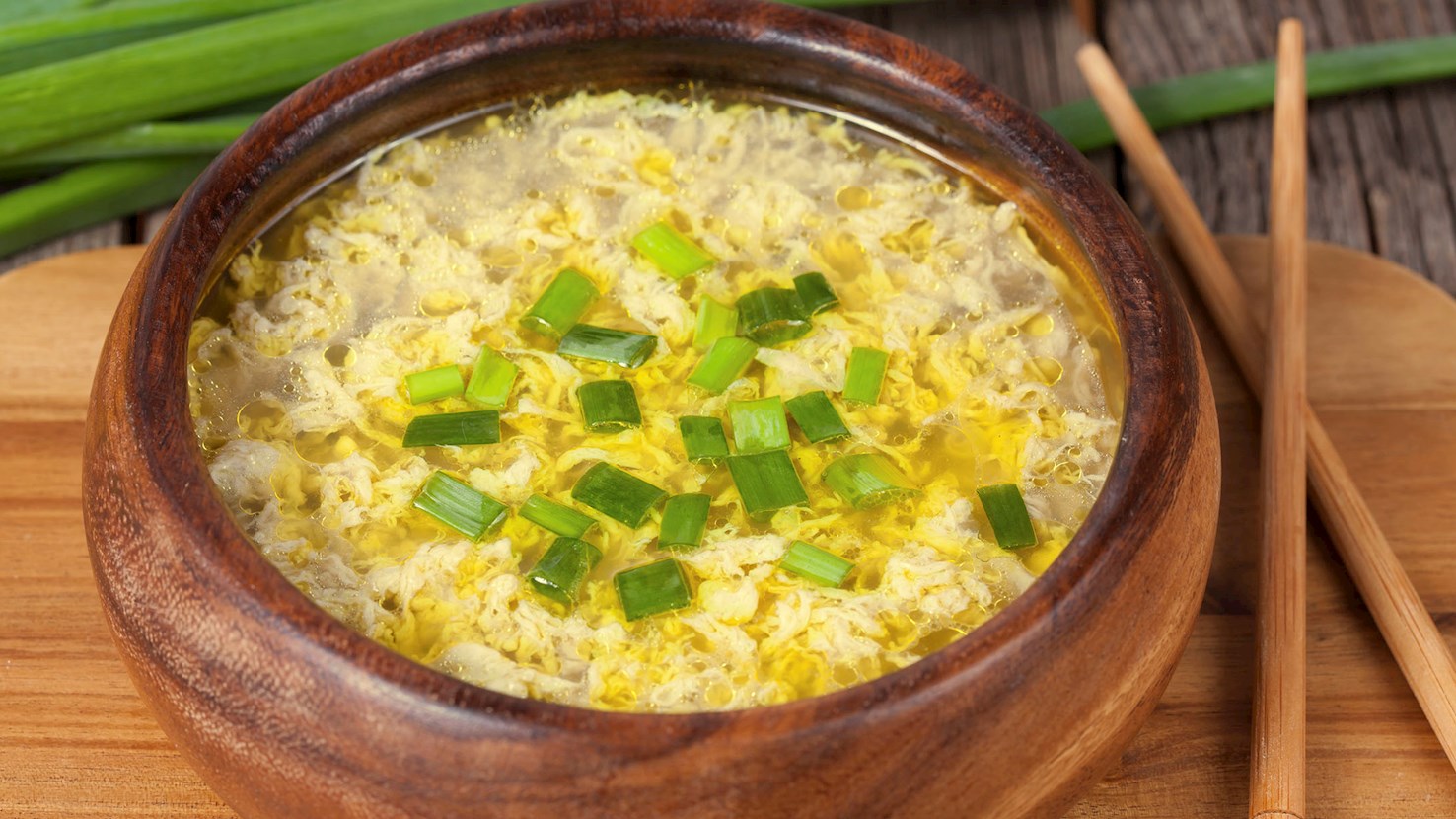
One of the staple soups in Chinese cuisine is the famous egg drop soup. As the name suggests, it is made by dropping whisked eggs in hot broth, which should form the delicate, flower-like clusters. Although simple in preparation, this soup can be dressed up by numerous ingredients which make it an extremely versatile dish. The most common broth used in egg drop soup is the chicken broth, although vegetable broth or any other flavorful variety can be used. Additional ingredients include scallions and sesame oil, but tofu or vegetables such as peas and tomatoes can also be incorporated into it. Egg drop soup is one of the most popular Chinese soups outside the country. It is a common staple of many Chinese restaurants in the world; however, the western variety is usually much thicker than the traditional Chinese counterpart. In southern parts of China and American-Chinese cuisines, the soup is usually eaten as an appetizer. However, in the northern parts of China, the soup is sometimes consumed with or after the main meal, as they believe it helps with digestion of the main dish. In American-Chinese cuisine, it is often served with Chinese egg rolls.
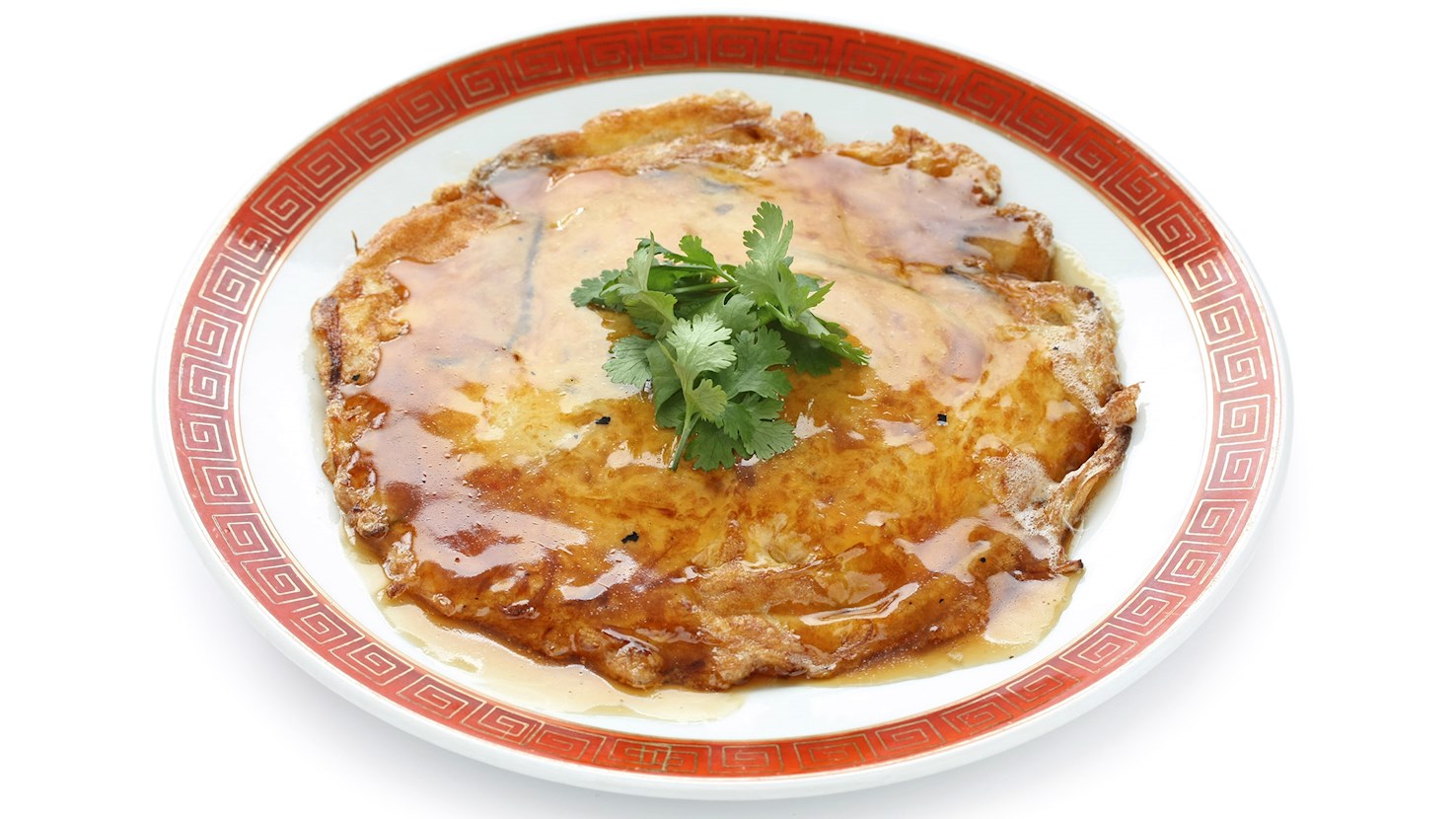
The inspiration for this omelet-like dish is believed to have come from fu yung egg slices, an elaborate recipe found in traditional Cantonese cuisine. Literally meaning lotus egg, this Chinese dish consists of lightly beaten eggs with either chopped ham, chicken, crispy-chewy bits of char siu pork, beef, shrimp, or even lobster, and an assortment of vegetables such as bean sprouts, bamboo shoots, sliced cabbage, carrots, spring onions, celery, mushrooms, and water chestnuts. By the 1950s, egg foo young became standard Chinese takeout fare and it was prepared as a stuffed, deep-fried pancake. Today, egg foo young is normally pan-fried and served in a plethora of ways, the most typical of which is smothering this flavorful omelet in thick brown gravy. In Chinese Indonesian cuisine, egg foo young is known as fu yung hai or pu yung hai; it is served with green peas in a sweet and sour sauce, and often accompanied with cap cai stir-fried vegetables and rice.
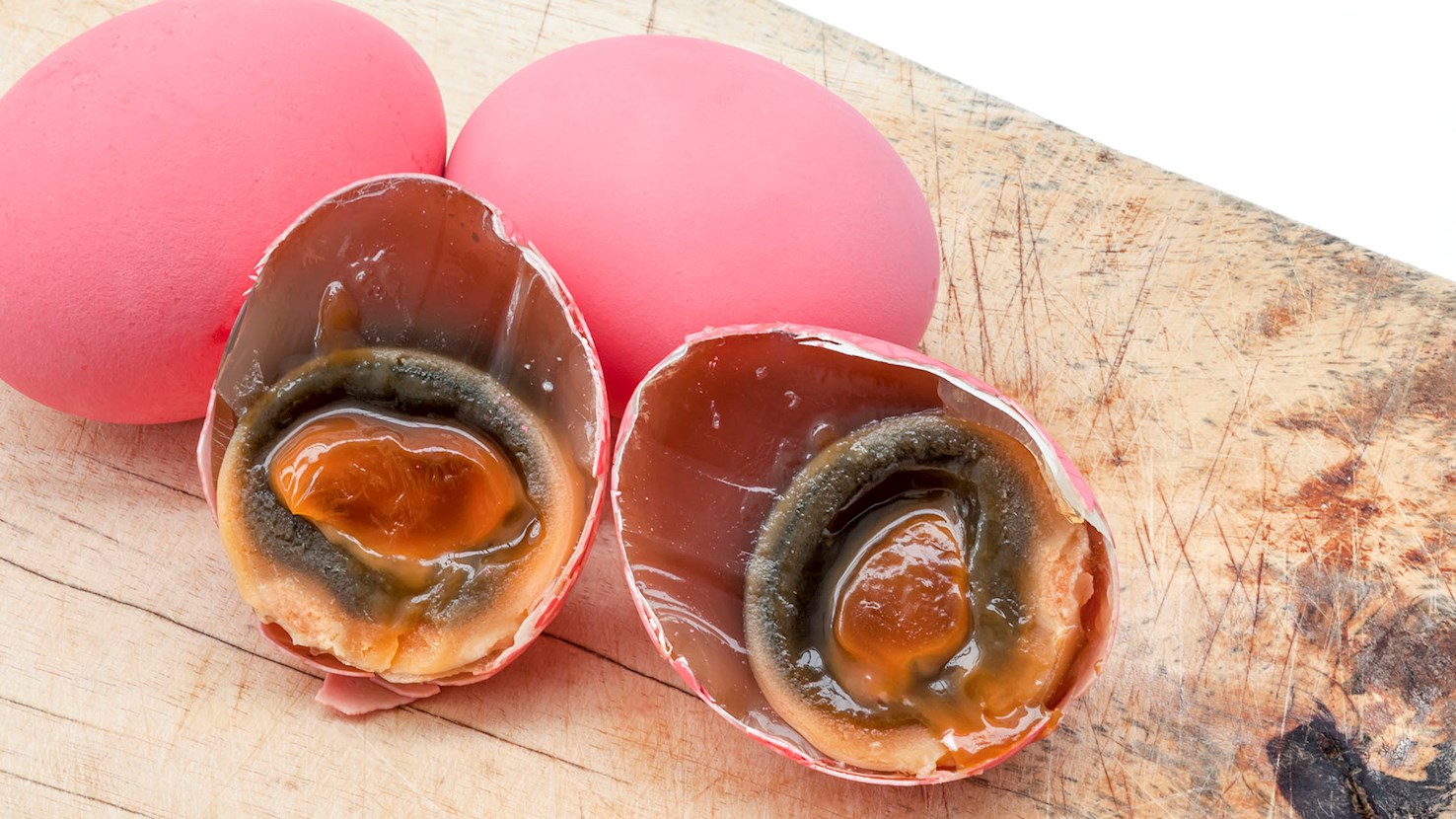
Pi dan, commonly known as a century egg, is a preserved egg product created by burying duck, quail, or chicken eggs in a highly alkaline mixture of clay, wood ash, salt, quicklime, and rice hulls for several weeks to several months. Historical accounts trace the discovery of this preservation method to Hunan during the Ming Dynasty, roughly six hundred years ago. A homeowner allegedly found duck eggs resting in a shallow pool of slaked lime used for mortar during household construction. Tasting these accidentally preserved eggs prompted the creation of a deliberate manufacturing process with added salt to improve the final flavor. The modern preservation process coats the raw egg with a paste of alkaline materials, which gradually raises the egg's internal pH from around 9 to 12 or higher. This severe chemical shift breaks down complex, flavorless proteins and fats into smaller, highly flavorful chemical compounds. The egg white transforms into a translucent, dark brown jelly with a salty taste. The yolk simultaneously turns into a dark green or grey creamy substance with a strong odor of sulfur and ammonia. The rice hulls prevent the eggs from sticking together in the curing vessel and form a protective crust on the outer shell. Certain curing methods produce delicate, white crystalline patterns resembling pine branches on the surface of the translucent egg white. People eat the preserved eggs on their own as a snack or slice them and add them to a warm bowl of rice congee with minced lean pork. Slices of pickled sweet ginger root frequently accompany the egg to cut through the rich, alkaline flavor. A popular serving method involves arranging wedges of the dark egg over a block of chilled silken tofu before pouring a dressing of soy sauce, black vinegar, sesame oil, and chopped cilantro over the plate.
Chai poh neng is a traditional omelet. The omelet is usually made with a combination of preserved radish (sweet, salted, or both), garlic, eggs, oil, scallions, and vegetable stock. The preserved radish is washed, rinsed, patted dry, and set aside. The garlic is sautéed in oil until fragrant, and the radish is then added to the pan and stir-fried. The eggs are whisked with stock and scallions, and the mixture is poured into the pan over the radish. The omelet is cooked until the eggs set, and it's then cut into pieces and served while still warm.
TasteAtlas food rankings are based on the ratings of the TasteAtlas audience, with a series of mechanisms that recognize real users and that ignore bot,
nationalist or local patriotic ratings, and give additional value to the ratings of users that the system recognizes as knowledgeable.
For the “Top 8 Chinese Egg Dishes” list until October 15, 2026, 584 ratings were recorded, of which 520 were recognized by the system as legitimate.
TasteAtlas Rankings should not be seen as the final global conclusion about food. Their purpose is to promote excellent local foods,
instill pride in traditional dishes, and arouse curiosity about dishes you haven’t tried.




What People Say