




shutterstock

Top 13 Dalmatian Fish Dishes

Last updated on June 15, 2026
01

Brudet

3.9 ·

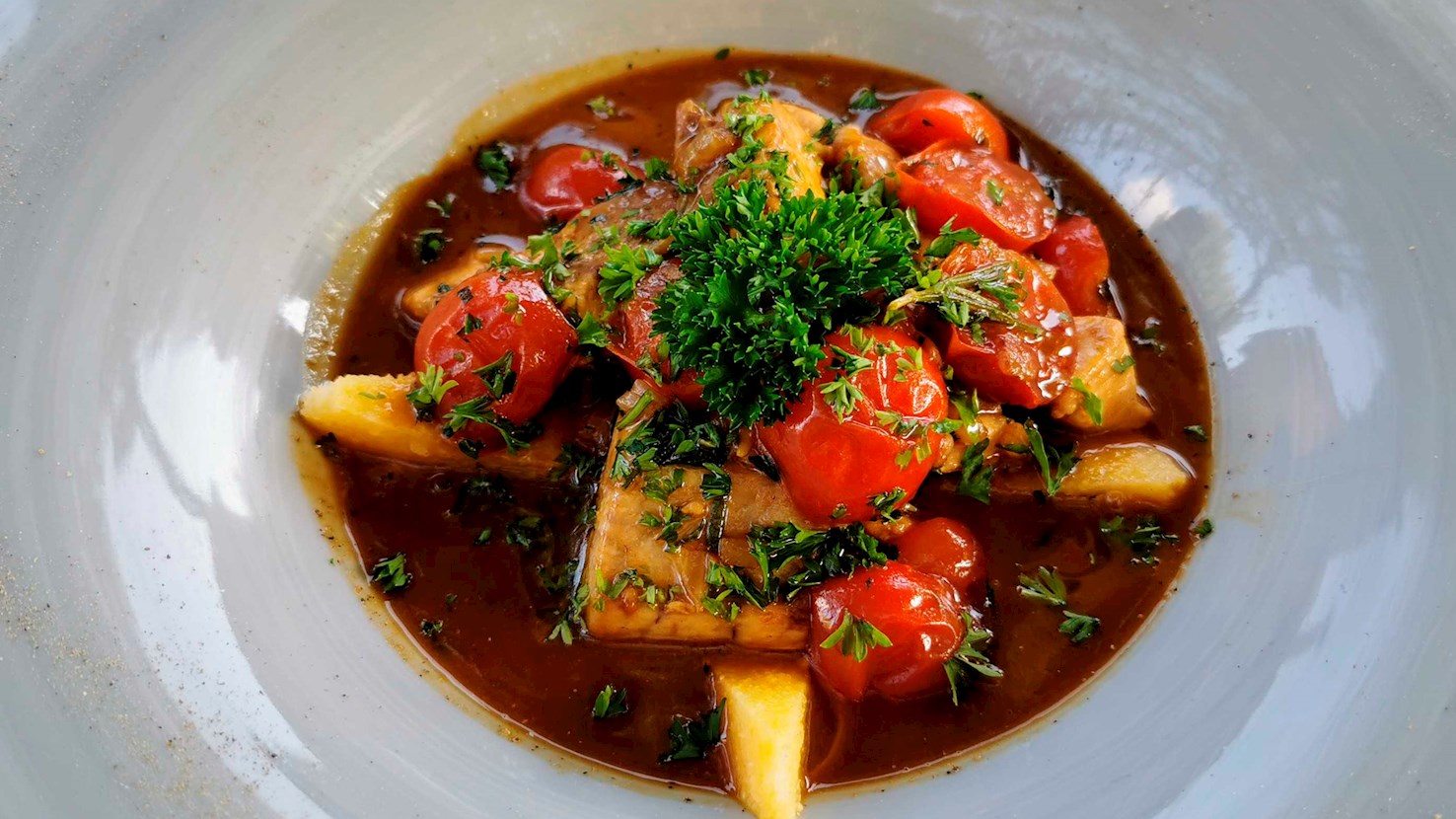
Brudet is one of the true classics of traditional Croatian cuisine. Prepared with a variety of seafood, this rustic stew is consumed along the entire Croatian coast. It is nearly impossible to find a unique brudet recipe, since every region, town, and household have their favorite version of the dish. General guidelines suggest that at least three different types of fish should be used – always cut into larger chunks and left on the bone. Scorpionfish, monkfish, sea bass, or any other white-fleshed fish is suitable for brudet. The addition of shellfish such as mussels and scampi is a desirable complement since they considerably contribute to the flavor. Brudet is usually cooked in large amounts in traditional pans with a heavy bottom. The fish is primarily fried with olive oil, onions, and garlic, and later braised in a flavorful broth which usually employs a combination of seafood stock, tomato sauce, and white or red wine, with the occasional addition of fresh tomatoes, chili peppers, and a touch of vinegar. The dish is seasoned with traditional Mediterranean spices such as bay leaves, rosemary, and fresh parsley. All recipes and traditions follow one rule: the dish is not to be stirred, but swirled by turning the pot. Although all brudet varieties are very much alike, the one prepared in the Neretva region is considered unique since it employs eels and frogs, two traditional ingredients used in the area. The most common side dish served with brudet is creamy polenta, but boiled potatoes or freshly baked bread are also perfect complements to the flavorful sauce and tender fish. Numerous Croatian restaurants prepare and serve brudet as their signature dish, while brudet competitions are a common tradition in many coastal towns – annual festivities during which different groups of people or restaurants test their skills and creativity in the preparation of this Croatian classic. Whether it is served in luxurious high-end restaurants or at laid-back rustic eateries, brudet is a true representative of authentic Croatian soul food.

02

Gregada

3.6 ·

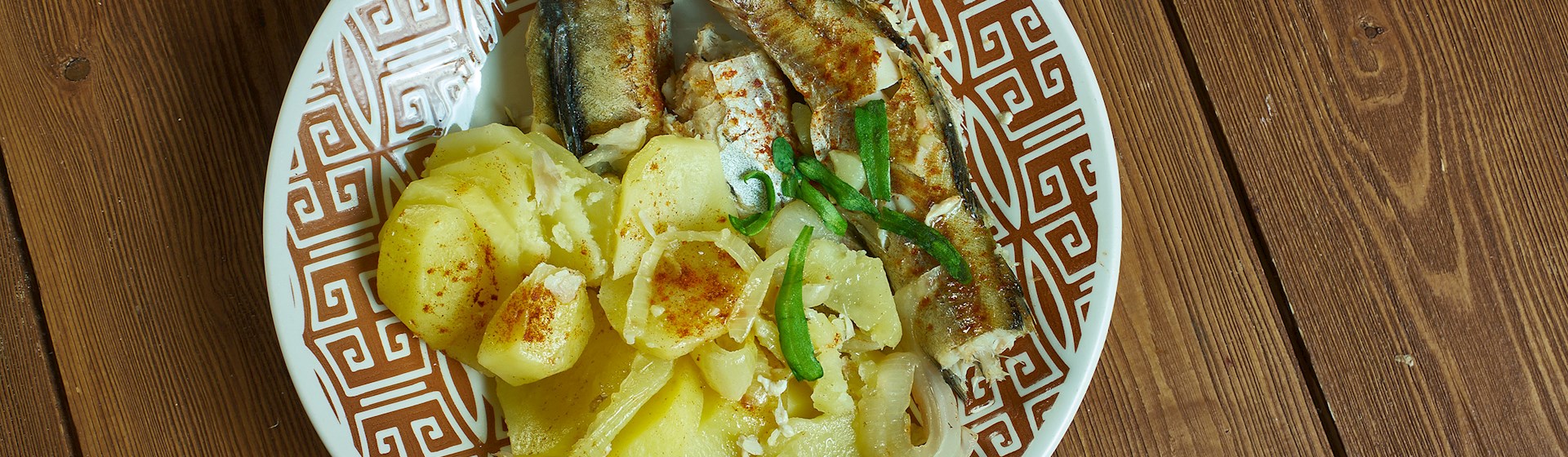
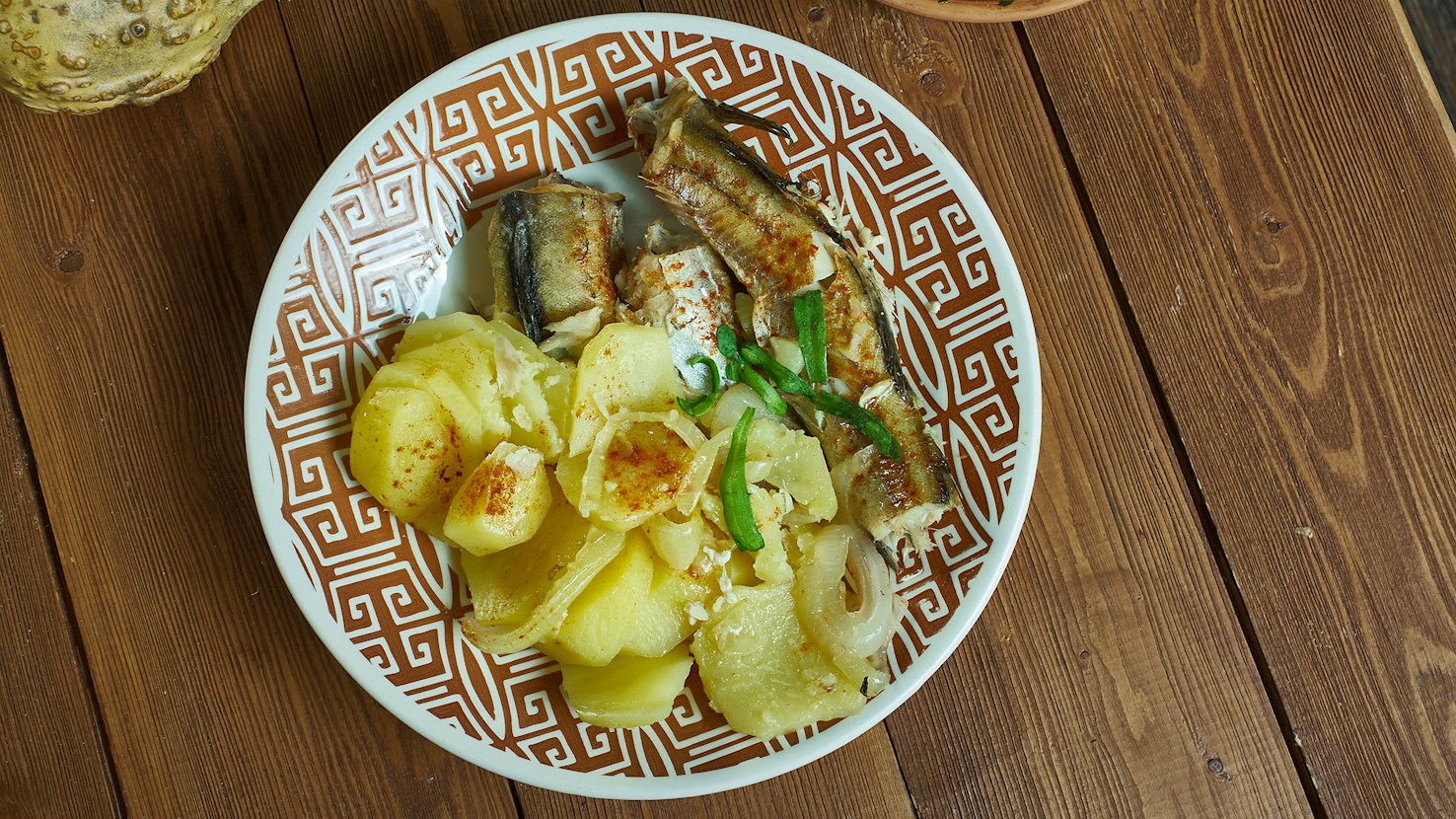
This simple fish stew with potatoes is said to be the oldest way of preparing fish in Dalmatia and was probably brought to the area by Greek settlers more than 2000 years ago, although potatoes are a local modification because they were introduced considerably later. Traditionally, the dish is made by layering together thinly sliced potatoes and onions which are then drizzled with olive oil, topped with smaller white saltwater fish, and cooked in just enough water and white wine to cover the fish—usually with the addition of parsley and garlic, whereas modern recipes often include ingredients such as capers and salted anchovies. A staple among local fishermen, gregada is prepared throughout the region, but it is mostly associated with central Dalmatian islands, especially the island of Hvar.

03

Neretvanski brudet

3.0 ·

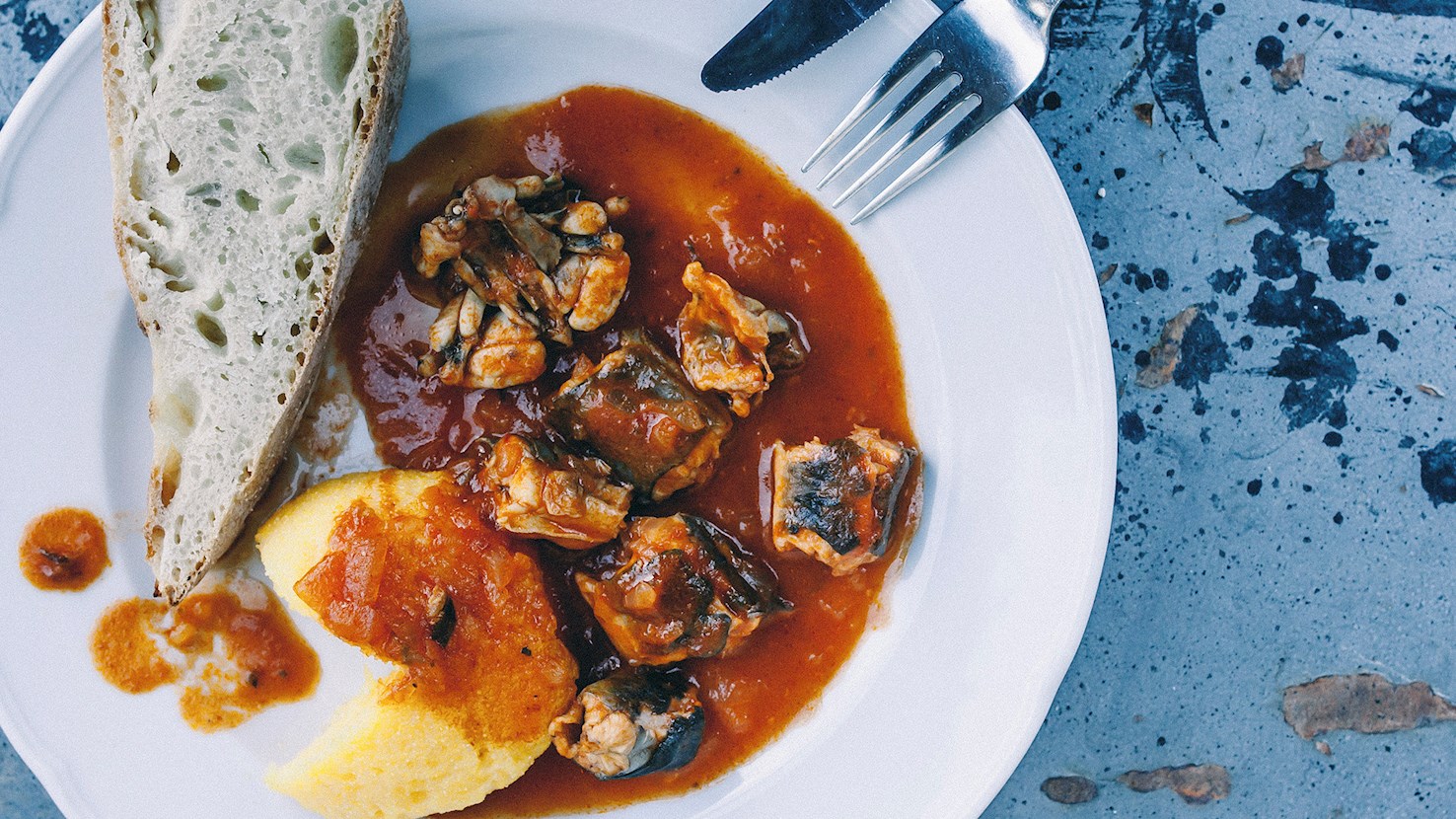
Out of the numerous varieties of Croatian brudet, the one that hails from the Neretva region is considered unique since it usually employs eels and frogs, two traditional ingredients used in the area. It is said that every village in the region has a different recipe, but the basic version employs thoroughly cleaned pieces of eels and frogs that are sautéed alongside olive oil, onions, and garlic. They are later braised in a combination of seafood stock, fresh tomatoes, chili peppers, and a touch of vinegar. Though tradition suggests the use of eels and frogs, the dish is commonly enriched with other fish varieties. Regardless of the differences, every version of brudet is always prepared in a traditional, heavy-bottomed pan and should never be stirred. This flavorful fish stew is traditionally accompanied by polenta or rustic, country-style bread.

04

Srdele na gradele

n/a ·

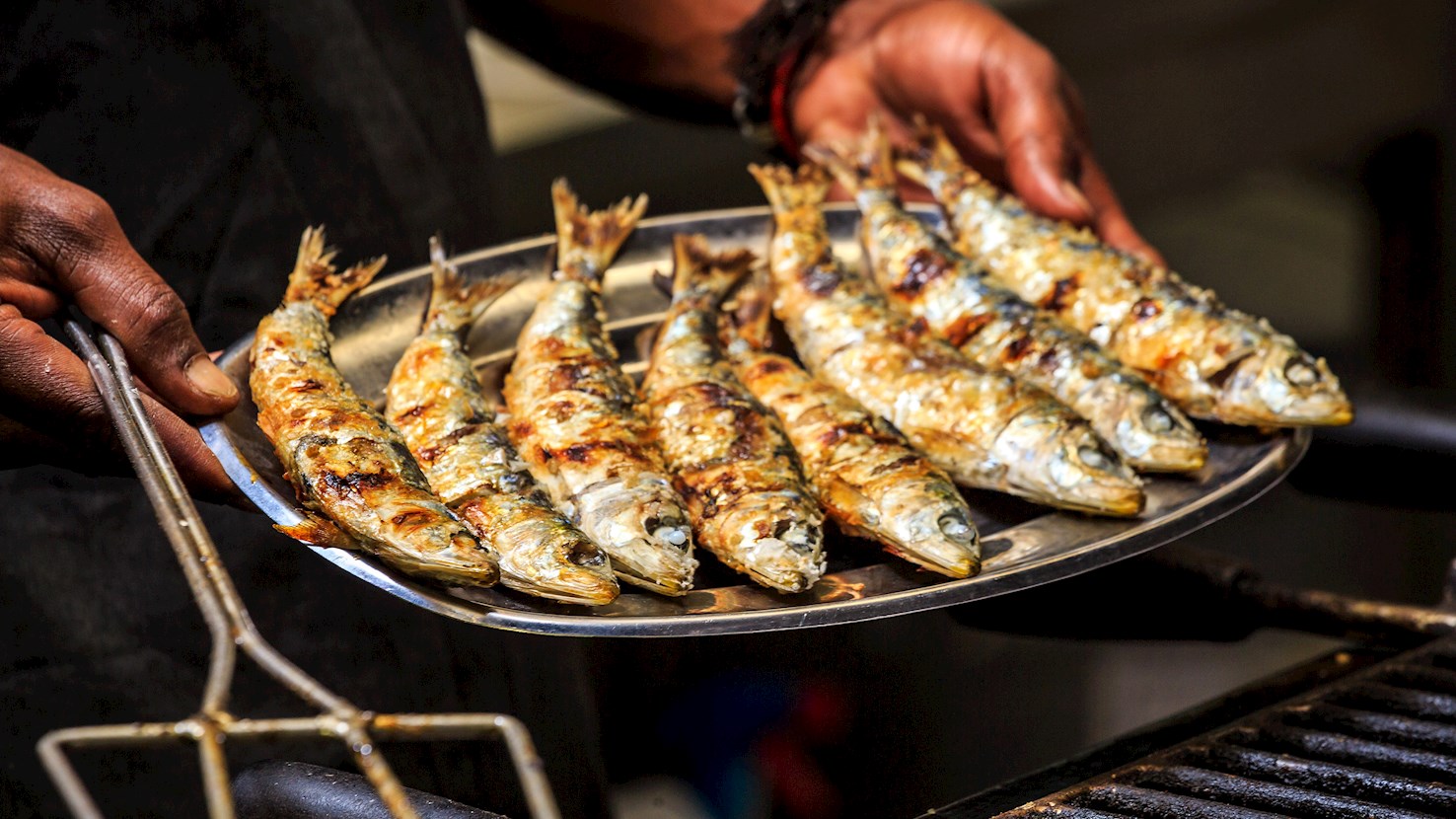
Srdele na gradele is a traditional dish originating from Dalmatia. It's made by grilling fresh sardines over an open flame on a metal grate called gradele. The sardines should be as fresh as possible. They're simply drizzled with olive oil and seasoned with salt. After a few minutes of grilling on each side, the sardines are drizzled with a mixture of olive oil, chopped parsley, and garlic. Lemon juice, rosemary, and white pepper are all welcome additions that provide extra flavor to the sardines. All along the Dalmatian coast, this dish is usually accompanied by boiled potatoes, chard, or grilled vegetables.

05

Juha od oslića

n/a ·

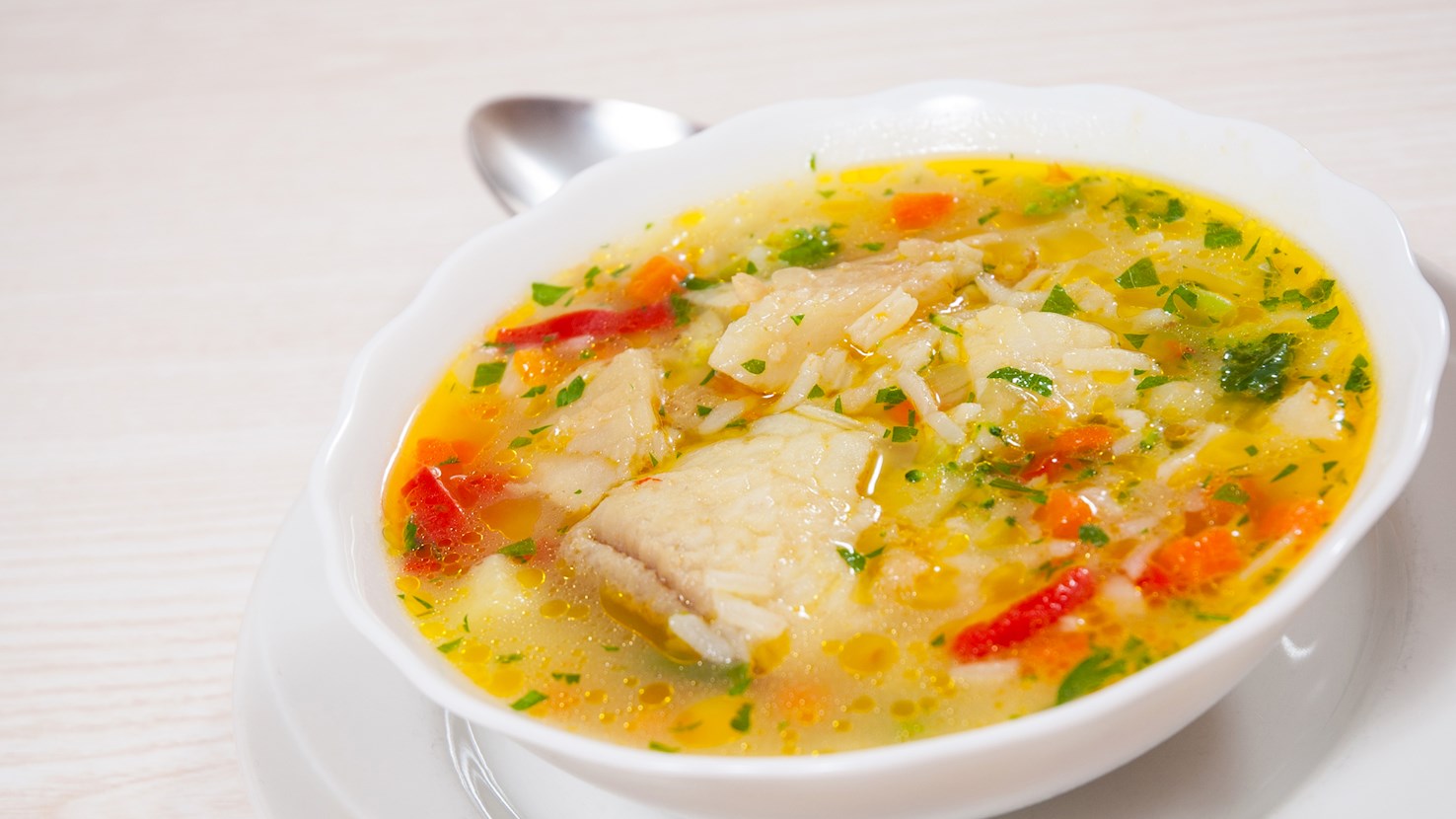
Juha od oslića is a traditional fish soup originating from Dalmatia. Although there are many recipes, it's usually made with a combination of hake, garlic, tomatoes, lemon juice, rice, olive oil, bay leaves, parsley, salt, and pepper. The garlic, halved tomatoes, bay leaves, parsley, salt, pepper, lemon juice, and hake are placed into cold water, then cooked. After about twenty minutes, when the fish is cooked, it's taken out of the pot. Rice is added to the pot and cooked, and the soup is then served with pieces of the hake.

06

Palamida na zeca

n/a ·

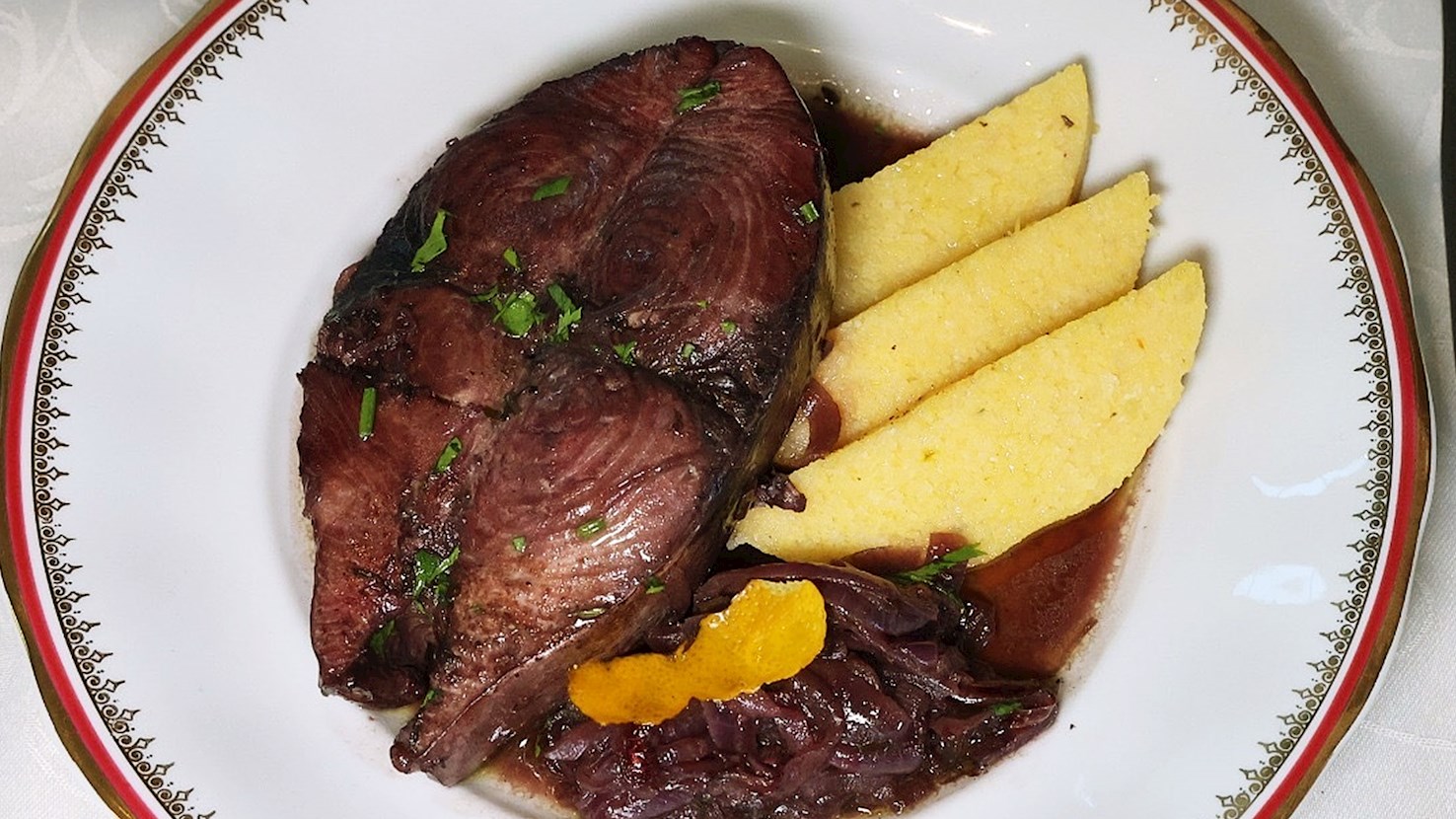
Palamida na zeca is a Croatian fish dish originating from the area of Trogir and Čiovo. The dish is made with a combination of Atlantic bonito, onions, garlic, red wine, vinegar, prošek, bay leaves, rosemary, sage, parsley, olive oil, cornmeal, fish stock, lemon juice, salt, and pepper. The fish is cut into slices, rubbed with olive oil, seasoned with salt, and shortly grilled on both sides. The onions are sautéed in olive oil with garlic and parsley. The mixture is poured over grilled fish slices along with the pan juices. The slices are seasoned with black pepper and placed into a wide pan. A mixture of red wine, vinegar, fish stock, rosemary, and bay leaves is poured over the fish and the dish is simmered until most of the liquid evaporates. Near the end of cooking, prošek and sage are added to the dish and the pot is taken off the heat. After a few minutes, a squeeze of lemon juice and chopped parsley are stirred into the dish and palamida na zeca is then served with fried or grilled polenta on the side.

07

Bakalar na brudet

n/a ·

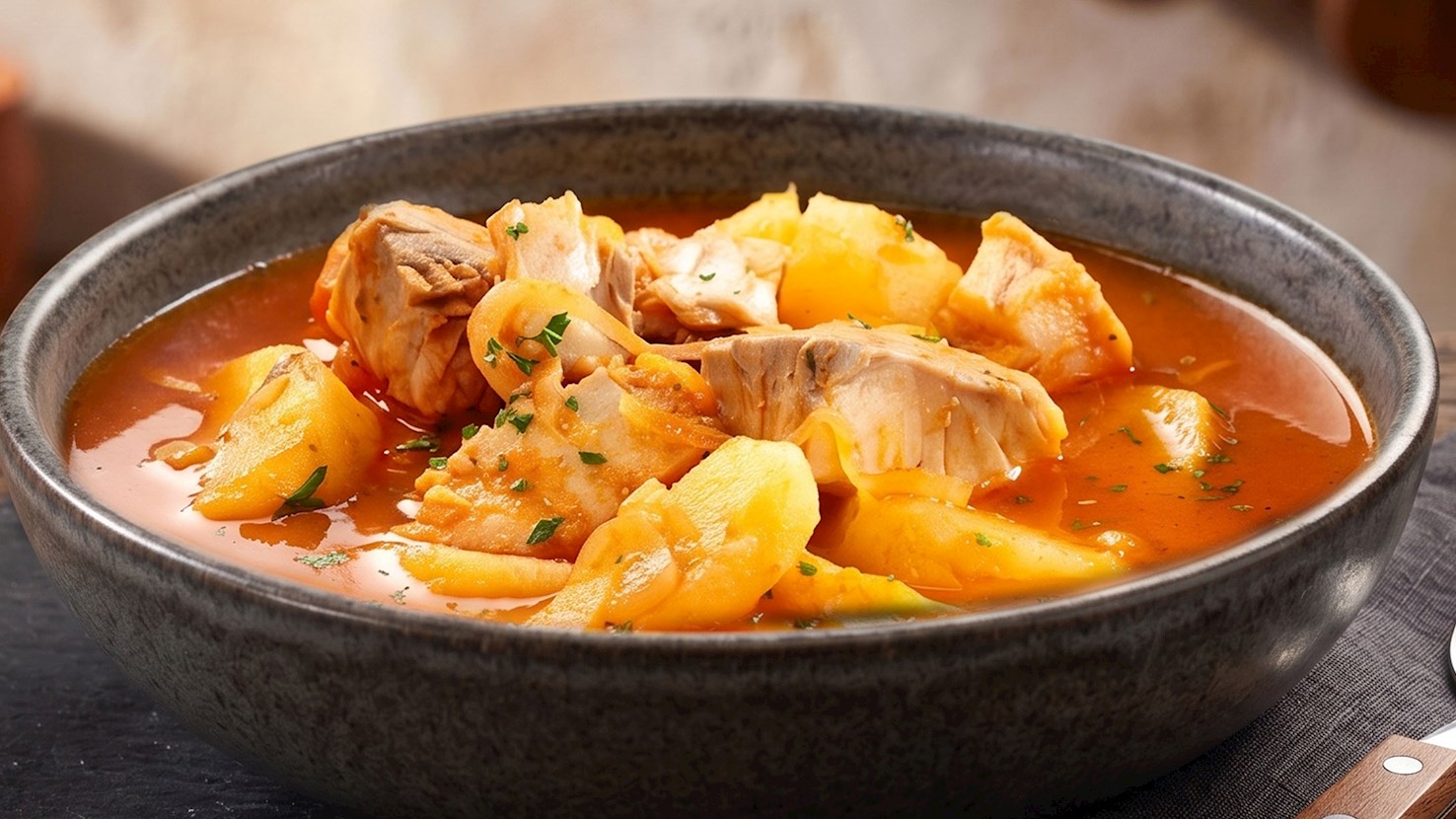
Bakalar na brudet is a hearty fish stew from the Dalmatian coast of Croatia, where dried and soaked salted cod is cooked with potatoes, a tomato sauce, olive oil, onion, garlic, and herbs, reflecting the region's maritime and Mediterranean influences. Its roots lie in the long-standing practice of preserving cod by salting and drying it, and by the 19th century, the import of salted cod had become firmly embedded in Dalmatian kitchens as one of the main ingredients for festive meals and fasting occasions. The preparation begins by soaking the dried cod in fresh water for one or more days, changing the water several times, then briefly simmering the fish and discarding the cooking liquid or reserving it for the sauce. In a deep pan or pot, olive oil is used to soften chopped onion and garlic until translucent, then tomato (either pelati or passata) is added, along with possibly white wine and a bay leaf, and parsley. The cleaned cod is added with slices of potato and the reserved fish cooking liquid, so the mixture is just covered. The stew is cooked gently until the potatoes are tender and the sauce has thickened slightly, occasionally shaking the pot rather than stirring so the fish does not fall apart. Variations include adding white wine or making a "white" version of the stew, meaning without tomatoes. It is served in deep plates directly from the pot, often after a Christmas Eve or Good Friday lunch. It is best paired with thick slices of rustic bread for sopping up the sauce, accompanied by a crisp white Dalmatian wine or a light red from the coast, and sometimes with a simple green salad to cut through the richness of the olive oil and tomato base.

08

Bakalar na bijelo

n/a ·

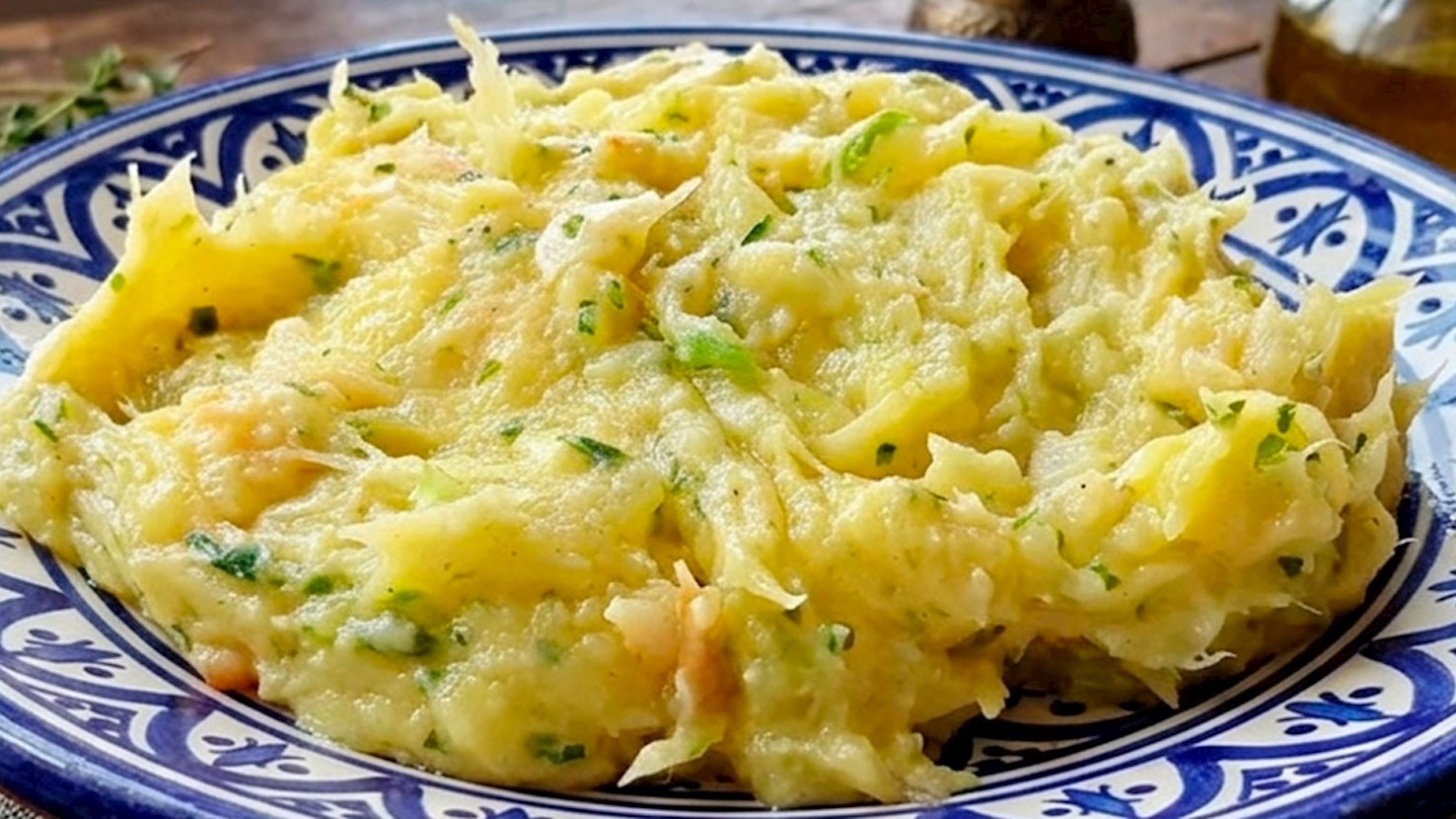
Bakalar na bijelo is a dish from Croatia that features salted cod cooked and blended with potatoes, garlic, olive oil, and herbs, generally originating from the coastal regions where bacalhao-style preparations of cod are common. Over time, its appearance on family tables and holiday menus became a familiar part of Croatian cuisine, especially around Christmas time. The dish’s roots lie in the widespread use of salted cod in Mediterranean and Adriatic kitchens, where households soaked and slowly cooked the fish and paired it with local staples like potatoes, garlic, and olive oil. However, it was during the 19th century that salted cod became firmly established in Dalmatia as an import from Italy. Preparation typically begins by soaking dried salted cod in cold water for a few days. Once sufficiently desalted, the cod is placed into cold water to simmer until the flesh easily flakes from the bones. In parallel or shortly after, potatoes are cooked (often whole or in their skins, then peeled) until tender. The fish is then drained, cleaned of skin and bones, and combined with garlic and olive oil, sometimes with white wine or cooking liquid from the cod, and chopped parsley; the potatoes are added, and everything is either mashed or processed until it forms a smooth or slightly textured paste. A generous drizzle of olive oil is often added at the end. This dish is served warm or at room temperature, frequently on Christmas Eve or other holiday evenings, often accompanied by toasted bread or a rustic loaf for spreading the mixture or scooping it. When used as a main course, it may be paired with a simple green salad or lightly dressed vegetables, while a dry white wine from the Adriatic shore or a crisp rosé complements the garlic-rich cod and the olive-oil base.

09

Tuna Pašticada

n/a ·

Tuna pašticada is tuna stew and a seafood variation on the traditional Croatian dish pašticada made with beef. The dish starts with searing floured tuna steaks, then slow-cooking them with onions, garlic, carrots, red wine, tomato puree, prunes, and spices and herbs like parsley, cloves, rosemary, and bay leaves. Olives are also sometimes included, depending on the recipe. The slow cooking process allows the flavors to meld together, resulting in a rich and savory stew. Tuna pašticada is often served with gnocchi, homemade pasta, or potatoes.

10

Tunj na kaljski

n/a ·

Tunj na kaljski is a traditional dish originating from Kali near Zadar. The dish is usually made with a combination of tuna, garlic, parsley, flour, tomatoes, bay leaves, olive oil, salt, and pepper. The tuna is cut into thin steaks that are sprinkled with flour and fried in olive oil. The steaks are removed from the pan, and garlic, tomatoes, and a bit of water are added to the same pan. The mixture is simmered with chopped parsley and bay leaves until the sauce thickens. Once strained, the sauce is mixed with the tuna steaks, and the combination is then cooked for a few more minutes. Once done, the dish is often served with mashed potatoes on the side.

Read more
View all
View map
About this ranking

TasteAtlas food rankings are based on the ratings of the TasteAtlas audience, with a series of mechanisms that recognize real users and that ignore bot, nationalist or local patriotic ratings, and give additional value to the ratings of users that the system recognizes as knowledgeable. For the “Top 13 Dalmatian Fish Dishes” list until June 15, 2026, 220 ratings were recorded, of which 121 were recognized by the system as legitimate. TasteAtlas Rankings should not be seen as the final global conclusion about food. Their purpose is to promote excellent local foods, instill pride in traditional dishes, and arouse curiosity about dishes you haven’t tried.

Similar lists