

shutterstock

Top 100 European Fish Dishes

Last updated on May 15, 2026
01

Loimulohi

4.6 ·

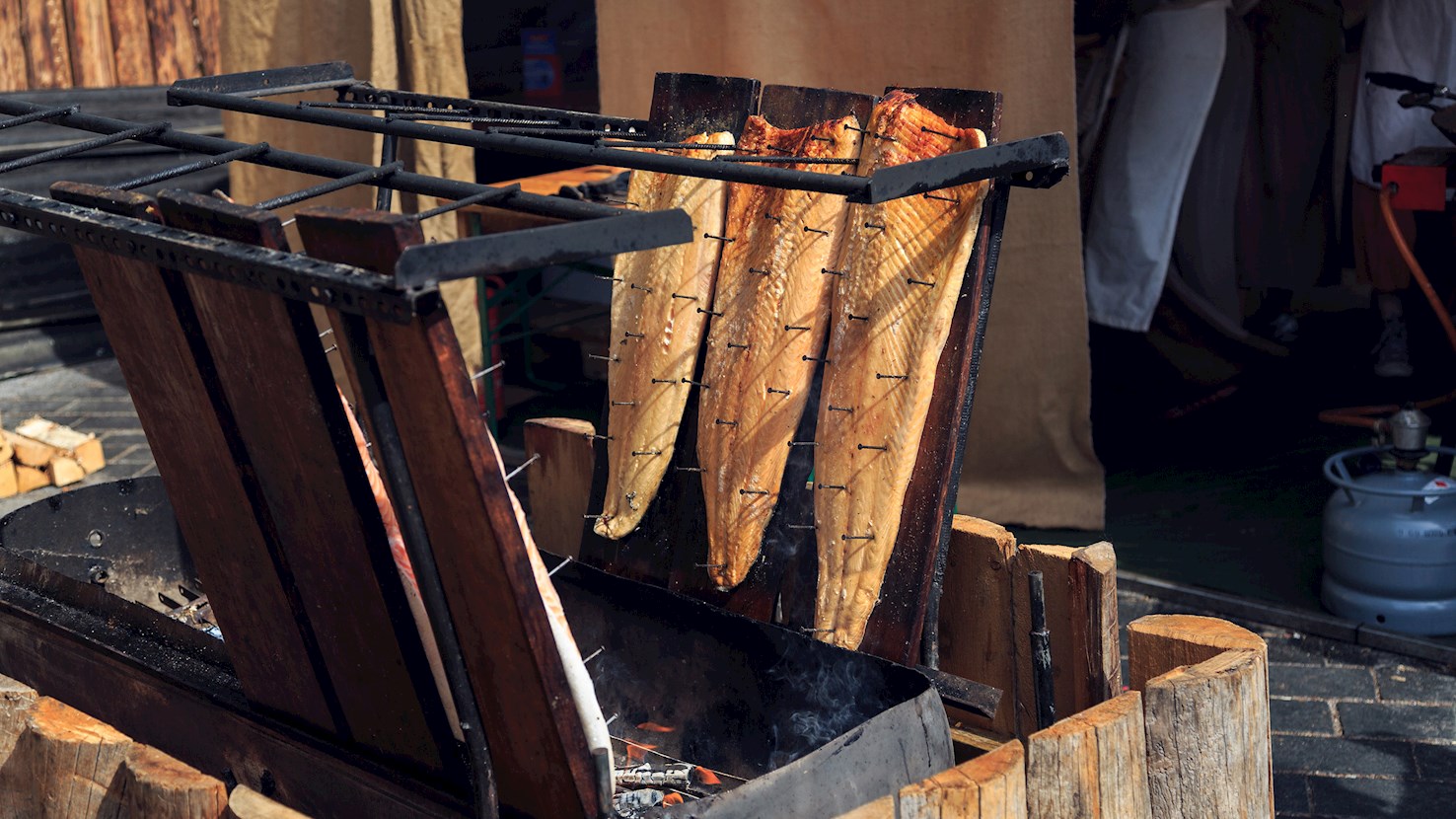
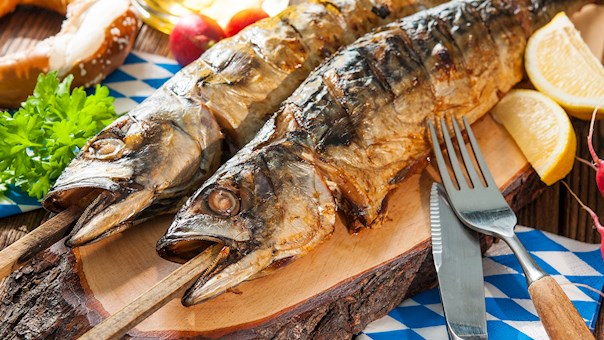
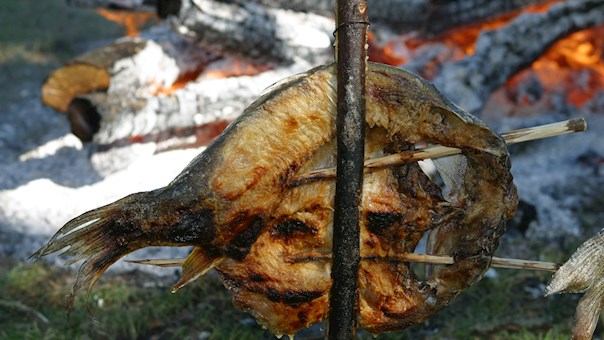
Loimulohi is a traditional method of preparing salmon or rainbow trout. The fish is smoked on a wooden plank that's placed vertically over an open fire. Before the process, the salmon is usually seasoned with sea salt and drizzled or brushed with lemon juice, honey, or juniper berries. The cooking time depends on the distance from the coals. Once done, the smoky fish can be eaten straight off the plank.

02

Lohikeitto (Salmon soup)

4.4 ·

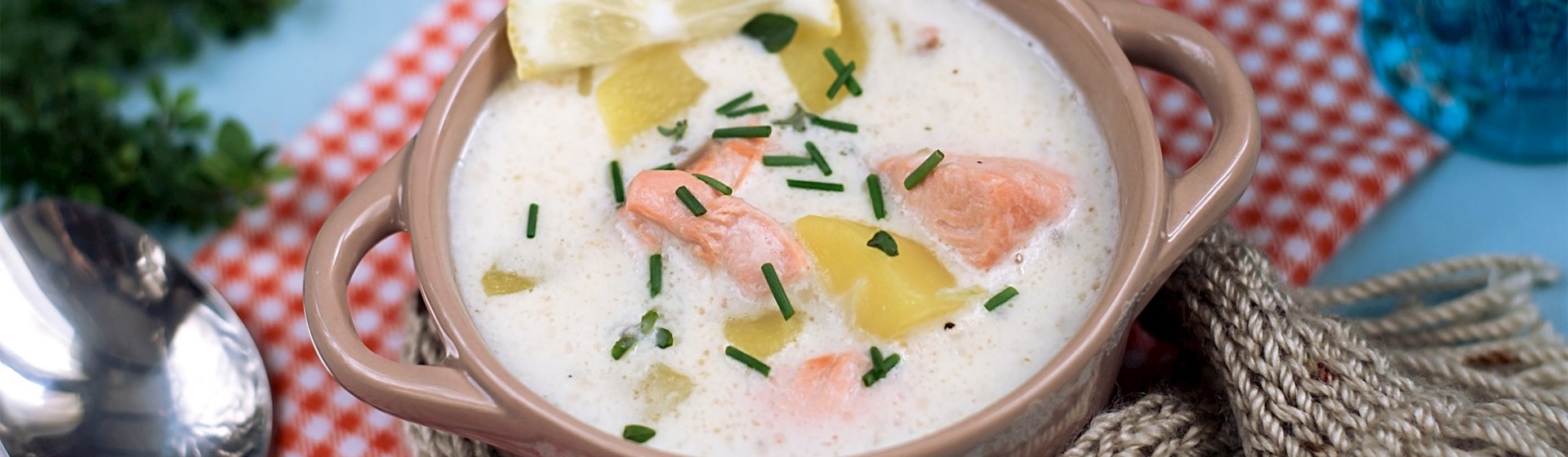
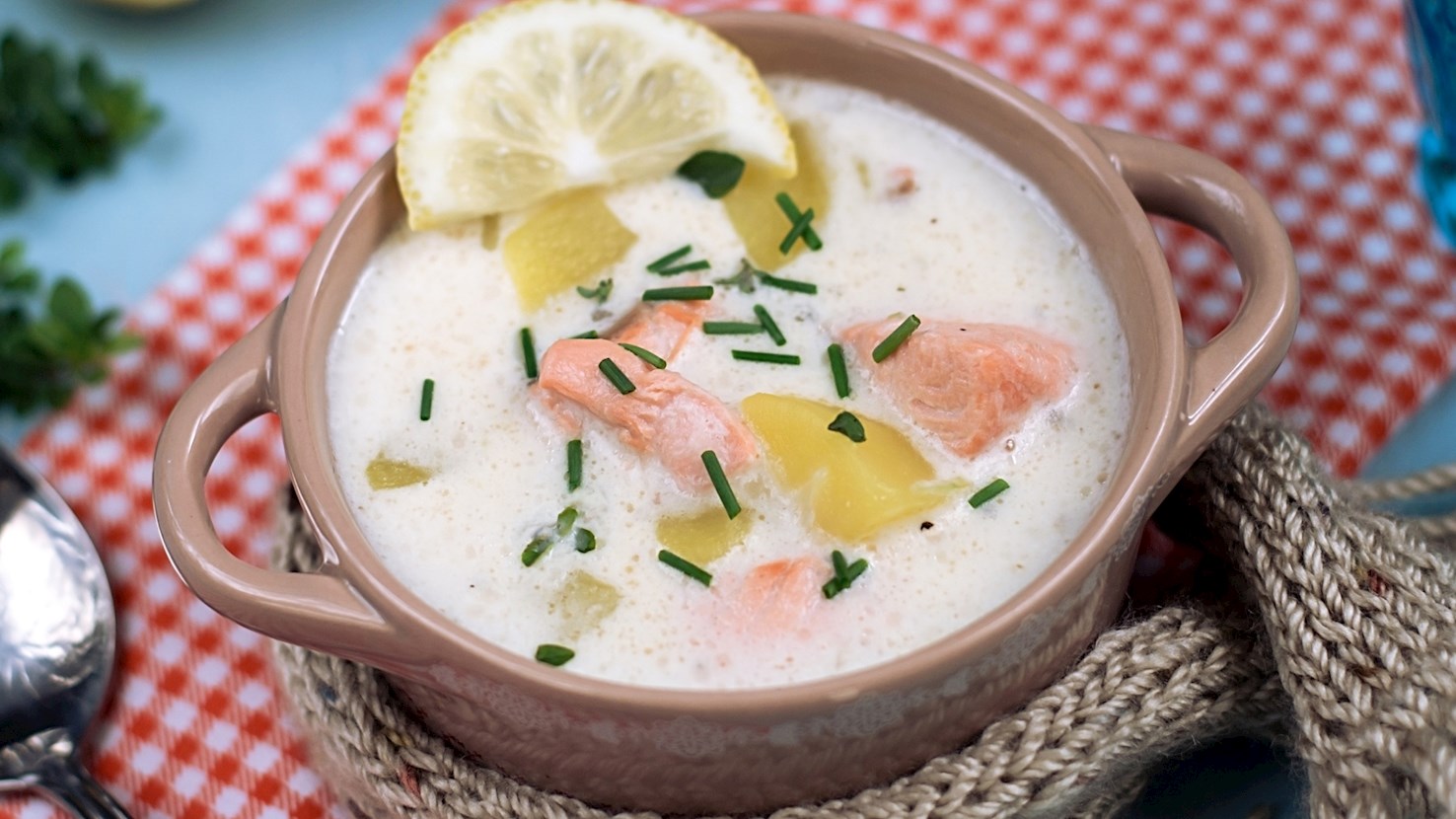
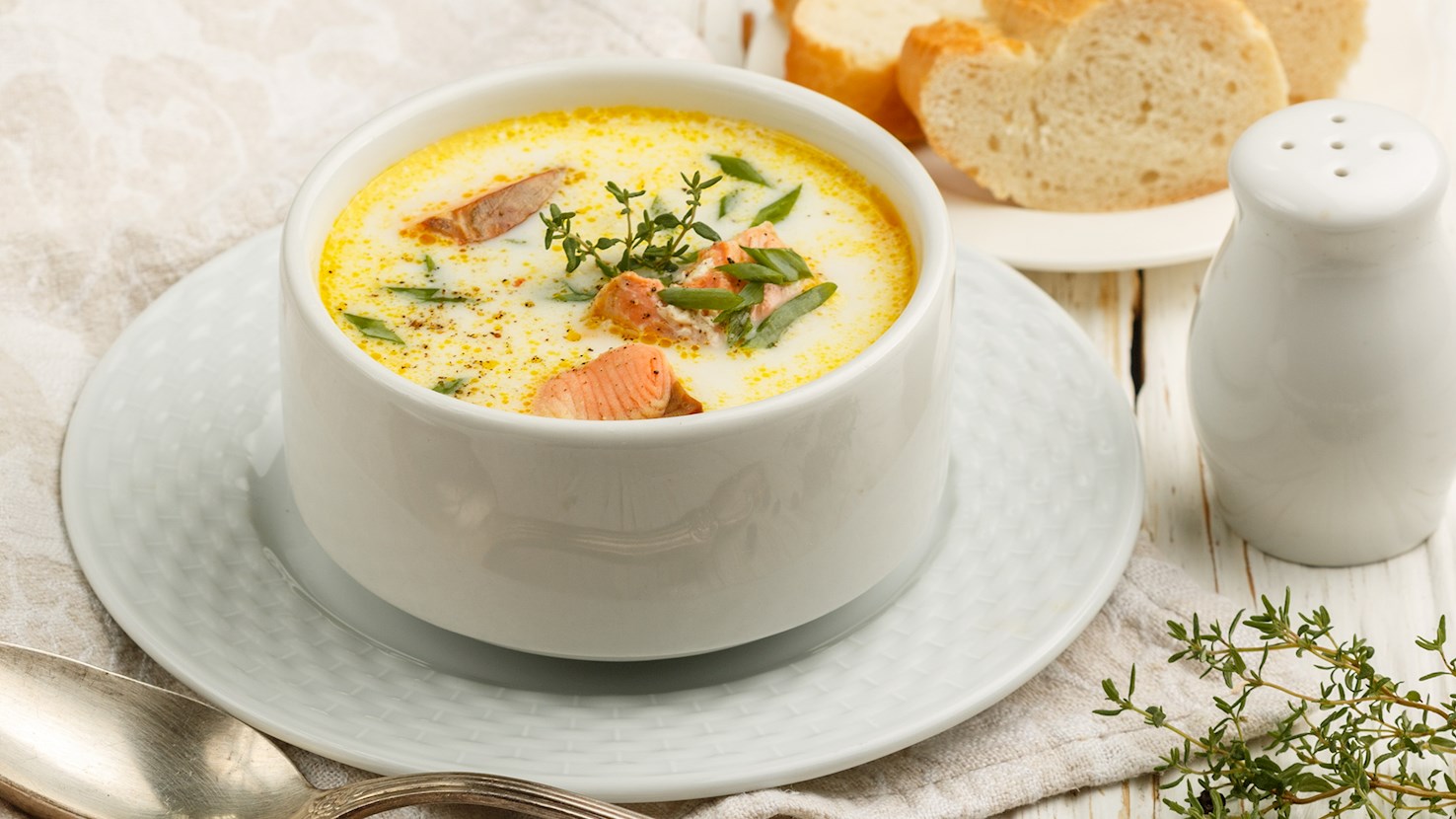
Lohikeitto is a creamy Finish salmon soup, similar to laxsoppa in Sweden. Apart from chunks of salmon fillet, it traditionally incorporates diced potatoes and carrots cooked in a flavorful, buttery broth infused with fish stock and cream. This comforting winter dish is generously seasoned with dill and served alongside buttered rye bread or lemon wedges.

03

Salmon sushi

4.4 ·

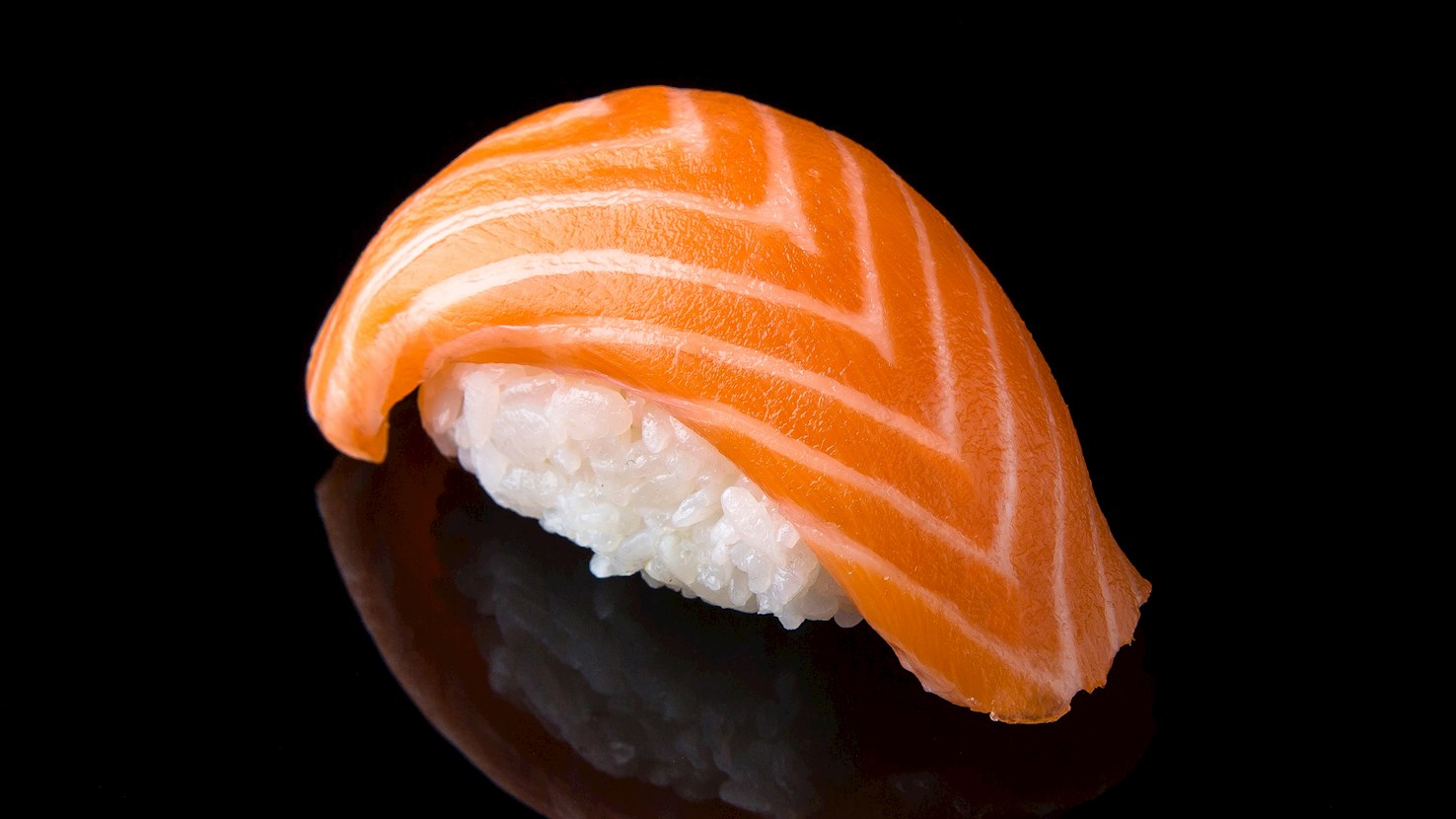
Sake nigiri sushi is a Japanese type of nigiri sushi, with origins in Norway. It consists of hand-pressed sushi rice that's topped with slices of salmon. The dish has a soft texture and a clean finish that makes it good for sushi newcomers, although the flavor can be a bit fishier than maguro (tuna) nigiri sushi. Traditionally, this type of sushi is eaten by hand in a single bite. It's usually accompanied by soy sauce, wasabi, or pickled ginger (gari) on the side.

04

Gravlax

4.4 ·

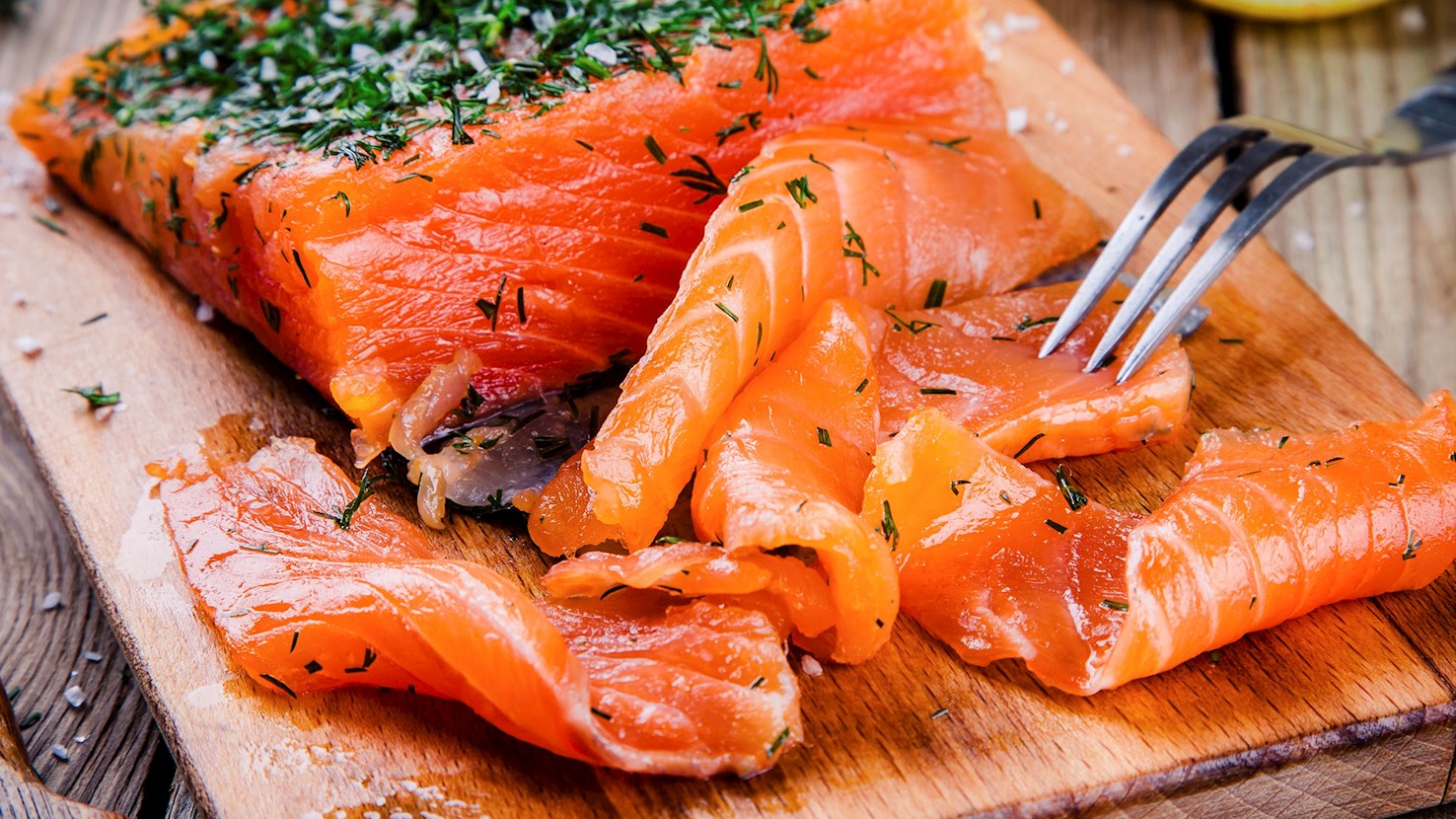
Gravlax is a Scandinavian dish consisting of raw, salt-cured salmon that is traditionally seasoned with dill. Originally, the dish was made by fishermen who used to bury the salt, sugar, and dill-rubbed salmon above the line of high tide and leave it to ferment. At the time, it was characterized by its pungent flavor and odor, but today, gravlax is cured under refrigeration. The name gravlax comes from a combination of two words, grav, meaning buried, and lax, meaning salmon, referring to the original method of production. This delicacy is usually thinly sliced and served as an appetizer. It pairs well with crackers and pickled vegetables, but it can also be used as a stuffing for bagel sandwiches.

Best restaurants
05

Kalakeitto (Finnish fish soup)

4.4 ·

Kalakeitto or fish soup has been a staple of traditional Finnish cuisine for a long time. Although there are numerous ways to prepare this classic Finnish specialty, it typically consists of cleaned and filleted fish chunks and diced vegetables that are simmered in a rich, buttery fish broth. Carrots, potatoes, onions, and leeks are among the most common vegetables used for the soup’s preparation, while the choice of fish includes salmon, rainbow trout, vendace, pike, perch, zander, or burbot. Traditionally, the soup is enhanced with the addition of butter and cooking cream (ruokakermaa), and it is usually flavored with dill, allspice, bay leaves, salt, and pepper. In Finland, a bowl of steaming hot fish soup is typically enjoyed for lunch or dinner, but it can also be served as an appetizer, accompanied by traditional Finnish rye bread and lemon wedges on the side. As of 2018, the country has started celebrating its National Fish Soup Day (Kalakeittopäivä) on the second Tuesday of February, a manifestation that has begun with the aim of boosting people’s consumption of fish.

06

Cullen Skink

4.3 ·

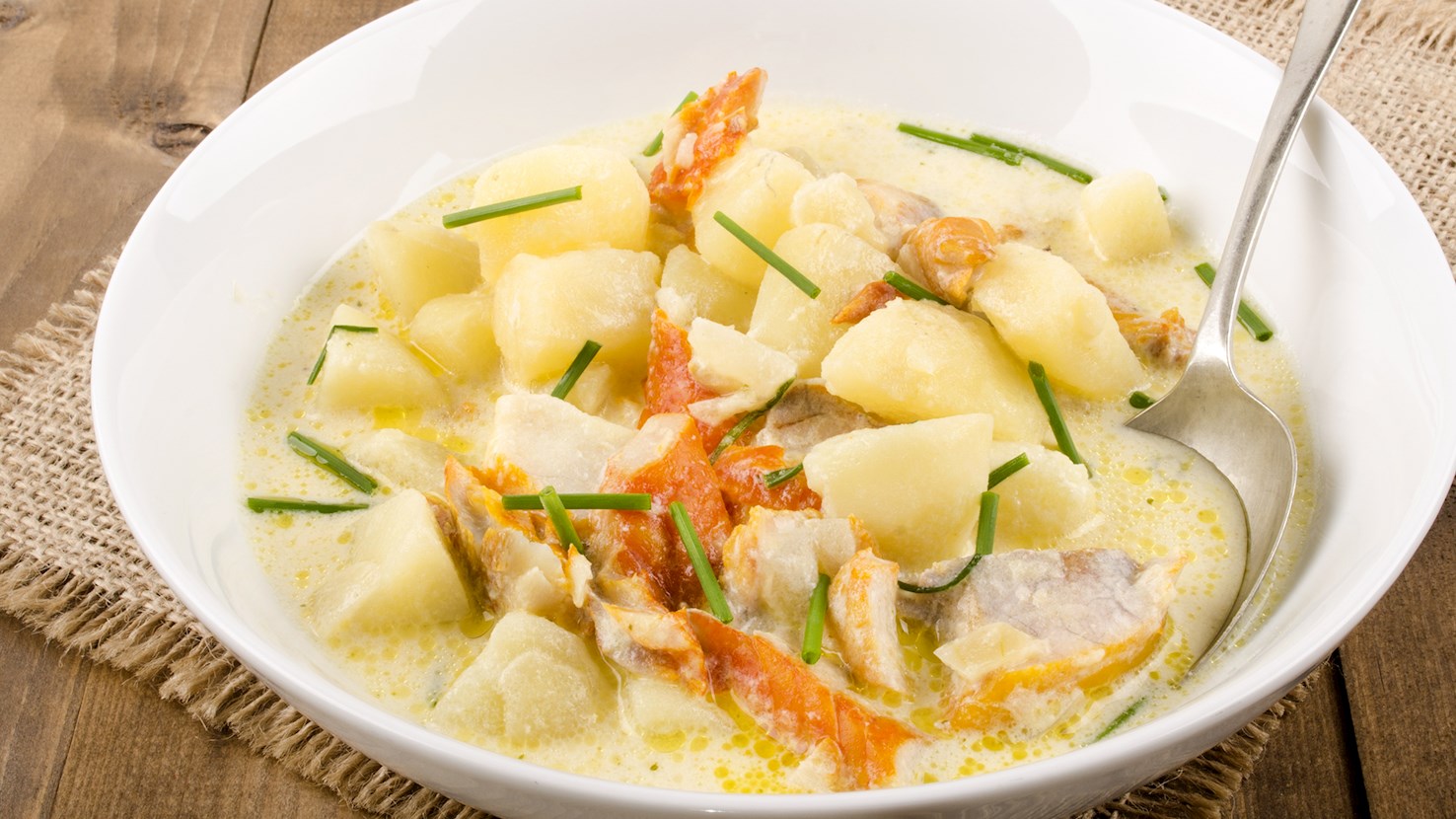
Even though it has been traditionally prepared all along the coast, Cullen skink is a dish originating from the fishing village of Cullen in Northeastern Scotland. This thick and creamy fish soup is typically based on smoked haddock cooked with milk, leeks, onions, and potatoes which provide the filling bulk. Some recipes specify the use of Arbroath smokies, although just about any smoked white fish will do. Cullen skink will go hand in hand with a glass of dry white wine, but to indulge in a true Scottish feast, try pairing it with Scotch whisky.

07

Bakaliaros

4.3 ·

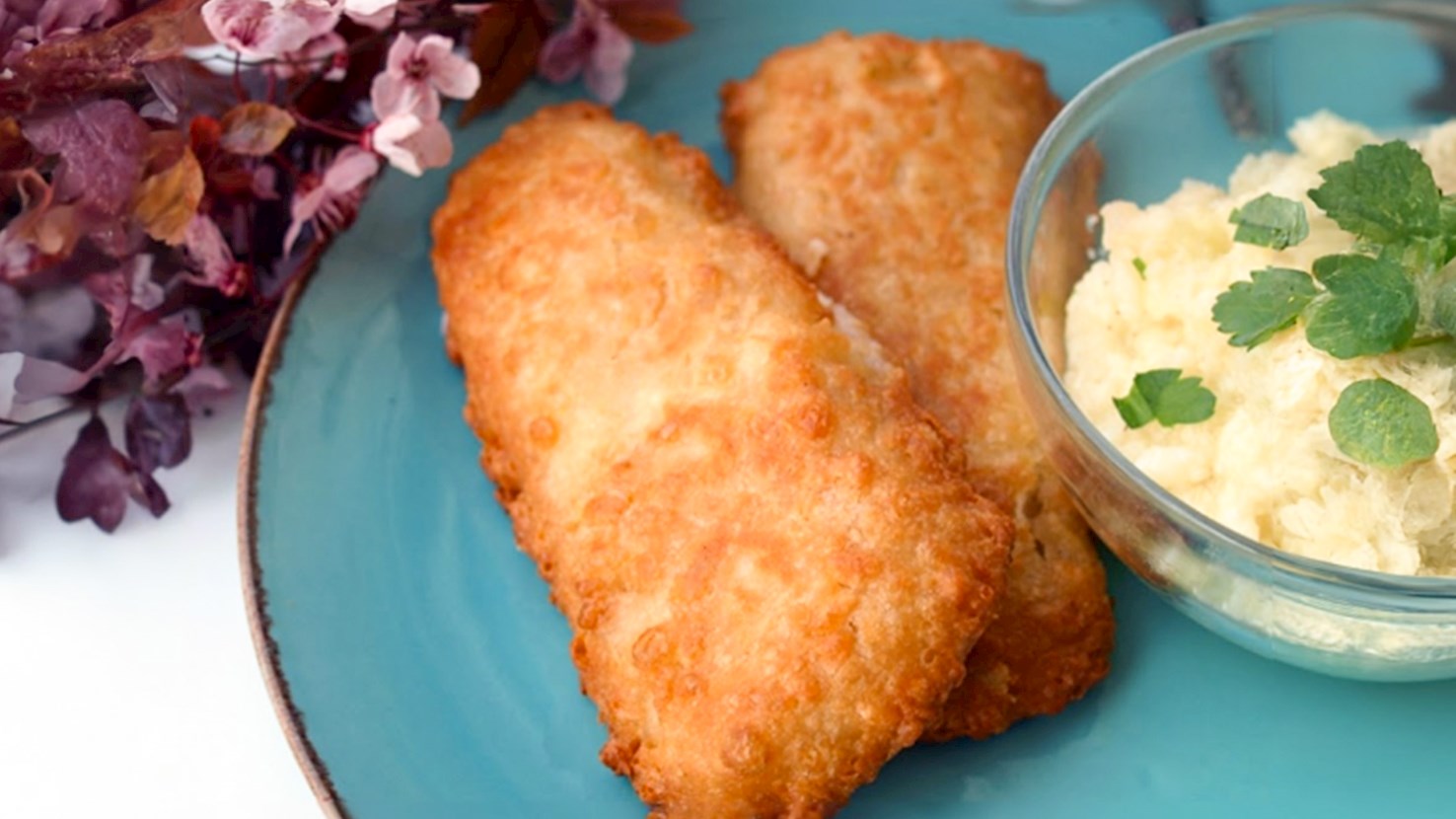
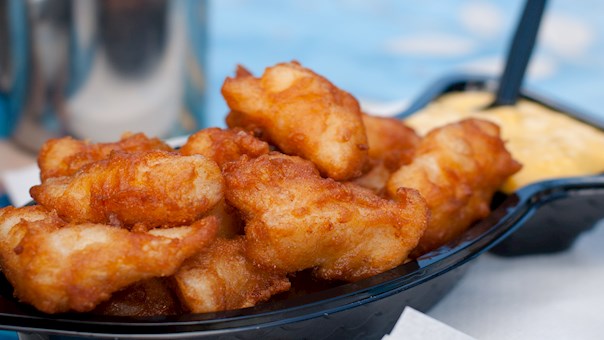
Though the term bakaliaros refers to cod fish, Greeks mainly use it to describe golden and crispy cod fritters. Whether it employs salt or fresh cod, the dish can be made with batter-fried pieces of cod or flaked cod that is then incorporated into a thick batter. The fritters are mainly served as a meze dish, and when accompanied by a thick, garlicky dip, they usually go under the name bakaliaros skordalia. Although they are eaten throughout the year, cod fritters are usually associated with a celebration that commemorates the Annunciation of Virgin Mary and the War of Independence, which is celebrated each year on March 25th.

08

Bacalhau à lagareiro

4.2 ·

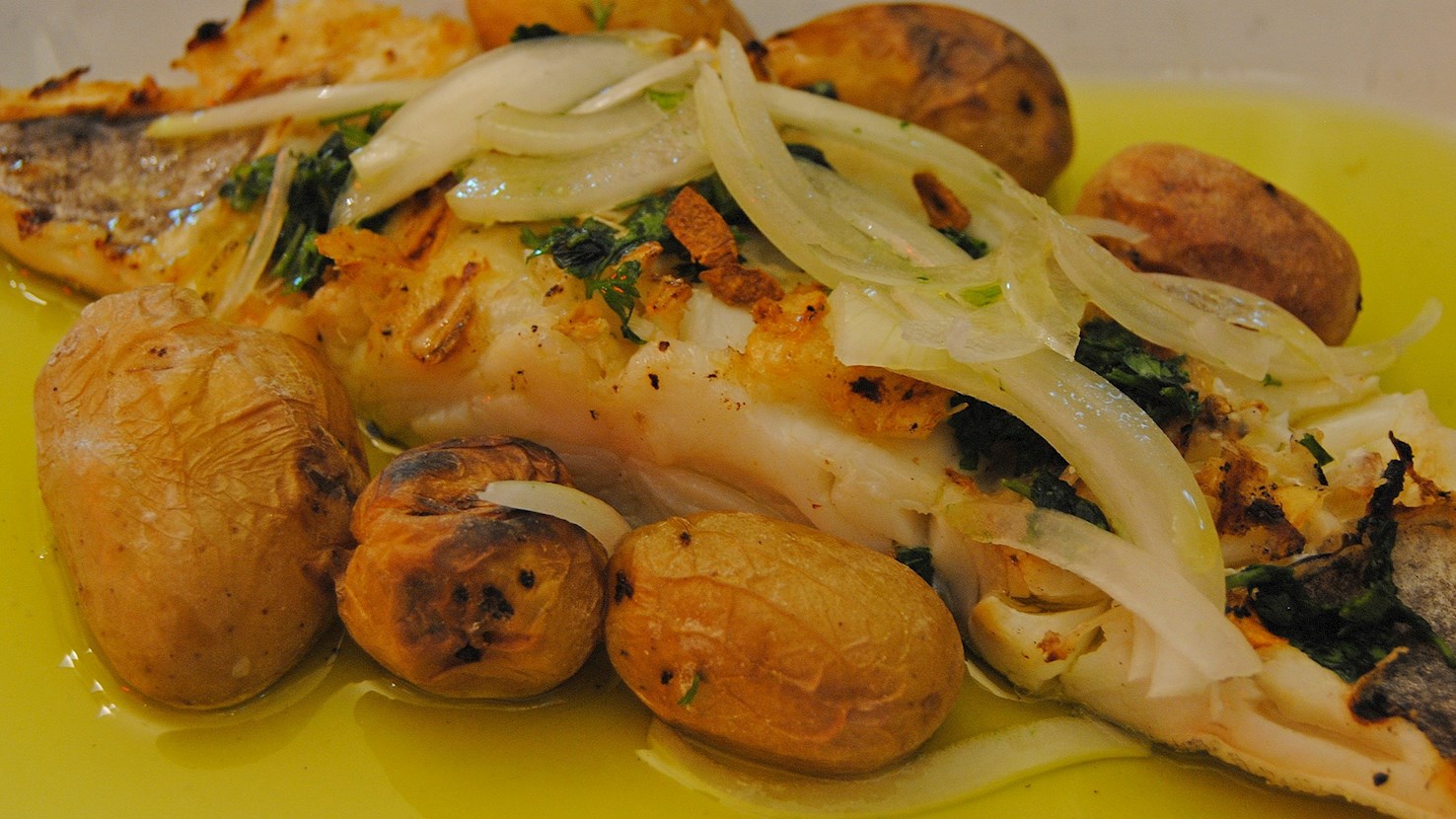
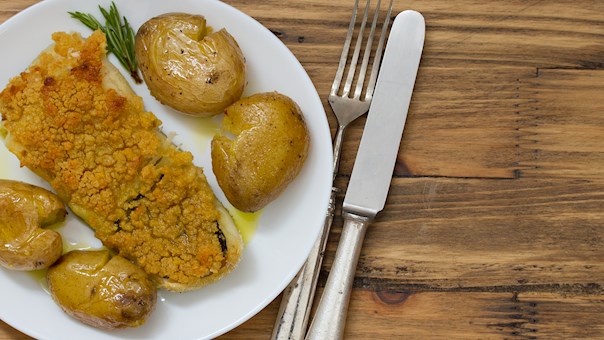
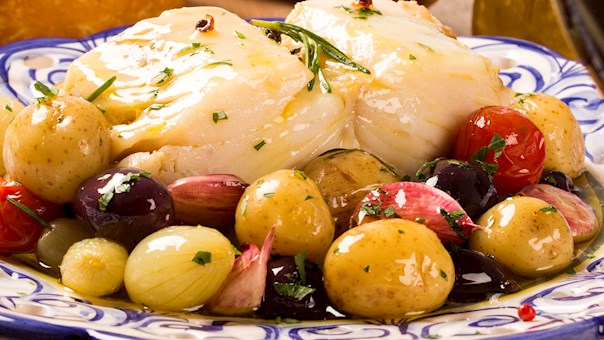
This simple dish is one of the most common preparations of salt cod in Portugal. It consists of baked or boiled potatoes that are partially crushed and then salted before they are topped with previously soaked cod that has been grilled or baked separately. The dish is then served doused in olive oil, and it is usually topped with sautéed onions or garlic, red peppers, black olives, or fresh parsley. The origin of the dish is typically associated with the Beira region, but nowadays it is commonly enjoyed throughout the country.

09

Bacalhau à brás

4.2 ·

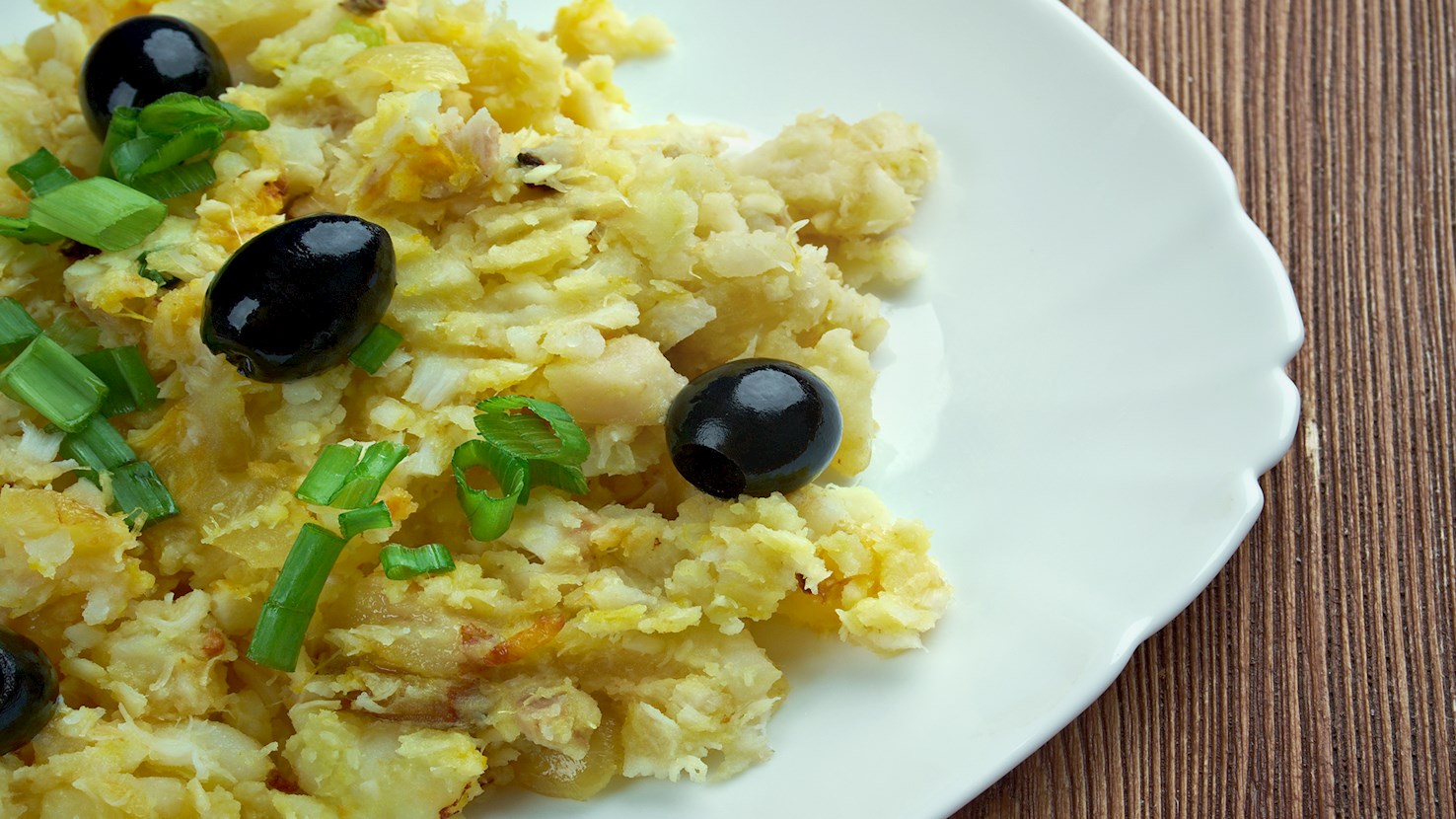
Bacalhau à bras is a simple Portuguese dish consisting of cooked and shredded salt cod, fried potato strips, onions, eggs, and olives. A delicious combination of flavors and textures results in an incredibly satisfying dish that is popular throughout the country. It is usually garnished with parsley and served hot, while the potatoes are still crispy. Believed to have originated in the Lisbon quarter Bairro Alto, today bacalhau à bras is one of the most famous Portuguese salt cod dishes.

10

Kokotxas

4.2 ·

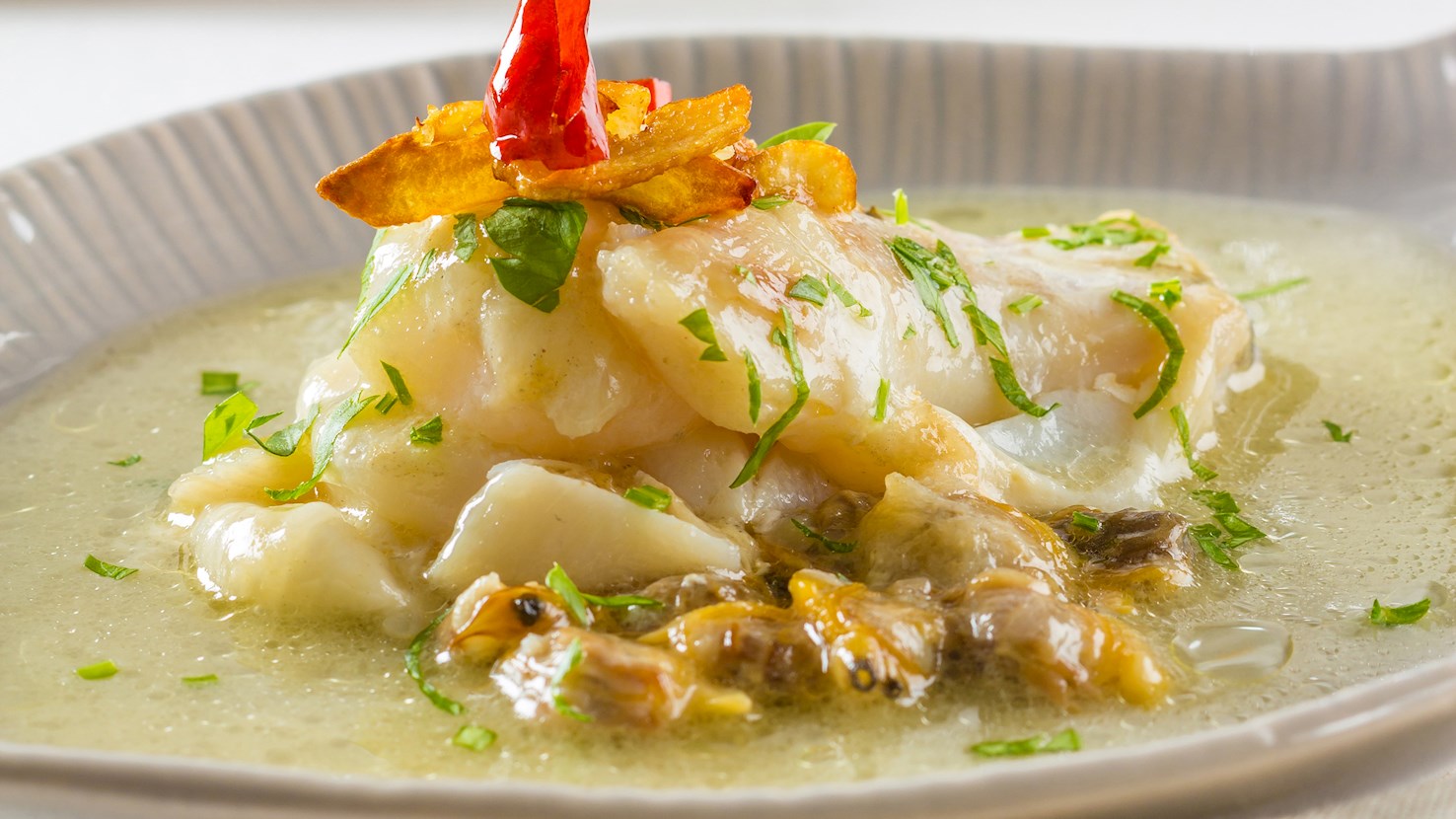
Gelatinous fish heads known as kokotxas are a key ingredient for this classic Basque dish. Kokotxas usually come from the flashy cheeks (lower part of chin) of hake or cod. The dish is sometimes served in a sauce consisting of white wine, garlic, flour, and olive oil. A more traditional way of serving kokotxas is in salsa verde sauce, consisting of olive oil, flour, fish stock, garlic, and finely chopped parsley. The kokotxas are lightly fried in a clay casserole pot, then combined with the sauce. It's recommended to serve the dish with crusty bread on the side for mopping up the sauce.

Read more
View all
View map
About this ranking

TasteAtlas food rankings are based on the ratings of the TasteAtlas audience, with a series of mechanisms that recognize real users and that ignore bot, nationalist or local patriotic ratings, and give additional value to the ratings of users that the system recognizes as knowledgeable. For the “Top 100 European Fish Dishes” list until May 15, 2026, 9,590 ratings were recorded, of which 7,157 were recognized by the system as legitimate. TasteAtlas Rankings should not be seen as the final global conclusion about food. Their purpose is to promote excellent local foods, instill pride in traditional dishes, and arouse curiosity about dishes you haven’t tried.

Similar lists