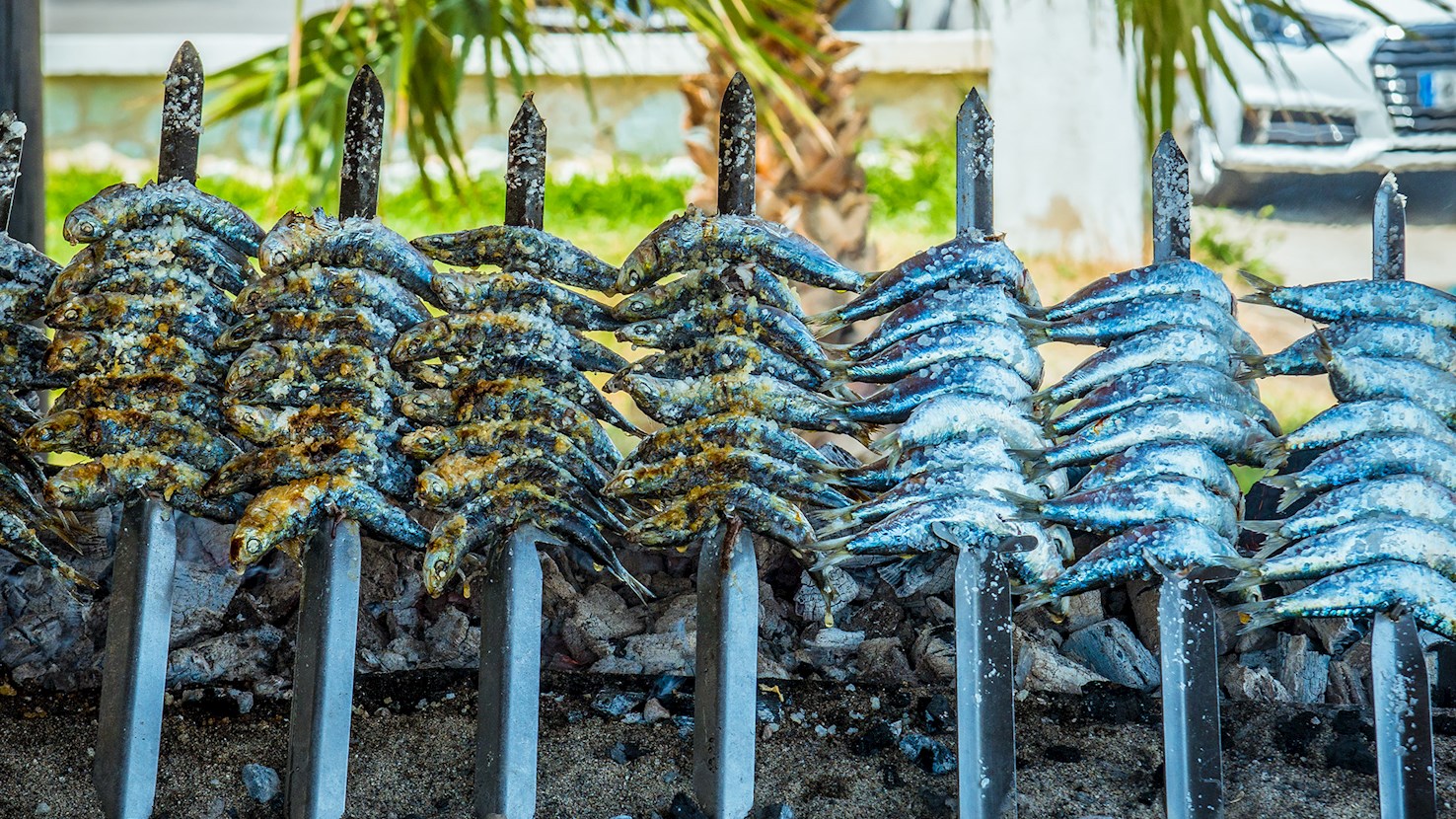
Espetos is a Spanish tradition of grilling sardines, dating back to the late 19th century, when fishermen skewered and grilled surplus fish in small boats on the sand. The modern method usually involves placing 6 sardines on a skewer, seasoning them with sea salt, then grilling them over the open flames of an olive wood fire. Once the sardines are fully cooked and become golden on the outside, they are drizzled with olive oil and lemon juice. It's said that the sardines are best from May to August, when they are a bit fattier, which increases their great flavor. In many beach bars of Malaga, espetos are paired with soft drinks, beer, sangria, or Tinto de verano red wine.
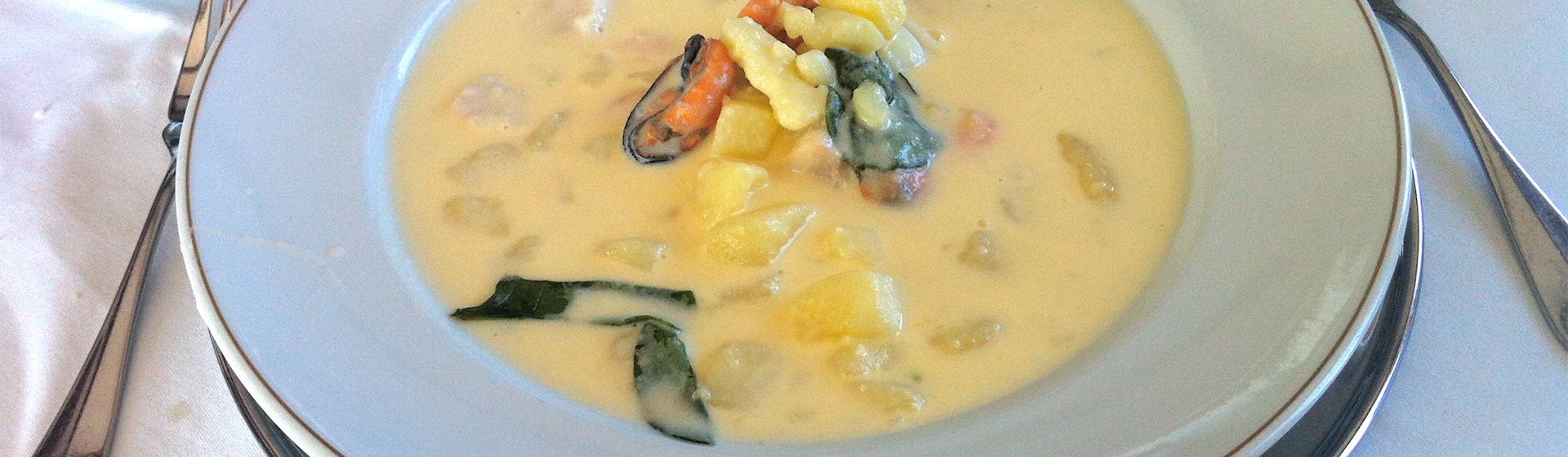
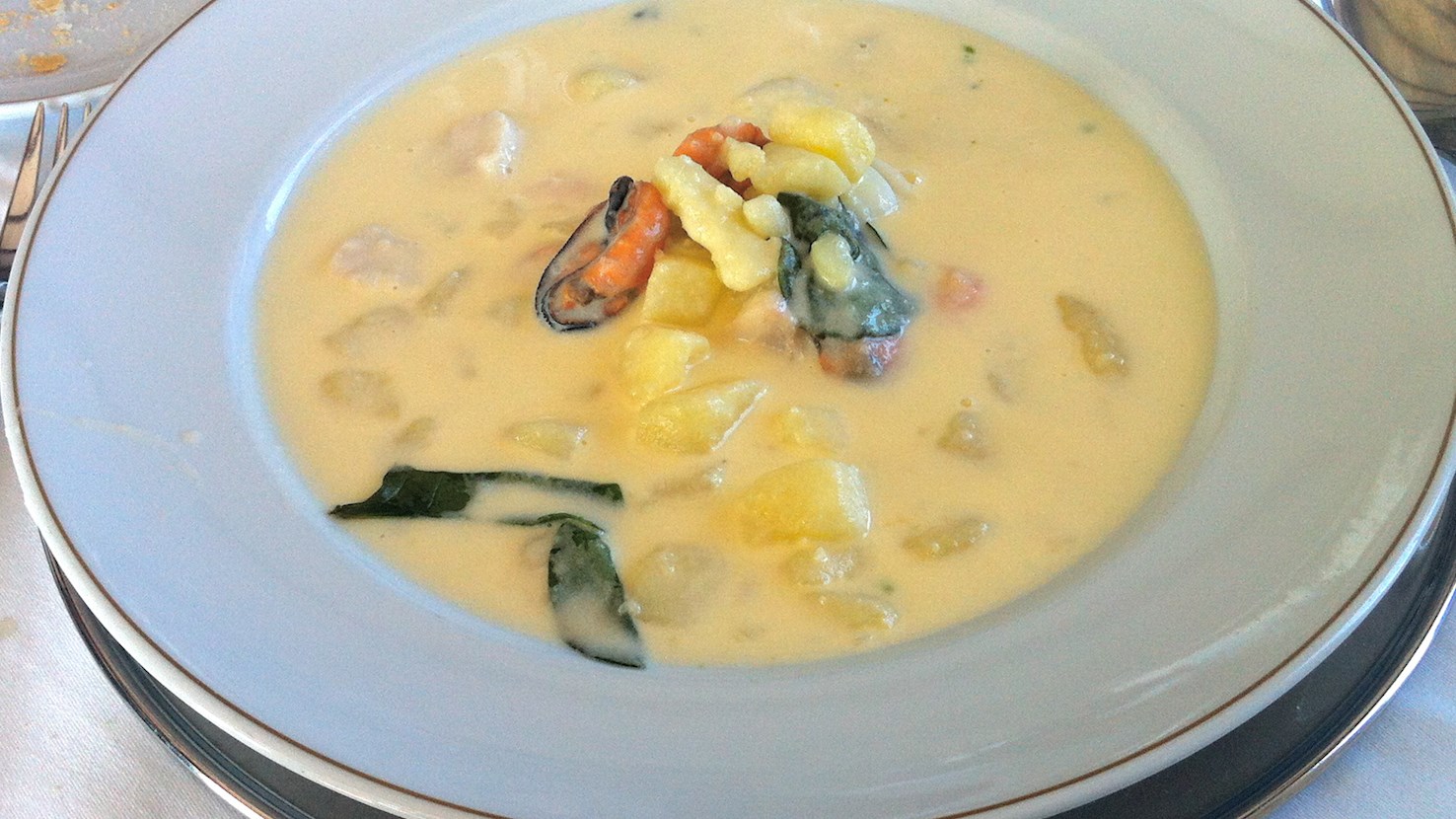
Gazpachuelo is a hot, pale soup from Málaga, built around one combination that sounds improbable at first but works remarkably well: broth and mayonnaise. Potatoes are usually simmered until tender, fish or shellfish may be added, and homemade mayonnaise is carefully loosened with warm broth before being incorporated into the soup, producing a smooth, lightly creamy liquid with the acidity of lemon or vinegar and the richness of olive oil and egg. Despite its name, it has little in common with the chilled tomato gazpacho now known internationally; gazpachuelo contains no tomato in its defining form and is normally served hot. It is especially linked with Málaga’s coastal communities and with El Palo, an old fishing district on the eastern side of the city, where local gastronomic sources describe it as a food of fishing families. Its beginnings were modest. Early versions were designed around inexpensive ingredients that could make a filling meal with very little meat or fish, and some appear to have consisted mainly of potatoes, cooking liquid, egg, oil, and acid. One economical method used the yolk to make the mayonnaise while the egg white was cooked separately in the broth, chopped, and returned to the pot, allowing a single egg to contribute both body and solid pieces to the meal. Fish broth naturally entered the preparation in coastal households, while adding pieces of hake, monkfish, prawns, clams, or other seafood makes for a richer version. By the early decades of the 20th century, gazpachuelo had moved well beyond households of fishermen and was becoming widely recognized across Málaga; local accounts indicate that by the 1930s it could already be found in restaurants around the city. That progression helps explain why no single fixed recipe exists today. At one end are restrained versions of potato, egg, and mayonnaise; at the other are restaurant bowls containing fish fumet, hake or rosada, prawns, clams, rice, wine, and carefully prepared seafood. What remains constant is the emulsion. The broth is prepared first, usually from fish bones, heads, prawn shells, or, in the most economical versions, water, and potatoes are cooked directly in it. Fish is added late so that it remains tender, while shellfish requires only brief cooking. Separately, egg and olive oil or another mild oil are beaten into mayonnaise and sharpened with lemon juice or vinegar. The most important step comes when the two components meet: boiling broth cannot simply be poured into cold mayonnaise, because excessive heat can break the emulsion and leave separated oil floating in the soup. Instead, a small quantity of broth is allowed to cool slightly and whisked gradually into the mayonnaise, tempering it before the mixture is returned to the pot. Once the mayonnaise has been incorporated, the soup should not be allowed to boil vigorously again. This technique gives gazpachuelo its characteristic white or ivory appearance and a texture that is richer than clear fish soup but lighter than a cream-based chowder. Potatoes contribute starch and substance, while the mayonnaise brings fat, acidity, and egg without requiring dairy. Málaga cooks have developed numerous additions around that base: cooked egg white, rice, hake, monkfish, rosada, prawns, clams, chirlas, and other seafood all appear, and more elaborate restaurant versions may introduce amontillado or other fortified wines into the broth. Its color has also remained part of its identity; even versions with seafood generally preserve the pale broth rather than turning it red with tomato or paprika. Gazpachuelo is most closely identified with Málaga city and the surrounding province, where it is eaten as a first course or a light main meal and is particularly appealing in cooler weather despite the region’s warm coastal climate. At home it can be served very simply with pieces of potato and egg, while restaurants often treat it as a vehicle for good local fish and shellfish. Bread is the most natural accompaniment, especially a plain crusty loaf that can absorb the broth, while fried or grilled fish can follow it without introducing an entirely different set of flavors. If the soup already contains generous seafood, little else is needed beyond bread and perhaps a simple salad. Dry Andalusian wines are especially comfortable alongside it: fino or manzanilla work with the mayonnaise’s acidity and the saline character of fish and shellfish. A dry white from Málaga or another fresh southern Spanish white suits lighter versions. Sparkling water or a lightly acidic citrus drink also works well when no alcohol is wanted.
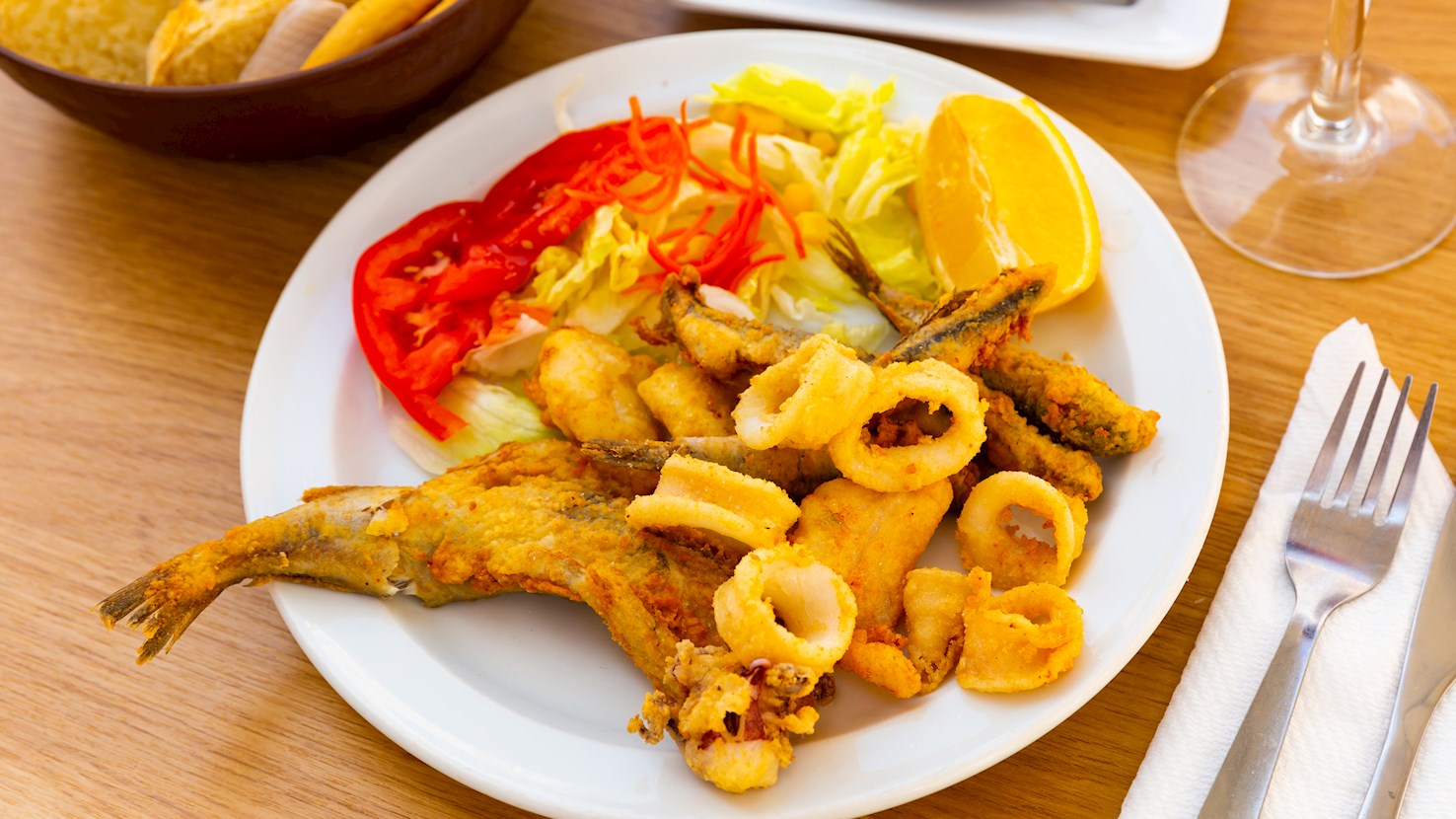
Fritura Malagueña is a traditional dish originating from Malaga. The dish consists of smaller seafood varieties such as shellfish, small fish, and crustaceans that are rolled in flour and fried in oil until crispy and golden. The smaller varieties are used because there is no need to worry about any bones. Once fried, the fish is enjoyed with a sprinkle of lemon juice and a roasted pepper salad. Extra-virgin olive oil is always used to fry the fish, and it often includes baby squid, salmonete (red mullet), mackerel, prawns, cuttlefish, and boquerones (fried anchovies). This fish fry can be enjoyed as a tapa or as a snack, and it's recommended to pair it with a bottle of ice cold beer.
Atún mechado is a traditional dish originating from Málaga. It’s made with a combination of tuna, bacon, peppercorns, garlic, flour, olive oil, onions, carrots, cloves, bay leaves, parsley, and either sherry or white wine. The bacon is rolled in crushed peppercorns, then inserted into slits that have been cut into the sides of the fish. The same process is repeated with slices of garlic. The fish is then dusted with flour and browned in olive oil, while the remaining garlic is fried with onions and carrots until the ingredients soften. The wine, bay leaves, cloves, and water are then added to the pan, and the contents are placed into a casserole with the browned tuna. The fish is braised gently in the oven until the sauce is reduced. This dish is traditionally served with mashed potatoes or rice on the side, and it’s often garnished with parsley.
TasteAtlas food rankings are based on the ratings of the TasteAtlas audience, with a series of mechanisms that recognize real users and that ignore bot,
nationalist or local patriotic ratings, and give additional value to the ratings of users that the system recognizes as knowledgeable.
TasteAtlas Rankings should not be seen as the final global conclusion about food. Their purpose is to promote excellent local foods,
instill pride in traditional dishes, and arouse curiosity about dishes you haven’t tried.




What People Say