

tasteatlas

Top 100 Fish Dishes
in the World

Last updated on April 15, 2026
01

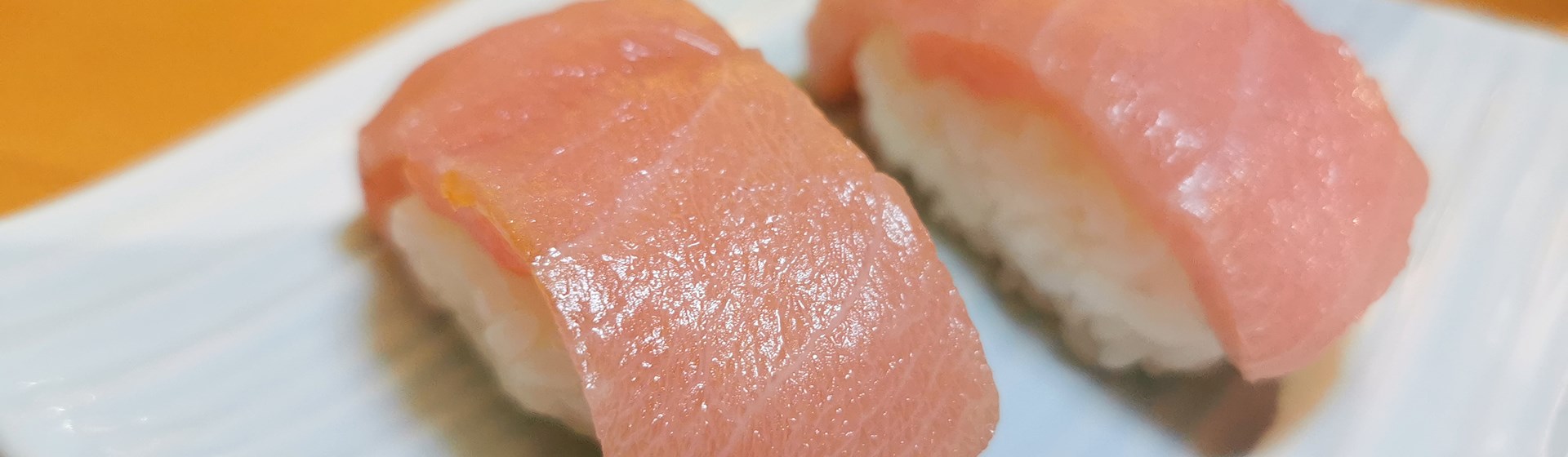
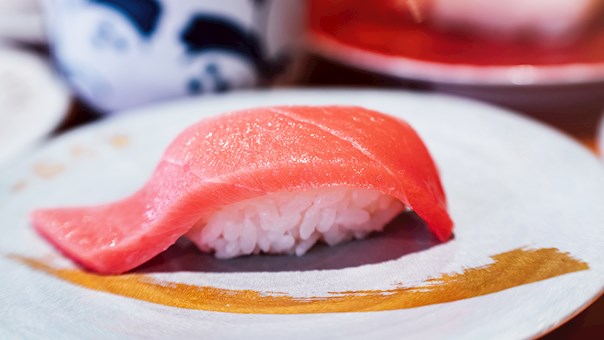
Otoro nigiri sushi

4.6 ·

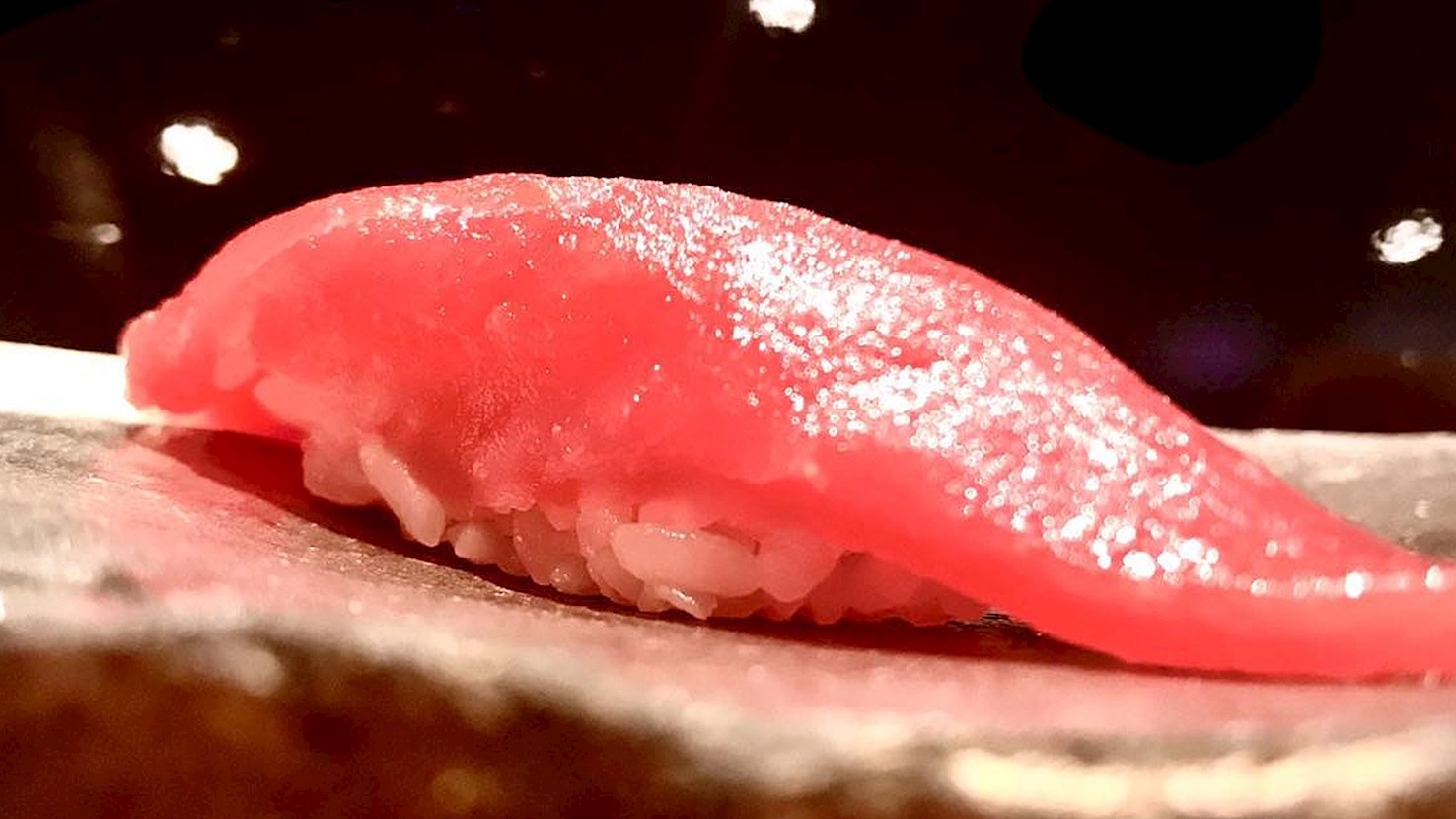
Otoro nigiri sushi is a traditional type of nigiri sushi. It consists of hand-pressed sushi rice that's topped with slices of fatty cuts of tuna. Different cuts of tuna are classified as otoro (fatty), chutoro (medium-fatty), and akami (red meat). The dish has a rich flavor and a melt-in-the-mouth texture that makes it quite expensive. Traditionally, this type of sushi is eaten by hand in a single bite. It's usually accompanied by soy sauce, wasabi, or pickled ginger (gari) on the side.

02

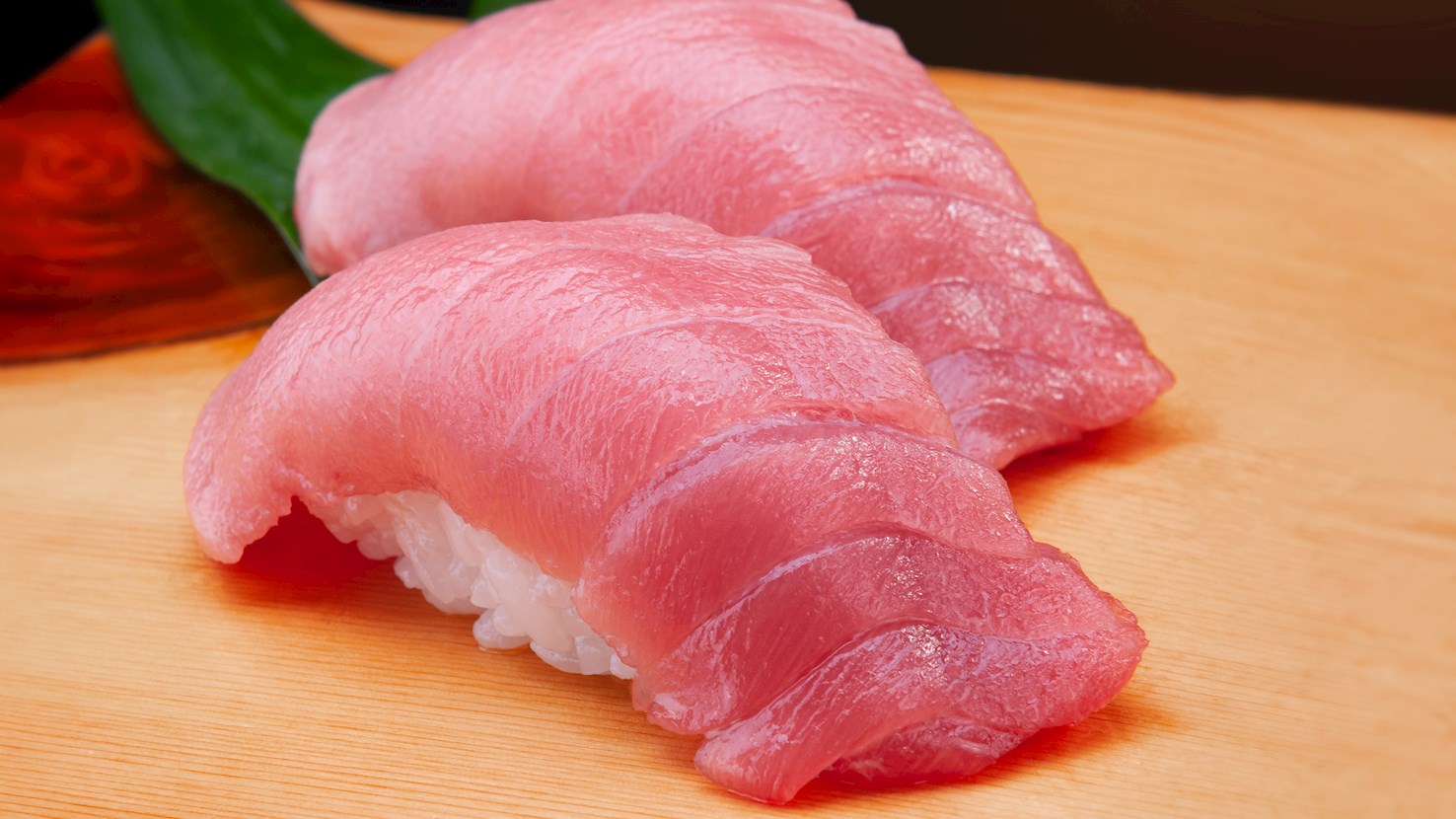
Chutoro nigiri sushi

4.6 ·

Chutoro nigiri sushi is a traditional type of nigiri sushi. It consists of hand-pressed sushi rice that's topped with slices of medium-fatty cuts of tuna. Different cuts of tuna are classified as otoro (fatty), chutoro (medium-fatty), and akami (red meat). The dish has a rich and deep flavor and a soft texture. Traditionally, this type of sushi is eaten by hand in a single bite. It's usually accompanied by soy sauce, wasabi, or pickled ginger (gari) on the side.

03

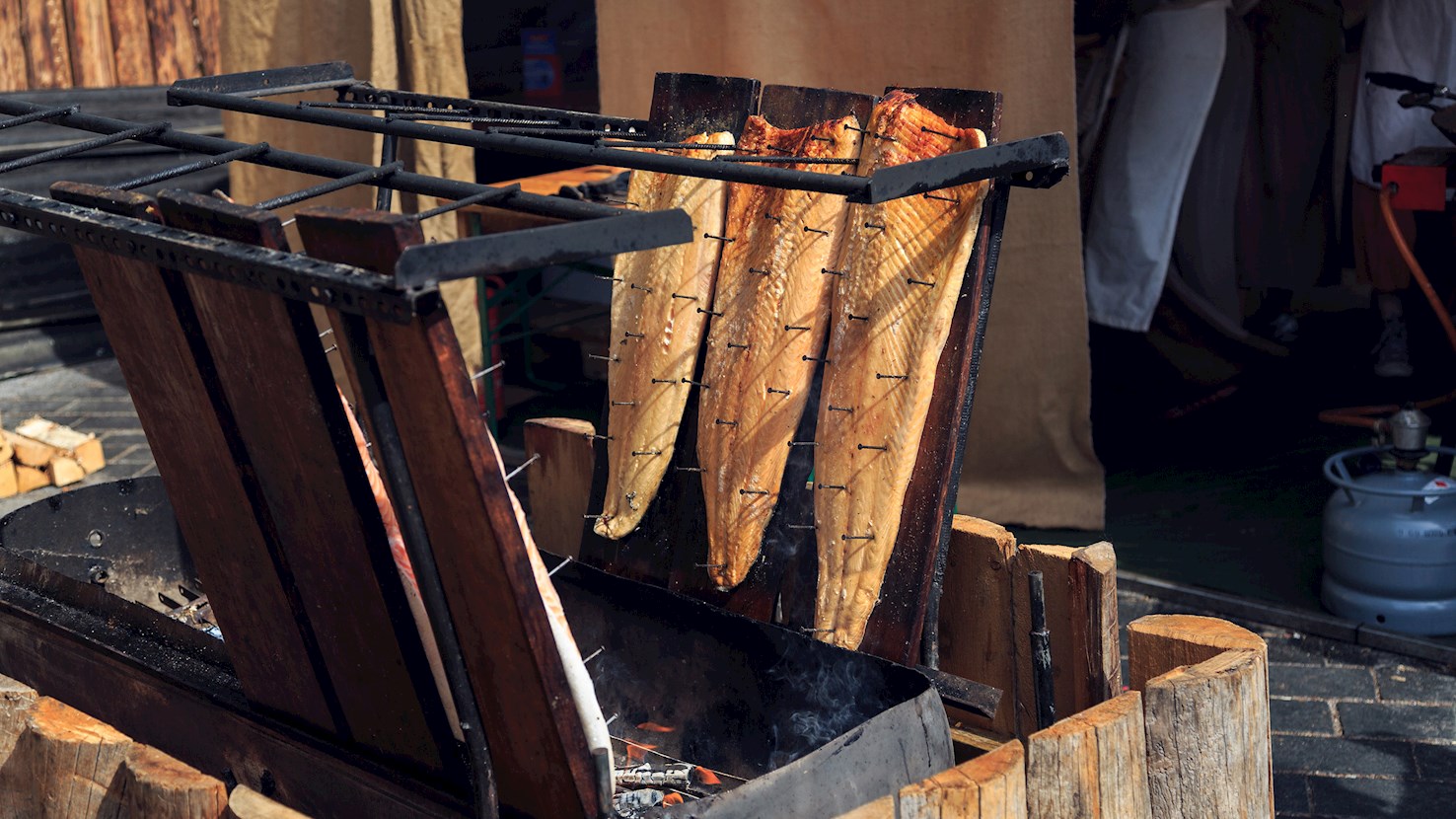
Loimulohi

4.6 ·

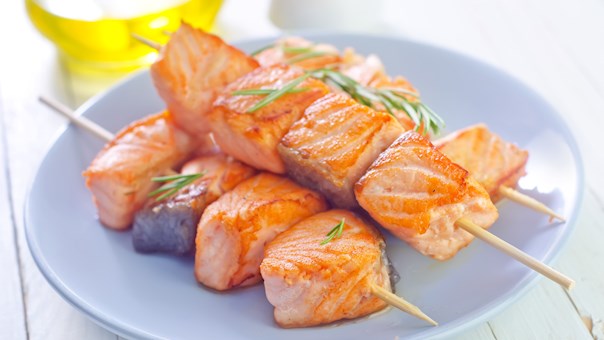
Loimulohi is a traditional method of preparing salmon or rainbow trout. The fish is smoked on a wooden plank that's placed vertically over an open fire. Before the process, the salmon is usually seasoned with sea salt and drizzled or brushed with lemon juice, honey, or juniper berries. The cooking time depends on the distance from the coals. Once done, the smoky fish can be eaten straight off the plank.

04

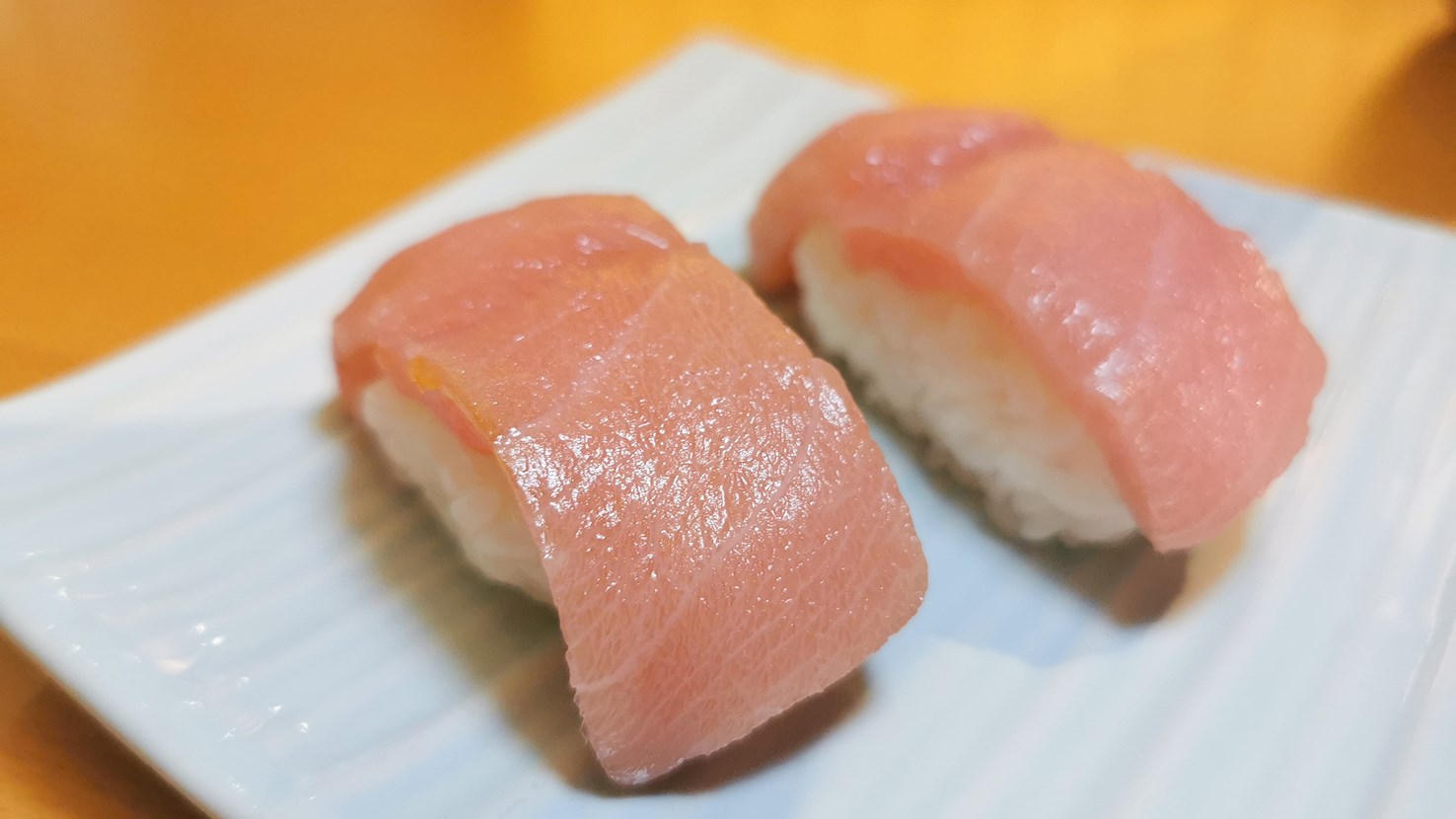
Maguro nigiri sushi

4.4 ·

Maguro nigiri sushi is a traditional type of nigiri sushi. It consists of hand-pressed sushi rice that's topped with slices of tuna. Different cuts of tuna are classified as otoro (fatty), chutoro (medium-fatty), and akami (red meat). The dish has a mild flavor and a rich texture that makes it great for sushi newcomers. Traditionally, this type of sushi is eaten by hand in a single bite. It's usually accompanied by soy sauce, wasabi, or pickled ginger (gari) on the side.

05

Batagor

4.4 ·

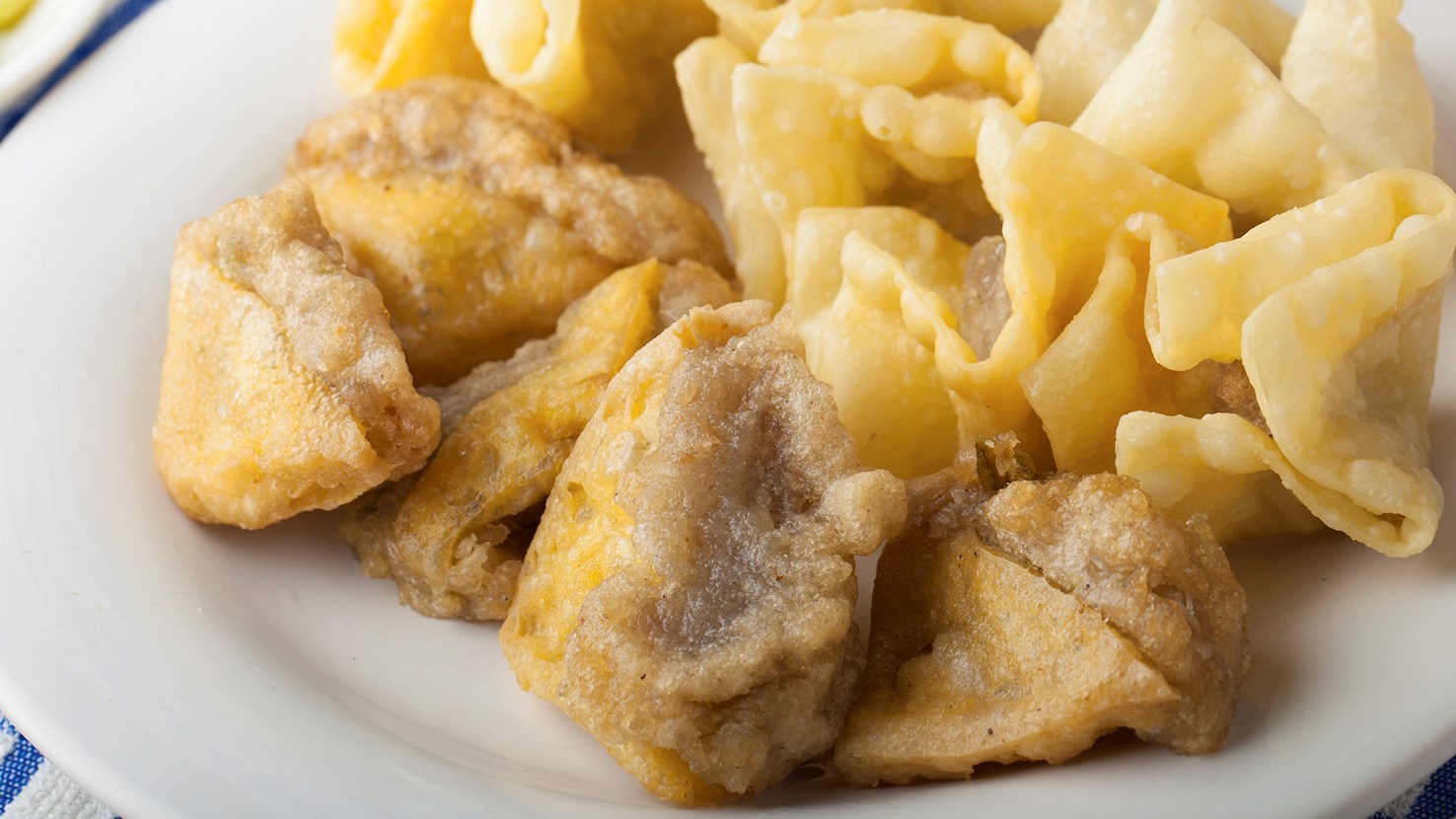
One of the most famous snacks in Indonesia is batagor, a fried fish dumpling served in a traditional spicy sauce. It has roots in the Chinese culinary tradition, which has left a trace on many Indonesian dishes. Although this famous snack is reminiscent of the more famous Chinese dumpling, its distinguishable characteristic is that it is fried, not steamed. The most common fish used to make the dish is wahoo, but tuna, mackerel, and even prawns can also be used. Potatoes, tofu, or cabbage are also occasionally added to the dish. Batagor is the perfect snack because of the way it is served. When fried, the dumplings are cut into small bite-sized pieces and covered in peanut, soy, and chili sauce with a splash of lime juice. It was invented in the 1980s in Bandung, but today it can be found throughout Indonesia. Since it is quickly prepared, it is commonly sold by street vendors, but it can also be found in many Indonesian restaurants.

06

Lohikeitto (Salmon soup)

4.4 ·

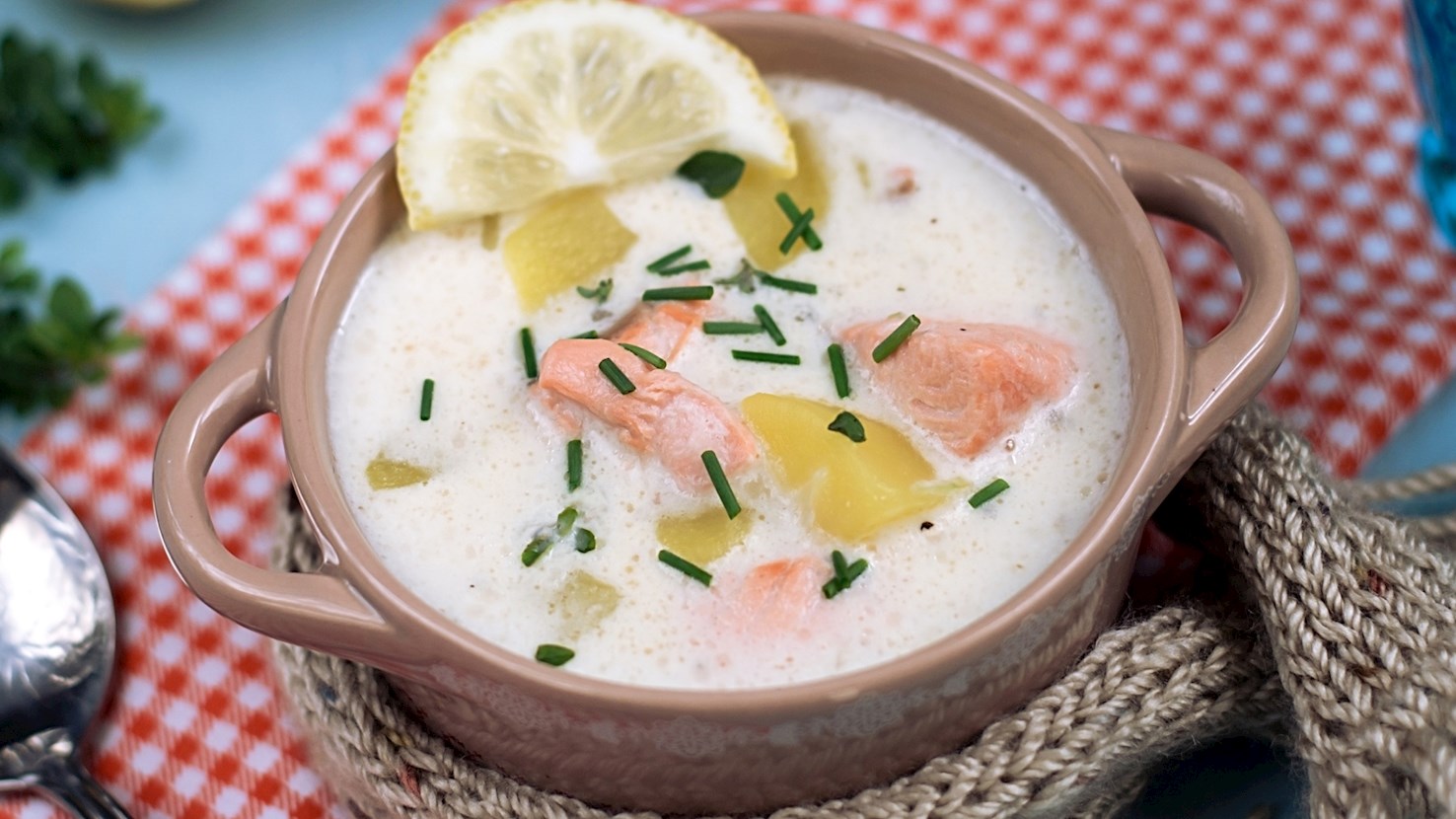
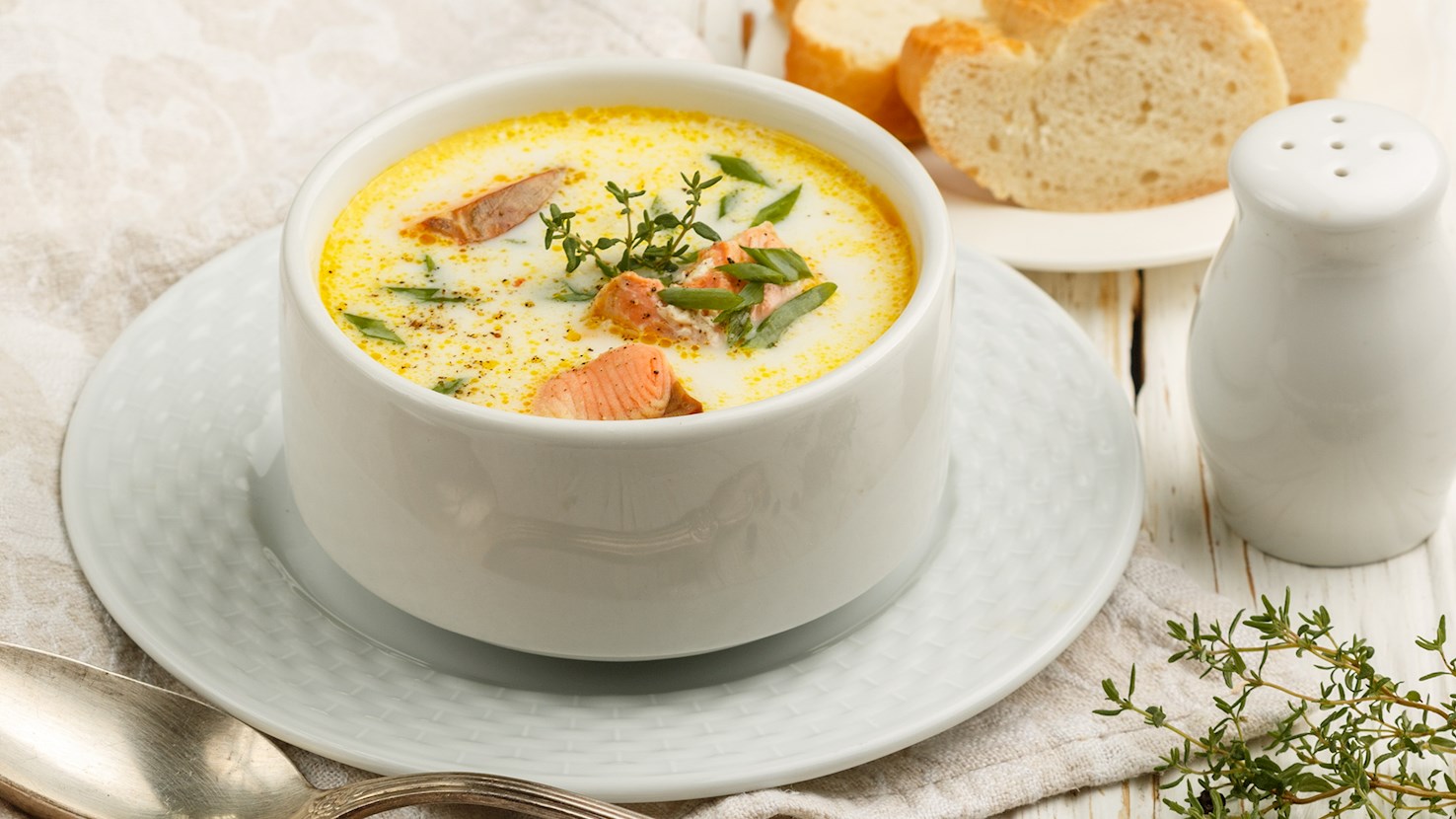
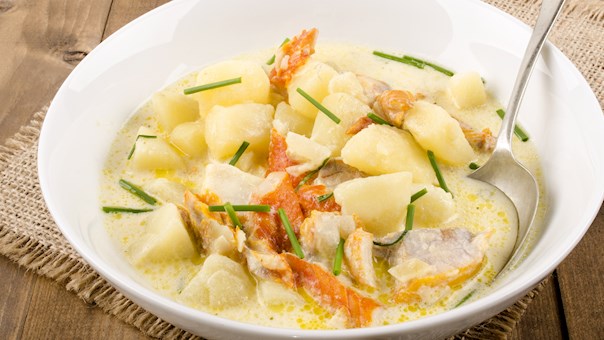
Lohikeitto is a creamy Finish salmon soup, similar to laxsoppa in Sweden. Apart from chunks of salmon fillet, it traditionally incorporates diced potatoes and carrots cooked in a flavorful, buttery broth infused with fish stock and cream. This comforting winter dish is generously seasoned with dill and served alongside buttered rye bread or lemon wedges.

07

Sake nigiri sushi

4.4 ·

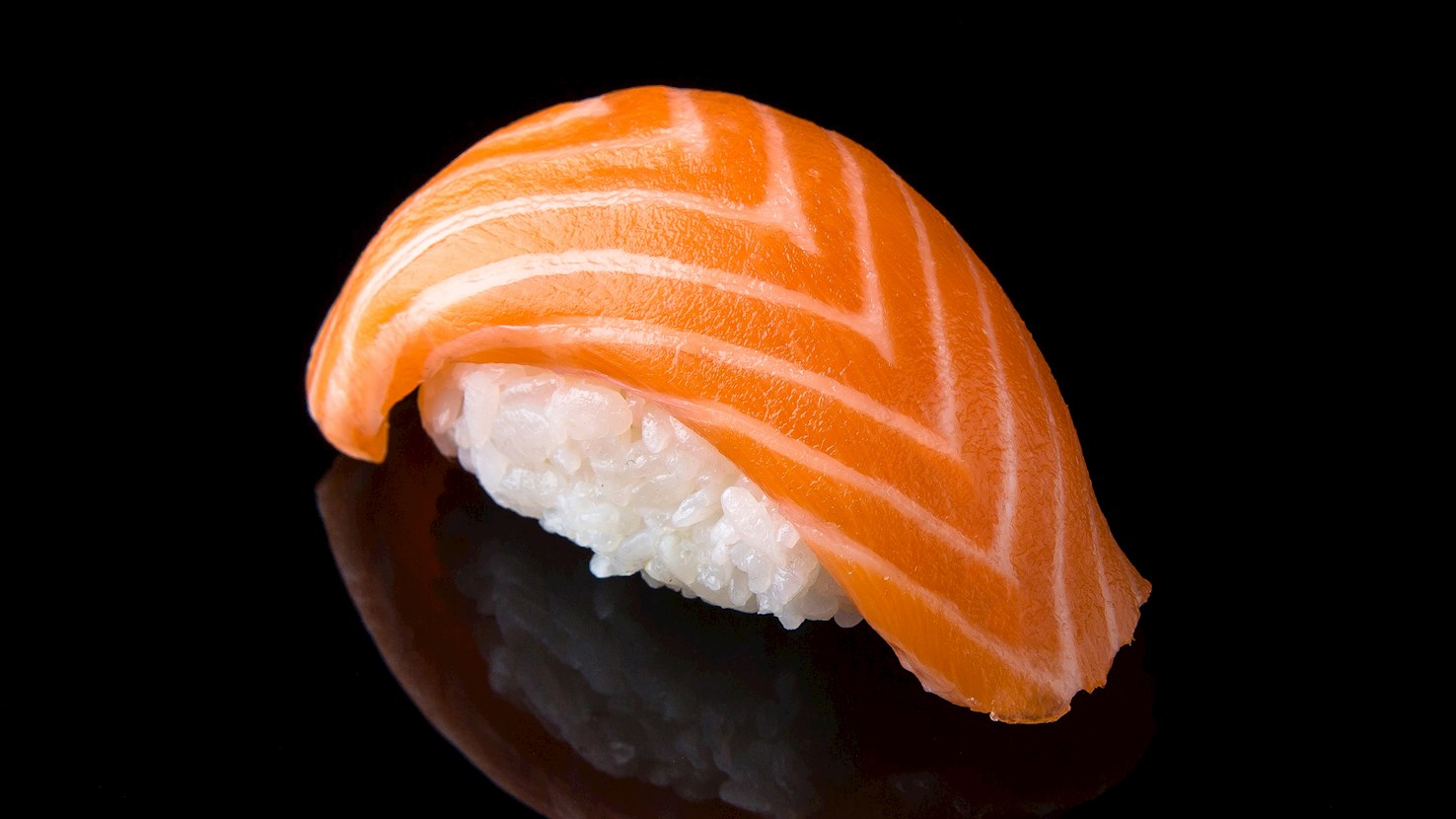
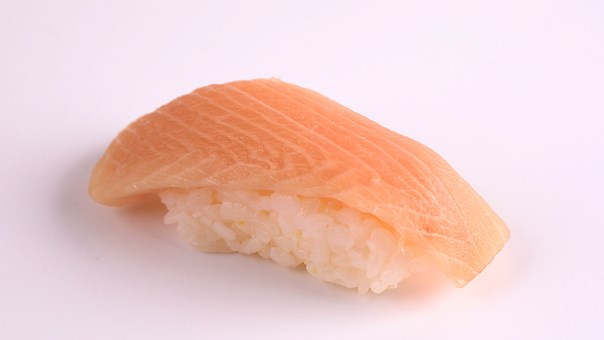
Sake nigiri sushi is a Japanese type of nigiri sushi, with origins in Norway. It consists of hand-pressed sushi rice that's topped with slices of salmon. The dish has a soft texture and a clean finish that makes it good for sushi newcomers, although the flavor can be a bit fishier than maguro (tuna) nigiri sushi. Traditionally, this type of sushi is eaten by hand in a single bite. It's usually accompanied by soy sauce, wasabi, or pickled ginger (gari) on the side.

Best restaurants
08

Ceviche

4.4 ·

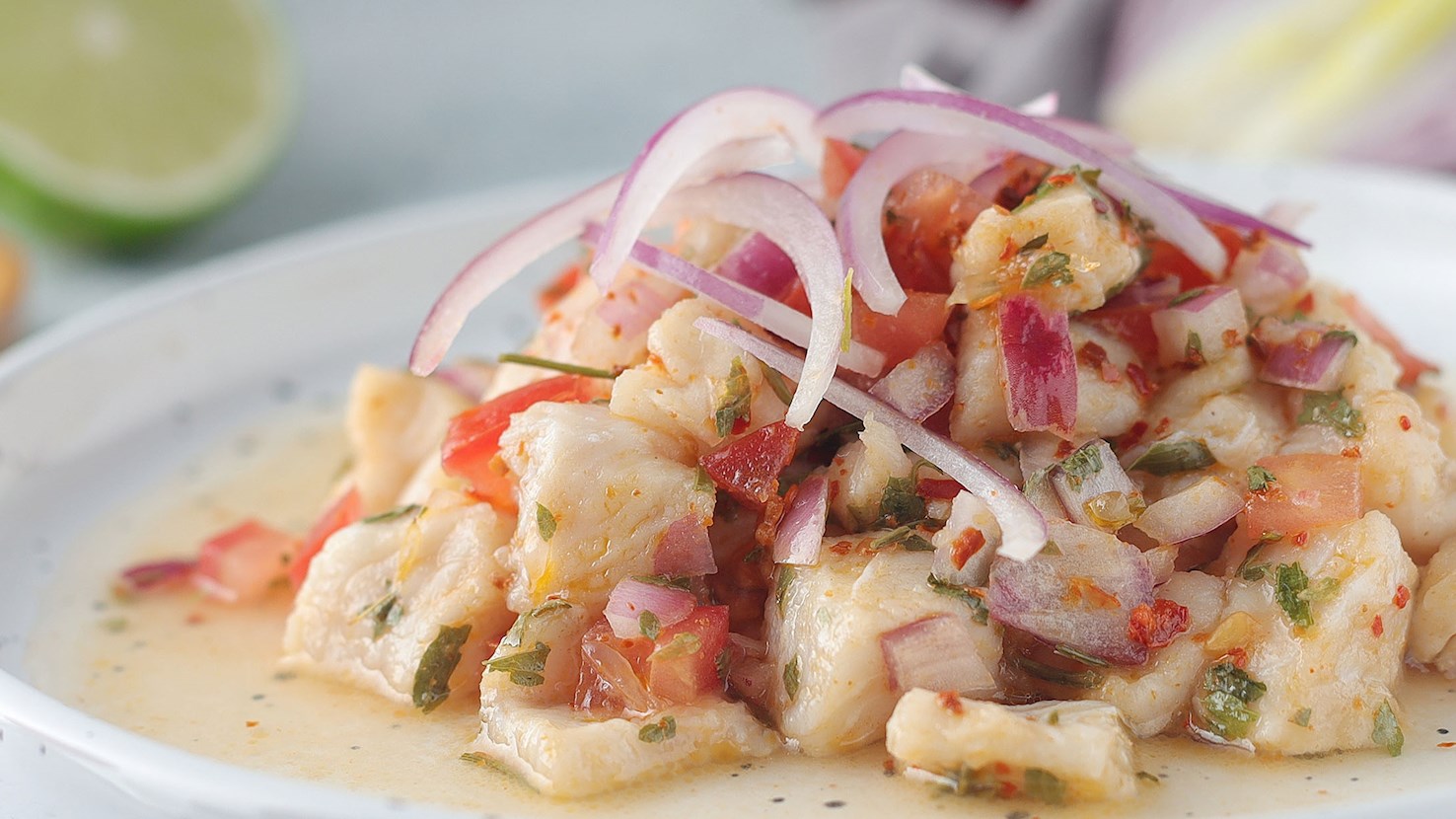
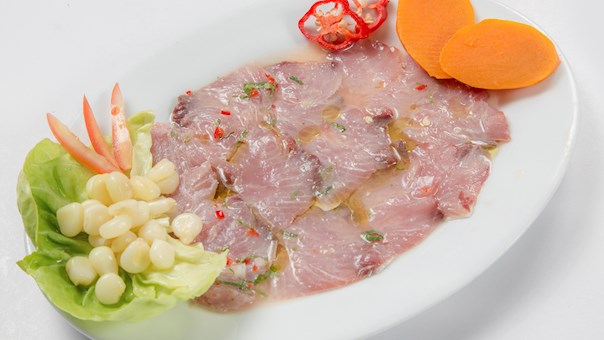
Ceviche is the national dish of Peru consisting of slices of raw fish or shellfish that is spiced with salt, onions, and chili peppers, then marinated in lime juice. Due to the acidity of lime juice, the texture of the fish changes, as does its color – from pink to white. The acidic marinade, also known as leche de tigre (lit. tiger's milk) "cooks" the meat without any heat involved in the process. For ceviche, fresh fish is an imperative, as fish and shellfish that are not fresh can cause food poisoning. Peruvians are used to fresh ingredients, so the fish will sometimes be prepared for ceviche less than an hour after being caught. Fish for ceviche can be divided into three categories: firm, medium, and soft. The dish was originally made by the natives who marinated fish and amarillo chiles in the juices of a native fruit called tumbo, which was replaced by lime juice when the Spanish brought limes and onions to the country. The flavors of ceviche are slightly acidic and spicy, with an intense aroma of the sea. Traditionally, it is served on a bed of lettuce with tiny pieces of corn, chunks of sweet potato, and boiled yuca. Cancha, a variety of popcorn made from large corn kernels toasted in salt and oil provides an ideal side dish. The dish is traditionally served at cevicherias, specialized ceviche restaurants that can be found all over the country, and it is so popular that it even has its day, known as National Ceviche Day.

09

Gravlax

4.4 ·

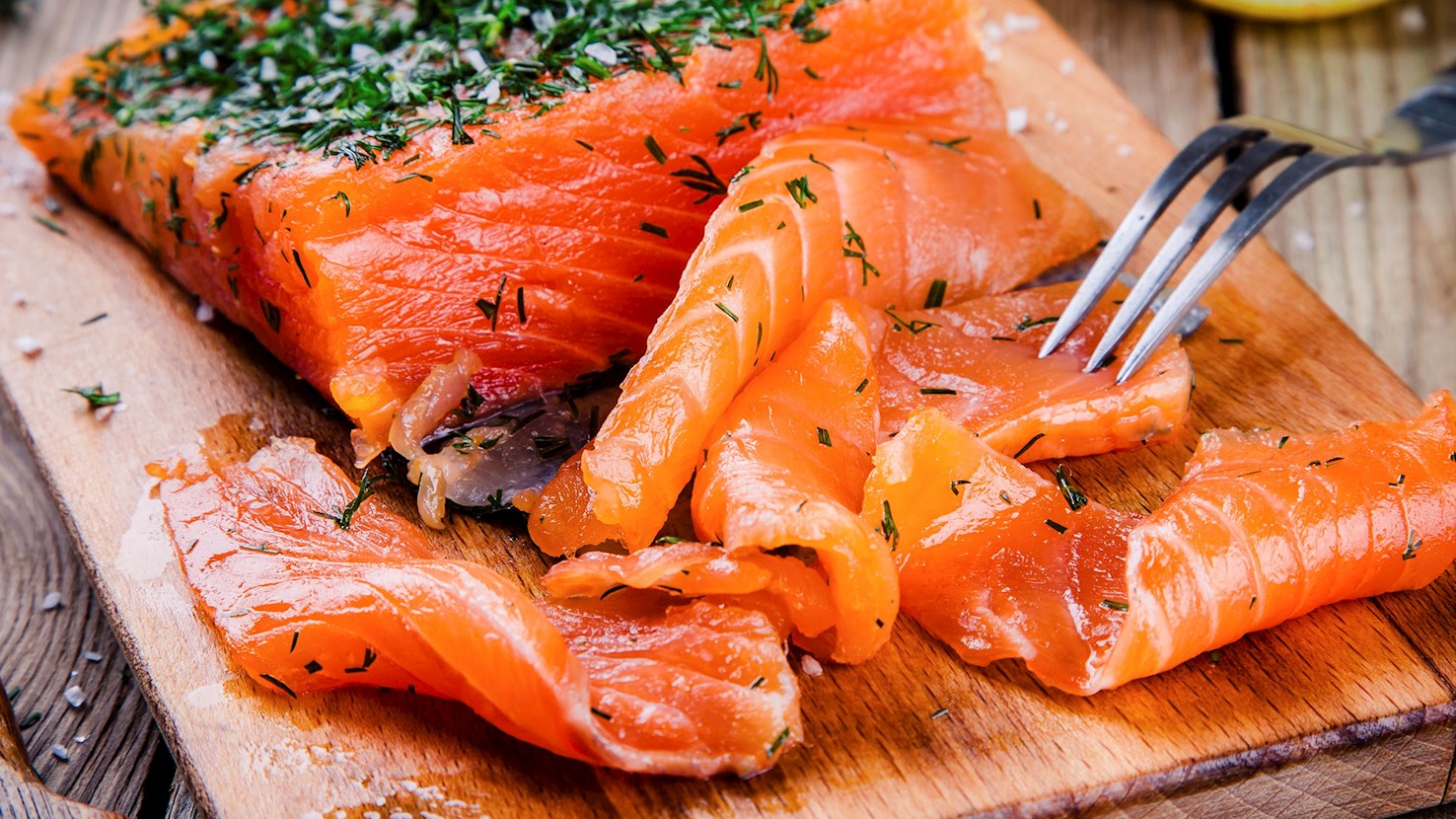
Gravlax is a Scandinavian dish consisting of raw, salt-cured salmon that is traditionally seasoned with dill. Originally, the dish was made by fishermen who used to bury the salt, sugar, and dill-rubbed salmon above the line of high tide and leave it to ferment. At the time, it was characterized by its pungent flavor and odor, but today, gravlax is cured under refrigeration. The name gravlax comes from a combination of two words, grav, meaning buried, and lax, meaning salmon, referring to the original method of production. This delicacy is usually thinly sliced and served as an appetizer. It pairs well with crackers and pickled vegetables, but it can also be used as a stuffing for bagel sandwiches.

Best restaurants
10

Kalakeitto (Finnish fish soup)

4.4 ·

Kalakeitto or fish soup has been a staple of traditional Finnish cuisine for a long time. Although there are numerous ways to prepare this classic Finnish specialty, it typically consists of cleaned and filleted fish chunks and diced vegetables that are simmered in a rich, buttery fish broth. Carrots, potatoes, onions, and leeks are among the most common vegetables used for the soup’s preparation, while the choice of fish includes salmon, rainbow trout, vendace, pike, perch, zander, or burbot. Traditionally, the soup is enhanced with the addition of butter and cooking cream (ruokakermaa), and it is usually flavored with dill, allspice, bay leaves, salt, and pepper. In Finland, a bowl of steaming hot fish soup is typically enjoyed for lunch or dinner, but it can also be served as an appetizer, accompanied by traditional Finnish rye bread and lemon wedges on the side. As of 2018, the country has started celebrating its National Fish Soup Day (Kalakeittopäivä) on the second Tuesday of February, a manifestation that has begun with the aim of boosting people’s consumption of fish.

12

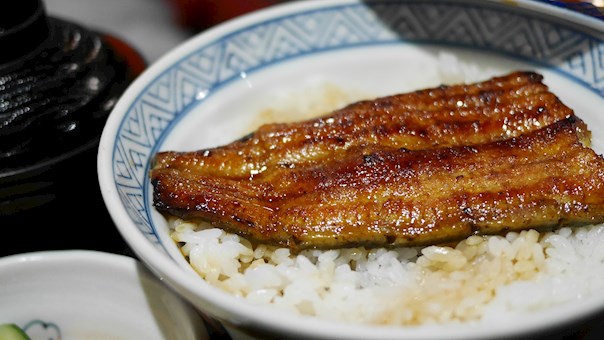
Unadon

4.3 ·
13

Akami nigiri sushi

4.3 ·
14

Tiradito

4.3 ·
16

Bakaliaros

4.3 ·
17

Tekkadon

4.3 ·
20

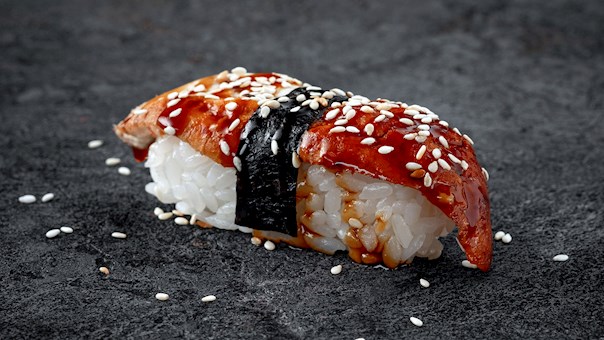
Unagi nigiri sushi

4.2 ·
About this ranking

TasteAtlas food rankings are based on the ratings of the TasteAtlas audience, with a series of mechanisms that recognize real users and that ignore bot, nationalist or local patriotic ratings, and give additional value to the ratings of users that the system recognizes as knowledgeable. For the “Top 100 Fish Dishes in the World” list until April 15, 2026, 20,893 ratings were recorded, of which 13,195 were recognized by the system as legitimate. TasteAtlas Rankings should not be seen as the final global conclusion about food. Their purpose is to promote excellent local foods, instill pride in traditional dishes, and arouse curiosity about dishes you haven’t tried.

Similar lists