Tarako is a type of roe mostly harvested from Alaska pollock, but since the fish is closely related to cod, it is often labeled as cod roe. It is a type of salted roe with a light pink color, incredibly tender texture, and a mild and neutral flavor. This roe can be eaten plain or incorporated into various dishes. It is often used as a topping on rice dishes and sushi, but it can also be cooked and used in sauces. When salted and marinated in spices, it goes under the name mentaiko.
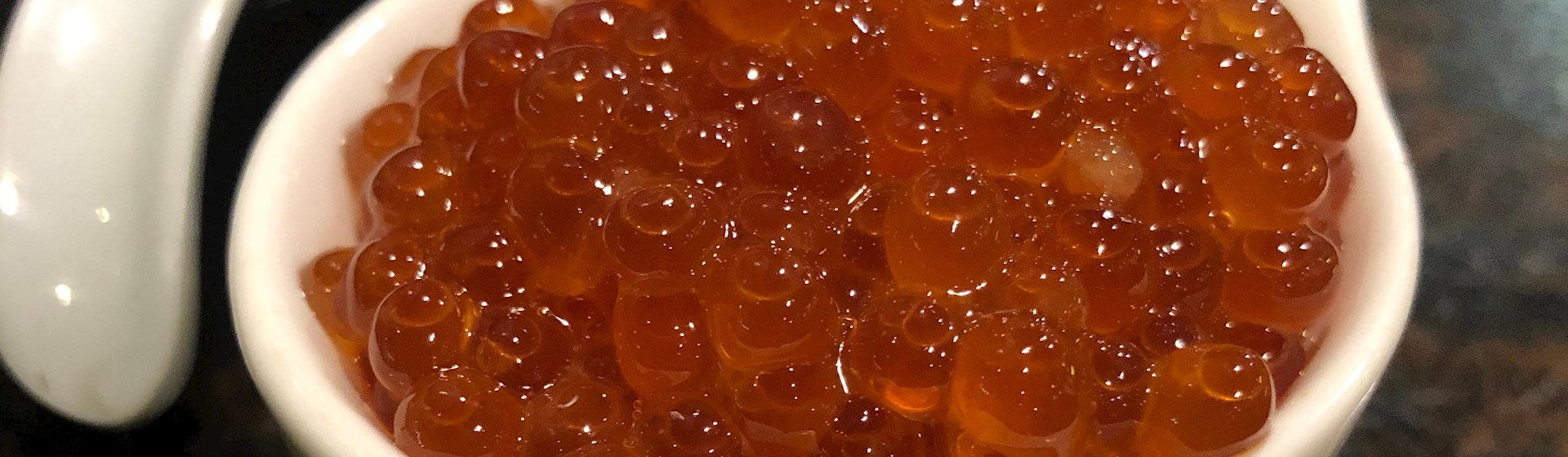
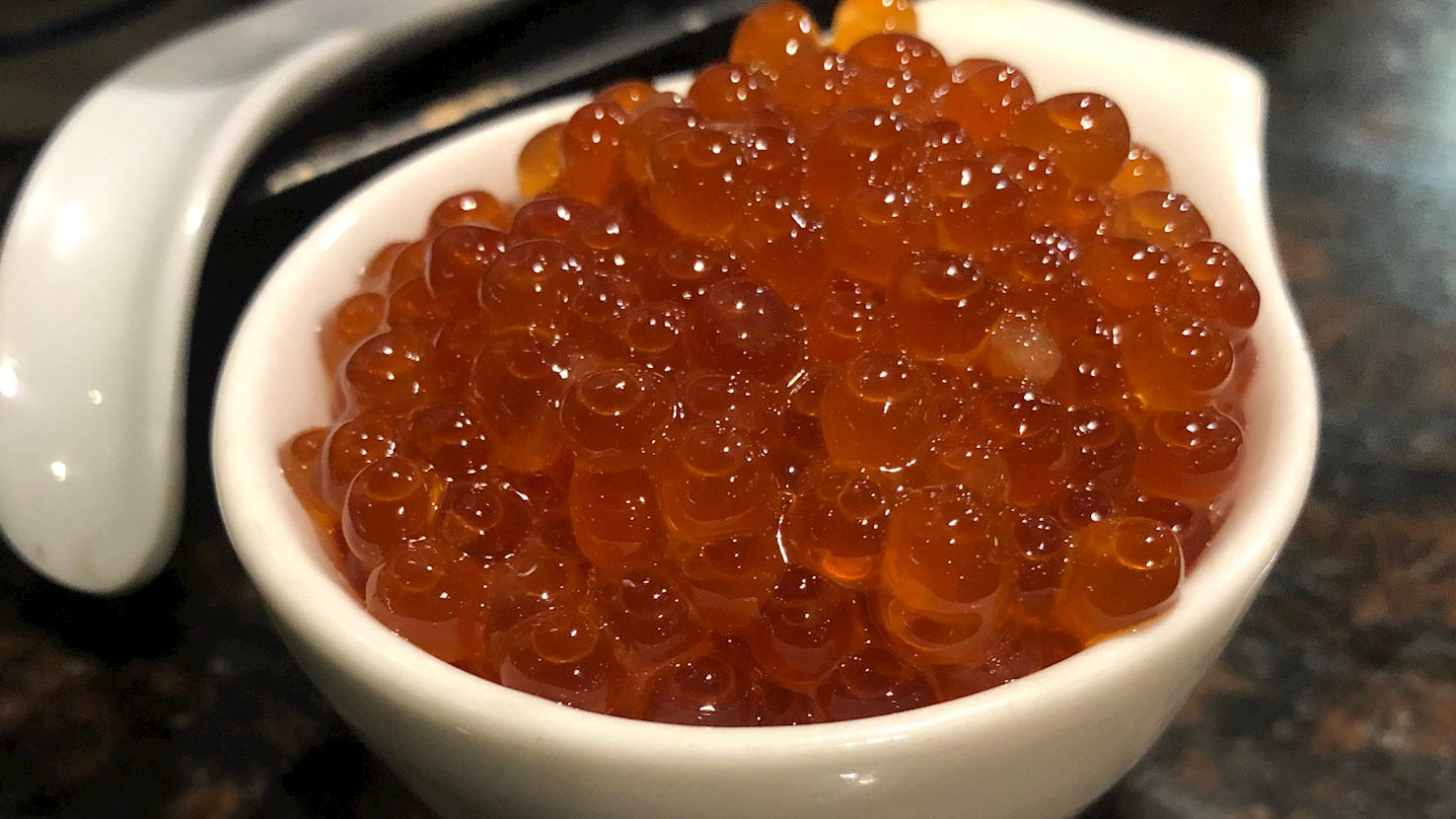
Ikura (also known as salmon roe) are round, almost transparent salmon eggs, an unusual ingredient which is especially popular in Japan. After they have been removed from the sack, creating individual plump orbs, the eggs undergo the curing process which usually includes salt or brine. During the Taisho period in Japan, which started in 1912, the Russians introduced the tradition of curing salmon roe to the Japanese. However, the Japanese adjusted the recipe to their tastes and started using fragrant soy sauces, sake, and rice wine for curing, giving the roe a deeper and distinctively Japanese flavor. The strong and flavorful Japanese curing brine managed to remove the unpleasant smell from the roe, and at the same time preserved it for a longer period. The tradition of eating salmon roe has not been popularized as soon as it was introduced - it was only in the 1980s that it started to become a staple ingredient in sushi restaurants around Tokyo. Today, it is still an important sushi component, but the most common dish which incorporates ikura is ikuradon, a bowl of freshly steamed fluffy rice topped with a spoonful of this flavorful ingredient. It is also often served with traditional Japanese dishes such as grated daikon or various noodle dishes. Although it is often replaced with cheaper and more available versions, ikura is regarded as a highly specific variety in which the combination of flavors creates a truly spectacular eating experience.
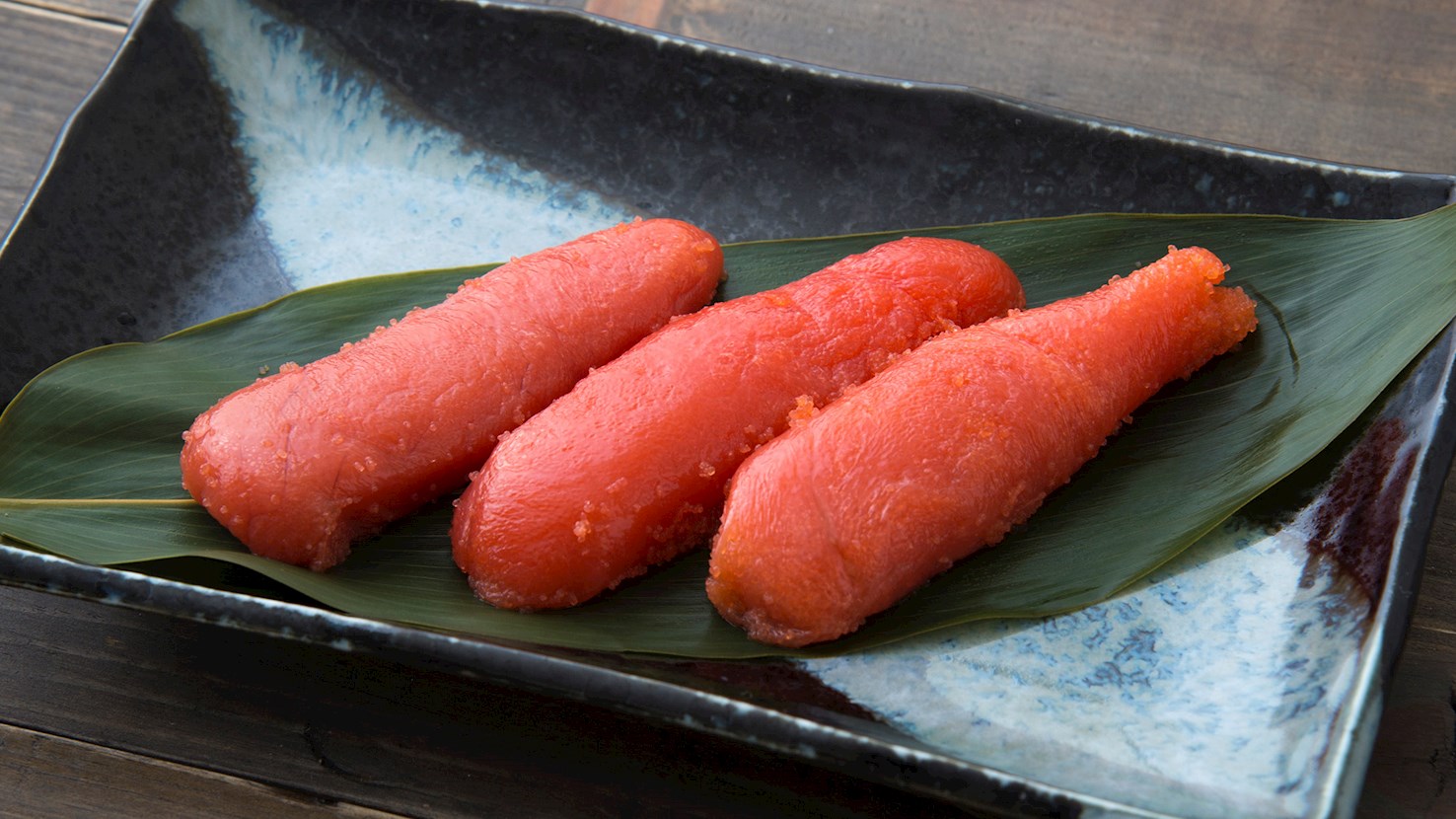
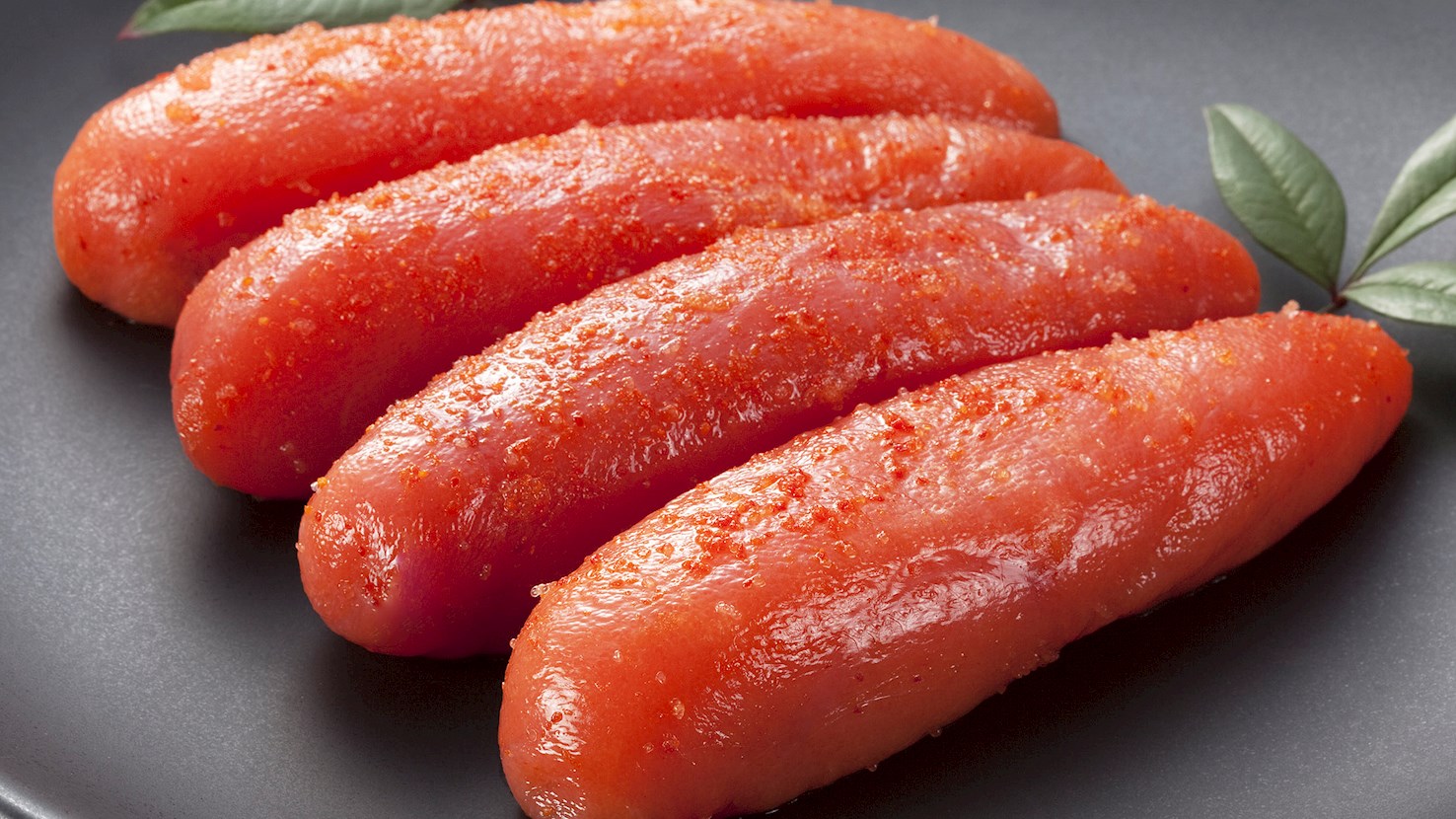
Mentaiko or myeongnanjeot a term describing whole sacks of marinated Alaskan pollock roe, commonly eaten in Japan and South Korea. Quite often, it is mistaken for tarako (salted version), and since Alaska pollock is closely related to cod, the product is often labeled as cod roe. The marinating process contributes to its savory, salty, and somewhat spicy flavor, which perfectly combines with its creamy texture. It originated in South Korea, where it has been enjoyed since the 17th century. After WWII, it became available in Japan, particularly among the traders in the region of Hakata, and soon it became a prevalent ingredient nationwide. As fish roe, it is mostly consumed as a sushi ingredient. It is also used as a topping on various rice dishes or yakitori. One of the most popular ways to eat it is in combination with spaghetti. It is often used as a side dish when it is traditionally lightly roasted on a grill. Mentaiko is found in Japanese grocery stores in various forms such as mentaiko paste, frozen and dried mentaiko, and even mentaiko sauce. The variety marinated in chili peppers is usually labeled as karashi mentaiko.
Masago is a Japanese term for the capelin roe (Mallotus villosus). The roe usually has small, pale-colored beads, and producers frequently dye it red, black, green (wasabi), or yellow (yuzu). Masago is usually cheaper than similar roe varieties, such as ikura (salmon) or tobiko (flying fish). It usually has a milder flavor and less crunch, so it is best used as a garnish or paired with neutral-flavored dishes. The most common use of masago is as a sushi garnish—usually as a topping for rolls or hand-rolled sushi. It is often falsely marketed as the slightly more esteemed tobiko.
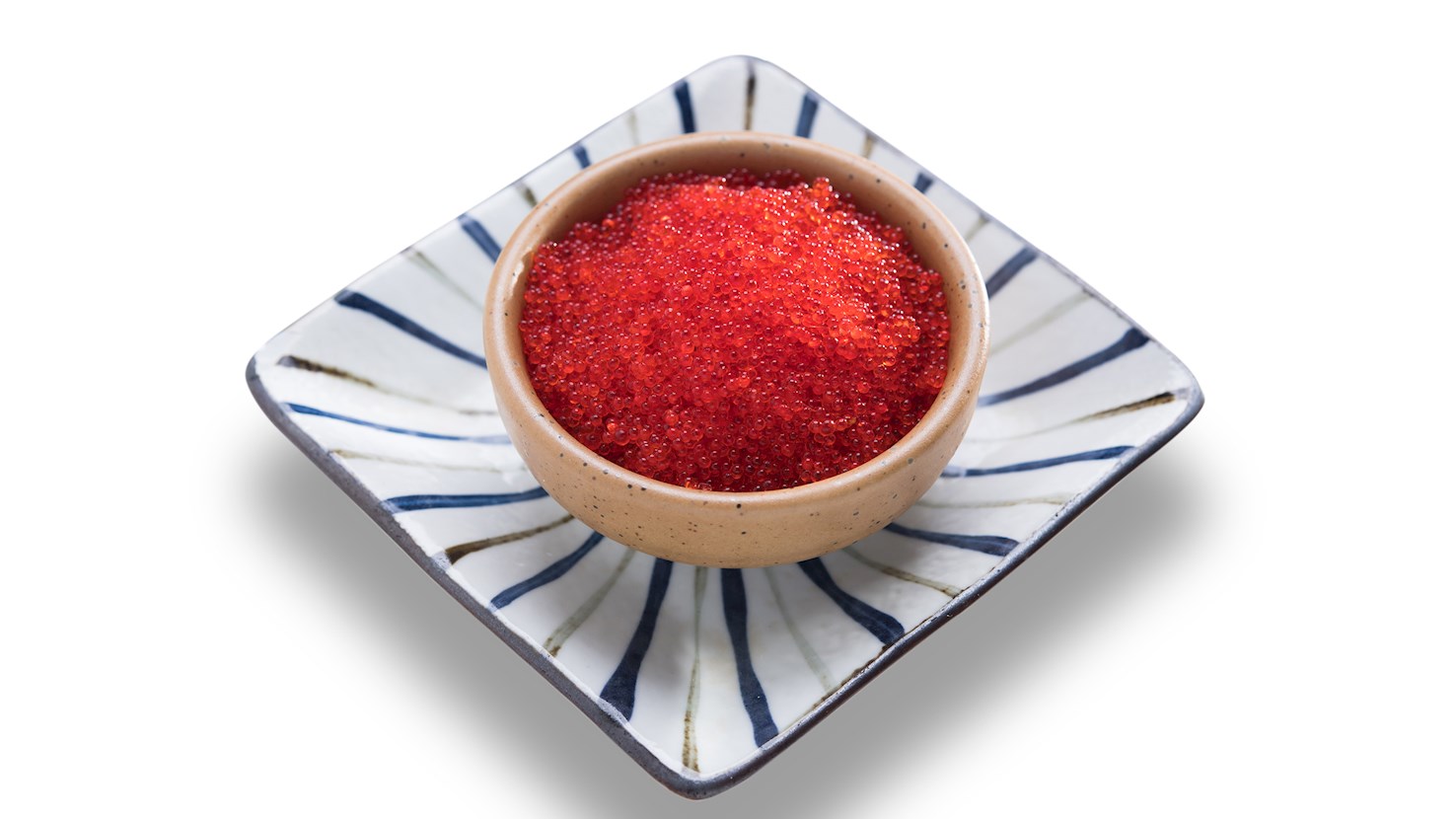
Tobiko is a Japanese term for flying fish roe. The natural color of this roe is bright orange, but sometimes other ingredients, such as squid ink or yuzu, can be added to impart the roe with various colors and slightly alter its flavor. Tobiko eggs are smaller than ikura (salmon roe), but they have a similar crunchy texture. Their flavor is often described as salty, smoky, and subtly sweet. Tobiko can be enjoyed on its own, but it is mostly used as an ingredient in gunkan sushi or as a garnish on various sushi rolls.
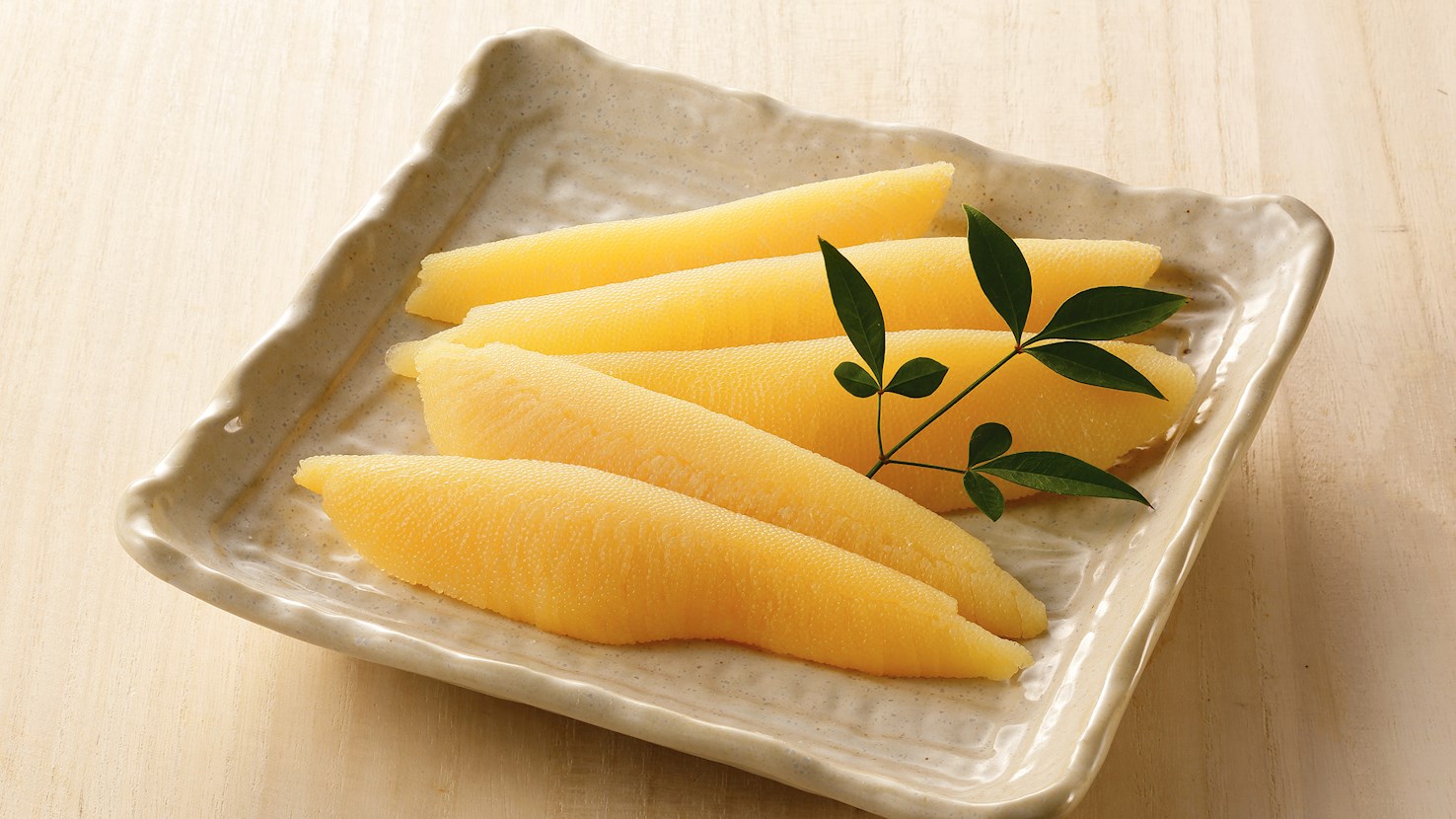
Kazunoko is a Japanese term for salted herring roe that is typically marinated in dashi stock. This yellow roe is slightly elongated and filled with tiny round eggs that pop and release their briny flavor when eaten. In Japan, herring roe is usually first desalted and then marinated in dashi stock, which is often seasoned with soy sauce, kelp (seaweed), and bonito flakes. The word translates as number (kazu) and child (ko), and the dish symbolizes a prosperous future and fertility. Because of this, kazunoko is one of the essential courses served during Japanese New Year festivities—collectively called Osechi-ryōri. Herring roe can be enjoyed on its own, but it is also incorporated into sushi, and it is one of the ingredients in matsumaezuke.
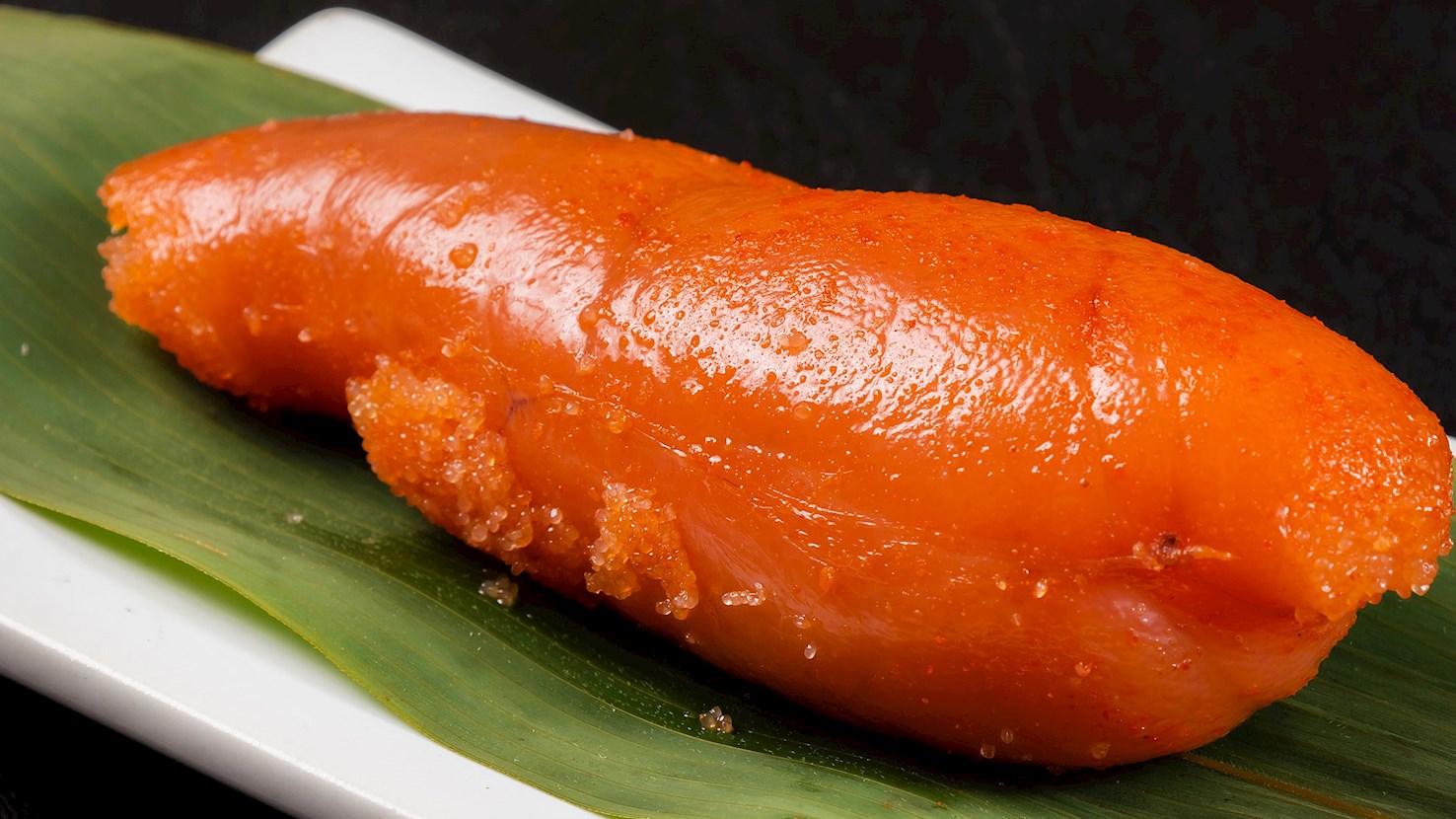
Karashi mentaiko is a Japanese delicacy made from whole Alaskan pollock or cod roe sacs, salt-cured and steeped in a highly spiced, chili-based marinade. The sacs are fiery red, with a delicate outer membrane, and thousands of tiny eggs that provide a subtle, satisfying pop. The roe boasts a complex flavor profile—an explosive combination of oceanic brininess, profound earthy umami, and a lingering, warming chili heat. Although it is intrinsically linked to Japanese cuisine and serves as the signature culinary souvenir (meibutsu) of Fukuoka, karashi mentaiko traces its origins to Korea. It evolved from myeongnan-jeot, a traditional salted and fermented pollock roe. Following World War II, a resident of the Hakata district in Fukuoka adapted the recipe for Japanese palates by toning down the fermentation and refining the liquid marinade with local ingredients like togarashi (Japanese red chili flakes), kombu (kelp) extract, and sake or yuzu to mask any fishy odors. Because its flavor is intensely concentrated, karashi mentaiko is remarkably versatile and bridges the gap between traditional Japanese dining and modern, Western-influenced yoshoku cuisine. It is most traditionally enjoyed raw or lightly seared over a bowl of steaming premium white rice, used as a savory core for onigiri (rice balls), or served as ochazuke with hot green tea or dashi broth poured over the top. In contemporary culinary applications, the tiny eggs are frequently scraped from the sac and tossed with spaghetti, butter, soy sauce, and cream to create the wildly popular mentaiko pasta. It is also commonly blended with Kewpie mayonnaise to create a rich, spicy spread that is slathered onto crusty baguettes and toasted. While commercially produced karashi mentaiko is often dyed a vibrant pink or red for visual appeal, premium artisanal varieties (muchakushoku) are left uncolored, bearing a natural, muted tan hue.
TasteAtlas food rankings are based on the ratings of the TasteAtlas audience, with a series of mechanisms that recognize real users and that ignore bot,
nationalist or local patriotic ratings, and give additional value to the ratings of users that the system recognizes as knowledgeable.
TasteAtlas Rankings should not be seen as the final global conclusion about food. Their purpose is to promote excellent local foods,
instill pride in traditional dishes, and arouse curiosity about dishes you haven’t tried.




What People Say