


shutterstock

Top 60 Fish Soups
in the World

Last updated on April 15, 2026
01

Lohikeitto (Salmon soup)

4.4 ·

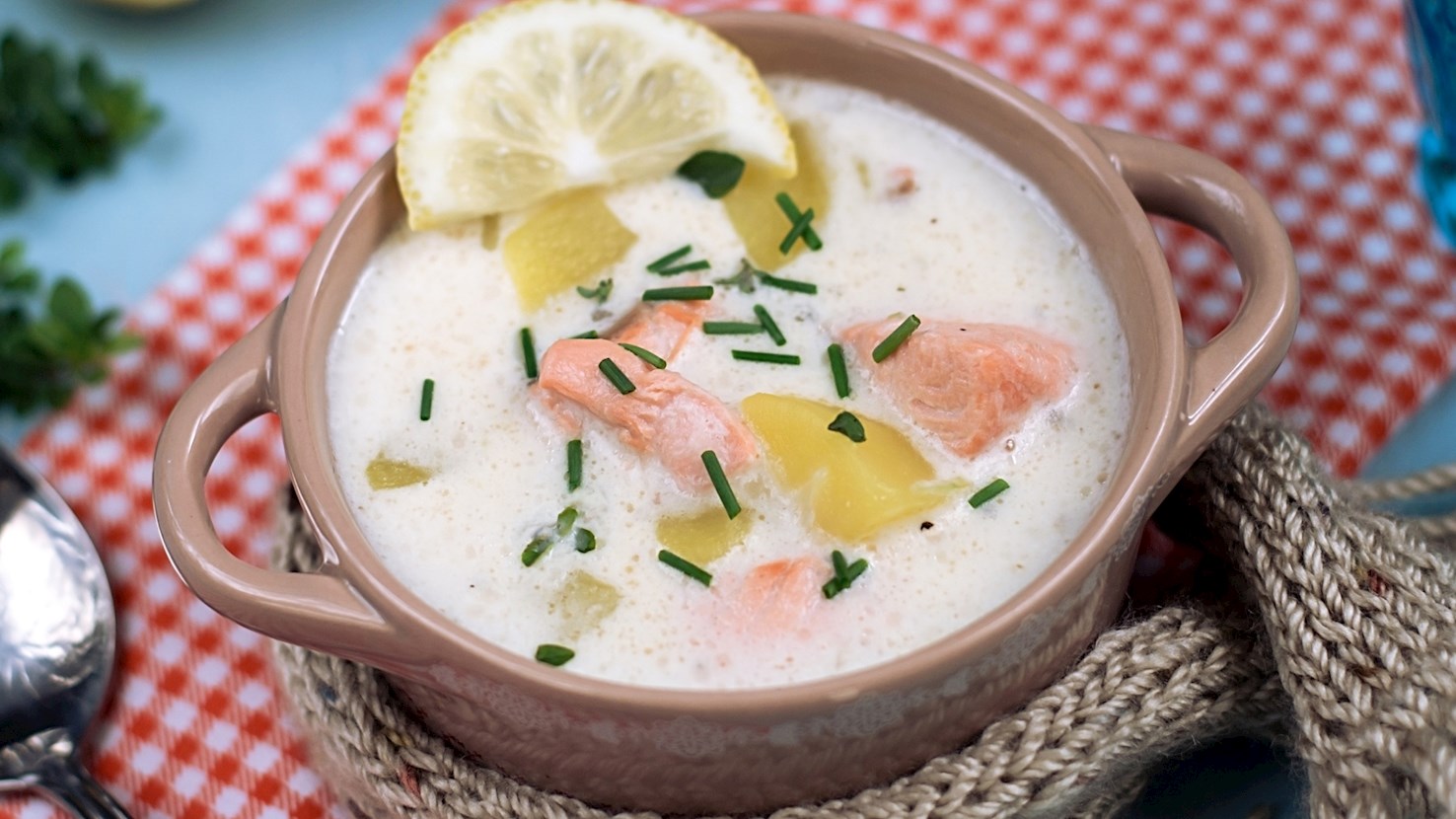
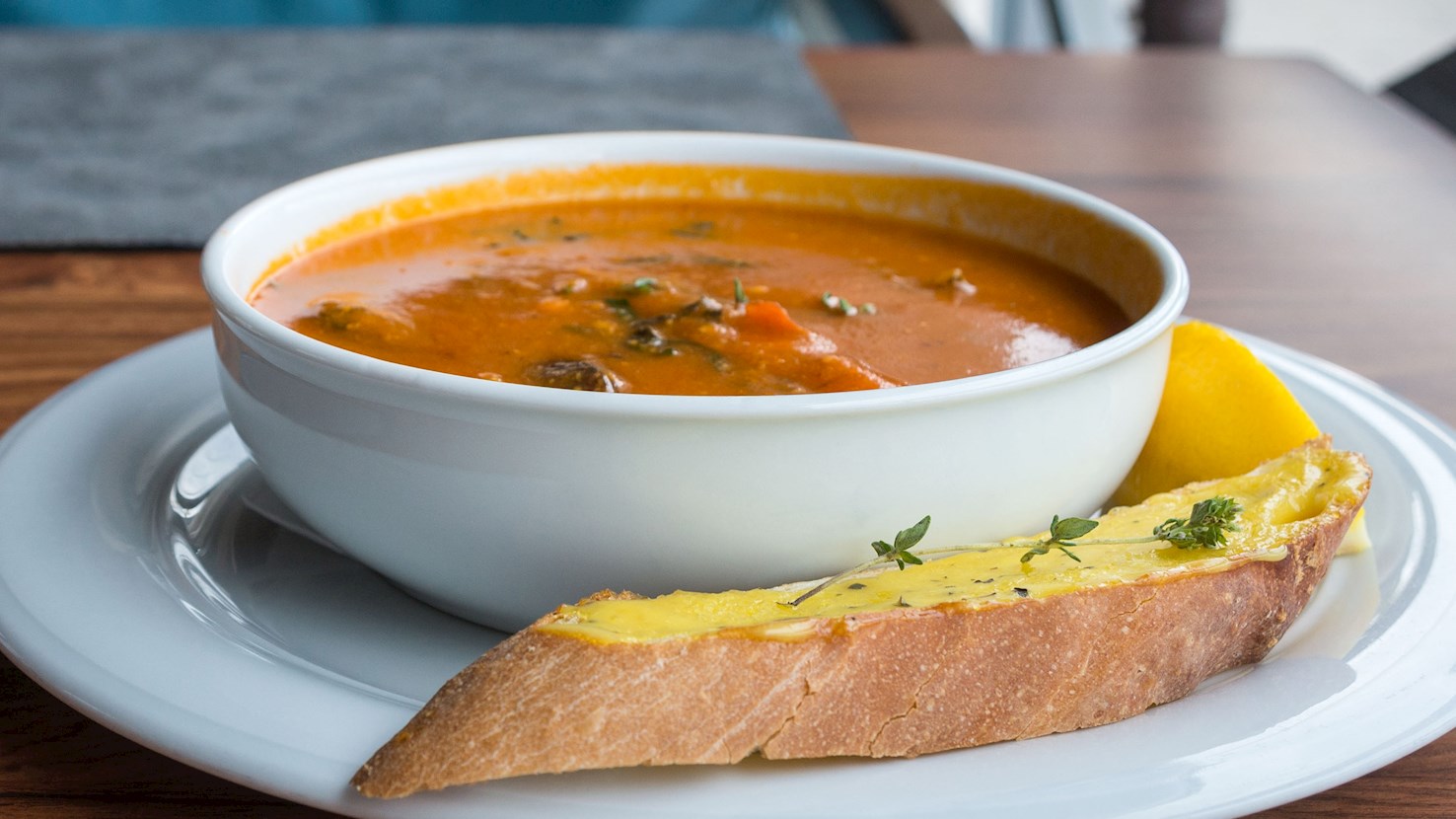
Lohikeitto is a creamy Finish salmon soup, similar to laxsoppa in Sweden. Apart from chunks of salmon fillet, it traditionally incorporates diced potatoes and carrots cooked in a flavorful, buttery broth infused with fish stock and cream. This comforting winter dish is generously seasoned with dill and served alongside buttered rye bread or lemon wedges.

02

Kalakeitto (Finnish fish soup)

4.4 ·

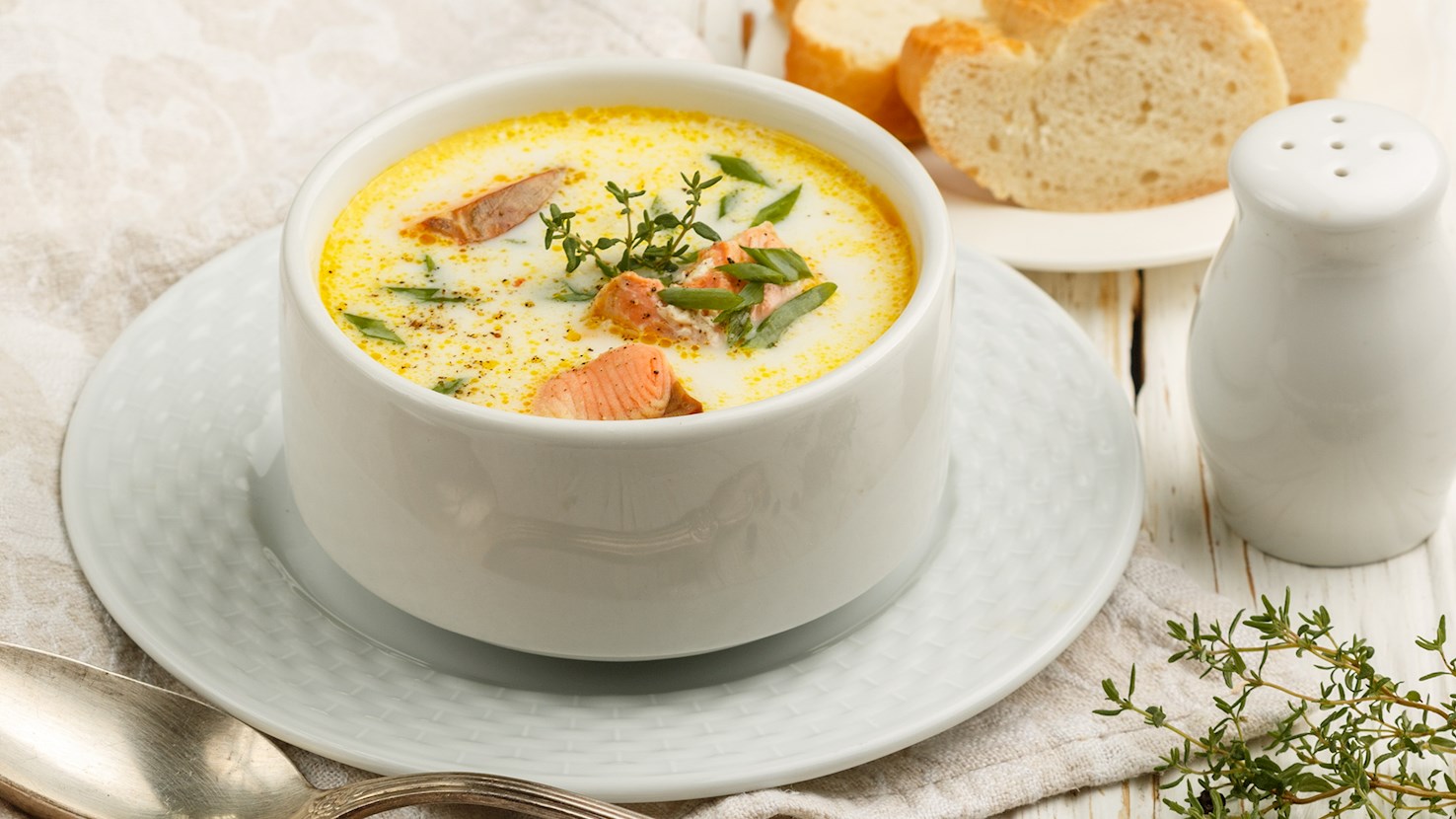
Kalakeitto or fish soup has been a staple of traditional Finnish cuisine for a long time. Although there are numerous ways to prepare this classic Finnish specialty, it typically consists of cleaned and filleted fish chunks and diced vegetables that are simmered in a rich, buttery fish broth. Carrots, potatoes, onions, and leeks are among the most common vegetables used for the soup’s preparation, while the choice of fish includes salmon, rainbow trout, vendace, pike, perch, zander, or burbot. Traditionally, the soup is enhanced with the addition of butter and cooking cream (ruokakermaa), and it is usually flavored with dill, allspice, bay leaves, salt, and pepper. In Finland, a bowl of steaming hot fish soup is typically enjoyed for lunch or dinner, but it can also be served as an appetizer, accompanied by traditional Finnish rye bread and lemon wedges on the side. As of 2018, the country has started celebrating its National Fish Soup Day (Kalakeittopäivä) on the second Tuesday of February, a manifestation that has begun with the aim of boosting people’s consumption of fish.

03

Cullen Skink

4.3 ·

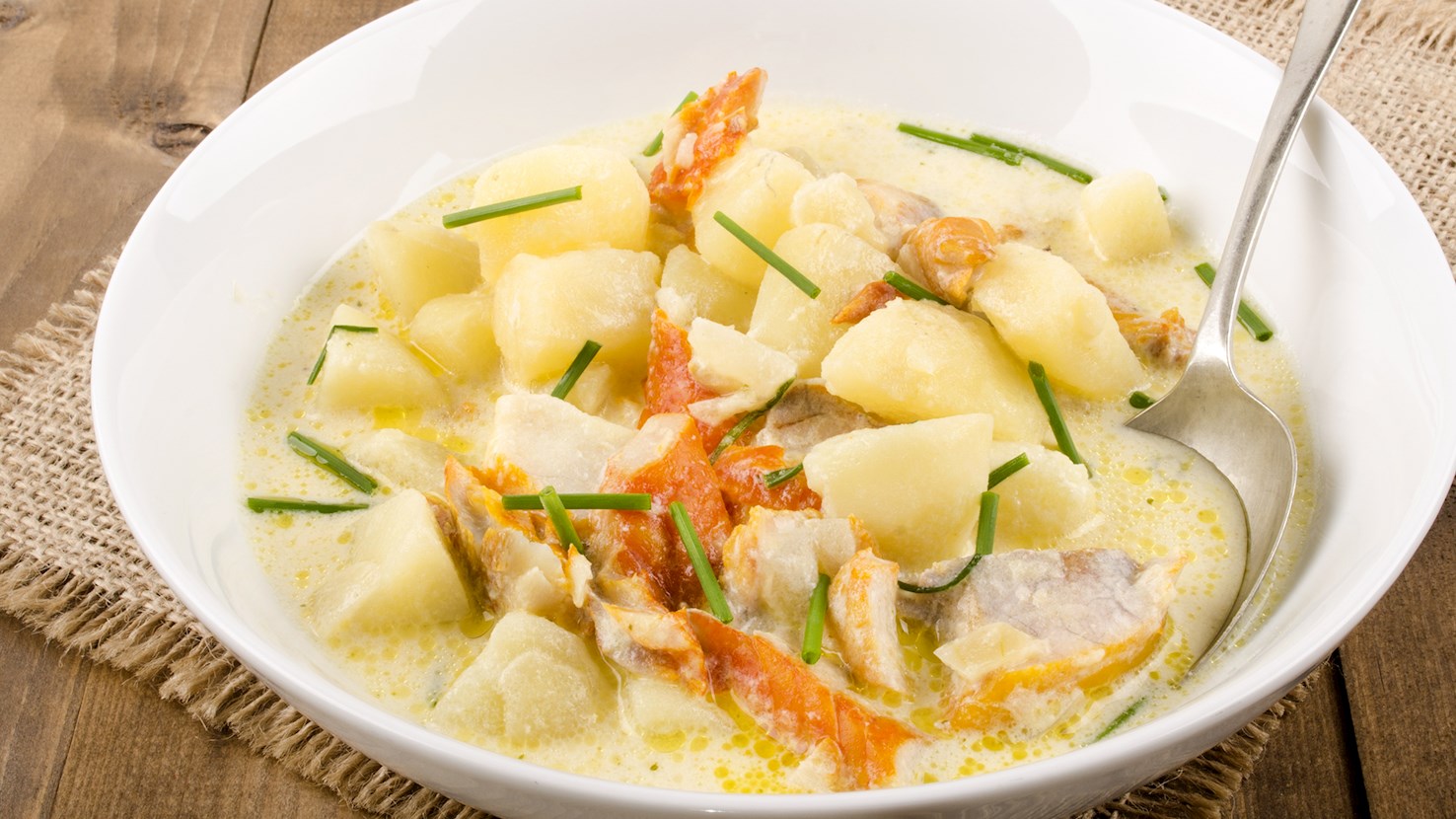
Even though it has been traditionally prepared all along the coast, Cullen skink is a dish originating from the fishing village of Cullen in Northeastern Scotland. This thick and creamy fish soup is typically based on smoked haddock cooked with milk, leeks, onions, and potatoes which provide the filling bulk. Some recipes specify the use of Arbroath smokies, although just about any smoked white fish will do. Cullen skink will go hand in hand with a glass of dry white wine, but to indulge in a true Scottish feast, try pairing it with Scotch whisky.

04

Encebollado

4.2 ·

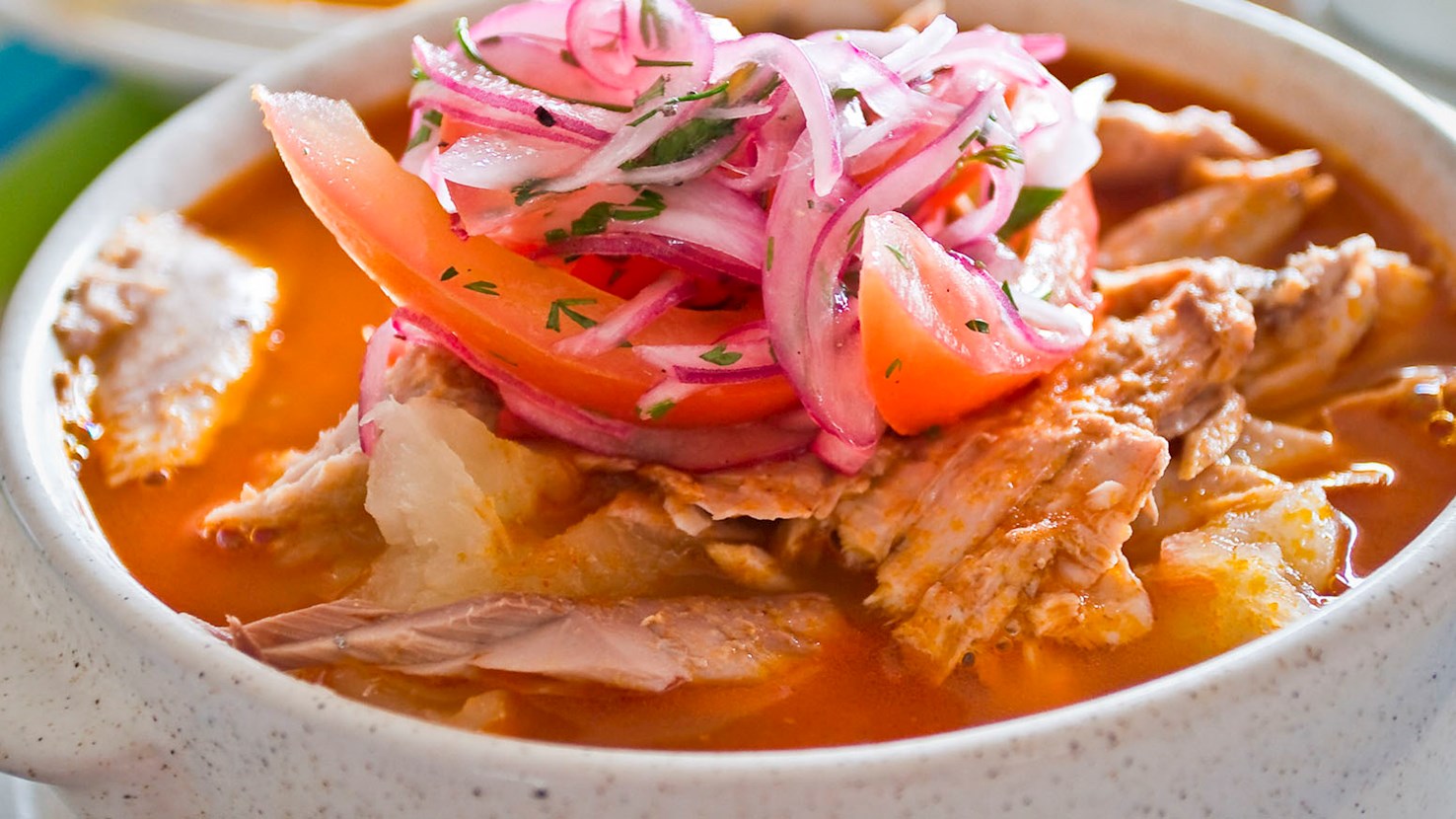
Encebollado is the national dish of Ecuador, a fish soup that is characterized by a large amount of onions. Very useful in curing hangovers, the dish is made with fresh tuna meat, cassava root, tomatoes, onions, coriander, and various spices. Tomatoes, onions, chili, coriander, and cumin form a pungent mix and a base for the soup, called sofrito, while pickled onions go either on top of encebollado or into it, giving it its name that is literally translated to onioned. The soup originates from Ecuador's coast during the time when the fishers were out at sea and made the soup out of necessity. As they had some spices, and fresh fish was readily available, encebollado was created and became widely consumed throughout the country. Today, consumers can choose their own condiments including toasted corn, banana chips, lime, mustard, and avocado. This traditional dish – a source of pride for the locals – can be found on various street corners, in small restaurants, hotels, and homes of people from various social backgrounds. Everyone eats it in Ecuador, that's just how good it is.

05

Laksam

4 ·

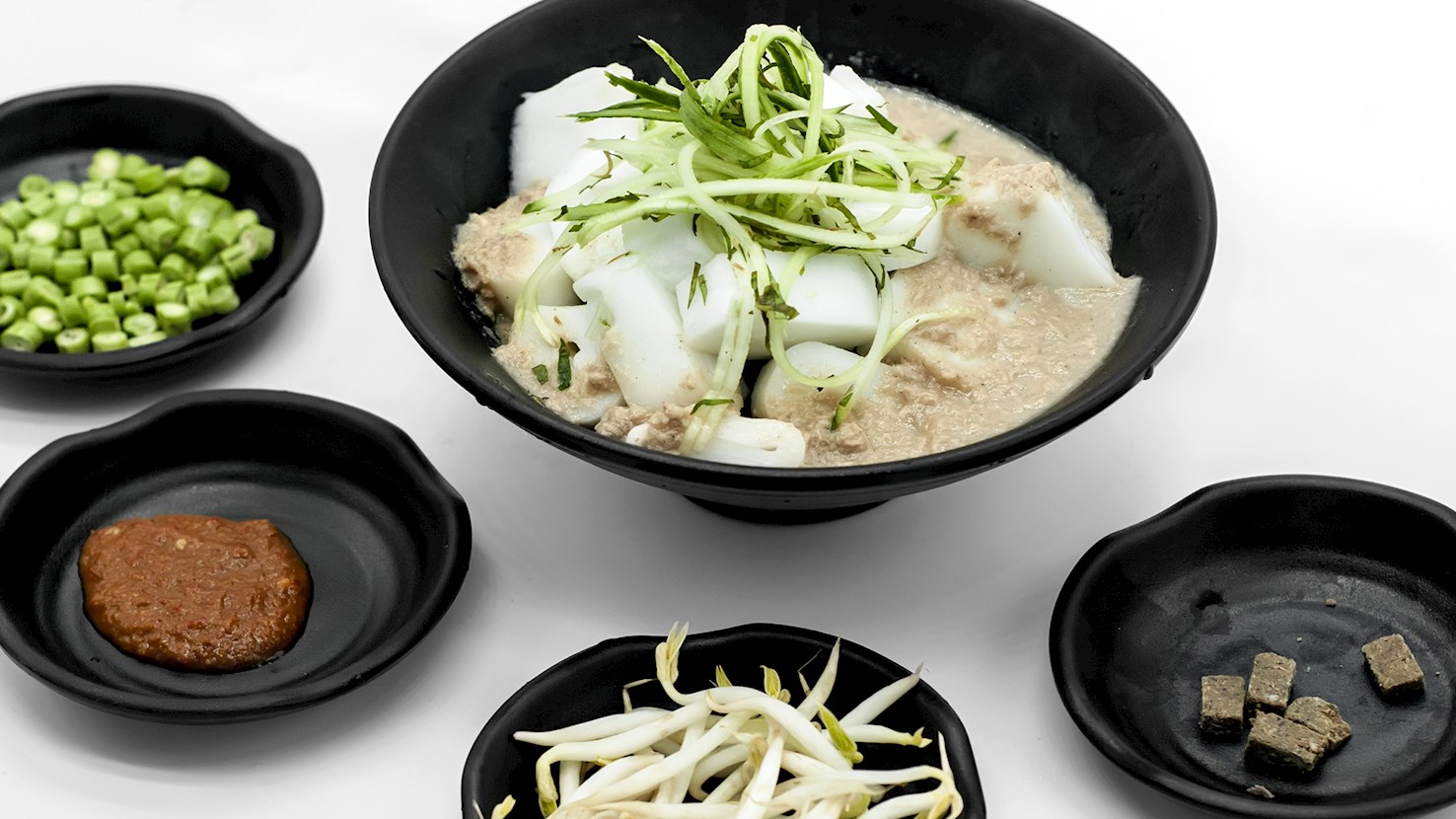
Traditionally associated with the regions of Kelantan and Terengganu, this flavorful Malaysian soup consists of rolled rice noodles served in a creamy fish broth. The noodles are prepared with a thin rice flour batter that is poured on a flat surface, steamed, and then rolled and sliced into bite-sized pieces. The broth served alongside the noodles is made with coconut milk and creamy fish paste, and is usually seasoned with ginger, shallots, and garlic. The whole dish is complemented by various vegetables such as sliced cucumbers or green beans and is usually accompanied by spicy sambal. Laksam is traditionally enjoyed as a warm, hearty breakfast.

06

Assam laksa

4 ·

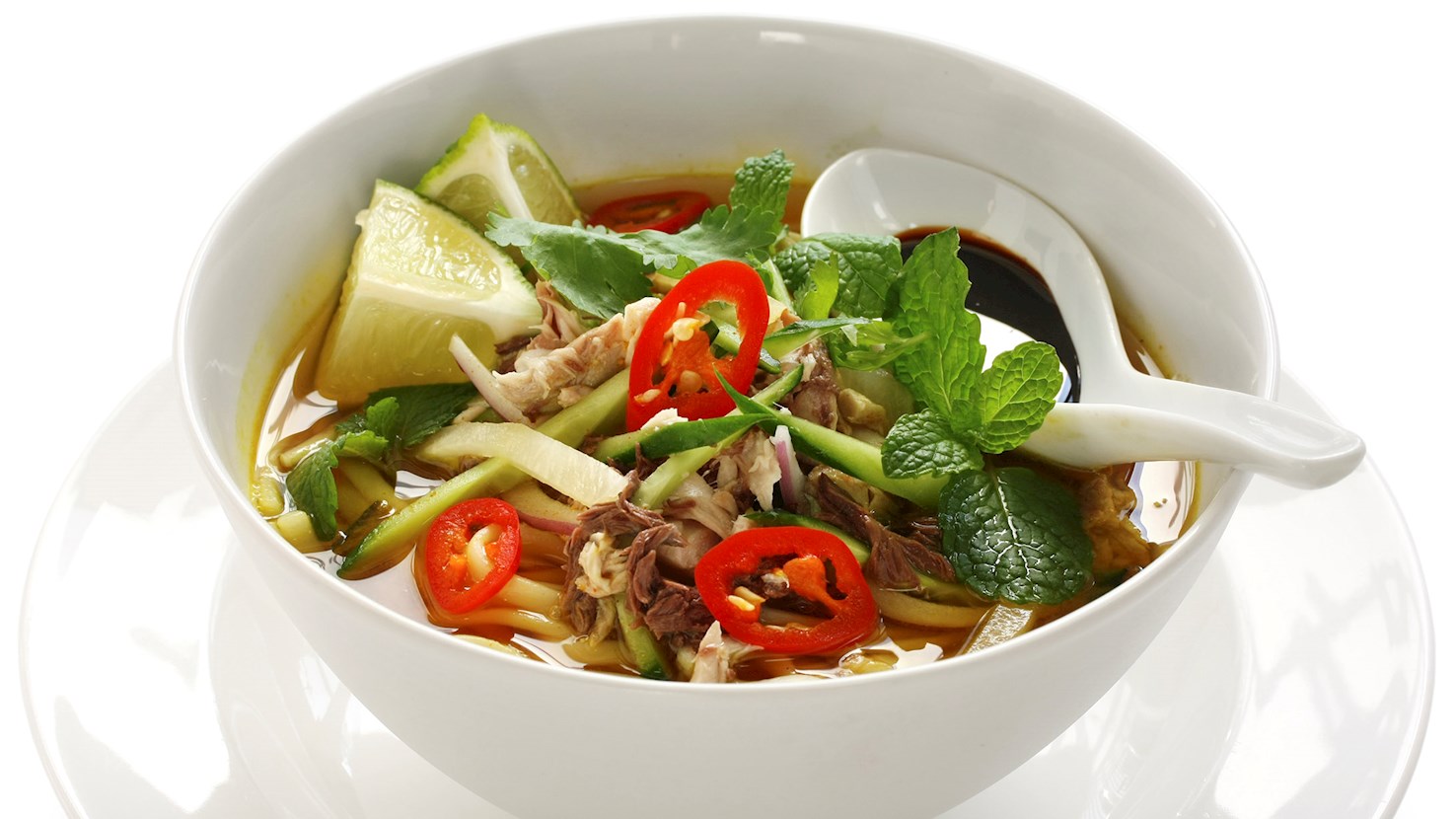
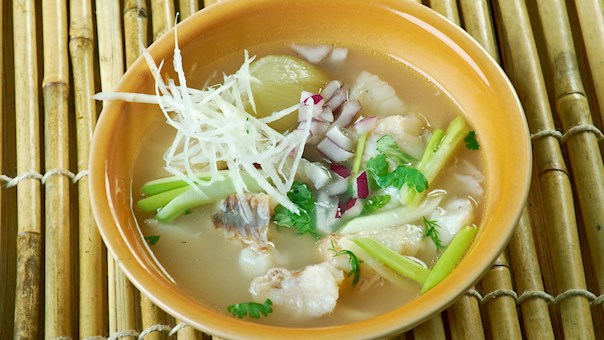
Assam laksa is a traditional fish-based sour noodle soup. It is the one of the numerous varieties of laksa, popular noodle soups widespread throughout Southeast Asia. The dish consists of rice noodles, shredded fish, and sliced vegetables, most commonly cucumber, onion, and lettuce. It has a distinctively tangy taste, which is attributed to tamarind, the sour ingredient generously used to spice the dish. The exact origin of the dish is unknown, but it is believed that it has originated in the coastal areas of Malaysia among the local fishermen who assembled the dish out of available ingredients. Through history, the dish evolved into assam laksa that we know today. Regardless of its origin, nowadays it is a signature dish of the Malaysian region of Penang. It is one of the most famous street dishes found in the area, and a favorite with both locals and tourists. In Penang, street vendors prepare assam laksa from the early morning until late in the evening. Traditionally, the dish should be served with hae ko, a dark and rich Malaysian-style shrimp paste.

07

Caldillo de congrio

4 ·

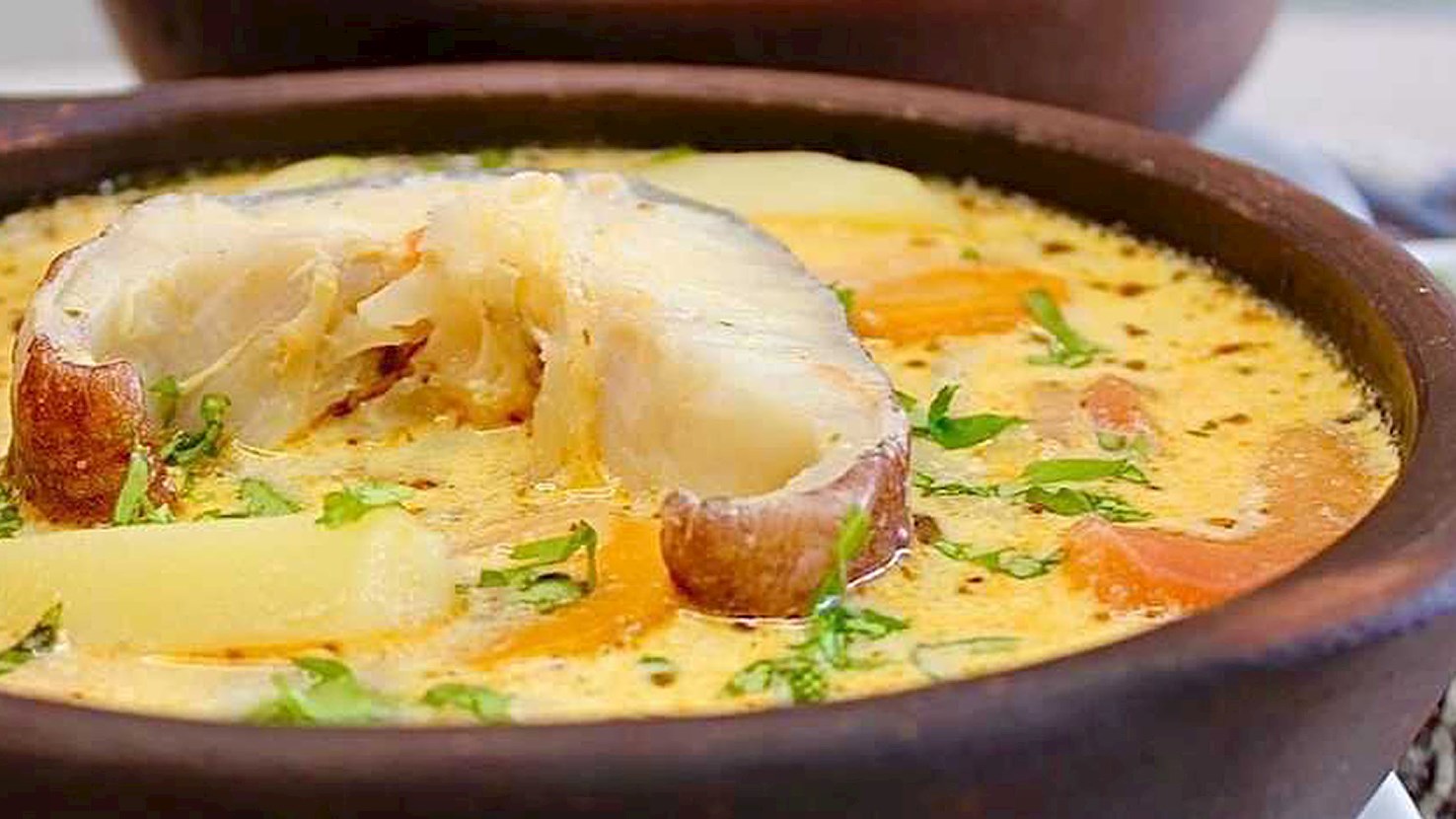
Caldillo de congrio is a hearty Chilean fish soup made with conger eel as its key ingredient. Chopped and cooked conger eel is usually boiled in water, creating a flavorful broth in the process. The broth and the eels are then combined with sautéed onions, garlic, tomatoes, carrots, and bell peppers. Optionally, heavy cream can also be stirred into the soup. Caldillo de congrio is typically seasoned with salt and black pepper, and it is garnished with coriander, parsley, or scallions. This nourishing soup is traditionally paired with crusty bread and a glass of wine on the side. Interestingly, the soup is so popular and rooted in Chilean culture that the famous poet and Nobel Prize winner Pablo Neruda wrote a poem called Ode to the Caldillo de Congrio.

08

Psarosoupa

3.9 ·

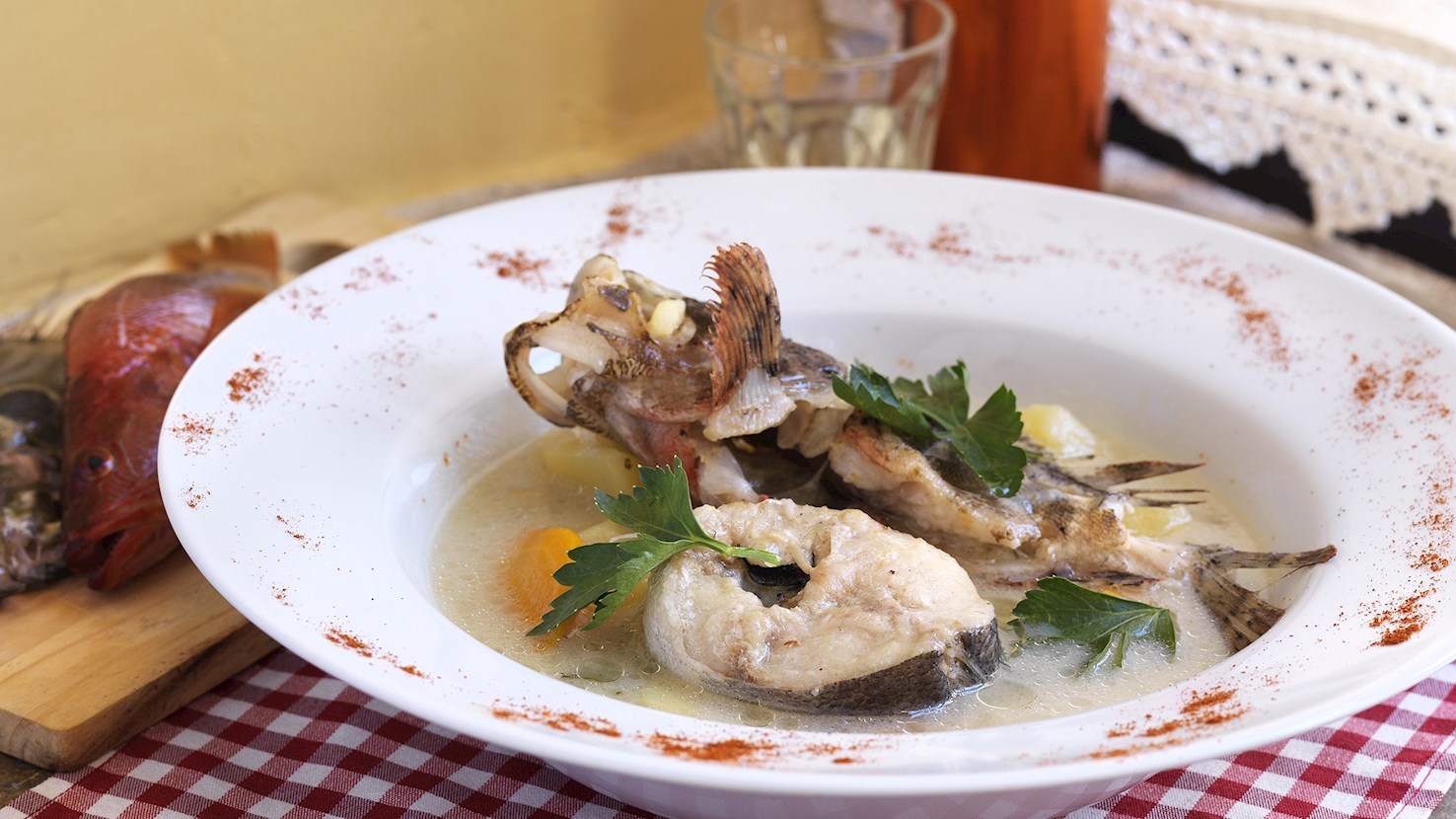
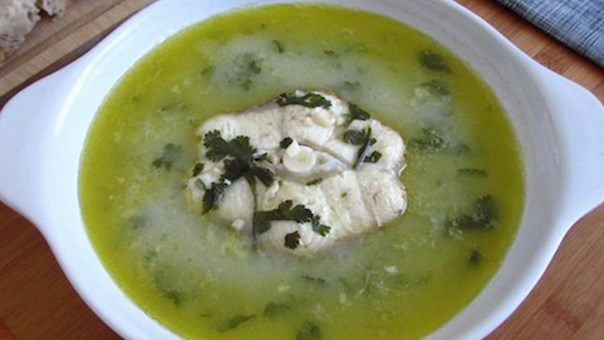
Greek psarosoupa (lit. fish soup) is a simple dish consists of fish—usually the firm-fleshed varieties like red mullet, snapper, cod, or red gurnard—poached with vegetables; most often a combination of carrots, celery, and onions, or leeks, garlic, and potatoes. Once it is cooked, the fish is set aside while the broth is boiled with rice. Quite often, an egg beaten with lemon juice is stirred into the broth, making psarosoupa a filling, yet surprisingly light dish.

09

Bouillabaisse

3.9 ·

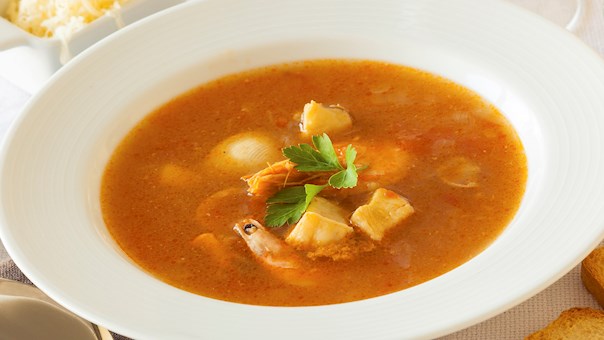
This traditional Provençal fish soup (and stew) originated in the 18th century when it was first concocted by Marseillaise fishermen, who would prepare it using the leftovers from their daily catch, making the best of what they had in their nets. Over time, bouillabaisse evolved into one of the most luxurious seafood dishes in the world: it is found in every upscale restaurant in the lively seaport city of Marseille where it can cost up to €200 for a meal for two. Anything below €50 is considered an ordinary fish soup—a good rule of thumb for those who want to taste the real thing. What gives bouillabaisse both its unique flavor and its high price is the red scorpionfish—known in French as rascasse or scorpion de mer—a type of venomous rockfish found only in the Mediterranean. Other ingredients may include several varieties of whitefish, mussels, crabs, squid, and sometimes even lobster or eel. Another thing that makes Marseille's signature dish so distinctive is its vibrant orange color, as well as the flavors and aromas arising from a selection of Provençal herbs and spices, especially saffron, fennel, and orange zest. Delicately infused with white wine and anise liqueur, bouillabaisse is traditionally served in two courses: the thick, rich soup is enjoyed with rouille sauce and garlic-rubbed croutons or toasted bread, while the fish and shellfish are served separately.

10

Ciorbă de pește "ca-n Deltă"

3.9 ·

Ciorbă de pește "ca-n Deltă," or fish soup in the fashion of the Danube Delta, is a traditional sour soup that is made with a combination of fish stock, fresh fish (both saltwater and freshwater fish can be used), vegetables, herbs, and borş. The fish are either left whole or cut into large chunks before they are cooked in a rich fish stock alongside vegetables such as potatoes, carrots, onions, tomatoes, parsnips, and peppers. The soup is seasoned with borş and aromatic herbs such as lovage, parsley, and chives, and it is typically enjoyed while still hot. What makes this fish soup unique is the way it is traditionally consumed; the fish soup and the fish chunks are eaten separately as a first and second course. After the soup’s preparation, the pieces of fish are transferred to a serving platter and served with accompaniments such as mujdei de usturoi (a spicy garlic sauce) and fresh or pickled hot peppers. The fish soup, on the other hand, is poured into a serving bowl and consumed with garlic sauce, hot peppers, and warm, rustic bread or even more traditionally - with freshly prepared mămăligă (Romanian-style cornmeal mush).

About this ranking

TasteAtlas food rankings are based on the ratings of the TasteAtlas audience, with a series of mechanisms that recognize real users and that ignore bot, nationalist or local patriotic ratings, and give additional value to the ratings of users that the system recognizes as knowledgeable. For the “Top 60 Fish Soups in the World” list until April 15, 2026, 3,013 ratings were recorded, of which 1,505 were recognized by the system as legitimate. TasteAtlas Rankings should not be seen as the final global conclusion about food. Their purpose is to promote excellent local foods, instill pride in traditional dishes, and arouse curiosity about dishes you haven’t tried.

Similar lists