
shutterstock

Top 22 Bengali Foods

Last updated on July 16, 2026

Best Bengali foods

01
Dessert

Chomchom

4.3 ·

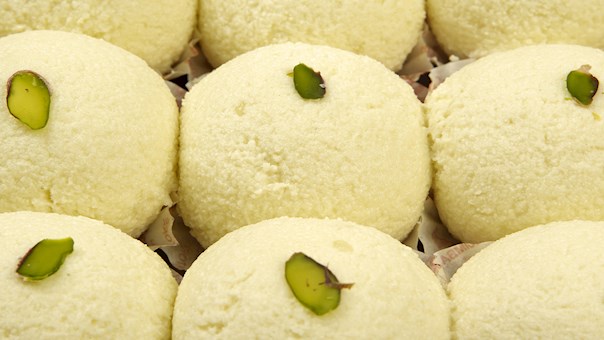
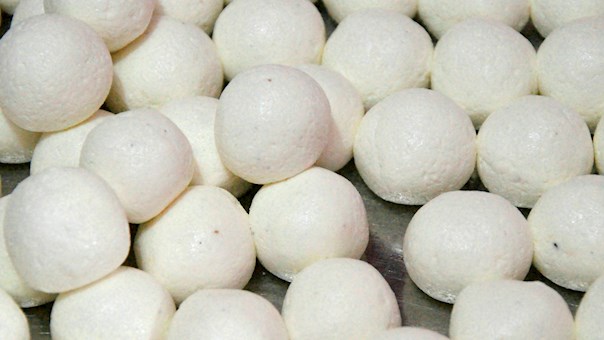
Chomchom is a traditional sweet from Bangladesh consisting of milk that is cooked in sugar syrup. It is often flavored with lemon juice and cardamom powder. The sweet treat can be served in a few different varieties – with chopped nuts, malai cream, or grated coconut.

02
Stew

Keema

4.3 ·

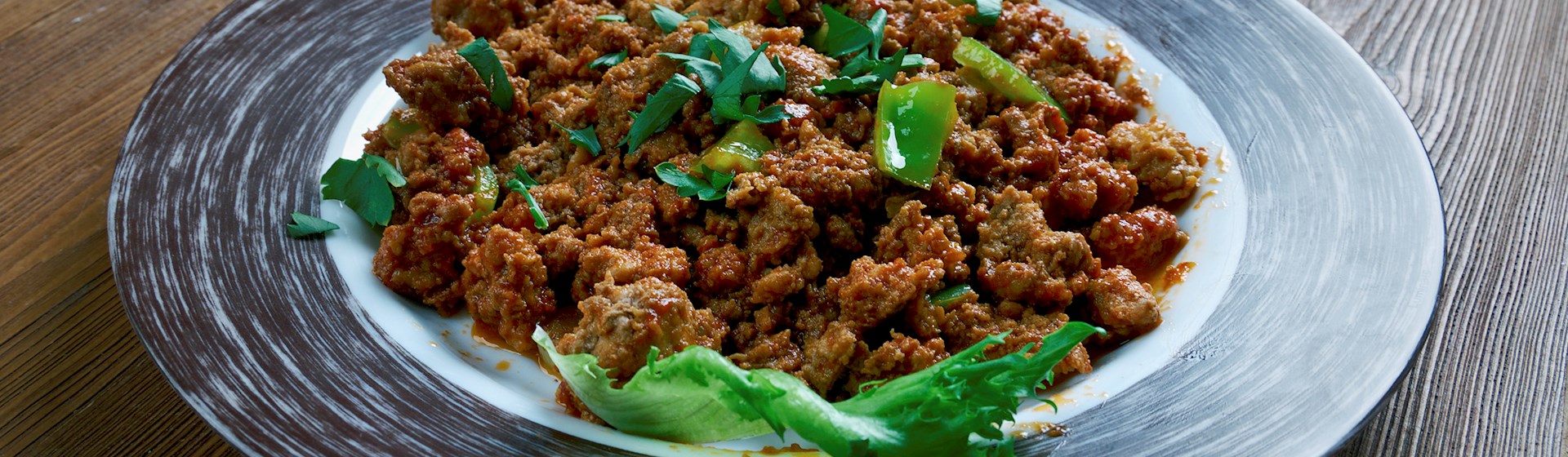
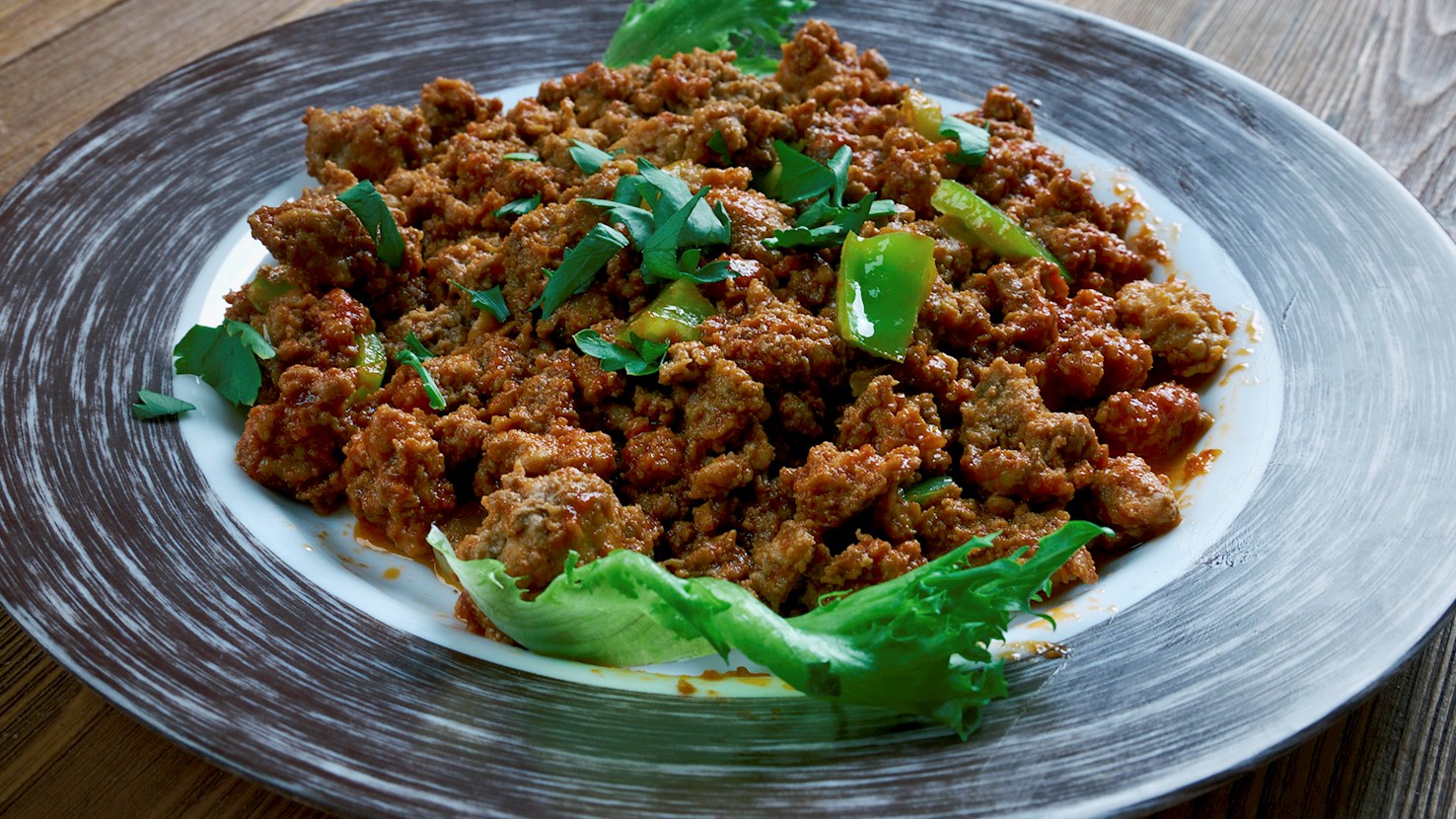
Keema is a stew that is usually prepared as a curry with ingredients such as minced lamb or chicken meat, green peas, ginger-garlic paste, chili, onions, ghee, and garam masala spices. The name of the dish means minced meat in Urdu. Although keema is most popular in north India, Pakistan, and Bangladesh, some believe that the dish has Persian origins due to the fact that it was first mentioned as a recipe in Ain-I-Akbari (a document about emperor Akbar's empire). Keema is commonly served as a main dish, accompanied by pav buns or naan and other flatbreads. It can also be used as a filling for samosas and parathas.

03
Flatbread

Paratha

4.2 ·

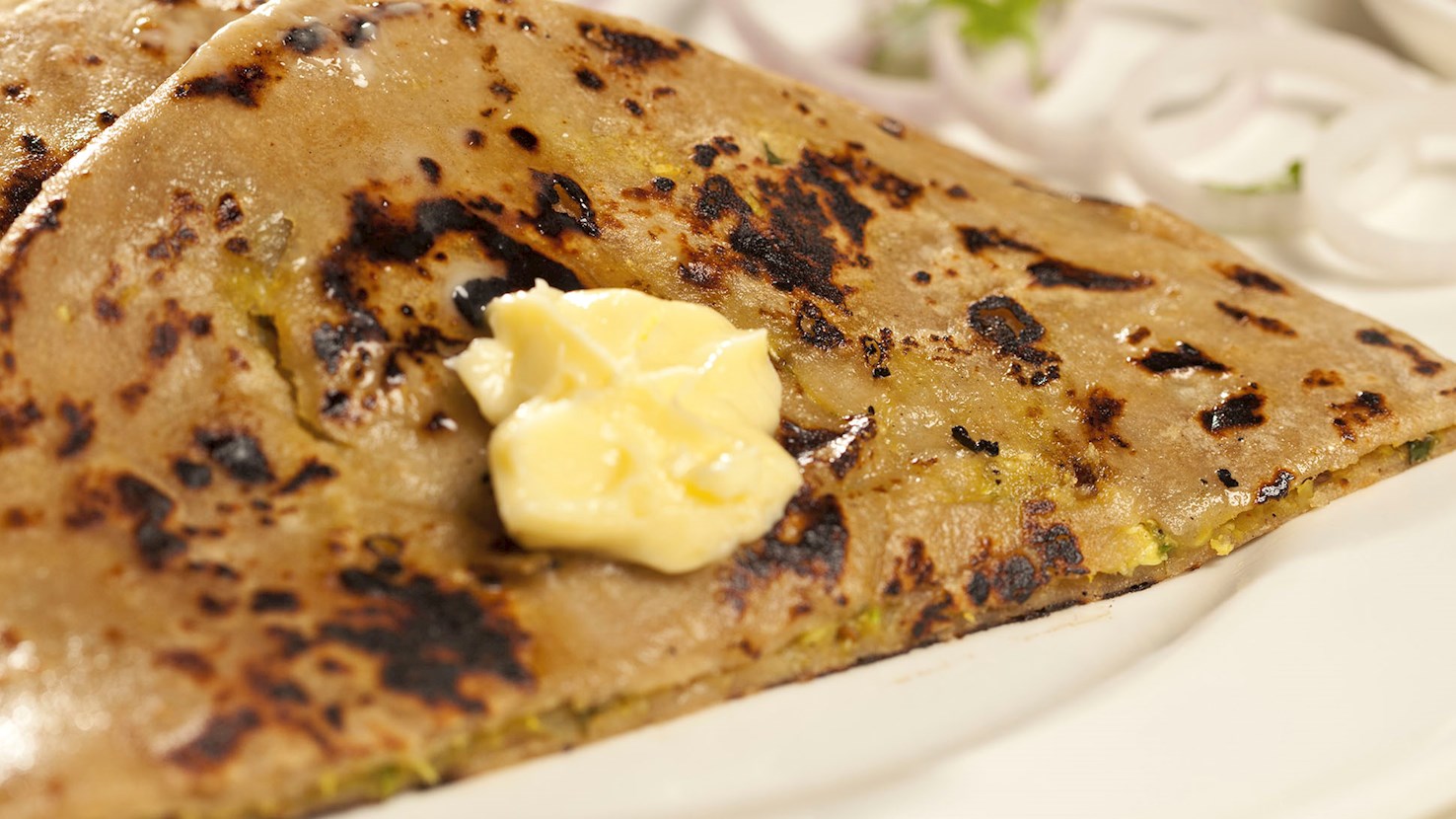
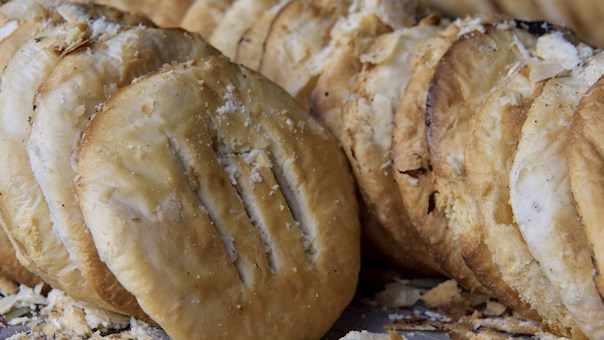
Golden-brown in color, flaky and layered, paratha is a type of Indian bread that is typically consumed for breakfast. The name comes from a combination of words parat and atta (flour), referring to the cooked, layered dough. It consists of whole wheat flour that is baked in ghee (Indian clarified butter) and comes in round, triangular, square, or heptagonal shapes. Parathas are often stuffed with ingredients such as boiled potatoes, cauliflower, garlic, ginger, chili, paneer, or radish. They are sometimes accompanied by pickles, yogurt, homemade chutneys, or meat and vegetable curries. In Punjab, paratha is traditionally paired with lassi, a popular yogurt-based drink. Although the flatbread originated in Peshawar, Pakistan, it has spread throughout India where it can be found at numerous street stands and roadside eateries. The southern Indian version is called parotta. Another way of eating paratha is to roll it into a pipe and dip it into tea. Versatile, buttery, and aromatic - parathas are irresistible in the morning, and that just may be the key to their popularity.

04
Snack

Fuchka

4.2 ·

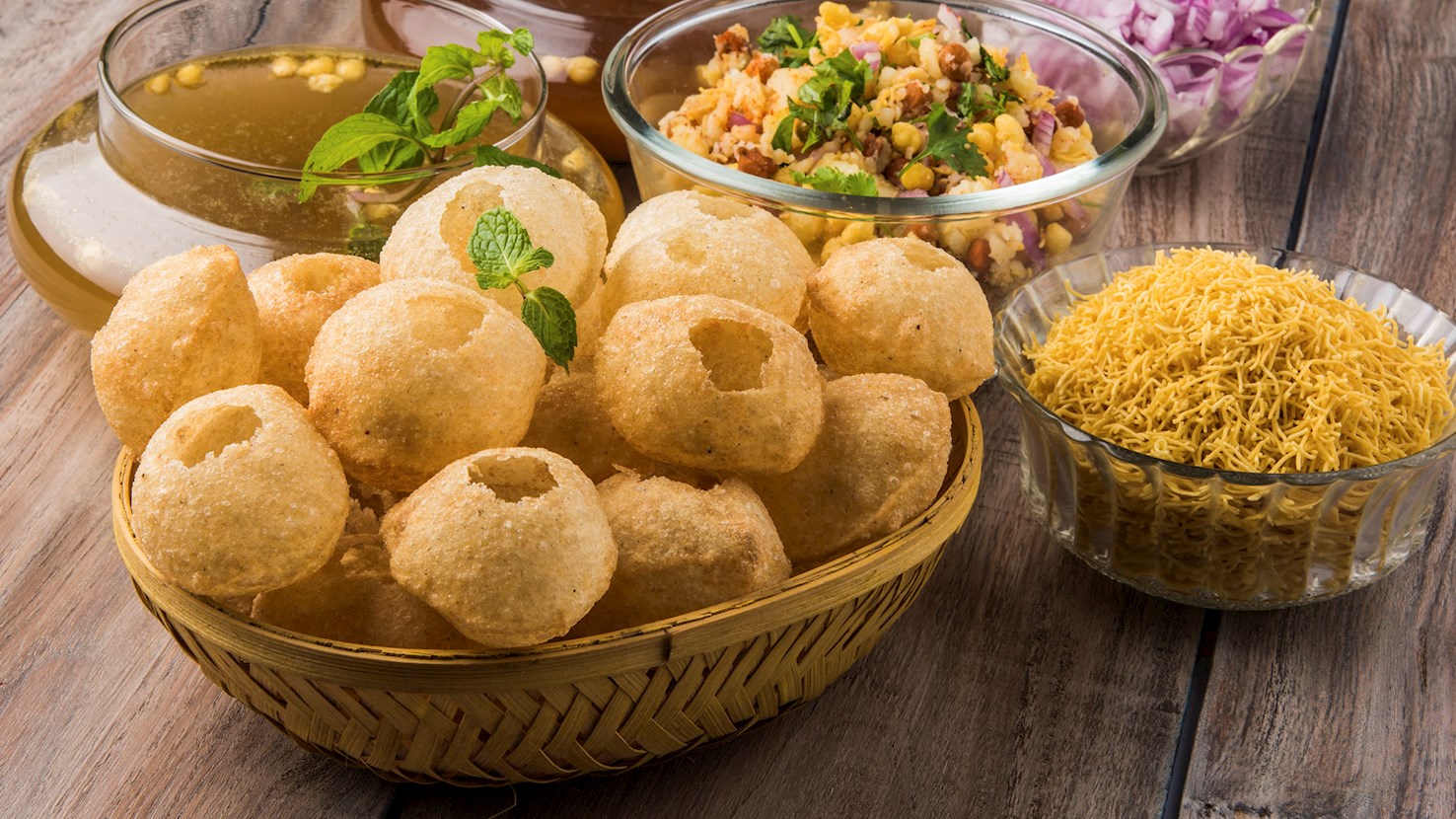
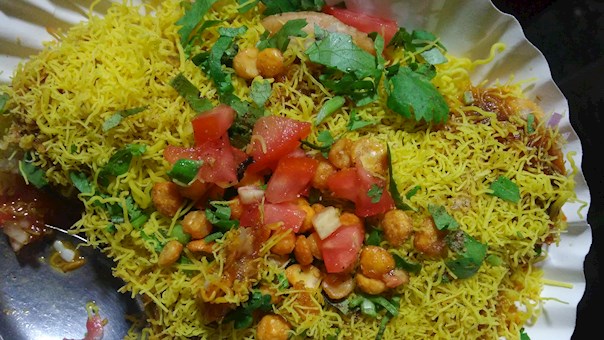
Panipuri is a street snack that is extremely popular in India, Bangladesh, Pakistan, and Nepal. Small in size, it consists of a hollow puri that is fried until crispy, then stuffed with a combination of flavored water called pani, tamarind chutney, chaat masala, potatoes, onions, hot chillis, and chickpeas. In North India, panipuri is known as golgappa, gol referring to the crispy shell, and gappa referring to the eating process, since these small snacks are typically eaten one at a time. It is believed that panipuri originated in Uttar Pradesh and gradually spread in popularity throughout the country and outside of it. Today, panipuri stalls are a staple at most fairs, festivals, or weddings in India.

05
Chicken Dish

Murgh tikka (Chicken tikka)

4.1 ·

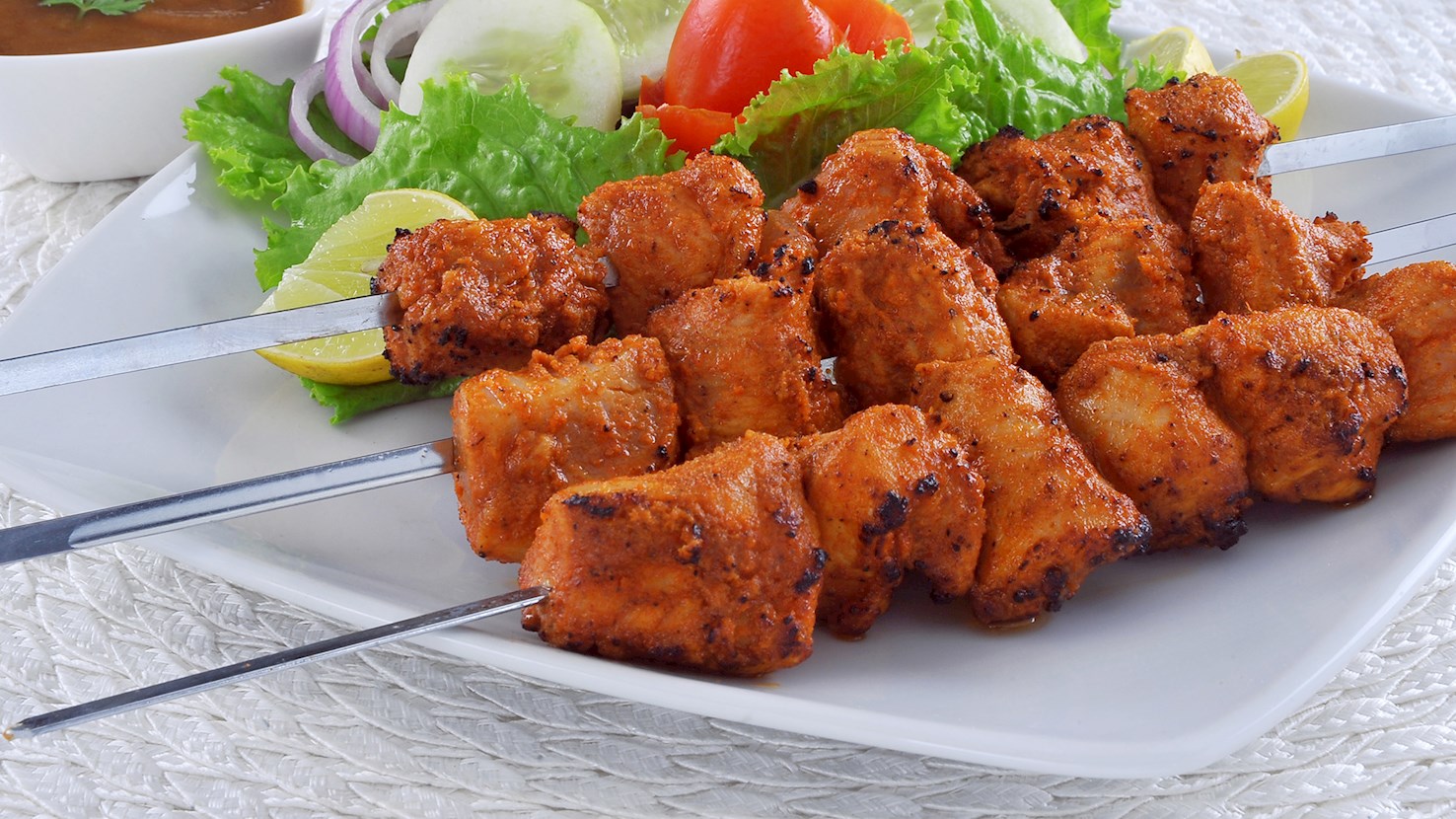
Murgh tikka is a popular Indian dish made from marinated chicken pieces that are grilled or roasted to perfection. The word "murgh" means chicken in Hindi and Urdu, and "tikka" refers to small, boneless pieces of meat that are marinated and cooked on skewers. The chicken is typically marinated in a mixture of yogurt, spices, lemon juice, and sometimes mustard oil, which tenderizes the meat and infuses it with a rich, tangy flavor. Common spices in the marinade include turmeric, cumin, coriander, garam masala, red chili powder, and paprika, which also give the dish its signature bright orange or red hue. Traditionally, murgh tikka is cooked in a tandoor (a clay oven), but it can also be prepared on a grill or in an oven. Murgh tikka is often served as an appetizer or snack, accompanied by mint chutney, lemon wedges, and thinly sliced onions. It can also be used as a base for other dishes, such as chicken tikka masala, where the grilled chicken pieces are simmered in a rich, creamy curry sauce.

06
Cheese Dessert

Roshmalai

4.0 ·

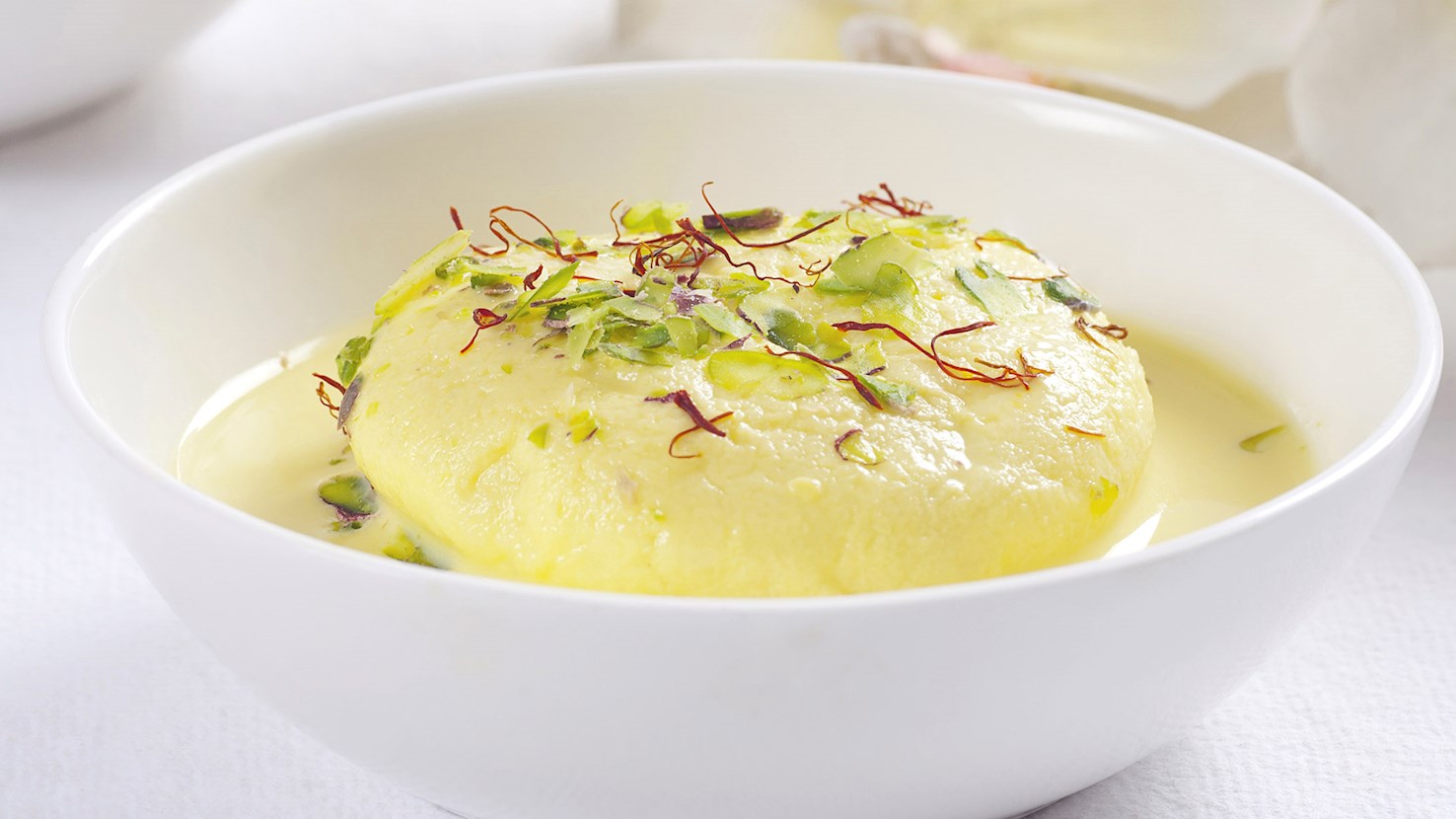
Roshmalai or ras malai is a popular Bengali and Indian dessert consisting of milk, sugar and cardamom-flavored paneer cheese known as chhana. Almonds, cashews, and saffron are often added to the dessert. Roshmalai is of Bengali origin, and is sometimes described as a rich cheesecake without a crust. The name of the dessert is a combination of two Bengali words, rosh, meaning sap, and Hindustani word malai, meaning cream. It is typically served chilled and garnished with cardamom seeds or dried fruits. This delicious dessert is most popular during the festivals such as Holi and Diwali. Spongy, tender, and aromatic, this Bengali classic is usually served at the end of a meal.

07
Vegetable Dish

Beguni

3.9 ·

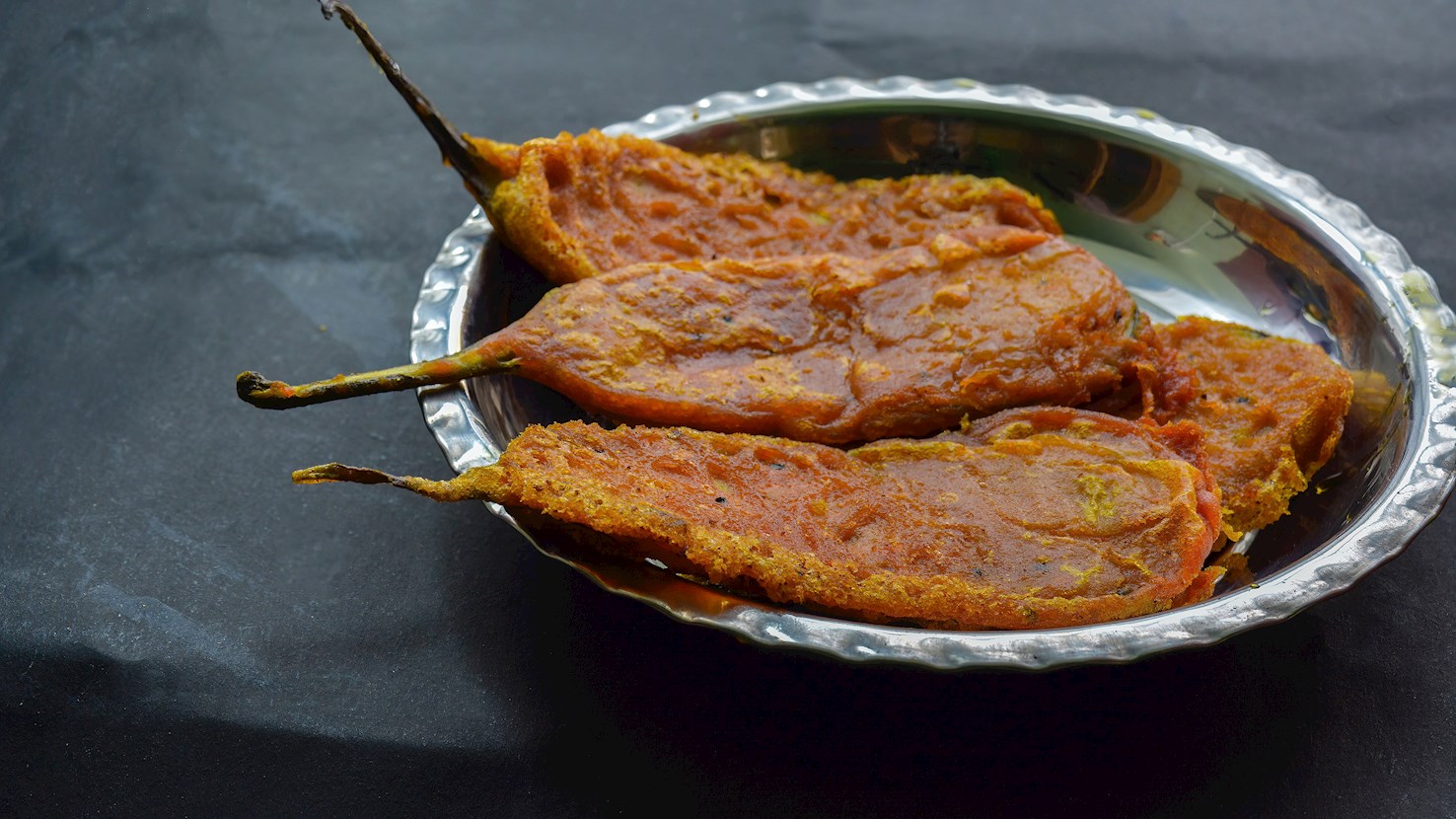
Beguni is a simple dish consists of deep-fried eggplant slices. The variations may include dipping the slices in batter or coating them with various combination of gram flour and spices. The batter is usually prepared with rice and gram flour, while the typical blend of spices includes turmeric, chili powder, and cumin. Beguni is a Bengali dish, eaten both in Bangladesh and India. It is usually served with a yogurt-based sauce or chutney on the side, and it is usually enjoyed as a snack or street food. A similar dish is known as begun bhaji, but the slices are mostly vertical and are rarely dipped in batter.

08
Snack

Papad

3.8 ·

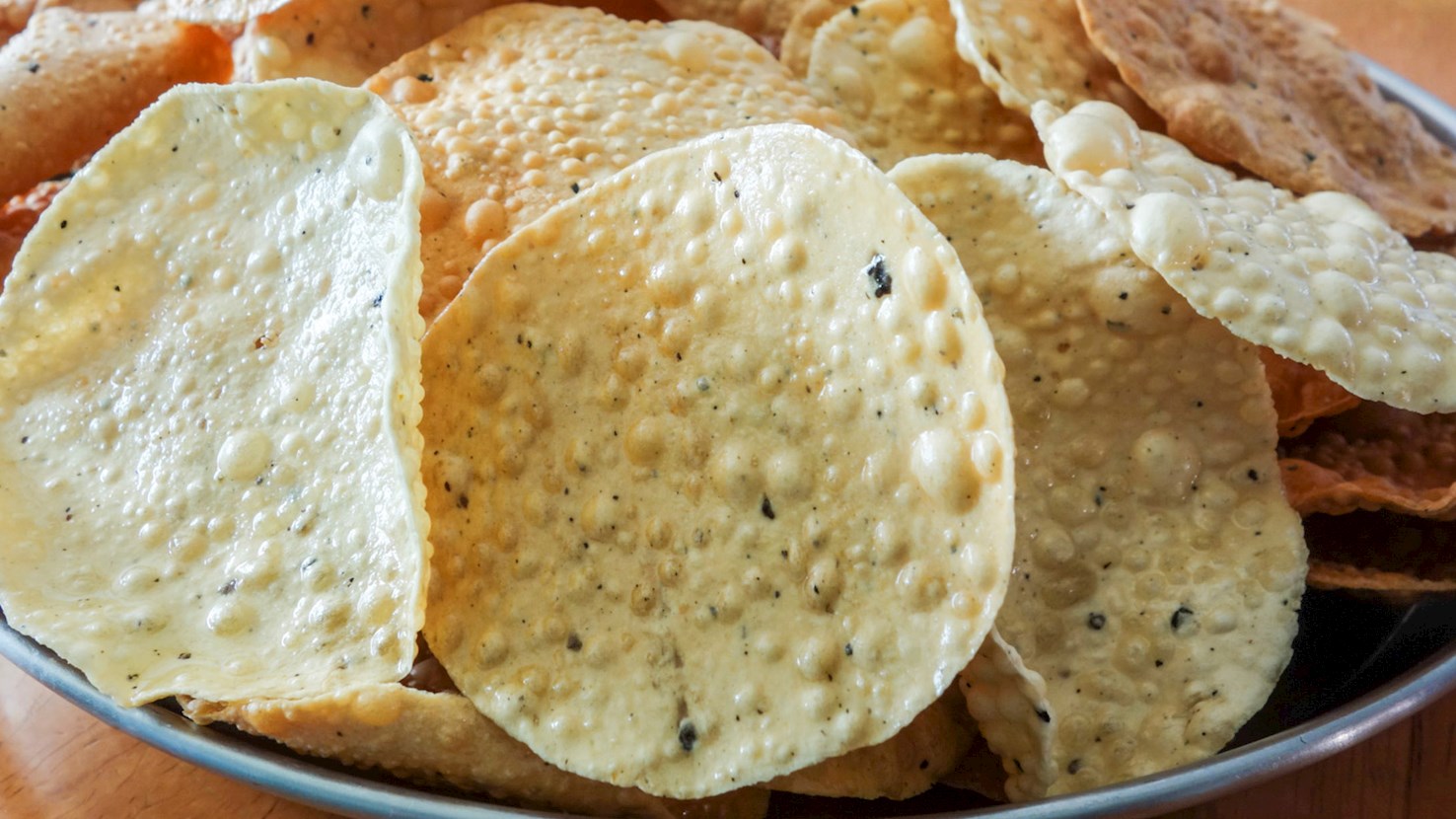
Papadum is a snack made with either gram, rice, or chickpea flour that is baked into a thin, crispy cracker bread. It can be consumed on its own, with pickles, or served with other dishes such as curries, when it's used as a utensil for scooping the dish up. Papadum can also be topped with chutneys or raita sauce and accompanied by hot tea. With its popularity, there are some variations on the dish, such as rice papadum which is boiled in water and dried in the sun, masala papadum with spices such as black pepper, chili, cumin, and garlic, or jackfruit papadum from Karnataka, which combines jackfruit with chickpea flour. Papadums are also quite popular in the United Kingdom and Australia, where the bread is served as an appetizer, and it's usually accompanied by mango chutney and lime pickle dips.

09
Porridge

Haleem

3.7 ·

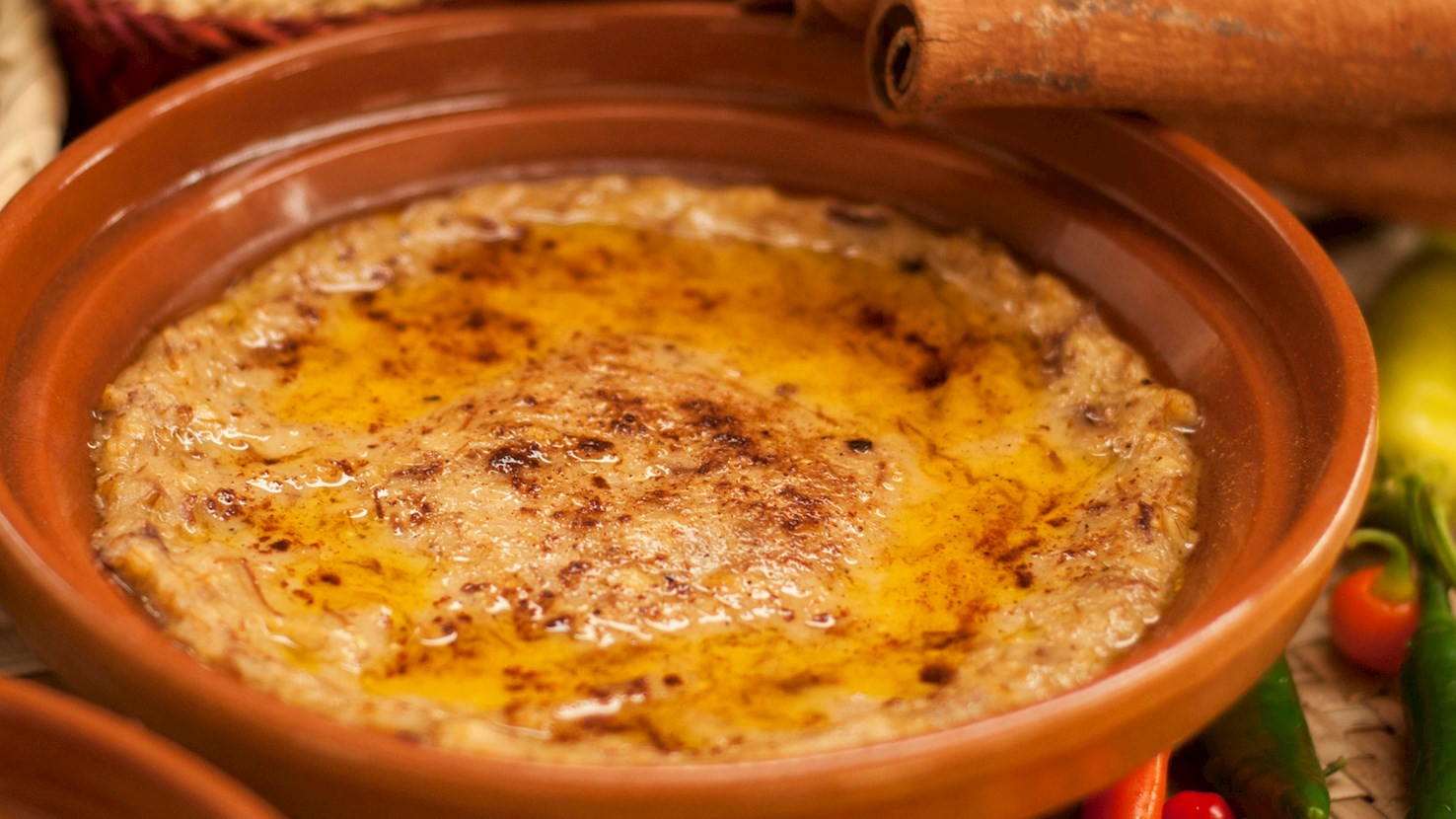
A staple during the month of Ramadan in numerous Middle Eastern countries is a plate of jareesh, a satisfying meal which combines coarse wheat and meat. This centuries-old dish probably originated in Saudi Arabia, but has since spread throughout the entire Middle East and India. Numerous countries in the area have created their unique varieties, employing authentic ingredients and giving the dish local names. In Middle Eastern countries, harees is usually prepared with coarse ground wheat which is mixed with water, butter, and meat, then left to soak overnight. Any excess liquid is drained, and all the ingredients are thoroughly mixed to create a homogenous and slightly elastic mixture that looks like a thick porridge. Chicken and lamb are the most common meat varieties employed in harees, but some regional variations also include mutton. The spices used in the preparation are also regionally influenced: cardamom, cinnamon, and cumin are commonly employed in Arabian countries, garlic and olive oil are usually found in Lebanon, while chili and turmeric are used in Indian variations.

10
Ground Meat Dish

Shami kabab

3.6 ·

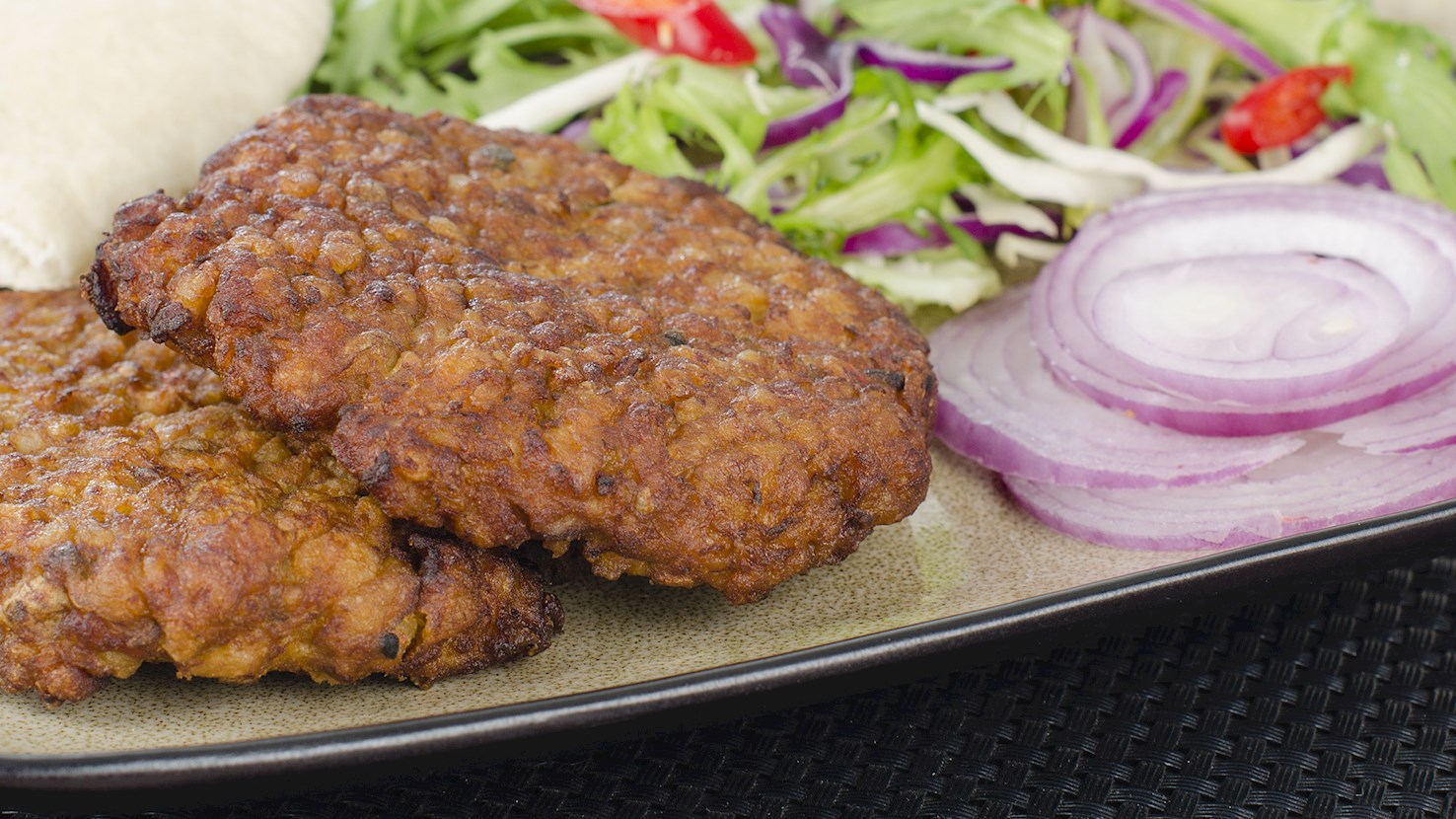
Shami kebab is a variety of kebab made by combining minced lamb, mutton, beef or chicken with split bengal grams, onions, chilis, ginger, garlic, and various herbs and spices such as cumin, red chili flakes, garam masala, and mint leaves. The meat mixture is then seasoned with salt and pepper and shaped into round patties, which are then coated with beaten eggs and pan-fried until their exterior becomes crispy, but the patties remain silky and tender on the inside. These kebabs are commonly enjoyed in India, Afghanistan, and Pakistan, and make for an excellent snack, appetizer, or an accompaniment to the main course. Believed to have originated in Lucknow, shami kebabs pair well with onions, lime or lemon wedges, roti or naan, and various chutneys on the side.

Best Bengali food products

01
Mustard Oil

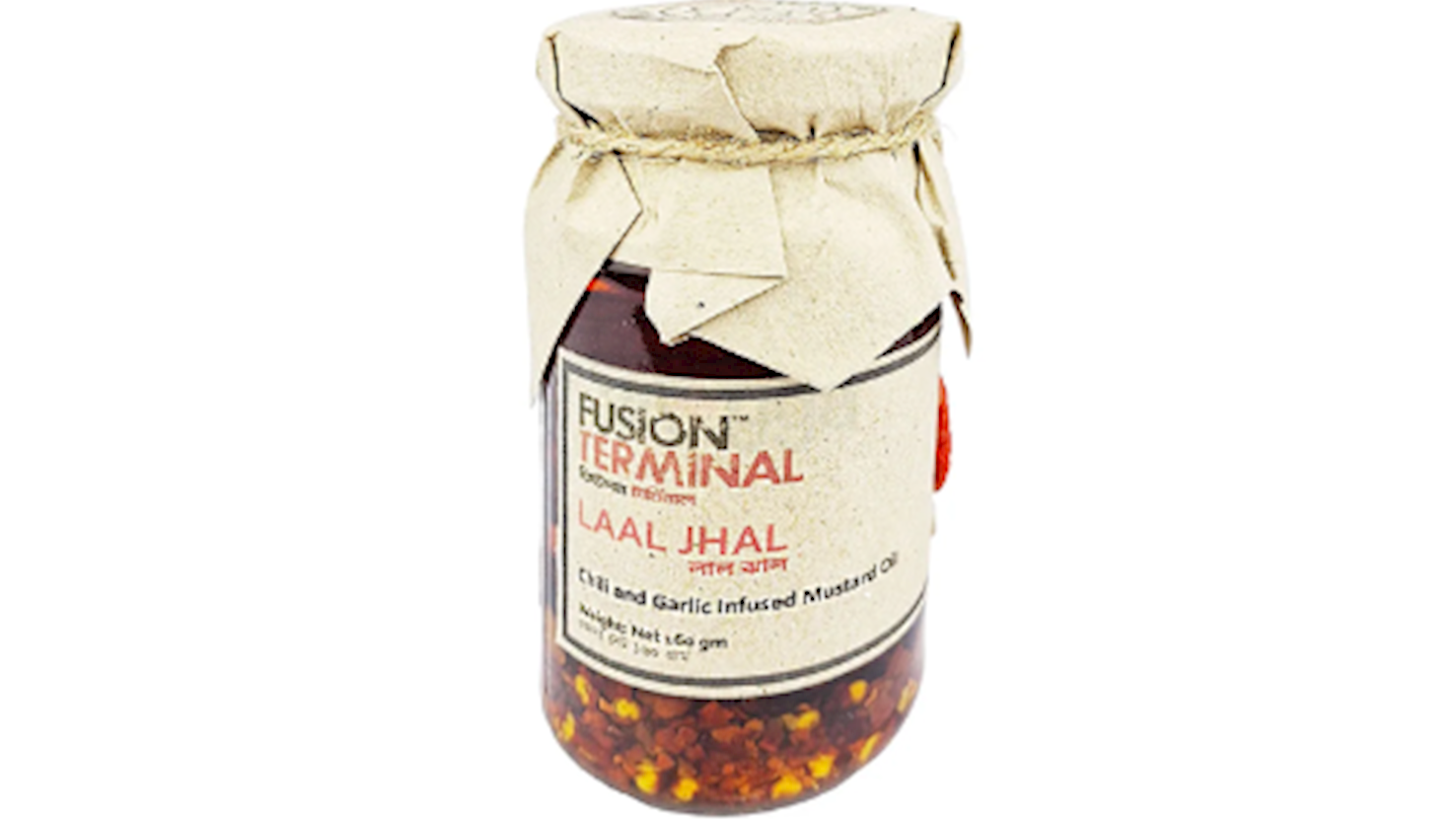
Fusion Terminal

4.8 ·

Fusion Terminal is a small Bangladeshi food company founded in 2017, focused on producing natural, handcrafted delicacies that blend local ingredients with a modern culinary approach. Their range includes fermented and pickled products, chili-infused oils, spice blends, and seasonal specialties, all made using natural preservation methods without industrial additives or artificial stabilizers.

Ingredients are sourced from local growers, often featuring lesser-known varieties of Bangladeshi fruits and vegetables that give their products a distinct, authentic flavor profile. The brand’s philosophy centers on sustainability and the “slow food” concept, emphasizing the preservation of traditional recipes while presenting them in contemporary formats.

Production is carried out in small batches to ensure freshness and consistent quality, and sales are primarily handled through their online platform. Today, Fusion Terminal operates as a small but recognizable artisanal producer offering an alternative to industrial food manufacturing, with a clear focus on clean ingredients and expressive regional flavors.

02
Tea / Infusion

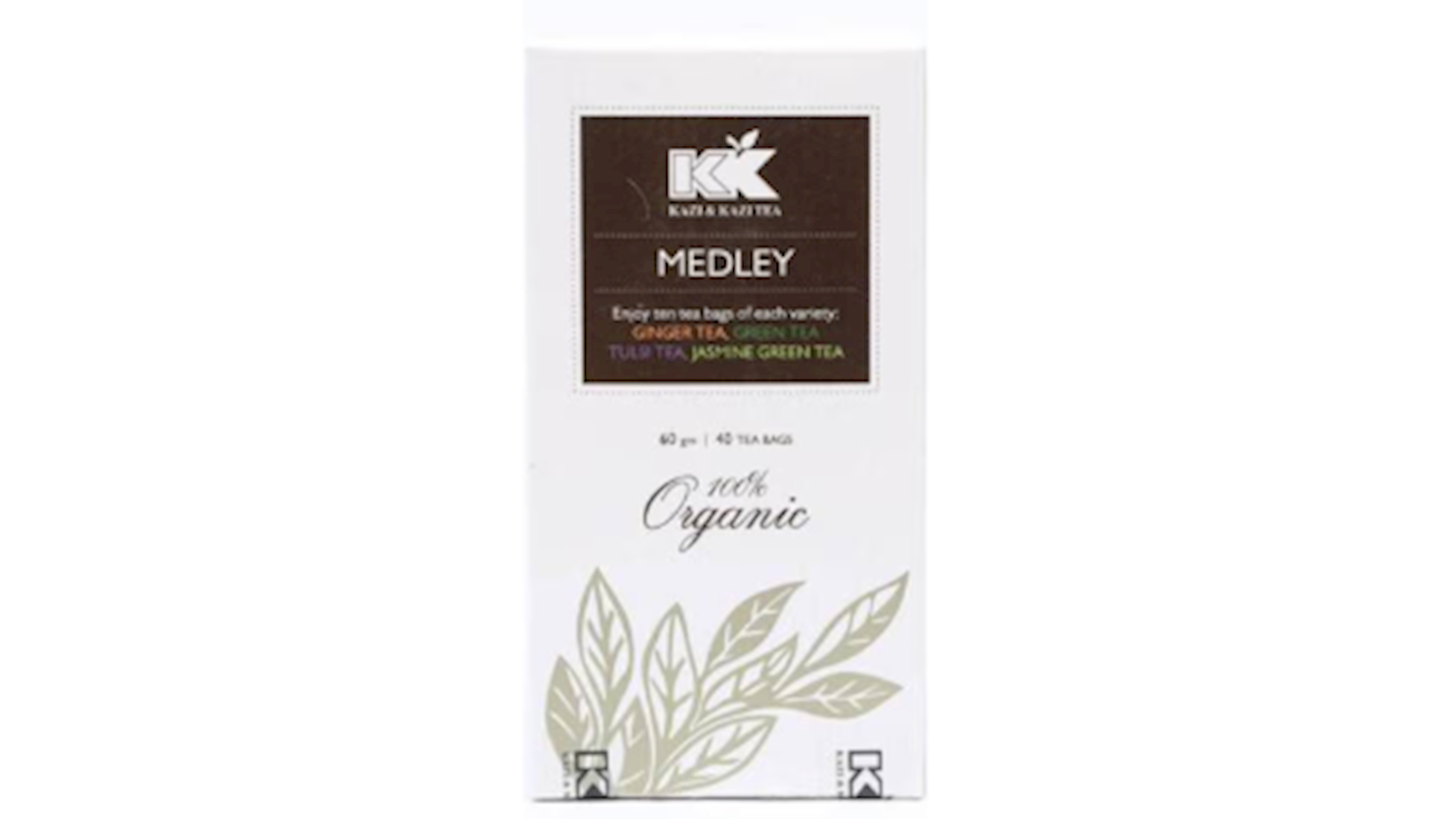
Kazi & Kazi Tea Estate

4.8 ·

Kazi & Kazi Tea Estate is the first fully organic tea plantation in Bangladesh, established in 2000 in Tetulia, at the far north of the country, where cooler temperatures and clean soil create favorable conditions for tea cultivation. The production relies entirely on organic and biodynamic farming methods, avoiding chemical pesticides and synthetic fertilizers in favor of natural inputs such as neem-based treatments and compost from animal sources.

The estate holds international certifications (Organic, Fair Trade), underscoring its commitment to environmental responsibility and ethical production. Its range includes black, green, white, and herbal teas, as well as specialty blends made with locally grown aromatic plants.

All teas are hand-picked and processed on-site, ensuring a clean, consistent flavor profile. Through the Kazi Shahid Foundation, the brand also supports education, healthcare, and community development, making Tetulia tea a combination of high quality, sustainable agriculture, and social responsibility.

03
Tea / Infusion

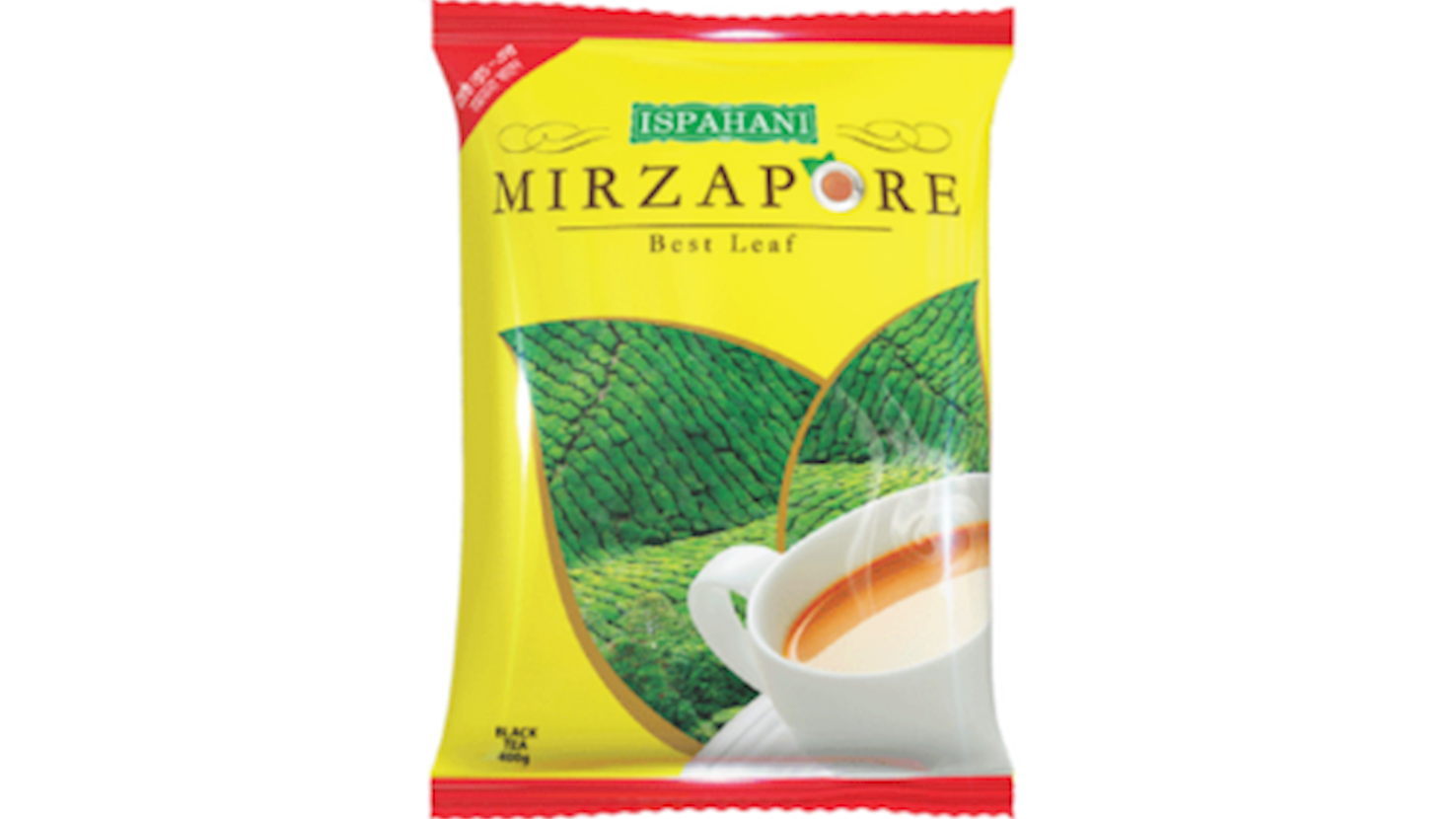
Ispahani Mirzapore Tea

4.8 ·

Ispahani Mirzapore Tea is produced by M. M.

Ispahani Limited, one of Bangladesh’s oldest and most influential tea companies, known for its long-standing tradition and strict quality control. The tea is made from carefully selected leaves sourced from some of the country’s finest plantations, resulting in a blend with a stable, full-bodied, and aromatic profile.

Its flagship variant, Mirzapore Best Leaf, is distinguished by a deep-colored infusion, strong character, and the pronounced aroma typical of Bangladeshi black teas. The processing of the leaves follows rigorous standards to ensure consistency in every batch, reinforcing the brand’s reputation as a market leader with a significant share in packaged tea sales.

Mirzapore teas come in modern, practical packaging and are also available as loose leaf, allowing fuller extraction and a more expressive cup. This tea represents the intersection of tradition, high-quality raw material, and clear regional identity, making it an appealing choice for those who appreciate robust, well-structured black teas.

04
Butter

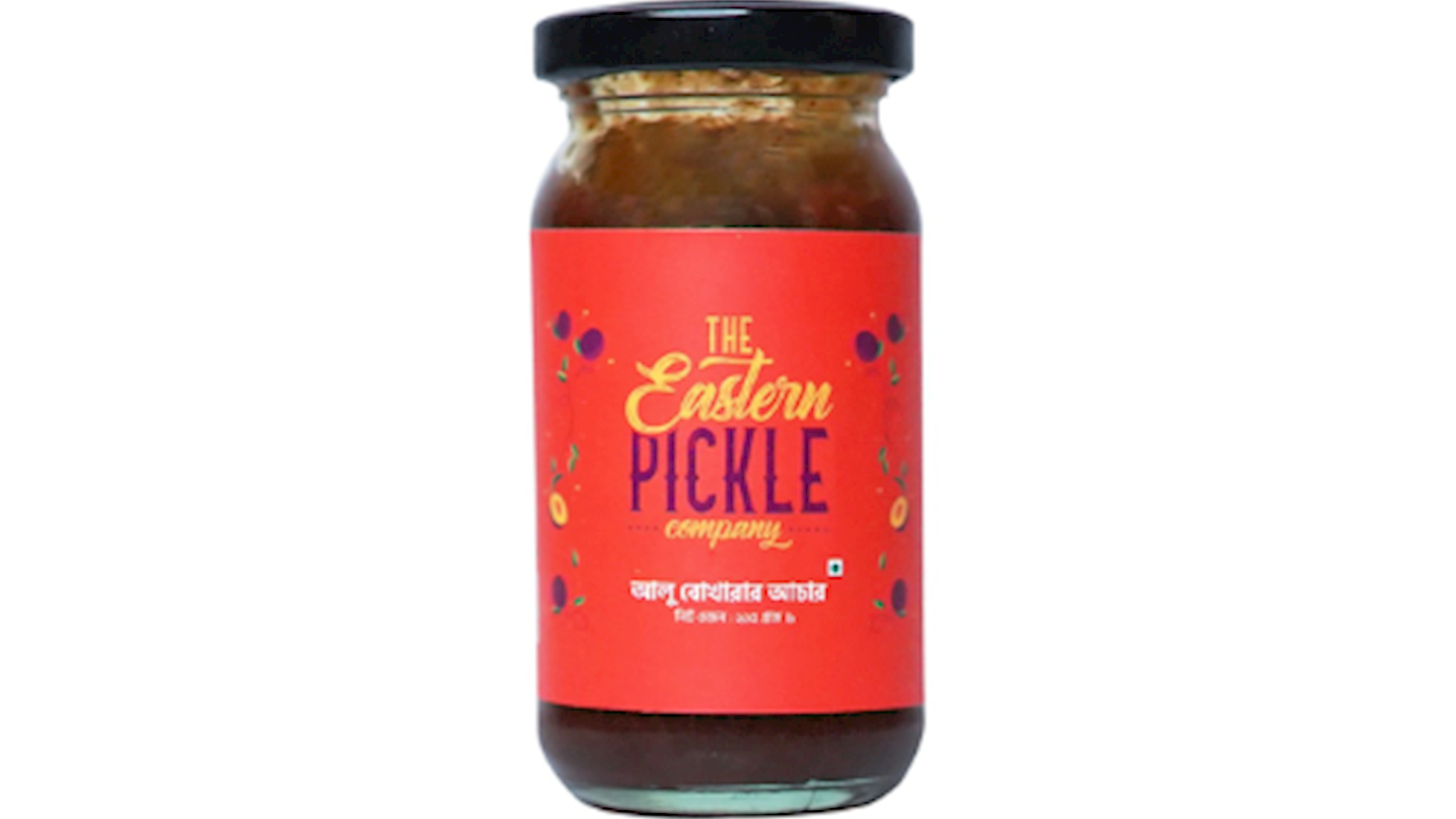
The Eastern Pickle Company

4.7 ·

Eastern Pickle Company is a Bangladeshi producer specializing in handcrafted pickles, dipping sauces, spice blends, and ghee, with a strong focus on authentic home-style recipes and clean ingredients. The company follows a fully natural production approach, avoiding artificial colors, preservatives, and additives, so each product derives its color, aroma, and texture solely from carefully selected local raw materials.

Its assortment includes a wide range of traditional and contemporary pickles - from classic vegetable and fruit varieties to more exotic combinations featuring local citrus and chili - alongside modern dipping sauces that cater to current culinary trends. The spice blends are made in small batches to preserve freshness and the distinctive fragrance of South Asian cooking.

The brand’s philosophy blends tradition with a contemporary artisan approach, reflected in its motto “handmade with heart”.

Awards
Great Taste Awards - 2 Stars (2024)
05
Tea / Infusion

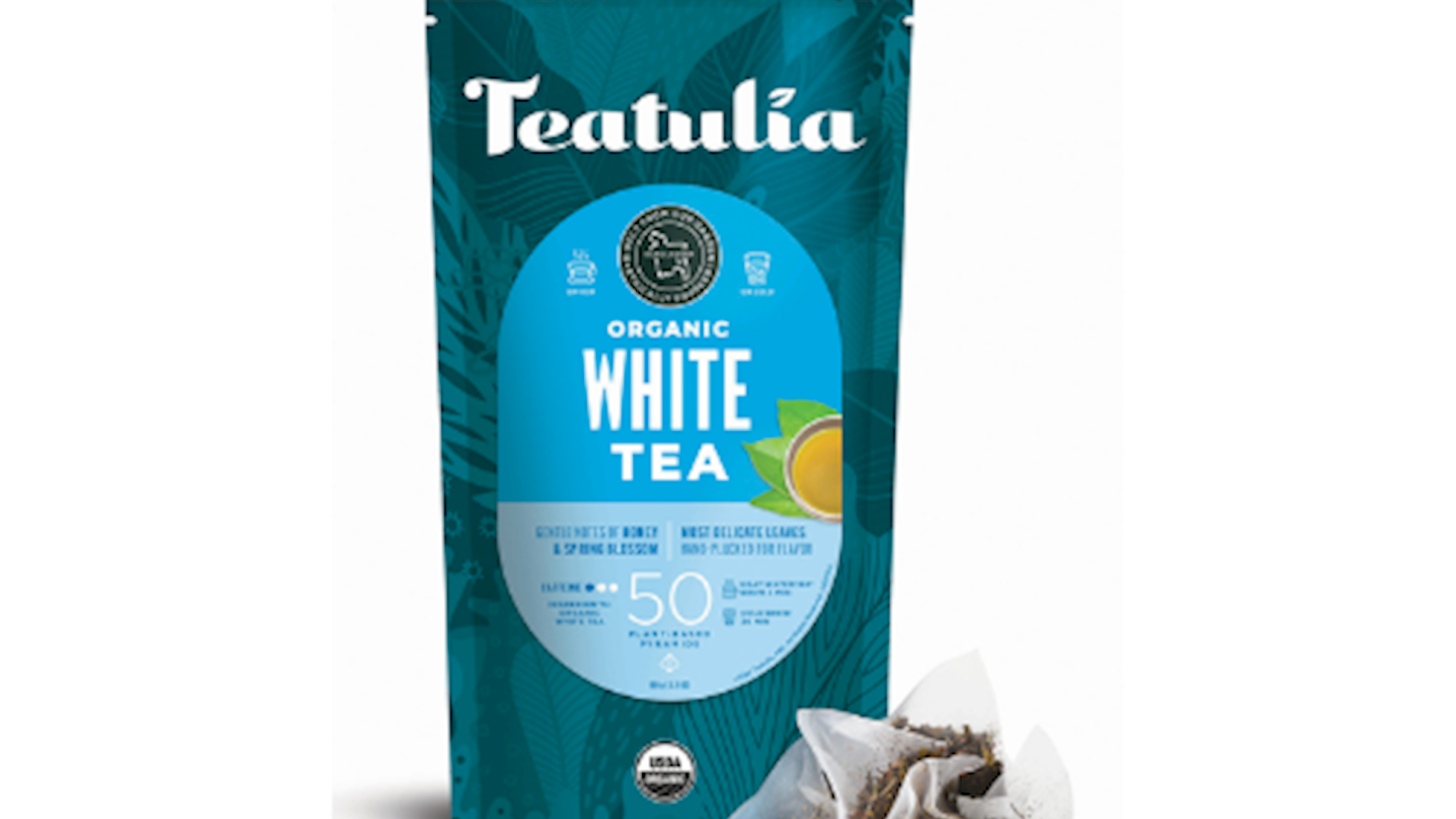
Teatulia

4.5 ·

Teatulia is a company that stands out in the tea market due to its commitment to sustainability, quality, and ethical business practices. Located in the heart of Bangladesh, Teatulia is known for producing 100% organic teas that come from their own tea gardens in the Tetulia region.

Through their direct trade philosophy and partnership with local farmers, Teatulia not only ensures the highest quality of their products but also supports ecological and social initiatives that help communities and preserve the environment. Teatulia stands as a leader in the tea industry when it comes to sustainability. Their use of strictly organic farming methods, free from pesticides or chemicals, makes their tea not only healthy but also environmentally friendly.

Their farming practices include water recycling, the use of solar panels for energy, and the protection of biodiversity in their tea gardens, contributing to the conservation of natural habitats. Teatulia's product range includes various types of tea, including black, green, white, herbal, and iced tea. All products come in different forms, such as tea bags, loose leaf tea, and special blends, all carefully selected and packaged to provide customers with an authentic tea experience.

Read more
View all
View map
About this ranking

TasteAtlas food rankings are based on the ratings of the TasteAtlas audience, with a series of mechanisms that recognize real users and that ignore bot, nationalist or local patriotic ratings, and give additional value to the ratings of users that the system recognizes as knowledgeable. For the “Top 22 Bengali Foods” list until July 16, 2026, 2,433 ratings were recorded, of which 1,665 were recognized by the system as legitimate. TasteAtlas Rankings should not be seen as the final global conclusion about food. Their purpose is to promote excellent local foods, instill pride in traditional dishes, and arouse curiosity about dishes you haven’t tried.

The initial list of top producers was compiled based on available reviews, awards, local recommendations, media and blog coverage, and consumer reviews. The list will be updated with ratings from TasteAtlas local ambassadors and TasteAtlas users.

Similar lists