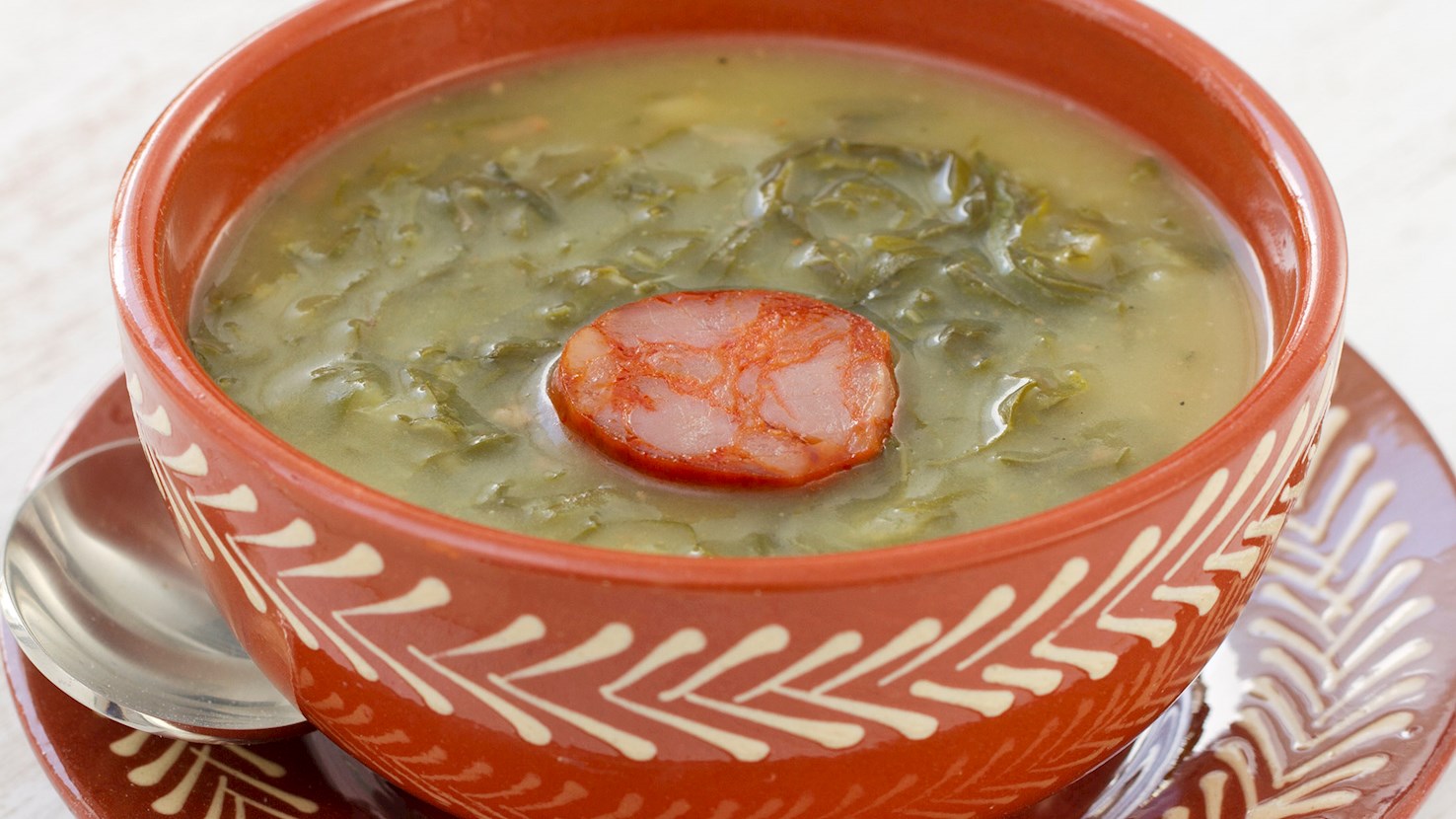
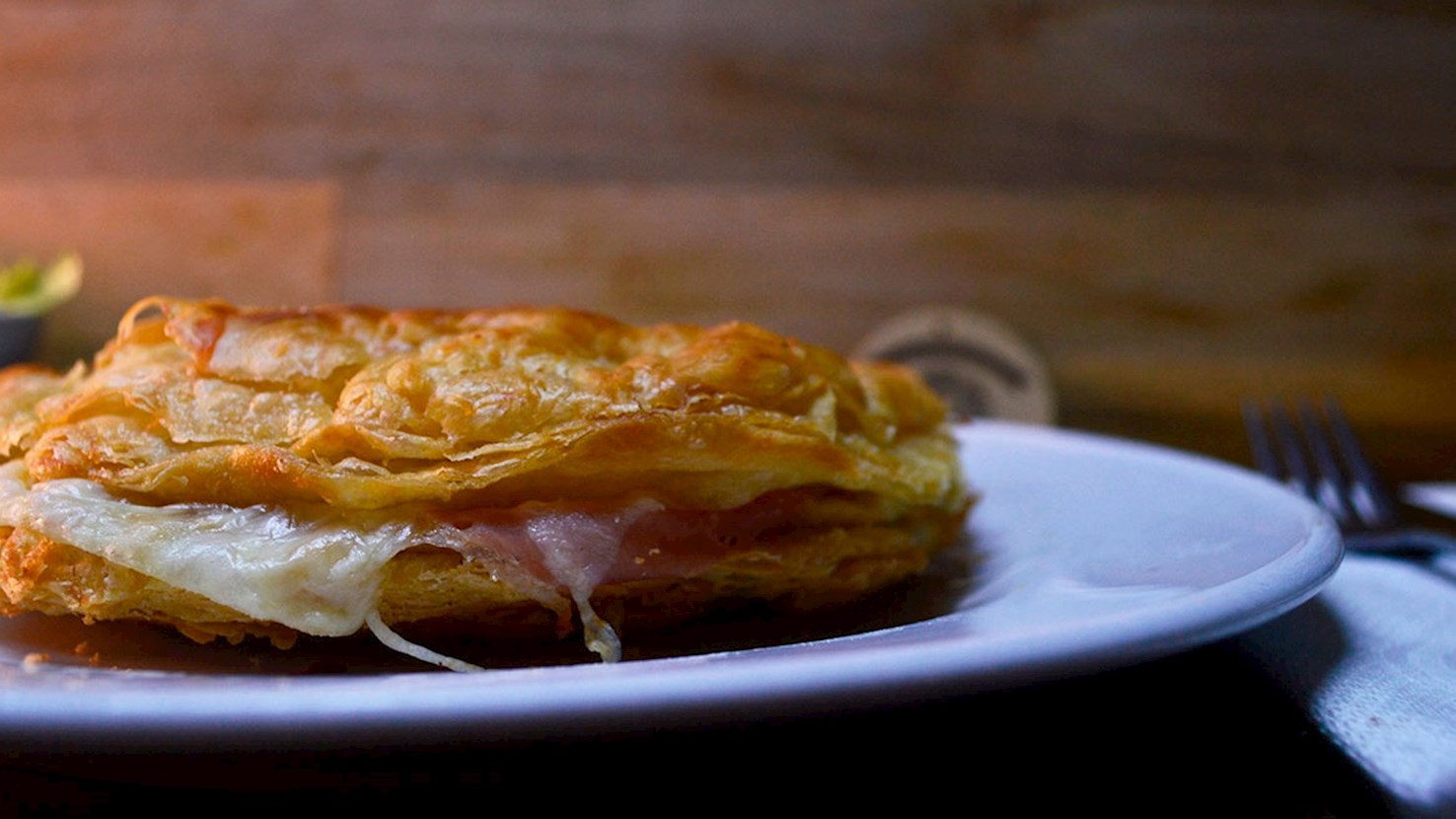
Caldo verde is a popular soup from Portugal, consumed by most Portuguese families at home, but it is also served in some upscale restaurants. It is usually made with a combination of potatoes, collard greens, olive oil, and a dash of salt, although there are some regional variations. Traditionally, caldo verde is served with boiled and sliced chorizo sausage, although other types of meat can be used instead of it. In the north of Portugal, people sometimes use kale instead of collard greens. The dish originated in a former province called Minho, between 1936 and 1976. Today, the region is divided into two parts, Viana do Castelo and Braga. The soup is a favorite during various celebrations, weddings, and similar festivities, when it's usually served as a starter before the main meal, ideally accompanied by broa, a traditional Portuguese cornbread.
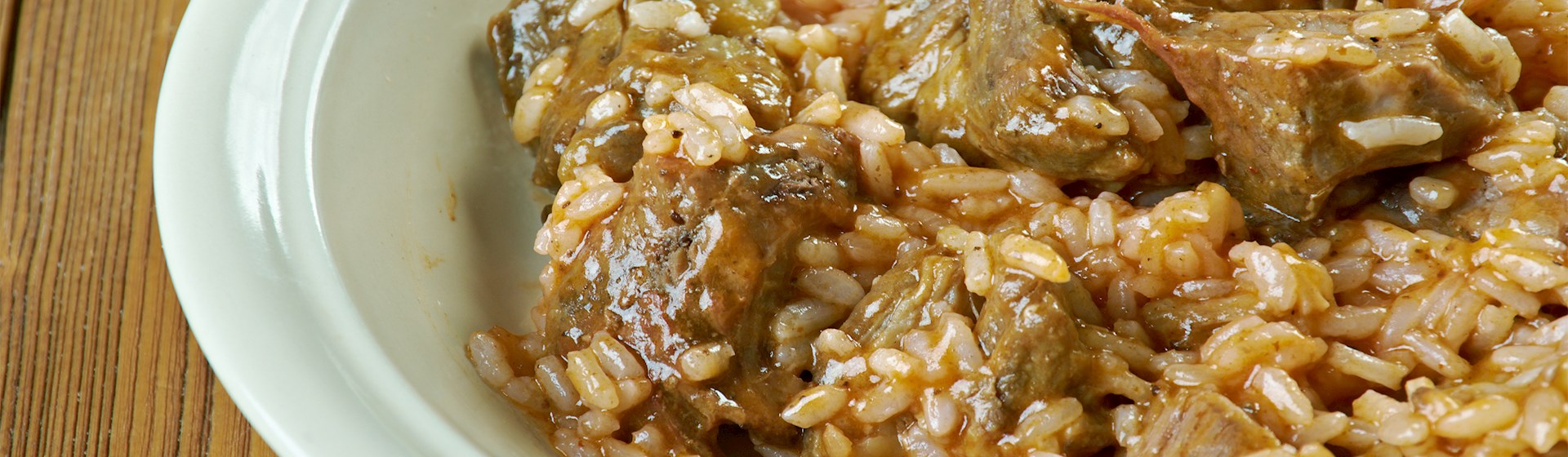
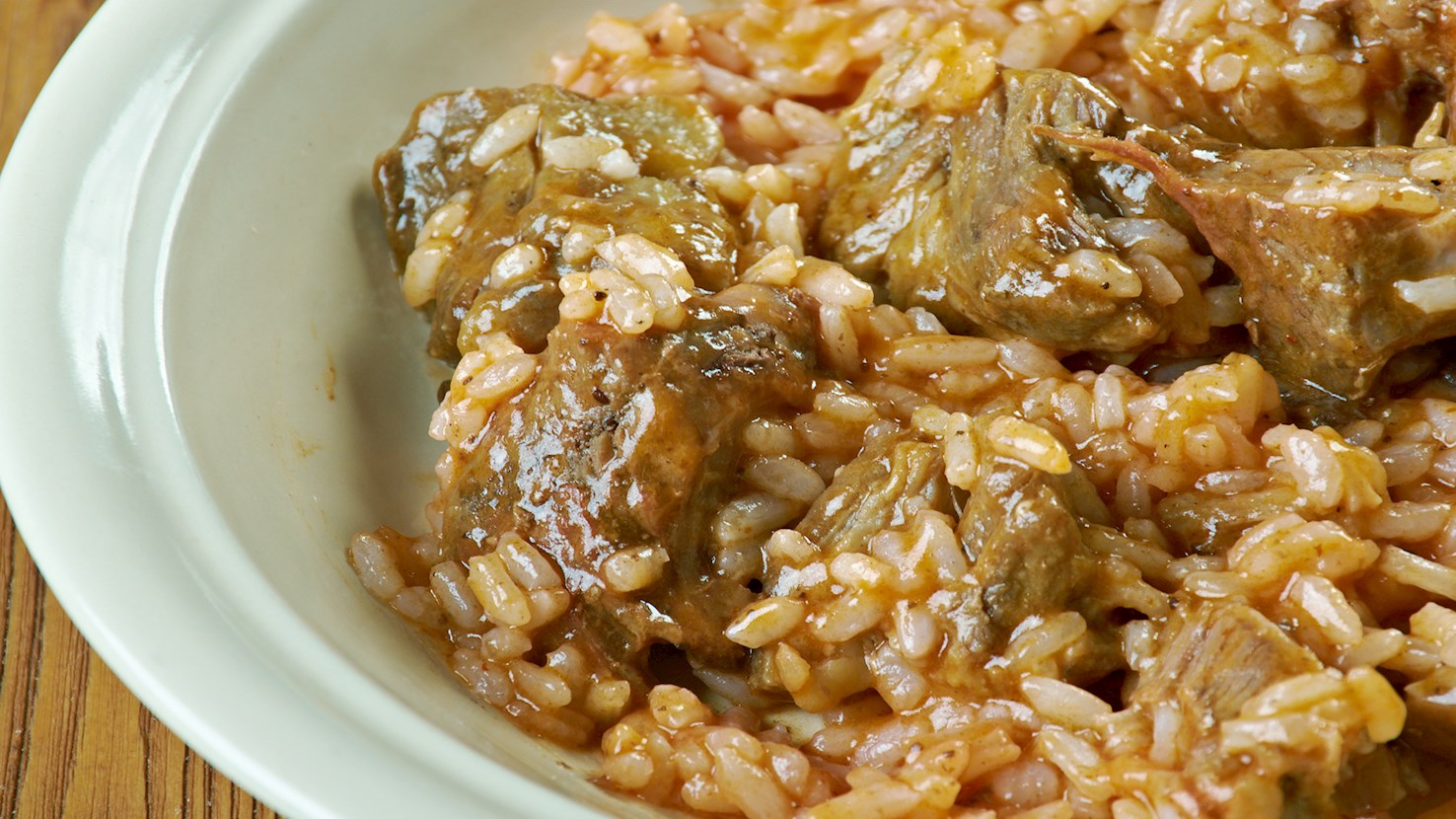
Cabidela is a dark, highly acidic meat-and-rice stew thickened with a sauce made from the freshly collected blood of the slaughtered animal, mixed with vinegar. The main ingredients are traditionally gathered by slaughtering a free-range chicken or rabbit and immediately catching the draining blood in a deep bowl. A generous splash of sharp red wine vinegar is stirred into the blood right away to prevent it from coagulating. The meat is then cut into small bone-in pieces and browned in a hot iron pot coated with olive oil. Chopped white onions, minced garlic, and dried bay leaves soften in the same pot alongside the searing meat. A clear broth is added to cover the ingredients, and the mixture simmers steadily until the meat becomes very tender. Raw short-grain rice, especially the starchy Carolino variety, is then poured directly into the boiling liquid. Just before the rice finishes absorbing the broth, the reserved vinegar-and-blood mixture is added to the pot. The whole mixture quickly turns a deep reddish-black color as the heat thickens the blood into a rich, velvety gravy. The rice remains very moist, suspended in the dark sauce. The origins of this cooking method trace to the 16th century in the northern Minho region of the Iberian Peninsula. Written records from 1573 mention the meal being served during the reign of King Sebastian. As maritime exploration expanded trade routes across the Atlantic and Indian Oceans during the 1500s and 1600s, sailors and merchants carried the recipe to places such as Brazil, Angola, and Goa. In hot tropical climates, the strong acidity helped preserve meat before modern refrigeration. A prominent adaptation from the state of Minas Gerais removes the rice from the pot entirely and serves the thick, dark stew over a dense bed of plain cornmeal mush known as angu. Other regional versions replace the standard poultry with wild game, such as wild boar, or with farm-raised pork, resulting in a gamier, fattier dish. In coastal Southeast Asian communities, the acidic base remains essential, but duck is used as the protein source, and sharp tamarind paste replaces vinegar to prevent the liquid from clotting. Cabidela is usually brought straight from the stove to the table in the original cast-iron cooking vessel. The thick, metallic sauce and moist rice require a sturdy spoon for serving onto individual plates. A raw leafy green salad dressed only with olive oil and lemon juice is almost always served beside it, adding a crisp, acidic contrast that cuts through the heavy iron flavor and rich animal fat.
These crescent-shaped pastries consist of a thin, flaky dough that is filled with a sweet combination of sugar, egg yolks, ground almonds, and chila (gila) squash. After baking, they are shortly dipped in syrup, which provides the tortas with a crisp, glossy coating. As the name suggests, the pastries were invented in Guimarães, and they were originally prepared by nuns from the convent of Santa Clara. Nowadays, they are one of the most recognizable Guimarães desserts.
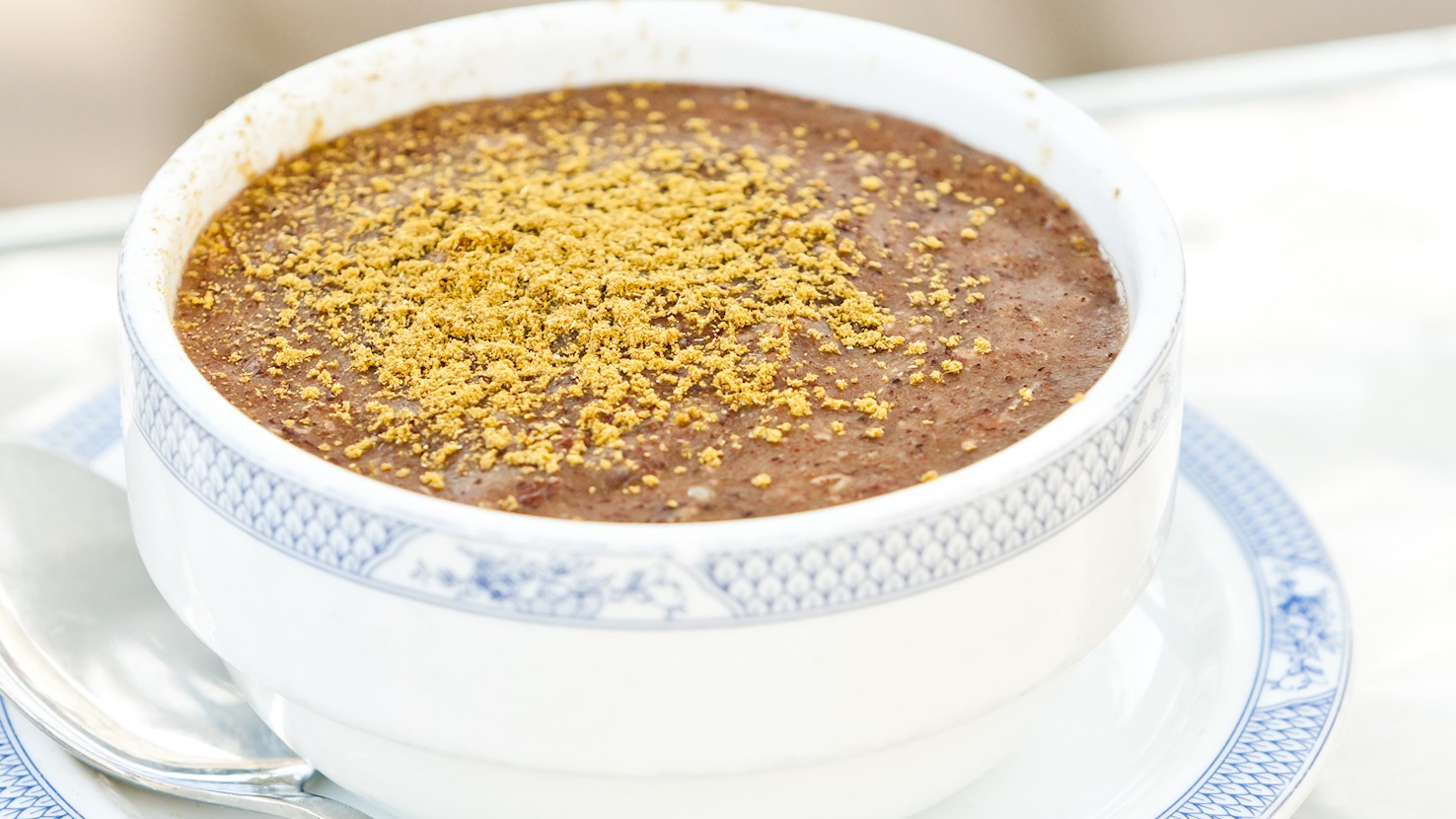
Hailing from Minho, this traditional Portuguese stew typically combines pork and chicken meat with smoked salpicão and chouriço sausages, ham, corn flour, pig’s blood, and various seasonings and spices such as cumin, lemon, cloves, or nutmeg. The dish was traditionally prepared in colder winter months when pigs were slaughtered, and fresh pig’s blood was readily available. Though it can be enjoyed on its own, the dish is commonly served as an accompaniment to rojões à moda do Minho, and it is recommended to pair it with Vinho Verde, a light and fresh Portuguese wine.
Frigideiras are a traditional savory pastry made with a flaky dough and filled with minced meat, usually a mixture of pork and beef, seasoned with spices and onions. The name "frigideiras" comes from the method of preparation, as they are traditionally fried in a pan ("frigideira" in Portuguese). They have been created in 1796 at the establishment "Frigideiras do Cantinho," but their recipe remains a closely guarded secret. This dish is a local favorite and is even mentioned in works by renowned Portuguese writers such as Almeida Garret and Júlio Dinis. Frigideiras are enjoyed as a snack or appetizer, often served warm and paired with a refreshing beverage.
Pudim Abade de Priscos is a traditional flan dessert, specifically from the Braga region in the north of Portugal. Known for its rich flavor and smooth texture, it is made with a unique combination of ingredients that include eggs, sugar, and a distinctive component: bacon. This ingredient might sound unusual for a dessert, but it's what gives the Pudim Abade de Priscos its special flavor and silky texture. The dessert is named after a 19th-century priest from Priscos, Abade de Priscos, who was renowned for his culinary skills. The original recipe is known for having a high number of egg yolks, contributing to its rich and creamy consistency, and it is usually flavored with Port wine or other aromatics such as lemon or orange zest and cinnamon, which add complexity to its taste.
Tibias de Braga is a famous Portuguese sweet treat and one of the signature pastries of the city of Braga. They’re called tibias because of their shape, which is reminiscent of the tibia bone. This pastry consists of crunchy dough that's sprinkled with sugar and filled with sweet cream. The filling can be made from almost anything, including bananas, pineapple, raspberry, hazelnuts, caramel, or cappuccino. They go great with a warm cup of tea or coffee.
These small Portuguese pastries hail from Braga. They consist of a pastry base and a sweet filling that combines egg yolks, sugar, and almonds. The cakes have a centuries-old tradition and were initially prepared by Franciscan nuns at the former convent dos Remédios that was once located in Braga. The tradition of preparing viúvas was kept alive until the mid-20th century, when they completely disappeared. With the help of old transcripts, the recipe was rediscovered and viúvas were reintroduced as a signature local dessert.
Clarinhas de Fão are traditional Portuguese pastries from the village of Fão, in the Baixo Minho region. They are made from a very thin pastry filled with gila (chila) jam, which is prepared by cooking the shredded squash with sugar, lemon zest, and cinnamon. The pastries are shaped into half-moons or rectangles and then fried. They are sprinkled with powdered sugar after frying. These conventual sweets have their origins in the 19th century and were believed to be created in the Monastery of Santa Clara, becoming famous in the region due to local families selling them.
TasteAtlas food rankings are based on the ratings of the TasteAtlas audience, with a series of mechanisms that recognize real users and that ignore bot,
nationalist or local patriotic ratings, and give additional value to the ratings of users that the system recognizes as knowledgeable.
For the “Top 9 Braga Foods” list until July 17, 2026, 534 ratings were recorded, of which 368 were recognized by the system as legitimate.
TasteAtlas Rankings should not be seen as the final global conclusion about food. Their purpose is to promote excellent local foods,
instill pride in traditional dishes, and arouse curiosity about dishes you haven’t tried.
The initial list of top producers was compiled based on available reviews, awards, local recommendations, media and blog coverage, and consumer reviews.
The list will be updated with ratings from TasteAtlas local ambassadors and TasteAtlas users.