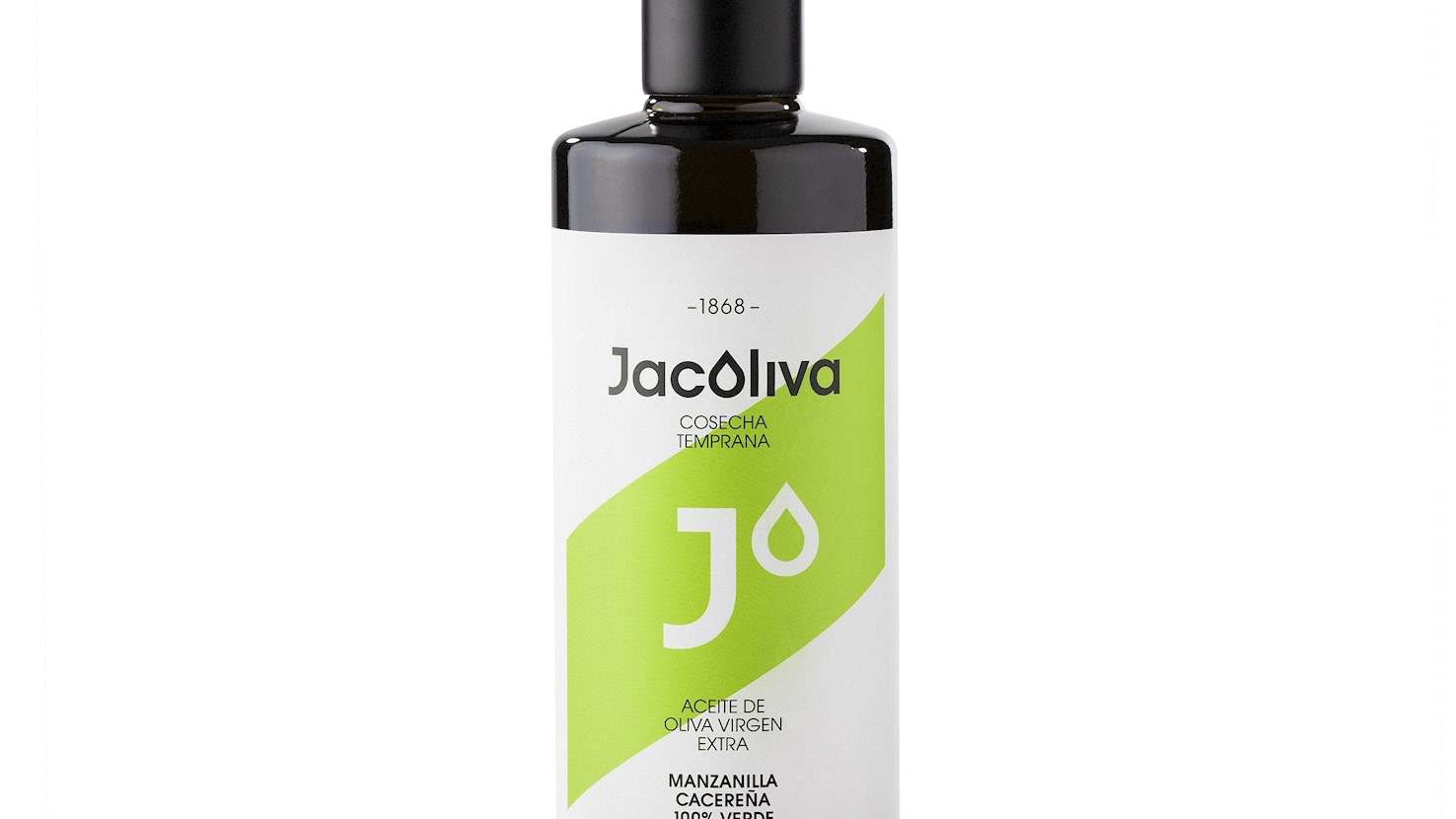
Jacoliva S.L. is an olive oil producer based in Cáceres, Spain. The company is known for producing high-quality extra virgin olive oils using traditional and sustainable farming methods.
They operate their own olive groves and manage the entire production process from harvesting to bottling. Jacoliva offers a range of olive oils and is committed to maintaining the authenticity and flavor of their products.
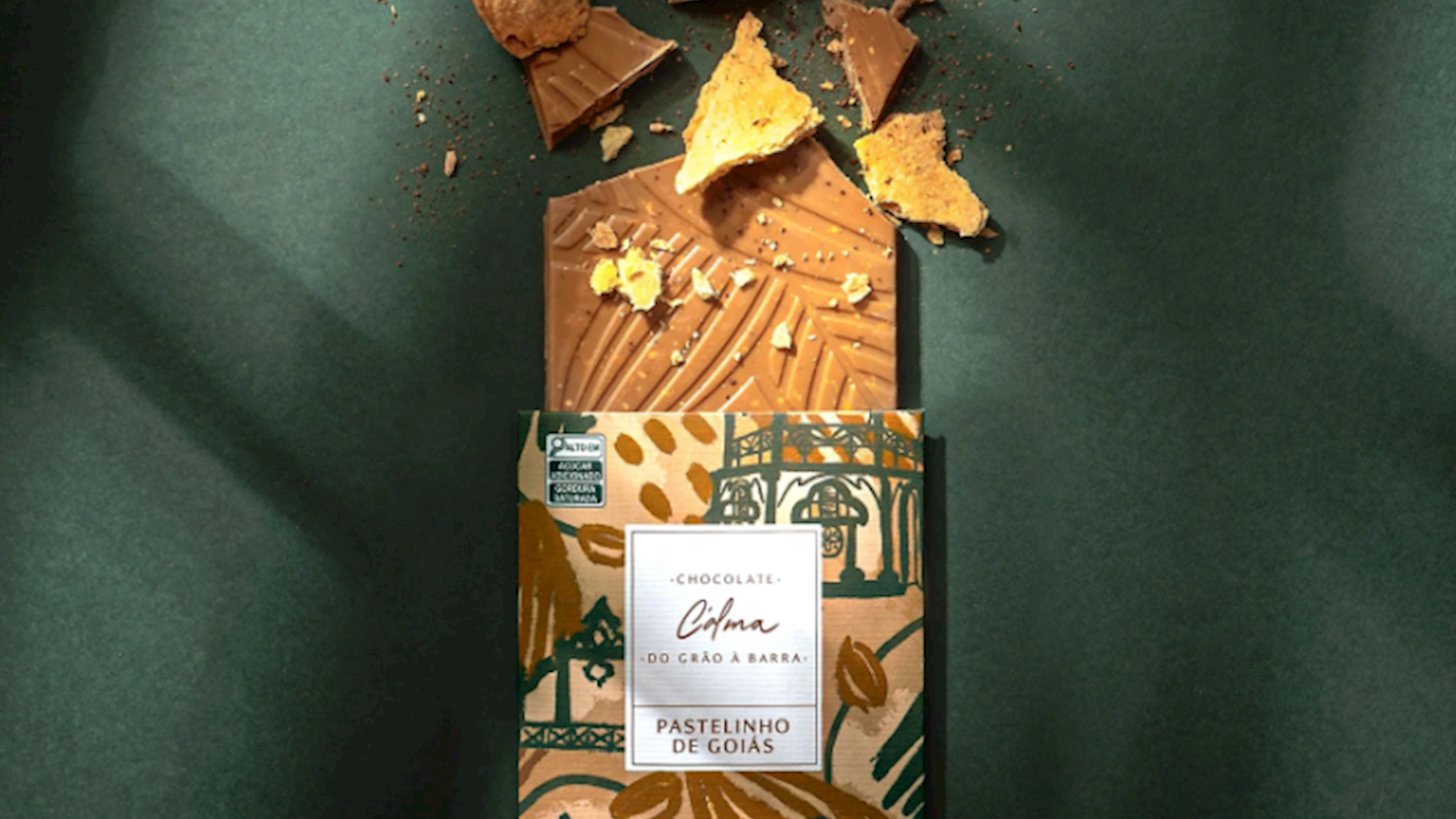
C'alma Chocolate is a chocolate producer based in Goiânia, Brazil. The company focuses on crafting high-quality chocolate products using locally sourced cacao.
C'alma Chocolate emphasizes sustainability and supports local farmers. They offer a variety of products, including bean-to-bar chocolates.
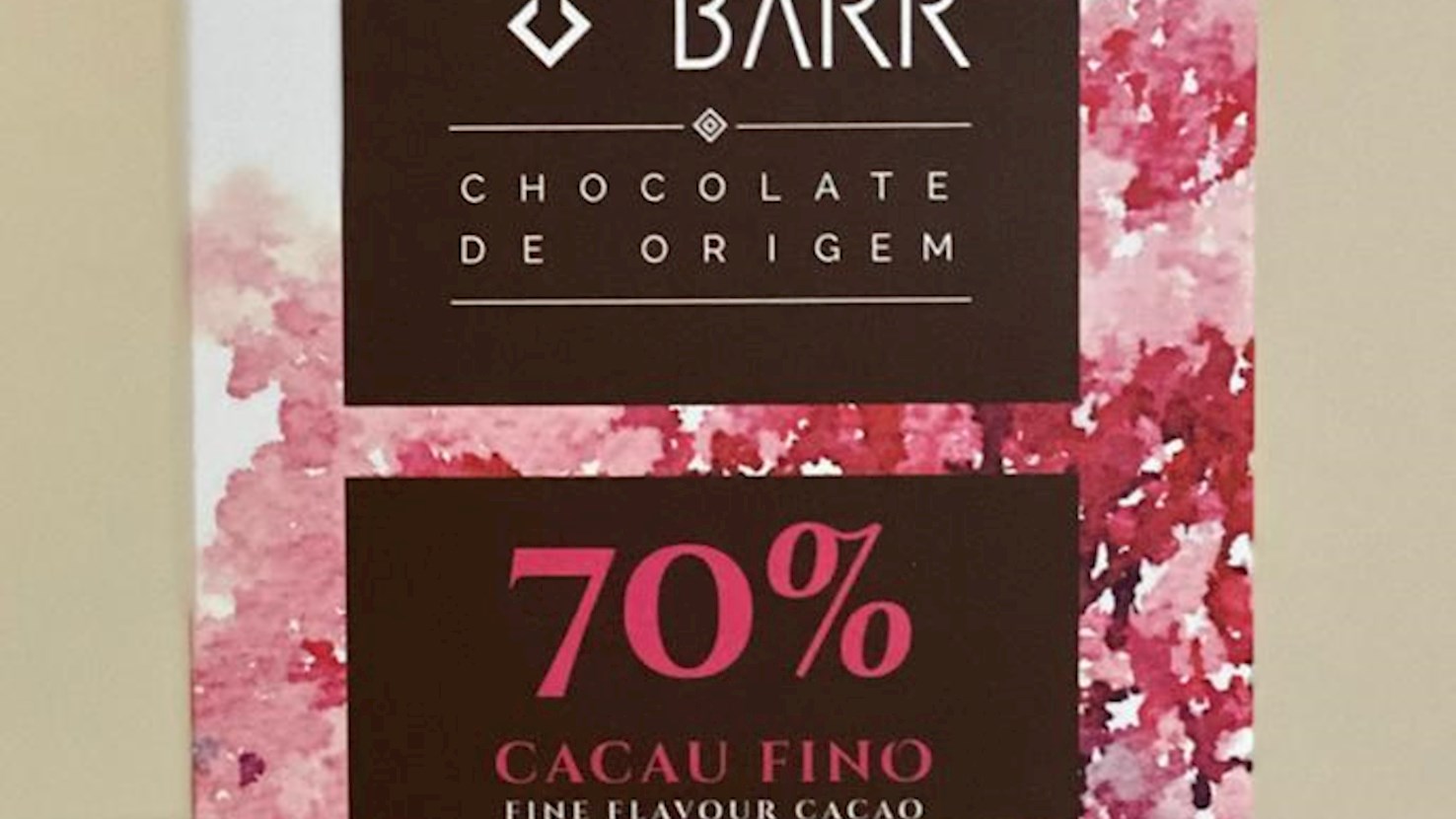
LaBarr Chocolate De Origem is a chocolate producer based in Brasília, specializing in bean-to-bar chocolate production. The company focuses on sourcing high-quality cocoa beans directly from Brazilian farmers.
LaBarr emphasizes sustainability and ethical farming practices in their supply chain. The brand offers a variety of single-origin chocolate bars, highlighting the distinct flavors of different Brazilian cocoa regions.
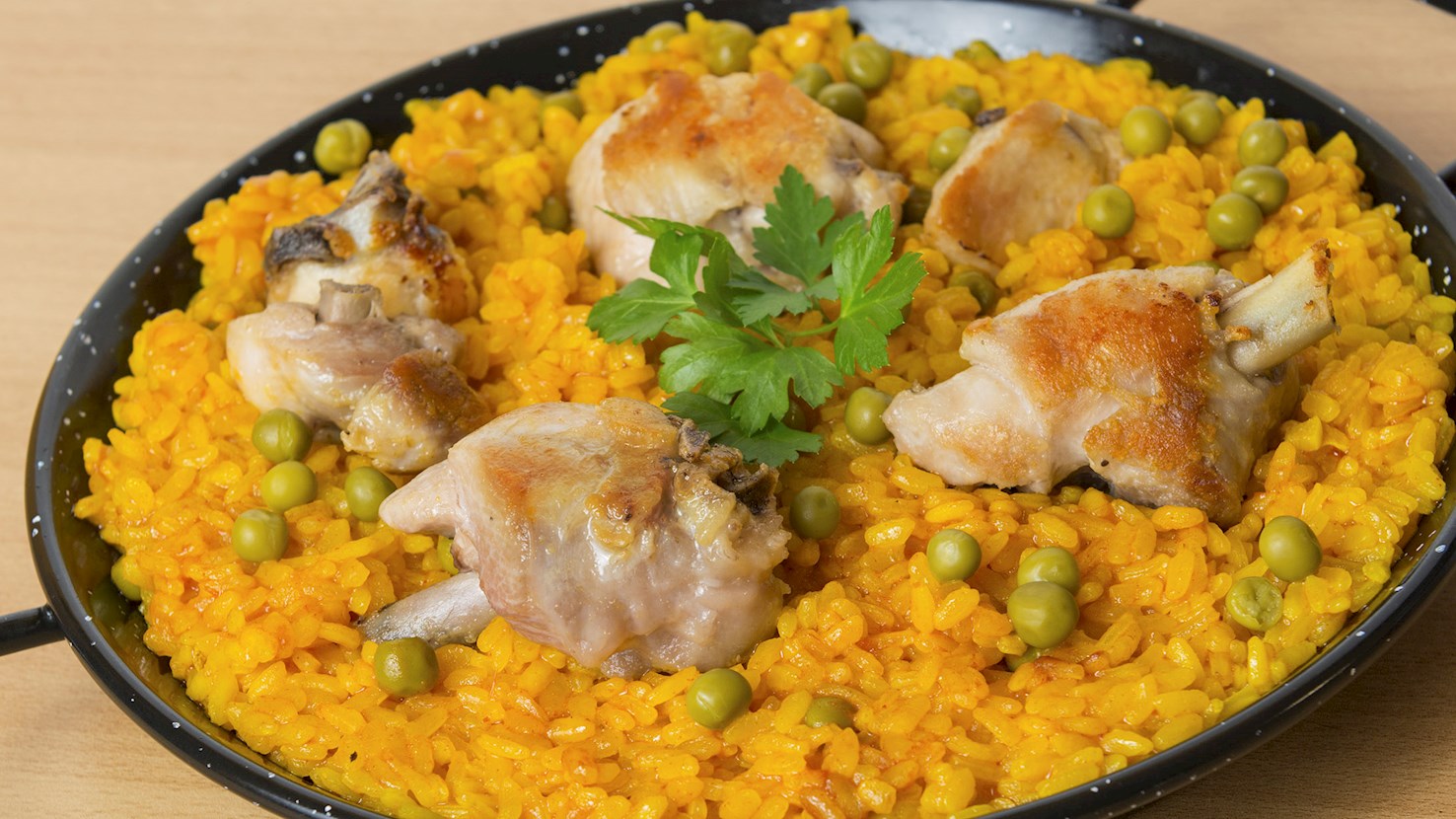
Galinhada is a one-pot dish consisting of bone-in chicken pieces and rice stewed together with a vibrant array of aromatics, vegetables, and spices. To execute the classic recipe, cooks begin by intensely marinating cuts of poultry—most commonly thighs, drumsticks, and occasionally breasts—in a sharp blend of lime juice or vinegar, crushed garlic, salt, and black pepper. Then, the meat is aggressively seared in a large, heavy-bottomed pan or iron skillet until the fat renders and the skin develops a deep, golden-brown crust. Once the chicken reaches proper caramelization, chopped onions, bell peppers, and tomatoes are folded directly into the rendered fat to build a highly flavorful, aromatic base, effectively dissolving the savory browned bits from the bottom of the cookware. Long-grain white rice is then stirred into this rich mixture, briefly toasting the grains to coat them before the simmering liquid—usually homemade chicken broth or water—is introduced. The entire pot is tightly covered and left to cook slowly over low heat, allowing the rice to swell and absorb the deeply savory liquid while the chicken becomes meltingly tender. While this fundamental cooking method remains constant across Brazil, significant regional variations fundamentally alter the dish's final flavor profile and visual presentation. In the state of Minas Gerais, cooks impart a vibrant golden-yellow hue to the meal using ground annatto seeds or turmeric, frequently folding whole kernels of corn, sweet peas, and fresh green beans into the simmering pot. Conversely, the iteration originating from the central-western state of Goiás relies heavily on pequi, a highly aromatic native savanna fruit that imbues the rice with a distinctly floral, earthy flavor and a bright yellow tint, often accompanied by guariroba, a uniquely bitter native heart-of-palm. The widespread culinary footprint of this hearty meal stems directly from its 17th-century roots, driven by the bandeirantes—colonial explorers and fortune hunters who traversed the rugged Brazilian interior. These lengthy expeditions necessitated sustaining single-vessel meals that used readily foraged ingredients alongside easily transportable staples like rice, eventually transitioning to locally raised poultry as permanent farming settlements developed along the established trade routes. Today, this deeply historic dish is almost exclusively served family-style, brought directly to the center of the dining table in the pot in which it was cooked, for communal sharing. It is traditionally presented alongside simple, highly acidic accompaniments designed specifically to cut through the heavy richness of the rendered chicken fat, such as a sharp tomato and onion vinaigrette (vinagrete), fiery local malagueta chili sauce, crispy toasted cassava flour (farofa) for added texture, and a generous scattering of freshly chopped parsley and scallions applied immediately before eating.
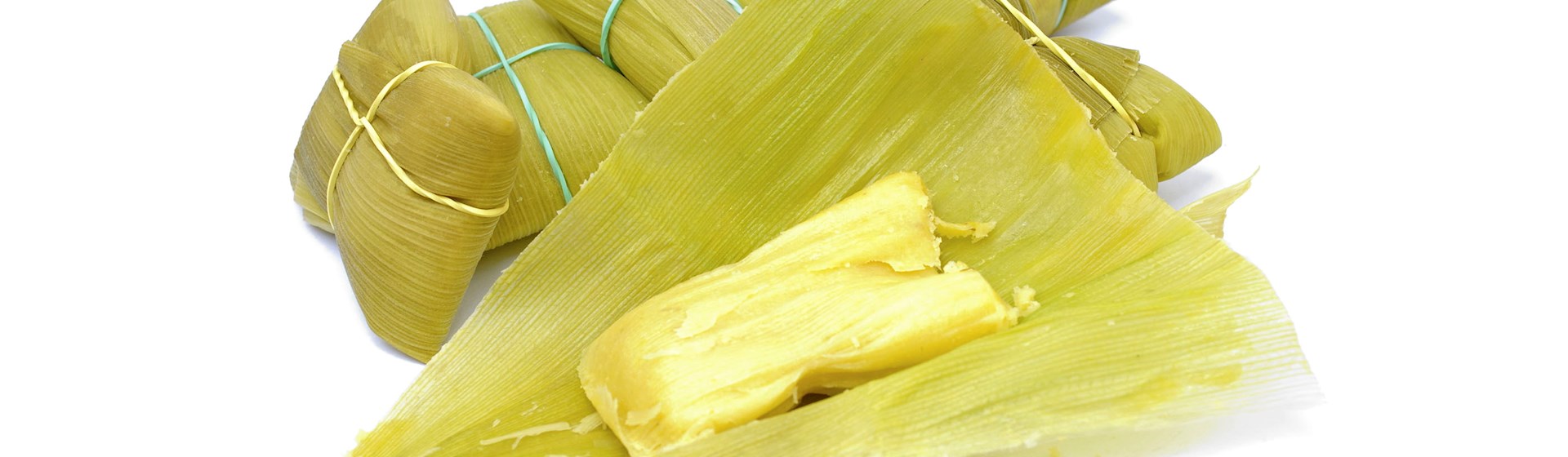
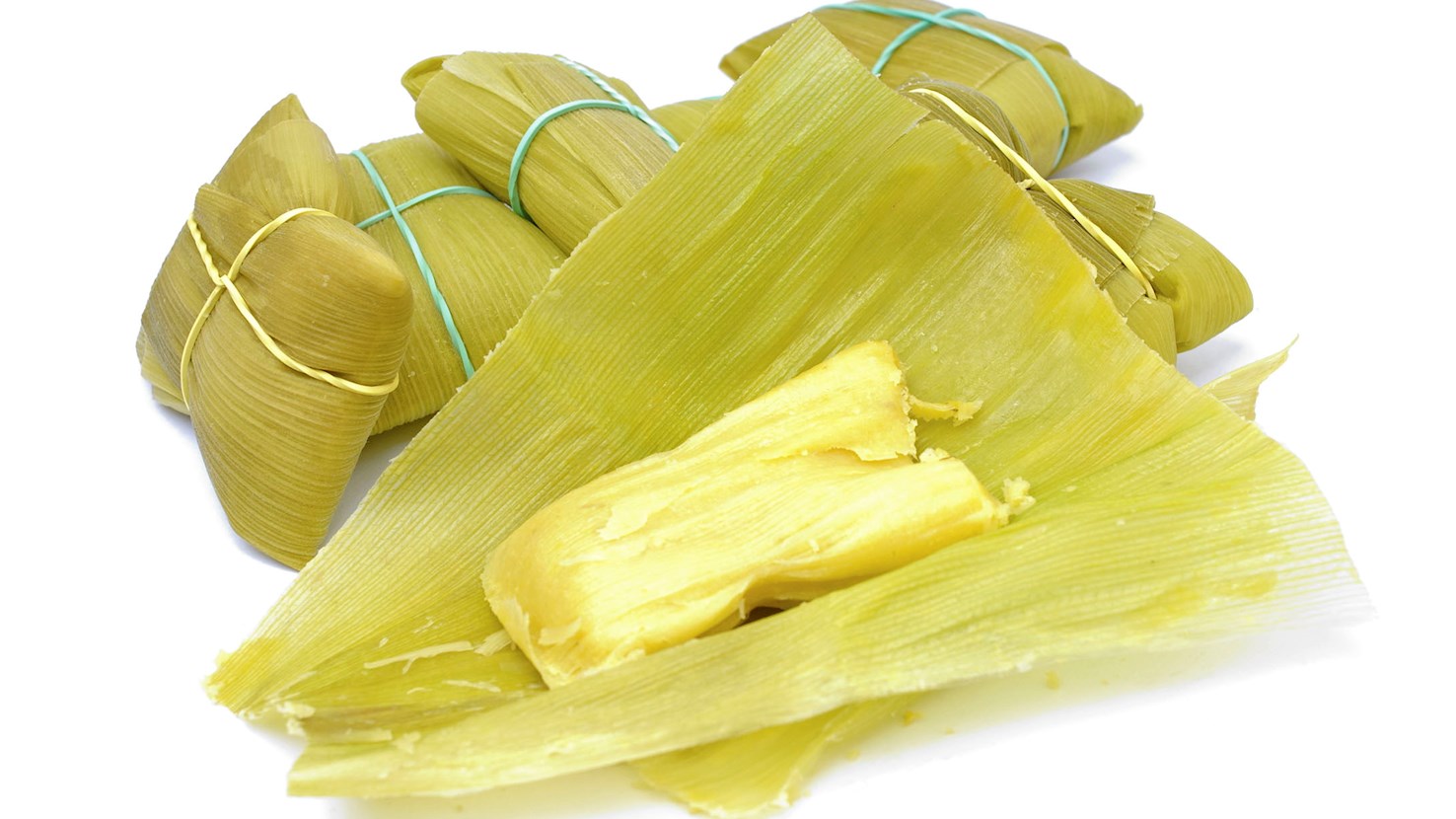
Similar to Mexican tamales, pamonha is a traditional dish made with fresh corn. The dough, or more precisely the paste, is made out of grated and juiced corn. It is tightly wrapped in fresh corn husks and cooked in boiling water. Depending on the ingredients, pamonhas can be either sweet or savory. The savory varieties are usually prepared plain or made with chopped meat, sausages, or cheese. The sweet version of pamonhas is often made by incorporating coconut milk or coconut pulp in the dough. Pamonhas are traditionally eaten all year round in Brazil, but they are usually associated with Festa Junina, the annual Brazilian festivity celebrated throughout June, marking the end of the harvest season and the beginning of Brazilian winter. The snack was primarily sold as a street food item, but nowadays the tradition has disappeared, and pamonhas are usually prepared at home or served in traditional Brazilian restaurants.
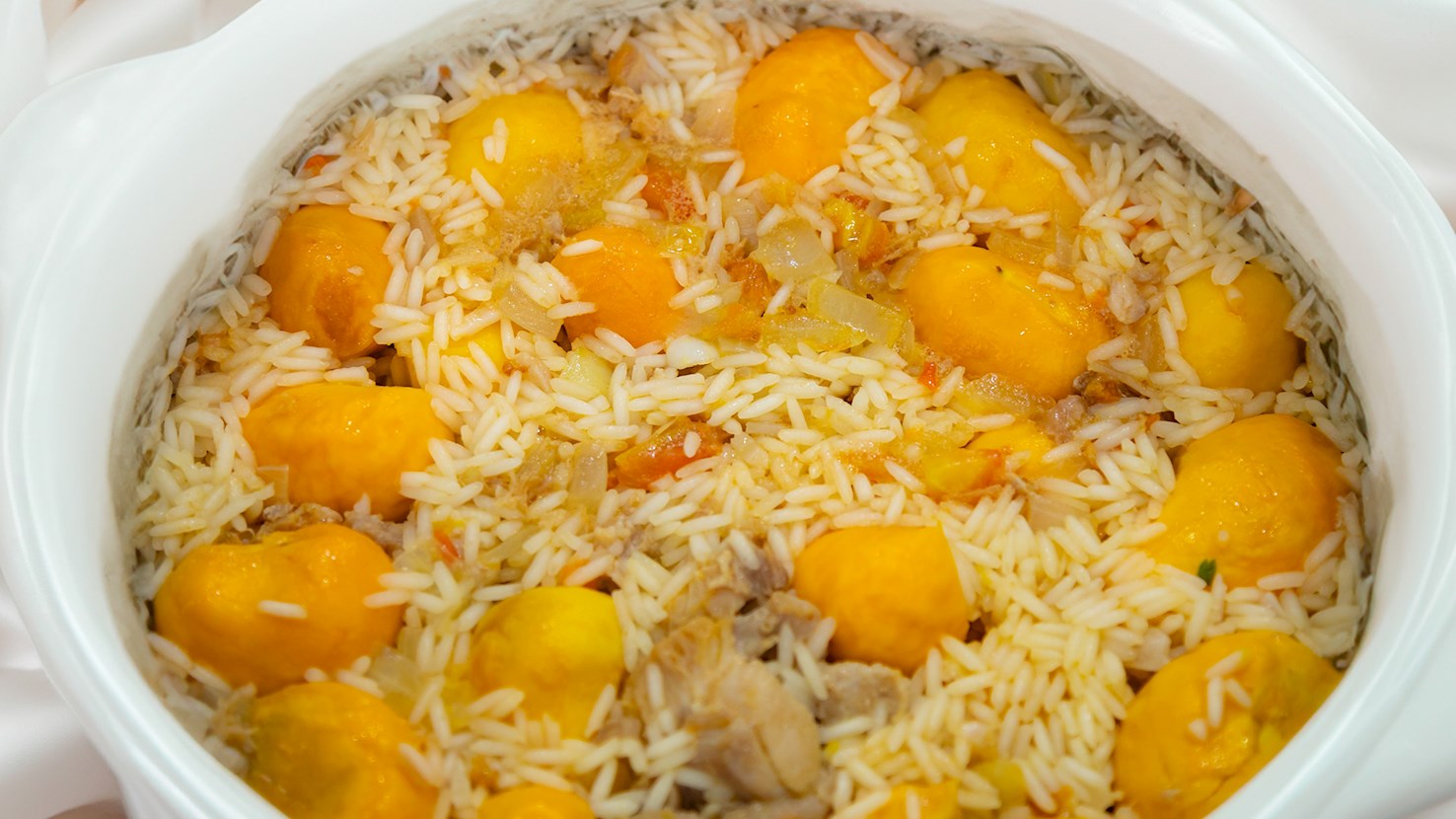
Arroz com pequi is a traditional rice dish originating from the central regions, and it's especially popular in Minas Gerais and Goiás. The key ingredient in the dish is pequi, a small seasonal fruit with a strong cheese-like, barnyardy flavor (although it's a fruit, pequi is usually treated like a vegetable). Other ingredients used in the dish include rice, oil, garlic, onions, chicken broth, chopped green onions, salt, and pepper. The ingredients are simmered until the liquid is absorbed and the rice becomes tender. Before serving, it's recommended to stir in some green onions into the dish. Although the dish is served with the pequi still in the rice, some people like to eat the rice without eating the fruit because it has lots of little spikes coming out of the kernel, and one should be careful when trying to eat the pulp.
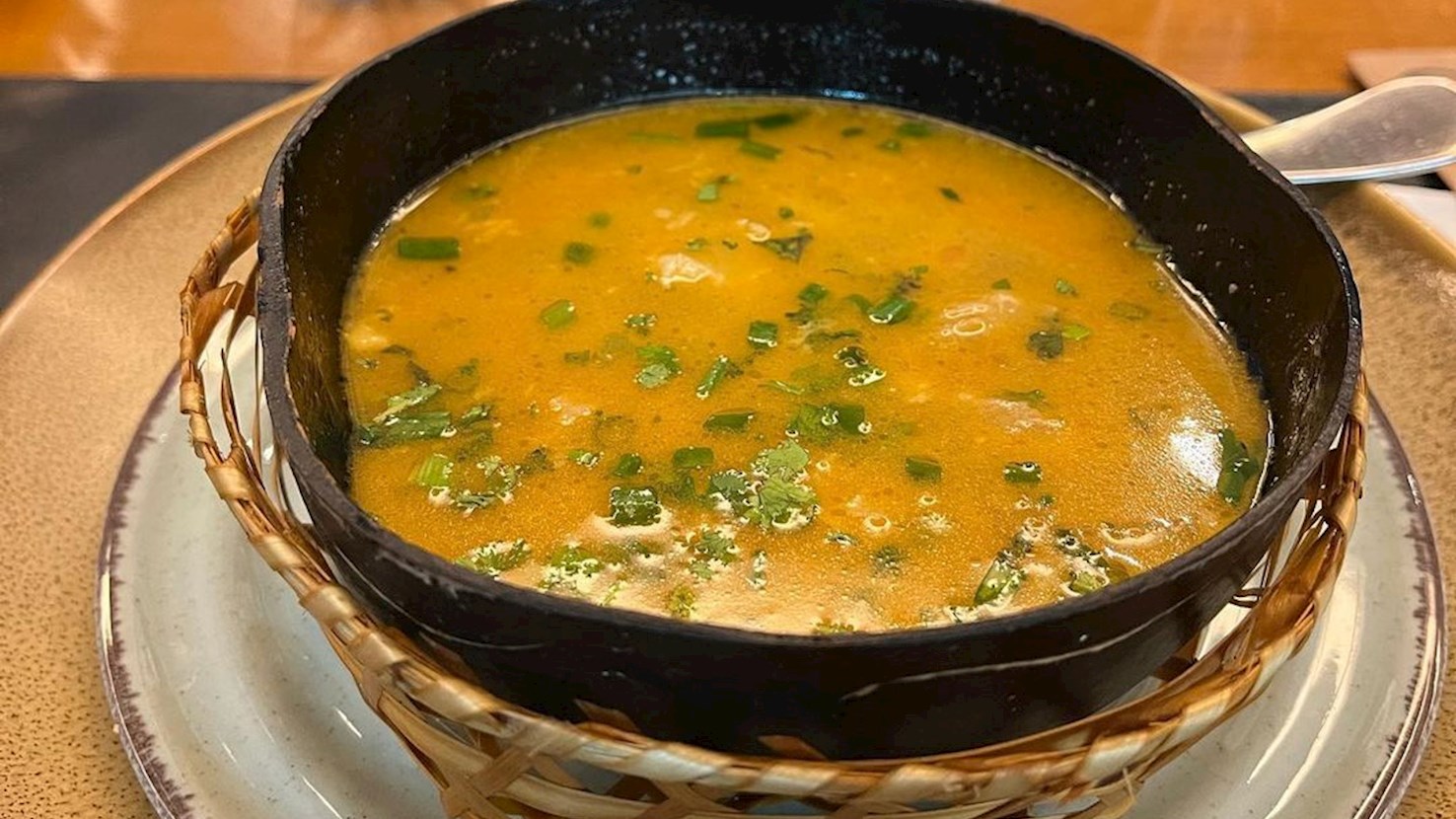
Caldo de piranha is a traditional soup prepared with piranha fish as the key ingredient. The dish is a specialty of the Pantanal area in Mato Grosso do Sul. Other ingredients that are commonly used to prepare the soup include onions, tomatoes, annatto, chili peppers, and a combination of coriander, parsley, and spring onions. There are also variations with added garlic, lime juice, vinegar, and vegetables such as bell peppers. The piranha, a small bony fish without much meat is cleaned and boiled, then blended for the piranha stock, which is sieved to remove the bones. The onions are sautéed in oil with tomatoes, annatto, herbs, chili, and piranha stock, and the combination is simmered shortly before the soup is served. Caldo de piranha is often served in a glass, and it's believed that the soup is especially good for men's virility and strength.
TasteAtlas food rankings are based on the ratings of the TasteAtlas audience, with a series of mechanisms that recognize real users and that ignore bot,
nationalist or local patriotic ratings, and give additional value to the ratings of users that the system recognizes as knowledgeable.
TasteAtlas Rankings should not be seen as the final global conclusion about food. Their purpose is to promote excellent local foods,
instill pride in traditional dishes, and arouse curiosity about dishes you haven’t tried.
The initial list of top producers was compiled based on available reviews, awards, local recommendations, media and blog coverage, and consumer reviews.
The list will be updated with ratings from TasteAtlas local ambassadors and TasteAtlas users.



What People Say