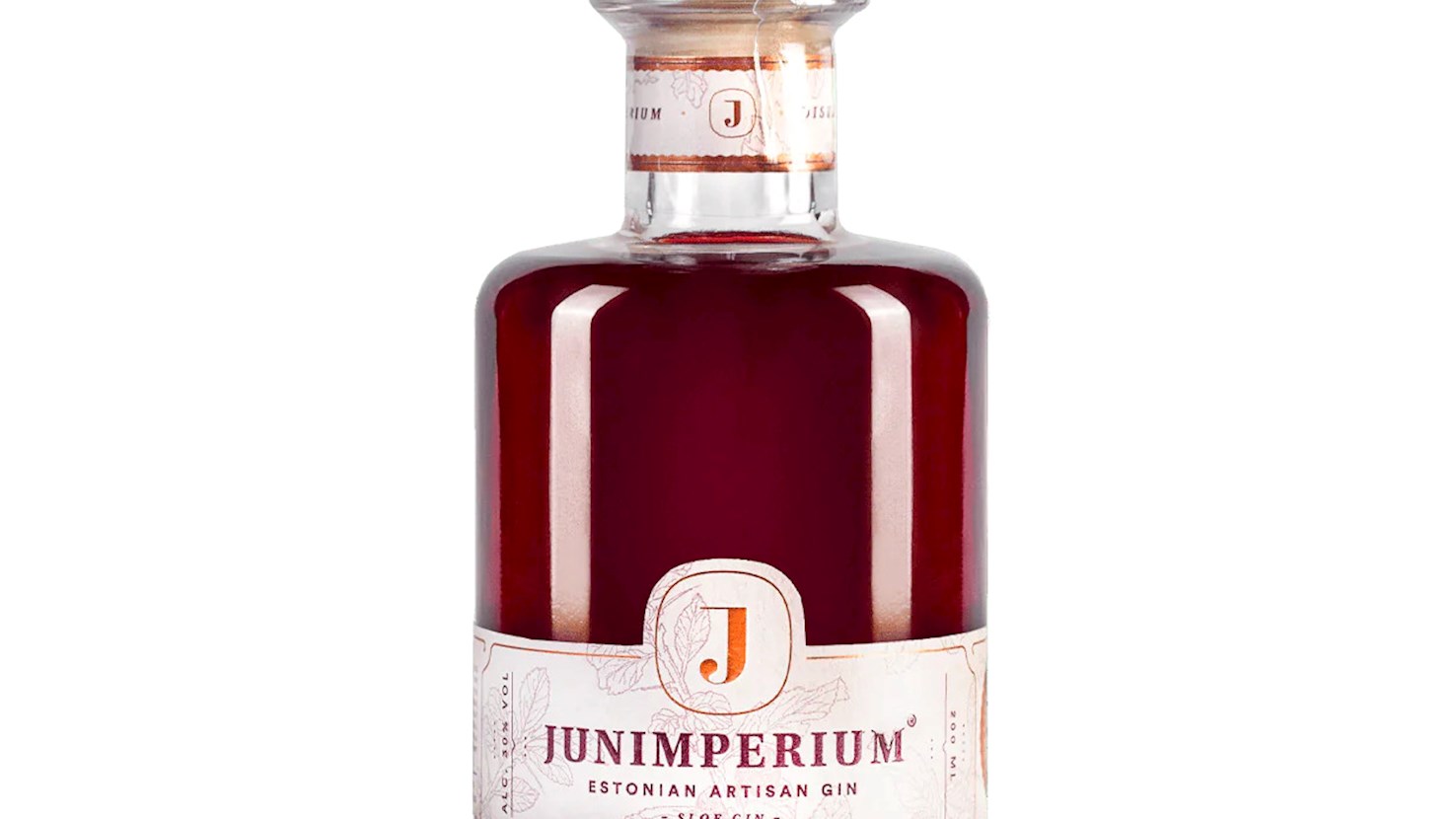
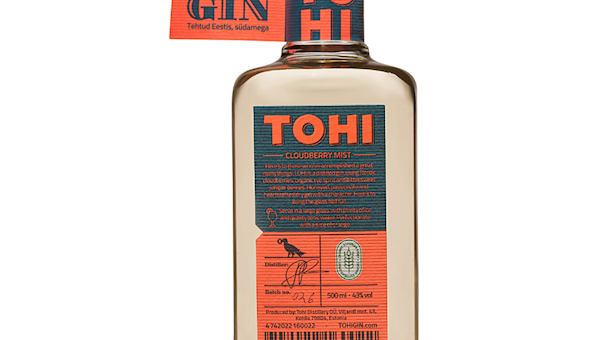
Located at the hip Telliskivi area, Junimperium Distillery is the first open artisan gin distillery in Tallinn and Estonia, which offers distillery tours for everyone interested in the history of gin and the art of production.
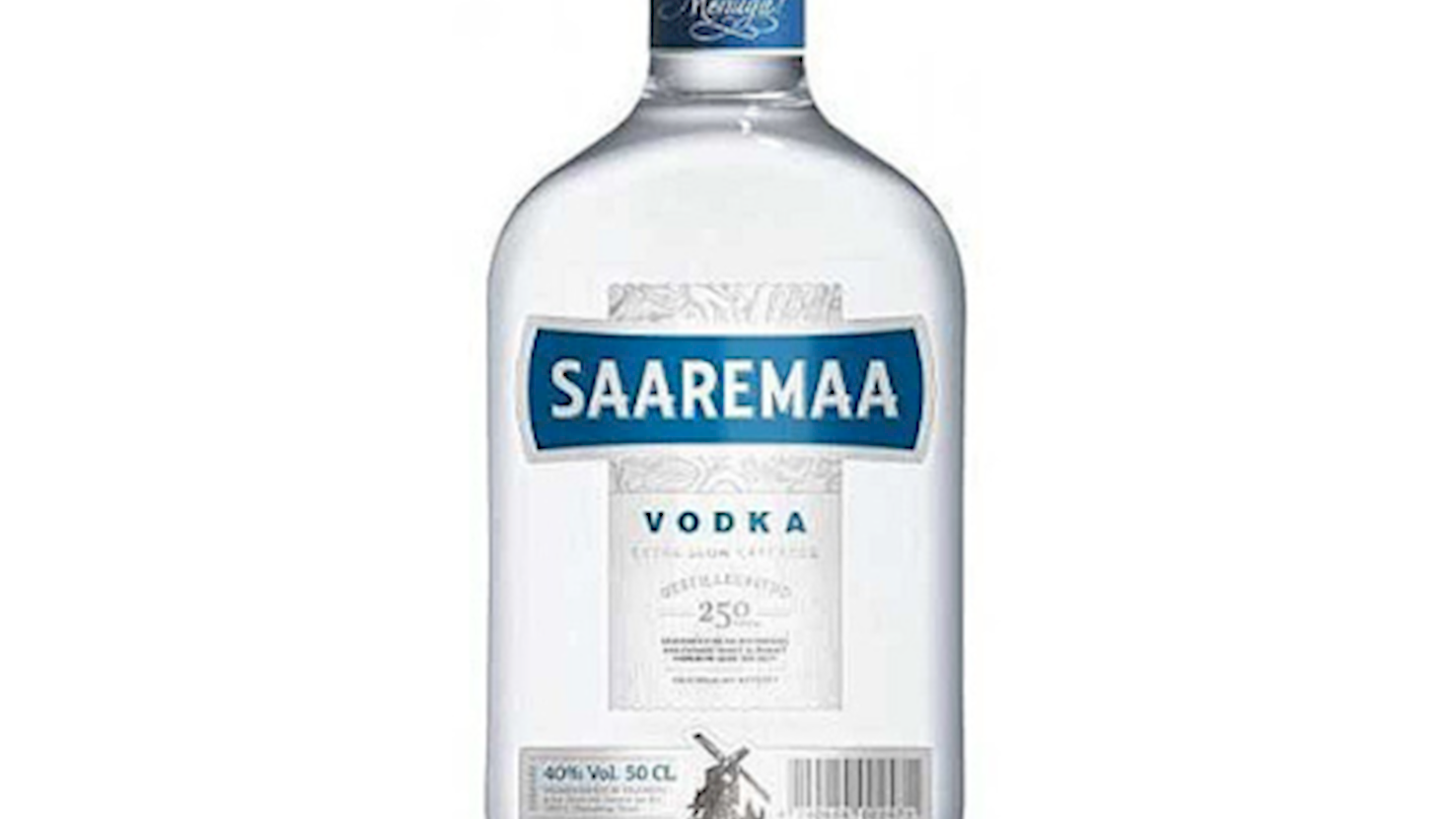
Saaremaa is a premium brand of spirits produced by the Saaremaa Distillery in Estonia. The brand is known for its high-quality vodkas and other flavored spirits, crafted using pure local ingredients from the island of Saaremaa.
Saaremaa is part of the Anora Group, a leading Nordic and Baltic drinks company, which also owns several other well-known brands. The distillery's products, including the iconic Saaremaa vodka, reflect the region's rich tradition of spirit production while incorporating modern distilling techniques.
Through Anora Group's support, Saaremaa continues to expand its reach, offering a taste of Estonian heritage to the global market.
Awards
IWSC- International wine & spirit competition - Spirit Gold
(2024)
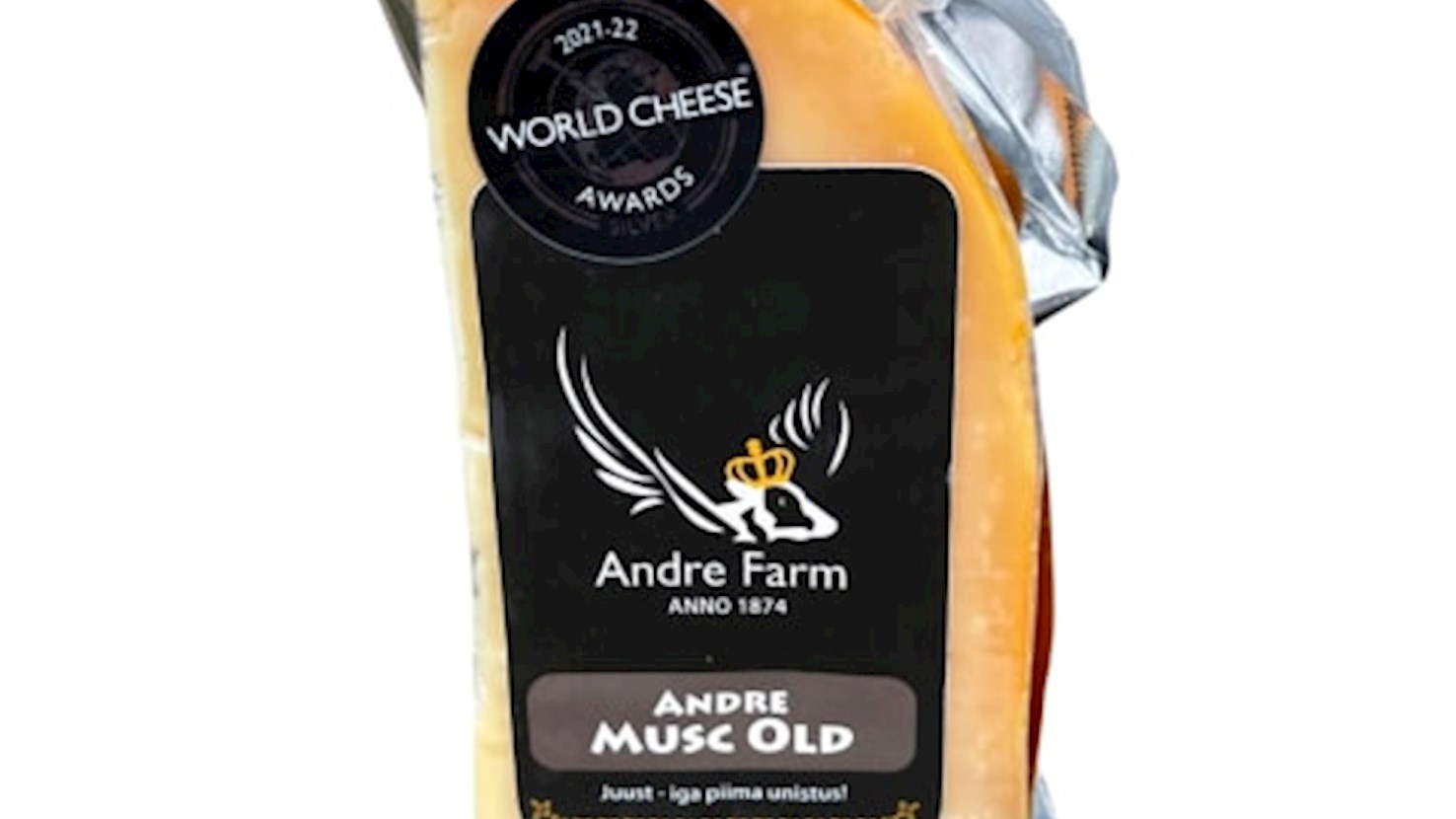
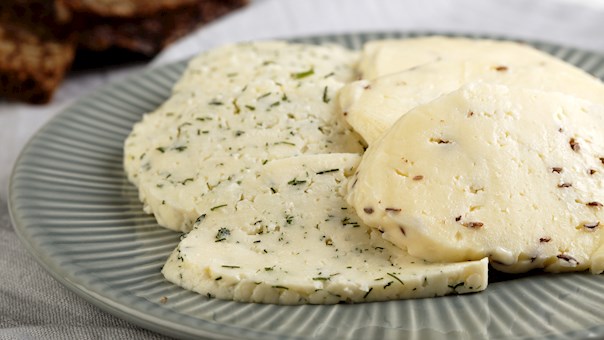
Andre Juustufarm Oü is a cheese producer based in Estonia. The company is known for its artisanal cheese products made from high-quality local milk.
They emphasize traditional cheesemaking techniques while also incorporating modern innovations. Andre Juustufarm Oü offers a variety of cheeses, including aged and specialty options.
Chocokoo is a chocolate producer based in Tallinn, Estonia, specializing in crafting bean-to-bar chocolates. The company sources its cocoa beans from various regions around the world, focusing on single-origin beans to produce distinct flavors.
Chocokoo also offers chocolate-making workshops and tasting sessions to educate enthusiasts about the nuances of chocolate production.
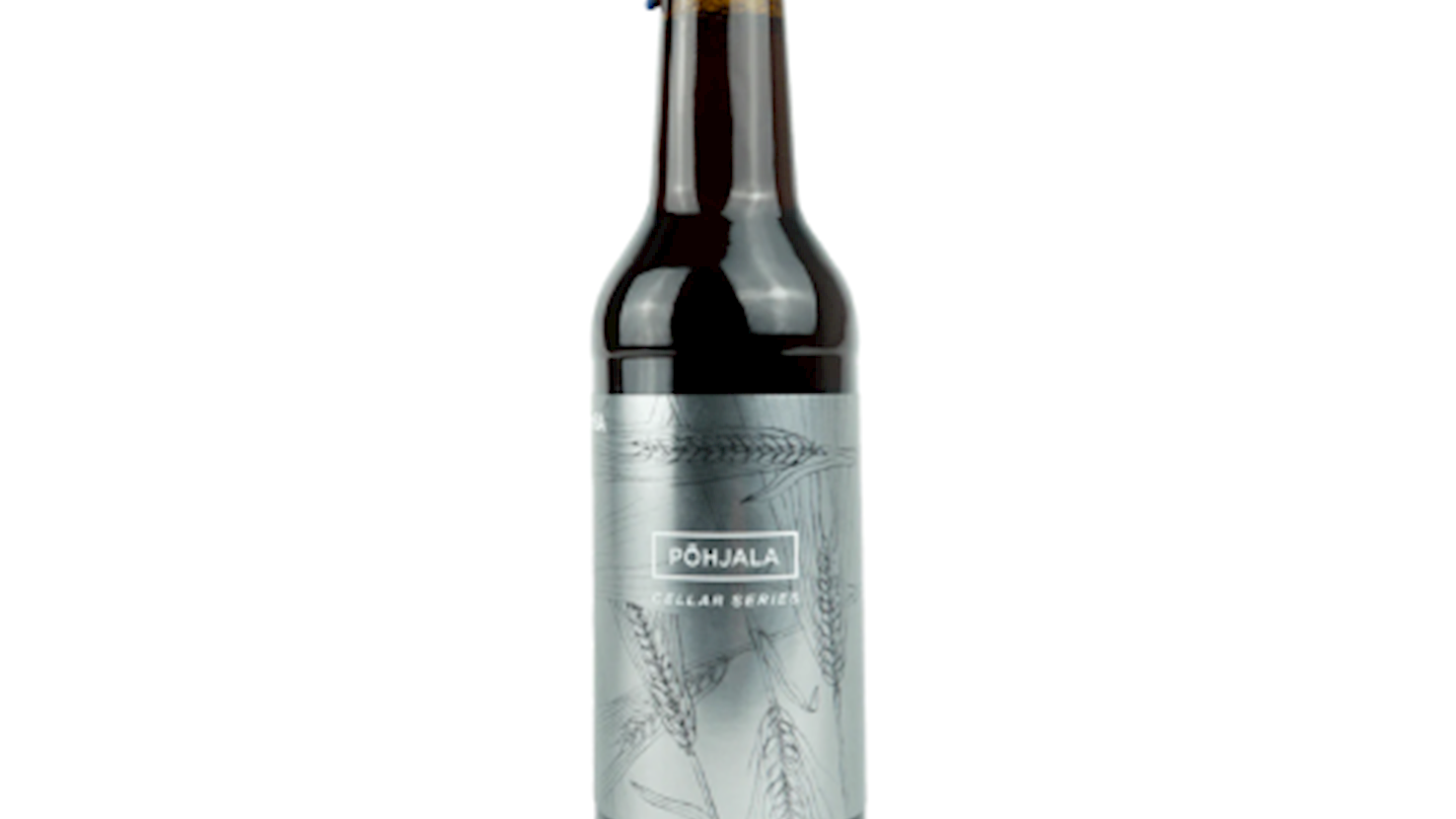
Põhjala Brewery is an independent craft brewery from Tallinn, Estonia, founded in 2011 with the idea of bringing local ingredients and Baltic brewing tradition into modern beer styles. From the very beginning, they focused on high-intensity dark beers, especially porters and barrel-aged stouts, which quickly made them recognizable on the European craft scene.
The name “Põhjala” translates to “northern land”, symbolically reflecting their focus on Estonian nature and Nordic identity. Production initially started through contract brewing until the brewery opened its own facility in 2014.
Põhjala Brewery exports its beers to more than 30 countries, yet remains strongly connected to the local community and regional ingredients. The brand’s visual identity is minimalist and clean, in line with Nordic design aesthetics.
Today, Põhjala Brewery is considered one of the leading craft breweries in the Baltic region and an important representative of the new generation of European craft brewing. Their approach combines local heritage, innovation, and global presence, positioning them as a relevant and distinctive producer in the high-quality beer segment.
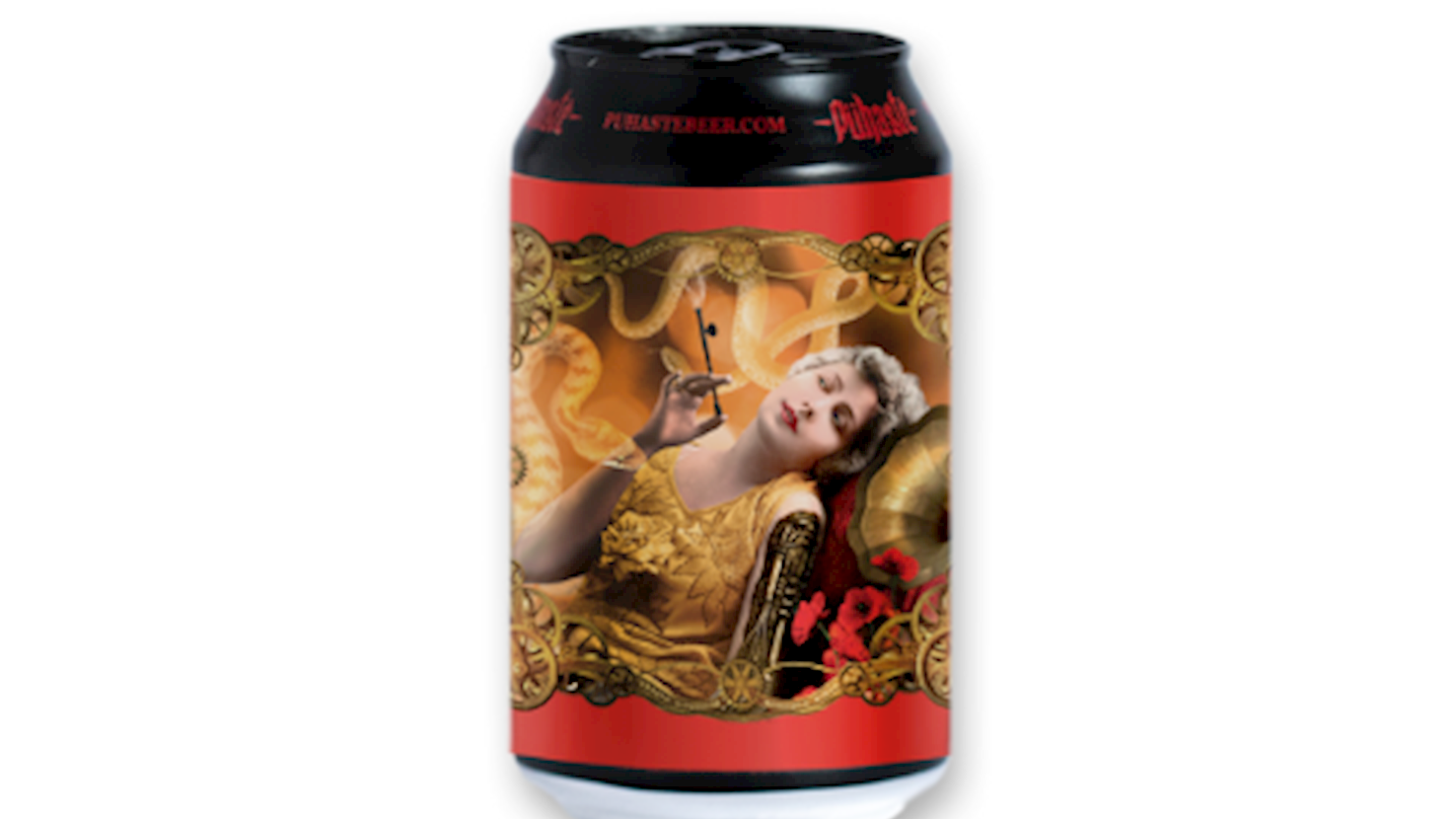
Pühaste Brewery is an independent craft brewery from Tartu, a city regarded as the cultural and university hub of Estonia. The brewery grew out of the homebrewing experiments of head brewer Eero Mander and officially opened its own production facility in 2016.
Pühaste is recognized for its experimental approach and meticulous technical execution, which sets it apart on both the Estonian and the wider European craft scene. Their portfolio spans multiple styles - from light lagers and refreshing IPA variations to fruity sour beers and complex, high-intensity barrel-aged stouts.
They often incorporate unconventional ingredients such as exotic fruit, spices or specialty malts, yet always with the goal of maintaining balance and a distinctive flavor profile. Despite dynamic expansion and exports across several continents, the brewery remains committed to small batches and a hands-on approach.
The taproom in Tartu functions as a place for tasting, education and direct interaction with consumers. Their philosophy is built on the idea that every sip should offer a new flavor experience.
Thanks to consistency and boldness, Pühaste has become one of the most exciting breweries in the Baltic region. Their development demonstrates that craft beer can be creative, serious and technically precise at the same time.
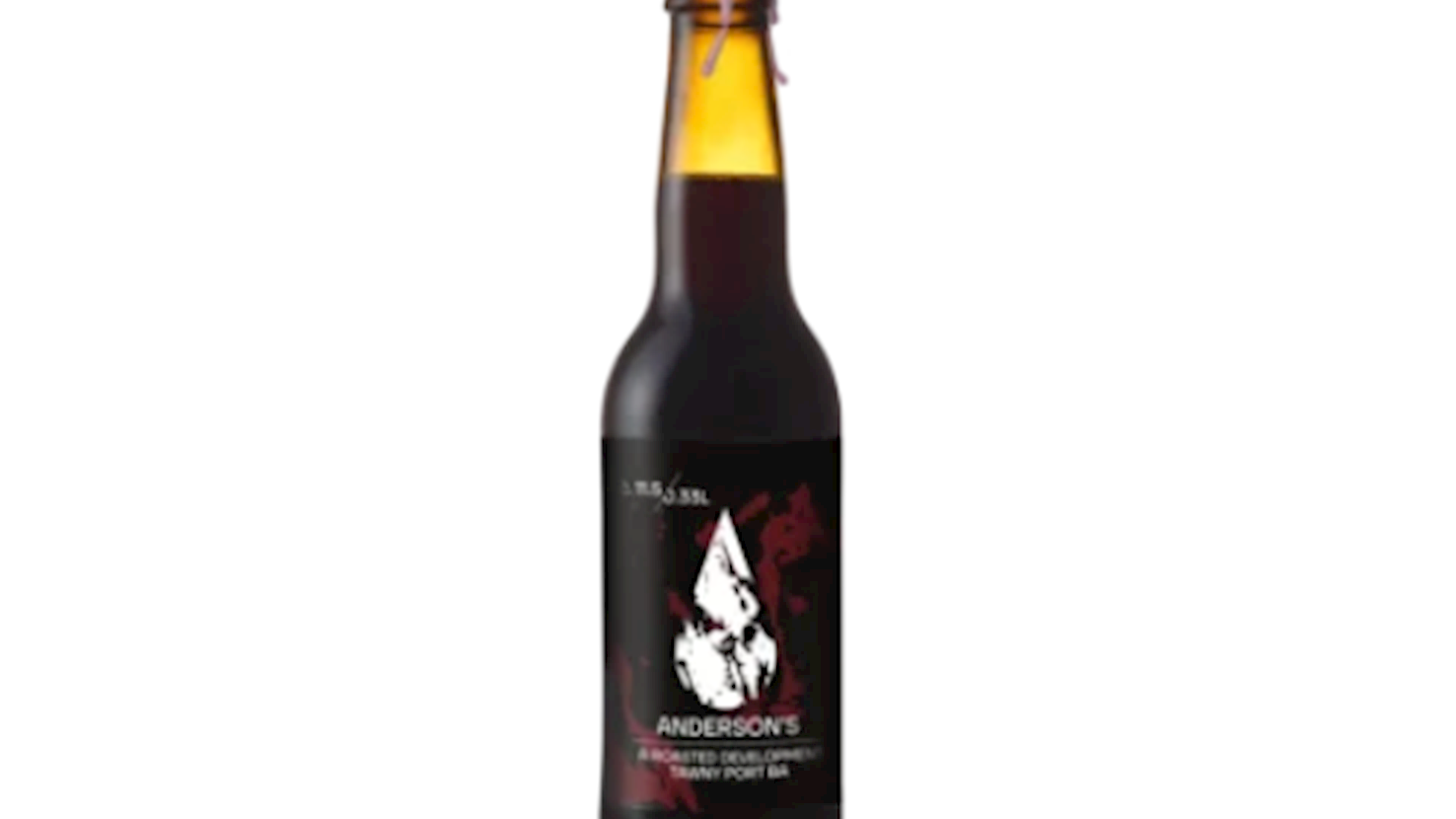
Anderson’s Brewery is an independent craft brewery from Tartu, Estonia, known for its modern approach and production flexibility. Founded in 2014, the brewery has focused from the very beginning on quality, experimentation and collaboration with other producers.
Their portfolio includes IPAs, stouts, lagers and seasonal specialty releases, with recipes that frequently evolve as they explore new flavor profiles. One particularly distinctive feature of the brewery is their “Beer with your label” service, allowing customers to order beer with custom labels - a unique offering within the craft market.
They brew in small batches, ensuring a high level of quality control and authenticity for every release. The style of their beers balances international trends with a sense of local identity - they employ modern brewing techniques while selecting ingredients that emphasize terroir.
Their IPAs are often juicy and hop-forward, while their stouts tend to be complex, with notes of chocolate and roasted malt. The taproom in Tartu is designed with a minimalist aesthetic, focusing on tasting and direct interaction with consumers.
Anderson’s is highly active in collaborations with other breweries across the region and Europe, contributing to constant development and knowledge sharing. Their visual identity is simple, clean and modern, designed to highlight the beer and its style rather than overwhelm it with design.
Their philosophy is straightforward: small batches, high precision, clear style. Anderson’s Brewery demonstrates how a brewery from a smaller market can build a strong identity and achieve relevance on the international craft beer scene.
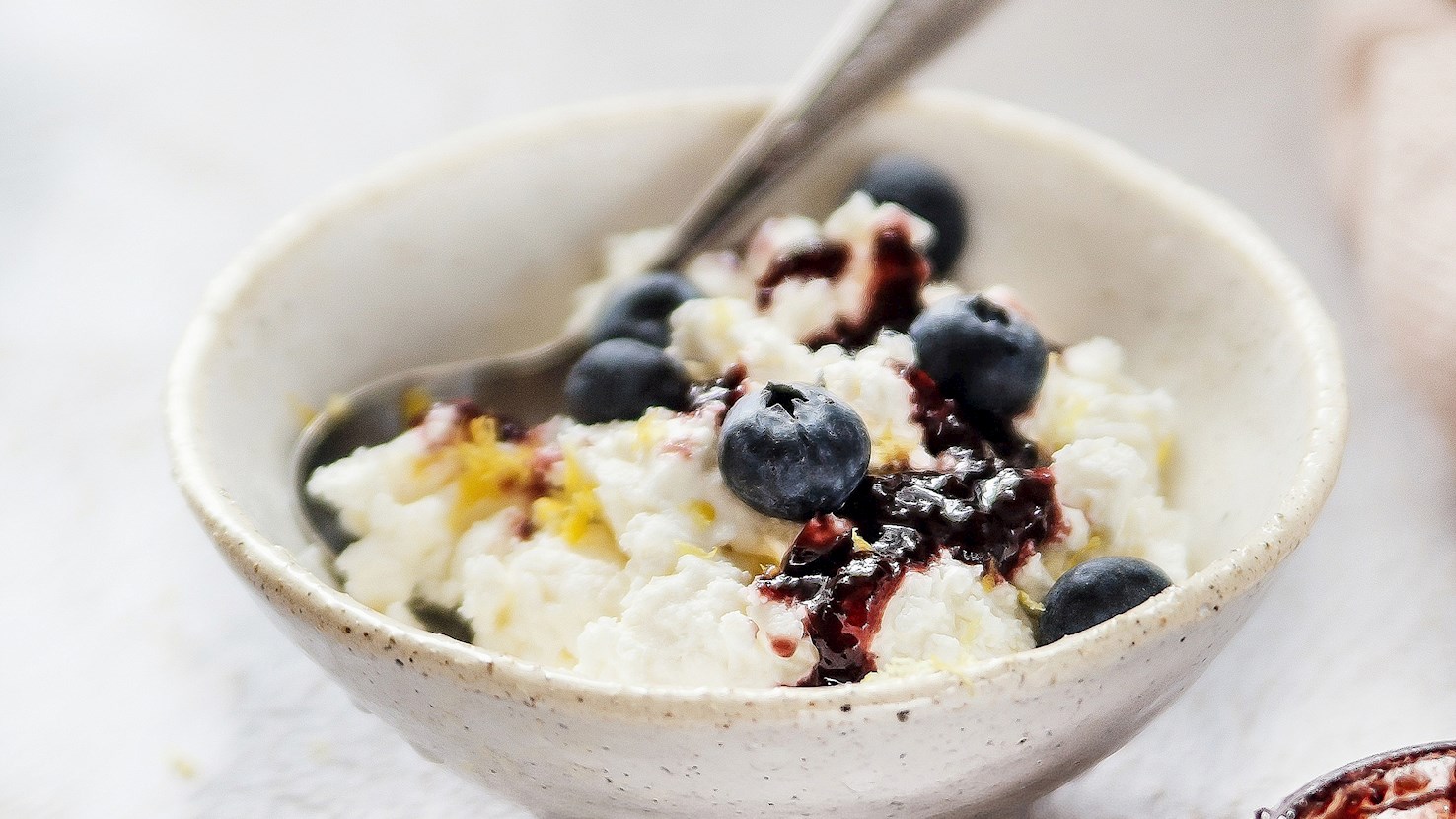
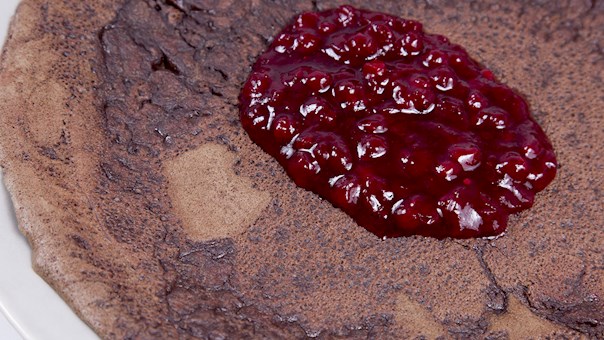
Kohupiimakreem is a chilled dairy dessert made from kohupiim, the country’s fresh curd cheese or quark, blended with cream and sugar until it becomes smooth, soft, and spoonable. It sits somewhere between cheesecake filling, whipped cream, and yogurt without being quite any of them: the curd keeps a faint tang and substantial body, while the cream lightens the texture and rounds out the acidity. Vanilla is probably the most familiar flavor, but raisins, cocoa, berries, fruit purées, jam, kissell, and kama are all common additions, and modern supermarkets in Estonia sell numerous individual cups of kohupiimakreem alongside yogurt and puddings. Major Estonian dairies still produce versions flavored with vanilla, strawberry, blueberry, banana, cocoa, raisins, forest berries, rhubarb kissell, and other fruits, which shows how firmly the dessert has moved from the home kitchen into everyday commercial dairy culture. Kohupiim itself has a much longer place in Estonian eating than the packaged cream does. Fresh cultured curd was an efficient way to use and preserve milk in a northern farming economy, and it became a recurring ingredient in cakes, buns, pancakes, fillings, and cold sweets. The precise point at which sweetened whipped kohupiim began to be regarded as a dessert of its own is not securely documented, so assigning it to one inventor or one year would be misleading. What is clear is that homemade kohupiimakreem was well established during the Soviet period, when people could mix dense packaged curd at home with fresh cream and whatever flavorings were available, including raisins or homemade raspberry jam. An Estonian dairy account describing household practice from that era recalls making the dessert this way, before the wide range of ready-made creams now found in shops became common. The recipe remains almost unchanged because it needs little improvement. Kohupiim, or a smoother kohupiimapasta, is mixed or beaten until free of large lumps; whipping cream is whipped separately with sugar, often with vanilla sugar, then folded into the curd. A contemporary Estonian recipe uses roughly two parts kohupiimapasta to one part 35% cream, sweetened modestly with vanilla and powdered sugar, producing a cream that is thick enough to hold its shape but still soft enough to spoon. If a coarser curd is used, it can be pressed through a sieve first, which gives a finer texture without removing the slight graininess that identifies it as a curd dessert rather than a custard. From that base, the variations are nearly endless. Fresh blueberries, strawberries, raspberries, blackcurrants, or lingonberries can be folded in or spooned over the top; fruit kissell creates a looser sweet-and-tart layer; raisins give a more old-fashioned everyday version; cocoa turns it into a chocolate dairy cream; and kama, Estonia’s roasted flour mixture of grains and peas, gives it a deeper, toasted flavor that is particularly local. Some recipes combine kohupiim and whipped cream with both berry sauce and kama, illustrating how easily the dessert absorbs other familiar Estonian ingredients without losing its basic identity. Unlike baked kohupiim desserts, kohupiimakreem normally requires no cooking. Its texture comes entirely from the curd and aerated cream, so temperature and mixing matter more than heat: it is chilled before serving, and excessive beating can make a light mixture dense rather than creamy. Commercial versions are often smoother and more uniform because manufacturers use kohupiimapasta rather than coarse curd, and some include fruit preparations, starches, or stabilizers to maintain texture during storage. Kohupiimakreem gets its character from the balance between richness and acidity. Whipped cream alone would be much softer and fattier, while plain kohupiim can be dense and sharply lactic; combining the two produces something substantial but fresh-tasting, with enough protein and structure to feel more filling than many puddings. This also explains why Estonians eat it not only as a formal dessert but as a snack, quick breakfast, children’s food, or simple sweet directly from the refrigerator. Commercial demand remains substantial: one major Estonian dairy reported producing around two million cups of kohupiimakreem per month at its Viljandi facility, showing how ordinary the product has become in the modern Estonian dairy aisle. At home, it is most often served cold in a bowl or glass, either plain or layered with berries, jam, kissell, fruit purée, crumbled biscuits, or kama. Tart berries are especially effective because they sharpen the mild dairy sweetness, while rye biscuits or oat cookies add texture without overpowering the curd. It can also be used between cake layers, spooned onto pancakes, or incorporated into no-bake desserts, and Estonian recipes regularly use flavored kohupiimakreem as a ready-made cake filling. Coffee and black tea are straightforward companions, particularly when the cream is served with biscuits or cake, while milk and berry drinks work naturally with plainer versions. A lightly sweet berry cordial can suit a fruit-based cream, but kohupiimakreem rarely needs an elaborate beverage pairing.
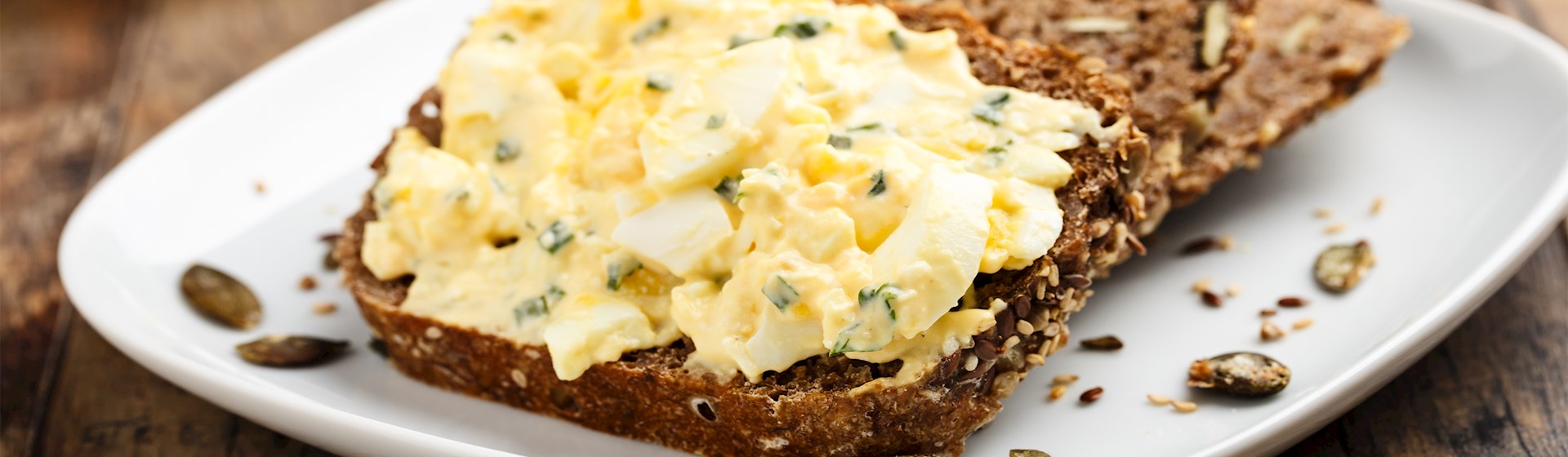
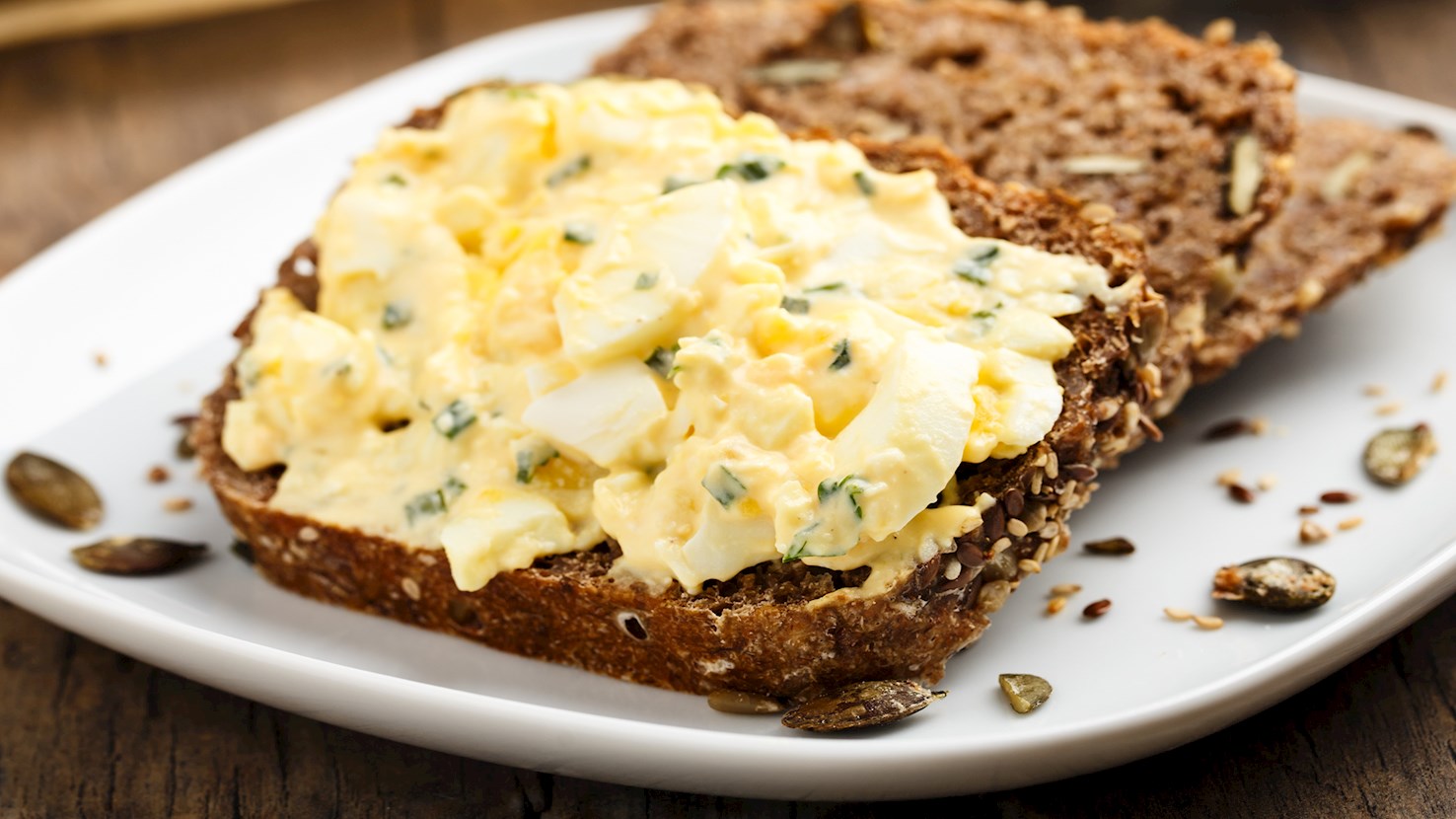
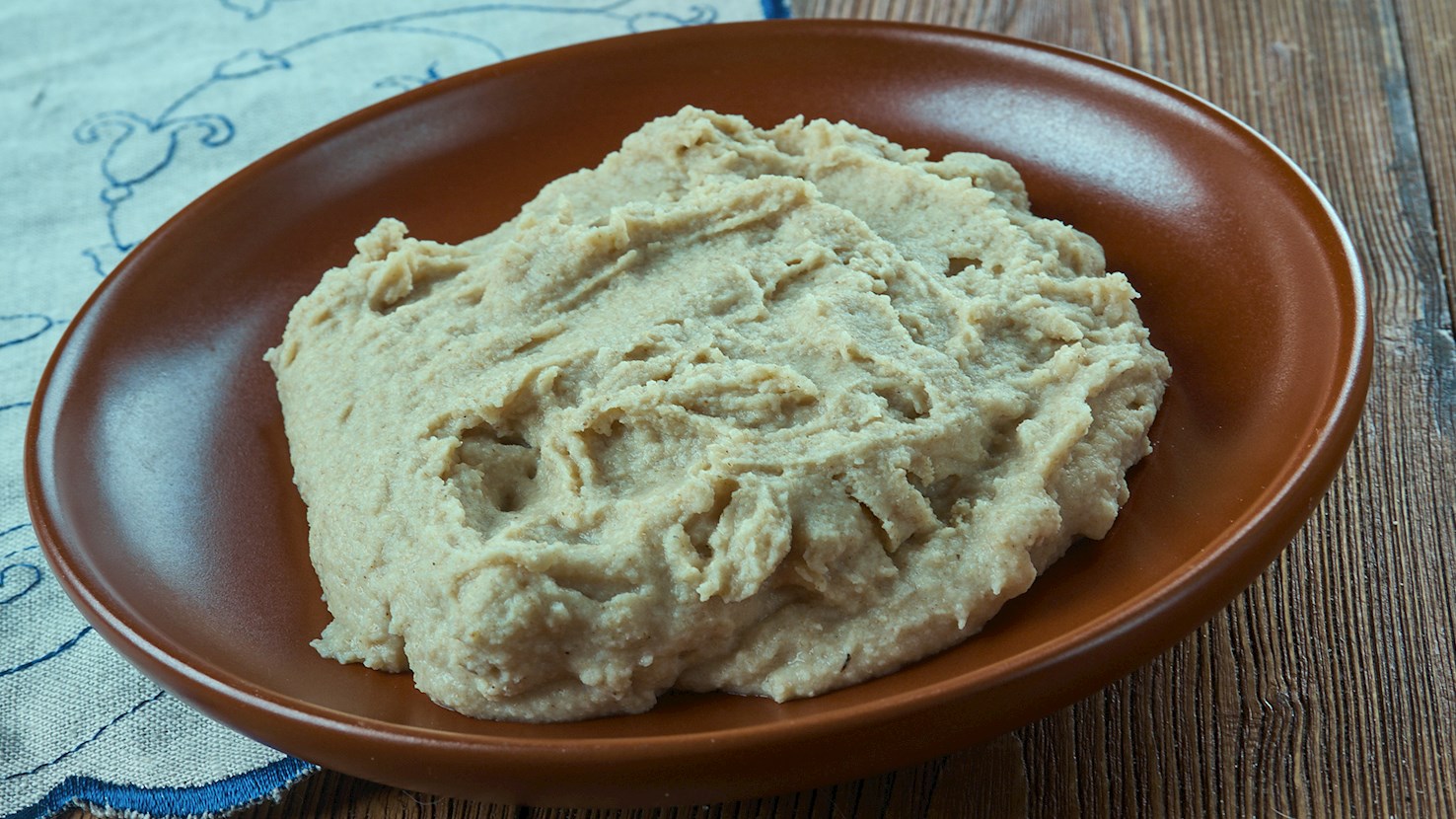
Munavoi is a simple Finnish spread consisting of whipped butter combined with mashed hard-boiled eggs. Characterized by a unique coarse texture and a mild, buttery flavor, it is only lightly seasoned with salt and pepper. Apart from Finland, where it is usually spread on bread or served atop Karelianpies, this simple and easily prepared delicacy is also a staple of traditional Estonian cuisine.
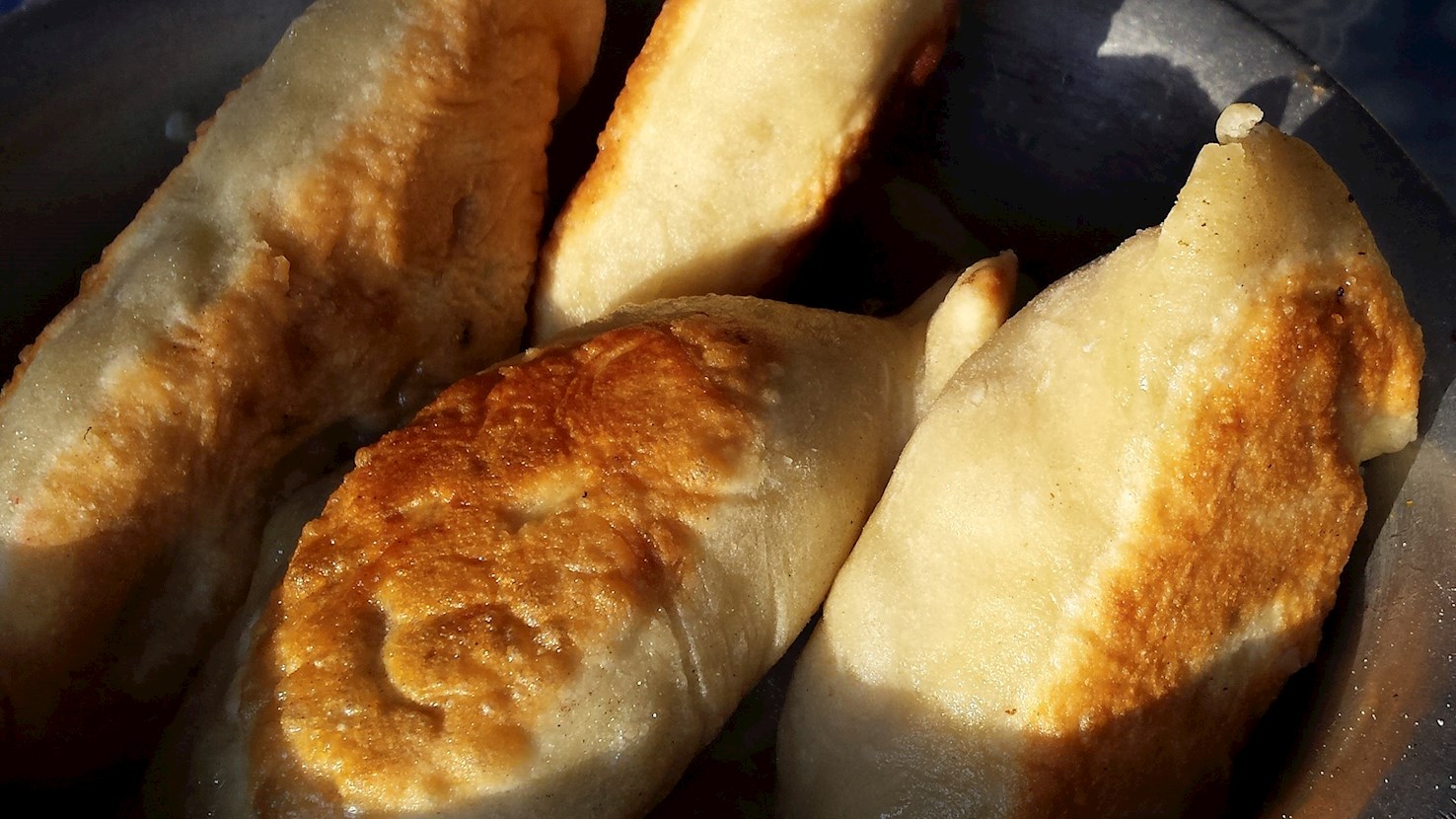
Pirukas is a typical Estonian snack consisting of dough pockets filled with a variety of ingredients. It can be classified into three categories: küpsetatud (small, baked), praetud (small, fried), and plaadipirukad (large, baked). The dough can be made with a crumbly, flaky puff pastry, or with regular bread dough. The fillings range from meat, ham, and cabbage to rice, mushrooms, and carrots. Small pirukas can be filled with a variety of different ingredients, but the large ones are filled exclusively with cabbage, meat, and carrots.
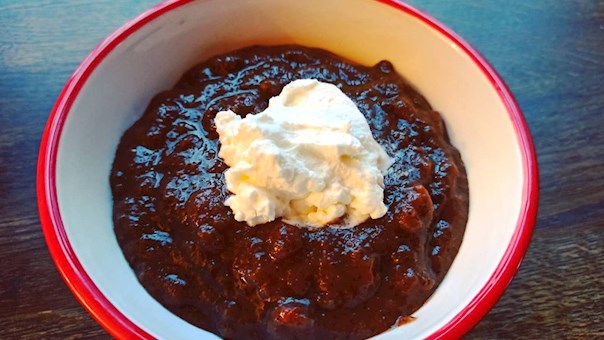
This Estonian and Finnish classic is prepared with a combination of roasted and finely milled flour types, usually oat, rye, barley, and pea flour. The mixture is then blended with dairy products such as buttermilk, kefir, or sour milk in order to create a creamy dish similar to porridge, or a thinner variation that is usually enjoyed as a drink. Kama or talkkuna is usually served as a nutritious breakfast or a healthy dessert that is often sweetened and complemented by fruits. Because the production of kama flour is labor-extensive and time-consuming, today it is mainly factory-produced and sold packed in boxes.
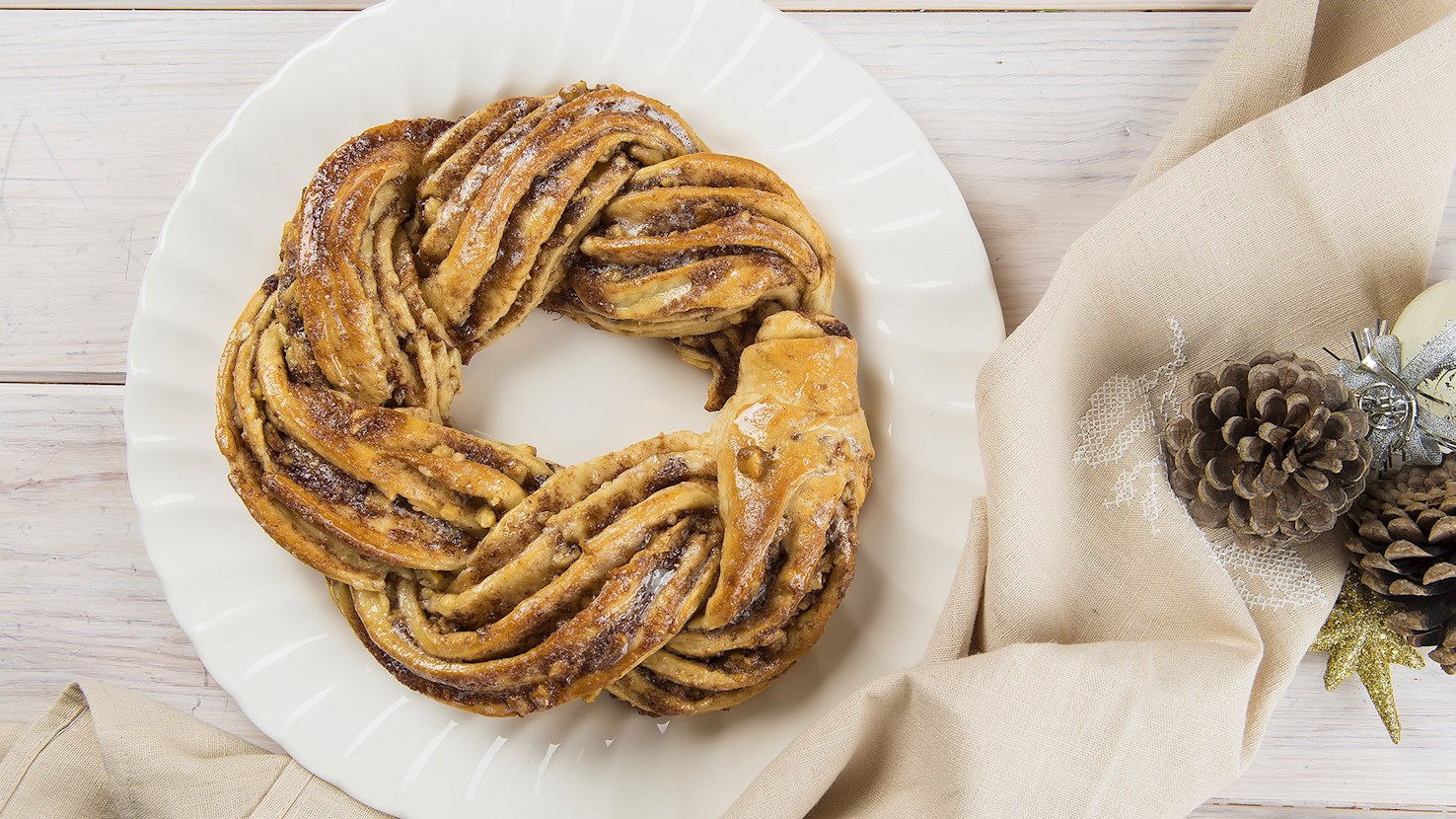
Originally a creation of Roman-Catholic monks, and now popular internationally, kringle is a delicious flaky pastry, usually shaped as a pretzel and filled with various ingredients. It was primarily introduced in Denmark, under the influence of Austrian bakers, and later it spread throughout Nordic countries and eventually to the United States, where it gained great success. Each region has created its distinct varieties, using local and seasonally available ingredients. In Denmark, kringle is usually made with either puff pastry or yeasted dough, filled with sweet concoctions that include butter and sugar, marzipan, and raisins. In the 19th century, Danish bakers introduced the tradition of preparing kringle to the United States, specifically Racine Wisconsin, where the pastry was slightly adapted to the now-famous oval shape. Kringle in Racine is always made with traditional Danish laminated dough, in which the pastry layers are generously spread with butter and filled with the lavish combination of fruits, nuts, or cream cheese. Both American and European kringle can be found in bakeries and grocery shops, but while the luscious American creations are usually enjoyed as desserts, the Danish prefer to eat their traditional pastry as an afternoon snack or a perfect accompaniment to coffee or tea.
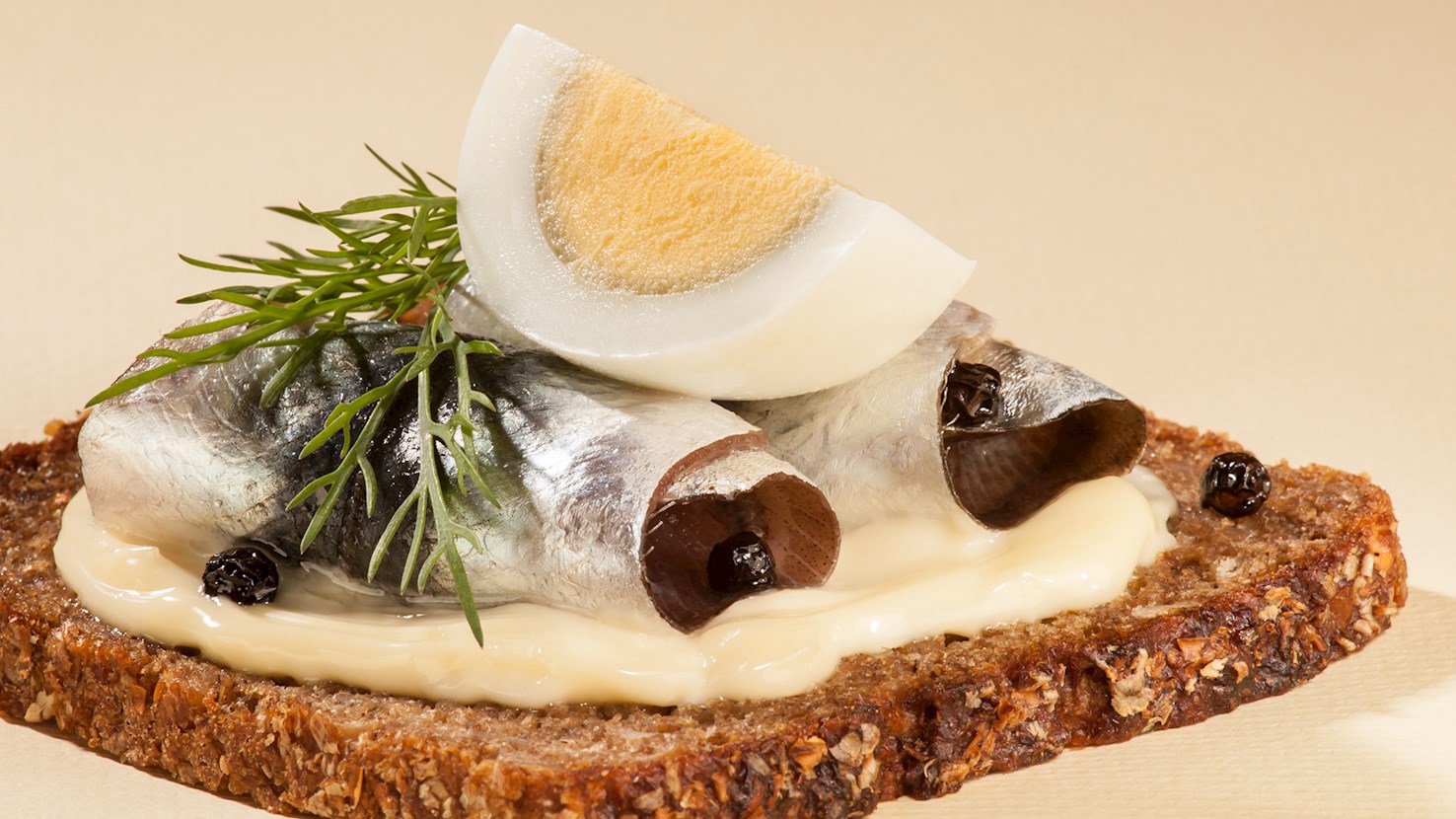
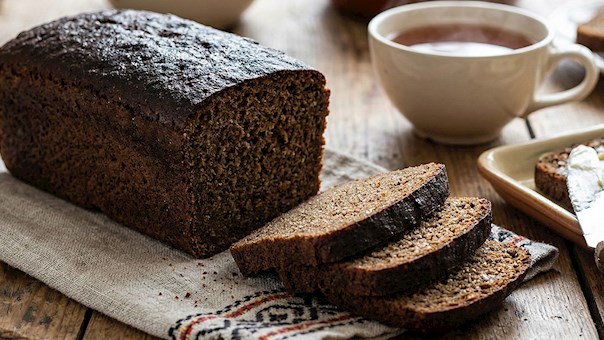
This traditional Estonian open-faced sandwich consists of a slice of rye bread that is topped with a marinated sprat fillet. The bread is often buttered, or coated with munavoi—the coarse egg and butter spread—while the fillets are occasionally complemented by poached or hard-boiled eggs, green onions, and fresh herbs. This nutritious sandwich is commonly found at local restaurants and is often served on festive occasions.
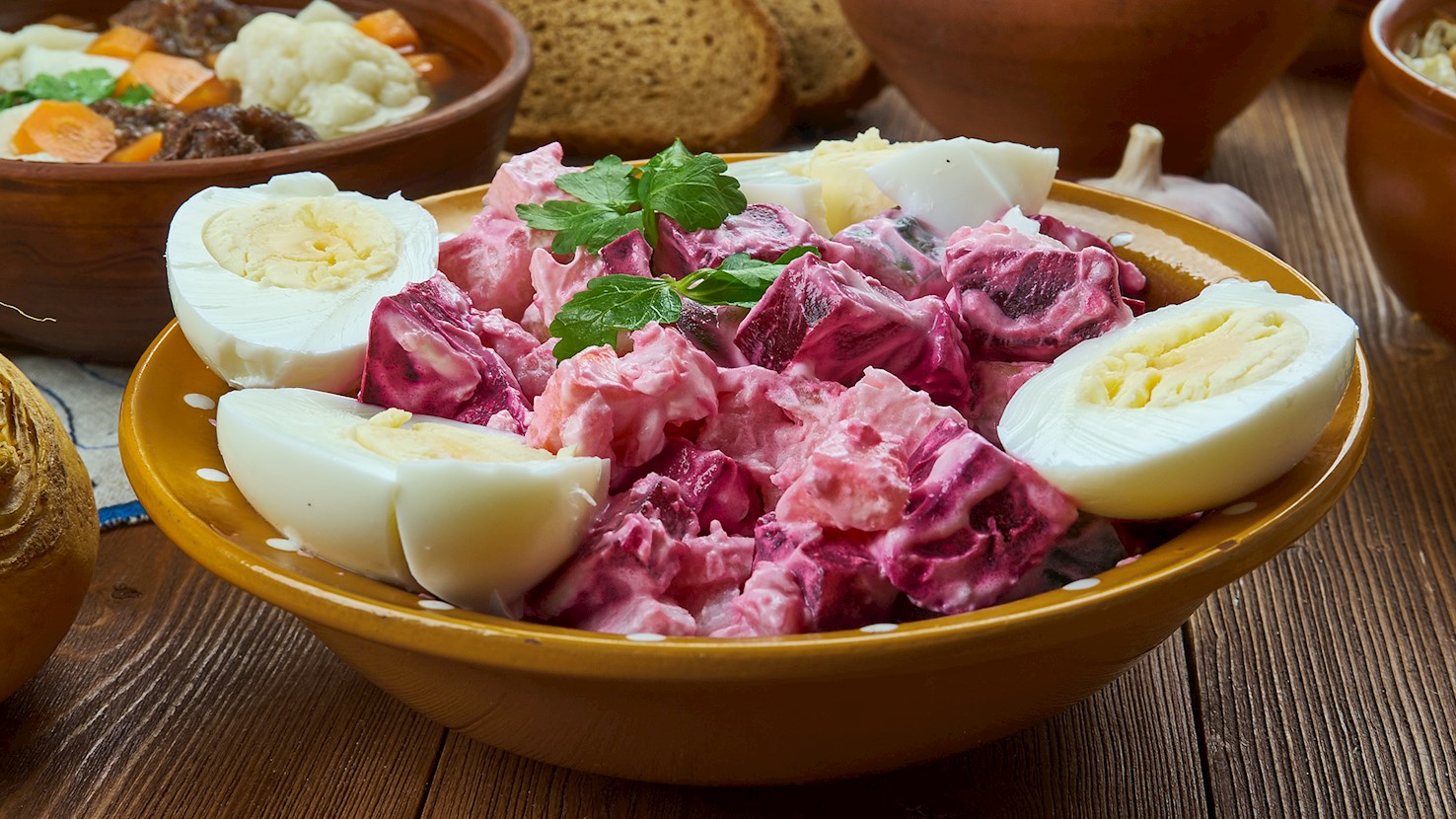
This popular fuchsia-colored salad is a staple side dish in traditional Estonian cuisine. It is prepared with pickled herring and bite-sized pieces of beets and potatoes, all coated in a refreshing, creamy dressing. The salad is easily adaptable and often includes onions, pickles, smoked meat, hard-boiled eggs, or apples, while the dressing is usually made with a combination of mayonnaise and sour cream, with the occasional addition of mustard, horseradish, and various fresh herbs. Rosolje is typically served well chilled and makes an excellent accompaniment to meat or sausages.
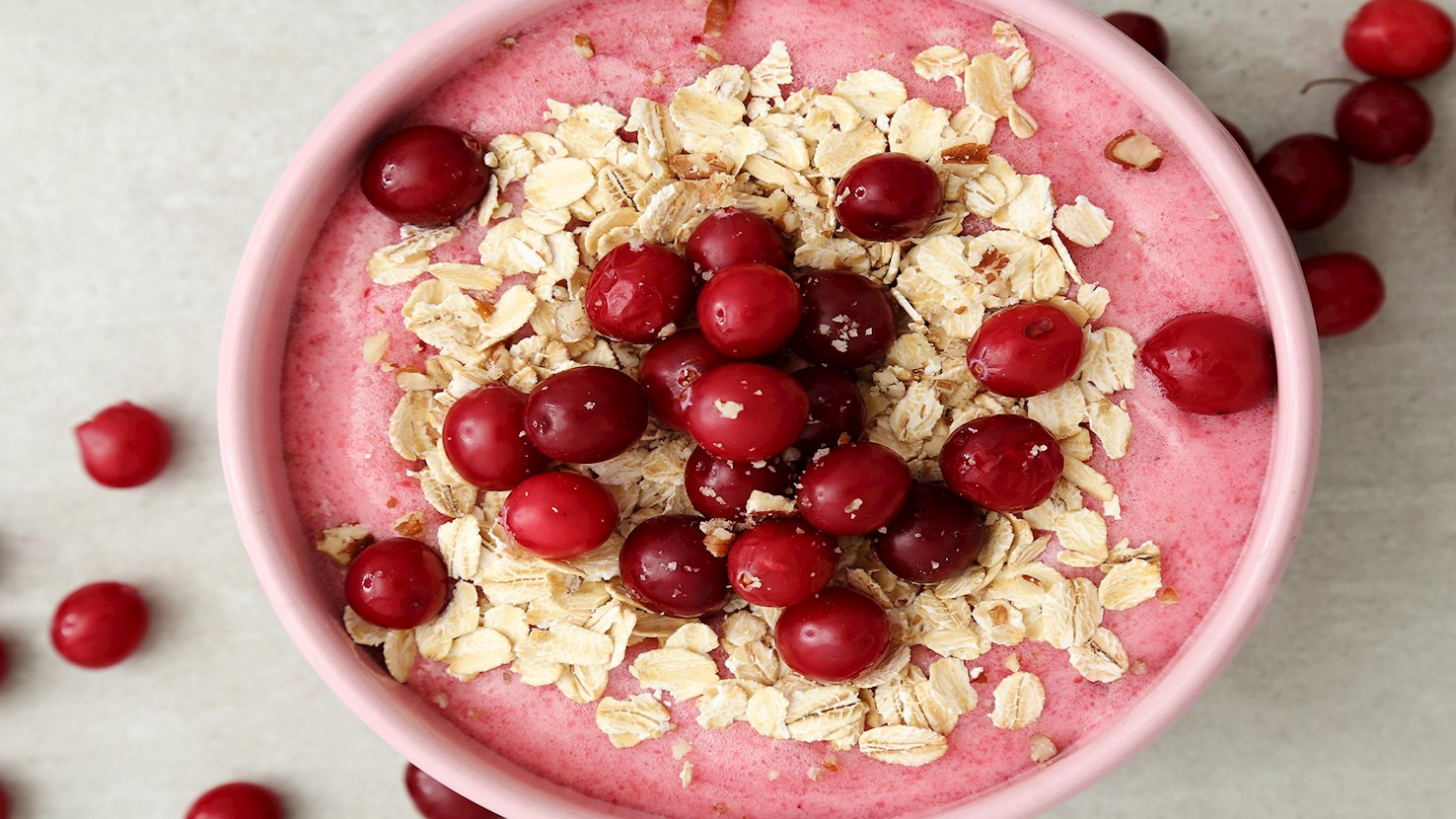
Vispipuuro, russedessert, klappgröt, debesmanna, or mannavaht are different names for a creamy Baltic semolina porridge that is prepared with fresh fruit such as tart lingonberries, cranberries, or red currants. When cooked, the thick porridge is whipped until it transforms into a unique treat with a frothy and light consistency. It is traditionally topped with cream or milk and garnished with fresh fruit. Found across Finland, Estonia, Sweden, Norway and Latvia, this dish is usually enjoyed as a sweet breakfast, a light midday snack, or a refreshing dessert.
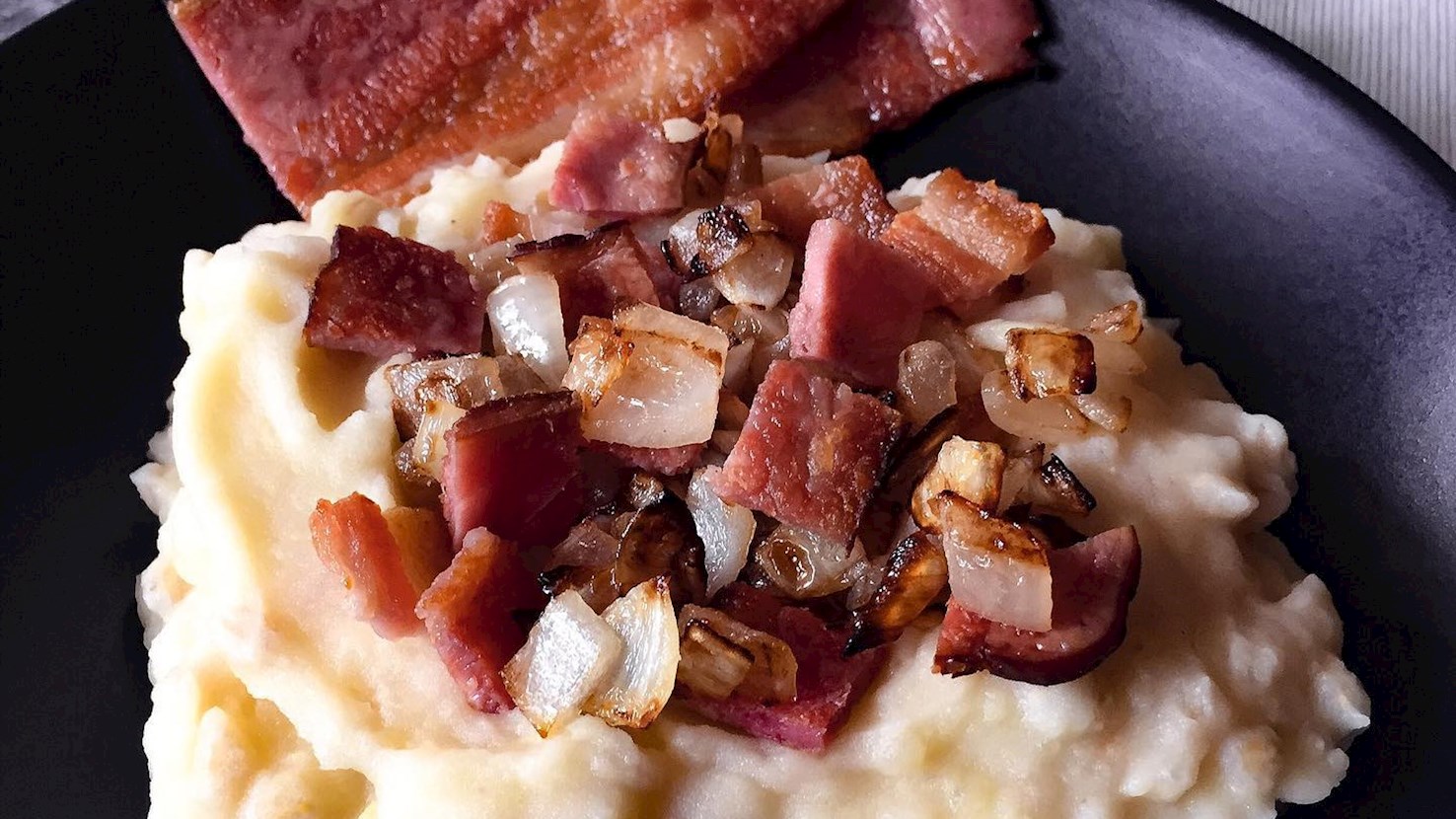
Mulgipuder is a rustic Estonian porridge consisting of mashed barley and potatoes. It often incorporates bacon and sautéed onions and is usually served as the main course, accompanied by sour cream and rye bread, or as a side dish complementing various roasted meat dishes. Traditionally associated with Southern Estonia, this comfort food staple is nowadays enjoyed throughout the country as a typical home-cooked meal and a common restaurant dish.
Verivorst is a traditional blood sausage and the country's national dish. It is a typical winter meal, usually served during the Christmas festivities, when piles of verivorst sausages are roasted together with potatoes and pork. The sausage consists of pig's blood, pork, barley, onions, allspice and marjoram. All of the ingredients are stuffed into a pig's intestine, and the sausage is typically accompanied by butter, sour cream, and sauerkraut on the side. For the best experience, verivorst should be topped with a zesty compote made from cranberries or lingonberries. Although cooking with blood might seem strange, there are varieties of verivorst in many other cultures and cuisines such as the Spanish morcilla, French boudin noir, and Irish black pudding.
TasteAtlas food rankings are based on the ratings of the TasteAtlas audience, with a series of mechanisms that recognize real users and that ignore bot,
nationalist or local patriotic ratings, and give additional value to the ratings of users that the system recognizes as knowledgeable.
TasteAtlas Rankings should not be seen as the final global conclusion about food. Their purpose is to promote excellent local foods,
instill pride in traditional dishes, and arouse curiosity about dishes you haven’t tried.
The initial list of top producers was compiled based on available reviews, awards, local recommendations, media and blog coverage, and consumer reviews.
The list will be updated with ratings from TasteAtlas local ambassadors and TasteAtlas users.











What People Say