M.B.

Top 30 Southern Vietnamese Foods

Last updated on June 02, 2026

Best Southern Vietnamese foods
01
Appetizer

Chả giò (Vietnamese Fried Spring Rolls)

4.1 ·

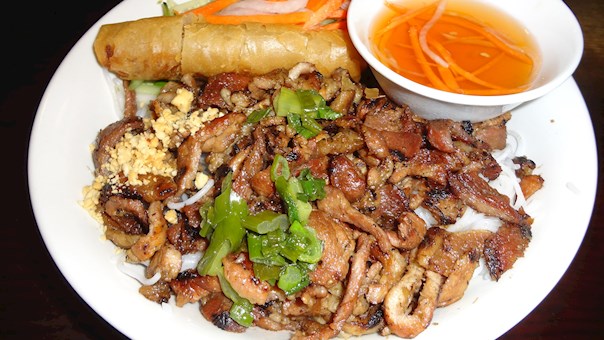
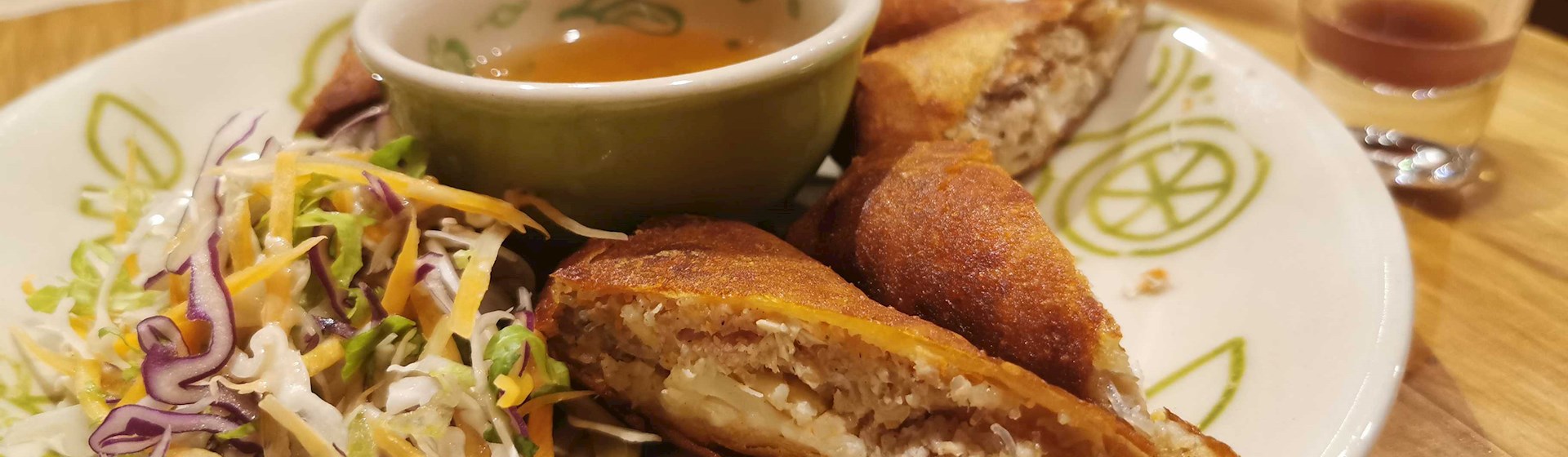
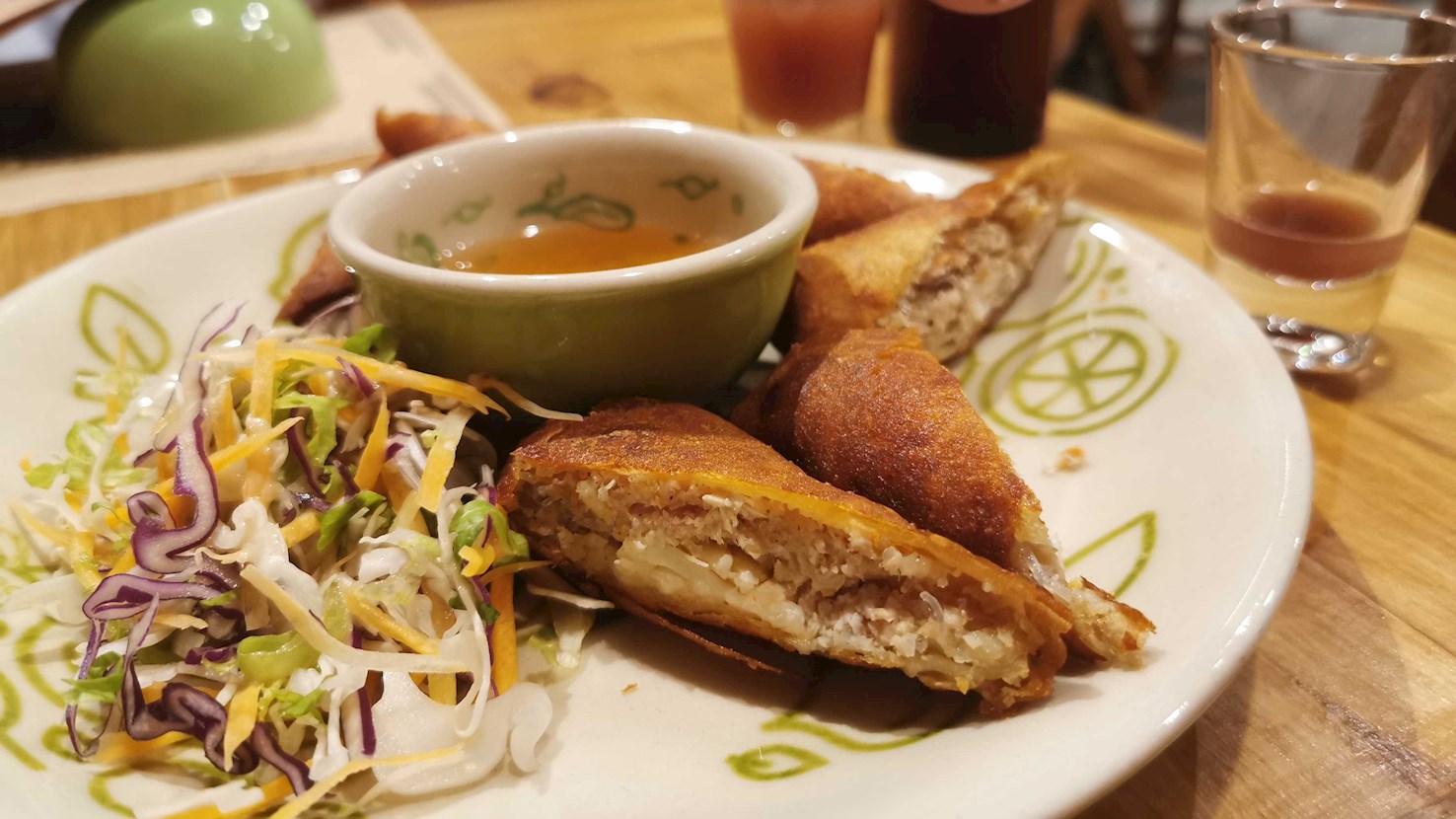
Called chả giò in the south, and nem rán in northern Vietnam, both names are used to refer to the same dish - fried spring rolls. The main characteristic of these tasty rolls is the pork and shrimp filling, wrapped in delicate rice paper. Frequent additions to the stuffing include vegetables such as carrots, cabbage, or mushrooms, glass noodles, and bean sprouts. The rolls are shortly fried and result in a treat with an appetizing golden color, a thin, crispy, and light outer layer, and a delectable filling. They are believed to have developed under Chinese influence in Vietnam, but the rolls kept their distinct character and became one of the most common dishes eaten in the country. They are usually served as an appetizer, but can also constitute a satisfying main meal. The combination of ground pork and minced shrimp is the most common one, but other varieties are also possible and might even include crab meat or tofu. Whether they are served as an appetizer or the main meal, chả giò are usually accompanied by lettuce, fresh cucumbers, and a serving of fish sauce or sweet and sour sauce. Besides Vietnam, these tasty rolls are commonly served in many Vietnamese restaurants around the world.

02
Rice Dish

Cơm tấm sườn (Broken Rice with Grilled Pork)

4 ·

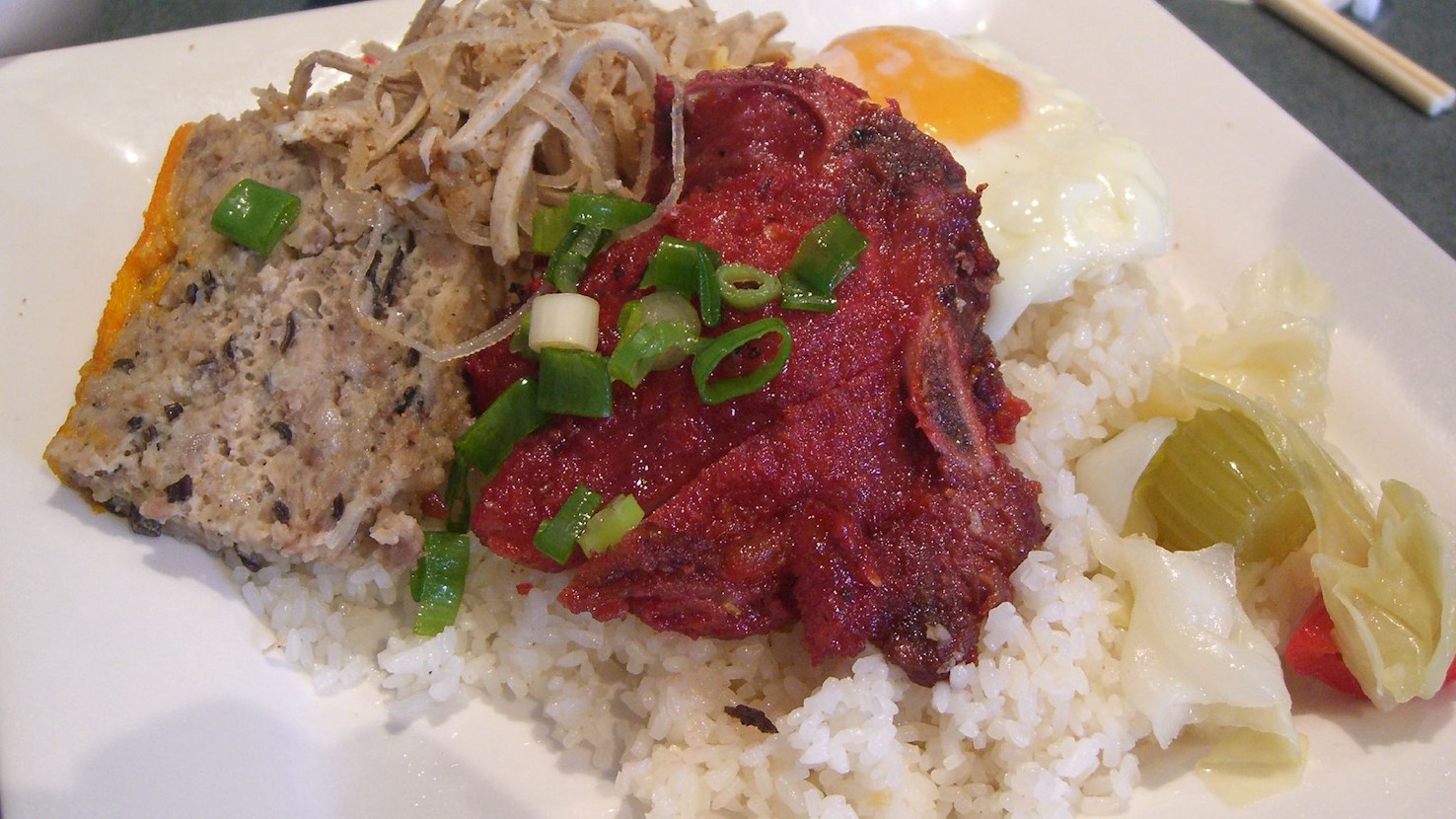
Cơm tấm sườn is a classic dish from South Vietnam. It consists of grilled pork served on top of broken rice. The combination is often topped with a mix of stir-fried onions and pickles, and it's accompanied by fish sauce for dipping. The pork is typically marinated in lemongrass, pepper, garlic, and fish sauce before it's grilled. This dish is usually served in the morning for breakfast.

03
Pancake

Bánh khọt (Vietnamese Mini Savory Pancakes)

4 ·

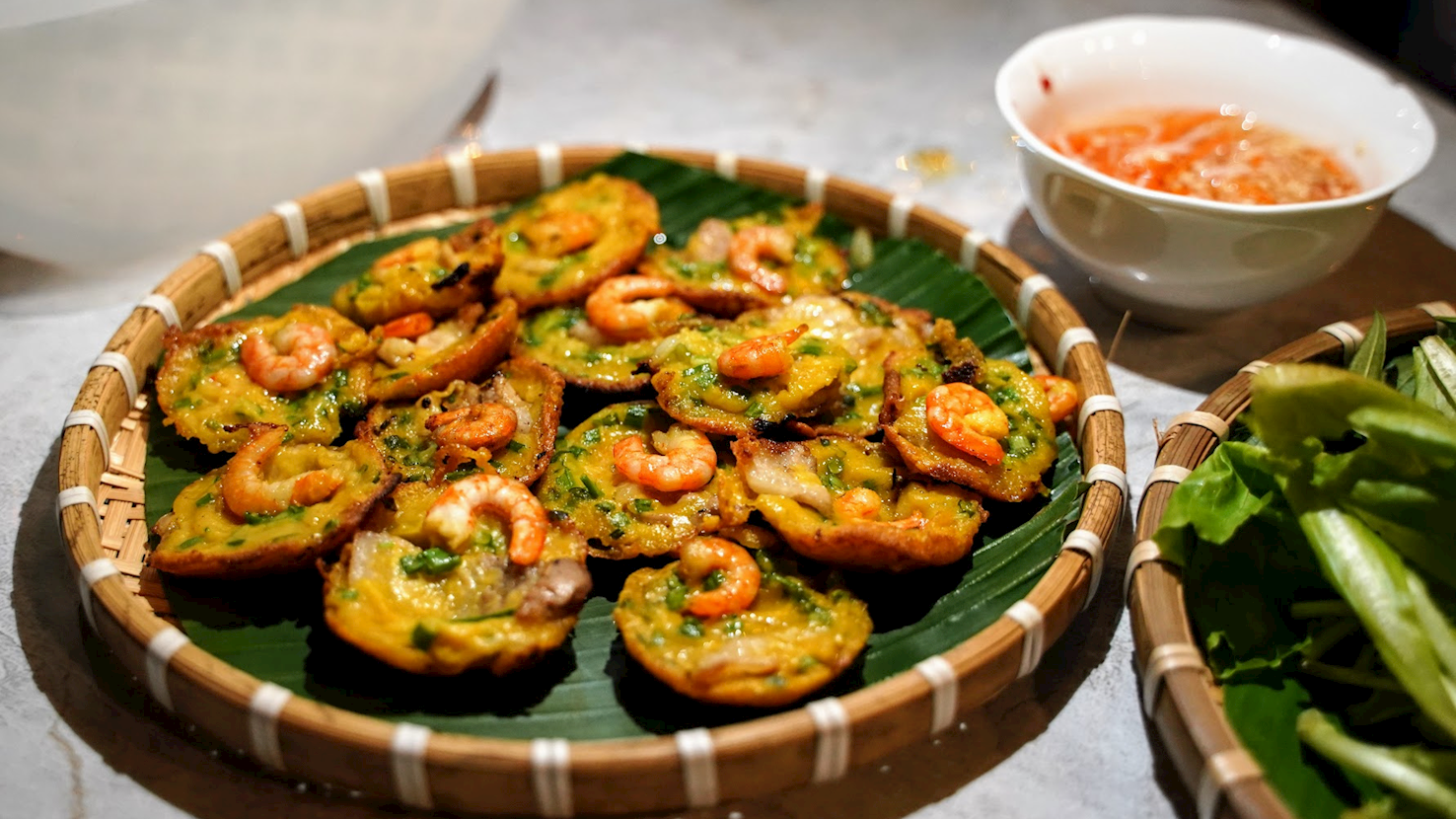
Bánh khọt is a savory Vietnamese pancake made with a thin rice flour batter and cooked on outdoor grills equipped with a specialized terracotta bánh khọt mold. The batter is poured into the mold, and the pancake is then topped with various savory ingredients. Once prepared, these small puffed pancakes are often served with aromatic herbs and leafy vegetables on the side, which can be used as wrappers. Fish sauce is also a staple accompaniment to bánh khọt. Although it’s often confused with bánh căn (as it’s called in Central Vietnam), bánh khọt is not as soft as bánh căn because it’s fried in oil until crunchy and contains turmeric, which gives it a nice yellow color, unlike bánh căn, which doesn’t contain turmeric.

04
Sandwich

Bánh mì đặc biệt (Cold Cut Banh Mi)

3.9 ·

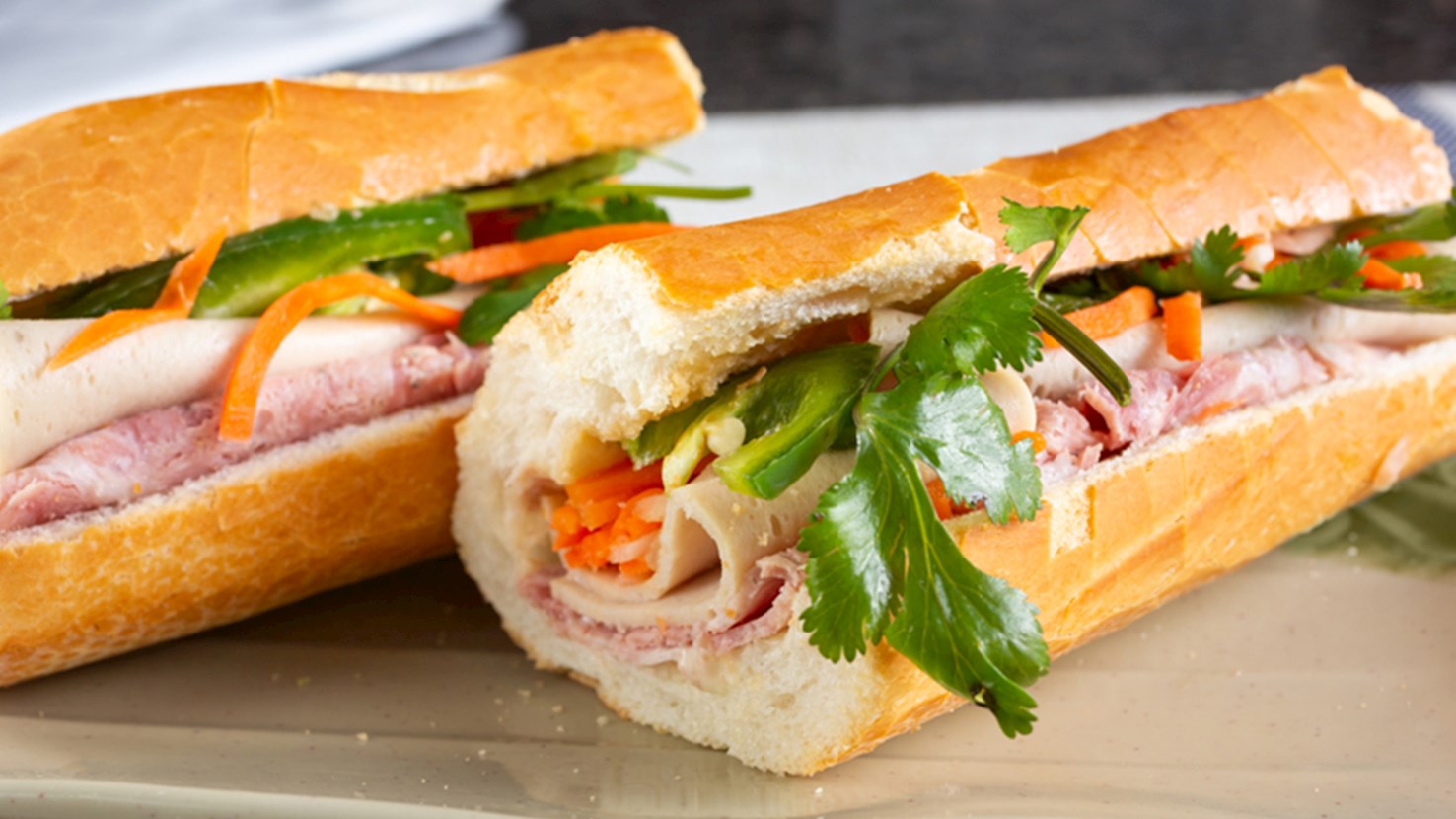
Bánh mì đặc biệt is a traditional bánh mì sandwich variety originating from Saigon (Ho Chi Minh City). The sandwich usually consists of a split baguette that's filled with pork liver pâté and thinly sliced cold cuts such as headcheese, giò lụa sausage, and pork shank. Next, the baguette is filled with mayonnaise, pickled carrots and daikon, sliced chili peppers, cucumber strips, and coriander. This type of bánh mì is also known as special combination bánh mì, and it can be found at numerous street carts in the country. The sandwich is typically wrapped in paper and secured with a rubber band due to its large size.

05
Chicken Dish

Gà kho sả ớt (Lemongrass Chicken)

3.9 ·

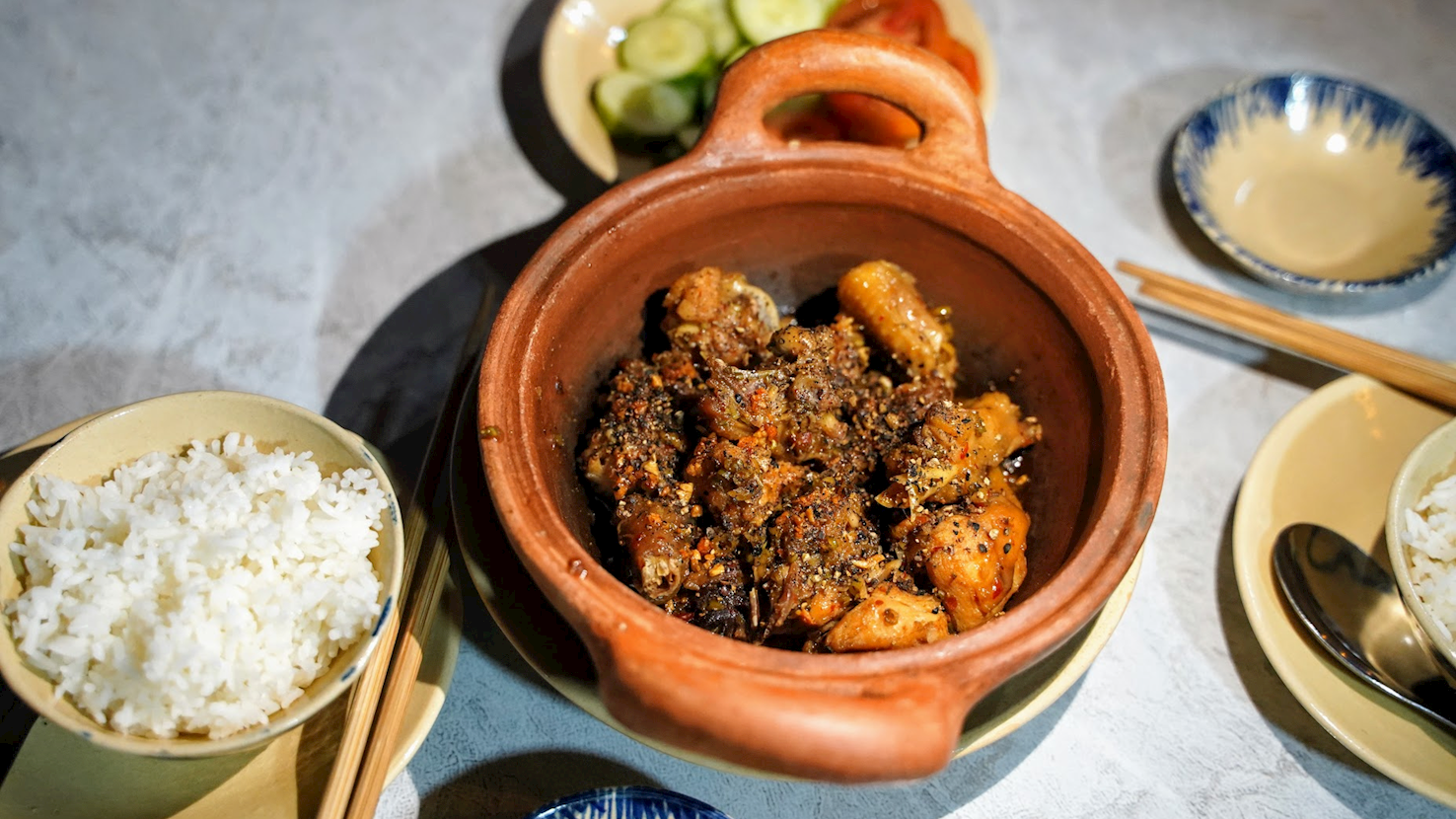
Gà kho sả ớt is a traditional chicken dish that’s especially popular in the Mekong Delta area. The dish is usually prepared with a combination of chicken pieces, lemongrass, hot chili peppers, shallots, garlic, sugar, salt, oil, turmeric, and fish sauce. The chicken pieces are first marinated in lemongrass, turmeric, salt, sugar, garlic, shallots, and fish sauce, then stir-fried in oil and simmered in liquid until tender. Once done, the dish is typically served with hot rice or noodles. If desired, coconut juice can be added to the pot as the chicken simmers.

06
Noodle Dish

Hủ tiếu Nam Vang (Nam Vang Noodle Soup)

3.8 ·

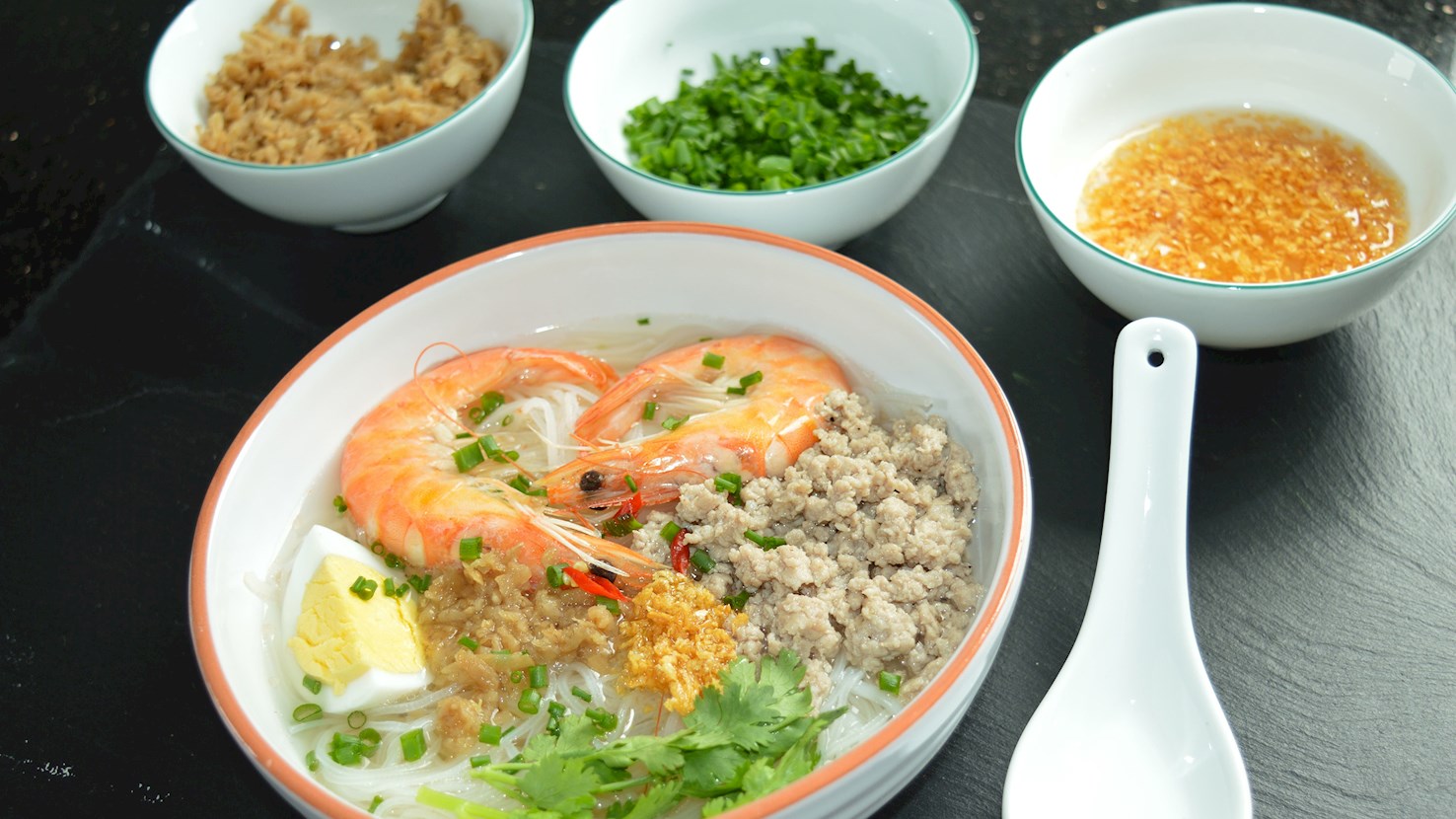
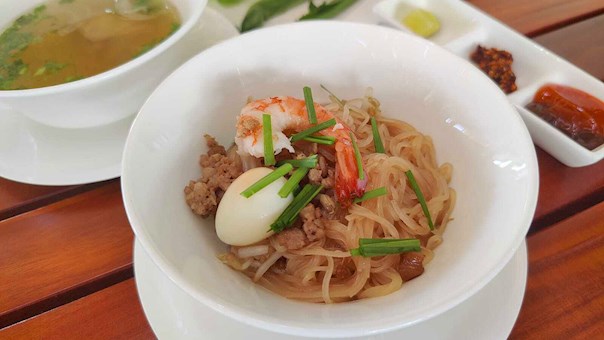
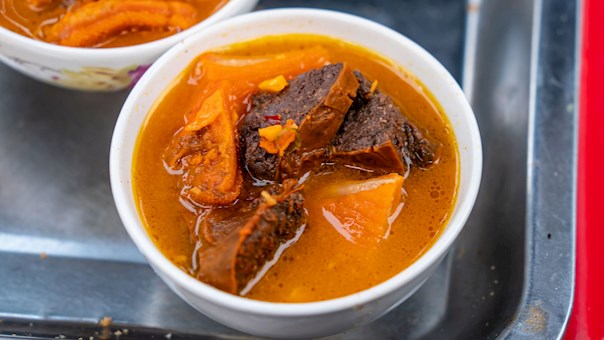
Hủ tiếu Nam Vang is a popular Vietnamese street food with Cambodian-Chinese roots. The dish is named after the Cambodian capital Phnom Penh (Nam Vang), and the recipe is tweaked to adapt to Vietnamese flavors. The noodle soup should have a clear and rich broth made from pork bones, pork, and dried squid and shrimp. The noodles can be transparent rice noodles, chewy tapioca noodles, or thin Chinese egg noodles. Toppings include a combination of sliced pork liver, cooked pork meat, sautéed ground pork, quail eggs, fried shallots, garlic, and poached shrimp. The dish is typically served with an assortment of garnishes on the side – Chinese chives, Chinese celery, green onions, cilantro, and lettuce.

07
Salad

Gỏi

3.7 ·

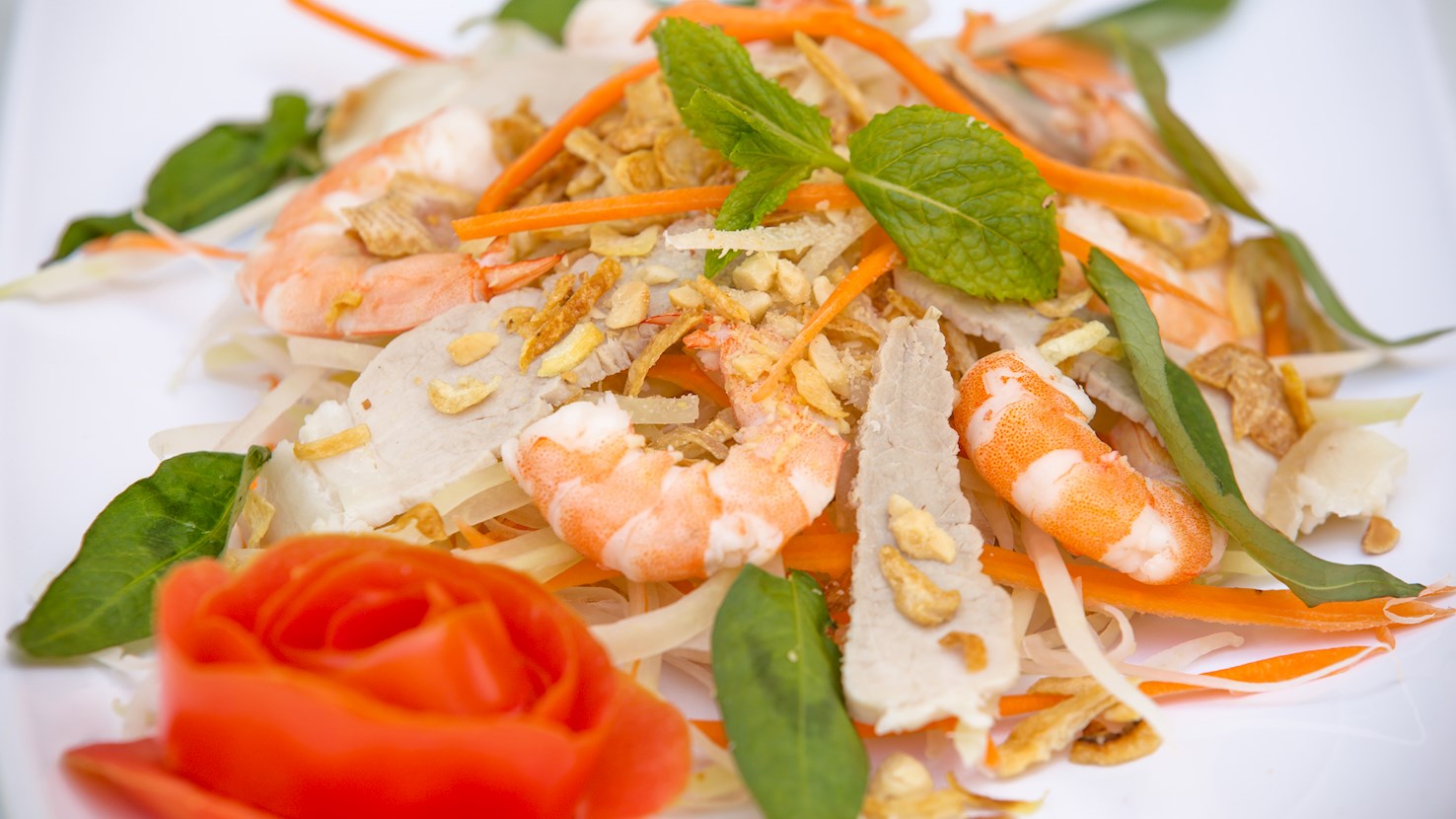
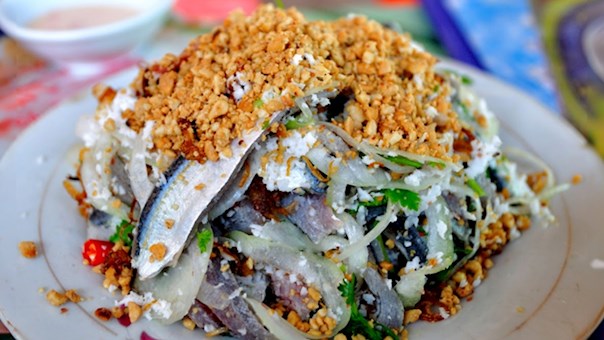
Nộm is a traditional salad. It's made with a combination of fresh, grated vegetables such as cabbage and turnip, along with papaya, green mango, banana flowers, cucumber slices, and sometimes even shredded boiled pork. Other common ingredients include hot chili peppers, roasted ground nuts, and grated carrots to make the salad more visually attractive and colorful. Nộm is the name in the North, while in Southern Vietnam, the salad is known as gỏi. The salads are usually dressed with nước chấm, and they're often served with prawn crackers on the side.

08
Street Food Sweets

Bánh cam (Vietnamese Donuts)

3.7 ·

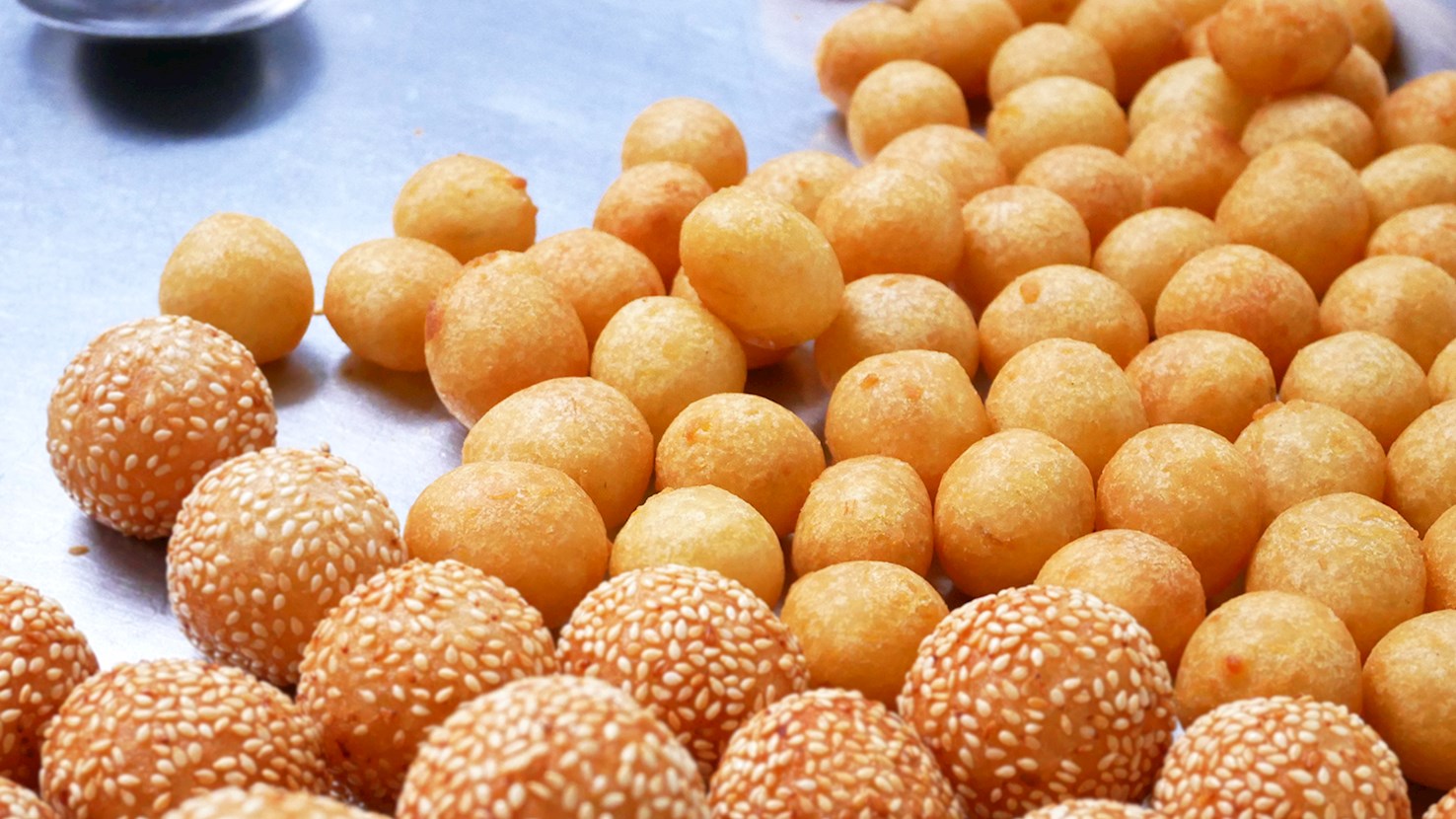
Bánh cam and bánh vòng are traditional donut-like fritters originating from Vietnam. Bánh cam is traditionally sold together with bánh vòng, and the difference lies in the fact that bánh cam is round, while bánh vòng is ring-shaped, similar to a thin donut with a hole in the middle (vòng means ring). Both types of donuts have a caramel glaze on top, but bánh vòng doesn’t contain the mung bean filling as bánh cam does. If properly prepared, the donuts should be crispy on the outside, and soft, chewy, and dense on the inside. The dough is typically made with a combination of rice flour, glutinous rice flour, baking powder, oil, sugar, and sometimes mashed potatoes. Both of these donuts are often sprinkled with sesame seeds on top.

09
Dessert

Pop Rice

3.6 ·

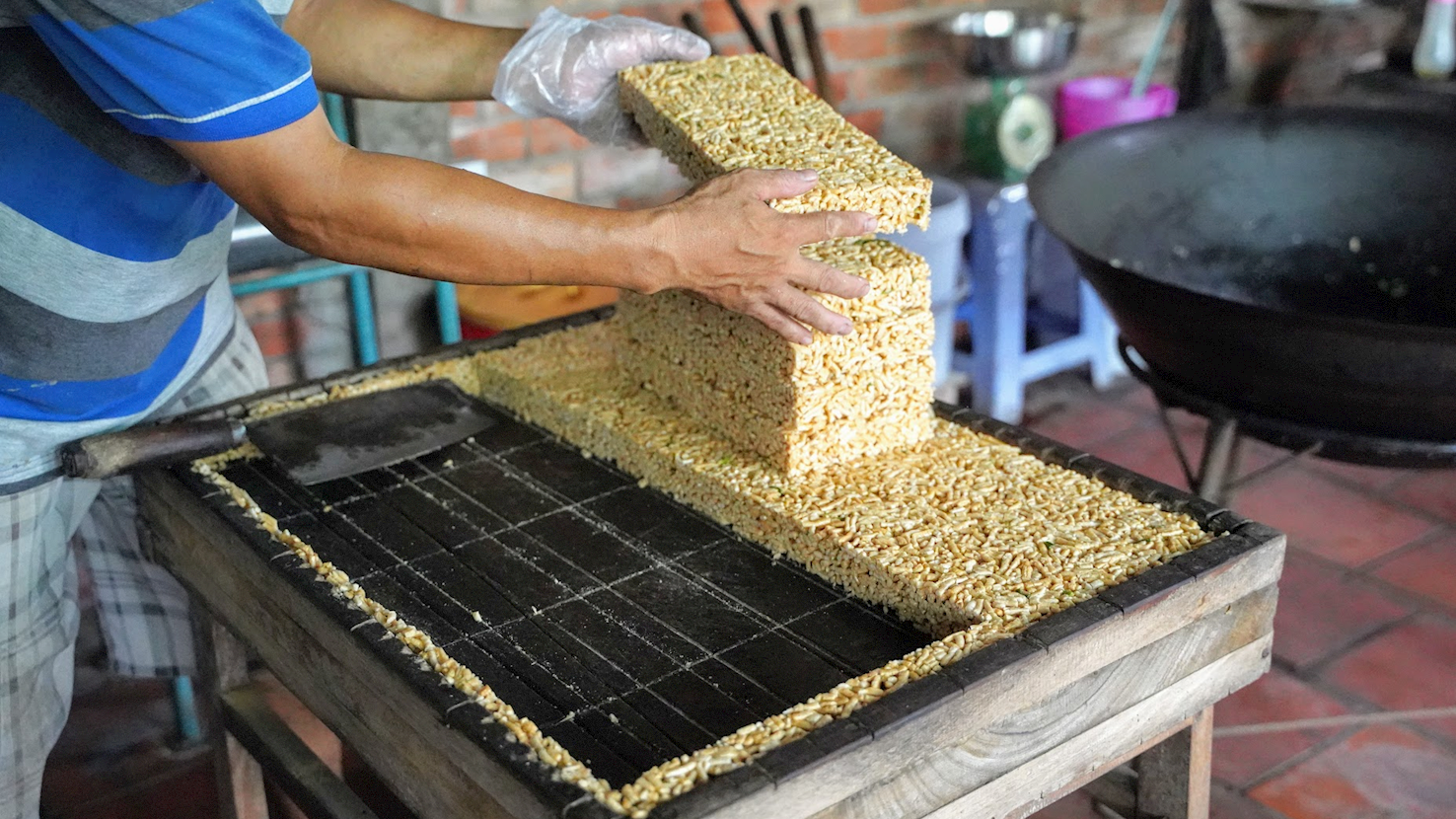
Pop rice is a traditional puffed rice treat originating from the Mekong Delta area. This crispy puffed rice is made with a decades-old technique. Whole grains of rice with their husks intact are poured into a large pot that’s previously been filled with black sand from the Mekong River. As the mixture is stirred over a fire, the rice begins to puff and pop, and it is later filtered twice through a mesh in order to remove the black sand and the remaining husks. The crispy rice is then placed into another wok-shaped pot and mixed with a syrup consisting of sugar and water. The syrup can be additionally flavored with anything from coconut milk, green tea, and caramel to peanuts or ginger. While still hot, the rice and syrup mixture is flattened with a rolling pin and cut into squares before it’s enjoyed or sold to hungry customers.

10
Fish Soup

Canh chua (Sweet and Sour Tamarind Soup)

3.6 ·

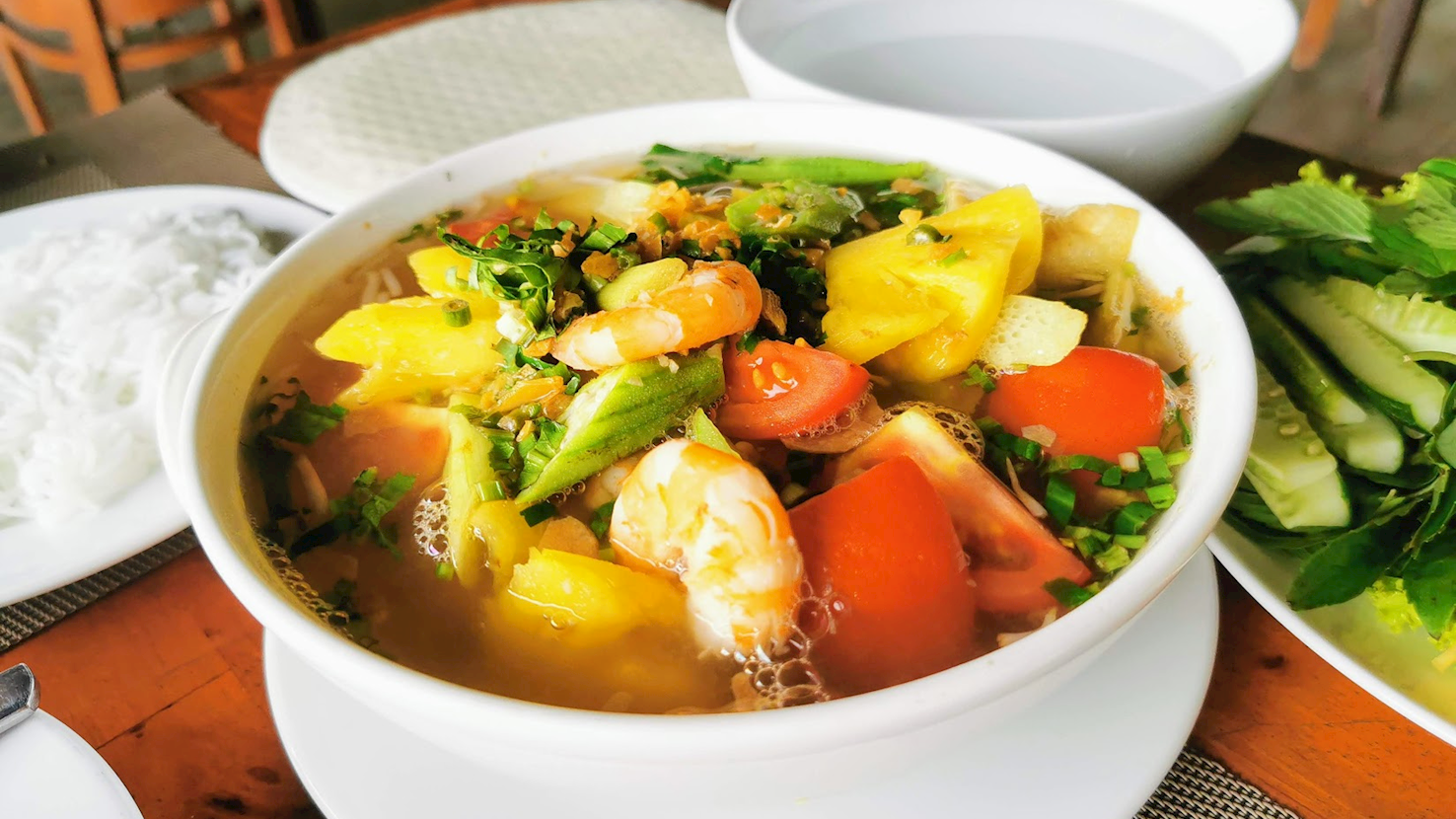
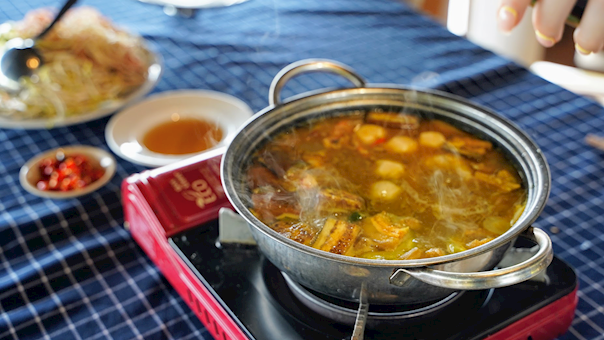
Canh chua is a popular Vietnamese soup originating from the Mekong Delta region. It's characterized by its contrasting flavors - sour, sweet, and savory. The soup incorporates ingredients such as seafood (eel, shrimp, snakehead, catfish), tomatoes, okra, pineapple, tamarind, bean sprouts, and fresh herbs with a tangy flavor. Traditionally, canh chua is served either with rice vermicelli noodles or with a side of steamed jasmine rice. There are numerous versions of the soup depending on the ingredients used in it - besides fish, it can be made with water spinach, chicken, bamboo shoots, mustard greens, pork, or beef. Due to its nutritional value, health benefits, and short cooking time, canh chua has the status of a quintessential Vietnamese meal.

Best Southern Vietnamese food products
01
Chocolate

Belvie Chocolate

5 ·
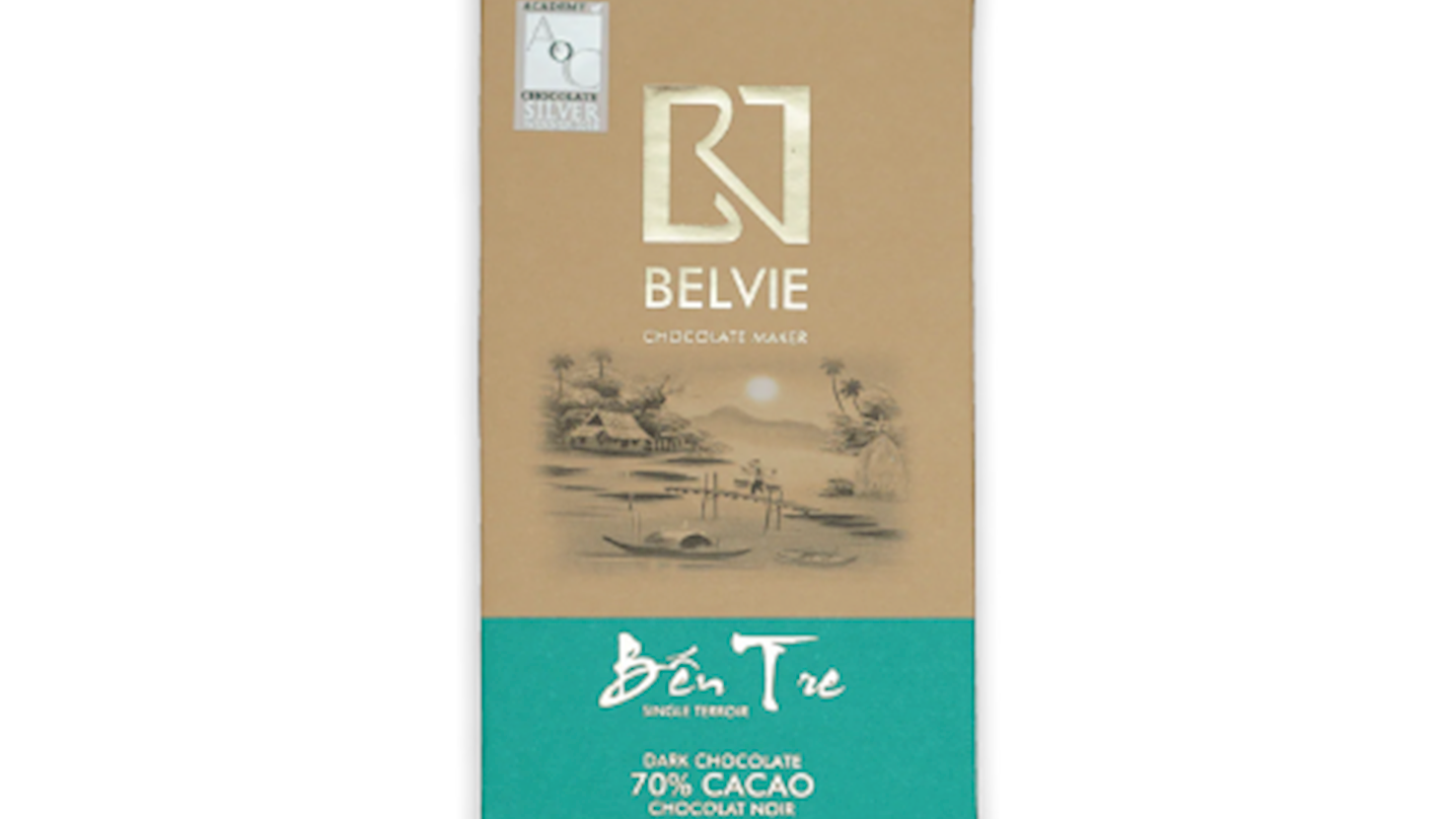
Belvie Chocolate is a Vietnamese bean-to-bar chocolate maker that blends local terroir with Belgian chocolate craftsmanship. Founded in 2015 by Jannie Ha Tran and Marc Vanborren, the brand was created with the goal of promoting sustainable cocoa cultivation and supporting small farmers across Vietnam. Belvie sources Trinitario cocoa exclusively from small plantations in the provinces of Lam Dong, Ben Tre, Tien Giang, and Dong Nai, where the beans are hand-fermented and sun-dried to preserve their aromatic character. The production process is entirely natural - no lecithin or artificial additives are used - and every stage, from roasting and grinding to conching and tempering, takes place in their workshop in Ho Chi Minh City. Their dark chocolates, typically containing between 70% and 80% cocoa, are distinguished by clearly defined regional profiles, featuring notes of tropical fruit, flowers, caramel, or roasted almonds, depending on the origin of the beans. Through a combination of ethical sourcing, authentic local varieties, and European precision, Belvie has become one of the most recognized chocolate producers in Southeast Asia.
Awards
Academy of Chocolate - Silver (2019, 2018)
Academy of Chocolate - Bronze (2020, 2017)
02
Rice

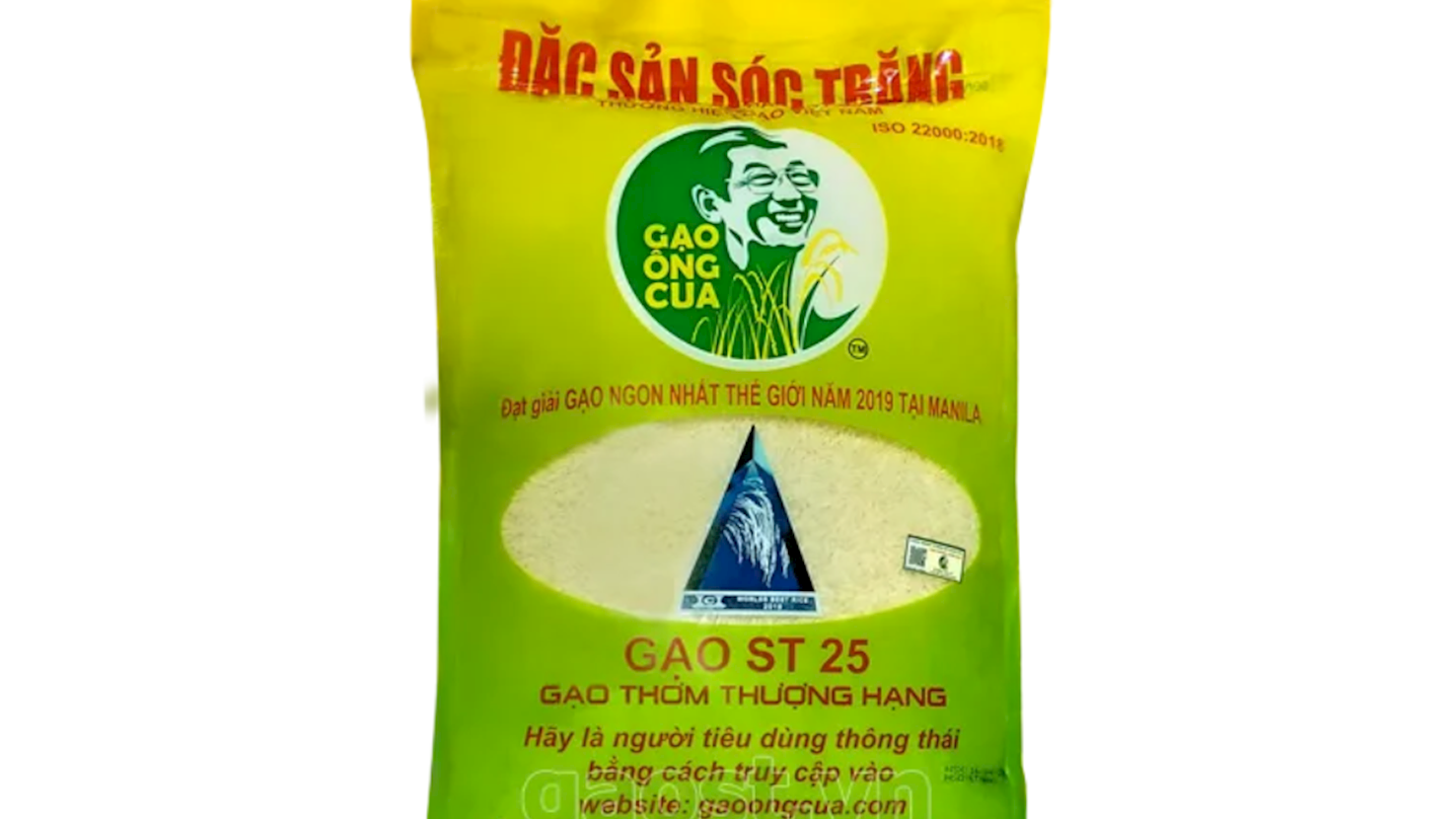
Gạo Ông Cua

5 ·
Gạo Ông Cua is a prestigious Vietnamese rice brand originating from the Mekong Delta, renowned for its superior quality and authenticity. The brand is named after engineer Hồ Quang Cua, the principal developer of the famous ST24 and ST25 rice varieties, which have won multiple awards at international rice competitions, including the title of “World’s Best Rice” in 2019 and 2023. These varieties are the result of years of scientific research and carefully selected agricultural practices, aimed at producing rice with exceptional taste, aroma, and nutritional value. Gạo Ông Cua is especially distinguished by its ST25 variety – a long, glossy grain that remains fluffy and fragrant after cooking. The brand represents a modern Vietnamese approach to agriculture, combining tradition, science, and sustainability, and is increasingly recognized both domestically and on the international market.
Awards
International World Rice Conference - World’s Best Rice (2023, 2019)
03
Chocolate

Marou

5 ·
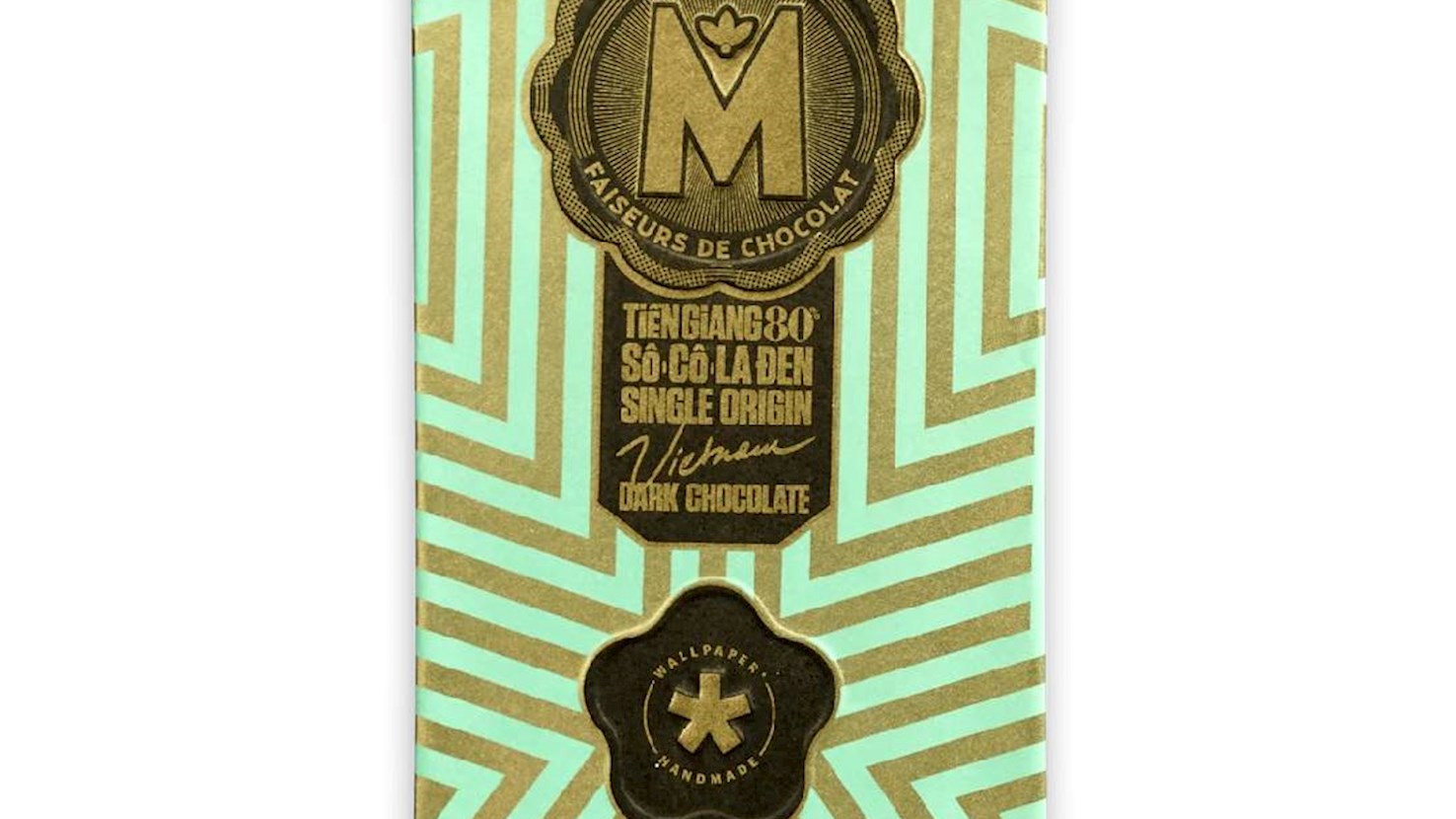
Maison Marou is a prestigious Vietnamese bean-to-bar chocolate maker, founded in 2011 by Samuel Maruta and Vincent Mourou. Each of their chocolates is crafted to reflect the unique terroir of its origin—capturing the diverse climate and soil conditions of Vietnam and translating them into rich, layered flavor profiles. Committed to sustainable practices and transparency, Maison Marou sources cacao directly from local farmers at fair prices, supports agroforestry methods, and regularly publishes detailed sourcing reports. Their chocolates have received numerous accolades at renowned international competitions such as the International Chocolate Awards and Salon du Chocolat. In addition to their award-winning bars, Maison Marou operates elegant cafés in Ho Chi Minh City and Hanoi, where guests can enjoy pastries, drinks, and desserts made with their signature cacao, all within a space dedicated to the art of fine chocolate.
Awards
International Chocolate Awards - Gold (2014)
Academy of Chocolate - Gold (2013)
04
Condiment

Saigon Charlie's

4.8 ·
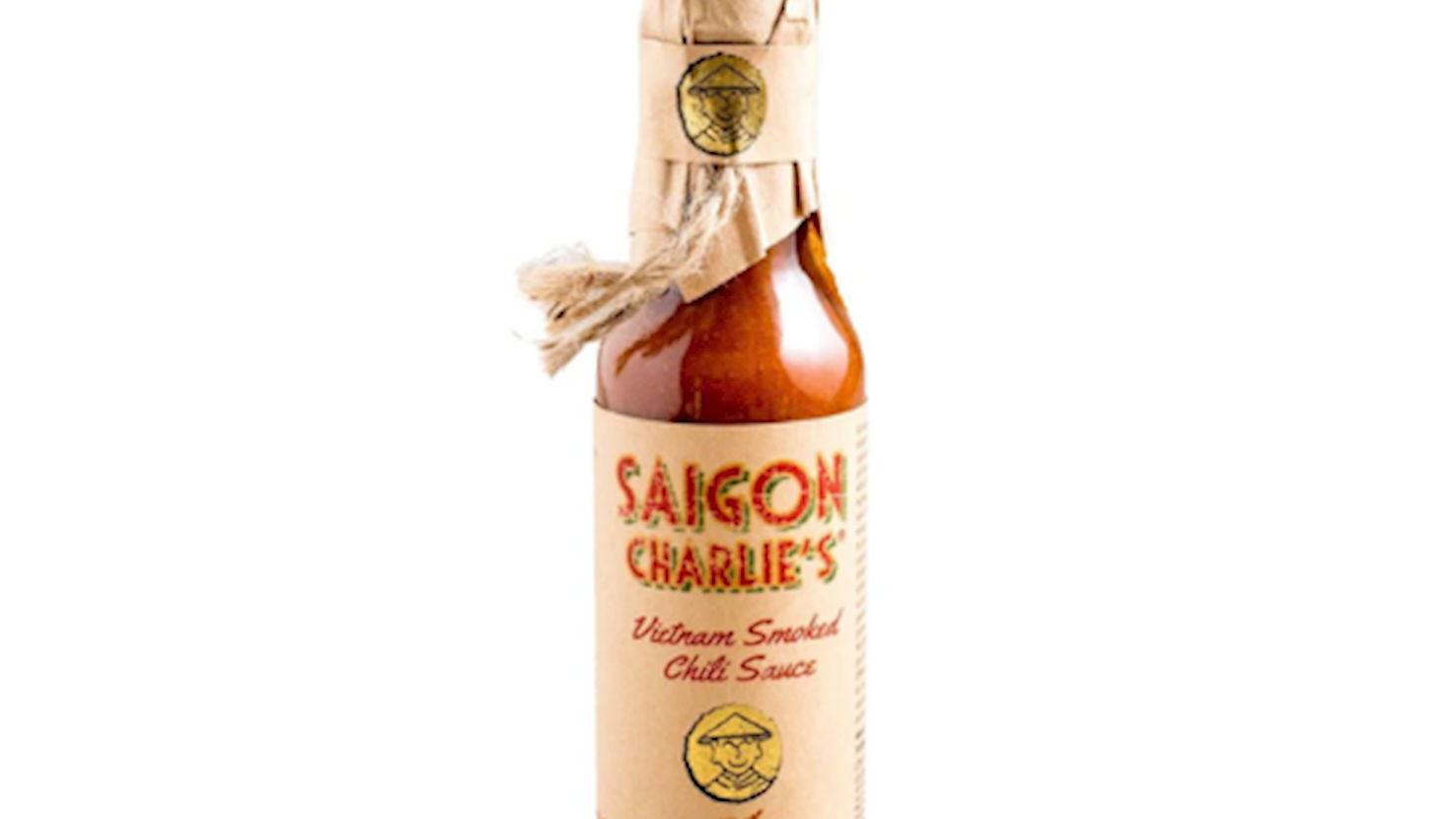
Saigon Charlie's is a Vietnamese brand specializing in smoked chili sauces crafted from a centuries-old recipe and made exclusively with fresh, locally sourced ingredients, free from artificial colors, flavors, or preservatives. Their lineup reflects the culinary diversity of Vietnam: Hanoi Tangy Heat offers a mild acidity with notes of onion and black pepper, Hue Way Hot delivers a stronger, sharper heat from bird’s-eye chilies, Saigon Sweet’n’Spicy balances heat with subtle sweetness and citrusy acidity typical of the southern style, while SEA Supreme Seafood Sauce is formulated to enhance the natural flavors of fish and seafood. Slow cooking and smoke infusion give these sauces their distinctive depth, preserving authenticity while offering a modern, versatile product. The brand positions itself between tradition and contemporary gastronomy, providing sauces suitable for everything from noodle dishes and soups to grilled meats and fusion cuisine.
05
Beer

Pasteur Street Craft Beer

4.8 ·
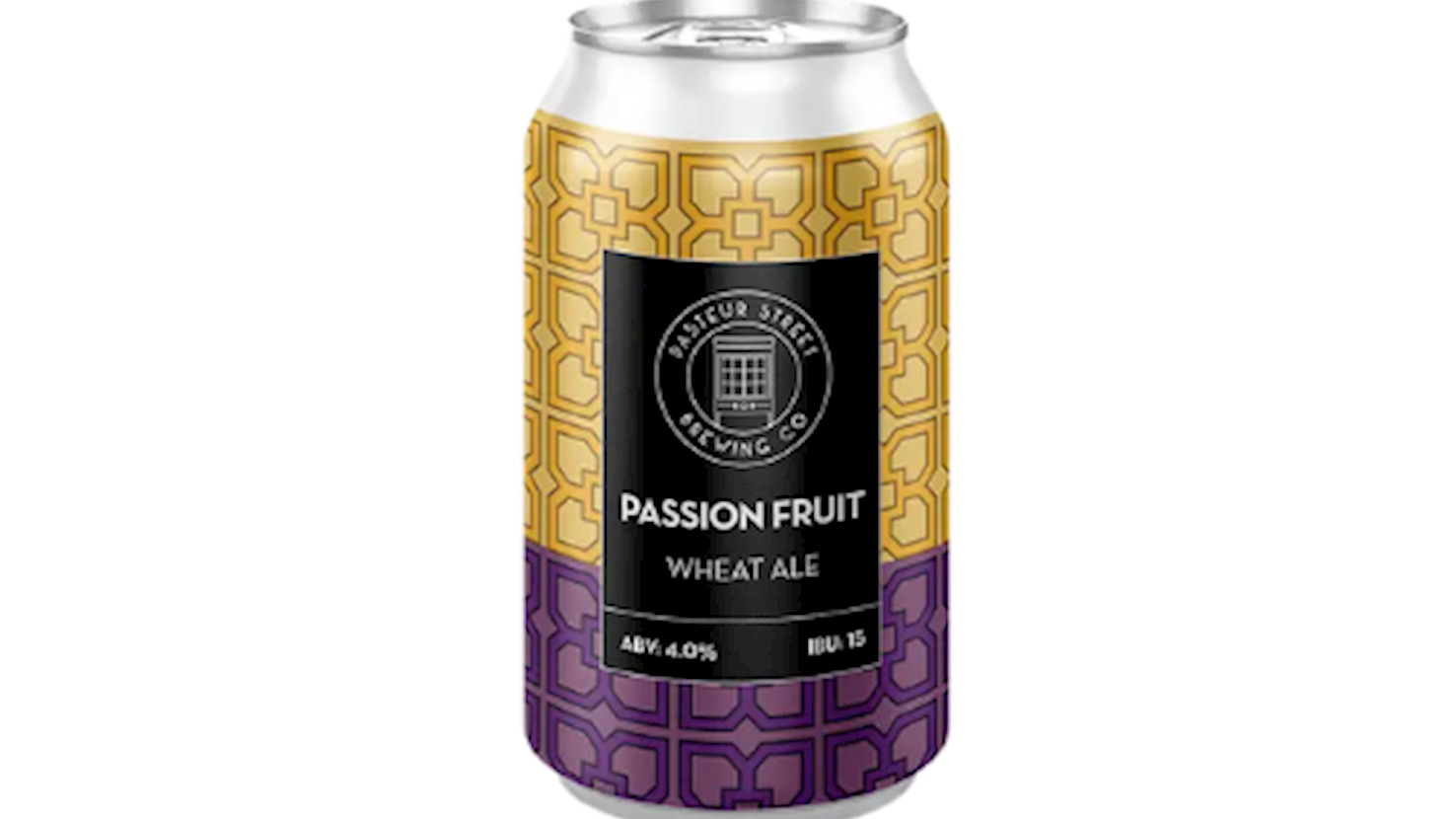
Pasteur Street Craft Beer is a modern craft brewery from Ho Chi Minh City that introduced a completely new approach to beer in Vietnam in 2015. The brewery was founded by combining American brewing know-how with local Vietnamese ingredients, which became their core identity. The founders aimed to create beers that were not copies of Western styles, but expressions of local terroir through ingredients such as jasmine, passion fruit, lemongrass, or Vietnamese cocoa. Pasteur Street now operates multiple taprooms across the country, including locations in Ho Chi Minh City and Hanoi, and supplies more than 600 bars and restaurants. Technologically, the beers are brewed according to Western craft standards, while the aromatic profile is shaped through local fruits and spices. The portfolio includes IPAs, stouts, sour ales, and experimental small-batch releases. The brewery’s philosophy focuses on exploring seasonal ingredients and collaborating with local farmers. This approach made Pasteur Street the first brand to present a Vietnamese craft identity on a global level. The taprooms offer tasting flights, rotating taps, and limited editions available only on site. The ambiance is urban and modern, yet retains a strong local character through visual identity and food pairing. Pasteur Street shows how craft brewing can flourish in a country without a long brewing tradition by using authenticity as a competitive advantage. Their beers are exported beyond Vietnam, making them one of the few Southeast Asian craft breweries present on international markets. Their success demonstrates that the combination of local ingredients and global brewing expertise can create a completely new style and identity.
Awards
World Beer Cup - Gold (2016)
Untappd - 3.7
06
Bee Product

Honimore

4.7 ·
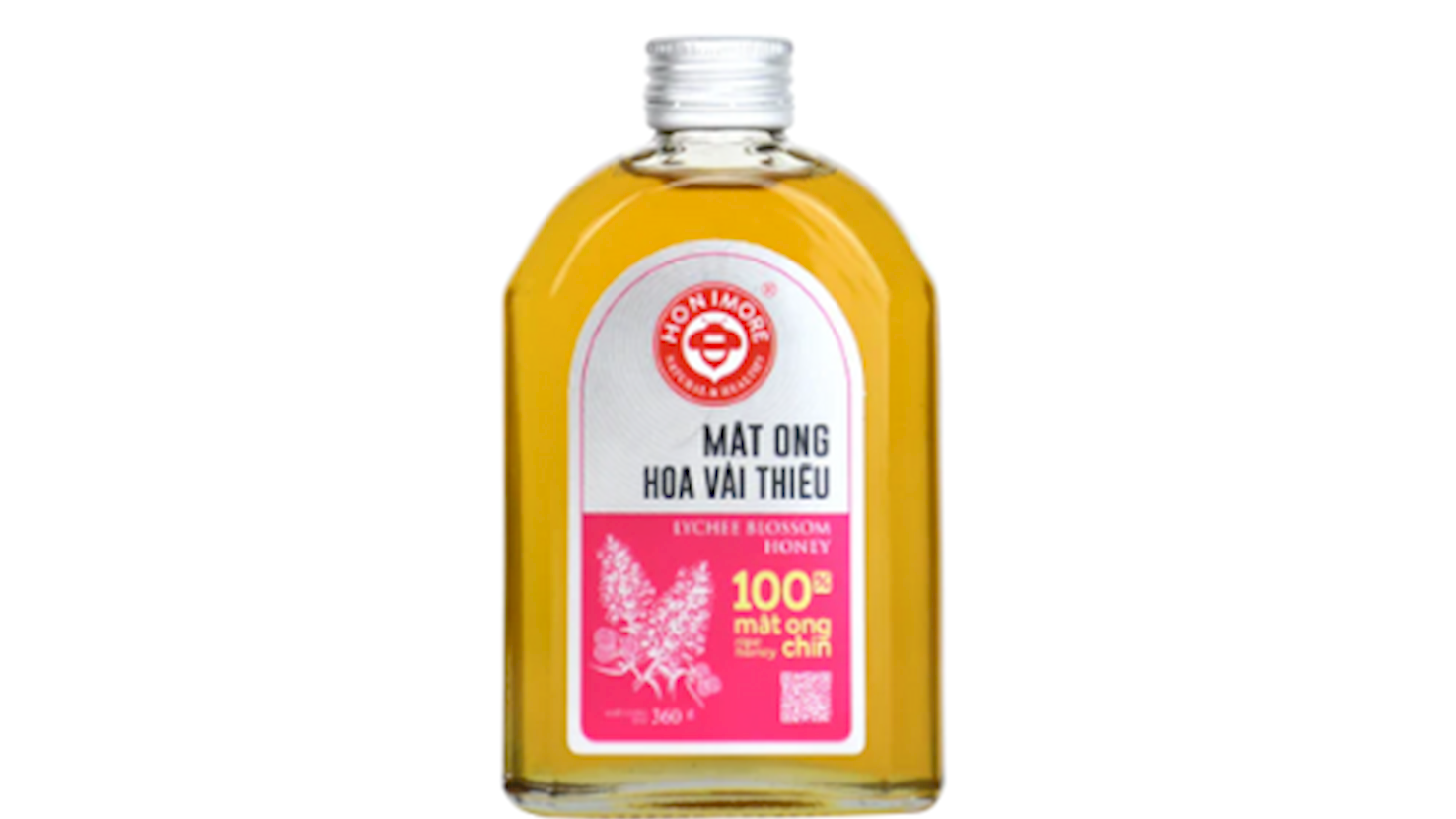
Honimore is a Vietnamese brand specializing in natural honey and honey-based products, developed with the aim of combining traditional beekeeping values with a modern approach to preserving quality and nutritional integrity. Their range includes monofloral and multifloral honeys sourced from diverse ecological regions across Vietnam, resulting in a broad spectrum of flavors - from delicate floral profiles to more intense forest and herbal notes. A notable part of their portfolio consists of functional products such as honey with royal jelly, formulated with additional botanical extracts rooted in traditional practices. The brand emphasizes natural sourcing, clean production methods, and ingredients that retain their original nutritional properties. Honimore seeks to bring authentic, health-focused bee products closer to contemporary consumers, appealing to those who value transparency, provenance, and naturally derived nutrition.
07
Chocolate

Binon Cacao

4.7 ·
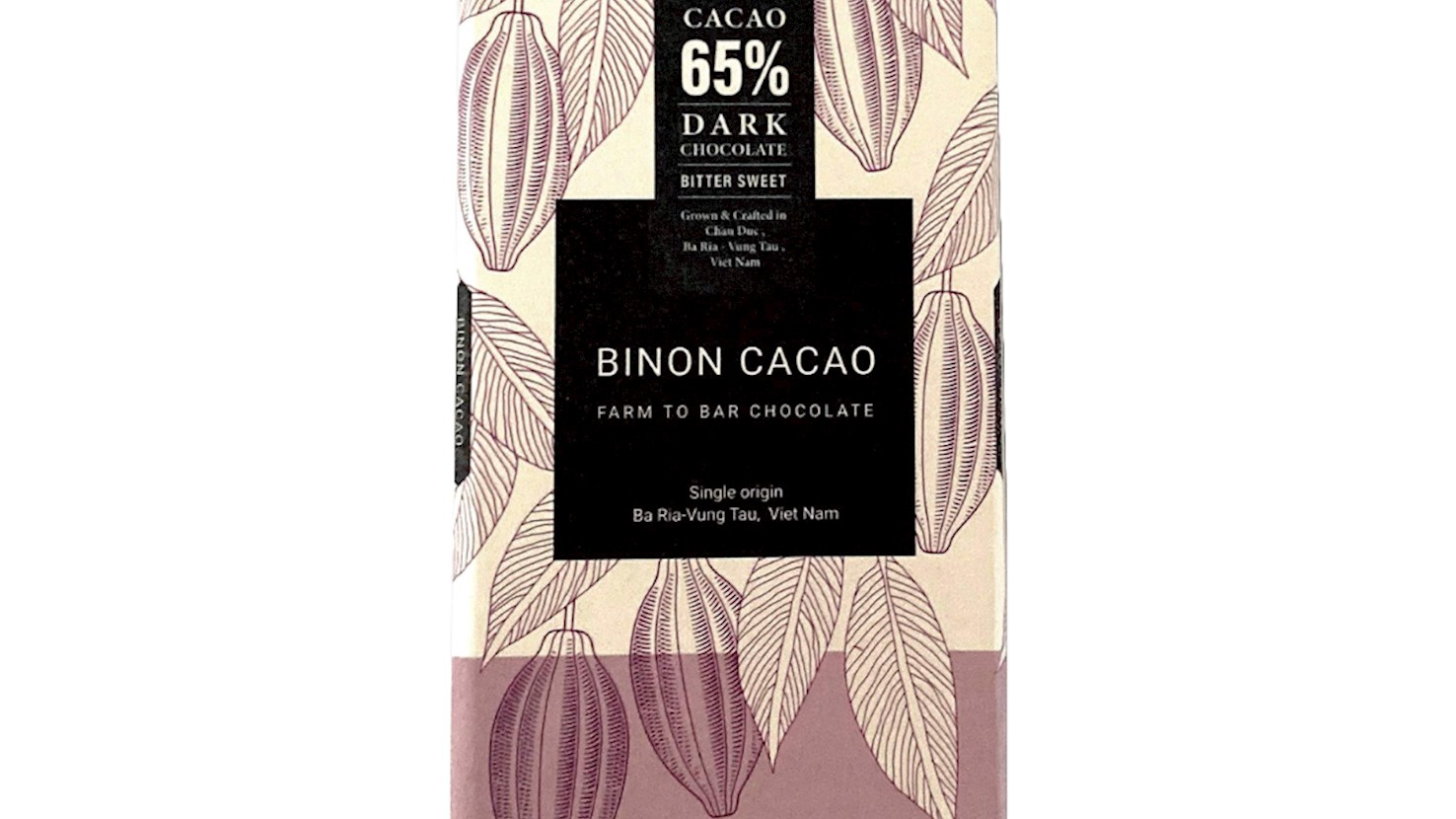
Binon Cacao is a Vietnamese bean-to-bar chocolate producer dedicated to crafting high-quality chocolates from locally grown cacao. With a focus on sustainability and traditional processing methods, they carefully control every step of production, from fermentation to roasting, to bring out the rich and complex flavors of Vietnamese cacao. Their chocolates highlight the distinct terroir of Vietnam, offering a balance of bold cocoa notes and natural fruitiness.
Awards
International Chocolate Awards - Silver (2024)
08
Spirit

Nguyen Nguyen Distillery

4.5 ·
Awards
World Gin Awards - Country Winner (2024)
09
Beer

Saigon Beer - Alcohol - Beverage Corporation (SABECO)

2.5 ·
Awards
International Brewing Awards - Gold (2019)
Read more
View all
View map
About this ranking

TasteAtlas food rankings are based on the ratings of the TasteAtlas audience, with a series of mechanisms that recognize real users and that ignore bot, nationalist or local patriotic ratings, and give additional value to the ratings of users that the system recognizes as knowledgeable. For the “Top 30 Southern Vietnamese Foods” list until June 02, 2026, 844 ratings were recorded, of which 614 were recognized by the system as legitimate. TasteAtlas Rankings should not be seen as the final global conclusion about food. Their purpose is to promote excellent local foods, instill pride in traditional dishes, and arouse curiosity about dishes you haven’t tried.

The initial list of top producers was compiled based on available reviews, awards, local recommendations, media and blog coverage, and consumer reviews. The list will be updated with ratings from TasteAtlas local ambassadors and TasteAtlas users.

Similar lists