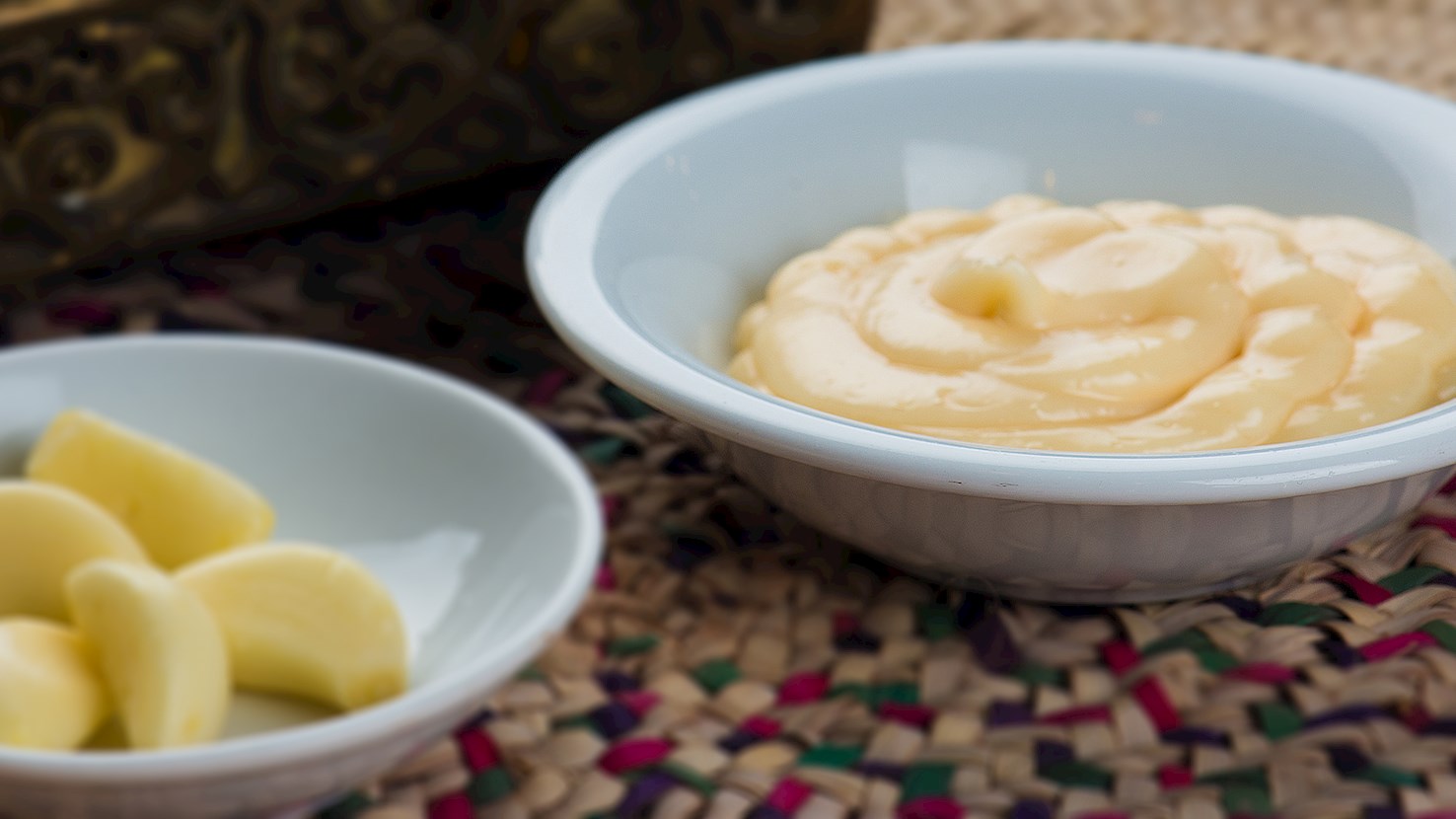
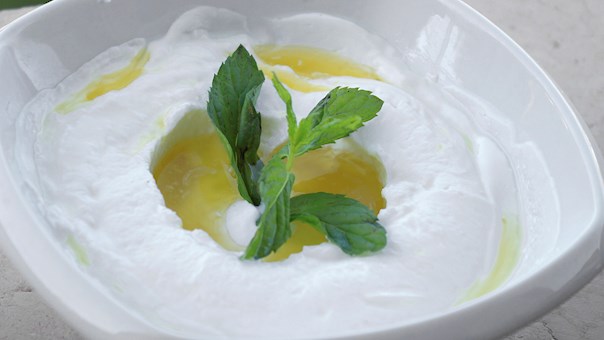
Toum is an authentic Lebanese and Syrian garlic paste. It is made with whole garlic cloves, which are slowly crushed using a mortar and pestle, or nowadays simply ground in a food processor. During this process, oil (preferably neutral oil such as canola, or the flavorful olive oil) is gently added to create a homogeneous garlic paste with an unusual, fluffy texture. Finally, salt and lemon juice are added to the mix, giving the paste a salty flavor and ivory color. Toum is used for marinades, sauces, and dips, and can enrich any meal. It is usually combined with chicken in traditional dishes such as roast chicken, chicken skewers or chicken shawarma, but is also commonly combined with beef, lamb, or goat meat. It is often used as a spread in the famous Lebanese pita sandwiches and wraps, or as a simple spread over bread, which is served as a starter or a snack. Toum can be made in advance and can keep up as long as three weeks. Since it is highly versatile, numerous ingredients, such as mint, can be added to diversify its flavor and texture. This delightful, pungent garlic spread and its adaptations can also be found in eastern Mediterranean countries, Egypt, and Iraq.
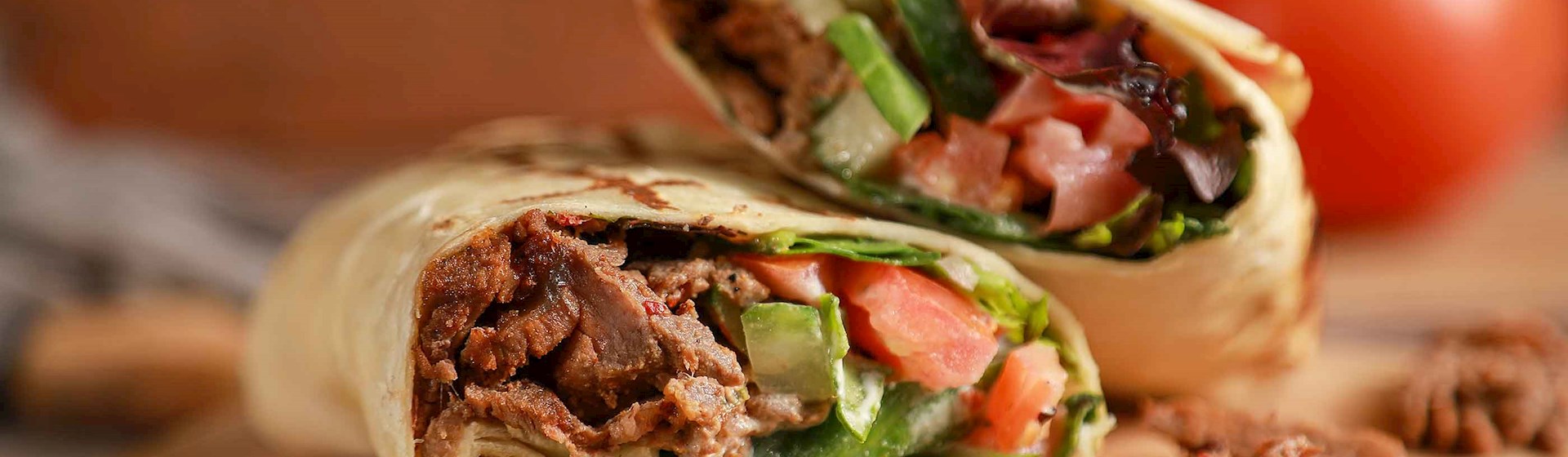
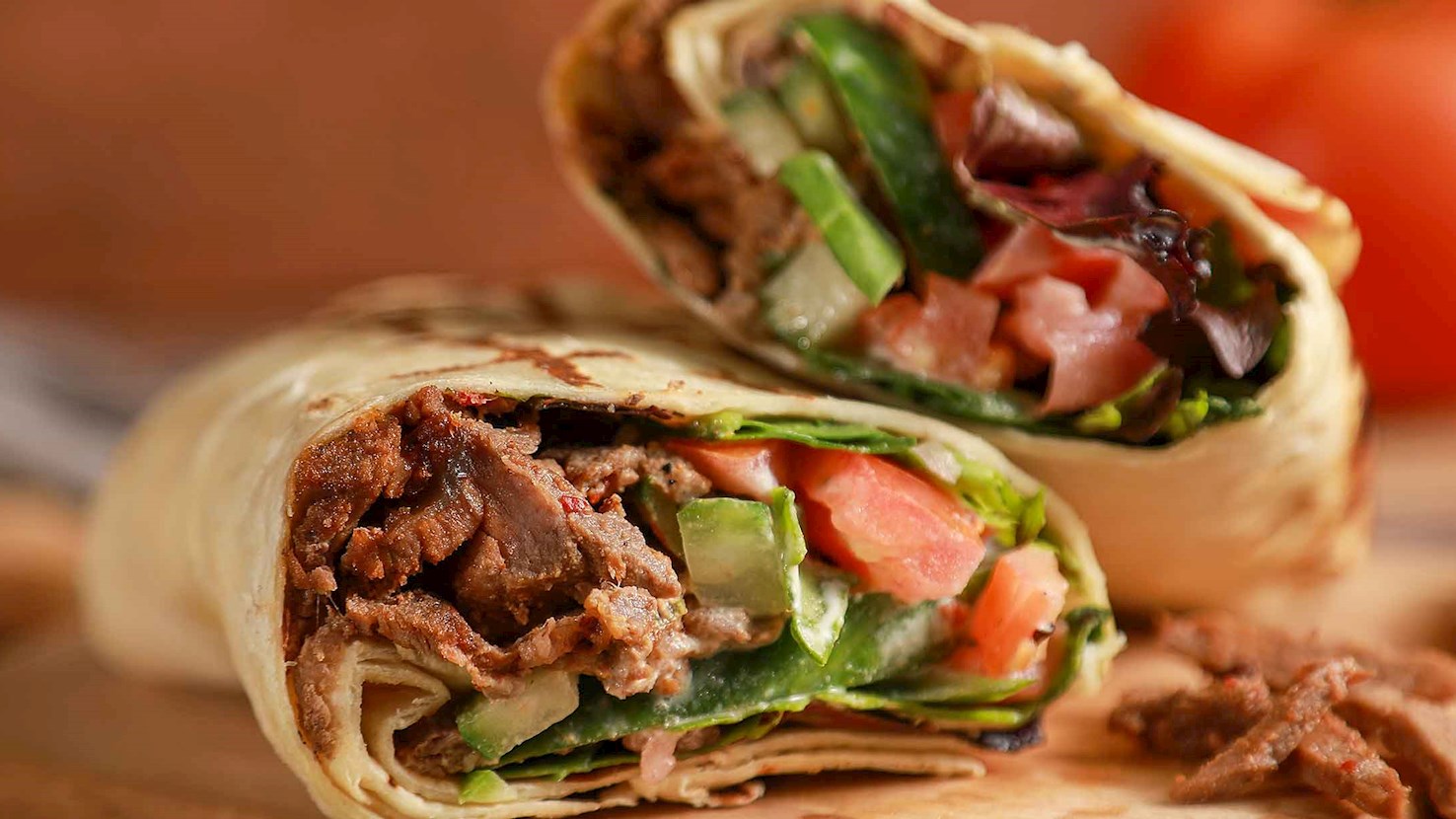
Marinated and spit-roasted, shawarma is a delicious Middle Eastern meat treat whose origins can be traced back to the Ottoman Empire era, while its name stems from the Arabic pronunciation of the Turkish word çevirme (lit. to turn; turning), and refers to the rotating skewer on which the meat is cooked. Shawarmas are made with either lamb, turkey, chicken, beef, or a mix of different meats which are slow-cooked for hours and basted in their own juices and fat, gaining an incomparable succulence, but the real secret to a perfect shawarma is in the marinade. Depending on the variety, the meat must be marinated for at least a day, preferably two, especially when using beef. These marinades are either yogurt or vinegar-based and typically include spices and flavorings such as cinnamon, cloves, cardamom, nutmeg, black pepper, allspice, dried lime, spicy paprika, garlic, ginger, lemon, bay leaf, and sometimes even orange slices. Shawarma is traditionally served either on its own or enjoyed tucked inside a warm flatbread such as pita or lavash. However, what really sets it apart from the Turkish döner kebab, Greek gyros, or other similar foods is the extent of garnishes and condiments offered with it. For example, Israeli shawarmas are typically topped with tahini and come with generous servings of hummus and pickled mango slices, while in other countries, shawarma is often complemented with garlic mayo or a zesty toumaia garlic sauce, both fresh and pickled vegetables, salads like tabbouleh or fattoush, and amba sauce–a tangy chili and mango pickle dip. Once a common staple of the Middle Eastern working man, shawarma has today become the ultimate Arabic street food, found not only in Arabia and Levant but in virtually any nook and corner of the globe.
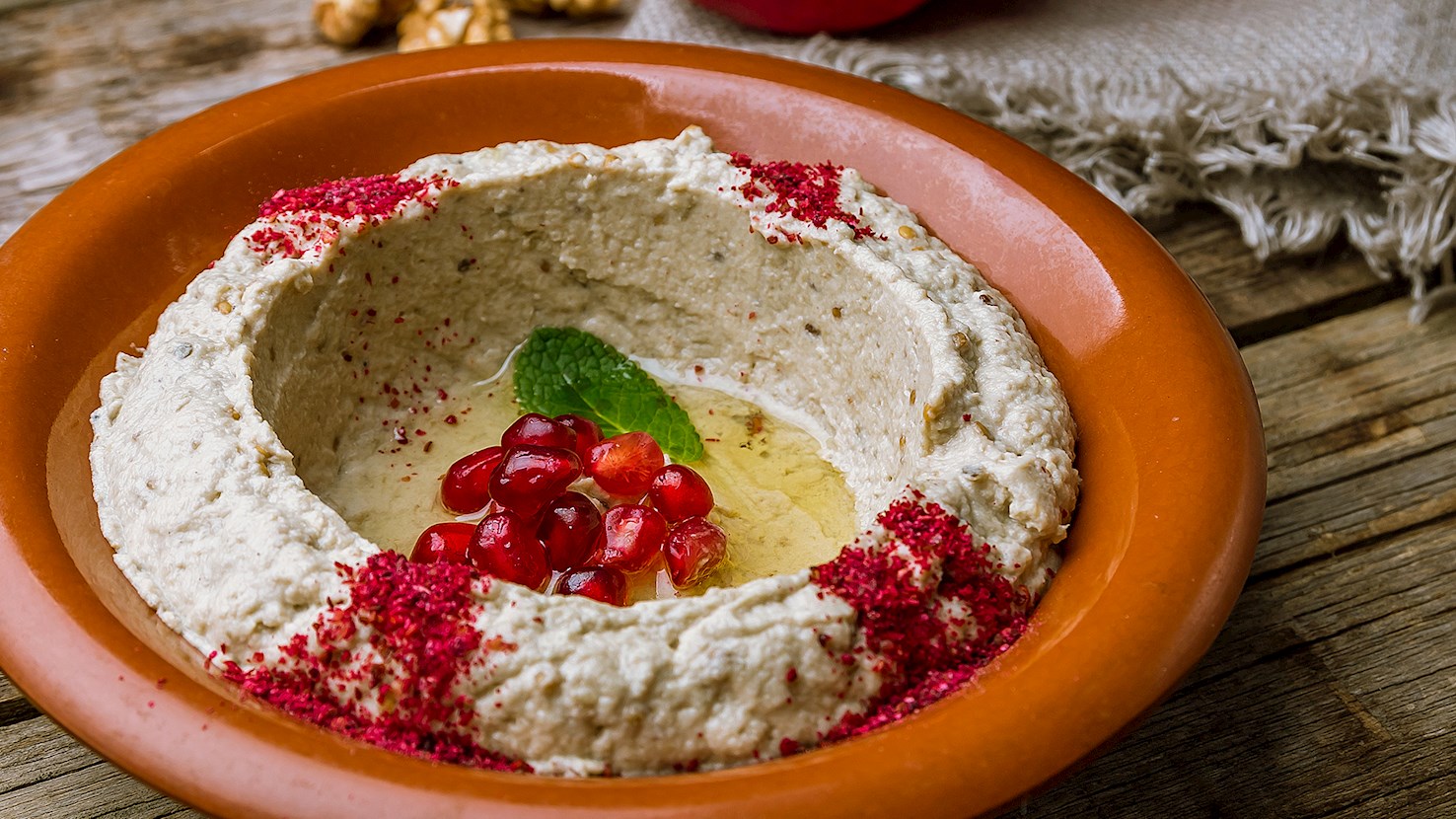
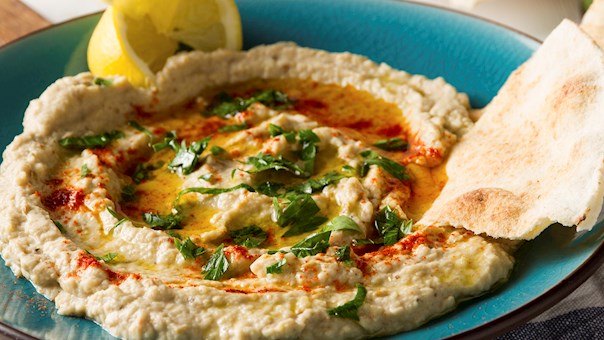
Mutabal is an eggplant-based dip prepared in the eastern Mediterranean and Arabian regions, most commonly associated with Lebanon, Syria, Jordan, and Palestine, made from cooked eggplant blended with tahini, lemon juice, garlic, and salt to form a smooth, pale-colored spread. Its development is closely tied to the long-standing cultivation of eggplant in the Levant and the parallel use of sesame paste as a core ingredient in savory preparations, with regional cookery texts from the medieval Islamic world describing combinations of mashed vegetables, fermented or acidic elements, and ground seeds, indicating a settled culinary logic in which mutabal emerged as a distinct preparation emphasizing tahini more strongly than other eggplant dishes. Preparation begins with roasting whole eggplants, ideally over direct flame, until the flesh softens and absorbs smoke, after which the skins are removed and the pulp drained to control bitterness and moisture, then mixed thoroughly with tahini, lemon juice, crushed garlic, and salt until the mixture becomes cohesive and smooth rather than coarse. Mutabal is served at room temperature, usually spread in a shallow dish and finished with olive oil, and it is presented as part of a larger table rather than as an individual portion. A defining characteristic of mutabal is the dominant role of tahini, which gives it a lighter color, thicker body, and more pronounced nutty profile compared to related eggplant spreads that rely less on sesame paste. It is eaten in homes, restaurants, and social gatherings throughout the Levant, typically accompanied by flatbreads such as pita or markouk and raw vegetables, and it pairs well with unsweetened black tea, mint tea, arak diluted with water, or dry white wines, fitting naturally into meals where multiple small dishes are shared and balanced by bread rather than by heavy seasoning.
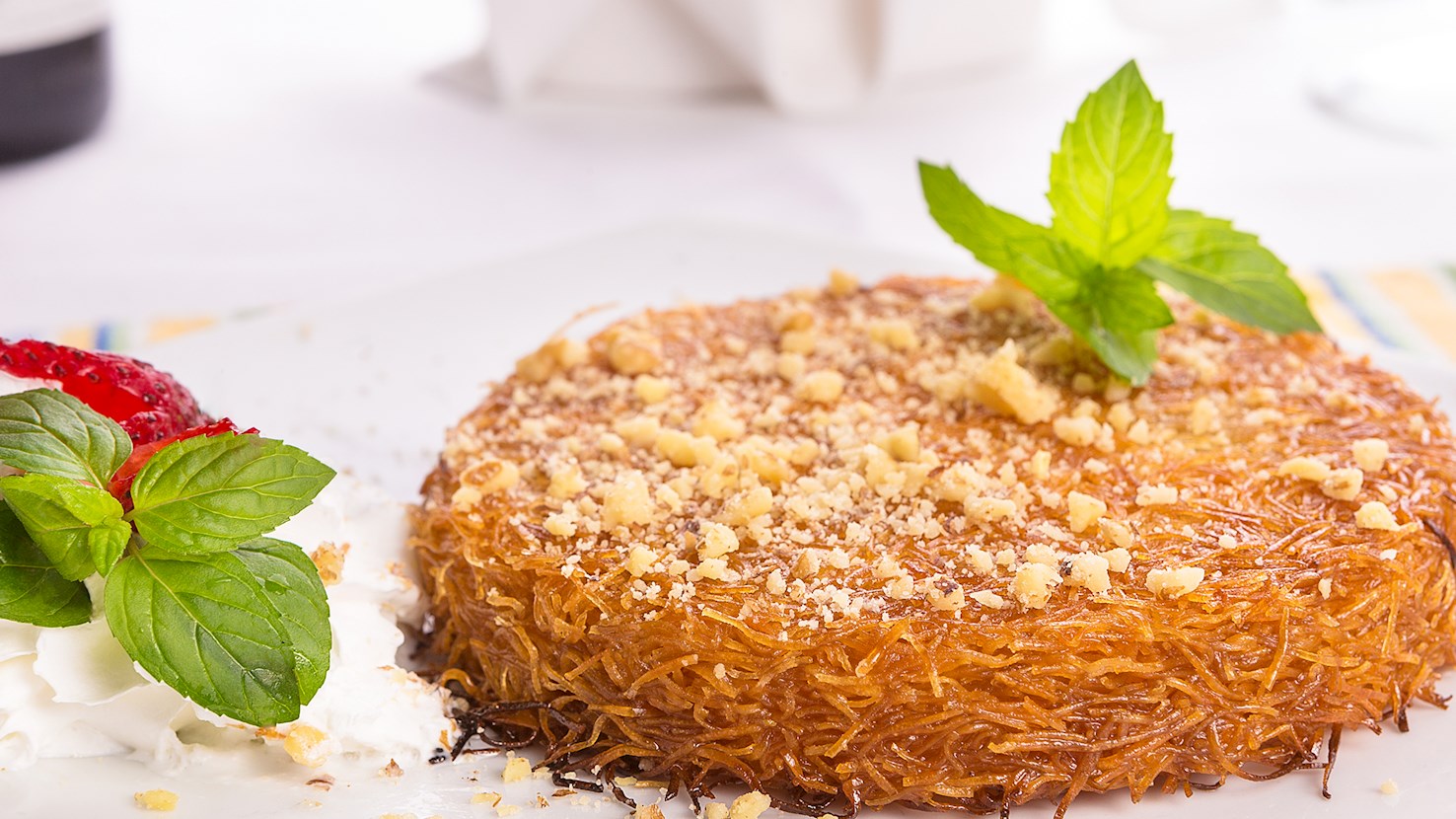
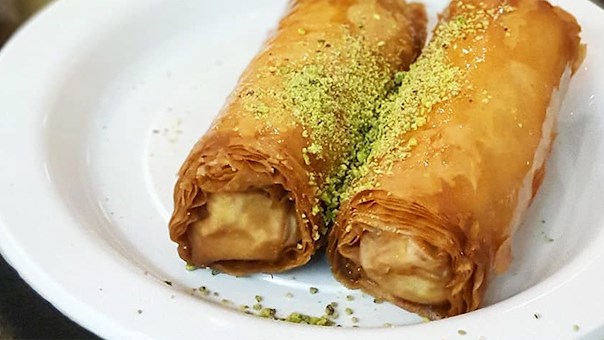
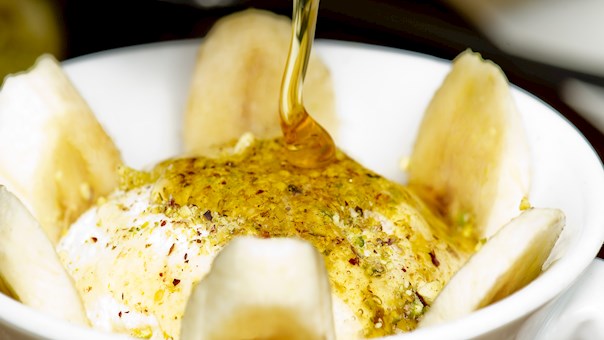
Kunāfah is a syrup-soaked pastry from the Arab world, especially associated with the Levant, made by combining a crisp pastry layer with a soft cheese or cream filling and finishing it with scented sugar syrup, often flavored with orange blossom water or rose water. It is especially prominent in Palestinian, Jordanian, Lebanese, Syrian, and Egyptian cooking, although the name covers several related preparations that differ in texture, filling, and pastry style. One of the best-known forms is kunāfah nābulusiyyah from Nablus in the West Bank, where the filling is based on a mild white brined cheese and the pastry is colored a characteristic orange or golden tone before baking.
References to dishes called kunāfa or related names appear in medieval Arabic culinary writing, but the exact relationship between those early recipes and the modern cheese-filled pastry is not always straightforward, and the form now associated with Nablus developed within the Levantine pastry tradition over time. In modern preparation, the pastry base is usually made from kataifi, very fine shredded phyllo strands, or from a finely ground semolina-like dough depending on the regional style. The pastry is mixed with melted clarified butter or ghee and pressed into a shallow metal pan, after which the filling is spread evenly over it.
For cheese versions, low-salt white cheeses are preferred because heavily salted brined cheese would dominate the dessert; cheeses may be soaked in water beforehand to remove excess salt. In Nablus-style kunāfah, local Nabulsi cheese is the defining ingredient, although akkawi or mixtures of mild melting cheeses are widely used elsewhere. Other versions use thick cream, qashta, custard-like fillings, or nuts instead of cheese. The kunāfah is baked or cooked over heat until the pastry becomes crisp and deeply golden, then inverted so the browned layer sits on top. Warm sugar syrup is poured over the finished pastry, often immediately after cooking, so part of it is absorbed while the exterior remains crisp. Ground pistachios are a common garnish, especially in Levantine versions.
The appeal of the dish depends heavily on contrast: the exterior should be crisp and buttery, the filling soft and warm, and the syrup sweet enough to bind the two without making the pastry completely soggy. Cheese versions also have a mild salty note that keeps the sweetness from becoming flat. The pastry is usually served hot or warm, often cut into squares or wedges directly from a large round tray. Kunāfah is strongly associated with pastry shops and street-side sweet shops throughout the Levant and is also prepared for family gatherings, celebrations, and Ramadan evenings, when syrup-based sweets are especially common after the fast is broken. In Nablus, large trays of kunāfah are closely associated with the city’s culinary identity and are often served fresh throughout the day.
It is generally eaten on its own rather than paired with another dessert, and unsweetened or lightly sweetened Arabic coffee and black tea are the most common beverage partners because their bitterness offsets the rich pastry, cheese, butter, and syrup. In some settings it is also served with strong Turkish-style coffee, while fresh fruit or other acidic foods are rarely necessary because the main balance comes from the salty cheese, aromatic syrup, and crisp pastry itself.
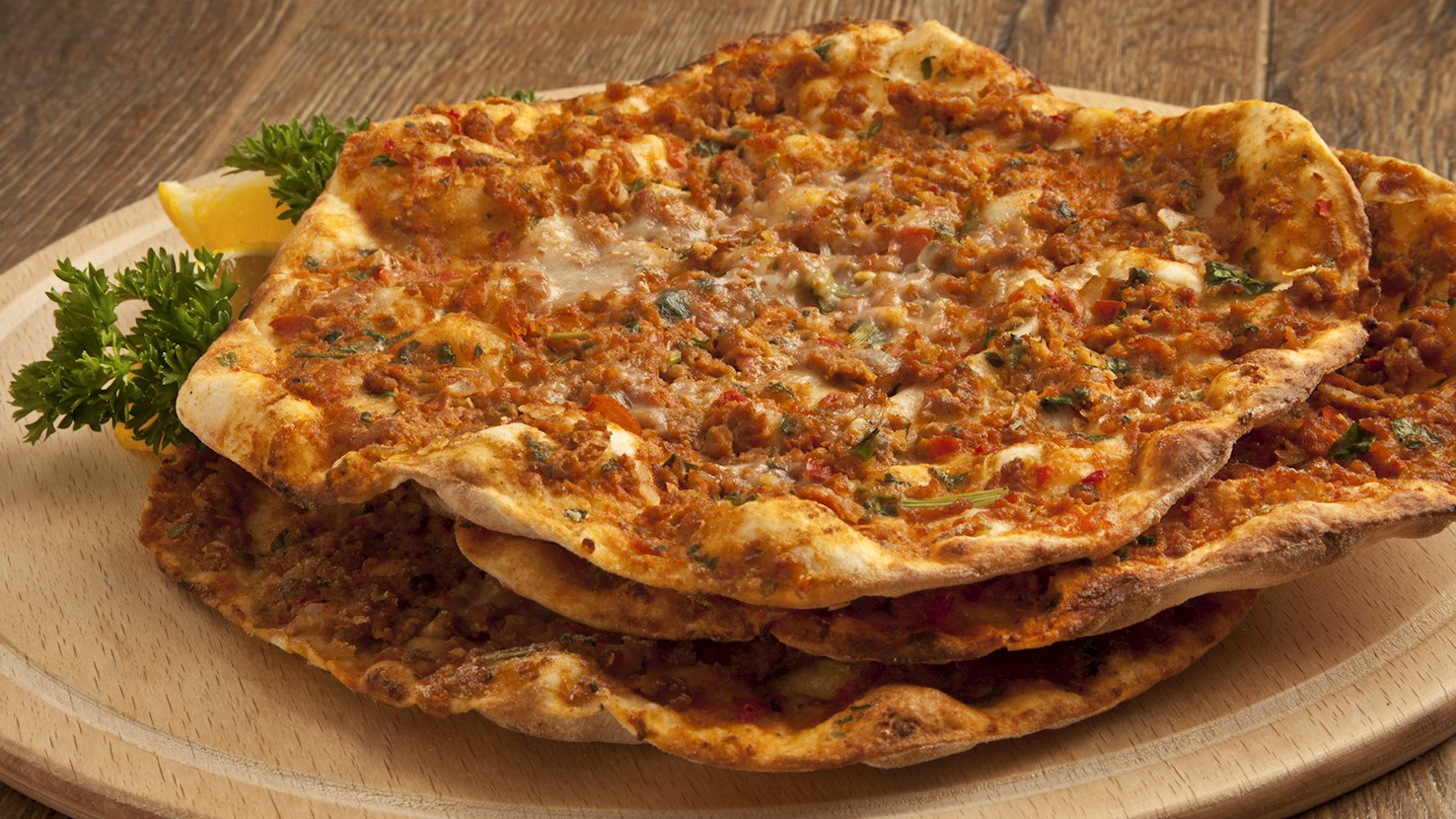
Even though lahmacun is popularly nicknamed Turkish pizza, it's origin is disputed and can be traced to Armenia, Syria, Lebanon, and Turkiye. It can be found at numerous street stalls as well as in virtually any traditional restaurant, but also in kebab eateries where they typically serve mini lahmacuns as appetizers. The perfect lahmacun is made by rolling a ball of sturdy semolina dough into a thin disc which is only lightly spread with meat - either lamb or beef, minced to a paste together with chili, onions, and other seasonings. The dish is then shortly baked in a super-hot (and preferably wood-fired) oven. Lahmacun is best served hot with a drizzle of lemon juice. It is traditionally enjoyed folded around the crispy onions and a parsley salad known as piyaz. It is recommended to pair lahmacun either with the salty, cold yogurt beverage called ayran, or şalgam suyu, the barrel-fermented juice of red carrot pickles, which is salted, spiced, and flavored with the aromatic turnip called çelem.
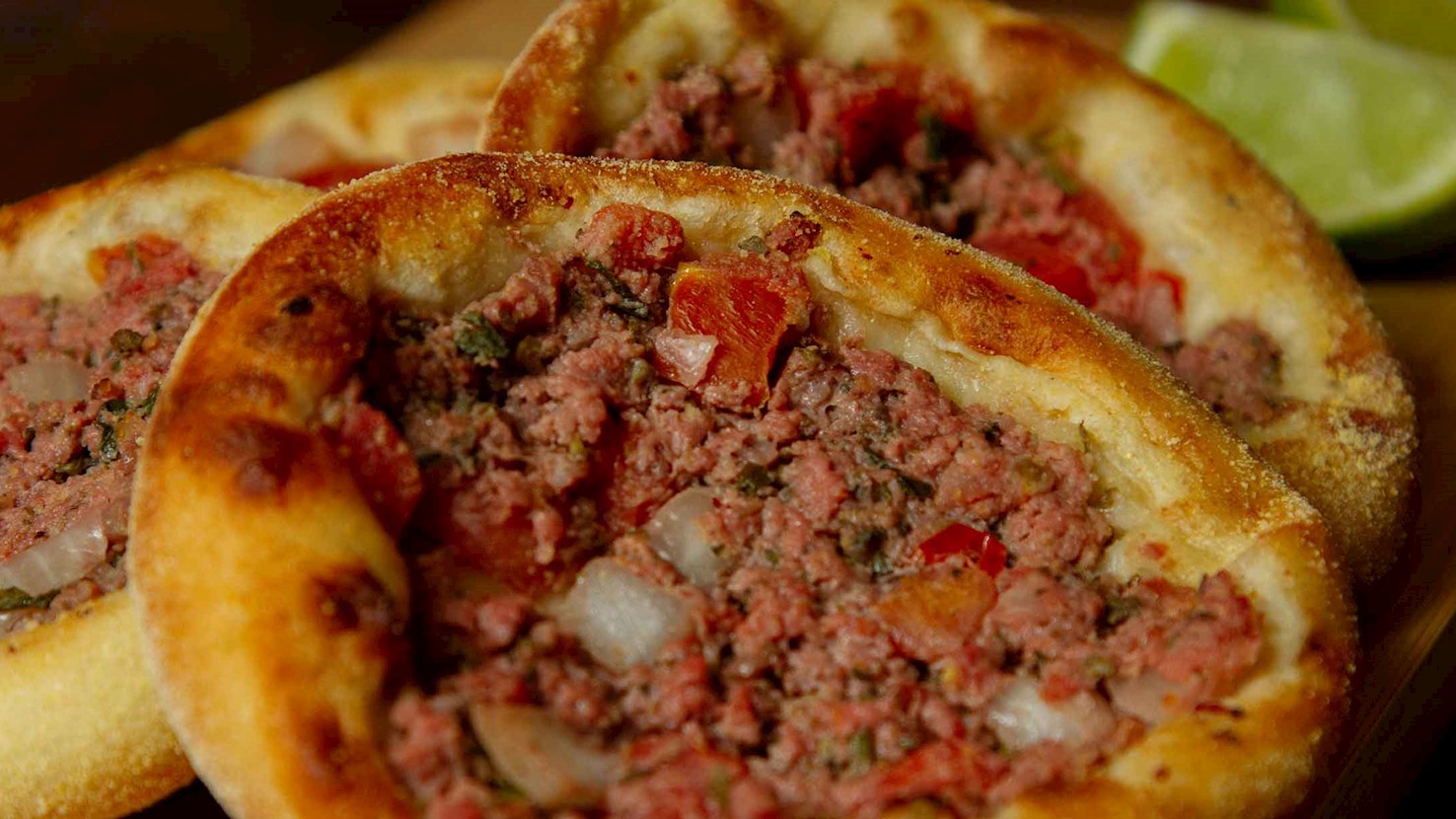
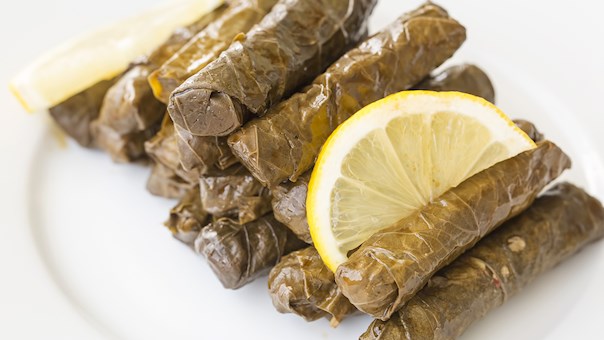
Sfiha, or lahm bil ajĩn (lit. meat on dough) is an Arabic specialty that dates back to the 15th century, when it first appeared in today's Eastern Lebanon. The traditional open-faced meat pie is popular throughout the Arab region, its main ingredients usually including minced lamb (or lamb), chopped onions and tomatoes, spices, olive oil, and yogurt. Originally, the dish was prepared by stuffing ground lamb and spices in brined grape leaves, but it evolved over time. Sfiha is also popular in Brazil and Argentina, where it was brought over by Levantine immigrants. It is usually consumed hot as a snack, accompanied by tahini sauce or a bowl of yogurt, while pomegranate seeds, coriander, or chopped cucumbers are often used as garnishes. In Turkey, sfiha is known as pide.
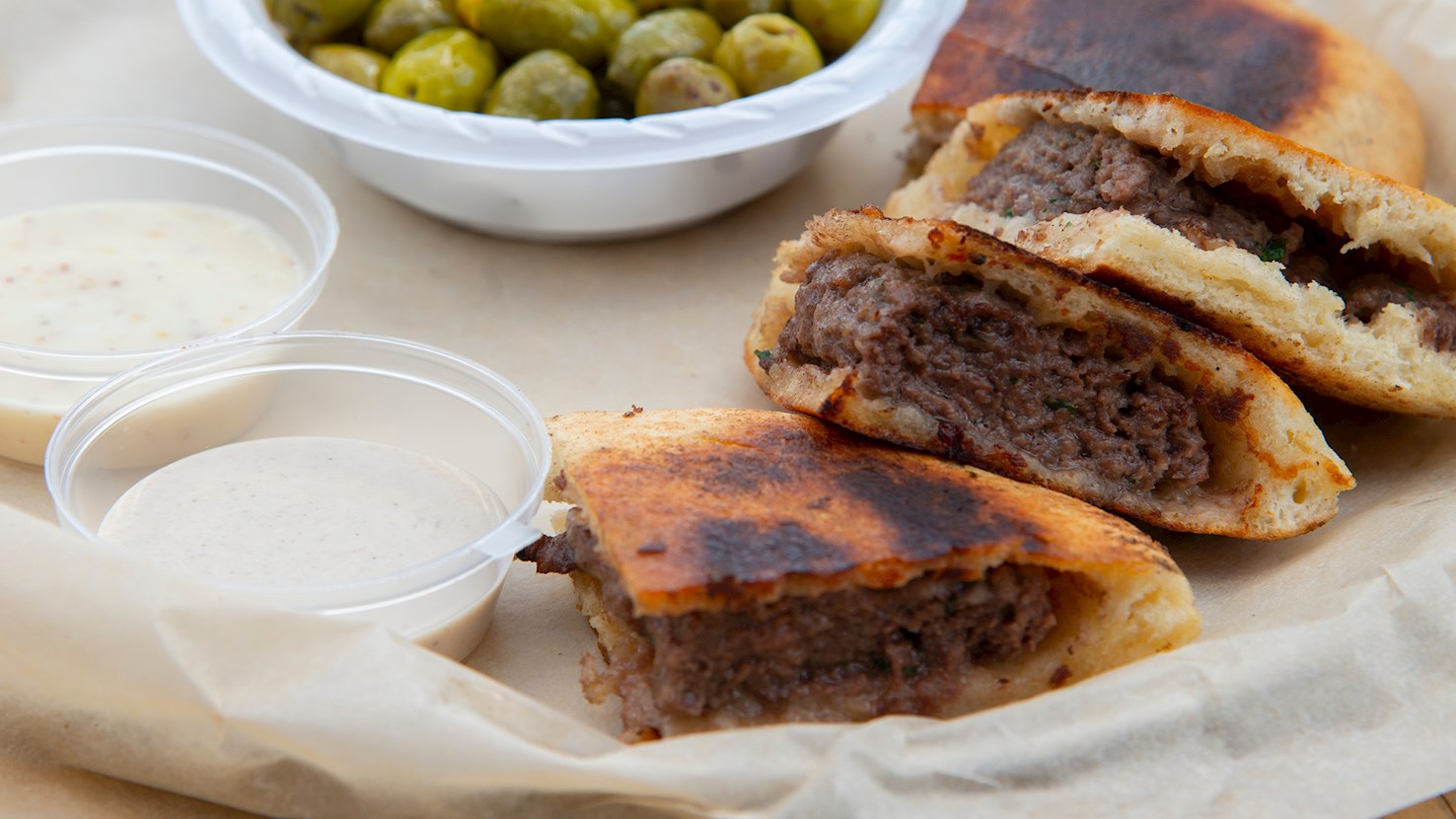
Arayes, translated from Arabic as brides, is a convenient snack consisting of pita bread filled with a mixture of minced meat that is seasoned and enriched with garlic, onions, and tomatoes. The bread is typically cut in quarters and then spread with lamb or beef before it is coated in olive oil and baked, pan-fried, or grilled until crisp. The dish can be served as a snack or a main course, preferably with yogurt and olives on the side. The origin of the arayes is disputed, but the variations are found throughout Middle East, Levant, and some Arabic countries.
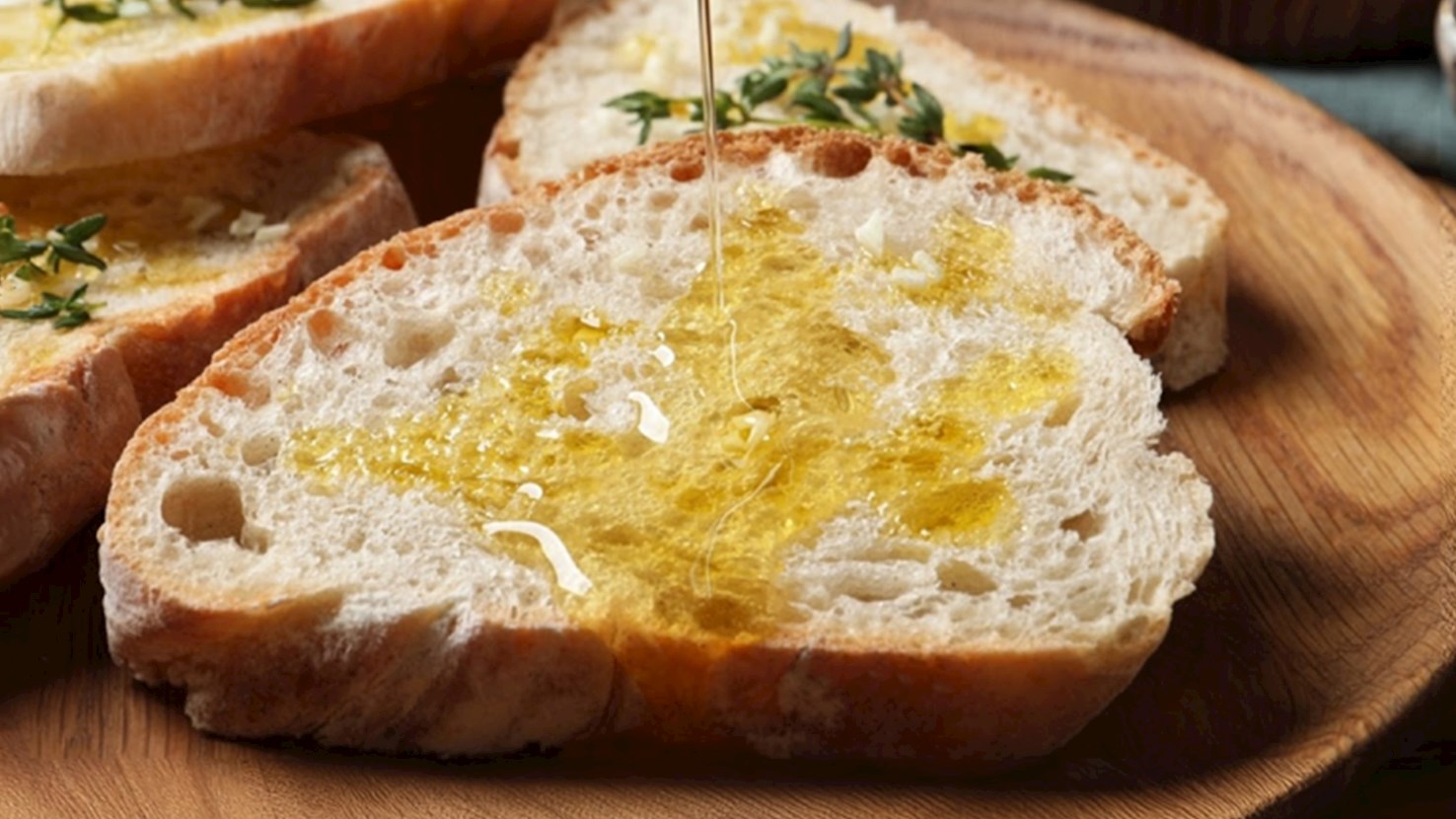
Pane e olio is an Italian phrase meaning bread and oil, referring to a simple yet classic Italian dish that highlights the quality of its basic ingredients: bread and olive oil. Traditional Italian bread such as ciabatta, focaccia, or a rustic country loaf is typically used, while extra virgin olive oil (EVOO) is the oil of choice due to its superior flavor and health benefits. High-quality, cold-pressed olive oil from regions like Tuscany or Puglia is ideal. The bread is usually sliced and may be served fresh or lightly toasted, with toasting enhancing its texture and providing a warm base for the olive oil. The olive oil is typically poured into a small dish or bowl for dipping, though some variations may include a drizzle of olive oil directly on the bread slices. The olive oil can be seasoned with a pinch of sea salt, freshly ground black pepper, or a dash of balsamic vinegar for added flavor, and some might add a sprinkle of dried or fresh herbs such as rosemary, thyme, or oregano. Rubbing a clove of garlic on the toasted bread before adding the olive oil can infuse the dish with a subtle garlic flavor, and additional toppings like sliced tomatoes, olives, or anchovies can be added for more complexity. Pane e olio is often served as an appetizer or a starter in Italian meals but can also be enjoyed as a light snack or part of an antipasto platter. This dish emphasizes the Italian culinary philosophy of using simple, high-quality ingredients to create delicious food and is a common practice in Italian households, showcasing the country's rich tradition of olive oil production and bread-making. But apart from Italy, the same dishes exist in other countries as well, such as Spain's pan con aceite, France's pain et huile d'olive, Lebanese khebez w zeit zaytoun, Turkish ekmek ve zeytinyağı, and many more.
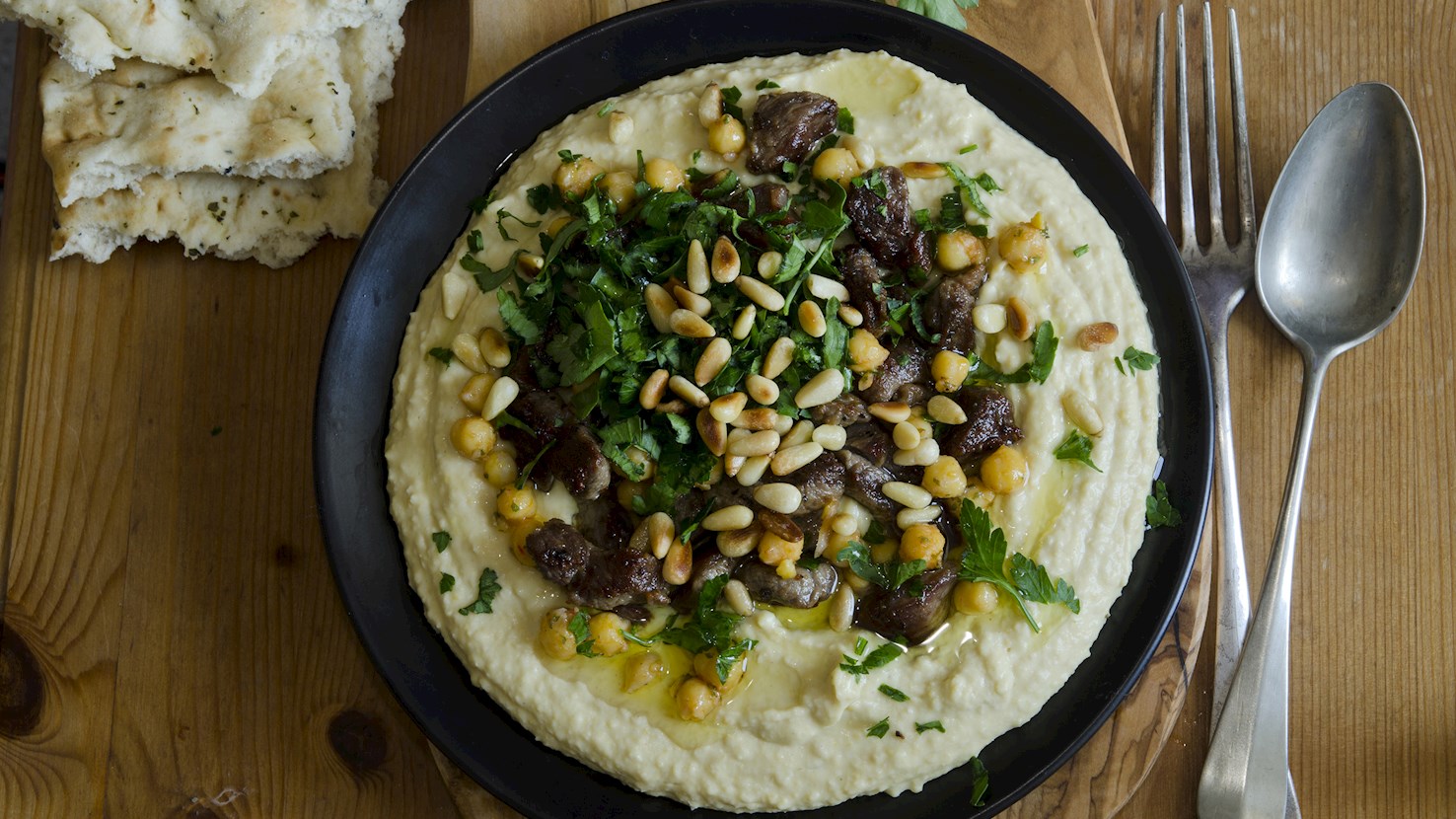
Hummus kawarma is a traditional version of hummus. In order to prepare it, freshly made hummus is topped with fried pieces of lamb. The hummus is made from chickpeas, tahini, lemon juice, crushed garlic, and cold water, while the kawarma consists of chopped lamb, white vinegar, olive oil, and spices such as pepper, allspice, cinnamon, nutmeg, oregano or za’atar, mint, and parsley. Once prepared, hummus kawarma is often garnished with chopped parsley and toasted pine nuts.
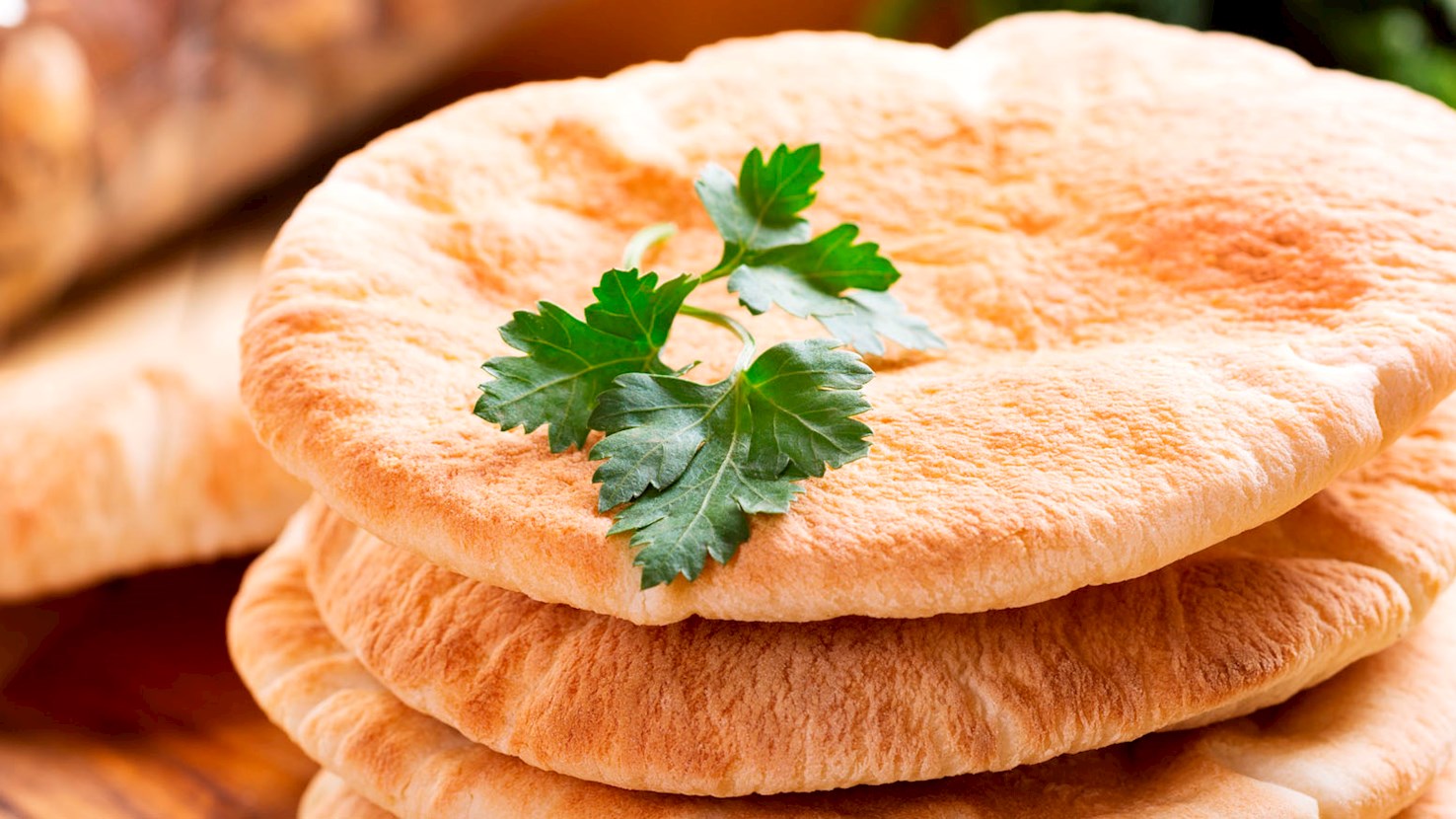
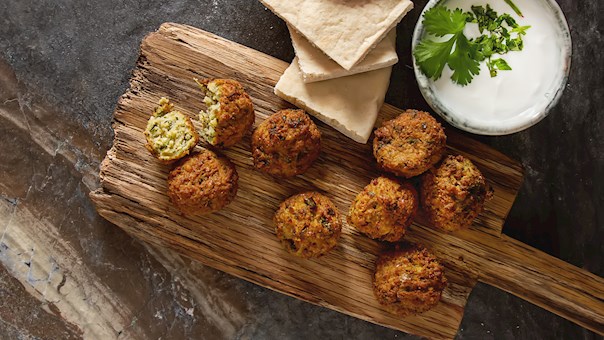
Pita bread is a type of flatbread believed to have originated in the Middle East around 2500 BCE, making it one of the oldest types of bread in the world. Archaeologists have found evidence of flatbreads made by ancient civilizations across the Middle East and Mediterranean, including the Egyptians and Sumerians. The term "pita" is a Greek word, which means "pie" or "bread". This might suggest that the Greeks adopted this form of bread from their Middle Eastern neighbors. The bread is a staple in many Middle Eastern and Mediterranean cuisines today, including those of Greece, Türkiye, Lebanon, and Syria. The simple process of making pita bread, which involves mixing wheat flour, water, yeast, and salt, then baking it at high temperatures, would have been achievable with the tools and resources available to ancient civilizations. The high heat causes the dough to puff up and create a pocket, which is a distinctive feature of pita bread. This pocket makes pita bread versatile for a variety of dishes, as it can be used to scoop up or hold various fillings. Pita is the perfect choice for steaks, lamb, falafel, kebabs, or chicken, and it is traditionally paired with hummus, tzatziki sauce, or tabouleh.
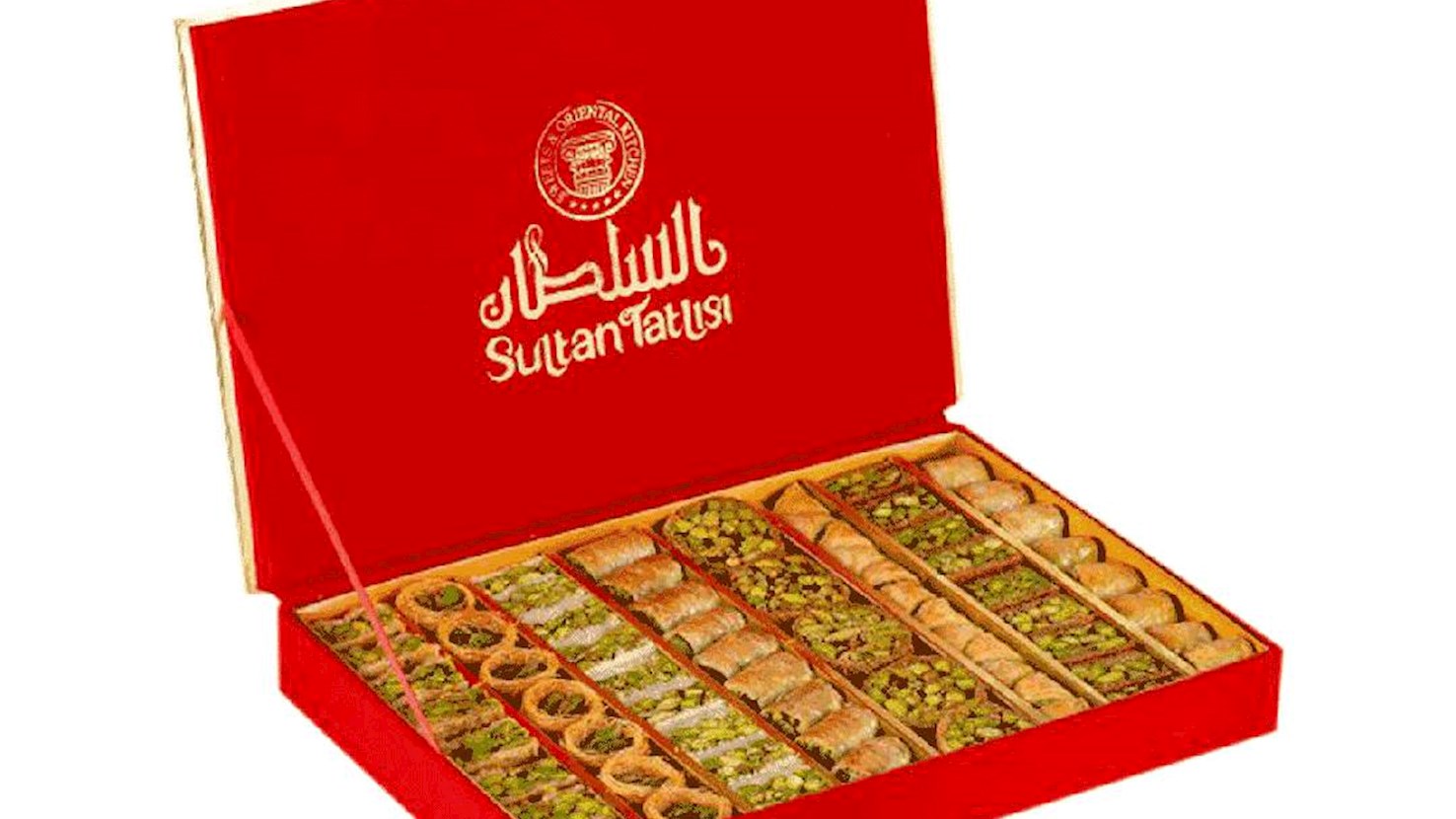
Al Sultan Sweets is a family-owned Lebanese company specializing in the production of a wide range of sweets, including traditional Arabic confections, French pastries, ice cream, chocolate, and various other treats. Founded in 1989 by Mr. Allam Jaber in Nabatieh, Lebanon, with the assistance of his brother, Mr. Hasan Jaber, the company has grown from a small shop into a renowned brand both within Lebanon and internationally.
Over the years, Al Sultan Sweets has expanded its presence, establishing multiple branches across Lebanon and beyond. The company is committed to maintaining high standards of food safety and quality control, ensuring that all products meet stringent hygiene and safety standards from the receipt of raw ingredients through to production.
TasteAtlas food rankings are based on the ratings of the TasteAtlas audience, with a series of mechanisms that recognize real users and that ignore bot,
nationalist or local patriotic ratings, and give additional value to the ratings of users that the system recognizes as knowledgeable.
For the “Top 82 Syrian Foods” list until October 28, 2026, 57,332 ratings were recorded, of which 8,651 were recognized by the system as legitimate.
TasteAtlas Rankings should not be seen as the final global conclusion about food. Their purpose is to promote excellent local foods,
instill pride in traditional dishes, and arouse curiosity about dishes you haven’t tried.
The initial list of top producers was compiled based on available reviews, awards, local recommendations, media and blog coverage, and consumer reviews.
The list will be updated with ratings from TasteAtlas local ambassadors and TasteAtlas users.



What People Say